

Most people picture wildlife rehab as a lab coat, an X-ray machine, and a shelf of blood vials waiting to spit out answers. That’s not where the real decisions get made. The call that saves – or ends – an animal’s life almost always happens in the first thirty seconds, before a single test is ordered, while the animal is still sitting in a towel-lined box on the exam table.
Experienced rehabbers read bodies the way a mechanic reads a strange engine noise. A blink, a breath, a twitch of a tail, and they already know more than most people would learn from an entire panel of labs. Stick with us, because by the time you reach the last item on this list, you’ll understand why a seasoned rehabber can size up an animal’s odds of survival before they’ve even put on gloves.
#22 – How Easily It Let You Catch It
🔥 Would you like to save this?
We'll email this post to you, so you can come back to it later!
The very first “test” a rehabber runs is brutally simple: how hard did this animal fight to stay free? A truly wild, healthy animal does not casually let a human scoop it up in broad daylight. If it does, something is already badly wrong.
If a bird just sits in your hands instead of fighting, that’s a red flag for weakness, shock, or severe illness. A fox that lets you walk right up to it might be hypothermic, hit by a car, or fighting neurologic disease. Rehabbers know that “tameness” in a wild animal is almost never cute – it’s a symptom.
On the flip side, extreme aggression or panic also tells a story. An animal thrashing wildly, biting at the air, or flipping onto its back may be in intense pain or experiencing neurological dysfunction, not “just scared.”
- Too calm = probably very sick or injured
- Too frantic = likely severe pain, panic, or brain involvement
#21 – The Posture: Hunched, Flat, or Ready to Flee
🔥 Would you like to save this?
We'll email this post to you, so you can come back to it later!
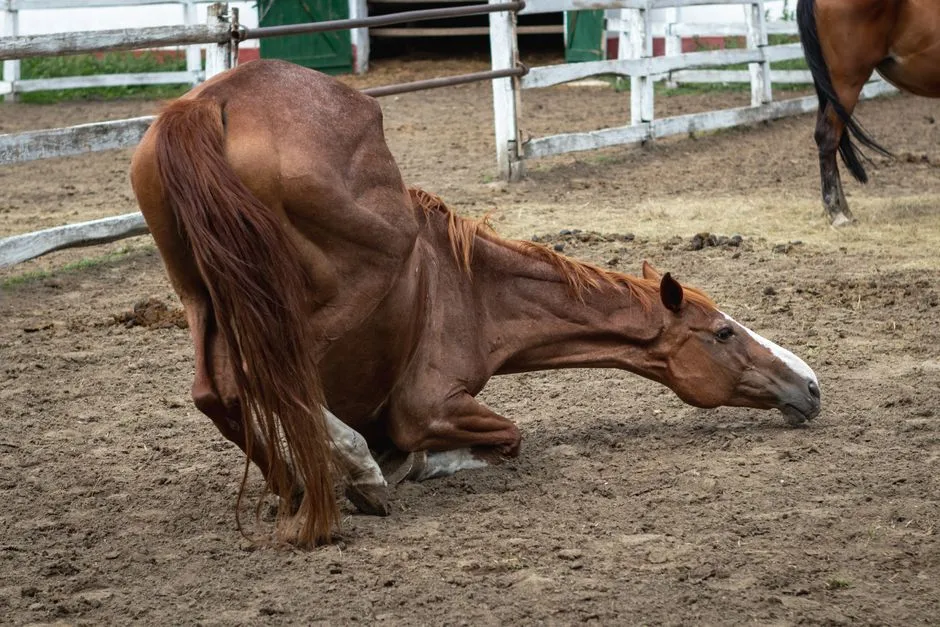
Before a rehabber checks a single wound, they clock posture. The way an animal “holds itself” can scream louder than any lab result ever will.
A hunched, puffed-up bird with its feathers fluffed out is almost never okay. It’s often cold, in pain, or fighting an infection. Mammals that curl tightly, tuck their heads, or sit rounded in a corner are frequently guarding a painful area.
A rabbit sitting “loafed” but alert may just be scared. A rabbit loafed, eyes half-closed, unresponsive to noise? That’s a likely emergency. Rehabbers are trained to read these tiny, species-specific cues instantly:
- A raptor standing low, wings drooped, head down = weakness or trauma
- A squirrel curled with its tail over its body at midday = hypothermia, injury, or shock
- A fawn lying flat but still reactive = normal hiding; totally limp = trouble
Posture is the silent body language of distress, and rehabbers learn to speak it fluently.
#20 – Eye Focus, Blink Rate, and the “Vacant Stare”

🔥 Would you like to save this?
We'll email this post to you, so you can come back to it later!
Wild animals live and die by what they see, so when the eyes look wrong, rehabbers take it deadly seriously. A vacant, unfocused stare is one of the fastest ways to spot an animal that’s slipping.
They’re checking whether the pupils are equal in size, whether the eyes track movement or seem “stuck,” and whether the blink is slow, delayed, or missing entirely. A raptor that won’t lock eyes on movement may have head trauma or central nervous system damage.
A raccoon staring straight through you, barely reacting to sound, could be in late-stage illness – including rabies or distemper – or severe metabolic compromise. Even blink speed matters: a slow, heavy blink in a diurnal animal in bright daylight often points to exhaustion, dehydration, or shock. If a bird keeps one eye closed and one open, rehabbers assume head trauma until proven otherwise.
#19 – Breathing Pattern: Too Fast, Too Slow, Too Loud
🔥 Would you like to save this?
We'll email this post to you, so you can come back to it later!
Before a stethoscope ever touches fur or feathers, rehabbers are counting breaths with their eyes alone. Healthy breathing is smooth, quiet, and barely noticeable. Anything else is a warning sign.
They’re watching for an open mouth in species that normally keep it shut, heaving flanks or ribs, and audible clicks, wheezes, or gurgles. Open-mouth breathing in a songbird is serious. In a raptor, it might signal heat stress or a respiratory infection. A rabbit breathing with visible abdominal effort may be facing heart failure, respiratory disease, or intense pain.
Rehabbers also watch for “see-saw” breathing, where the chest and belly move in opposite directions – a sign of major respiratory compromise. What unsettles people is this: by the time breathing looks obviously bad to a layperson, that animal is often already critical. Rehabbers catch it earlier, in subtle throat movements and the timing between breaths.
#18 – Reading Body Temperature Without a Thermometer
🔥 Would you like to save this?
We'll email this post to you, so you can come back to it later!
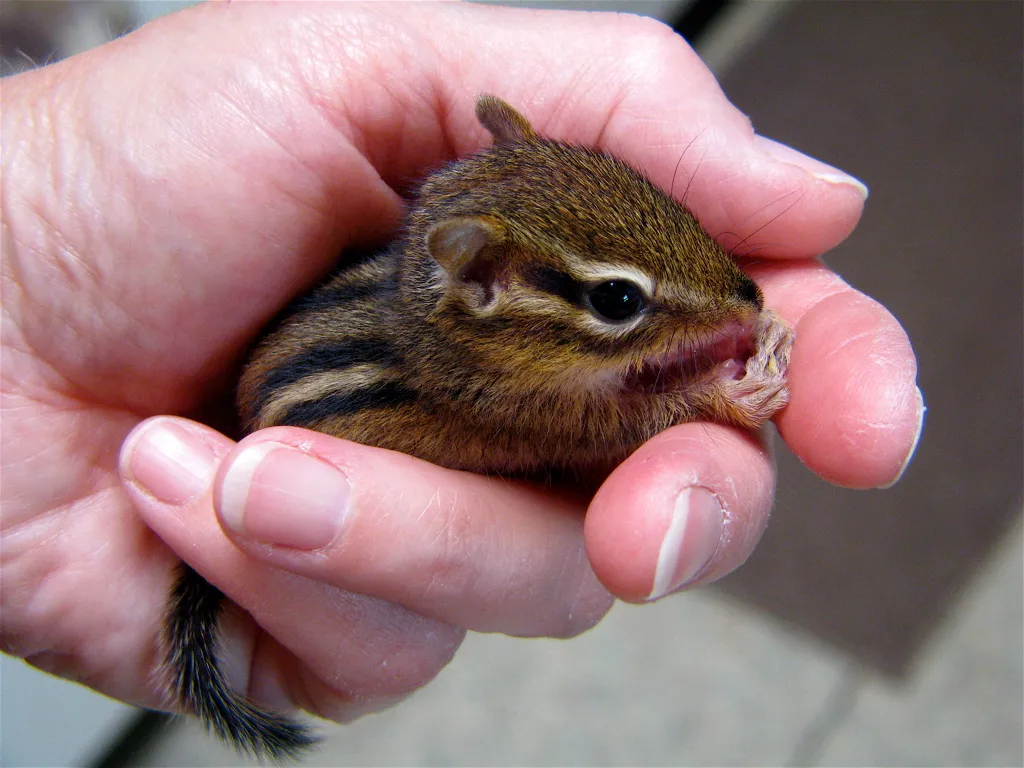
You’d be surprised how much temperature a rehabber can “read” without a single digital device. They’re not guessing – they’re feeling ears, paws, and extremities, and watching for behavior that screams hot or cold stress.
Hypothermia shows up as cold feet, ears, or legs even when the torso feels warm, plus stiffness, slowness, or a drunk-looking wobble. The scariest sign is an animal that doesn’t resist handling at all. Hyperthermia looks different – panting in species that don’t normally pant, wings held away from the body in birds, or a mammal stretched flat on any cool surface it can find.
Rabbits and some birds can literally die from heat stress in minutes if these early cues get missed. Rehabbers adjust immediately with heat pads, warmed fluids, or cooling strategies before any formal temperature reading, because survival often hinges on correcting body temperature fast.
Quick Compare: Hypothermia vs. Hyperthermia
| Sign | Too Cold | Too Hot |
|---|---|---|
| Extremities | Cold ears, feet, legs | Warm, sometimes reddened |
| Behavior | Sluggish, minimal resistance | Panting, wings held away from body |
| Posture | Curled tight, seeking warmth | Stretched flat on any cool surface |
| First Response | Gradual, gentle warming | Gradual cooling, never ice-cold water |
#17 – Hydration Status Written on the Skin, Eyes, and Mouth
🔥 Would you like to save this?
We'll email this post to you, so you can come back to it later!
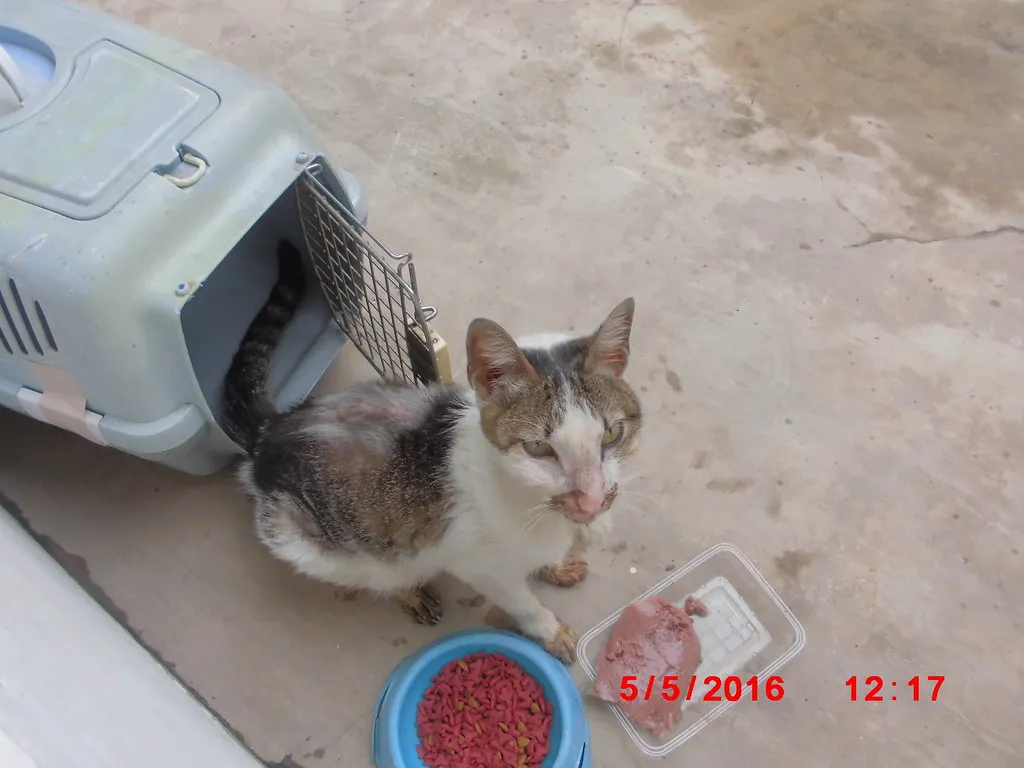
Dehydration doesn’t need a lab to confirm it. Rehabbers check hydration almost automatically, especially in orphaned or injured wildlife, because a dry mouth and sunken eyes are more alarming to them than a visible wound.
They look for tacky or sticky gums, stringy saliva or none at all, sunken and dull eyes instead of full, moist ones, and in some species, skin that “tents” and doesn’t spring back. In tiny animals like nestling birds, dehydration can turn fatal in hours, not days.
Rehabbers know that treating dehydration carefully – not just dumping fluids in – improves survival more than almost anything else they do. A few patterns repeat constantly: hit-by-car victims are usually in shock and dehydrated together, orphaned babies nearly always arrive partly dehydrated, and birds with diarrhea are usually dangerously low on fluids.
#16 – The Way It Holds Its Head and Neck
🔥 Would you like to save this?
We'll email this post to you, so you can come back to it later!
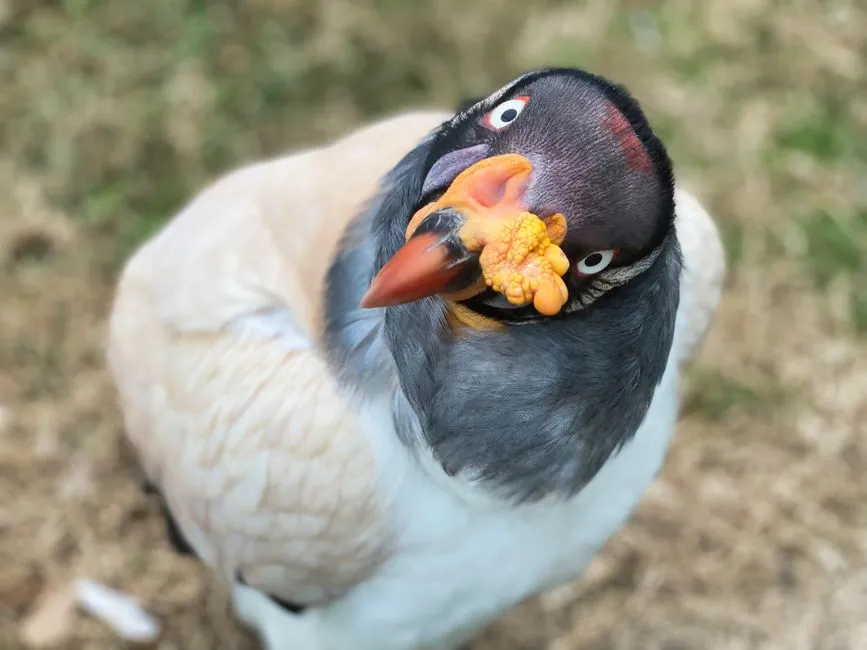
Head position is one of those details non-rehabbers miss entirely. Rehabbers don’t. A tilted, twisted, or constantly bobbing head screams neurological trouble or inner ear disease before anything else does.
They watch for owls with heads tilted sharply to one side or even upside down, waterfowl “stargazing” with their necks arched backward, and songbirds whose heads tremor or bob rhythmically. Sometimes it’s subtle – a slight tilt, a small delay correcting when the animal moves. Combined with a history like “found near a window” or “hit by car,” that’s a strong signal of head trauma.
The neck itself is also a shock indicator. A limp neck in a bird or rabbit is an emergency, and if the animal can’t right its head when moved, rehabbers assume serious neurological compromise until proven otherwise.
#15 – Wing and Limb Position at Rest
🔥 Would you like to save this?
We'll email this post to you, so you can come back to it later!
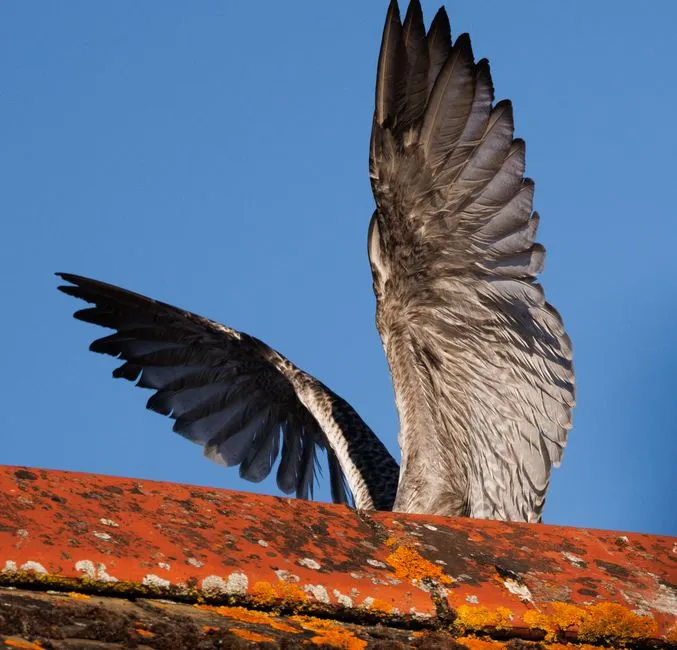
Before they ever test movement, rehabbers simply look at how wings and legs are being held. A dropped wing can be as telling to an experienced rehabber as an X-ray.
- One wing hanging lower than the other, even slightly
- A leg held off the ground or toes curled under
- An animal refusing to bear weight on a limb, even while otherwise alert
In raptors, a subtle droop might mean a coracoid fracture; in songbirds, it could be a shoulder injury or severe bruising. In mammals, a tucked leg might mean joint dislocation or a pelvic fracture. Rehabbers mentally build a list of “likely damage” just from watching how an animal sits.
One important nuance: an animal may still try to use an injured limb out of panic. Rehabbers don’t let that fool them – they pay closer attention to how the limb rests once the animal is as calm as it’s going to get.
#14 – Balance and Coordination: Is the Body “Synced”?
🔥 Would you like to save this?
We'll email this post to you, so you can come back to it later!
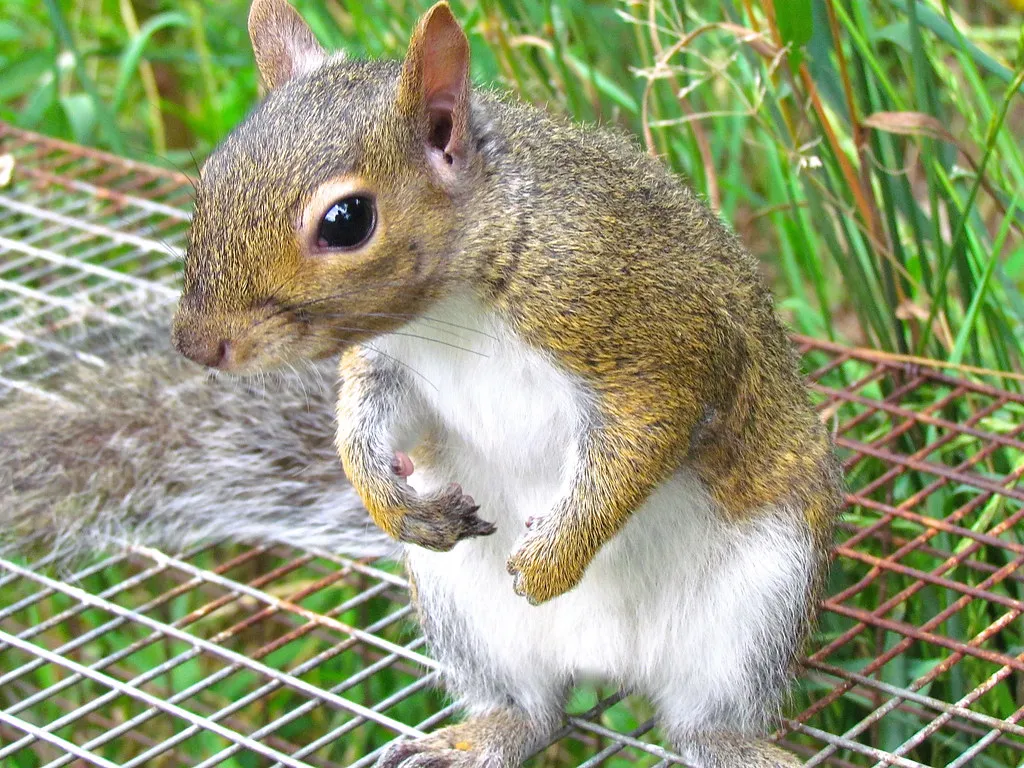
After posture, eyes, and limbs, rehabbers ask the whole-system question: does this animal move like its species should? Clumsy isn’t cute in wildlife – it’s often neurologic.
They’re watching for staggering, circling, or falling over, overshooting when trying to perch or land, and tremors while standing still. A raccoon wandering in circles at noon is a huge red flag for rabies, distemper, or brain injury. A songbird repeatedly missing perches or landing chest-first against walls may have vision problems or trauma.
Rehabbers also look for “delayed correction” – if an animal starts to fall and can’t fix its position in time, something in the brain-spine-neuromuscular system is off. A single stumble might just be stress. Repeated, rhythmic missteps point to something far deeper, and rehabbers can clock the difference within seconds of opening a carrier.
#13 – How It Responds to Sound and Movement
🔥 Would you like to save this?
We'll email this post to you, so you can come back to it later!
Healthy wild animals are hyper-aware. When that awareness is missing, or strangely exaggerated, rehabbers take note long before any lab test is even considered.
They’ll quietly clap, snap fingers, or move something in the animal’s peripheral vision and watch closely. Does it startle appropriately? Does it turn toward the sound, away from it, or not react at all? A barn owl that doesn’t track soft sounds could have head trauma or ear parasites. A songbird that doesn’t flinch at a loud noise may have severe neurologic issues.
On the flip side, an animal that overreacts to every minor sound – repeatedly crashing into cage walls – might be in extreme pain or panic and needs different handling entirely. Normal wild behavior is alert but calculated. Anything far under or over that line tells rehabbers exactly where to look next.
#12 – What Grooming and Coat Condition Reveal
🔥 Would you like to save this?
We'll email this post to you, so you can come back to it later!
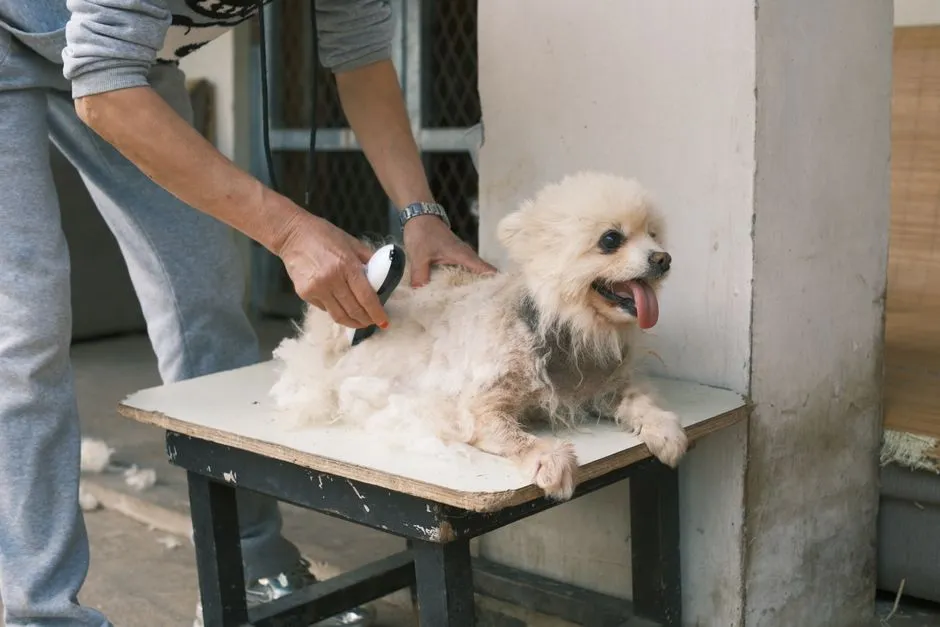
One of the quietest, most reliable signals of health is grooming. A wild animal that has “given up” grooming is usually quite sick, and rehabbers read this like a neon sign.
They check whether fur is matted, greasy, or full of debris, whether feathers are ragged, broken, or clumped with dirt or feces, and whether there are bare patches or signs of parasites. Birds with serious internal disease often stop preening entirely, which disorders their feathers and destroys waterproofing. That matters more than it sounds – a waterbird whose feathers no longer repel water can literally drown or die of hypothermia.
Mammals with unkempt fur are often malnourished or chronically ill. A clean, sleek coat paired with abnormal behavior usually points to something acute; a rough, neglected coat paired with weight loss usually points to chronic disease. This isn’t about cosmetics – it’s about how much energy the animal has left over for basic self-care.
#11 – Body Condition: The Weight Loss Hiding Under Fur or Feathers
🔥 Would you like to save this?
We'll email this post to you, so you can come back to it later!
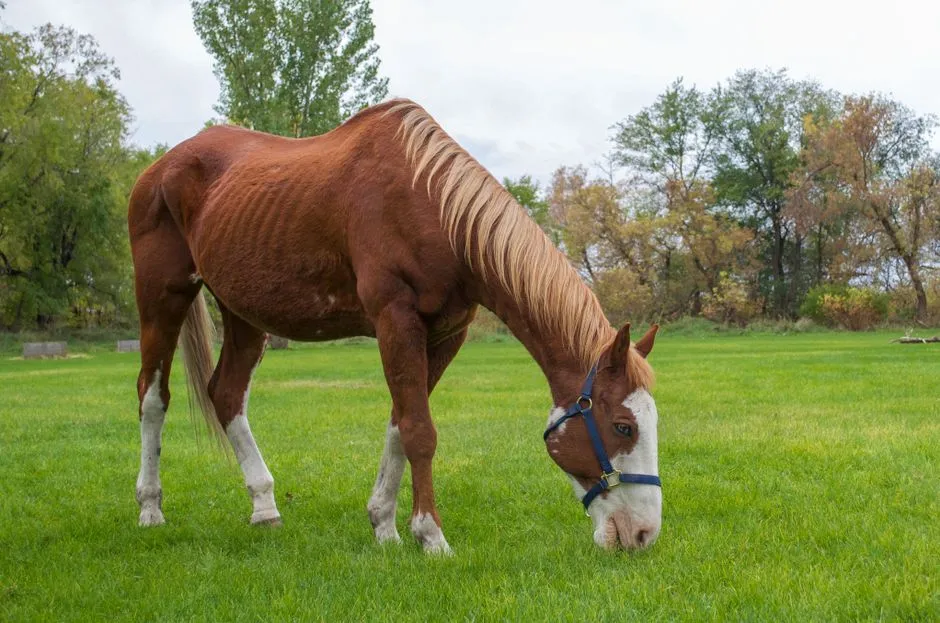
Rehabbers don’t trust a scale alone. They use their hands and eyes to assess body condition score – the real story behind an animal’s weight.
They feel along the spine and ribs to check whether they’re smooth or sharply outlined, check the hips and shoulders for padding versus bare bone, and find species-specific fat pads like the keel bone in birds. A bird might look fluffy and round, but under the feathers its keel can be razor-sharp – classic starvation or chronic illness. Many “fully grown” orphans arrive essentially skeletal, hidden entirely under fur or feathers.
Prominent bones paired with a dull coat usually mean chronic undernutrition or disease. Normal weight paired with sudden collapse usually points to acute trauma, toxins, or infection. This quick hands-on exam shapes feeding plans and urgency levels long before any blood test comes back.
At a Glance: Reading Body Condition
- Sharp, easily visible spine or ribs = likely chronic starvation
- Prominent keel bone in birds = classic sign of muscle wasting
- Padded hips and shoulders = healthier reserve, better prognosis
- Sudden collapse at normal weight = points to trauma or toxins, not starvation
#10 – What the Wound’s Color and Smell Are Really Saying
🔥 Would you like to save this?
We'll email this post to you, so you can come back to it later!
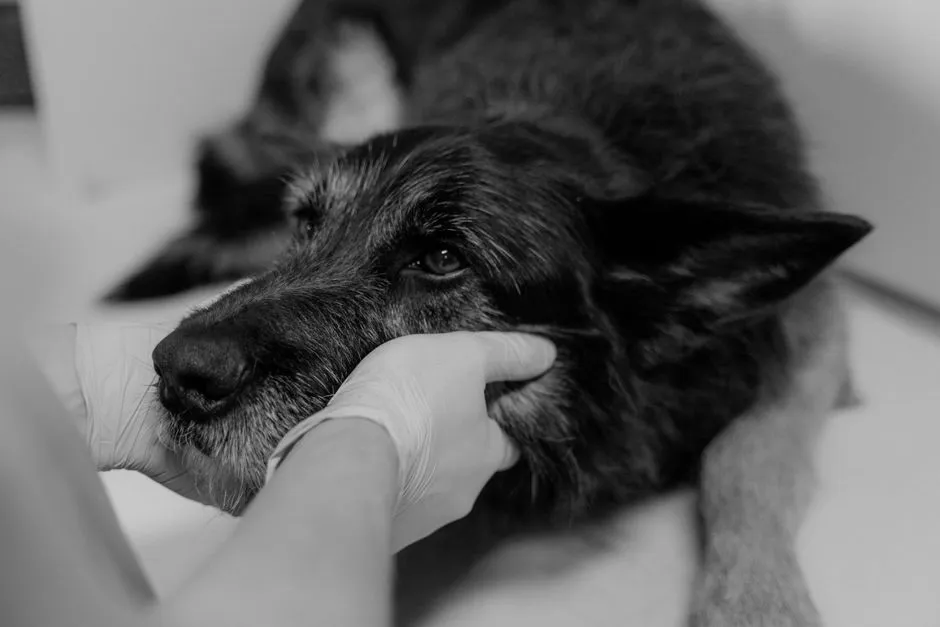
Open wounds are obvious. What rehabbers really read is what the wound is quietly telling them about time, infection, and pain – details a casual glance would miss entirely.
They study the color of the tissue, comparing pink and fresh against gray, green, or black. They check for swelling, heat, and the type and smell of any discharge. A small puncture with a foul, sweet, or rotten odor is often more dangerous than a big, clean cut, and infections can go systemic fast, especially in hot summer conditions.
Flystrike – maggots in a wound – is another huge indicator. It tells rehabbers the injury is at least hours to days old and the animal has been unable to groom itself. What shocks people is that many wild animals with horrific injuries are still trying to run, fly, or hunt. Rehabbers don’t let that toughness fool them; the worse the smell and swelling, the more urgently they move.
#9 – Why Rehabbers Study Feces and Urine So Closely
🔥 Would you like to save this?
We'll email this post to you, so you can come back to it later!
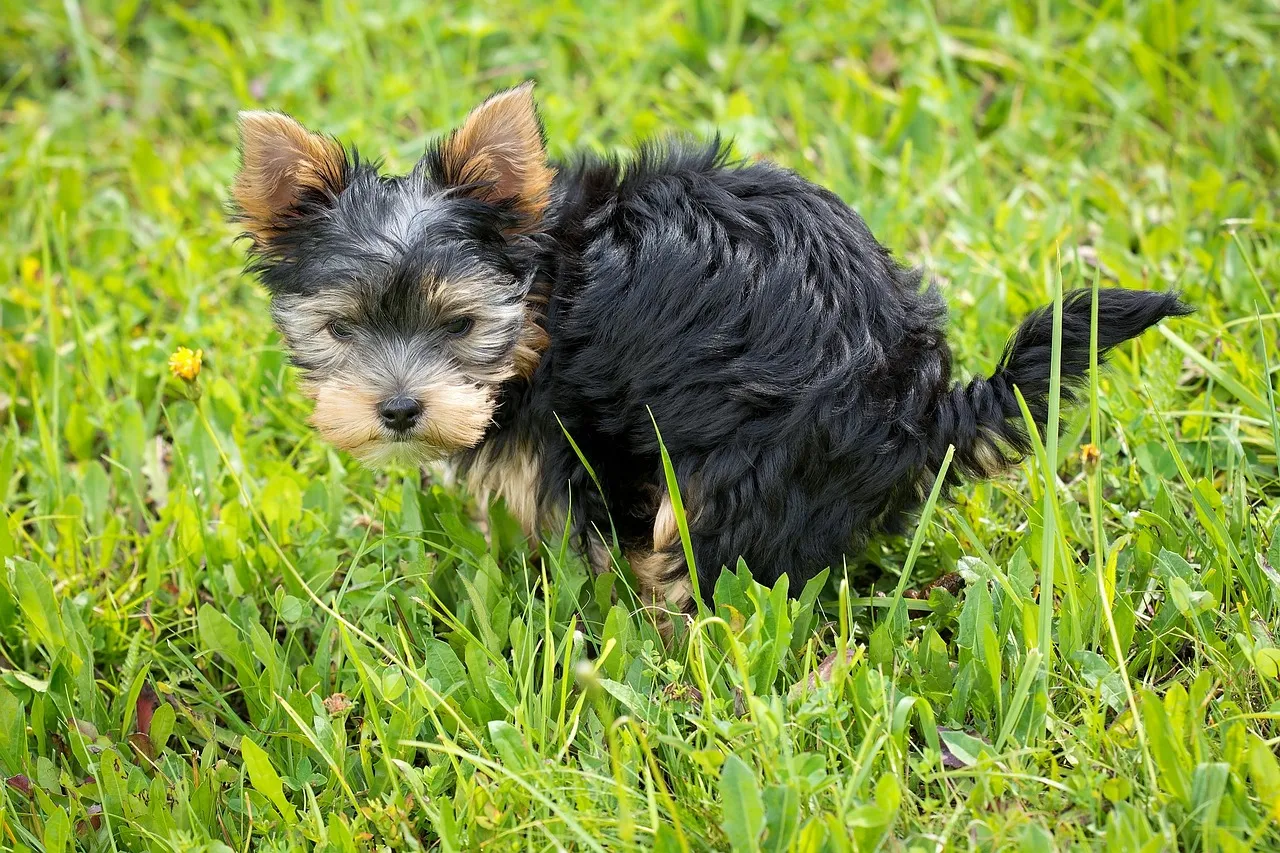
Yes, rehabbers look at poop. Obsessively. Because stool and urine tell the truth about what’s happening inside an animal long before any lab result ever will.
They note color, consistency, and frequency, along with any blood, mucus, parasites, or undigested food. They check whether urine is concentrated, cloudy, or oddly colored. Diarrhea in a baby mammal is an emergency. In waterfowl, green watery droppings can hint at liver issues or starvation, and white, chalky urates in birds give clues about kidney function. No feces at all in a stressed intake can mean severe dehydration, GI stasis, or obstruction.
- Bloody stool = possible trauma, parasites, or severe infection
- Pale, greasy stool = malabsorption or liver trouble
- No output at all = just as worrying as bad output
#8 – Silence vs. Screaming: What Sound Reveals
🔥 Would you like to save this?
We'll email this post to you, so you can come back to it later!
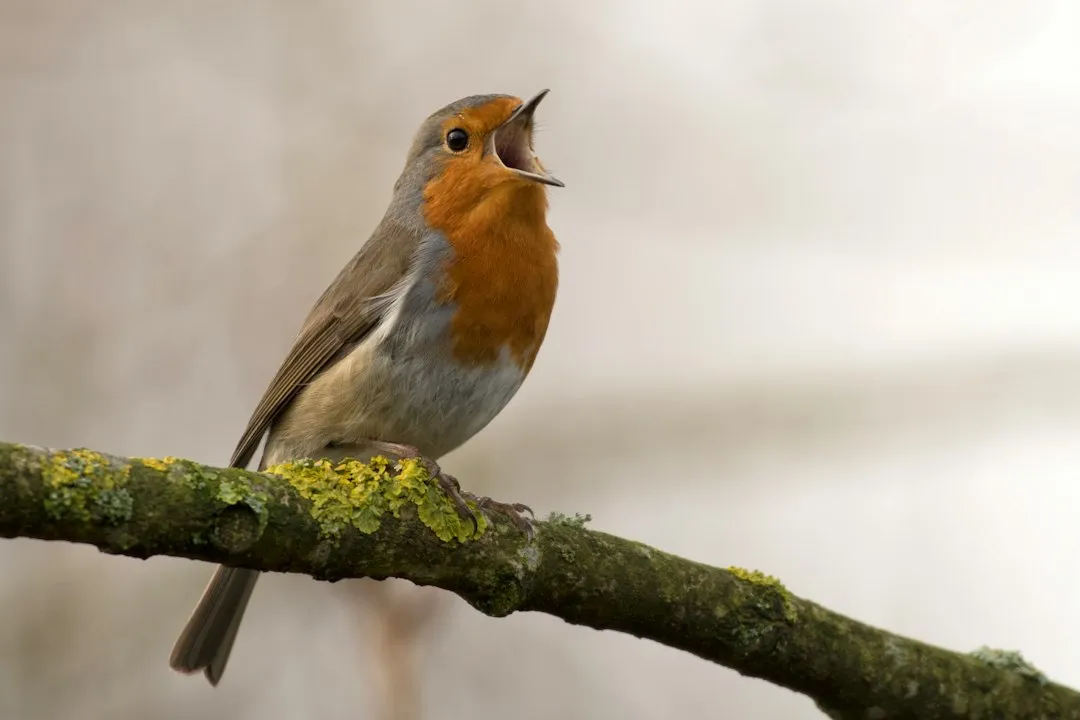
Sound, or the lack of it, says more than most people think. An unusually quiet animal can be just as alarming as one that won’t stop screaming.
Rehabbers listen for species-typical calls versus odd, strained sounds, repetitive distress calls from babies, and sudden silence from an animal that “should” be noisy. A nestling bird that stops begging when approached may be near collapse. A raptor that usually hisses or snaps but lies silently with eyes half closed is deeply compromised.
On the other hand, constant, piercing cries can indicate intense pain, fear, or separation distress in youngsters. Silence in a normally vocal baby is a red alert. Raspy, wheezy, or strained calls suggest potential respiratory involvement. Rehabbers use sound to triage, calm, and plan handling before they even touch the animal.
#7 – Whether the Time of Day Matches the Behavior

🔥 Would you like to save this?
We'll email this post to you, so you can come back to it later!
Timing matters more than people realize. A nocturnal animal wandering aimlessly at noon isn’t “cute” – it’s a clinical clue rehabbers weigh instantly.
They ask whether this species is normally active right now, whether the location and context make sense, and whether the story from the finder matches the time of day. An adult raccoon sunbathing on someone’s deck at midday, swaying and unsteady, might have rabies, distemper, or a neurologic injury. A healthy young owl on the ground at dusk may just be a normal “brancher” learning to fly, but one sitting there at midday panting in full sun is in serious trouble.
Context plus time-of-day is one of the biggest things the public gets wrong. Rehabbers factor it in instantly, which is exactly why they’ll sometimes say “leave it alone” and other times say “bring it in right now” based on timing alone.
#6 – Telling True Calm Apart From Silent Shutdown
🔥 Would you like to save this?
We'll email this post to you, so you can come back to it later!
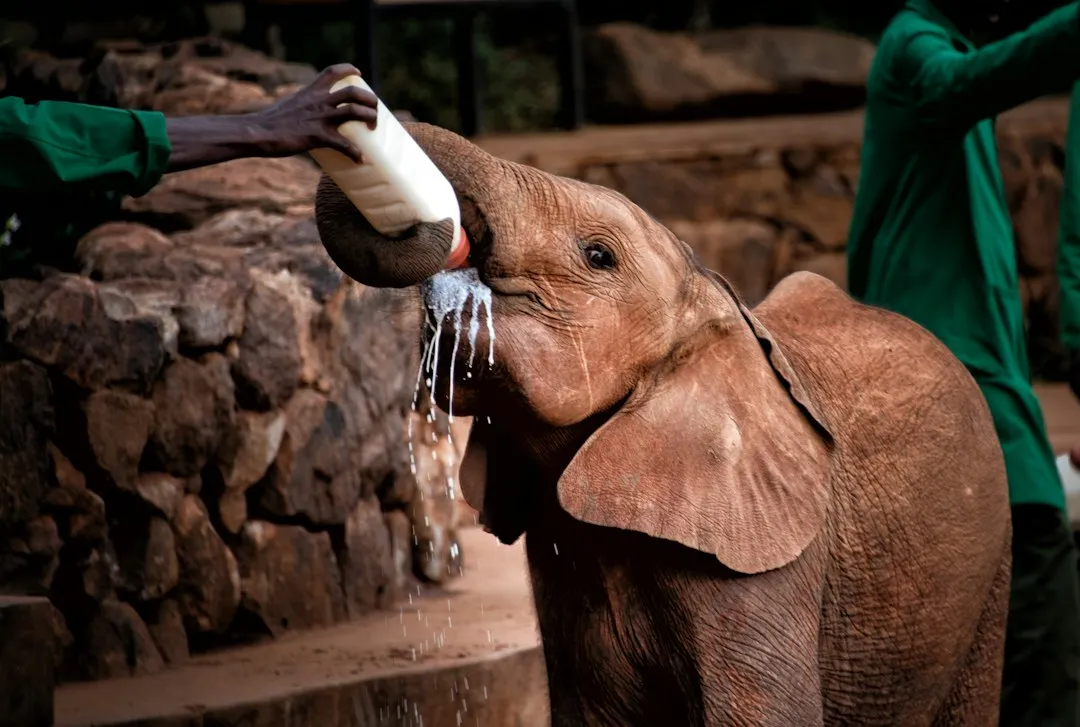
A lot of people think a quiet animal is a calm animal. Rehabbers know better. True calm is rare in newly captured wildlife; shutdown is far more common, and far more dangerous.
Stress signals include rapid, shallow breathing, wide eyes with dilated pupils and a frozen posture, and tiny tremors or muscle twitching. When an animal slips past panic into a limp, unreactive state, that can actually mean life-threatening shock, not relaxation.
The whole point of rehabilitation is to give a wild animal back its wildness – not to keep it alive for our comfort.
Common principle taught in wildlife rehabilitation training
Rehabbers differentiate normal fear – struggling, looking for an escape, breathing fast but strong – from abnormal collapse, where there’s no attempt to flee and muscles go limp with delayed responses. This distinction shapes immediate care, including oxygen, warmth, and fluids, before any machine ever gets switched on.
#5 – Whether a “Baby” Is Actually Acting Its Age

🔥 Would you like to save this?
We'll email this post to you, so you can come back to it later!
With young wildlife, knowing whether a baby is genuinely in trouble or just “being a baby” is everything. Rehabbers mentally cross-check developmental stage against behavior in seconds.
They ask whether a “baby” is actually a fledgling or brancher learning to move around, whether its clumsiness fits its age, and whether its eyes, ears, and mobility match the right stage for its species. A fledgling songbird hopping and fluttering on the ground is often perfectly normal. That same-sized bird sitting fluffed with eyes half closed and barely responding is not. A “rescued” fawn lying quietly alone in tall grass may be perfectly fine; a fawn lying listless and allowing loud handling is not.
Misreading normal developmental behavior is one of the biggest mistakes well-meaning rescuers make. Rehabbers catch the subtle mismatch – too weak, too quiet, too advanced, or too delayed – well before any test confirms it.
Worth Knowing: Normal Baby Behavior vs. Red Flags
- Hopping, fluttering fledgling on the ground = usually normal development
- Fawn lying still and alone in tall grass = normal hiding behavior, not abandonment
- Baby that’s fluffed, eyes half-closed, unresponsive = needs urgent help
- Allowing loud handling without reaction = a serious warning sign, not tameness
#4 – What External Parasites Reveal About Internal Trouble
🔥 Would you like to save this?
We'll email this post to you, so you can come back to it later!
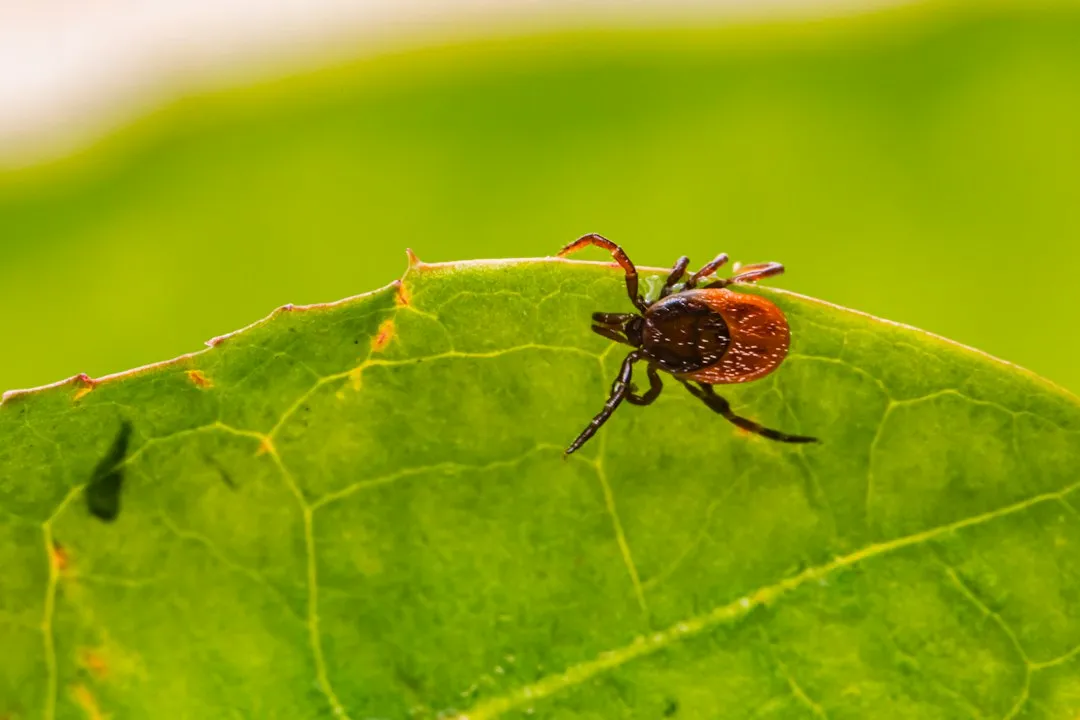
Fleas, ticks, maggots, and mites aren’t just gross – they’re diagnostic clues. Heavy external parasite loads almost always mean something is wrong beyond the surface.
Rehabbers read the number and type of parasites, their location on the body, and the animal’s ability, or complete inability, to groom them off. A heavily tick-covered fawn may have been down for a long time, too weak to move. Flystrike on a rabbit’s rear often points to diarrhea or urinary issues. Birds with thick mite infestations on their legs and beaks can be dealing with chronic immune problems or long-term malnutrition.
Healthy wildlife usually keeps parasites to a manageable level through grooming and normal behavior. When rehabbers see parasites overwhelming an animal, they immediately suspect underlying illness, weakness, or long-term neglect in the wild.
#3 – What the Smell Tells Them Before They Even Touch It
🔥 Would you like to save this?
We'll email this post to you, so you can come back to it later!
It’s not glamorous, but smell is a fast, dirty diagnostic tool, and rehabbers use their noses constantly. Certain odors almost always mean infection, necrosis, or toxin exposure.
They catch sweet, sickly, or rotten odors from wounds signaling deep infection, sour or fermenting smells from the mouth or fur suggesting GI or urinary issues, and chemical or petroleum odors that scream toxin exposure. An oiled bird reeks of hydrocarbons – that one’s obvious. Less obvious is the faint dead-meat smell of hidden internal infection, or the sharp ammonia scent that clings to an animal that’s been immobile in its own waste.
- Rotten or putrid = necrotic tissue, advanced infection
- Chemical or petroleum = external toxin risk plus feather or fur damage
- Strong urine or feces smell on the body = prolonged immobility
It’s crude, but it’s effective – often guiding immediate cleaning, antibiotics, and isolation protocols before a single diagnostic test is run.
#2 – The Gut Feeling That Isn’t Really “Just a Feeling”
🔥 Would you like to save this?
We'll email this post to you, so you can come back to it later!
Ask any experienced rehabber and they’ll admit it: sometimes they “just know” an animal is in big trouble before they can even articulate why. That gut feeling is actually thousands of micro-observations stacking up at once.
Years of seeing similar cases – same species, same season, same posture, same story from the finder – build powerful mental shortcuts. A certain way a goose holds its neck, the combination of drooping wings and labored breathing in hot weather, or a very specific look in a raptor’s eyes after a window strike all become instant pattern recognition. It can feel almost unfairly accurate.
Rehabbers can often guess the likely prognosis, the probable underlying cause, and even which diagnostics will confirm their suspicion. The important part is that responsible rehabbers still confirm everything with real tests. They just use their “gut” to move faster, triage better, and give the animal a head start while the lab work catches up.
#1 – Whether This Animal Still Has a Real Shot at Wild Freedom
🔥 Would you like to save this?
We'll email this post to you, so you can come back to it later!
Here’s the harsh truth outsiders rarely see: the most important thing a rehabber notices is not just “what’s wrong.” It’s whether true recovery to the wild is still possible at all. That judgment starts forming in the very first minutes.
They’re constantly weighing whether the injury or illness is compatible with full wild function, whether a bird will ever fly strongly enough to hunt or migrate, whether a predator can still see, hear, climb, or stalk the way it must to survive, and whether captivity itself will destroy the animal’s quality of life.
Fast Facts: What “Releasable” Really Means
- Full flight strength and stamina required for most birds of prey
- Normal vision and hearing needed for species that hunt or evade predators
- Limb strength and coordination must match wild survival demands
- Quality of life in captivity is weighed as heavily as survival itself
This is where rehab gets genuinely controversial. Many people want every animal “saved,” even if that means a life of confinement or chronic pain. Most rehabbers strongly disagree. Their ethical baseline is wild freedom, not mere survival – if a hawk will never fly again, or a deer can never bear weight on a leg, keeping it alive can be a cruelty disguised as kindness.
This doesn’t mean they give up easily. It means every single observation – posture, eyes, breathing, wounds, behavior – is constantly filtered through one brutal, compassionate question: will this creature ever truly be wild again?
The Bottom Line
🔥 Would you like to save this?
We'll email this post to you, so you can come back to it later!
Wildlife rehab isn’t a cute side hobby. It’s a ruthless, skilled form of emergency medicine practiced with almost no margin for error. Long before any blood panel, X-ray, or ultrasound, rehabbers are making life-and-death calls from body language, breathing, posture, smell, poop, parasites, and a hundred microscopic details most people never even notice.
By the time a layperson thinks “maybe it needs help,” an experienced rehabber has already mentally triaged ten different systems. And here’s the part that tends to surprise people the most: their job was never to make animals “live” at any cost. It’s to give them a real shot at being wild again – which means sometimes saying no to a rescue, saying yes to a hard euthanasia decision, and trusting those brutally honest first impressions over sentiment.
I’ll say it plainly: that’s the correct priority, even when it’s uncomfortable to watch. A life spent suffering in a cage isn’t a rescue, it’s a delay. The rehabbers who draw that hard line aren’t cold – they’re the only ones in the room being honest about what “saving” an animal is actually supposed to mean.

- 14 Wildlife Permits Waived for Americans the Year They Turn 62 - November 5, 2026
- Machu Picchu’s Engineering Feats Were Far Ahead of Its Time - November 5, 2026
- 12 Most Beautiful American Cities To See Before You Die - November 4, 2026