
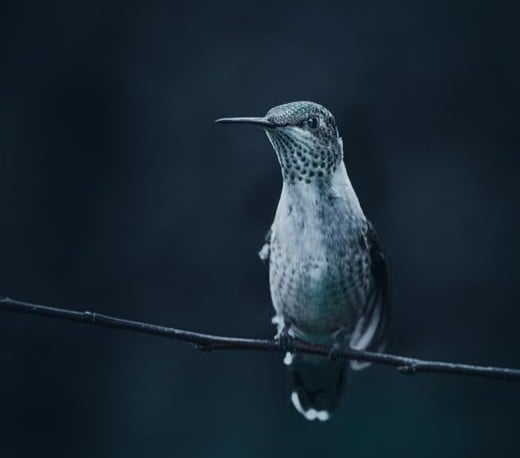
Most people picture a hummingbird’s day starting with a lazy stretch and a sip of nectar. That’s not even close to what actually happens. , a hummingbird is fighting its way back from something that looks a lot like death – a frozen heartbeat, a body cold enough to touch ice, and a race against its own fat reserves before the sun even clears the horizon.
Almost nobody witnesses this hour because it happens in near-total darkness, long before the first feeder refill of the day. Here’s what ornithologists actually say happens, minute by minute, while you’re still asleep.
#1 – The Circadian Alarm Clock Fires With No Outside Cue
🔥 Would you like to save this?
We'll email this post to you, so you can come back to it later!
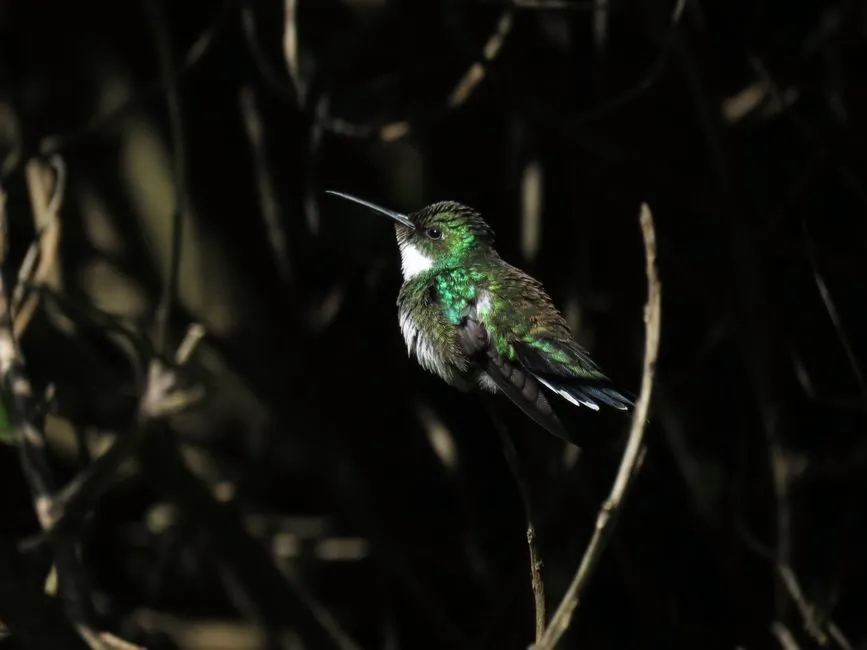
There’s no sunrise glow, no birdsong, no temperature spike to warn a hummingbird it’s time to wake up. Its body simply knows.
Hummingbirds reliably awaken from torpor one or two hours before dawn without any discernible cues from the environment, which means the bird’s internal circadian clock triggers arousal. This is a purely internal timer, running independent of light, sound, or weather. The bird is essentially setting its own alarm clock every single night, with zero input from the outside world.
Researchers have confirmed this pattern across multiple species, and it raises a genuinely strange question: how does a brain that’s been running at a fraction of its normal activity all night still track time accurately enough to wake the body on schedule? Scientists still don’t fully understand the mechanism. But that’s nothing compared to what’s happening in #2…
#2 – Deep Torpor Finally Breaks
🔥 Would you like to save this?
We'll email this post to you, so you can come back to it later!
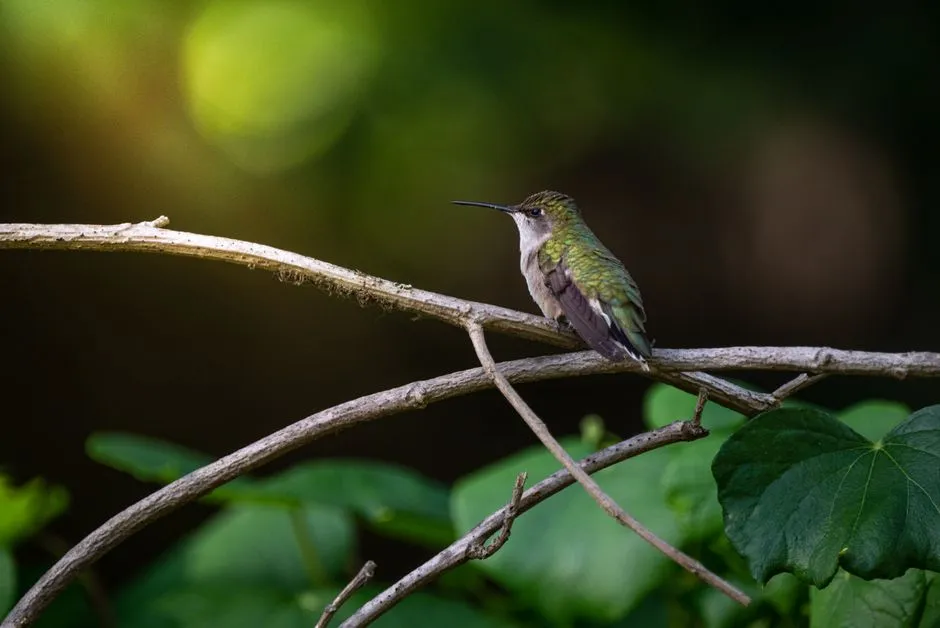
For the previous eight to fourteen hours, the hummingbird hasn’t just been sleeping – it’s been in a state that mimics hibernation.
The bird’s normal cruising body temperature of 105–108°F (40–42°C) may plummet to as low as 48–57°F (8–14°C), effectively matching the ambient air temperature, and this dramatic drop allows the bird to reduce its metabolism by as much as 95%. That’s not a nap. That’s near-total physiological shutdown, and it’s happening in a bird small enough to sit in a teaspoon.
This deep torpor reflects a trade-off between an average of 60% energy savings relative to basal metabolic rates and potential costs such as susceptibility to predation, inability to rewarm, immune suppression, and sleep deprivation. In this final hour before dawn, that trade-off is about to reverse – the bird has to pay back every ounce of energy it saved overnight.
Fast Facts
- Body temp drop: from 105–108°F down to just 48–57°F overnight
- Metabolism cut by as much as 95% during deep torpor
- Torpor typically lasts 8 to 14 hours per night
- Energy savings average around 60% compared to normal resting rates
#3 – The Heart Restarts From Almost a Standstill
🔥 Would you like to save this?
We'll email this post to you, so you can come back to it later!
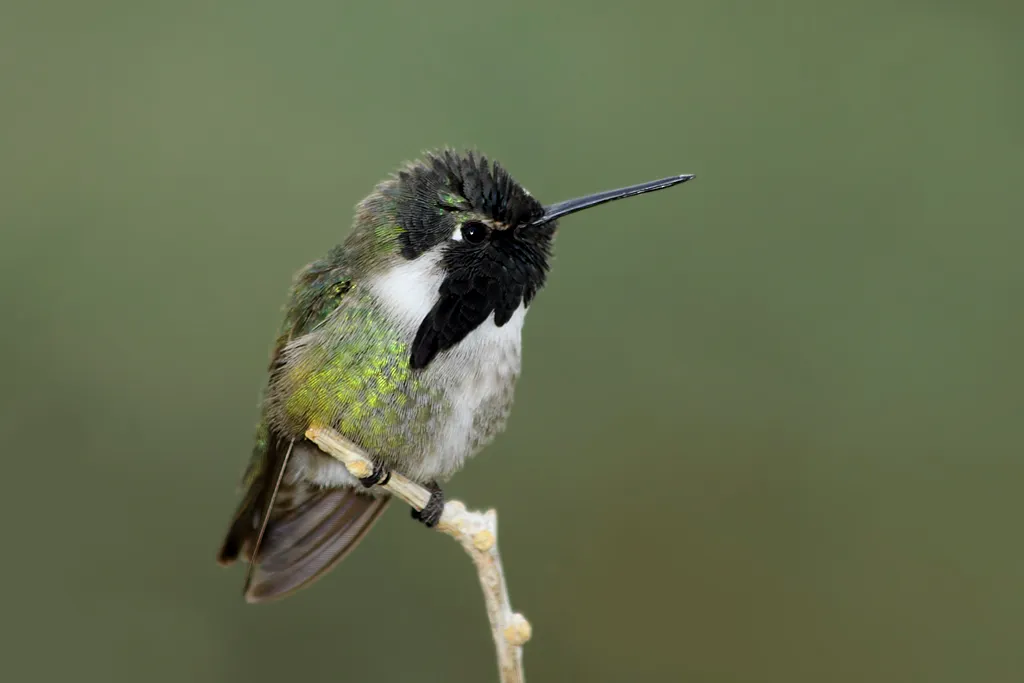
A resting hummingbird heart during the day can beat over 1,000 times a minute. During torpor, it’s a different story entirely.
During torpor, a hummingbird’s heart rate can drop all the way down to 50 beats per minute, and its metabolism slows by up to 95%. In the hour before first light, that number has to climb back up dramatically, and fast, or the bird won’t have enough circulation to warm its flight muscles in time for sunrise foraging.
This restart isn’t gradual and gentle – it’s abrupt and demanding. Hummingbirds have some of the highest mass-specific metabolism of any bird, and researchers note that at night the supply-demand equation gets uneven since birds have relatively high metabolic rates but can’t eat at all, which is exactly why torpor exists to balance that equation out. The heart restart is the first domino in an entire cascade that has to happen correctly, in order, or the bird risks not waking up at all.
#4 – Shivering Muscles Ignite the Body’s Furnace
🔥 Would you like to save this?
We'll email this post to you, so you can come back to it later!
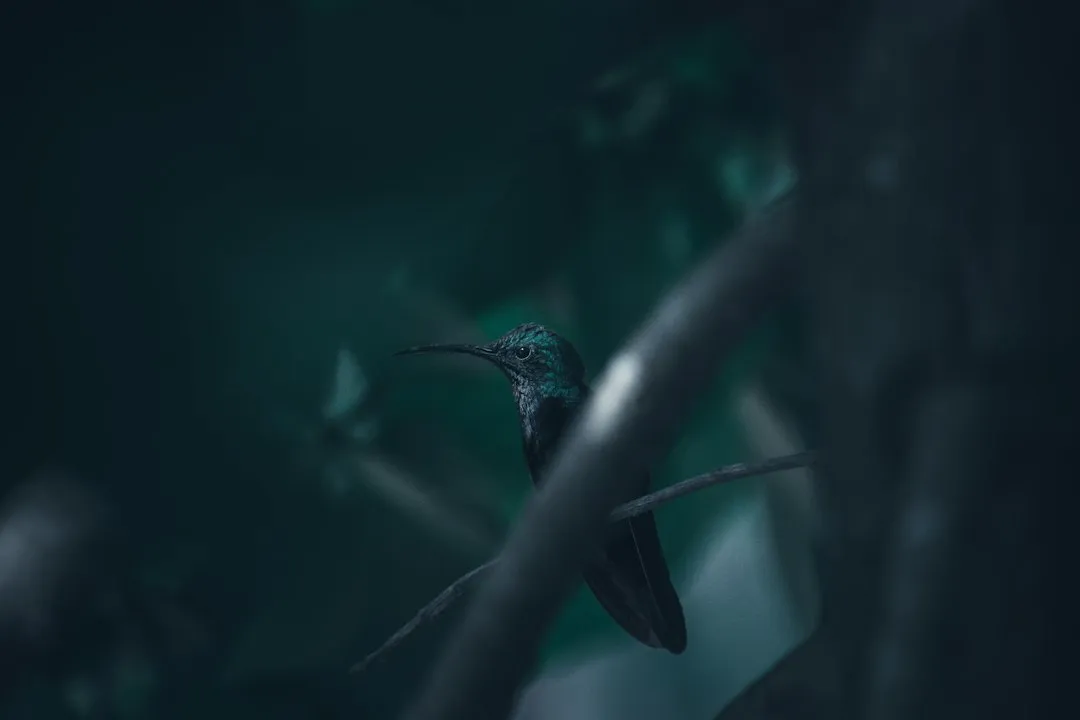
There’s no external heat source available at 5 a.m. in the wild, so the hummingbird has to generate its own warmth from scratch.
Heat generated by vibrating muscles, or shivering, warms the blood supply, and shivering is sufficient to warm the hummingbird’s body by several degrees each minute, allowing the bird to awaken with enough energy reserves to see it through to its first feeding bouts of the morning. This isn’t the light trembling you’d associate with being cold – it’s a full-body, muscle-burning effort.
Shivering enables them to regain body heat by a few degrees each minute. The bird is essentially running an internal engine on fumes, converting stored fat into heat before it has eaten a single calorie that day. This shivering phase is loud enough, in fact, that observers sometimes catch it if they’re close enough at dawn.
#5 – Feathers Flatten as the Puffy Ball Disappears
🔥 Would you like to save this?
We'll email this post to you, so you can come back to it later!
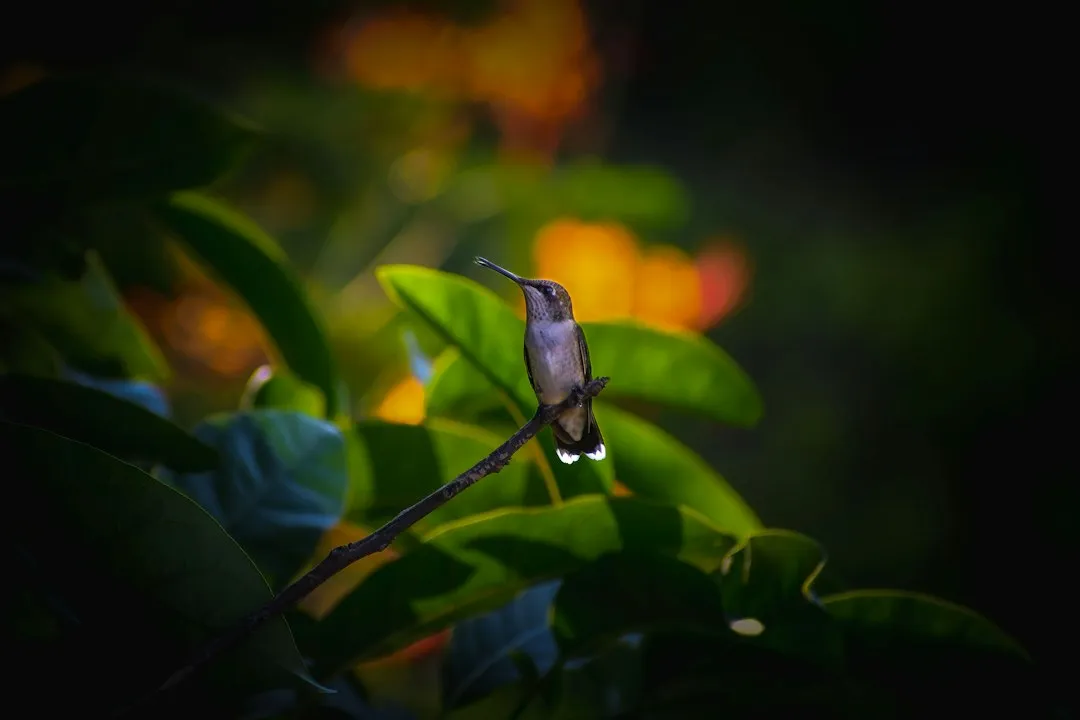
Anyone who’s seen a torpid hummingbird at dawn has likely noticed it looks nothing like the sleek, streamlined bird buzzing around feeders by midmorning.
You can see puffiness change – their feathers are very flat in the evening, and as it gets colder, they start shivering and puffing up until they’re just puffy balls, and then they warm up and come back to not being puffy. This puffing behavior traps air near the skin for insulation, the same principle at work when any bird fluffs up in cold weather.
As body temperature rises through this final pre-dawn hour, that puffiness recedes. The transformation from a round, insulated ball of feathers back into an aerodynamic flying machine happens almost entirely within this single hour, and it’s driven purely by the internal warming process already underway. Feather position, in other words, is a visible readout of what’s happening invisibly inside the bird’s core.
#6 – Body Temperature Climbs Degree by Degree
🔥 Would you like to save this?
We'll email this post to you, so you can come back to it later!
This is the slow, grinding middle section of the wake-up process, and it’s far more gradual than most people assume.
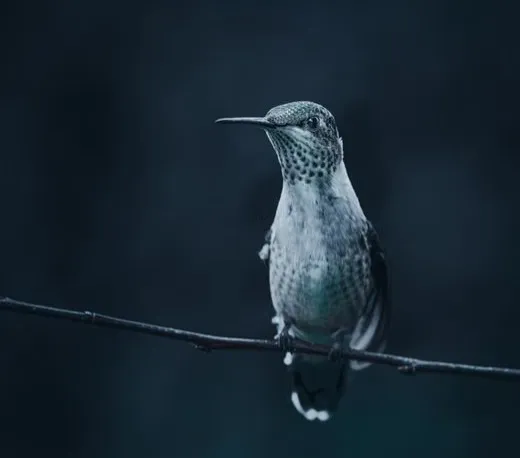
The normal daytime body temperature of hummingbirds is about 100-104°F (38-40°C), and reaching that number from a torpid low near 50°F doesn’t happen instantly. Arousal from torpor requires the hummingbird to shiver violently using stored fat energy, raising its body temperature back to normal cruising levels within 20 to 60 minutes.
That window – 20 to 60 minutes – essentially is the “hour before first light” in miniature. The bird is quite literally thawing itself out from the inside, burning fat reserves it can’t replace until it finds its first flower or feeder. Scientists studying this transition track it using thermal imaging, watching surface temperature spread outward from the bird’s core toward its extremities as the minutes pass.
At a Glance
- Torpid low point: as cold as 48–57°F
- Full rewarming window: 20 to 60 minutes
- Restored daytime cruising temp: 100–104°F
- Warming happens core-first, extremities last
#7 – Wing Muscles Begin a Silent Test-Buzz
🔥 Would you like to save this?
We'll email this post to you, so you can come back to it later!
Long before a hummingbird actually launches into flight, its flight muscles start twitching – a kind of pre-ignition check.
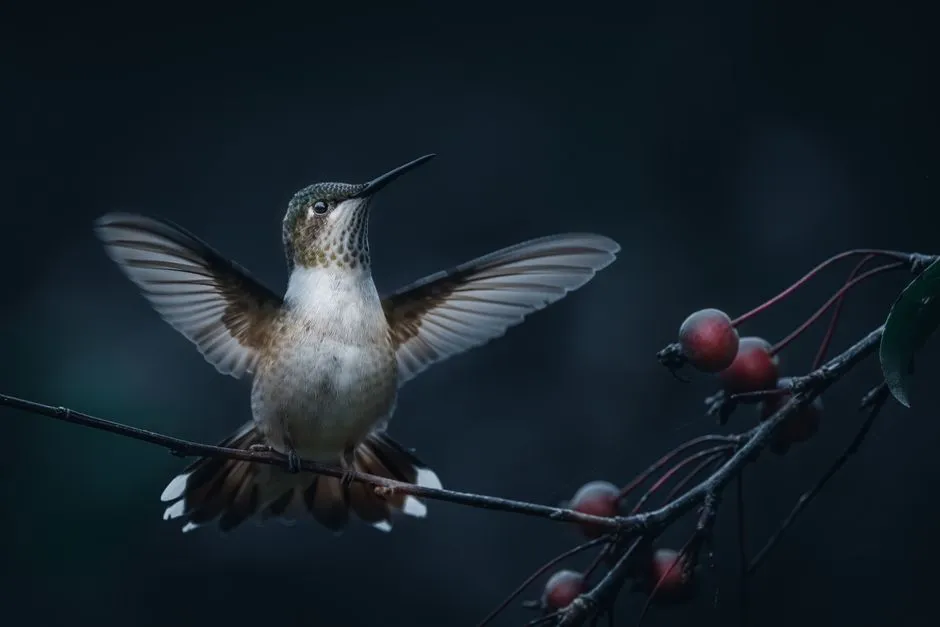
A couple of hours before dawn, with no apparent stimulus except its innate circadian rhythm, a hummingbird will begin to arise, respiratory and heart rates increase, the bird vibrates its wing muscles, shivers, and after 20 minutes to an hour or so the bird is ready to begin feeding. That wing-muscle vibration isn’t decorative – it’s functional, generating heat exactly where the bird will need it most in a few minutes.
This makes sense biomechanically: wingbeats hold steady at about 50 times per second during flight, letting hummingbirds reach speeds around 90 feet per second. A muscle system capable of that kind of output can’t just switch on cold – it needs a warm-up period, and this pre-dawn hour is exactly that. Skipping this step would risk cramping or failure mid-flight.
#8 – The Brain Reboots Before the Body Does
🔥 Would you like to save this?
We'll email this post to you, so you can come back to it later!
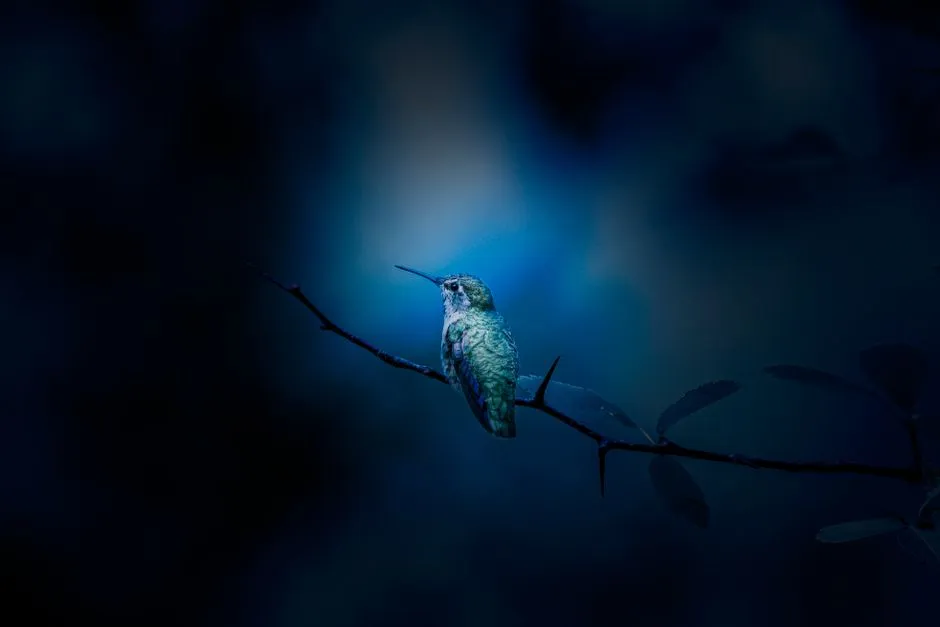
Here’s something most backyard birders never consider: does a hummingbird’s brain wake up at the same speed as its body?
Researchers studying arousal have specifically asked this. As one biologist studying the process put it, there remains an open question about whether metabolism spikes first or whether body temperature gets up first, calling the arousal question “still an interesting, outstanding one.” That uncertainty matters – it suggests cognitive function may lag behind, or possibly lead, the physical warming process.
Some researchers speculate the bird may be in a semi-conscious state during parts of this hour. Scientists have wondered what hummingbirds are doing during those pre-dawn hours when they are warm but not yet active, with one suggestion being that they might be using this time to sleep. In other words, there may be a distinct “warm but still asleep” phase tucked inside this hour that almost nobody has documented on video.
#9 – A Tiny Gym Warm-Up on the Perch
🔥 Would you like to save this?
We'll email this post to you, so you can come back to it later!
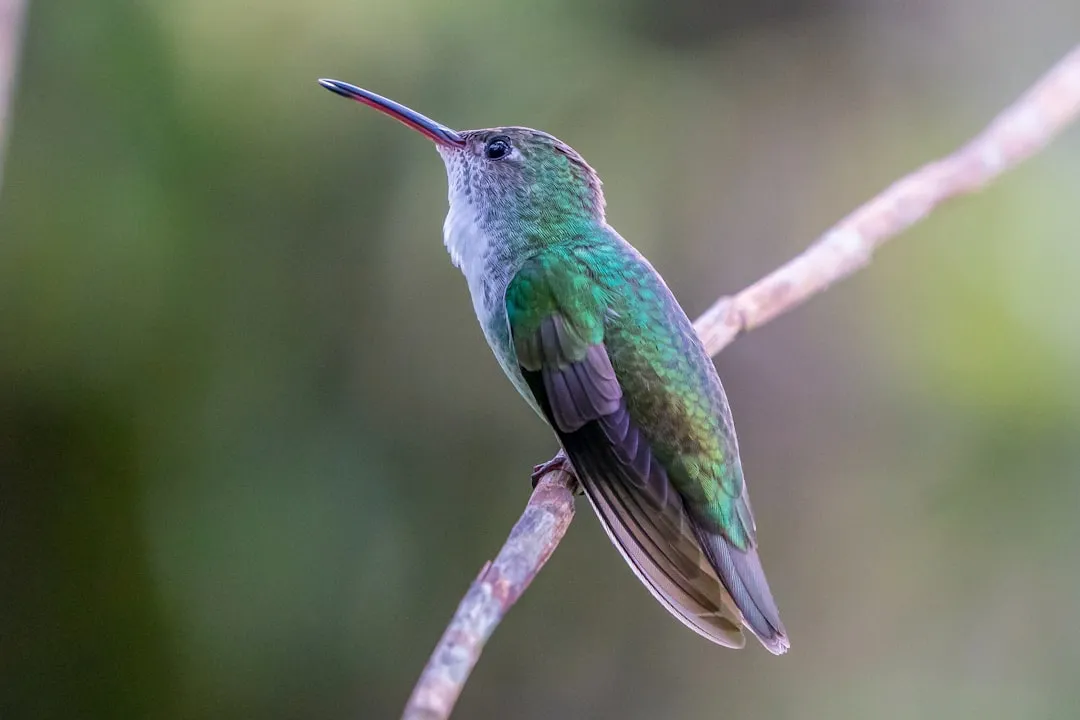
Once the core body temperature is mostly restored, hummingbirds do something oddly relatable: they stretch.
Before any serious flying, hummingbirds often do something that looks almost like a gym warm-up – tiny, barely noticeable stretches while perched, including a slow wing extension held for a second, one leg stretched behind the body, and tail feathers fanned then relaxed. It’s easy to dismiss this as random fidgeting, but it isn’t.
This isn’t cute randomness – after a long, cold night spent in a torpor-like state, a mini-hibernation where their metabolism drops dramatically, their muscles and nerves need to physically reboot. A body that just spent hours at near-freezing internal temperatures doesn’t just leap into hovering flight – it tests each joint and tendon first, exactly the way a runner might stretch calves before a sprint.
#10 – Fat Reserves Burn at Their Fastest Rate All Day
🔥 Would you like to save this?
We'll email this post to you, so you can come back to it later!
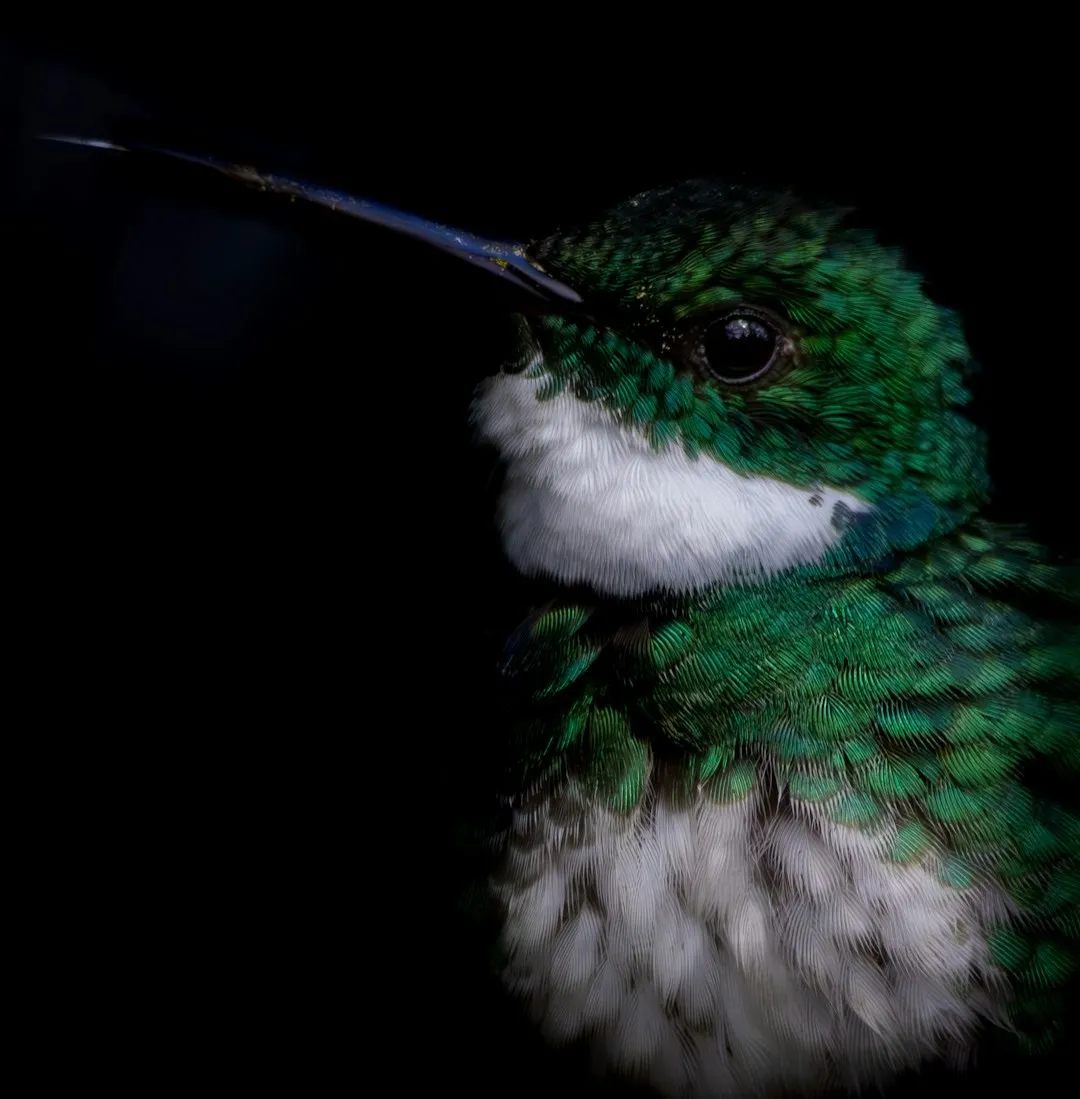
Here’s the part that should worry anyone who thinks hummingbirds have it easy: this hour is, pound for pound, the most expensive hour of their entire day.
Laboratory measurements comparing torpid and active states found a normothermic fat use rate around 21.2 mg per hour compared to a torpid fat use rate of only 0.8 mg per hour in one calliope hummingbird study – meaning the arousal and rewarming process burns fat at roughly 25 times the rate torpor did. That’s an enormous spike concentrated into a single hour.
A bird this small is essentially spending its entire overnight energy savings account in sixty minutes just to become functional again. This is precisely why the first meal after dawn isn’t optional or leisurely – it’s an emergency refuel against a countdown clock that’s already been running since before sunrise.
Quick Compare
- Torpid fat burn: about 0.8 mg per hour
- Active rewarming fat burn: about 21.2 mg per hour
- Difference: roughly 25 times faster burn during arousal
- All of it spent before the bird has eaten a single calorie
#11 – The Bird Stays Frozen and Vulnerable on the Branch
🔥 Would you like to save this?
We'll email this post to you, so you can come back to it later!
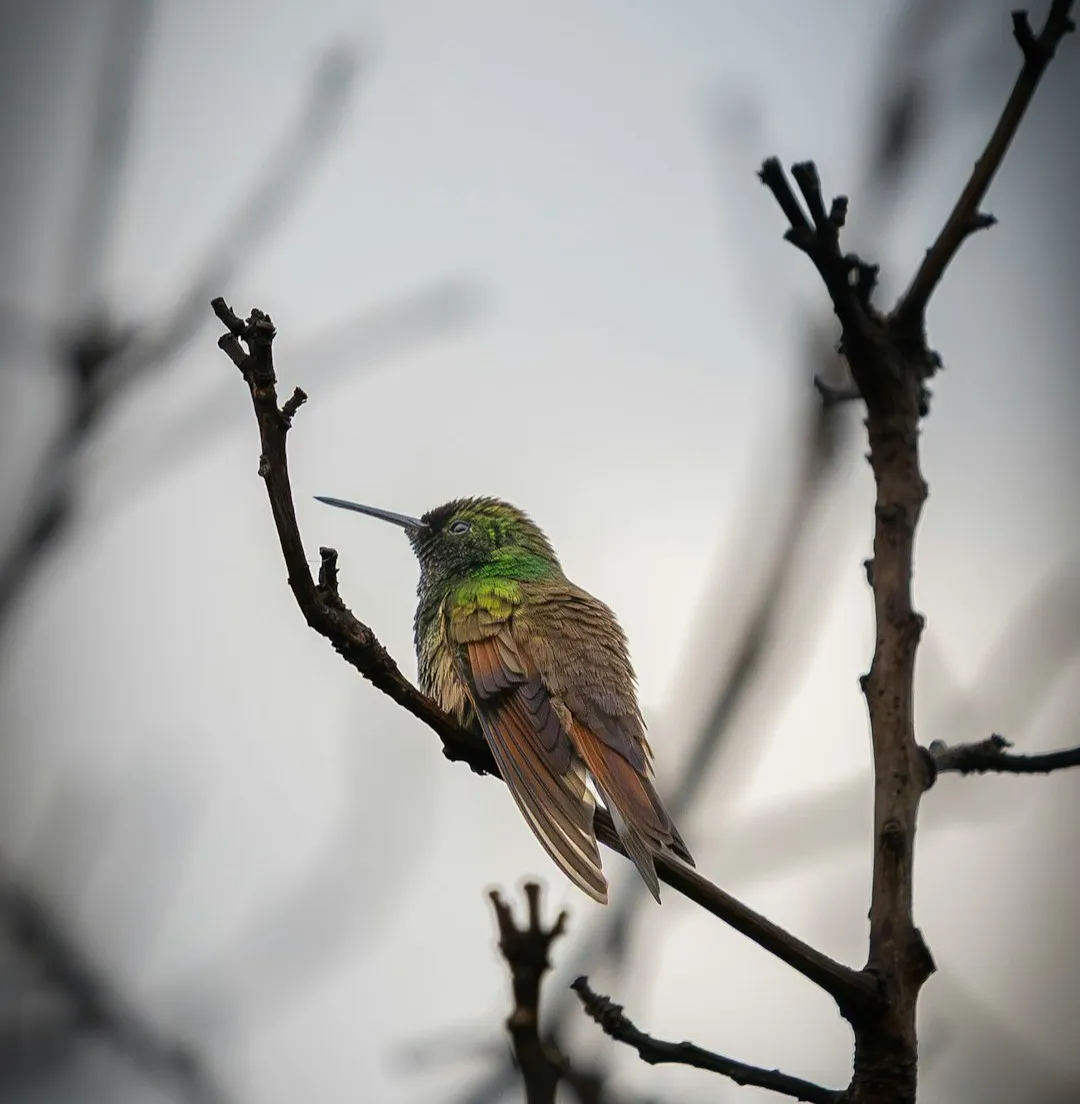
For a meaningful stretch of this hour, the hummingbird is neither fully torpid nor fully alert – and that’s a dangerous place to be.
A body still catching up to full temperature can’t launch into evasive flight instantly, which means predators theoretically have a window of opportunity. Deep torpor’s trade-off includes potential costs such as susceptibility to predation, inability to rewarm quickly, immune suppression, and sleep deprivation. Most backyard birdwatchers never realize their favorite tiny visitor spends part of every single morning essentially defenseless.
This vulnerability is likely one reason hummingbirds choose dense, hidden roosting spots rather than exposed branches. The riskier the rewarming period, the more the bird depends on camouflage rather than speed for survival during this stretch – a sharp contrast to the blazing agility they display just an hour later.
#12 – Full Normothermia Is Finally Reached
🔥 Would you like to save this?
We'll email this post to you, so you can come back to it later!
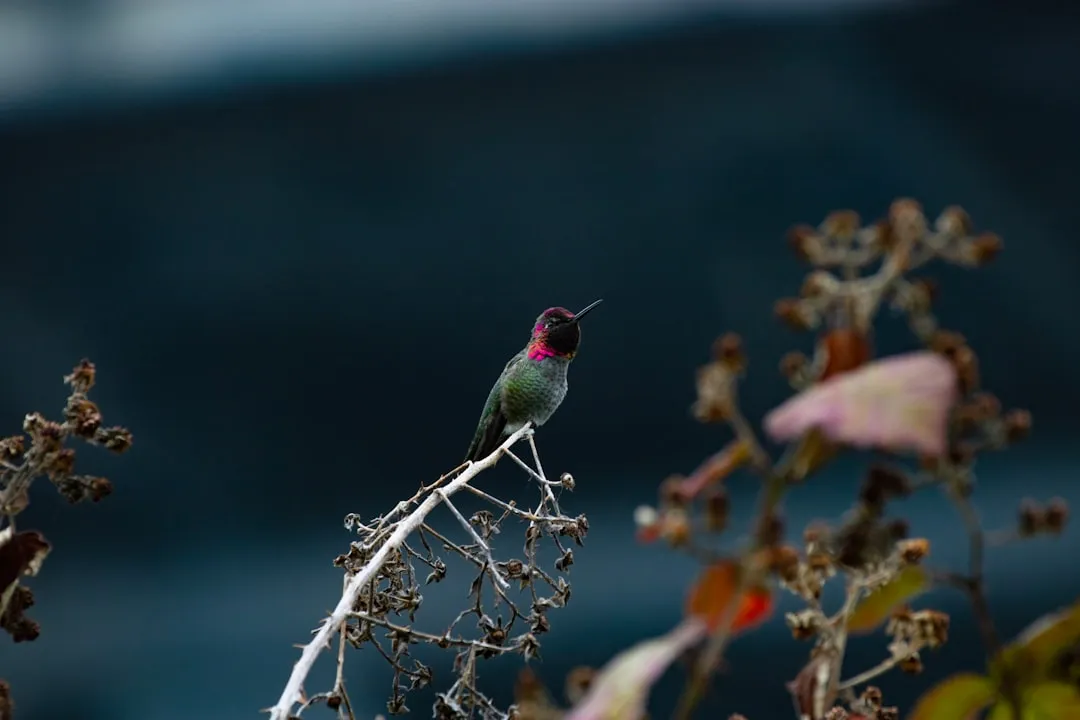
At some point within this hour, the shivering stops, the puffiness is gone, and the bird crosses a clear physiological finish line.
This threshold is known as the bird’s set point, far below the normal daytime body temperature of 104°F recorded for similarly sized birds, and it’s actively maintained by the bird’s internal thermostat – if you try to cool the animal below this new set point, it will generate enough body heat to maintain it. Once daytime set point is restored, the shivering finally becomes unnecessary.
This is the moment the bird transitions from “surviving the night” to “preparing for the day” – a switch that’s abrupt once it happens, even though getting there was slow. From here forward, everything accelerates: reflexes sharpen, balance improves, and the bird becomes capable of the aerial precision it’s known for.
#13 – The First Test Flights Are Short and Shaky
🔥 Would you like to save this?
We'll email this post to you, so you can come back to it later!
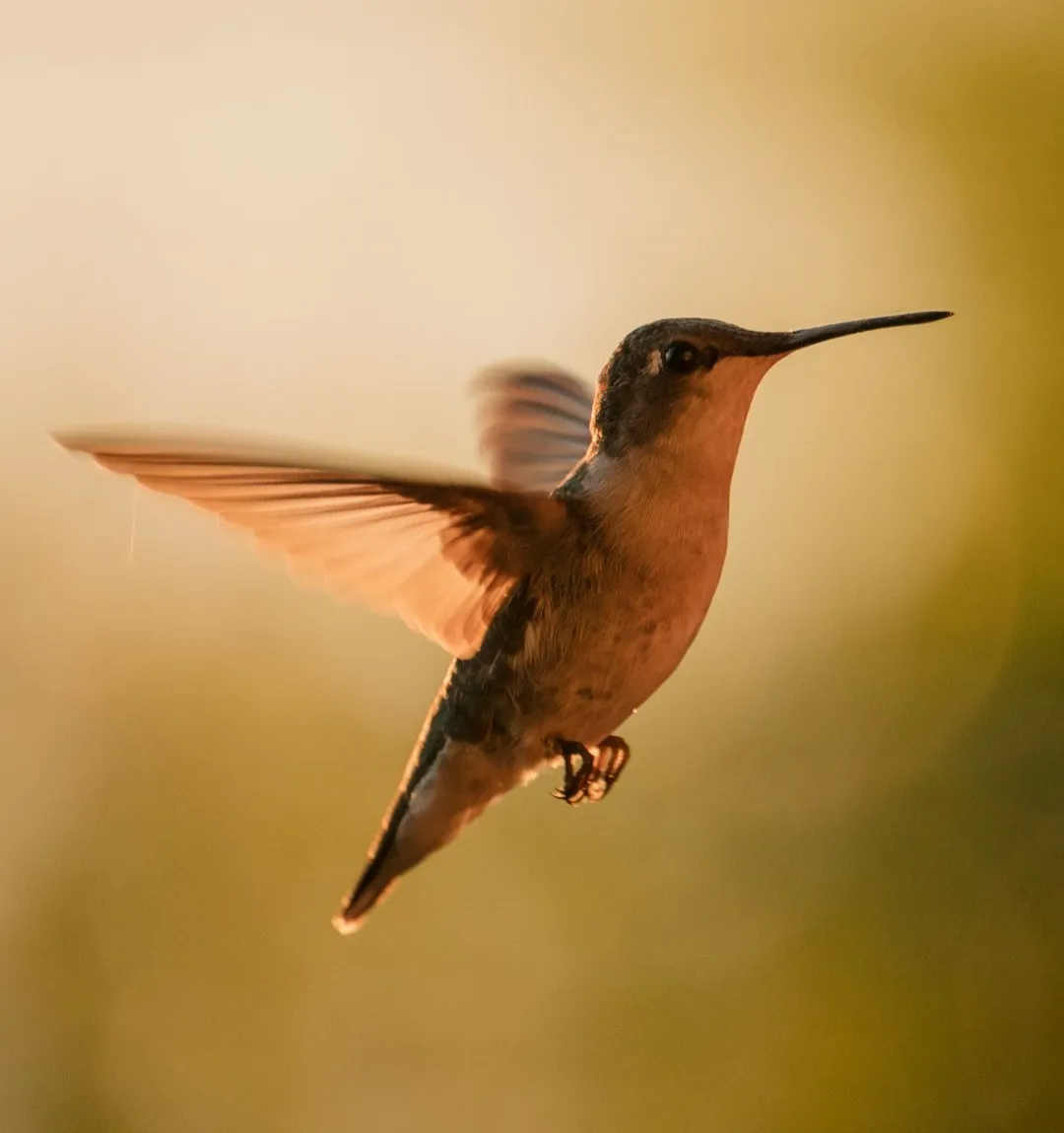
Full body temperature doesn’t mean full flight competence right away – muscles that just spent hours dormant need a trial run.
A hummingbird alternating short, focused flights with quiet resting at dawn is behaving exactly as it should, especially on a cooler morning, rather than exhibiting any sign of illness. Birders and gardeners unfamiliar with this pattern sometimes panic, assuming their favorite visitor is sick or dying when it’s really just running a systems check.
These short hops are a calculated test, not a sign of weakness – the bird is confirming its wings, balance, and stamina are reliable before committing to a longer foraging flight. A failed hover a few feet above the perch costs almost nothing; a failed hover fifty feet from safety, deep into open territory, could be fatal if the flight muscles aren’t fully ready.
#14 – A Mental Map of Yesterday’s Flowers Gets Pulled Up
🔥 Would you like to save this?
We'll email this post to you, so you can come back to it later!
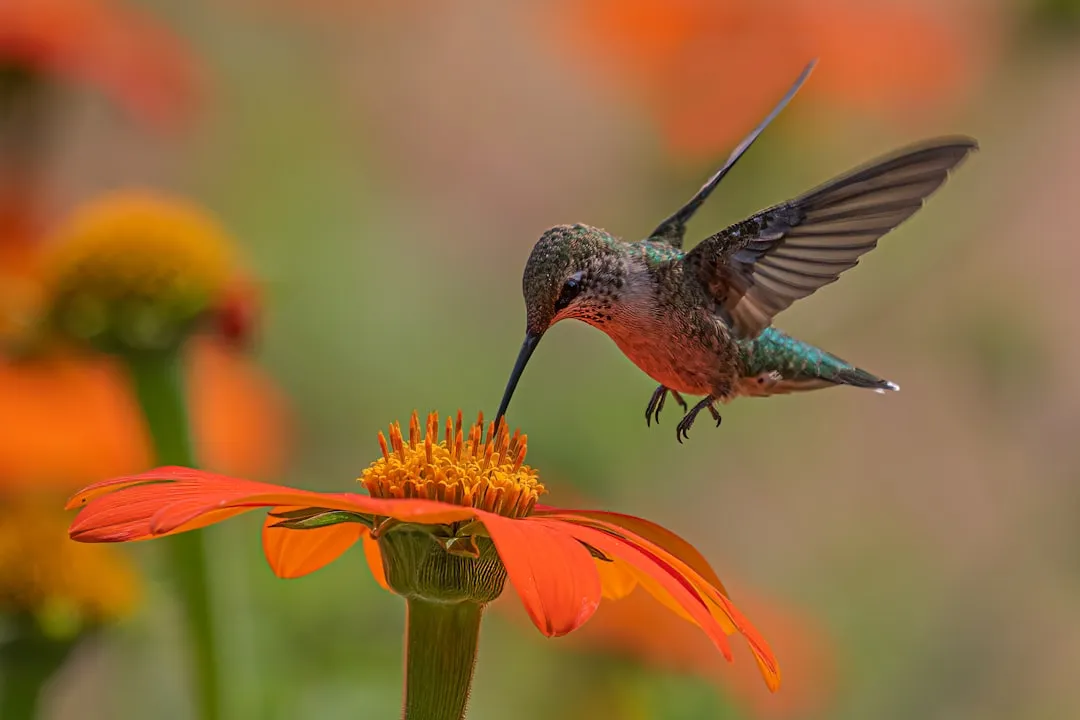
Hummingbirds don’t wander randomly looking for breakfast – they appear to recall exactly where the good nectar was the day before.
This matters enormously given their energy math: their metabolic rate is so high that they can burn through the sugar from their last meal in as little as 10 to 15 minutes, and a hummingbird typically consumes half its body weight in nectar and insects every day. With margins that thin, wasted flight time hunting for food is a luxury they can’t afford.
A bird operating on a 10-to-15-minute sugar clock cannot afford to explore aimlessly – it has to fly with intention from the very first wingbeat. This is almost certainly why hummingbirds are known for returning to the same feeders and flower patches day after day; spatial memory isn’t a quirky habit, it’s survival math.
#15 – Scouting the Competition Before It Wakes Up
🔥 Would you like to save this?
We'll email this post to you, so you can come back to it later!
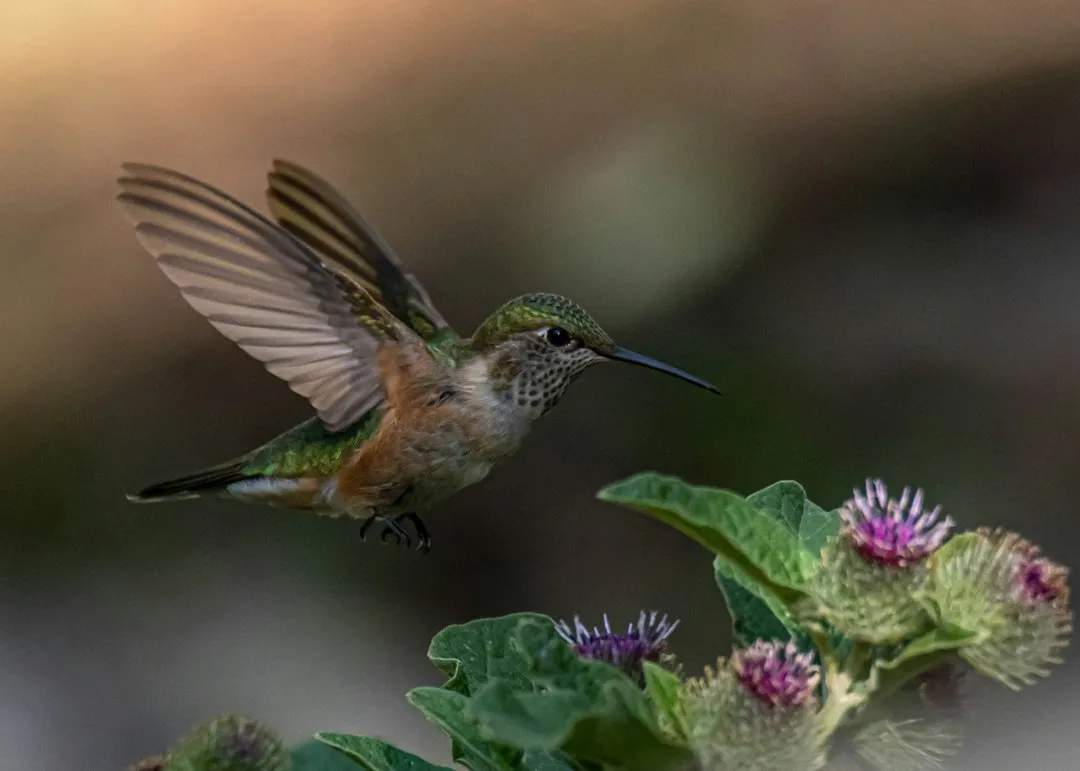
Part of the appeal of dawn, for a hummingbird, is that almost nothing else is up yet to compete for the same resources.
At dawn, hummingbirds hit the richest flowers before bee activity peaks, exploit cooler temperatures when some insects are still sluggish, and check feeders before wasps and ants swarm the sticky ports. This is a deliberate competitive advantage baked into the timing of their wake-up cycle, not a coincidence.
Waking up an hour before sunrise isn’t just about surviving the cold night – it’s a calculated head start against every other creature that will be competing for the same nectar an hour later. By the time bees and wasps are fully active, a hummingbird that woke early has already secured its first several meals of uncontested feeding.
Worth Knowing
- Bees generally need more warmth before ramping up activity
- Wasps and ants tend to swarm feeders later, once it warms
- Cool pre-dawn air keeps many insect competitors sluggish
- Early risers get several uncontested feeding rounds before the rush
#16 – Staking a Claim Before the Rivals Arrive
🔥 Would you like to save this?
We'll email this post to you, so you can come back to it later!
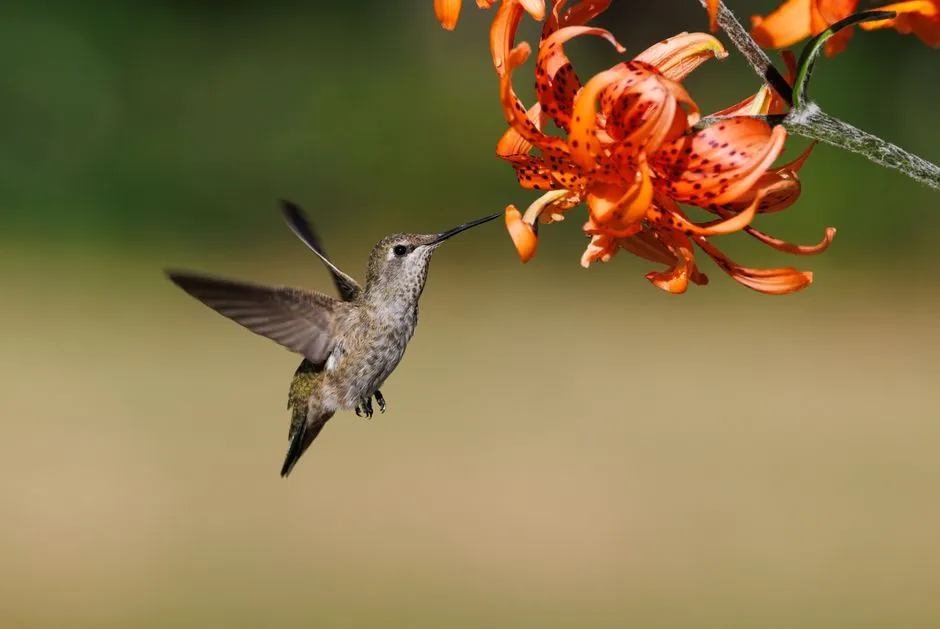
Feeding territory matters enormously to hummingbirds, and much of that territorial groundwork gets laid before most other birds are even stirring.
Hummingbirds also protect their favorite feeding spots from rival birds, and arriving first at a prime flower patch or feeder gives an obvious advantage in establishing that claim. This is one of the more controversial behaviors among backyard birders – many assume hummingbirds are gentle, delicate creatures, when in reality they’re some of the most aggressively territorial birds relative to their size in the entire animal kingdom.
Some experts argue this early-hour scouting-and-claiming behavior is actually more important to a hummingbird’s daily survival than the feeding itself, since a poorly defended territory means starvation later in the day when competition peaks. Not everyone agrees, but the pattern of early arrival lining up with territorial dominance is hard to ignore.
#17 – The First Feeding Frenzy of the Day Begins
🔥 Would you like to save this?
We'll email this post to you, so you can come back to it later!
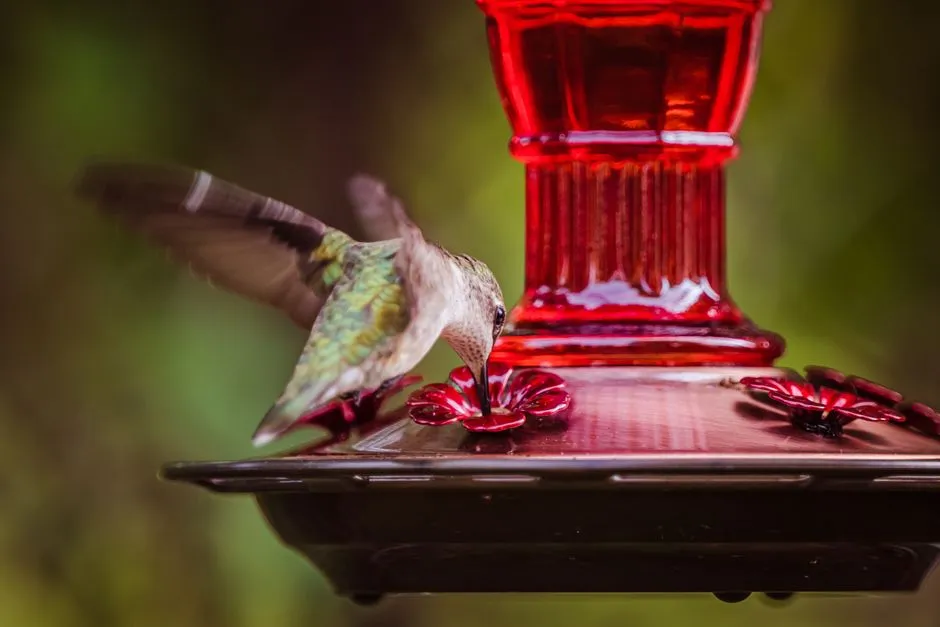
By the time this hour ends, the bird transitions from preparation to outright urgency, and the feeding that follows is unlike anything seen later in the day.
Hummingbirds follow a bimodal feeding schedule with two distinct peaks of activity, and the most intense feeding period begins at dawn because they have just spent the entire night in a state of torpor. During torpor a hummingbird’s heart rate and metabolism slow dramatically, and its body temperature can drop by as much as 50 degrees Fahrenheit, leaving it in an extremely low-energy state at sunrise.
This is not casual snacking – it’s the most desperate, high-stakes feeding bout of the entire 24-hour cycle, driven by a bird that has been running an energy deficit since the previous evening. Anyone watching a feeder in this window will notice unusually long, uninterrupted visits compared to the quick sips typical of midday.
#18 – A Full Metabolic Reset Into Daytime Mode
🔥 Would you like to save this?
We'll email this post to you, so you can come back to it later!
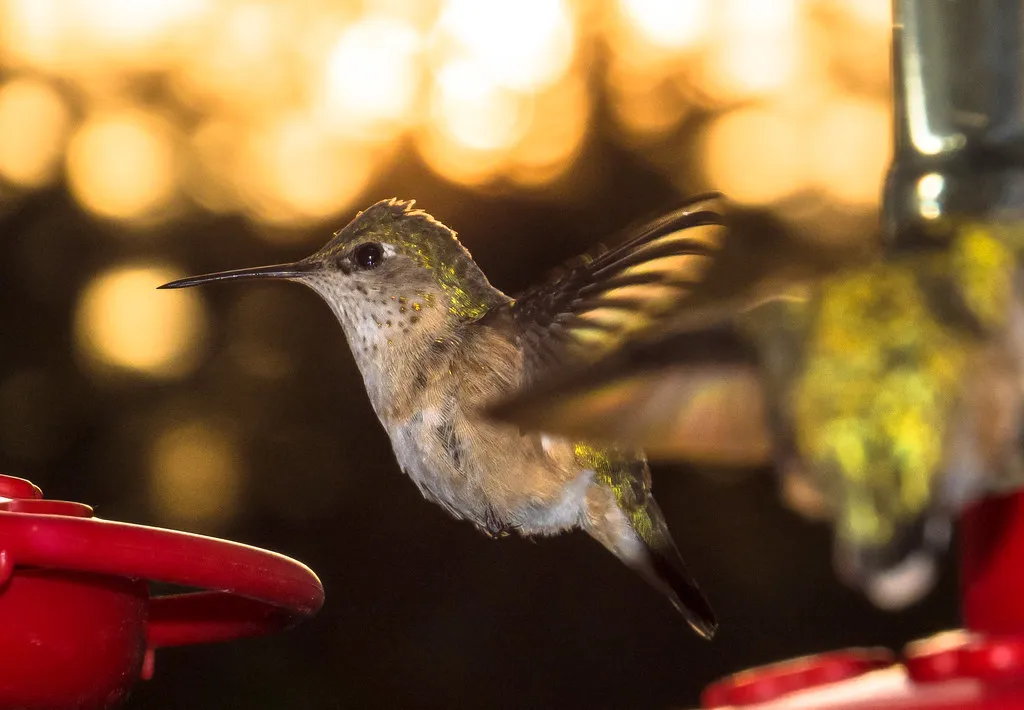
By the moment first light actually breaks, the transformation is complete, and the bird bears almost no resemblance to the frozen, puffy creature it was sixty minutes earlier.
The busiest time of day for hummingbirds begins right around sunrise, and once they are able to fly, they quickly rush to flowers and feeders to refuel, officially closing out the recovery process. The entire cascade – circadian trigger, shivering, feather changes, temperature climb, test flights, scouting, and feeding – has run its full course in under an hour.
What looks like an ordinary sunrise to us is, for a hummingbird, the finish line of a physiological ordeal that began the moment its heart nearly stopped hours earlier. This reset happens silently, every single morning, in backyards everywhere, almost entirely unnoticed by the people who feed these birds.
The Bottom Line
🔥 Would you like to save this?
We'll email this post to you, so you can come back to it later!
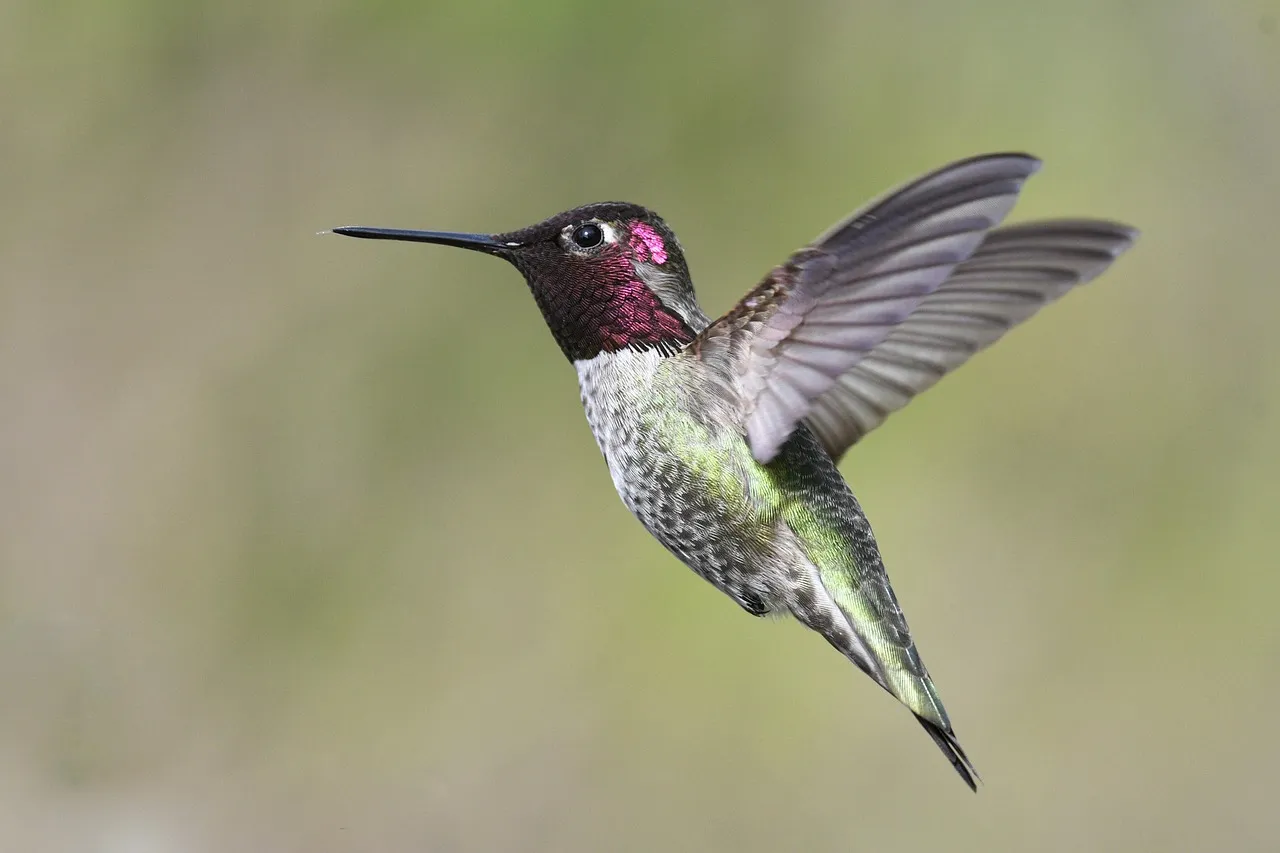
The hour before first light isn’t quiet for a hummingbird – it’s the most physically demanding sixty minutes of its entire day. A creature that looked like a lifeless puff of feathers at 4:30 a.m. has, by sunrise, restarted its heart, rewarmed its body by dozens of degrees, and launched into a frantic feeding sprint, all while burning fat reserves faster than at any other point in its 24-hour cycle.
Most backyard birders assume the “cute buzzing” starts at sunrise. In reality, the real drama happens in the dark, unseen, while everyone’s still asleep. It’s worth asking whether the tidy little ritual of topping off a feeder at dusk is really enough for a creature about to gamble its entire night’s fat reserves on a sunrise that might arrive cold, cloudy, or late. Maybe the kindest thing we can do for a bird that nearly dies every single night just to see morning is make sure that feeder is still full when it wakes up.

- 23 Warm Corners an Elderly Cat Keeps Returning To All Winter - October 29, 2026
- 16 Behaviours Showing a Cat Considers a House Permanent Now - October 29, 2026
- 15 Wildlife Programmes a Lifetime Pass Holder Over 62 Can Join Free - October 29, 2026