
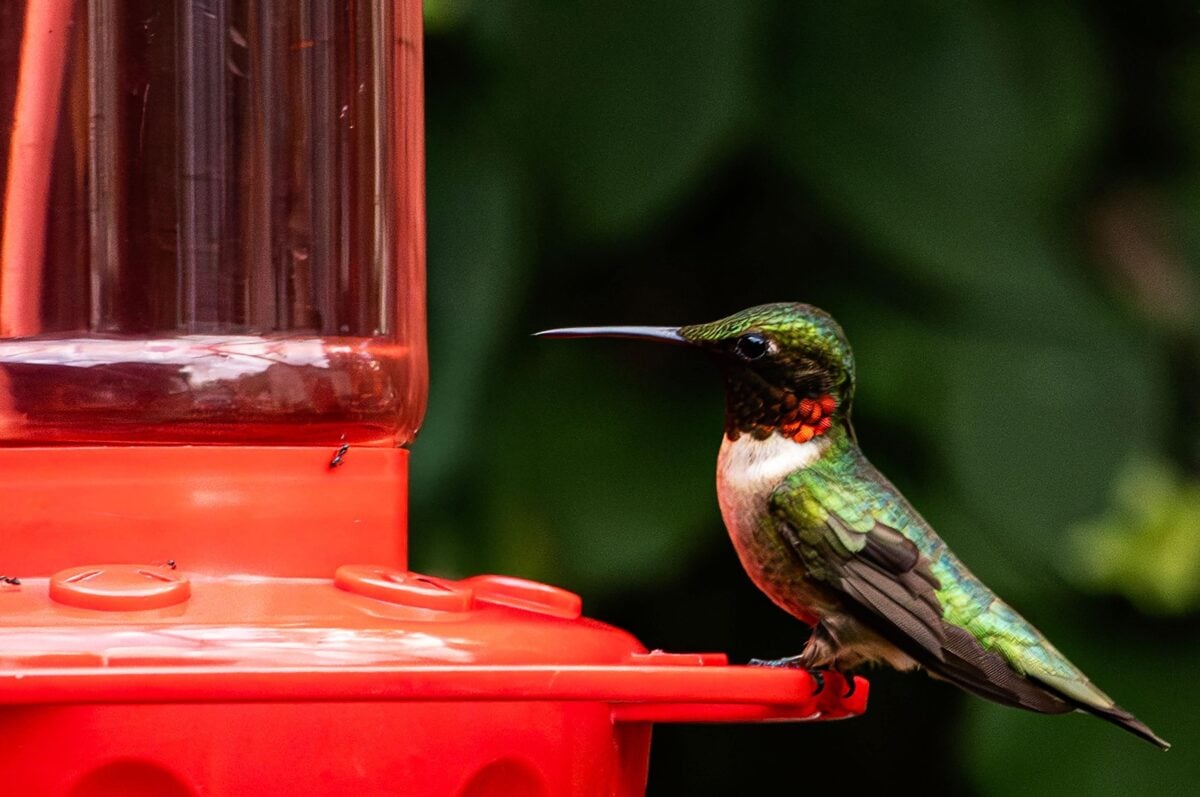
Most people assume scientists have hummingbirds completely figured out: tiny nectar addicts running on a tidy little schedule of arrive, nest, feed, and migrate. That assumption falls apart fast once you start reading actual field notes. Every single season, hummingbirds repeat the same strange behaviors, and researchers still can’t agree on why.
Some have hypotheses. None have consensus. What follows are 18 seasonal habits that keep showing up in backyards and field studies alike, the theories experts have floated to explain them, and the gaps in those theories that nobody has managed to close.
#18 – The Late-Season “Practice Migration” Flights
🔥 Would you like to save this?
We'll email this post to you, so you can come back to it later!
Every fall, as migration season ramps up, observers report hummingbirds making what look like pointless long-distance flights days or even weeks before they actually leave for good. One theory calls these “orientation runs” – test drives before the real road trip. Individual birds have been seen leaving a territory at dawn, flying hard in one direction for hours, then casually reappearing in the same yard that evening as if nothing happened.
They burn a shocking amount of energy for no clear payoff. Weather doesn’t explain it, and neither does food, since some of these birds abandon perfectly good feeders just to go on these mini-expeditions. Another theory pegs them as covert territory scouts, but that doesn’t fit cleanly either – many birds never shift their territory afterward, and in some coastal areas these test flights happen even when the true migration route runs inland, nowhere near the shoreline they’re testing. Are they calibrating an internal compass, reading the wind, or just wired for restlessness we don’t understand yet?
Fast Facts
- Ruby-throated hummingbirds regularly cross the Gulf of Mexico in a nonstop flight of roughly 500 miles, taking about 18 to 22 hours.
- Rufous hummingbirds complete a round trip of nearly 4,000 miles between Alaska and Mexico, one of the longest migrations relative to body size of any bird on Earth.
- Before departure, some ruby-throats nearly double their body weight, going from roughly 3.25 grams to 6 grams.
- Banding studies at Gulf Coast staging sites found some fully fueled birds carry enough fat to theoretically fly over twice as far as the crossing actually requires.
#17 – Guarding Empty Feeders Like They’re Still Full
🔥 Would you like to save this?
We'll email this post to you, so you can come back to it later!
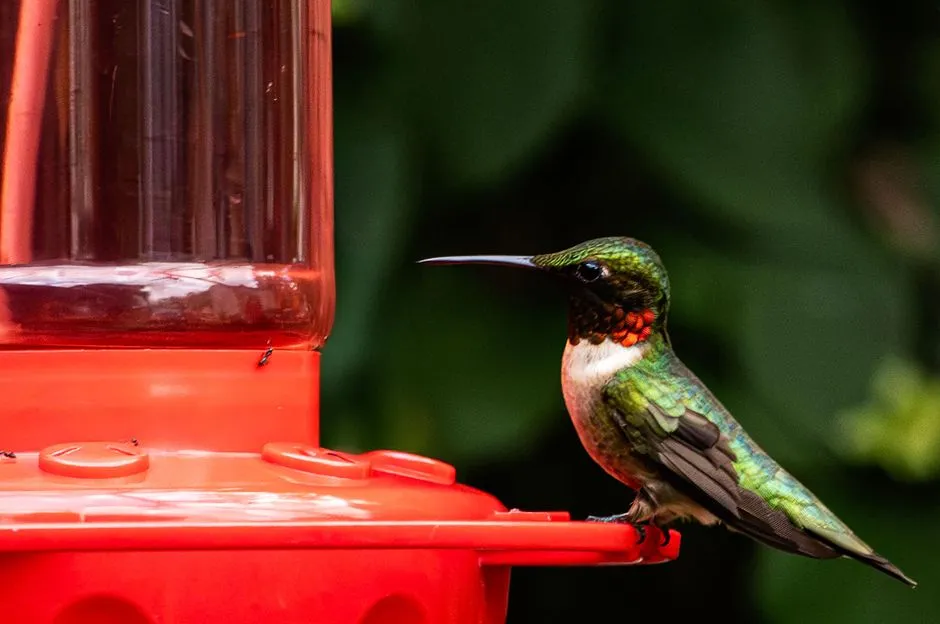
You’d expect a hummingbird to abandon a dry feeder within hours – no sugar, no reason to stick around. Instead, in late spring and late summer, some individuals will ferociously defend an empty feeder for days. Homeowners report the same bird dive-bombing intruders despite there being nothing to drink, chasing off bees and wasps from ports that haven’t held nectar all week.
From a pure energy standpoint, this makes zero sense. They’re burning precious calories guarding a resource that doesn’t currently exist. The popular theory is they’re defending the location and the human who refills it, not the nectar itself – protecting a promise rather than a product. But if that were true, you’d expect the same individuals to repeat it every year, and they don’t; even in the same yard, some years the guarding happens and some years it doesn’t.
#16 – Hovering in “Empty Air” as If Something’s There
🔥 Would you like to save this?
We'll email this post to you, so you can come back to it later!
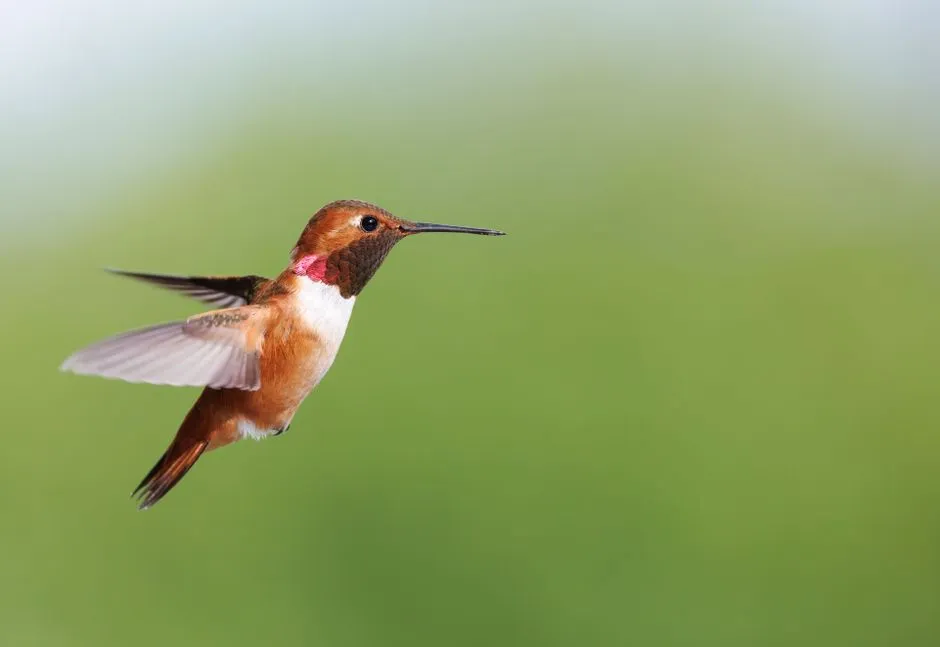
Every season, especially at seasonal changeovers, people report hummingbirds hovering and studying spots where nothing is visible – no branch, no feeder, no flower, no insect cloud. It sounds like human projection until you check the slow-motion video. The bird stops, hangs in midair, and stares at a bare patch of space for several seconds, sometimes returning to that exact invisible point multiple times a day.
There’s no obvious food, no rival, and no perch, and it doesn’t always line up with known insect swarms or spider threads. Some biologists tentatively blame micro-reflections, air currents, or sound frequencies we can’t detect. Others think it’s a kind of spatial check-in, the bird comparing its internal map of the yard to what’s actually changed. Nobody has designed an experiment clean enough to prove either idea, so the behavior just keeps happening, unexplained, season after season.
#15 – Visiting Dead or Closed Flowers Like They’re Still Blooming
🔥 Would you like to save this?
We'll email this post to you, so you can come back to it later!
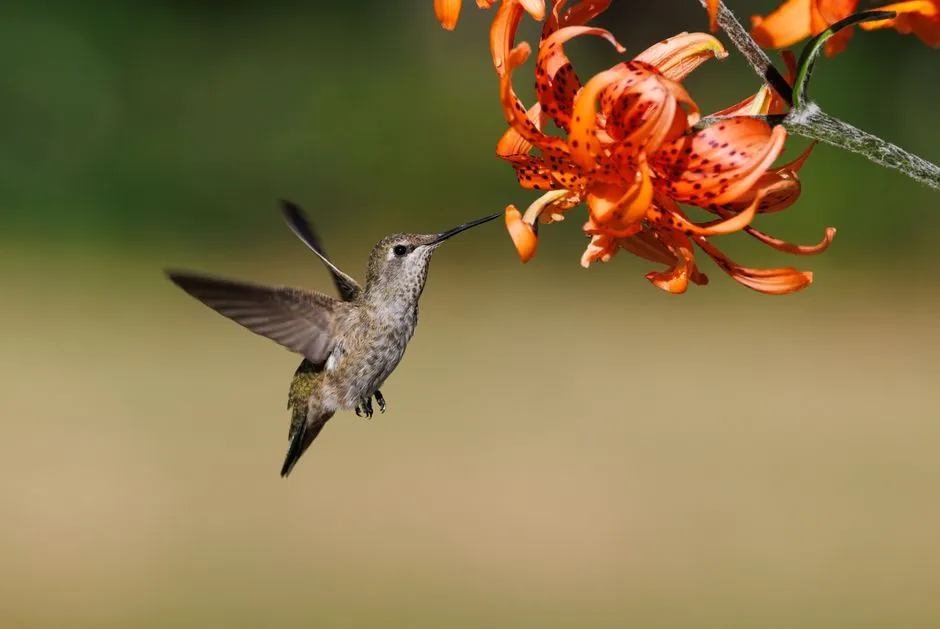
In mid-to-late season, once certain plants are clearly past their prime, hummingbirds keep probing obviously wilted or fully closed flowers. This isn’t a one-time mistake. Some birds make multiple visits to the same long-spent blossom, zip off to fresh blooms nearby, then circle back to the duds.
That level of repeated “error” doesn’t match a bird famous for ruthless efficiency. One theory says some plants keep producing trace nectar even after they look finished, and the birds have simply learned that. Another says they’re following scent cues we can’t detect that outlast visual freshness. Controlled tests come back mixed – some species do this constantly, others almost never – so why certain individuals obsess over “ghost flowers” while their neighbors ignore them completely stays an open question.
#14 – Singing Quiet Night “Songs” Nobody Expected
🔥 Would you like to save this?
We'll email this post to you, so you can come back to it later!
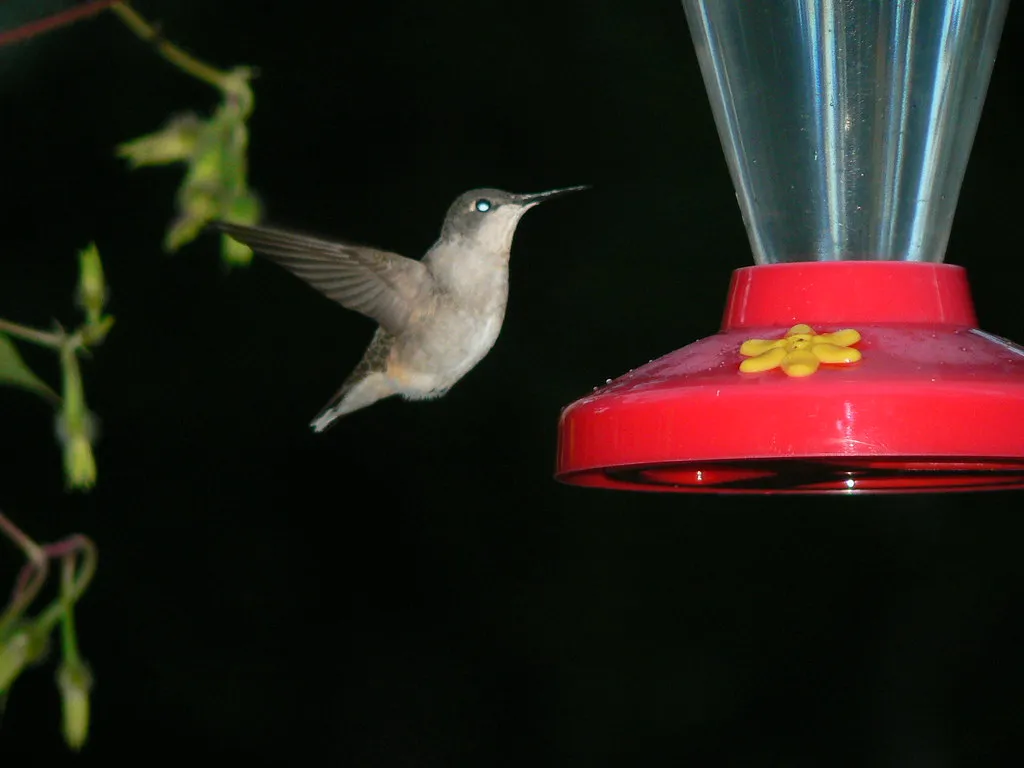
Hummingbirds aren’t classic songbirds, yet during breeding season and sometimes at migration peaks, researchers with sensitive audio gear pick up soft, complex nighttime vocalizations. These aren’t the sharp daytime chips you hear at the feeder. They’re closer to whispered sequences, often only detectable with amplified recordings.
No one has convincingly tied these sounds to a clear function. They could be low-risk contact calls, some kind of primitive song under-studied because it’s so hard to hear, or even neurological “leakage” as the brain replays daytime patterns. Some ornithologists dismiss it as over-interpreted noise, but as more acoustic monitoring stations go up, the same pattern keeps turning up across different regions and species – and it seems to spike during specific seasonal windows, which only deepens the puzzle.
Worth Knowing
- Not all hummingbird “sound” comes from the throat – many males produce sharp chirps purely by vibrating their outer tail feathers during high-speed dive displays.
- Some of these tail-feather sounds happen during dives fast enough to put real aerodynamic stress on the bird’s body.
- Hummingbird calls can sit near the upper edge of human hearing range, which makes quieter or higher-pitched sounds easy for people to miss without recording equipment.
#13 – Random-Looking “Loop Flights” Around the Same Bush
🔥 Would you like to save this?
We'll email this post to you, so you can come back to it later!
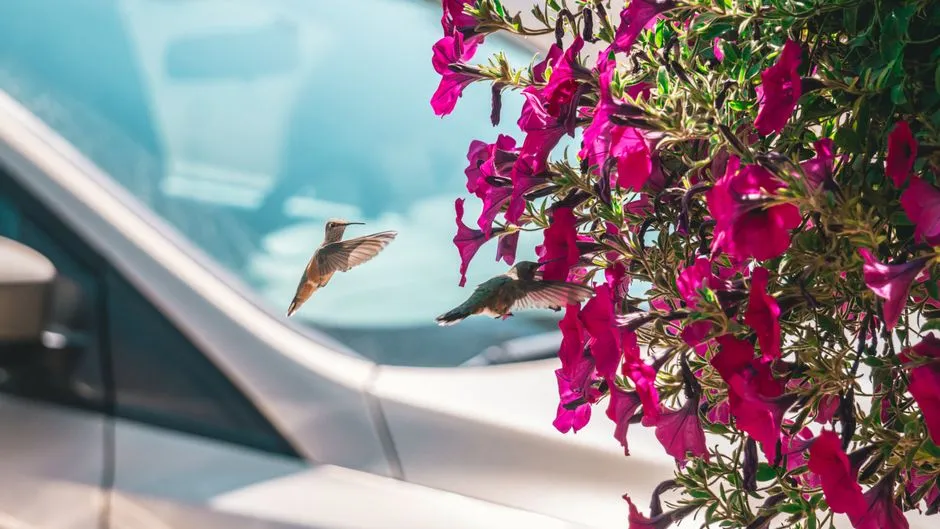
Every spring and late summer, you’ll sometimes catch a hummingbird tracing large, looping flights around a single shrub or tree, with no feeder, flower, or nest anywhere in sight. These aren’t the classic U-shaped courtship dives. They look more like oversized racetracks – big circles or ovals, repeated again and again, sometimes for several minutes, with no rival or mate in the picture.
The loops are often too big and too energy-expensive to be about one small food patch – like sprinting laps around the fridge instead of just opening the door. One theory calls it territorial theater, a public broadcast to any hidden observer. Another calls it spatial training, the bird practicing its approach like a pilot running drills. The catch is that birds sometimes do this in areas they abandon soon after, which undercuts the territory explanation entirely.
#12 – Perching in Open, Exposed Spots Right Before Storms
🔥 Would you like to save this?
We'll email this post to you, so you can come back to it later!
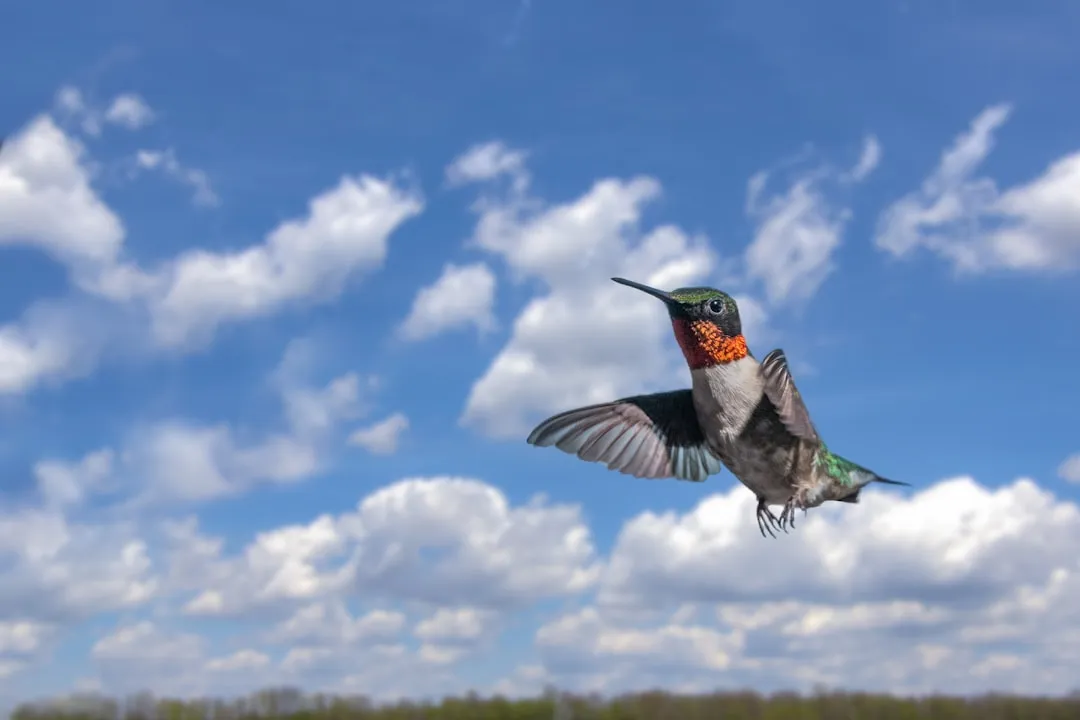
Hummingbirds are normally cautious perchers, favoring semi-concealed twigs with a clear escape route. But right at the edge of big seasonal storms – spring fronts, late-summer tempests – some birds do the opposite. They perch in conspicuously open, wind-exposed spots, facing into the wind with feathers slightly puffed, and just sit there for minutes at a time.
From a survival standpoint, this is baffling. High wind and heavy rain are exactly when a tiny bird should be hiding and conserving energy, not advertising itself in plain sight. Some researchers think they’re pre-loading sensory data – feeling wind shifts, watching cloud movement, recalibrating an internal barometer. Others suspect it’s a health display, a way of signaling strength right when territories are about to shuffle. Nobody has the hard data to say which, if either, is true.
#11 – Aggressively Chasing Species That Aren’t Competition
🔥 Would you like to save this?
We'll email this post to you, so you can come back to it later!
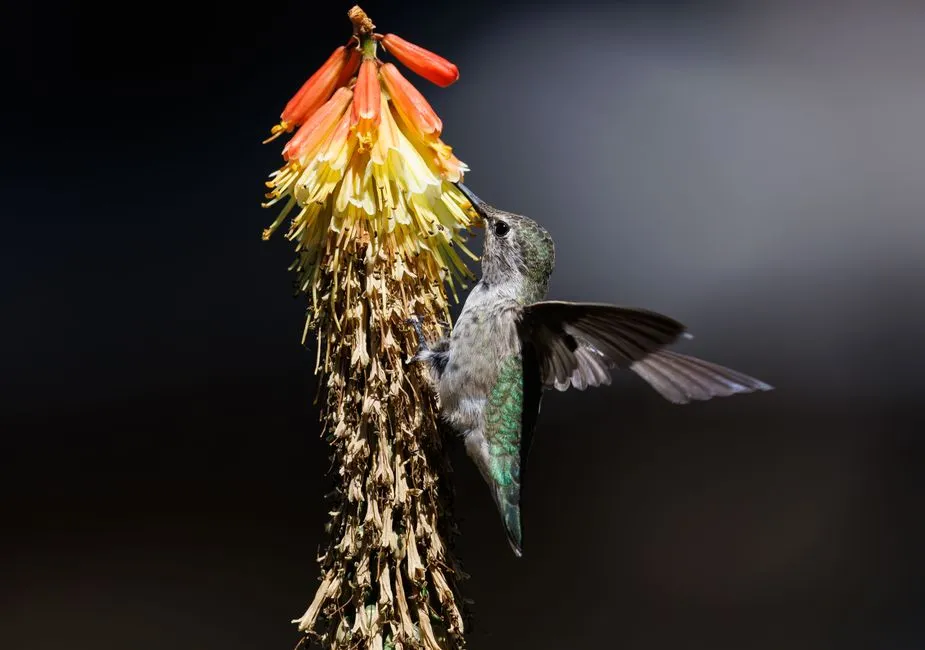
Territorial hummingbirds are supposed to chase nectar rivals – other hummingbirds, bees, maybe a nectar-feeding bat. Instead, every season, they’re seen furiously attacking creatures with no resource overlap at all.
- Dragonflies far from any flower.
- Songbirds eating seeds.
- Butterflies resting on bare ground.
In some yards, one hummingbird will repeatedly dive-bomb a harmless chickadee that isn’t even near a feeder, and the energy cost of this doesn’t match any basic competition model. These attacks often spike when food is abundant, not scarce, which points to a trigger based on movement and size rather than diet – a crude “anything that might someday threaten my space” instinct. The outbursts cluster in specific seasons, especially late breeding and early migration, hinting at a hormonal driver nobody has pinned down precisely.
#10 – Building Nests With Bizarre, Non-Local Materials
🔥 Would you like to save this?
We'll email this post to you, so you can come back to it later!
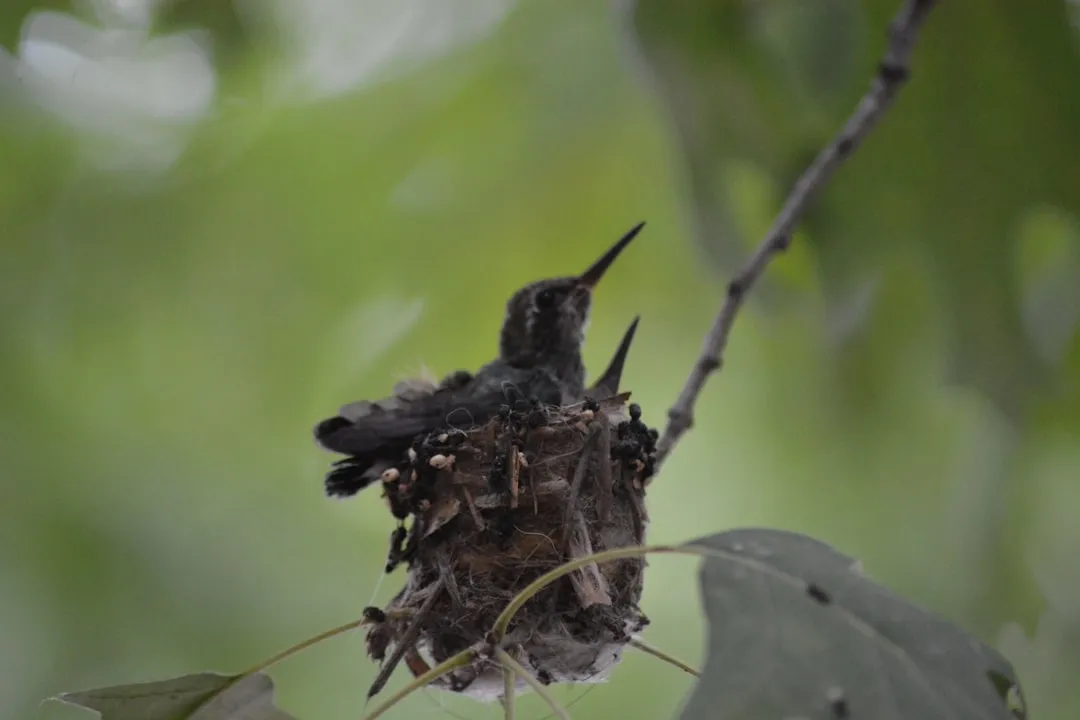
Everyone knows hummingbirds stitch nests from spider silk and plant fluff. But detailed seasonal nest surveys occasionally turn up material choices that make no ecological sense for that exact place and time.
- Plastic fibers in remote, low-trash areas.
- Moss types not found within normal flight radius.
- Feathers from species that don’t breed anywhere nearby.
The logistics of how these materials end up in tiny, carefully curated nests are hard to square with what we know about their range and effort limits. Wind or human transport might explain a stray thread here and there, but not the consistent patterns showing up across multiple nests in a single season. Some ornithologists think we’re underestimating how far a female will travel for the perfect texture; others think we’re just romanticizing pure opportunism. Nobody has run a GPS-precision study tracking exactly how far she went for that one random blue thread.
#9 – Returning to “Failed” Nest Sites Year After Year
🔥 Would you like to save this?
We'll email this post to you, so you can come back to it later!
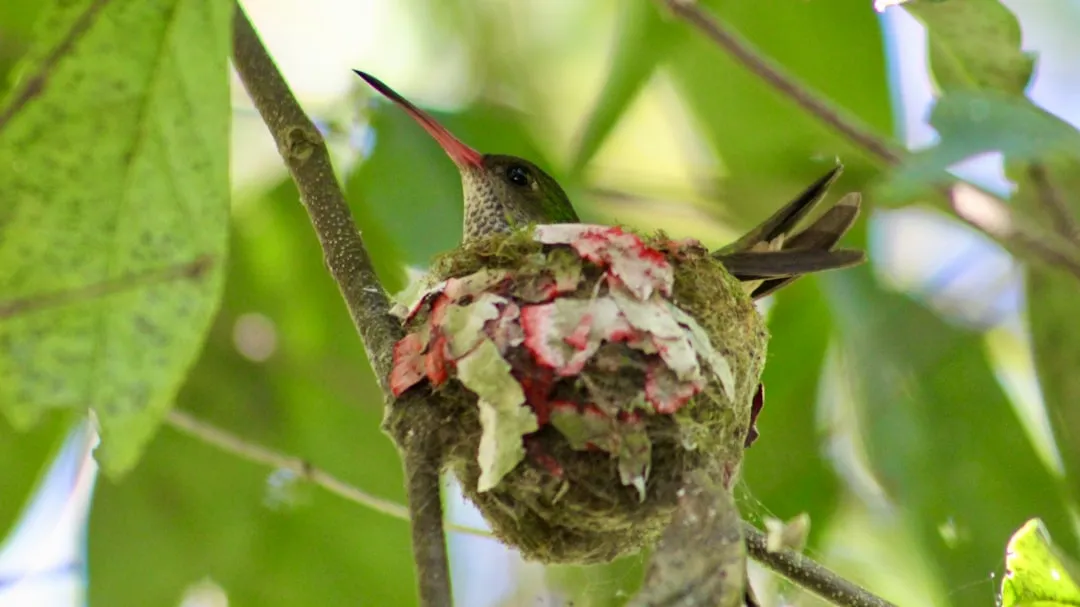
You’d think a disastrous nest – predated eggs, a collapsed structure, total exposure – would be permanently blacklisted. Yet many observers report hummingbirds returning to, or right next to, previously failed nest locations in later seasons. Sometimes they rebuild in the exact same fork of a branch; other times they shift just a few inches to a neighboring twig.
Given how brutal nest loss can be, this looks irrational from a strict survival standpoint. One theory says we overestimate the bird’s memory of the site itself – maybe she associates the failure with the predator, not the location. A more uncomfortable idea is that the surrounding territory is so good overall that reusing a risky micro-site still beats gambling on somewhere unknown. Without more individually tracked, banded females, nobody can say if this is common behavior or just a stubborn minority.
#8 – Ignoring the “Best” Flowers in Favor of Mediocre Ones
🔥 Would you like to save this?
We'll email this post to you, so you can come back to it later!
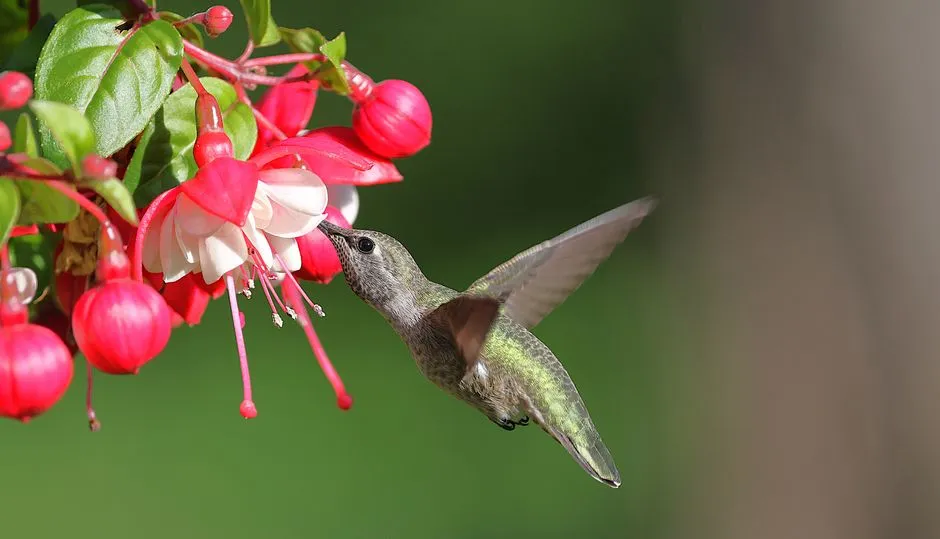
During peak bloom, hummingbirds regularly snub high-nectar, textbook-perfect flowers in favor of smaller, less efficient blossoms nearby. Gardeners see it constantly: birds ignoring heavily loaded salvias, favoring sparse and awkwardly placed tubes, visiting angles that demand more hovering effort for less reward. Measured nectar volumes confirm it – the bird picked the lower-payoff option, and not just once.
Some individuals repeat these “bad” routes for days or weeks, as if locked into a suboptimal habit. The leading theories: they may be optimizing for lower predator visibility rather than pure nectar yield, avoiding competition at crowded rich flowers, or simply running on an internal energy calculus that isn’t as precise as we assume. Controlled lab experiments rarely replicate the full mess of a real yard – sun angles, wind, predators, territory lines – so the debate over whether these are actually “bad” choices stays unsettled.
At a Glance
- Most hummingbird-favored flowers produce nectar around a 20 to 25 percent sugar concentration, similar to the standard 1:4 sugar-water ratio used in feeders.
- Tubular, red or orange blooms are classic hummingbird magnets partly because bees see red poorly, which cuts down on competition at the flower.
- Nectar volume and sweetness can shift hour to hour in the very same bloom, which may explain why a “richer” flower isn’t always the one that gets visited.
#7 – Sudden “Disappearing Acts” in the Middle of Abundance
🔥 Would you like to save this?
We'll email this post to you, so you can come back to it later!
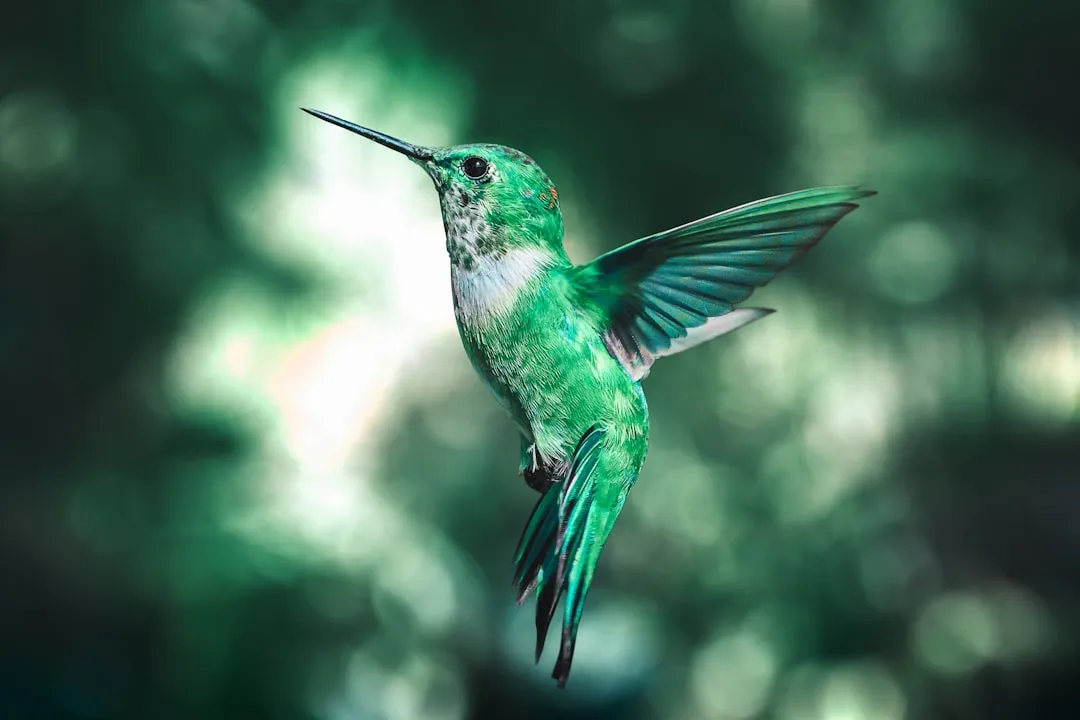
Every year there’s that maddening moment for feeder owners: peak season, full nectar, perfect weather, and the hummingbirds simply vanish for several days. No predators are obvious. No flowers have suddenly bloomed somewhere better. Multiple birds disappear almost simultaneously, sometimes across an entire neighborhood, then reappear just as abruptly as if nothing happened.
These absences are too synchronized and too frequent to write off as random wandering. Some ornithologists propose mini local migratory loops, where birds temporarily chase a distant but short-lived resource before returning to baseline territory. Others think they retreat to safer, less visible staging areas during certain weather or predator cycles. Most migration research tracks the big, long-distance moves, not these quiet in-season disappearances, so nobody can say with confidence where the birds actually go.
#6 – Sleeping in Exposed Torpor Spots That Scream “Eat Me”
🔥 Would you like to save this?
We'll email this post to you, so you can come back to it later!
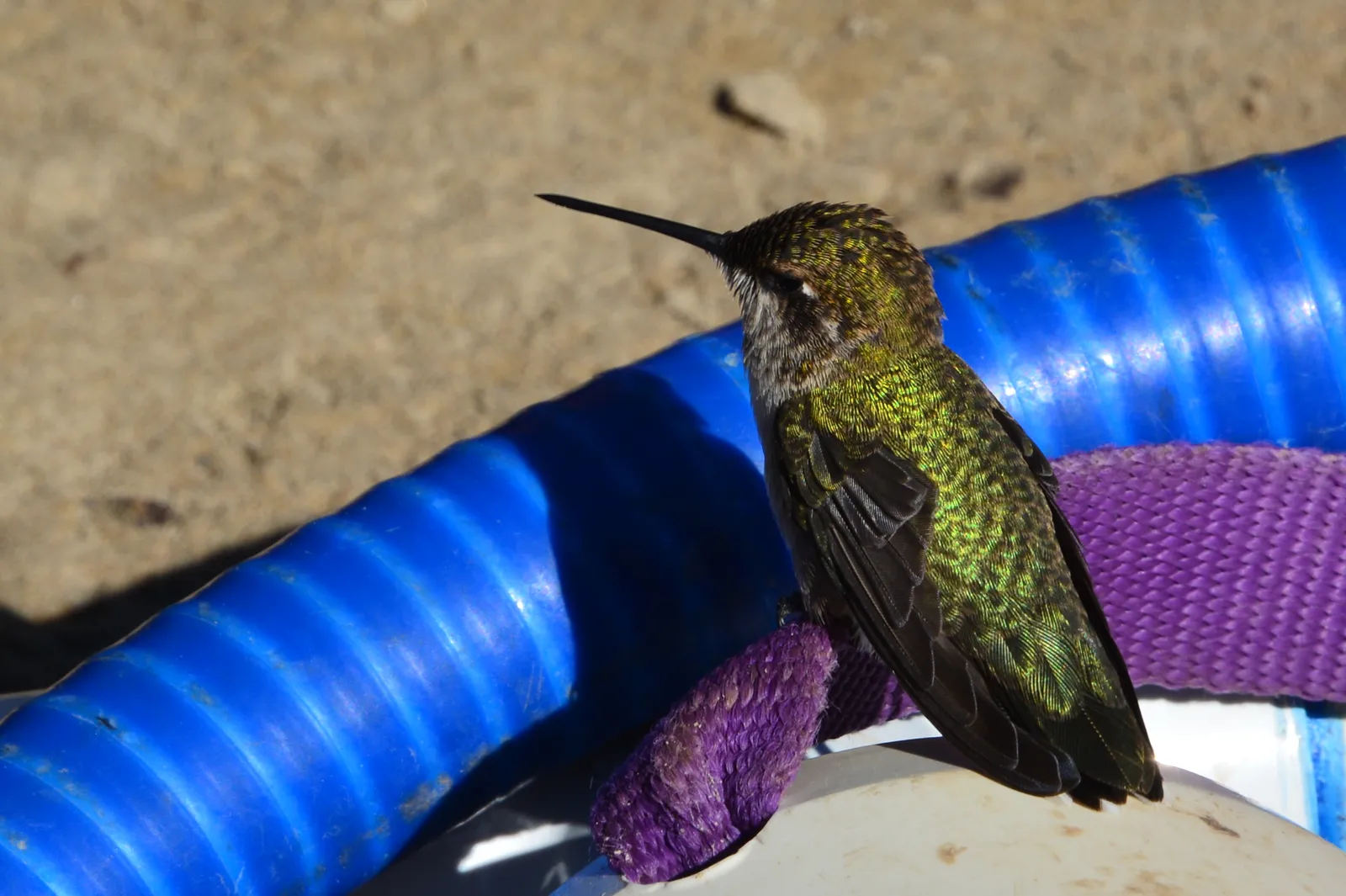
Hummingbirds use torpor, a near-hibernation state, to survive cold nights. The expected story is that they pick safe, hidden roosts before going semi-comatose. Except people keep finding torpid hummingbirds in shockingly exposed spots – low branches within easy reach, bare twigs beside walking paths, even perches lit by porch lights.
In torpor, reaction time collapses, so being that visible while essentially unconscious looks like an evolutionary mistake. And it isn’t a rare fluke; reports surface every season across multiple regions. Some researchers think heat gain from nearby lights or structures outweighs the predation risk. Others think the birds misjudge safety while entering torpor at dusk, before nighttime activity fully ramps up. Nobody has run the blunt experiment of comparing survival rates between hidden and exposed torpor sites, so the real reason stays a guess.
Fast Facts
- A hummingbird’s heart rate can climb to well over 1,000 beats per minute during active flight.
- In torpor, that rate can plunge to a small fraction of its daytime pace, and body temperature can drop close to the surrounding air temperature.
- By slowing its metabolism this dramatically, a hummingbird can cut its overnight energy use dramatically compared to normal sleep.
#5 – Seasonal Obsession With One Human, Not the Yard
🔥 Would you like to save this?
We'll email this post to you, so you can come back to it later!
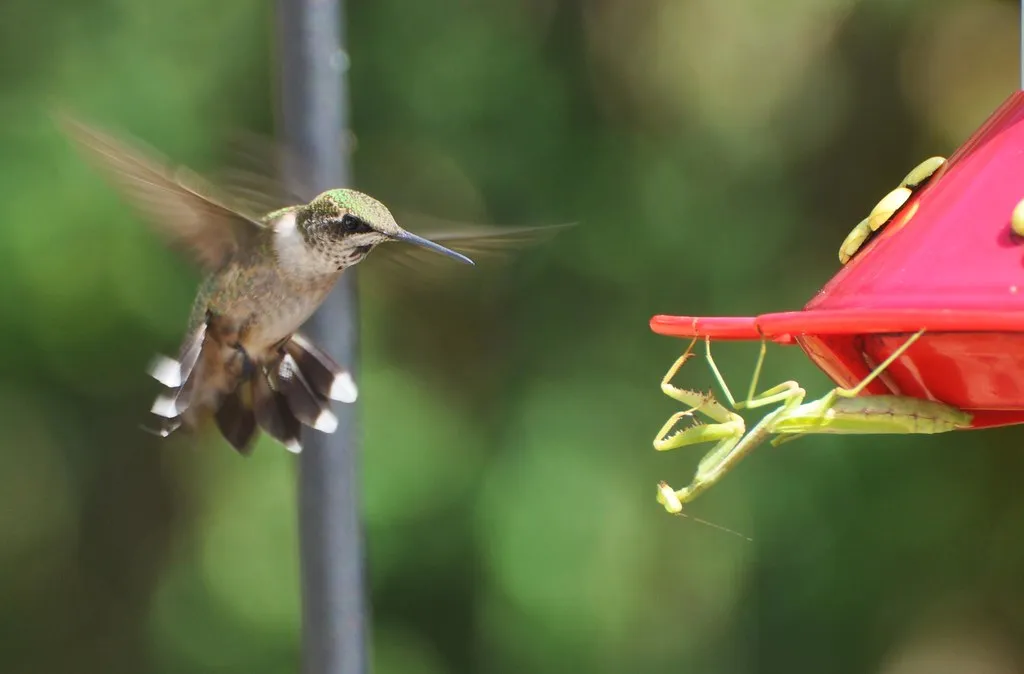
Plenty of people swear a hummingbird “knows” them, and some seasonal patterns make that hard to dismiss outright. Individual birds have been observed focusing intensely on one specific person rather than the space or the feeder itself – appearing only when that person steps outside, hovering inches from their face, then vanishing the moment someone else walks out.
A skeptic calls this coincidence or projection, but repeated, multi-season accounts show real consistency between the same bird and the same human. We simply don’t have a solid framework for how much individual recognition hummingbirds are capable of; corvids and parrots get all the “smart bird” headlines while hummingbirds sit in a strange gray zone. Some researchers think the birds associate specific body shapes, clothing, or movement with reliable refills. Others leave the door open to something closer to genuine recognition – and that possibility alone makes plenty of ornithologists uneasy.
#4 – Drinking Rainwater When Nectar Is Everywhere
🔥 Would you like to save this?
We'll email this post to you, so you can come back to it later!
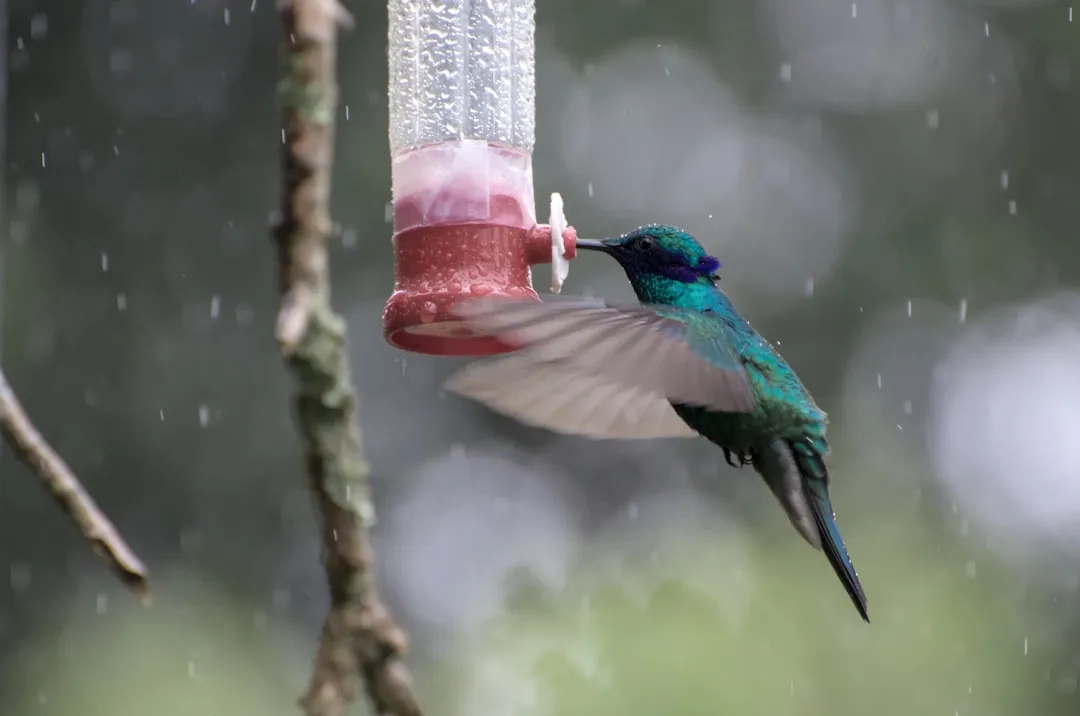
During wet seasons, when flowers and feeders are overflowing, hummingbirds are often seen deliberately sipping raindrops, puddles, even tiny films of water clinging to leaves. It’s easy to shrug off – they need plain water too. But nectar and feeder solution already supply plenty of fluid, so seeking out extra water in the middle of nectar abundance isn’t as simple as it sounds.
In some cases, birds appear to prefer clean rainwater in the moment, bypassing rich blossoms to drink off a leaf edge instead. Some researchers think they’re balancing electrolytes or diluting overly concentrated nectar. Others think they might be after trace minerals or microbes that sugar water simply doesn’t contain. There’s no tidy seasonal hydration model for hummingbirds yet, so this small contradiction just keeps repeating, unresolved, every rainy season.
#3 – Late-Season “Dummy Feeds” on Non-Nectar Objects
🔥 Would you like to save this?
We'll email this post to you, so you can come back to it later!
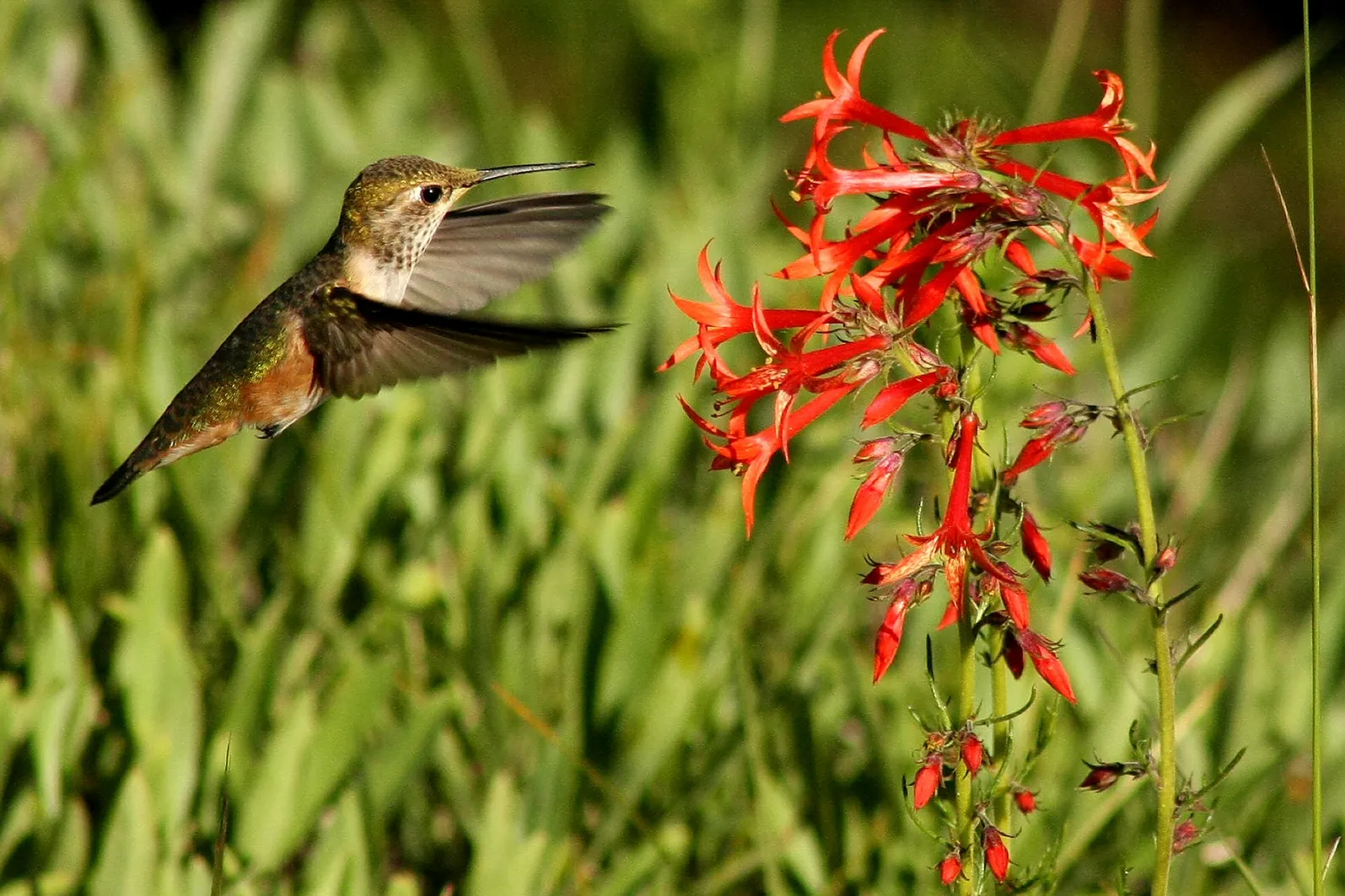
As the seasons shift, some hummingbirds start probing completely unsuitable objects with feeder-like focus – bright plastic clips, painted metal, reflective beads, even certain clothing. Checking out red items is standard hummingbird behavior. What’s harder to explain is the persistence: some individuals return multiple times to the same fake “flower” long after it’s proven it holds nothing.
These aren’t quick, one-off mistakes; they become routine stops on a daily circuit, which is a strange look for a bird known for fast learning. One theory blames shifting late-season light angles, changing leaf color, or glare throwing off pattern recognition. Another suggests young birds are still calibrating what counts as a flower. The complication is that seasoned adults do this too, mostly at transitional times of year, and nobody has rigorously linked it to age, hormones, or specific lighting conditions.
#2 – Staging Massive Pre-Migration “Truces” at Feeders
🔥 Would you like to save this?
We'll email this post to you, so you can come back to it later!
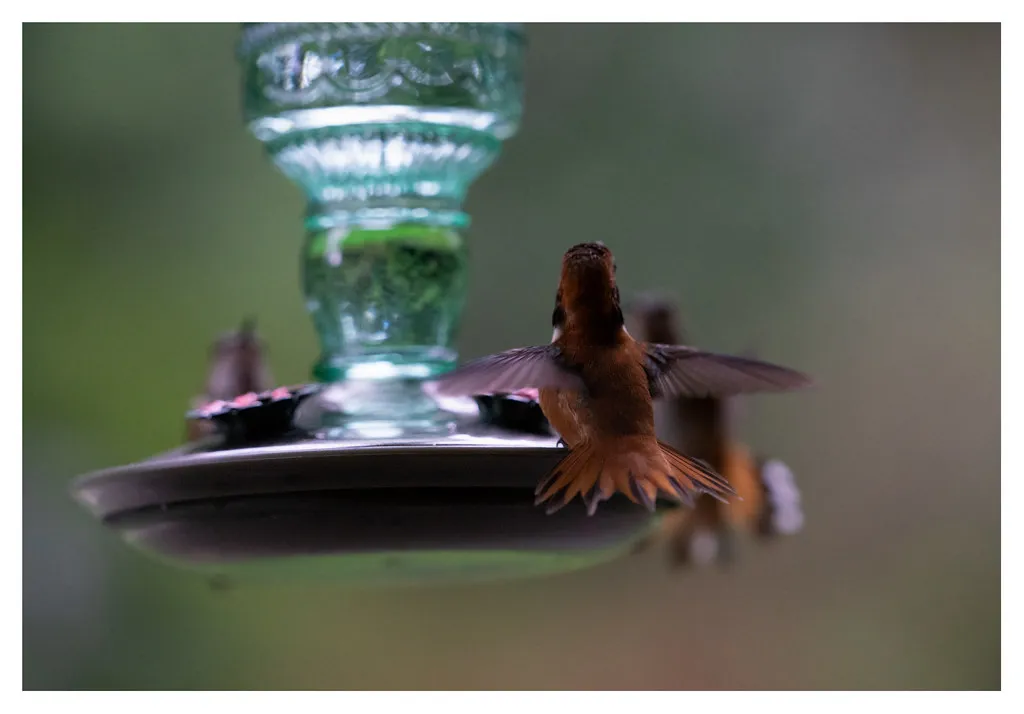
Most of the year, hummingbirds treat feeders like war zones. Then, right before major migration, something strange happens across many regions: the aggression drops sharply, and multiple birds feed side by side. People with years of backyard data swear by the pattern – weeks of nonstop chasing suddenly replaced by relative peace, right as birds are bulking up for a long flight.
This seasonal truce doesn’t fully mesh with simple territorial or dominance theories; you’d actually expect competition to intensify as every calorie starts to matter more. Some ornithologists chalk it up to brute necessity – the drive to fuel up overriding the drive to fight – but that doesn’t explain why the shift happens so abruptly, or why some yards see it and others don’t. Without migration-scale behavioral data, this annual peace treaty at the buffet stays more folklore than settled science.
#1 – Appearing in Places and Times They “Shouldn’t” Exist
🔥 Would you like to save this?
We'll email this post to you, so you can come back to it later!
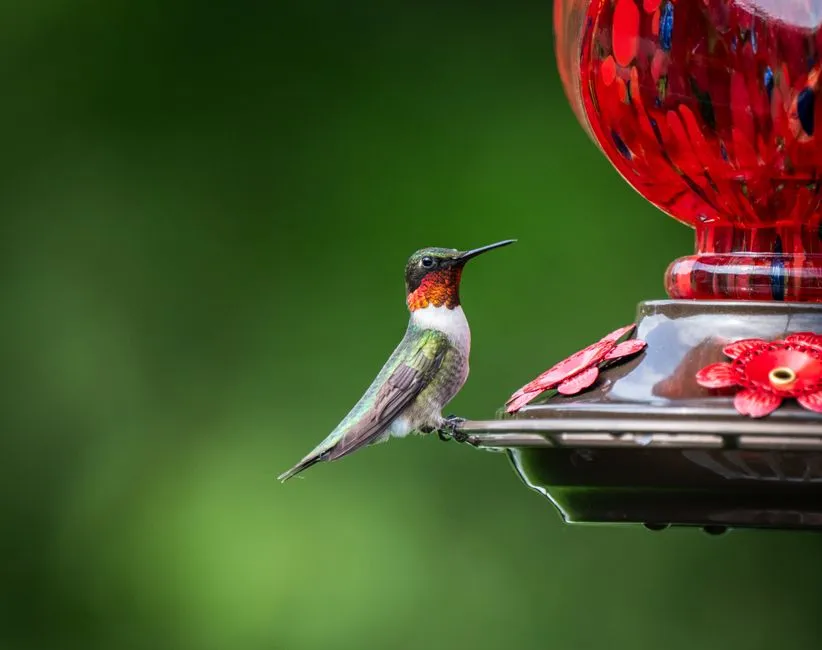
Every season, the most unsettling hummingbird mystery is also the simplest: they keep showing up where the models say they shouldn’t be. Wrong dates, wrong locations, wrong weather. Species turn up weeks before their “expected” arrival window, overwintering birds settle in regions considered too cold, and individuals appear far outside standard range maps – not just once, but repeatedly.
Some of this traces back to climate shifts and human feeding habits changing the rules. But even accounting for that, there are still one-off birds that defy every neat migration and range prediction, survive and sometimes thrive, then disappear from the record as abruptly as they arrived. Ornithologists often wave these off as statistical noise – rare vagrants, reporting bias, misidentification – but as community science and year-round reporting expand, that “noise” is starting to look like a genuine pattern. The birds probably aren’t breaking rules; we just never finished writing the rulebook.
The Bottom Line
🔥 Would you like to save this?
We'll email this post to you, so you can come back to it later!
If you walked in assuming hummingbird seasons were neatly charted – arrive, nest, tank up, migrate – this list should leave you a little unsettled. Over and over, these birds guard empty feeders, revisit failed nests, choose “bad” flowers on purpose, sleep in dangerously exposed spots, and turn up in places our maps insist they don’t belong.
The pattern here isn’t chaos. It’s that our explanations keep lagging behind their behavior. Some ornithologists will quietly admit it: we’ve treated hummingbirds like tiny fuel-burning machines when they actually behave more like improvisational problem-solvers whose seasonal choices don’t fit clean economic models.
My honest take? The field has been too quick to wave off these outliers as cute anecdotes instead of treating them as data worth rebuilding theories around. If you’ve watched a hummingbird do something in your own yard that made no sense at the time, it probably wasn’t a fluke – it was the bird quietly proving that the textbook is still unfinished.

- 7 Everyday Habits That Can Make Your Senior Dog Happier - November 5, 2026
- 10 Enigmatic Structures That Continue to Puzzle Scientists Today - November 5, 2026
- 10 Strange Ruins in the Americas That Challenge What We Know About Early History - November 5, 2026