
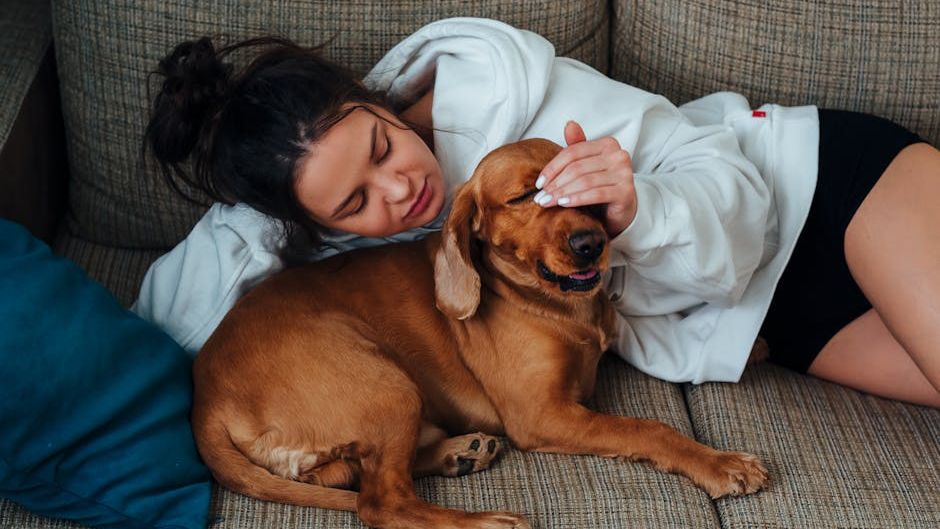
Most people think a wagging tail or an excited greeting is the ultimate proof their dog feels safe around them. It feels obvious, even flattering. But researchers who study canine attachment say those are just the surface layer – the real signals of trust are quieter, stranger, and happening right in front of you every single day without you realizing what they mean.
Scientists tracking oxytocin levels and canine bonding behaviors have identified specific actions that only appear when a dog has truly decided you are their safe place in the world. Some of them will surprise you. A few might even make you see your dog completely differently. Here are all 18 – and the later ones are the ones most owners never connect to trust at all.
#1 – They Sleep Belly-Up Right Next to You
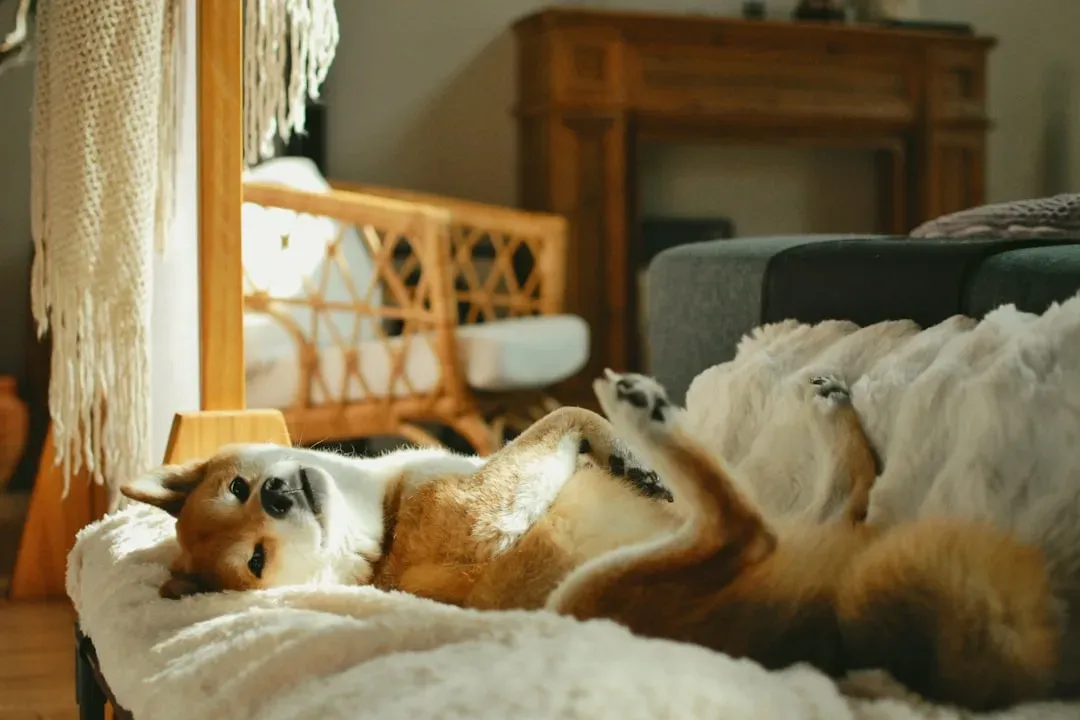
When your dog flips onto their back, legs splayed wide, and passes out right beside you or directly on top of you, they are doing something that looks silly but means everything. That position leaves every single vital organ completely exposed and the body essentially immobilized. In any environment where a dog felt even a flicker of threat, they would never choose it.
Only dogs who feel genuinely, completely protected will hold this position through the night. Their breathing stays deep and slow. Small sounds that would normally trigger a head-lift don’t even register – because your presence has already overridden every threat response in their nervous system. This full physical surrender is not laziness or comfort-seeking. It is the highest vote of confidence a dog can cast, repeated every single night.
Fast Facts
- The belly-up position exposes the stomach, throat, and major blood vessels simultaneously – the most vulnerable posture in the canine body.
- Dogs in unfamiliar environments almost never hold this position through sleep, even when exhausted.
- Slow, deep breathing in this pose signals the nervous system is fully in rest-and-digest mode – not monitoring for threats.
- This posture is most common in dogs that have lived with the same owner for over a year, as trust accumulates with time.
#2 – They Roll Onto Their Side and Expose Their Neck
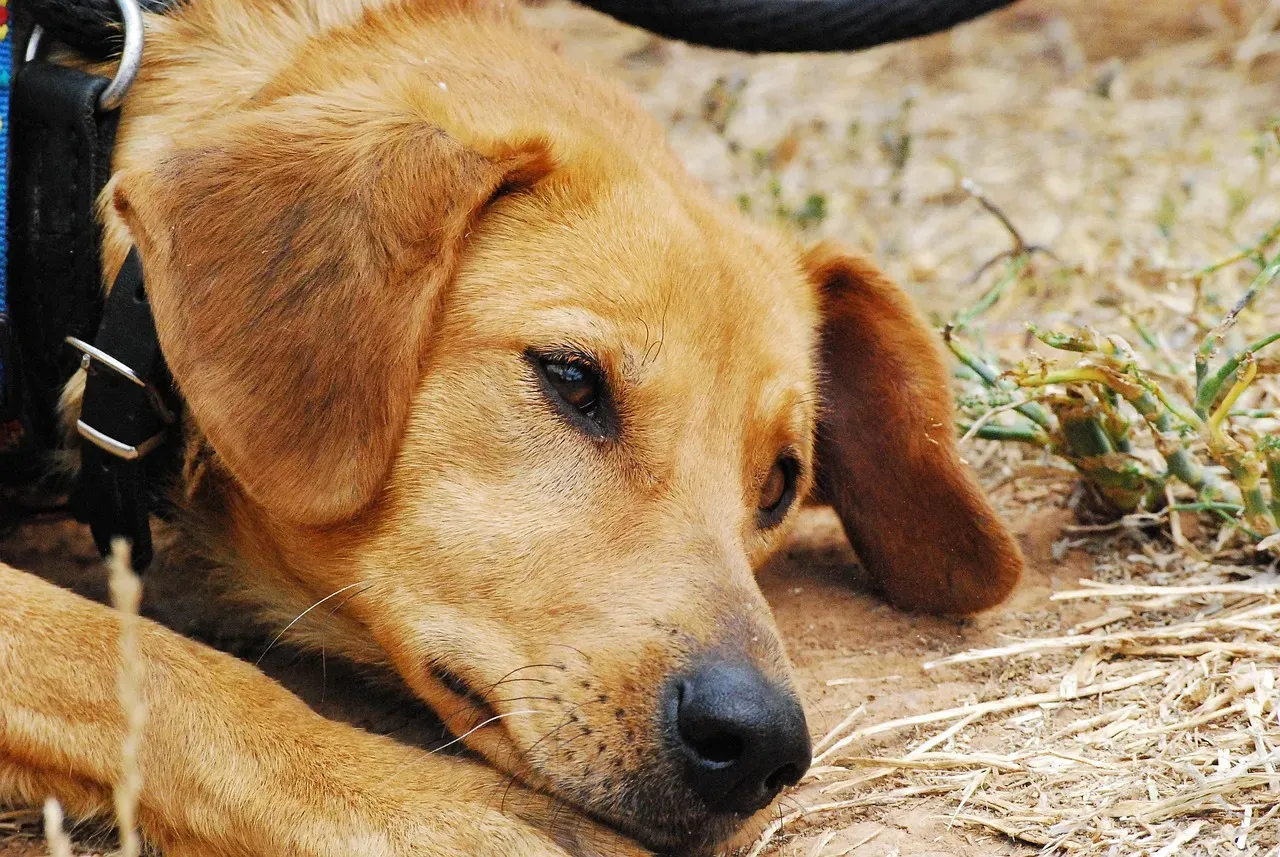
The neck is not just sensitive – it is one of the most strategically protected areas in canine body language. When dogs feel uncertain or threatened, they tuck it instinctively. So when yours flops onto their side and stretches their throat wide open in your direction during play or a quiet evening on the floor, that is not an accident. That is a deliberate, deeply wired signal of submission and safety.
This posture only consistently appears with humans a dog has bonded with through repeated gentleness over time. Their eyes stay soft and half-lidded. They don’t scramble up when you shift position. The exposed neck tells you, in the most ancient dog language possible, that they have decided you will never take advantage of their vulnerability – and they have stopped bracing for it.
#3 – They Stay Calm When You Leave and Come Back
Separation anxiety affects a huge number of dogs, and frantic, destructive behavior when owners leave is one of the most common problems trainers deal with. But when a dog has genuinely internalized that you always come back, their body tells a completely different story. They might watch you go. They might sigh. But they don’t spiral.
The even bigger tell is the return greeting. A dog with deep trust greets you with a loose, wiggly body and a soft tail sweep rather than frantic jumping, spinning, or trembling relief. That calm re-entry is not indifference – it is emotional security. They regulated themselves while you were gone because they have learned, through daily repetition, that your absence is always temporary. That kind of trust takes time to build and is genuinely hard to fake.
#4 – They Choose to Nap in the Same Room Even With Better Options
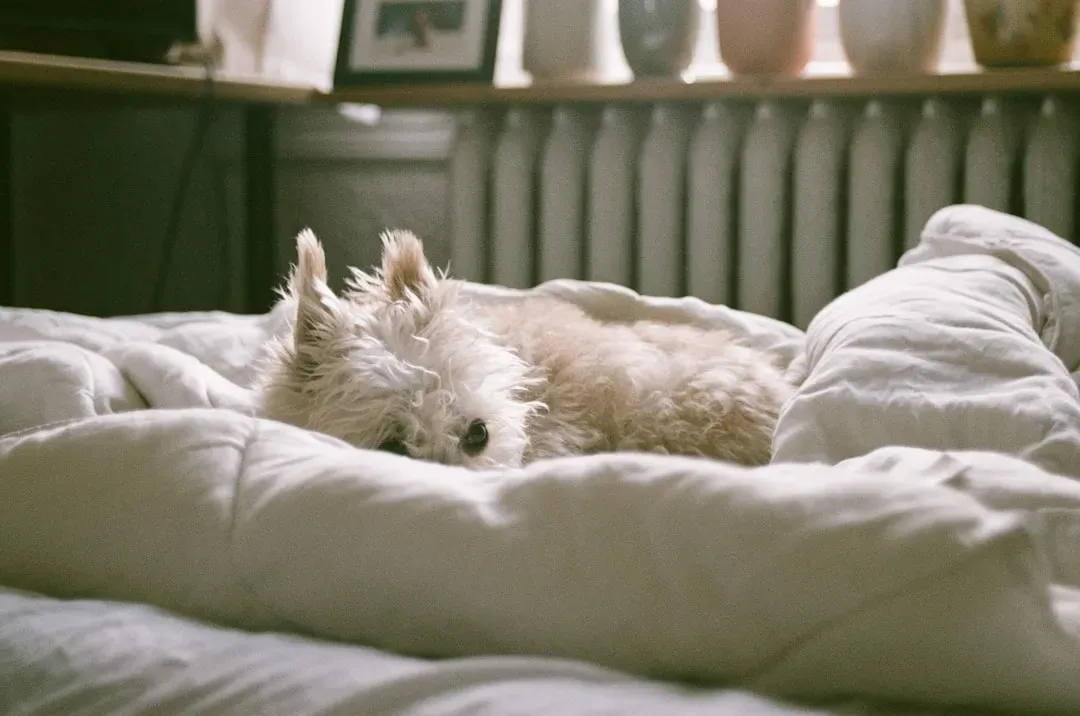
Dogs are not selfless creatures when it comes to comfort. Given the choice between a warm patch of afternoon sunlight by the window and a spot on the floor near you, a dog without a strong bond will pick the sunbeam every time. So when yours walks past the orthopedic bed, skips the sunny corner, and curls up within a few feet of wherever you happen to be sitting, that is a choice – and it means something.
Your scent and proximity are actively lowering their stress hormones. Research on canine cortisol levels shows that simply being near a trusted human produces a measurable calming effect in dogs. They don’t even need contact. Just existing in the same space as you is enough to make them feel safe enough to fully rest. When that choice repeats itself across multiple naps and multiple days, it stops being coincidence and starts being devotion.
#5 – They Lick Your Hands or Face With Slow, Deliberate Strokes
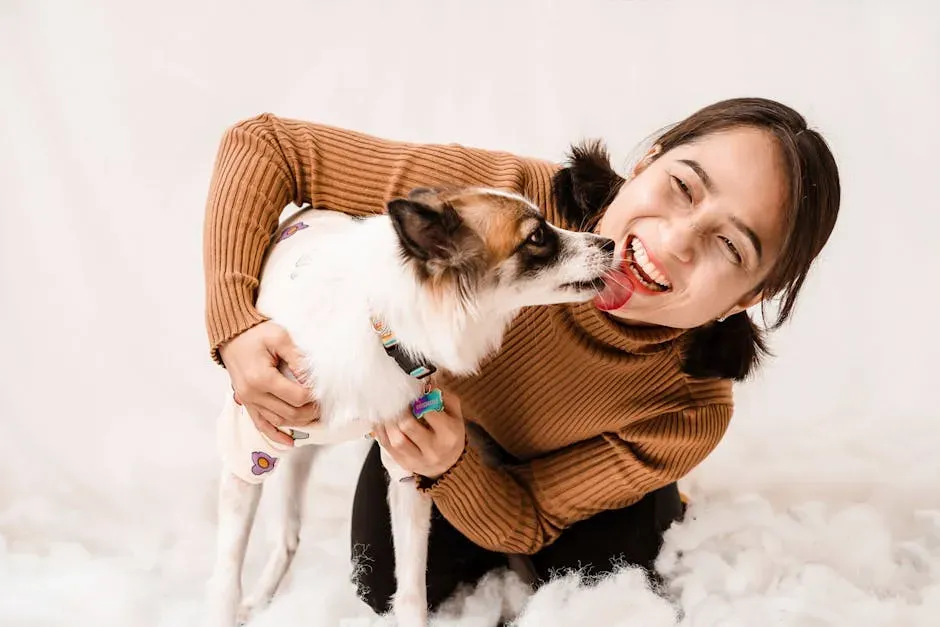
Not all licking is the same, and the difference matters more than most people realize. Quick, frantic, almost compulsive licking is often a stress behavior – a dog trying to self-soothe or appease someone they feel uncertain about. But slow, long, methodical licking during a calm, quiet moment is something else entirely. That is grooming behavior, and dogs only groom pack members they feel genuinely bonded to.
Watch the details: the tongue moves in long, relaxed passes rather than frantic dabs. Your dog pauses and checks your face. If you shift or gently move away, they stop – showing a kind of respectful awareness of your boundaries that only comes from a secure relationship. When this ritual shows up reliably every evening while you’re winding down, it means your dog has fully categorized you as family worth taking care of.
#6 – They Paw at You Gently for Attention
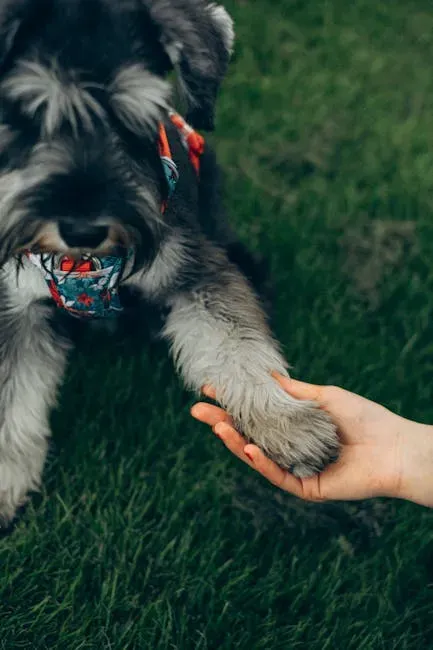
There is a world of difference between a dog that paws frantically and one that places a single, soft paw on your arm and waits. The first can be anxiety or demand. The second is a polite, trusting request from an animal that has learned – through repeated experience – that reaching out to you is safe and will be met with kindness rather than punishment or being ignored.
The touch itself is brief and light. What matters is what comes after: they wait. They read your response before doing anything else. This patient, gentle outreach appears because your dog has built a reliable mental model of you as someone who responds warmly. They are not desperate for attention – they are confident enough in the relationship to ask for it quietly, the way you might tap a close friend on the shoulder instead of shouting across the room.
[article_quiz]#7 – They Stay Relaxed During Loud Noises When You’re Home
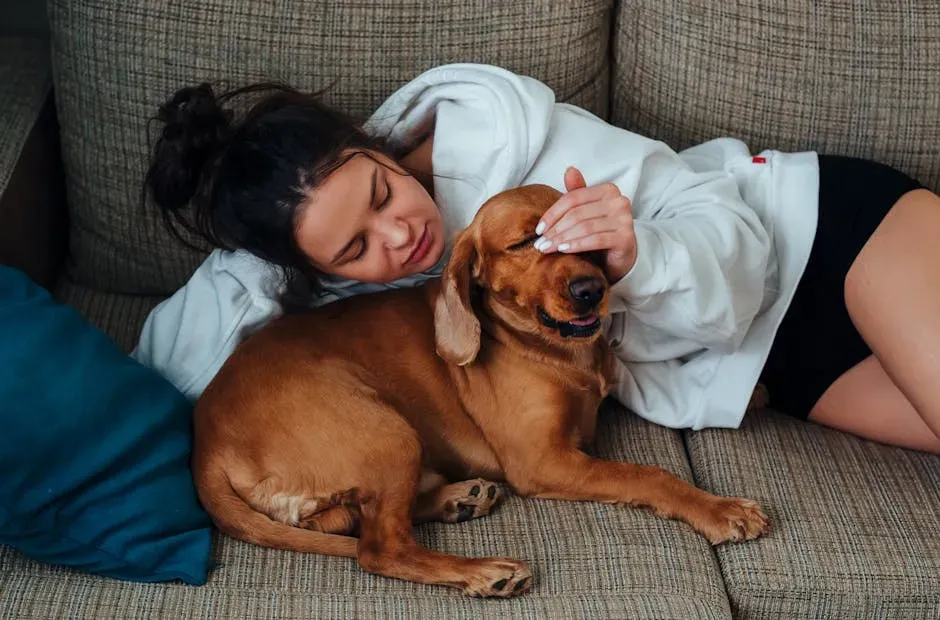
Thunder, fireworks, a slammed door, a car backfiring – most dogs have a hard-wired startle response to sudden loud sounds that is genuinely difficult to suppress. It is not a training failure; it is biology. Which is exactly why it is so striking when a dog not only avoids hiding during a storm but actually moves closer to you, settles back into the cushions, and sighs.
That calm is not indifference to the noise. Their ears still caught it. Their brain still registered it. But you are functioning as a live emotional buffer – your steady presence is actively overriding the instinct to flee or hide. This only develops after a dog has experienced, over and over, that being near you during scary moments leads to safety rather than more danger. The trust required for that override is not small. It is the kind that gets built one reassuring moment at a time.
At a Glance: Anxious Shadowing vs. Trust-Based Following
- Anxious dog arriving: Paces, pants, can’t settle, eyes wide and scanning.
- Trusting dog arriving: Finds you, picks a spot close by, drops immediately into rest.
- Anxious dog during noise: Hides, trembles, seeks dark enclosed spaces away from people.
- Trusting dog during noise: Moves toward the owner, settles in contact, breathing slows.
- The key difference: Body tension. Anxious dogs brace; trusting dogs melt.
#8 – They Offer Soft, Prolonged Eye Contact
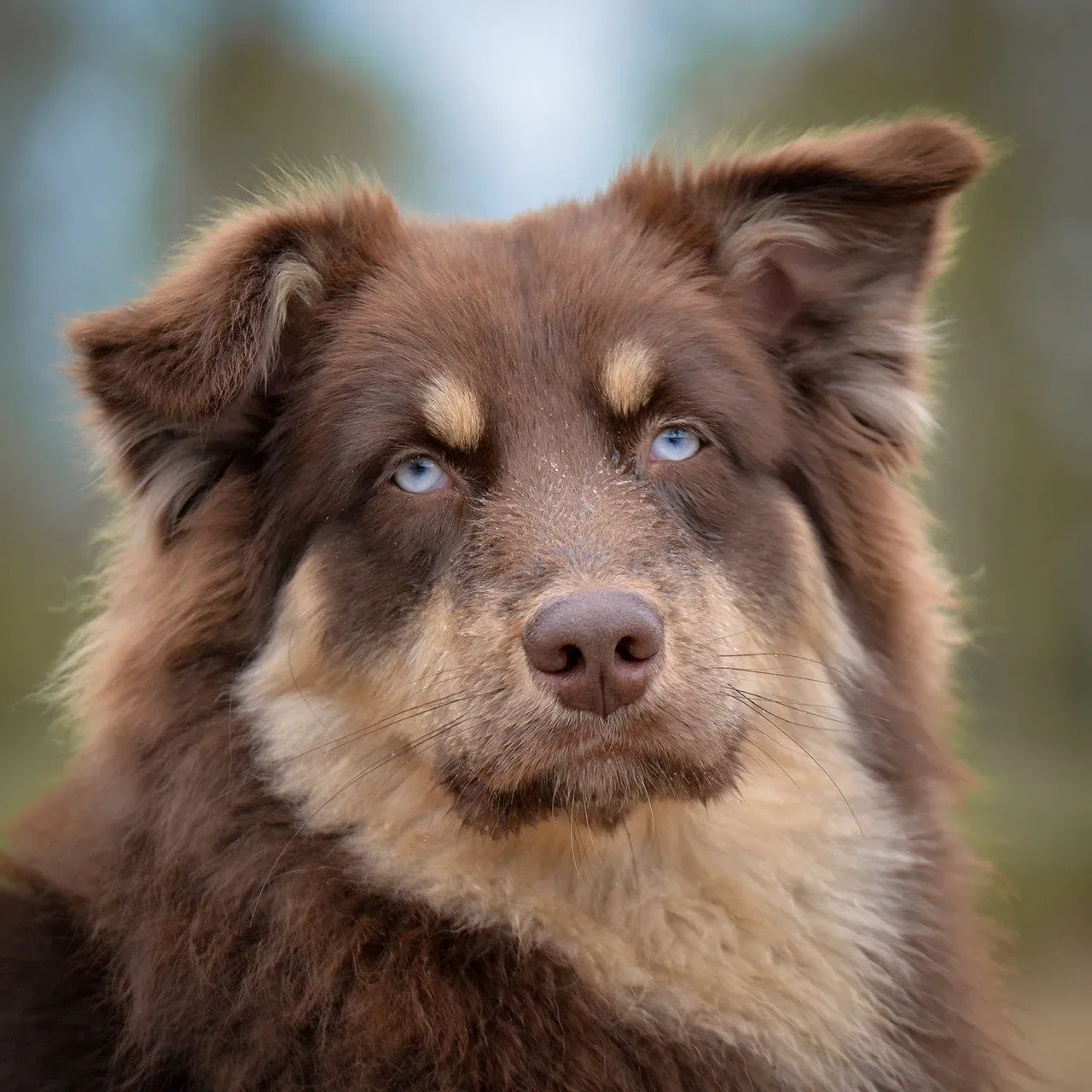
In dog language, a hard, direct stare between strangers or rivals signals challenge and potential aggression. Dogs understand this instinctively. So when yours holds a gentle, soft-eyed gaze with you – blinking slowly, pupils relaxed, body loose – they are doing something that requires genuine emotional safety to pull off. They are choosing to look directly at a potential threat and deciding there is no threat at all.
This kind of eye contact triggers a measurable oxytocin release in both dogs and humans. Research published in Science found that dogs who spent the greatest amount of time looking into their owners’ eyes experienced a 130% rise in oxytocin levels, while their owners saw a 300% increase – results that support the existence of a self-perpetuating oxytocin-mediated positive loop similar to that of human mother-infant relations. Your dog initiates this gaze during quiet daily moments – not just at greetings – and holds it without looking away first. That sustained softness is their version of saying, out loud, that this connection feels completely safe and worth leaning into.
“Our data suggest that owner-dog bonding is comparable to human parent-infant bonding, that is, oxytocin-mediated eye-gaze bonding.”
Takefumi Kikusui, Azabu University, as reported in Science
#9 – They Let You Approach While They’re Eating
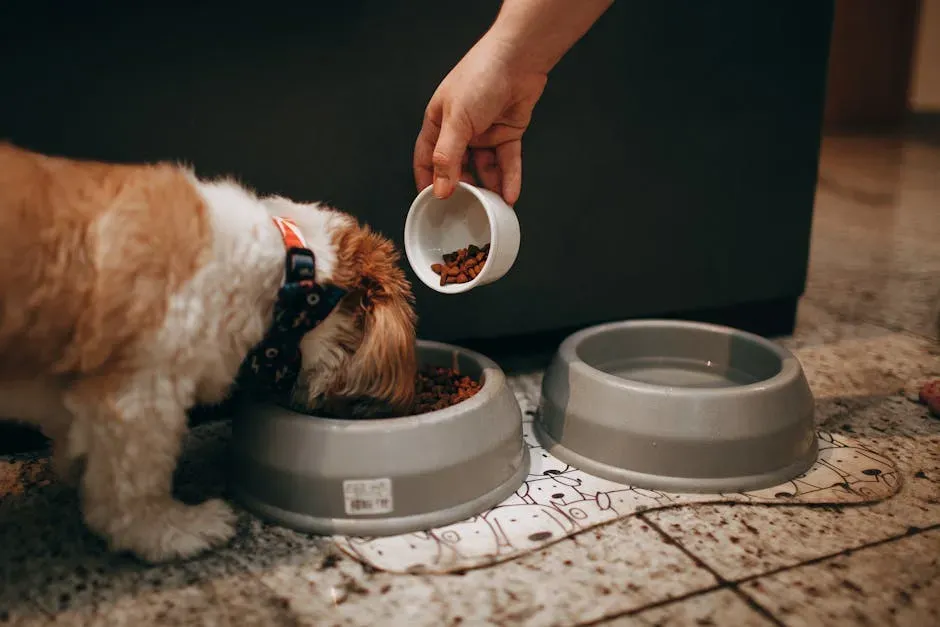
Food guarding is one of the most primal, deeply rooted instincts in dogs. In the wild, resources are survival, and protecting them is not aggression – it is logic. The fact that your dog continues eating at their normal pace, ears relaxed, body unbothered, as you walk past or even reach near their bowl is genuinely remarkable when you understand what they are suppressing to allow it.
They are not just tolerating you. They have actively decided you are not a competitor and not a threat to their most basic need. Their ears stay forward rather than pinned back. They don’t speed up their eating in a panic, and there is no low rumble in their chest. This relaxed daily tolerance only develops after repeated positive experiences confirm that your presence near their food never leads to something bad – and that takes real, consistent trust to build.
#10 – They Sleep With Their Back Pressed to Yours
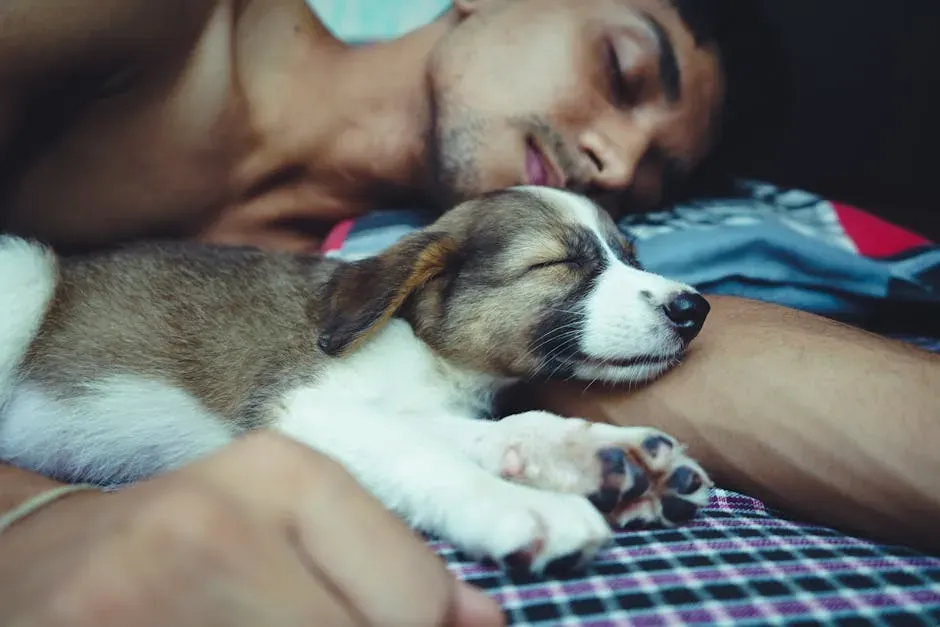
Wolves and wild dogs sleep back-to-back only with pack members they trust to guard their blind spot through the night. It is a survival arrangement built on absolute confidence in the other animal’s reliability. When your dog seeks out the spot right against your spine at bedtime and stays there, they are extending that same ancient contract to you – without a second thought.
Notice how quickly their breathing slows once contact is made. There is no fidgeting, no repositioning away from you, no circling and resettling on the far edge of the bed. The warmth and pressure of your back signals zero danger during the hours when they are most vulnerable. This is not your dog stealing blankets or hogging space – it is a nightly renewal of a promise that you are safe to sleep beside.
#11 – They Check In With You at the Dog Park
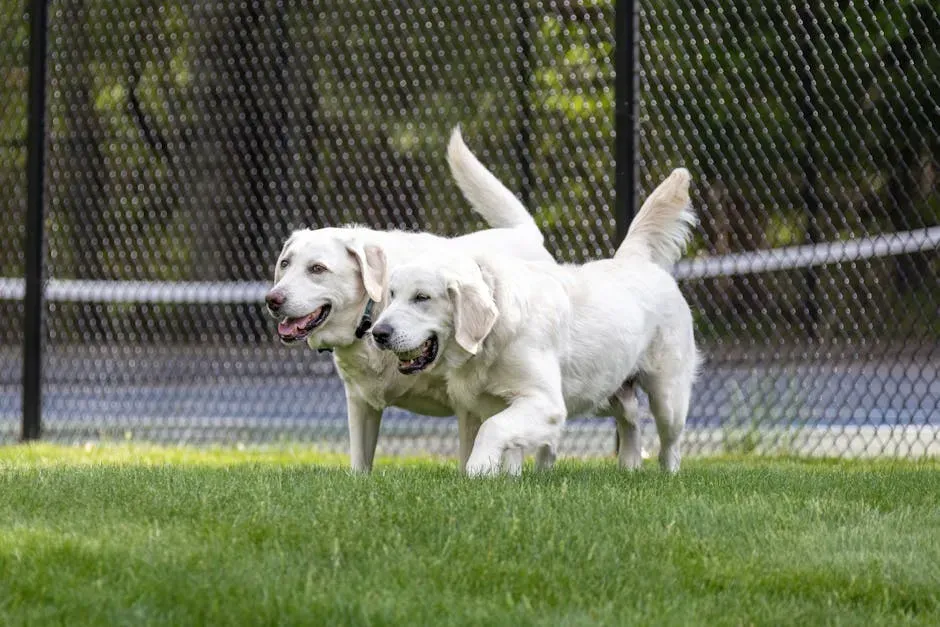
Off-leash in a wide open space, surrounded by other dogs, exciting smells, and full freedom to roam – this is your dog’s version of paradise. Which makes it even more meaningful when they stop mid-chase or pull their nose out of a fascinating hole in the ground just to glance back at you. That look is not random. Attachment researchers call it “social referencing,” and it mirrors how human infants use a trusted caregiver as an emotional GPS. Research has confirmed that most dogs – 83% in one study – looked referentially to the owner after encountering a strange or uncertain object, appearing to seek information about the environment from the human.
The look itself tells you everything: it is quick, calm, and relaxed – not frantic or desperate. Dogs form a strong attachment bond with their owners similar to the human mother-infant relationship, and like children, they use their owner as a “secure base.” A dog who has not bonded deeply with their owner simply does not bother with this. The check-in only happens when the relationship is strong enough that your presence actually matters to them mid-adventure.
#12 – They Expose Their Belly During Play or Rest
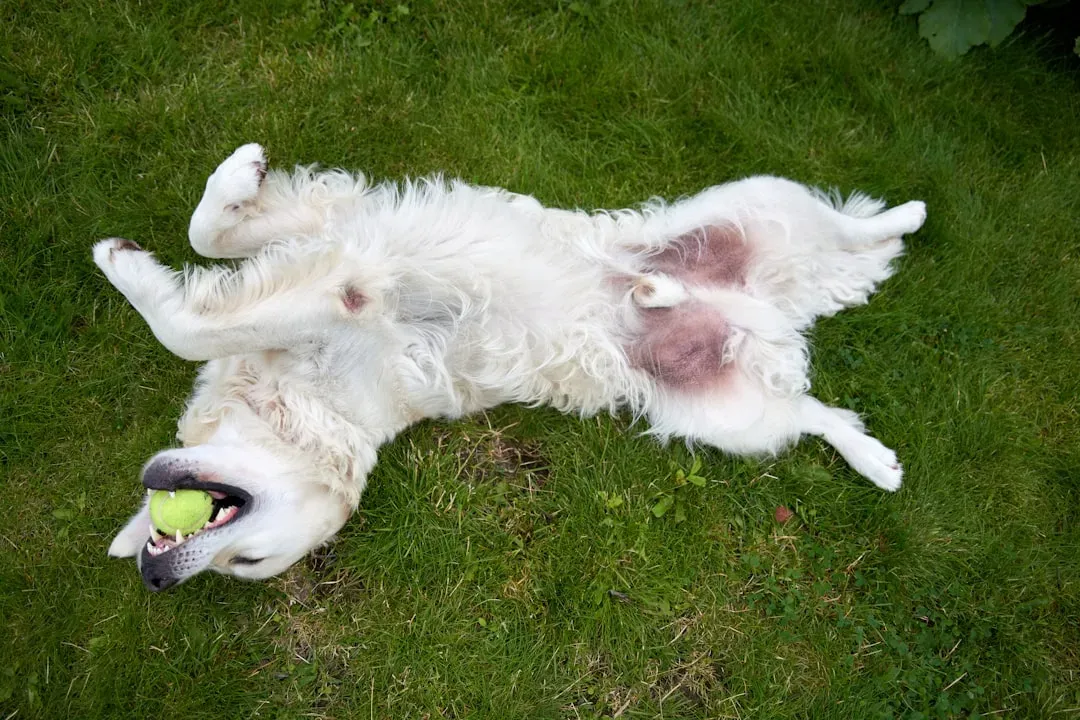
Rolling onto their back is often misread as a simple request for belly rubs. Sometimes it is. But when your dog flips over spontaneously – not in response to a command, not fishing for attention – and just lies there with their belly up and legs flopped open while you happen to be nearby, that is something different. The belly is one of the most exposed, least defended areas of a dog’s body, and showing it freely signals an absence of fear so complete it has to be earned.
Their tail stays loose rather than tucked. Their eyes stay soft. They don’t scramble upright at every small sound. This position shows up multiple times throughout the day because your consistent, calm presence has taught them that dropping every physical defense is perfectly safe. The vulnerability on display is not carelessness – it is the deepest form of relaxation a dog can express, and it only happens in genuinely secure environments.
#13 – They Lean Their Full Weight Against You
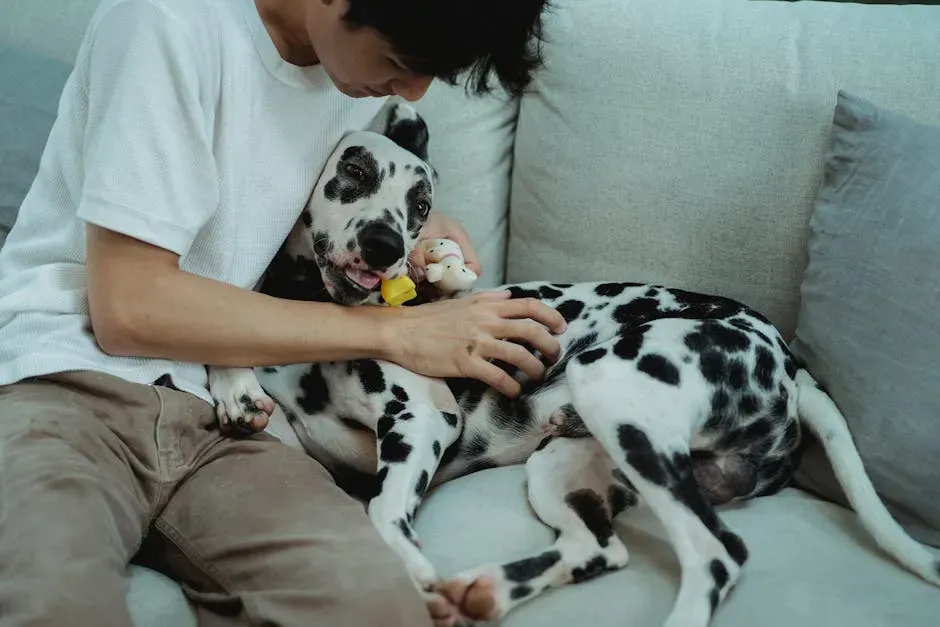
When your dog presses their entire side solidly into your leg while you’re standing in the kitchen or waiting outside, it can look like simple affection or even an awkward habit. But behaviorally, leaning is a physical trust check. They are transferring their full weight – their full balance – onto you, which means they are testing, in the most literal way possible, that you will hold steady and not move away.
The important detail is what their muscles are doing. A dog who leans out of anxiety holds tension in their body – you can feel them bracing. A dog leaning out of trust is completely loose, almost melting into you. They don’t push and immediately dart away. They settle in. This physical daily check-in, repeated whenever you are standing nearby, is them confirming over and over that you are a stable, reliable presence – and finding the answer they expected each time.
Worth Knowing: The Science Behind the Secure Base
- Research using the Ainsworth Strange Situation Test – originally designed for human infants – has been successfully adapted to measure dog-owner attachment bonds.
- Domestic dogs have been closely associated with humans for about 15,000 years, and this unique relationship bears a remarkable resemblance to an infant attachment bond.
- Dogs spend more time engaging with their environment when their guardian is present than when absent – and this holds true even for dogs without separation anxiety.
- Dogs with secure attachments to their owners are actually more confident when exploring their environment – meaning trust creates independence, not clinginess.
- A stranger cannot substitute for an owner in providing this effect: the presence of an unfamiliar person did not increase the dogs’ activity, confirming it is the guardian specifically – not just any person – who motivates and calms them.
#14 – They Bring You Their Favorite Toy Unprompted
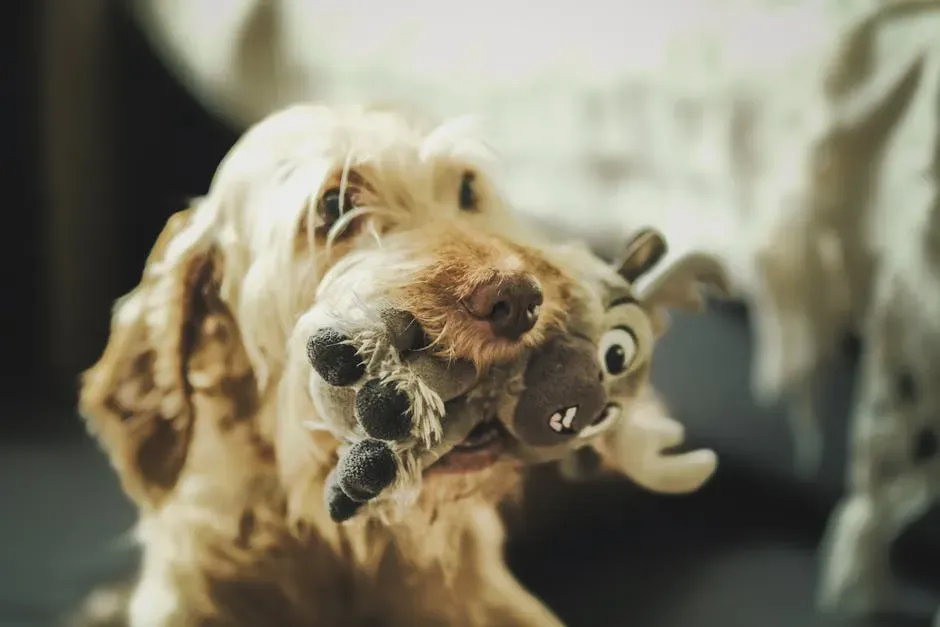
Dogs do not share their most prized possessions with strangers or with dogs they are not comfortable around. So when yours carries their most beloved squeaky toy – not a random stick from the yard, not a forgotten ball, but the good one – directly to your feet every afternoon, unprompted, they are making a deliberate social offering. Behaviorists describe this gift-giving as a clear sign the dog has categorized you as safe, trusted pack rather than outsider or rival.
What happens next is just as telling. They don’t drop it and sprint off. They wait. They watch your face for a reaction, ears soft, tail moving in a loose, hopeful arc. The whole exchange is built on confidence – confidence that you will respond warmly, that the game will be safe, that the toy will not be taken away from them permanently. That kind of open-handed generosity with a treasured object is not something dogs offer lightly, and they do not offer it to just anyone.
#15 – They Yawn Right After You Do
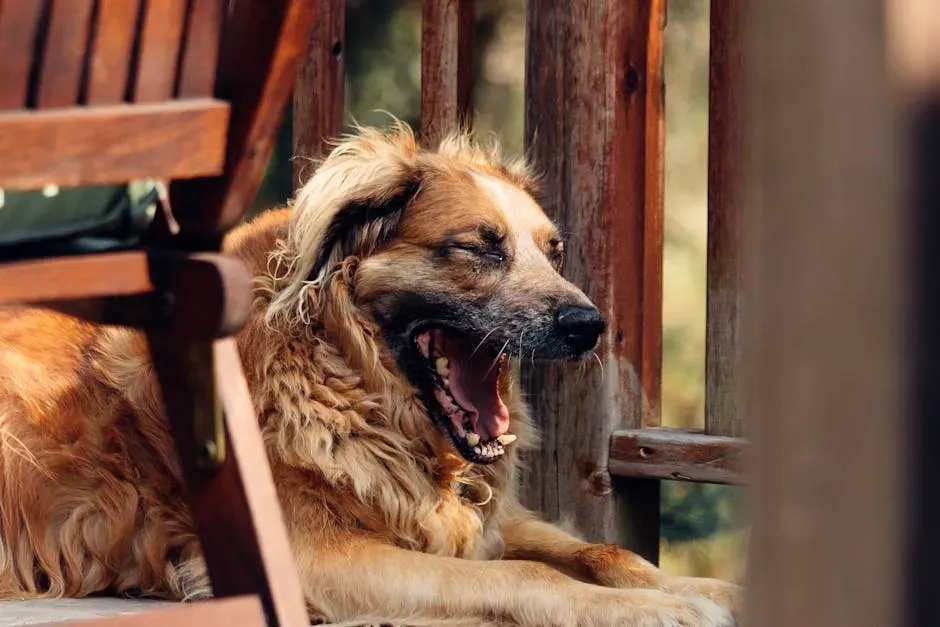
Contagious yawning between humans is already a well-documented sign of empathy and social bonding. What surprises most people is that dogs can catch yawns from humans too. A study conducted in 2008 by researchers at the University of London showed that dogs could catch yawns from humans – with 72 percent of them yawning back, a higher percentage than typically seen in humans. Further research from the University of Tokyo found that dogs not only caught yawns from humans, but did so more frequently when the model was their owner, suggesting the process is mediated by emotional bonds.
It shows up in the quiet, unremarkable moments – early morning before you’ve said a word, or late in the evening when you’re both winding down. The mechanism behind contagious yawning between humans and dogs is likely rooted in the mirror neuron system – the part of the brain responsible for empathy and the understanding of others’ actions – which activates the same regions as if the observer were yawning themselves. That tiny, easy-to-miss echo is one of the most scientifically interesting trust signals on this entire list, and it happens every single day without most owners ever noticing it.
#16 – They Rest Their Head on Your Lap or Leg
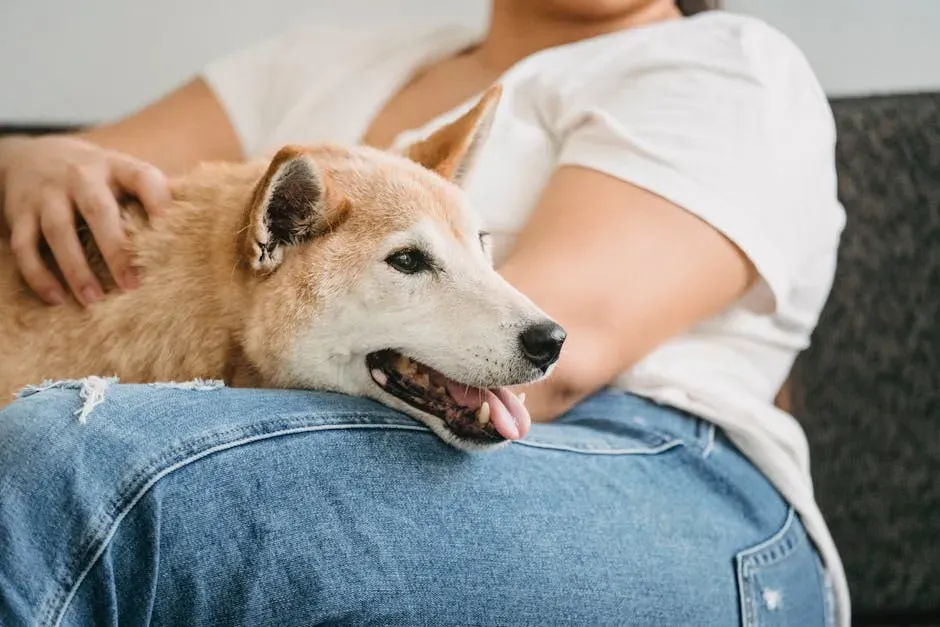
A dog’s head is surprisingly heavy, and placing it somewhere requires a choice. When yours walks over, considers their options, and then deliberately rests their chin on your thigh while you sit reading or watching something, they are not just looking for a pillow. The head is sensitive, the position is exposed, and staying still in it requires a level of comfort and confidence in the person beneath them that does not come automatically.
Trainers note this behavior clusters around people a dog has bonded with through calm, consistent, positive interaction over time. Notice that they are not restless – they go still, breathing slows, eyes go heavy. They are not angling for pets, though they will accept them. They are using your body as their safe zone, and the stillness itself is the message. The fact that it happens on an ordinary Tuesday afternoon, not just after a big walk or exciting moment, is what makes it real.
#17 – They Follow You From Room to Room All Day
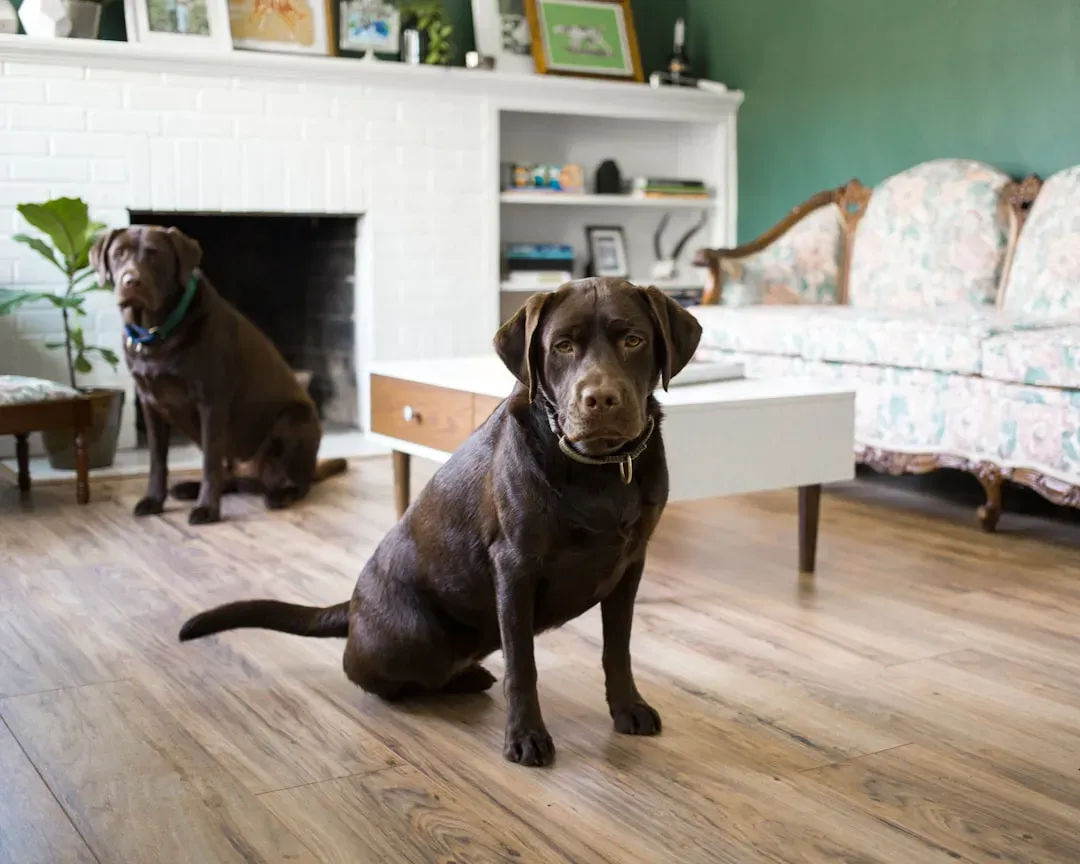
Your dog does not need to follow you into the bathroom to survive. They have water, food, a bed, and perfectly good things to sniff on their own. But when they get up every single time you move – trailing you to the kitchen, waiting outside the door, relocating to whatever room you settle in next – they are not being needy. Attachment research shows this “secure base” behavior mirrors almost exactly how young mammals stay near a trusted caregiver in unpredictable environments.
The critical difference between anxious shadowing and trust-based following is in their body when they arrive. An anxious dog paces, pants, and can’t settle. A trusting dog finds you, picks a spot nearby, and immediately relaxes – as if your presence was the only thing missing. Increases in oxytocin, beta-endorphin, and dopamine – neurochemicals associated with positive feelings and bonding – have been observed in both dogs and people after enjoyable interactions, and interacting with a known dog can have some of the same psychophysiological markers as when two emotionally attached people spend time together. That is not clinginess. That is a secure attachment, built one ordinary day at a time.
[article_quiz]#18 – They Let You Handle Their Paws Without Pulling Away
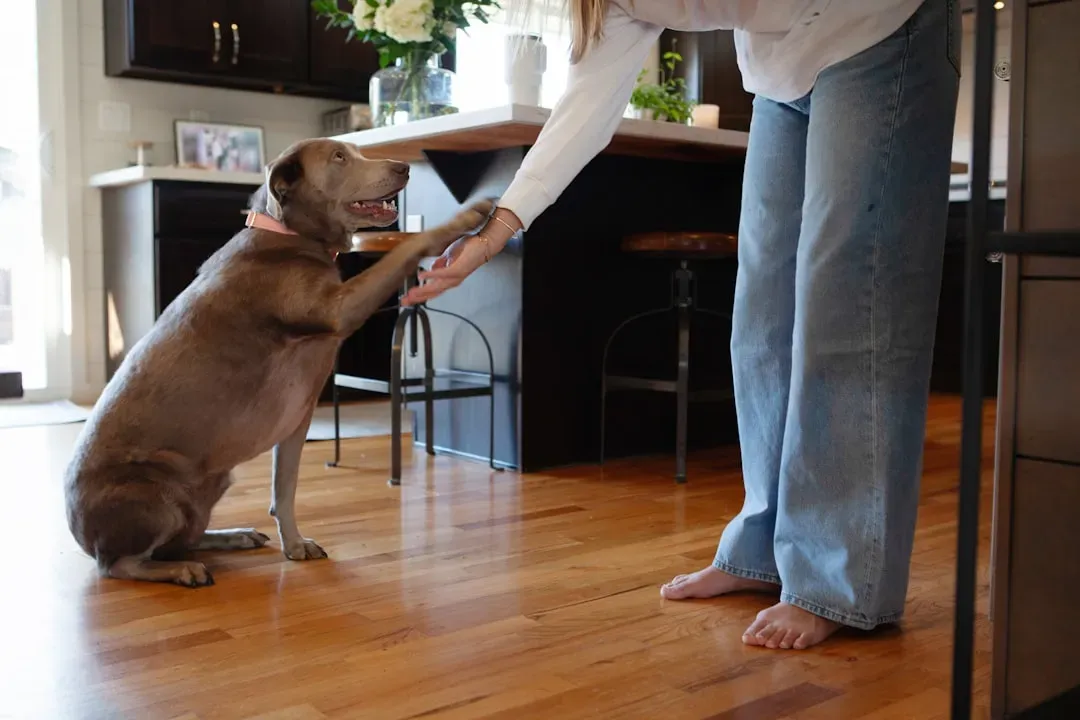
Most dogs are instinctively protective of their feet. The paws contain nails, tendons, and sensitive nerve endings, and losing access to them – even briefly – registers in a dog’s nervous system as a real vulnerability. This is why even gentle, well-socialized dogs will pull back, fidget, or mouth at your hand during nail trims. The ones who stay completely still are not better trained. They have simply decided you specifically are safe to surrender that control to.
The real giveaway is their breathing. A dog tolerating paw handling out of obedience holds tension in their shoulders and breathes unevenly. A dog who genuinely trusts you breathes slowly, stays loose, and does not brace the leg against you. Their body language is simply… relaxed. The surrender is quiet and complete. This daily moment during routine grooming or muddy-paw cleanup reveals something that commands and treats alone cannot manufacture – the belief, built through consistency and kindness, that you will not hurt them even when they are most exposed.
Quick Compare: Signs of Obedience vs. Signs of Genuine Trust
- Paw handling (obedience): Stiff legs, held breath, occasional pull-back, eyes averted.
- Paw handling (trust): Loose limbs, slow steady breathing, no resistance, soft eye contact.
- Eye contact (obedience): Brief, looking away quickly, body tense or anticipating a command.
- Eye contact (trust): Slow blinks, relaxed pupils, body fully at ease, initiated by the dog.
- Proximity (obedience): Stays close when commanded; moves away when released.
- Proximity (trust): Chooses to stay close even when free to roam anywhere they want.
Here is what all 18 of these behaviors share: none of them are dramatic. None of them require a dramatic rescue story or years of professional training to produce. They build slowly, through the accumulation of ordinary moments where you showed up, stayed calm, and kept your dog safe. The soft belly flop on a Wednesday afternoon. The paw placed trustingly in your hand. The check-in glance from across the dog park. These are not small things dressed up as big ones. They are the real thing – a relationship measured not in grand gestures but in ten thousand quiet daily choices your dog makes to stay close to you.
If your dog shows even half of these behaviors regularly, you have built something genuinely worth protecting. The science is unambiguous: an interspecies oxytocin-mediated positive loop, facilitated by gazing and physical closeness, appears to have supported the coevolution of human-dog bonding by engaging common modes of communicating social attachment. These signals reflect real neurochemical bonding – not just habit or coincidence. Your dog chose you as their safe place in a world that is often confusing and overwhelming for them. The least we owe them is to keep being worthy of that choice, every ordinary day. And honestly? Given everything they give us so freely and so quietly – that seems like the very least we can do.
