
There’s a moment most seasoned dog trainers know well. A first-time owner sits across from them, grinning, showing a photo of the new puppy they’ve just committed to. The trainer takes one look at the breed and internally braces for impact. They won’t always say it out loud, but certain breeds quietly set off alarm bells for professionals.
It’s not that these dogs aren’t wonderful. Many of them are strikingly loyal, deeply intelligent, and genuinely captivating companions. The problem is the gap between what a breed needs and what a new owner typically understands how to provide. Temperament plays a significant role in how well-suited a specific dog may be for a first-time owner. Without much experience, highly independent, stubborn, or anxious dogs can be very challenging and require intense training and attention.
These 15 breeds are the ones trainers quietly steer beginners away from, and understanding why reveals a lot about what it really takes to raise a dog well.
1. Siberian Husky
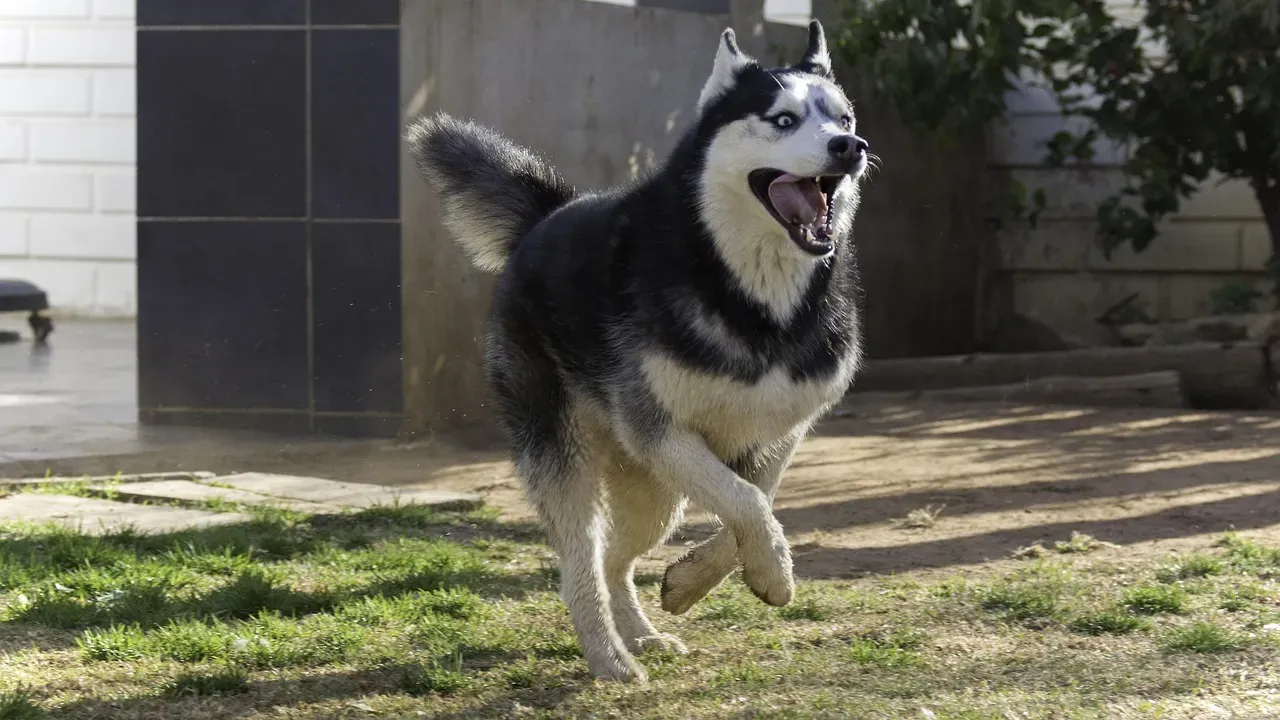
Huskies rank among the most searched breeds online, and their striking looks have earned them a devoted fan base. The reality of owning one, though, is a full-time job that most first-timers genuinely underestimate.
Siberian Huskies can make wonderful pets for the right people, but they’re certainly unique. As sled pullers, these canines were bred for independent thinking, so training them is notoriously difficult. They are also impulsive, prone to barking and running away, stubborn, and sometimes inattentive.
This high-energy breed requires a lot of exercise and is prone to bolting out the door. They are also very intelligent and skilled escape artists with a strong will that can lead them to ignore you in favor of doing whatever they want. For a first-time owner expecting a loyal, obedient companion, this can feel like raising a small storm.
2. Chow Chow
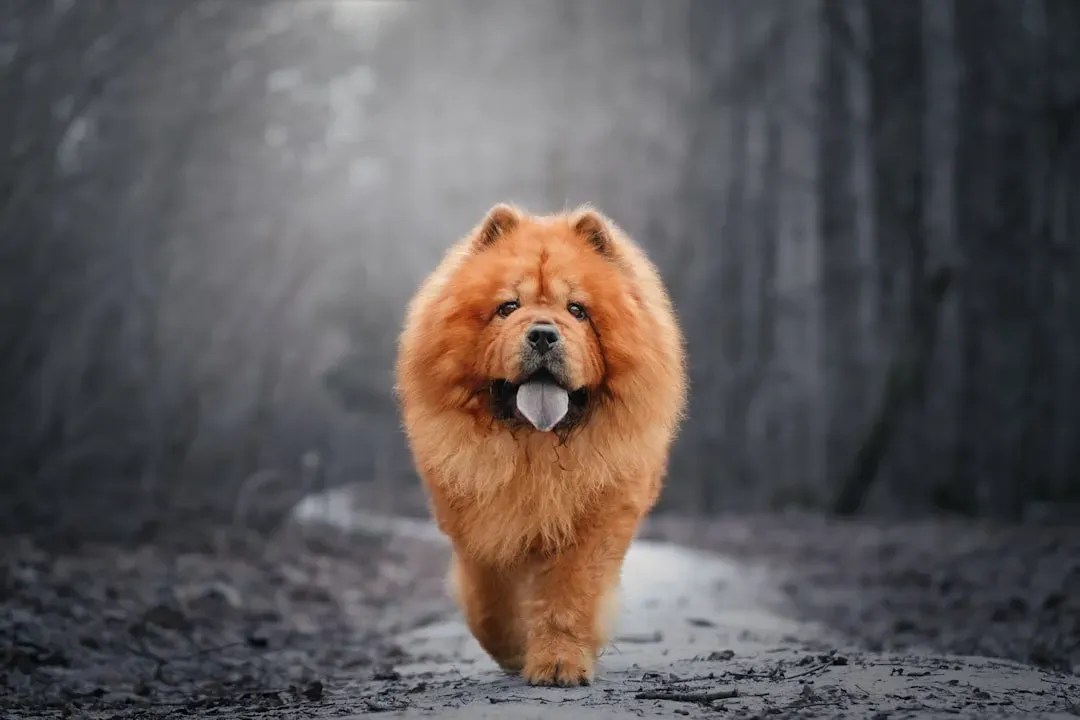
With their lion-like mane and teddy bear appearance, Chow Chows are consistently misread as gentle giants by people new to the breed. The truth is more complicated.
Chow Chows were bred as guard dogs. They tend to be aggressive and reactive towards strangers and other dogs if not properly socialized and trained. With their strong will, Chow Chows are less eager to please and will become the boss if you let them.
Chow Chows carry a serious, catlike independence. They can be aloof with strangers and touch-sensitive, so grooming and vet handling need slow, positive practice from day one. Even routine care like nail trimming requires careful conditioning. That’s a tall order for someone managing their first dog.
3. Akita
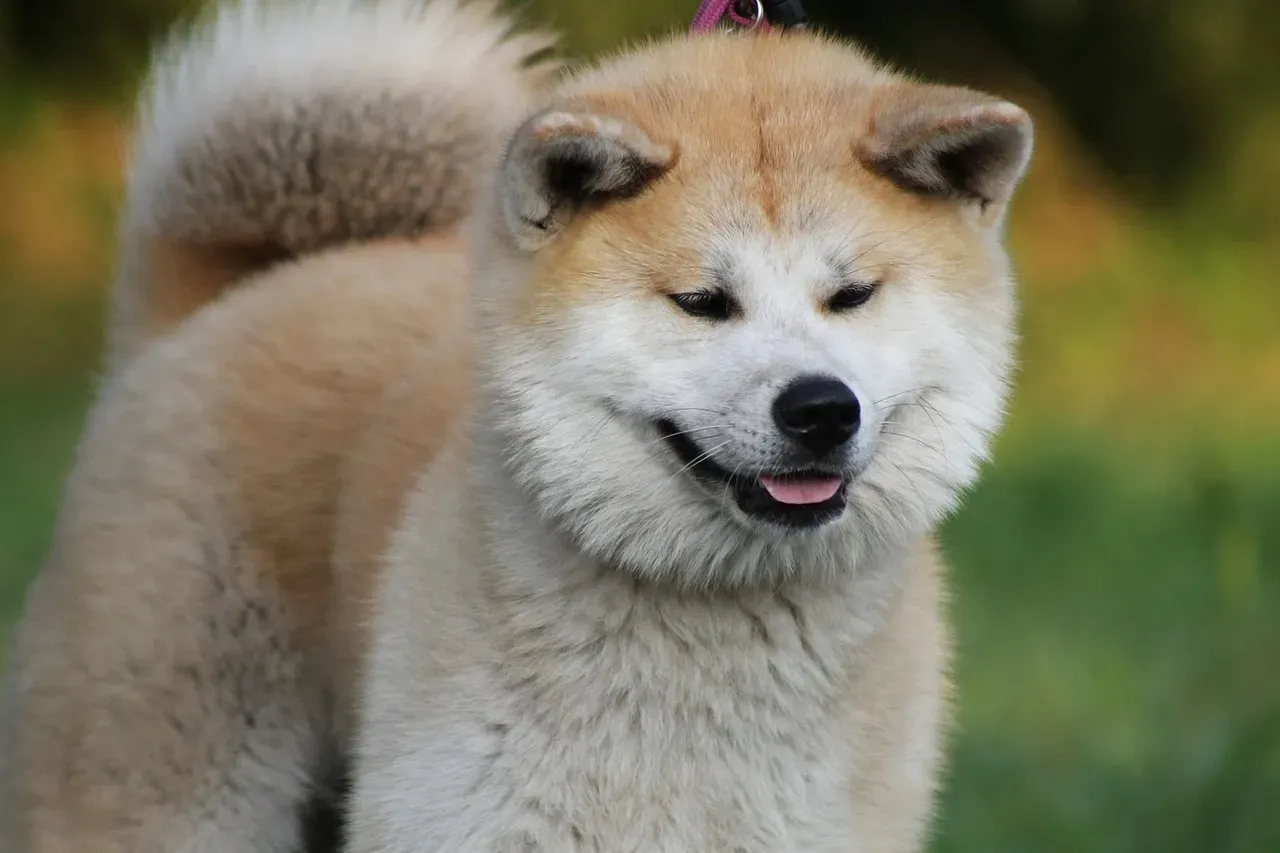
The Akita carries an almost mythological status in Japan, revered as a symbol of loyalty and good health. That reputation, while earned, creates unrealistic expectations among newcomers.
Akitas were bred to hunt big game, so they have a strong prey drive and can be aggressive if not adequately socialized and trained. Highly protective by nature, these dogs are often wary of strangers and do not always get along with other dogs.
It takes an experienced pet parent to keep Akitas grounded and trained. Their size alone makes mismanaged behavior particularly risky. This is one of those breeds where the consequences of inconsistent training scale quickly.
4. Alaskan Malamute
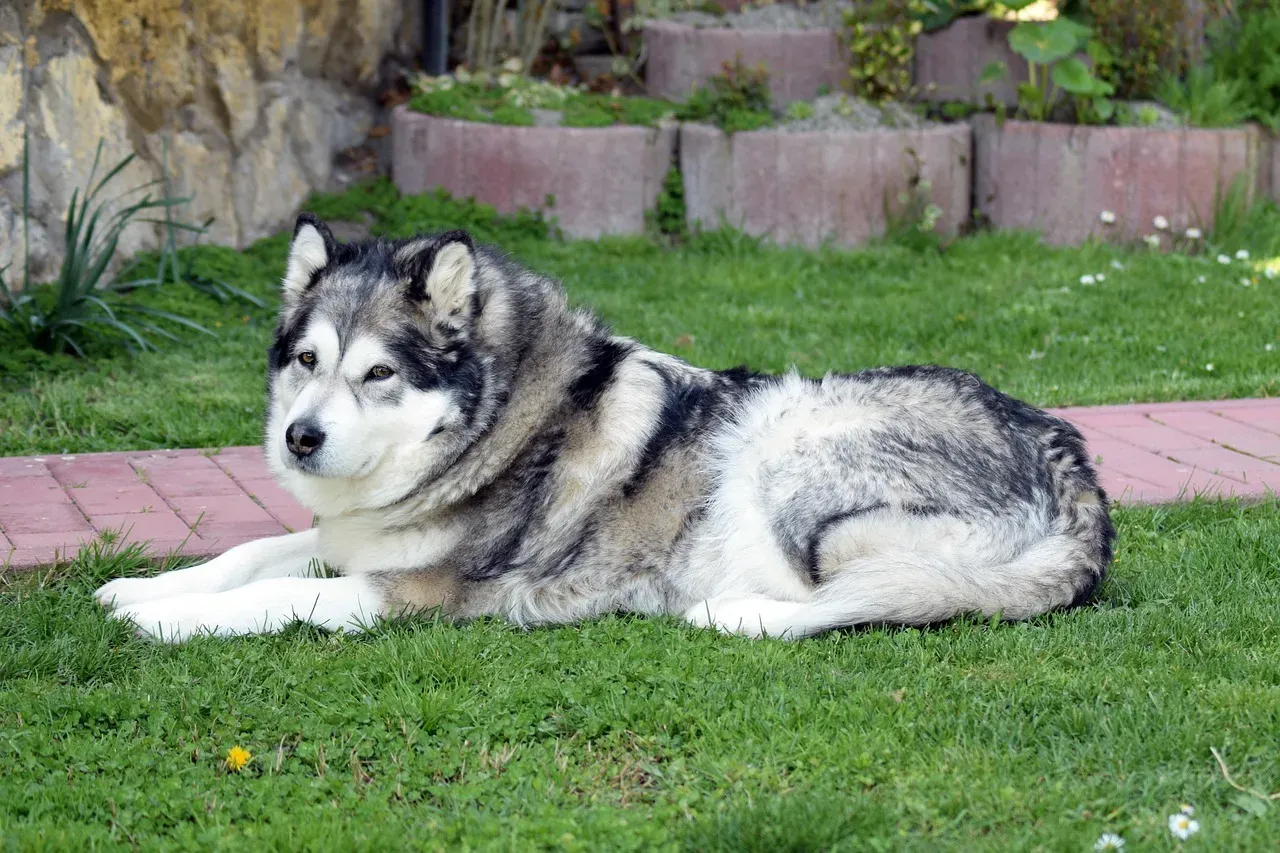
Malamutes are often confused with Huskies, and while the two share some traits, the Malamute brings an additional layer of physical power that makes the comparison feel like trading a compact car for a freight truck.
Alaskan Malamutes are powerful, independent dogs bred for hauling heavy freight as sled dogs. They possess incredible strength and stamina, requiring ample exercise to prevent boredom and destructive behavior. Malamutes have a strong prey drive and a desire to roam, making them a challenge to keep contained. They are known for being stubborn, making training a task that requires patience and consistency.
The Alaskan Malamute sheds like crazy, pulls on leash with all of his 65 to 100 pounds and is a talented escape artist. This breed is made to travel far on his own four feet and needs a family committed to a lot of exercise. A secure yard, a structured lifestyle, and months of dedicated work are the baseline requirements here.
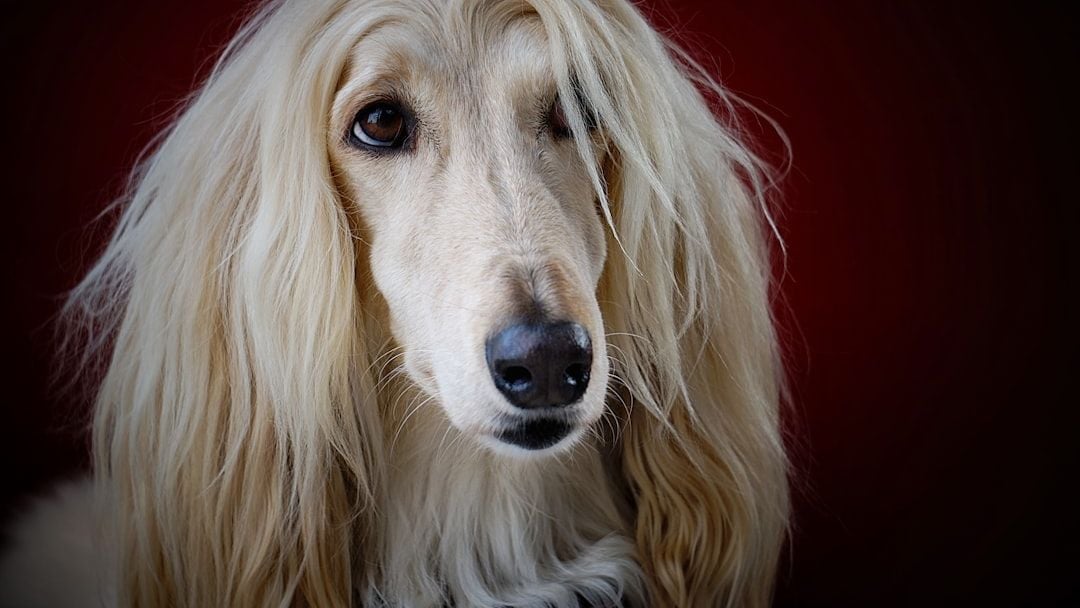
5. Afghan Hound
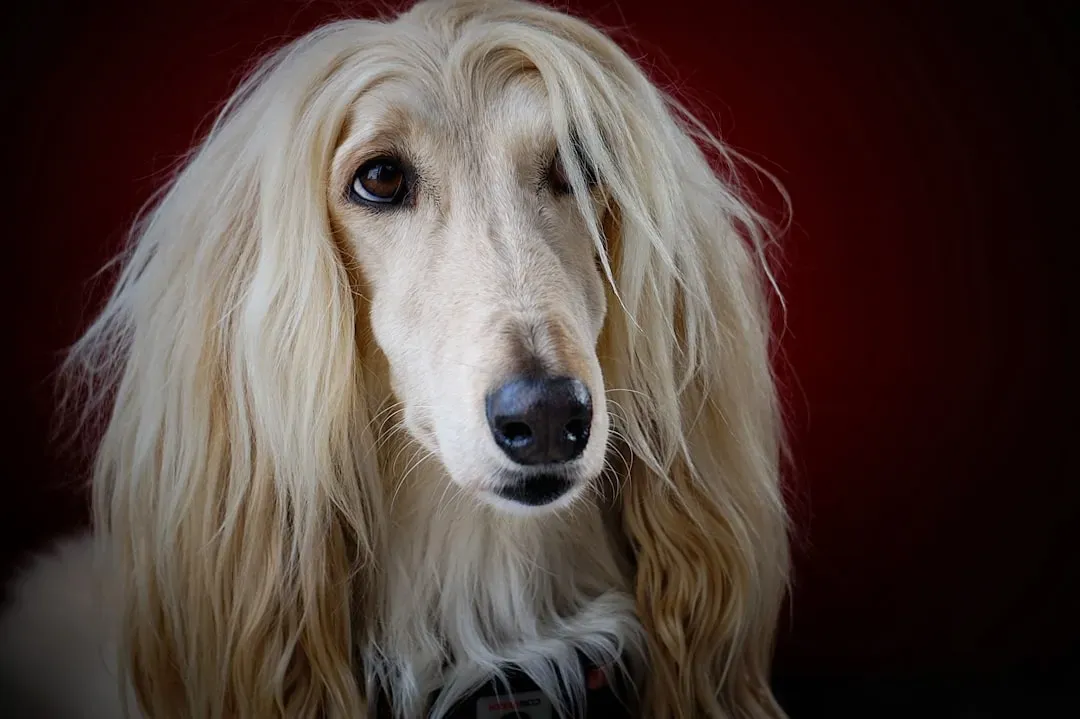
Few dogs are as visually arresting as the Afghan Hound, and that elegance draws in owners who sometimes mistake beauty for docility. In practice, the Afghan operates almost entirely on its own terms.
A very intelligent breed, the Afghan Hound is often compared to a cat personality-wise. They tend to do whatever they want, whenever they want, often ignoring your prompts and commands. This breed may very well seem to take to training, but later on decide they no longer want to listen.
Sighthounds like the Afghan were bred to run fast after prey, not to obey commands. Ancient dog breeds are almost always harder to train than newer breeds. This is because they evolved to think and work independently from humans in order to survive. That evolutionary independence doesn’t disappear with a few weeks of puppy class.
6. Basenji
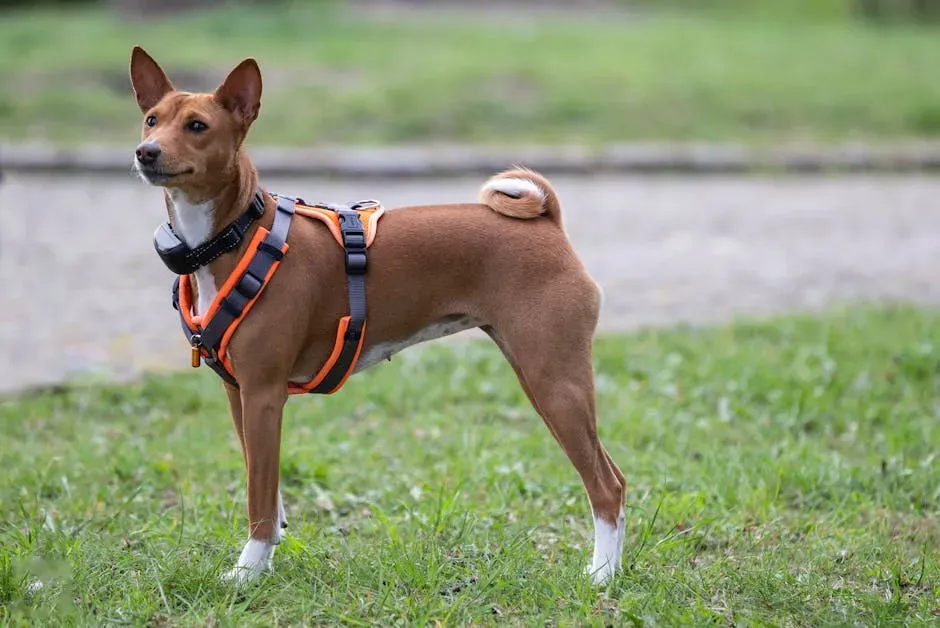
The Basenji is often marketed as a low-maintenance, quiet dog, since it famously doesn’t bark. What that framing leaves out is that silence doesn’t mean easy.
Basenjis are known for their sweet faces and curled tails, but they are also known for being hard to train. They were bred as hunting dogs in Africa, expected to work without human interference. They are independent, cat-like in temperament, and intelligent, but often lack the desire to please their owners. Basenjis also have a short attention span, meaning any training sessions must be brief, or they’ll get bored and disengage.
Calm and highly independent, Basenjis stand out thanks to their catlike nature. You may find their independent and selective personality a challenge, especially in distracting environments, when their prey drive may overrule any treat or toy you possess. That’s a humbling reality check for anyone expecting straightforward obedience.
7. Rottweiler
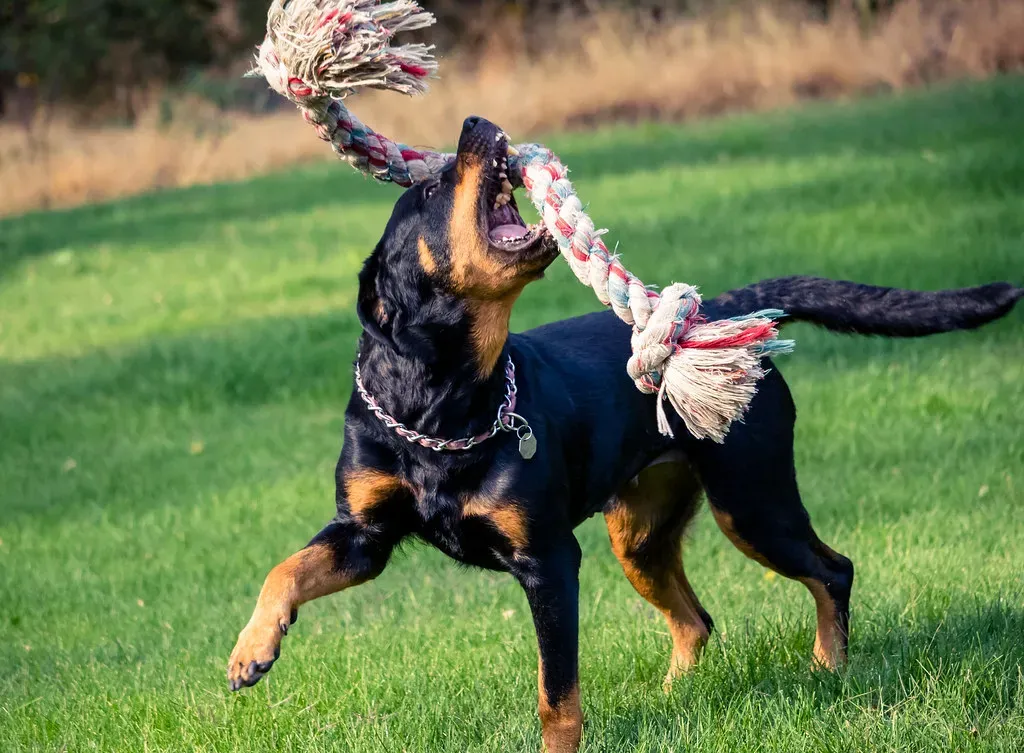
Rottweilers get a lot of unfair press, but the caution trainers express about recommending them to beginners isn’t about aggression by nature. It’s about what happens when a powerful, loyal dog doesn’t get the structure it needs.
The key to training a Rottweiler is early socialization and consistent, firm training. They can be stubborn and become overly protective if not trained correctly. This breed requires an owner who understands the importance of establishing clear leadership and boundaries.
If not properly trained, Rottweilers become too protective of their owners and will often lash out at strangers for no apparent reason if they feel their owner is threatened. They will also often listen to no one but their owner. That kind of single-handed loyalty sounds appealing until it becomes a management problem in public.
8. Belgian Malinois
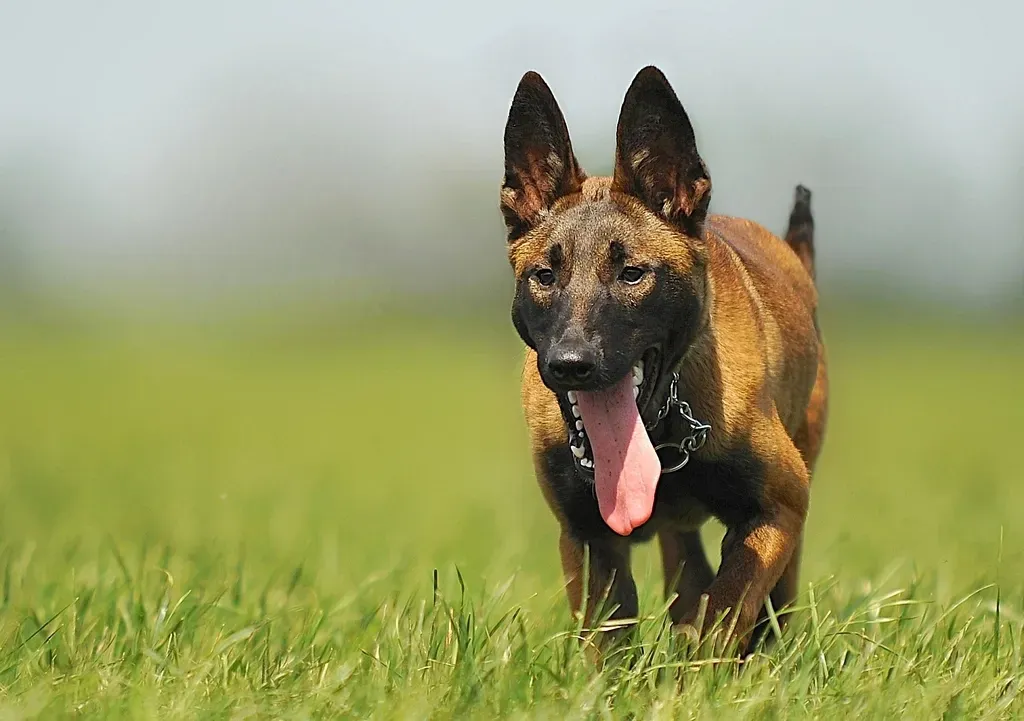
The Belgian Malinois has become a breed of fascination in recent years, partly thanks to military and police videos that make them look thrillingly intense. That’s precisely the problem for newcomers.
Belgian Malinois are highly intelligent and energetic dogs, often used in police and military roles due to their work ethic and trainability. Their high energy levels and need for constant mental and physical stimulation can be overwhelming for the average dog owner. Without proper outlets for their energy, they can become destructive and difficult to manage.
Malinois require experienced owners who can provide rigorous training, exercise, and mental stimulation. They are loyal and protective, making them excellent working dogs but challenging pets for those unprepared for their intensity. Owning one without experience is a bit like learning to drive in a racing car.
9. Chow Chow-Adjacent: Chinese Shar-Pei
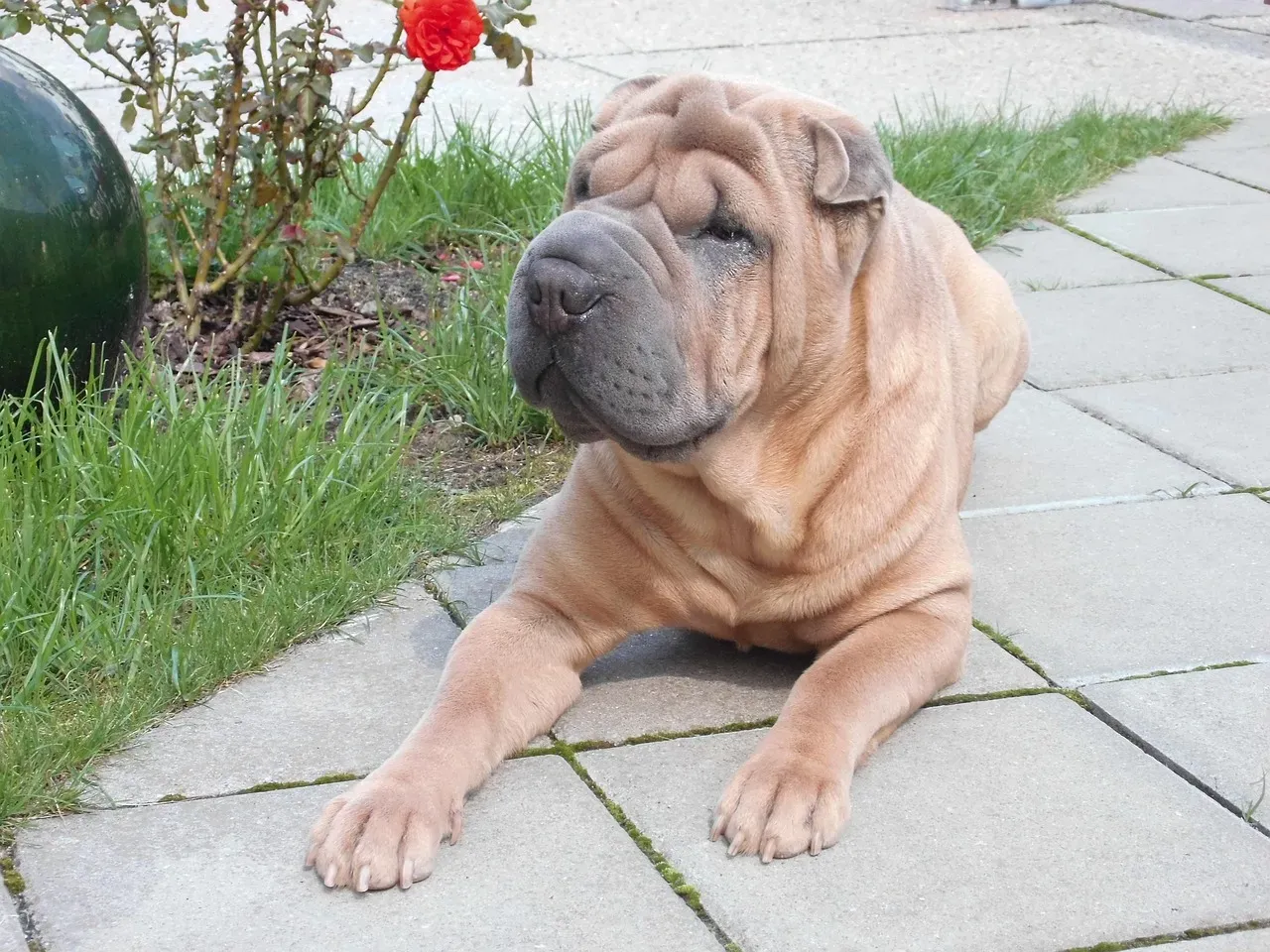
The Shar-Pei’s wrinkled, stuffed-animal face has a way of charming people into overlooking the substantial complexity underneath. Trainers who have worked with the breed know it’s a very different animal than it appears.
The Chinese Shar-Pei requires an assertive, experienced owner to train and keep from getting bored. This highly territorial dog tends to bond with one person, and can be quite distrustful of those it doesn’t know, humans and canines alike.
By appearance you’d think there is no way these cuddly looking dogs could be difficult, but they have a hard time socializing and are not thought of as a very friendly breed. Shar-Peis are often highly territorial. Owners will often have to restrain this breed from attacking strangers, visitors, or other animals. The health demands, including chronic skin issues, add another layer of commitment on top of the training challenges.
10. Dalmatian
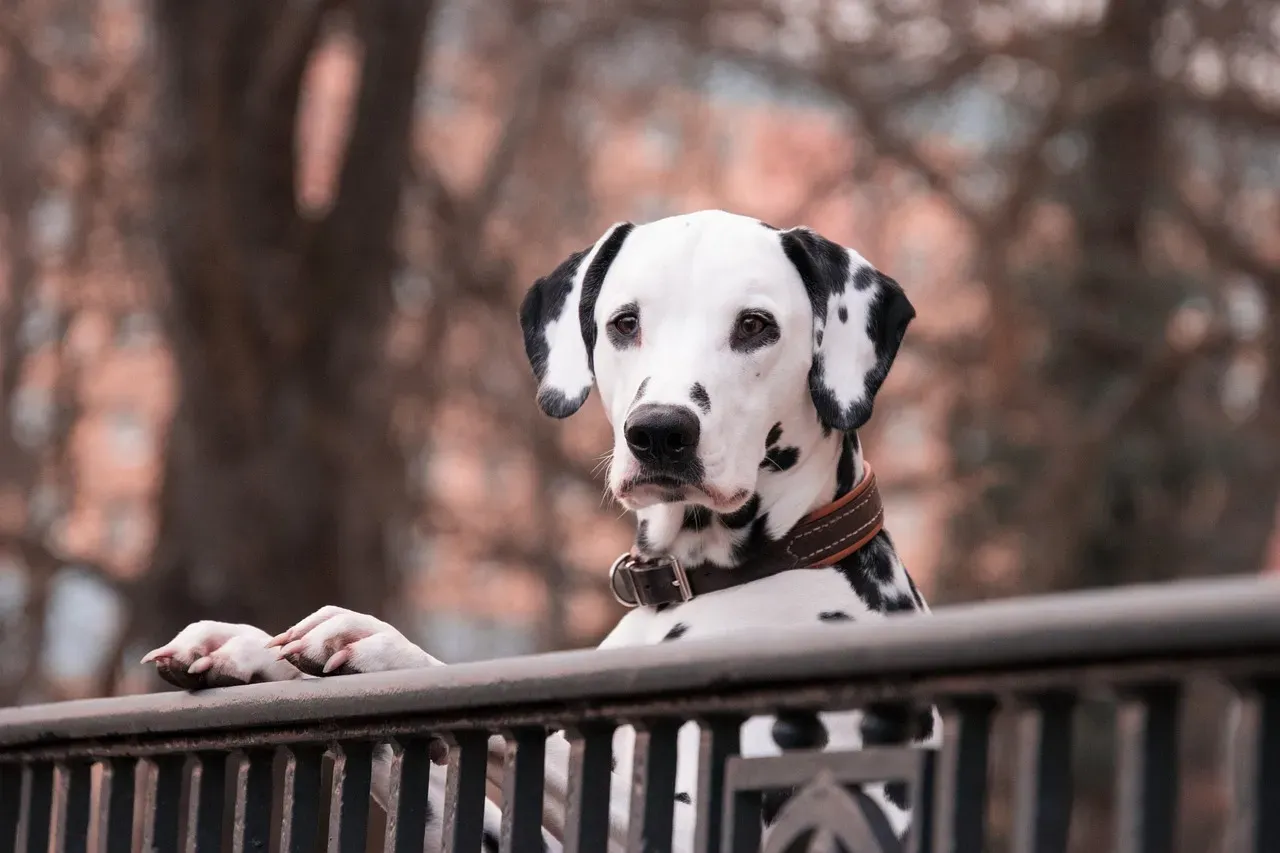
Disney’s 101 Dalmatians did the breed no favors. The movie created a wave of impulsive adoptions by people who had no realistic idea what Dalmatians actually require day-to-day.
Dalmatians are energetic and intelligent dogs with a storied history as carriage dogs. They require significant exercise to prevent boredom and destructive behaviors and are known for their endurance and speed. Dalmatians can be reserved with strangers and protective of their families, requiring early socialization. Training can be a challenge due to their independent streak, requiring patience and consistency from their owners.
Many Dalmatians have unique dietary needs due to uric acid metabolism, so working closely with a vet about food and hydration is important. That’s a breed-specific health consideration most first-time owners are blindsided by, arriving on top of already demanding exercise and training requirements.
11. Beagle

Beagles are widely considered one of the most family-friendly breeds, and in the right home, they genuinely are. The problem is that their nose effectively has a mind of its own.
Beagles are excellent family dogs and even considered one of the best dogs for kids. However, these hunting dogs have a very strong focus on the smells around them and a strong genetic inclination to follow scent trails. That’s what makes them one of the hardest dogs to train. “They can be a challenge training in distracting outdoor environments and off-leash recalls,” says Joy.
For a first-time owner hoping to enjoy casual off-leash hikes with their dog, the Beagle’s nose-first worldview quickly becomes a source of real frustration. In some cases, especially with the hardest dogs to train, the process requires a bit more patience and steadfast consistency. With Beagles, that patience is tested most often outdoors.
12. Jack Russell Terrier
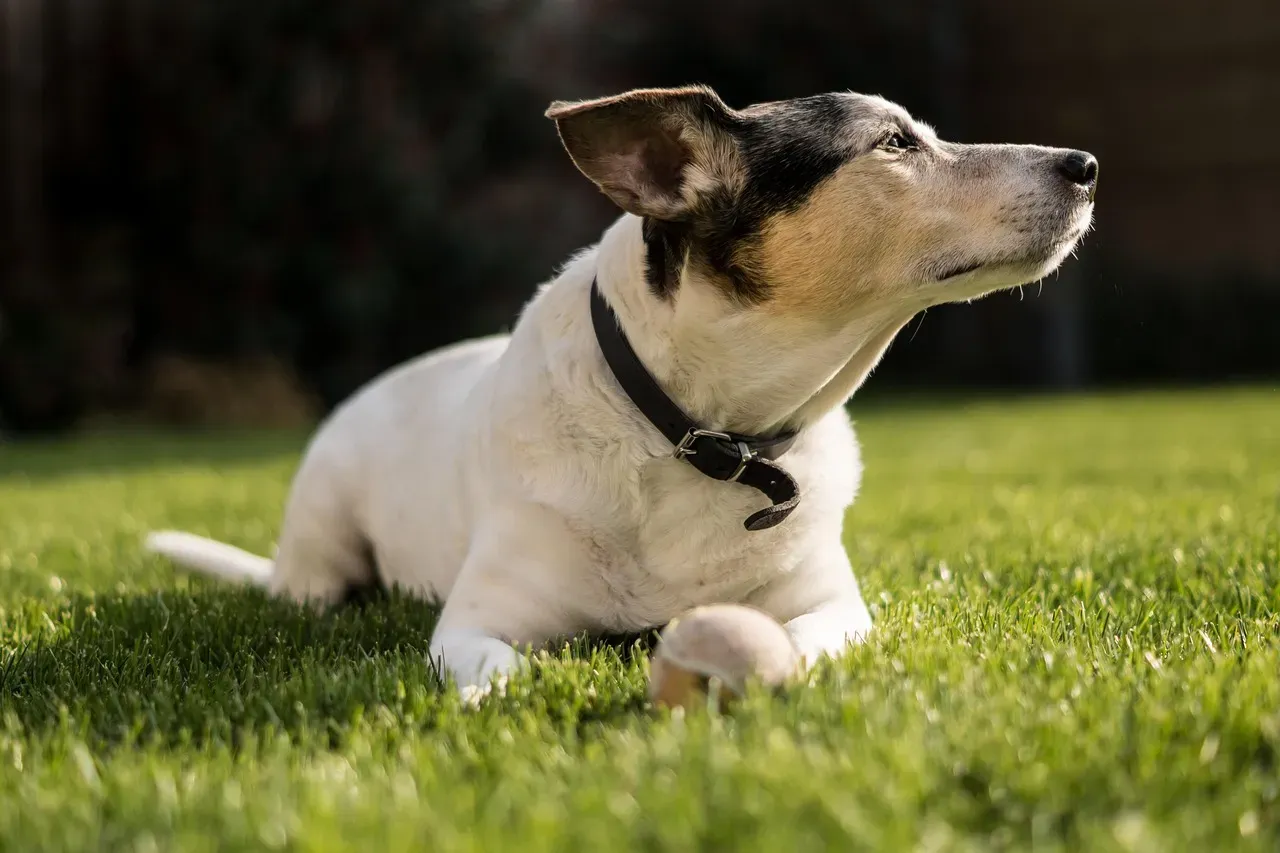
Small, energetic, and irresistibly cute, the Jack Russell Terrier is one of those breeds that first-time owners routinely underestimate because of its size. Size, in this case, is irrelevant.
Don’t let the Jack Russell Terrier’s adorableness and playful personality fool you into thinking they are easy to train. These small dogs were bred to be fox hunters, so their prey drive is incredibly high, making training them difficult.
The Jack Russell Terrier was bred to go to ground, so expect explosive energy, tenacity, and a relentless prey drive. Without structured outlets, these dogs invent jobs, like dismantling toys, redecorating gardens, or launching from furniture to patrol windows. A bored Jack Russell is genuinely impressive in the worst possible way.
13. Dachshund
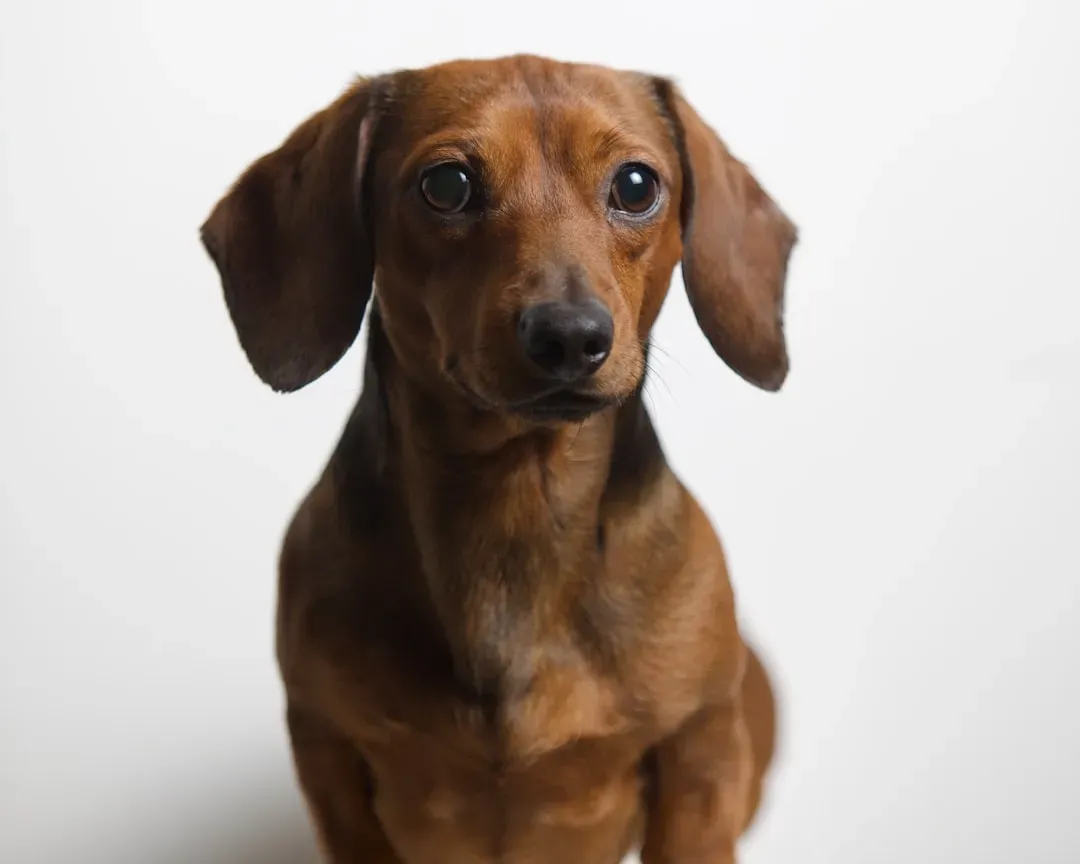
Dachshunds are charming, funny, and endlessly popular. They also have an ego disproportionate to their sausage-shaped frame, which catches many first-timers off guard.
A Dachshund makes a fantastic pet due to its charming personality and spunkiness. An extremely smart breed, the Dachshund was initially bred to hunt badgers, leading them to be independent thinkers who are used to making decisions on their own. So, they can be a bit of a handful during training. It’s also easy for them to get distracted, leading to ignored commands.
These pups are sensitive to negativity, so sticking with positive reinforcement during training and never yelling at your Dachshund is important. That emotional sensitivity, combined with their stubborn streak, means that training mistakes can set things back significantly. It’s a delicate balance most newcomers aren’t quite prepared for.
14. Basset Hound
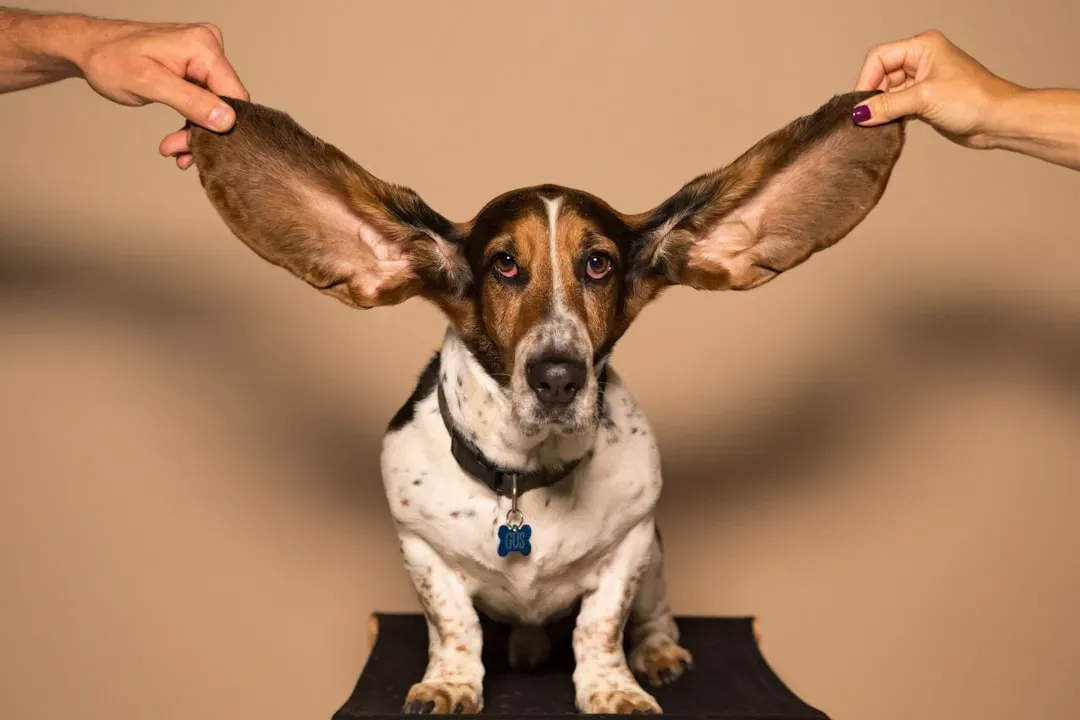
If the Beagle is run by its nose, the Basset Hound practically lives inside its nose. Their droopy, soulful eyes suggest a mellow partner in life. The training reality is something else entirely.
Although mellow, adorable, and charming, the Basset Hound is amongst the hardest breeds to train. They were bred to follow a scent tirelessly without distraction and are incredibly independent. They can also be stubborn, and their tendency to ignore everything but the scent means that it’s difficult to convince them to listen to commands. Motivating a Basset Hound to listen and learn might be the trickiest part of their training.
Basset Hounds are famous for their easygoing demeanor, but any pup parent of a Basset Hound will know exactly why they’re a top contender for the hardest dog to train; they’re slow learners and one of the most difficult breeds to housebreak. For a first-time owner, housebreaking difficulties alone can be enough to derail the whole relationship.
15. Weimaraner
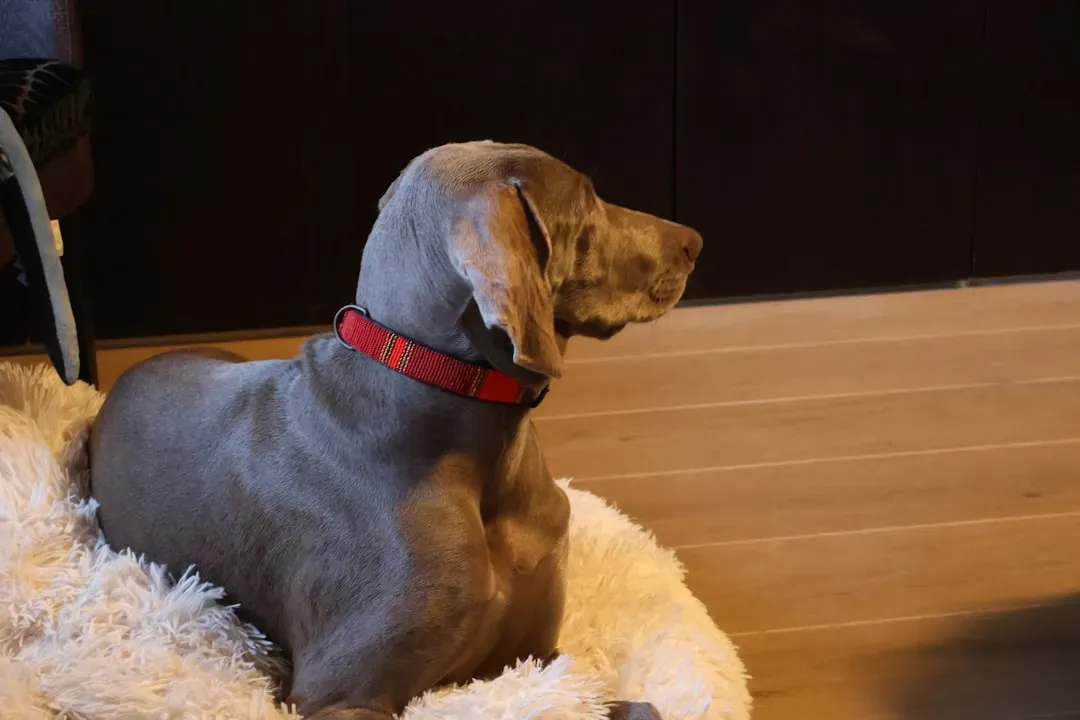
The Weimaraner, with its sleek silver coat and athletic build, looks like the ideal active companion. The breed also comes with an intensity level that rarely shows up in the promotional photos.
The Weimaraner is a velcro athlete who bonds intensely and hates being bored. Originally a versatile hunting dog, they need endurance work, nose tasks, and steadiness training to prevent frustration. Left under-stimulated, they may counter surf, shred bedding, or test every boundary you forget to reinforce.
First-time dog parents may not be prepared for a dog who requires extensive grooming, has serious health concerns, needs significant training, or needs a lot of exercise. The Weimaraner checks almost every one of those boxes. Their separation anxiety can also be severe, making them a genuinely tough fit for anyone not home consistently throughout the day.
A Final Word on Breed and Readiness
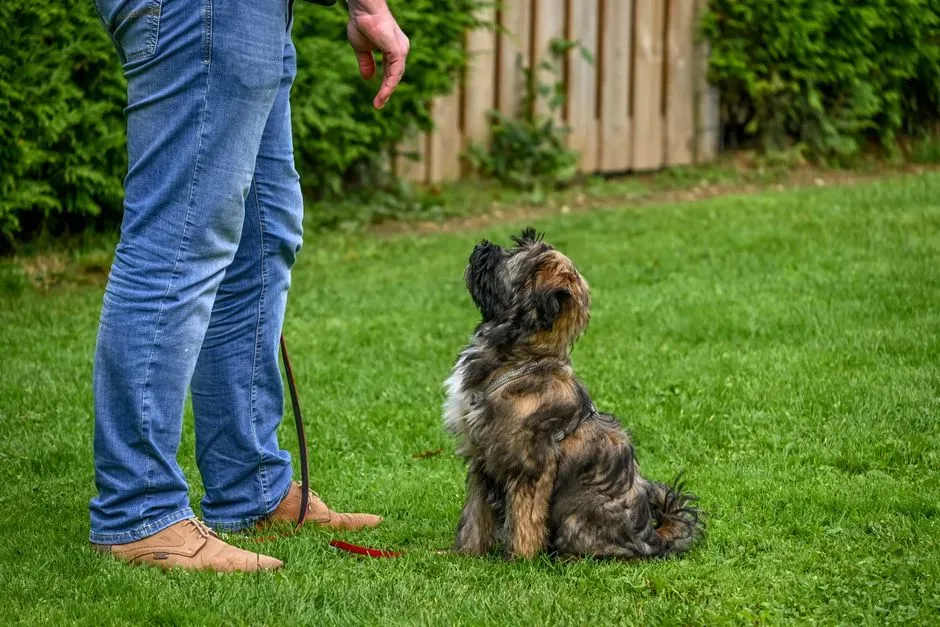
None of these breeds are impossible to own as a first-timer. People manage it every day with the right resources, the right mindset, and professional support. The real issue is the gap between expectation and reality, and how quickly that gap can harm both the dog and the owner when it goes unacknowledged.
Not every dog is the right fit for every owner, and it’s entirely possible that a first-time dog owner may find certain breeds more of a challenge than others. Consulting a dog trainer to teach you how to assess a dog’s personality, or asking your veterinarian about what to look for when meeting a prospective pup, can be invaluable in the decision-making process.
The best first-time dog experience doesn’t start with finding the coolest or most beautiful breed. It starts with honest self-assessment: how much time, energy, experience, and patience you actually have to offer. Match that to a breed honestly, and the relationship that follows tends to be one of the most rewarding of a person’s life.
