
For most of the twentieth century, if you told a biologist your dog felt guilty, or that an elephant grieved its dead, you’d get a polite nod and a very impolite reputation. Animal minds were treated as blank machines running on pure instinct – no memory, no feelings, no plans. Anyone who argued otherwise, including field researchers who’d spent years watching the same animals up close, was accused of projecting human emotions onto creatures assumed too simple to have any.
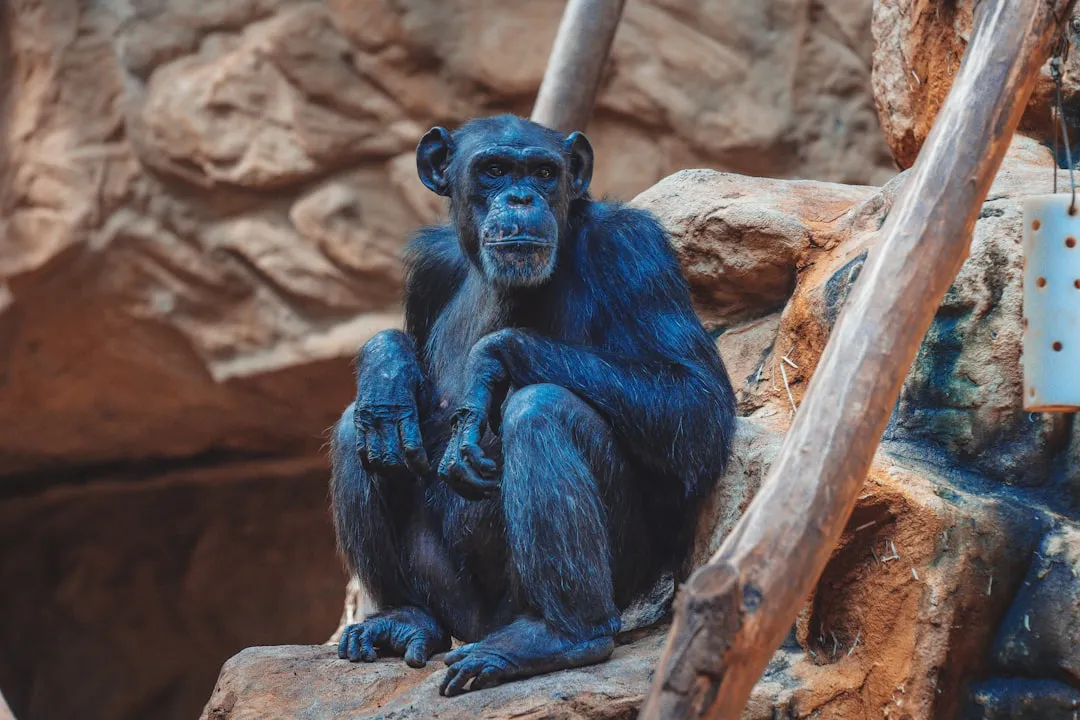
Turns out the skeptics were the ones who got the science wrong. One by one, over decades of rigorous, repeatable research, the “anecdotes” have come back confirmed – grief, deception, planning, even something resembling math. Here are 19 behaviors science mocked for a century before finally admitting the field observers had been right all along.
#1 – Chimpanzees Making Their Own Tools
🔥 Would you like to save this?
We'll email this post to you, so you can come back to it later!
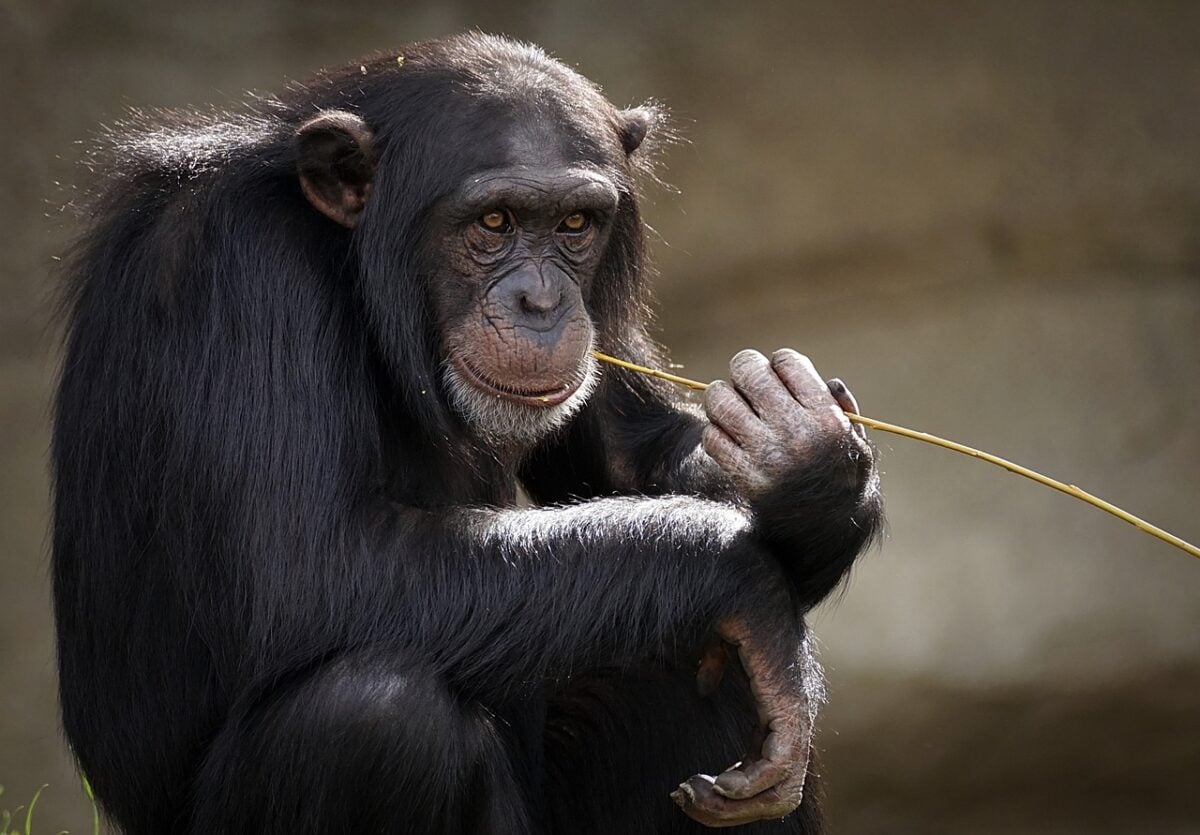
Before the 1960s, tool use was considered the defining trait separating humans from every other animal on Earth.
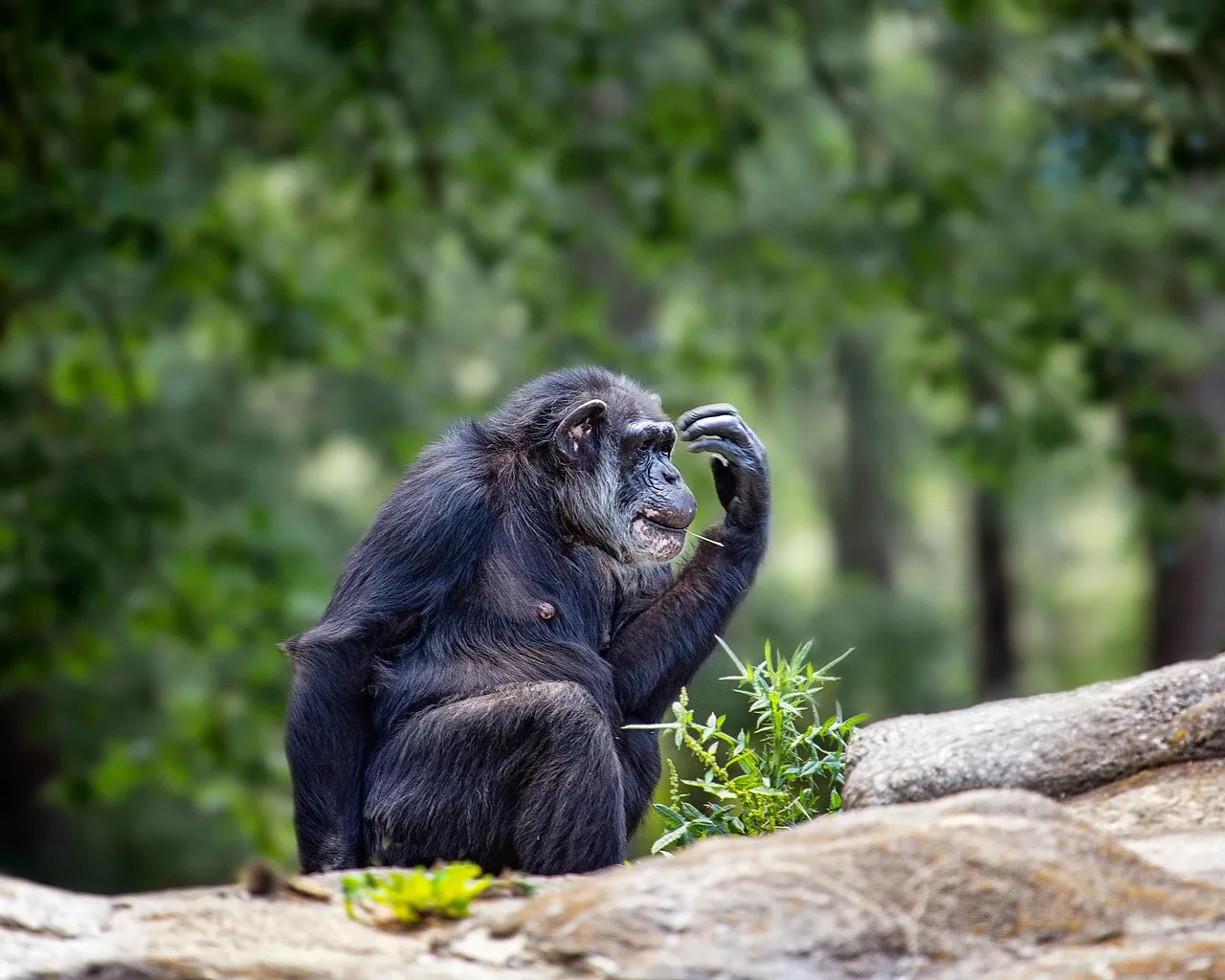
Jane Goodall’s field observations of chimpanzees stripping leaves off twigs to fish termites out of mounds shattered that assumption almost overnight. Scientists initially dismissed her reports as amateur storytelling because she lacked formal academic credentials at the time. The scientific establishment actually had to redefine “tool use” itself once her findings were verified by independent researchers. Chimps don’t just use objects opportunistically; they select, modify, and even carry preferred tools across long distances, planning ahead for tasks they haven’t started yet.
It isn’t only human beings who have personality, who are capable of rational thought and emotions like joy and sorrow.
Jane Goodall
This wasn’t a one-off fluke either. Multiple chimp populations across Africa show distinct “tool cultures,” meaning different groups pass down different techniques to their young, much like regional cooking traditions. That single discovery reshaped anthropology, primatology, and animal cognition research permanently – and the elephant story below shows the reshaping was just getting started.
#2 – Elephants Mourning Their Dead
🔥 Would you like to save this?
We'll email this post to you, so you can come back to it later!
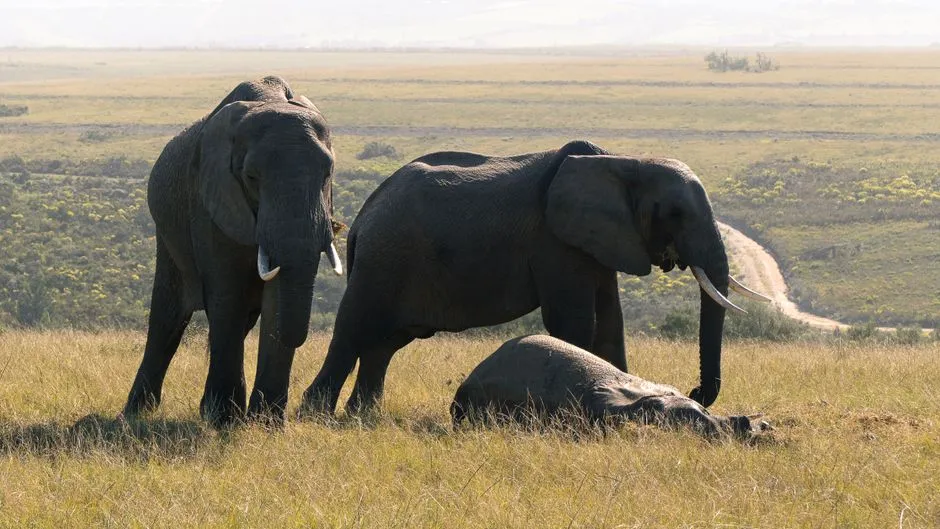
For decades, stories of elephants lingering over the bones of deceased herd members were treated as folklore dressed up in a safari brochure.
Field researchers repeatedly described elephants touching skulls and tusks with their trunks, standing silently near a body for hours, and even returning to the same site years later. Skeptics argued this was simple curiosity about bones, nothing more. Controlled observational studies eventually confirmed elephants react specifically to elephant remains, not to other large mammal skeletons placed nearby, ruling out mere curiosity.
Worth Knowing
- Elephants touch skulls and tusks of deceased herd members with their trunks
- They’ve been seen standing near a body for hours in what looks like vigil behavior
- Herds have returned to the same death site years later
- Reactions are specific to elephant remains, not other animal skeletons nearby
That distinction matters enormously. It suggests elephants recognize their own species’ remains specifically, a form of discrimination that implies memory and possibly something resembling grief. Matriarchs have been documented guarding a dying family member, gently supporting them with their bodies, and refusing to leave even when a herd needs to move toward water. Behavior this consistent, across unrelated herds on different continents, stopped looking like coincidence a long time ago – and the next entry pushes self-awareness into a brain the size of a walnut.
#3 – Magpies Recognizing Themselves in Mirrors
🔥 Would you like to save this?
We'll email this post to you, so you can come back to it later!
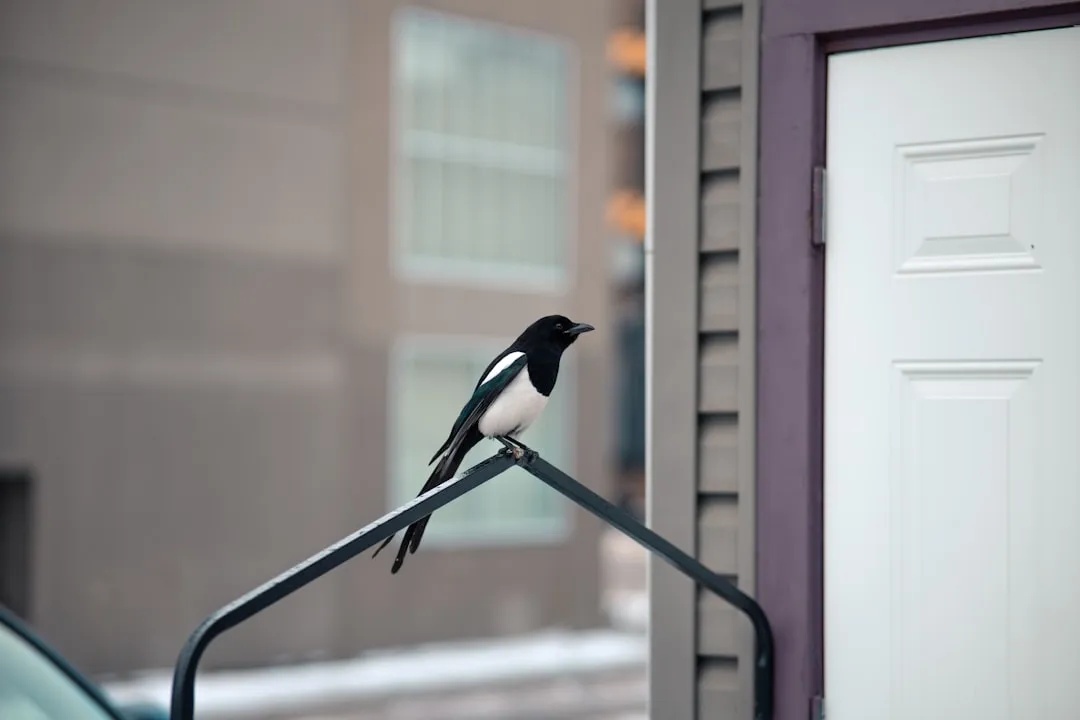
Self-recognition was assumed to require a large mammalian brain, something birds simply didn’t have room for.
The mirror test, where researchers place a colored mark on an animal in a spot only visible in reflection, had long been considered a mammal-only club featuring chimps, dolphins, and elephants. Magpies broke that assumption completely when they started scratching at marked spots on their own bodies after seeing themselves in a mirror. Most people don’t realize a bird with a brain the size of a walnut passed a test many primates struggle with.
Corvids in general, the family that includes magpies, crows, and ravens, keep forcing scientists to rewrite the rulebook on animal intelligence. Their brains are structured completely differently from mammalian brains, yet they achieve comparable cognitive results through entirely different neural architecture. That finding alone suggests self-awareness evolved independently multiple times, rather than requiring one specific brain layout. What crows did next made even engineers a little jealous.
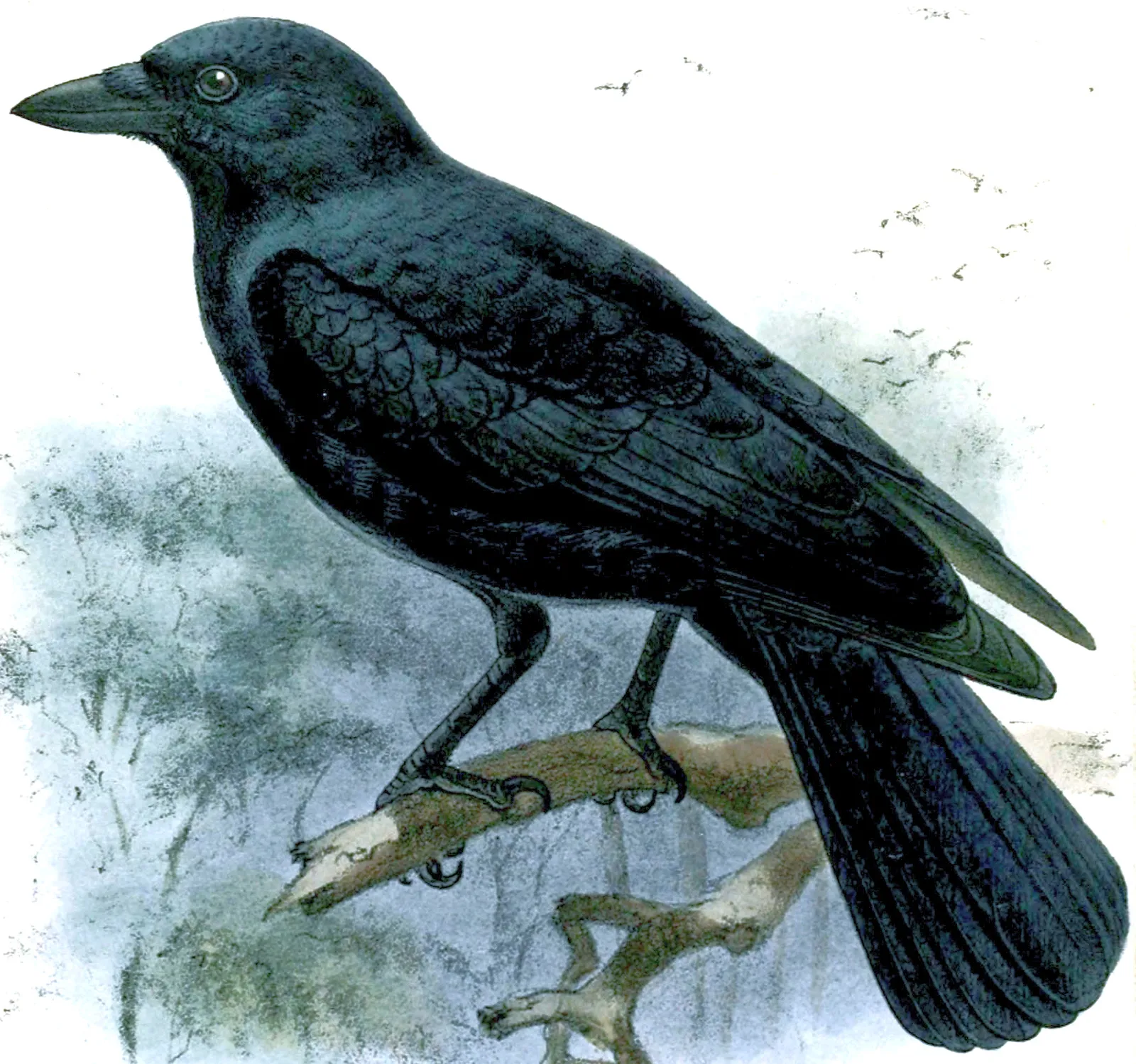
#4 – Crows Manufacturing Multi-Step Tools
🔥 Would you like to save this?
We'll email this post to you, so you can come back to it later!
Tool use is one thing; manufacturing a tool for a future, unseen task is an entirely different level of cognitive planning.
New Caledonian crows don’t just pick up convenient sticks. They bend wire into hooks, strip leaves into precise barbed shapes, and even build tools with multiple components fitted together, something previously thought exclusive to great apes and humans. Researchers documented these crows solving multi-step puzzles requiring them to use one tool to retrieve a second tool needed for a final reward.
This kind of sequential reasoning demands understanding cause and effect across several steps, not just trial and error. Wild crows have been observed carrying favorite tools between feeding sites, suggesting they value specific tools enough to protect an investment of effort. Laboratory testing later showed juvenile crows learning these skills partly through social observation, not pure instinct. That single fact rewired assumptions about how intelligence spreads through animal communities. Underwater, things get even stranger.
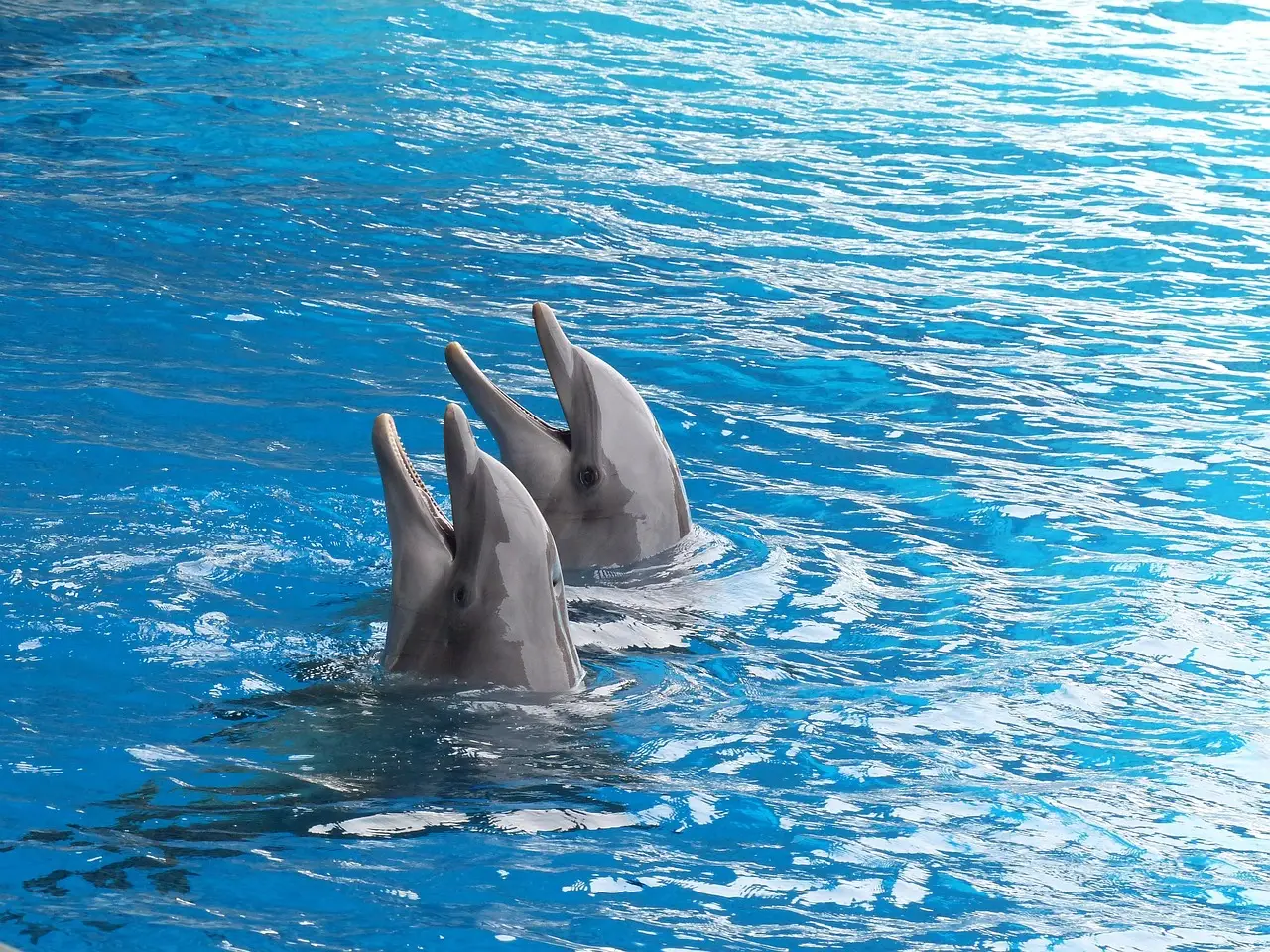
#5 – Dolphins Calling Each Other by Name
🔥 Would you like to save this?
We'll email this post to you, so you can come back to it later!
Sailors and marine biologists reported for decades that dolphins seemed to “know” each other individually and respond to specific calls, but skeptics chalked it up to generic pod communication.
Every dolphin develops its own signature whistle early in life, a unique acoustic pattern functioning almost exactly like a personal name. Other dolphins in the pod learn and remember these signature whistles, using them to call out to specific individuals, especially separated mothers and calves. Playback experiments confirmed dolphins respond selectively when they hear their own signature whistle mimicked back to them, proving genuine recognition rather than random reaction.
This isn’t simple mimicry either. Dolphins have been recorded copying a companion’s signature whistle specifically to get that individual’s attention, essentially calling out a friend’s name across open water. Bottlenose dolphins maintain these vocal identities for decades, recognizing whistles from pod members they haven’t heard in over twenty years. Few discoveries have done more to humanize marine mammals than this one. Then science found intelligence in a creature with no spine at all.
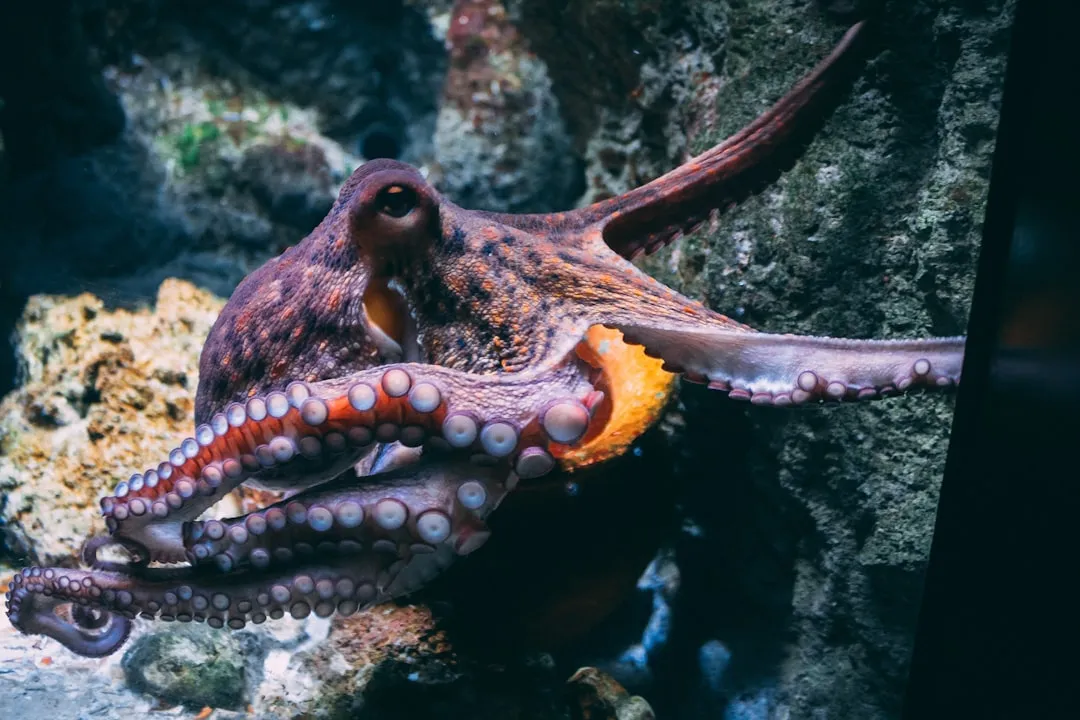
#6 – Octopuses Solving Complex Problems
🔥 Would you like to save this?
We'll email this post to you, so you can come back to it later!
An animal with no spine, a lifespan shorter than a house cat’s, and zero parental teaching managed to convince scientists that intelligence doesn’t require a backbone.
Octopuses have escaped supposedly secure aquarium tanks by unscrewing lids from the inside, squeezing through gaps smaller than a coin, and navigating mazes to reach food rewards. Aquarists reported these escapes anecdotally for years before controlled studies validated the behavior under observation. One widely discussed captive octopus reportedly learned to short out overhead lights by squirting water at them, apparently out of simple annoyance at the brightness.
What makes this remarkable is that octopus intelligence evolved on a completely separate branch of the evolutionary tree from vertebrate intelligence, over 500 million years removed from our last common ancestor. Their neurons are distributed largely through their arms rather than centralized in one brain, yet they still display individual problem-solving styles, tool use with coconut shells, and apparent play behavior with objects that offer no food reward. That’s a lot of computing power for a creature many people still see as sushi. Next, the science gets uncomfortable.
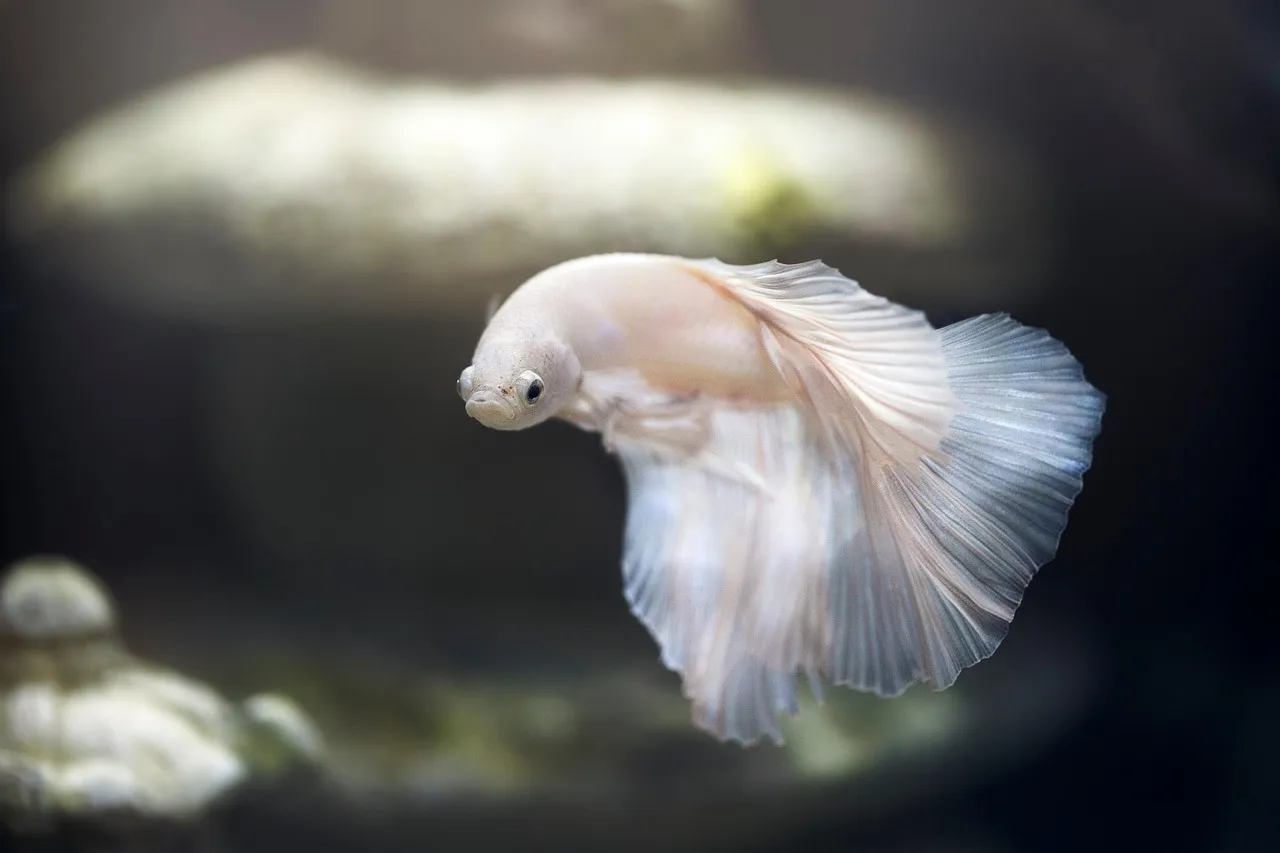
#7 – Fish Actually Feeling Pain
🔥 Would you like to save this?
We'll email this post to you, so you can come back to it later!
For most of the twentieth century, the fishing and aquaculture industries operated on the assumption that fish physically cannot suffer because their brains lack the structure needed for it.
That assumption is now considered scientifically outdated. Fish possess nociceptors, the same pain-sensing nerve fibers found in mammals, and they show measurable behavioral and physiological stress responses to injury, including reduced activity, altered breathing, and rubbing injured areas against surfaces. Experiments involving mild noxious stimuli showed fish deprioritizing food and normal behavior, exactly the kind of response expected from genuine pain rather than a reflex.
Painkiller administration studies added even more weight to the argument. When fish given analgesics resumed normal feeding and behavior faster than untreated fish exposed to the same stimulus, it strongly suggested the original response involved actual suffering rather than pure reflex. This finding has already influenced animal welfare policy in several countries regarding commercial fishing practices. It remains one of the quietest but most contentious shifts in animal science. From here, the story moves beneath the waves in a different way.
#8 – Whale Songs With Regional Dialects
🔥 Would you like to save this?
We'll email this post to you, so you can come back to it later!
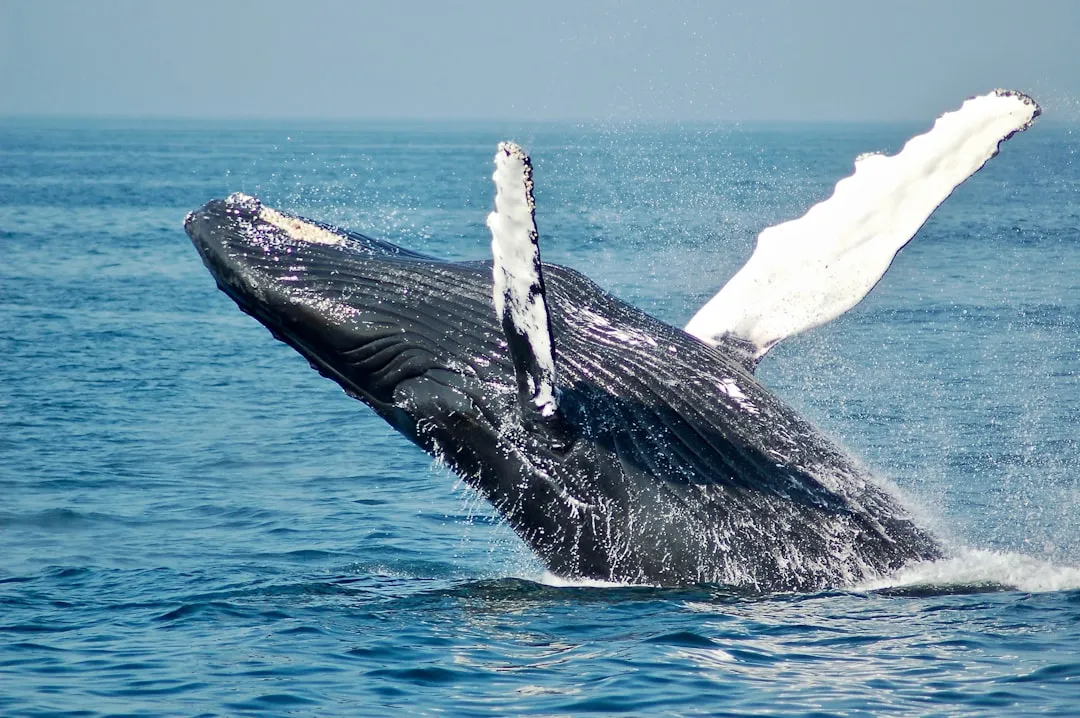
Whale song was long treated as a fixed biological signal, something closer to a car alarm than a language.
Humpback whale populations across different ocean regions sing entirely distinct song patterns, and these songs change gradually over time within a population, almost like a slowly evolving musical trend. Researchers tracking populations across the Pacific documented songs spreading from one population to a neighboring one over the course of a single migration season, essentially whale culture going “viral.” A song pattern can spread across an entire ocean basin within roughly two years, passed from population to population through contact during migration.
This kind of cultural transmission, learned behavior passed socially rather than through genetics, was once considered a hallmark of human uniqueness. Whales complicate that claim entirely. Each population maintains its own unique song at any given moment, but that “dialect” isn’t static – it’s actively performed, revised, and spread the way trends move through human communities. Back on land, a much smaller mammal tells a similar story.
#9 – Rats Helping Each Other for No Reward
🔥 Would you like to save this?
We'll email this post to you, so you can come back to it later!
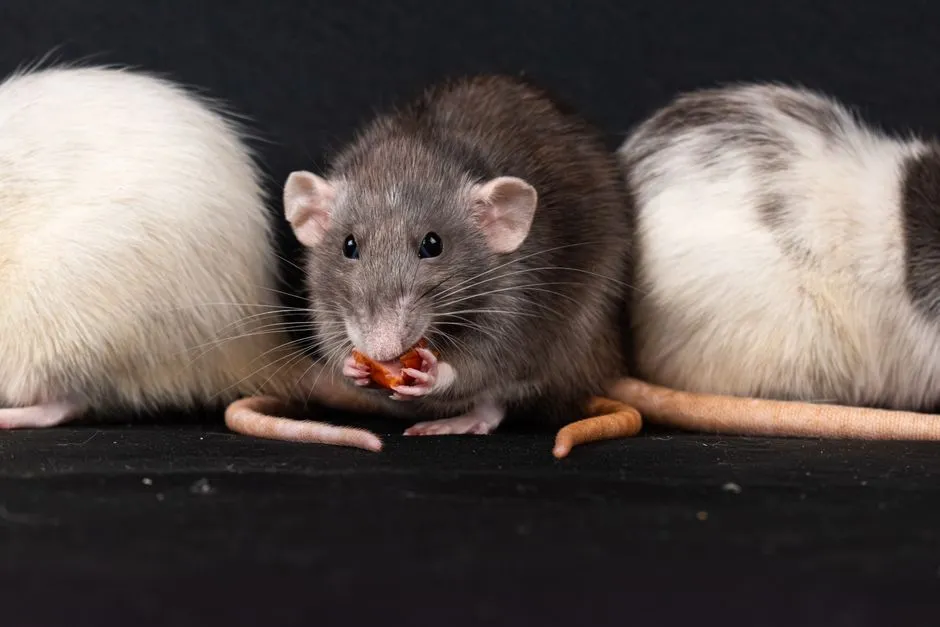
Rats have a reputation problem, mostly undeserved, built on decades of being cast as disease-spreading pests rather than social, empathetic animals.
Laboratory studies placed a rat in a small restraint tube next to a free rat that could open the door to release its trapped companion. Free rats consistently learned to open the door specifically to release the trapped rat, even when no reward was offered for doing so. When researchers placed a chocolate treat in a separate container, rats often freed their trapped companion first and shared the treat afterward, rather than eating alone.
At a Glance
- Free rats learn to open a restrainer door with no reward offered
- Empty restrainers get ignored – only trapped companions trigger the response
- Given a chocolate treat, rats often free their companion before eating
- The pattern held up across repeated, independent lab trials
That single behavior forced a serious reconsideration of rodent empathy. Rats showed no interest in opening empty restrainers, only ones containing a distressed companion, suggesting the motivation wasn’t simple curiosity about the mechanism. This kind of prosocial helping behavior, once assumed exclusive to primates and a handful of other “advanced” species, turned out to be present in one of the most common lab animals in the world. Compassion is one thing. Deception is another entirely.
#10 – Primates Deliberately Deceiving Rivals
🔥 Would you like to save this?
We'll email this post to you, so you can come back to it later!
Deception requires understanding that another mind can hold a false belief, a cognitive skill once thought exclusive to humans past early childhood.
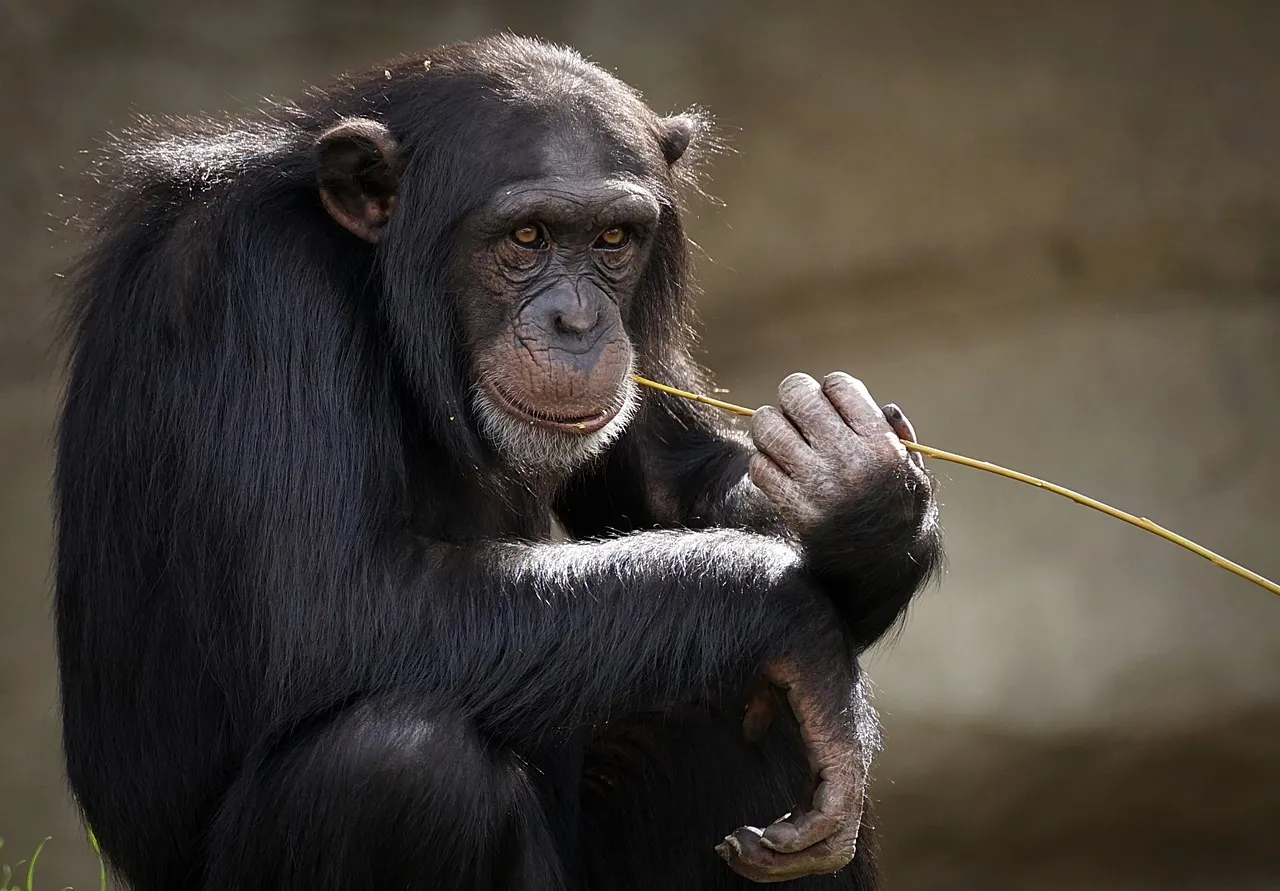
Field researchers observed lower-ranking chimpanzees hiding food from dominant males, going so far as covering food caches with leaves or waiting until dominant individuals left the area before retrieving hidden supplies. Baboons have been recorded giving false alarm calls to distract rivals during confrontations over food or mates. One frequently cited case involved a chimpanzee suppressing an excited food-discovery call specifically because a dominant rival was nearby, something requiring active self-control over an instinctive vocalization.
This kind of tactical deception implies the deceiver understands what another individual does and doesn’t know, a concept researchers call “theory of mind.” For decades, evidence of this ability in animals was dismissed as anthropomorphized storytelling from field researchers too attached to their study subjects. Systematic experimental replication eventually forced the scientific community to accept what primatologists had argued for years. Reptiles were about to surprise everyone next.
#11 – Reptiles Engaging in Genuine Play
🔥 Would you like to save this?
We'll email this post to you, so you can come back to it later!
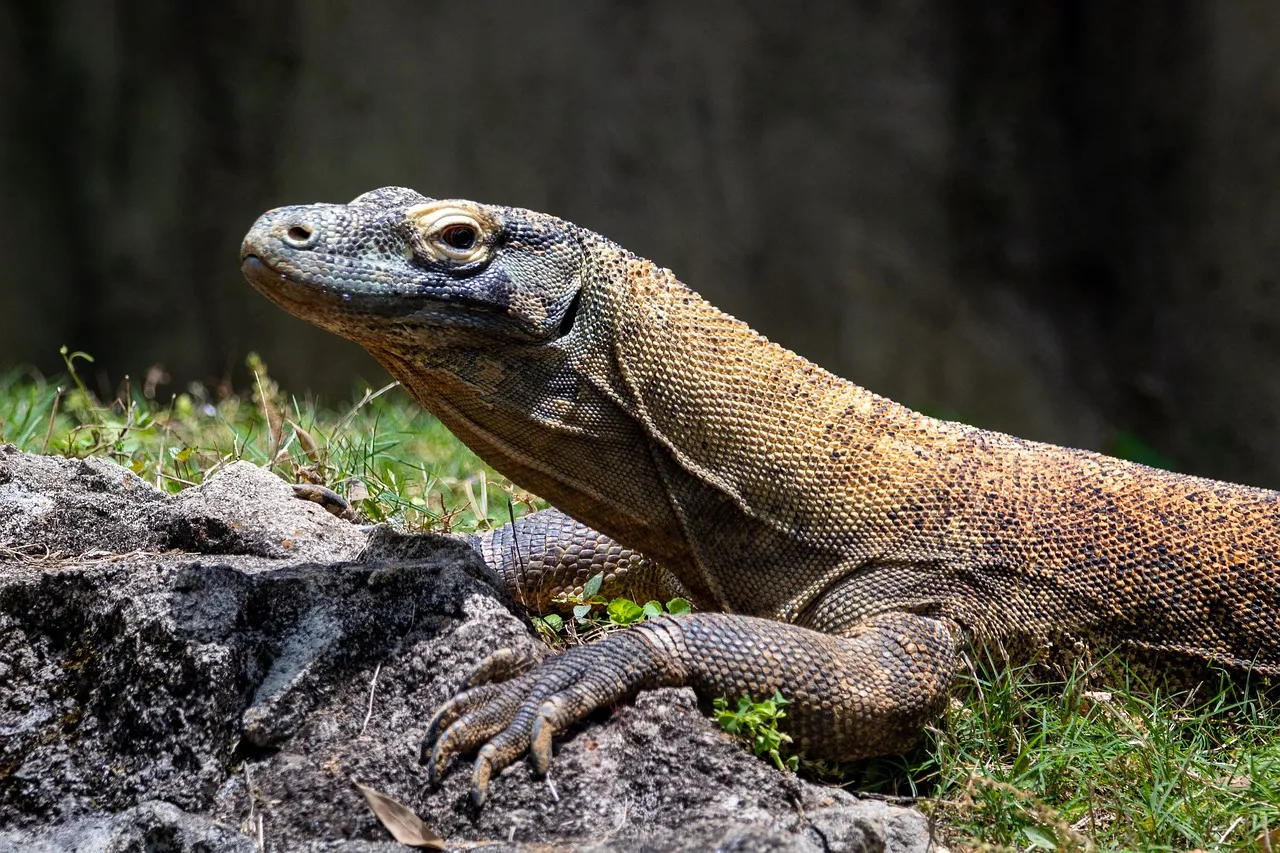
Reptiles were long considered too cognitively simple for play, an activity assumed to require the kind of complex brain found only in mammals and birds.
Monitor lizards in captivity have been observed manipulating objects repeatedly with no food reward involved, tugging on items, carrying them around enclosures, and even engaging in tug-of-war style interactions with keepers. Turtles have been documented pushing balls around enclosures and returning to interact with the same object repeatedly over multiple days. Play in reptiles was dismissed as misinterpreted feeding behavior for decades before repeated documentation ruled out a food-related explanation.
The distinction matters because play typically signals cognitive flexibility, a brain capable of engaging in behavior purely for its own sake rather than survival necessity. Reptile brains are structured very differently from mammalian brains, lacking the same cortical layers associated with complex behavior in mammals. Finding play behavior there anyway suggests the trait might be far more widespread across the animal kingdom than previously assumed. One bird’s sense of tomorrow is even eerier.
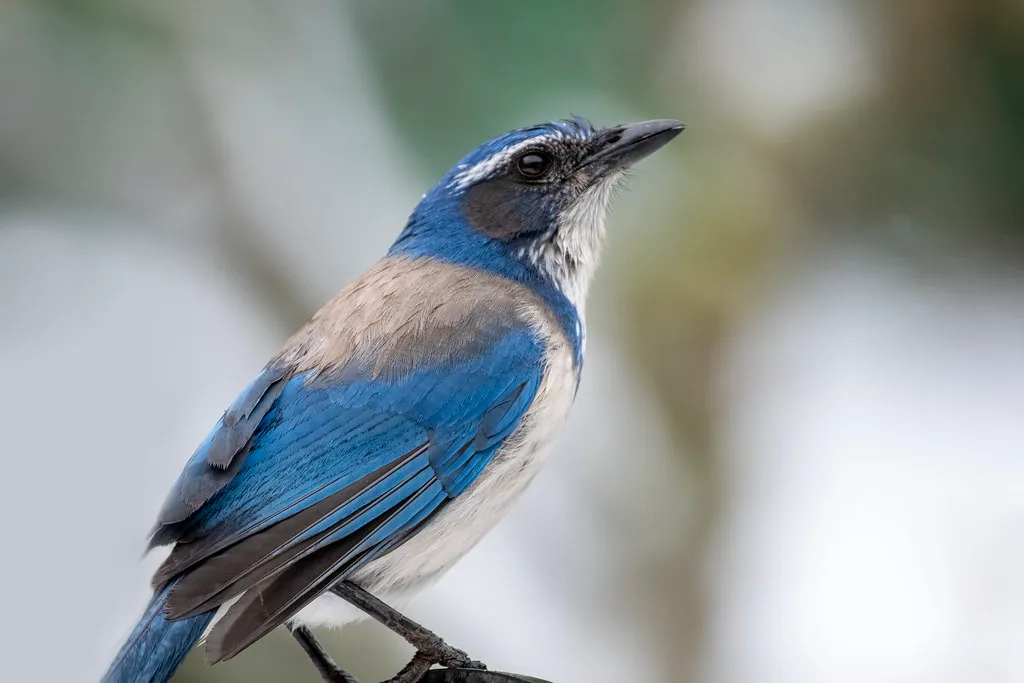
#12 – Scrub Jays Planning for the Future
🔥 Would you like to save this?
We'll email this post to you, so you can come back to it later!
Planning for a future need you don’t currently have was considered a distinctly human trait tied to complex language and abstract reasoning.
Western scrub jays cache food in numerous hidden locations and later retrieve it, adjusting their caching strategy based on what they anticipate needing later, not just what they need right now. In controlled experiments, jays given the opportunity to cache food for a location where they knew breakfast wouldn’t be provided the next morning specifically stored extra food there, despite having no immediate need for it during the caching session. This behavior demonstrated the birds weren’t just reacting to current hunger, they were anticipating a future state entirely different from their present one.
Scrub jays also re-cache food if they were observed hiding it by a potential thief, moving items to new locations once the observer leaves. This suggests they understand another bird’s perspective well enough to predict theft risk and adjust behavior accordingly. Combined with future-planning caching, this made scrub jays one of the strongest non-primate cases for advanced cognition ever documented. Now for something almost every dog owner has secretly wondered about.
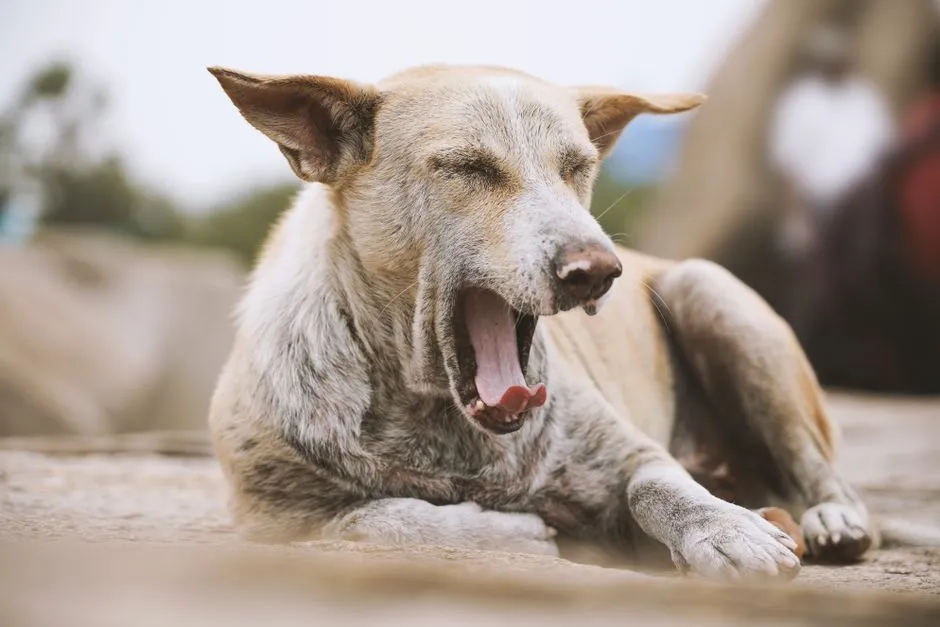
#13 – Dogs Catching Human Yawns
🔥 Would you like to save this?
We'll email this post to you, so you can come back to it later!
Dog owners have long claimed their pets yawn right after they do, a claim veterinarians and behaviorists dismissed for years as pure coincidence or unrelated tiredness.
Contagious yawning across species requires a level of social and emotional connection previously thought limited to humans and closely related primates. Controlled studies exposing dogs to a familiar owner’s yawn versus a stranger’s yawn found dogs yawned significantly more often in response to someone they knew well. Dogs yawned at a familiar owner’s yawn roughly four times more frequently than at a stranger’s, mirroring the same empathy-linked pattern found in contagious yawning among humans.
This particular pattern points toward emotional contagion, an ability to be affected by another individual’s internal state, rather than mere physical mimicry. It suggests dogs may have developed a genuine capacity to “catch” emotional cues from humans they’re bonded to, likely a byproduct of thousands of years of close cohabitation and selective breeding for social responsiveness. Few findings have felt as personally validating to pet owners as this one. Up next, animals doing something most people assume only doctors handle.
#14 – Animals Self-Medicating in the Wild
🔥 Would you like to save this?
We'll email this post to you, so you can come back to it later!
Long before pharmacies existed, animals across dozens of species were apparently diagnosing and treating their own ailments using specific plants.
Chimpanzees have been observed eating specific rough-leaved plants that provide no nutritional value but appear to help expel intestinal parasites, swallowing the leaves whole rather than chewing them. Certain birds line their nests with specific plants containing compounds that repel parasites, a behavior absent when nests are placed in lower-parasite environments. This field of study, now called zoopharmacognosy, was dismissed as unlikely coincidence for years before chemical analysis confirmed these plants contained genuinely relevant medicinal compounds.
Fast Facts
- Chimpanzees swallow rough-leaved plants whole to expel intestinal parasites
- Certain birds line nests with parasite-repelling plant material
- Sick primates seek specific plants only when showing infection symptoms
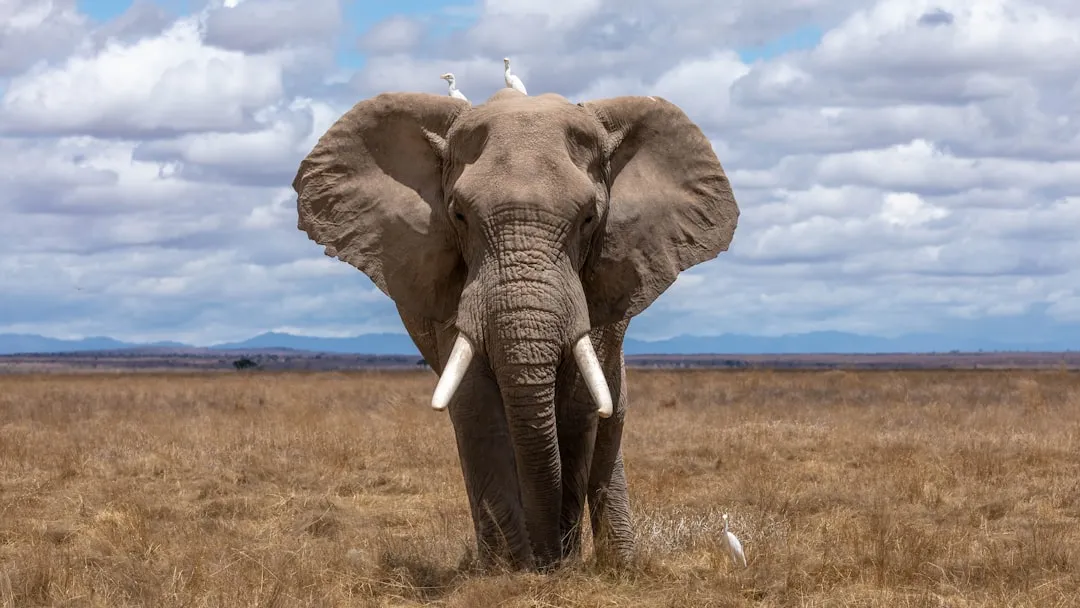
- Elephants consume plants linked to inducing labor, matching regional folk medicine
Sick primates in multiple studies have sought out specific plants only when displaying symptoms consistent with parasitic infection, not during healthy periods, ruling out random dietary preference. Elephants have been documented consuming specific plant species associated with inducing labor, matching plants used in regional traditional medicine for the same purpose. The overlap between animal self-medication and human traditional remedies raises uncomfortable questions about how much natural medicine humans actually discovered independently versus observed first. Now shrink the discussion down to a brain smaller than a grain of rice.
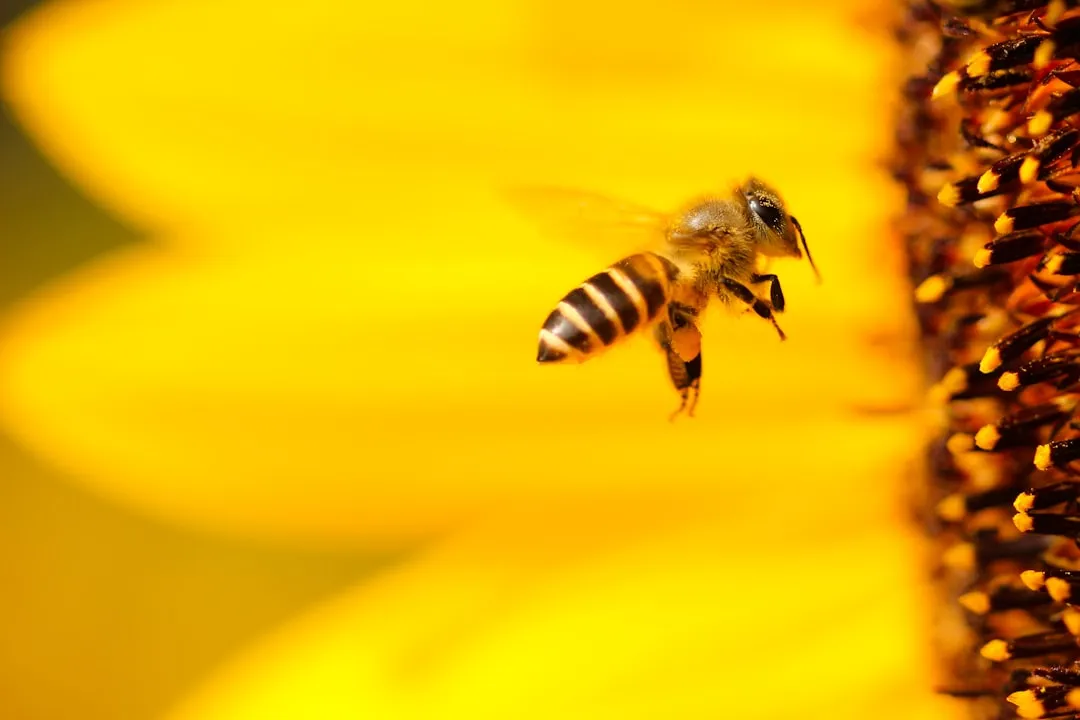
#15 – Honeybees Understanding the Concept of Zero
🔥 Would you like to save this?
We'll email this post to you, so you can come back to it later!
Understanding the abstract concept of “nothing” as a genuine quantity was long considered a sophisticated mathematical achievement, something only a handful of species, mostly primates, could grasp.
Honeybees, trained to identify which of several images contained the fewest dots, were tested with a blank image containing no dots at all. Bees consistently ranked the blank image as “less than” any image containing dots, treating zero as a smaller quantity along the same numerical scale rather than as a meaningless non-answer. This placed honeybees, with a brain containing under a million neurons, among a very short list of species demonstrated to grasp zero as a genuine numerical concept.
Bees also demonstrated basic addition and subtraction abilities in maze-based experiments, associating colors with mathematical operations to solve simple problems for a sugar water reward. This level of abstract numerical processing in an insect brain challenged long-standing assumptions that complex mathematical cognition requires a large, centralized brain structure. It’s a strong argument that intelligence scales with efficient wiring, not simply total neuron count. The octopus world returns next, with a personal twist.
#16 – Octopuses Displaying Individual Personalities
🔥 Would you like to save this?
We'll email this post to you, so you can come back to it later!
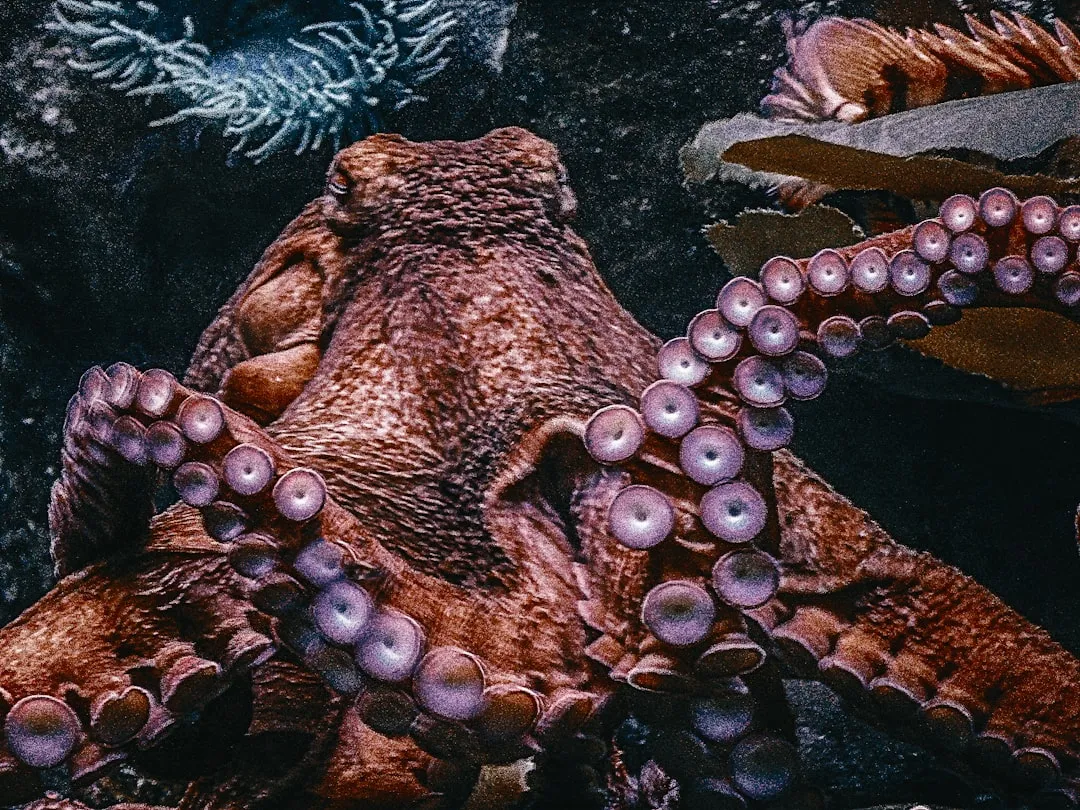
Personality, consistent behavioral differences between individuals of the same species, was long assumed to require social living, something octopuses famously lack since they’re largely solitary.
Researchers studying captive octopuses documented consistent individual differences in boldness, aggression toward keepers, and willingness to explore new objects, differences that remained stable across repeated testing sessions over months. Some individuals reliably approached new objects immediately while others in the same tank consistently avoided them regardless of testing conditions. Certain individual octopuses became known among keepers for specifically squirting water at particular staff members repeatedly, suggesting genuine individual preference rather than random behavior.
This matters because personality was long theorized as an evolutionary product of social living, useful for navigating relationships within a group. Octopuses barely interact with others of their species outside of mating, yet they still display measurable, consistent personality traits. That finding suggests personality might be a far more fundamental feature of complex nervous systems than previously assumed, independent of social pressure entirely. Sleep itself turns out to be stranger territory still.
#17 – Cuttlefish Possibly Dreaming
🔥 Would you like to save this?
We'll email this post to you, so you can come back to it later!
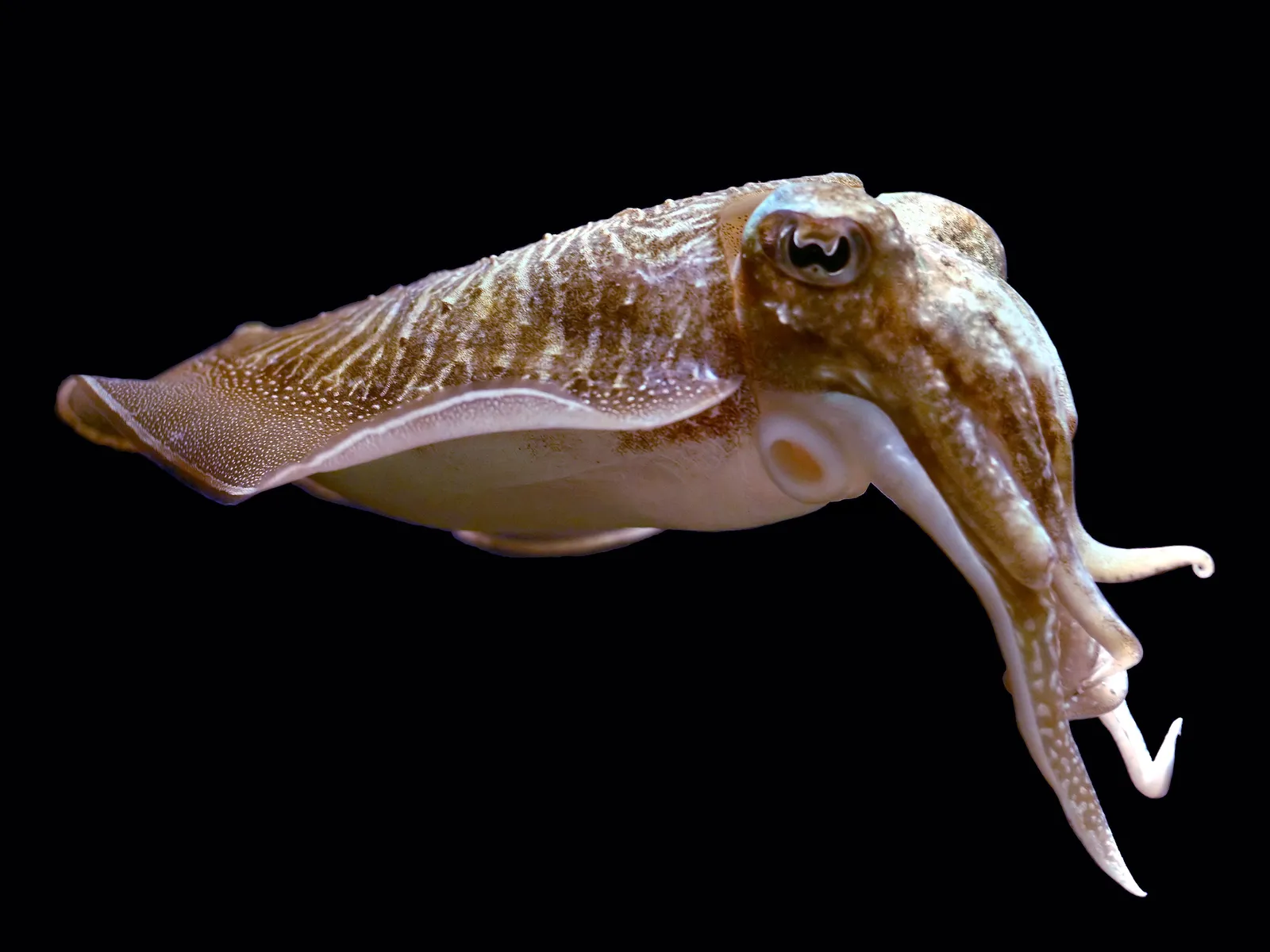
Dreaming was long considered a mammal and bird-exclusive phenomenon tied specifically to REM sleep and complex brain structures found only in those groups.
Researchers observing sleeping cuttlefish documented a distinct sleep stage featuring rapid eye movement, twitching arms, and dramatic skin color changes cycling rapidly across their bodies, mirroring the color patterns cuttlefish display while actively hunting or interacting with threats while awake. The skin-color patterns appearing during this sleep stage closely resembled patterns cuttlefish use while awake during hunting and social encounters, suggesting they may be reenacting waking experiences during sleep.
This doesn’t prove cuttlefish experience dreams the way humans do, since we can’t directly access their subjective experience. But the presence of an active sleep stage this similar to REM sleep in an invertebrate, a group whose nervous system evolved completely independently from vertebrates, raises major questions about how widespread this sleep architecture actually is across the animal kingdom. It suggests active, REM-like sleep might be a far older evolutionary feature than previously assumed. Back to birds now, with an unexpectedly generous twist.
#18 – Crows Bringing Gifts to Humans
🔥 Would you like to save this?
We'll email this post to you, so you can come back to it later!
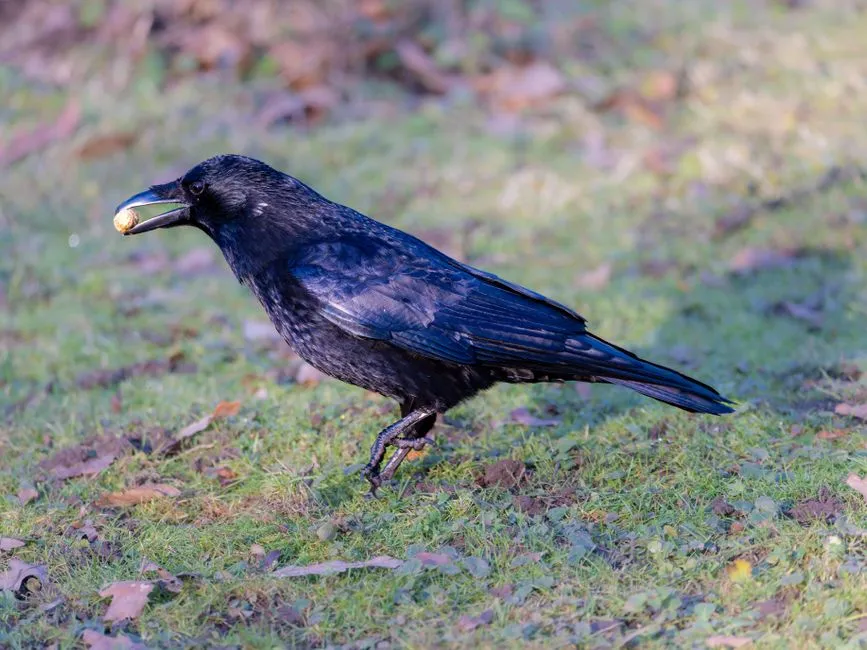
Stories of wild crows leaving small trinkets, buttons, and shiny objects for people who feed them regularly were treated for years as charming exaggeration rather than genuine behavior.
Multiple documented cases describe wild crows consistently leaving small objects, bottle caps, beads, and occasionally shiny fragments, at feeding stations maintained by the same person over extended periods. This pattern appeared specifically tied to individuals who provided regular, reliable food sources, rather than occurring randomly across the wider crow population. Crows have demonstrated they can recognize individual human faces for years after a single negative encounter, and apparently extend that same long-term facial memory to positive relationships involving gift-giving.
This behavior suggests crows track specific relationships with individual humans over long timeframes, remembering who helps them and responding with what looks remarkably like reciprocal generosity. Whether it constitutes genuine gratitude in an emotional sense remains debated among researchers, but the consistency of the pattern across unrelated crow populations makes pure coincidence an increasingly hard argument to defend. Saving the strangest for last: ants.
#19 – Ants Performing Rescue and First-Aid Behavior
🔥 Would you like to save this?
We'll email this post to you, so you can come back to it later!
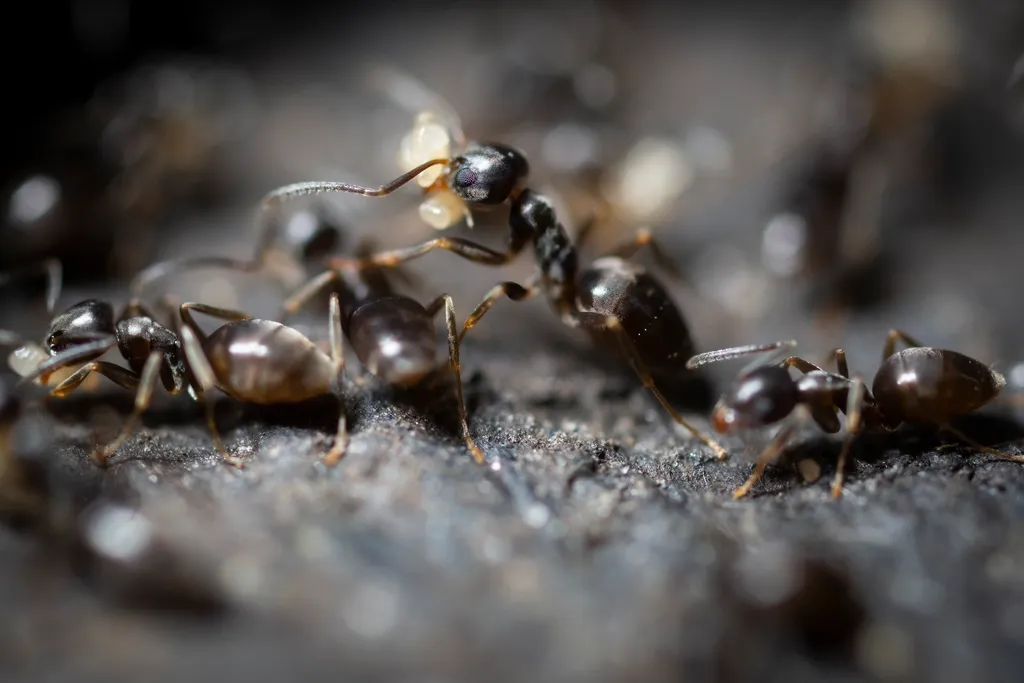
Ants were long viewed as disposable units within a colony, individual insects with no real investment in each other’s survival beyond basic colony function.
Certain ant species have been documented performing what researchers now describe as rescue behavior, digging out nestmates trapped under debris or restrained by simulated predator traps in laboratory settings. Even more striking, some species have been observed treating injured nestmates by cleaning wounds and even amputating severely injured limbs to prevent infection from spreading. Ants receiving this treatment survived at dramatically higher rates than untreated injured ants, suggesting the behavior provides a genuine medical benefit rather than incidental cleaning.
Why It Stands Out
- Ants dig out nestmates trapped under debris or simulated predator traps
- Some species clean wounds and even amputate severely injured limbs
- Treated ants survive at dramatically higher rates than untreated ones
- The behavior likely evolved to protect a valuable colony resource, not out of affection
This kind of behavior implies a level of collective investment in individual survival that contradicts the old view of ants as expendable, interchangeable colony units. Researchers now argue this rescue and care behavior likely evolved because healthy worker ants represent a valuable colony resource worth protecting, not because of anything resembling individual affection. Either way, it’s a level of organized care nobody expected to find in an insect with a brain smaller than a pinhead.
The Bottom Line
🔥 Would you like to save this?
We'll email this post to you, so you can come back to it later!
Nearly every behavior on this list was dismissed at some point as sentimental exaggeration from field researchers accused of projecting human emotions onto animals. The pattern here isn’t subtle: science kept underestimating non-human minds simply because the proof took decades to catch up with the observation.
From grieving elephants to mathematically capable bees, the evidence now suggests complex cognition, and even something resembling emotion, may be far more common across the animal kingdom than researchers were ever willing to admit. The real mistake was never the field observers who documented these behaviors first. It was a scientific culture that mocked them for decades simply for taking animals seriously.
Which of these 19 surprised you the most? Drop your pick in the comments – chances are the next “anecdote” someone laughs off is one science just hasn’t caught up to yet.

- 23 Warm Corners an Elderly Cat Keeps Returning To All Winter - October 29, 2026
- 16 Behaviours Showing a Cat Considers a House Permanent Now - October 29, 2026
- 15 Wildlife Programmes a Lifetime Pass Holder Over 62 Can Join Free - October 29, 2026