

Most of us know the quiet grief of watching a beloved dog grow old too quickly. For owners of giant breeds, the clock can feel especially cruel. Yet for a fortunate group of dog breeds, biology runs at a different speed. Their cellular aging is slower, their bodies less taxed by rapid growth, and their odds of reaching a ripe, healthy old age are genuinely better than average.
Body size significantly influences lifespan, with smaller breeds typically living longer due to slower aging rates. Large dogs age at an accelerated pace, and researchers note their lives seem to unwind in fast motion, with large breeds dying more often from cancer than small breeds. The following 19 breeds consistently stand out in the research as dogs that simply seem to defy the clock.
#1. Chihuahua
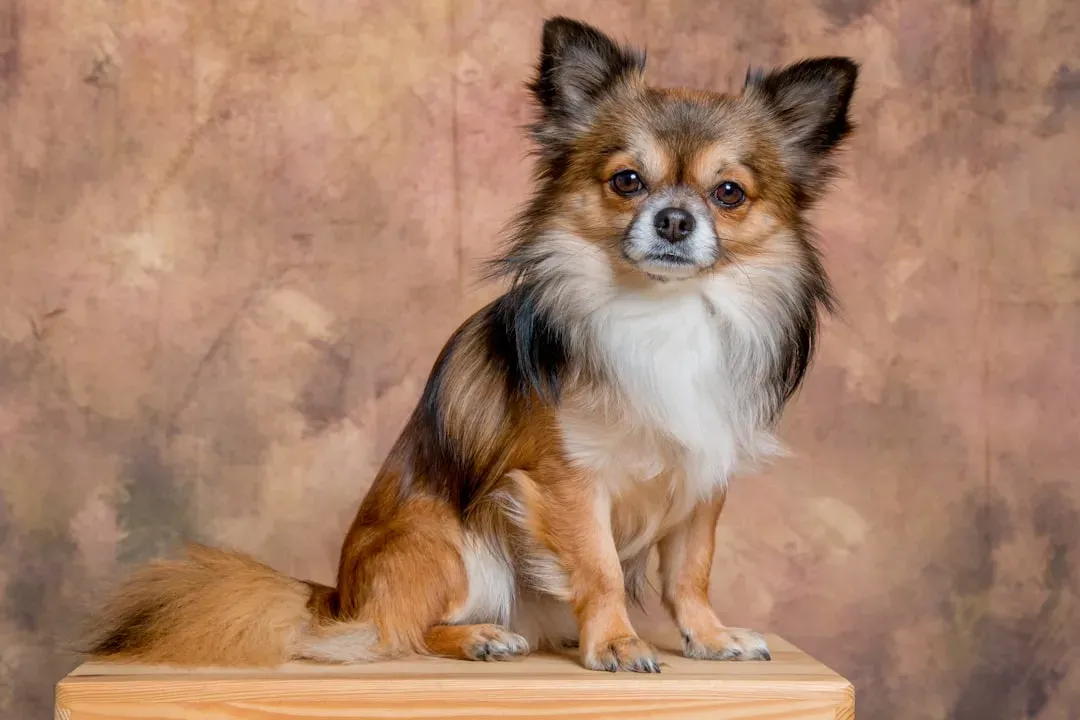
Few dogs pack more longevity into such a tiny frame. The average life expectancy of a Chihuahua is usually around 14 to 16 years. Chihuahuas are not particularly prone to serious illnesses, which may contribute to their longer than average lifespan.
The longest-living Chihuahua on record, Spike, turned 23 in 2022. Their compact size means less strain on their organs, and they love walks, trips to the park, and winding down next to their favorite human, with the breed known for becoming particularly attached to one person.
#2. Yorkshire Terrier
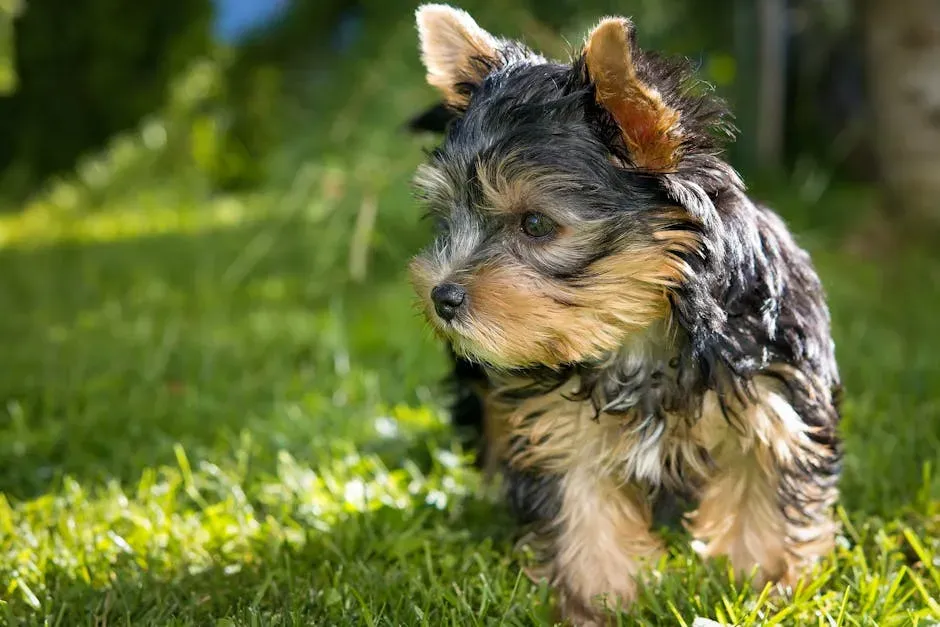
The smallest dog breed in the terrier group, Yorkshire Terriers are known for their longevity, with the playful and affectionate dogs able to live to be 15 years old or older. Yorkies live on average 14 to 16 years, and while this popular breed is often pampered today, people used their ancestors to hunt rats.
That working heritage may have left them with a hardier constitution than their silk-coated appearance suggests. Yorkies are generally healthy, but can be prone to dental issues, collapsed trachea, and liver shunts, so regular vet checkups remain important throughout their long lives.
#3. Toy Poodle
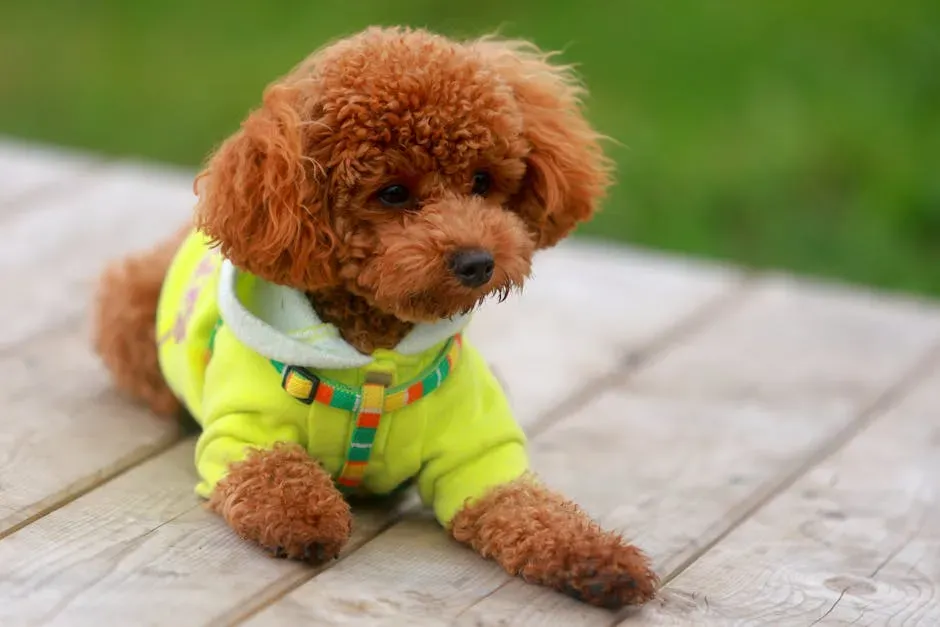
Toy Poodles are the smallest of the three Poodle sizes, and therefore the dogs with the longest lifespan. They boast a lifespan of 14 to 18 years, their intelligence and trainable nature make them ideal companions especially in their later years, and ongoing stimulation has been linked to their prolonged health and vitality.
Though small, Toy Poodles have a big personality and an even bigger brain, so smart that basic training and complicated tricks can be taught relatively easily. Toy Poodles have average lifespans of 15 years, which is a full three years longer than that of the Standard Poodle.
#4. Dachshund
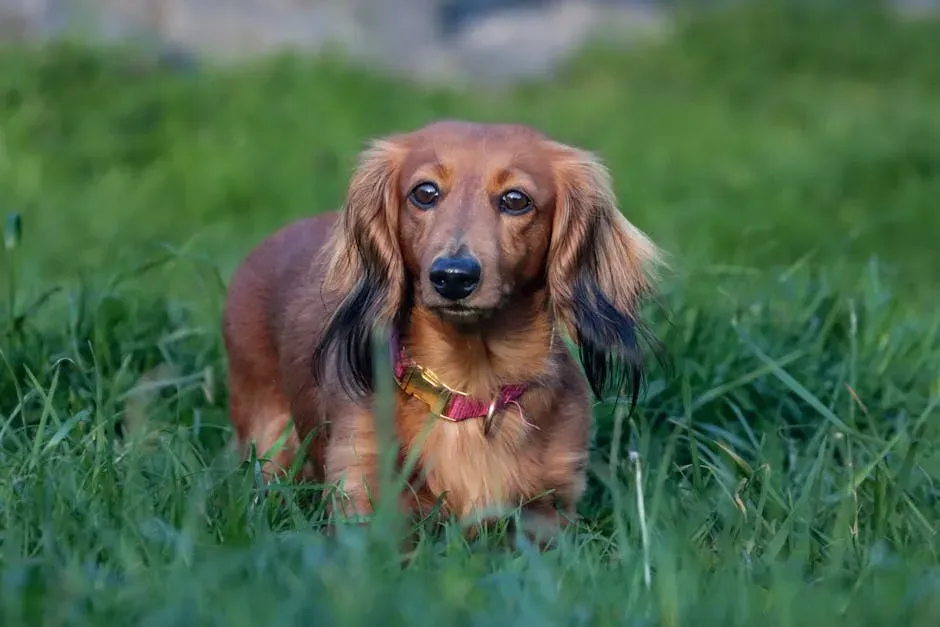
Many of the breeds with the longest lifespans are miniature in size but large in personality, and the Dachshund is no exception, with this stubborn, playful, and devoted dog known to have a lifespan of 12 to 16 years. Miniature Dachshunds are small but hardy, often living until around age 15.
Protecting that long back matters, so keeping a Dachshund lean and not letting them jump off high furniture helps preserve their health. Dachshunds are prone to obesity, so feeding them a nutritious diet and providing ample opportunities for exercise is important to help the breed maintain a healthy lifestyle.
#5. Jack Russell Terrier
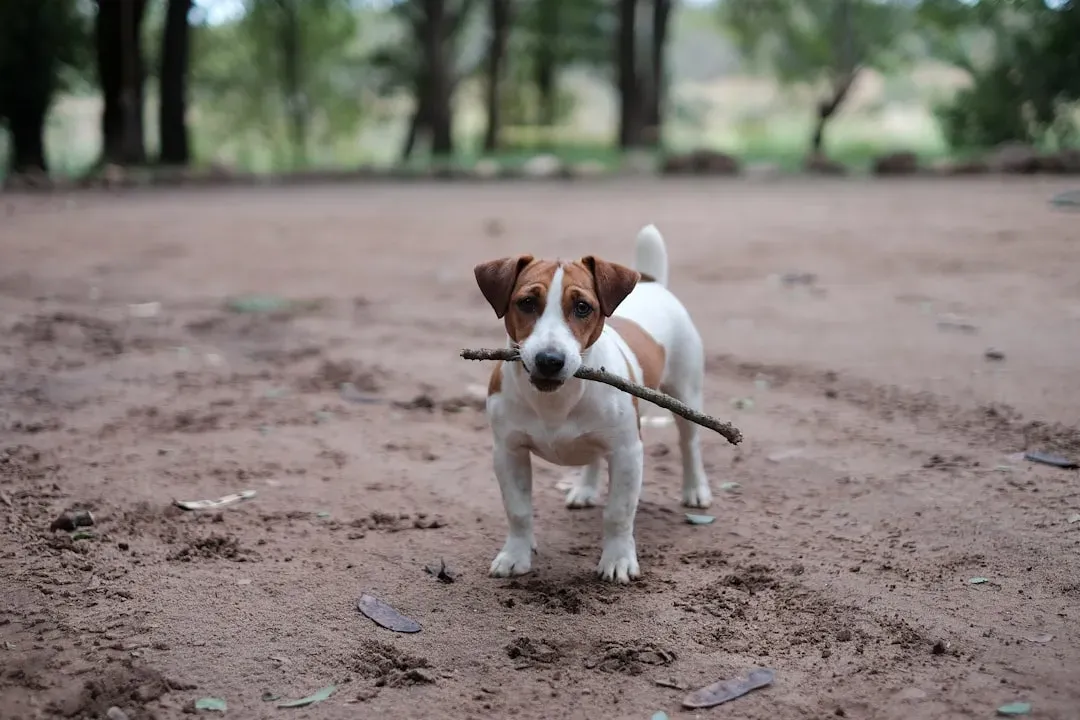
The Jack Russell Terrier is as stubborn as they come, which may be why this breed lives so long, with this fearless, energetic, vocal breed having a lifespan of 13 to 16 years. Jack Russells age much faster during the first two years of life, and then their aging slows down as they reach adulthood, because they are a small, long-lived breed whose age conversion curve differs from large dogs.
Though Jack Russells are on the smaller side, weighing under 20 pounds, they were bred to be working dogs on farms and have loads of energy, preferring to live happy and healthy lives with families who maintain active lifestyles. That working background is likely a key reason they remain vigorous well into old age.
#6. Beagle

Beagles are amazing scent hounds with a nose for good fun, a breed with relatively few severe health issues, which keeps them living long into their golden years, with the typical Beagle living an average of 14 years or more. Their compact, sturdy build gives them a resilience that many medium-sized breeds lack.
Curious and friendly Beagles love to be outside, and when taken out for adventure they need to stay on a leash or within a fenced-in yard because of their high prey drive, while Beagles are also prone to ear infections so keeping their floppy ears clean is important.
#7. Miniature Schnauzer

Miniature Schnauzers are the smallest cousins of the Standard Schnauzer and Giant Schnauzer, and the longest-lived of the three, making great family pets whether going on walks or enjoying indoor snuggle time. Miniature Schnauzers live an average of 12 to 15 years, giving plenty of time to tackle the various dog sports they are seen competing in.
Just 12 to 14 inches tall, Miniature Schnauzers are sturdy, muscular dogs that typically live 12 to 14 years, and because the breed tends to live long and love kids, they are a great pick for family pets. Weight management is their main health challenge, so portion control matters throughout their lives.
#8. Shih Tzu

Known to live an average of 12 to 16 years, the Shih Tzu is one of the longest living dog breeds, with so much affection to give, and one of the oldest documented Shih Tzu, named Teddy, lived to be 19 years old, passing away in 2019.
The Shih Tzu originates from Tibet, where it was commonly found in the homes of monks or royalty, and today the Shih Tzu enjoys a long life, living up to 16 years of age. They require regular grooming and health check-ups to stay comfortable and thriving into their senior years.
#9. Maltese
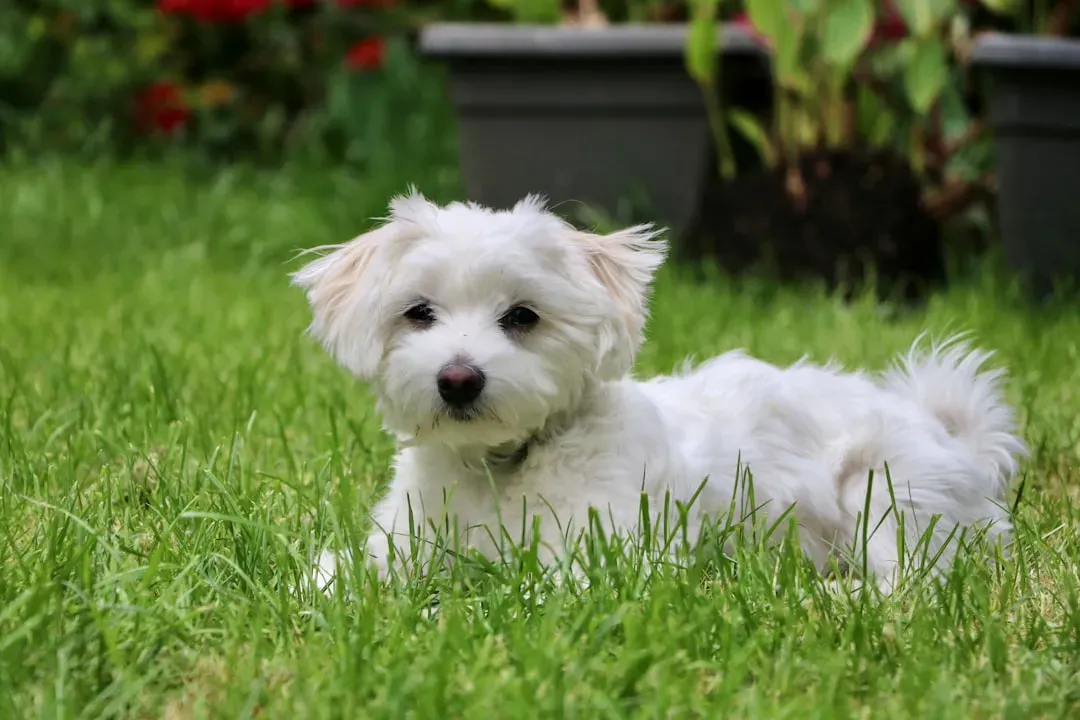
The Maltese is a toy-sized breed that rarely grows larger than 8 pounds, a playful, sweet-tempered dog that originates from the Mediterranean Basin and is not only one of the oldest known dog breeds but also has a life expectancy of 12 to 15 years.
With their long, silky white hair and gentle manner, it is hard to believe the Maltese once hunted rats. Maltese dogs have an impressive lifespan of 12 to 15 years, with some living even longer. Their small frame and relatively low-stress genetic profile makes them among the most reliably long-lived of all companion breeds.
#10. Pomeranian

With their cute strut and beautiful coat, Pomeranians are a popular lap dog, but they were not always small, as Pomeranians are actually descended from sled dogs whose predecessors weighed around 30 pounds, before Queen Victoria popularized their selective breeding into the tiny dogs we know today.
Documented as one of the oldest Pomeranians on record, Coty brought 21 years of love to his family before passing away a few months shy of his birthday in 2016, and these lively characters are another long-living breed with a lifespan of 12 to 15 years. Their spirited energy tends to remain intact well into their senior years.
#11. Border Collie
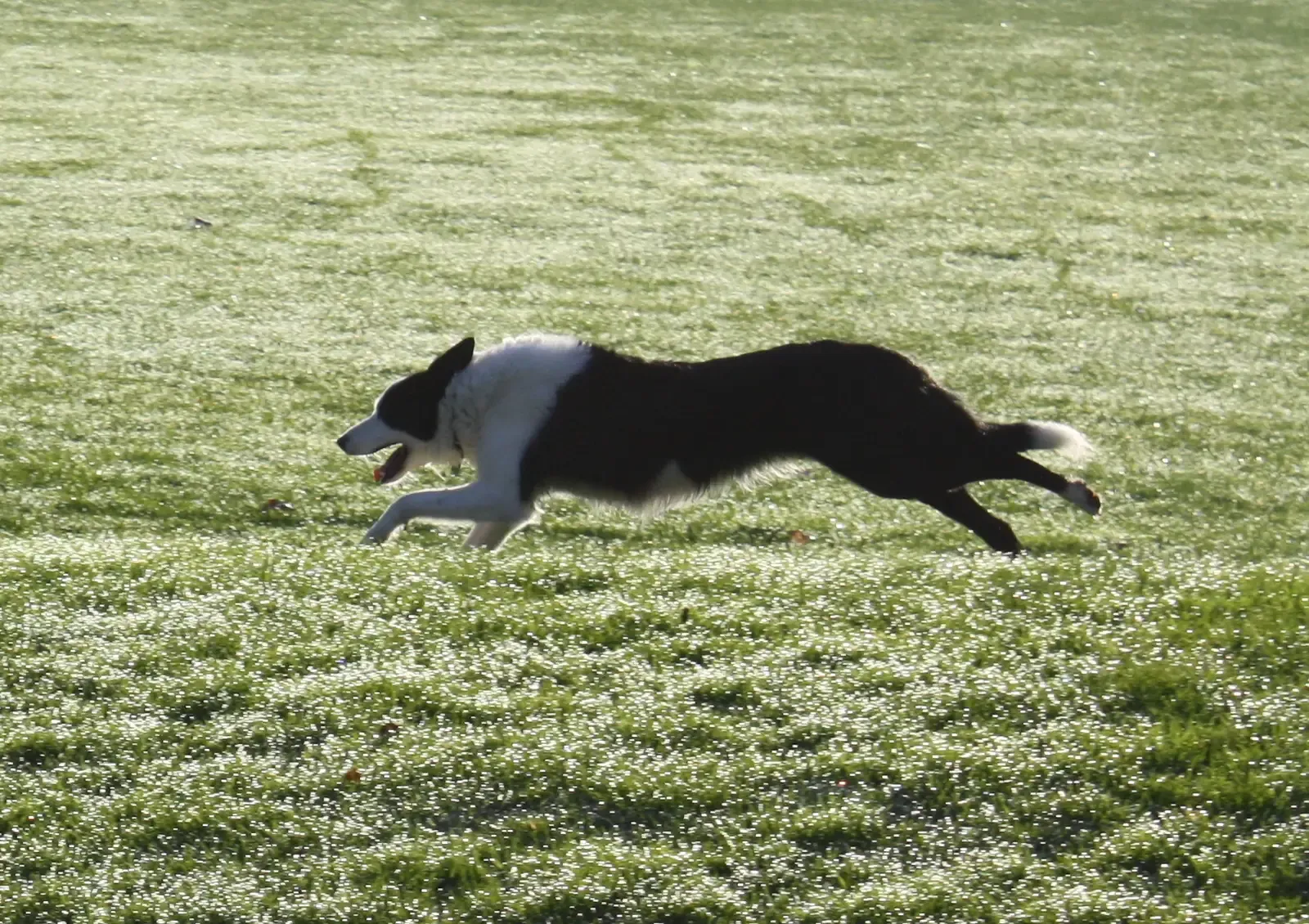
Smart and long-lived, the Border Collie has an average lifespan of 12 to 15 years, but it is not unusual for this hard-working dog to live until 17, and Bramble the Border Collie lived well beyond that, making it to 25 years old before her death.
Border Collies are an insanely intelligent and energetic breed who are ready to take life at full speed, living for 13 to 14 years on average. Their active lifestyle likely plays a role in their longevity. They can develop progressive retinal atrophy and hip dysplasia as they age, so monitoring joint and eye health over time is worthwhile.
#12. Australian Cattle Dog
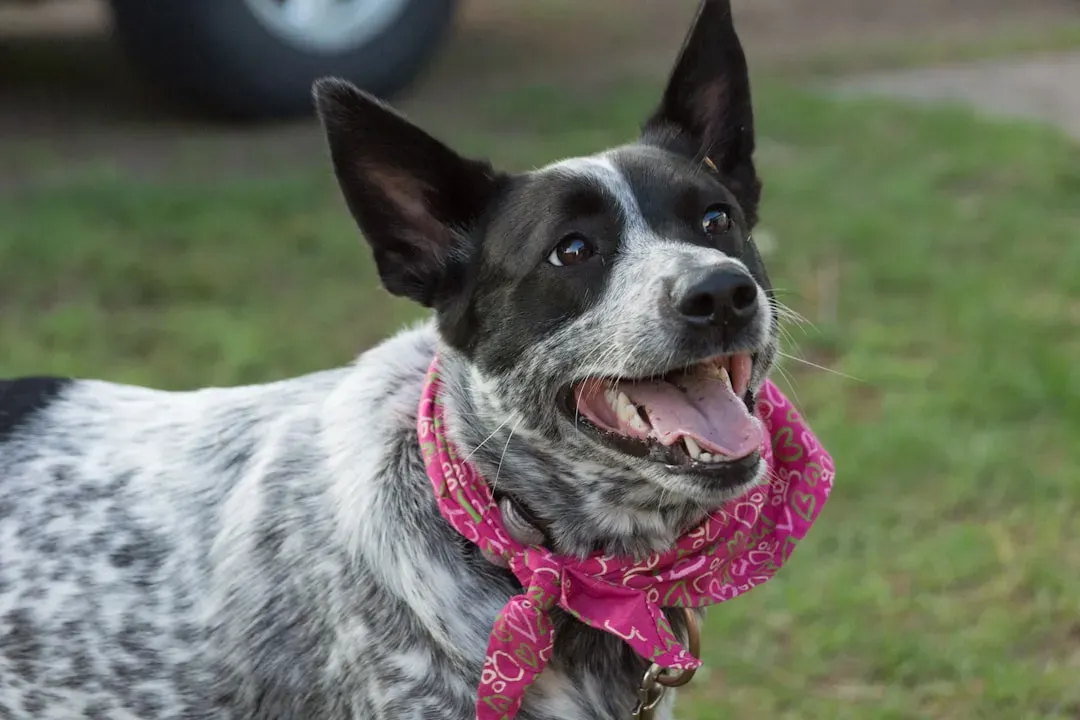
The longest-living verified dog is Bluey, an Australian Cattle Dog who died at 29 years. As a medium-size breed, Australian Cattle Dogs boast an impressive lifespan, and these smart and high-energy pups love being outdoors and having a job to do, whether that is herding on a ranch or running an agility course.
Australian Cattle Dogs are muscular and enjoy lots of exercise and sport, and helping them stay in shape and maintain fitness levels will ensure they reach the top end of the lifespan for their breed. Their robustness is genuinely exceptional for a working dog of their size.
#13. Lhasa Apso

The Lhasa Apso is one of those breeds that surprises people. Originally bred as sentinel dogs in Tibetan monasteries, they carry a quiet durability that belies their small, decorative appearance. Smaller breeds have an average lifespan of 10 to 15 years, with some even exceeding 18 years in age, and the Lhasa Apso sits comfortably at the upper end of that range.
Their long history of careful, purposeful breeding in Tibet may have contributed to a genetic resilience that holds up well over time. Environmental factors such as diet, exercise, and consistent vet care can greatly influence both the length and quality of a dog’s life, and the Lhasa Apso rewards that attentive care with years of devoted companionship.
#14. Bichon Frise

The Bichon Frise is a cheerful, cloud-like companion whose lifespan regularly extends into the mid-teens. They tend to be a sturdy breed with fewer inherited structural problems than many dogs of similar size and coat type. Although the true cause of small dogs’ longer lifespans is still being studied, scientists theorize it may be due to a combination of genetic, physiological, and evolutionary factors, including breeding practices and the general maturation process.
Compact companions like the Bichon Frise benefit from slower aging processes, and with proper dental care and weight management, small dogs often become long-term family members who witness children grow up. Regular dental attention is especially important for this breed, as it is for most small dogs.
#15. Havanese

The Havanese originates in Cuba and is similar to the Bichon Frise, but is not prone to many genetic health disorders, and therefore the Havanese lives an average of 14 to 16 years. That relative freedom from common inherited diseases is one of the most important factors in their graceful aging.
Cuba’s national dog is also known for its adaptability and easygoing temperament, which translates into lower stress levels throughout its life. Environmental factors such as social support significantly impact canine health and longevity, and the Havanese thrives precisely because it is a social, emotionally engaged companion breed.
#16. West Highland White Terrier
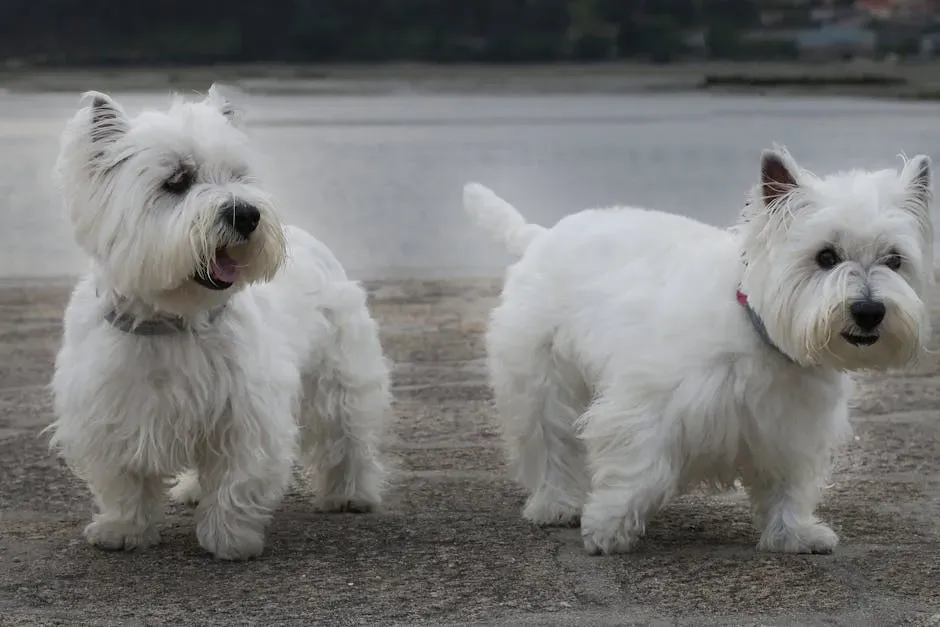
West Highland White Terriers, also known as Westies, have happy demeanors and long average life spans of about 13 to 16 years, generally doing well with small children and making excellent family pets. Their feisty, self-sufficient terrier nature has kept them physically active and mentally alert across generations.
Westies were bred for rugged work in the Scottish Highlands, and that heritage left them with a constitution well-suited to endurance. Genetics plays a major role in canine longevity, with certain breeds predisposed to specific health conditions that can impact their overall lifespan, and Westies generally avoid some of the more serious hereditary issues that cut other breeds short.
#17. Shetland Sheepdog
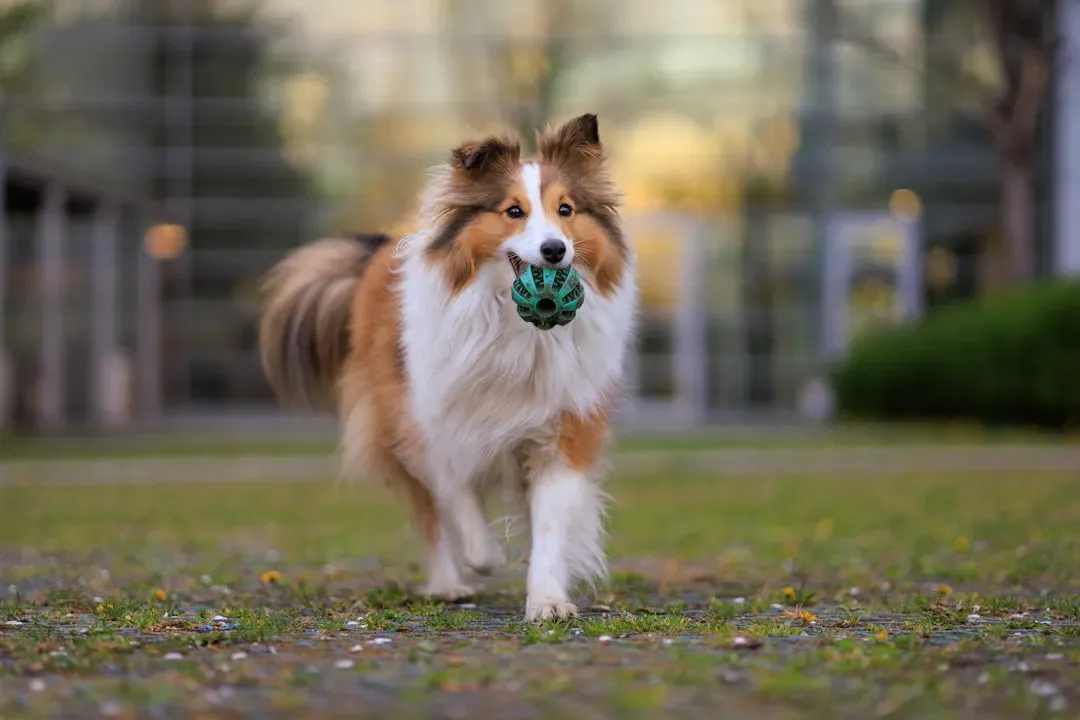
The Shetland Sheepdog, affectionately known as the Sheltie, is a medium-small herding breed with a lifespan that routinely reaches 12 to 14 years. They carry the working intelligence of a Border Collie in a more compact, manageable body. Although large mammals tend to live the longest in broader biology, small body size within a species is associated with longer life and slower aging.
Shelties are known for their devoted, sensitive natures and thrive in active, attentive households. Social support indicators, such as living with other dogs or engaged families, were positively associated with better health, and the effects of social support on health were found to be five times greater than those of financial adversity in one study.
#18. Papillon

The Papillon, named for its butterfly-shaped ears, is one of the oldest toy spaniels in recorded history and one of the most surprising long-lifers among companion breeds. Chinese Crested dogs typically live for around 15 to 17 years, and the Papillon competes closely in the longevity stakes, with many individuals reaching and surpassing 15 years with good care.
What makes the Papillon particularly interesting is its combination of high intelligence and small size. Smaller dogs have a higher mass-specific metabolic rate, which means they burn energy more efficiently, and this also means they experience slower cellular growth and thus a slower aging process. The Papillon seems to embody that principle completely.
#19. Pembroke Welsh Corgi
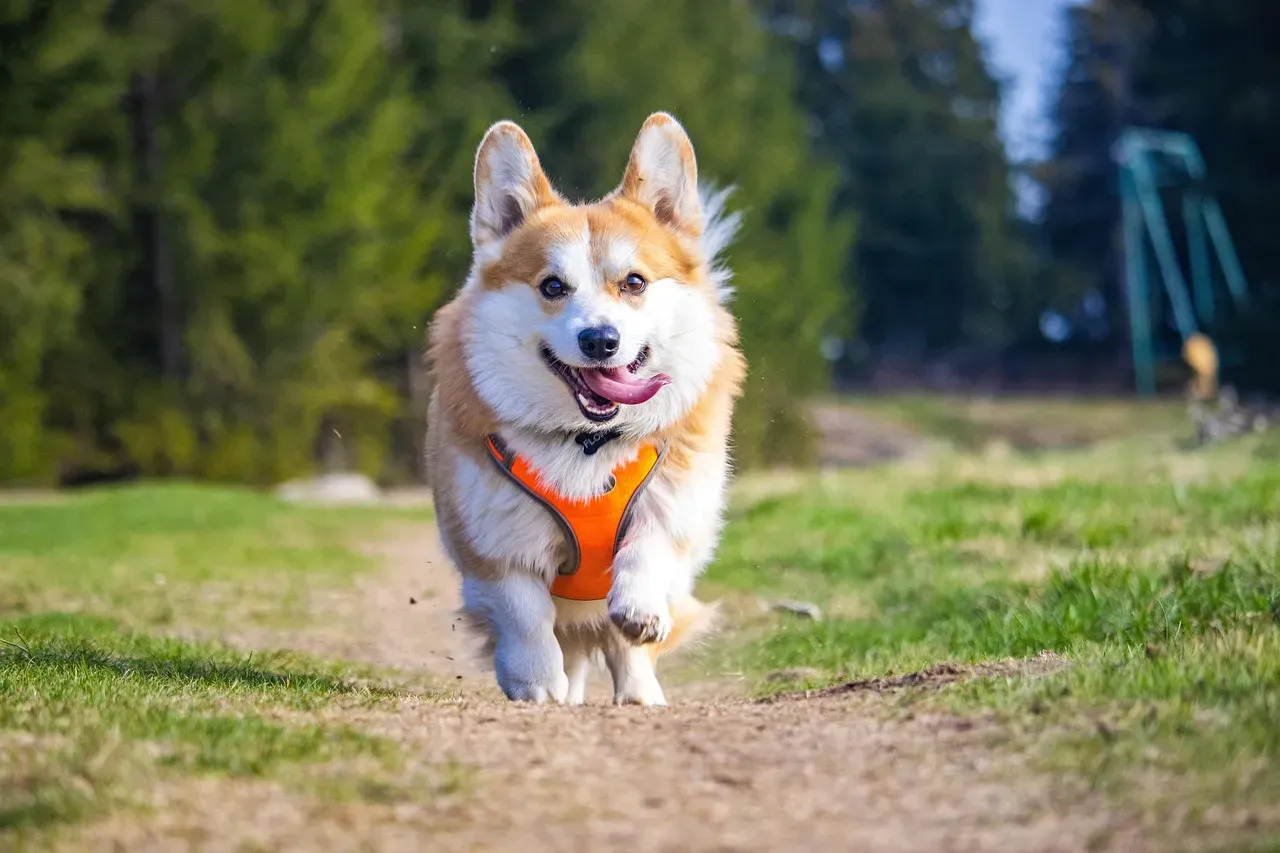
Welsh Corgis, particularly the Pembroke variety, have a typical lifespan of 12 to 15 years, and favored by Queen Elizabeth II, these dogs are as regal as they are hearty, originally bred for herding cattle in Wales, with regular exercise tailored to their short stature helping prevent obesity.
The Corgi is a notable entry on this list because it proves that longevity is not exclusively a toy-breed privilege. When you look at long-lived breed data, smaller breeds often take the crown when it comes to life expectancy, but there are always exceptions, and even some medium to large dogs have been known to live impressively long lives. The Corgi is exactly that kind of exception.
What Science Tells Us About Slower Aging in Dogs
One reason why large-breed dogs have shorter lifespans involves metabolism and growth signaling pathways, with growth hormones and IGF-1 levels being higher in large dogs, and while these hormones promote size, they are also associated with faster aging in multiple species. The breeds on this list largely avoid that hormonal acceleration.
Oxidative stress appears to be a significant determinant of longevity in small compared to large breed dogs, with oxidative DNA damage measured in puppies found to be higher in larger dog breeds with shorter lifespans, and this result suggesting that DNA repair mechanisms fail earlier in larger breeds so that more DNA damage accumulates sooner, leading to reduced longevity.
Environmental factors such as diet, exercise, and consistent vet care can greatly influence both the length and quality of a dog’s life. Dogs that are aging well will maintain steady mobility, clear eyes, a good appetite, and an interest in play or walks, even if they move a little slower, with their coat staying shiny, their weight remaining stable, and minimal cognitive decline.
Conclusion
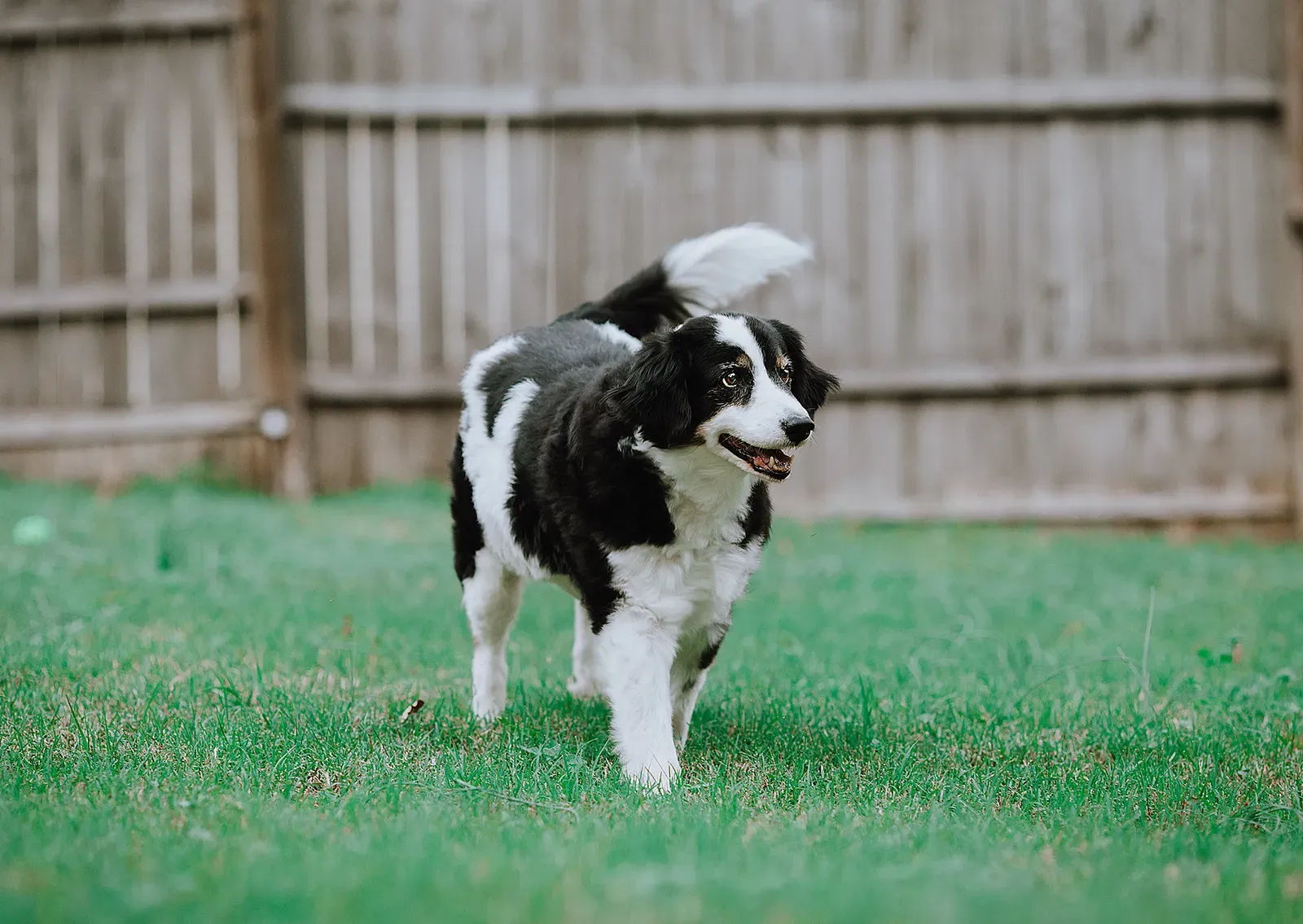
The breeds on this list share something worth appreciating. They are not simply small. They are biologically configured, through genetics, body size, and metabolic efficiency, to move through time more slowly than most. Dogs show us how small genetic differences between breeds can drive big differences in longevity, and this suggests it might be easier than we think to have an influence on aging.
Longevity does not happen by accident. Dogs that live longest typically have attentive owners who prioritize good nutrition, mental stimulation, and routine vet visits throughout their lives. The breed you choose sets the biological ceiling, but the life you build together determines how close to that ceiling your dog gets to reach.
There is something quietly profound about a dog that grows old beside you slowly. For the breeds above, that slow, faithful presence is not just a fortunate accident of size. It is written into who they are.
