
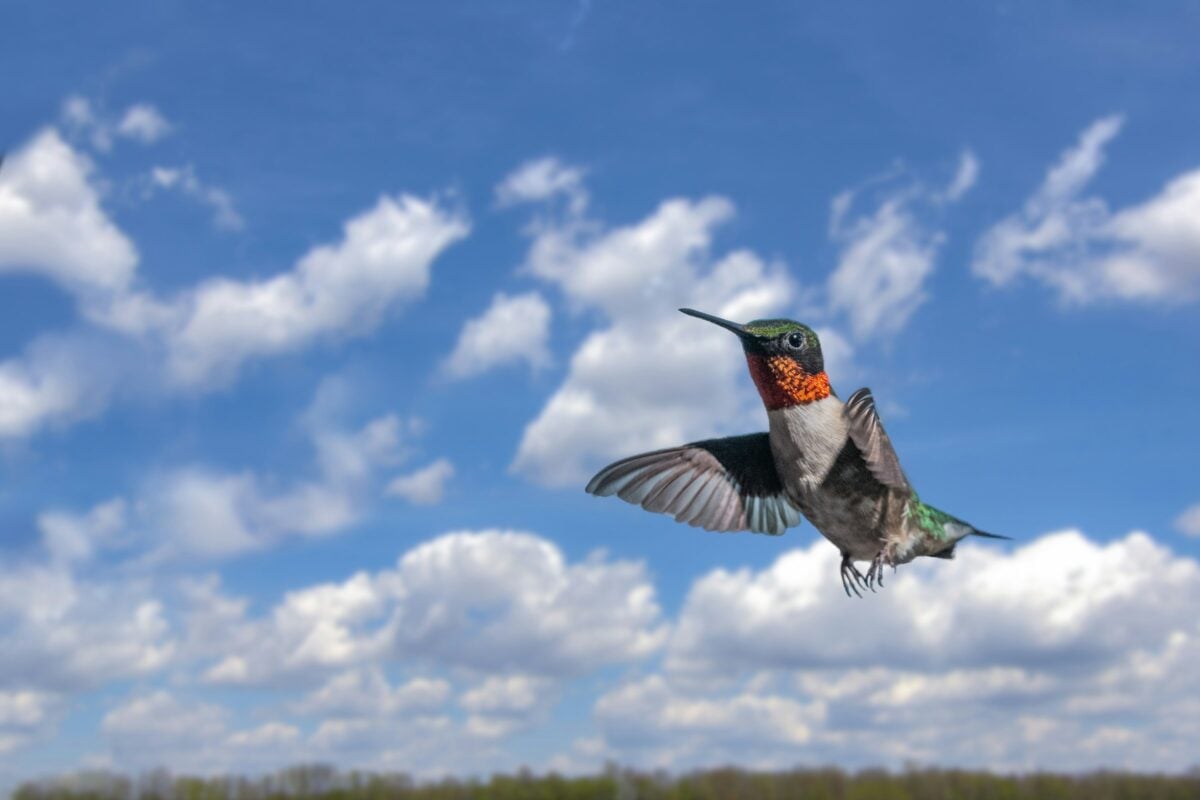
You’ve probably watched a hummingbird vanish the second a storm rolls in and figured it just found somewhere cozy to nap it out. That’s the comfortable version. The real one, caught only in scattered field footage and high-speed video, is stranger and a lot more brutal: a storm-hit hummingbird can look flat-out dead – cold, motionless, eyes shut, hanging limp from a branch – and still be alive by morning.
What’s actually happening in those rarely filmed minutes ranges from bat-like upside-down poses to mid-air “shake dances” to a full-system shutdown that borders on suspended animation. Here are 14 storm survival tricks hummingbirds pull off when nobody’s watching, and why almost none of them look like what you’d expect.
#14 – They Drop Into “Emergency Sleep” to Avoid Starving
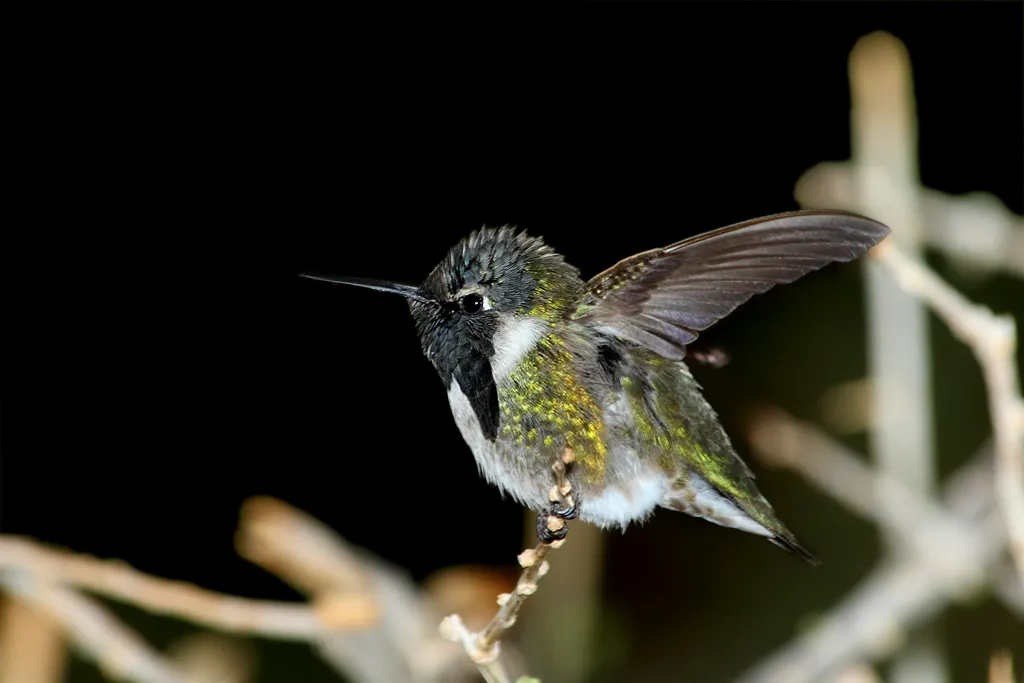
In a storm, hummingbirds face brutal math: keep burning energy without refueling, and they can starve within hours. When heavy rain shuts down flowers and insects, many don’t just get sleepy – they crash into torpor, a kind of emergency sleep where heart rate and body temperature plunge toward survival mode.
To a casual observer, a torpid hummingbird hanging from a branch mid-storm looks dead: eyes closed, chest barely moving, body oddly puffed or limp. But inside, it’s quietly saving up to 60-90% of its normal energy use, like unplugging every system in the house that isn’t the fridge.
Fast Facts
- A hummingbird’s heart beats an astonishing 1,200 times per minute during active flight, only to slow dramatically to around 50 beats per minute during nighttime torpor
- During torpor, body temperature can fall by nearly 50 degrees Fahrenheit from its normal active temperature of about 105 degrees
- This drastic reduction in body temperature is accompanied by a metabolic slowdown of up to 95 percent
- A hummingbird consumes as much as 50 times more energy when awake than when torpid
#13 – They Hang Upside Down Like Little Storm-Battered Bats
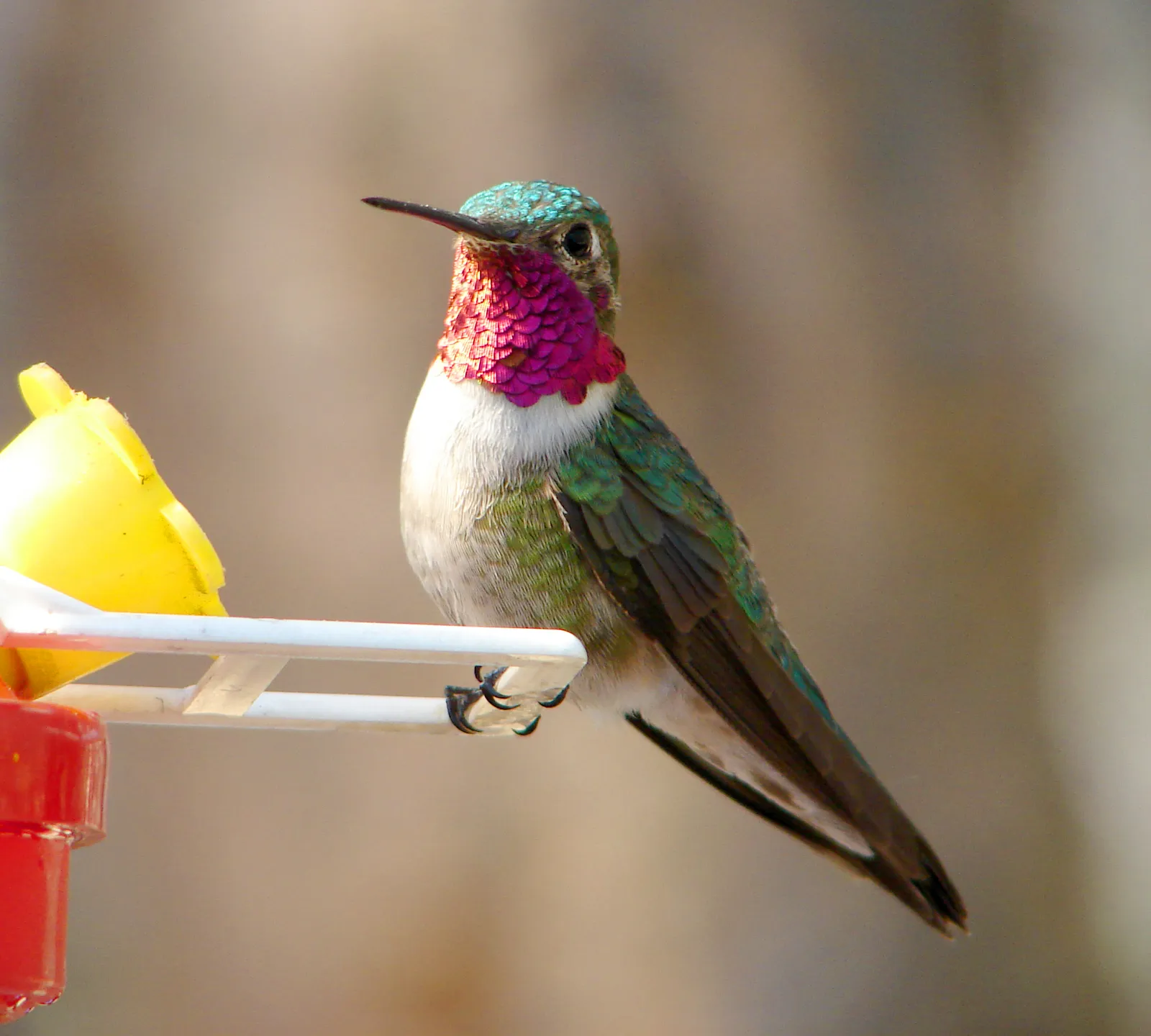
Spot a hummingbird hanging motionless from a branch in bad weather and your first thought is probably “it hit a window.” Some researchers argue that eerie pose is actually a deliberate survival move, especially in cold, windy storms.
Deep in torpor, a hummingbird’s grip can tighten so hard it ends up dangling upside down, almost like a tiny bat. Wings droop, the head lolls, the whole body goes slack. It looks finished – until the sun returns, warmth kicks back in, and the bird “reboots” and rights itself, sometimes within minutes.
#12 – They Vanish Into Wind-Shadowed Hideouts You’d Never Check
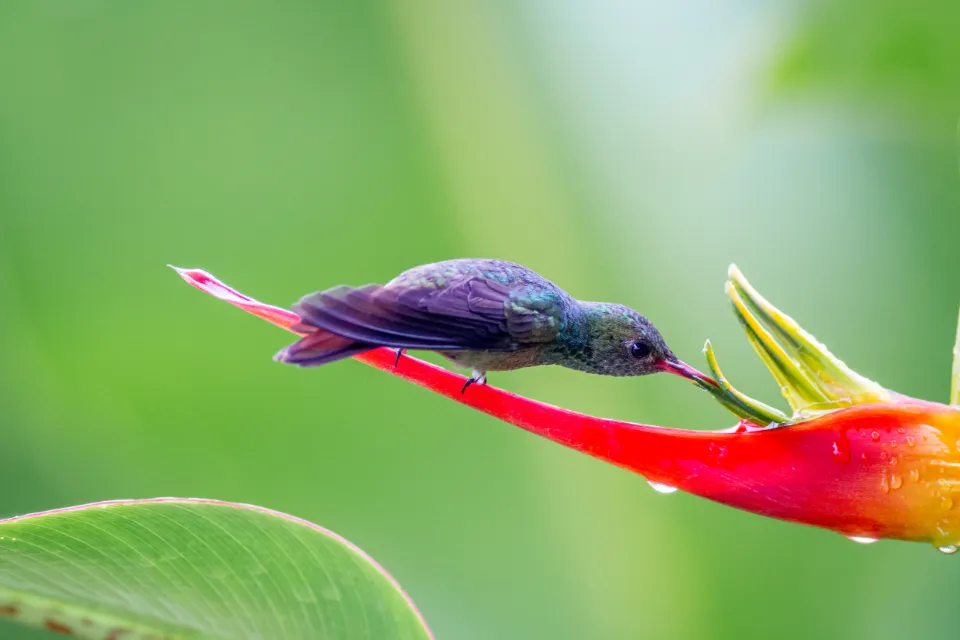
When the sky turns nasty, most of us scan the obvious spots – feeders, fence lines, flower beds – and assume the birds bailed. In reality, they’re usually just a few feet away, tucked into what researchers call “wind shadows”: tiny pockets of dead-still air behind dense vegetation, tree trunks, or buildings.
- Thick hedges and tangled vines
- The leeward side of tree trunks, especially near the base
- Gaps just a few inches inside a shrub, where leaves absorb the wind and rain
They’ll trade a favorite feeding perch for a nearly invisible hideout if it cuts wind chill and buffeting. You don’t see them because they’re deliberately choosing spots with terrible sightlines but rock-solid stability. Serious storm-watchers know “the birds disappeared” usually just means they moved two feet inward.
#11 – They Time Feeding Around Thunder Better Than You’d Guess
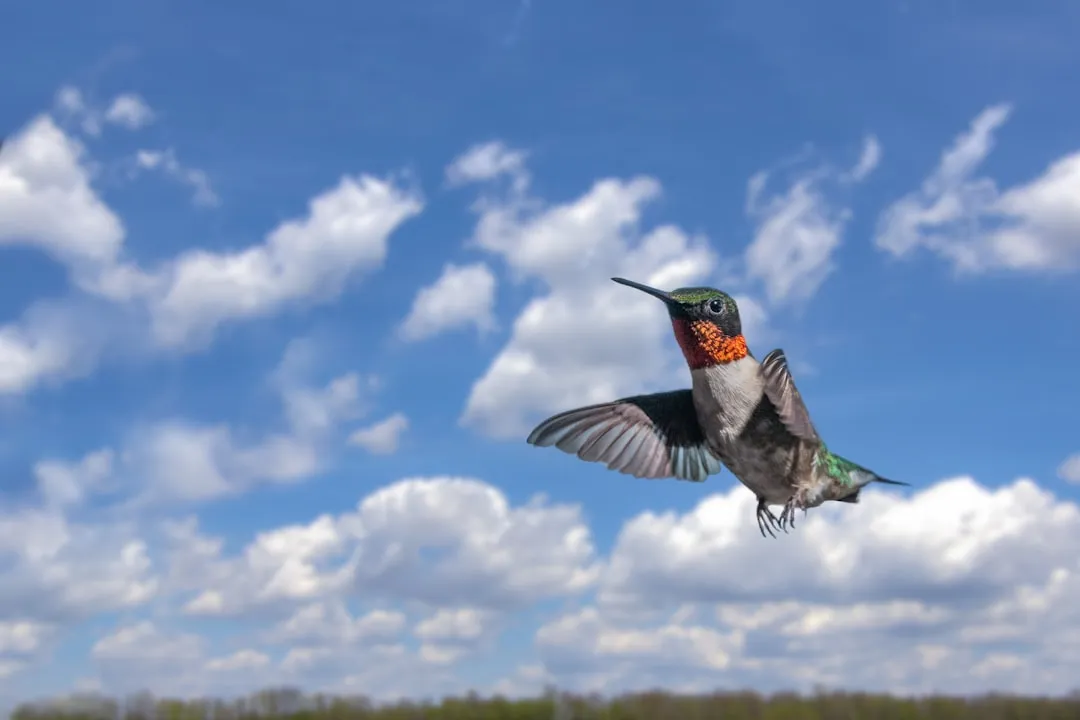
There’s no evidence hummingbirds forecast storms like a weather app, but they clearly react to shifting pressure and light before the first drop falls. Keen observers report a short, frantic spike in feeder visits right before a front moves in, almost like a last-chance refuel.
Once the storm actually hits, they’re not dodging lightning with superhero reflexes, but they do shift their patterns around thunder and flashes, staying perched through the loudest moments to avoid a risky flight through chaotic wind. When the thunder rolls off and the rain eases for a minute, you’ll sometimes catch a sudden feeding sprint – a bird exploiting a tiny quiet window before the next boom.
#10 – They’ll Risk a Downpour When the Nectar Is Worth It
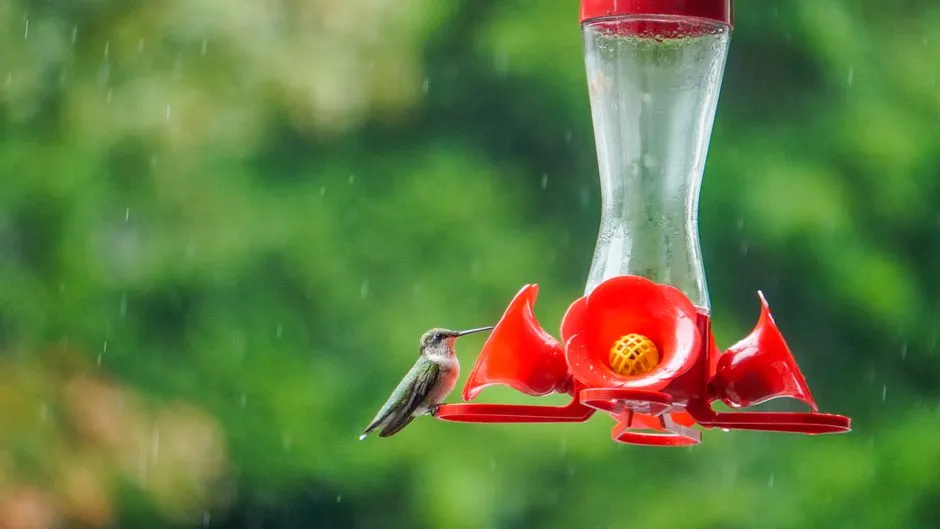
You’ve probably heard that a single raindrop can kill a hummingbird. It sounds dramatic, and it’s mostly wrong. High-speed video shows hummingbirds taking direct hits from raindrops heavier than their own bodies and continuing to fly, even though it clearly costs them extra energy and control.
In true downpours, some birds still make desperate “supply runs” between shelter and a reliable nectar source, flying lower, hugging structures, and shortening each trip. In regions with frequent tropical storms, hummingbirds seem noticeably more willing to push through rough weather than their fair-weather cousins – proof that “hummingbirds never fly in rain” is a myth the footage just doesn’t support.
#9 – They Shake Off Water in Mid-Air Like Tiny Wet Dogs
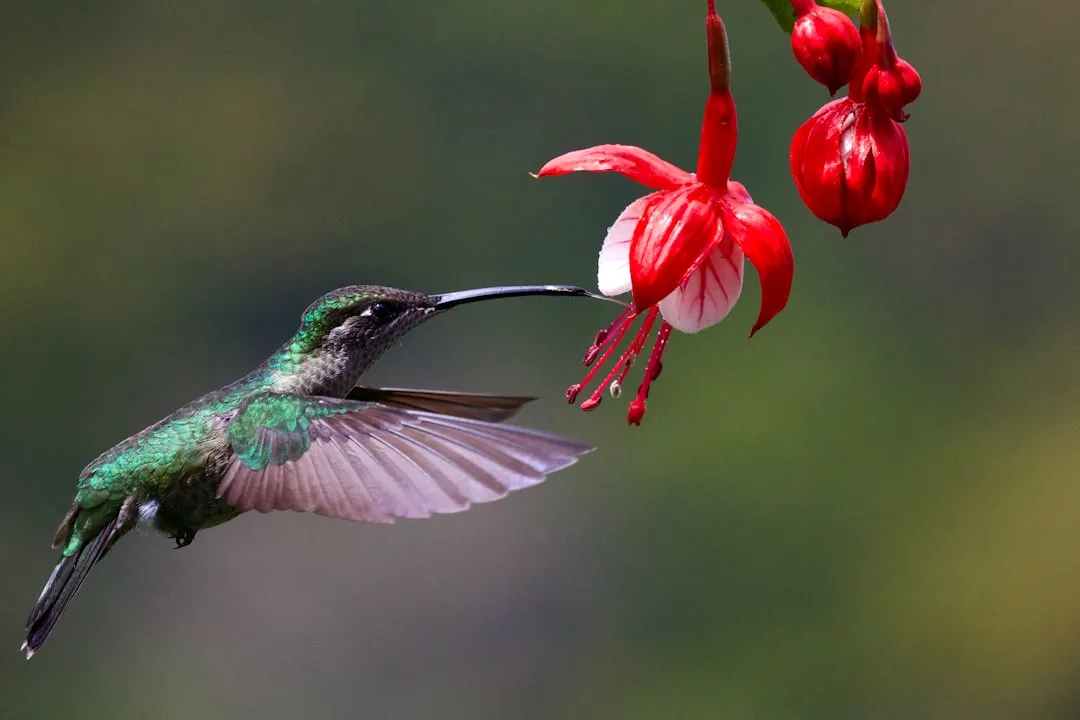
One of the few storm behaviors researchers have actually caught on camera looks almost comical. When a hummingbird gets soaked, it can spin its body so fast that water flings off its feathers with startling force – like a dog shaking after a bath, only mid-flight.
It’s not just for show. Waterlogged feathers are heavier, wreck aerodynamics, and steal body heat fast. By rapidly realigning its plumage and flinging off excess water, a hummingbird regains control and holds onto warmth it can’t afford to lose. What looks like a jerky twitch or a sign of injury is often precision maintenance happening at blistering speed.
Why It Stands Out
- A hummingbird shakes its head violently, 132 times per second, and rotates 202 degrees – all while flying and maintaining direction
- The shake reaches a G-force of 34, more than five times faster than a Formula 1 racing car
- It clearly affects the flight trajectory, but the bird manages to stay in the air the whole time and then recover to its planned flight path once it is dry
#8 – They Choose Feeder Spots Based on Wind, Not Convenience
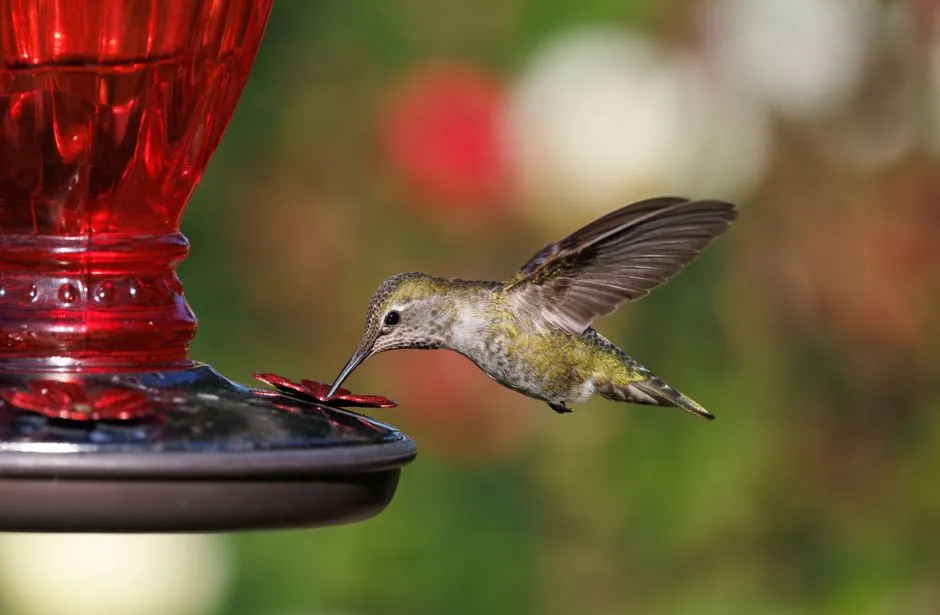
Everyone argues about red versus clear nectar, but almost nobody talks about how feeder placement decides whether a hummingbird can safely eat during a storm. Field observations show they strongly favor feeders that check two boxes:
- Sheltered from the prevailing wind
- Mounted near solid structures – walls, posts, dense shrubs
In bad weather, they’ll abandon a “perfectly good” exposed feeder for one just a few feet more protected. Some homeowners assume their birds vanished in a storm, then watch activity explode the moment they move the feeder under an eave or near a hedge. The birds never left – they just refused to fight wind shear for a few drops of sugar.
#7 – They Guard Prime Shelter as Fiercely as Prime Nectar
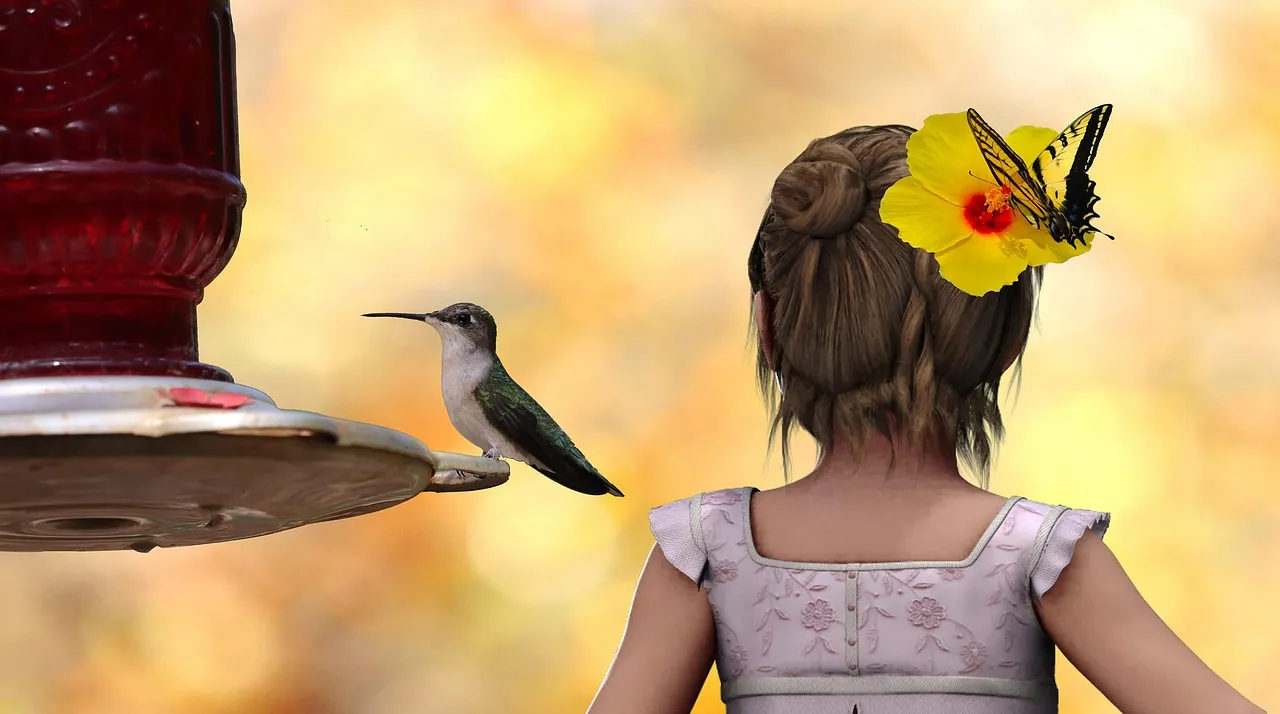
We already know hummingbirds are vicious about food. What’s less obvious is that in a serious storm, that same aggression gets redirected toward shelter. A thick evergreen, a wind-blocked corner tangled in vines, or the sheltered side of a feeder pole becomes contested real estate almost overnight.
- Dominant birds chase subordinates off the calmest perches
- They claim the most stable twig closest to a sheltered food source
To a human, that looks petty. To the bird, holding the best spot is the difference between minor buffeting and serious heat loss, plus first access the second the rain lets up. Some birders call these bullies “mean.” Biologically, they’re just playing the same ruthless survival game every storm-tested animal plays.
#6 – They Turn Into Opportunistic Storm Scavengers Overnight
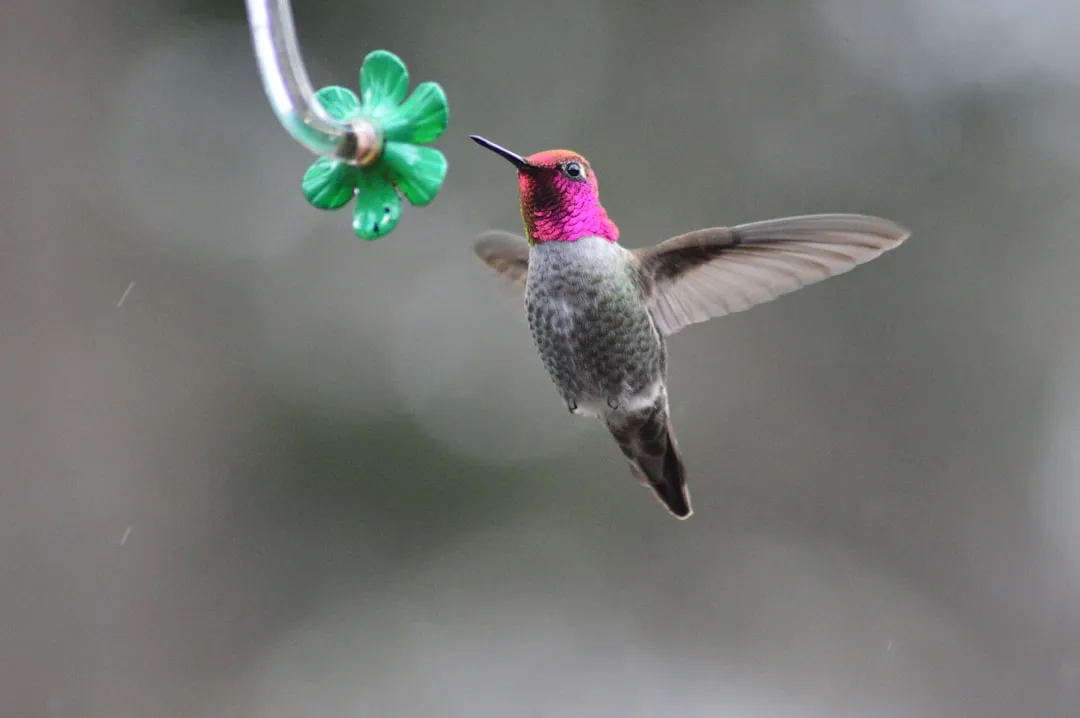
Heavy rain hammers blossoms and washes nectar right out of them, so flowers stop being a reliable fuel source. Hummingbirds, who most people picture as pure nectar addicts, quietly flip strategies and lean harder on whatever food is still available.
You might catch them snatching tiny insects under eaves, near windows, or around sheltered light fixtures where bugs cluster out of the rain. They’ll hit stable, human-provided feeders even harder since those don’t get drowned like flowers do, and in some habitats they’ll sip more often from sapsucker wells or tree wounds. This flexible “storm diet” never shows up in cute hummingbird memes, but it’s a huge part of why they survive at all.
Quick Compare
- Clear skies: Nectar-first foraging, quick stops at multiple blooms
- Storm mode: Insects near eaves and windows, steady feeders, sapsucker wells
- The switch: Often happens within the same afternoon a storm rolls in
#5 – They Turn Your House Into an Emergency Windbreak
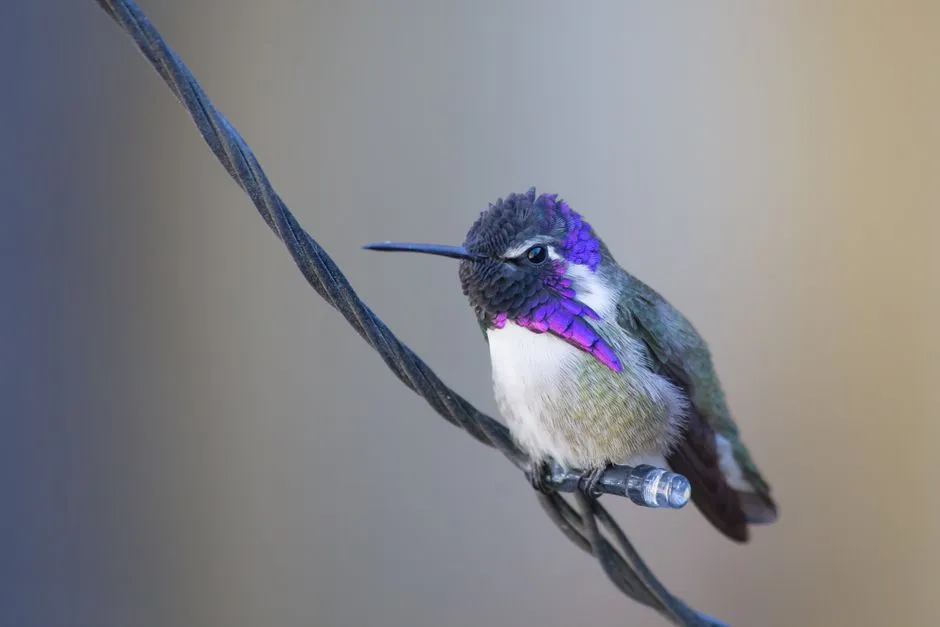
Bird purists love to complain that feeders and human clutter “ruin” natural hummingbird behavior. Here’s the uncomfortable truth: in a modern yard, our buildings often become critical storm shelters. Hummingbirds tuck into corners under roof overhangs, cling to leeward window frames, and perch on sheltered wires during the worst gusts.
A flat house wall can create a pocket of surprisingly still air just a foot or two away, and a bird that hugs that zone doesn’t have to fight constant crosswinds – it might even pick up a few extra degrees of stored heat. If you’ve ever found a hummingbird oddly close to your door or porch mid-storm, you weren’t intruding on nature. You were accidentally running the best wind shelter in the neighborhood.
#4 – They Adjust Their Internal Furnace Minute by Minute
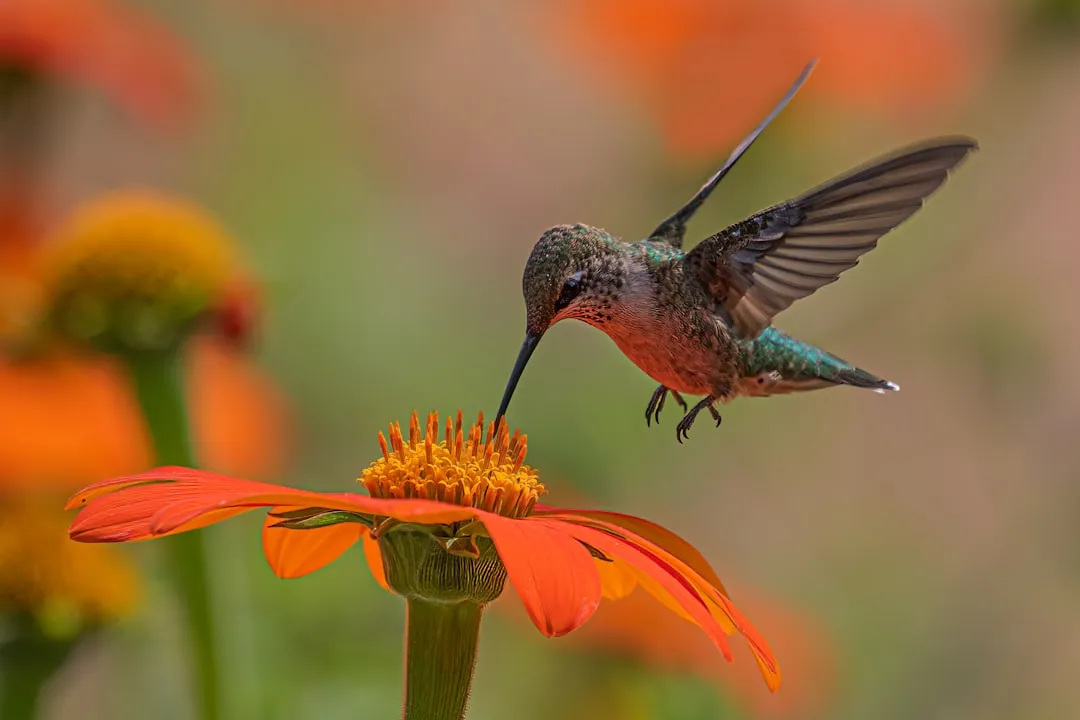
A hummingbird’s metabolism already runs red-hot on a calm day. In a storm, it turns into a constant negotiation – burn hot, idle low, or shut down almost completely, reassessed every few minutes. Field physiologists describe them as living thermostats with an absurdly fine dial.
In milder rain, a bird might keep its engine warm, fluffing its feathers slightly while still foraging in short bursts. As wind and cold intensify, it cuts activity sharply and waits longer between feeds. In the worst conditions, torpor becomes the nuclear option, trading responsiveness for survival – they’re not simply “on” or “off,” they’re fighting the starvation clock in tiny calculated increments almost every waking hour.
#3 – They Fly Blind on Routes They’ve Already Memorized
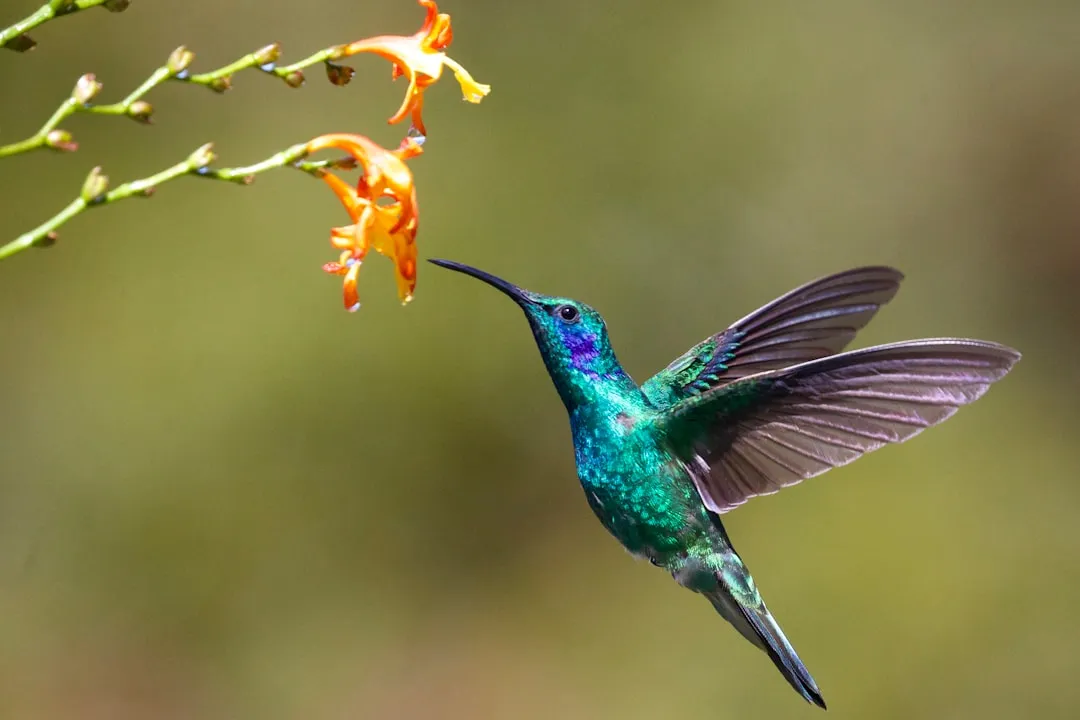
In pounding rain or gray, stormy light, a hummingbird doesn’t have the luxury of exploring. It falls back on what researchers describe almost like a mental map – memorized routes between key perches, feeders, and sheltered flowers, run over and over even when a human observer can barely see two feet ahead.
This isn’t sentimental homing instinct; it’s cold efficiency. Sticking to a known flight path means fewer surprise gusts, fewer obstacles, fewer collisions. The bird already knows which side of which bush stays calm, which window throws a scary reflection, which feeder sits under cover – which is why it can seem to appear out of nowhere from the exact same direction every time the rain briefly lets up.
#2 – They Freeze on a Perch for Hours and Look Genuinely Dead
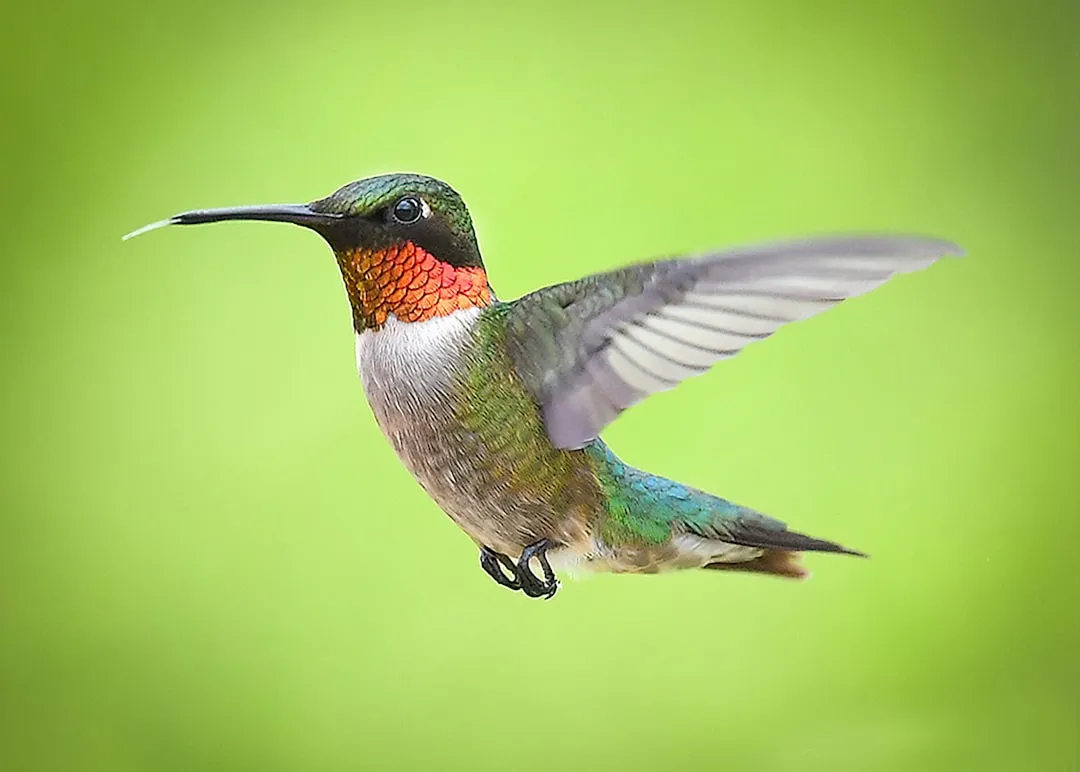
One of the most unsettling storm behaviors is also one of the most misread. People find a hummingbird sitting perfectly still on a twig or feeder hook for what feels like forever, soaked and motionless, and assume the worst. In plenty of cases, that eerie stillness is a deliberate energy-saving pose, not a death scene.
By locking onto a stable perch and tightening its muscles, a hummingbird cuts the small but constant energy cost of micro-balancing against the wind. Pair that with partial torpor – slowed but not fully crashed systems – and you get a bird that looks like a statue while it quietly rations fuel. Sometimes a bird perched through a brutal storm doesn’t make it; that’s nature. But writing off every still bird as “done for” misses how sharp this strategy really is.
#1 – They Come Back From the Dead When the Sun Returns
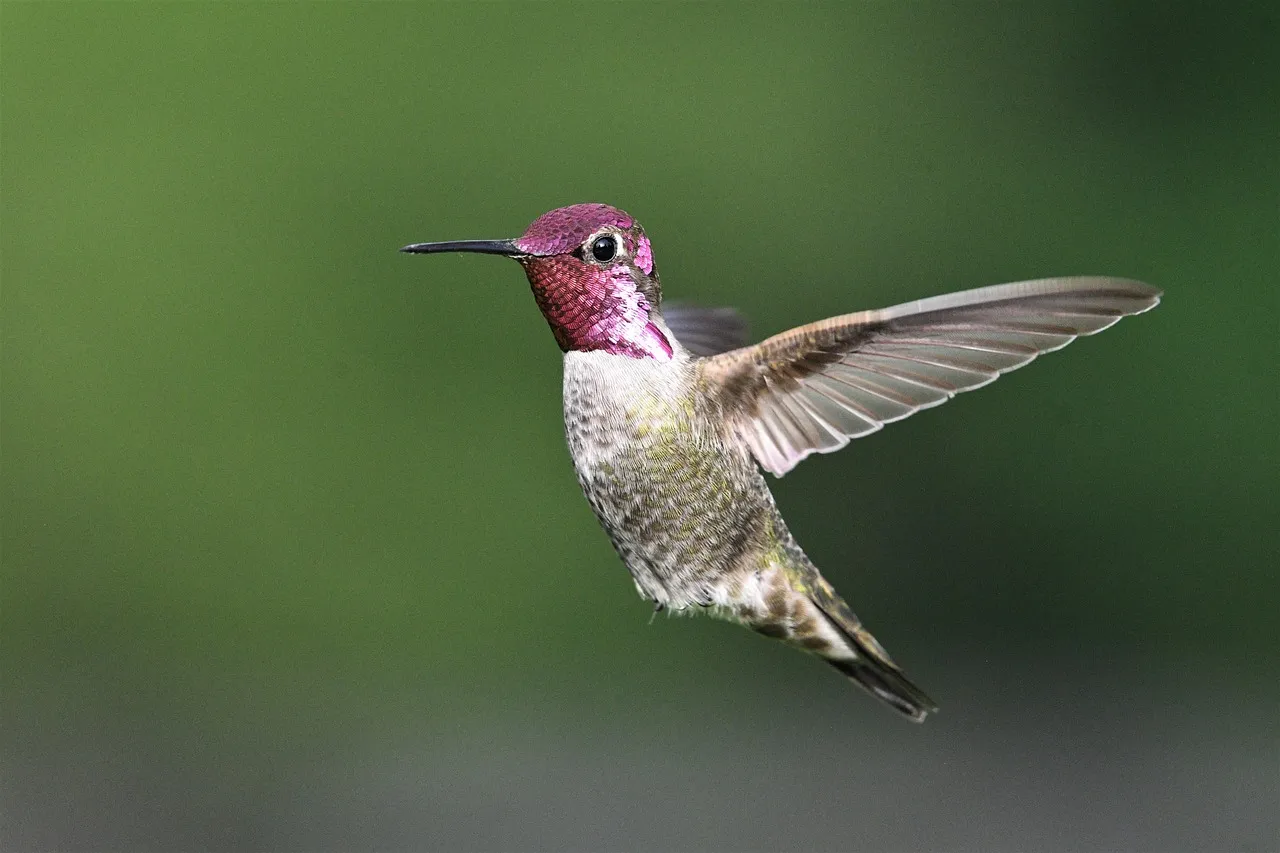
The single most shocking storm behavior isn’t what happens before or during the weather – it’s what happens right after. Birders who know what to look for have found hummingbirds that looked completely gone: limp, cold, eyes shut, hanging from a branch after a brutal night storm. Then sunlight and warmth hit, and the bird revives right in front of them.
As body temperature climbs, heart rate ramps back up from torpid levels, muscles regain strength, and within minutes the bird pops upright, preens, and lifts off like nothing happened. If you missed the whole sequence, you’d swear a brand-new bird had shown up. In reality, that “dead” bird walked the razor’s edge of survival and stepped back from it – no exaggeration required.
Worth Knowing
- Most hummingbirds wake up from torpor one to two hours before sunrise
- Their biological clock triggers tiny muscle vibrations in their wings, which gradually warms their bodies
- A torpid heart rate that dropped all the way down to 50 beats per minute has to climb back to active-flight speeds before the bird can fly
- Once warmed, the bird preens, rights itself, and can take off as if nothing happened
The Bottom Line
Storms strip away the “delicate jewel” myth and show hummingbirds for what they really are: ruthless, finely tuned survivors running on a knife’s edge of energy and cold. They hang upside down like bats, shut their systems into torpor, spin water off mid-flight, and defend a sheltered corner as fiercely as any flower patch.
The behaviors most people mistake for injury or weakness are usually their smartest moves. Frankly, the sugar-water fan club has been underselling these birds for years – they’re tougher, weirder, and far more calculating than the cute feeder photos let on.
Next time a storm rolls through your yard, don’t assume the hummingbirds vanished. Look closer. There’s a good chance one is hanging three feet away, playing dead on purpose, waiting out the worst of it exactly the way it’s supposed to.
