

Most people picture a cat’s death as loud and unmistakable – refusing food, crying out, a frantic dash to the emergency vet. That’s the dramatic version. The real one is almost never like that.
Most aging cats say goodbye in whispers, not screams. They shift where they sleep, how they blink, how long they stare at nothing. Owners miss it constantly, then look back months later and realize the signs were there the whole time, quietly spelling out an ending nobody wanted to read. Here are 19 of those signs, explained the way vets and behaviorists actually understand them – so you don’t miss what your cat is trying to tell you.
#19: They Start Sleeping Away From You Instead of On You
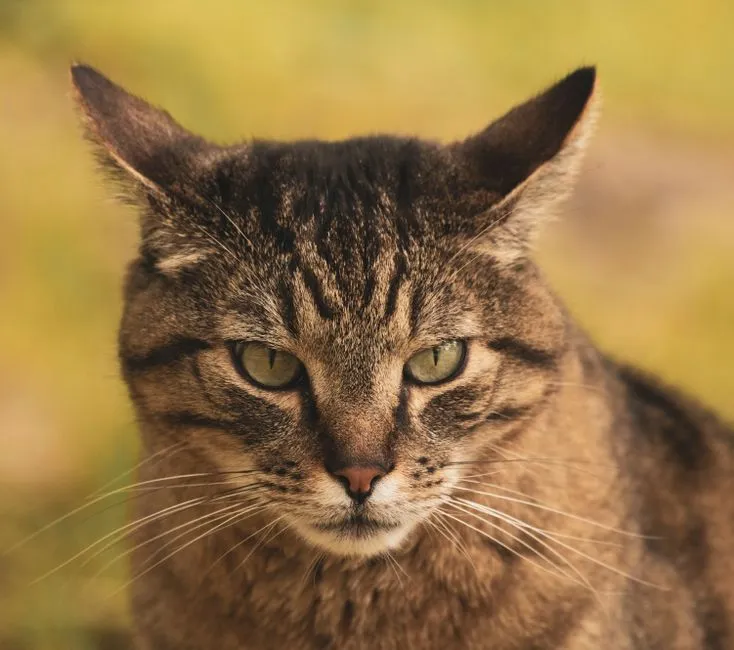
It feels personal when a cat who used to sleep curled on your chest suddenly moves to the far edge of the couch, or vanishes into another room entirely. But this quiet distance is usually a self-protective aging behavior, not rejection. Older or sick cats often isolate because they feel vulnerable, easily startled, or simply too worn out for closeness.
Watch for cooler, quieter, more hidden spots, and a cat who no longer trails you room to room like a shadow. In the wild, a visibly frail animal becomes a target, and that instinct never fully switches off just because your cat is safe on your sofa. Pulling away can be their way of protecting their dignity. You can still show up for them – just let them decide how close is close enough.
#18: The “Slow Blink” That Lingers a Little Too Long
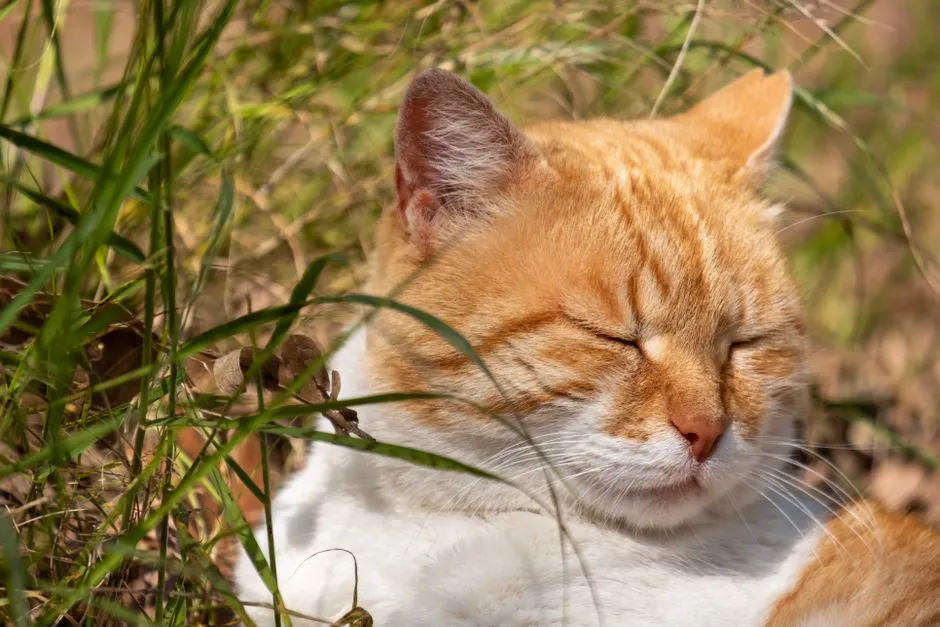
Every cat owner knows the slow blink as a sign of trust and love. But when a senior cat’s slow blinks turn heavier, longer, and more frequent, it can quietly signal deep fatigue – a body that’s simply tired of fighting. It looks peaceful. It can mean something much heavier.
Notice a cat who sits, stares, then closes their eyes slowly, seeming to drift off mid-moment, less alert than usual. This doesn’t mean the end is tomorrow. But combined with other changes, those lingering blinks can feel like a quiet thank-you and an equally quiet I’m-tired-now. Many owners only recognize it in hindsight, telling themselves at the time that their cat just looked relaxed.
#17: The Sudden Obsession With One Strange Spot in the House
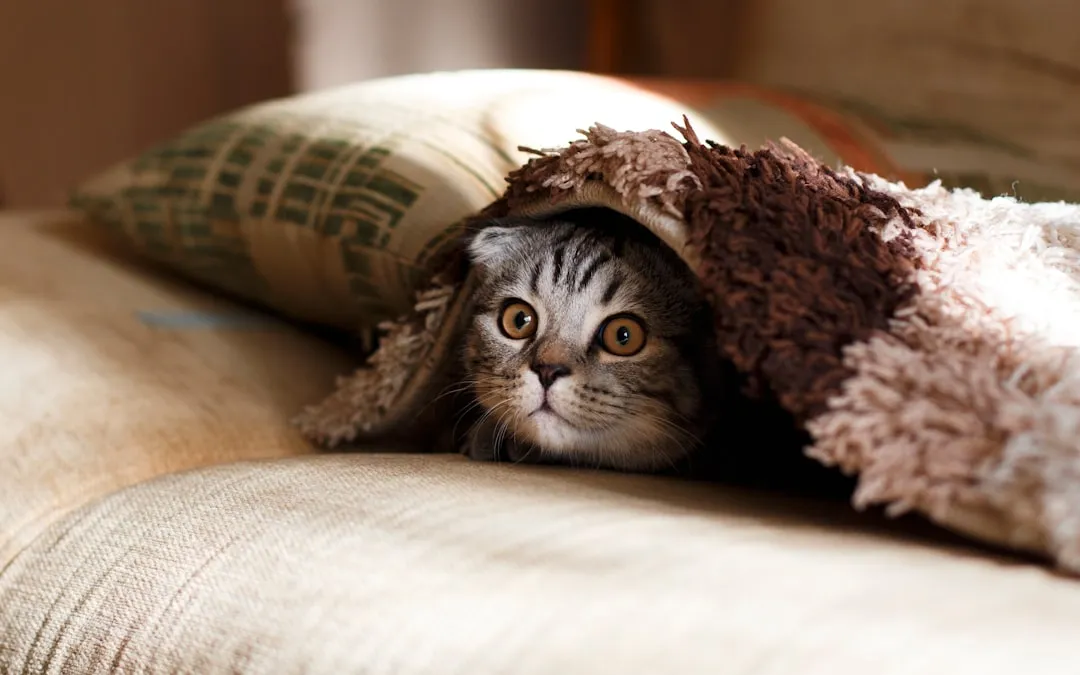
A cat who abandons every favorite hangout to fixate on a single closet, corner, or under-bed space might be doing more than acting weird. Terminally ill or very old cats often choose a final territory – one small, defined space where they feel safest and least exposed to the world.
They may stay there for hours, even all day, reluctant to leave even for food or attention. This isn’t antisocial behavior; it’s ancient wiring. Cats evolved to hide when they’re unwell, and your cat curling into one stubborn spot can be their way of quietly preparing for the end on their own terms. Vets see this pattern often enough that it rarely surprises them anymore.
At a Glance
- Hiding or seeking solitude for long stretches
- Ongoing lethargy or a sharp drop in activity
- Appetite loss that lasts more than a day or two
- Noticeable, unexplained weight loss
- Slower or more labored breathing
#16: They Start Staring at Walls or “Nothing” for Long Periods
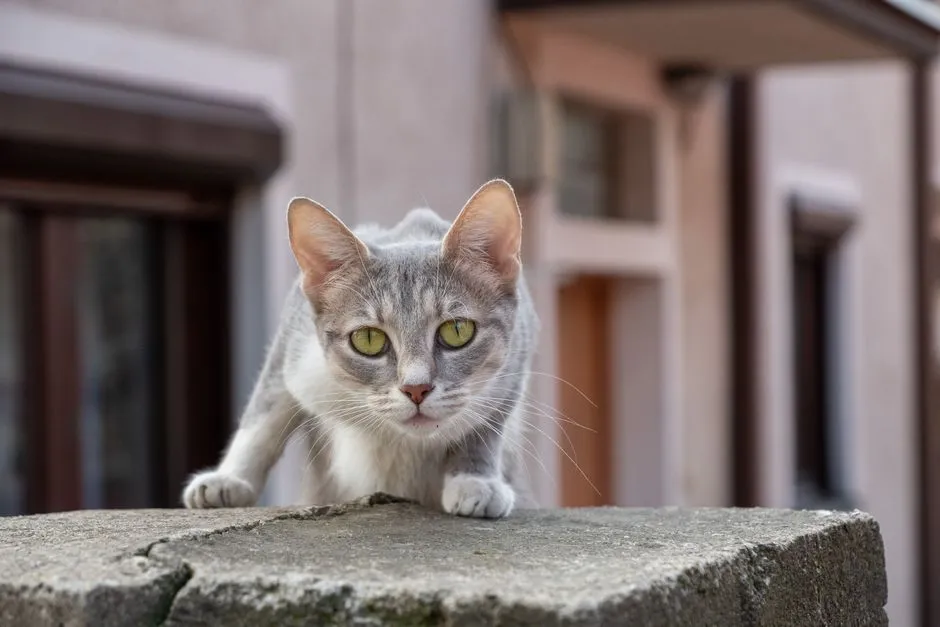
The internet loves to joke that cats staring at empty corners are seeing ghosts. In reality, prolonged blank staring in older cats is often a gentle red flag for cognitive decline, failing vision, or general neurological slowing. It’s not spooky. It’s the brain and senses running low on fuel.
Look for a cat facing a wall or corner, seemingly zoned out, slow to respond even when you call their name. Aging brains process the world more sluggishly, vision blurs, hearing dims, and everything gets fuzzier and quieter. That vacant stare is often a physical sign that their internal world is shrinking – a strong hint you’re in the final chapters.
#15: They Still Purr… But It Sounds Different
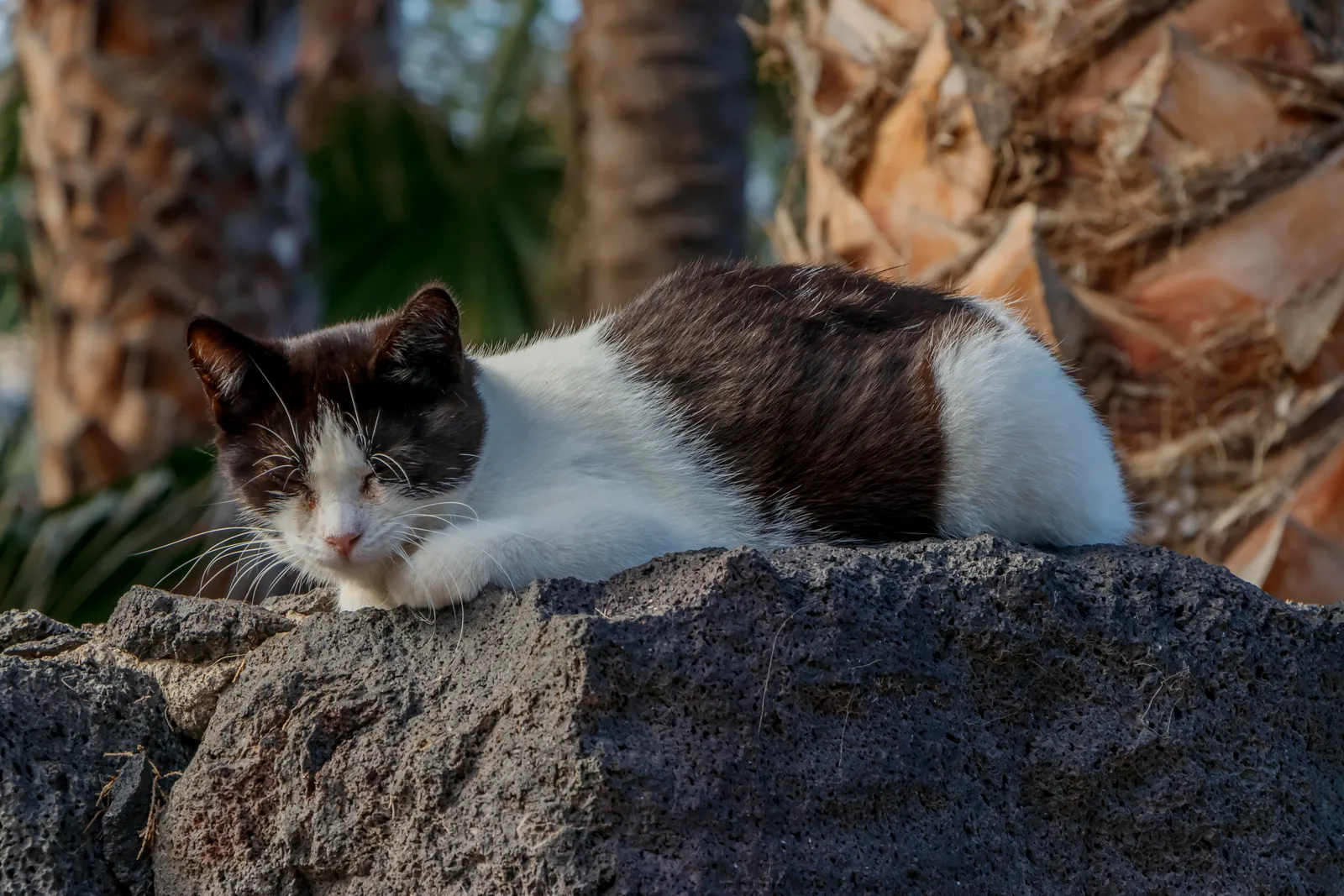
Most people assume a purring cat is a content cat. Vets have long known otherwise – cats also purr when they’re in pain, deeply stressed, or trying to self-soothe. Near the end, that purr can turn softer, raspier, or oddly stop-and-start.
Listen for purrs that cut off abruptly or sound weaker, more of a shaky vibration than the steady hum you remember. A dying or seriously ill cat may purr as a coping tool, not a joy signal, and it doesn’t mean they feel unsafe with you – often it means you are the safety. The cruel twist is that this sound tricks so many owners into thinking everything’s fine. If it’s paired with weight loss, lethargy, or hiding, it’s likely part of the goodbye.
#14: They Start Eating Just Enough to Keep You From Panicking
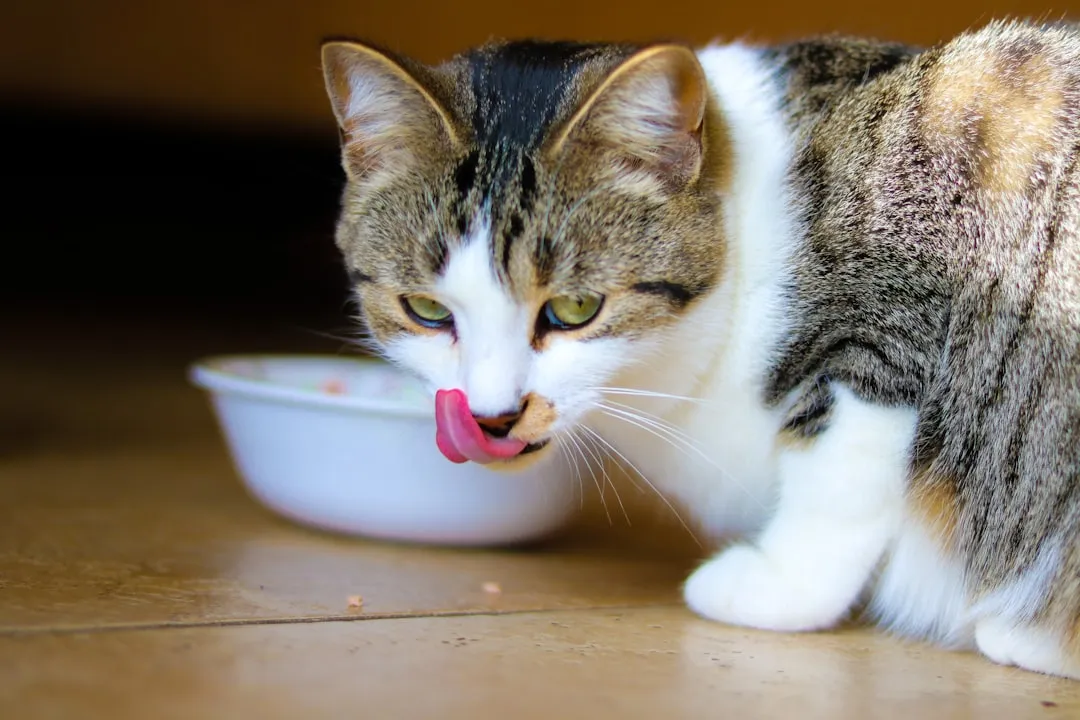
One of the most deceptive late-life patterns is the half-hearted eater – the cat who picks, nibbles, and pretends to eat while their body is clearly fading. To an owner, it feels like hope. To a vet, it’s a familiar sign the body is quietly shutting down while old habits linger a little longer.
Watch for licking gravy but leaving solids, or a few bites followed by walking away for good. Cats near the end often lose true hunger; they may approach the bowl simply because the routine is ingrained. Some owners only realize afterward that their cat hadn’t finished a real meal in days. Forcing food at this stage can do more harm than good – gentle options and a vet’s guidance matter more than your wish to keep them eating.
#13: Water Becomes Either an Obsession or an Afterthought
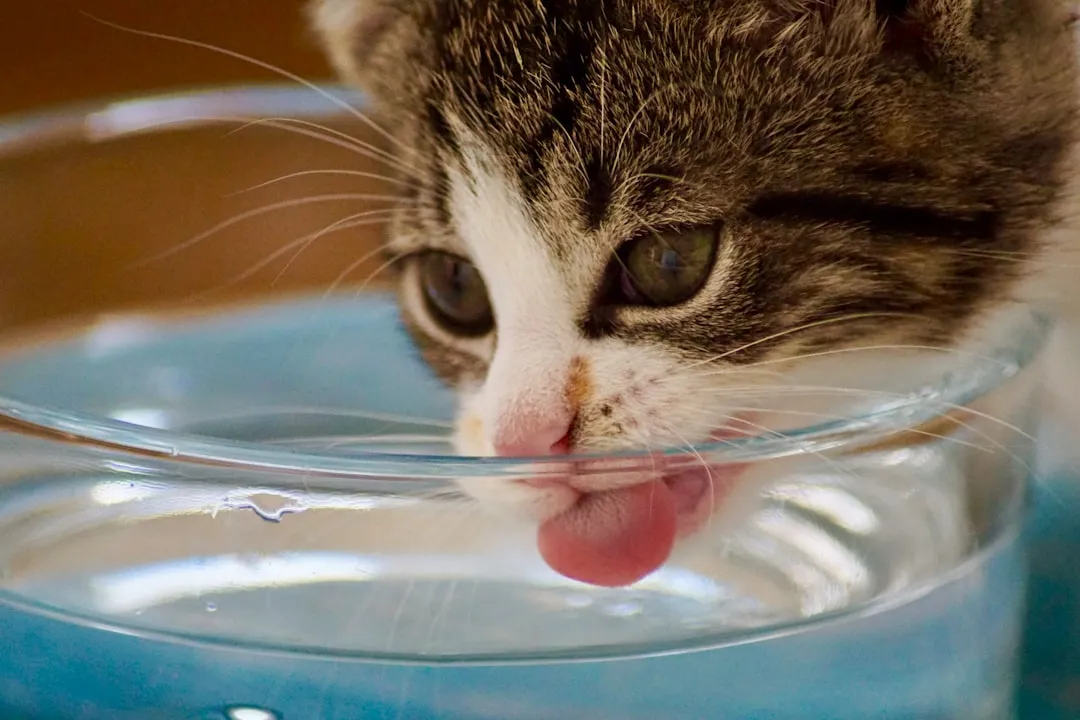
Thirst changes are among the most telling and most misread late-life signs. A senior cat who suddenly guzzles water or camps by the bowl may be signaling kidney failure, diabetes, or another chronic condition reaching its end stage. Barely drinking at all is just as concerning.
Watch for constant visits to the water dish, even overnight, or a bowl that stays strangely full day after day. Neither extreme is normal senior behavior when it shows up suddenly – it can mean organ systems are giving out even while your cat still looks okay on the surface. Paired with weight loss, slower movement, or litter box changes, these shifts are often part of a conversation your cat’s body is having without words.
#12: The Litter Box Becomes a Struggle – or an Afterthought
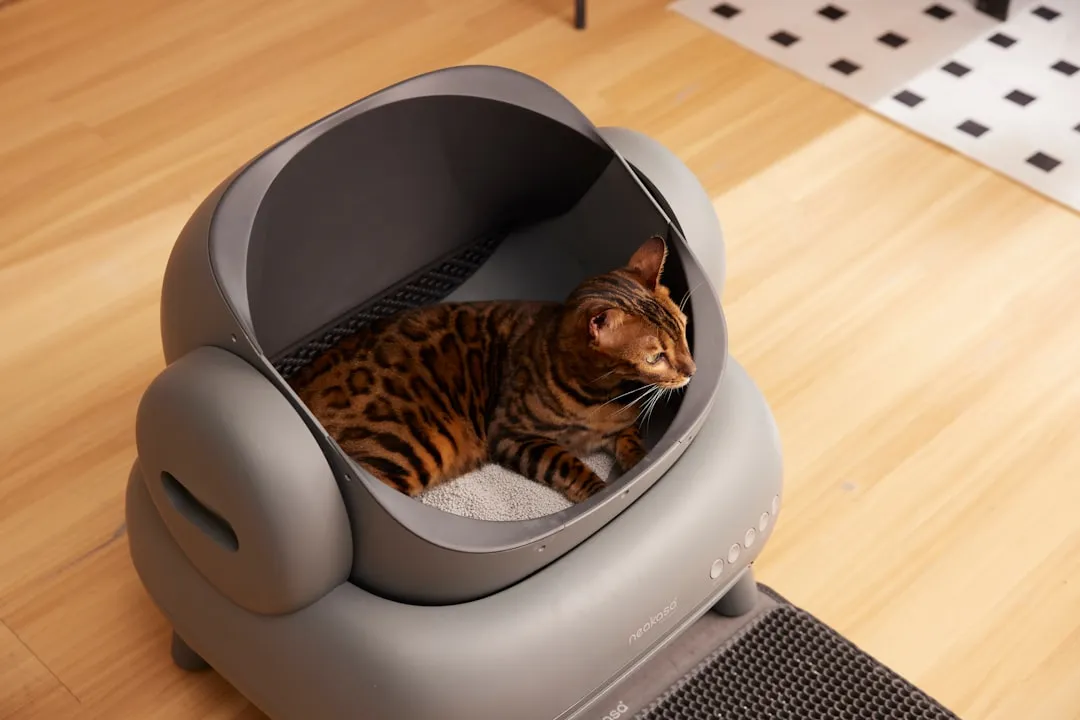
One of the most heartbreaking late signs is the lifelong clean cat who suddenly starts having accidents. It’s rarely spite. It’s almost always weakness, pain, or confusion – climbing into a high-sided box or crossing the whole house can simply become too much to manage.
Look for accidents near, but not inside, the litter box, or a new preference for soft surfaces like rugs, beds, and laundry piles. To an owner this can feel like a moral failing; to a vet, it’s purely physical. Near the end, some cats lose the strength, balance, or mental clarity to follow old rules. Lowering the box’s sides, adding extra boxes nearby, and choosing soft, easy-entry litter can help preserve their dignity in this final stretch.
Worth Knowing
- Keep food, water, and a low-sided litter box within easy, short-distance reach
- Offer warm, padded bedding away from stairs and drafts
- Switch to gentle grooming instead of forcing a full brush-out session
- Let them choose closeness – quiet presence is still meaningful care
#11: Grooming Stops – Except for One or Two Strange Spots
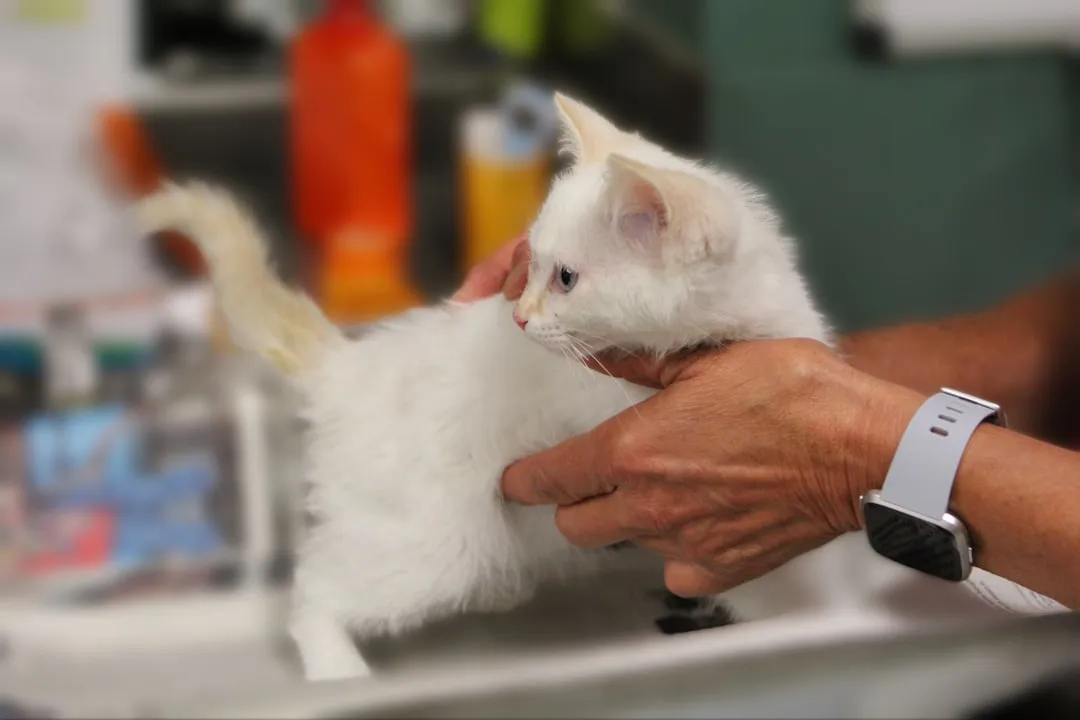
Cats are famous for their cleanliness, so when an older cat’s coat turns dull, matted, or greasy, it’s rarely laziness – it’s fatigue, pain, or joint stiffness. Many end-of-life cats simply can’t twist or stretch into their old grooming positions anymore.
You might notice a clean face and front paws paired with a matted spine, tail, or belly. They often keep grooming the easiest or most emotionally comforting spots and quietly abandon the rest. That patchy pattern is a quiet confession that their body can no longer keep up with their own standards. Gentle brushing and warm damp cloths aren’t just cosmetic here – they’re acts of love.
#10: They Stop Playing, Even With Their Favorite Toy
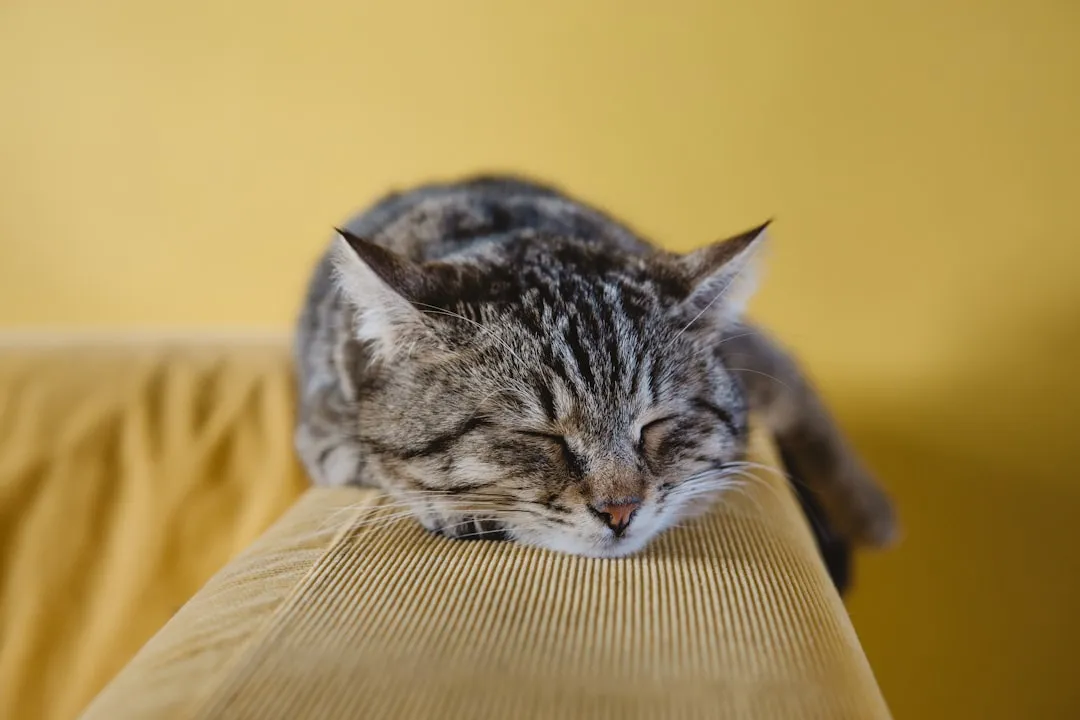
Every cat has that one toy – the wand, the crinkly ball, the laser dot that used to send them feral. When an aging cat starts ignoring the thing that once lit them up completely, it’s a bigger sign than most people want to admit.
Watch for a toy placed right in front of them that gets nothing but a stare, or a single half-hearted paw swipe before they give up entirely. This isn’t always depression – often it’s the brutal math of pain versus reward. Jumping, chasing, and pouncing demand muscles, joints, lungs, and heart, all systems wearing down with age and illness. When they choose stillness over joy, consistently, they may be spending their remaining energy purely on survival.
#9: Their Walk Turns Into a Careful, Measured Shuffle
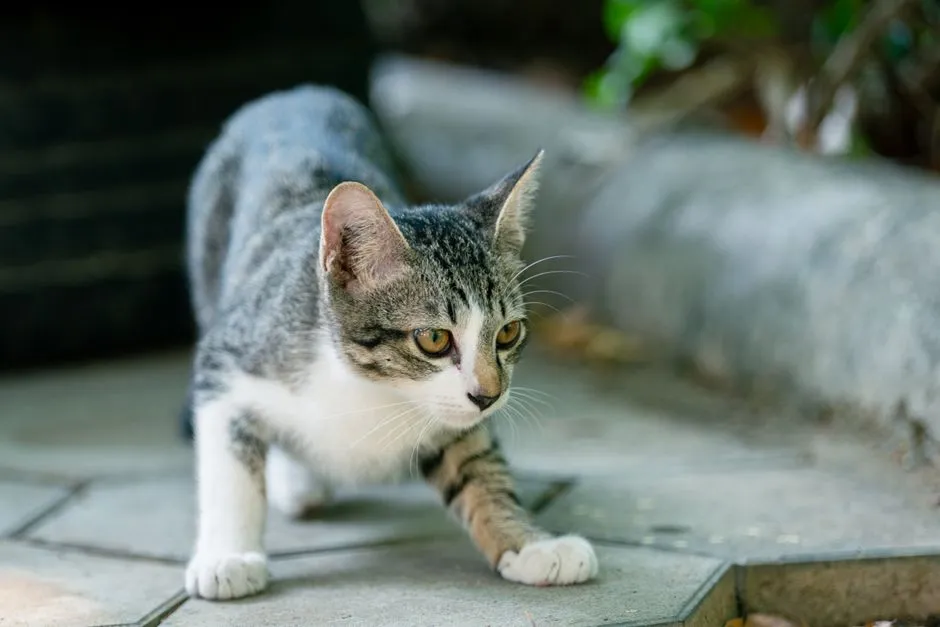
Cats are masters at hiding pain, but their gait often gives them away. A cat nearing the end may move with a stiff, deliberate, almost tiptoeing walk, especially in the hind legs – some owners describe it as their cat “walking on eggshells.”
Notice hesitation before jumping onto furniture they once cleared effortlessly, or back legs trembling slightly after standing. Arthritis is common enough on its own, but when that guarded movement suddenly worsens or pairs with muscle wasting and lethargy, it can signal that pain management and honest quality-of-life conversations are overdue. They’re not being dramatic – they’re navigating a body that feels like glass.
Quick Compare: Normal Aging vs. Time to Call the Vet
- Normal aging: occasional stiffness after a long nap, slightly slower on the stairs
- Call the vet: sudden reluctance to jump, visible trembling, or a limp that doesn’t ease up
- Normal aging: napping a little longer than they used to
- Call the vet: muscle wasting along the spine or hips paired with new weakness
#8: They Become Clingy in a Way They Never Were Before
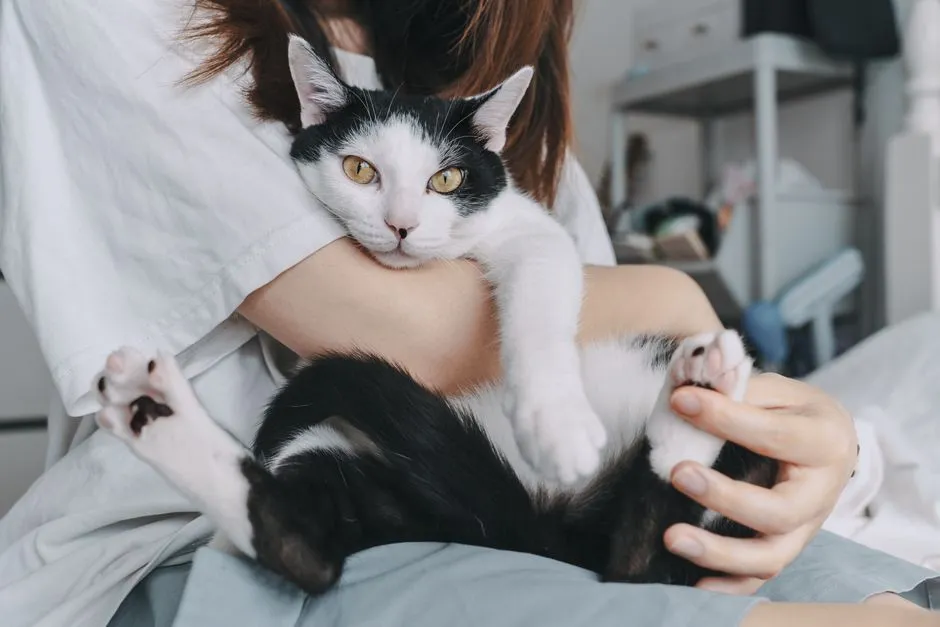
Not every cat pulls away near the end. Some do the opposite entirely. A famously independent cat who suddenly insists on being in your lap, on your pillow, or under your hand around the clock may be quietly preparing to let go.
Look for a cat following you into the bathroom, crying the moment you leave a room, then settling instantly the second you return. It can look sweet, but it can also be a sign of anxiety, disorientation, or a deep need for safety as their body starts failing. They may be anchoring themselves to the one thing that still feels stable – you. Many owners only realize later that those last weeks were unusually cuddly, their cat’s own way of saying don’t leave me while I’m leaving you.
#7: Their Voice Changes, Even If They’re Not “Yowling”
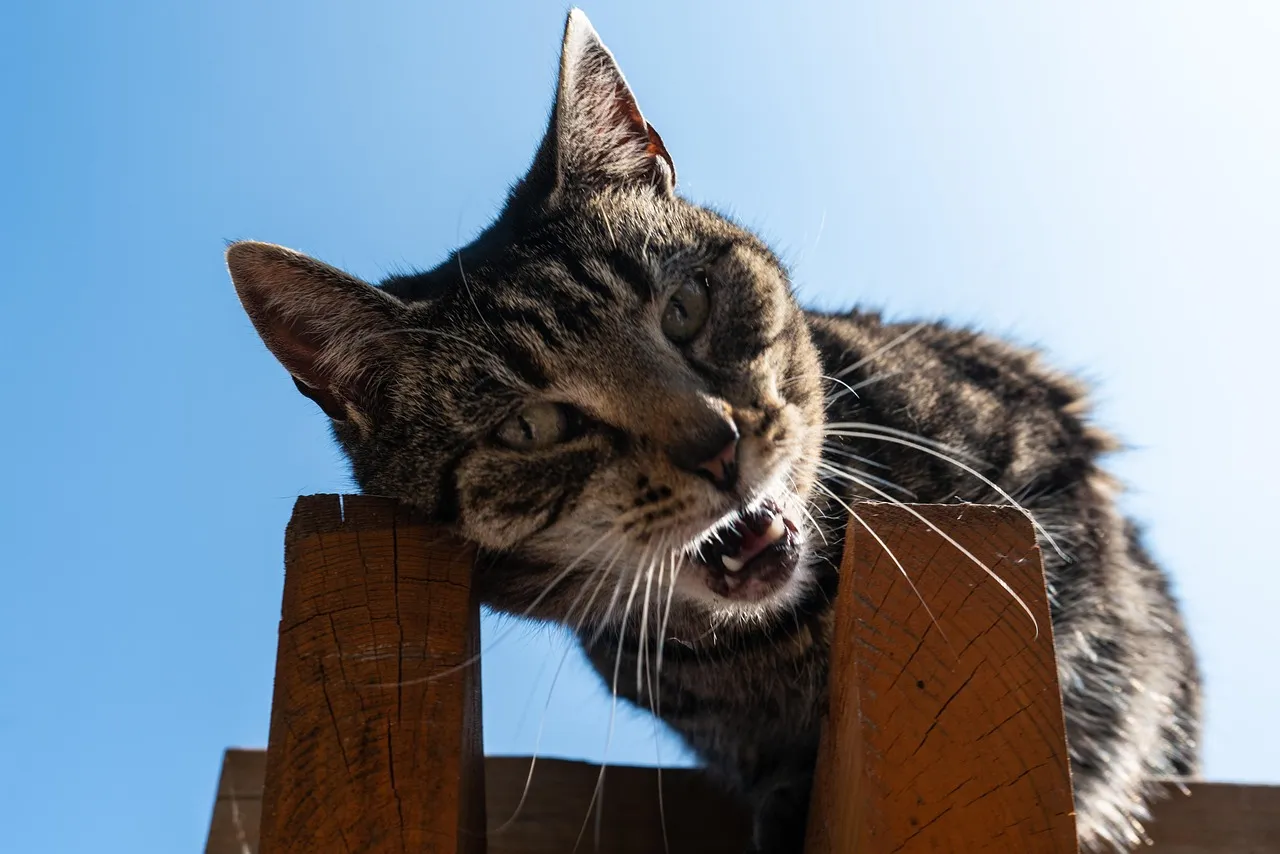
Everyone’s heard about the dramatic late-night death yowl, but many aging cats show subtler vocal changes long before that. Their meow may turn hoarser, quieter, or oddly higher-pitched. Some barely use their voice at all anymore.
Listen for meows that sound strained, croaky, or thin, or a silently opened mouth with almost no sound behind it. Sometimes it’s simple aging of the vocal cords; other times it’s discomfort, cognitive decline, or underlying disease. A changed voice in an older cat, especially paired with weight loss or behavior shifts, should never be waved off. It may be one of the last tools they have to tell you something’s wrong.
#6: They Choose Cooler, Harder Surfaces Over Your Softest Bed
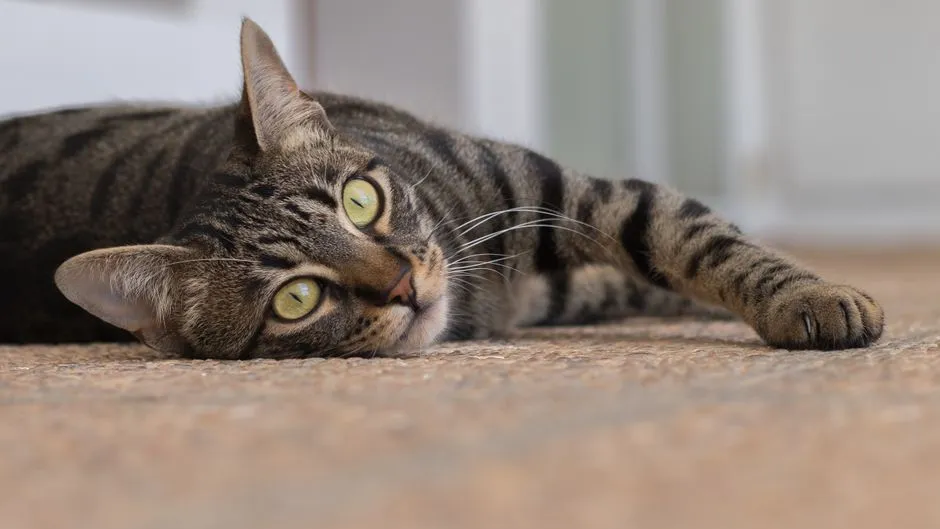
You buy the heated bed, the plush blanket, and still find your aging cat stretched out on bare tile or hardwood. That choice can be a quiet message about internal discomfort – heat can worsen nausea, dizziness, or a feeling of internal pressure.
Watch for a shift from bed or couch to floor during naps, or avoidance of sunny spots they used to bask in for hours. As organs start to struggle, some cats seek cooler, firmer surfaces to regulate their body temperature or reduce sensory overload. It’s not a rejection of comfort – it’s a recalibration based on what their failing body can actually tolerate. When even the coziest option gets refused, something deeper is usually going on underneath.
#5: Sudden, Intense Bursts of Energy That Feel “Out of Character”
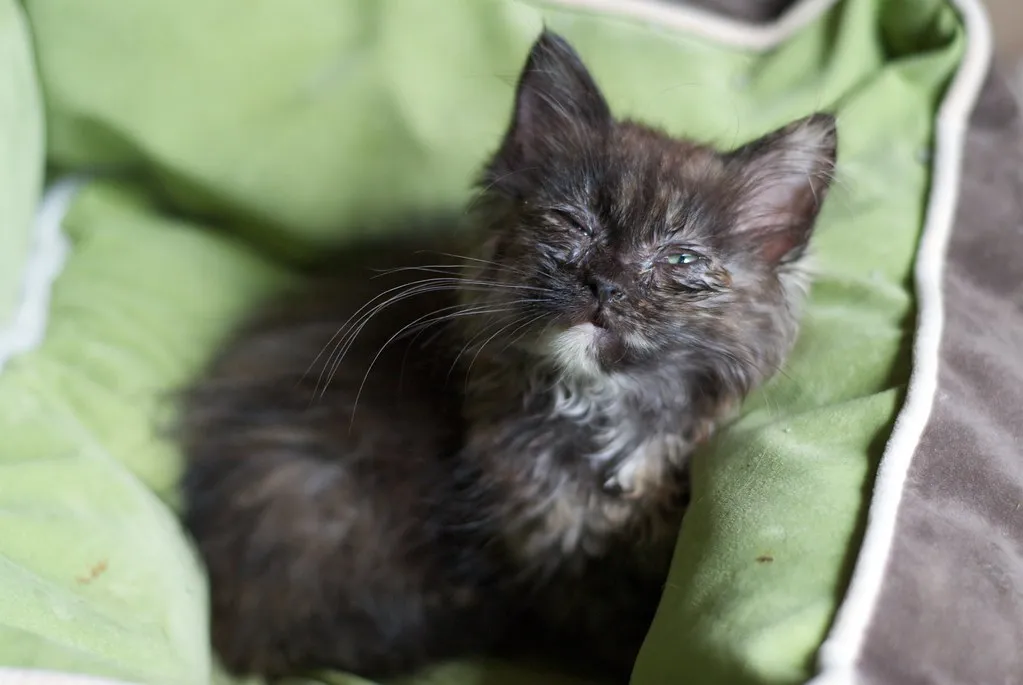
This one catches people off guard: some cats get a short rally right before they crash. A cat who’s been quiet, weak, or checked out may suddenly eat well, groom themselves, explore the house, and seem almost like their old self for a day or two.
Watch for a surprising return to favorite spots or toys, or one bright, energetic day followed by a sharp decline again. Medically, this can be a brief shift in hormones or inflammation. Emotionally, owners almost always misread it as recovery. In many cases, that final burst isn’t a comeback at all – it’s the last flicker before the light goes out. Recognizing it can help you spend that day fully present instead of falsely hopeful.
#4: They Start “Forgetting” Routines They’ve Known for Years

An older cat who suddenly seems lost in their own home isn’t just getting quirky. Feline cognitive dysfunction – essentially cat dementia – is real, and it often surfaces near the end. They may look confused in familiar rooms or stare at an open door like they’re stuck.
Watch for a cat wandering into a room and meowing loudly as if they’ve forgotten why they’re there, or sleeping oddly and pacing restlessly at night. Their brain is quite literally misfiring. The cat who once navigated your house like a ninja may now feel like they’re lost in a maze. It’s one of the kindest and cruelest end-stage gifts – they may not fully grasp what’s happening, but you do, which is exactly why your calm presence matters so much now.
Fast Facts
- Cognitive decline affects more than half of cats aged 11 to 15
- Rates climb to over 80% in cats aged 16 to 20
- Common signs include disorientation, disrupted sleep cycles, and forgetting the location of the litter box or food bowl
- There’s no cure, but environmental support and vet-guided care can ease the symptoms
#3: Their Eyes Look “Different,” Even If You Can’t Explain How
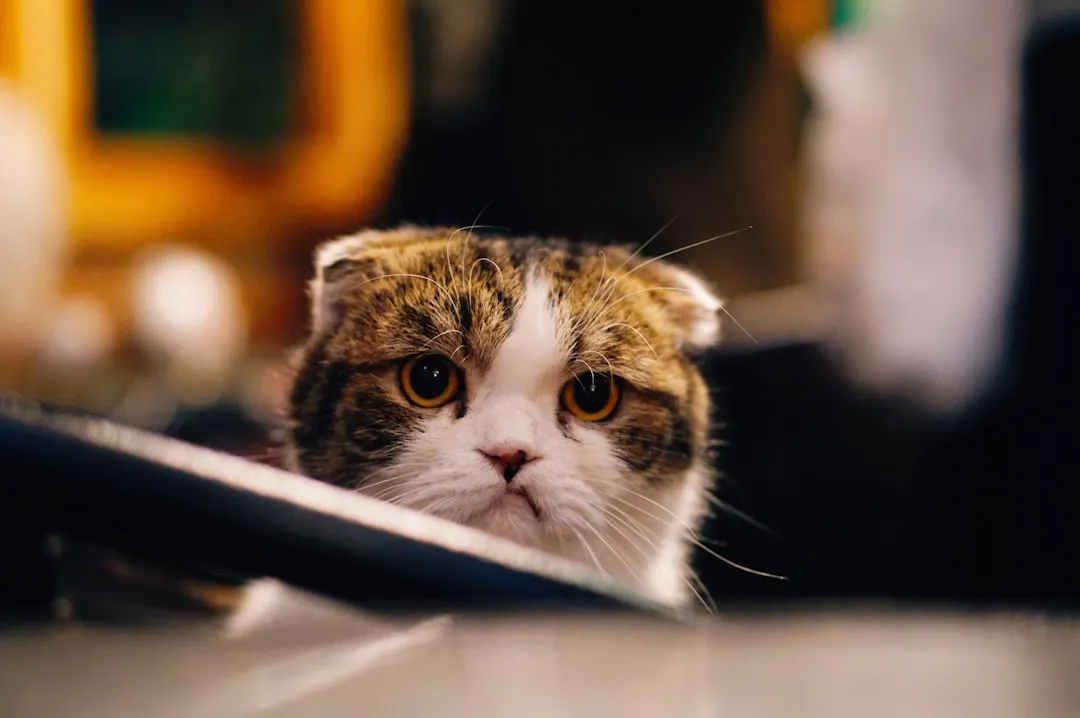
Grieving owners say the same haunting thing over and over: “Their eyes looked different near the end.” Sometimes it’s subtle – a deeper dullness, slower reaction to movement, a faraway gaze that never quite meets yours the way it used to.
Watch for pupils that stay more dilated or uneven, or the disappearance of that old spark and curiosity. Dehydration, blood pressure changes, organ failure, and neurological decline can all affect the eyes. Those once-bright, hunting-focused eyes may soften into something more tired and distant. You’re not imagining it. Often, that change in expression is one of the clearest gut-level signals that your cat is truly winding down, not just having an off day.
#2: They Choose Solitude Right After Moments of Connection
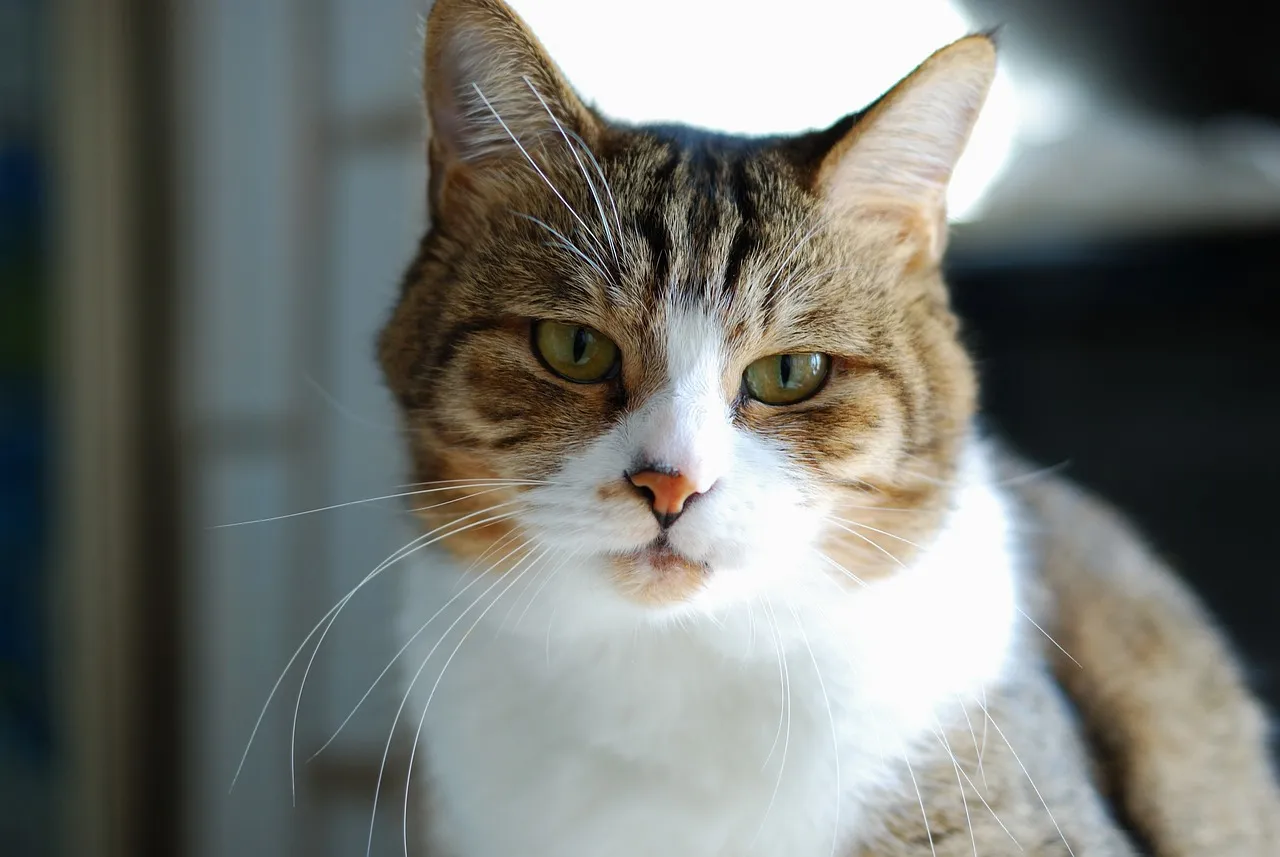
A particularly gentle goodbye pattern shows up as emotional whiplash – your cat still seeks you out, then deliberately retreats the moment the cuddle ends. Affection, then isolation, on repeat.
You might see them crawl onto your chest, purr quietly for a few minutes, then wander off to lie alone. Or they rub against your leg, accept a few pets, then disappear under the bed. This isn’t moodiness. It’s often a rhythm of I still need you balanced against I need to be alone to handle what’s happening to me. In nature, staying near the group while withdrawing to actually die alone is common. It’s devastating to witness up close, but it’s also proof of deep instinct and quiet self-direction.
#1: They Wait for You Before They Finally Let Go
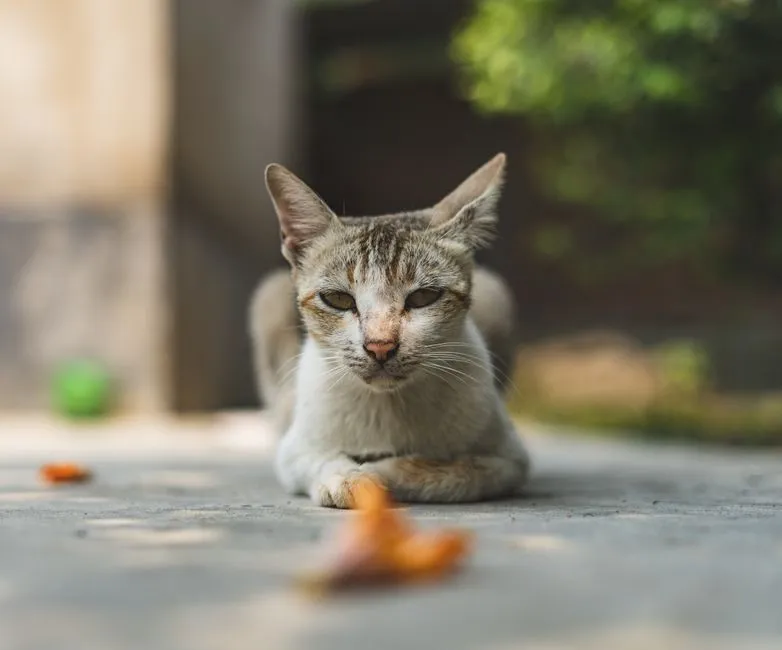
Ask enough people who’ve lost a cat and you’ll hear the same story on repeat: “They held on until I got home.” “They passed right after I told them it was okay.” Not every story ends this cleanly, but the pattern shows up often enough that even some vets quietly acknowledge it.
Watch for a cat who seems barely hanging on suddenly relaxing the moment you walk in, or one who passes shortly after a final, calm moment together – sometimes in your arms, sometimes minutes after you’ve stepped away. Science will call it coincidence. Anyone who has looked into their dying cat’s eyes in that moment knows it feels like a choice. Many aging cats seem to wait for one final cue – your presence, your voice, your permission – before they stop fighting. If you’re there for it, it may be the most shattering and sacred goodbye you’ll ever experience.
The Bottom Line
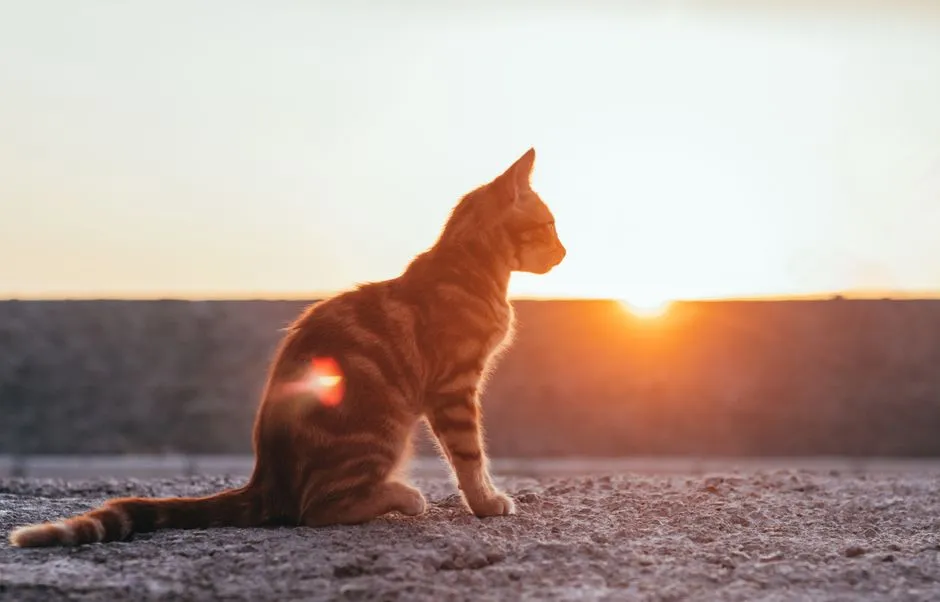
Most people brace for an ending that’s loud and obvious. The truth is, most cats say goodbye in whispers – small shifts in where they sleep, how they move, how much of themselves they still choose to offer you.
No single sign on this list is proof that it’s time. But together, they sketch a clear picture: your cat’s body is quietly writing its final chapters, whether or not you feel ready to read them.
You don’t owe your cat a miracle cure. You owe them comfort, dignity, and the courage to see what’s actually happening instead of hiding behind wishful thinking. Have the hard conversation with your vet. Sit on the floor. Offer your lap. Say out loud that they are loved and safe.
Then ask yourself honestly: do cats know when it’s time, or are we just finally paying attention?

- 16 Garden Choices Experienced Growers Wish They Had Made a Full Decade Earlier Than They Did - August 1, 2026
- 14 Things Veteran Gardeners Wish Someone Had Told Them Before Their Very First Full Planting Season - August 1, 2026
- 17 Plants Experienced Gardeners Say They Wish They Had Put In Years Before They Finally Did - August 1, 2026