
1. American Pit Bull Terrier

The Pit Bull Terrier is the most common dog breed in shelters across America’s largest cities, accounting for nearly 22% of all dog adoption listings in one major study. That number alone says everything about the scale of the problem. These are affectionate, loyal animals carrying the weight of decades of misrepresentation.
In some areas, Pit Bulls are subject to breed-specific legislation, which refers to laws and regulations that restrict or ban certain dog breeds due to perceptions that they are inherently dangerous or aggressive. These laws typically target breeds like Pit Bulls and others considered “bully breeds,” and can include restrictions on ownership, mandatory muzzling in public, higher insurance premiums, housing restrictions, or outright bans in specific areas. Even when a family genuinely loves their dog, the law can make keeping them impossible.
2. German Shepherd
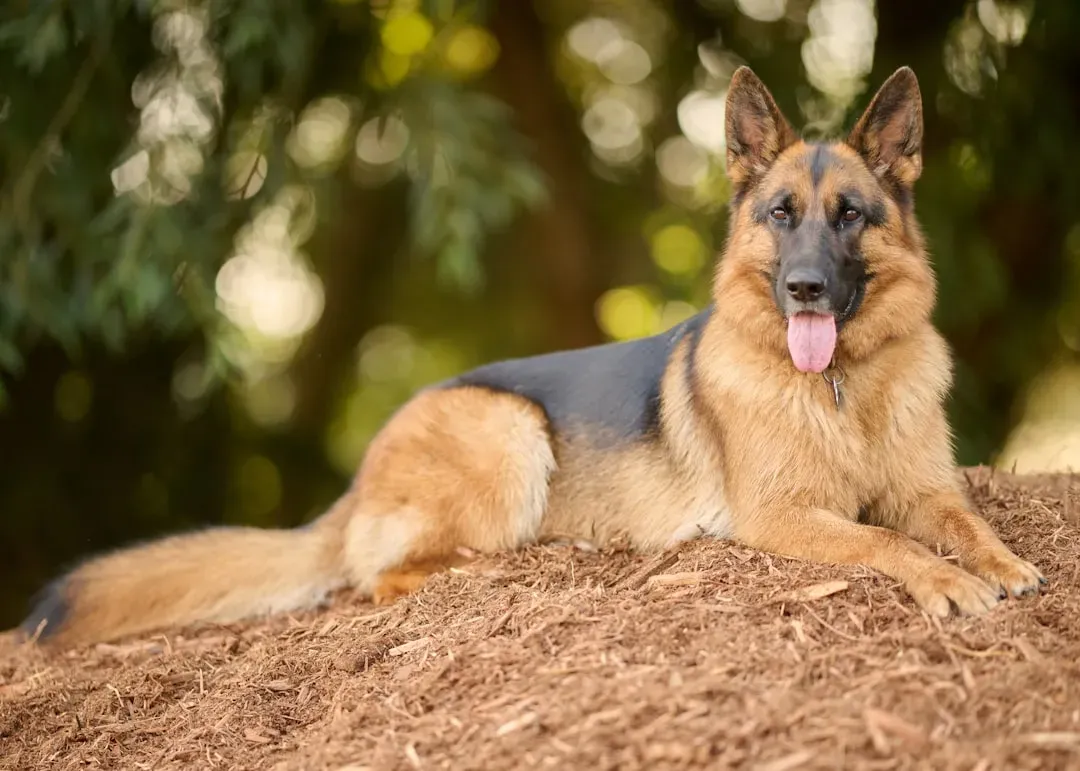
German Shepherds are the second most common breed in shelters across major U.S. cities, representing over eleven percent of all dog adoption listings in shelter studies. They’re often acquired for their reputation as loyal, protective companions, but the reality of daily life with a working-breed dog catches many owners off guard.
German Shepherds are intelligent, versatile dogs that excel in various roles, but their high intelligence and energy levels require significant mental and physical stimulation. Without proper training and exercise, they can develop behavioral problems, including aggression and anxiety. Their protective nature can also lead to issues with strangers and other animals if not properly managed. Many German Shepherds end up in shelters because their owners are unprepared for the commitment and training required.
3. Labrador Retriever
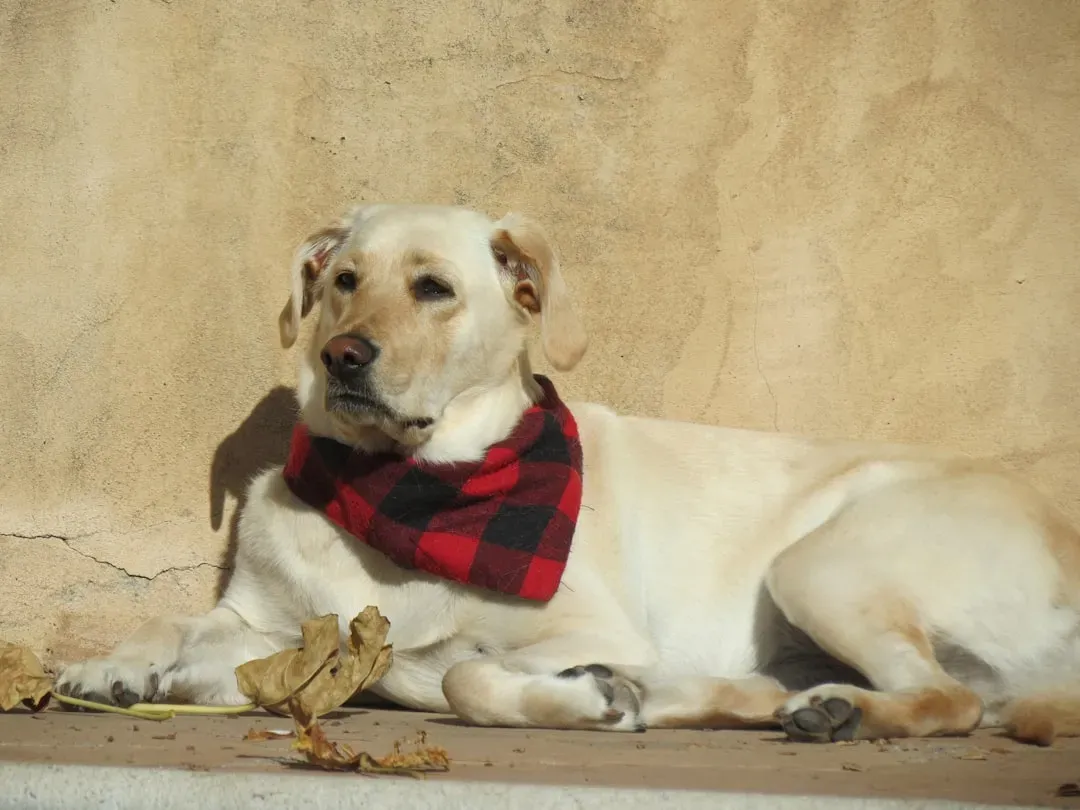
The Labrador Retriever, one of America’s most beloved dog breeds, is also one of the most common dog breeds in shelters all over the country. Their excellent reputation as loving and loyal pets could be their downfall, due to overbreeding to meet demand. The sheer volume of Labs produced each year means that even a small percentage of rehomed dogs creates an enormous shelter population.
Labrador Retrievers are often seen as the perfect family dog, but their high energy levels can be overwhelming. Their enthusiasm for life is infectious, but they need constant stimulation. This sometimes leads to them being returned when new owners can’t keep up. Their desire for adventure can be a handful, especially for those unprepared for their boundless energy.
4. Siberian Husky
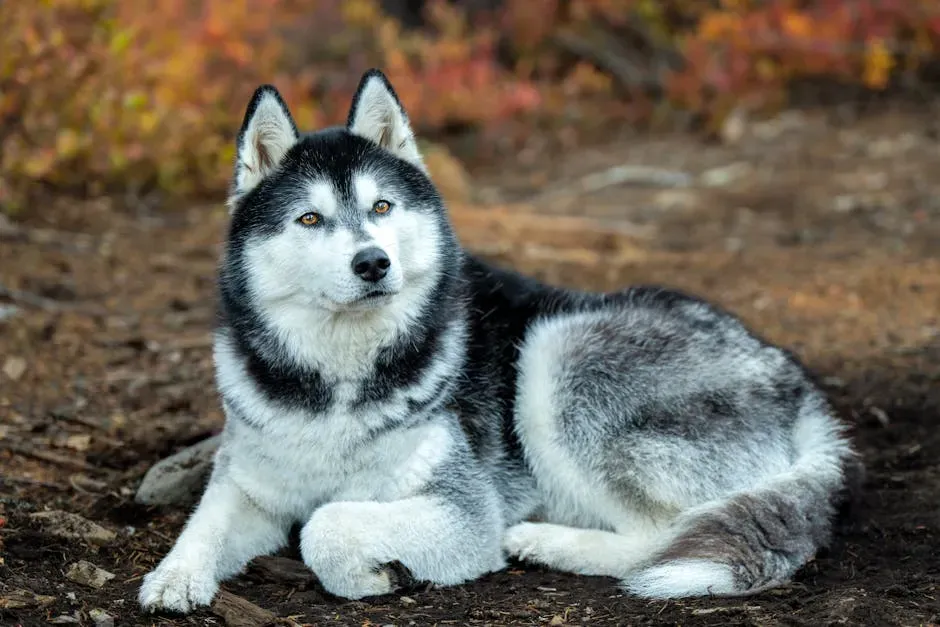
According to pet rescue advocate Rocky Kanaka, the number of Siberian Huskies in shelters has doubled since 2020. Like other breeds, Huskies have a striking appearance and have stood in the Hollywood spotlight more than once. With superficial popularity comes a misunderstanding of the breed’s true nature: high energy, vocal, independent, and intelligent.
Siberian Huskies are beautiful and athletic dogs, but their high energy and independent streak make them challenging for inexperienced owners. Many are surrendered because they escape yards, dig excessively, or become destructive when bored. Their thick coats also make them less suitable for warmer climates, leading some owners to give them up. The mismatch between the dreamy dog on Instagram and the determined escape artist at home is jarring for unprepared families.
5. Chihuahua
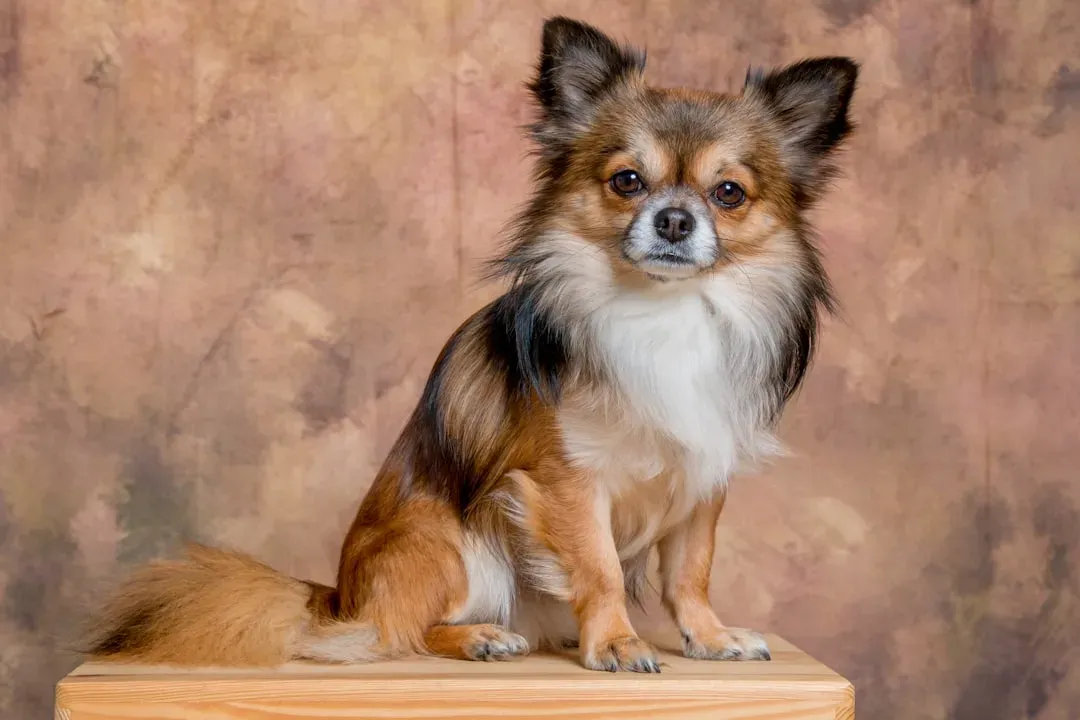
Chihuahuas and Chihuahua mixes make up a huge portion of dogs available in shelters and rescues around the country. These popular dogs are often raised without any training, making the cute puppies turn into obnoxious, uncontrollable adults that end up homeless when their owners give them up.
Chihuahuas are small dogs with big personalities, often seen in shelters due to overbreeding and high energy levels. While they can make excellent companions, they are known for being yappy and sometimes aggressive, especially if not properly socialized. Their small size can also lead to misunderstandings about their care needs, resulting in behavioral problems. Overbreeding, particularly by irresponsible breeders looking to profit from their popularity, has led to many Chihuahuas ending up in shelters.
6. French Bulldog
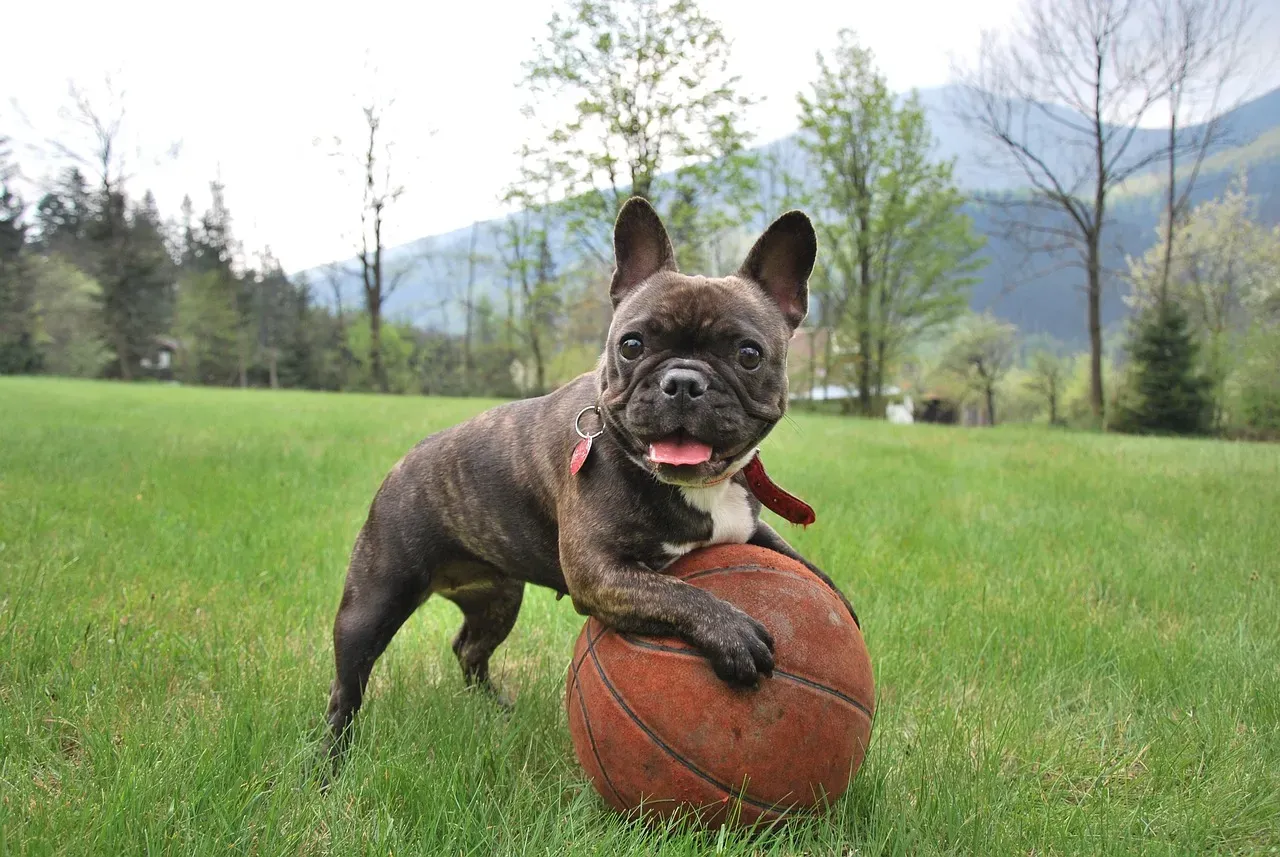
Medical bills are a significant reason French Bulldogs are frequently returned to shelters. Due to breeding-related health issues, such as brachycephalic syndrome, they often require costly veterinary care. The breed’s adorable squished face comes with a real price tag that many buyers simply don’t anticipate when purchasing a puppy.
Their popularity has renewed focus on French Bulldog health issues, especially their struggle with heat and breathing. Adoption interest remains high, but shelters urge potential owners to understand their care needs. They’re cute, yes, but they need attentive, informed, long-term homes. When the vet bills arrive, some owners aren’t prepared for what owning a brachycephalic breed truly costs.
7. Boxer
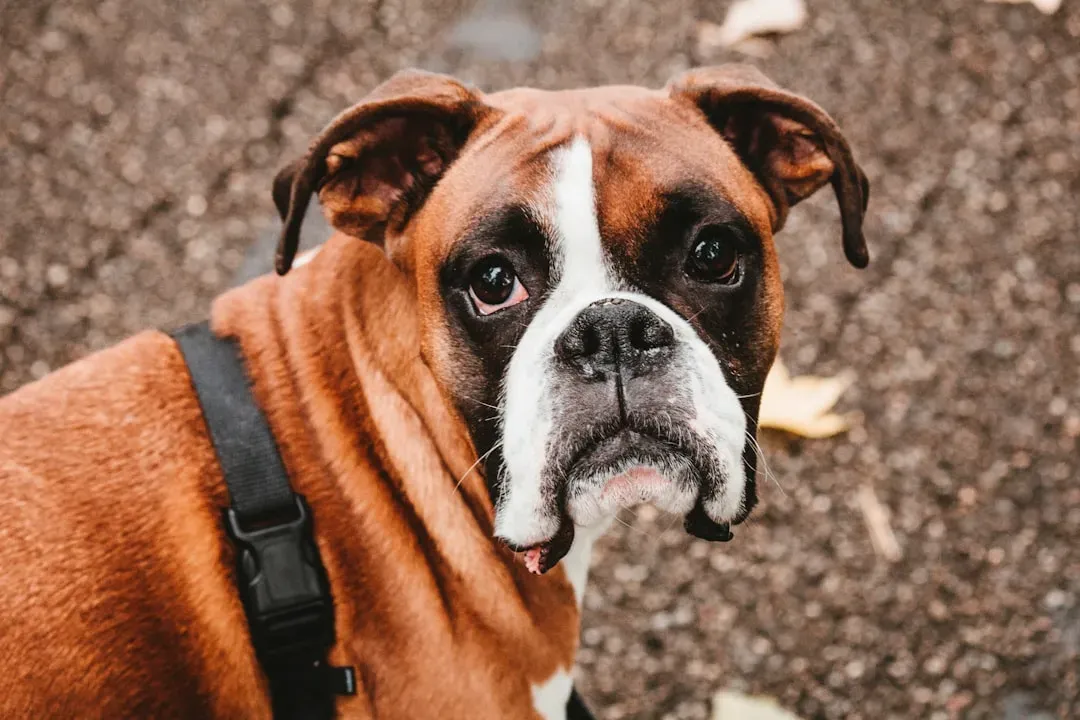
Boxers are cute, sweet, goofy dogs that end up in shelters because they often need far more exercise and attention than new owners are capable or willing to give. The breed’s playful, almost perpetually puppyish temperament is endearing in videos but demanding in a real home environment.
Boxers are energetic, affectionate dogs known for their playful nature and love of human interaction. Their high energy levels and strong desire for attention can be overwhelming for some people. As a result, they’re often surrendered when people realize they can’t meet the breed’s exercise, attention, and training needs. A Boxer left without enough stimulation will find its own entertainment, and it’s rarely the kind a homeowner appreciates.
8. Rottweiler

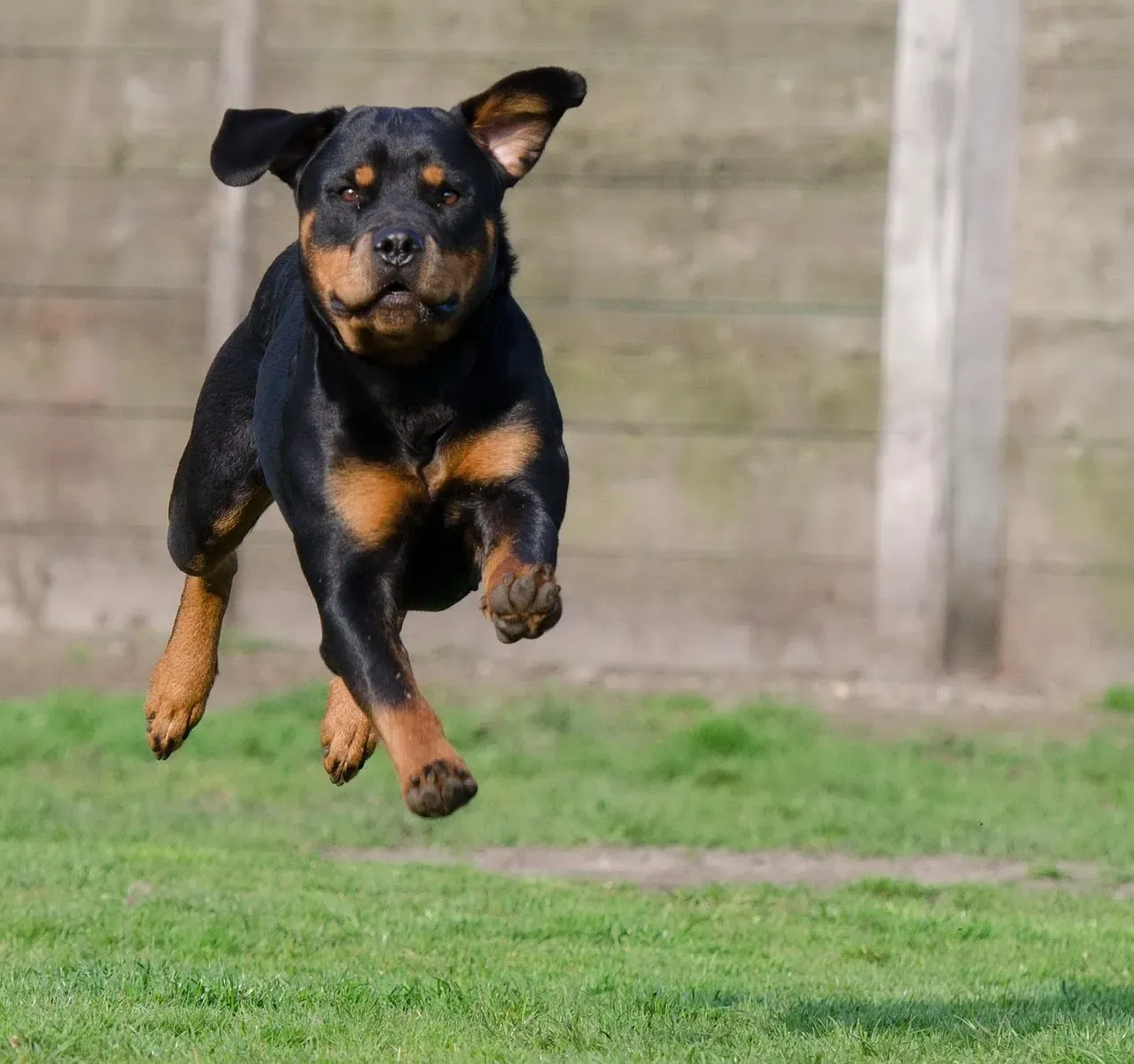
Rottweilers are strong, protective dogs that require experienced handling. They are often found in shelters due to misconceptions about their temperament and the responsibilities of owning such a powerful breed. Rottweilers are loyal and can be excellent family pets, but they need consistent training and socialization to ensure they are well-behaved.
Due to their imposing build, Rottweilers often face breed discrimination, especially in rental housing. Strong protective instincts demand experienced leadership, and when owners struggle to provide structure, territorial tendencies may develop, making rehoming more likely. Housing restrictions effectively price many would-be adopters out of the equation before they even consider the training commitment.
9. Beagle
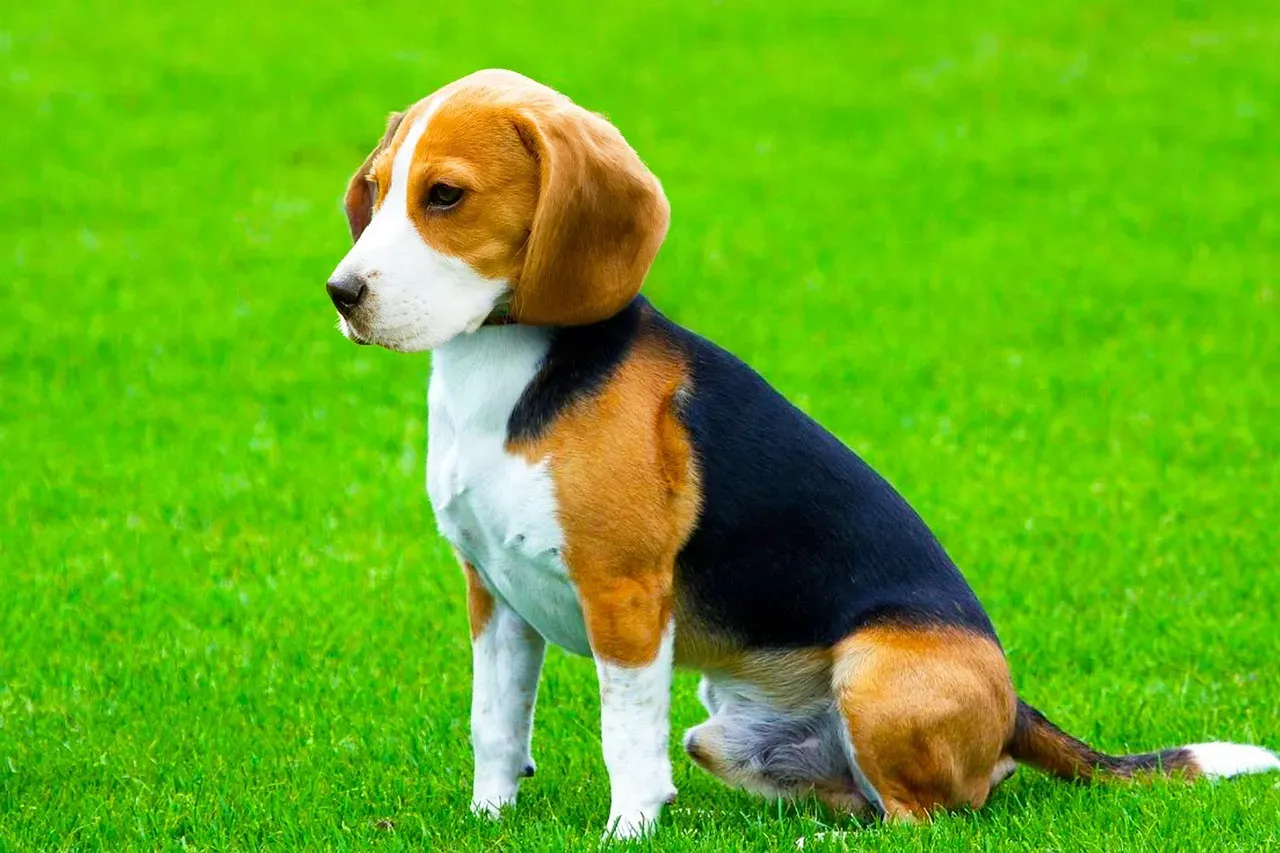
Beagles are friendly and curious dogs known for their excellent sense of smell and energetic nature. Despite their charm, they are commonly found in shelters due to their high energy levels and tendency to follow their noses, often leading to escape attempts. Beagles require a lot of exercise and mental stimulation, which can be challenging for some owners to provide.
Their strong scent drive and tendency to wander often frustrate unprepared owners. Beagles are also known for their loud, distinctive baying, which can be challenging in apartment settings. Many end up in shelters due to behavioral issues that stem from a lack of proper training or outlets for their energy. Anyone who lives in close quarters with neighbors quickly discovers that a baying Beagle is not a minor inconvenience.
10. Dachshund

With a high level of personality packed into a small dog, Dachshunds can be irresistible but also challenging due to their stubborn and quirky nature. They’re known for their propensity to dig, an instinct from their badger and mole hunting days, which can lead to household and lawn damage if left unchecked. These issues often result in them being among the most surrendered breeds.
Dachshunds are a very popular dog, which is likely a main reason they’re found in shelters so often. Dachshunds commonly have spinal problems. Unfortunately, their “hot dog” cuteness comes with drawbacks. Those spinal issues, known as intervertebral disc disease, can generate veterinary bills that some families aren’t financially prepared to handle.
11. Australian Shepherd
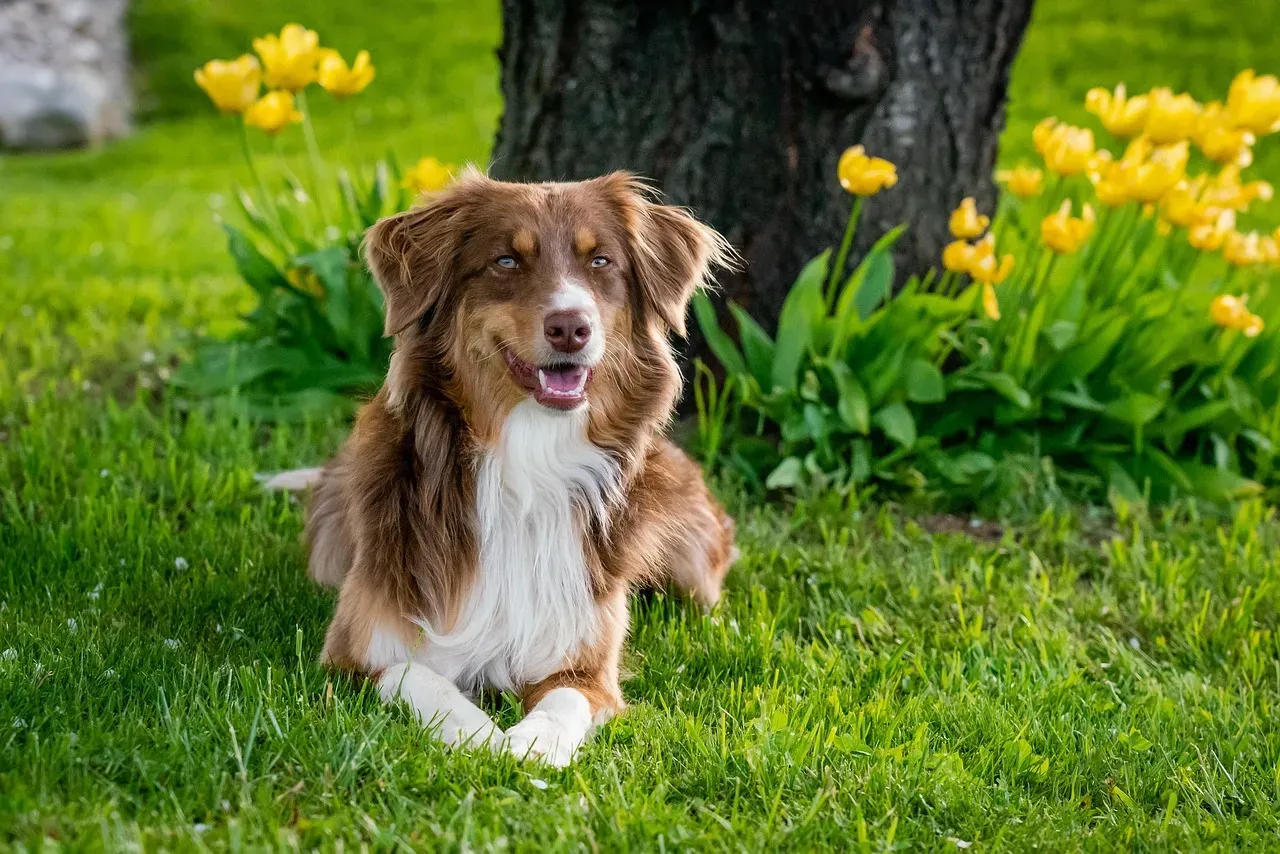
Australian Shepherds need a job, whether it’s herding, agility, or other activities that challenge them. Without proper exercise and mental stimulation, they can become bored and destructive, leading to owner surrender. The breed’s intelligence is genuinely remarkable, but intelligence without direction tends to express itself in ways that frustrate households rather than delight them.
They are often found in shelters because their high energy levels and herding instincts can be overwhelming for some owners. Australian Shepherds need a job, whether it’s herding, agility, or other activities that challenge them. They can become bored and destructive without proper exercise and mental stimulation, leading to owner surrender.
12. Cocker Spaniel

Cocker Spaniels are loving and affectionate dogs, but they are often surrendered due to grooming needs or health issues like ear infections. Their long, silky coats require regular maintenance, which some owners find overwhelming. Regular professional grooming isn’t optional for this breed. It’s a recurring commitment with a genuine price tag.
A Cocker Spaniel’s luxurious coat requires constant grooming, yet many adopters overlook this essential responsibility. Without regular maintenance, their fur becomes painfully matted, leading to discomfort and potential health issues. Behavioral challenges like resource guarding and separation anxiety often result in high return rates. It’s a combination of hidden costs and hidden behavioral layers that catches owners unprepared.
13. Shih Tzu

Shih Tzus are small, affectionate dogs with a distinctive coat that requires regular grooming. They are commonly found in shelters due to grooming needs and health issues, such as respiratory problems and eye conditions. Shih Tzus can also be prone to behavioral issues like stubbornness and separation anxiety if not properly trained and socialized. These factors, combined with their popularity, lead to many being surrendered when owners cannot meet their needs.
Many Shih Tzus end up in shelters due to behavioral issues rooted in separation anxiety. They may develop excessive barking or destructive habits without proper socialization and training. Their long, flowing coats also require consistent grooming, as painful matting can lead to discomfort and costly veterinary care. For owners who expected a low-effort lap dog, the reality is a genuine surprise.
14. Belgian Malinois
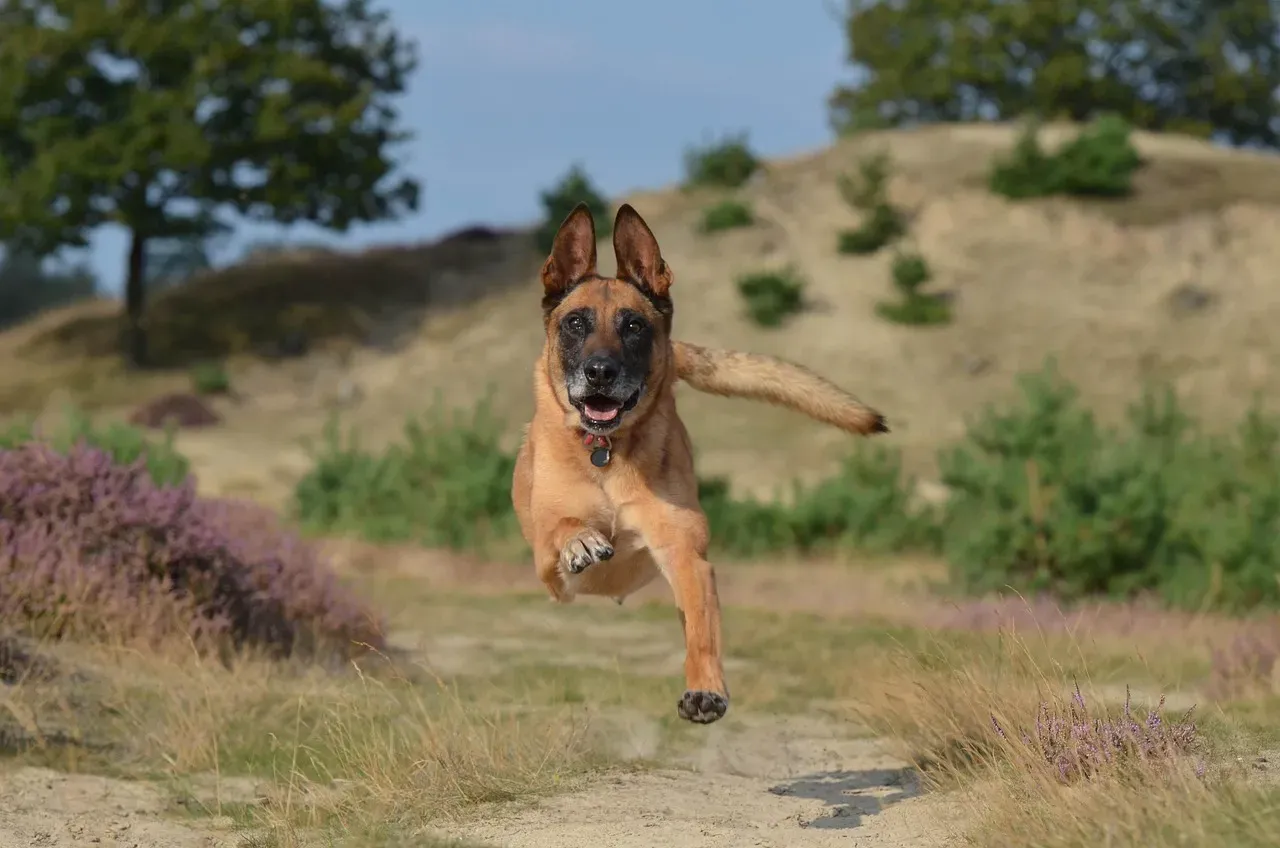
Belgian Malinois are elite athletes with razor-sharp intensity. Many are returned when families discover they behave like working missiles without constant direction. They require advanced training, substantial exercise, and structured jobs to prevent biting, nipping, or frantic pacing. These dogs excel with experienced handlers who enjoy precision work.
Their intense drive and work ethic make them excellent at what they do, but these traits can be overwhelming for the average pet owner. Malinois need a lot of physical and mental exercise to keep them from becoming bored and destructive. The breed’s surge in popularity following high-profile media appearances has placed many of these dogs into homes completely unprepared for their intensity.
15. Dalmatian
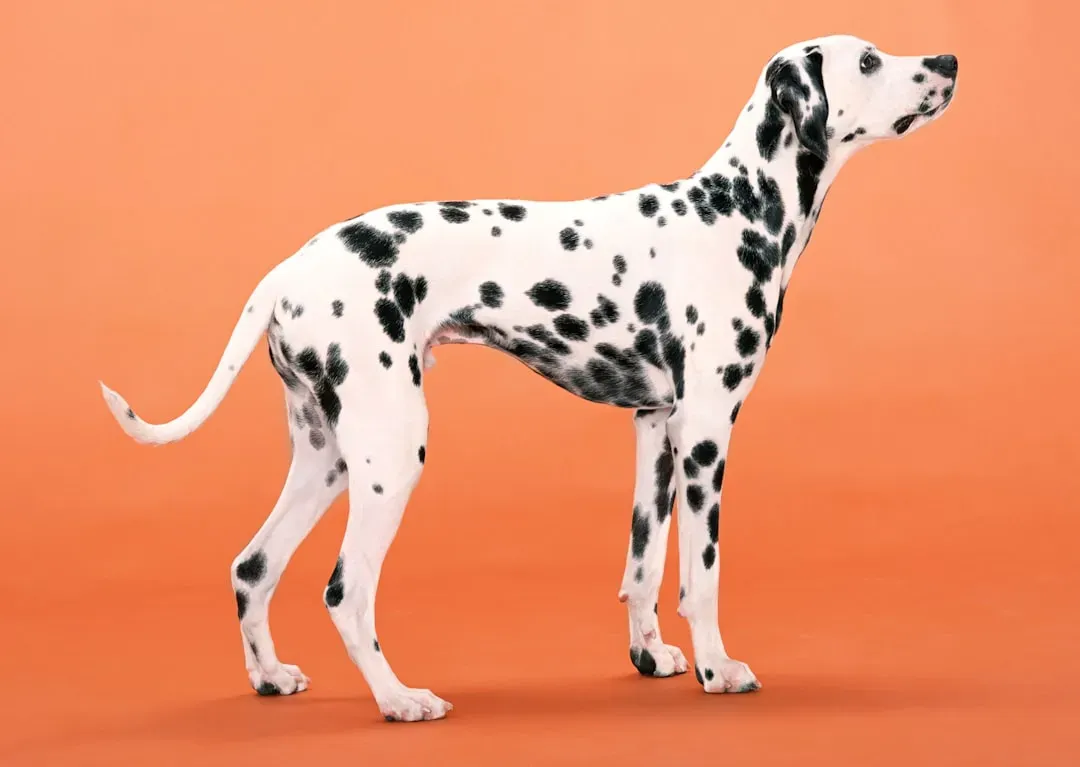
With their striking spotted coats, Dalmatians have a unique appeal, often popularized by movies and media. However, their high energy levels and need for extensive exercise can overwhelm many owners. Dalmatians are also prone to genetic health issues, including deafness and urinary stones, which can add to the challenges of care. They can become destructive and difficult to manage without proper training and stimulation, leading many owners to surrender them.
Every few years, a film or viral moment puts Dalmatians back on the cultural radar. The cycle is remarkably consistent: demand rises, breeders ramp up production, unprepared families take puppies home, and shelters absorb the fallout. The dogs pay the highest price for a popularity they never asked for.
16. Cane Corso
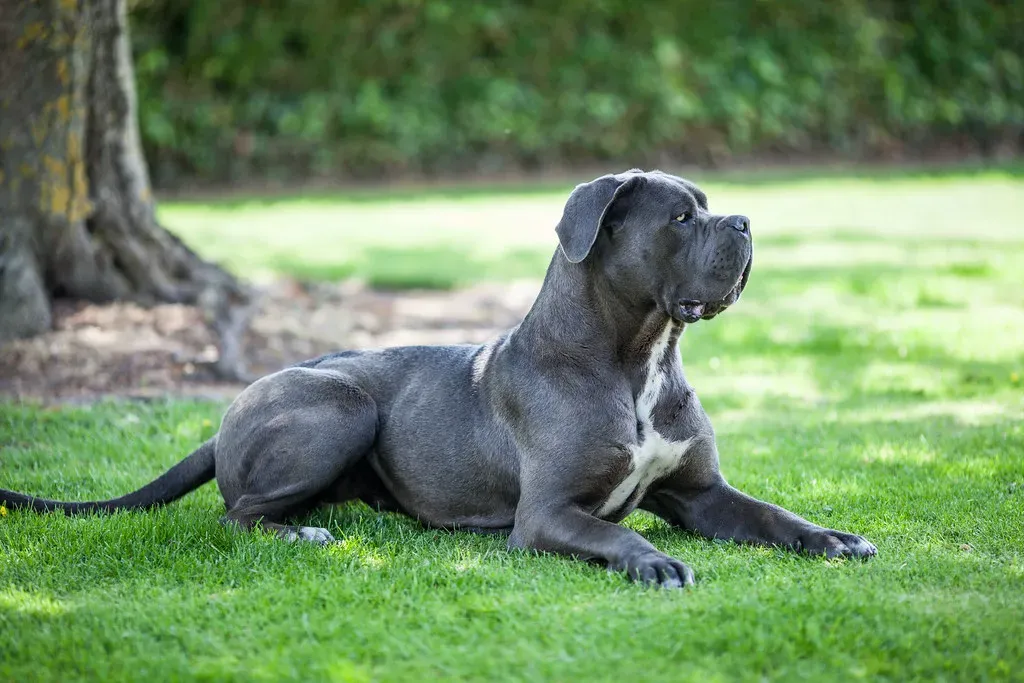
Cane Corsos are imposing guardians that demand thoughtful leadership. Returns often follow rapid growth, insufficient training, and under-socialization that turns caution into reactivity. A Cane Corso puppy at eight weeks is manageable. That same dog at eighteen months, without consistent training, is an entirely different proposition.
This breed needs early guidance, strong management, and purposeful work to stay balanced and safe. They do best with experienced owners who enjoy training and structure. You will need leash skills, secure property, and calm confidence during inevitable teenage testing. If you commit to socialization, vet handling practice, and clear boundaries, a Cane Corso can be a steady protector and affectionate family member, but mismatched homes struggle.
17. Border Collie
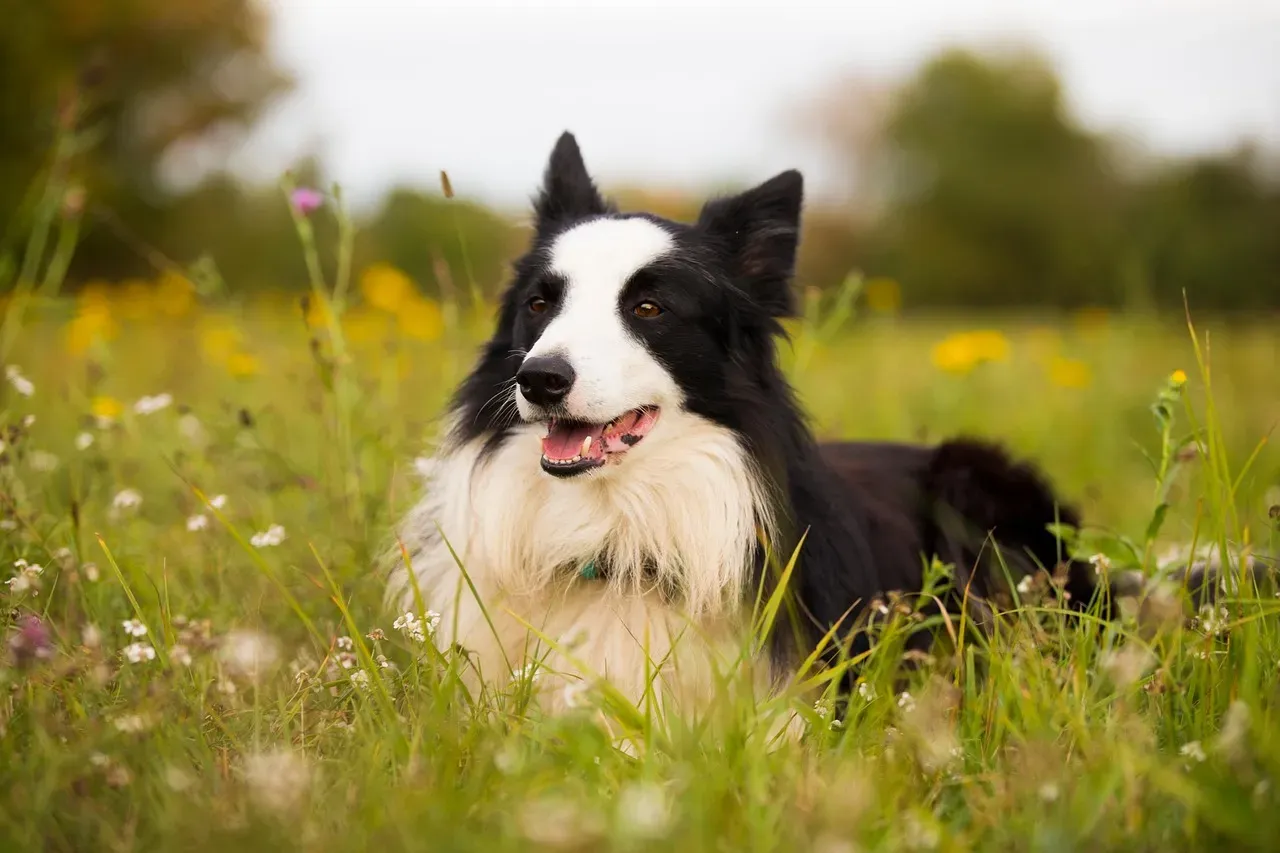
Border Collies are legendary problem solvers with rocket-fuel energy. They are often returned when clever antics turn into herding kids, chasing wheels, or obsessive behaviors. Without intense exercise, trick training, and brain games, that genius can morph into frustration that overwhelms busy families.
Milwaukee was noted as the only city in one major study where Border Collies appeared among the most common breeds in shelters and rescues, though the pattern of surrender is consistent across the country wherever the breed becomes fashionable. These dogs excel with structure, clear jobs, and daily novelty. You will need agility, scent work, or long hikes to meet needs beyond fetch. If you love teaching new tasks and keeping routines predictable, a Border Collie will repay you with breathtaking focus, but mismatched homes quickly feel underwater.
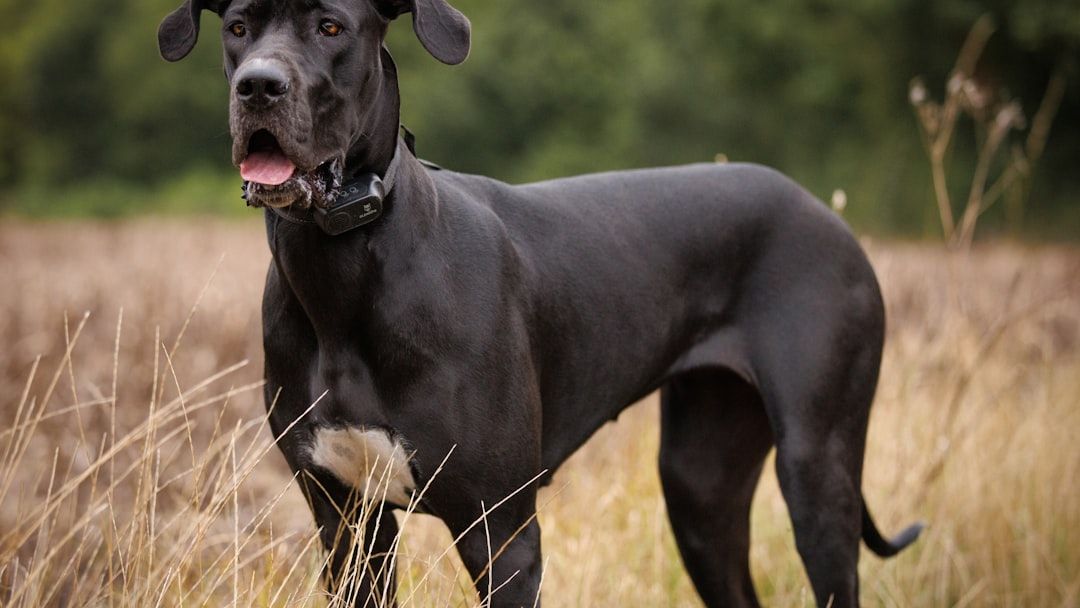
18. Great Dane
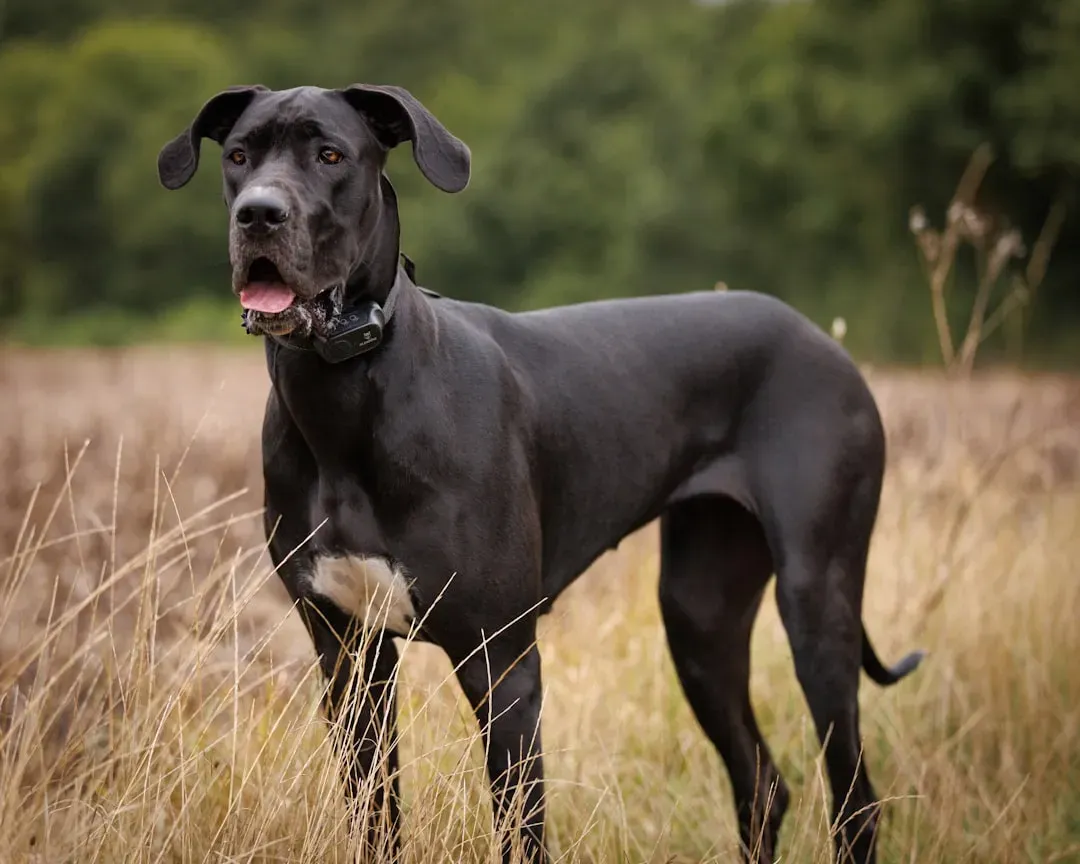
Great Danes are gentle giants, but their large size can be overwhelming for some owners. Many people underestimate how much space, food, and exercise a Great Dane requires, leading to surrender when they realize they can’t meet the breed’s needs. Great Danes are also prone to certain health issues, such as bloat, which can be expensive and may lead to owners giving them up.
Large dogs in particular are having a hard time finding adoptive homes, now staying in shelters twice as long as they were before the pandemic. For a breed as large as the Great Dane, this extended shelter stay is genuinely stressful. These are dogs built for space and companionship, not kennel life.
19. Weimaraner

Weimaraners are high-energy dogs that require a lot of exercise and mental stimulation to stay happy. Many end up in shelters because their owners are unprepared for their energy levels and need for constant activity. Without enough exercise, they can become destructive and develop behavioral issues. They are also known for being clingy and suffering from separation anxiety, which can lead to further problems if left alone for long periods.
Weimaraners are best suited for active owners who can provide them with plenty of exercise and companionship. The breed’s sleek, silver-grey coat makes them visually striking, but it’s their emotional and physical demands that define what ownership actually looks like day to day.
The Bigger Picture Behind the Numbers
Since 2019, the cost of pet services such as veterinary bills and grooming has climbed by a substantial margin, while the cost of pet food has risen significantly too. These rising costs are causing considerable strain on families. The financial pressure on pet owners has directly translated into more surrenders across all breeds.
When a particular breed becomes popular, usually due to celebrities and media exposure, it often leads to a surge in demand. People rush to bring home a dog of the same breed, but not everyone is prepared for the responsibilities that come with caring for a dog, especially one with specific needs. As a result, many of these trendy dogs eventually end up in shelters and rescues. The pattern repeats itself with every wave of breed-driven popularity.
Popular breeds often suffer from overbreeding, especially by unregulated and irresponsible breeders and puppy mills looking to make a quick profit. The sheer number of puppies produced due to overbreeding can flood the market, leading to more dogs than there are homes to take them in. Until that supply side is meaningfully addressed, the shelters will keep absorbing the overflow.
Conclusion

Every dog on this list has something significant in common. They’re not difficult dogs because they’re flawed. They’re difficult placements because they were popularized faster than public understanding of their actual needs could keep pace. The cure isn’t to stop loving these breeds. It’s to understand them honestly before making a lifelong commitment.
Bringing home a dog should feel like a forever decision, yet some breeds land back in shelters more than others. It is rarely about a bad dog and more about a mismatch between needs and lifestyle. Understanding why these returns happen can help you make a confident, compassionate choice. That compassion extends not just to the dog you want, but to the one already waiting.
The shelters aren’t asking people to lower their standards. They’re asking people to raise their awareness. A dog that’s right for your life will always be a better match than a dog that looks right in a photo. That distinction, quiet as it is, could change everything for the millions of dogs still waiting.

- 8 Ancient Architectural Wonders Built with Animal Inspiration - June 27, 2026
- Beavers Are Nature’s Engineers, Shaping Ecosystems With Their Dams - June 27, 2026
- Scientists Warn Some US Habitats May Disappear - June 27, 2026