
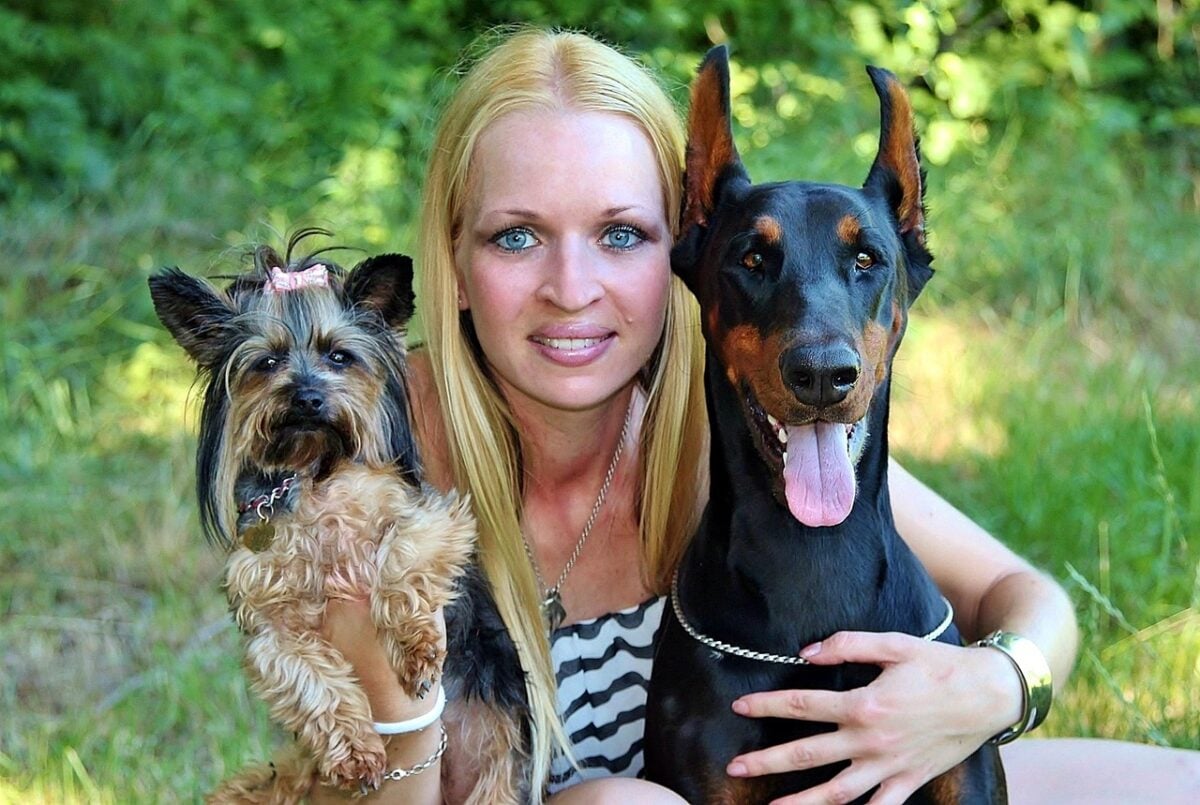
Most people believe a dog’s favorite person is whoever fills the food bowl. It’s a comfortable theory, and it’s only a sliver of the story. Researchers who study dog attachment keep finding behaviors that look a lot like the way young children treat their caregivers, and they’re showing up in your living room right now.
Most of it happens in tiny moments owners never register: a half-second glance, a stolen sock, a yawn that arrives right after yours. Some signs are obvious. Others are so quiet you’ve probably been missing them for years. Keep reading, because the ones near the end are the ones that change how you see your dog.
#19 – The Glance Back You Never Counted

🔥 Would you like to save this?
We'll email this post to you, so you can come back to it later!
Your dog keeps checking where you are, even when it looks busy.
On a walk, watch how often your dog’s head swings back toward you. Mid-sniff, mid-sprint, nose buried in a hedge, there it is: a quick look over the shoulder. Your dog is treating you like home base.
Dogs that feel less attached tend to roam off without looking back. The glance costs the dog almost nothing, which is exactly why it’s an honest signal. Nobody fakes a half-second check-in.
Look for these moments:
- A quick look over the shoulder at corners
- Pausing so you can catch up
- Veering back when you change direction
Most owners never notice this check-in because it lasts less than a second. Once you start counting, you can’t stop seeing it.
But the next sign shows up at home, and it’s far harder to ignore…
#18 – The Shadow Routine
🔥 Would you like to save this?
We'll email this post to you, so you can come back to it later!
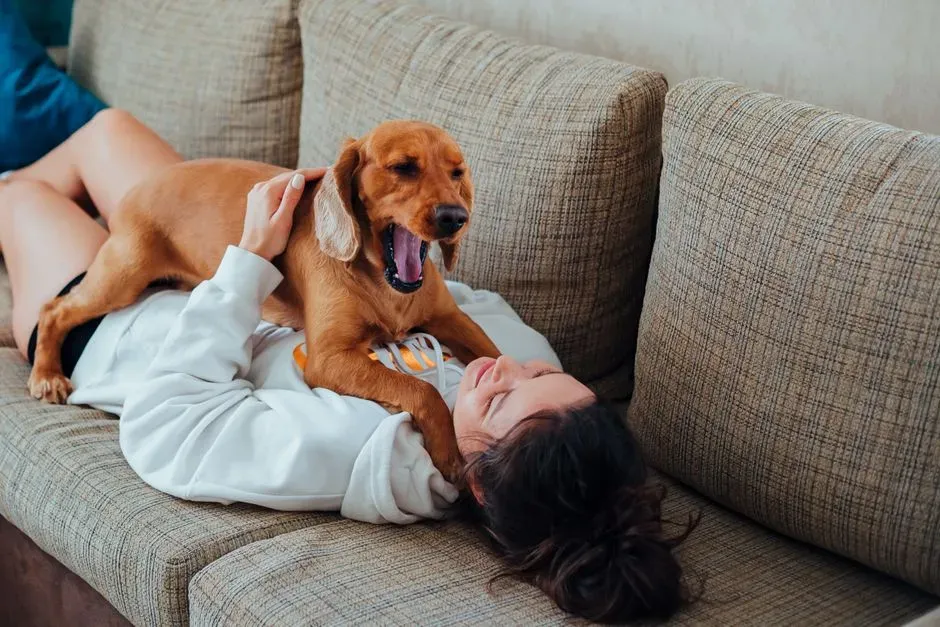
If you can’t go to the bathroom alone, you’ve probably been chosen.
A “Velcro dog” tracks one person from room to room. It lies in the doorway while you cook, sighs dramatically when you stand up, and relocates the second you do. Often the whole household doesn’t get this treatment. Just you.
Following isn’t always love, though. Constant shadowing paired with panic when you leave can point to separation anxiety instead. Closeness and clinginess are not the same thing.
A relaxed shadow settles down once you stop moving. An anxious one stays on high alert, ears up, eyes locked on you. If you’re unsure which you have, a vet or certified behavior professional can help you tell them apart.
Quick Compare
- Relaxed shadow: follows you, then settles once you sit
- Anxious shadow: stays on high alert, ears up, eyes locked on you
- Not sure which you have? A vet or certified behavior professional can help
The difference comes down to what your dog does once you sit down. A secure dog flops. A worried dog hovers.
And where it flops tells you even more…
#17 – The Sleeping Spot Reveals the Favorite
🔥 Would you like to save this?
We'll email this post to you, so you can come back to it later!
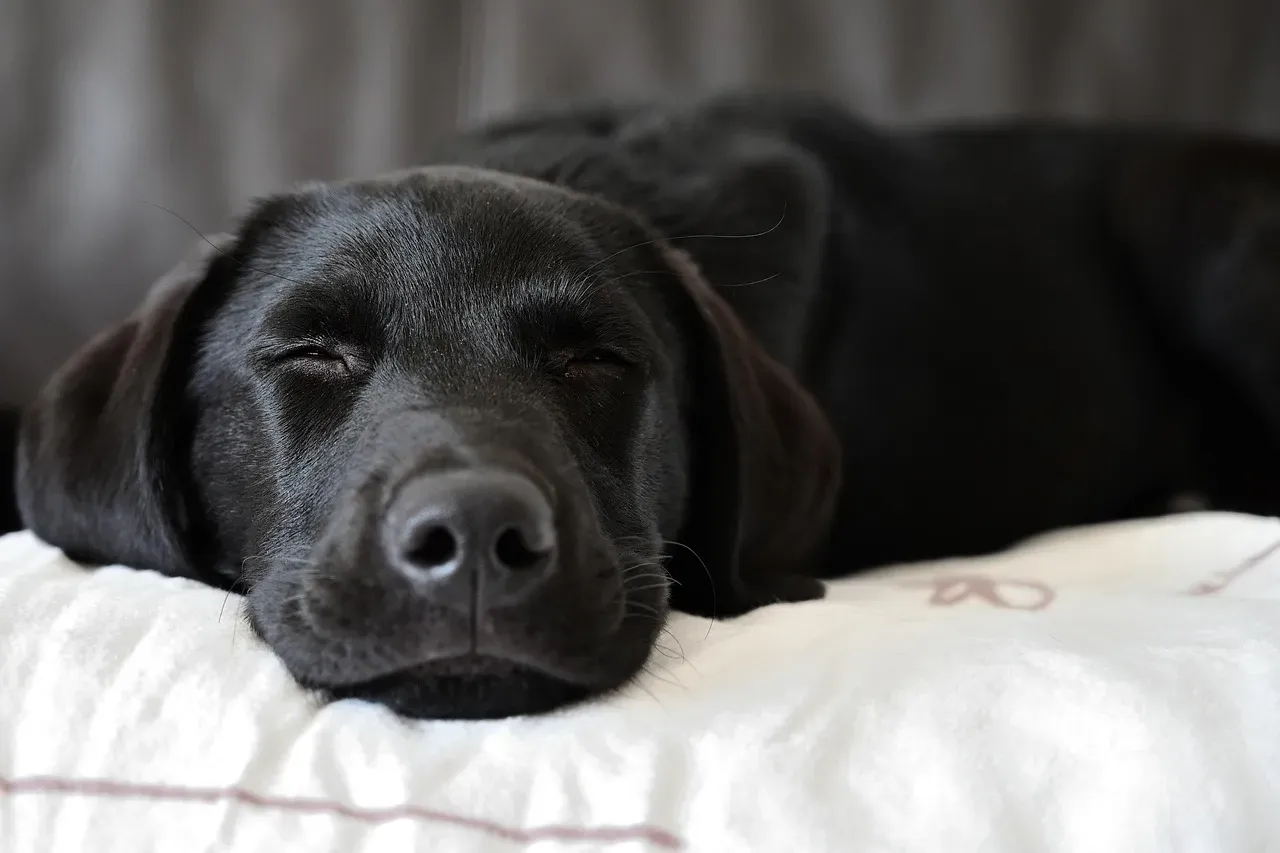
Your dog’s bedtime choice is rarely random.
Dogs often choose the spot closest to one particular person. That might be your feet, your pillow, or the rug beside your side of the bed. Notice that it’s usually your side, not your partner’s.
Warmth and comfort play a role. But when a dog bypasses a perfectly good orthopedic bed to sleep against one specific person, that choice says something.
Here’s the controversial take. Many owners assume the dog who sleeps in bed is the most bonded one. That’s actually a myth. Some dogs sleep close to everyone, and some deeply attached dogs prefer their own bed and simply keep you in sight.
The sleeping spot is just the start of how your dog uses touch…
#16 – The Lean
🔥 Would you like to save this?
We'll email this post to you, so you can come back to it later!
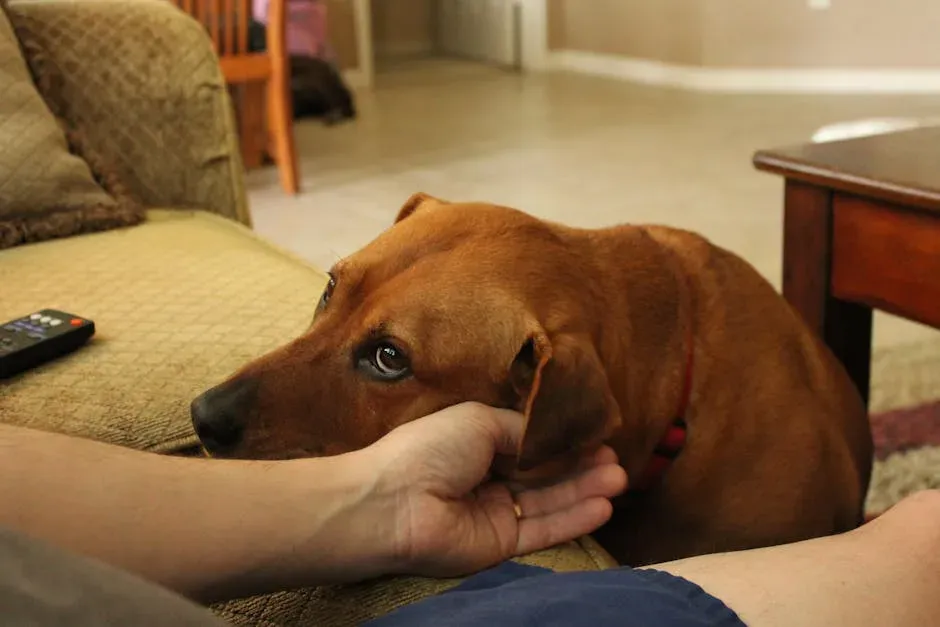
Leaning is a dog’s version of holding your hand.
A dog who presses its full weight against your legs while you stand is choosing contact. It could have stayed across the room. It chose your side instead.
Dogs also use contact to settle themselves. A dog that rests its chin on your knee or tucks in beside you after a stressful moment is borrowing your calm.
There’s no study proving that leaning equals love. But behaviorists commonly read it as comfort-seeking, the same category as a child reaching for a parent.
So watch who gets the lean. If your dog leans on you but only sits politely near everyone else, you’ve just learned something.
Contact is one thing. Hearing you is another…
#15 – Your Voice Flips a Switch
🔥 Would you like to save this?
We'll email this post to you, so you can come back to it later!
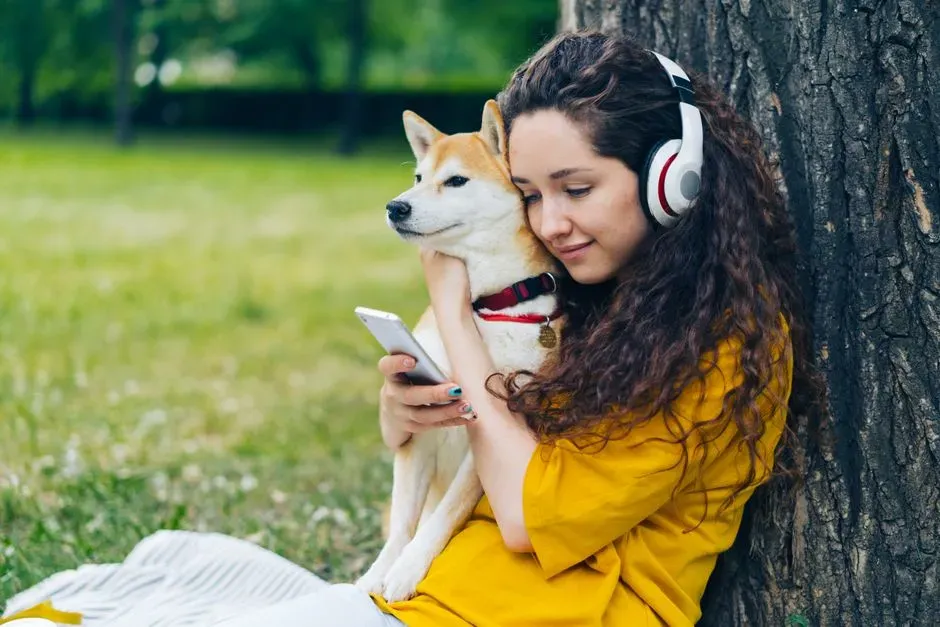
Your dog’s ears, eyes, and body respond to your voice differently than to anyone else’s.
Dogs are tuned to human speech more than most people realize. Brain-imaging work from Hungary found that dogs have regions that respond to voices and to emotional tone, in ways comparable to human brains.
A later Hungarian study went further. Dogs’ reward centers responded most strongly when praise words came in a praising tone. Mismatched combinations didn’t land the same way. So when you say “good boy” warmly, your dog isn’t only hearing a sound. Its brain is reading the feeling behind it.
Signs your voice has special power:
- Head tilts or ear pricks at your tone
- Settling when you speak softly
- Perking up at your voice from another room
Your dog may be reading your mood from a single syllable.
Voice is just one way your dog mirrors you. Here’s a stranger one…
#14 – The Contagious Yawn
🔥 Would you like to save this?
We'll email this post to you, so you can come back to it later!
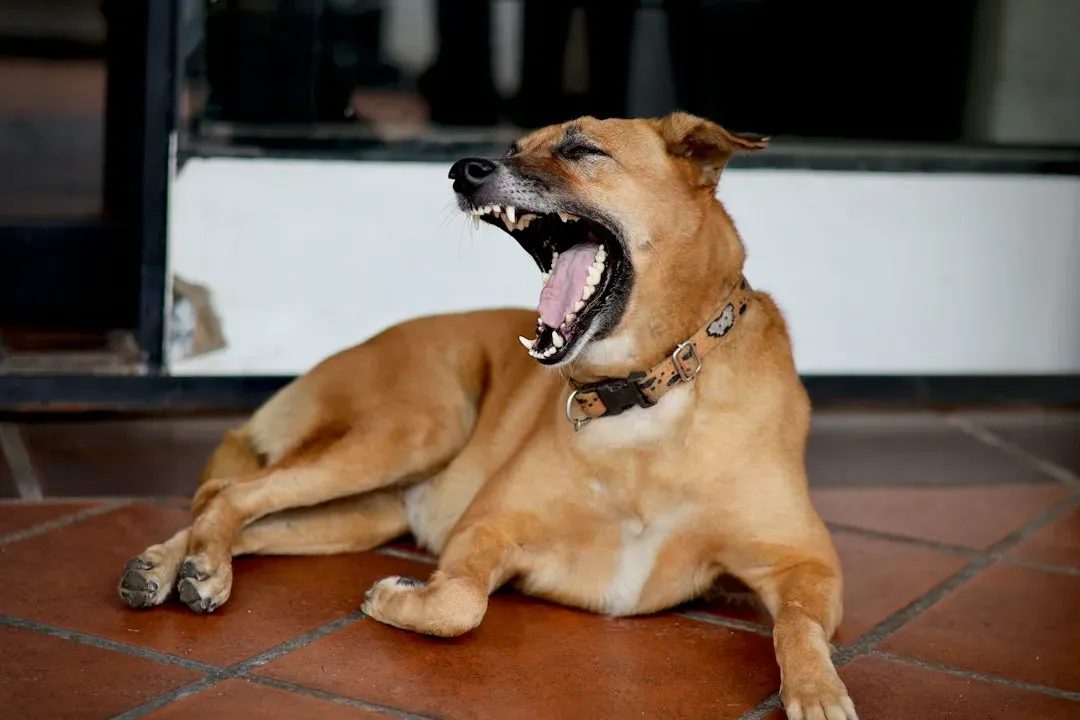
Your yawn can set off your dog’s, but not everyone’s can.
Yawning is catching among humans, and some dogs seem to catch it too. A 2008 study in Biology Letters found that many dogs yawned after watching a person yawn. Why this happens is still debated, so treat it as a clue, not proof.
A 2013 study in PLOS ONE found dogs yawned more in response to a familiar person’s yawn than to a stranger’s. Researchers connected this to emotional closeness, though they were careful about drawing firm conclusions.
Fast Facts
- 2008: Biology Letters reported many dogs yawning after a person yawned
- 2013: PLOS ONE found more yawning for a familiar person than a stranger
- Other triggers: stress, tiredness, and uncertainty
- Best clue: a repeated pattern, not a one-off yawn
Dogs also yawn when stressed, tired, or uncertain, so a single yawn means little. The pattern matters. If your dog tends to yawn right after you do, and not after visitors, that’s worth noticing.
But the reunion at your front door tells the biggest story so far…
#13 – The Greeting Scales With Your Absence
🔥 Would you like to save this?
We'll email this post to you, so you can come back to it later!
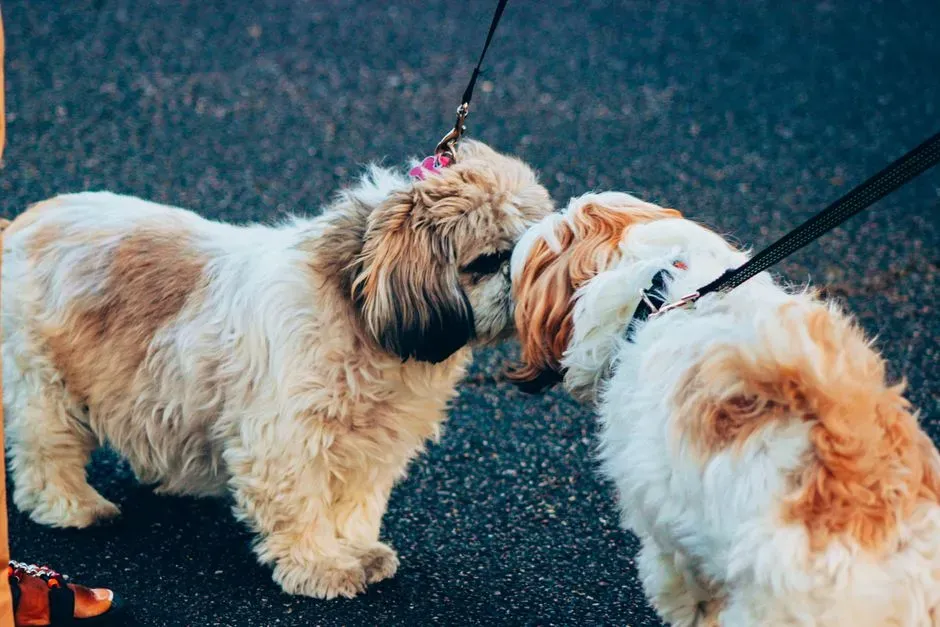
Your dog’s welcome isn’t just excitement. It’s calibrated.
Most owners assume the door-greeting is automatic. It isn’t entirely. Dogs seem to adjust how intensely they greet you based on how long you were gone.
A 2011 study found dogs greeted owners more intensely after two hours apart than after 30 minutes. That suggests dogs register how much they missed you, at least in a rough way.
Strong greetings can include wiggling, leaning, fetching a toy, or following you closely afterward. A very fast greeting is not always a better one.
Here’s the contrarian view. A calm, steady welcome from a dog that seeks you out afterward can signal security just as much as a frantic one.
Next, a sign that happens right when your dog feels unsure…
#12 – The Face Check
🔥 Would you like to save this?
We'll email this post to you, so you can come back to it later!
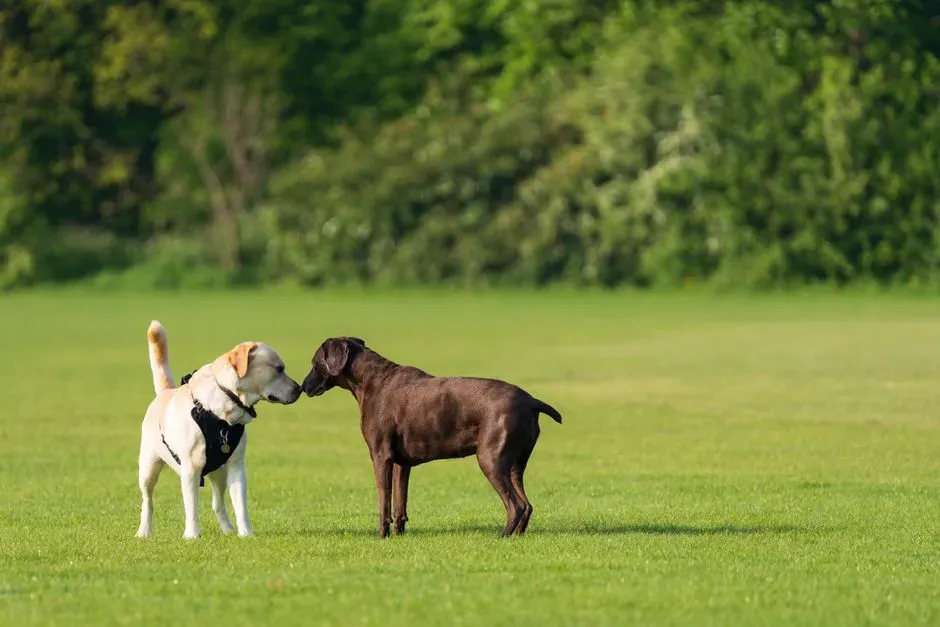
Before reacting to something odd, your dog looks at your face.
Dogs use people’s emotional signals to decide what to do. Researchers call this social referencing. In one experiment, dogs approached an unfamiliar object more readily when the owner showed a happy expression than a fearful one.
So if a new object, sound, or person appears and your dog glances at you first, it’s asking a question: Is this safe?
That behavior needs trust. Dogs don’t usually look to people they don’t trust for guidance about danger.
You can test it informally. Stay relaxed around something new, like a flapping tarp or a strange statue, and see whether your dog follows your lead.
That trust also explains why your dog explores differently around you…
#11 – Braver With You in the Room
🔥 Would you like to save this?
We'll email this post to you, so you can come back to it later!
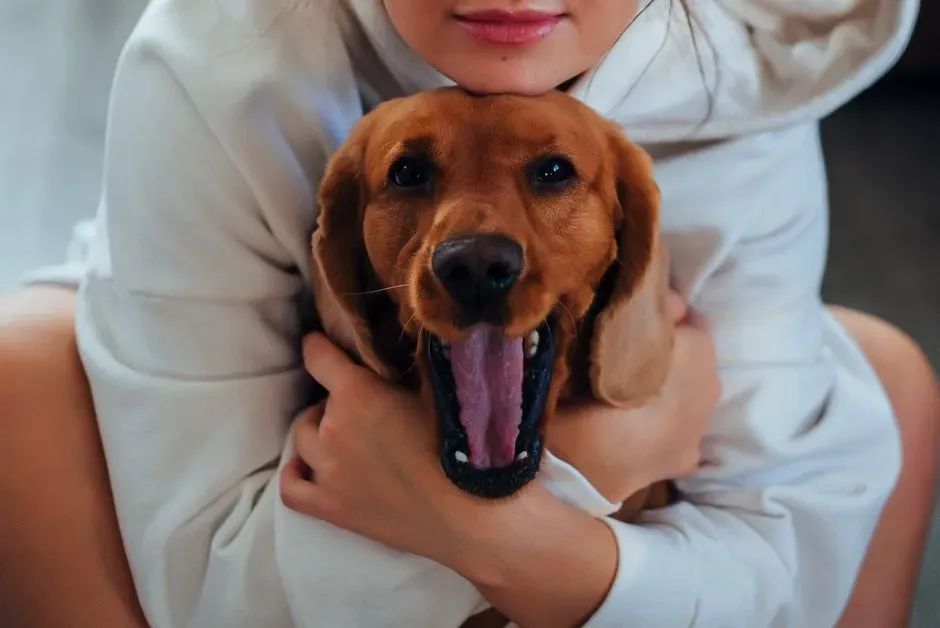
Your dog acts like a different animal when you’re nearby.
Scientists call it the secure base effect. A caregiver’s presence gives an individual enough confidence to explore a new environment. It was first described in human toddlers, who wander off to play but keep checking that a parent is still there.
Dogs show the same pattern. Studies show dogs use their owner as a secure base from which to explore.
At a new park or vet office, notice where your dog goes. A bonded dog sniffs and investigates while staying aware of you. Without you, it may freeze or hide.
At a Glance
- Where it started: studies of human toddlers and their parents
- With you: sniffs, explores, and keeps tabs on where you are
- Without you: may freeze or hide
- Easy test: watch a new park or vet waiting room
That boldness is borrowed from you. If your dog is more confident with you than with anyone else, you’re likely its anchor.
Now for what happens when someone else tries to step in…

Glass Hummingbird Feeder for Outdoors Hanging, 16 oz Leak-Proof Nectar Feeder with Bee Guards & Ant Moat
Check Price on AmazonAs an Amazon Associate, we earn from qualifying purchases.
10/7/2026 1:22 pm GMTi

Halloween Dog Collar with Bow, Orange Cute Ghost Collar,
Check Price on AmazonAs an Amazon Associate, we earn from qualifying purchases.
10/9/2026 2:43 pm GMTi

Halloween Cat Costume Cloak Witch Hat Pet Accessories
Check Price on AmazonAs an Amazon Associate, we earn from qualifying purchases.
10/9/2026 2:44 pm GMTi

Orthopedic Extra Large Dog Bed, Waterproof Washable XL Pet Bed 44"
Check Price on AmazonAs an Amazon Associate, we earn from qualifying purchases.
10/7/2026 1:32 pm GMTi

Hand Blown Glass Hummingbird Feeders for Outdoors Hanging, 24oz Wild Bird Nectar Feeder
Check Price on AmazonAs an Amazon Associate, we earn from qualifying purchases.
10/7/2026 1:23 pm GMTi
#10 – Strangers Can’t Replace You
🔥 Would you like to save this?
We'll email this post to you, so you can come back to it later!
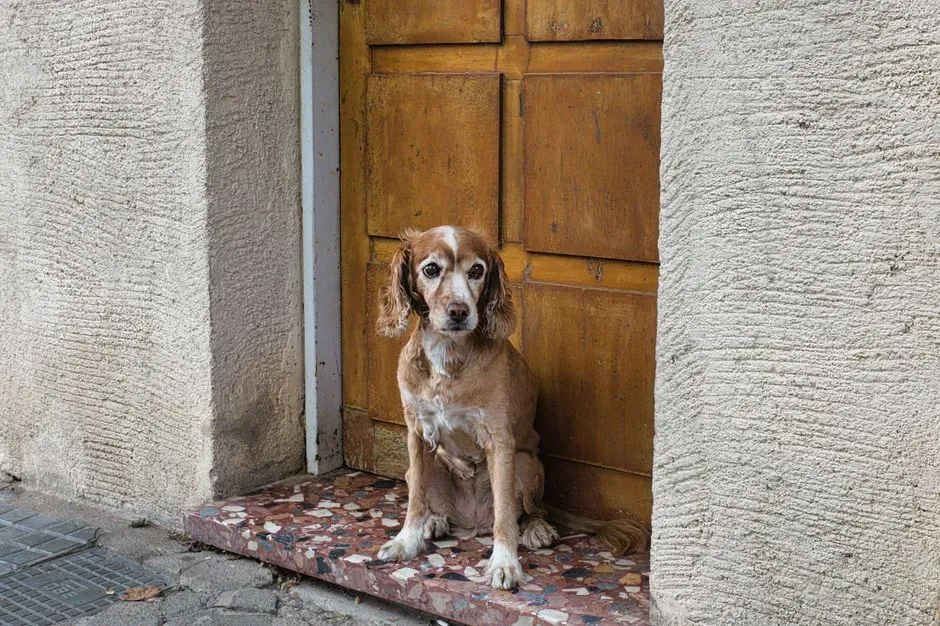
A treat from a stranger doesn’t fix what you left behind.
In classic attachment research, adapted from tests for human infants, dogs aren’t easily soothed by a stranger in the owner’s absence.
That says the bond is about more than food. A stranger can offer snacks, but can’t replace the person the dog trusts.
Here’s what that looks like day to day:
- Friendly, but not as relaxed with visitors
- Checks the door for you after a sitter arrives
- Settles faster when you return than when anyone else comforts it
This is why a sitter’s cuddles may not stop the whining.
Still, there’s a quieter version of missing you, and it happens at the door…
#9 – The Door Watch
🔥 Would you like to save this?
We'll email this post to you, so you can come back to it later!
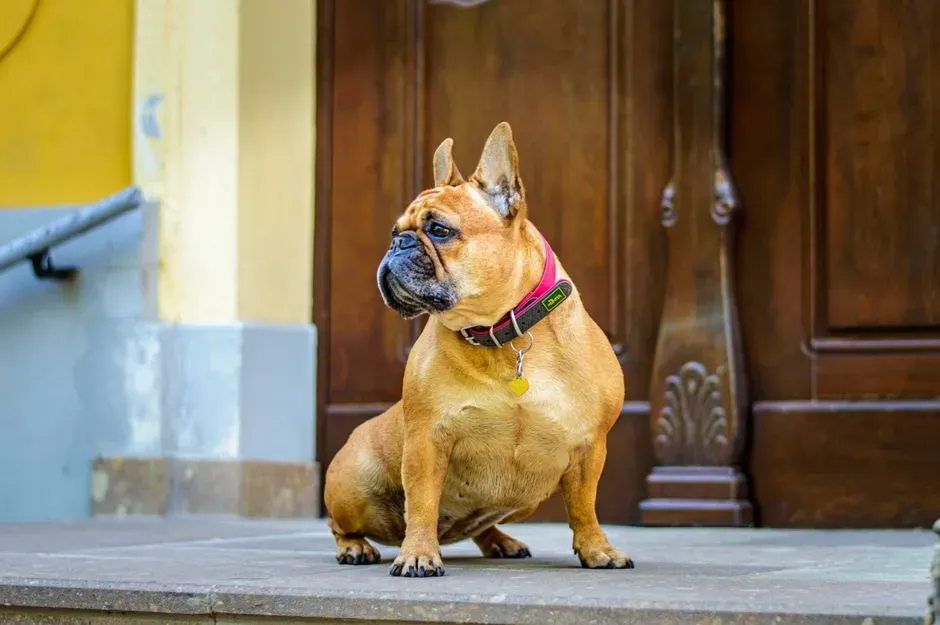
Your dog has a favorite waiting spot, and it’s facing your exit.
Many dogs park themselves near the door, window, or driveway view when their person is away. They may be listening for your car or your footsteps on the walk.
It’s a normal sign of attachment. But a dog who destroys things, drools, or panics when alone might need help for separation anxiety rather than just missing you.
The easy test: does your dog settle after a few minutes, or does it escalate?
Many owners mistake distress for devotion. A secure dog misses you but copes. An anxious dog struggles.
Both love you. Only one is suffering.
Next up is a habit owners find gross and dogs find essential…
#8 – The Laundry Thief
🔥 Would you like to save this?
We'll email this post to you, so you can come back to it later!
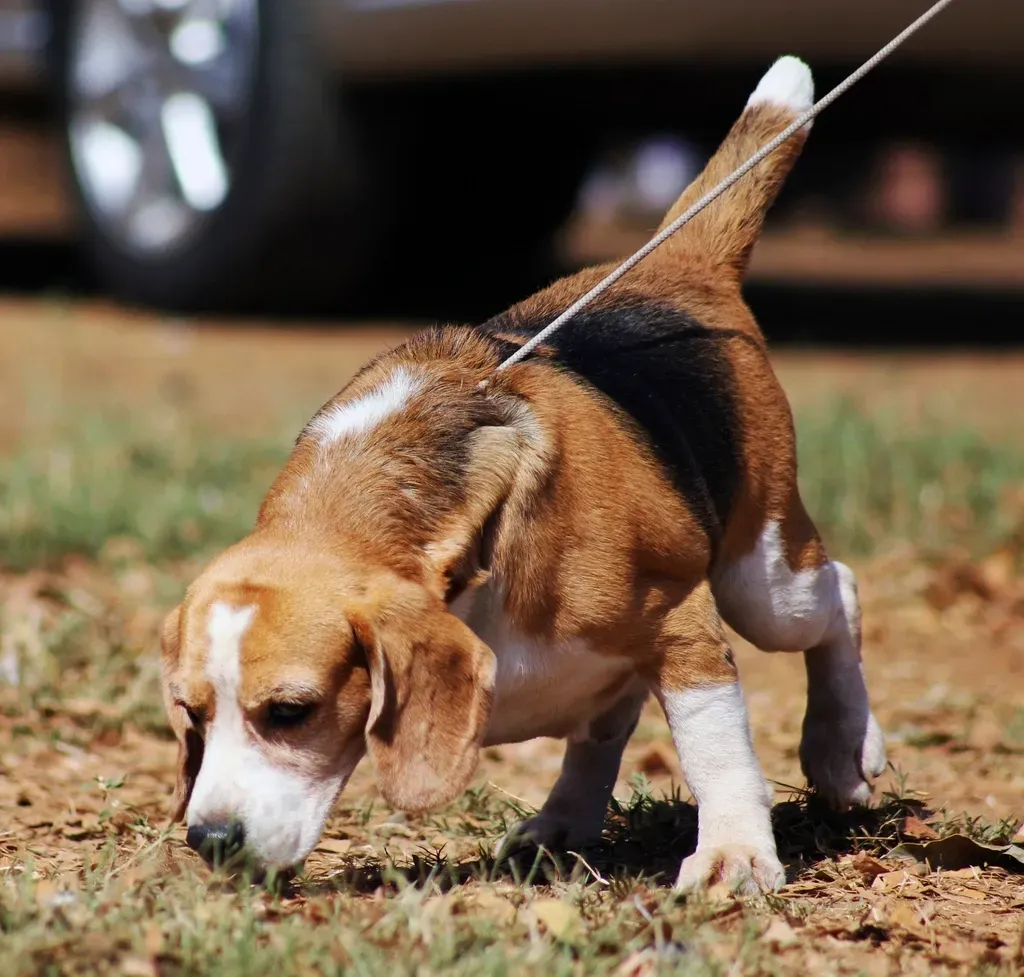
Your worn socks are a dog’s idea of a luxury item.
Dogs experience the world through scent, and your scent is the most familiar one they know. Stealing a worn shirt or curling up on a dirty sweater is a way to be near you when you’re not there.
Brain-imaging work from Emory University, led by Gregory Berns, found that dogs’ reward-related brain regions responded strongly to the scent of familiar humans. That doesn’t prove the sock habit is love, but it fits.
So if one person’s clothing keeps disappearing into your dog’s bed, that person has probably been chosen.
You are literally a comfort object.
Your scent isn’t the only thing your dog absorbs. Its stress can follow yours too…
#7 – Your Stress Becomes Theirs
🔥 Would you like to save this?
We'll email this post to you, so you can come back to it later!
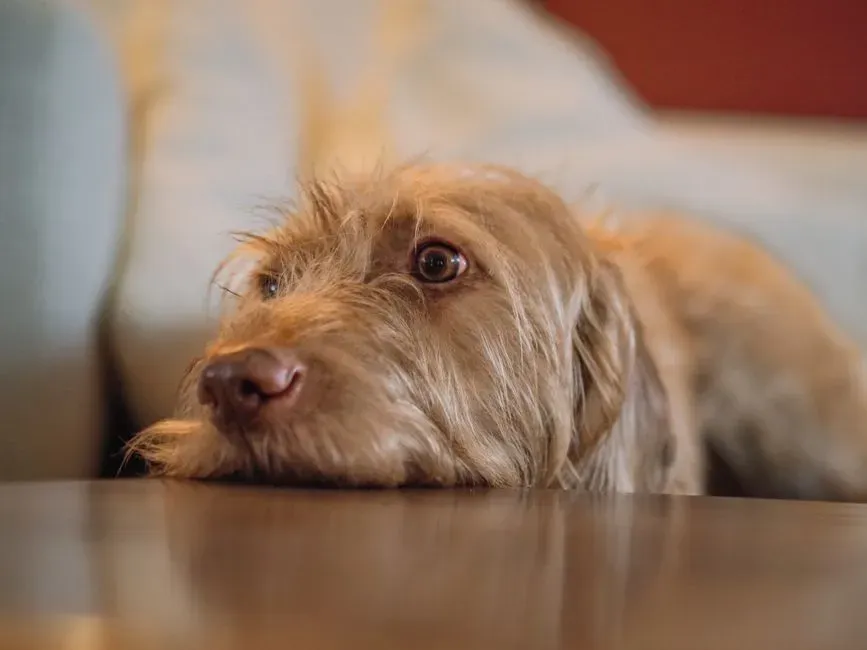
Your dog may be quietly absorbing your anxiety.
A 2019 Swedish study measured cortisol in the fur of dogs and owners, looking at Border Collies and Shetland Sheepdogs. The dogs’ stress levels tracked their owners’ stress levels over time.
The study also looked at personality. It suggested that the owner’s traits may shape the dog’s stress more than the dog’s own.
That doesn’t mean you’re to blame. It does suggest that a dog living closely with someone picks up on that person’s emotional state.
If your dog gets tense when you do, it’s tuned to you in a way that’s hard to fake. Take that in two ways: it’s a sign of closeness, and it’s a good reason to look after your own stress.
Next, a sign that may change what you think motivates your dog…
#6 – Praise Beats Pizza (Sometimes)
🔥 Would you like to save this?
We'll email this post to you, so you can come back to it later!
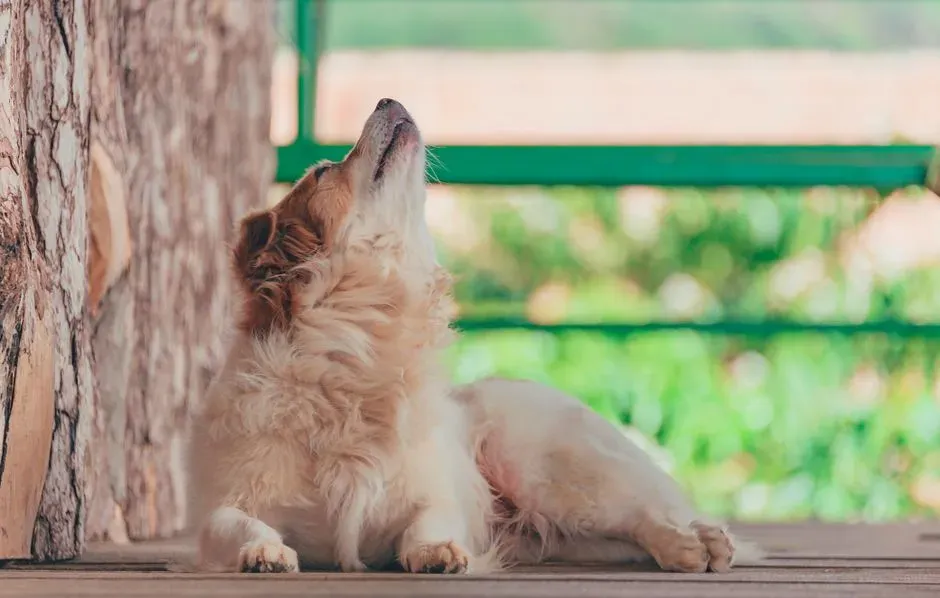
Your dog may prefer your words to a treat.
Researchers at Emory scanned dogs’ brains while the dogs received food or praise from their owners. In that small study, most dogs showed similar reward-center activity for both, and a few seemed to prefer praise.
That’s a big deal for anyone who believes dogs only work for food. If your dog lights up when you say “good dog” and keeps working even without a treat, that’s a sign.
Signs your praise matters:
- Tail wags at your tone, not just the snack
- Looks to you after finishing a task
- Stays engaged even when the treat doesn’t show
Because the study was small, treat it as a clue and not a rule. But it’s a strong reason to rethink the food theory.
The next sign shows up when your dog gets stuck…

Portable Dog Water Bottle Foldable Dog Travel Water Bottle
Check Price on AmazonAs an Amazon Associate, we earn from qualifying purchases.
10/7/2026 1:29 pm GMTi

Earth Rated XL Dog & Puppy Pee Pads, Discreet Top, Max Absorbency
Check Price on AmazonAs an Amazon Associate, we earn from qualifying purchases.
10/7/2026 1:28 pm GMTi

2 Pcs Halloween Pet Hat Bandana Set, Witch Pumpkin Costumes for Dogs
Check Price on AmazonAs an Amazon Associate, we earn from qualifying purchases.
10/9/2026 2:45 pm GMTi

Smart Bird Feeder with Camera Solar Powered, 2K HD Live Video, 10,000+ Bird Species AI Identification
Check Price on AmazonAs an Amazon Associate, we earn from qualifying purchases.
10/7/2026 1:22 pm GMTi

PetSafe Oasys Pet Fountain, 1/2 Gallon (64 oz), Small Dogs & Cats
Check Price on AmazonAs an Amazon Associate, we earn from qualifying purchases.
10/8/2026 8:14 am GMTi
#5 – Turning to You for Help
🔥 Would you like to save this?
We'll email this post to you, so you can come back to it later!
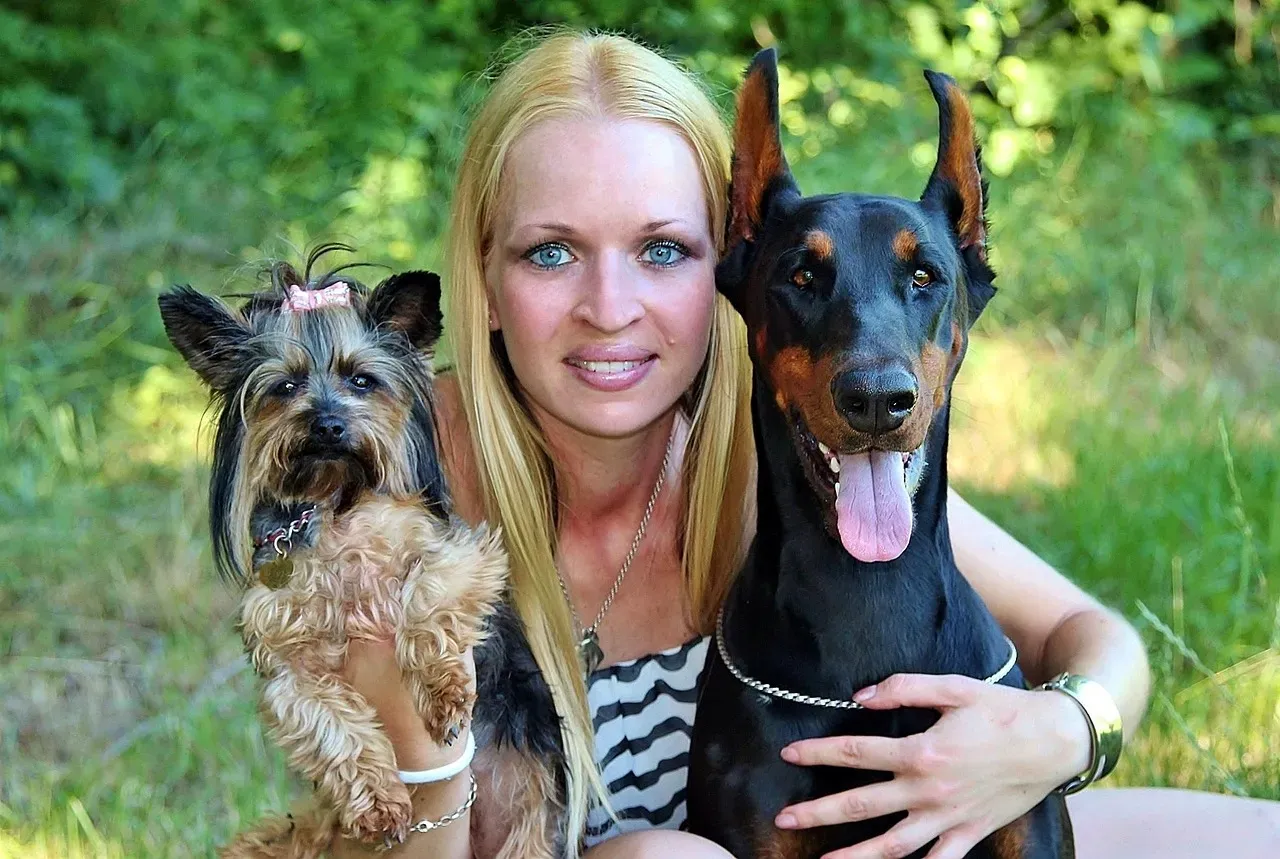
When a dog can’t solve a problem, it looks at the person it trusts.
In “unsolvable task” experiments, dogs try something, fail, and then turn to look at a human. It’s a way of asking for help.
Dogs often direct that appeal to their owner rather than a stranger. Researchers comparing breed groups have also reported that herding dogs leaned toward their owner, while solitary hunting breeds were more likely to seek out strangers.
So breed shapes the pattern. A hound may be less owner-focused than a shepherd and still deeply bonded.
Don’t read too much into a single moment. But if your dog shows up at your feet when its toy rolls under the couch, it picked you for the job.
Now to a sign that gets right to the heart…
#4 – It Comes When You Cry
🔥 Would you like to save this?
We'll email this post to you, so you can come back to it later!
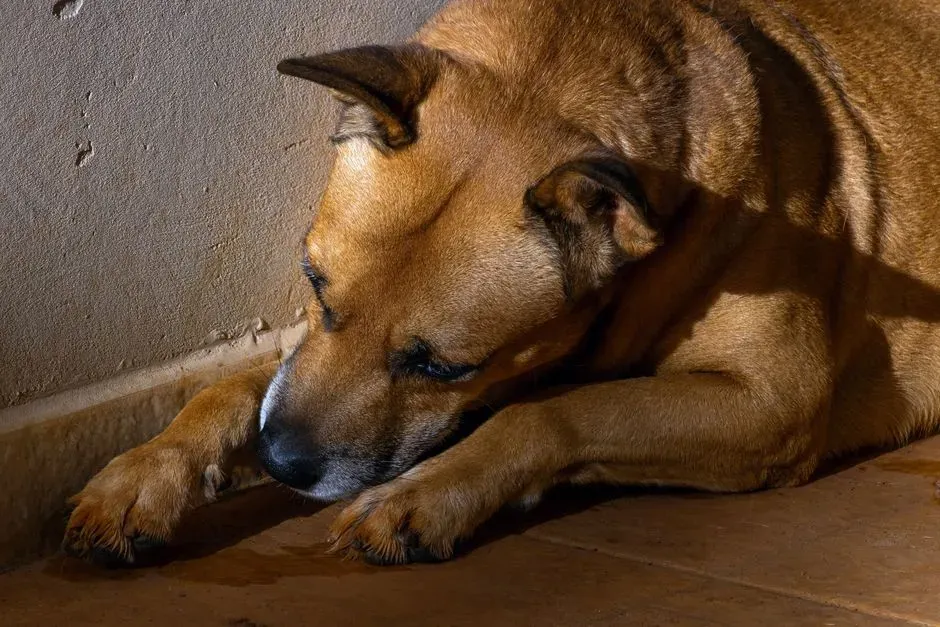
Your tears get a reaction your laughter doesn’t.
In one well-known study, dogs responded more to a person crying than to someone humming or talking. The dogs approached and nuzzled the crying person.
Here’s the catch. Dogs responded to crying strangers, too. So comforting alone doesn’t prove you’re the favorite.
The difference is in how long and how intensely. A favorite person gets the dog who stays, climbs into your lap, and doesn’t leave.
Watch for:
- Staying beside you after the crying stops
- Following you when you move
- Calmer behavior once you’re calm
Dogs don’t need to understand your words. They read your face, voice, and body. And for the person they love, they pay closer attention.
The next sign is the strongest biological evidence we have…
#3 – The Gaze That Changes Your Chemistry
🔥 Would you like to save this?
We'll email this post to you, so you can come back to it later!
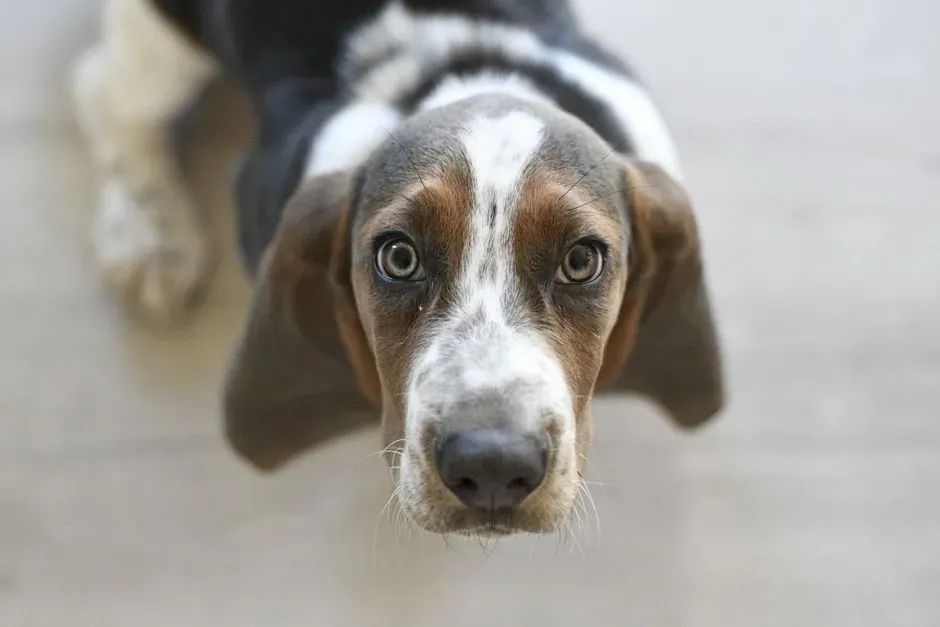
Your dog’s long stare is doing something to your brain.
In 2015, Japanese researcher Miho Nagasawa and colleagues found that oxytocin can rise when people pet their dogs or look into each other’s eyes. Oxytocin is the hormone tied to social bonding.
The dog’s gaze triggers oxytocin in the human, which encourages petting and soft talk, which raises the dog’s oxytocin in turn. That loop looks a lot like the one between parents and babies.
The effect didn’t show up the same way in wolves. That points to something that developed between dogs and people.
A soft, relaxed look held for a few seconds is the version to look for. A hard stare can be a threat.
But the most telling moment happens when your dog is afraid…
#2 – You Are the Safe Place
🔥 Would you like to save this?
We'll email this post to you, so you can come back to it later!
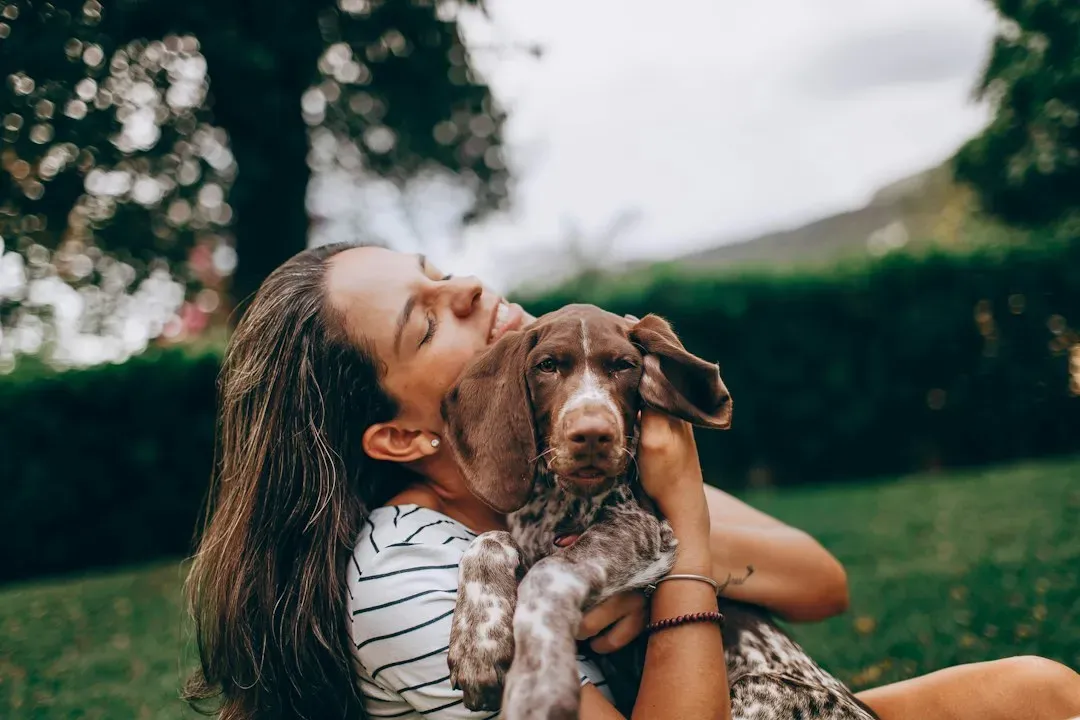
When something scares your dog, it runs to one person.
Fireworks, thunder, a vet visit. In a crisis, watch where your dog goes. Attachment researchers describe this as using a person as a source of comfort when challenged or stressed.
In earlier research, dogs gazed at their owners rather than at strangers in an anxious setting. That fits the idea of a safe haven.
Dogs facing a real fear aren’t picking the nearest person. They pick the one they trust most.
Common safe-haven behaviors:
- Pressing against your legs
- Hiding behind you
- Burying its head in your lap
If your dog chooses someone else when scared, that’s not a failure on your part. It may just be the person who’s most consistently calm around it.
The very last sign is the one that surprised the researchers…

Dog Stairs for Bed 18" H, 4-Step Dog Steps for High Bed
Check Price on AmazonAs an Amazon Associate, we earn from qualifying purchases.
10/9/2026 2:42 pm GMTi

Air Purifiers for Home Pets Large Room Up to 3000 Ft²,HEPA Air Cleaner with Washable Double-Side Filter, PM2.5 Air Quality Monitor,15dB Sleep Mode for Bedroom Odor Dust Pollen,White
Check Price on AmazonAs an Amazon Associate, we earn from qualifying purchases.
10/8/2026 8:23 am GMTi

Professional 7 in 1 Dog Paw Cleaner for Dogs & Cats - Includes 1 Portable Paw Washer, 1 Bath Brush
Check Price on AmazonAs an Amazon Associate, we earn from qualifying purchases.
10/7/2026 1:26 pm GMTi

Glass Hummingbird Feeder for Outdoors Hanging
Check Price on AmazonAs an Amazon Associate, we earn from qualifying purchases.
10/7/2026 1:21 pm GMTi
#1 – It Will Work to Reach You
🔥 Would you like to save this?
We'll email this post to you, so you can come back to it later!
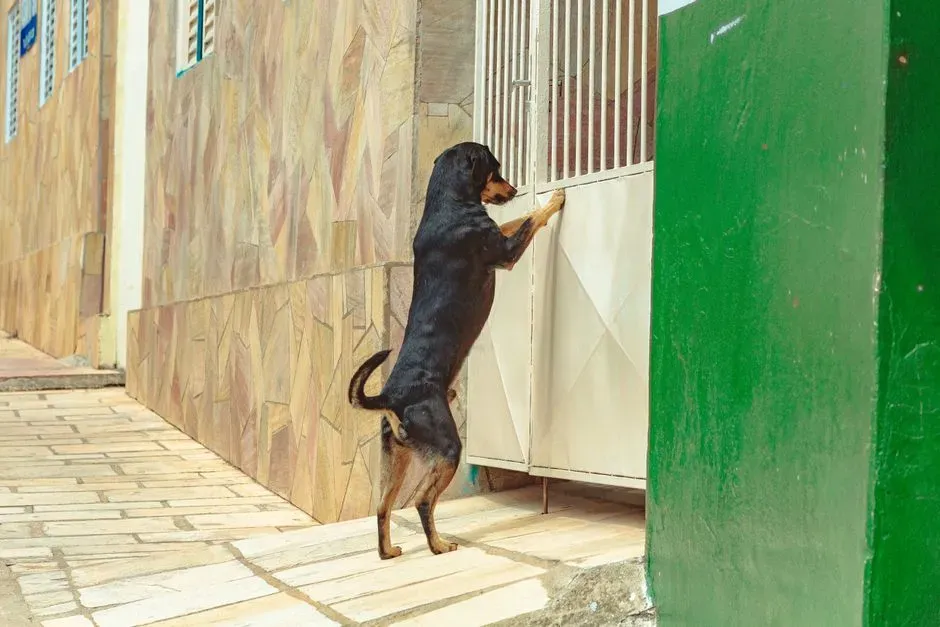
A dog’s willingness to open a door to get to you may be the clearest sign of all.
In a 2018 study, owners pretended to be in distress behind a door. Pet dogs had to open it to reach them.
Not every dog succeeded. The dogs’ own stress levels seemed to shape whether they could actually do it. The researchers suggested that emotional state, not just training, drove the behavior.
That’s a reminder that bonding isn’t the same as competence. A deeply attached dog may care desperately and still freeze.
Worth Knowing
- The setup: owners pretended to be in distress behind a door
- The challenge: pet dogs had to open it to reach them
- The twist: a dog’s own stress level seemed to shape success
- The takeaway: a dog that freezes can still be deeply attached
So don’t test your dog by faking an emergency. Look at the everyday version: Does it come when you call, search for you, and settle down next to you?
That’s the one. The dog that always finds its way back to you has already chosen.
Here’s our opinion: the “dogs only love whoever feeds them” theory deserves to retire. Attachment research shows dogs use favorite people as a secure base, seek them out when scared, and show brain and hormone responses to them that go well beyond food.
The tiny signs, like check-in glances, leaning, scent-seeking, and soft eye contact, say more than the dramatic ones. Not every dog shows them the same way, and breed and personality matter. If you noticed your dog doing even a few of these, you’re probably the person it picked.
Which sign made you realize it, and did your dog surprise you with one we missed?

- 19 Signs a Dog Has Picked Its Person Without Anybody Noticing - November 9, 2026
- 10 Animals With Super Senses Humans Don’t Have - November 9, 2026
- 8 Park Fees That Vanish Once You Turn 62 - November 9, 2026