
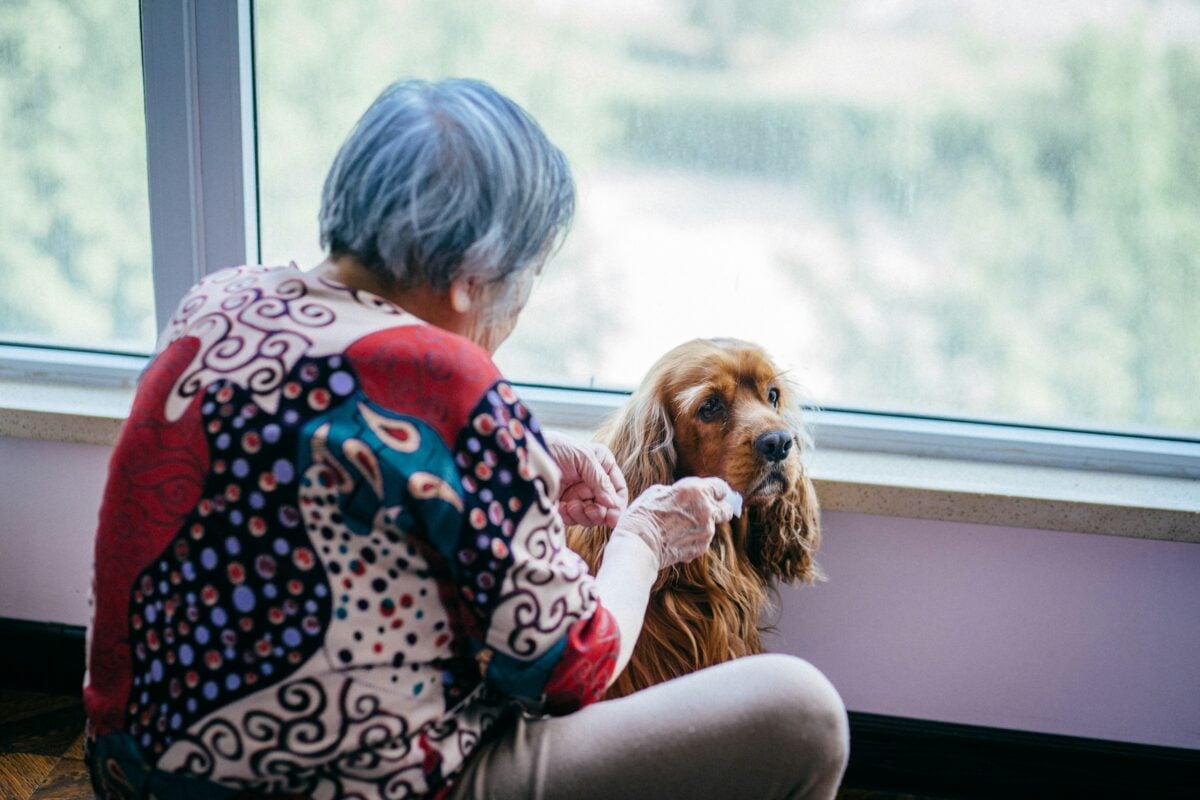
Everyone tells you dogs are loyal to whoever feeds them. Spend a few years with a graying senior dog, though, and you’ll watch that theory fall apart in real time. Somewhere along the way, without any ceremony, your dog quietly picked you – and started proving it in ways almost nobody else ever sees.
These aren’t the big, obvious displays people post online. They’re smaller, stranger, and far more convincing: a certain look, a certain pace, a certain way of collapsing into sleep only when you’re in the room. Keep reading, because once you see these behaviors named, you’ll never unsee them in your own dog again.
#1 – They Save Their Softest Eyes Just for You
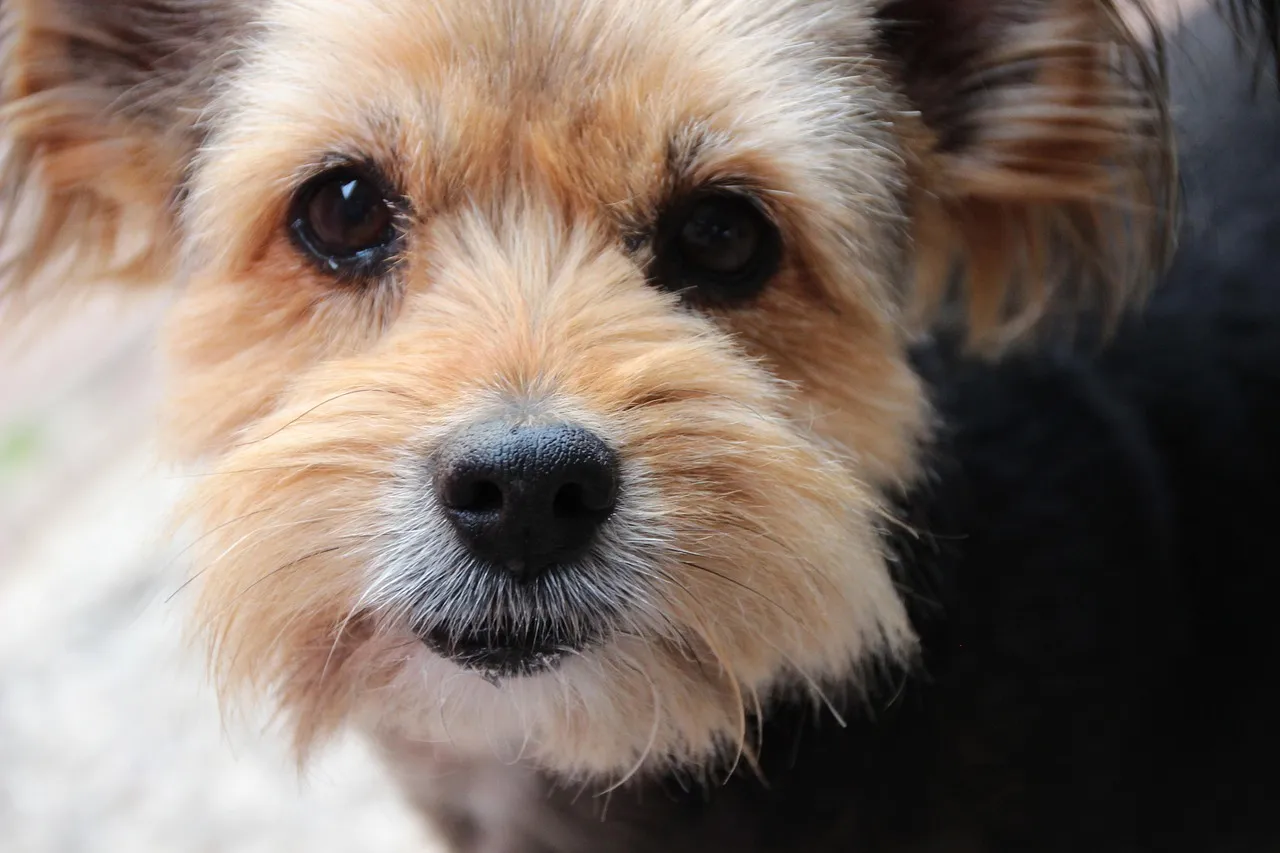
Watch a senior dog’s face when their person walks into the room. It changes – the eyes go half-closed, the forehead smooths out, the jaw goes loose. That’s not sleepiness. Aging dogs often reserve that ultra-soft, melting look for one person only.
With everyone else, they might stay alert or curious. With you, something in them just lets go. You’ll catch it most in quiet moments: on the couch, in bed, or when you’re working and they wander over just to stare. It isn’t begging, it’s a check-in – “Are you okay? I’m okay because you’re here.” Some behaviorists compare it to the same secure-base effect seen in young children with a trusted parent.
#2 – They Match Your Exact Walking Pace, Step for Step
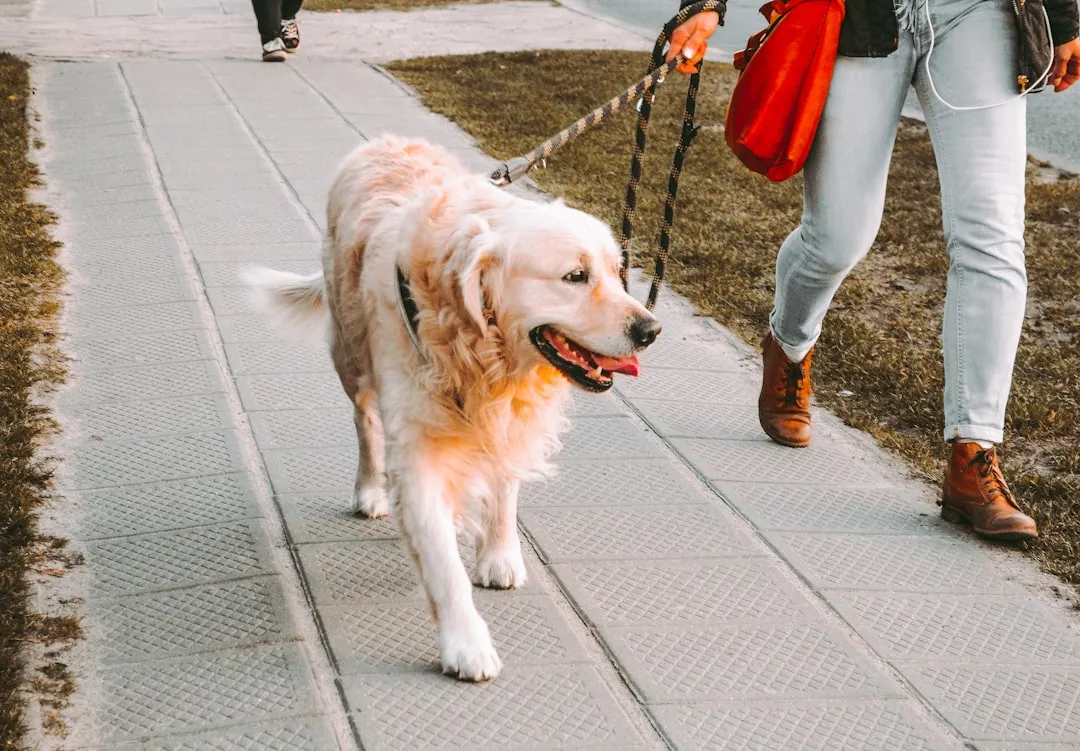
Young dogs drag you down the sidewalk or dart in six directions at once. Old dogs who’ve truly picked their person do something closer to the opposite. They naturally slow down when you’re tired and push a little when they sense you can handle more.
With other people, they might lag, zigzag, or seem checked out. With you, their shoulder lines up with your leg, and they glance up before crossing a street or trying a new path. It’s a quiet kind of co-regulation, your dog organizing its body around yours without being told. Some seniors get so fixed on their one person that they refuse to walk properly with anyone else – which usually leaves the rest of the family a little jealous.
#3 – They Always Claim the Spot Closest to You

Most people assume a dog picks a spot because it’s comfortable. Senior dogs prove that’s only half true. What they’re really chasing is proximity – the exact spot that keeps them closest to their person, even if a softer seat is empty nearby.
Your side of the bed. Your cushion on the couch. The floor beneath your favorite chair. None of it is coincidence. Over years together, your scent and schedule become your dog’s emotional GPS, and with aging joints or fading hearing, feeling safe matters more than feeling soft. Notice how they’ll walk right past an empty lap and then claim yours the second you sit down.
Quick Compare
- With their chosen person: squeezes into the closest, sometimes least comfortable spot just to stay near.
- With other family members: picks based on comfort first, proximity a distant second.
- Home alone: often drifts toward a spot near a door or window instead of the coziest bed in the house.
#4 – They Have a Greeting Ritual Reserved Only for You
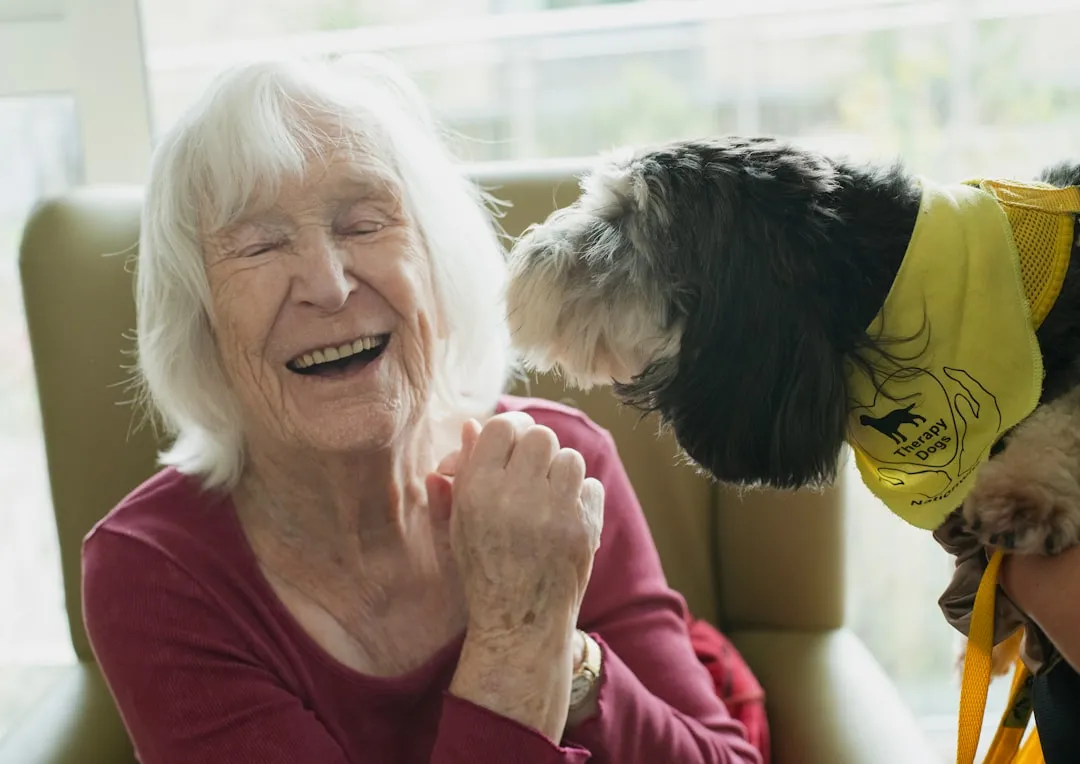
Not every tail wag means the same thing, and dog trainers will tell you that plainly. Many seniors develop one specific greeting style for the single person they’re most attached to – and nobody else gets it.
Maybe it’s a certain spin, a low happy grumble, a gentle nose-bump to your hand, or that slow, whole-body wag that starts at the shoulders and rolls backward. Compare how they greet you to how they greet a guest, often barely lifting their head. For you, they’ll haul their stiff body off the bed and run through the same little routine, in the same order, every single time. It’s practically a password: this is my person, and this is how we say hello.
#5 – They Only “Patrol the House” When You’re Home
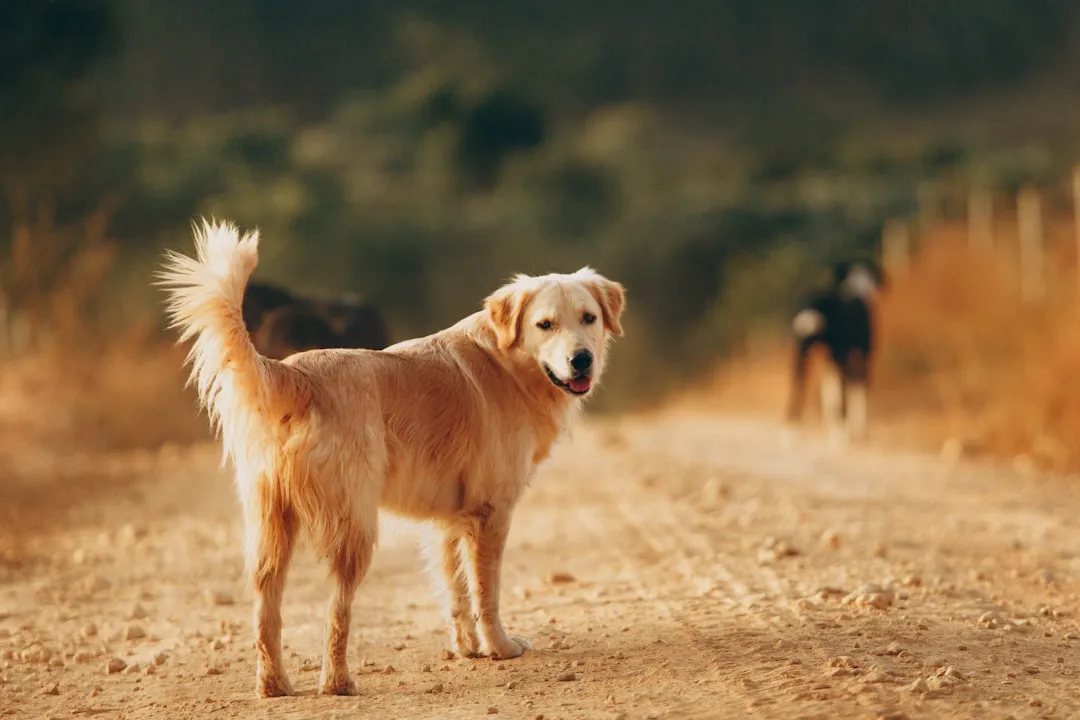
This one splits dog owners every time it comes up online. Some call it guarding, others call it night rounds. Whatever the label, many senior dogs quietly patrol the house only when their chosen person is actually inside it.
Leave the house and they’ll often just sleep the whole time. Come back, and security detail resumes – a slow walk down the hallway, a pause at each doorway, a listen at the front door before circling back to settle in with a little huff, like “all clear.” Some will even reposition where they sleep, near a doorway or at the top of the stairs, based on where they think you’re most exposed. It’s not the whole family they’re guarding. It’s you.
#6 – They’ll Trade Their Own Comfort Just to Stay Near You
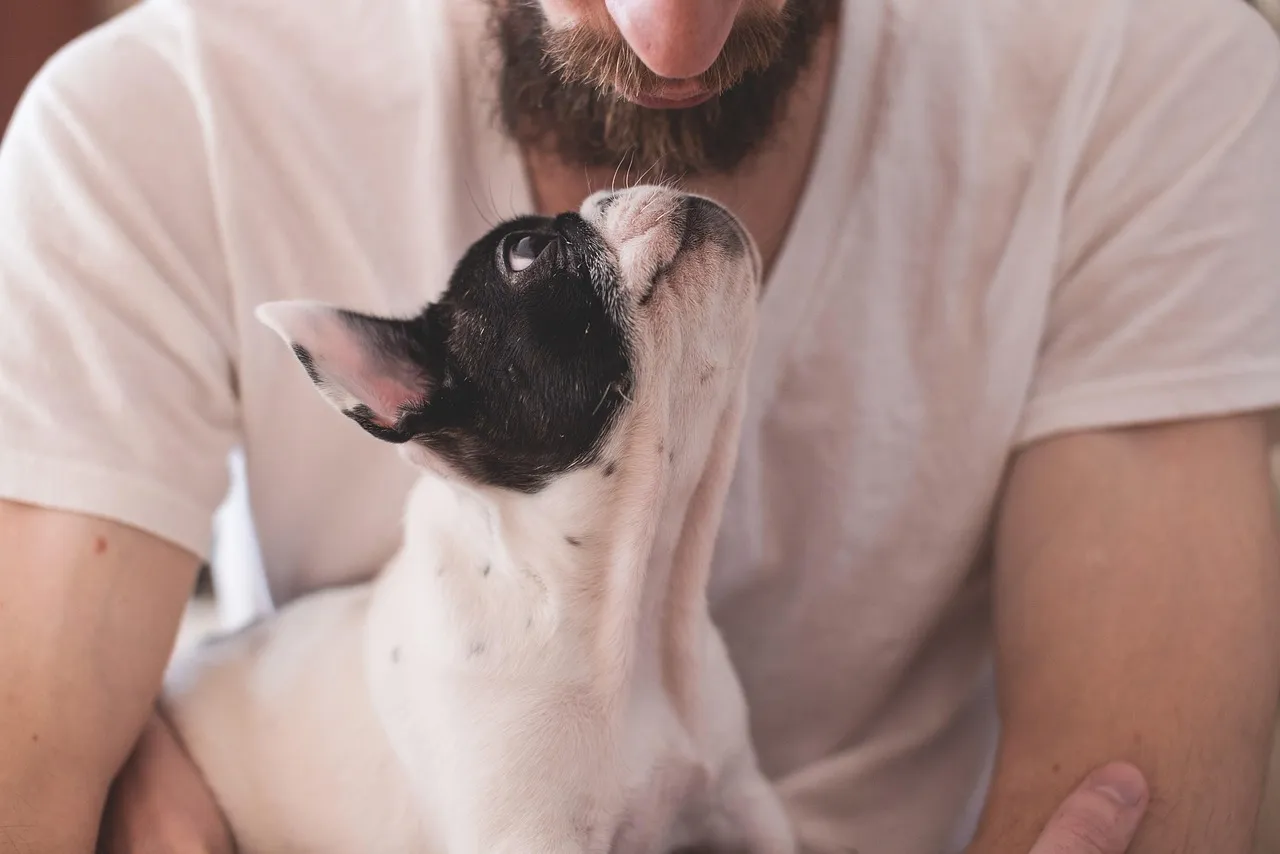
You can tell a lot about who a dog has chosen by what they’re willing to put up with. A hard floor instead of the soft bed in the next room. A crowded corner of the couch instead of open space. Senior dogs routinely sacrifice their own comfort to stay physically close to one specific person.
They still feel the stiffness – they’ve just decided being near you matters more. Watch where they wedge themselves during chores, late-night TV, or a long phone call. Tellingly, that same dog might pick the comfiest spot in the entire house the moment you leave, proof they know exactly what they’re trading off when you’re around.
#7 – They Mirror Your Moods Like a Long-Term Partner
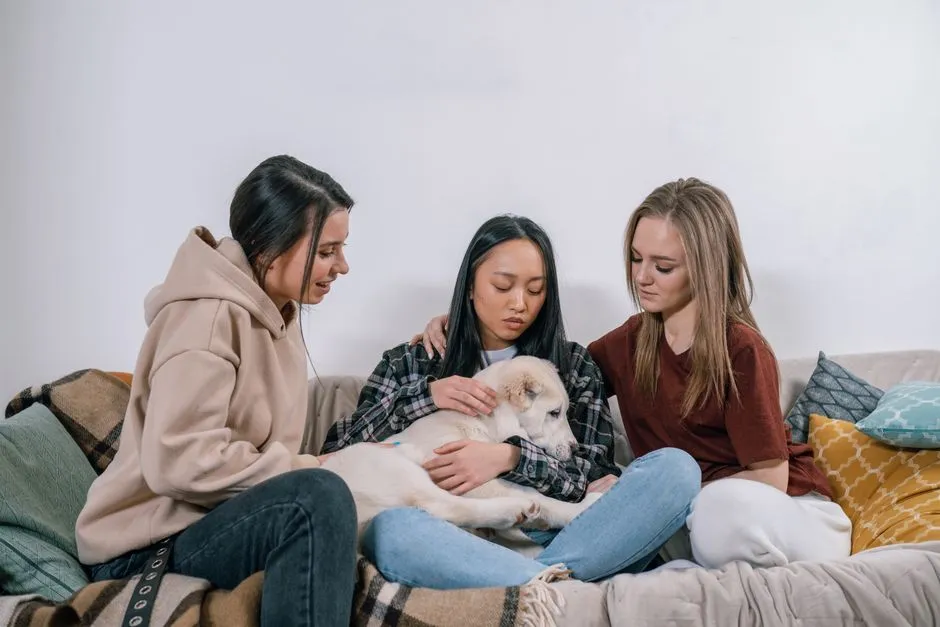
This is where it gets a little unsettling, in the best way. Long-bonded senior dogs don’t just notice your emotions, they sync to them. They become calmer when you’re calm, restless when you’re stressed, and strangely still when you’re sad or unwell – and they do it hardest for the person they’ve chosen.
On the days you can barely function, your dog might curl up quietly and skip the usual demands for a walk. When you’re wound up and talking fast, they might stand, wag harder, or bring you a toy, feeding off your energy instead of asking for their own. It isn’t mystical, it’s years of learning your breathing, your tone, your patterns. Some dogs will even eat less or camp by the door when that one person is simply away for the day.
Worth Knowing
- A hair-cortisol study on dogs and their owners found that the central result was consistent at both sampling points, as owners’ hair cortisol concentrations increased, their dogs’ concentrations tended to increase too.
- That kind of long-term hormone mirroring had previously been found between mothers and their children, rarely between two entirely different species.
- For a senior dog, syncing to your stress or calm isn’t magic – it’s the payoff of years spent reading your breathing, tone, and body language.
#8 – They Follow You From Room to Room and Ignore Everyone Else
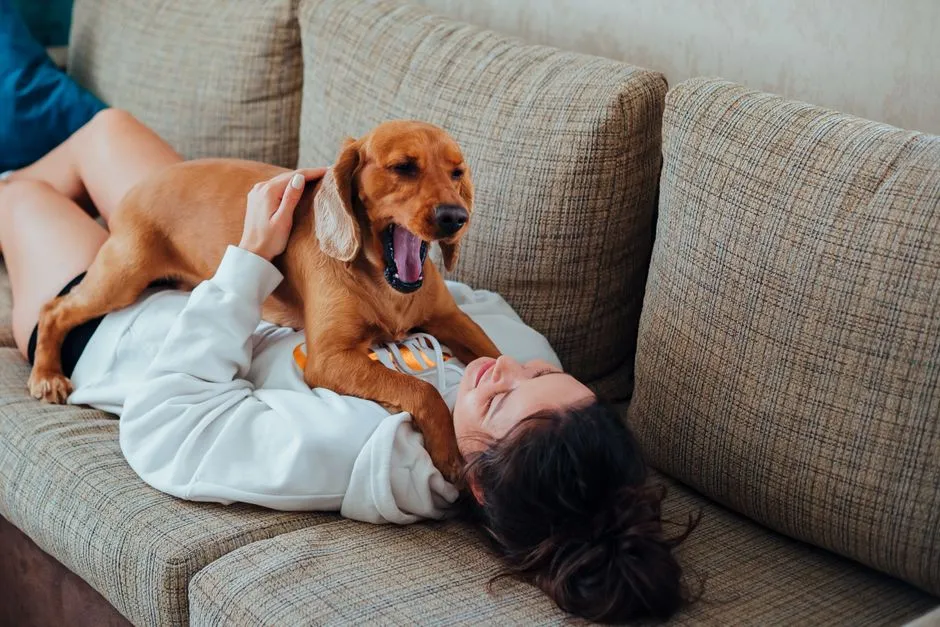
“Velcro dog” gets thrown around a lot, but pay attention to who your senior actually shadows. A dog that’s truly chosen its person will drift after that one human from room to room, even when nothing interesting is happening at all.
Meanwhile, other family members can walk past three times and barely get a glance. You’ll notice it in the tiny transitions: a bathroom trip, a laundry run, a midnight fridge raid. You move, they sigh, they get up, and they reposition so they can see you again. Some older dogs stop following anyone else entirely, saving their limited energy for the one person they’ve decided matters most.
#9 – They’ll Accept Help From You That They Refuse From Everyone Else
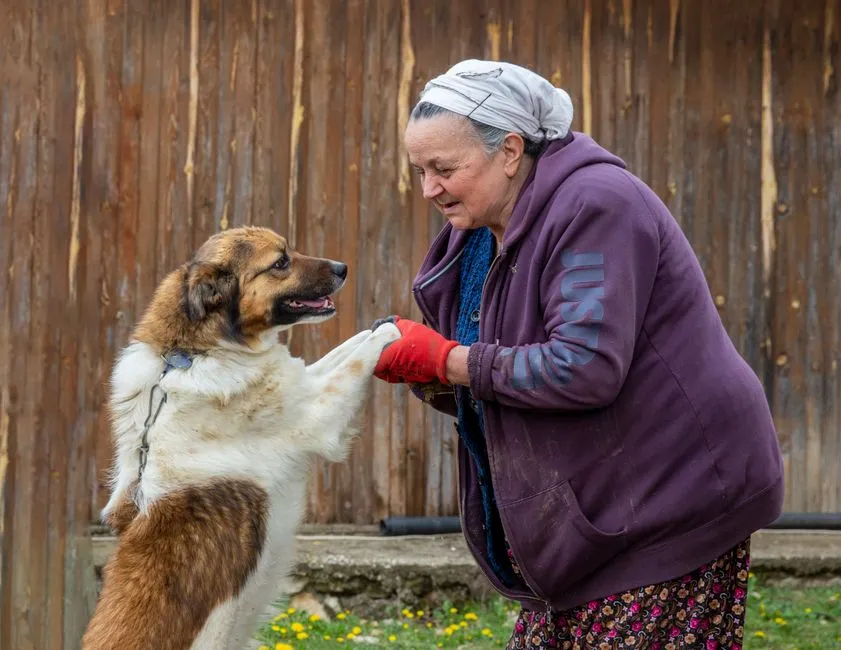
Senior dogs are proud animals. Plenty of them hate being lifted, having their paws touched, or being guided down stairs, unless it’s that one trusted person doing it. When a dog quietly lets you support its hips or carry it down steps but resists everyone else, that’s earned trust, not habit.
You’ll see it clearly at the vet, during grooming, or on a bad joint day: they tense up or pull away from someone else, but lean in and let you take their full weight. That willingness to be vulnerable is enormous for an animal whose body is starting to fail it. Some dogs will even wait for that one person to come home before attempting a hard task, like jumping onto the bed, as if to say, I’ll do this, but only with you here.
#10 – They Only Reach Truly Deep Sleep When You’re Close
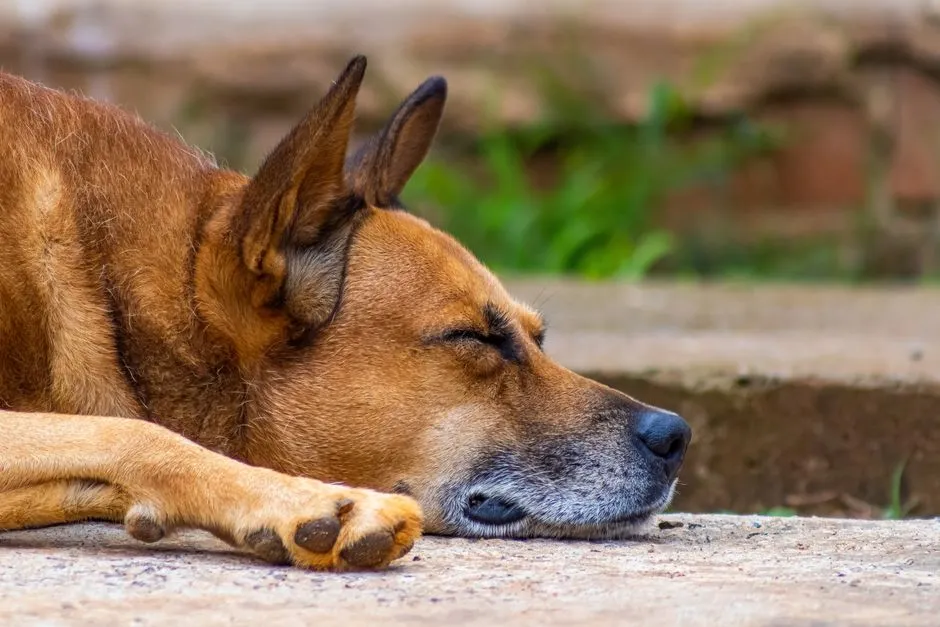
Senior dogs often sleep lightly – age brings aches, anxiety, and more frequent waking through the night. But a lot of them drop into their deepest, most unbothered sleep only when their chosen person is close enough to touch. That’s not just sweet. That’s a nervous system finally standing down.
Watch for the tells: a full-body flop, slower breathing, twitching limbs, a faint snore, a belly left completely exposed. Compare it to how they rest when that person isn’t home – lighter, more easily startled, shorter naps. Some dogs only fully relax once their one person has finally come to bed themselves.
#11 – Your Voice Cuts Through Every Other Sound in the Room
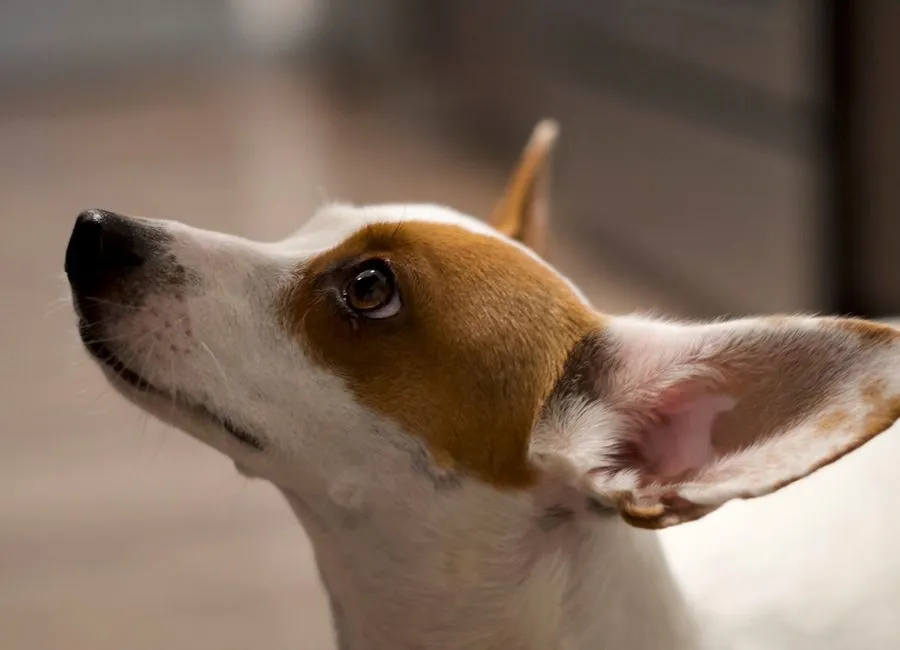
Not all commands land the same. Long-bonded senior dogs build a specific filter over the years. Your tone, your particular phrases, even the way you inhale before you speak, matter more to them than anyone else’s words entirely.
They’ll ignore a generic call from a stranger and then respond instantly to the same cue from you. Often it isn’t even a formal command, just something soft and familiar like “c’mon, old man” or “you ready, baby girl?” That’s when the ears perk and the tail thumps. To someone else, that selective hearing looks like stubbornness. It’s actually loyalty with a lock on it.
Dogs do speak, but only to those who know how to listen.
Orhan Pamuk
#12 – They Save Their Favorite Old Toy for Only One Person
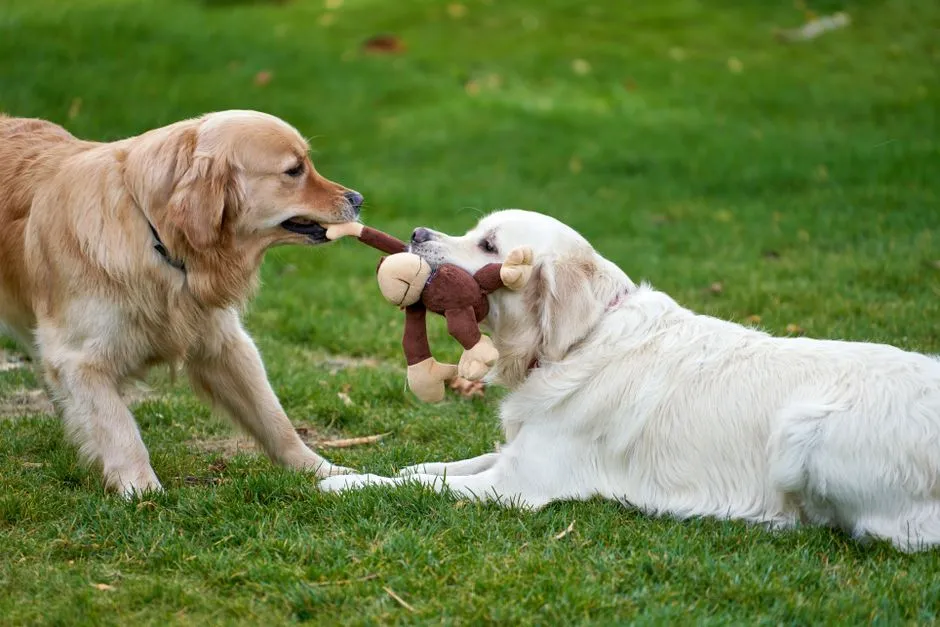
Most senior dogs slowly lose interest in toys, except for one battered favorite that somehow never gets retired. They’ll often present that last special toy to only the person they’ve truly chosen – not the kids, not visitors, just you.
It rarely looks like a full game of fetch anymore. More often it’s a gentle nudge of a stuffed animal onto your lap, a quiet carry-over so they can hold it while leaning against you, or an old ball dropped at your feet with a hopeful look. That toy carries their whole history, and some dogs even stash it beside your chair while you’re gone, like a stand-in for the real thing.
#13 – They Interrupt Your Worst Habits Without Being Asked
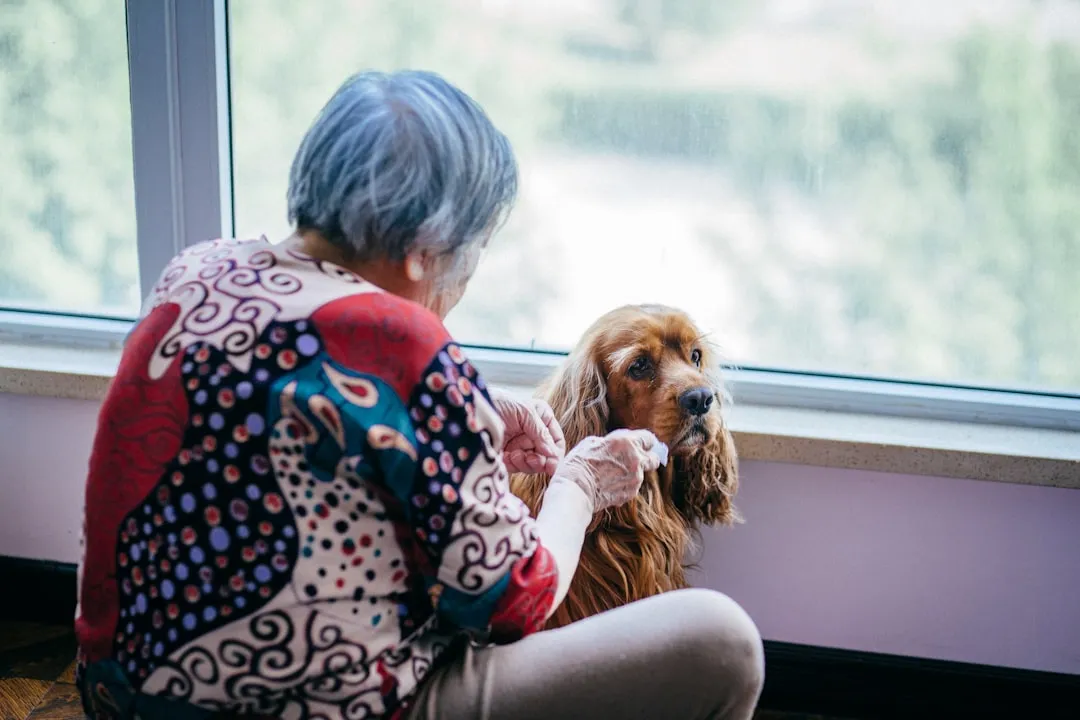
This is where senior dogs quietly outperform most humans at self-care. Without any training for it, many older dogs will nudge, paw, or flatly stare down the one person they love when that person has been doom-scrolling, overworking, or spiraling for too long – and only for that person.
Maybe they shove their head under your hand mid-scroll, forcing you to pet them instead of reading one more headline. Maybe they bring you the leash right as you’re talking yourself out of a walk. It’s part routine, part emotional radar, and owners describe this dog as “the only one who can pull me out of it” more often than you’d think.
Fast Facts
- Nudging, pawing, or leaning into a screen are classic “redirect the human” behaviors dogs use when someone seems withdrawn or upset.
- Owners often notice this instinct sharpening with age, not fading, as senior dogs grow more tuned in to daily routines.
- It usually targets one specific pattern – scrolling, crying, overworking – rather than showing up at random moments.
#14 – They Make a Sound They Save Only for Your Touch
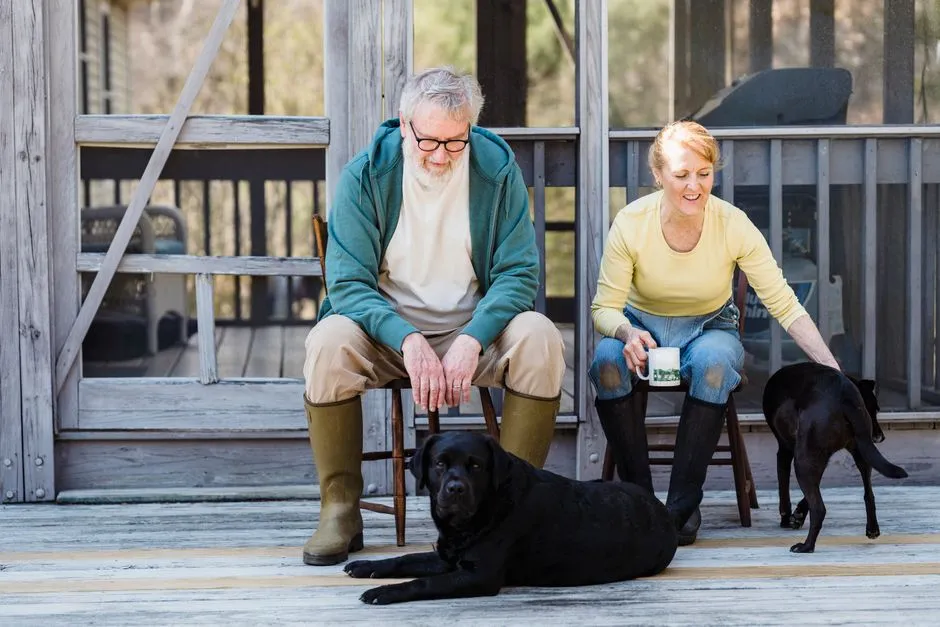
Petting an old dog is its own language. Find the right spot – behind the ear, along a stiff hip, under the collar – and many senior dogs will make a face or sound they simply don’t show anyone else. A slow exhale. A loosened jaw. A soft groan that sounds suspiciously like relief.
This isn’t just physical comfort, it’s confidence built over years of you actually noticing their small flinches. By now, your dog will lean their body into your hand, guiding you toward the sore spot they need pressed. Some seniors get downright defensive if a stranger touches the same tender area. With you, the same motion is medicine.
#15 – They Drop the “Tough Dog” Act Only When It’s Just the Two of You
Older dogs are surprisingly good at hiding pain or fear around unfamiliar people. But the dog that’s truly chosen you will often let that mask slip the moment you’re alone together.
To outsiders, your dog looks stoic. To you, they suddenly seem clingy or fragile, and that contrast is the whole point. Animals don’t advertise weakness by instinct, so letting you see the vulnerable version of them is a brutal kind of compliment. Plenty of owners notice their dog only ever “falls apart” emotionally in their presence, shaking through thunder while acting completely fine around everyone else.
#16 – They Wait for You Before Eating or Settling In for the Night
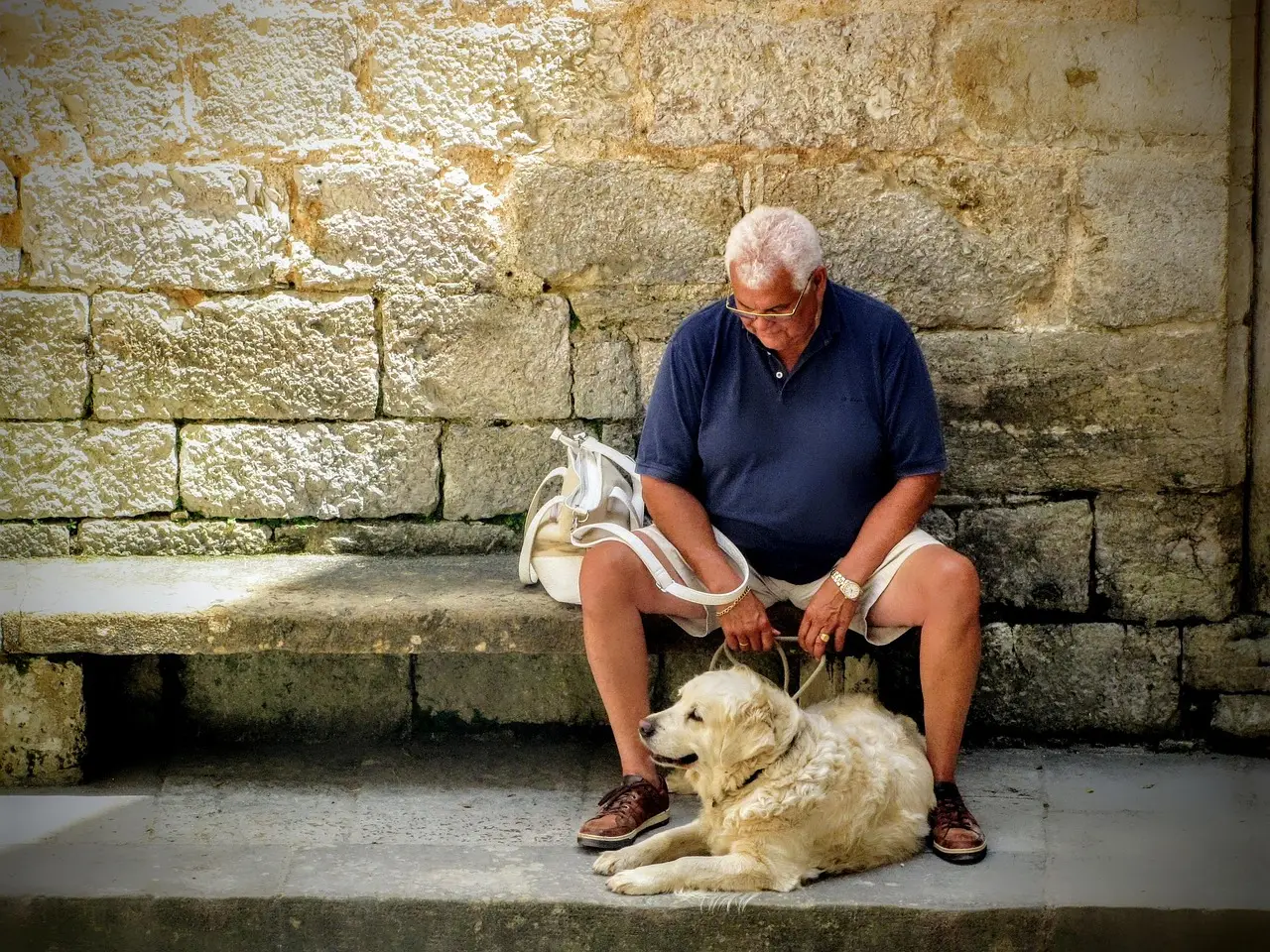
Some people call this separation anxiety. Long-time owners call it something quieter, ritualized waiting. A senior dog who’s chosen you will often delay eating or heading to their nighttime spot until you’ve physically joined the scene.
The food bowl sits untouched until you walk into the kitchen. Or they linger in the hallway, eyes flicking between you and the bedroom, refusing to settle until you move first. It’s not that they can’t do it alone, it’s that they’d rather not, and in most homes there’s exactly one person who acts as that internal clock.
#17 – They Forgive You Faster Than They Forgive Anyone Else
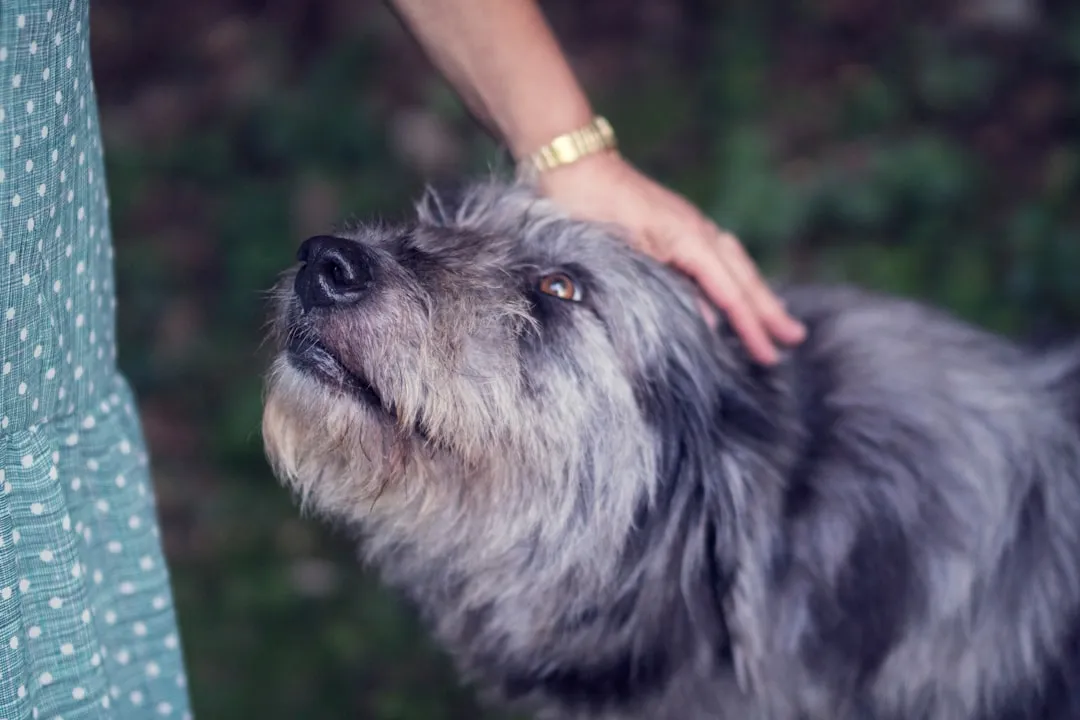
Here’s something people don’t love admitting: everyone slips up with their dog occasionally. A raised voice. A rushed walk. A vet visit that ends in pain. But the senior dog who’s chosen you will rebuild trust with you far faster than with anyone else involved.
Watch who they approach first after something frightening – nail trims, thunder, a bad fall. It’s usually the same person who was right there for it. Some seniors will actively avoid a specific person who once scared or hurt them, while still coming straight back to you, even if you were part of the same incident. You’re simply the safest bad day they know how to have.
At a Glance
- Fastest to re-approach after something scary: the one person they trust most.
- Slowest to warm back up: someone linked to a bad memory, even by accident.
- The deciding factor isn’t who caused the stress – it’s who showed up right after.
#18 – They Check on You at the Strangest, Quietest Hours
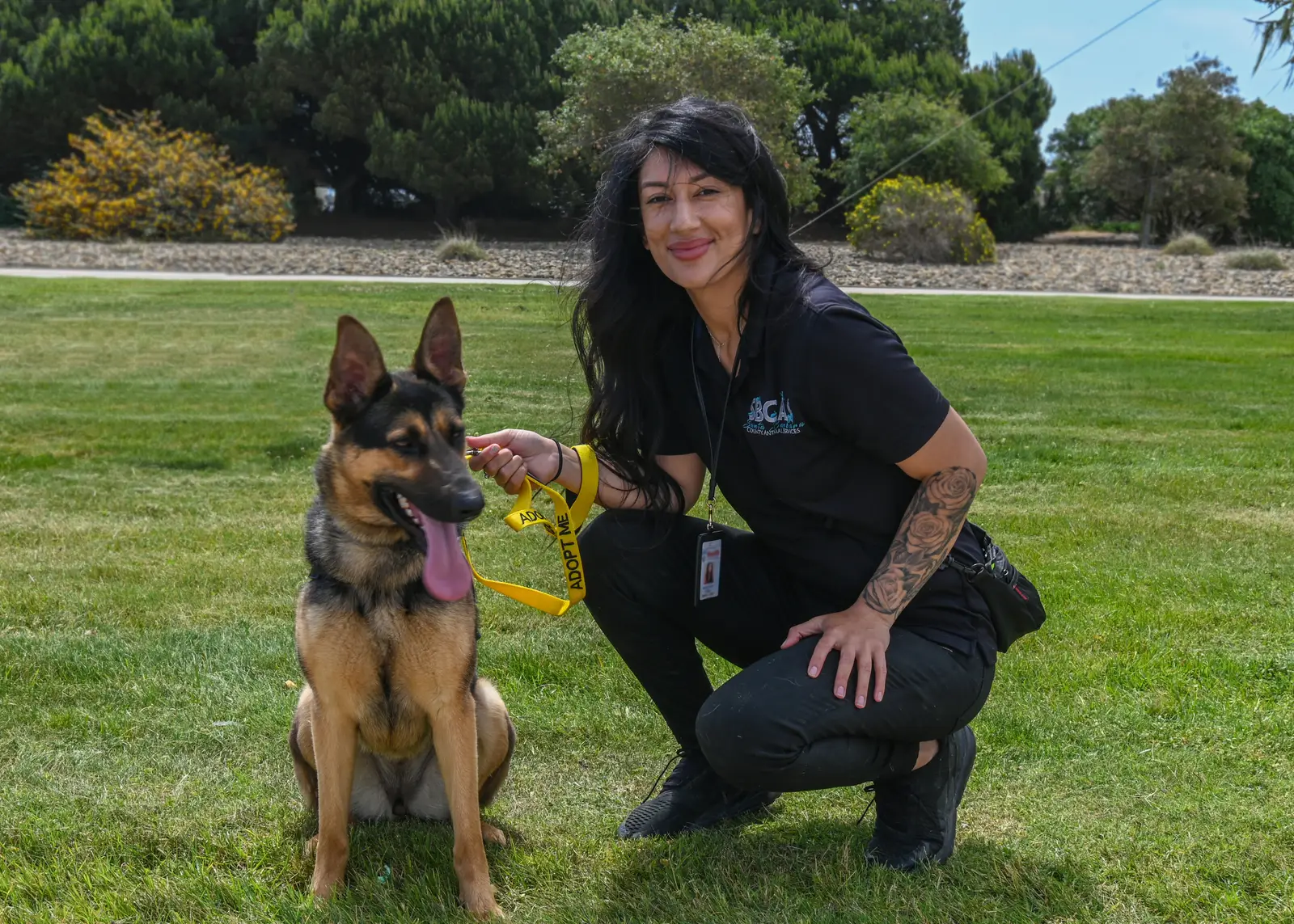
Anyone who’s loved an old dog will tell you the most telling moments aren’t the big greetings. They’re the silent, random check-ins – a 2 a.m. pause in the doorway just to look at you, an early-morning nudge with no follow-up request.
These aren’t food requests or trained responses. They’re emotional roll calls. As a senior dog’s senses start to fade, the need to confirm you’re still there seems to get sharper, not weaker. Many owners notice this increasing in a dog’s final years, a deliberate stare, then a quiet return to bed, like they’re taking a mental snapshot.
#19 – At the End, They Spend Their Last Energy Just Being Near You
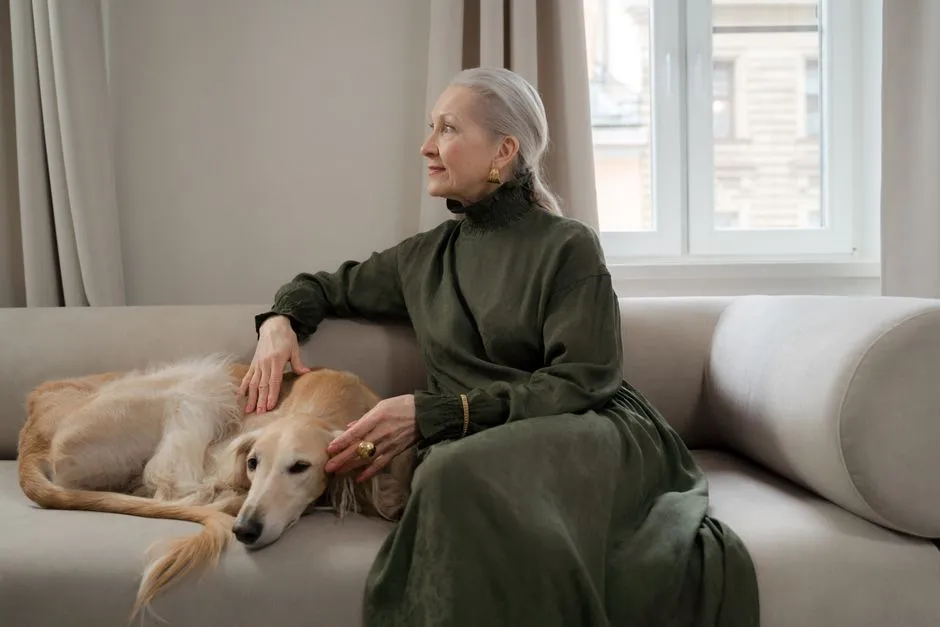
This is the part most people won’t say out loud but never forget. Near the very end, whether that’s days, hours, or one long slow season, a senior dog who has truly chosen someone will spend whatever energy remains simply staying close. Not playing. Not exploring. Just existing within reach.
You’ll see it when they struggle to stand and still shuffle to the room where you are. When a quieter spot is available but they choose the one where your hand can still reach their fur. The walks shrink, the games stop, but proximity to you becomes non-negotiable, because they’re finishing the exact same job they started as a puppy: be with you.
The Bottom Line
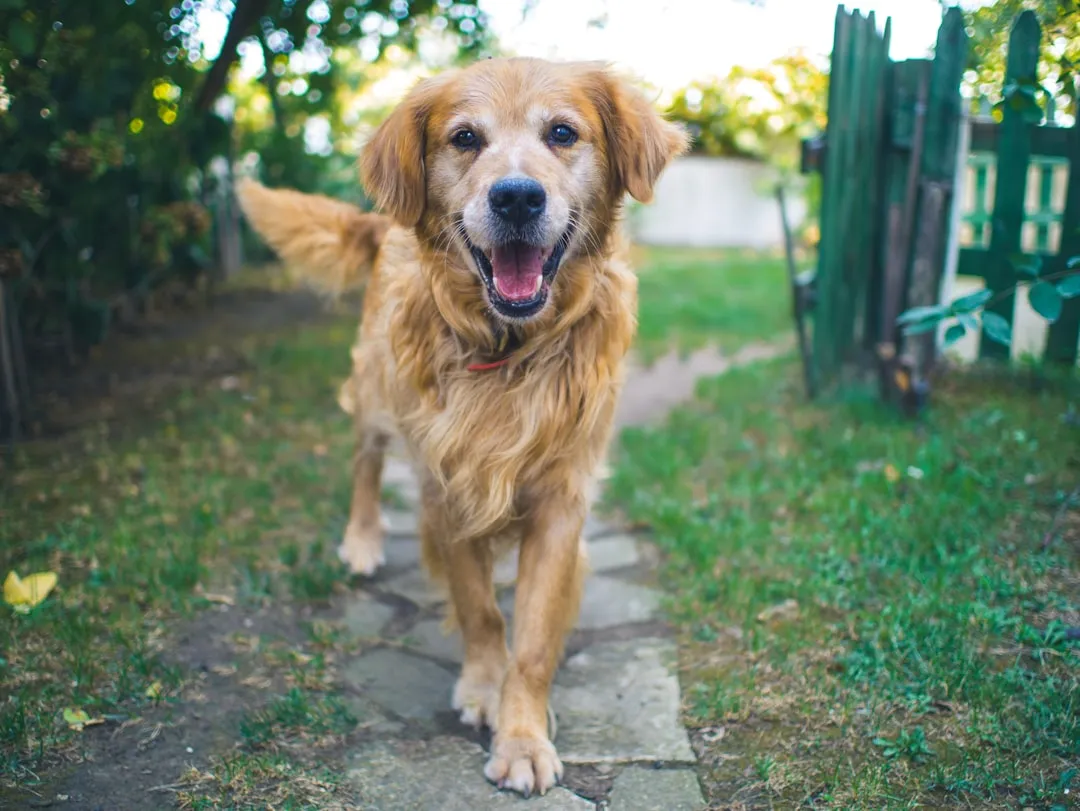
Senior dogs don’t write speeches or post tributes. They show loyalty in microscopic choices instead – where they lie down, whose voice cuts through the noise, who gets to see them scared, and who gets the last of their strength when there isn’t much left.
The one person a senior dog truly chooses gets the softest eyes, the deepest sleep, the most honest fear, and eventually every ounce of energy they have left, spent just to stay close. We like to tell ourselves dogs love everybody the same. Older dogs quietly, stubbornly prove otherwise, one tiny ritual at a time, until an entire lifetime of loyalty is built on choices nobody else even noticed.
If you’re the person your dog picked, that’s not a small thing to be handed. The only real question left is whether you’re loving them back with the same kind of attention they’ve been paying you the whole time.

- 19 Tender Things a Senior Dog Does Only for the One Person It Has Truly Chosen - August 11, 2026
- 19 Gentle Signs an Ageing Cat Is Beginning to Say Goodbye That Most Owners Only Understand Later - August 11, 2026
- What Boarding Kennel Staff Learn About a Dog in Ten Minutes 16 Things Owners Never Hear - August 11, 2026