
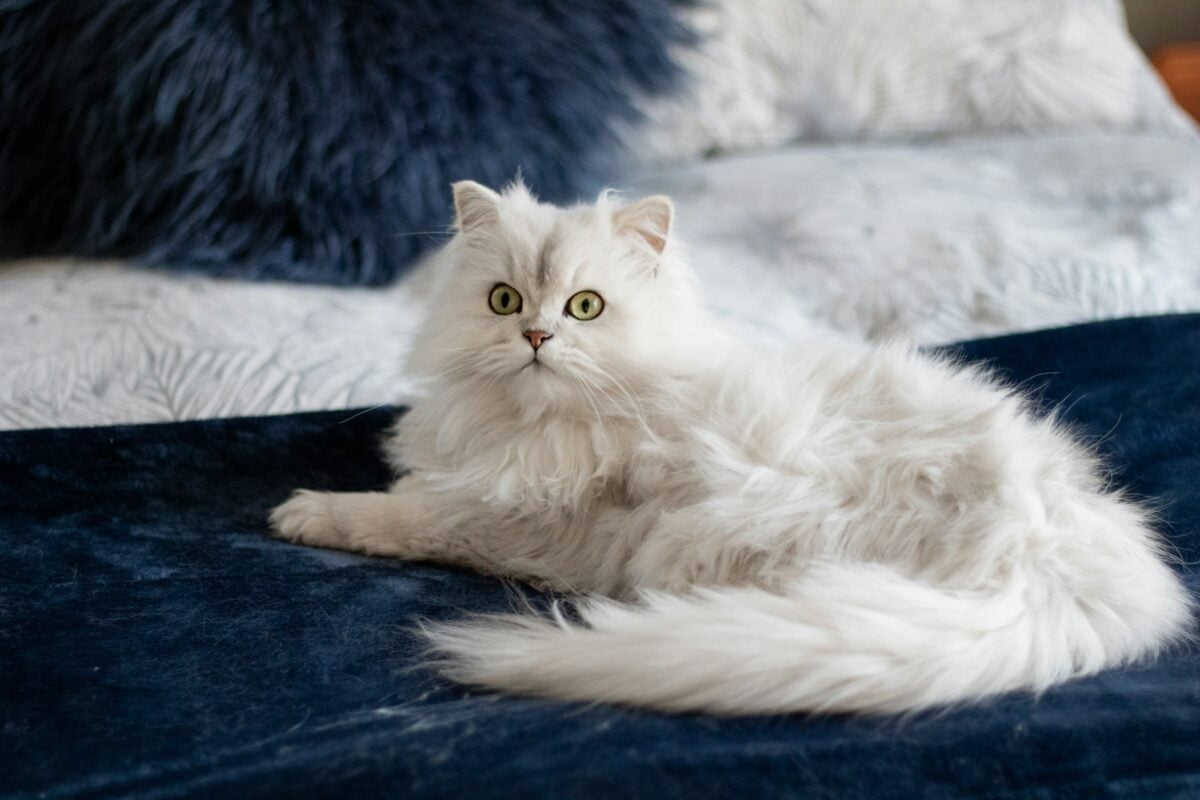
Every breed guide sells the Persian the same way: a sweet, sleepy, fluffy cat that asks for nothing but a warm lap. Owners will tell you the fairy tale ends fast. The gentle, quiet cat is real, but so is the daily routine hiding behind it.
Most people find out after the first mat, the first tear-stained cheek or the first surprise vet bill. Here is what experienced Persian owners actually learn, and what the glossy guides leave out. Some of it is practical, some of it is uncomfortable, and the point waiting at #1 changes how you see the whole breed.
#19 – The Coat Is a Daily Job, Not a Weekly One
🔥 Would you like to save this?
We'll email this post to you, so you can come back to it later!
Most guides say “brush regularly,” which is dangerously vague.
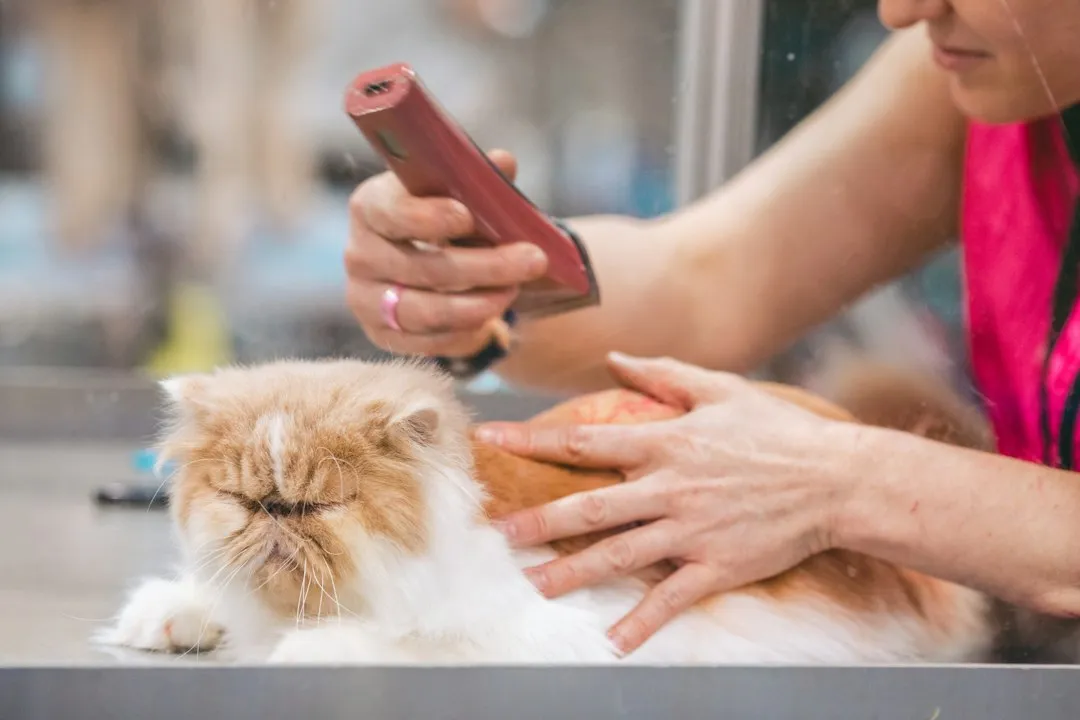
Persians have long, dense hair over a thick undercoat. That combination tangles fast and holds knots close to the skin. A quick brush over the top layer can look great while mats quietly form underneath.
Experienced owners comb every single day. They work down to the skin, section by section, instead of skimming the surface. A coat that looks perfect from above can still be matted at the roots.
The usual trouble spots deserve a check every session:
- Behind the ears
- Under the armpits
- Along the belly
- The “britches” on the back legs
But the tool in your hand matters even more than the schedule, as #18 shows.
#18 – Your Comb Matters More Than Your Brush
🔥 Would you like to save this?
We'll email this post to you, so you can come back to it later!
The brush in most starter kits is quietly the wrong tool.
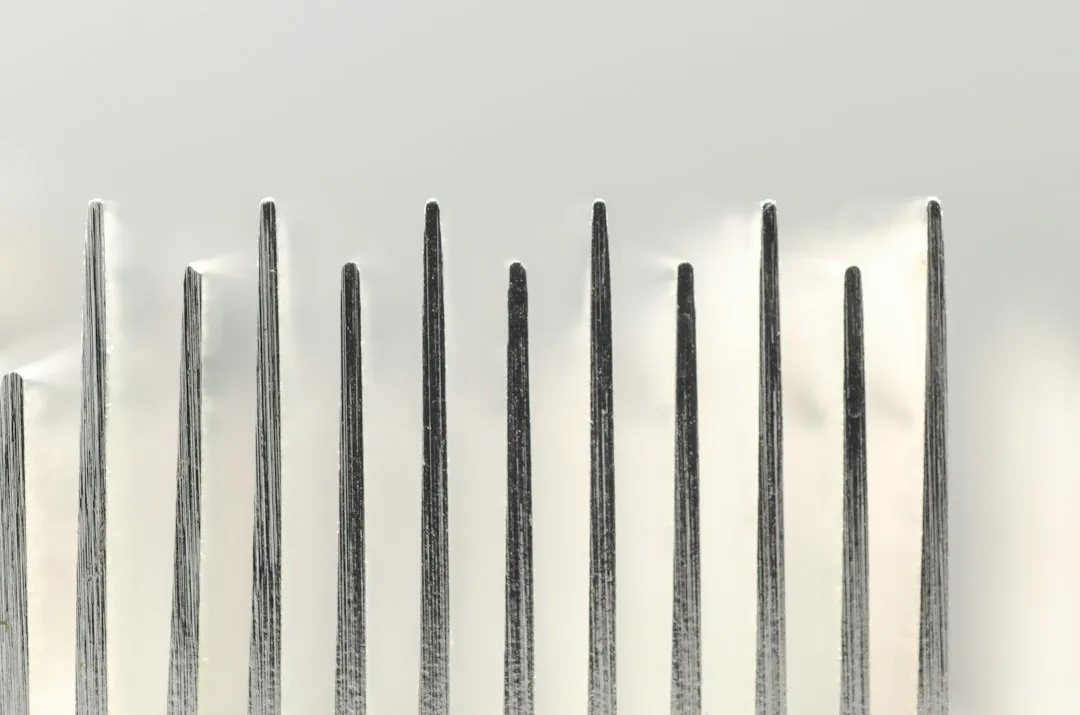
A soft slicker or bristle brush glides across the top coat and misses the undercoat entirely. Many experienced owners and groomers rely on a stainless-steel comb for the real work. They start with wide teeth, then move to finer ones.
The test is simple. If the comb drags or snags, there is a tangle somewhere. If a comb can’t pass cleanly from skin to tip, the coat isn’t actually groomed.
Never yank through a knot. Hold the hair at its base so the pull doesn’t land on the skin, then tease the tangle apart gently. Small mats can often be worked loose.
Tight mats near the skin are better left to a groomer or vet. Persian skin is thin and easy to nick with scissors.
Quick Compare
- Soft brush: Smooths the top coat and feels quick, but it can leave the undercoat untouched.
- Wide-tooth steel comb: Opens up the bulk of the coat and flags tangles by snagging.
- Fine-tooth steel comb: The finishing pass that confirms the coat is tangle-free from skin to tip.
There is another grooming problem that almost never gets discussed, and it’s waiting in #17.
#17 – The Litter Box Is Part of Grooming
🔥 Would you like to save this?
We'll email this post to you, so you can come back to it later!
Nobody warns you that a Persian’s back end needs its own maintenance plan.
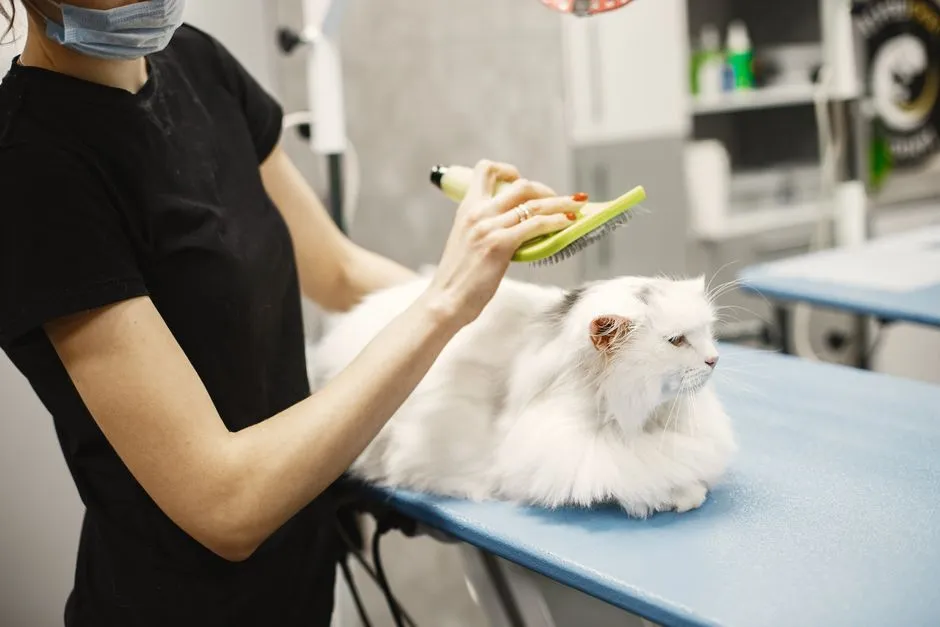
Long hair around the rear can catch litter and waste. Owners usually learn this the unpleasant way, by finding soiled clumps stuck in the coat. Left alone, it irritates the skin and mats the fur even more.
Many owners ask a groomer or vet to show them a sanitary trim, which shortens the hair around the rear and under the tail. It’s one of the most practical tricks in Persian ownership, and almost no breed guide covers it.
Litter choice matters too. Owners commonly report better results with soft, fine-grain, low-dust litters. Large, hard pellets tend to cling to long fur and paws, and dust can irritate a flat-faced cat’s eyes and nose.
The same flat anatomy behind the litter trouble shows up on the face too, as #16 explains.
#16 – Those Tear Stains Are Anatomy, Not Dirt
🔥 Would you like to save this?
We'll email this post to you, so you can come back to it later!
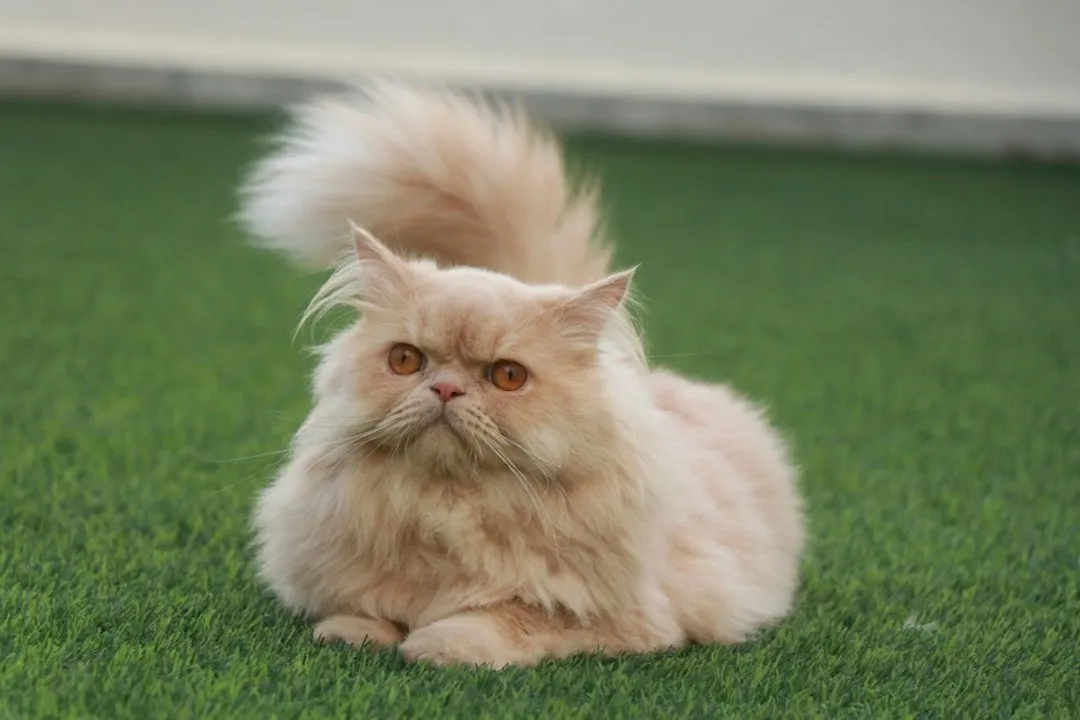
The reddish-brown streaks under the eyes are not a sign of neglect.
The Persian face is flat, and the drainage ducts that carry tears away from the eyes can be narrow or poorly aligned. Tears spill onto the fur instead of draining away. Many owners are stunned to learn this is built into the face shape.
Tear fluid contains pigments called porphyrins. When they sit on fur and meet air and light, they darken into rusty streaks. So the stain is chemistry, not just grime.
Most owners wipe the eye area daily with a soft, damp cloth or a vet-approved wipe. Dry fur stains less, and moisture trapped in the facial folds can irritate the skin.
One caution: a sudden change in discharge, color or squinting is not routine staining and needs a vet. Now, about feeding that flat face, #15 holds a surprise.
#15 – The Bowl You Bought Is Probably Wrong
🔥 Would you like to save this?
We'll email this post to you, so you can come back to it later!
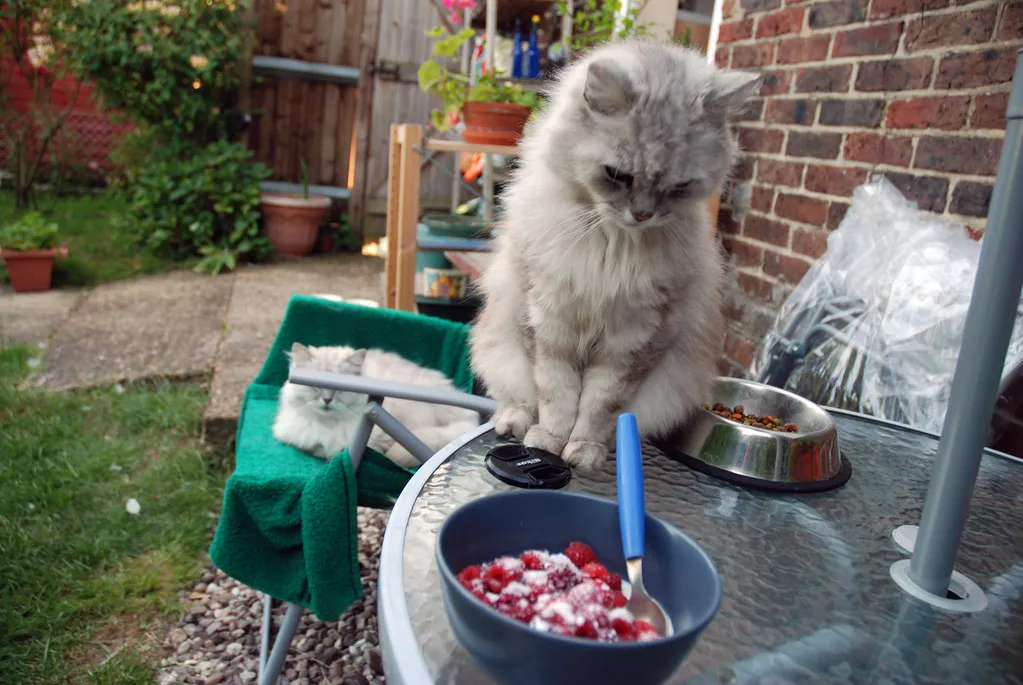
A deep bowl can quietly turn mealtime into a struggle for a flat-faced cat.
Persians have a short muzzle and a shortened jaw, so some cats struggle to pick up food from a deep or narrow dish. Whiskers press against the sides, and the face ends up smeared with dinner.
Many owners switch to wide, shallow dishes or flat plates. Some find certain kibble shapes easier to grab than others, and some cats do better with pâté. For a flat-faced cat, food shape can matter as much as food brand.
Clean the face after meals, because leftover food in the facial folds can irritate the skin. Wash the bowl daily too. Stale residue and a flat face are a poor combination.
But feeding is easy compared with the next problem, which gets worse every summer.
#14 – Persians Handle Heat Worse Than You Think
🔥 Would you like to save this?
We'll email this post to you, so you can come back to it later!
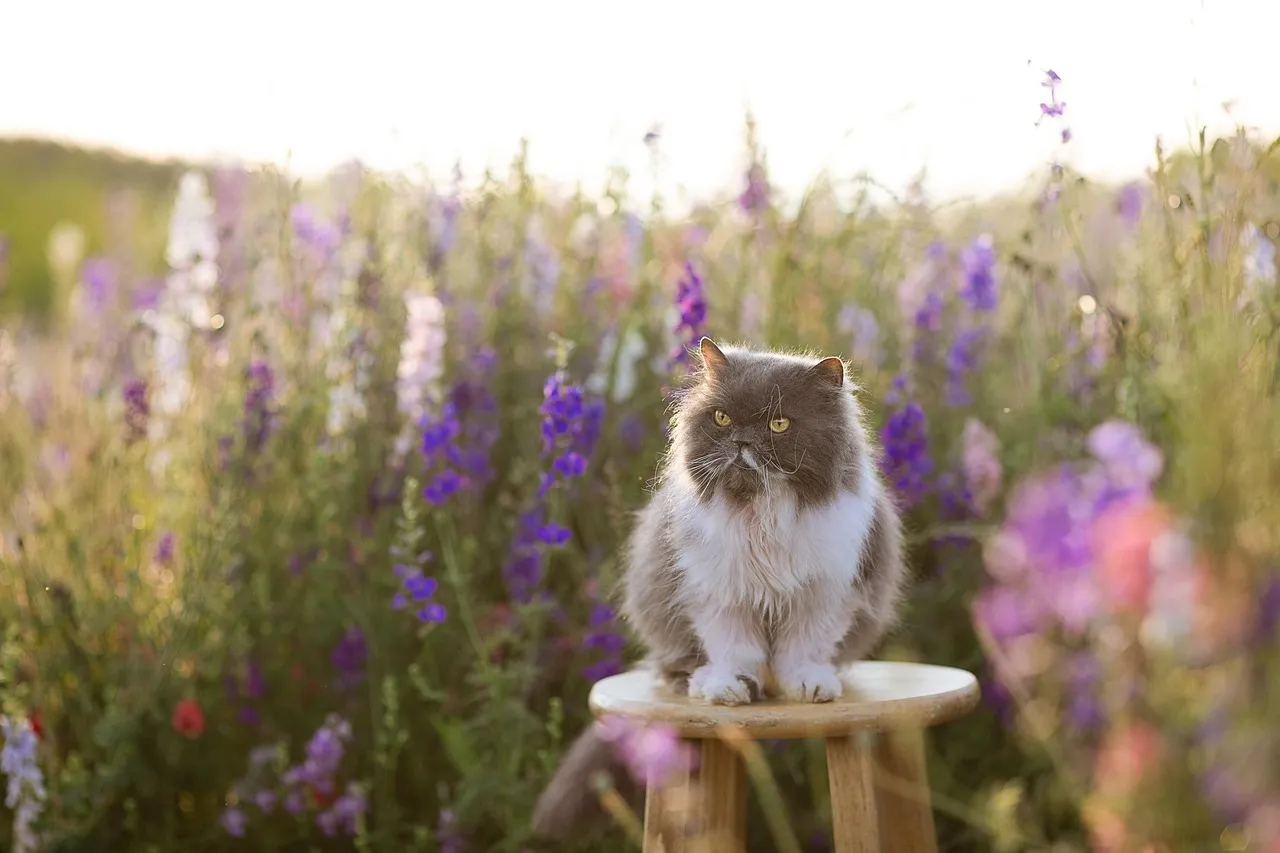
That luxurious coat turns into an insulation problem in warm weather.
A thick coat holds heat, and a flat face is less efficient at moving air. Brachycephalic breeds, which include Persians, are generally considered more vulnerable to heat stress than cats with longer noses. Many owners underestimate this until a hot day goes badly.
Open-mouth breathing, rapid panting, drooling or lethargy in a cat is an emergency. Cats rarely pant, so panting itself is a red flag.
Experienced owners prepare long before the first heat wave:
- Keep the home cool and well ventilated
- Provide cool floor spots and fresh water
- Avoid hot, parked or poorly ventilated spaces
- Keep the coat well groomed so air can circulate
Some owners respond to heat in a drastic way, and #13 is where the arguments start.
#13 – The “Lion Cut” Debate Divides Owners
🔥 Would you like to save this?
We'll email this post to you, so you can come back to it later!
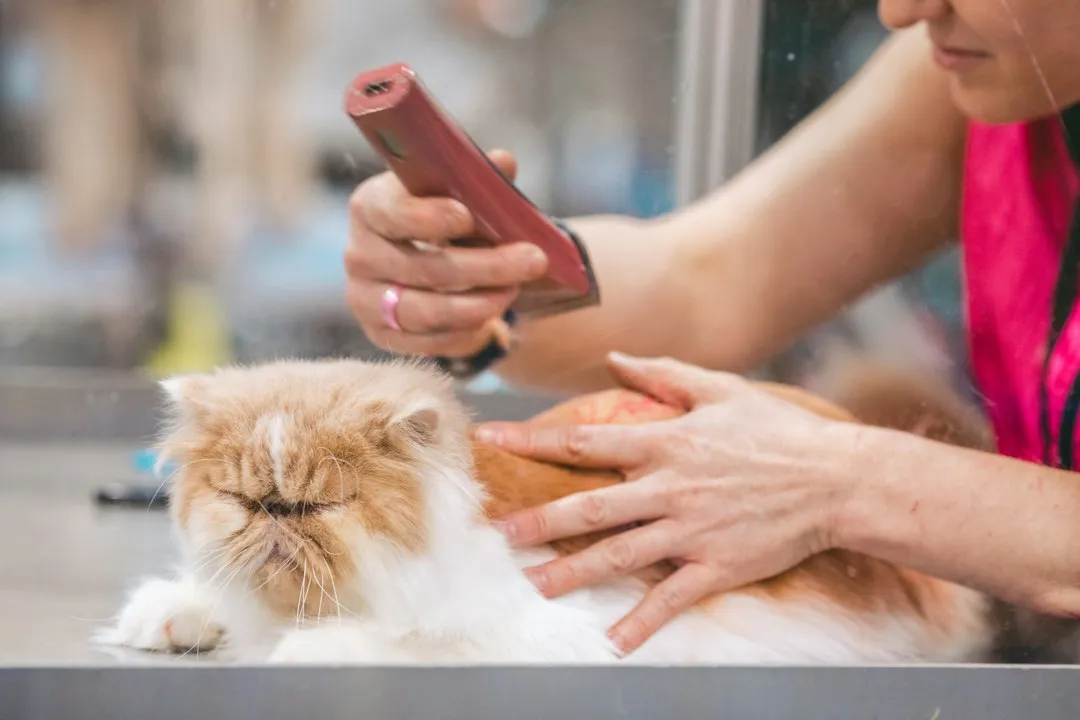
Shaving a Persian is either an act of mercy or a shortcut, depending on who you ask.
Supporters say a full clip is kinder than a severely matted coat, and in some cases it clearly is. Severe mats pull on the skin, trap moisture and can hide sores.
Critics argue that regular clipping lets owners skip the daily grooming this breed demands. Many groomers say a cat clipped because of neglect is a symptom, not a solution.
There is one more point most guides skip. Clipping often means handling, noise and stress, and sedation carries added risk in a flat-faced breed.
Owners who choose a cut usually book a groomer experienced with cats and talk to their vet first. Reports of how the coat grows back vary, so treat any promise about texture with caution.
But the biggest argument in the Persian world isn’t about coats at all. It’s about faces, and #12 gets personal.
#12 – Not Every Persian Face Is the Same
🔥 Would you like to save this?
We'll email this post to you, so you can come back to it later!
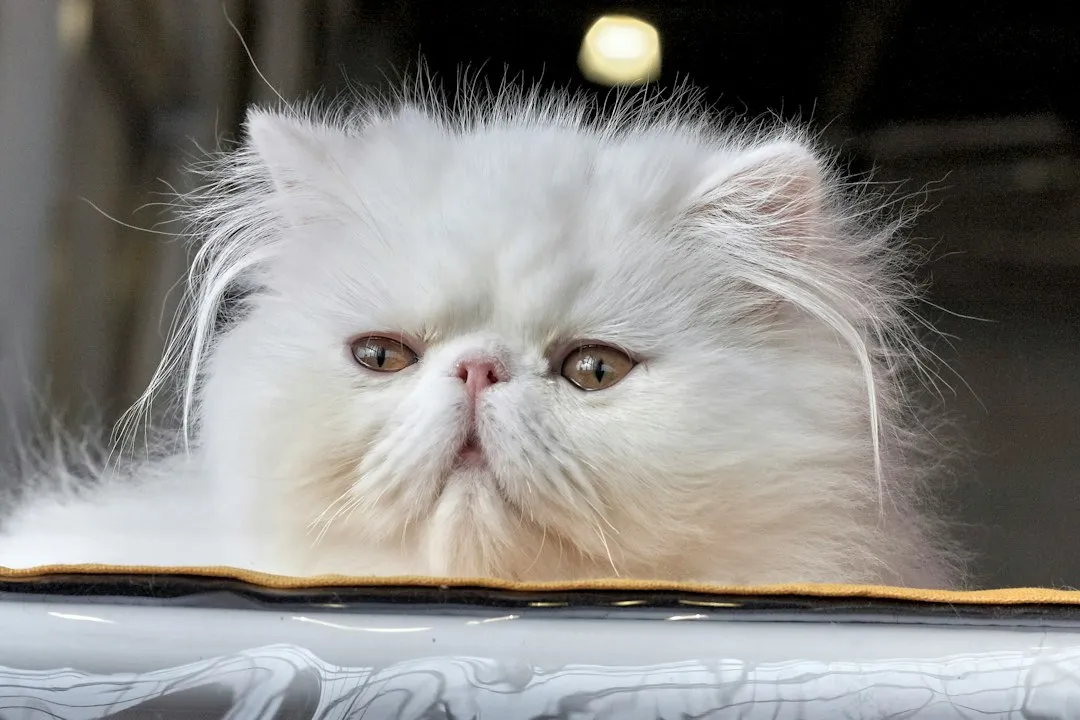
The “flat face” is actually a spectrum, and where a cat sits on it matters.
Traditional-type Persians have a longer, more open face with a visible muzzle. Extreme-type cats have a very short nose and a high nose leather, sometimes called “peke-faced.” Both are sold under the same breed name.
The shorter the face, the greater the likelihood of breathing, eye and dental trouble. Veterinary groups focused on brachycephalic health have long raised concerns about extreme facial shortening.
Opinions here run strong, and fairly so:
- Fans of the extreme look say it’s the true breed standard
- Critics say it prioritizes appearance over comfort
- Many owners say a moderate face is the smarter choice
Face shape isn’t the only inherited issue, though. #11 covers the one you can’t see.
#11 – Health Testing Goes Well Beyond the Vet Check
🔥 Would you like to save this?
We'll email this post to you, so you can come back to it later!
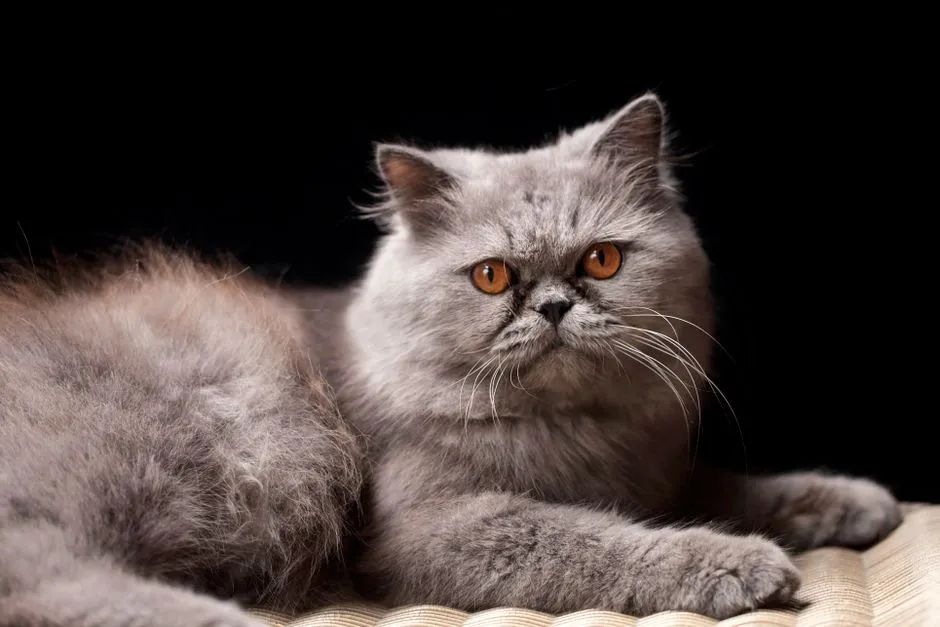
A healthy-looking kitten can still carry a hidden kidney condition.
Polycystic kidney disease, or PKD, is an inherited condition seen in Persians and related breeds. It’s caused by a dominant gene mutation, meaning a cat with one copy can develop the disease. Fluid-filled cysts form in the kidneys over time.
A DNA test is available, and kidney ultrasound can also be used. A responsible breeder should be able to show test results for the parents, not just promise “healthy lines.”
Heart health matters as well. Hypertrophic cardiomyopathy has been reported in Persians, and screening typically relies on an echocardiogram by a specialist. Ask breeders what screening they do, and treat vague answers as a warning.
Eyes are another weak point, and the warning signs are easy to miss, as #10 reveals.
#10 – The Eyes Need Closer Watching Than You Realize
🔥 Would you like to save this?
We'll email this post to you, so you can come back to it later!
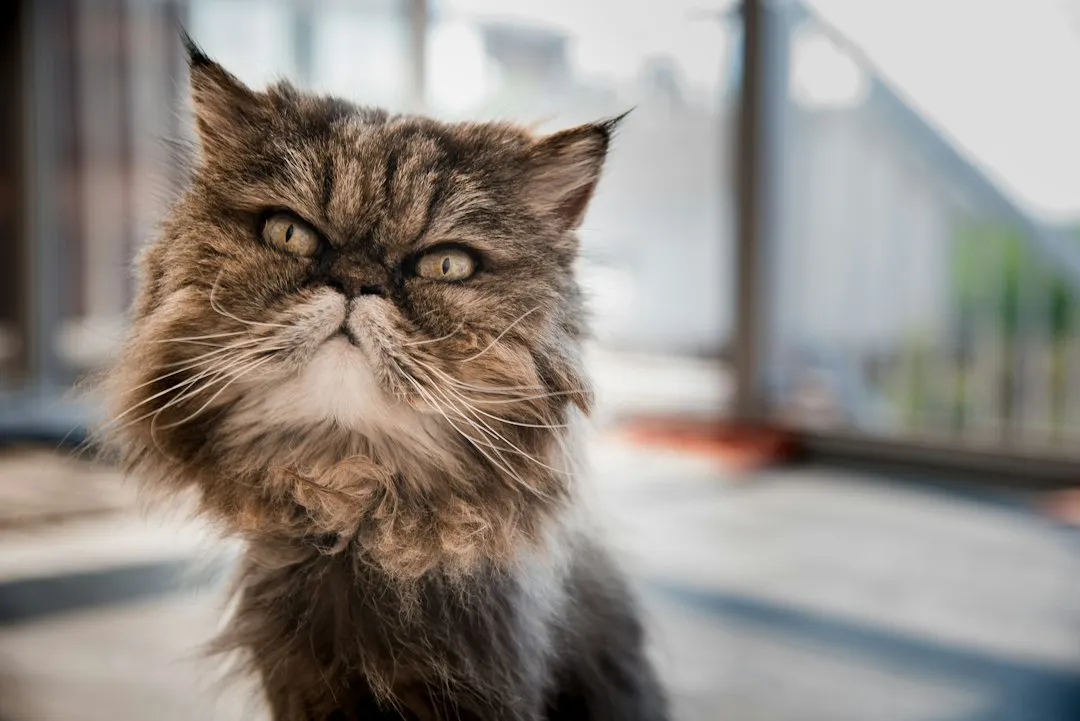
A cat that squints for a day is not “just tired.”
The Persian’s prominent, wide-set eyes sit in shallow sockets and are more exposed to injury. Corneal ulcers can develop quickly, become painful and worsen fast if untreated. Corneal sequestrum, in which a dark patch forms on the cornea, is reported more often in Persians and related breeds.
Watch for squinting, pawing at the eye, redness, cloudiness or a sudden change in discharge. Eye problems in cats can escalate in days, so waiting it out is the real mistake.
There is a genetic side too. A DNA test exists for one inherited retinal condition seen in the breed, and responsible breeders often screen for it. Ask to see the result for any kitten you’re considering.
Worth Knowing
- Squinting and pawing at one eye are pain signals, not quirks.
- Ulcers and other corneal problems can worsen within days.
- A dark patch on the surface of the eye deserves a vet visit, not a wait-and-see.
- Retinal screening results belong in your breeder conversation, alongside PKD and heart checks.
Teeth are just as tricky, and #9 explains why the problem hides in plain sight.
#9 – The Jaw Shape Crowds the Teeth
🔥 Would you like to save this?
We'll email this post to you, so you can come back to it later!
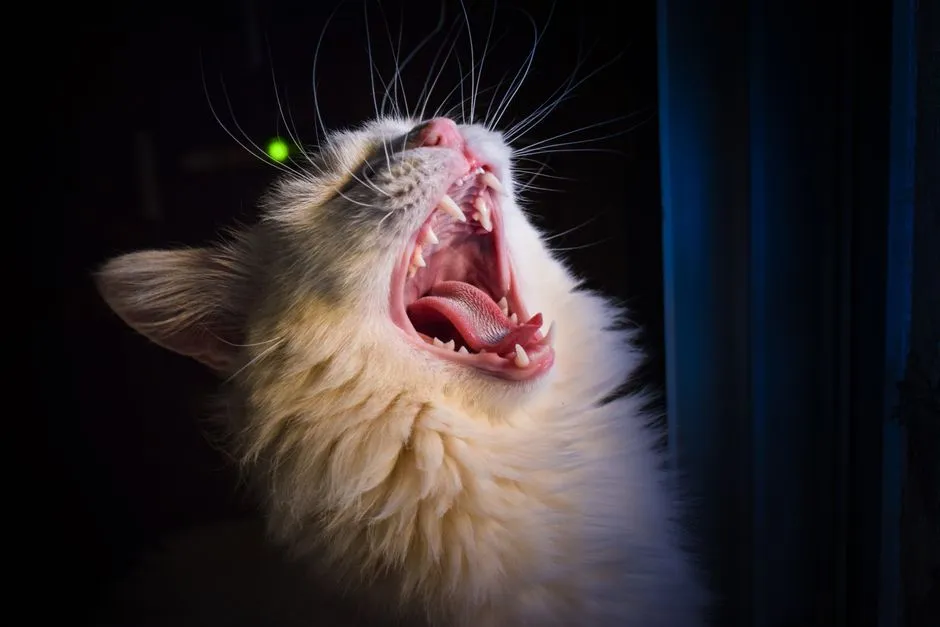
The same short face people love can leave teeth with no room to sit properly.
Shortened jaws can lead to crowded or misaligned teeth. Food and plaque collect in the gaps, which raises the risk of gum disease. Many owners don’t notice until the breath turns bad or the cat starts chewing oddly.
Experienced owners add dental care early. That can mean brushing with a pet-safe toothpaste, vet-approved dental diets or products, and regular oral checks. Dental disease is common in cats generally, but Persians have anatomy that makes it harder to avoid.
Never use human toothpaste on a cat. Start slowly, with a finger and a taste of the paste, and build up from there. Cats that learn young usually accept it far better.
Dental work often means anesthesia, and that leads straight into #8.
#8 – Anesthesia Is a Real Conversation With Your Vet
🔥 Would you like to save this?
We'll email this post to you, so you can come back to it later!
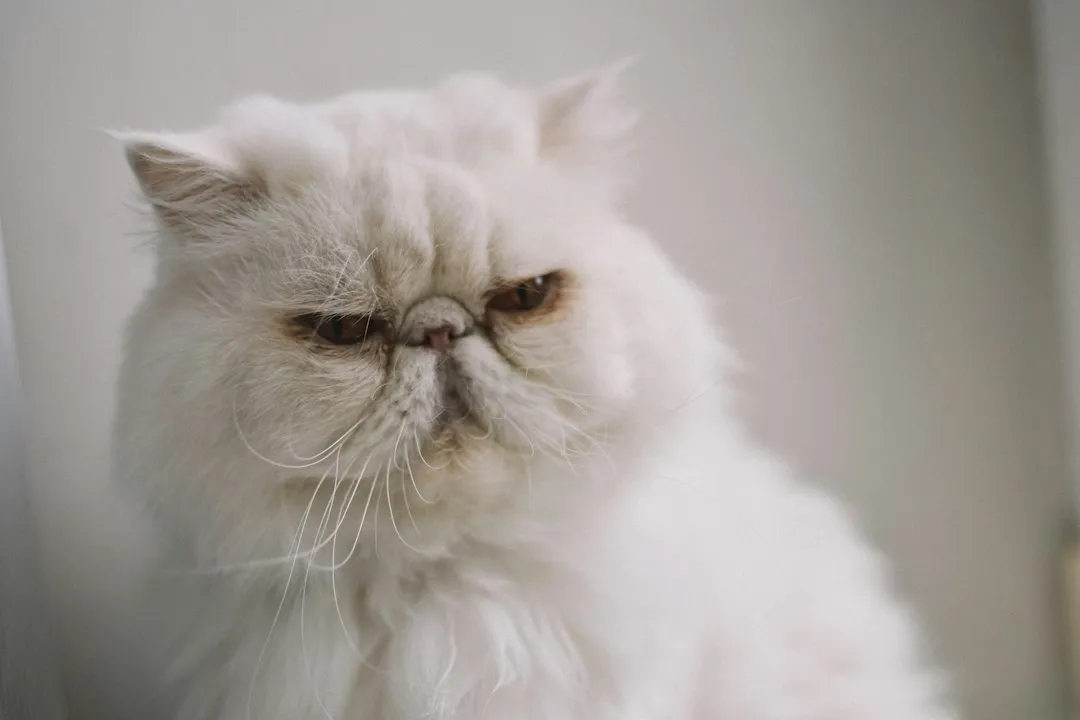
Flat-faced cats can carry a higher anesthetic risk, and many owners never hear about it.
Brachycephalic breeds have narrower airways and, in some cases, small nostrils and a long soft palate. Under sedation, those features can make breathing harder to manage. That doesn’t mean surgery is off the table. It means preparation matters.
Many owners ask the clinic how it monitors brachycephalic patients. A vet familiar with the breed will usually talk about airway care and recovery without being prompted.
Good questions to bring to the appointment:
- How will breathing be monitored during the procedure?
- Is there pre-surgery bloodwork, including a kidney check?
- What does recovery look like for a flat-faced cat?
Clear communication beats assumptions every time. Next up is something that surprises people who expect a couch ornament.
#7 – They’re Not Actually Lazy
🔥 Would you like to save this?
We'll email this post to you, so you can come back to it later!
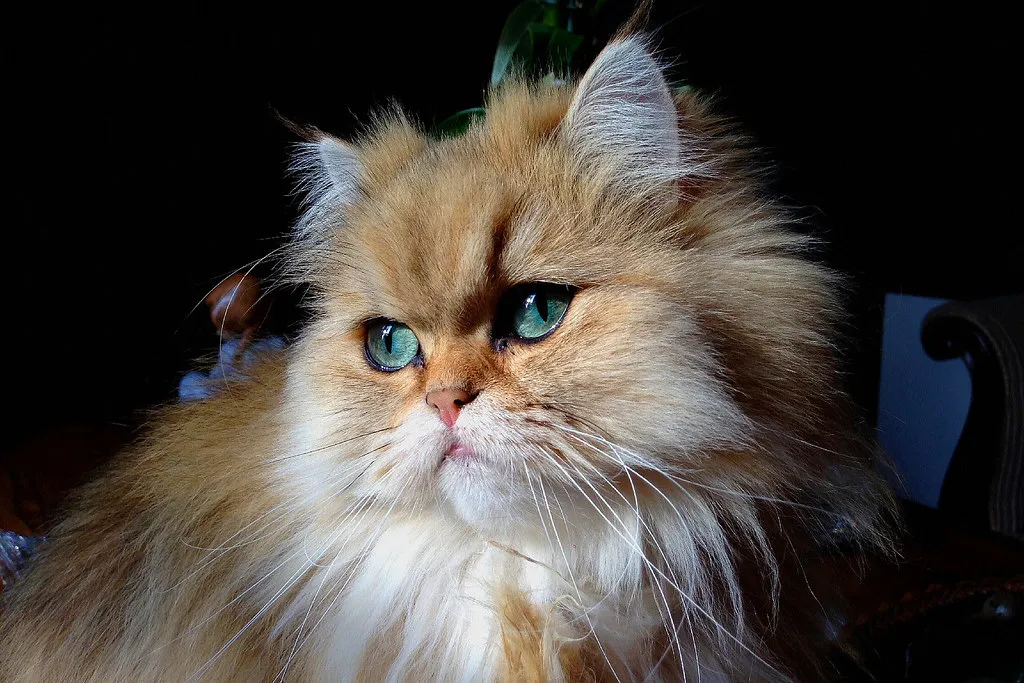
“Low energy” is the most misleading line in the Persian description.
Persians tend to be calmer than many breeds, but calm is not the same as inactive. Owners often describe short bursts of play, usually in the evening, followed by long stretches of rest. Those bursts matter more for health than most people realize.
Interactive play with a wand toy or a rolling ball keeps muscles working and weight in check. A bored indoor cat with a heavy coat can slide into inactivity without anyone noticing.
Gentle is the keyword. Many Persians prefer soft toys and low-effort games, and they often lose interest in anything fast or loud. Sessions of five to ten minutes, once or twice a day, suit most of them.
But hidden weight problems are a bigger risk than most owners realize, and #6 explains how.
#6 – The Coat Can Hide Weight Gain
🔥 Would you like to save this?
We'll email this post to you, so you can come back to it later!
You can’t judge a Persian’s body by looking at it.
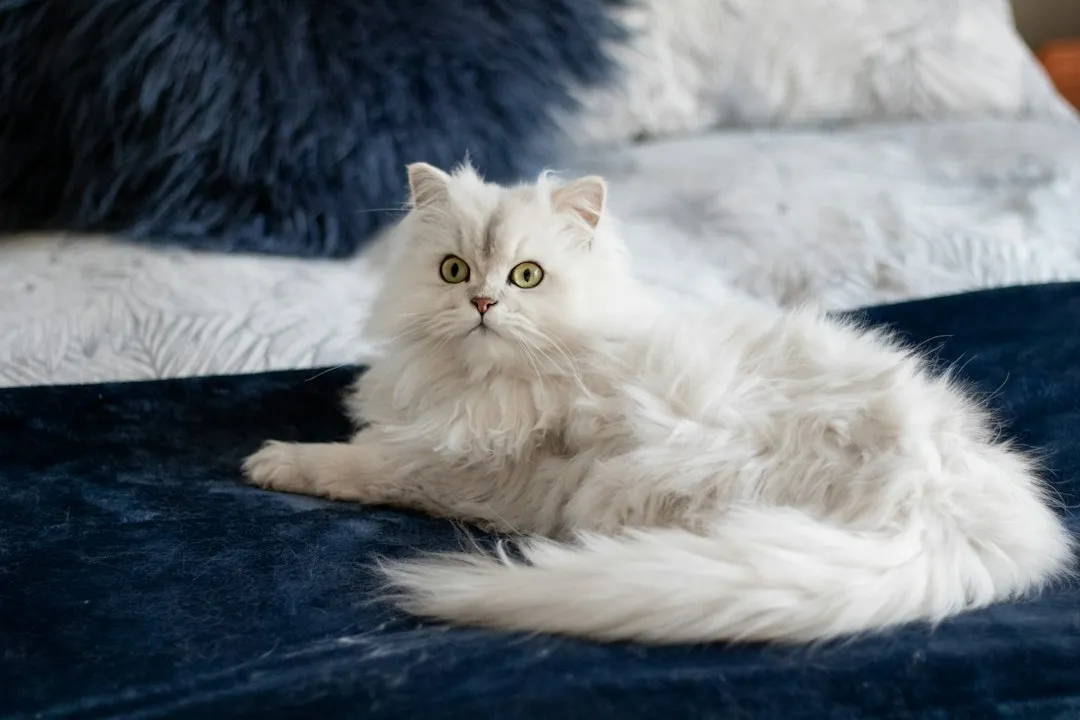
Long, fluffy fur makes a cat look round whatever its weight. A cat can be overweight or underweight and still look completely normal from a few feet away. Many owners only discover the problem at a vet visit.
The fix is hands-on. Run your hands along the ribs and spine. If you can’t feel the ribs under light pressure, the cat is probably carrying extra weight.
Weight loss matters just as much. A sudden drop under a thick coat can signal illness, including kidney trouble, so a monthly check is wise. A kitchen scale or baby scale works for tracking at home, and your vet can confirm a healthy range for your cat.
At a Glance
- Eyes can fool you: Fluff adds visual bulk that has nothing to do with body fat.
- Hands tell the truth: Feel the ribs and spine under light pressure.
- Scale once a month: Log the number so small changes show up early.
- Sudden loss is a flag: Book a vet visit rather than waiting for the coat to reveal it.
Then there’s another part of the Persian the coat hides even better, and it’s in #5.
#5 – The Skin Under the Fur Needs Its Own Check
🔥 Would you like to save this?
We'll email this post to you, so you can come back to it later!
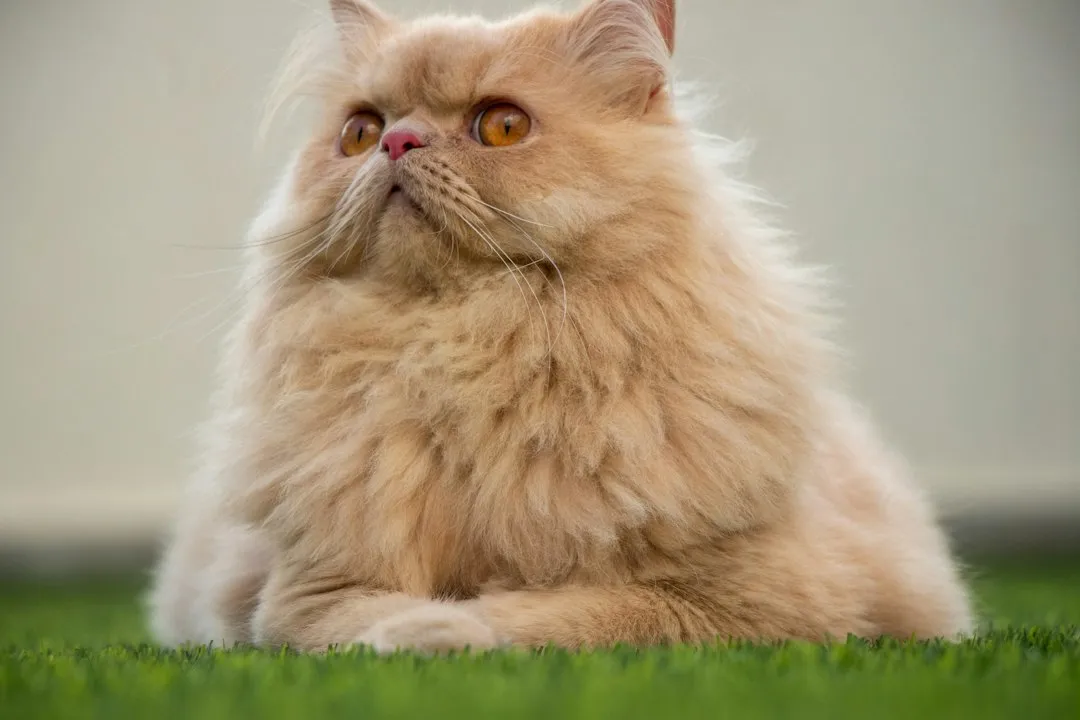
Skin problems are easy to miss under a long coat.
Persians are reported to be more prone to certain skin conditions, including dermatophytosis, commonly called ringworm. It’s a fungal infection, not a worm. The long coat can hide the typical circular, scaly patches until the infection has spread.
Because ringworm can pass to people and other pets, early detection matters. Persians are among the breeds reported to get it more often, partly because dense coats can hold spores.
During grooming, part the fur and look for:
- Scaly or crusty patches
- Bald spots or broken hair
- Greasy or flaky skin
- Redness or constant scratching
The next point isn’t about your cat’s body. It’s about your whole home.
#4 – The Whole House Has to Adapt
🔥 Would you like to save this?
We'll email this post to you, so you can come back to it later!
You don’t just own a Persian. You rearrange your life around the fur.
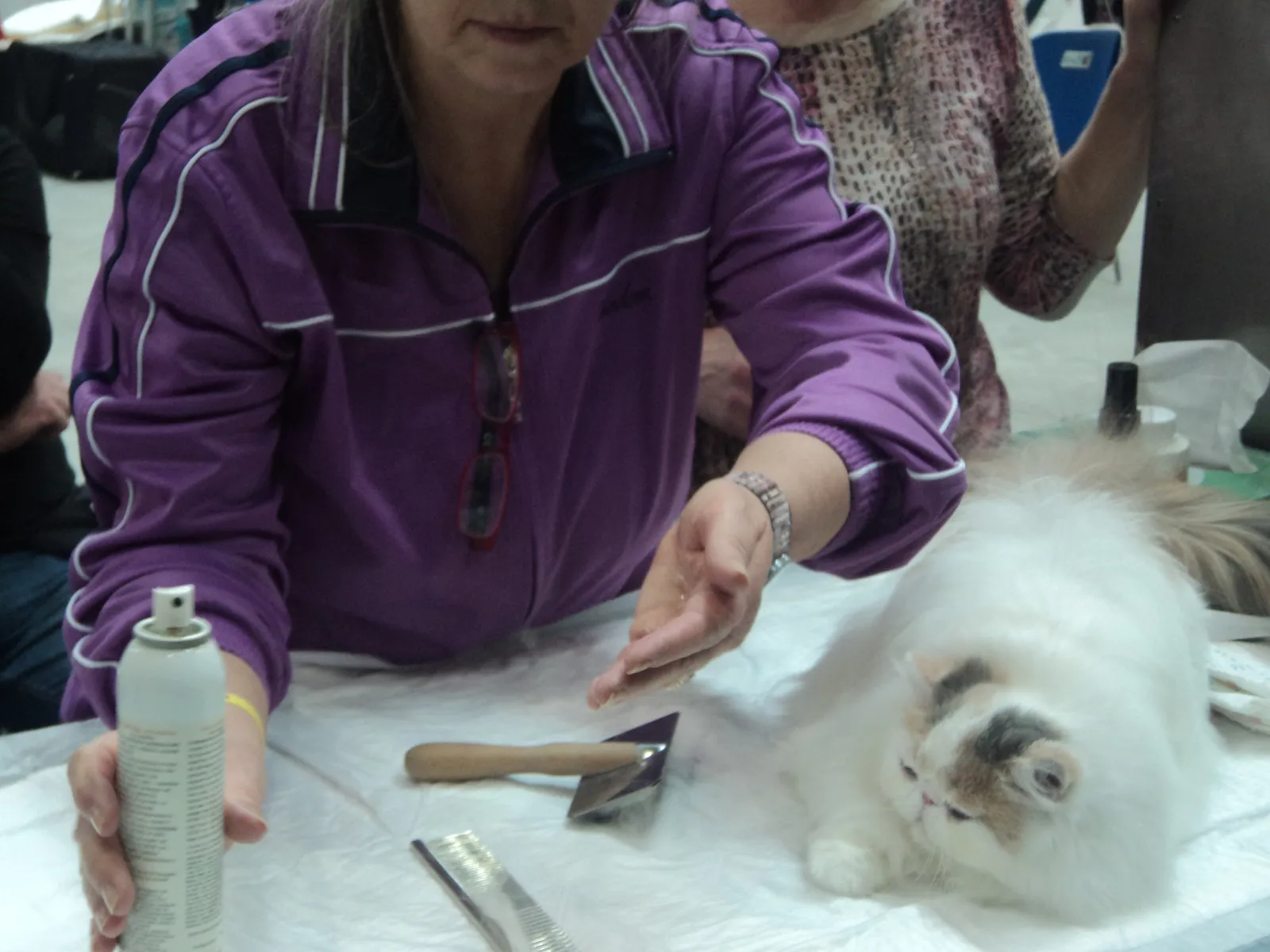
Persians shed year-round, and that long hair ends up on sofas, dark clothes and every flat surface. Owners often invest in a good vacuum, lint rollers and washable throws. The habit sets in faster than most people expect.
Some rules owners work out the hard way:
- Pick washable covers for the cat’s favorite spots
- Avoid long-looped rugs and loose threads that snag the coat
- Keep dark clothing away from the cat’s usual napping places
- Brush near a hard floor, not over the carpet
Hair that is combed out and collected stays out of the vents, the food and the air. Regular grooming is the cheapest cleaning product you can buy.
Households with allergies need extra caution, because long-haired cats can spread dander widely. Talk to a doctor before bringing one home. And that leads to the stage when the coat is at its most difficult, in #3.
#3 – The Teenage Coat Change Catches Everyone Off Guard
🔥 Would you like to save this?
We'll email this post to you, so you can come back to it later!
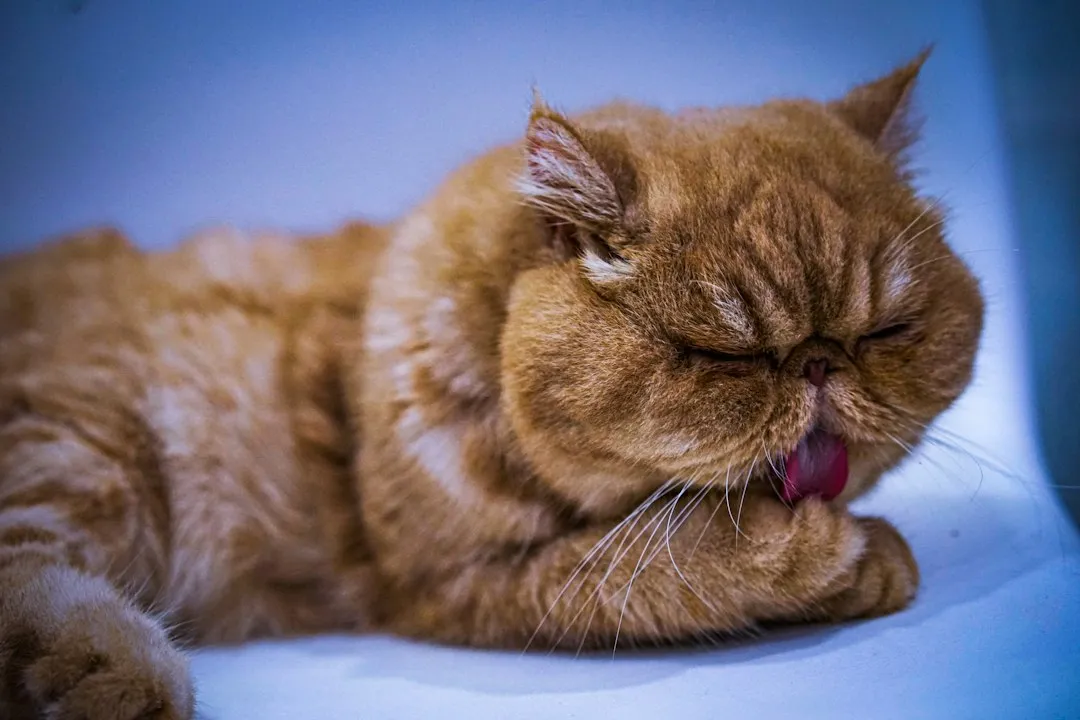
Many owners say the worst matting arrives just as the kitten stops looking like a kitten.
Long-haired kittens grow into a thicker adult coat over the first year or so. Owners commonly report a messy transition, often around the adolescent months, when soft kitten fluff gives way to a denser coat. It tangles easily during that stage.
Many breeders and groomers recommend daily grooming from the first weeks at home. Teach a kitten to accept the comb early and the adult routine becomes dramatically easier.
Keep sessions short, with a treat or a cuddle afterward. Handle the paws, face and tail too. A cat used to being touched all over is far easier for the vet and the groomer.
But the real shock comes from the Persian personality, in #2.
#2 – They Show Affection in Quieter Ways
🔥 Would you like to save this?
We'll email this post to you, so you can come back to it later!
A Persian rarely demands attention, which is exactly why owners misread it.
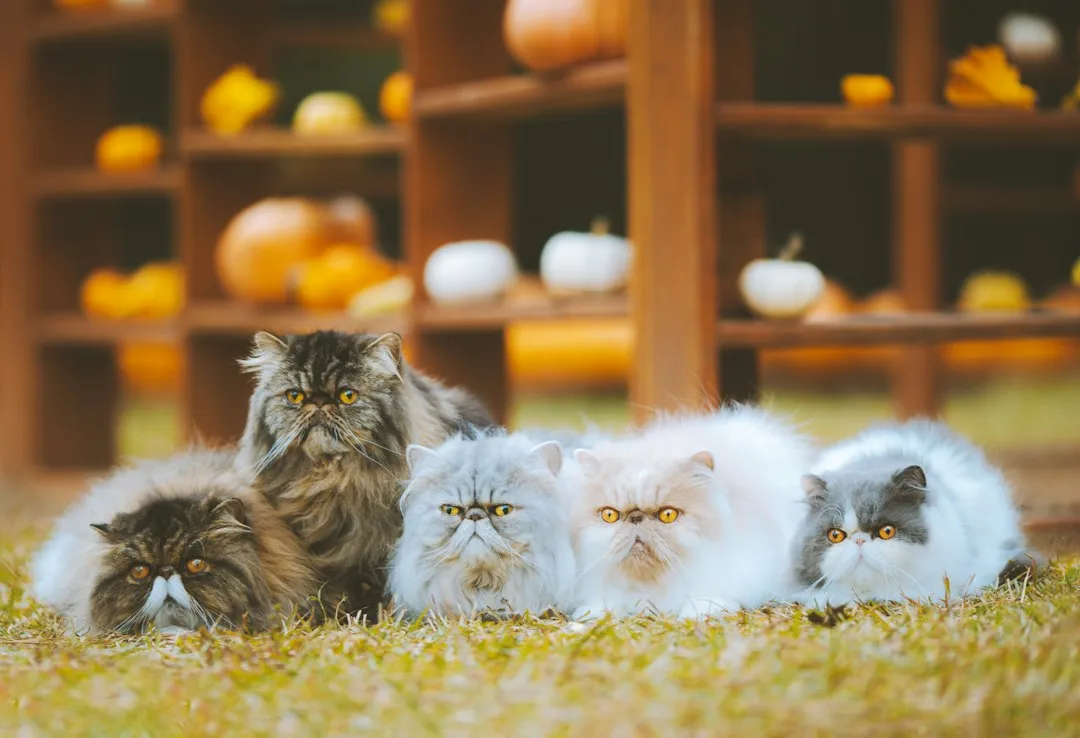
The breed is generally described as sweet, soft-voiced and calm. Where other cats shout for dinner, many Persians simply sit and stare. That quiet style is easy to mistake for aloofness.
Owners learn to read the subtler signals: a slow blink, a head bump, following you from room to room, settling nearby rather than in your lap. Many Persians prefer your company over your constant attention.
Routine matters enormously to the breed. Sudden changes, loud households and rough handling tend to unsettle them. A predictable schedule for meals, grooming and play usually produces the calm, affectionate cat the breed is known for.
Which brings us to the truth that ties all of this together, and it’s #1.
#1 – The Real Price of a Persian Is Time
🔥 Would you like to save this?
We'll email this post to you, so you can come back to it later!
The most important thing owners work out has nothing to do with money.
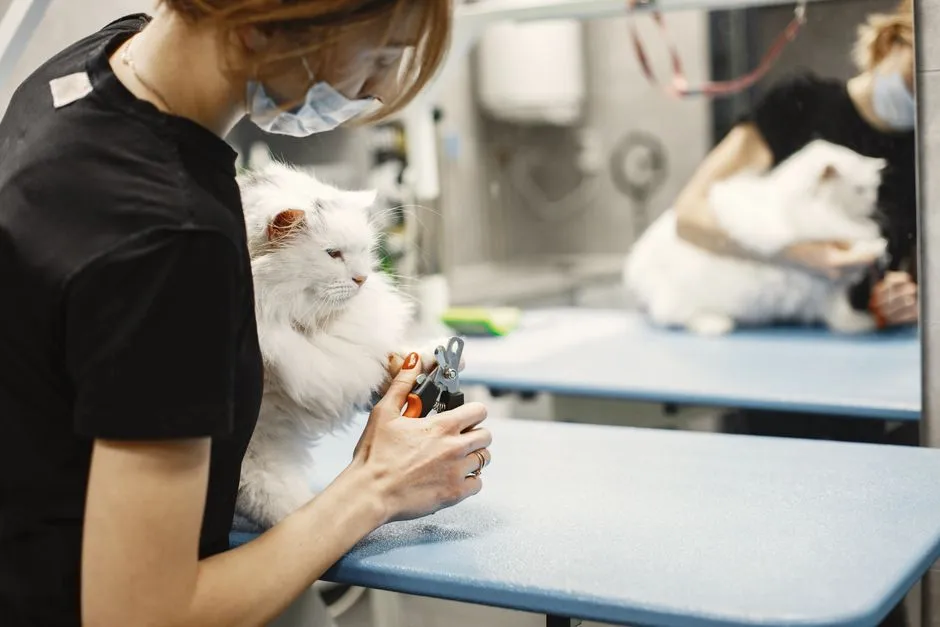
Breed guides often call the Persian “low-maintenance” because it doesn’t need much exercise. That’s the mistake. The cat needs daily grooming, face cleaning, litter-box checks, dental care and closer-than-average health monitoring.
It adds up to a real daily commitment, for a lifespan often quoted at a decade or more.
Fast Facts
- Every day: Comb to the skin, wipe the eyes, scoop the litter and rinse the bowl.
- Most days: A short play session of five to ten minutes and a quick dental routine.
- Monthly: Weigh the cat and part the fur to check the skin.
- Ongoing: Vet checks that include eyes, teeth, heart and kidneys.
The financial side deserves honesty too. Grooming supplies, professional grooming, health testing, dental care and possible specialist visits are all realistic costs. A cheap Persian kitten from an untested line can end up the most expensive cat you ever own.
Yet owners who commit often say the routine becomes the relationship. The daily comb, the quiet company and the slow blink at the end of a session are what many of them value most.
Persians aren’t low-maintenance cats. They’re low-energy cats with high-maintenance bodies, and the guides blur the difference.
My view is blunt: if you can’t commit to daily grooming and regular health checks, choose a different breed. If you do bring one home, pick a moderate face over an extreme one and demand health-test results from the breeder. The cat’s comfort should always outrank the look.
Done properly, the Persian is a calm, devoted companion. Done carelessly, it’s a daily struggle for the cat. So where do you draw the line between a breed standard and a cat’s comfort?

- 7 Everyday Habits That Can Make Your Senior Dog Happier - November 5, 2026
- 10 Enigmatic Structures That Continue to Puzzle Scientists Today - November 5, 2026
- 10 Strange Ruins in the Americas That Challenge What We Know About Early History - November 5, 2026