
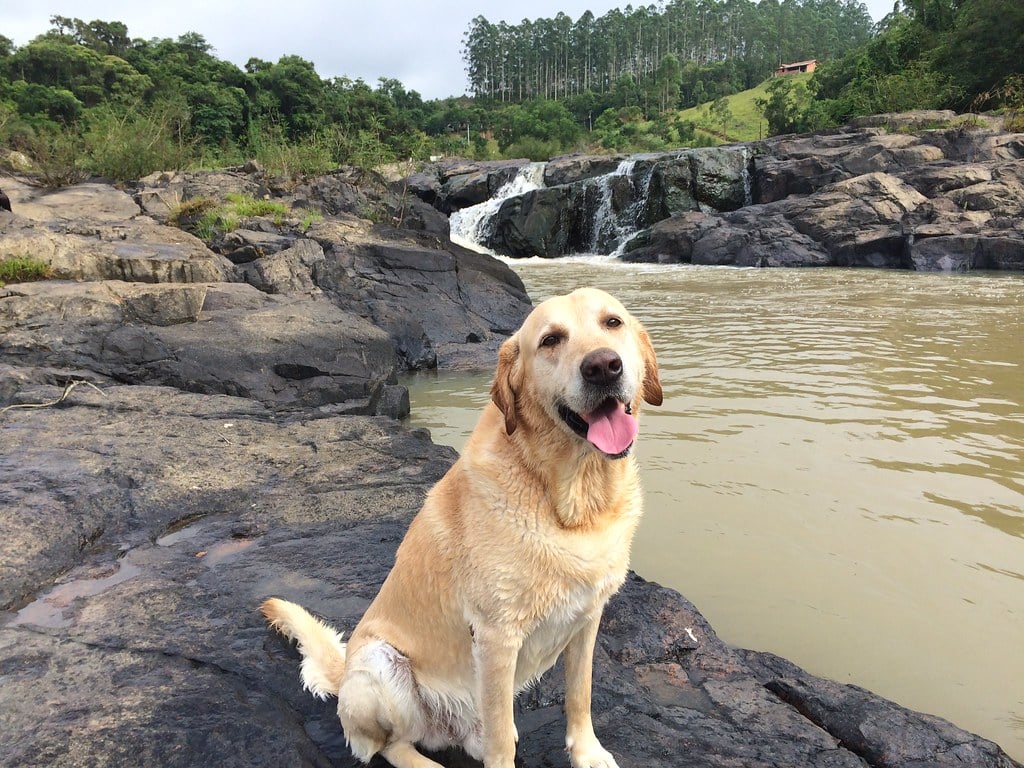
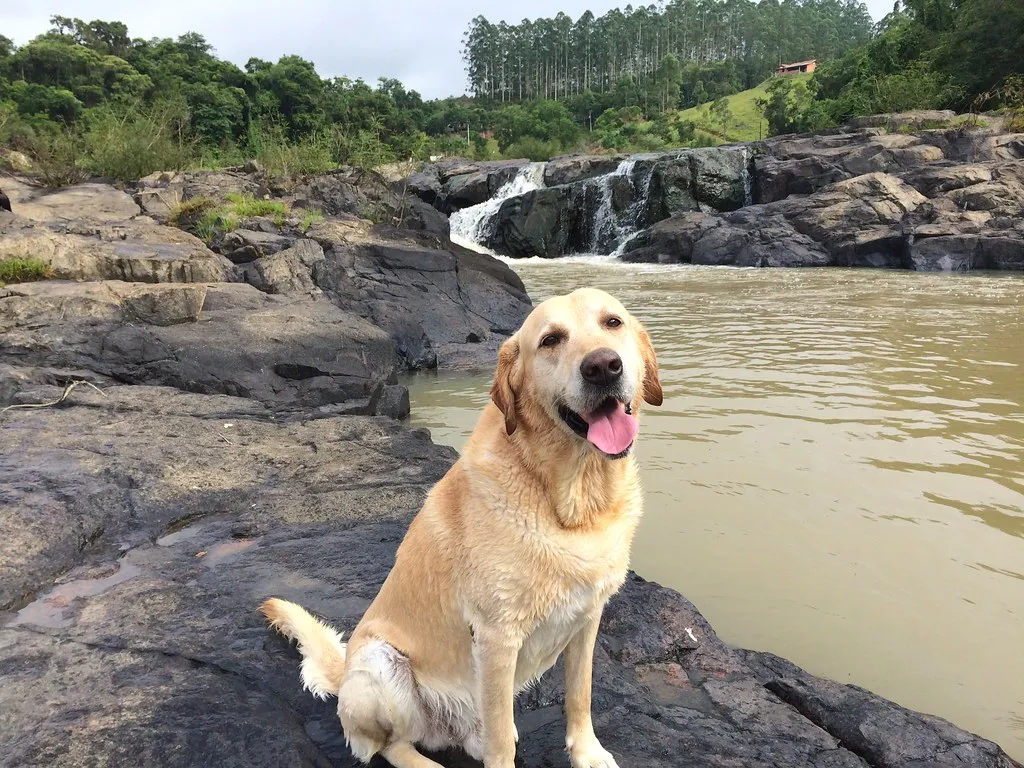
You’ve probably watched it happen. A Lab spots a puddle on an otherwise dry walk, and the leash suddenly becomes a suggestion. Owners of other breeds see a dog get wet. Lab owners see something closer to a worker clocking in.
That gap is real, and it’s built into the breed from the toes up. Below, we break down the paws, the tail, the coat and the strange wiring behind it all. Save your attention for the last few items, because they explain why your Lab would pick a muddy ditch over almost anything you’re holding in your hand.
#10 – Webbed Paws That Turn Every Stroke Into Propulsion
🔥 Would you like to save this?
We'll email this post to you, so you can come back to it later!
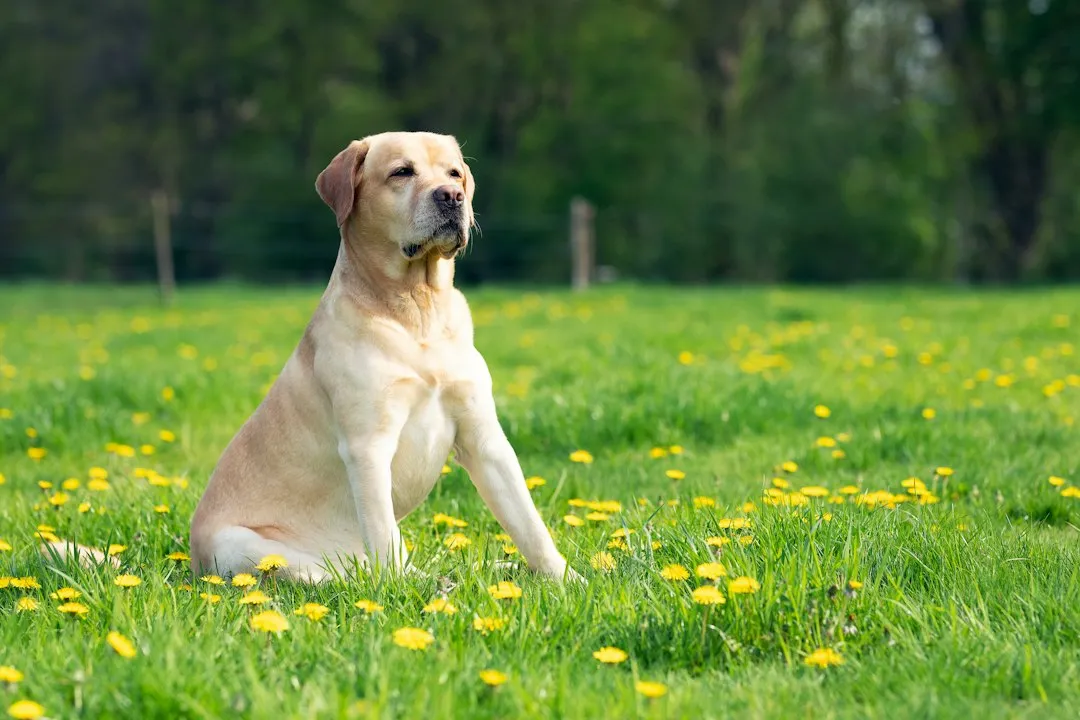
Spread a Lab’s toes apart and you’ll see thin skin stretching between them. Most dogs have a little of this webbing, but Labs have noticeably more, and the breed standard even lists webbed toes as a trait. When the toes fan out on the push stroke, each paw becomes a small paddle that moves far more water than a bare foot would.
The difference shows up fast. A neighbor’s dog may thrash, tire and drift sideways with the current, while the Lab holds a steady line toward the target. Those broad paws also help on the way out, giving better grip on slick rocks, muddy banks and wet docks.
Picture the original job. A dog had to leap from a boat into freezing water, grab a fish or a line, and then haul itself back over a slippery edge, over and over, all day. The dogs that managed it without wearing out were the ones people kept breeding.
- The webbing adds stability on mud and ice, so Labs often keep their footing where other dogs slide.
- Selection favored dogs that could retrieve without burning out in cold conditions.
And the paws are only the start of the engineering. Look at the other end of the dog next.
#9 – The Otter Tail That Steers Like A Rudder
🔥 Would you like to save this?
We'll email this post to you, so you can come back to it later!
Lab people call it the otter tail, and the name fits. It’s thick at the base, tapers toward the tip, and is covered in short, dense fur that gives it a rounded look. The breed standard describes it as giving a rudder effect, and anyone who has watched a Lab swim can see why.
In the water, the tail sweeps side to side and helps the dog change direction without a lot of extra paddling. Owners describe Labs making tight turns around a floating toy or correcting course mid-retrieve in ways that look almost deliberate. The tail also helps with balance when the dog is half-submerged or scrambling onto a wobbly dock.
At a Glance
- Shape: thick at the base, tapering steadily toward the tip.
- Coat: short and dense all the way around, with almost no feathering.
- Job in water: steering, balance and stability on the way out.
- Watch for: a sudden, limp tail after cold swims.
Historical accounts from Newfoundland describe dogs working in rough water with heavy loads like fishing nets. A dog that could steer itself while its mouth was busy had a clear edge.
There’s a catch, though. Labs are one of the breeds commonly linked to limber tail, a painful and sudden limpness often tied to cold-water swimming or heavy exercise. It usually improves within a few days with rest, but a limp tail is worth a call to the vet.
Steering is one thing. Staying warm while you do it is another, and the coat handles that.
#8 – A Double Coat That Sheds Water Like Oiled Feathers
🔥 Would you like to save this?
We'll email this post to you, so you can come back to it later!
Run your hand against a Lab’s coat and it feels coarse, almost slick. Underneath that outer layer sits a soft, dense undercoat that traps air for insulation. Together they form a weather-resistant system, and the breed standard specifically calls for it.
The outer hairs are coated with natural skin oils, so water beads up and rolls off instead of soaking through to the skin. That’s why a Lab can climb out of a pond looking soaked but still be warm underneath. A single-coated dog with a thirstier coat gets heavy and cold much faster.
The effect is a little like a duck’s feathers. It’s not perfect waterproofing, but it’s enough to keep the dog lighter in the water and cut the chill afterward.
- The undercoat holds warmth and air, which adds some buoyancy even in near-freezing conditions.
- Owners in cold climates often see Labs happily entering water on days that would send other breeds back to the car.
There are trade-offs. That thick undercoat means heavy seasonal shedding, and damp ears are a common trouble spot after swims. A quick towel-off and a check of the ears go a long way.
Now for the part that really separates Labs from the crowd: the drive that keeps them going back in.
#7 – A Retrieving Drive That Ignores Cold And Fatigue
🔥 Would you like to save this?
We'll email this post to you, so you can come back to it later!
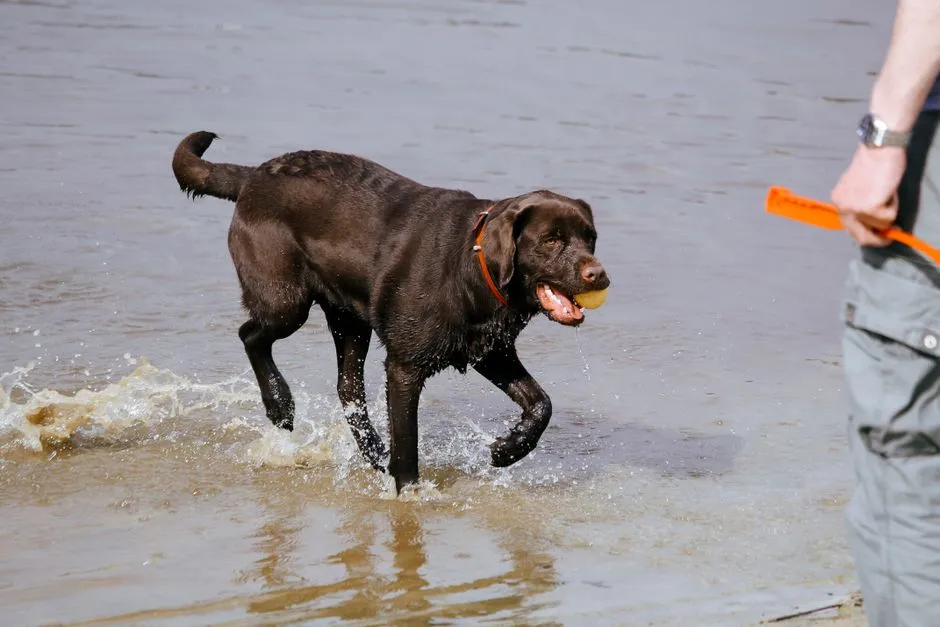
That urge to bring things back from the water traces straight to the St. John’s Water Dogs of Newfoundland. Fishermen used them to haul in fish and nets in the North Atlantic. Modern Labs inherited the instinct, and it can look almost irrational on a cold, rainy afternoon.
Plenty of dogs will chase a ball into a lake once or twice. A Lab will do it until you’re the one begging to go home. The drive overrides the usual signals, like cold, tiredness and boredom, that make most dogs quit.
Historical accounts describe these dogs diving for cod that slipped off hooks and pulling lines through icy swells. Today you see the echo when a Lab ignores wind and rain to chase a floating toy. The famous soft mouth, which carries a bird or toy without damaging it, comes from the same working roots.
Fast Facts
- The breed’s roots lead back to working dogs on Newfoundland’s fishing boats.
- British sportsmen refined the dogs into gundog retrievers during the 1800s.
- The American Kennel Club recognized the Labrador Retriever in 1917.
- The soft mouth is a prized trait, not an accident.
That stamina is part of why the story has lasted. A dog built to work a boat all day doesn’t read a chilly pond as a reason to stop.
That drive is strong, but wait until you see what it can beat in a head-to-head contest.
#6 – A Stronger Pull Toward Water Than Toward People Or Other Dogs
🔥 Would you like to save this?
We'll email this post to you, so you can come back to it later!
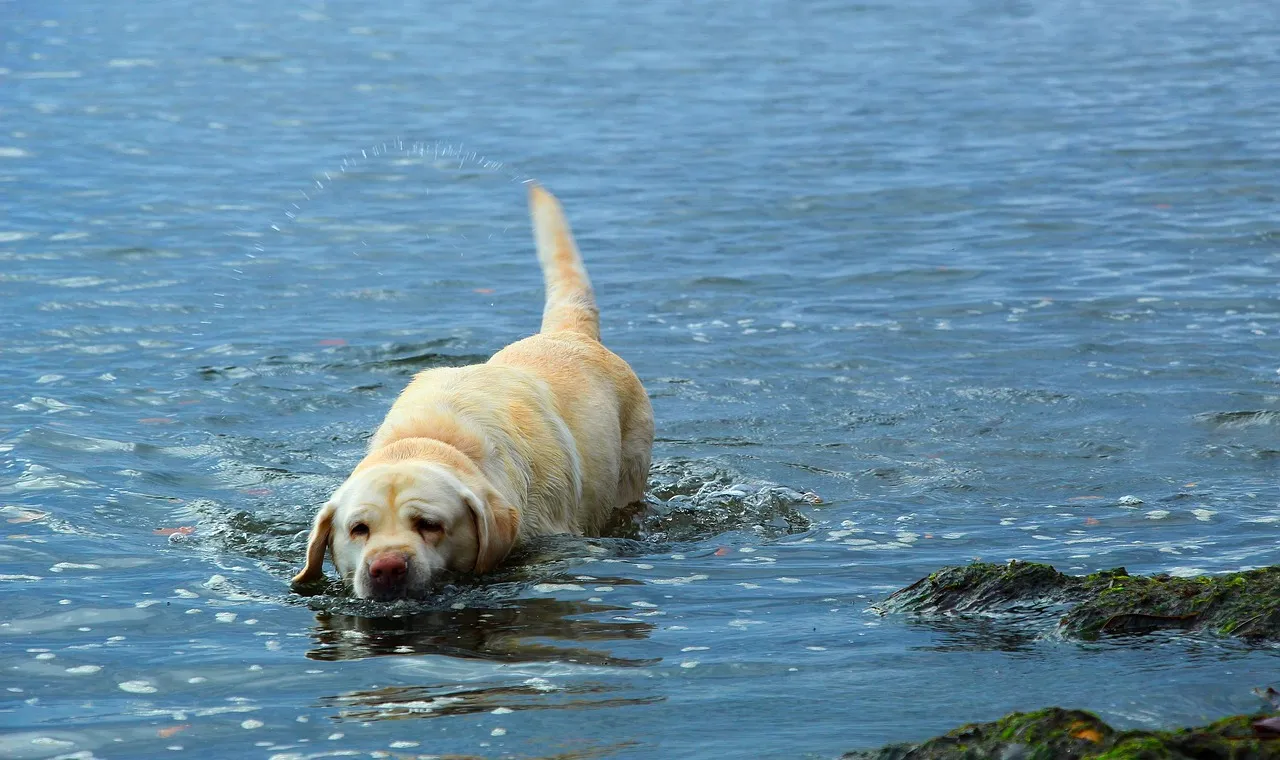
Here’s the finding that makes owners laugh and wince at the same time. In a controlled test, Labs were given a choice in an arena: water, a person, or another dog. Water won, drawing longer interactions and more approaches than the familiar humans or the other dogs.
Every Lab tested approached the water, and many entered it or pawed at it again and again. Researchers and breed observers read this as heritage, not simple playfulness. Generations of work in and around water seem to have made it the most rewarding thing in the room.
Yes, that includes you. Your Lab can adore you and still ditch you for a puddle.
- Individual dogs vary, but the group pattern held across participants.
- The result suggests regular, safe water access matters for this breed’s well-being.
Next comes the move every Lab owner knows, and the one every guest eventually learns to fear.
#5 – The Shake That Dries A Dog In Seconds
🔥 Would you like to save this?
We'll email this post to you, so you can come back to it later!
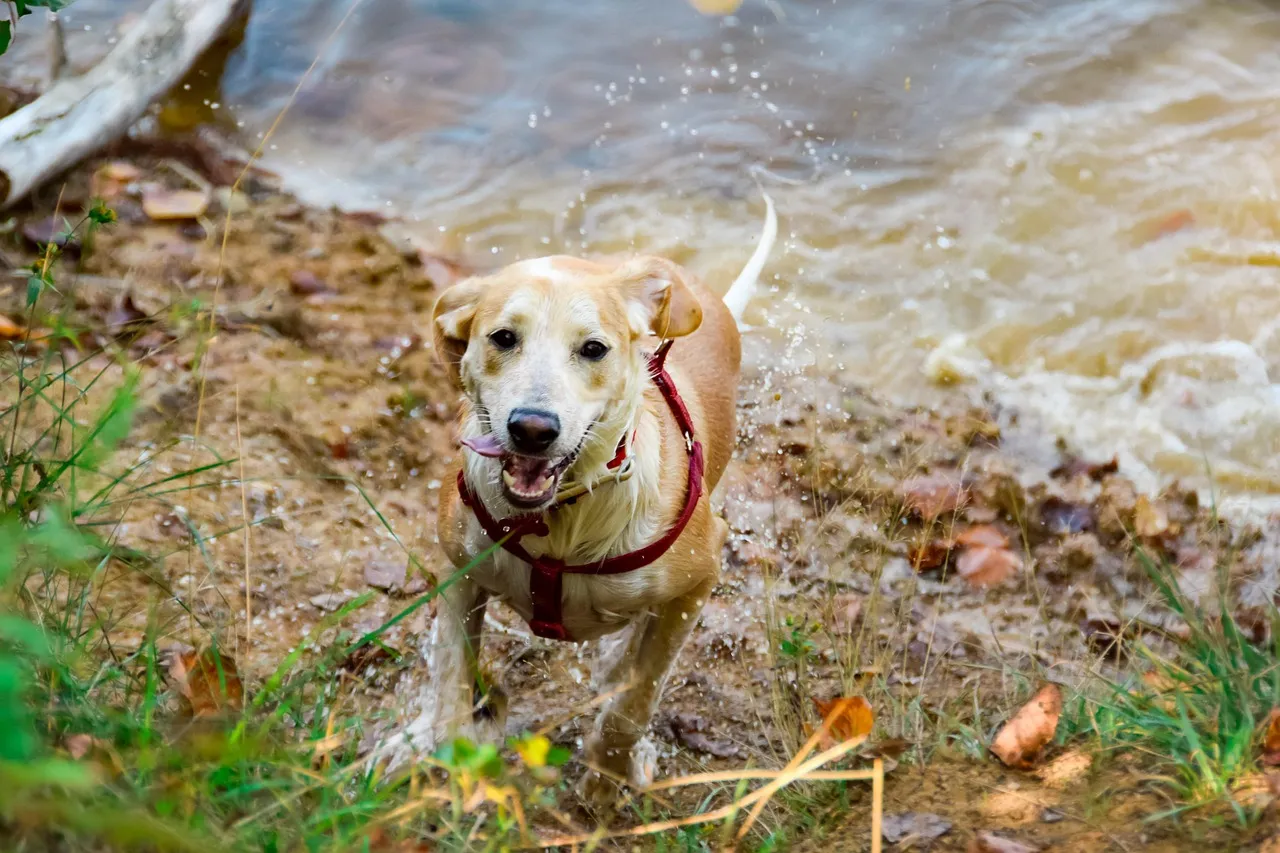
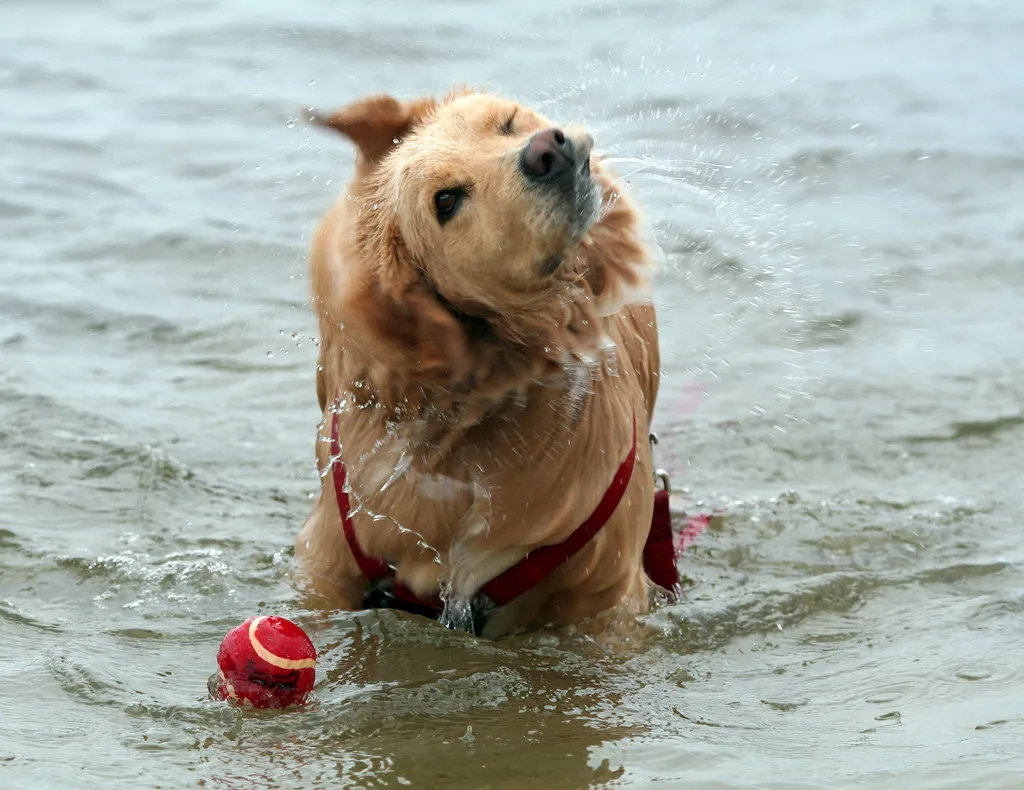
It starts at the head, rolls through the shoulders, and snaps down to the hips and tail. That wave-like shake, which Labs perform with total commitment, flings a surprising amount of water off the coat. Slow-motion studies of wet dogs have found that most of the water can be shed in just a few seconds.
The water-repellent outer layer does half the work. Because the guard hairs shed moisture instead of soaking it up, the shake clears off what’s left and the dense undercoat stays protected. The result is a dog that looks far less drenched than a longer-haired or more absorbent breed after the same swim.
The spray radius, however, is not subtle. Experienced Lab owners learn quickly to read the telltale head shudder and take two big steps back.
- Stand clear before the shake, not during it.
- Towel the ears and the base of the tail after swims.
- Dry the dog off in the garage or yard before it comes inside.
That quick recovery means more time in the water. And some Labs use that time to go somewhere most dogs won’t.
#4 – Diving Underwater To Retrieve What Sank
🔥 Would you like to save this?
We'll email this post to you, so you can come back to it later!
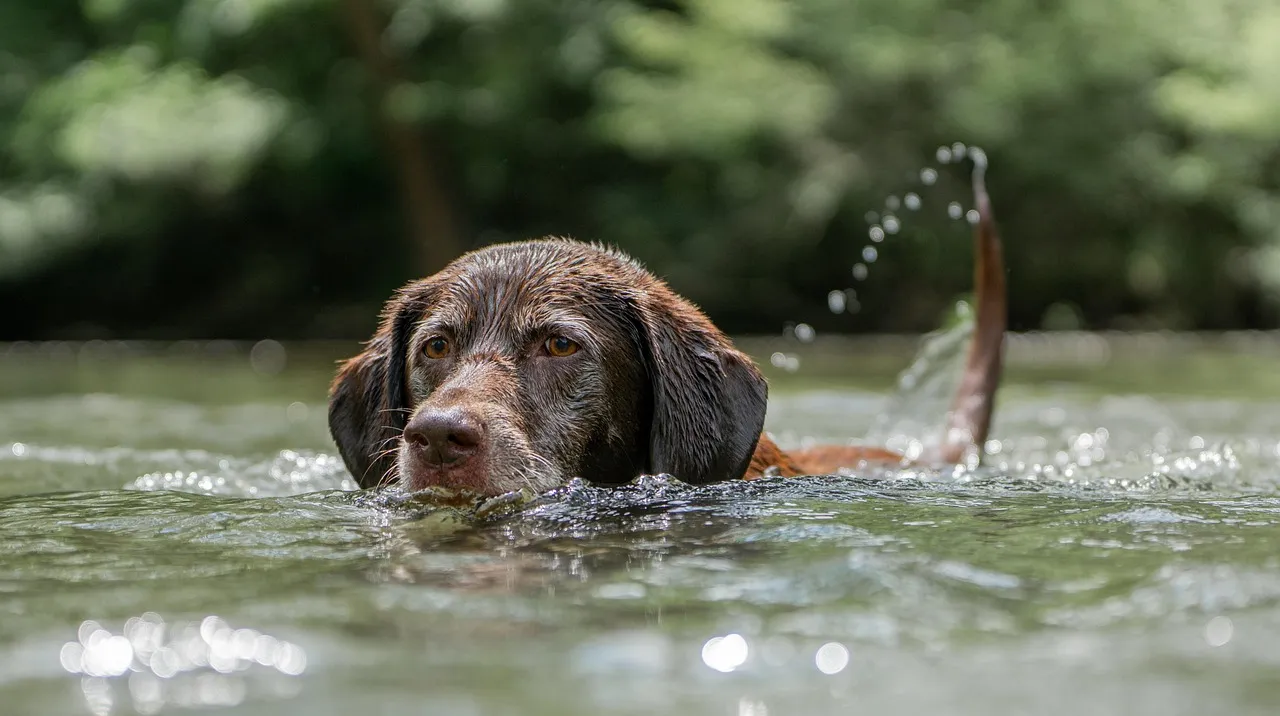
Most dogs stay on the surface, and plenty of them seem to treat water below their chin as a personal insult. Labs are different. Historical descriptions and modern owners agree that many will duck under to fetch items off the bottom of ponds, canals and shallow coastal areas.
Their ancestors were noted for diving repeatedly to recover lost fish or stones. That takes comfort with holding a breath and tolerance for poor visibility, both of which put off most other breeds. Strong swimming power, an insulated coat and a stubborn retrieving instinct all help here.
Plenty of owners have watched their Lab vanish for a second, then pop up with a toy that sank an hour ago. Not every Lab dives equally, but the willingness is more common than in non-water breeds.
- The coat and body structure help with buoyancy on the way back up.
- Gentle training can build the natural tendency, safely and in small steps.
If that sounds hardy, the next one involves temperatures most of us wouldn’t touch.
#3 – Staying Power In Water That Would Chill Most Dogs
🔥 Would you like to save this?
We'll email this post to you, so you can come back to it later!
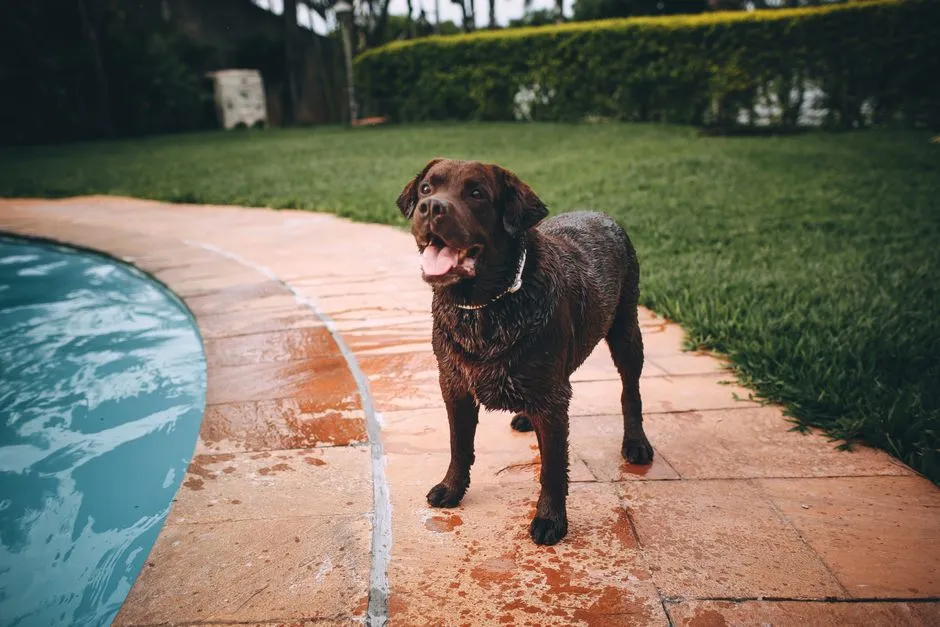
Labs keep going in water cold enough to drain other breeds quickly. The insulating undercoat and efficient strokes both help. The old Atlantic stories hold that ice would build up on longer-coated dogs while the shorter, oily Lab coat shrugged it off.
You can still see traces of that tolerance on winter swims and at dock diving events. The muscle and cardio fitness behind it come from the old job description: all-day work alongside boats, not short bursts around a yard.
Worth Knowing
- Shivering, slowing down or lagging behind means it’s time to get out.
- Towel the dog off and warm it up soon after a cold swim.
- Keep your Lab off frozen ponds, however keen it looks.
- A sudden limp tail after cold water deserves a vet call.
Owners in northern regions report Labs wading into cold lakes and ponds that other dogs avoid. Some will even try to break thin ice to get to the water, which is exactly the kind of enthusiasm that should make owners nervous. Tough doesn’t mean immune, and ice is dangerous for any dog.
Two traits remain, and they explain everything you’ve just read.
#2 – Natural Buoyancy And A Stroke That Looks Effortless
🔥 Would you like to save this?
We'll email this post to you, so you can come back to it later!
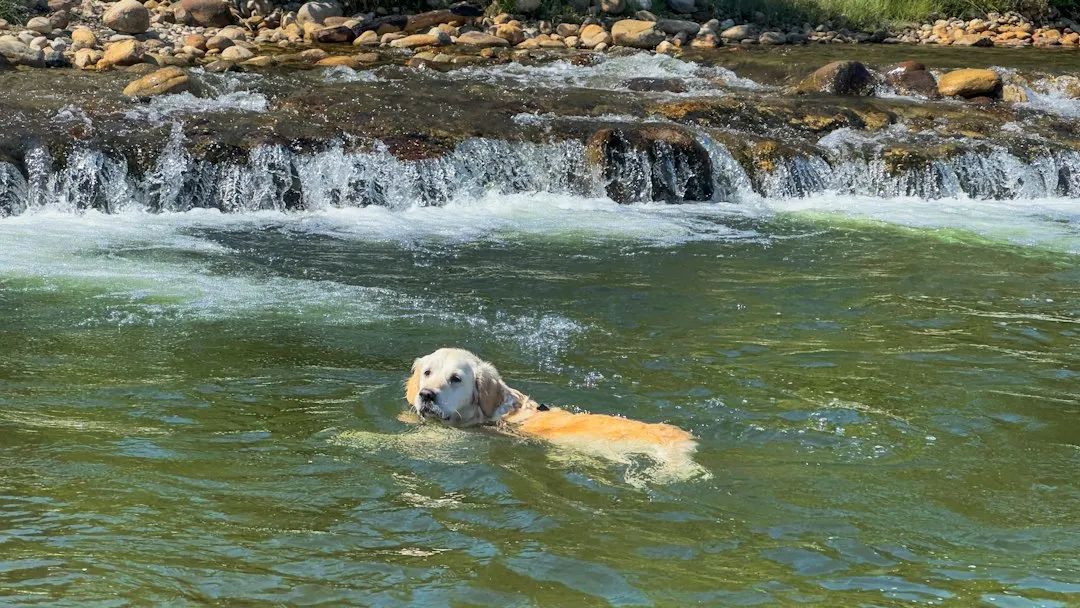
Watch a Lab and a heavier or shorter-legged dog swim side by side and you’ll see the difference in seconds. The Lab’s deep chest, strong shoulders and layered coat help it ride higher in the water. Less effort goes into simply staying afloat.
The stroke is coordinated. The webbed paws paddle in a smooth rhythm that maximizes forward thrust, and the otter tail adds stability behind. Compare that with the frantic splashing some other breeds do, particularly short-legged or flat-faced dogs that can struggle in water.
Quick Compare
- Lab: deep chest, strong shoulders and a layered coat keep it riding high with a steady stroke.
- Short-legged dogs: often paddle harder just to stay level.
- Flat-faced dogs: shorter muzzles can make breathing in water harder, so they need extra caution.
Breeders and trainers often point out how relaxed a Lab looks even when covering real distance. That relaxed look matters, because saved energy means more retrieves before exhaustion kicks in. Even so, a life jacket is a smart idea in deep or open water.
All of those pieces add up to one behavior that owners of other breeds almost never see.
#1 – An Almost Magnetic Pull Toward Any Body Of Water
🔥 Would you like to save this?
We'll email this post to you, so you can come back to it later!
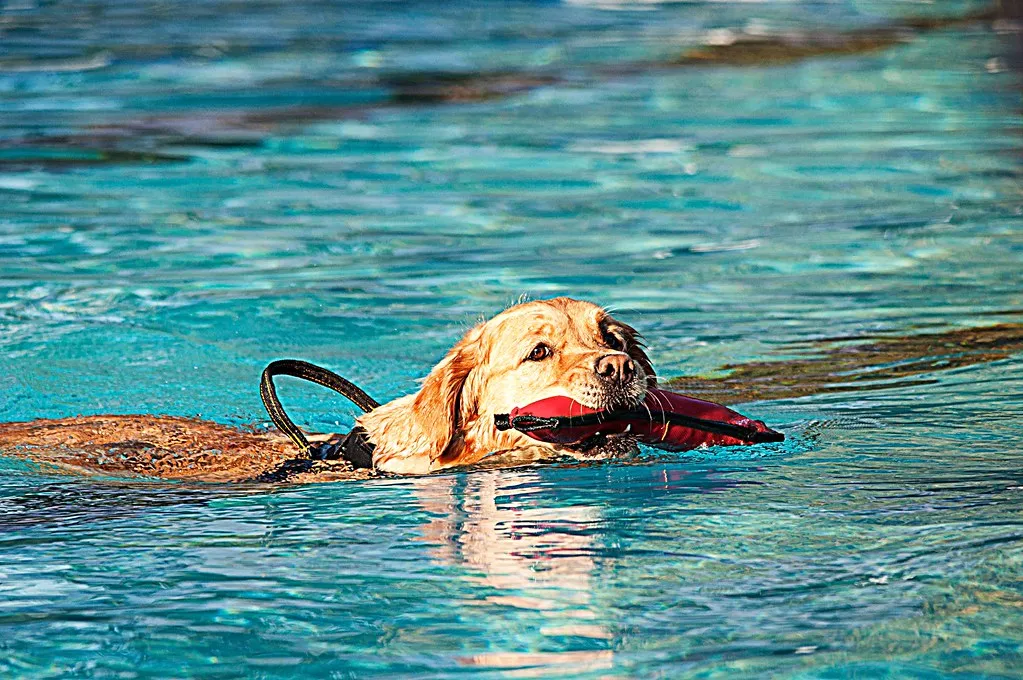
This is the one that defines life with a Lab. Puddles, sprinklers, garden hoses, ponds, rivers, lakes and the ocean all exert the same tug. Owners of other breeds rarely meet this level of intensity, and it goes well beyond playfulness.
It can hijack a walk. A perfectly trained Lab may suddenly veer toward a pond, slow down at a stream, or plant itself beside a dripping spigot as if the world has gone quiet. Studies and owner reports both suggest this pull often outweighs interest in toys or even people.
The roots are old. For centuries, the dogs that sought water and worked well in it were the ones kept and bred, so the dogs that stayed away were not. Water stopped being an obstacle and became the opportunity.
- Signs of the pull: veering toward ponds, stalling at streams, and treating puddles as mandatory.
- Where it shines: dock diving and water retrieval sports, where Labs dominate.
The bottom line: A Lab’s love of water isn’t a quirk to train away. It’s the job description this breed was built for, down to the toes, the tail and the coat. Owners who treat it as bad behavior are arguing with centuries of breeding, and they’re going to lose.
The smarter move is to give that instinct a safe outlet: regular swims, floating retrievers, supervision and a life jacket when the water gets deep. A Lab with water access is calmer, happier and easier to live with. Not every Lab swims or dives identically, but the pattern is hard to miss.
Those other owners are watching a dog get wet. You’re watching a dog do what it was born to do.

- 10 Common Garden Pests That Are Actually Beneficial To Your Backyard Ecosystem - November 5, 2026
- 10 Unusual Reasons Older Adults Bond More Deeply With Certain Dog Breeds - November 5, 2026
- The Cheetah: The Speed King of the Animal Kingdom - November 5, 2026