
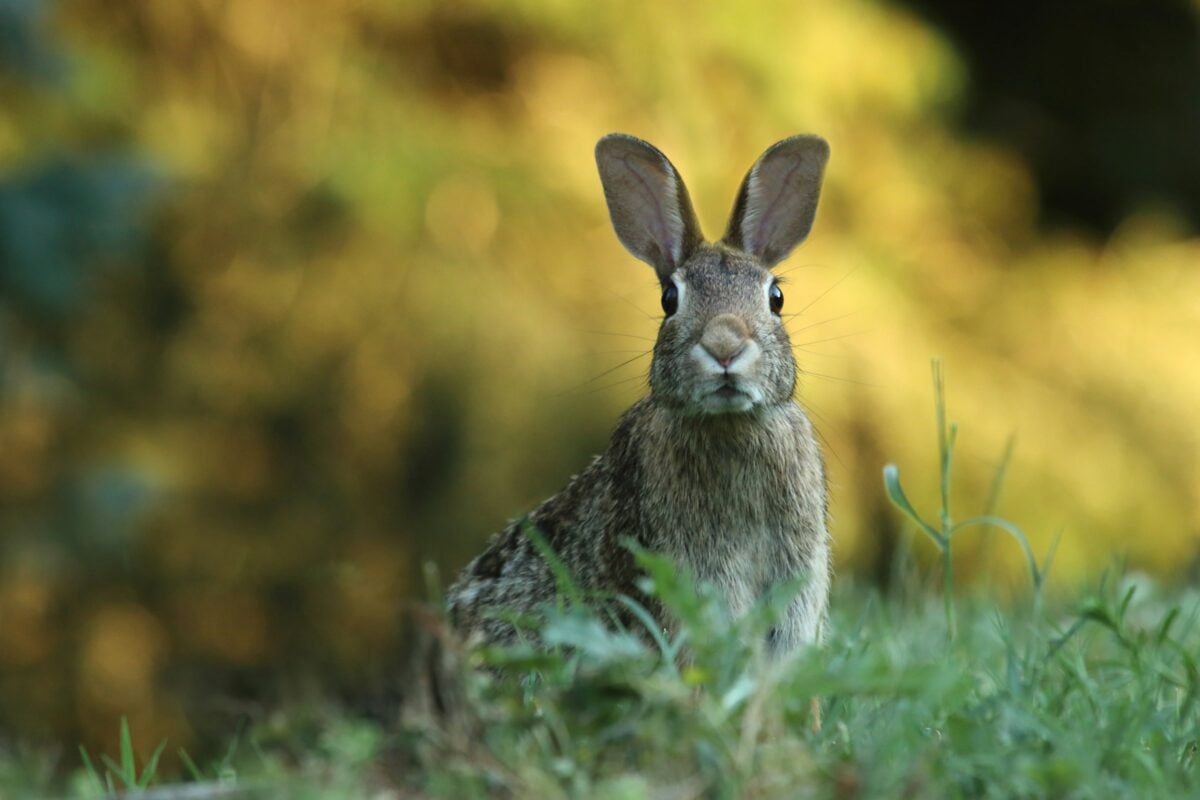
You’ve watched wild rabbits scatter off a lawn a hundred times and written it off as random panic – wrong human, wrong moment, bad luck. It isn’t. Field biologists who track flight distance, ear angle, and blink rate have found something stranger: rabbits are quietly running a background check on every human who walks past them, and they remember the results.
That means the rabbit frozen by your mailbox has already sorted your neighbors into a mental leaderboard – who’s safe, who’s suspicious, who earns a full sprint for cover. Twenty of those verdicts are hiding in behaviours so small you’ve walked right past them your entire life. Here’s how to finally read them.
#20 – The “Freeze, Don’t Flee” Test
🔥 Would you like to save this?
We'll email this post to you, so you can come back to it later!
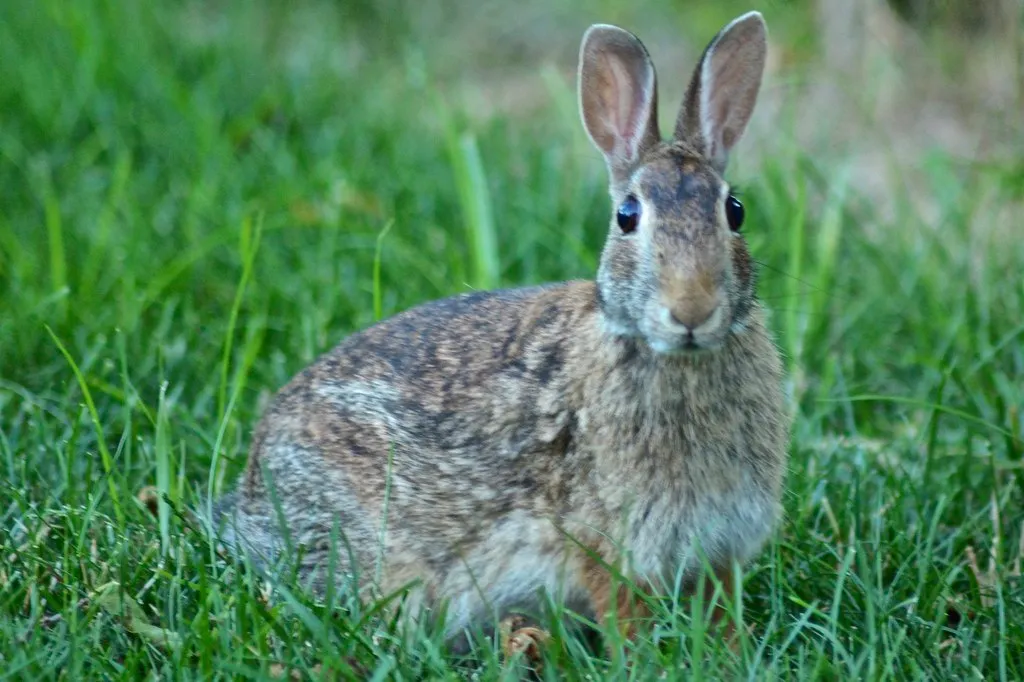
When a wild rabbit notices humans, the first test isn’t running – it’s freezing. If a rabbit freezes instead of sprinting away as one particular person walks past, that’s already data. Rabbits rely on stillness because many predators lock onto movement, but they don’t freeze randomly. They’re comparing posture, walking rhythm, and noise level from each person on that street.
If the rabbit stays frozen while one human passes but bolts the second another appears, it’s effectively casting a vote about who feels less risky. Biologists call this “flight initiation distance,” and rabbits stretch it for people they don’t trust while shrinking it for those they’ve learned are predictable. A rabbit that lets you walk within a few meters while it just compresses its body and holds its breath is already signalling a partial trust threshold. What their ears do next is even harder to miss once you know to look.
#19 – The Direction of the Ear Tilt
🔥 Would you like to save this?
We'll email this post to you, so you can come back to it later!
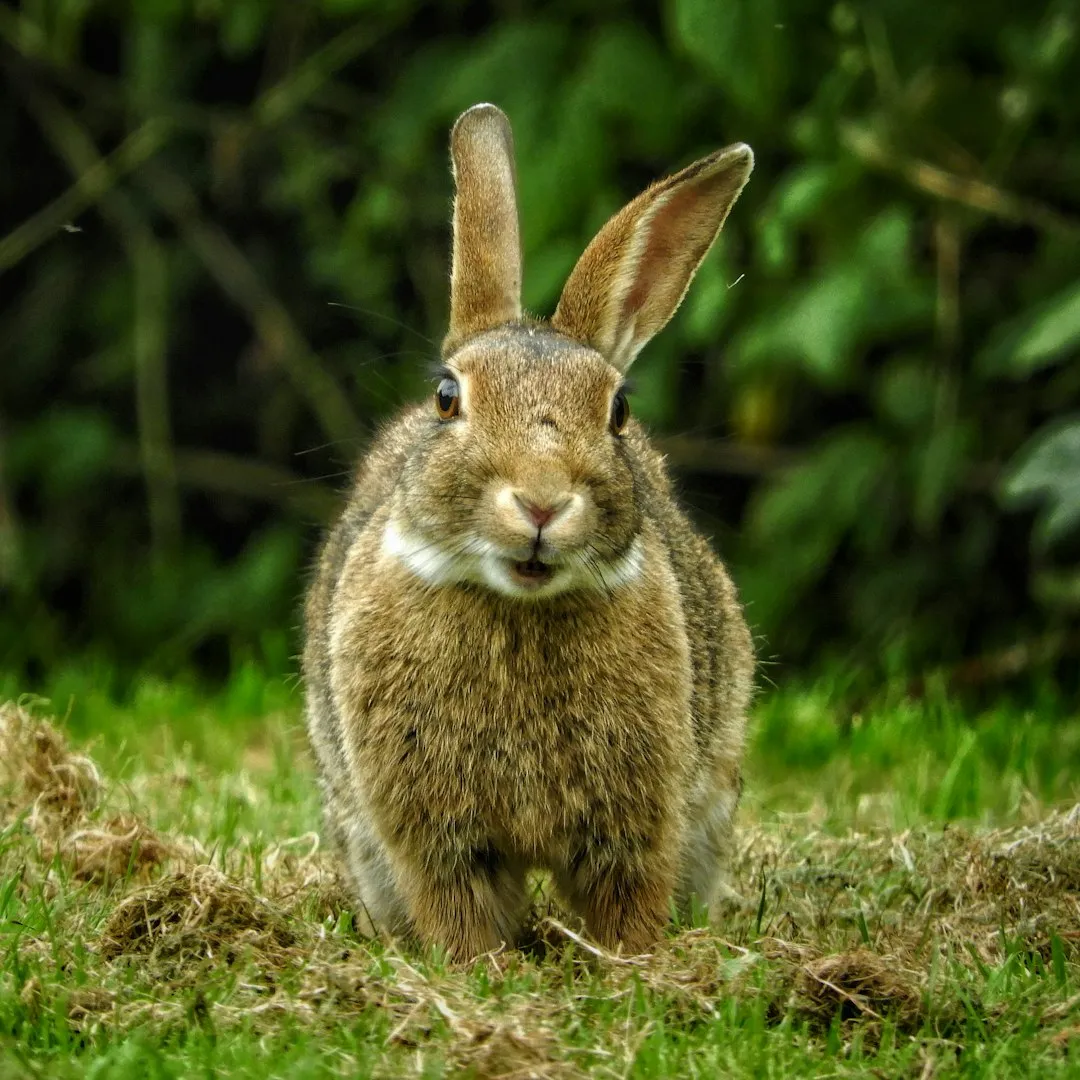
Most people watch the eyes; rabbits watch with their ears. When a wild rabbit is assessing humans, ear direction is one of the clearest giveaways of which person it’s tracking and how worried it is. If you’re on a sidewalk and several people pass, look for which human the rabbit “locks on” to with one or both ears.
If the near ear angles slightly but doesn’t snap fully toward you, that’s mild concern. If both ears swivel hard and stay fixed, you’re being tracked as a threat. Here’s the twist: once a rabbit has seen a particular human many times without incident – a regular dog walker who keeps their pet leashed, say – the ears often flick to that person briefly, then relax back to scanning the wider street. That’s the closest thing a rabbit has to “yeah, I know that one, low priority.” If the ears track everyone except one calm walker, the rabbit is literally telling you who it trusts most on that block. The geometry of where it’s willing to let you stand tells an even bigger story.
#18 – How Close They’ll Let You Cross Their Escape Line
🔥 Would you like to save this?
We'll email this post to you, so you can come back to it later!
Rabbits live by geometry. Every rabbit sitting near a street has an invisible “escape line” mapped from its current spot to the nearest safe cover – bushes, tall grass, a hole, a gap under a fence. The human it trusts most is the one allowed to cross near that escape line without triggering a panic sprint.
Watch long enough and you’ll notice a pattern: some people can walk between the rabbit and its bolt-hole and the animal just tenses; others step slightly toward that same path and it explodes into motion. This isn’t temperament, it’s a learned risk calculation. Rabbits that repeatedly observe a particular jogger or neighbor walking the same gentle arc each day start adjusting their panic radius downward for that individual, even when the person’s path cuts close to the escape route. If the rabbit stays put while one unaware human slices right through that invisible corridor, that’s a strong trust marker. The next behaviour is almost impossible to spot unless you already know it exists.
Fast Facts
- “Flight initiation distance” is a standard field-biology measurement used across many prey species, not just rabbits.
- Rabbits keep a mental map of the nearest cover at almost all times, whether that’s a hedge, burrow, or gap under a fence.
- A shrinking flight distance toward one specific person – while it stays wide for everyone else – is one of the clearest field signs of learned tolerance.
- This escape-line logic is also why rabbits often freeze near sheds, walls, or parked cars – anything that shortens the sprint to safety.
#17 – The “One Eye” vs. “Two Eyes” Look
🔥 Would you like to save this?
We'll email this post to you, so you can come back to it later!
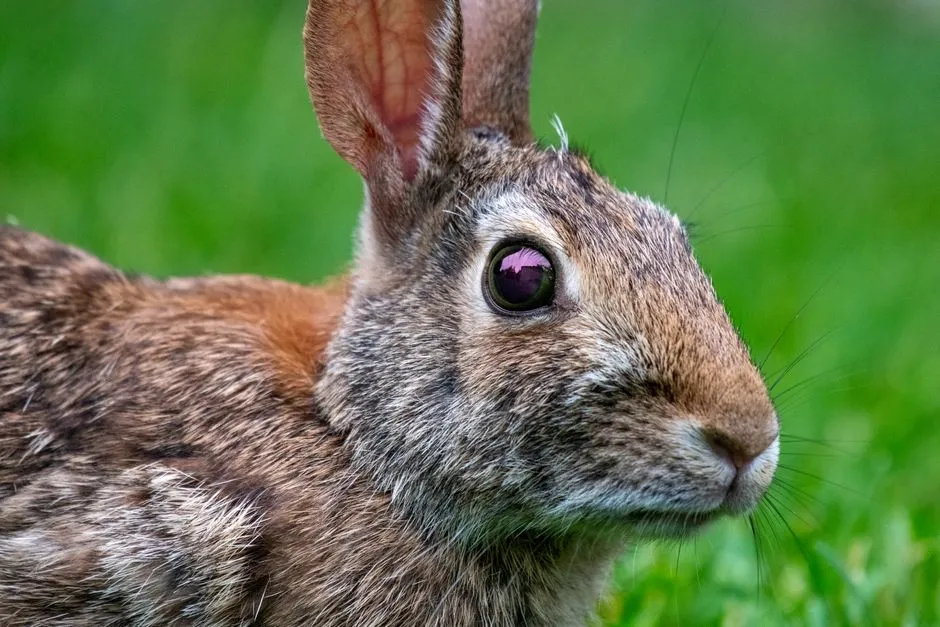
Here’s a behaviour almost nobody notices. Rabbits often watch humans with only one eye visible, keeping the other side of their body oriented toward cover – a defensive position that lets them pivot and run instantly if something goes wrong. But when they’ve decided a specific human is unlikely to attack, they sometimes break that rule and turn their full face toward that person, exposing both eyes.
Wildlife observers have documented rabbits doing this consistently with one or two familiar humans on a route – a cyclist who always passes quietly, for instance – while keeping the one-eye stance for louder or more erratic walkers. Showing both eyes means the rabbit is sacrificing a sliver of safety for better information and, arguably, curiosity. It’s about as close as a prey animal gets to giving someone the benefit of the doubt. If you see a rabbit square up to face one particular person while staying side-on to everyone else, you just watched a silent vote of confidence. Grooming takes that same idea and pushes it further.
#16 – The Micro-Grooming Signal
🔥 Would you like to save this?
We'll email this post to you, so you can come back to it later!
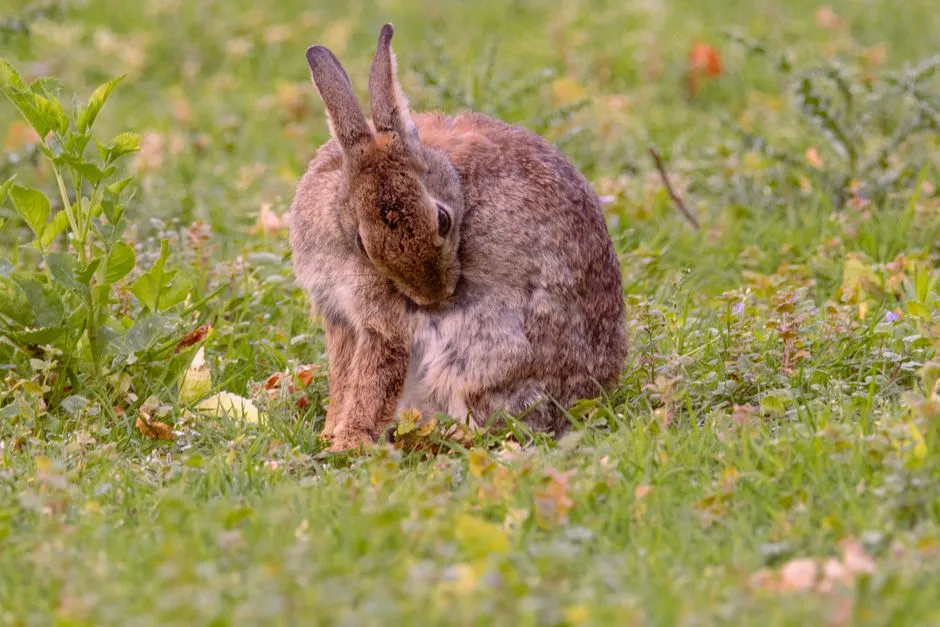
Prey animals don’t waste time grooming when they think death is close. Grooming is vulnerable – heads dip, eyes half-close, attention scatters. So when a wild rabbit starts grooming while a particular human is still within range, that’s revealing. It’s not just “relaxed,” it’s a statement that this human isn’t worth full-alert mode.
Researchers studying urban rabbits have noticed that grooming – face washing, ear scratching, short fur-nibbling – resumes faster after a calm, predictable person passes than after someone with a dog, kids running, or erratic movement. If a rabbit resumes grooming before you’ve even left the block, it’s telling you your body language stayed inside its “safe human” profile. Some rabbit-watchers argue this is dangerous habituation that leaves the animal exposed to less kind people down the line. Trust or misplaced optimism, if a rabbit grooms while you’re around, you’ve cleared a genuinely high bar. Even how they choose to run away carries a verdict.
#15 – The Direction They Choose to Flee
🔥 Would you like to save this?
We'll email this post to you, so you can come back to it later!
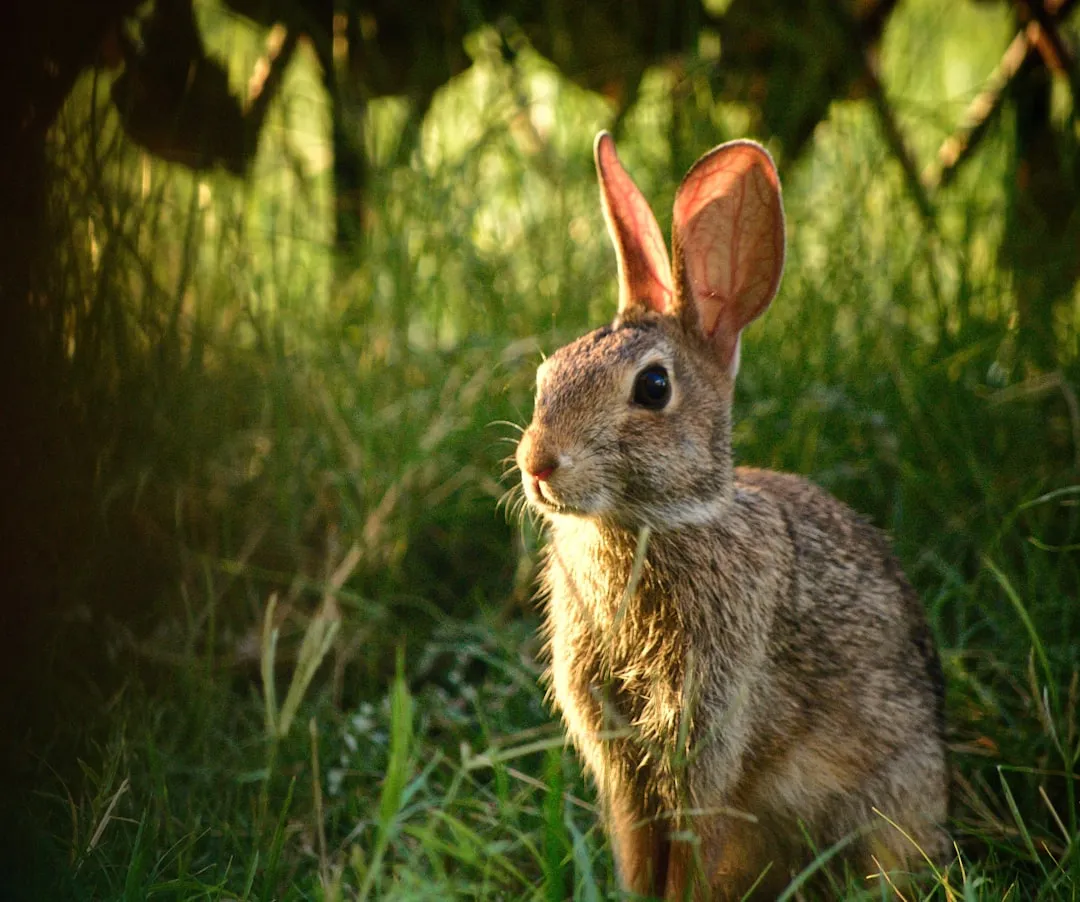
Most of us assume “rabbit runs away” means zero trust. But the direction it chooses to flee in actually reveals which human it trusts more. Rabbits hate being cornered, and when two or three people are on a street, the rabbit usually has multiple escape options – a yard, under a car, behind a hedge, even circling behind one human to reach cover.
Close observation shows that, given a choice, a rabbit will rarely run directly toward the human it sees as highest risk. If it has to dart across the sidewalk, it will often pass closest to the person it’s seen act calm before – crossing within a meter of them – just to avoid the unpredictable one with jerky footsteps or loud talking. To an untrained eye it looks like random zigzagging. To the rabbit, it’s a calculated route that says, “If I must pass near someone, I’ll pick the one who’s proven safe.” A dark compliment, but a compliment. What happens to their back when a trusted person walks by is even more telling.
#14 – How Long They Keep Their Back Turned
🔥 Would you like to save this?
We'll email this post to you, so you can come back to it later!
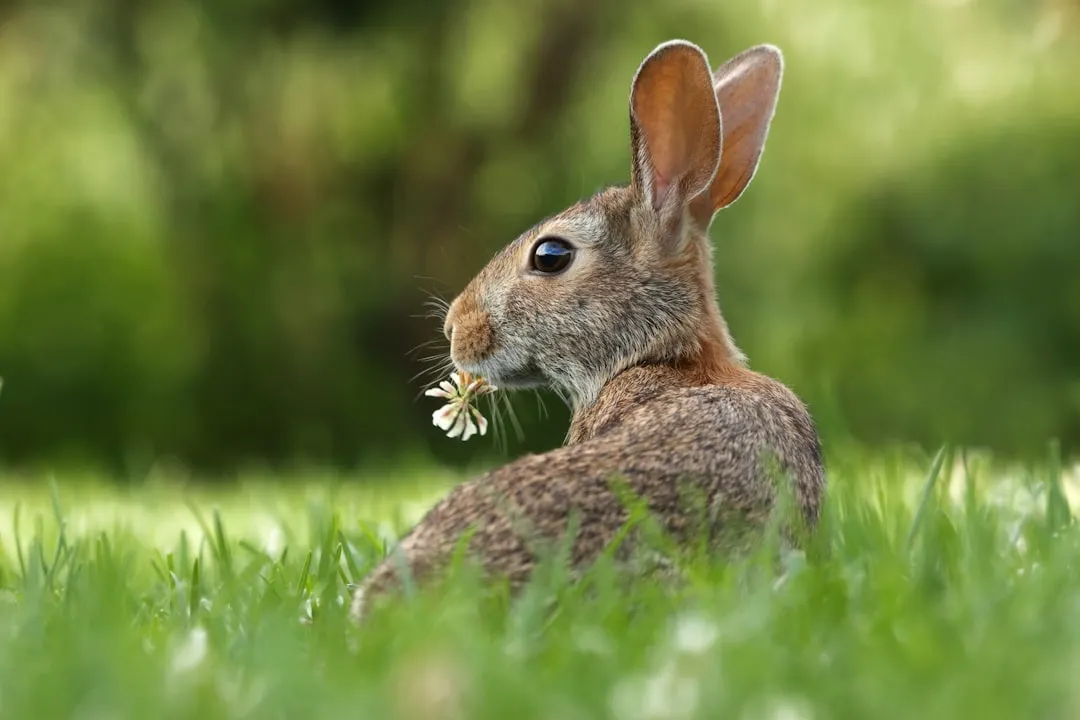
Prey almost never show you their back for long – unless you’ve earned that privilege. A wild rabbit on a grass verge usually sits angled so it can see both humans and its escape cover. But if it turns its back fully and keeps eating while a specific person passes, that’s not carelessness. That’s a statement: “You’re not my biggest problem right now.”
In ethology, exposing your back is a trust-adjacent behaviour – the rabbit is gambling that you won’t suddenly shift into predator mode. What’s striking is how selective this is. The same rabbit may whip around to face a new dog-walker halfway down the block, even though you were just twice as close a moment earlier. Maintaining a back-turned posture around one human but not others is one of the most blatant trust markers in the wild, and people walk past it every single day without realizing what they just witnessed. Their internal clock gives away even more.
#13 – The “Resume Foraging” Timer
🔥 Would you like to save this?
We'll email this post to you, so you can come back to it later!
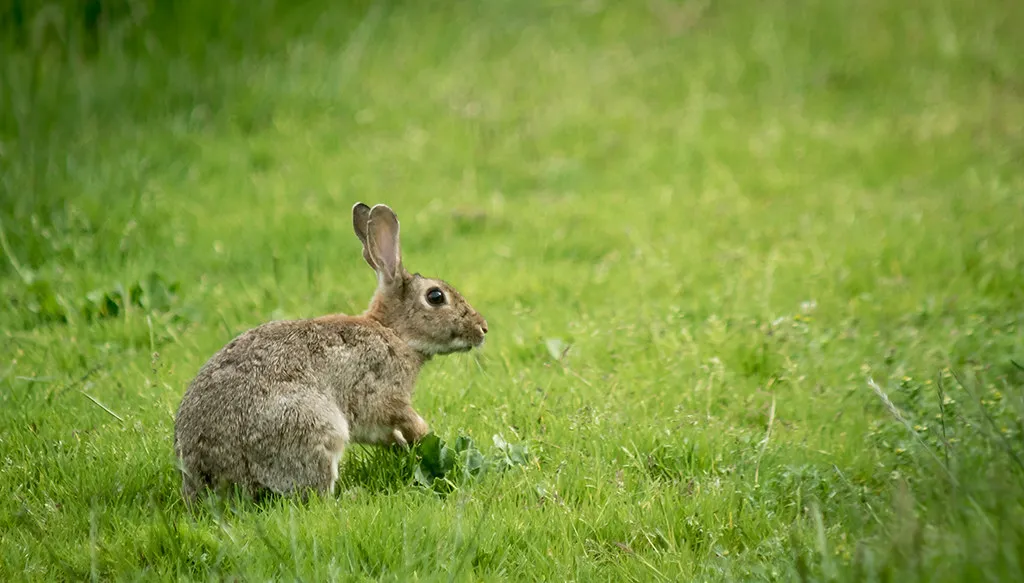
Rabbits live on a tight energy budget. Every second spent frozen or running is food they’re not eating. So after a human passes, the time it takes them to resume foraging is a measurable, trackable behaviour.
Watch this pattern on a regular route:
- After a loud stroller or off-leash dog, the rabbit may wait 30–60 seconds with ears rigid.
- After a quiet, steady walker, it might drop its head to feed within 5–10 seconds.
Over days or weeks, wild rabbits shorten this “fear delay” dramatically for individuals who never do anything threatening. On some suburban streets, rabbits now resume grazing even while a known neighbor is still in peripheral view. It’s not affection – it’s a cold, data-driven risk adjustment. The next behaviour turns a human into something closer to a bodyguard.
#12 – Whether They “Shadow” a Safe Human
🔥 Would you like to save this?
We'll email this post to you, so you can come back to it later!
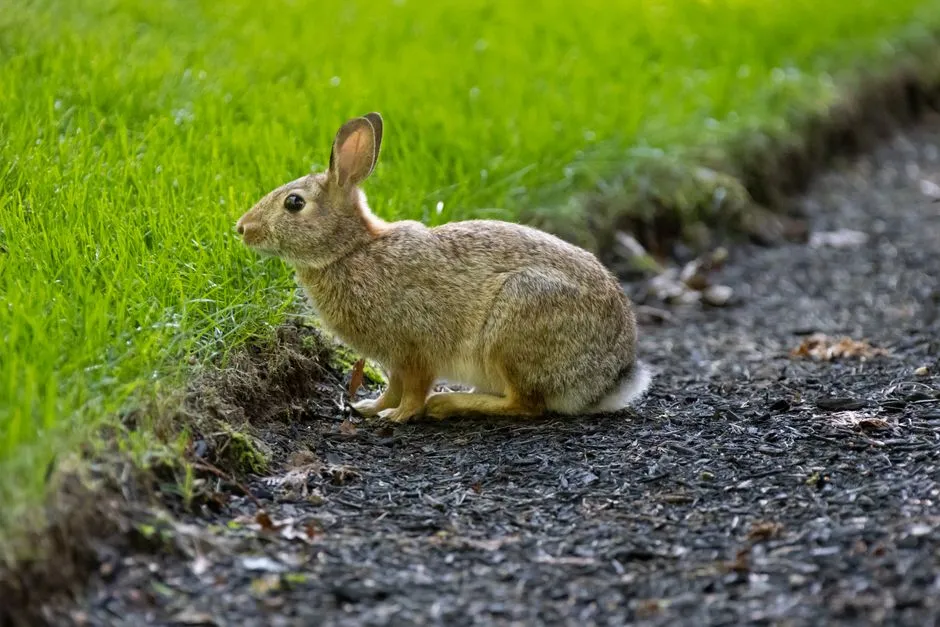
Here’s one that shocks people the first time they notice it: the shadow follow. When a rabbit feels squeezed between multiple stressors – cars, dogs, bikes – it will sometimes quietly reposition itself to stay on the opposite side of a calm human, almost like using them as a mobile shield.
It’s not following like a pet, it’s mirroring distance. If a noisy group is approaching, a rabbit may hop a few meters so the quiet walker is now physically between it and the chaos. Wildlife observers have seen rabbits do this repeatedly with one or two predictable people who never give chase, essentially drafting behind them as moving cover. That behaviour doesn’t show up for random tourists or sprinting kids. When a rabbit starts using a specific human as a shield against everyone else on the street, it’s making a brutally logical choice: of all these risks, this one is the least. Their blink rate tells you just as much, if you know how to watch for it.
#11 – The Blink Rate When You Approach
🔥 Would you like to save this?
We'll email this post to you, so you can come back to it later!
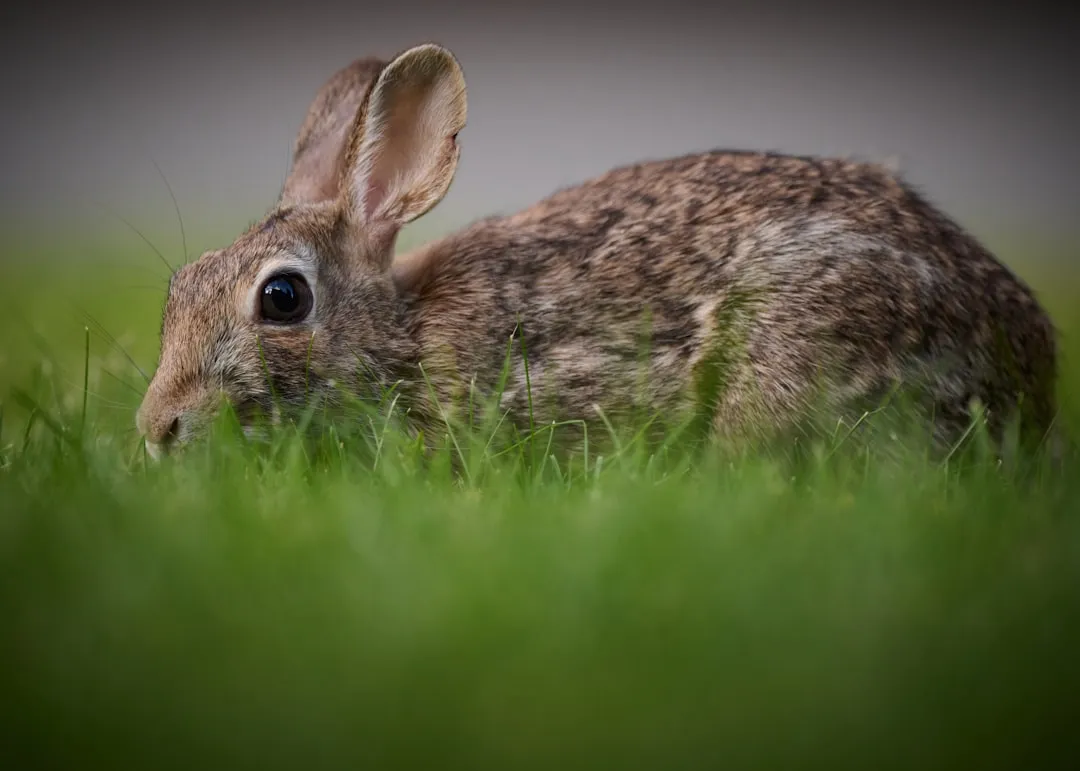
Blinking sounds trivial, but it’s a real fear-meter. Mammals under threat often reduce their blink rate to keep vision uninterrupted. Approach a rabbit and its eyes go wide and unblinking, and it’s in full threat mode.
But observe from a distance while different people walk past, and something subtler emerges. With some people, the rabbit’s blinks stay soft and regular; with others, blink intervals stretch out or the eyes go fixed and glassy. In practice, the human a rabbit trusts more is the one whose presence doesn’t noticeably alter that natural blink rhythm. Field notes from urban ecologists describe rabbits in parks that barely change their blink pattern for familiar groundskeepers, but almost stop blinking entirely when a new jogger appears. It’s tiny, almost invisible, and wildly under-discussed even among people who love these animals. Voice turns out to matter just as much as sight.
#10 – How They React to Your Voice vs. Your Silence
🔥 Would you like to save this?
We'll email this post to you, so you can come back to it later!
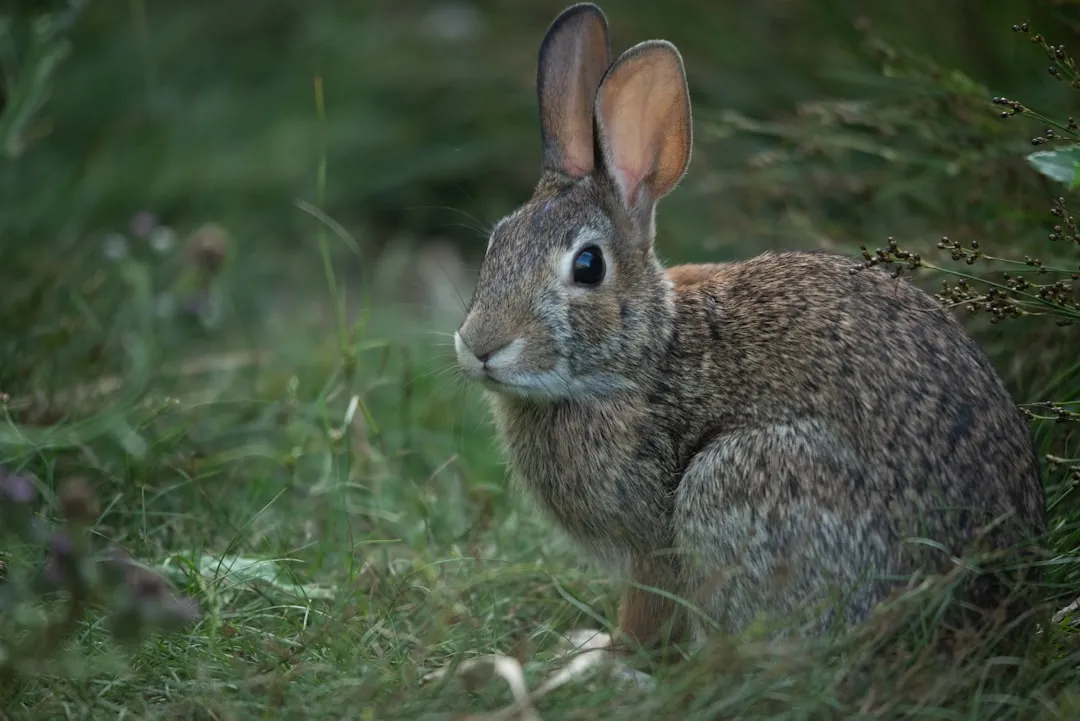
A controversial point among rabbit watchers: talking softly to wild rabbits. Some swear it helps; others say it spooks them. The truth is more nuanced. Rabbits don’t understand your words, but they absolutely respond to tone, volume, and consistency.
Compare the reactions:
- To a new, loud voice, rabbits often freeze harder, ears ramrod straight.
- To a familiar, soft voice, they may barely adjust, just tilting one ear.
A rabbit that has repeatedly heard a low, steady voice paired with non-threatening behaviour may actually stay calmer around that sound than around silence from a stranger. Trust here is relative and learned – it’s a crude version of sound profiling, not affection. And it’s fragile: laugh sharply, clap, or call a dog in a new tone, and that trust bank empties fast. Even how they treat your dog carries its own verdict.
#9 – Whether They Ever Turn Their Back on Your Dog
🔥 Would you like to save this?
We'll email this post to you, so you can come back to it later!
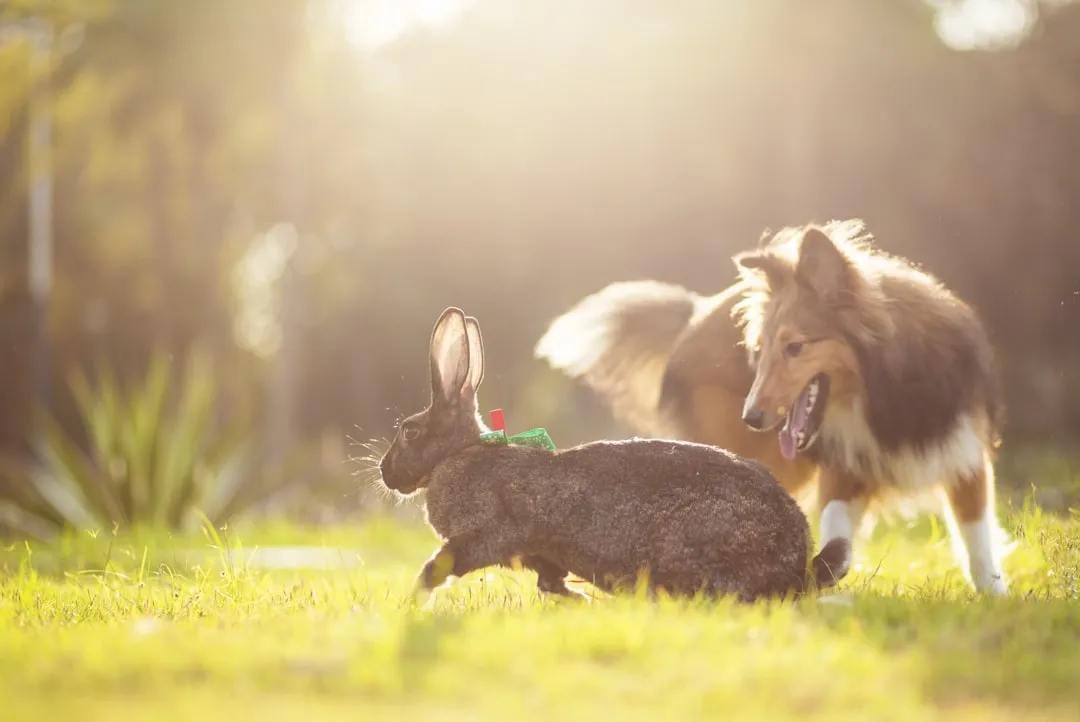
Dog owners hate this, but it matters. To a rabbit, a dog is a predator – even the sweet, goofy kind. Yet on heavily used urban paths, you’ll sometimes see rabbits that barely twitch when a specific leashed dog passes, while sprinting for cover at the sight of others.
The distinction is brutally practical. Rabbits pay attention to which dogs pull, lunge, and bark, and which ones are tightly controlled. If a rabbit stays visible and even starts nibbling again while your dog is still in sight, that’s conditional trust in the whole unit – human plus dog – built from repeated, incident-free passes. Some biologists call this risk numbness rather than trust, the kind that can turn fatal with one off-leash exception. Either way, on a street with several dog walkers, the human whose dog gets tolerated closest is the one the rabbit has, quite rationally, ranked as least dangerous. The next tell is the rabbit’s version of a yellow light.
Quick Compare
- Calm, leashed dog: rabbit stays visible, may keep nibbling.
- Straining or barking dog: instant full-speed retreat, no hesitation.
- Off-leash dog, even a friendly one: treated as maximum threat regardless of past encounters.
- Same dog, different handler: trust often resets, since control style matters as much as the dog itself.
#8 – The “Half-Hop” Instead of Full Flight
🔥 Would you like to save this?
We'll email this post to you, so you can come back to it later!
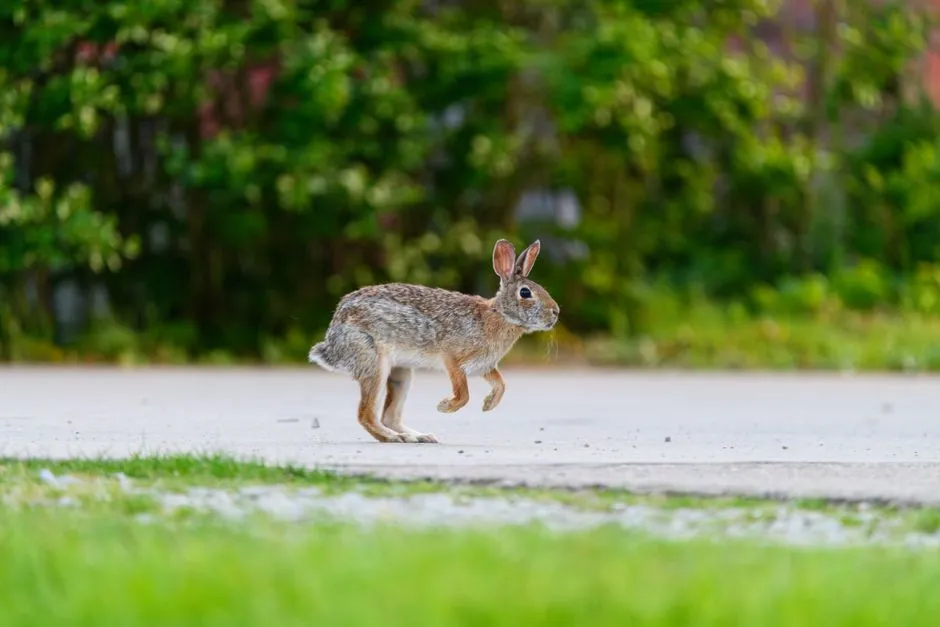
Flight isn’t all-or-nothing. Wild rabbits have a middle move: the half-hop retreat. Instead of a full-speed dash to cover, they do one or two quick hops back, then stop and reassess. You’ll often see this when a human gets a little closer than the rabbit likes but hasn’t crossed the true danger threshold.
If that half-hop is the rabbit’s default response to you – while it explodes into a full sprint the moment another person takes the same step – you’re sitting in a different risk category in its brain. The half-hop is a yellow light, not a red one. Over days, rabbits may even downgrade you from half-hop to a simple ear-tilt as they realize you always stop or veer away at the same distance. People who say “the rabbits on my street barely move when I walk by anymore” are reporting exactly that quiet recalibration. Their choice of hiding spot says something similar.
#7 – How Often They Choose Height Over Distance
🔥 Would you like to save this?
We'll email this post to you, so you can come back to it later!
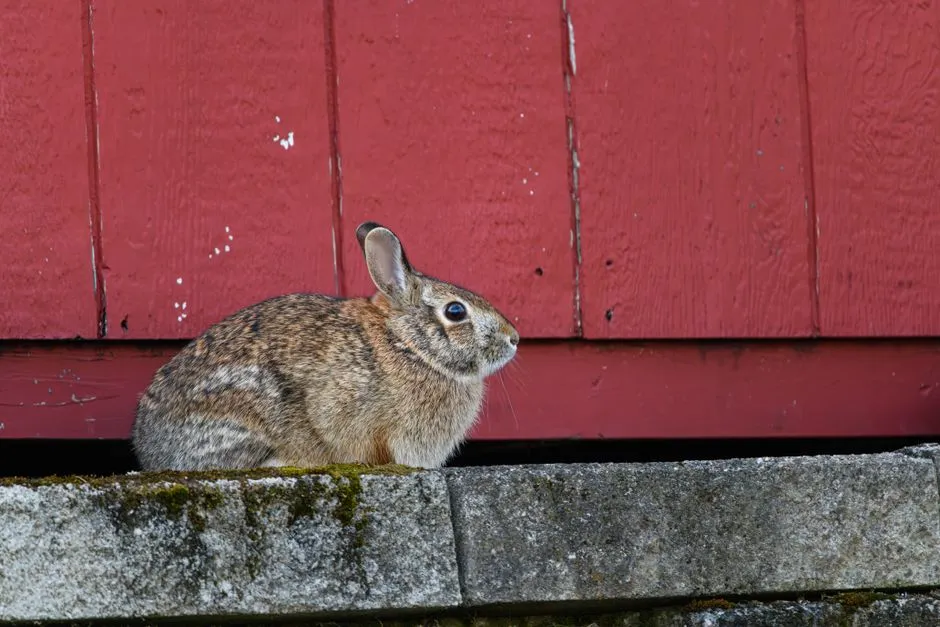
When things get dicey, rabbits have two basic safety strategies: add distance (run far) or add structure (hide behind or under something). Height – a low wall, a step, a small rise – plays into the second strategy.
Interestingly, rabbits sometimes choose to hop just a short way to tuck behind a curb or step near a trusted human, rather than sprint far down an open stretch past someone they’re less sure about. If a rabbit consistently ducks behind the same garden wall whenever a particular calm walker passes – but bolts completely off the street for others – you’re watching nuanced risk partitioning. It has decided that sharing micro-space with that quiet human, separated by one layer of concrete, is safer than open distance near someone unpredictable. Choosing a shallow, nearby hiding spot over maximum distance is a strong sign the nearest human has been ranked “low volatility.” Their nose gives away the same math.
#6 – The Subtle Nose Twitch Slowdown
🔥 Would you like to save this?
We'll email this post to you, so you can come back to it later!
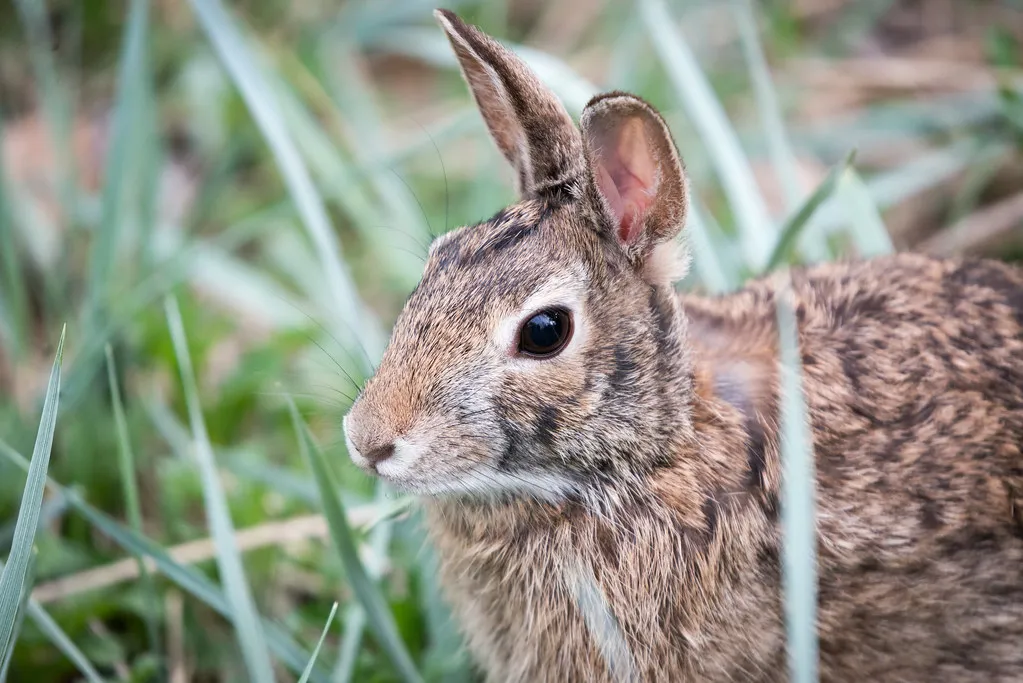
Nose twitching isn’t just “cute rabbit stuff.” It’s part of how they sample scent and air. Under stress, that twitching often speeds up as breathing and heart rate spike, or freezes altogether in an extreme response. When a rabbit is relatively at ease, the twitch pattern is rhythmic and moderate, not frantic.
Stand at a respectful distance and watch different people go by, and you’ll notice it: with certain humans, the nose-twitch pattern barely changes; with others, it visibly accelerates. People who’ve walked the same route quietly for months sometimes see a rabbit’s nose actually slow slightly when it recognizes a familiar combination of footsteps and scent, as if the animal is slipping into a known pattern. It’s subtle, and you’ll miss it if you’re moving fast. Most prey never grant that physiological relaxation near a human they truly view as unpredictable. The next behaviour is one of the strangest on this whole list.
#5 – The “Parallel Path” Choice
🔥 Would you like to save this?
We'll email this post to you, so you can come back to it later!
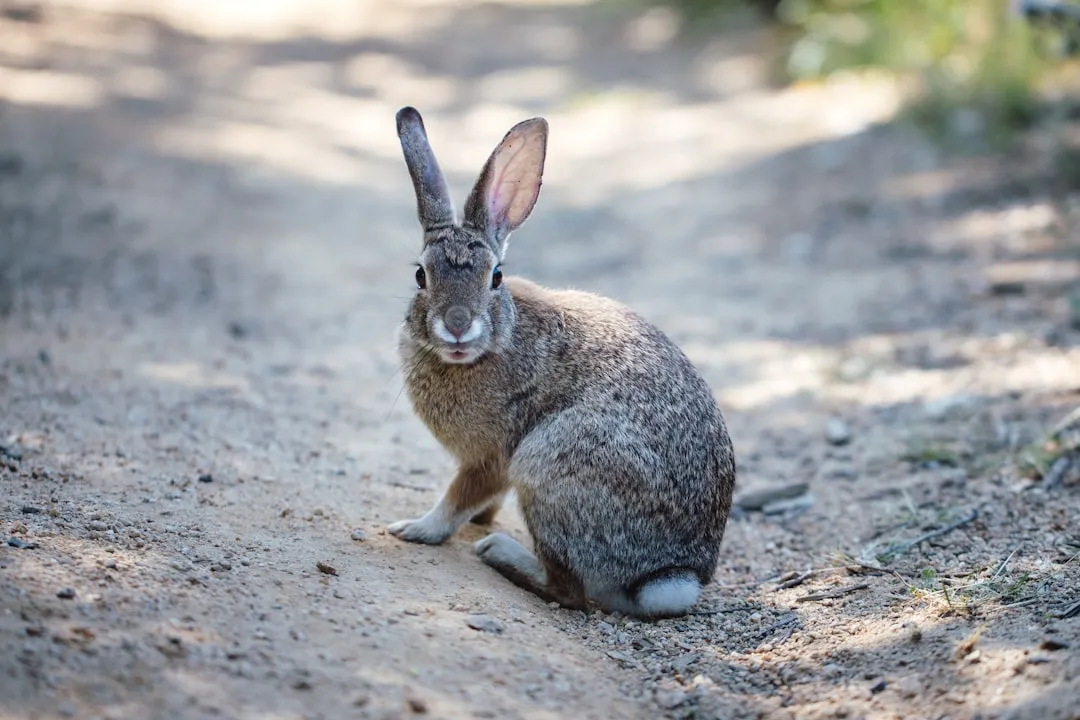
One of the most revealing behaviours: when a rabbit could run directly away from all humans, but doesn’t. Instead, it chooses a parallel path, moving in the same general direction as a particular person, just at a safe offset – often along park edges or long residential streets, traveling alongside that human for 10–30 meters before peeling off.
Why? Because that person has effectively become a moving bubble of predictability. Within that bubble, cars slow, other pedestrians veer, and dogs are more likely leashed – free operational cover for the rabbit. It’s not walking with you like a pet, it’s exploiting your presence to reduce total risk. It won’t do this with someone who flails their arms, lets a dog zigzag, or cuts erratically across the path. The parallel path is a cold-blooded endorsement: of all the walking chaos on this street, your pattern is the most exploitable. Curiosity, when it finally shows up, is even more telling.
#4 – Whether They Ever Turn Curiosity Toward You
🔥 Would you like to save this?
We'll email this post to you, so you can come back to it later!
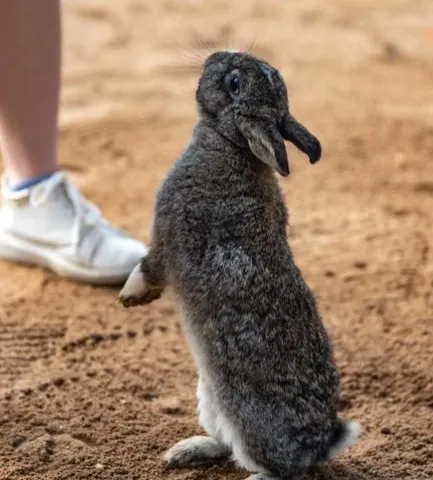
Rabbits are prey, but they’re not robots. Curiosity leaks through in tiny, risky behaviours. The clearest one: after the initial fear check, a rabbit will sometimes take an extra, voluntary step toward a specific human, nose lifted, before settling back down.
That’s very different from being cornered – it’s choosing to shorten the gap for a moment to sniff, listen, or update its mental file. Ethologists sometimes call this “approach-avoidance play,” a dance of one step forward, half step back. Wild rabbits almost never do this around humans who have chased, yelled, or allowed uncontrolled dogs nearby. But a jogger who always keeps a wide berth, or a neighbor who moves slowly and consistently, may earn this micro-approach. Any forward movement the rabbit initiates – not forced by terrain – is a major trust tell. It means its need for information briefly outweighed its fear of you. In a crowd, that same math gets a lot more visible.
Why It Stands Out
- Most fear responses are involuntary; a voluntary step closer is a deliberate choice.
- It briefly reverses the rabbit’s default script of “assess, then retreat.”
- It almost never happens around humans with a history of chasing, shouting, or loose pets nearby.
- It’s one of the only behaviours on this list that looks proactive rather than reactive.
#3 – The Group Filter: Who They Ignore in a Crowd
🔥 Would you like to save this?
We'll email this post to you, so you can come back to it later!
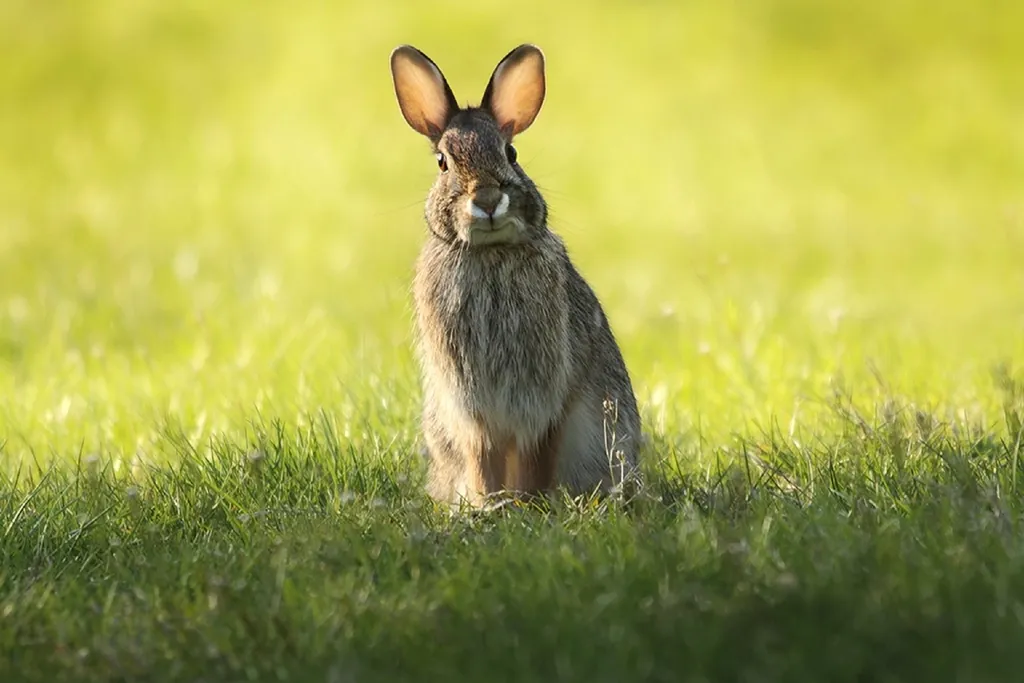
On a busy street or park path, rabbits don’t process each human individually. They run filters. One of the strongest signs of selective trust is who gets ignored first when multiple people appear at once.
If three or four humans approach from different angles and the rabbit has to pick one to track, it points ears, eyes, and body tension toward whoever it finds most unpredictable. Here’s the revealing part: some regulars essentially drop out of that filter entirely. The rabbit no longer tracks them as an active threat, only as background. Look closely and you’ll see the rabbit’s body aligned to monitor the noisiest, least-patterned human, while barely adjusting when a known calm walker slips past in the same frame. That calm person has been reclassified from “potential predator” to “moving landscape feature.” It’s not flattery, it’s a brutally practical shortcut. Dusk pushes that same logic to its limit.
#2 – The “Stay Visible” Decision at Dusk
🔥 Would you like to save this?
We'll email this post to you, so you can come back to it later!
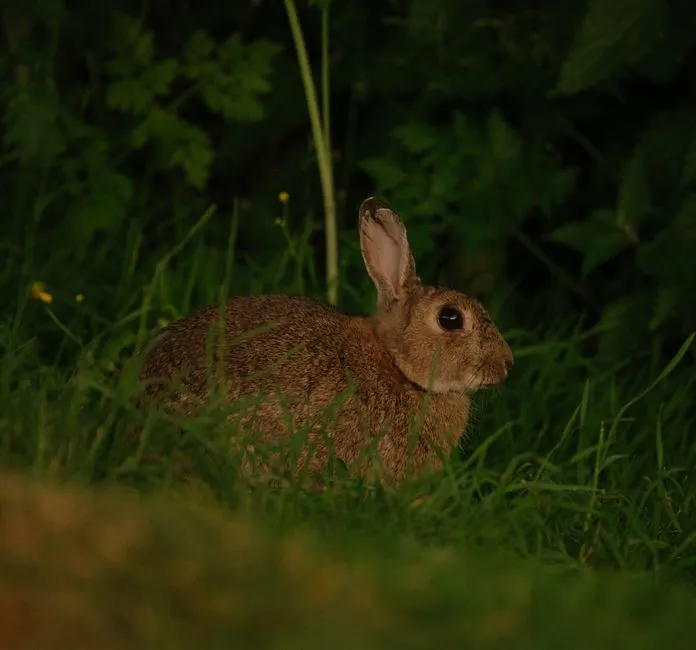
Dusk is rabbit rush hour – and also peak danger. Light is low, predators are active, and human patterns shift as commuters flood home. You’d expect rabbits to dive for cover as soon as anyone appears.
Yet in some neighborhoods, rabbits will stay visible, even continuing to forage, while a particular late-evening regular walks past, only bolting when an unfamiliar figure or off-leash dog enters the scene. That’s not casual comfort, it’s data accumulated over dozens or hundreds of encounters. The stakes at dusk are genuinely high – predators see better, and shadows deepen. If a rabbit chooses to remain out in the open while you pass at that hour, it’s effectively betting that your arrival doesn’t meaningfully raise its odds of dying in the next minute. Staying visible at the riskiest hour of the day, around one specific human, is one of the strongest trust markers a wild rabbit has to give. And then there’s the behaviour that breaks its own rulebook completely.
#1 – They Break Their Own Rule: Eating With You Inside Their “Bolt Zone”
🔥 Would you like to save this?
We'll email this post to you, so you can come back to it later!
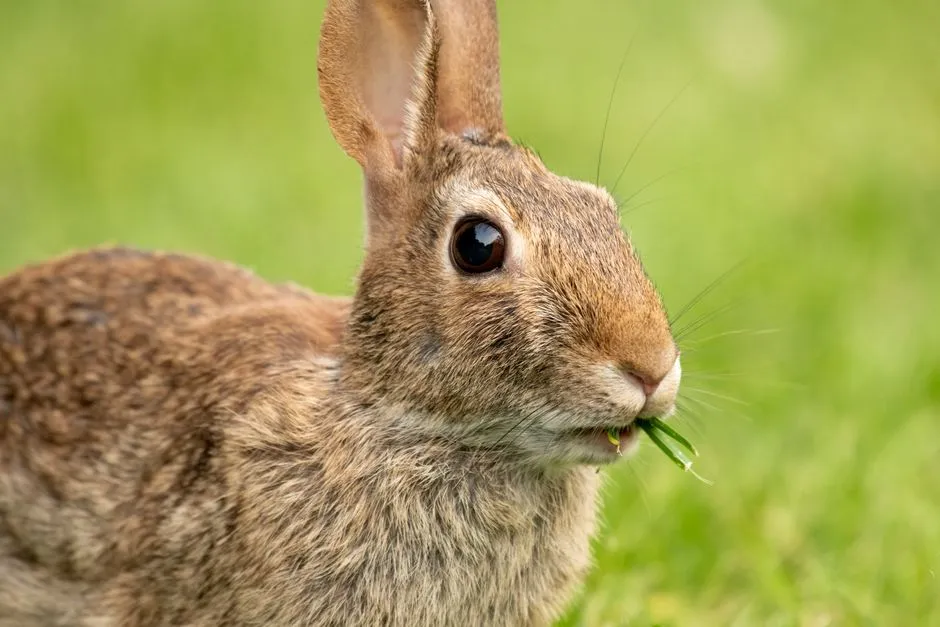
Every wild rabbit has a personal bolt zone – the radius within which any sudden change usually triggers instant flight. It’s flexible, but it exists. The rare, powerful moment is when a rabbit decides to eat while you are inside that zone – not at the far edge of the field, not behind a fence, but right there, within the distance where one lunge could reach it.
When that happens, the rabbit is overriding millions of years of instinct with recent, hyper-local data: your track record. This doesn’t mean it “likes” you, that’s the human fantasy talking. It means your behaviour has been so predictably non-threatening that, in this narrow context, food and energy storage have finally outranked the risk you represent. Biologists would call it functional habituation. Emotionally, we read it as trust. And here’s the uncomfortable part: in a city full of hazards, the rabbit may be right about you – and dead wrong about the next human who walks that same street.
The Bottom Line
🔥 Would you like to save this?
We'll email this post to you, so you can come back to it later!
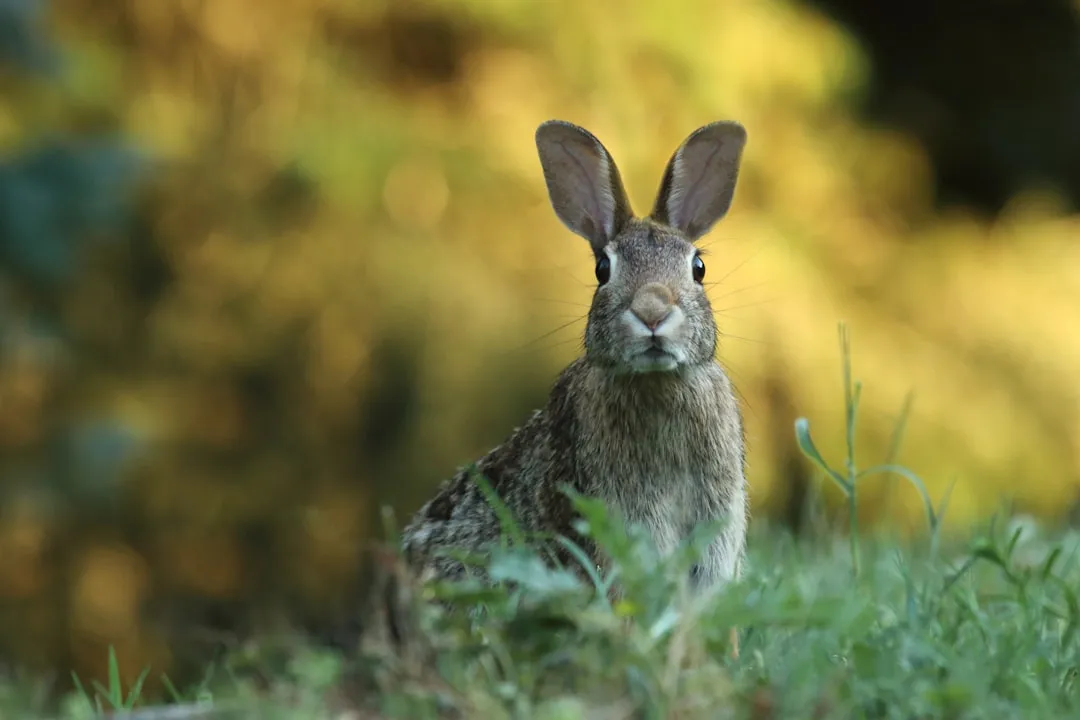
Wild rabbits are not random bundles of nerves. They’re running a constant, ruthless risk algorithm, and every human on a street is just a data point in it. The behaviours that look like “cuteness” or “shyness” are actually fine-grained verdicts: who’s background noise, who’s a maybe, who’s an instant red alert.
At a Glance
- High trust signals: grooming nearby, back turned, resumed foraging within seconds, staying visible at dusk.
- Neutral signals: ear tilt without full lock-on, half-hop retreat, one-eye viewing.
- Low trust signals: full sprint, rigid unblinking stare, long freeze, avoidance of the escape-line corridor.
From ear tilts and half-hops to grooming, blink rate, and that startling decision to eat while you’re standing inside the bolt zone, each signal quietly ranks you on a trust scale you never knew existed. My honest take? When a rabbit “trusts” a human, it’s not because we’ve earned it in any warm, sentimental sense. It’s because, so far, we’ve simply failed to be as dangerous as everything else out there – and that’s a far more sobering compliment than it first sounds.
Did we miss a rabbit behaviour you’ve noticed on your own street? Drop it in the comments.

- 23 Warm Corners an Elderly Cat Keeps Returning To All Winter - October 29, 2026
- 16 Behaviours Showing a Cat Considers a House Permanent Now - October 29, 2026
- 15 Wildlife Programmes a Lifetime Pass Holder Over 62 Can Join Free - October 29, 2026