

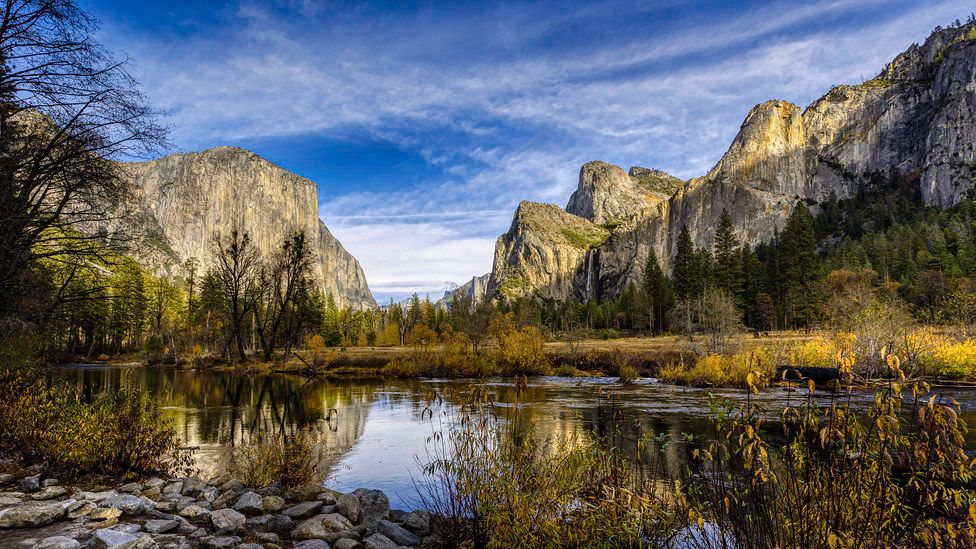
America stretches out like a patchwork quilt stitched together with towering mountain peaks, impossibly deep canyons, pristine coastlines, and ancient forests. There’s something intoxicating about the sheer diversity of landscapes this country offers, from deserts that feel more like alien planets to lakes that shimmer in shades of blue so vivid they look Photoshopped.
I honestly think we take it for granted sometimes. We scroll past photos of far-flung destinations overseas while some of the world’s most dramatic natural beauty sits just a few states away. Whether you’re planning a cross-country road trip or just looking for your next weekend escape, these spots will remind you why people come from all corners of the globe to witness America’s raw, untamed beauty. So let’s dive in.
#20 Ruby Beach, Washington
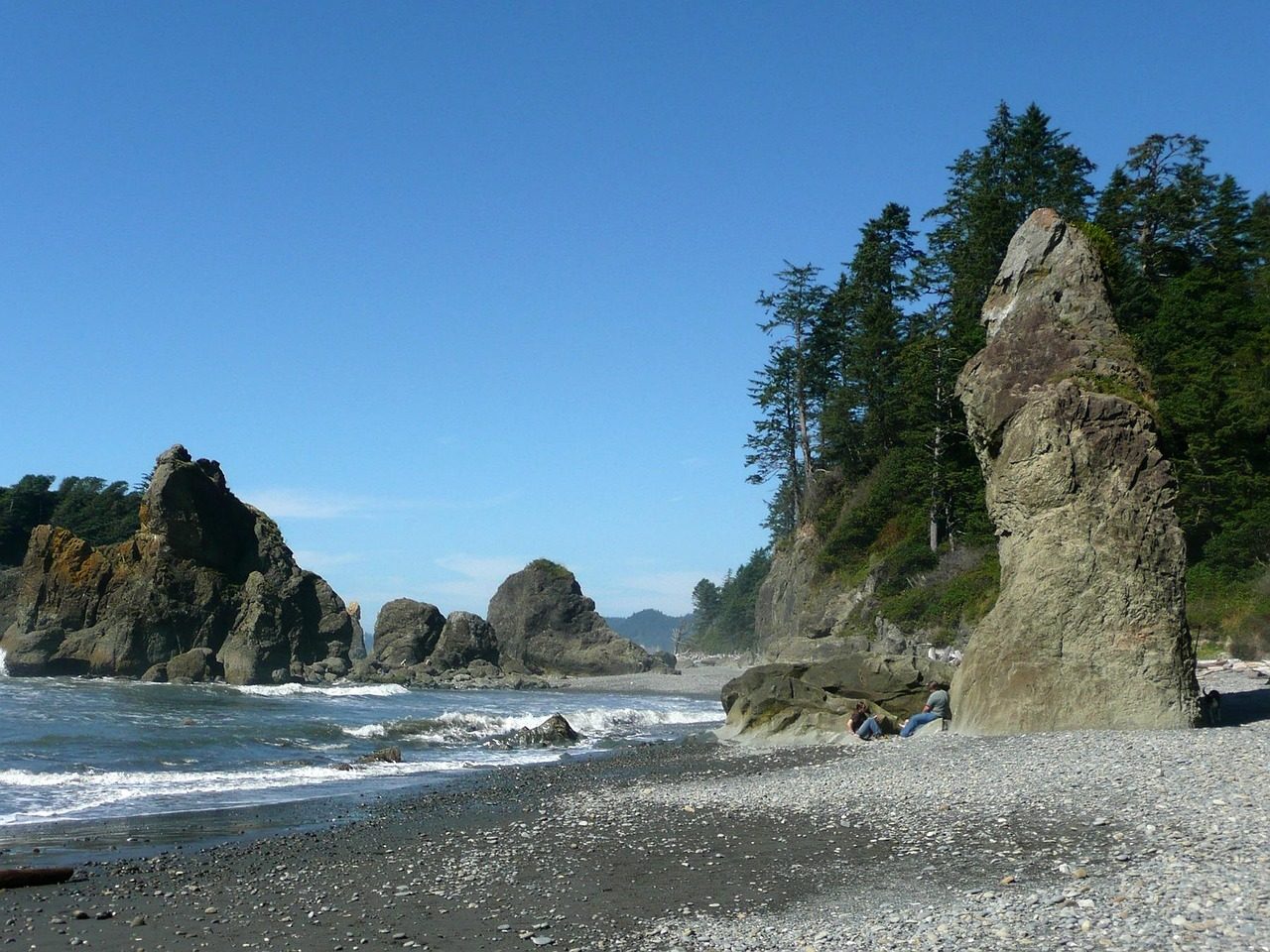
Ruby Beach sits along Washington’s rugged Olympic Peninsula coastline and is widely considered one of the prettiest beaches in the country. Weathered driftwood scatters across the sand like giant sculptures, while sea stacks rise from the ocean like ancient sentinels, and a forest straight out of Jurassic Park frames the whole scene. The beach gets its name from the ruby-like crystals mixed into the sand, which catch the light at sunset in a way that’s almost magical.
What makes Ruby Beach special isn’t just the scenery. It’s the sense of wildness you feel standing there with the Pacific wind whipping around you. The beach feels remote and untouched, a place where nature still calls the shots.
#19 Maroon Bells, Colorado
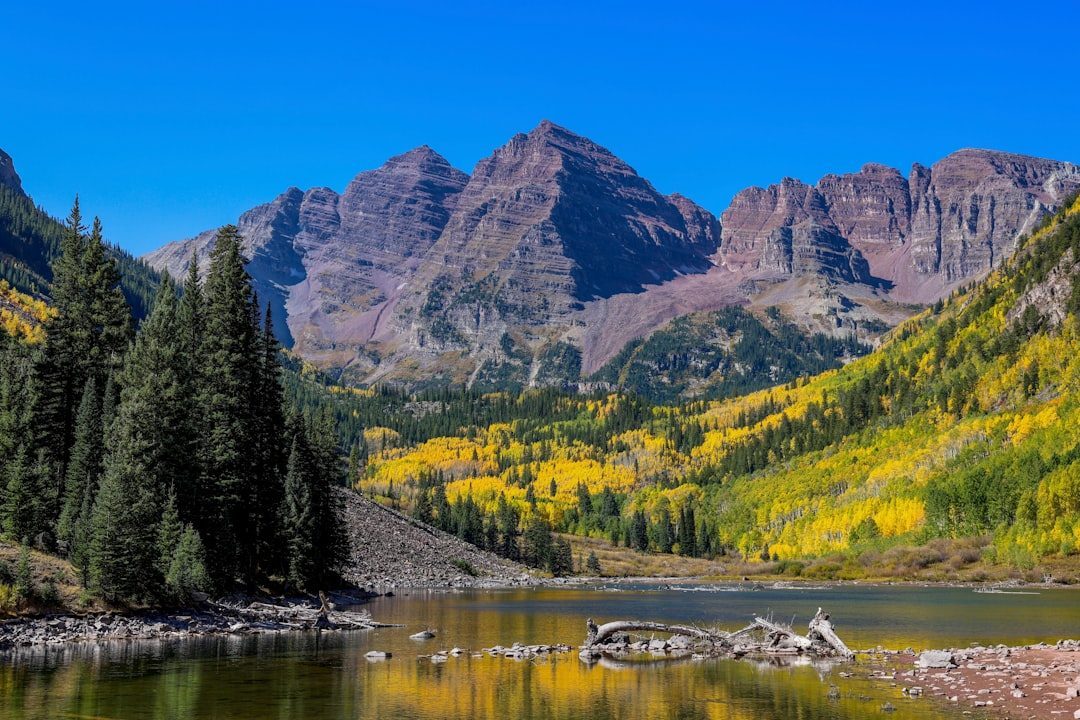
The Elk Mountains in Colorado hide countless scenic viewpoints, yet nothing quite matches the sight of Maroon Bells reflecting perfectly in Crater Lake. These twin peaks rise dramatically above the alpine waters, creating one of the most photographed mountain scenes in North America. During autumn, golden aspens blanket the surrounding hillsides, turning the landscape into a painter’s dream.
Getting there involves a short hike or a shuttle ride, depending on the season. Early morning visits reward you with mirror-like reflections before the winds pick up. The air feels thin at this elevation, crisp in a way that makes you feel more awake than any cup of coffee ever could.
#18 Antelope Canyon, Arizona
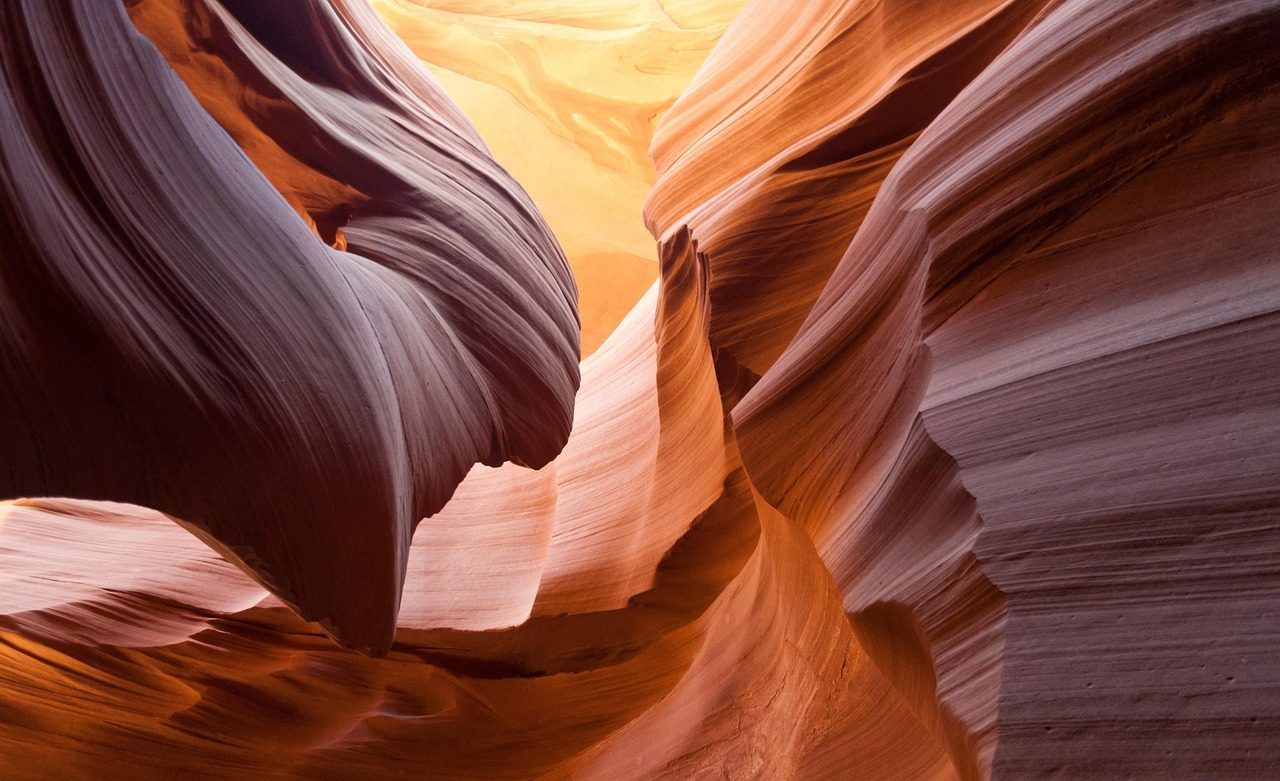
Antelope Canyon’s captivating corridors and chasms are often beautifully bathed in brilliant beams of light that enhance its soft tones and shapes. This very popular slot canyon can only be visited as part of a guided tour as it lies within a Navajo Tribal Park. The spiraling patterns carved into the sandstone walls are so perfect they look almost geometrical, creating a work of art that nature spent millions of years perfecting.
Photography enthusiasts flock here for those famous light beams that filter down from above, illuminating the narrow passages in shades of orange, red, and purple. The canyon comes alive around midday when the sun sits directly overhead. It’s a short visit, really, since the canyon itself isn’t massive, yet the experience stays with you long after.
#17 Na Pali Coast, Hawaii
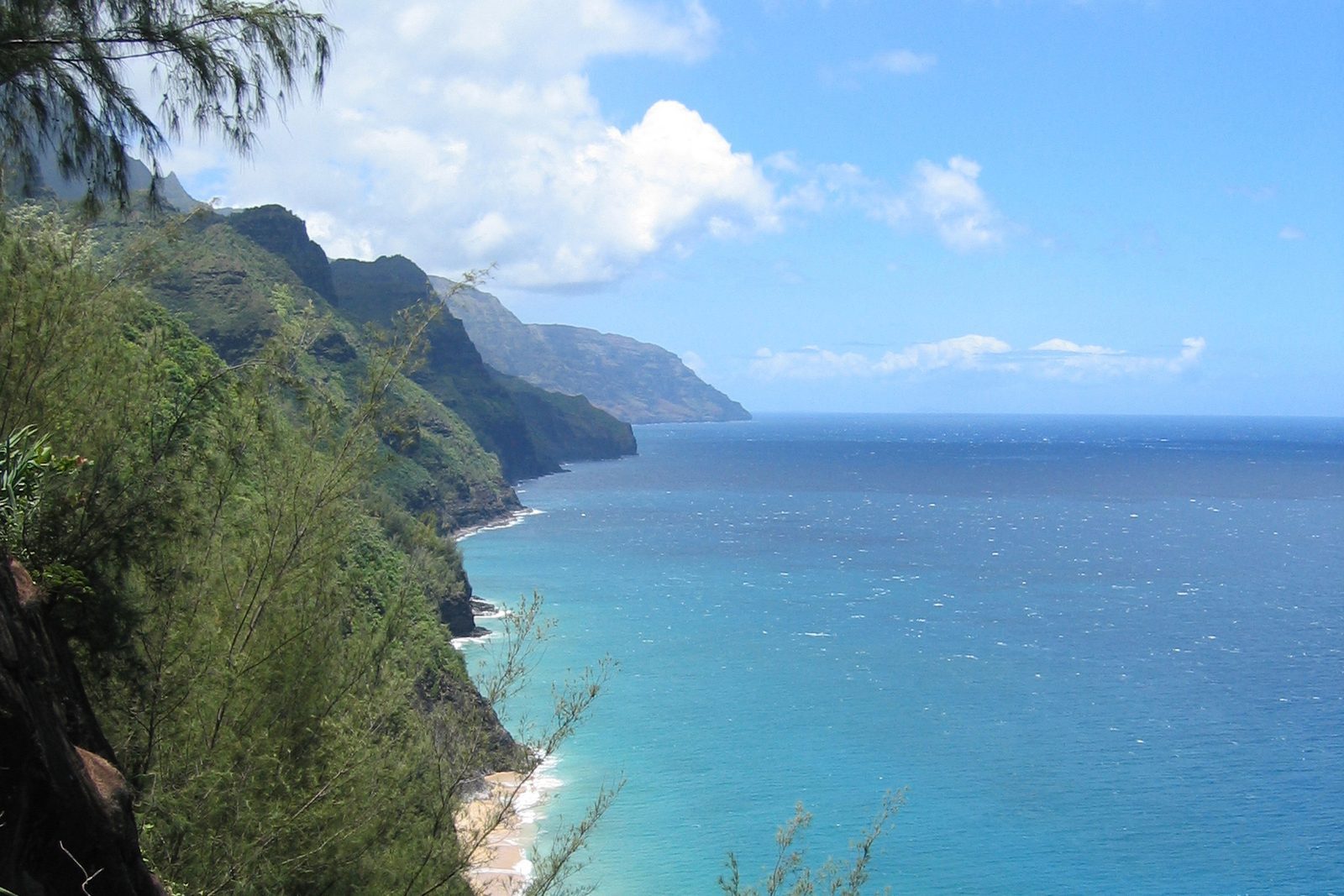
The Na Pali Coast dominates the northwest of Kaua’i with gigantic and jaw-dropping jagged cliffs that rise to 1,200 meters above the sparkling waters of the Pacific Ocean, with scenic beaches and coves hidden below. The rugged terrain is so inaccessible that the only way to visit is by hiking, kayaking, or helicopter, with phenomenal panoramas wherever you look.
This coastline feels untouchable in the best way possible. The green ridges fold into each other like pleated fabric, and waterfalls tumble down the cliffs when rain feeds them. Whether you approach by sea or air, the scale of these cliffs hits differently in person than in any photo.
#16 Multnomah Falls, Oregon
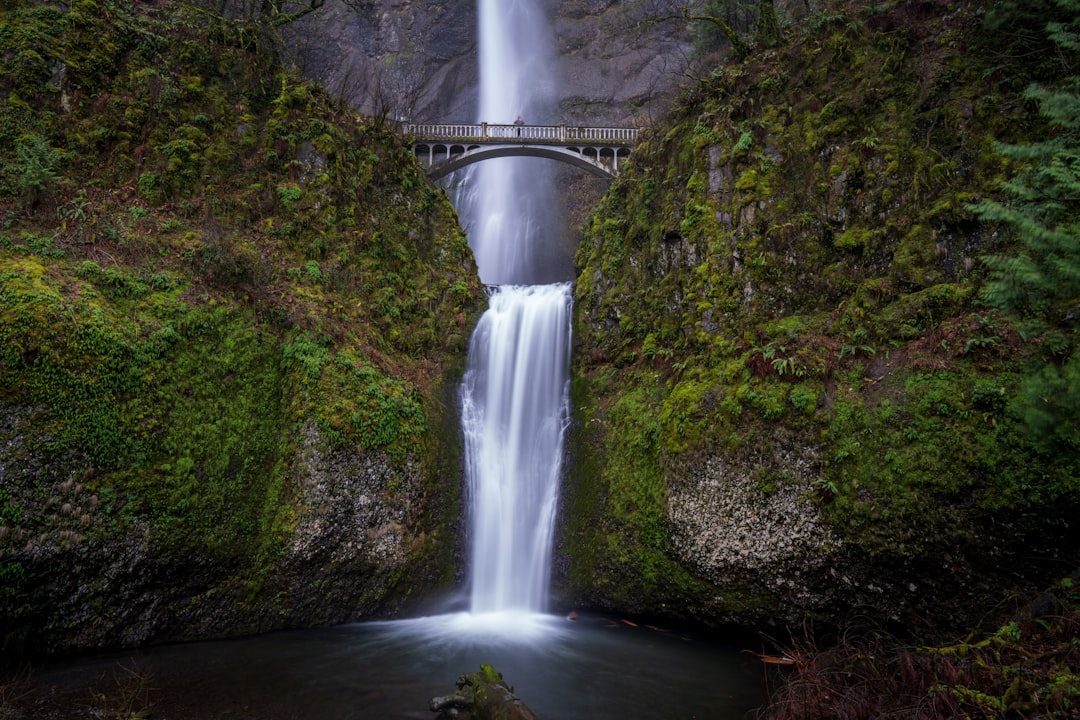
Cascading down two rugged cliffs surrounded by abundant natural beauty, Multnomah Falls makes for an arresting sight. Due to its outstanding beauty, it’s one of the most visited natural recreation areas in the Pacific Northwest. Visitors can cross a small footbridge across the lower cascades or hike along a scenic trail to its observation deck for splendid panoramas.
What’s remarkable is how accessible this waterfall is. Located just outside Portland, it requires minimal effort to witness. The falls thunder year-round, though spring runoff makes them particularly powerful. Standing on that bridge while water crashes around you feels like stepping into another world, even if civilization sits just minutes away.
#15 Lake Tahoe, California/Nevada
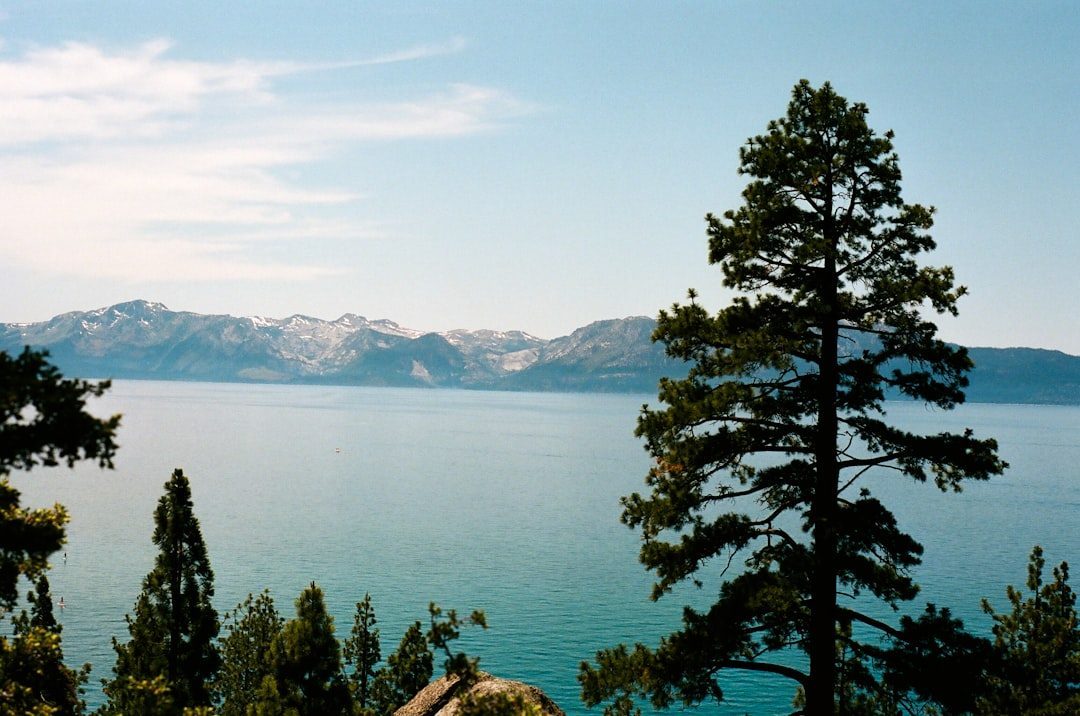
Known for its stunning clear water, North America’s largest alpine lake beckons active travelers year-round. Skiers and snowboarders arrive in droves during winter to hit the slopes at Lake Tahoe’s numerous resorts. Ringed by tiny mountain communities, this is a terrific place for hiking and boating in summer and skiing in winter.
Tahoe possesses a peculiar magic that shifts with the seasons. Summer transforms the lake into a playground of sapphire water, while winter dusts the surrounding peaks white and turns the area into ski country. The clarity of the water remains remarkable, though environmental pressures have taken their toll over the decades.
#14 Blue Ridge Parkway, Virginia/North Carolina
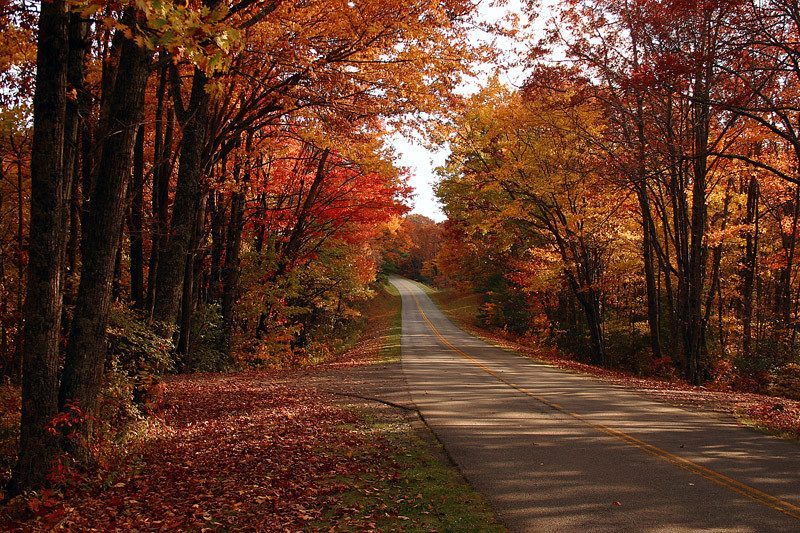
Famed for its incredible scenery and nature, Blue Ridge Parkway snakes for 755 kilometers along the spine of the mountain chain after which it’s named. Stretching from Virginia to North Carolina, the scenic route passes through verdant forests that hide twinkling streams and waterfalls. This drive comes with stunning views of mountains, gorgeous trees, and breathtaking scenic viewpoints, offering hiking opportunities, picnic spots, and gorgeous biking trails.
What makes this parkway special is how it transforms with the seasons. Autumn brings a riot of color as leaves shift from green to gold to crimson. Spring carpets the understory with wildflowers. It’s a drive best taken slowly, with plenty of stops at overlooks where the mountains fold into the distance like blue waves.
#13 Acadia National Park, Maine
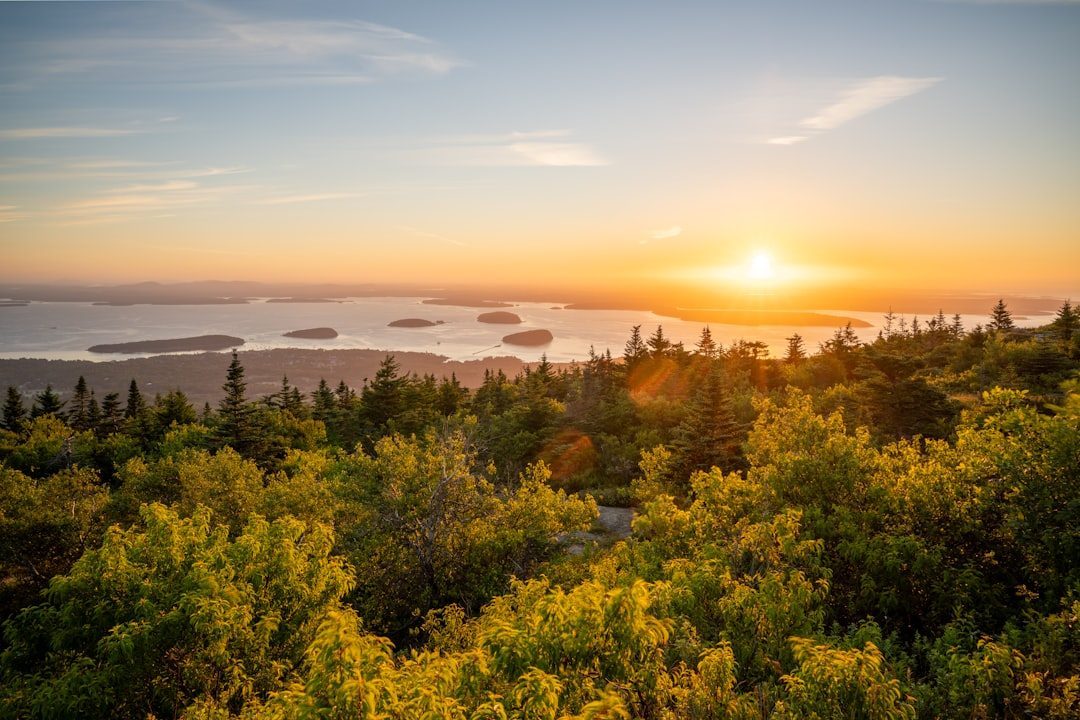
On the wind-blown, tide-splashed Atlantic coast, Acadia is a maritime treasure. Cadillac Mountain rises 1,530 feet as the tallest peak on the Atlantic seaboard. Climb to the summit for sunrise, and you can claim to be one of the first people in the USA to see the sunrise that day. For equally stunning panoramas, show up for golden leaf peeping in autumn.
Acadia blends rocky coastlines with forested mountains in a way that feels uniquely New England. The park’s carriage roads make for excellent biking, winding through forests and past ponds. Waves crash against granite cliffs worn smooth by centuries of Atlantic storms. There’s something meditative about watching the ocean from those rocky shores.
#12 Shoshone Falls, Idaho
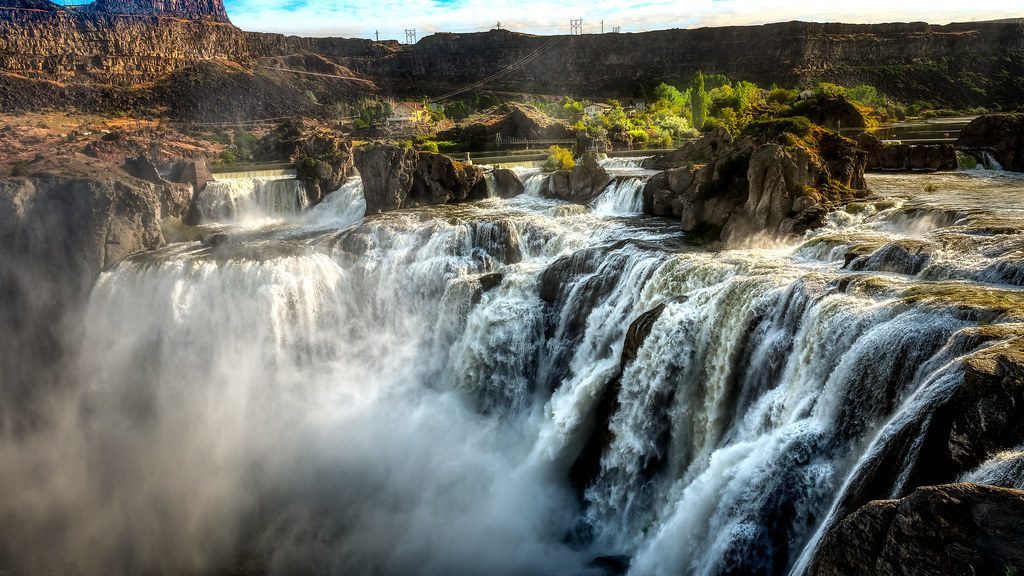
Found on the Snake River in southern Idaho, Shoshone Falls are often called the Niagara of the West. The waterfall is 212 feet high and flows over a rim nearly 1,000 feet wide. Though stunning throughout the year, they’re best viewed in spring or early summer when water flow is high due to snowmelt.
Idaho doesn’t always get credit for its natural beauty, which is a shame because places like Shoshone Falls deserve far more attention. The falls thunder with raw power during peak flow, sending up clouds of mist that catch rainbows in the afternoon light. It’s a short trip from Twin Falls, making it an easy stop that delivers big impact.
#11 Badwater Basin, Death Valley, California
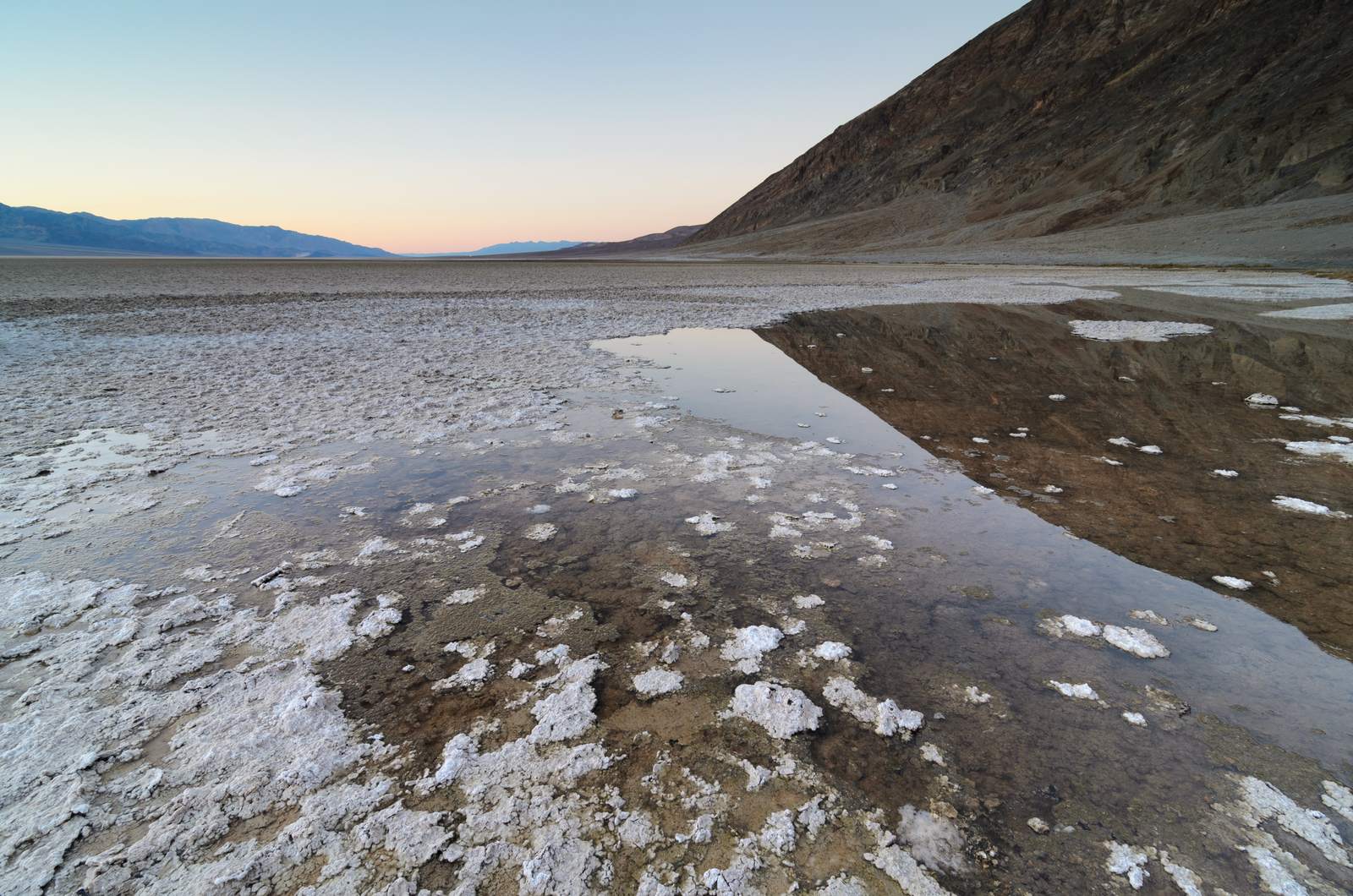
Death Valley’s Badwater Basin spans roughly 200 acres of mostly dried-up salt beds that mark the lowest point in North America at 282 feet below sea level, home to a unique ecosystem including an endemic snail species. This geological marvel formed after an ancient lake evaporated, leaving behind miles of salt flats with incredible mountain backdrops from the Panamint Mountains.
Walking across those white salt flats feels otherworldly, especially when heat waves shimmer in the distance. The scale messes with your perception. What looks like a short walk turns into miles. Death Valley holds the record for hottest temperature ever recorded on Earth, which somehow makes visiting it feel like a badge of honor.
#10 Savannah, Georgia
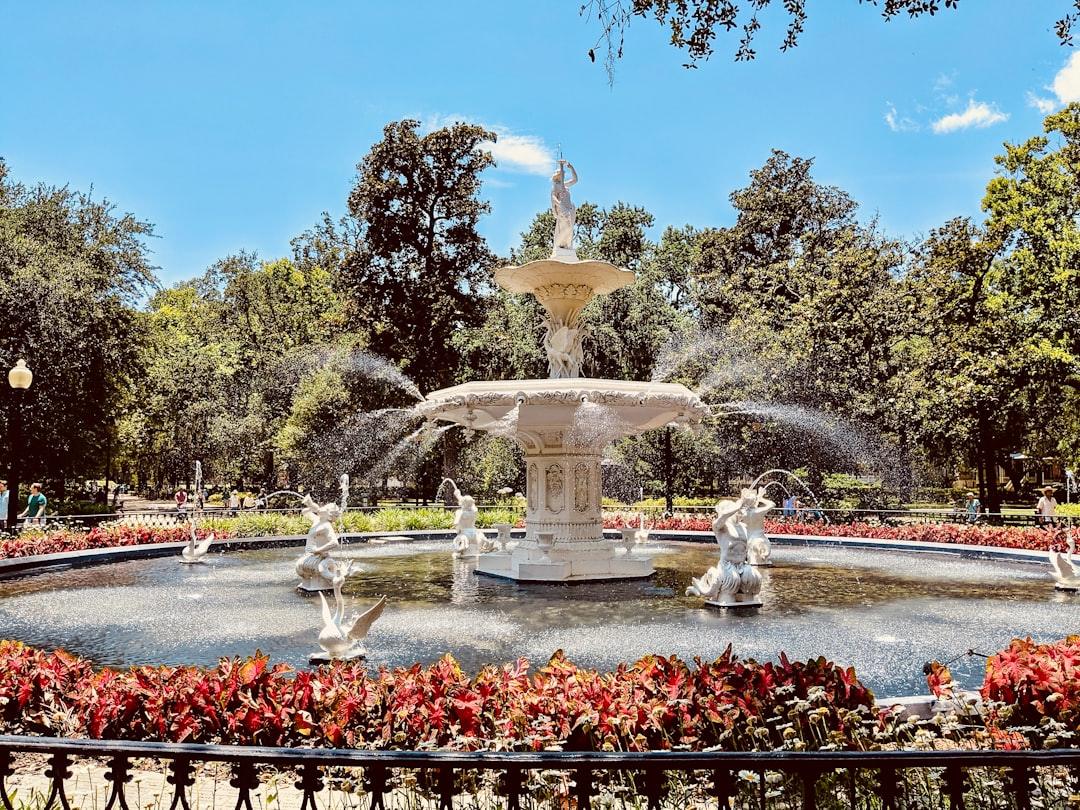
With streets lined with Spanish moss-covered trees, large and inviting parks, and a bustling waterfront, Savannah offers a wonderful way to experience the slow pace of the Old South. The city’s beauty, Southern comfort food, and tranquility leave lasting impressions. Historic squares dot the downtown area, each one shaded by those magnificent live oaks draped in silvery moss.
Savannah isn’t a natural wonder in the traditional sense, yet its relationship with nature feels unique. The city embraced its coastal environment rather than paving over it. Forsyth Park sprawles out like a green oasis, while the riverfront bustles with life. The combination of historic architecture and lush landscaping creates something genuinely special.
#9 Monument Valley, Arizona/Utah
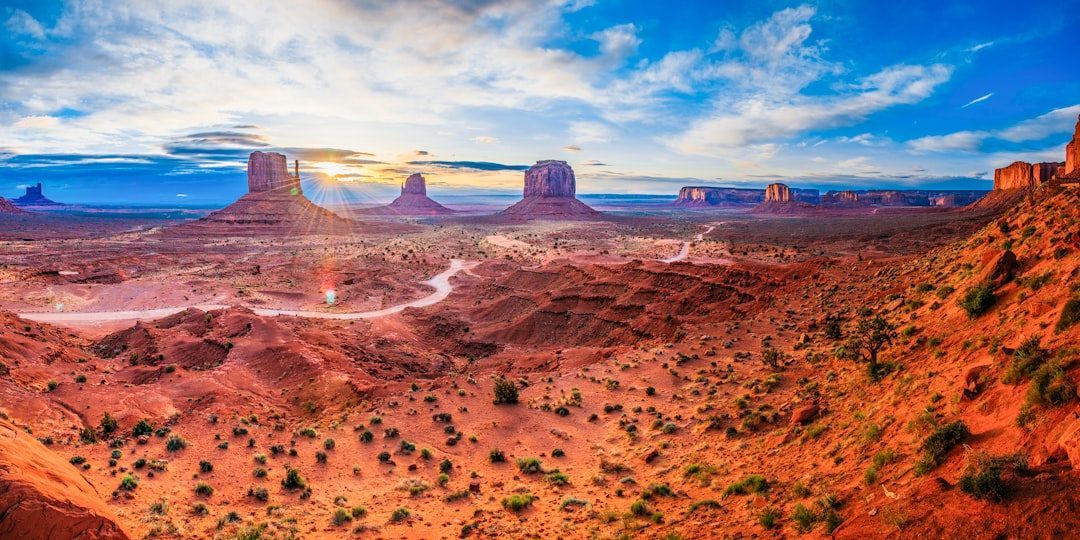
Monument Valley is a Navajo tribal park where startling sandstone buttes rise up to 1,000 feet above the sandy desert floor. Those epic landscapes seen in classic Hollywood Westerns were shot here. The massive natural sandstone formations and colorful desert bluffs offer iconic views, with towering red mesas framed against crystal blue sky and endless stretches of brightly colored desert landscape.
There’s something profoundly American about Monument Valley. The formations possess names like the Mittens and Merrick Butte, each one rising from the desert floor with dramatic verticality. Sunset paints them in shades of orange and red that seem too vivid to be real.
#8 Crater Lake, Oregon
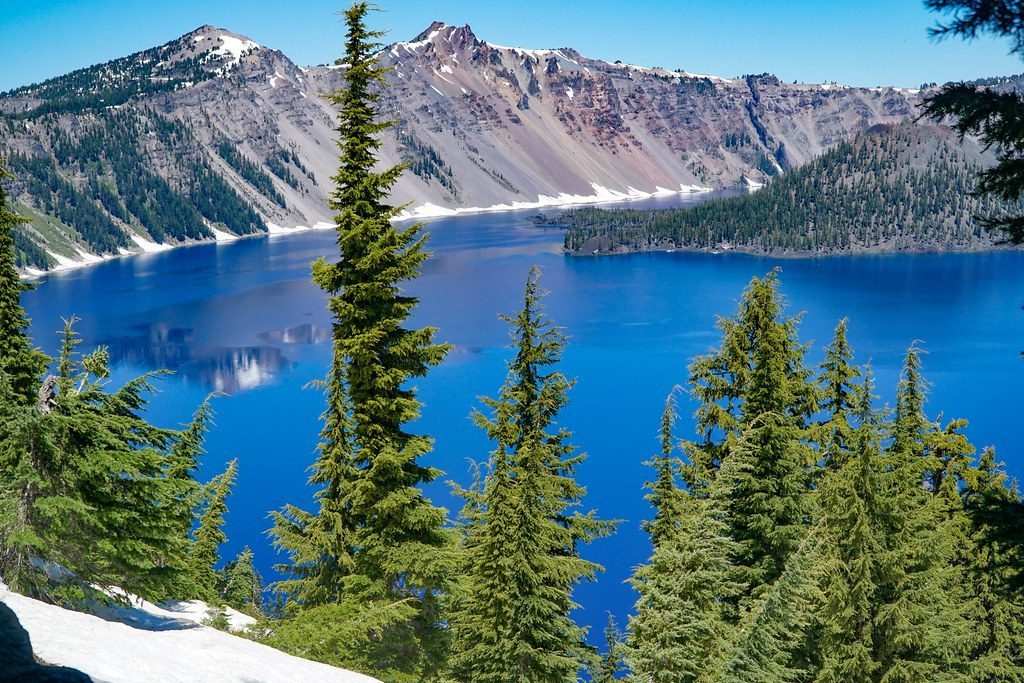
At 1,943 feet, Crater Lake is the deepest lake in the United States. This caldera lake lies within the collapsed remains of Mount Mazama. The lake’s azure blue waters are renowned for their clarity and purity, recognized as some of the purest lake waters in the world. Witness the striking silhouette of Wizard Island, the volcano cone at the lake’s center.
That shade of blue catches you off guard every time. It’s so intensely colored it almost doesn’t look natural. The lake fills an ancient volcanic crater, and its depth creates that remarkable color. Rim Drive circles the lake, offering constantly changing perspectives on this geological marvel.
#7 Sedona, Arizona
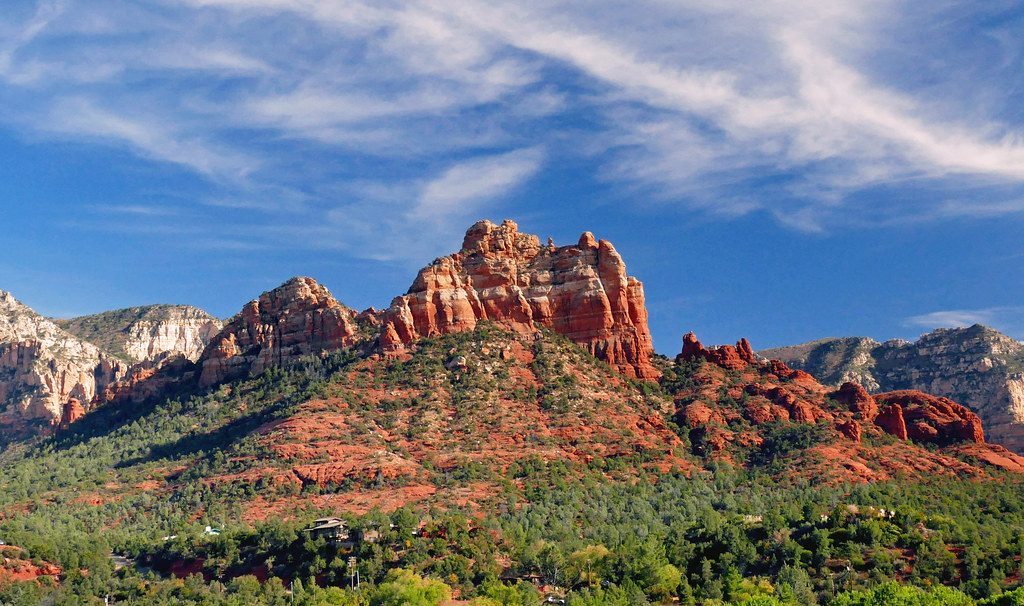
Renowned for the radiant red sandstone formations surrounding it, Sedona is set in a serene spot. Located in the center of Arizona, the small city has long been considered a sacred and spiritual place. The red rocks glow brightest during sunrise and sunset, when the light sets them ablaze.
Sedona attracts two types of visitors: outdoor enthusiasts who come for the hiking, and spiritual seekers drawn by the area’s supposed energy vortexes. Whatever your reason for visiting, those red rock formations dominate everything. Cathedral Rock, Bell Rock, and Devil’s Bridge rank among the most popular spots, though dozens of trails spider through the area.
#6 Redwood National and State Parks, California
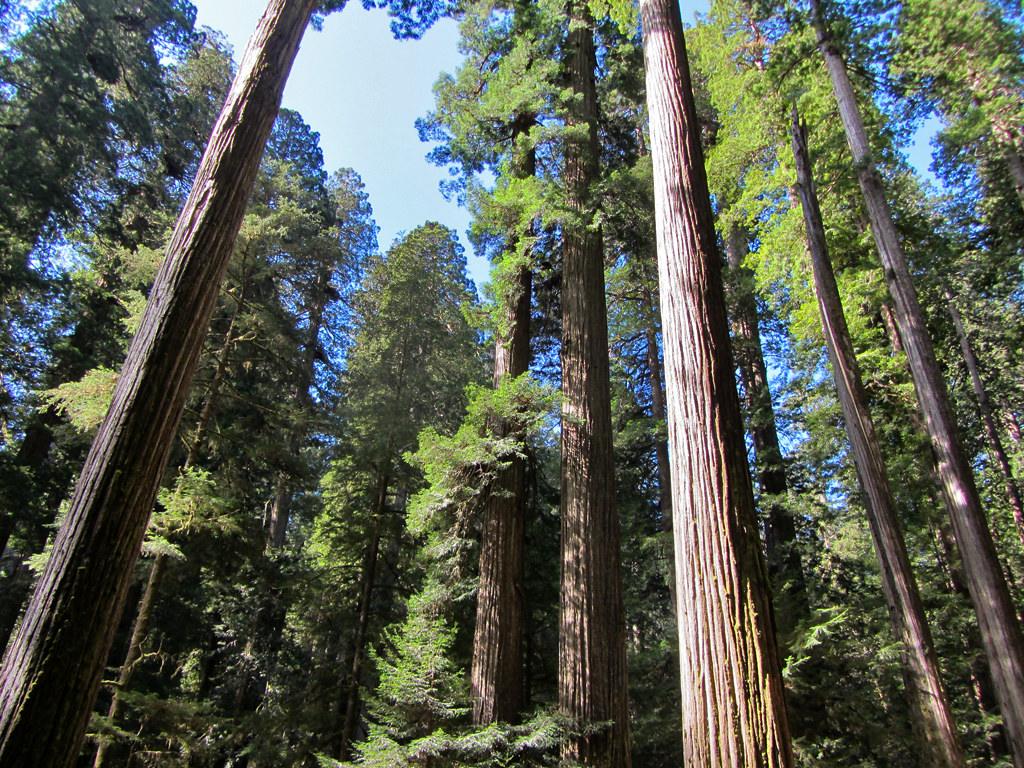
Along the Pacific Coast, Redwood National Park contains a large expanse of giant redwood trees filled with picnic areas, places to camp, and miles of hiking trails. Trails range from easy to strenuous, with many loops heading out to nearby beaches. It’s utterly beautiful, awe-inspiring, and humbling in every way.
Walking among the redwoods alters your sense of scale. These trees have stood for centuries, some over a thousand years old. Craning your neck to glimpse their tops leaves you feeling wonderfully small. The forest floor stays perpetually dim, filtered light creating a cathedral-like atmosphere. It’s quiet there, the kind of quiet that makes you whisper without realizing it.
#5 Yellowstone National Park, Wyoming/Montana/Idaho
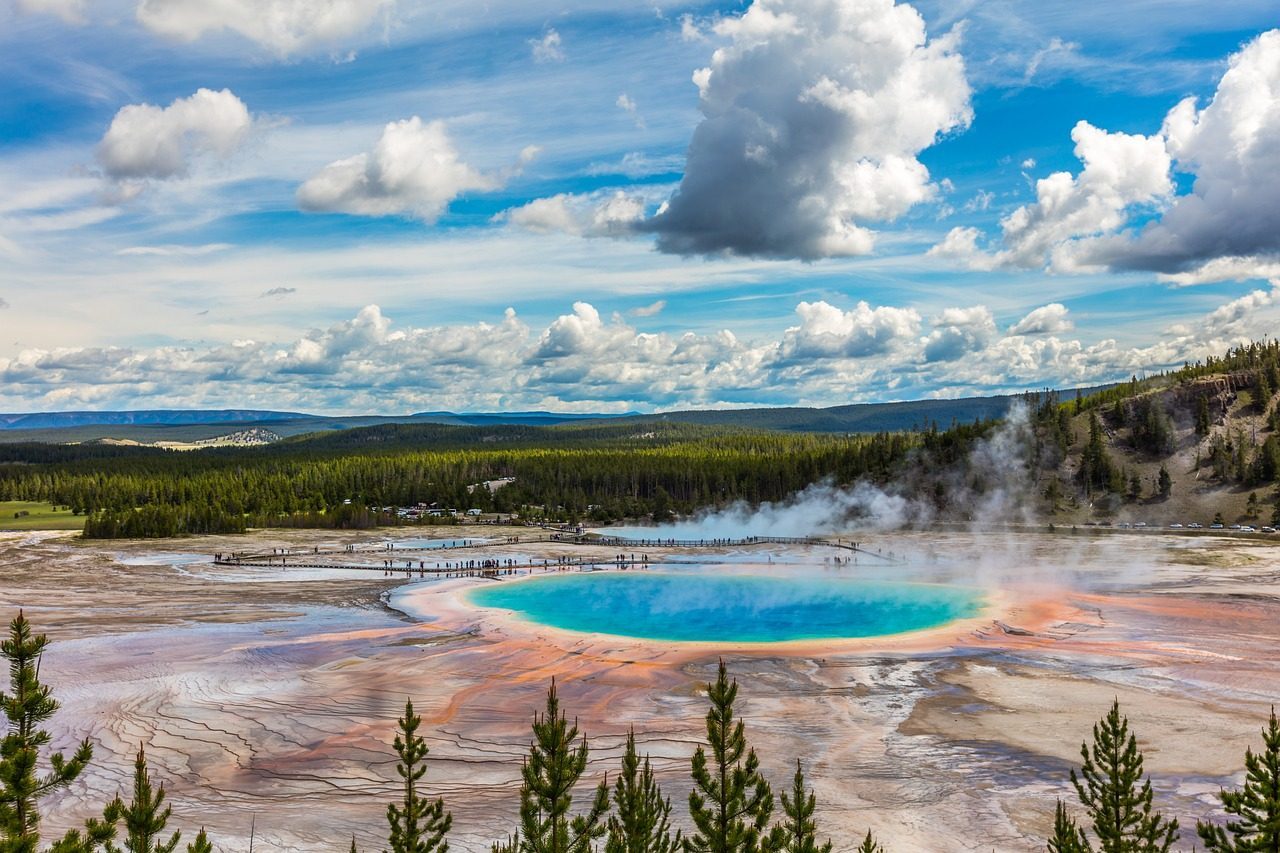
Yellowstone National Park is one of North America’s most popular. With over 50% of the world’s hydrothermal features, the largest buffalo herd in America, and a dormant supervolcano, it’s no wonder it receives so many visitors. Old Faithful Geyser, located in the Upper Geyser Basin, is one of the park’s most iconic features, erupting regularly and reaching 184 feet.
Yellowstone sprawls across millions of acres, offering more than you could possibly see in one visit. Bison wander roads like they own the place, which they basically do. Hot springs bubble and steam, painted in psychedelic colors from heat-loving bacteria. The smell of sulfur hangs in the air near the geothermal features. It’s primal and strange and absolutely captivating.
#4 Yosemite National Park, California
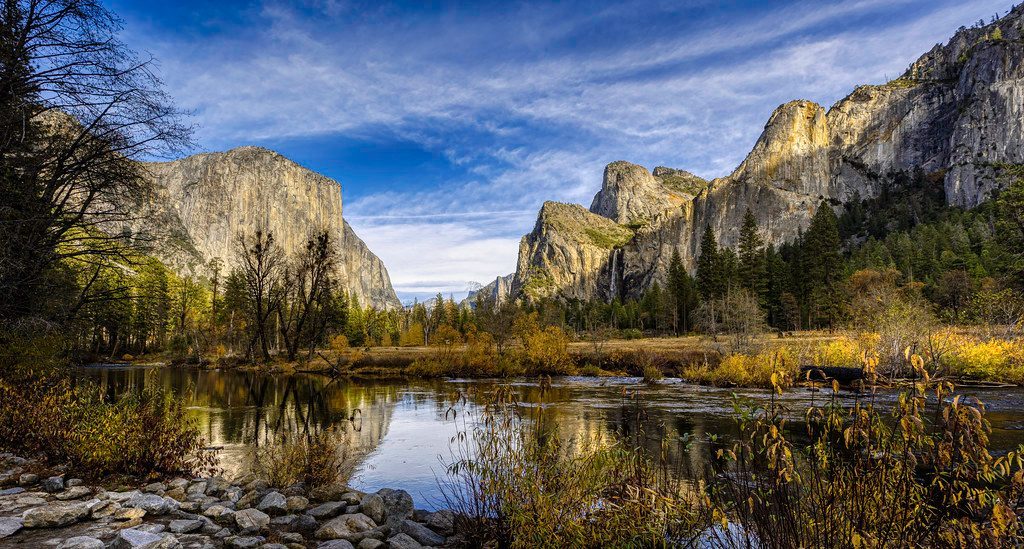
California’s most-visited national park stands out for its bounty of impressive waterfalls, such as Vernal Fall and Bridalveil Fall, as well as imposing granite rock formations like Half Dome and El Capitan. With jaw-dropping landscapes including granite cliffs, sequoia groves, flowing rivers, peaceful meadows and stunning waterfalls, Yosemite is one of the most celebrated national parks for a reason.
El Capitan rises like a monolith from the valley floor, its sheer granite face drawing climbers from around the world. Half Dome dominates the eastern skyline. In spring, waterfalls roar with snowmelt, while summer brings calmer flows and easier hiking conditions. Yosemite Valley gets crowded, sure, yet the park’s immensity means solitude remains possible for those willing to venture beyond the main attractions.
#3 Grand Teton National Park, Wyoming
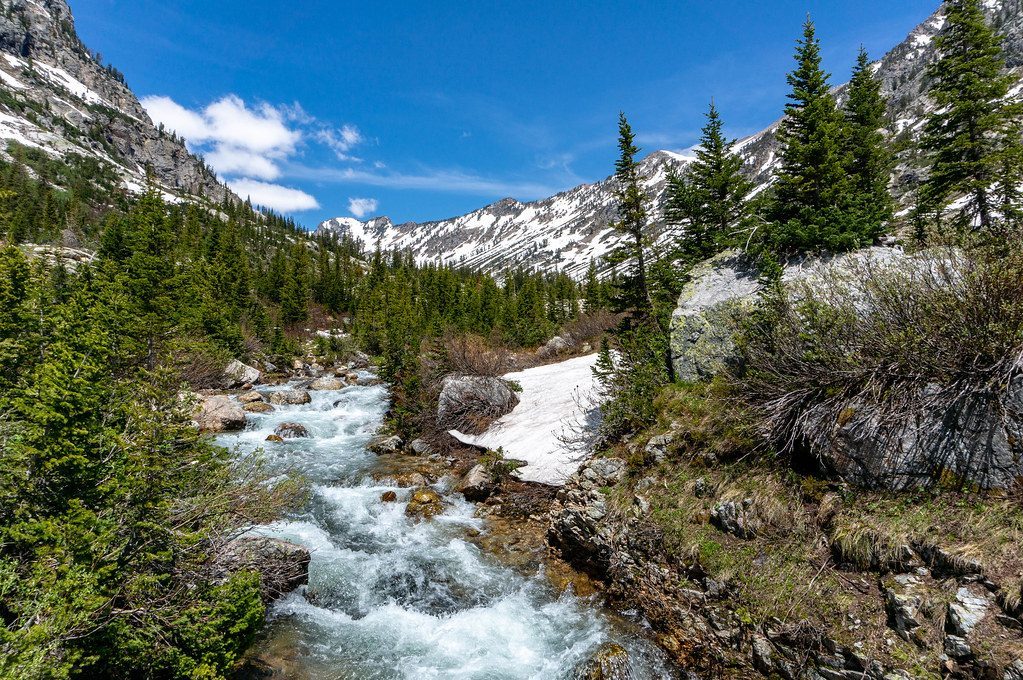
In the northwest of Wyoming, this section of the Rocky Mountain Range soars as high as Grand Teton, a 4,000-meter peak, and plunges down to the valley of Jackson Hole. With some of the most dramatic scenery in the country, the Teton mountains are a sight to behold. Grand Teton, the highest mountain in the park, is one of the top American mountaineering destinations.
The Tetons rise without foothills, just straight up from the valley floor in a dramatic thrust of granite. That abruptness creates one of the most photogenic mountain ranges anywhere. Moose wade through willow flats. Black bears forage in meadows. The Snake River winds through the valley, offering classic reflection shots when conditions cooperate. People talk about Yellowstone more, yet I think the Tetons might be even more beautiful.
#2 Glacier National Park, Montana
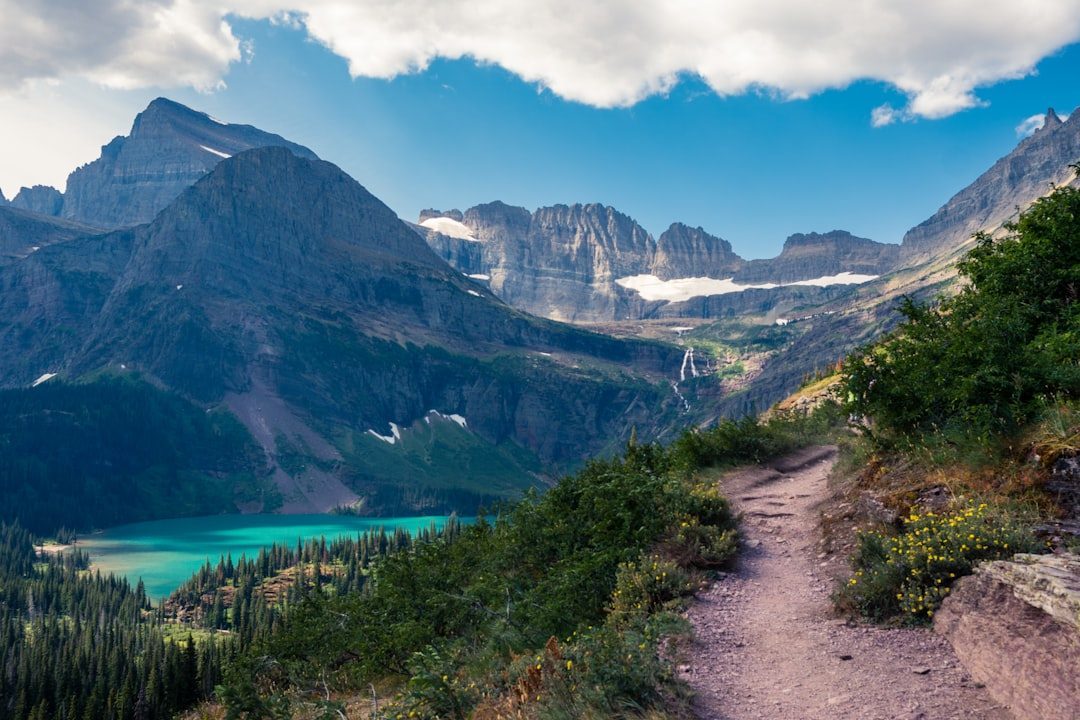
Lying on the border with Canada, gorgeous Glacier National Park sprawls over a huge swathe of Montana and boasts delightful, dramatic scenery. Established in 1910, the park protects diverse ecosystems and countless species. Within its confines, you can find picturesque parts of two mountain ranges, with more than 130 glimmering lakes and plunging waterfalls dotted about the glacier-scarred landscapes. Carving through the wilderness is the iconic Going-to-the-Sun Road, dubbed America’s most scenic route.
Glacier feels wild in a way few places still do. Grizzlies roam the high country. Glaciers, though shrinking, still cling to the peaks. Going-to-the-Sun Road ranks among America’s most spectacular drives, switchbacking up and over Logan Pass with stomach-dropping views the entire way. The park demands multiple visits to truly appreciate its scope and variety.
#1 Grand Canyon, Arizona
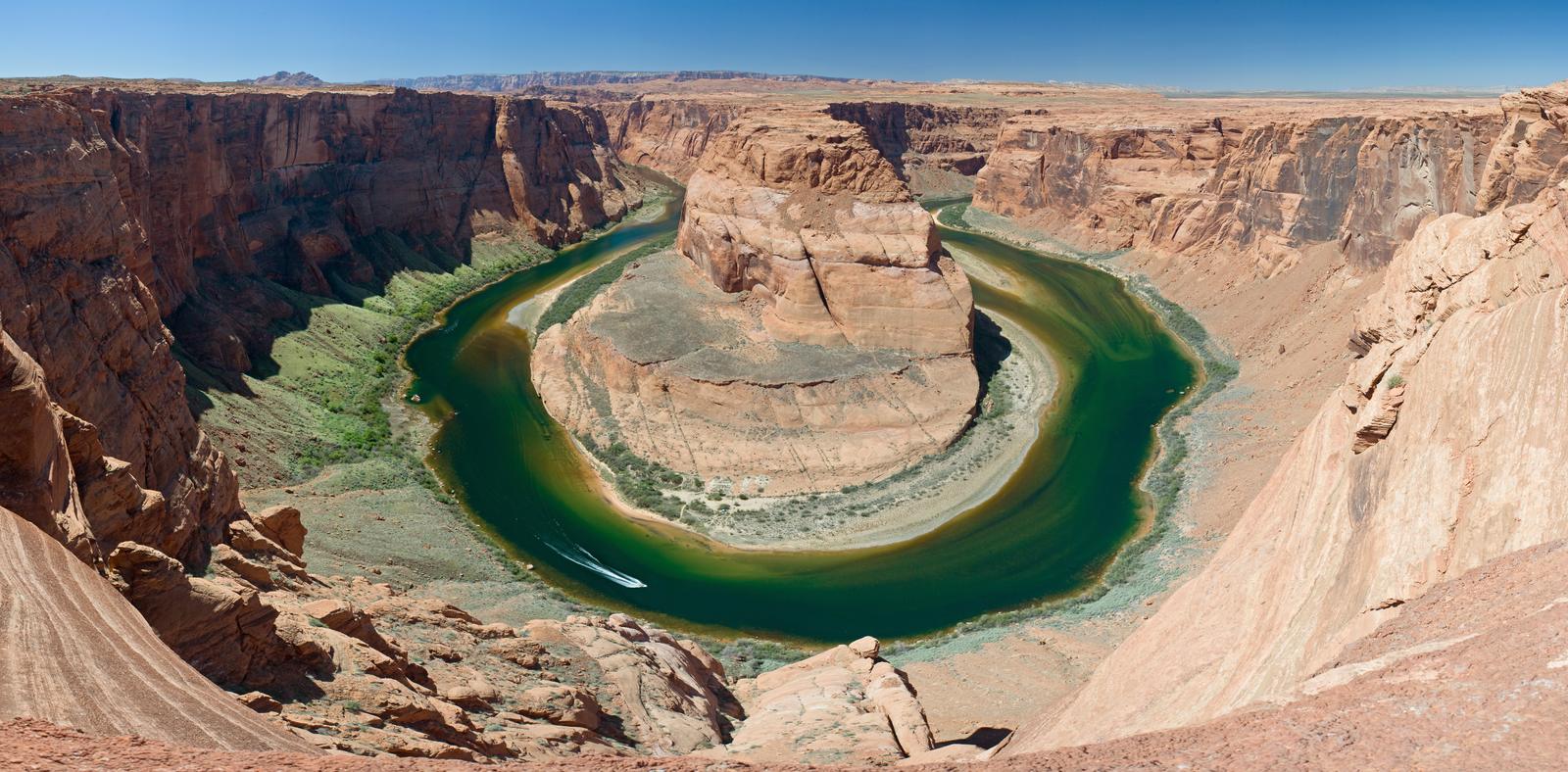
Words can’t accurately describe how incredible the Grand Canyon is. It’s breathtaking in its sheer size, fantastic depth, red hues, and striking vistas. Most people simply stand at the edge and look out across it, but its true size and beauty are best appreciated with a hike down to the bottom. The canyon attracts around five million visitors every year. Opening up into an 18-mile-wide gorge through which the Colorado River carves its way, the park’s red rust landscape is incredibly atmospheric.
No photo prepares you for standing at the rim and realizing how vast it truly is. The scale defies comprehension. Layers of rock tell millions of years of Earth’s history, each stratum a different color in the afternoon light. Ravens soar below you, tiny specks against the canyon walls. The Colorado River looks like a thin ribbon from the rim, though it’s actually massive and powerful.
Conclusion
America’s landscapes never stop surprising me. From the lowest point in North America to towering mountain peaks, from ancient forests to slot canyons carved by wind and water, this country contains multitudes. These twenty places represent just a fraction of what’s out there waiting to be discovered.
The beauty of exploring America is that the next incredible view often sits just around the corner, or down that dirt road you almost didn’t take. These places remind us that the world remains full of wonder if we’re willing to seek it out. Which one will you visit first? Let us know in the comments.
