
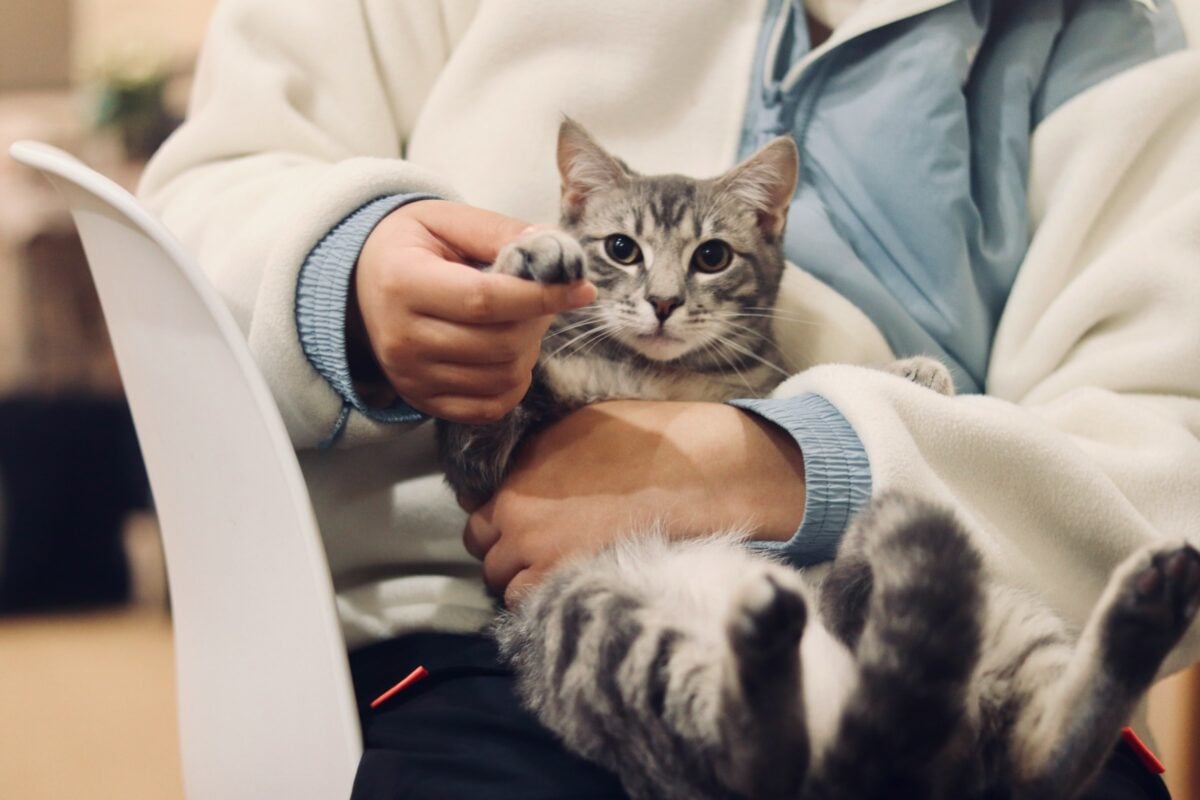
The adoption form says “friendly.” The foster’s notebook says what that actually looks like at 2 a.m.: which corner the cat picked, how long the hiss lasted, and whether the midnight bowl was empty by morning.
Most people believe a form tells them everything. Tick a box for “good with kids,” add an age and a color, and you’re done. But the details that decide whether a cat thrives in a new home usually live somewhere else, in a foster carer’s notes. Here are 20 of them, counting down from the least obvious to the one almost no form can hold.
#20 – Appetite Is More Than “Eats Well”
🔥 Would you like to save this?
We'll email this post to you, so you can come back to it later!
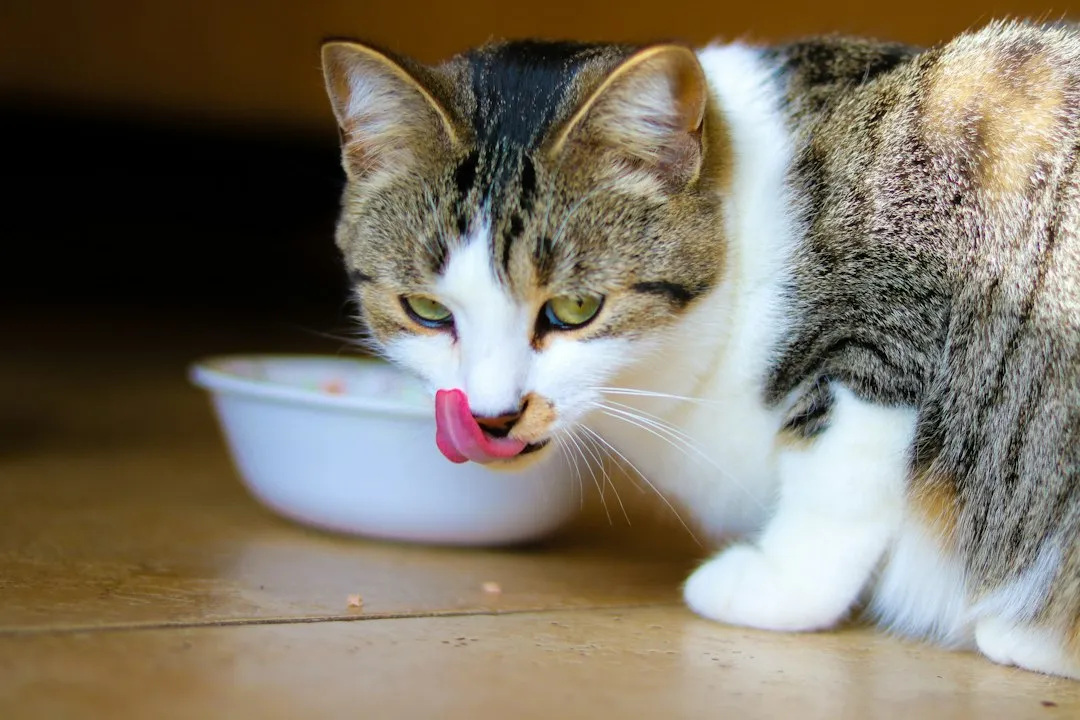
Appetite is the most closely watched number in foster care, and “eats well” barely covers it.
ASPCA foster guidance names appetite and energy as the two most important things to watch. Carers note what the cat ate, how much, and at what time of day.
Context matters too. Stress after arriving in a new home can wipe out a cat’s appetite, so a skipped meal on day one means something very different from a skipped meal on day ten.
Good notes also record preferences: pâté or chunks, warmed or cold, eaten alone or with someone nearby. If a foster cat hasn’t eaten for more than two days, one county guide tells carers to alert their foster contact.
But the food bowl is only the opening act. Next comes a clue most adopters never think to ask about…
#19 – Energy Level by Time of Day
🔥 Would you like to save this?
We'll email this post to you, so you can come back to it later!
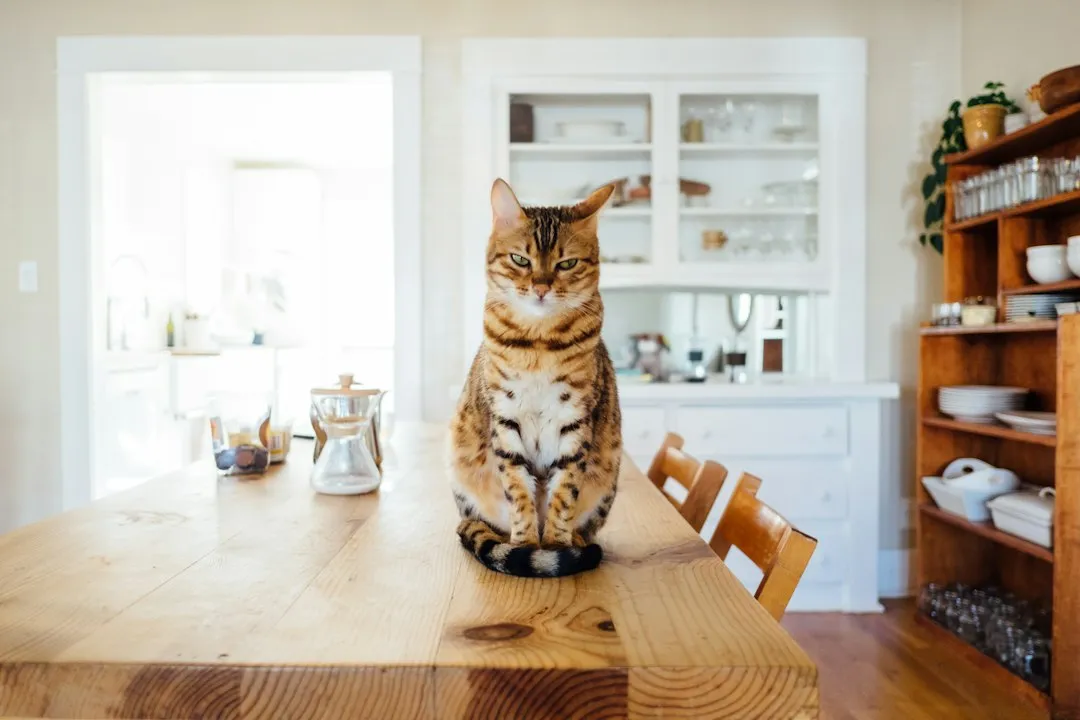
A cat’s energy runs on a schedule, and that schedule is secretly one of the best compatibility clues in the file.
Foster carers don’t just write “playful.” They note when the cat is playful. Some cats are lively at dawn and flat by noon. Others only wake up after dark.
That matters a lot if an adopter works nights or leaves the house at 6 a.m. Typical entries break the day into chunks:
- Morning: alert, asking for food, or still asleep?
- Afternoon: napping, watching the window, or active?
- Evening: playing, vocal, or settled?
One foster guide shows why this matters: a cat who was awake and used the litter box but didn’t play as usual is worth reporting. Teams want clear updates on changes in appetite, litter box habits, energy, or behavior.
Then there’s the record that sounds boring until you see how much it reveals…
#18 – Every Single Litter Box Visit
🔥 Would you like to save this?
We'll email this post to you, so you can come back to it later!
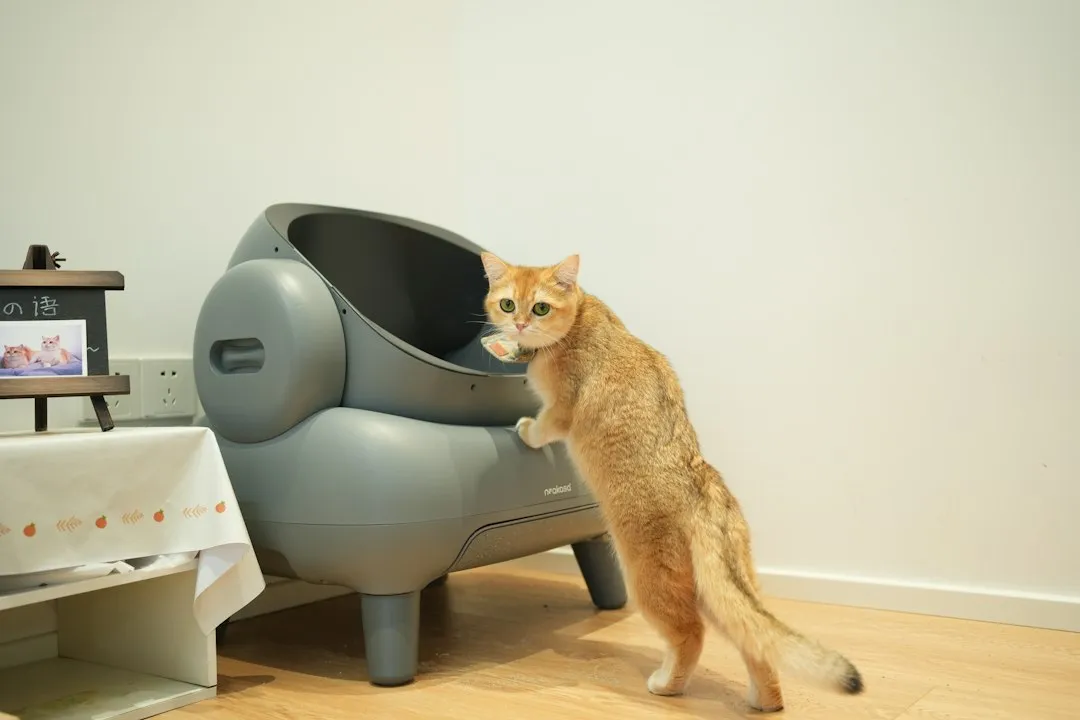
“Litter trained: yes” is a single checkbox. In a foster home, it’s a daily log.
One shelter guide tells carers to monitor litter box habits daily. When something looks off, they’re asked to record each episode: date and time, what it looked like, how often it happens, plus appetite, water intake, stool, and behavior.
That level of detail catches problems early. A cat who visits the box repeatedly but produces little or no urine is flagged as a concern.
A form can’t show any of this. It records whether a cat was trained, not how the cat actually lives out a real bathroom routine.
And where that box sits turns out to matter more than you’d think…
#17 – The Litter Setup the Cat Quietly Voted For
🔥 Would you like to save this?
We'll email this post to you, so you can come back to it later!
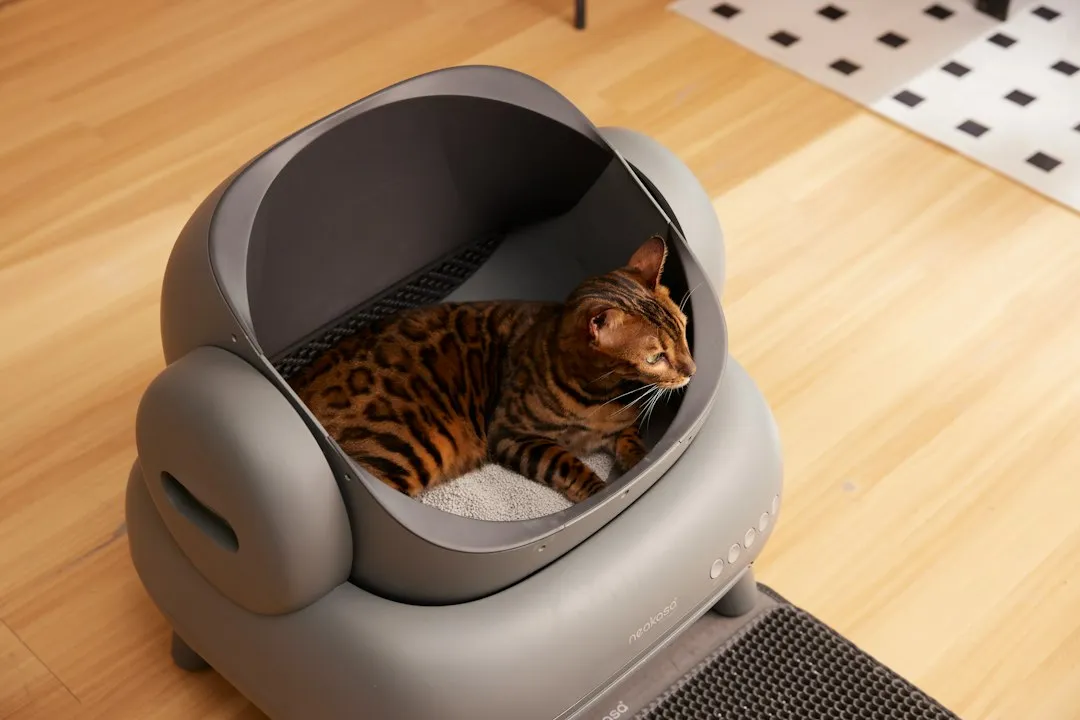
Cats are picky about bathrooms, and fosters are the ones who find out exactly how picky.
Foster return sheets often ask where the litter box was kept and whether it was covered or open. That’s because a cat’s habits are tied to the setup, not just to the cat.
Here’s an opinion some adopters won’t like: covered boxes are overrated. One foster resource notes that cats are sensitive to smells and recommends against covered boxes, which can trap odors.
Litter itself counts too. A cat with box trouble may be asking for a different type of litter. And for young kittens, one guide says never to use clumping litter under six months of age.
Worth Knowing
- Box location is a standard question on foster return sheets.
- Covered or open matters, because covers can trap odors a cat dislikes.
- Box trouble can be a litter-type complaint, not a training failure.
- No clumping litter for kittens under six months, per one foster guide.
Put together, those notes become a recipe the adopter can copy on day one. Still, there’s an even less glamorous record carers keep…
#16 – Stool Quality
🔥 Would you like to save this?
We'll email this post to you, so you can come back to it later!
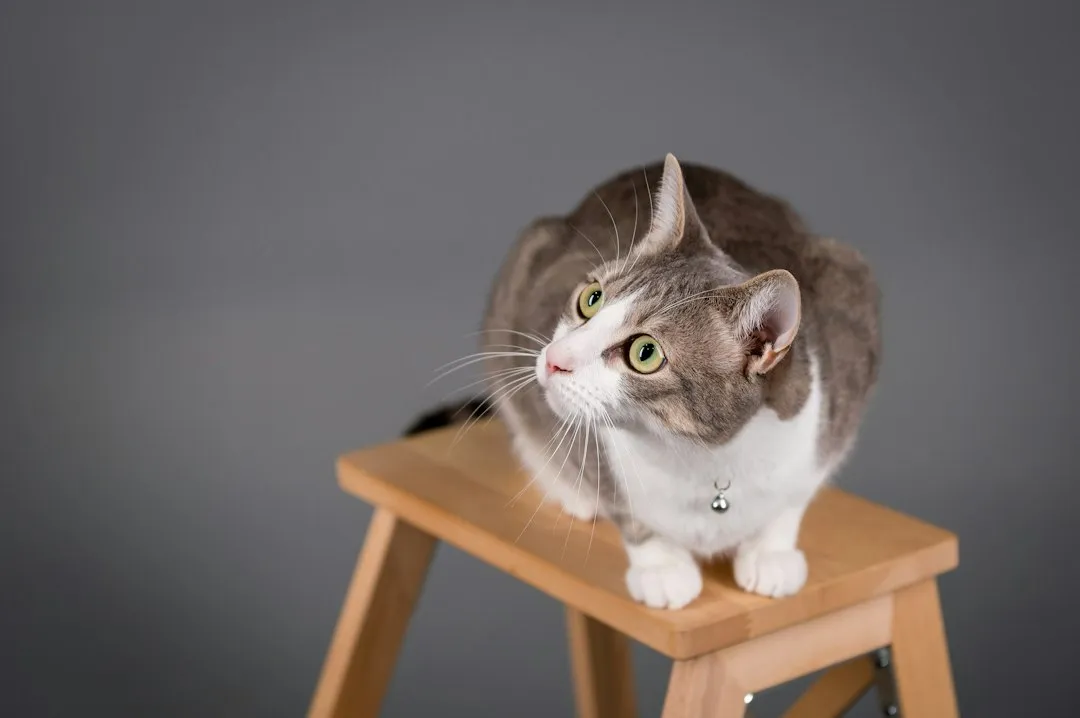
Nobody puts poop on an adoption profile, yet it’s one of the most useful things a foster carer tracks.
One guide tells carers to monitor stool and litter box habits every day. Vomiting, diarrhea, and sudden changes in litter box behavior are all named as warning signs to report.
Stool also explains behavior. Kittens often miss the litter box when they have medical issues like diarrhea. A “bad habit” can turn out to be a health problem in disguise.
Carers usually jot down consistency, frequency, and anything unusual. Short entries are fine as long as they’re consistent.
Next, a check that has nothing to do with the litter box, and everything to do with a cat who seems “just a little off”…
#15 – Water Intake and Hydration
🔥 Would you like to save this?
We'll email this post to you, so you can come back to it later!
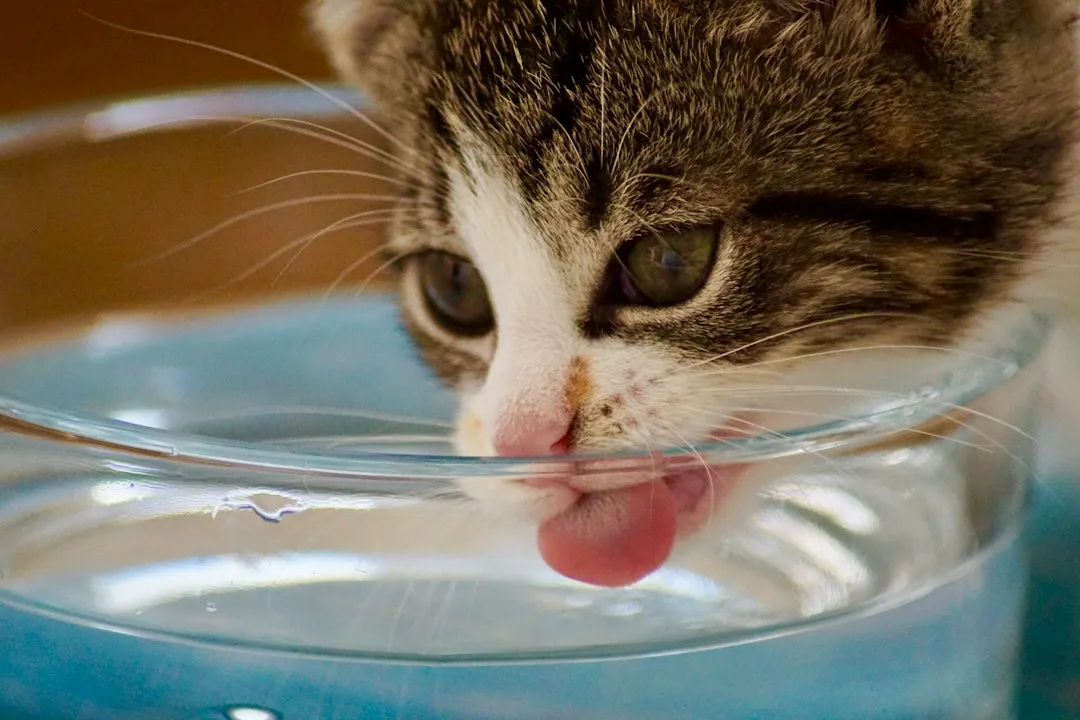
Classic rookie mistake: assuming a cat is drinking because the bowl is there.
Experienced carers watch whether the water level actually changes. They also check the cat’s hydration directly. One guide says a cat should be drinking, using the litter box, and have elastic skin tone and a moist mouth.
Water intake sits right beside appetite and litter box output in the health notes. Guides ask carers to record it alongside appetite, stool, and behavior whenever something seems off.
None of this appears on an adoption form. Yet it’s the first layer of information a vet wants.
Now for a behavior that looks like a problem but often isn’t…
#14 – Where the Cat Hides, and for How Long
🔥 Would you like to save this?
We'll email this post to you, so you can come back to it later!
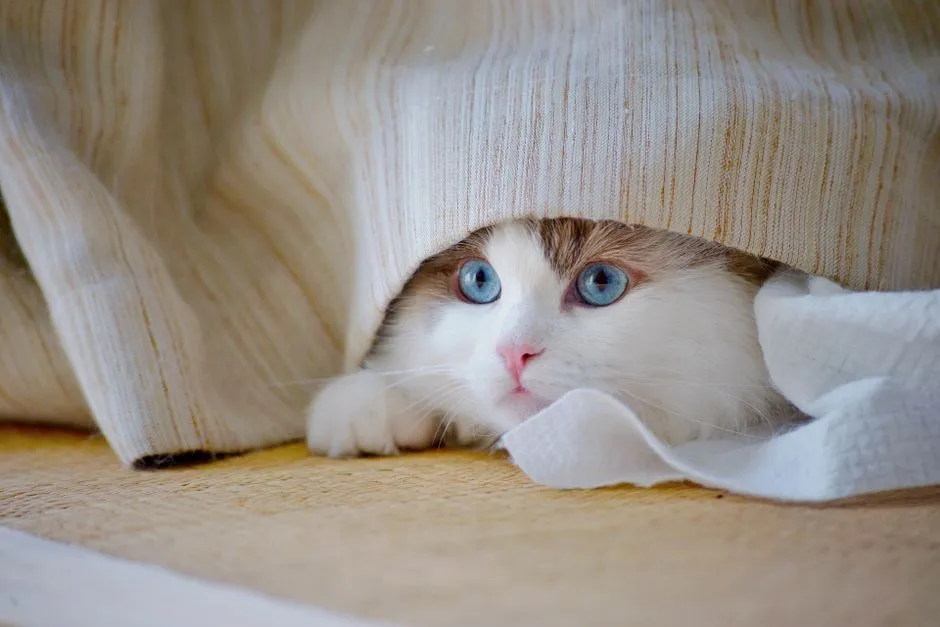
Hiding isn’t a personality flaw. It’s data.
Foster carers log the hiding spot (under the bed, behind the couch, inside the carrier) and the duration. One foster organization notes that an adult cat may hide behind a carrier for several days but still eat overnight and use the litter box.
That context changes everything. An empty food bowl each morning and a used litter box tell coordinators something very different from a cat who is hiding and has stopped eating.
The advice from ASPCA guidance is surprisingly simple: if a foster cat won’t come out, let her be.
And what a cat does while no one is watching says even more…
#13 – What the Cat Does Only at Night
🔥 Would you like to save this?
We'll email this post to you, so you can come back to it later!
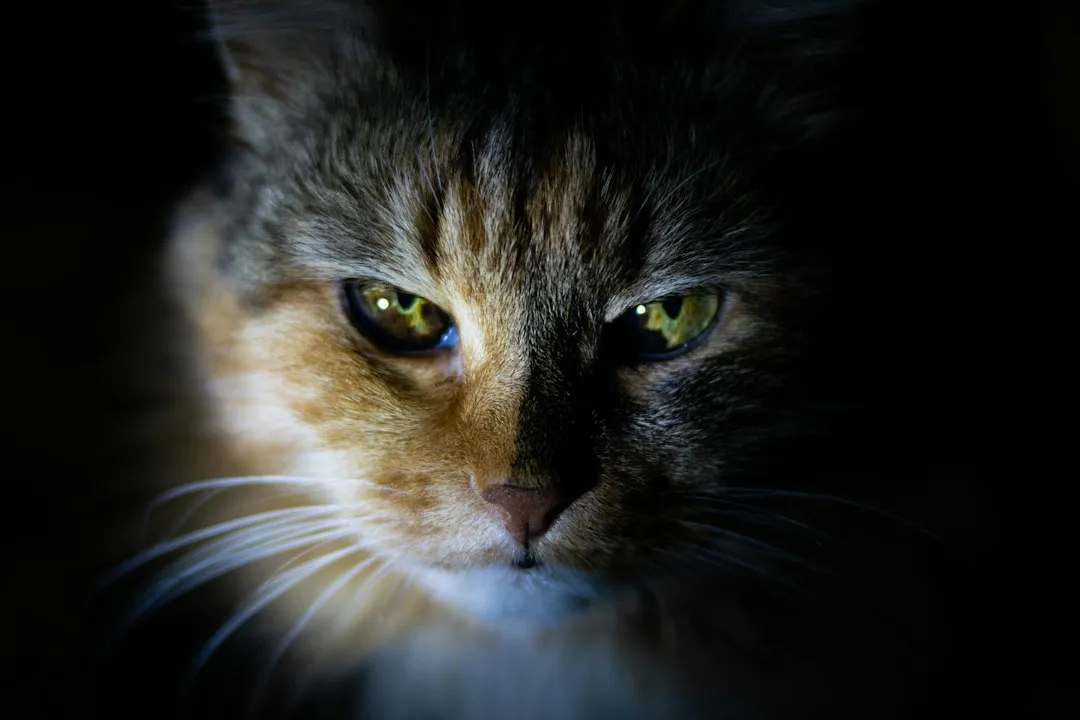
A cat who only acts like a cat after midnight is telling you something.
Carers note when meals vanish and when the box gets used. ASPCA guidance lists eating or using the litter box only at night among the signs of fear.
This is the kind of detail that never reaches an adoption form. A cat labeled “shy” might be anything from mildly cautious to genuinely overwhelmed.
Timing is the difference. Some cats start eating only when the room is quiet. Others begin eating while someone sits nearby. Both are useful facts, and together they form a ladder:
- Eats only when alone
- Eats with a person in the room
- Eats from the hand
Each rung is progress that a single word like “shy” erases. Which brings us to the body language carers learn to read…
#12 – Body Posture and Fear Signals
🔥 Would you like to save this?
We'll email this post to you, so you can come back to it later!
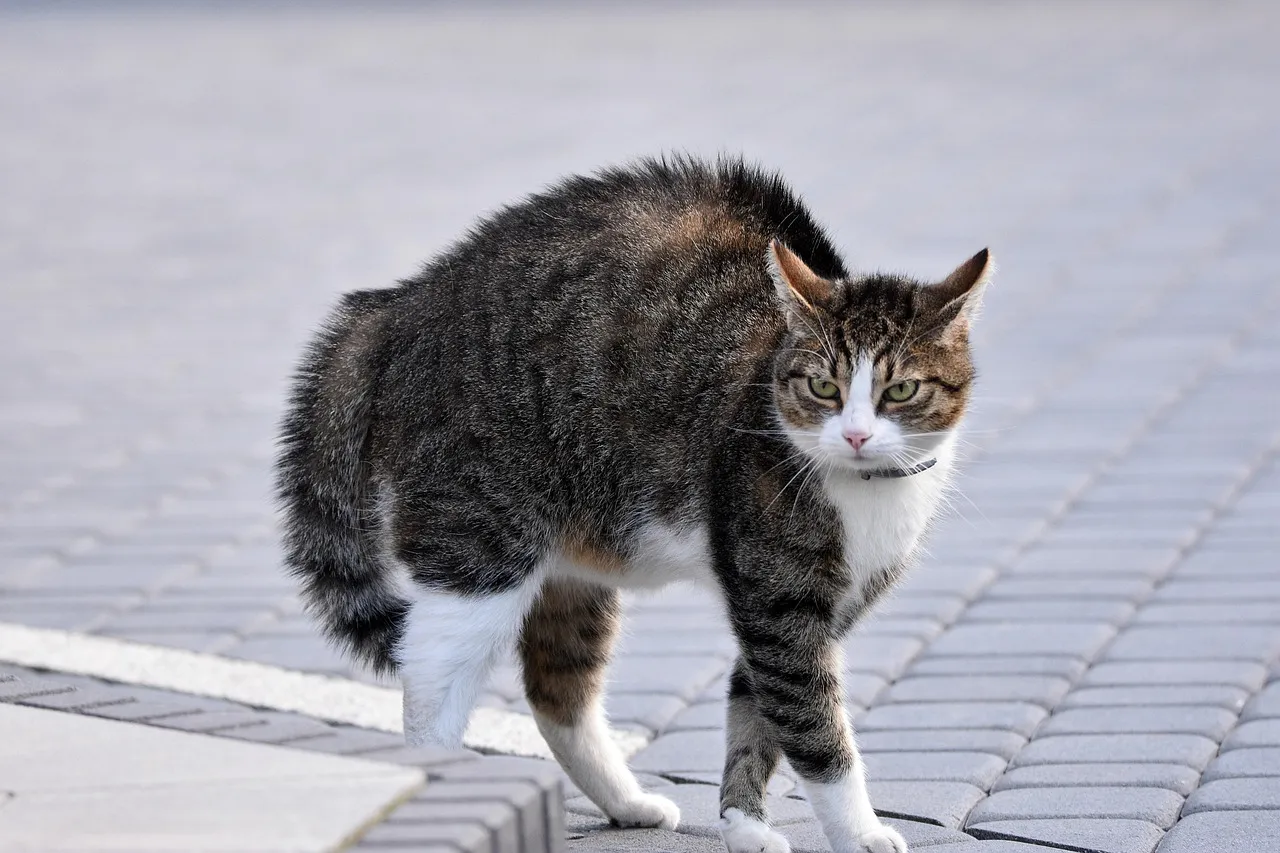
Most adopters read a cat’s face. Foster carers read the whole body.
ASPCA guidance lists specific fear signals: running when you enter, hiding, slinking low to the ground, hissing, growling, or cowering. Carers write down which signals appear, in which situations, and how often.
Frequency matters more than any single episode. A cat who hisses once at a vacuum may be fine. A cat who cowers every time a door opens needs a different match.
Notes often cover:
- Posture when someone enters the room
- Tail position and ear angle
- Whether the cat approaches or retreats
Now the real test: what happens when someone new walks through the door…
#11 – Reactions to Strangers

🔥 Would you like to save this?
We'll email this post to you, so you can come back to it later!
Every adoption form asks about family. Almost none ask how the cat reacts to someone new walking in.
Foster return sheets often do. One asks how the foster cat reacted when strangers came to visit. The answer reveals whether the cat bolts, watches from a distance, or strolls over to investigate.
Here’s a blunt take: a cat described as “good with everyone” after a single meeting is a guess. Weeks of observation in a real home, with real doorbells, are worth far more.
Quick Compare
- Bolts: often needs a quiet room and slow, one-at-a-time visitors.
- Watches from a distance: may be fine in a busy home if given an escape route.
- Strolls over: likely at ease with guests, but still worth confirming over repeat visits.
Notes may include how long the cat took to emerge, whether it needed a quiet room, and whether it warmed up with repeat visits. Those details help a busy household or a quiet one pick the right cat.
But tolerating strangers is a different skill from tolerating touch…
#10 – Handling Tolerance
🔥 Would you like to save this?
We'll email this post to you, so you can come back to it later!
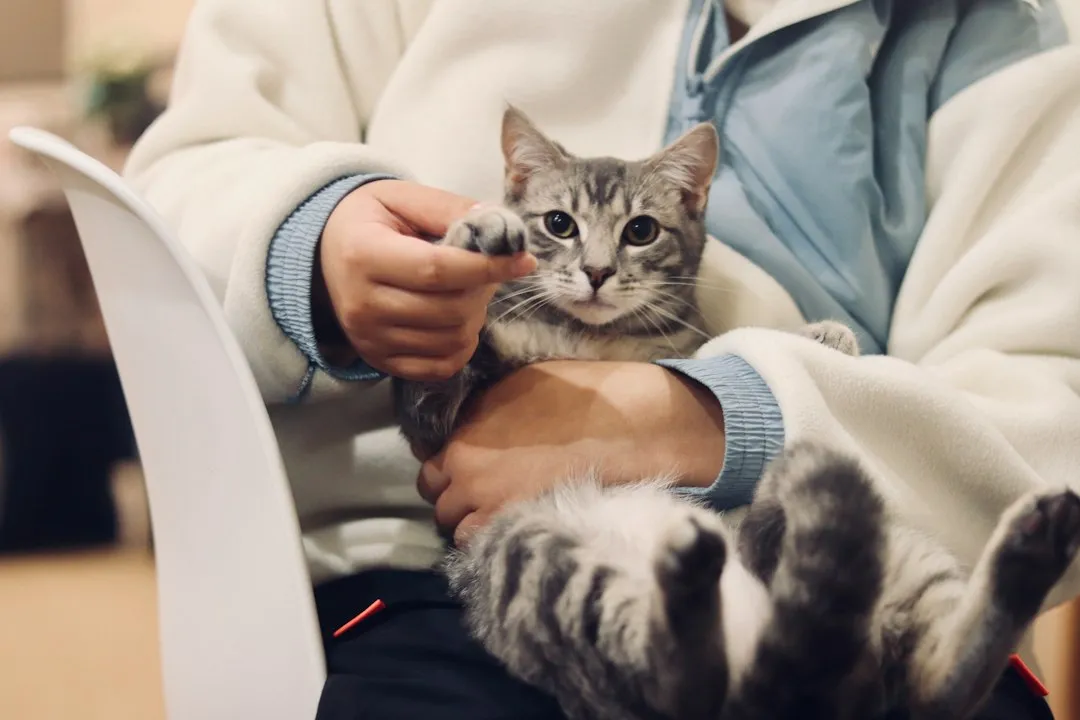
“Likes to be held” is almost meaningless until you know how, where, and for how long.
Return sheets typically ask whether the cat likes to be held or handled. Foster guides also prompt carers to note whether the cat likes to be petted and whether it’s a lap cat.
Good notes get specific. A cat may love chin scratches but hate belly contact. Another may sit beside you for hours but never on you.
Here’s the part many adopters get wrong: a placement can succeed even if the cat never becomes affectionate.
Touch is one language. What a cat says out loud is another…
#9 – Vocal or Quiet?
🔥 Would you like to save this?
We'll email this post to you, so you can come back to it later!
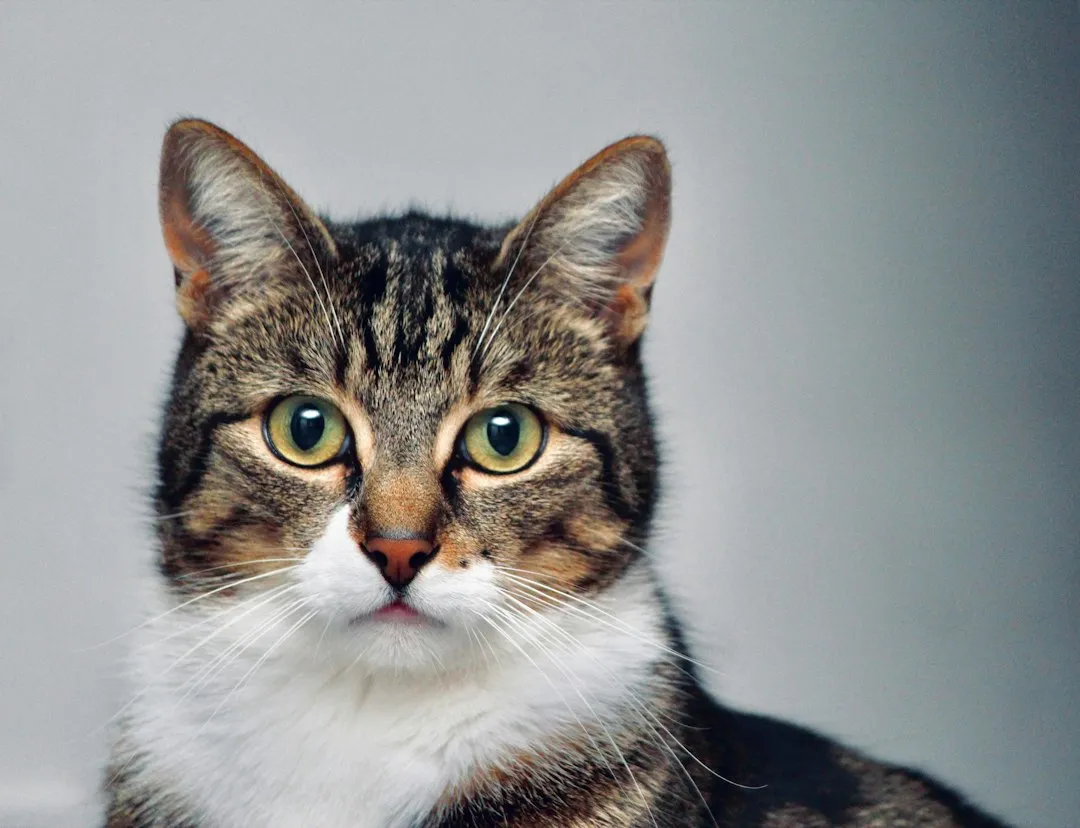
Some cats narrate the whole day. Others stay silent for weeks. A form won’t tell you which.
Foster guides ask carers to note whether the cat is vocal or quiet. It sounds simple, yet it predicts how a cat will fit into an apartment, a shared wall, or a light-sleeper household.
Carers also track context. Does the cat call at mealtime, at the door, or at 4 a.m.? Does it chatter at birds?
Even the carer’s voice matters. ASPCA guidance suggests reading aloud in the room so the cat gets used to your voice. Notes on how the cat responds are some of the earliest signs of trust.
And one particular sound is misread more than any other…
#8 – Purring (and What It Actually Means)
🔥 Would you like to save this?
We'll email this post to you, so you can come back to it later!
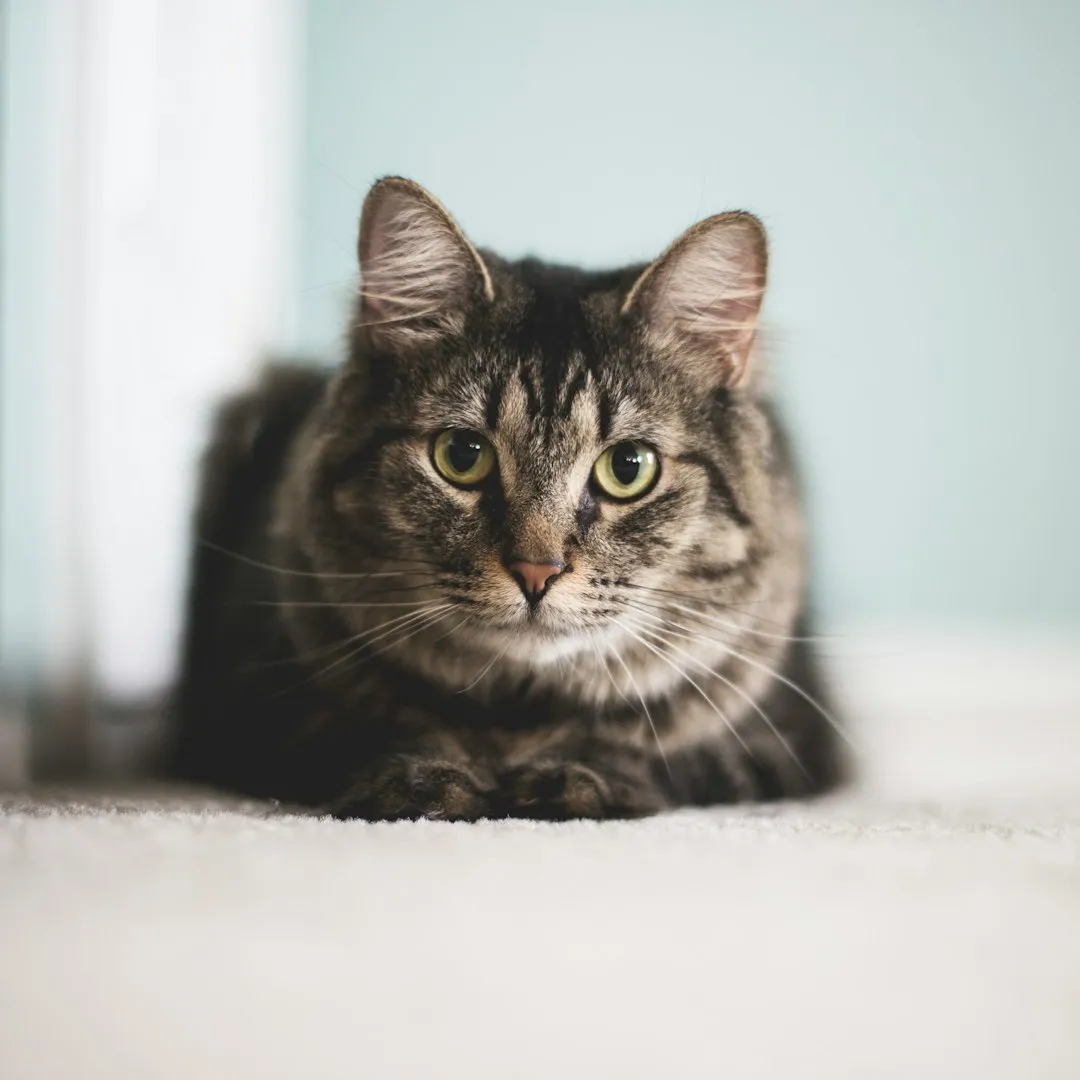
Everyone assumes purring means happy. Foster carers know it’s more complicated.
Return notes often list whether the cat purrs easily. That’s useful, but experienced carers add context: purring while being petted, while eating, or while alone in a hiding spot.
The same sound can show up in very different situations. That’s why a good note says when the purring happened, not just that it did.
Now for the fun part, and it says more about a cat’s confidence than you’d expect…
#7 – Play Style
🔥 Would you like to save this?
We'll email this post to you, so you can come back to it later!
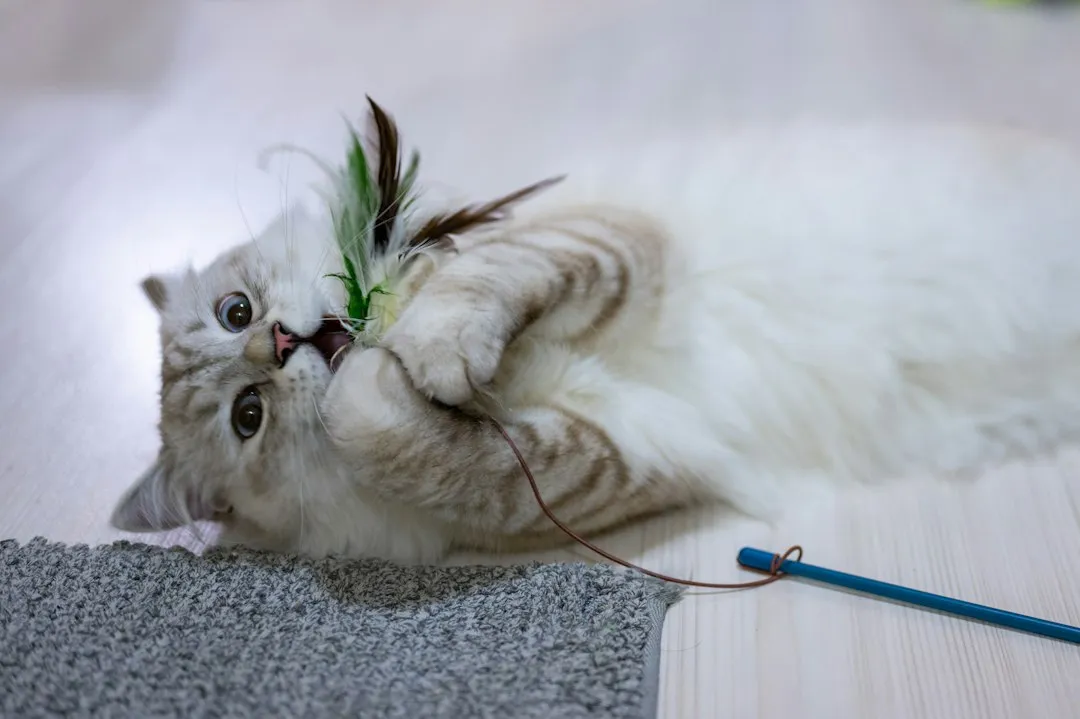
“Playful” can mean ten different things, and fosters are the ones who sort them out.
Foster sheets ask whether the cat was more active or calmer and, if active, how they liked to play. The “how” is the secret ingredient.
Some cats chase wand toys. Some bat balls around alone. Some only play when nobody’s looking.
A cat who plays only when the room is empty is giving you a confidence report. Notes on favorite toys, play length, and whether the cat initiates give an adopter a shopping list and a daily routine.
- Toys they chase
- Toys they ignore
- How long before they lose interest
Then there’s the habit that ambushes first-time adopters, usually around the furniture…
#6 – Scratching Preferences
🔥 Would you like to save this?
We'll email this post to you, so you can come back to it later!
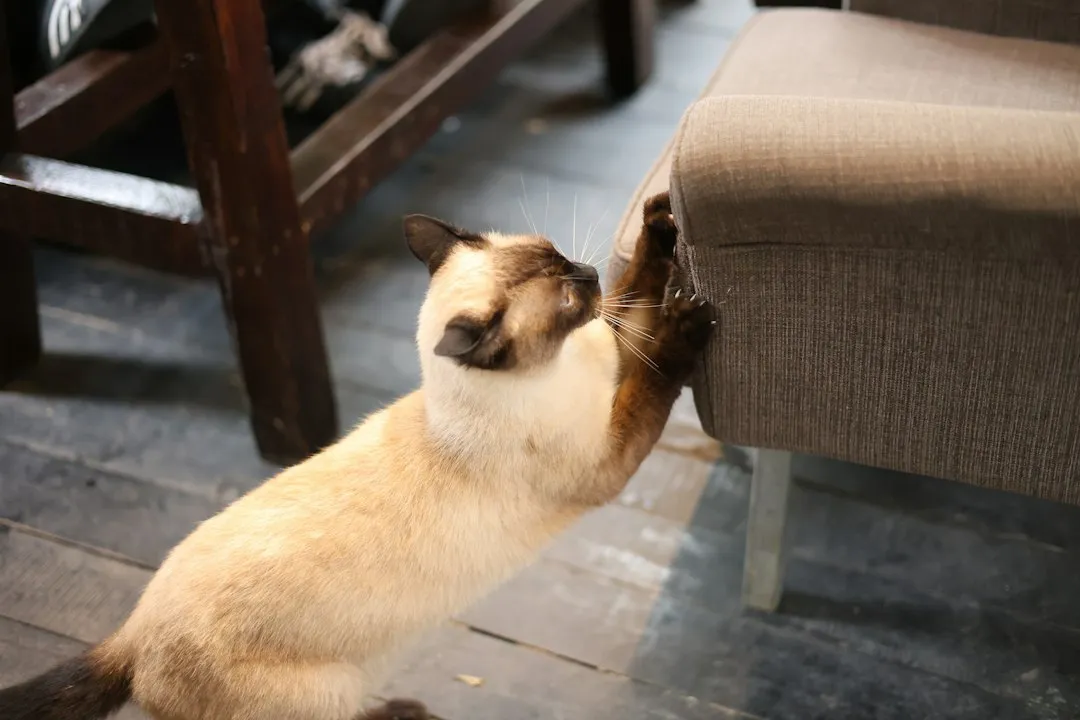
The couch isn’t the problem. The real question is what the cat would rather scratch.
Shelter foster guides treat scratching as one of the normal feline behaviors carers should share with the team. Good notes include surface and orientation: carpet, cardboard, sisal, vertical, or flat.
Here’s the part adopters don’t expect: scratching is a record of preference, not misbehavior. A cat who shreds a rug but ignores the post may simply want a different texture.
Carers also note where the scratching happens. Cats often scratch near sleeping spots, doors, or entry points.
Next, the note that decides whether a cat’s new home becomes a peaceful one or a tense one…
#5 – Reactions to Other Pets and Household Noise
🔥 Would you like to save this?
We'll email this post to you, so you can come back to it later!
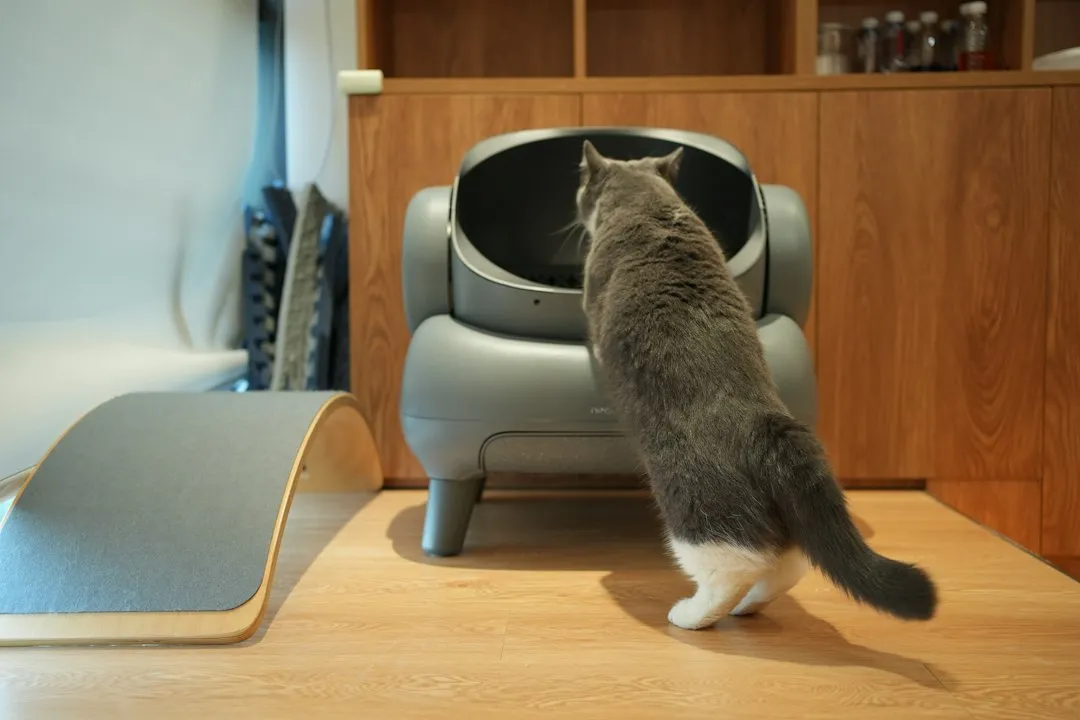
Other animals change a cat’s behavior more than most people expect.
One foster guide says conflict with other animals, or an unsuitable litter box setup, can contribute to accidents or marking. That means carers record not just how a cat reacts to other pets, but how its habits shift afterward.
A second cat can even block another from eating, resting, or using the litter box. Those effects are quiet, and they’re easy to miss without notes.
Carers also log everyday noise: doorbells, vacuums, dishwashers, kids. ASPCA materials advise isolating a foster from resident pets, so early notes often cover reactions through a closed door.
At a Glance
- Reaction to resident pets, even through a closed door
- Changes in eating, resting, or litter box use afterward
- Any accidents or marking that follow contact
- Startle response to doorbells, vacuums, and kids
That detail helps adopters with other pets plan slow introductions. And the next clue is simpler still…
#4 – The Favorite Spot
🔥 Would you like to save this?
We'll email this post to you, so you can come back to it later!
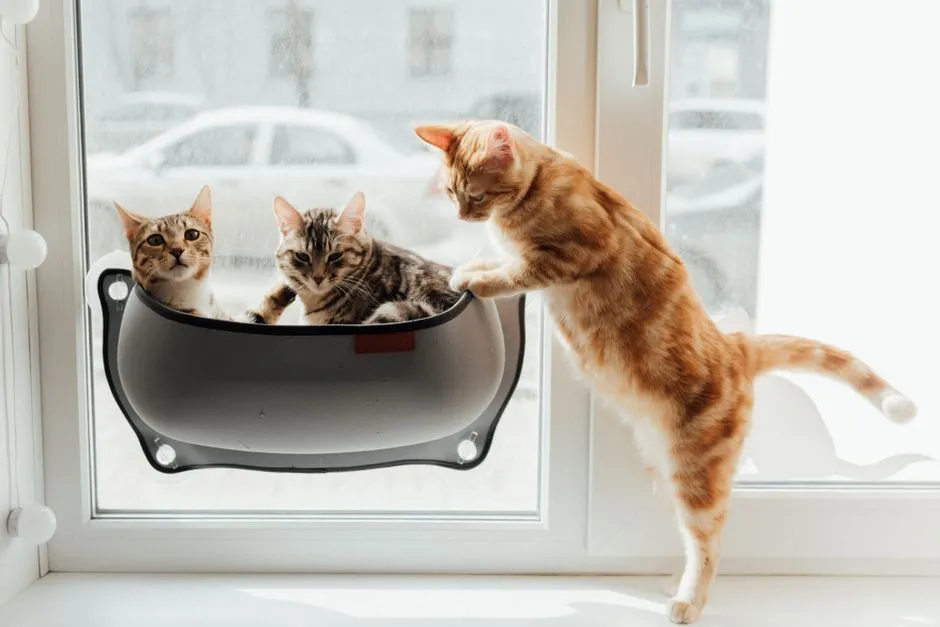
Where a cat chooses to sit says more than most personality quizzes.
Return sheets ask where the cat liked to spend most of its time: a certain room, piece of furniture, or bed. The answer is a map of what the cat values.
A cat who always picks a high perch wants a vantage point. One who picks a closet wants cover. A cat who parks beside the carer wants company.
- High perch: likes to survey
- Enclosed space: wants security
- Near people: seeks contact
One of the most overlooked notes comes next, and it can save a carer from a false alarm…
#3 – Reactions to Vaccines and Medication
🔥 Would you like to save this?
We'll email this post to you, so you can come back to it later!
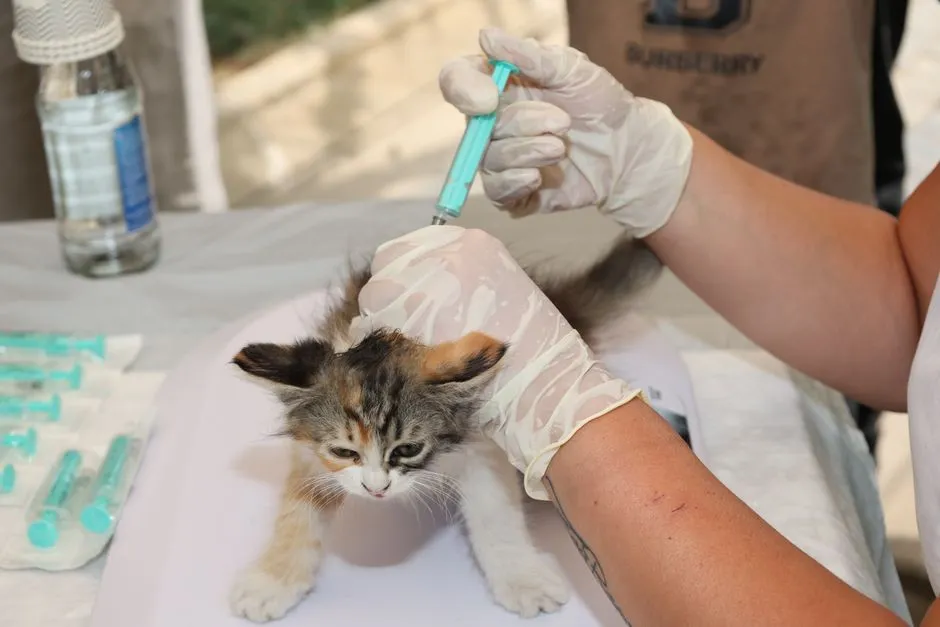
A cat who’s off after a vaccine isn’t necessarily sick. A carer’s notes help sort that out.
One shelter guide notes that foster cats typically receive vaccines, flea control, and deworming at intake. That means a carer may inherit a cat who’s just had a lot done in a short time.
If the animal feels slightly off after vaccination, the guide says they should be back to normal after about 24 hours. Notes on timing make it clear whether that’s happening.
Medication gets the same treatment. Carers record when doses are given, whether the cat accepted them with food, and any change in appetite or behavior afterward. Teams often have questions about whether a medication should be given with food.
The next number is the one kitten carers can never skip…
#2 – Weight, Especially in Kittens
🔥 Would you like to save this?
We'll email this post to you, so you can come back to it later!
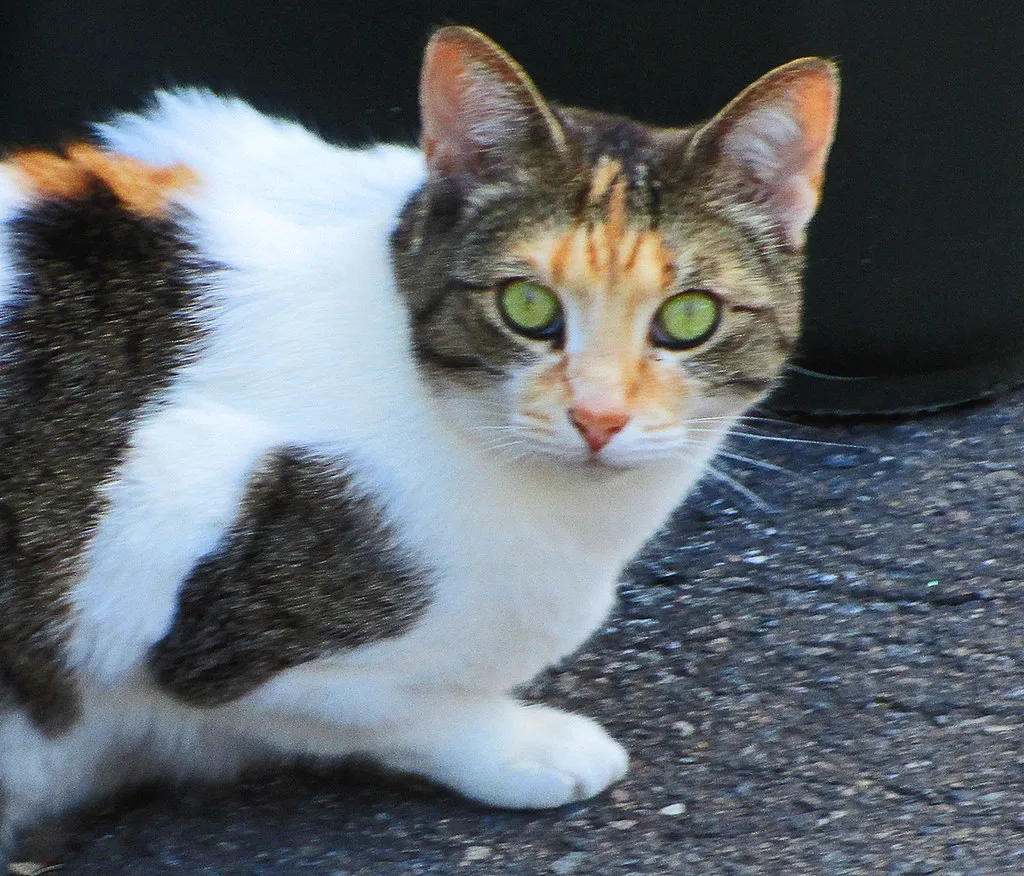
For kittens, a scale tells the story that the eyes miss.
Kitten foster manuals ask carers to record weight in a journal. The same journal often tracks appetite, energy level, and overall health for each kitten.
Kittens decline quickly. One guide puts it plainly: kittens crash fast, so carers should alert their contact early when they notice behavior changes.
Fast Facts
- Weight goes in a journal alongside appetite and energy level.
- Very young kittens are commonly expected to gain roughly half an ounce a day.
- Eating well but not gaining deserves attention.
- Losing weight means a call to the foster contact right away.
That’s why a stable weight trend matters. A kitten who eats well but doesn’t gain deserves attention. A kitten who loses weight needs a call right away.
Adoption forms record a birth estimate and a vaccine date. Carers record the curve between them.
But the most valuable record isn’t a number at all, and it’s the one almost no form can hold…
#1 – The Settling Timeline
🔥 Would you like to save this?
We'll email this post to you, so you can come back to it later!
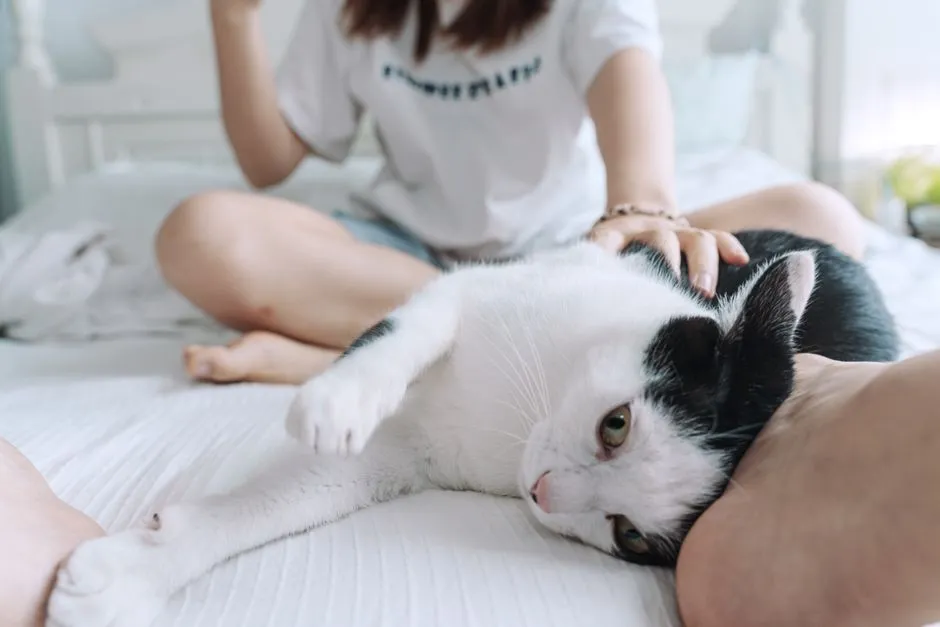
The most valuable note in any foster file is how long it took the cat to relax.
ASPCA guidance says a cat may be ready to explore more of the house when it is eating, drinking, using the litter box, and moving around the room in a relaxed manner. Carers log the day that happened.
Then they log the next steps. Day three: eating during the day. Day six: approaching the carer. Day ten: asleep in the open. That sequence is a decompression map, and it’s the best predictor of how a cat will handle its next move.
A successful foster placement may look uneventful. That’s the point. Quiet progress is still progress.
An adoption form tells you what a cat is. A foster carer’s notes tell you how that cat actually lives. Appetite patterns, litter box habits, hiding spots, handling tolerance, and the slow timeline of settling in are the details that predict a good match.
My opinion: shelters should treat those notes as the main file and the form as the cover sheet. A checkbox can’t explain why a cat eats only after midnight, or hisses at strangers but sleeps on your shoes.
If you’ve fostered, which note would you add to the list?

- 7 Everyday Habits That Can Make Your Senior Dog Happier - November 5, 2026
- 10 Enigmatic Structures That Continue to Puzzle Scientists Today - November 5, 2026
- 10 Strange Ruins in the Americas That Challenge What We Know About Early History - November 5, 2026