
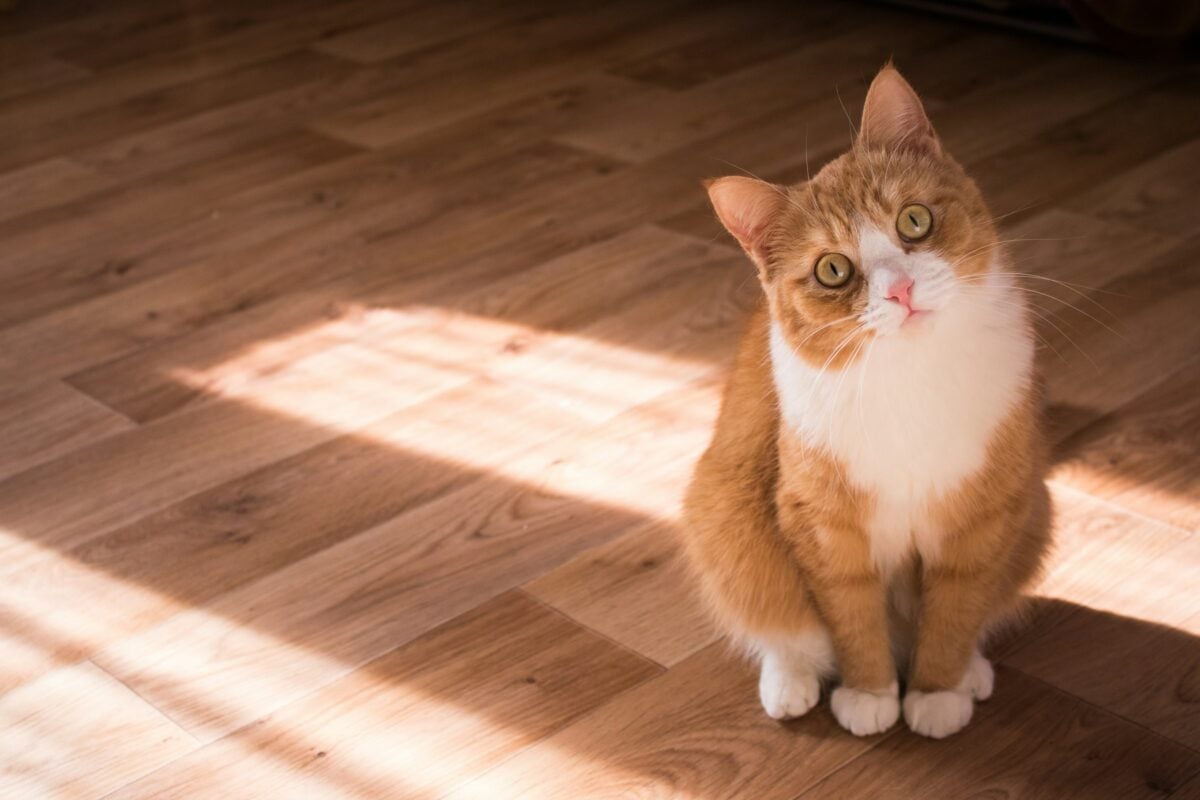
Most people think a cat curled on the radiator is just getting cozy. For an older cat, that spot is doing real work. Vet resources estimate that up to 90% of cats over 12 show signs of arthritis, though many cases go undiagnosed because cats are experts at hiding pain. Cold makes stiff joints feel worse, and warmth is the closest thing to a free painkiller your house offers.
So the week your heating clicks on, your senior cat vanishes, then turns up somewhere oddly specific. Some of the 19 spots below are adorable. A few are genuinely risky. And one is less about warmth than about what your cat may be trying to tell you, which is why it’s worth reading to the end.
#19 – The Floor Vent
🔥 Would you like to save this?
We'll email this post to you, so you can come back to it later!
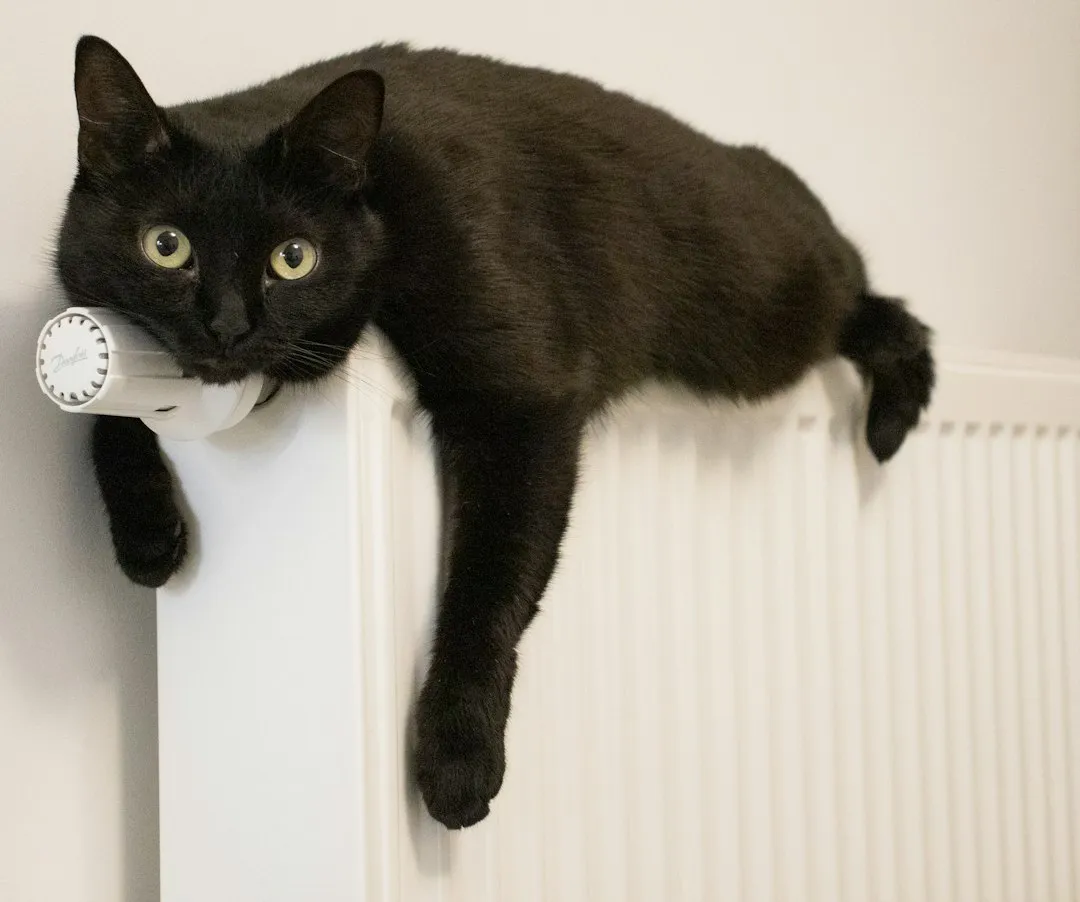
The floor register is often the first spot a senior cat claims, and the one owners notice last. Warm air pours up the moment the system starts, and older cats don’t need a map. Many senior cats show up in the heated zone just as the system kicks on and drift away when it cycles down.
There’s a practical reason for the rush. Seniors, young cats and short-haired cats lose heat easily, so outside warmth is especially appealing. Air at floor level reaches the belly and hips directly, right where stiff joints tend to complain.
The mistake is letting a cat sleep right on a hot metal grate. Check it with your palm first. If it’s uncomfortable for you, it’s too much for a cat who may doze straight through the warning signs.
Put a low, breathable mat beside the vent instead. Your cat still gets the warm air, without the hot metal.
Quick Compare
- On the grate: direct contact with hot metal and a real burn risk for a deep sleeper
- Beside the grate: the same rising warm air with no contact heat
- The palm test: if your hand can’t rest there comfortably, your cat shouldn’t either
But that’s nothing compared to what we found about #18…
#18 – The Radiator Shelf
🔥 Would you like to save this?
We'll email this post to you, so you can come back to it later!
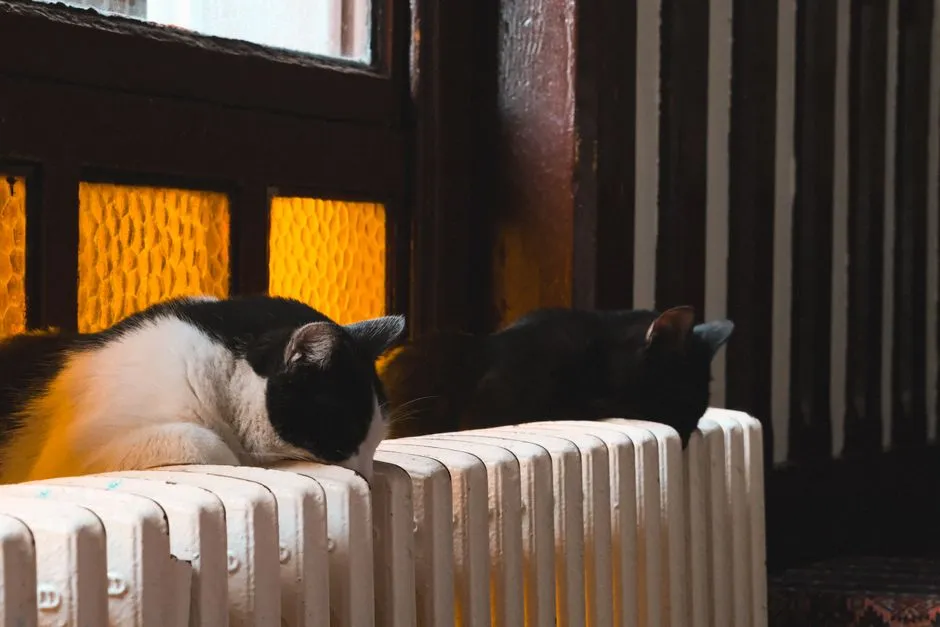
A shelf over a radiator looks like a luxury perch, but the cat is really choosing it for the physics. Hot air rises from the radiator and collects under the shelf. The cat gets steady, gentle warmth without touching the hot metal.
Here’s the twist. Cats who can no longer jump well often give this spot up and hunt for a lower one. A cat who suddenly stops using a favorite high perch may not be bored or moody. It may simply hurt to jump.
That’s the part owners miss, because the cat never complains. It just quietly rearranges its life around what its joints can still manage. A few small fixes can hand the perch back:
- Add a sturdy step or ramp
- Keep the shelf stable and non-slip
- Check that the cat can’t slip behind the pipes
Wait until you see who’s guarding #17…
#17 – The Baseboard Heater Line
🔥 Would you like to save this?
We'll email this post to you, so you can come back to it later!
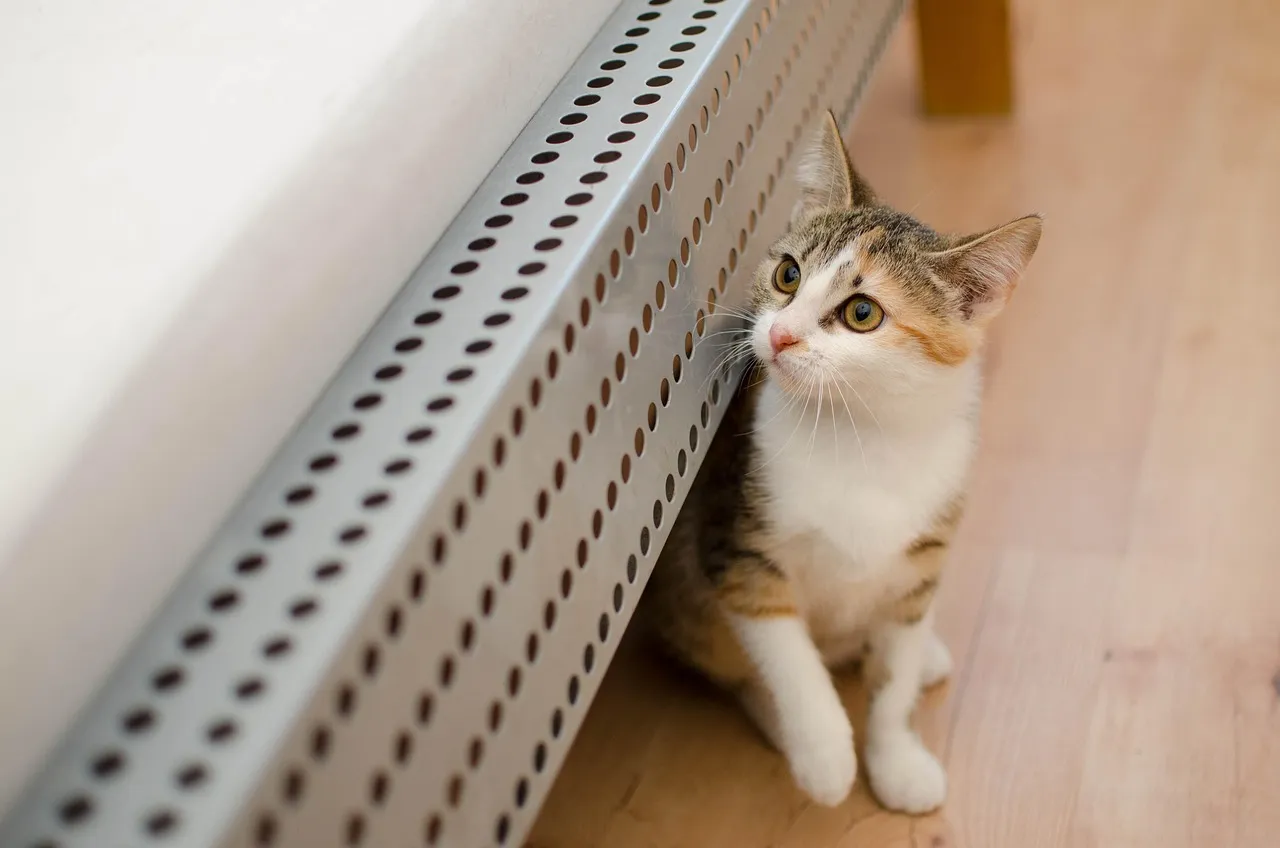
Cats don’t pick a random patch along a baseboard heater. They pick one particular stretch, and they return to it day after day.
Baseboard heaters push warm air up along the wall, and cats often settle near a corner where that warmth collects. In effect, your cat is reading a thermal map of your house that you can’t see.
Turns out the corner is the smart choice. Corners trap warmth and block drafts from two sides, a natural windbreak for a cat with stiff joints.
Keep curtains, blankets and cat beds a safe distance from the heater itself. Fabric sitting right against a heating element is a fire risk, and the safest bed is one placed beside the warmth rather than on it.
Next up is a spot that changes with the weather…
#16 – The Winter Sun Patch
🔥 Would you like to save this?
We'll email this post to you, so you can come back to it later!
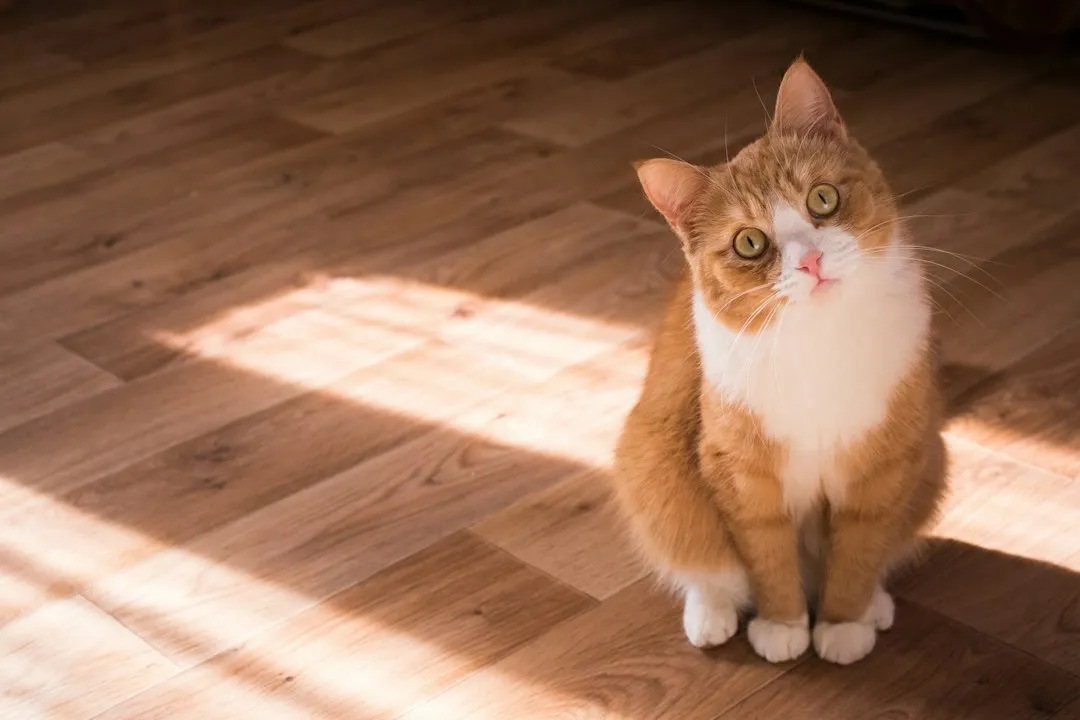
The sun patch moves, and the oldest cats follow it like clockwork.
When the heating kicks in, the room warms, but the glass stays cold. A sunbeam is still the warmest spot in the house, so most cats don’t ditch it. They simply add the radiator spot to their rotation.
Many older cats also switch spots when clouds roll in, as if checking each favorite like a daily forecast. Watch that routine for a week and you’ll learn a lot about how your cat’s body is handling the cold.
The unpopular truth: the sun patch beats a lot of pricey gadgets. It’s free, it’s safe, and it can’t overheat a cat who’s fallen into a deep sleep.
The next spot looks harmless, but experts are wary…
#15 – On Top of the Router and TV Box
🔥 Would you like to save this?
We'll email this post to you, so you can come back to it later!
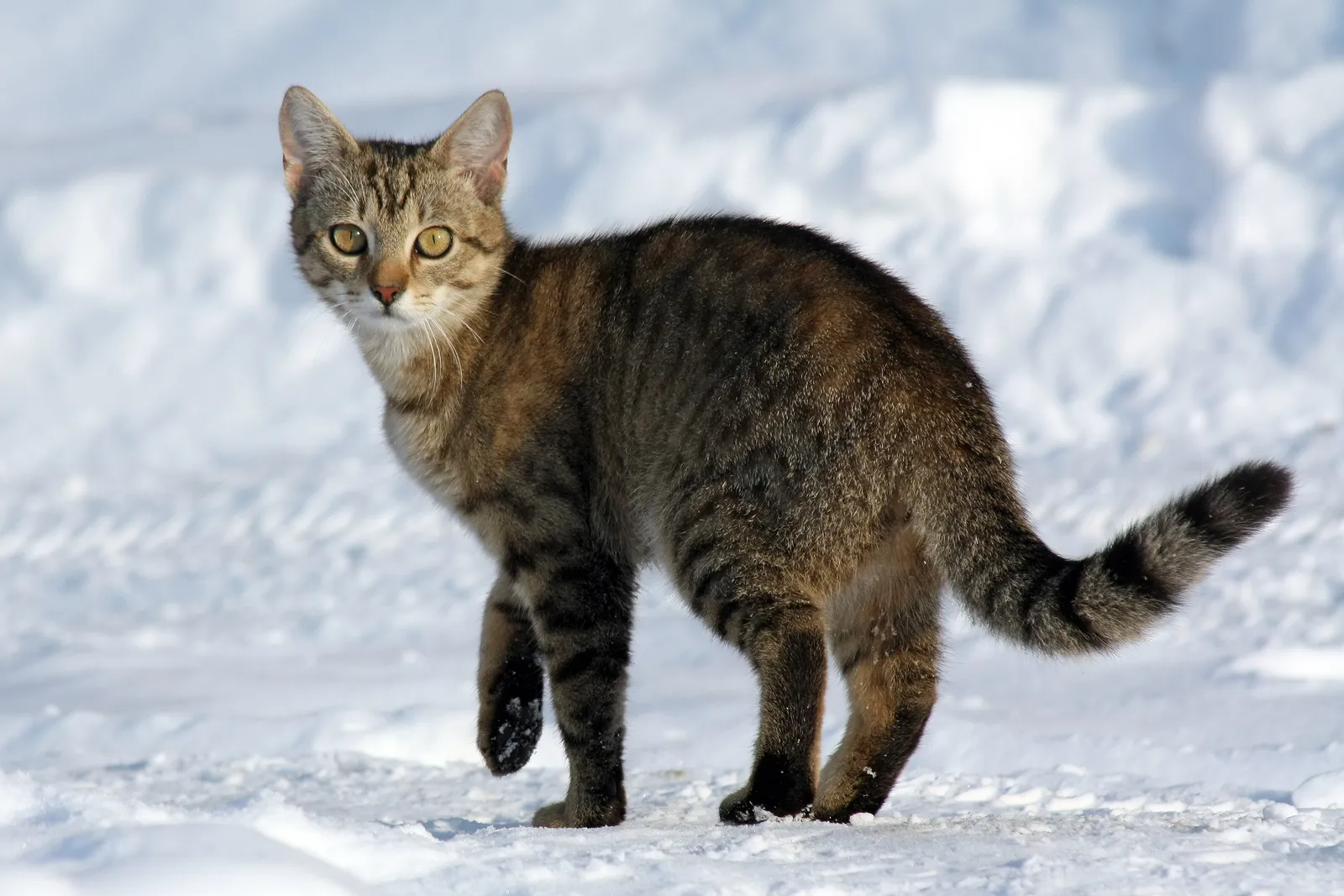
Electronics are a secret favorite, and most owners don’t realize why.
Set-top boxes, game consoles and routers give off a steady, low heat all day. For a cat, that’s a free heated pad at exactly the height they want. Many cats also seem to prefer warm, enclosed spots to open ones.
The risks are real, though. Vents can get blocked, cords get chewed, and a cat curled over a router may be quietly cutting off its cooling.
Here’s the contrarian view: many owners think letting a cat nap there is harmless. Pet safety experts would disagree. Block off the electronics and give your cat a better warm spot nearby, ideally at the same height so the trade feels fair.
Worth Knowing
- The appeal: steady, low heat that lasts all day
- The main risks: blocked vents and chewed cords
- The better trade: a warm bed at the same height, close to where the box sits
- The quick fix: tuck cords out of reach and keep vents clear
You’d never guess what comes next, and it comes out of your laundry…
#14 – The Fresh Laundry Basket
🔥 Would you like to save this?
We'll email this post to you, so you can come back to it later!
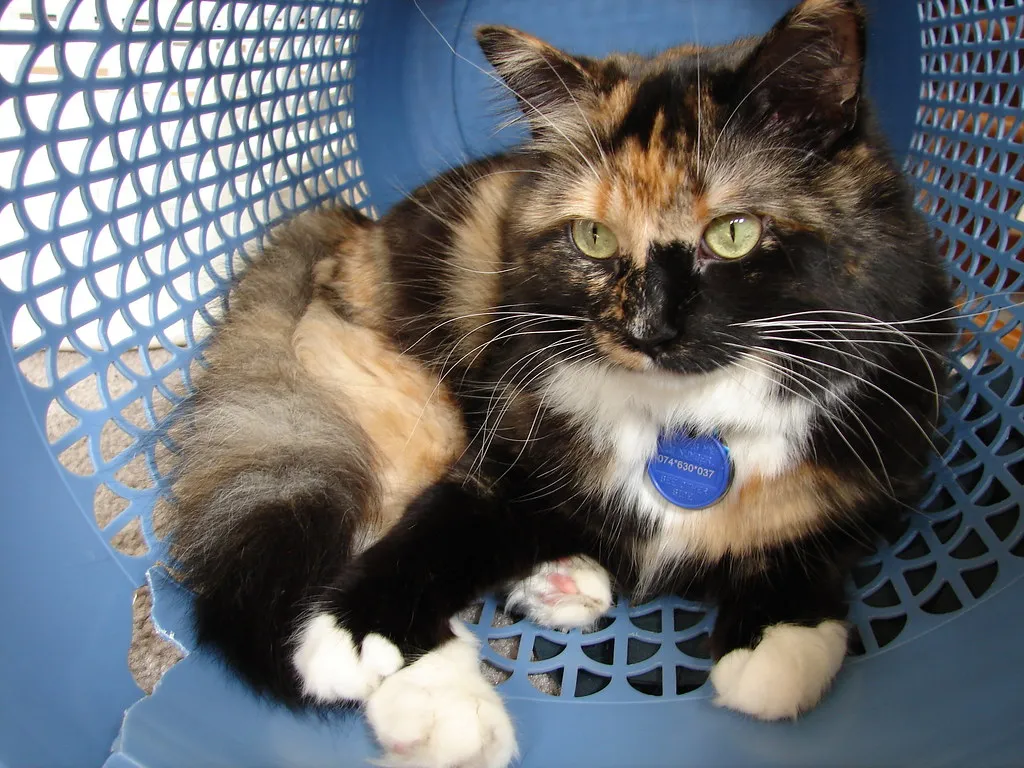
A basket of warm laundry is the closest thing a cat has to a jackpot.
Freshly dried clothes hold heat for a surprisingly long time, and they smell like you. That’s a double reward: warmth and your scent, the same combination that makes sun-baked window sills so irresistible.
Soft folds also support aching joints. Older cats tend to like a bed that molds around them and lets them settle without pressure on the hips.
Of course, a cat nap can leave a freshly folded pile covered in fur. A spare warm towel makes a great decoy, especially tucked in a low box near the dryer.
But the laundry room hides a risk that surprises most owners…
#13 – On Top of the Dryer
🔥 Would you like to save this?
We'll email this post to you, so you can come back to it later!
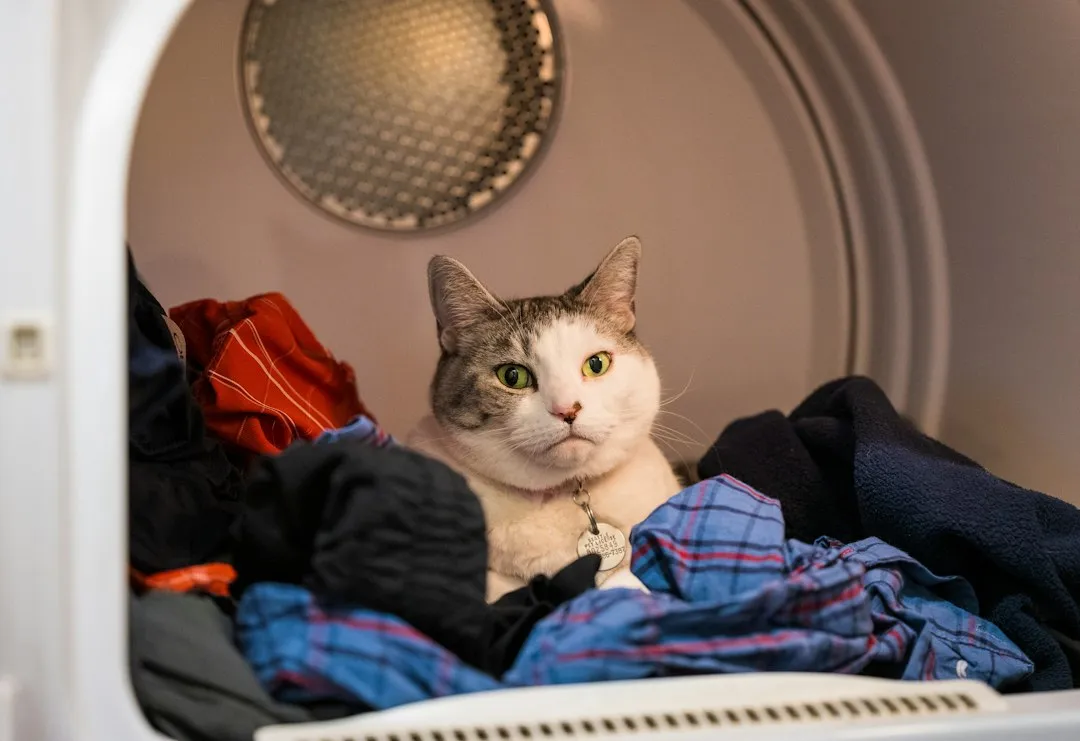
The dryer top is a hot favorite, and the inside is the real danger.
A running dryer’s top panel gets warm and hums. Cats treat it like a heated, vibrating mattress, and climbing up there is common. The scary part is a cat slipping inside through the open door.
Most people don’t realize how quickly it can happen. A cat can climb into a dryer in seconds and go unseen. Always check the drum before you close the door and start a cycle.
- Keep the dryer door closed when it isn’t in use
- Look in the drum every single time
- Give your cat a warm alternative beside the machine
Worse, a senior cat is slower to react if something goes wrong.
Speaking of utility rooms, the next spot is even quieter…
#12 – The Water Heater Closet
🔥 Would you like to save this?
We'll email this post to you, so you can come back to it later!
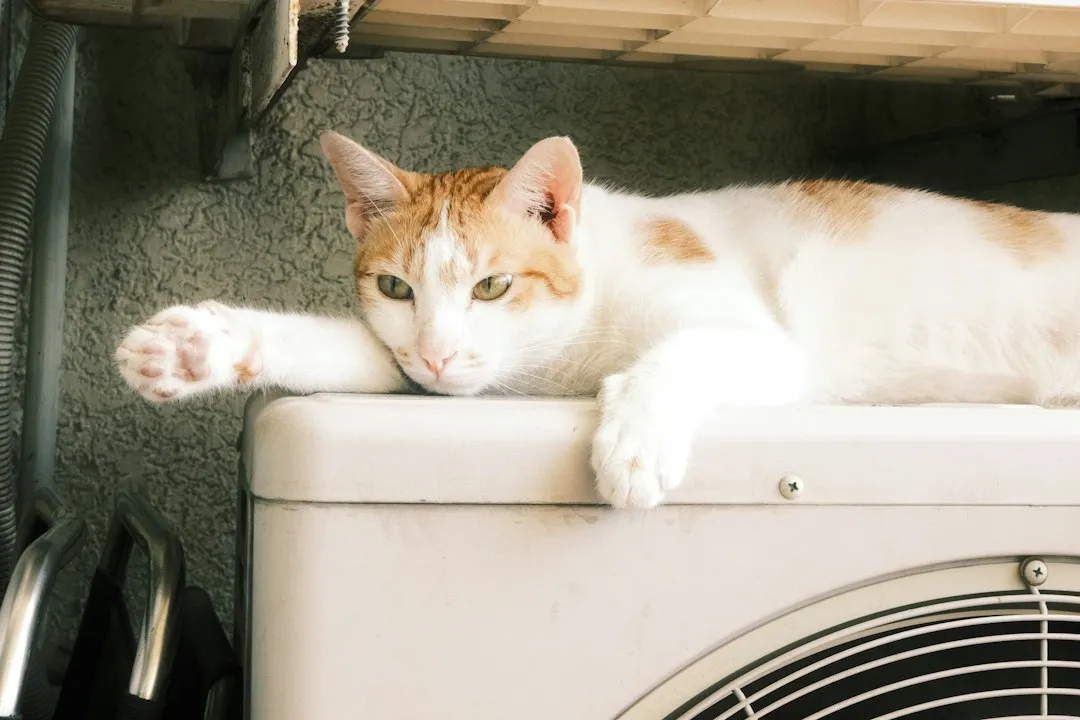
The utility closet is where your cat goes when it wants to disappear and stay warm.
Water heaters and furnaces radiate heat into a small, enclosed space. It’s quiet. It’s dim. It’s tucked away. For a senior cat that feels vulnerable, that combination is hard to beat.
Hiding itself can be a signal. An older cat that suddenly spends hours out of sight may be unwell, not just warm. A change in routine is worth noting even if the spot seems harmless.
Check that the closet is free of loose insulation, chemicals and open flames. If you can’t make it safe, close the door and offer an alternative in a calm corner of the house.
Next, a spot that you may be paying for in more ways than one…
#11 – Your Laptop Keyboard
🔥 Would you like to save this?
We'll email this post to you, so you can come back to it later!
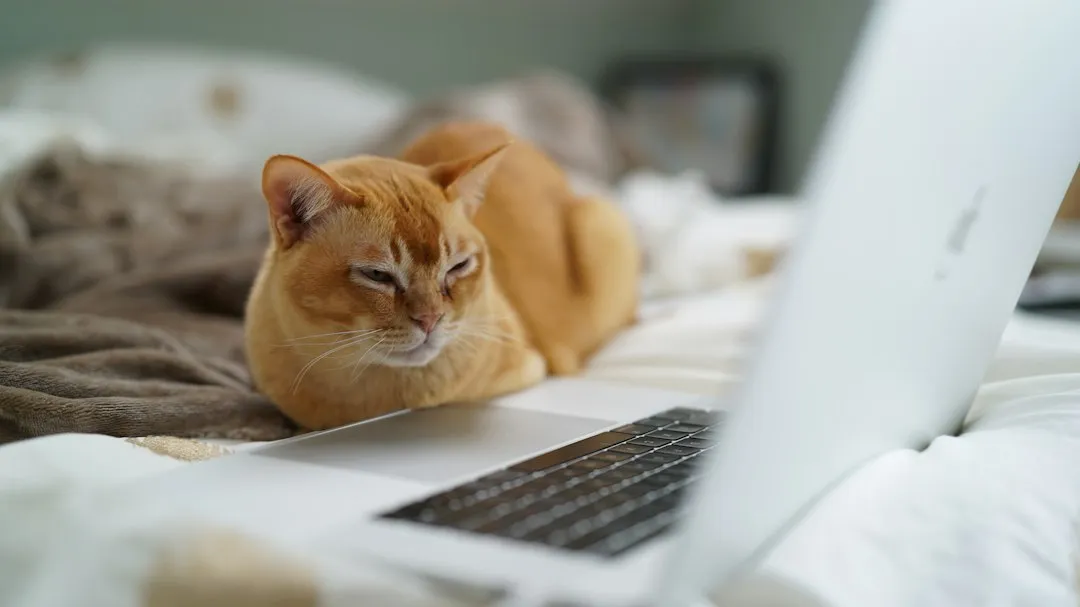
Yes, your cat is deliberately sitting on your work. No, it’s not only for attention.
A laptop’s warm underside and keyboard offer a compact heat source at a perfect cat height. And you’re sitting right there, so it’s warmth plus company in one move.
Cats often prefer a warm surface that’s with you over a spot of their own, even when a perfectly good bed sits close by. That’s why a heated bed can sit ignored while your laptop is occupied within minutes.
Try putting a warm, cat-friendly bed right next to your desk. A cat that can sit with you on a warm surface of its own will often stay put.
Meanwhile, the next spot is the one vets worry about most…
#10 – The Fireplace Hearth
🔥 Would you like to save this?
We'll email this post to you, so you can come back to it later!
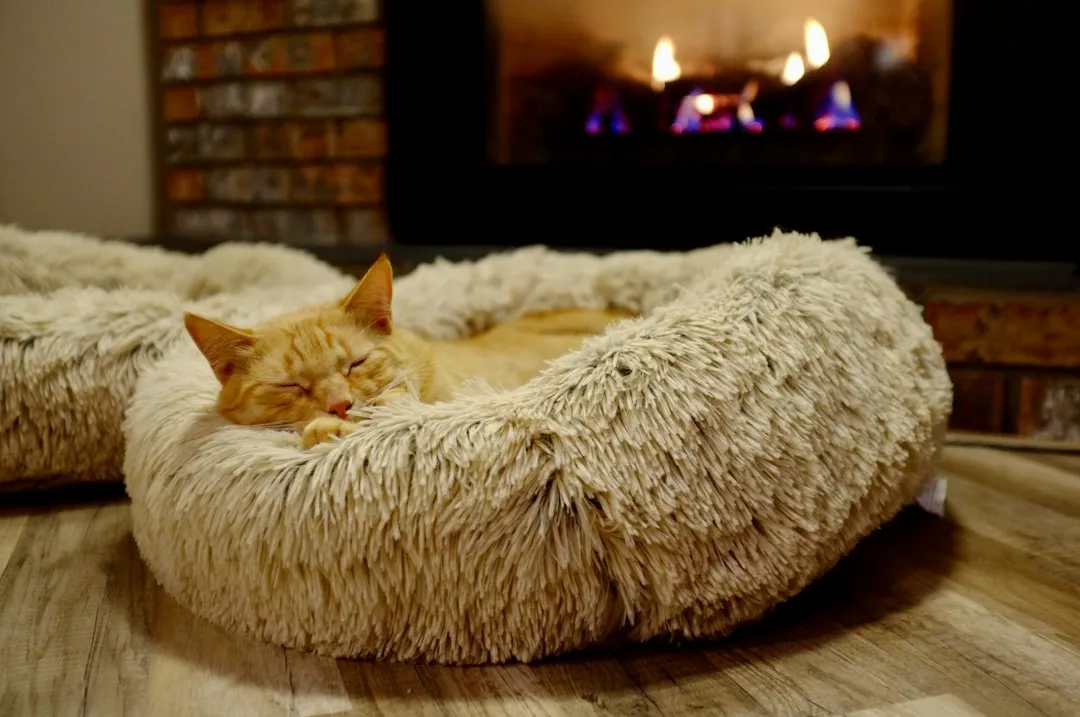
The hearth is the oldest heat source in the house, and it’s one of the riskiest.
A hearth or wood stove radiates serious heat, and sleepy seniors can drift right up to it. Older cats can nap so deeply that they don’t notice when it gets too warm.
Fur can scorch, whiskers can singe, and skin can burn before the cat wakes. A cat with slow reflexes can be badly hurt in a few minutes of dozing.
- Use a sturdy fireguard
- Never leave a cat alone near an open fire
- Offer a warm bed several feet back
The next one is a bathroom trick most owners miss…
#9 – The Bathroom Mat After a Shower
🔥 Would you like to save this?
We'll email this post to you, so you can come back to it later!
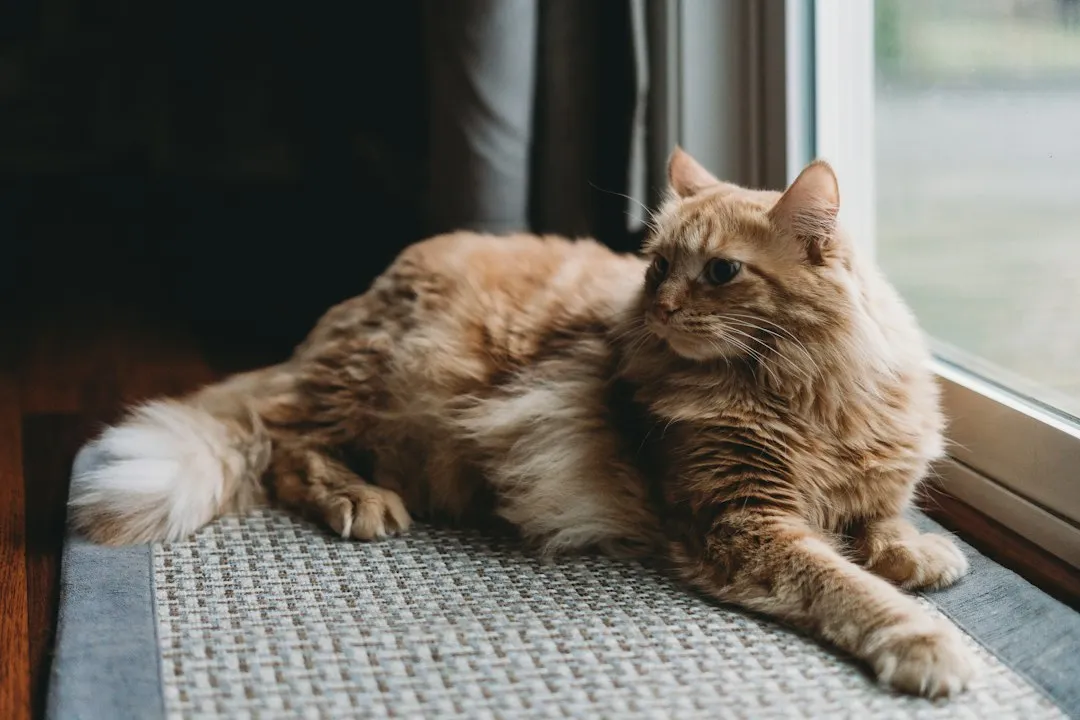
The bathroom becomes a hot spot for about twenty minutes, and cats know it.
Steam and a warm floor make the room cozy. Many senior cats settle on the bath mat, soaking up the warm air that drifts down. They also love damp towels that keep a little warmth.
It’s secretly a smart choice for stiff joints. Warm, humid air feels soft, and a thick mat takes pressure off the elbows and hips.
Cold tile floors are a hidden problem for older cats. A non-slip mat helps them walk without sliding on slick tile when they leave.
Fast Facts
- Best timing: right after a hot shower, while the room is still warm
- Best surface: a thick, non-slip mat that cushions the hips and elbows
- Watch for: slick, wet tile on the walk out
- Keep clear: any plug-in heater near wet floors or standing water
Next, a spot that is much hotter than it looks…
#8 – Beneath a Desk Lamp
🔥 Would you like to save this?
We'll email this post to you, so you can come back to it later!
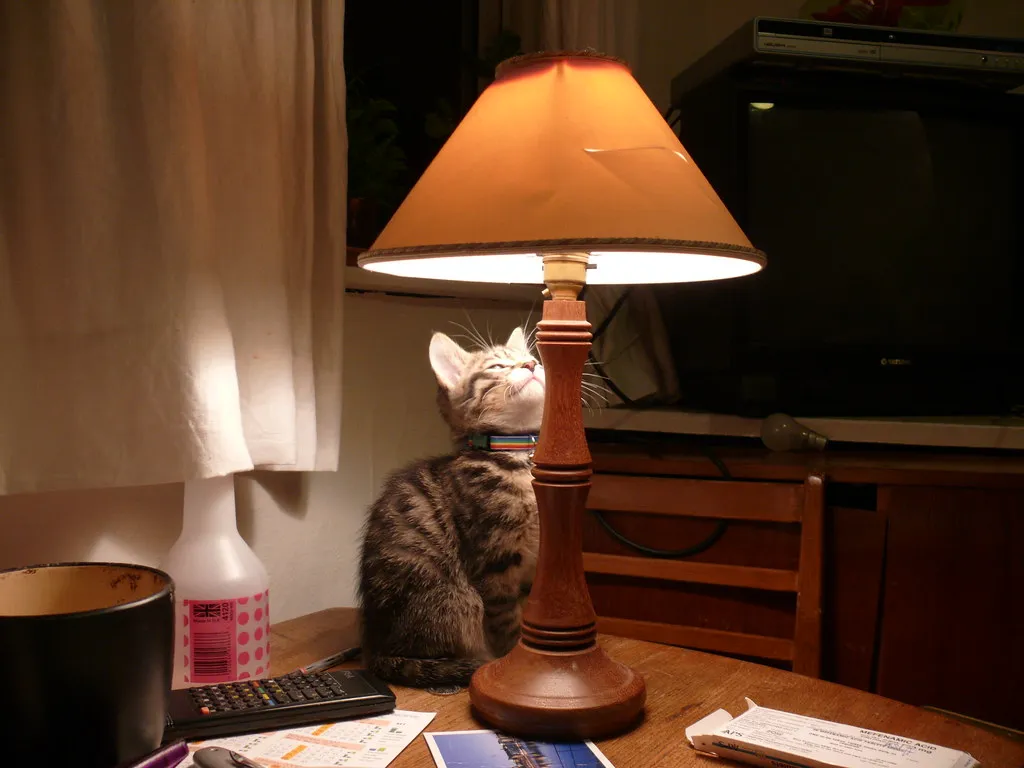
A lamp seems like a small thing. To a cat, it’s a personal heater.
Incandescent and heat lamps give off real warmth near the bulb, and cats can nap directly beneath them for long stretches. A senior with a thin coat can seem tempted to lean in closer and closer.
The risk is that those bulbs get hot enough to burn skin or scorch fur. A cat that sleeps too close to a hot bulb can burn without waking up.
You may not guess where the next spot is hiding…
#7 – The Airing Cupboard
🔥 Would you like to save this?
We'll email this post to you, so you can come back to it later!
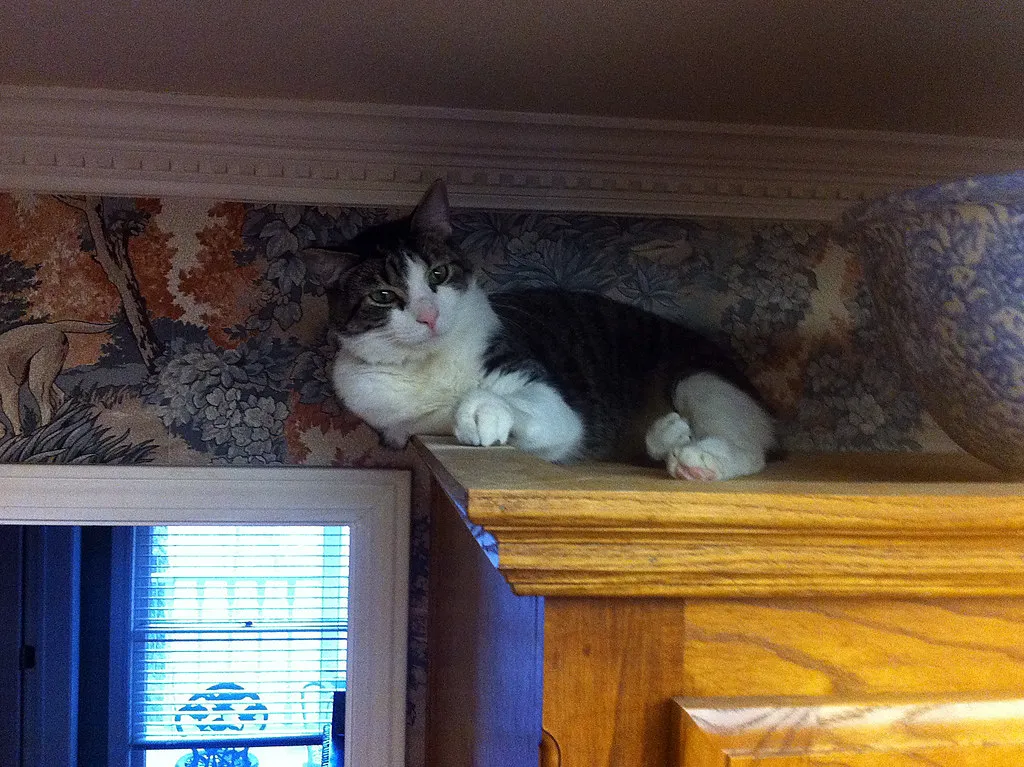
Cupboards are favorite hideaways, and the warm ones get claimed first.
A cupboard that shares a wall with the boiler or holds the hot tank stays toasty. Stacks of towels and sheets turn it into a soft nest. For a senior cat, it’s a dark, snug refuge from drafts.
Cats do love enclosed spaces, and a closed door can trap a sleeping cat for hours without you noticing. Leave a gap, or check inside before shutting.
Also keep in mind that older cats can have trouble climbing to shelves. If your cat is struggling to reach the top, move a folded blanket to a lower shelf.
The next spot involves your kitchen, and it’s trickier than it sounds…
#6 – The Warm Floor Beside the Oven
🔥 Would you like to save this?
We'll email this post to you, so you can come back to it later!
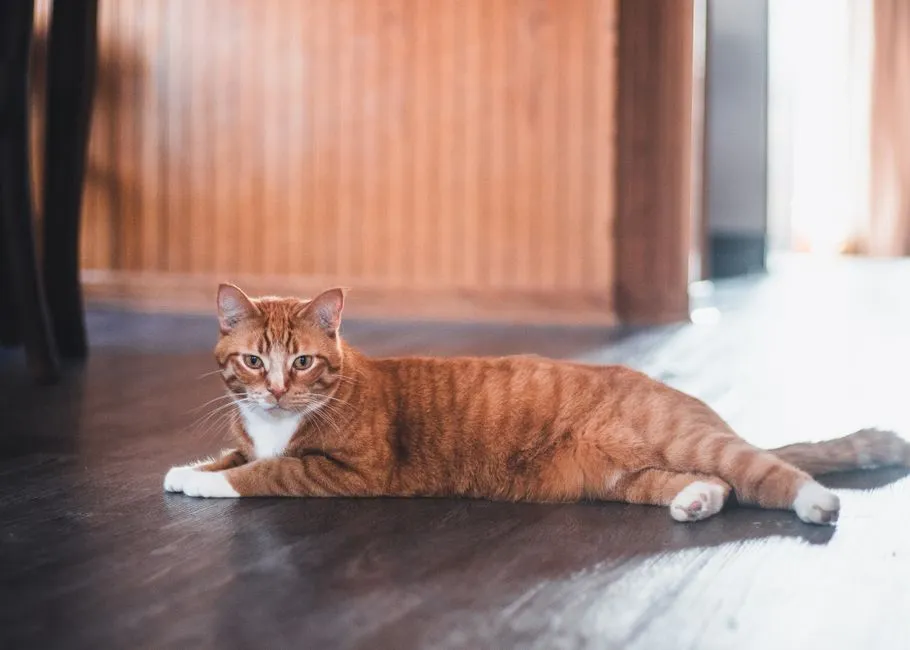
The kitchen floor next to the oven is a magnet in winter.
Cooking warms the room, and the floor near the oven stays warm long after you finish. Cats also like the smell and the activity. It’s cozy and it’s social.
That’s the problem. A hot oven door and a sleepy senior cat with slower reflexes are a bad pairing. Burns happen fast, and hot spills happen faster.
An elderly cat underfoot in a busy kitchen is also a trip hazard for you. Put a heated or self-warming bed in a quiet corner, away from the stove.
The next spot gets a lot of attention, and it needs a warning label…
#5 – The Heated Bed
🔥 Would you like to save this?
We'll email this post to you, so you can come back to it later!
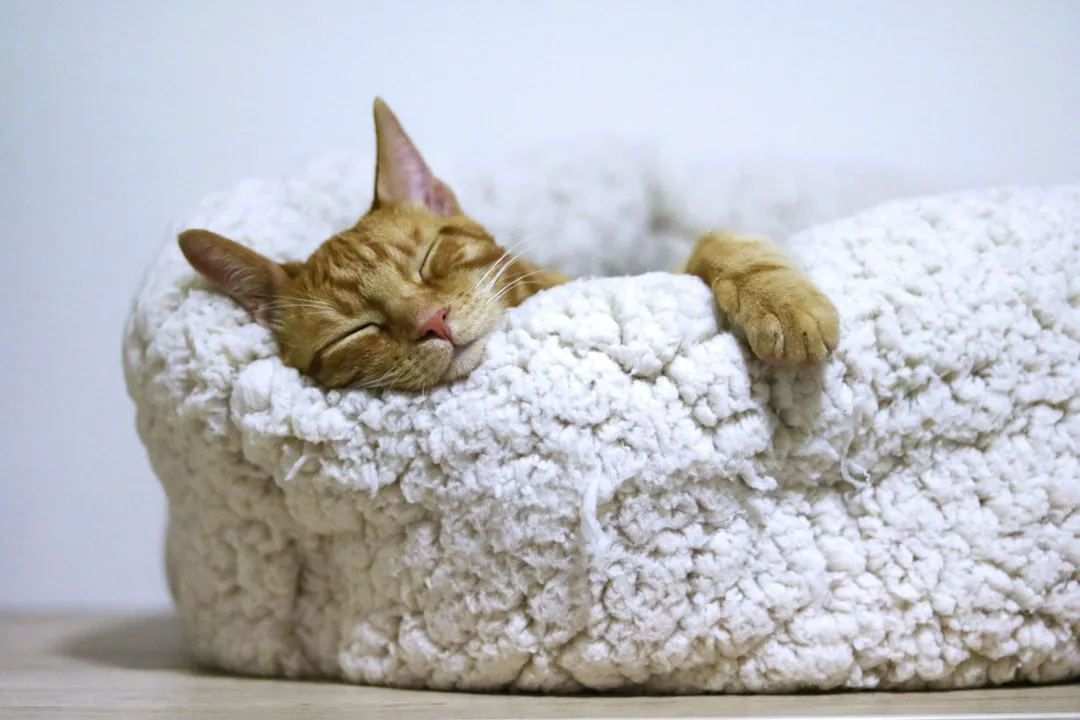
A pet-safe heated bed is the spot most vets would actually pick for an arthritic cat.
Gentle warmth can ease tense muscles and stiff joints. Warmth helps loosen tight joints in older cats with arthritis and may improve movement and comfort. That’s why the heated bed is such a favorite.
But the details matter. Use only the lowest setting, and cover the pad with a blanket so the cat isn’t lying directly on the hot surface.
Human heating pads can get far hotter than a cat’s skin can safely handle. They also lack the safety features of pet-specific products, so keep them out of your cat’s bed.
Still, the next spot beats the bed for many cats…
#4 – The Sofa Cushion You Just Left
🔥 Would you like to save this?
We'll email this post to you, so you can come back to it later!
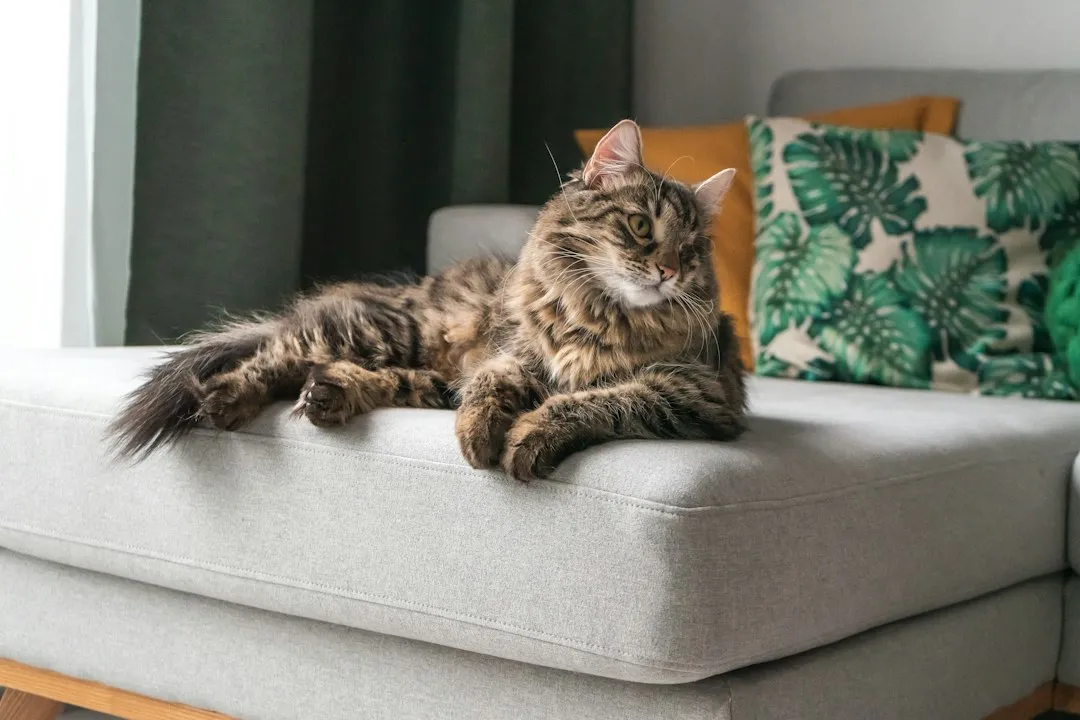
Your cat didn’t want the sofa. It wanted the warm dent you left in it.
Body heat lingers in cushions for a while, and it comes with your scent. Many cats will wait until you stand up, then slide into your place. It’s a classic move.
This one matters for older cats because it’s cheap and gentle. Residual warmth is lower and softer than a heating pad, which makes it very hard to overdo.
Some owners see this as rude. We’d argue it’s a compliment, and a clever one. Put a fleece blanket on your usual spot and your cat will settle there on its own.
Why It Stands Out
- Zero cost: no gadget, no cord, no setup
- Self-limiting heat: the warmth fades on its own, so it can’t build up
- Built-in comfort: your scent and a soft, yielding surface
- Easy to copy: a fleece on your usual seat does the job
The final three are the ones cats choose above everything else…
#3 – Your Lap
🔥 Would you like to save this?
We'll email this post to you, so you can come back to it later!
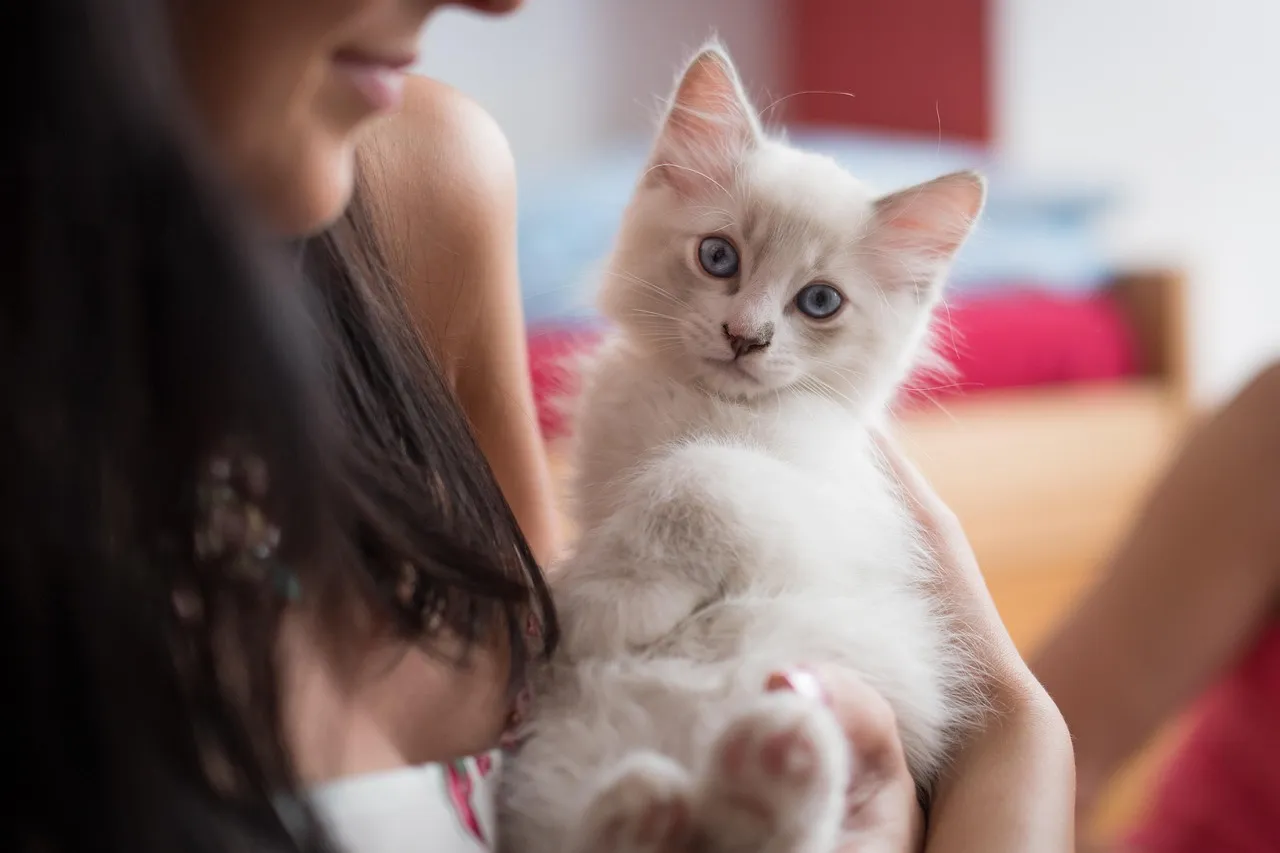
The lap is the place where warmth and safety meet.
You’re a living, breathing heater with a steady temperature. A lap offers soft support for sore hips and a heartbeat nearby. Few spots offer all of that at once.
A cat choosing to be on you is also a trust signal. An older cat that begins sitting on laps more may be after heat, comfort, or both.
If jumping is hard, help your cat up with a low stool or a gentle lift. Support the hindquarters and avoid squeezing the spine.
But number two is where the real warmth hides…
#2 – The Foot of Your Bed
🔥 Would you like to save this?
We'll email this post to you, so you can come back to it later!
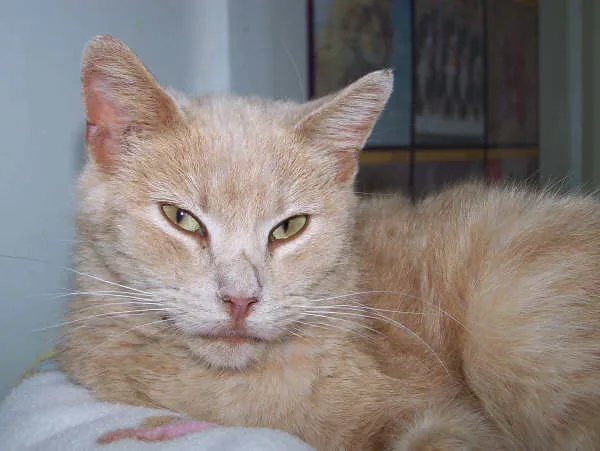
Nighttime is when the best spot opens up, and your cat knows the exact patch.
The foot of the bed is warm without being smothering. Blankets trap heat, and you share yours. It’s a steady, low-heat source for hours, which is when stiff joints are at their worst.
The cat also gets to be close to you while staying out of the way of your legs. Many older cats pick a single spot and return to it every night.
Add a small ramp or stool so your cat can reach the bed on its own.
And the number one spot may surprise you…
#1 – Wherever They’ve Never Slept Before
🔥 Would you like to save this?
We'll email this post to you, so you can come back to it later!
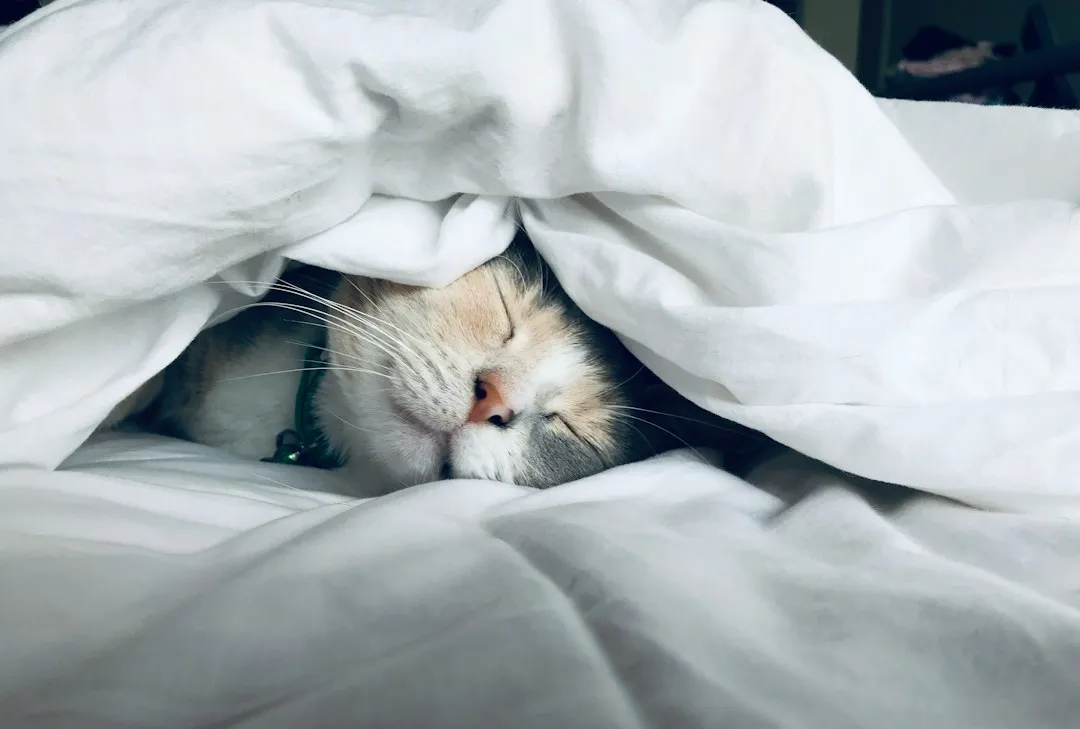
The most important warm spot is the new one your cat has never used.
Cats love routine, so a sudden change in favorite spots is worth noticing. If a cat’s favorite spots change suddenly, or the time spent there jumps noticeably, pay attention. It could just be the heating. It could be something more.
Most people don’t realize that a cat’s warm spot can be a clue about its health. Spending hours pressed against a heater may mean discomfort. Hiding in unusual places can mean the same.
Here’s another reality check: a litter box in a cold, drafty utility room or garage can become a genuine deterrent for a senior cat. Offer both warmth and an easy way to move away.
- Provide a warm spot and a cooler spot nearby
- Keep warm spots low and easy to reach
- Mention sudden habit changes to your vet
Give your cat a warm spot and an easy cooler spot so they can move away without climbing, squeezing, or crossing a slippery floor. Choice is the point.
Your senior cat isn’t being fussy when the heating comes on. It’s following warmth for comfort, for stiff joints, and for energy it can’t afford to waste.
Our opinion: the safest spots on this list are usually the simplest ones, like a sunny patch, a warm blanket, or a low bed near you. Fireplaces, hot lamps and human heating pads are the biggest mistakes here. Owners should stop buying gadgets and start watching where the cat goes.
That’s the most useful health check you’ll get for free. So the next time your old cat disappears the week the heating comes on, don’t just wonder where. Go find out, and notice what changed.

- 7 Everyday Habits That Can Make Your Senior Dog Happier - November 5, 2026
- 10 Enigmatic Structures That Continue to Puzzle Scientists Today - November 5, 2026
- 10 Strange Ruins in the Americas That Challenge What We Know About Early History - November 5, 2026