
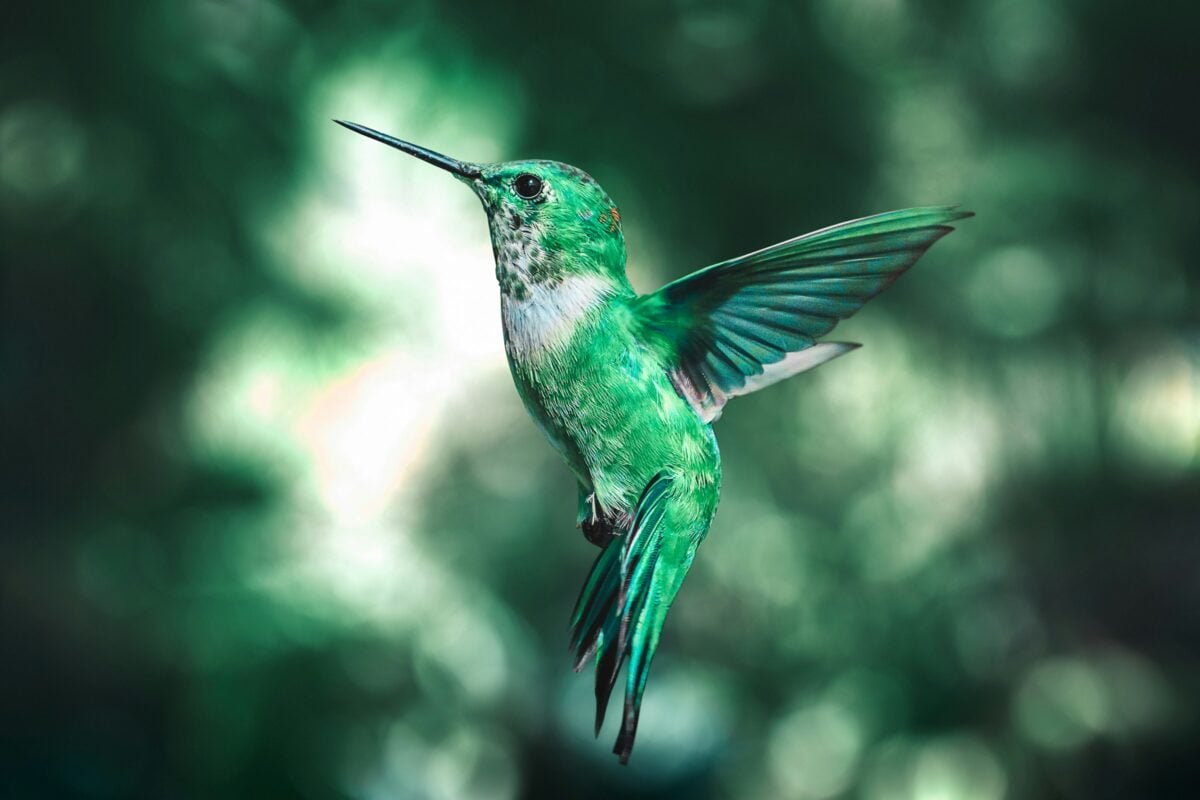
Picture the classic hummingbird moment: a ruby-throated blur zipping straight to a red feeder. Now picture that same bird swerving off to inspect a ribbon on your fence, a spider web in the tomato bed, or the shoulder of your red T-shirt. That’s the part most garden guides skip, and it’s why this list is worth your next few minutes.
These are 20 real, observable things hummingbirds investigate in ordinary yards, and each one shows how differently these birds think about a garden than we do. Most have nothing to do with sugar water. Some are about protein, some about a drink of water, some about a safe place to sit, and a few might already be in your yard doing quiet work. Hang on until #10, which involves a woodpecker and a trick hummingbirds borrowed from it. The final entry may change what you wear outside.
#20 – Red Ribbons Fluttering on a Fence or Branch
🔥 Would you like to save this?
We'll email this post to you, so you can come back to it later!
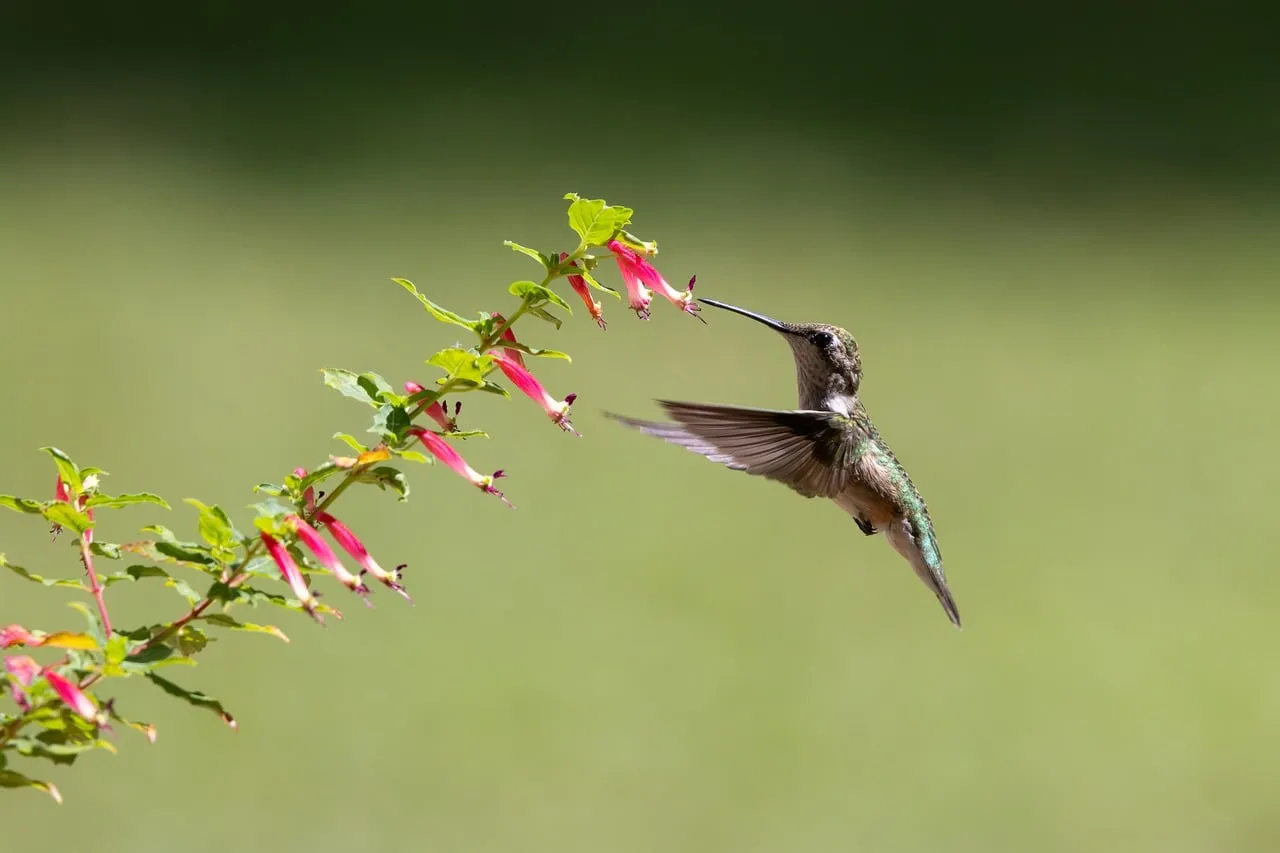
A scrap of red ribbon can make a hummingbird break its flight path mid-air. Even with no blooms nearby, a flash of red against green leaves can read as maybe food. The bird swings in, hovers for a second or two, and moves on if nothing pays off.
Hummingbirds have sharp color vision, including sensitivity into the ultraviolet range that we can’t see. Red isn’t a magic switch for them, though. They learn which colors lead to a reward, and red tubular flowers have taught them well. Movement adds a second signal, because a ribbon rippling in the breeze looks a lot like a living flower bobbing on its stem.
The trick is to make the cue honest. A ribbon tied near real nectar sources gets rewarded, so the bird keeps checking it.
- Use short, securely tied pieces with no long dangling tails that could tangle a bird.
- Choose matte fabric over shiny or metallic material, which can startle them.
- Place it within sight of a feeder or a flower bed.
The Science Behind This: Hummingbirds link red to high-energy rewards through repeated positive experience, which is why even an artificial red marker can work as a temporary attractant in a mixed garden.
But that’s nothing compared to what we found about #19…
#19 – Overripe or Fallen Fruit Under a Tree
🔥 Would you like to save this?
We'll email this post to you, so you can come back to it later!
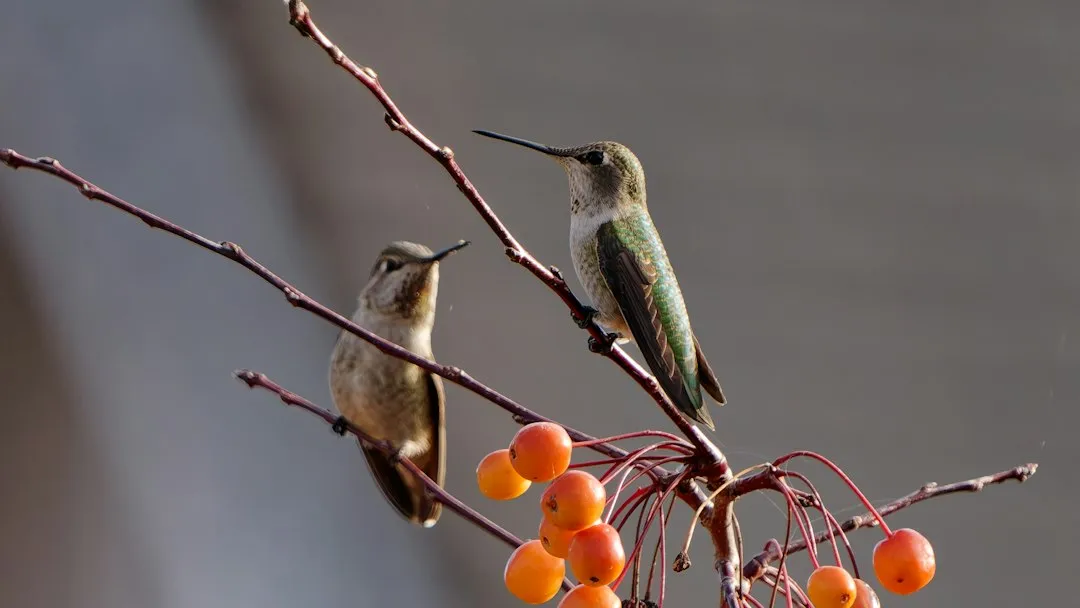
A split plum or a crushed berry in the grass looks like trash to us. To a hummingbird, it can be a small insect buffet. Fermenting fruit draws fruit flies and gnats, and the birds will hover over the pile to snatch them from the air.
Some will also lap up juice from broken fruit flesh, especially in late summer when blooms start to fade. It isn’t their main menu, but it shows how opportunistic they are. A bird burning through energy this fast doesn’t skip an easy calorie.
That’s why a tidy, spotless lawn can be less appealing than a slightly messy one. A little garden debris acts as a hidden pantry for the birds.
- Set fruit pieces in a shaded, sheltered spot, away from wasps and larger animals.
- Replace them every couple of days to avoid heavy mold.
Did You Know: In peak season, hummingbirds may visit hundreds of flowers a day, yet they still supplement with insects and the occasional sweet juice, so overlooked corners of the garden matter.
But that’s nothing compared to what we found about #18…
#18 – Spider Webs Strung Between Plants
🔥 Would you like to save this?
We'll email this post to you, so you can come back to it later!
Most gardeners knock webs down without a second thought. Hummingbirds treat them like a vending machine. They hover at the edge of a web and pluck out trapped gnats, aphids, and tiny flies, and the web barely notices.
This matters because nectar is mostly sugar, and the birds need protein for muscle and feathers. Insects and spiders are a major part of what they eat. A web concentrates a pile of prey in one spot, which saves the bird the work of hunting one gnat at a time.
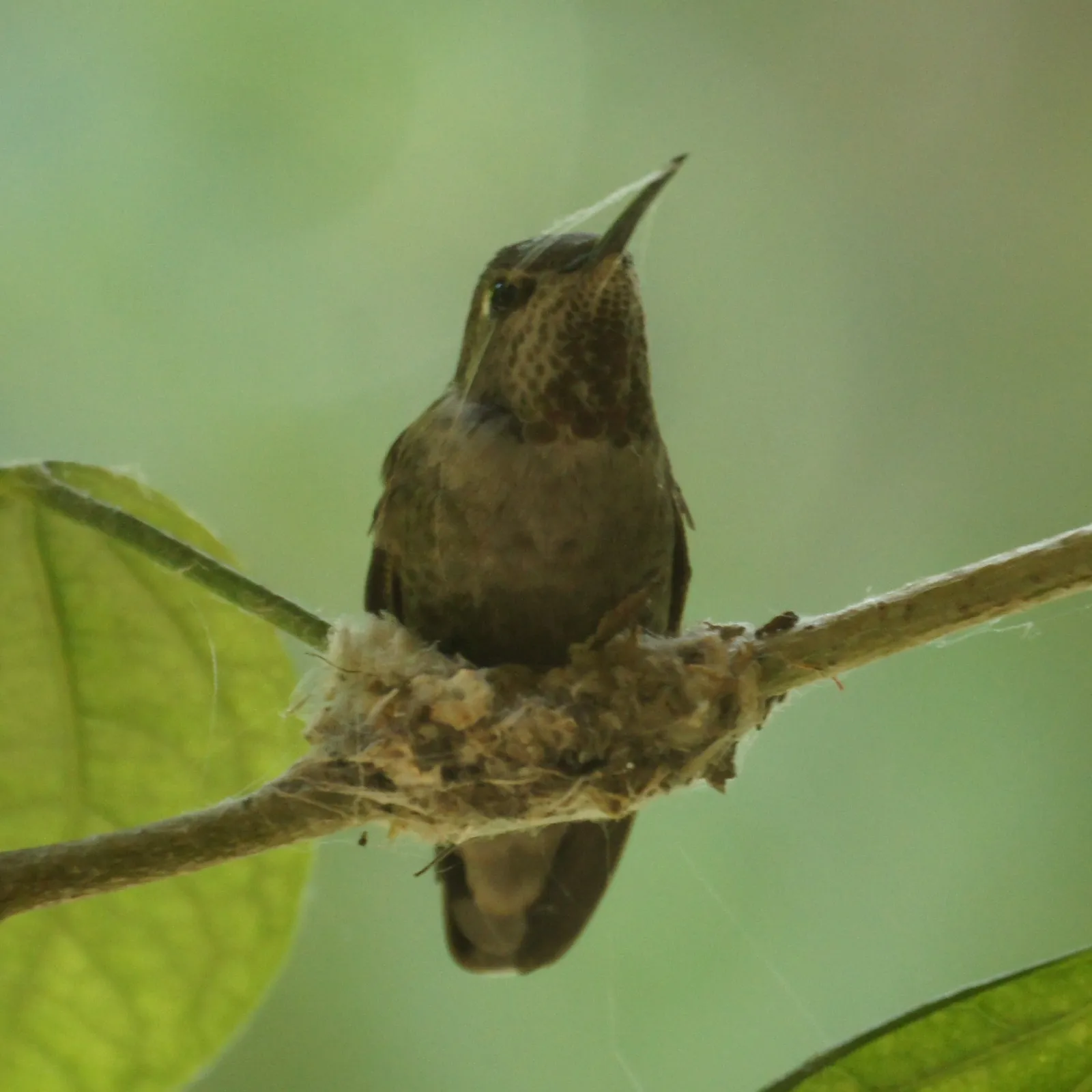
Webs also double as building supplies. Hummingbirds use spider silk to bind their tiny nests together and let them stretch as the chicks grow.
- Leave a few webs in out-of-the-way corners instead of clearing every one.
- Diverse plantings support more spiders and more small insects.
Why It Works: Webs gather protein in one place, letting a hummingbird forage efficiently and save energy compared with chasing prey through the air.
Fast Facts
- A ruby-throated hummingbird weighs only about 3 grams, barely more than a penny.
- Its wings beat roughly 50 times per second while hovering.
- Nectar supplies the fuel, but insects and spiders supply the protein.
- Spider silk doubles as nest glue, so a web can be both a snack and a building supply.
But that’s nothing compared to what we found about #17…
#17 – Swarms of Gnats Hovering Over Damp Corners
🔥 Would you like to save this?
We'll email this post to you, so you can come back to it later!
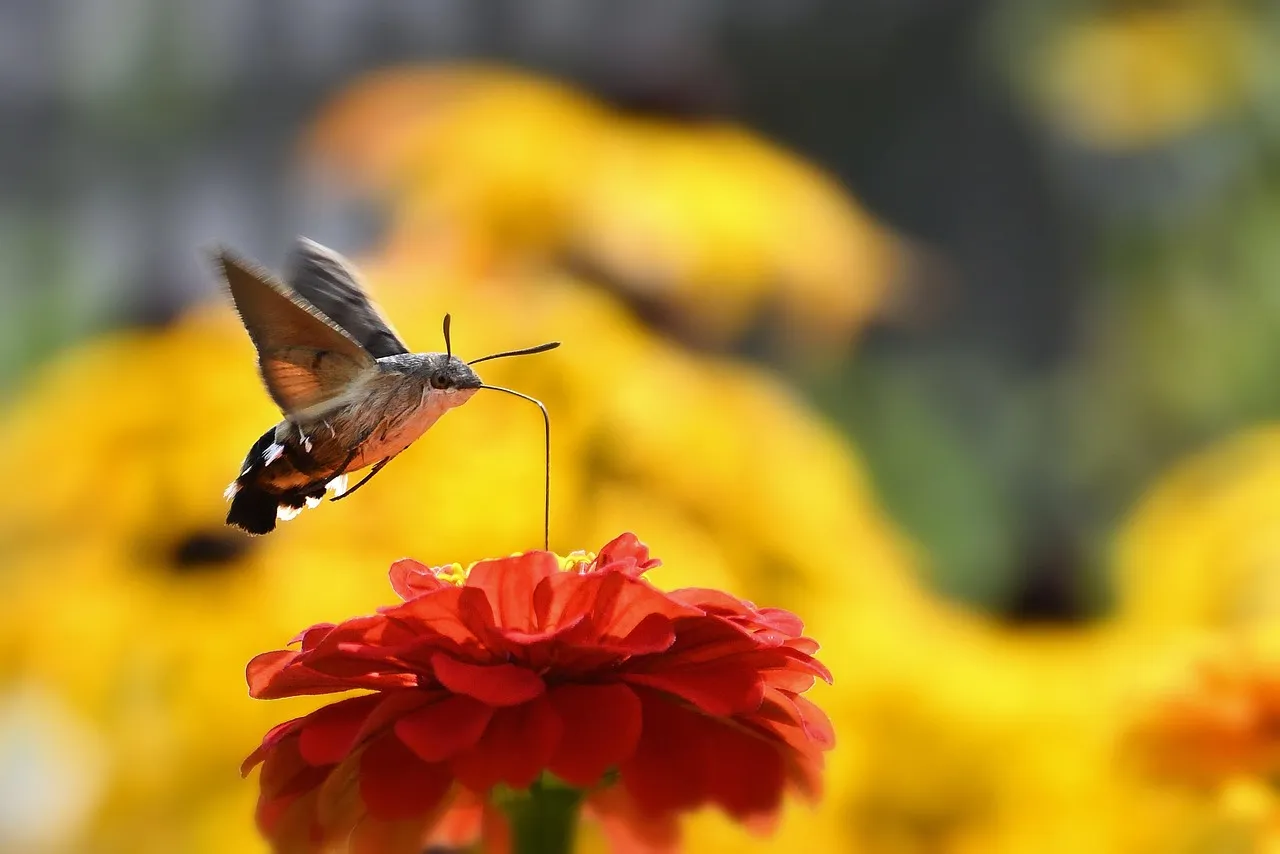
Sometimes a hummingbird visits a spot with no flowers at all. It isn’t lost. It’s hunting. Damp corners, compost edges, and the area near a leaky hose bib breed clouds of tiny flies, and those clouds are prime feeding grounds.
Watch closely and you’ll see short, twitchy flights instead of the smooth hover of a flower visit. The bird darts, snaps, and returns to a perch. This is especially common when females are feeding chicks, since nestlings need a steady supply of insects to grow.
It also quietly dismantles the idea that hummingbirds are just nectar drinkers. They’re tiny aerial predators with a sweet tooth.
- A small damp patch or a shallow water source can encourage insects without turning into a mosquito nursery.
- Add nearby perches so the birds can rest between hunts.
The Science Behind This: Insect protein supports feather growth, muscle maintenance, and breeding success far better than sugar alone, which is why hunting is built into a hummingbird’s garden routine.
But that’s nothing compared to what we found about #16…
#16 – A Garden Sprinkler or Fine Mister
🔥 Would you like to save this?
We'll email this post to you, so you can come back to it later!
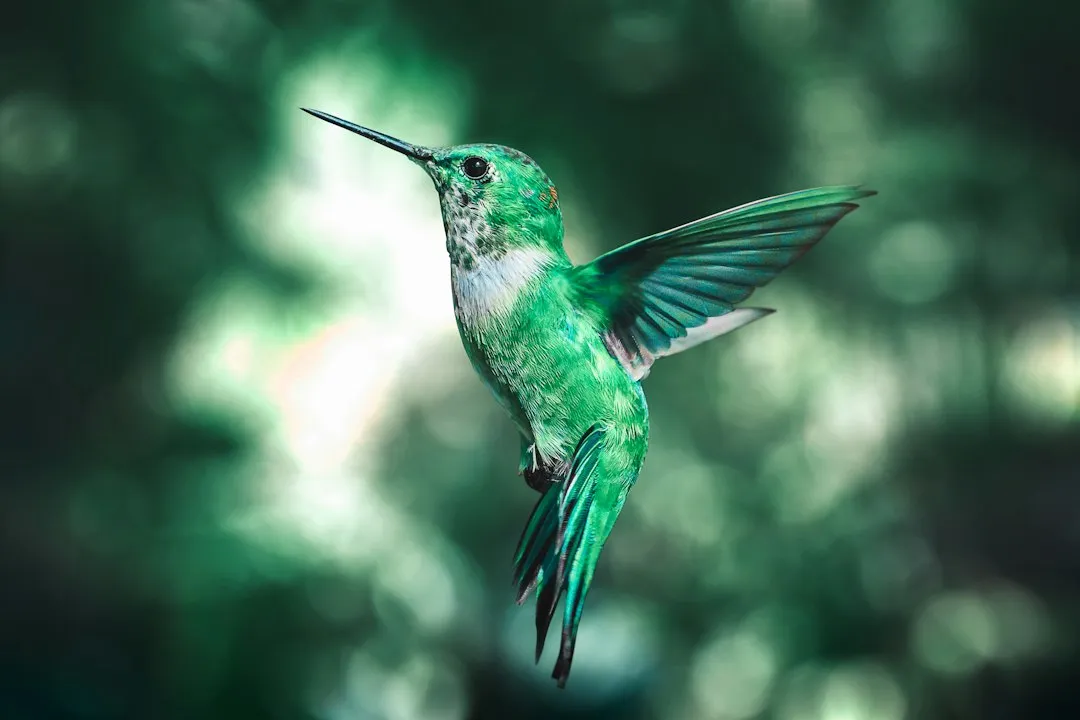
Turn on a sprinkler and you may find a hummingbird zipping straight through the spray. It looks like play, and it partly is, but it’s also bathing. A fine mist lets a bird get wet without sitting in standing water, which feels safer to a creature this small.
They’ll often hover in the fog, then perch nearby and fluff and preen. Wet leaves work the same way, and birds will rub against dripping foliage to wash off. It’s one of the most charming things you can see in a backyard.
Mist also boosts insect activity and keeps nearby plants fresher, so the benefits stack up.
- Choose a gentle, fine spray rather than a hard jet.
- Run it in the morning, when birds are most active.
- Place it near a perch and a few flowers.
But that’s nothing compared to what we found about #15…
#15 – Dripping or Bubbling Water Features
🔥 Would you like to save this?
We'll email this post to you, so you can come back to it later!
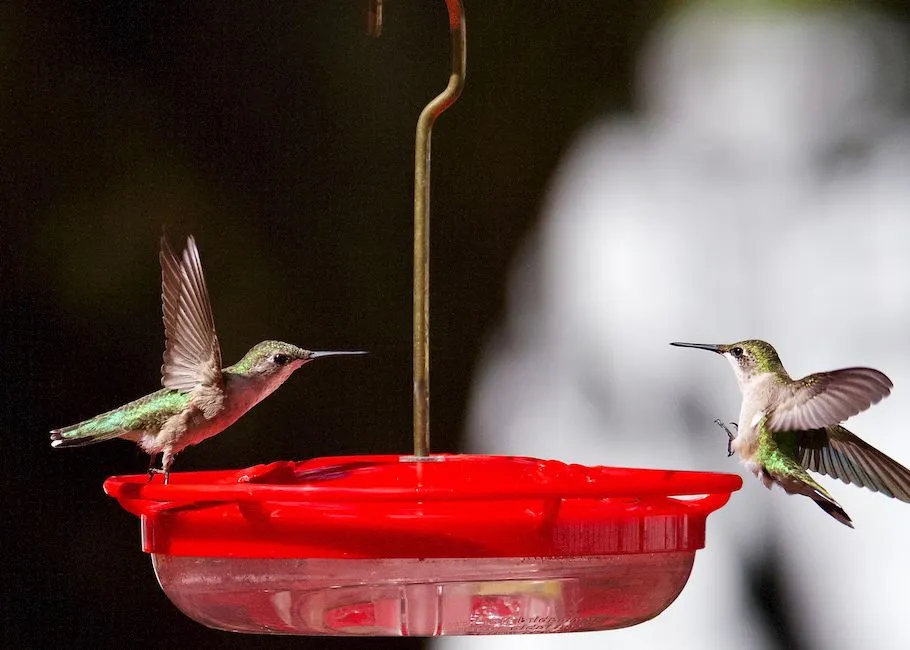
Hummingbirds are far more interested in moving water than still water. A slow drip, a gentle bubbler, or water sliding over a stone can pull them in when a deep birdbath gets ignored. The sound and the shimmer both seem to catch their attention.
They rarely plunge in the way a robin does. Instead, they hover and sip, dip their bellies, or flutter against a thin sheet of water. Shallow is the key word here. Deep basins are risky for something that weighs about as much as a penny or two.
It’s a rare case where the cheapest fix beats the fanciest one. A basic drip setup can do more than an expensive fountain.
Quick Compare
- Fine mister: best for full-body bathing, with no standing water needed.
- Drip or bubbler: best for sipping and belly dips, and the sound draws them in.
- Deep birdbath: often ignored and potentially risky unless it has a very shallow edge.
- Keep water very shallow, with a sloped or pebbled surface.
- Clean it regularly to prevent algae and mosquito larvae.
But that’s nothing compared to what we found about #14…
#14 – Bare Twigs and Dead Branches
🔥 Would you like to save this?
We'll email this post to you, so you can come back to it later!
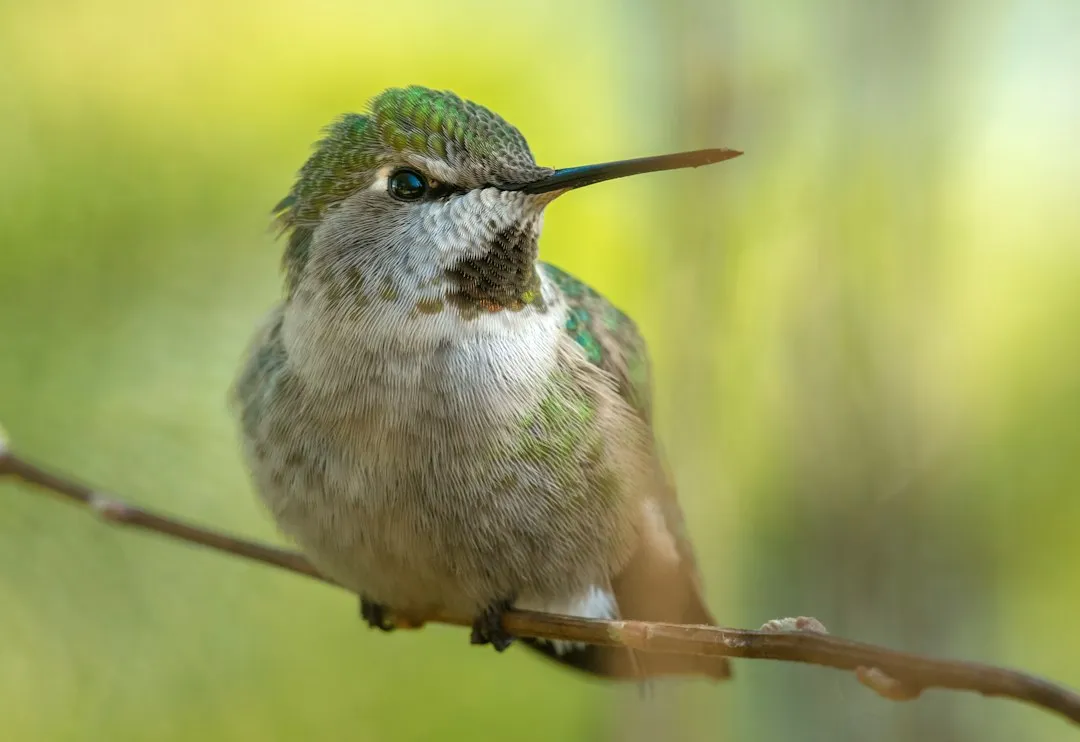
That dead branch you’ve been meaning to prune may be the most valuable seat in your yard. Hummingbirds love thin, exposed perches with a wide view. From there they preen, rest between feeding runs, and keep an eye on their territory.
Males in particular pick a favorite lookout and defend the flowers around it. Chasing rivals burns huge amounts of energy, so a perch with clear sight lines pays off. Many a feeder war has been run from a bare twig.
It’s a good reminder that these birds don’t spend all day in the air. Sitting still is part of the strategy.
- Leave a few bare twigs near your best nectar plants.
- Pick perches about the thickness of a pencil or thinner.
But that’s nothing compared to what we found about #13…
#13 – Flowers That Aren’t Red at All
🔥 Would you like to save this?
We'll email this post to you, so you can come back to it later!
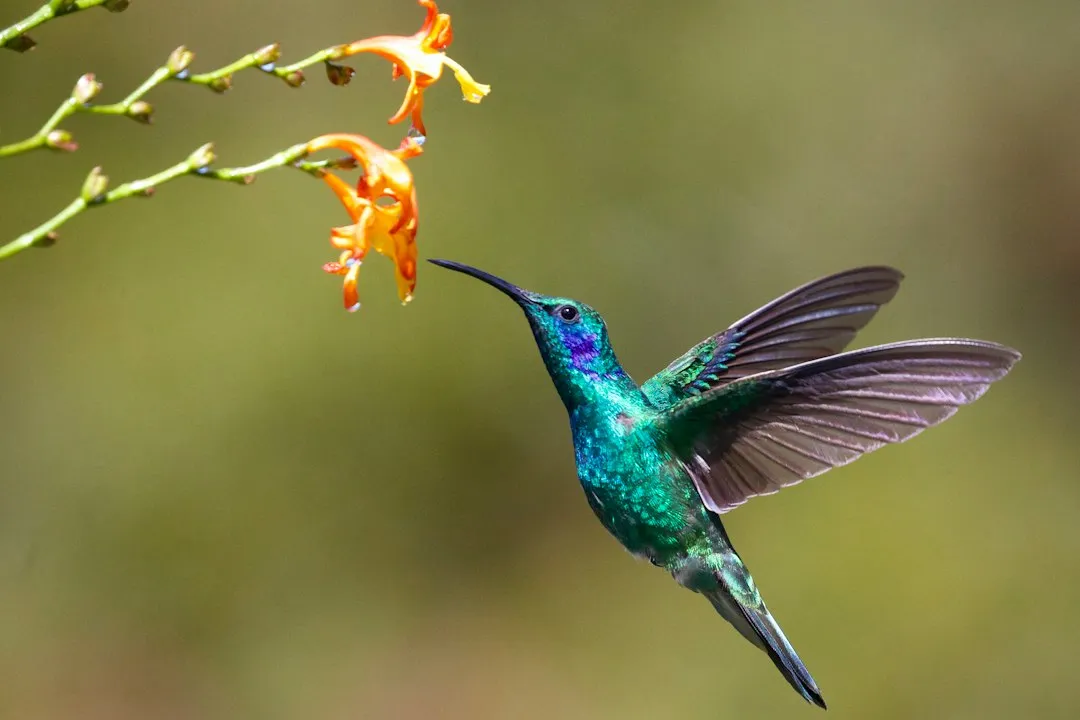
Here’s the myth buster: red is a signal, not a rule. Hummingbirds visit purple salvia, pink petunias, orange zinnias, and violet agastache, as long as the blooms offer nectar they can reach. Many have tubular or deep shapes that suit a long bill and tongue.
That’s why gardeners with a rainbow border often see more birds than those with a single red patch. Variety offers nectar at different times of the season. It also spreads out the competition, so no single flower becomes a battleground.
It also shows that shape and reward often matter more than shade. A drab flower with a lot of nectar can beat a flashy one with little.
- Mix colors and bloom times from spring through fall.
- Choose single-petal, nectar-rich varieties over heavily doubled ones, which often hide the nectar.
But that’s nothing compared to what we found about #12…
#12 – Jewelweed and Other Plants You Might Call Weeds
🔥 Would you like to save this?
We'll email this post to you, so you can come back to it later!
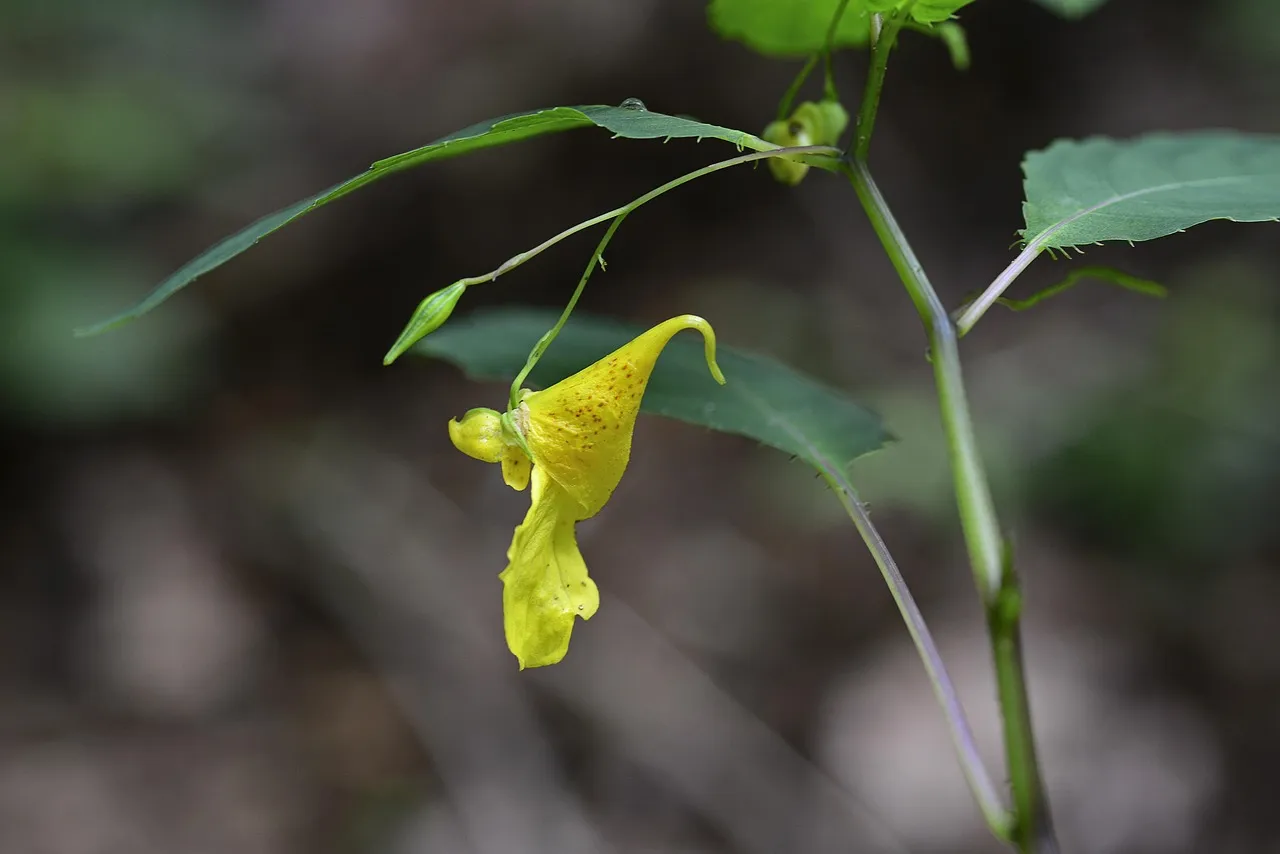
Some of the best hummingbird plants are ones people yank out. Jewelweed, also called spotted touch-me-not, grows wild in damp, shady spots and carries dangling orange flowers. Hummingbirds work those blooms eagerly in late summer.
It’s a good example of how a messy corner can outperform a pricey nursery plant. The flowers are shaped for exactly the kind of visitor you want. Plus, jewelweed tends to bloom when the garden gets quiet and migrating birds need to refuel.
If you have a damp patch you can’t make anything else grow in, this might be your answer.
- Check that it’s native to your area before encouraging it.
- Let it grow in shady, moist areas where other plants struggle.
But that’s nothing compared to what we found about #11…
#11 – A Trumpet Vine Swallowing an Ugly Fence
🔥 Would you like to save this?
We'll email this post to you, so you can come back to it later!
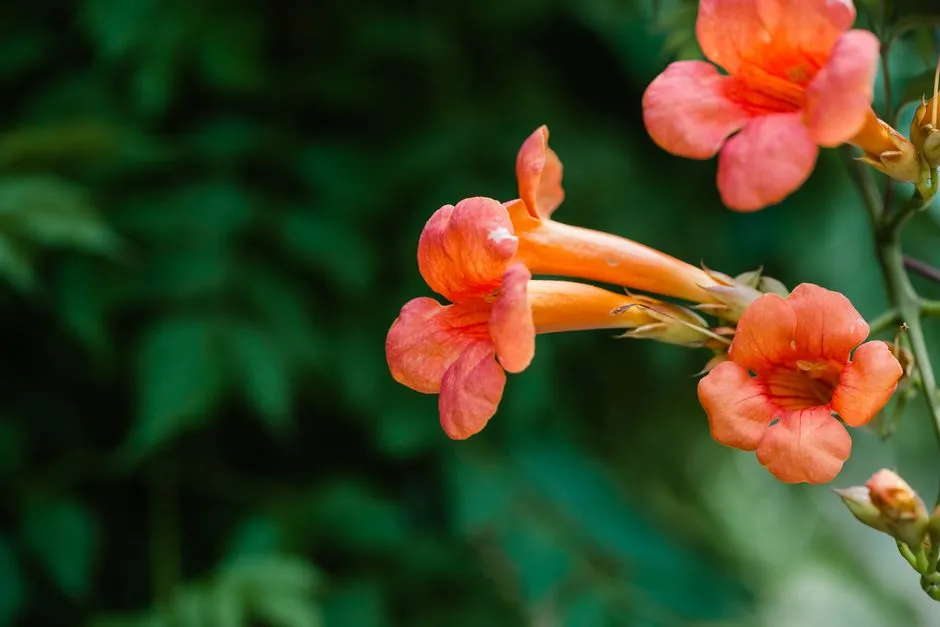
Few plants are better at turning a boring fence into a hummingbird hangout. Trumpet creeper, also known as trumpet vine, produces big orange-red trumpets that match a hummingbird’s bill almost perfectly. A single vine can host visit after visit through the summer.
The vine also gives birds a vertical, shaded place to rest and hunt for insects. For the bird, it’s a feeding station, a hiding spot, and a lookout all in one.
The catch is that it’s a powerful grower. It sends up suckers and climbs everything in reach. Give it a sturdy structure and watch it closely.
- Plant it away from foundations, roofs, and gutters.
- Prune hard each year to keep it manageable.
But that’s nothing compared to what we found about #10…
#10 – Tree Sap Wells Drilled by Sapsuckers
🔥 Would you like to save this?
We'll email this post to you, so you can come back to it later!
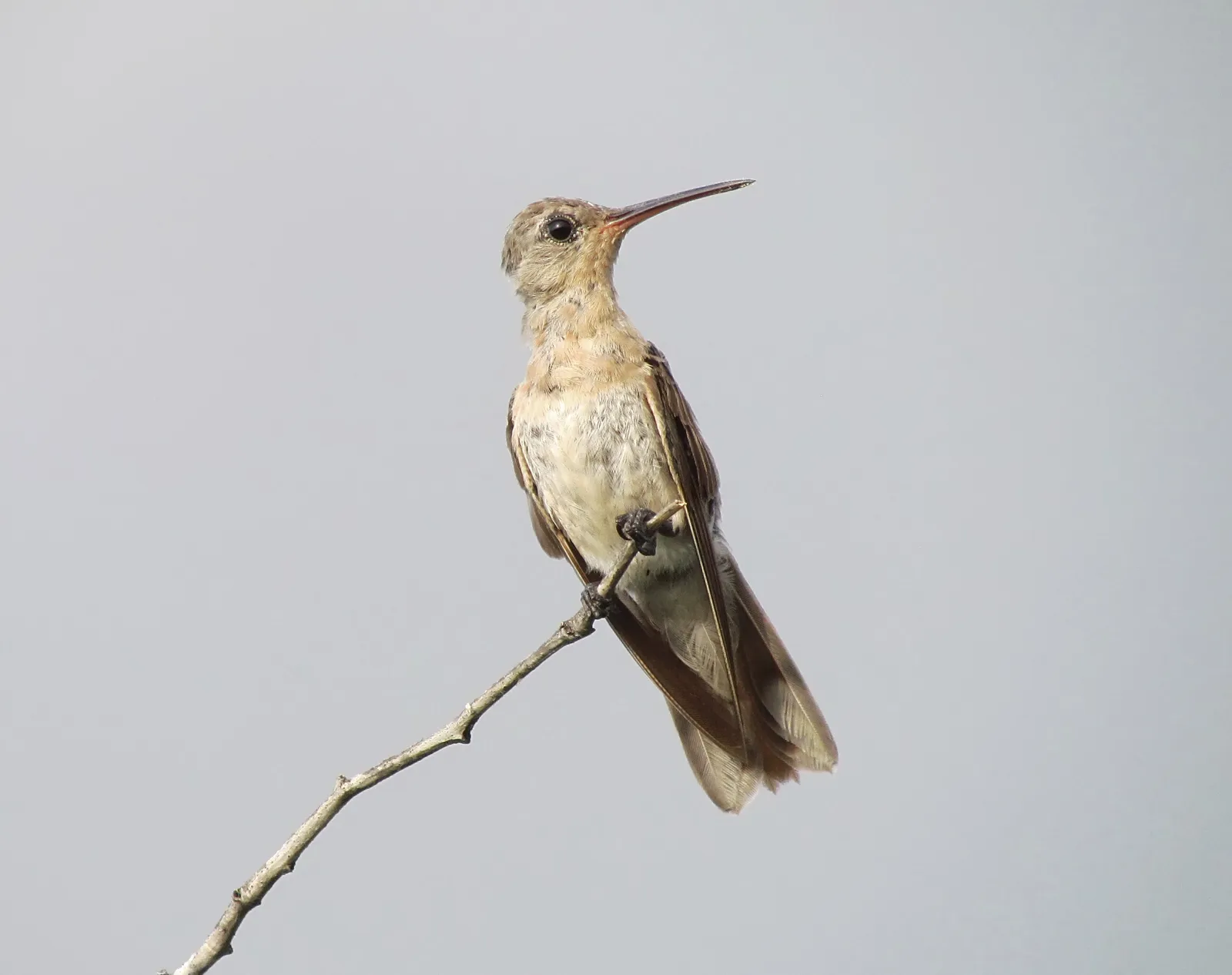
This one is pure nature trickery. Sapsuckers, a type of woodpecker, drill neat rows of small holes in tree bark, and sweet sap oozes out. Hummingbirds have learned to visit those wells for a sugary drink, and the sap also draws insects they can snack on.
In some areas, hummingbirds will even time their arrival to follow sapsuckers. It’s a free feeder that nobody had to fill. Spotting a bird hovering at a tree trunk can feel like finding a secret door in your own yard.
It also says a lot about their intelligence. They treat the whole landscape like a map of resources, not just a collection of flowers.
Why It Stands Out
- The wells are drilled by another bird, so the hummingbird gets the benefit without doing the work.
- Sap brings in small insects, which means sugar and protein in one stop.
- It’s most useful in early spring, when few flowers are open yet.
- It’s proof that hummingbirds learn from other species, not just their own.
- Look for tidy rows of small holes on birch, maple, or fruit trees.
- Don’t treat or cut a tree just because it has sap holes; it’s usually fine.
But that’s nothing compared to what we found about #9…
#9 – Aphid-Covered Stems and Sticky Leaves
🔥 Would you like to save this?
We'll email this post to you, so you can come back to it later!
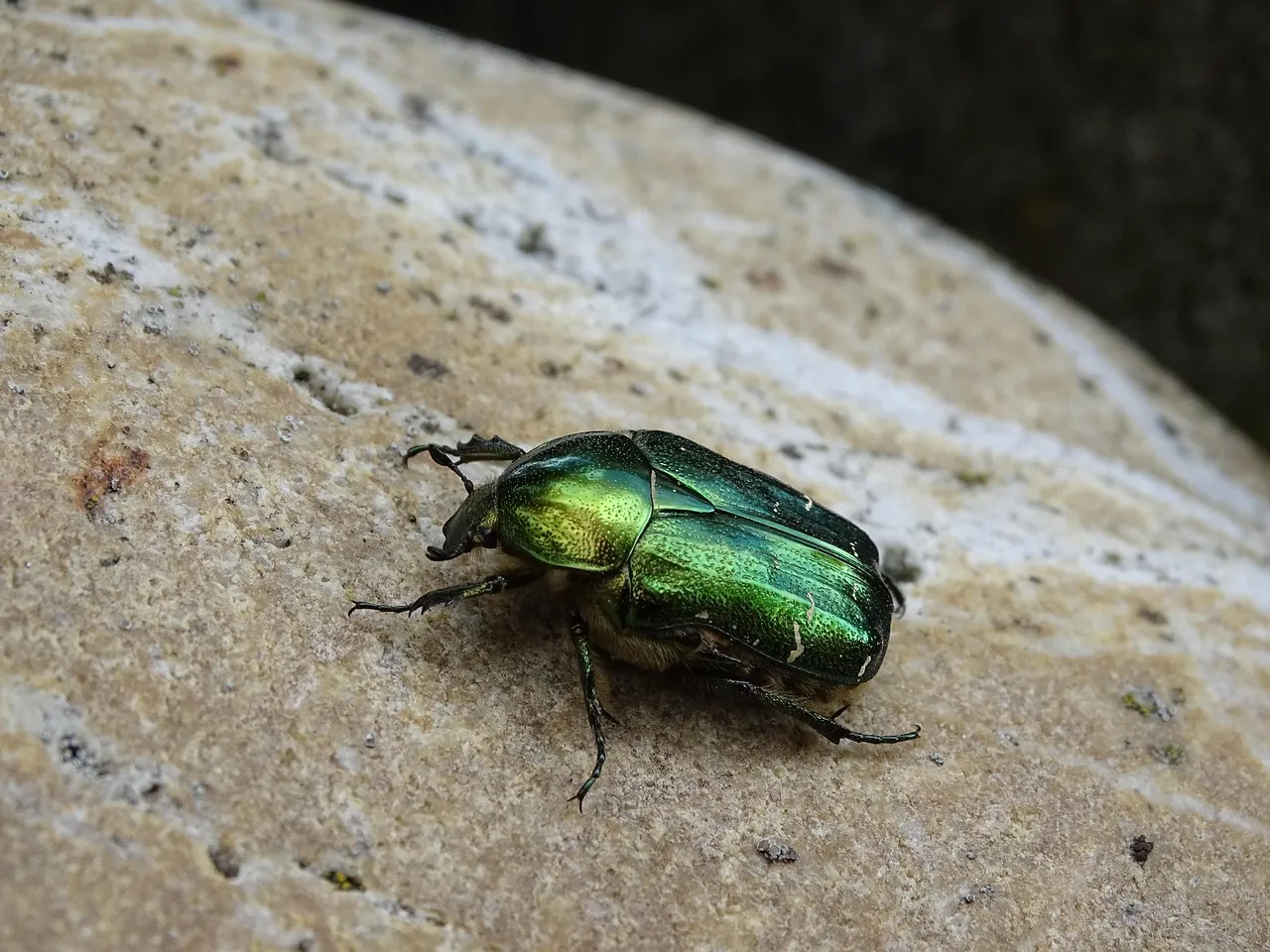
If your roses are covered with aphids, a hummingbird may count that as good news. The birds will pick aphids and other tiny insects off stems and leaves. They also take advantage of the sweet, sticky honeydew those insects leave behind.
That makes a pest-heavy plant a two-for-one meal. The bird gets protein and sugar without leaving a single branch.
It’s another reason heavy pesticide use can backfire. Spraying removes the very insects the birds depend on, and it can leave chemical residue on the plants they visit.
- Try a strong hose spray before reaching for chemicals.
- Tolerate a modest amount of insect activity on plants away from the house.
But that’s nothing compared to what we found about #8…
#8 – Red Watering Cans, Gloves, and Tool Handles
🔥 Would you like to save this?
We'll email this post to you, so you can come back to it later!
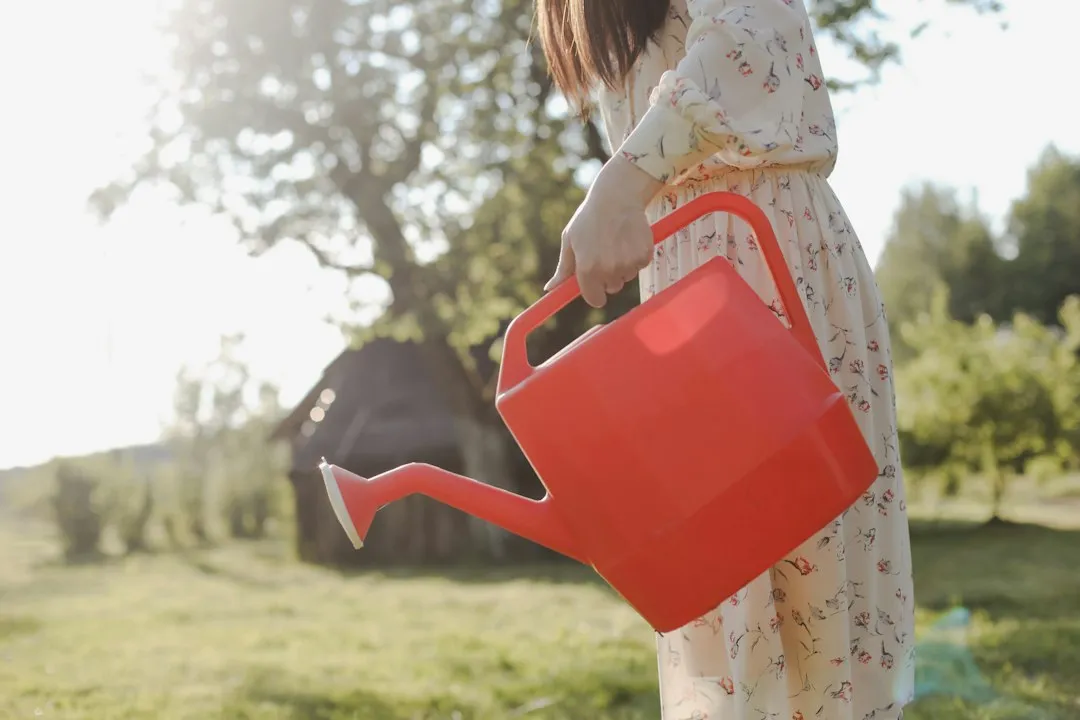
Gardeners are often surprised to find a hummingbird hovering at a red watering can or the handle of a pair of pruners. Anything bright and red can trigger a quick inspection, especially if it sits near flowers. The bird checks, finds nothing, and zips off.
You can turn that curiosity to your advantage. A bright red object near a feeder or flower patch can help a visiting bird notice it, with no dye required.
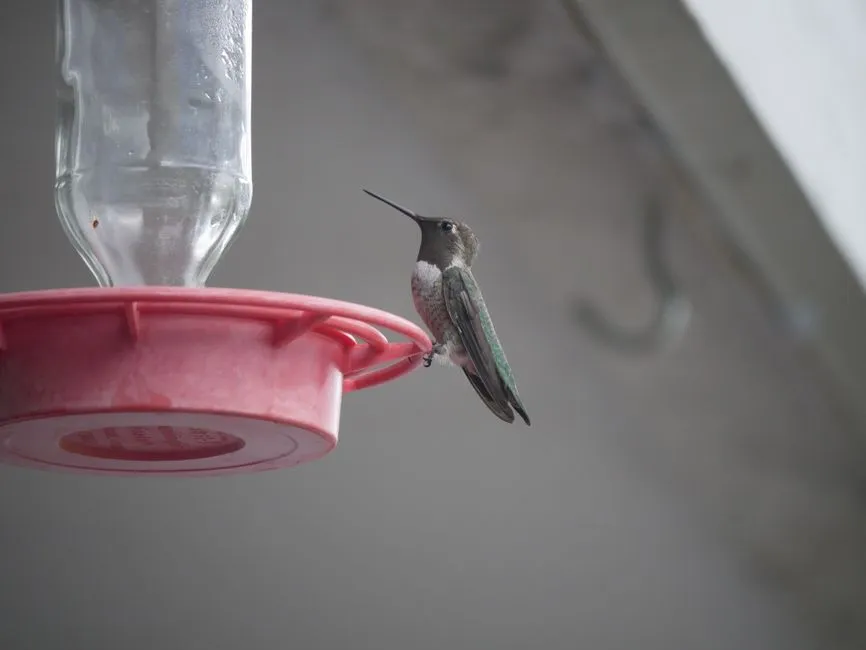
That’s worth knowing because adding red dye to nectar isn’t recommended. Plain sugar water, in the right ratio, is all they need.
Worth Knowing
- The standard recipe is 1 part plain white sugar to 4 parts water.
- Skip the dye, honey, and artificial sweeteners.
- Change the nectar every few days, and more often in hot weather.
- Scrub the feeder between refills to prevent mold.
- Place a red decoration near feeders instead of coloring the nectar.
- Keep sharp or heavy tools out of the bird’s flight path.
But that’s nothing compared to what we found about #7…
#7 – Hanging Baskets by the Porch
🔥 Would you like to save this?
We'll email this post to you, so you can come back to it later!
Hummingbirds are bolder than they look. A hanging basket of fuchsia, petunias, or impatiens by the door can pull them within a few feet of people. They’ll often visit while you’re sitting right there with your coffee.
Baskets work because they sit at eye level and stand out clearly. The birds can see them from far away, approach from several angles, and escape quickly if something startles them. That sense of open space seems to matter a lot.
It also makes them one of the best ways to enjoy the birds up close without chasing them.
- Water often, because baskets dry out fast in summer heat.
- Choose varieties that bloom steadily, and deadhead the old flowers.
But that’s nothing compared to what we found about #6…
#6 – Blooming Herbs in the Kitchen Garden
🔥 Would you like to save this?
We'll email this post to you, so you can come back to it later!
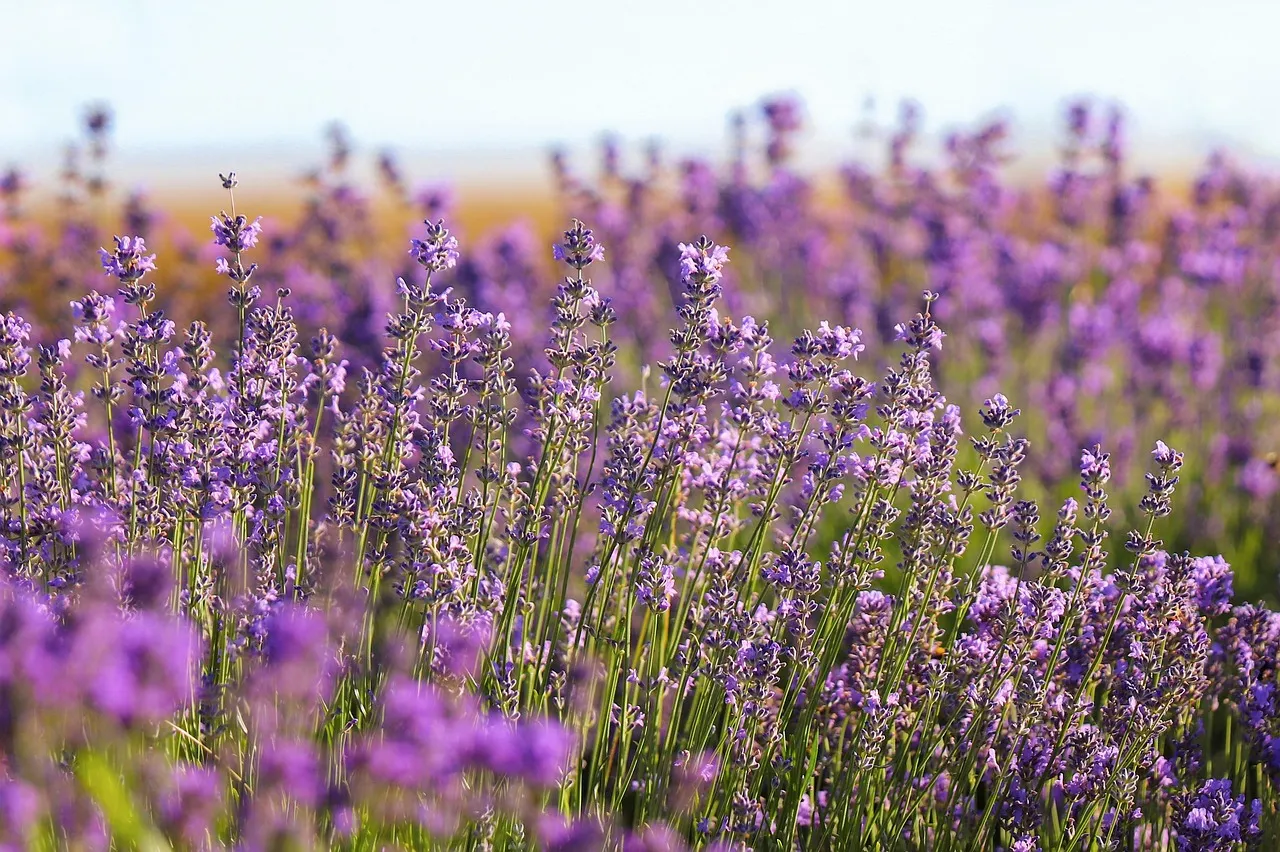
The herb bed isn’t just for dinner. When sage, bee balm, mint, and oregano start flowering, hummingbirds notice. Many of these plants produce nectar-rich blooms, and anise hyssop, a close cousin of agastache, is a standout.
That means you can feed your family and your visitors from the same patch. Bees and butterflies will show up too, which in turn brings insects the hummingbirds can hunt.
The secret is to let a few plants go to flower instead of constantly trimming them back.
- Let a few herbs bolt each season.
- Many of the mints spread aggressively, so grow them in pots.
But that’s nothing compared to what we found about #5…
#5 – Your Windows and Their Reflections
🔥 Would you like to save this?
We'll email this post to you, so you can come back to it later!
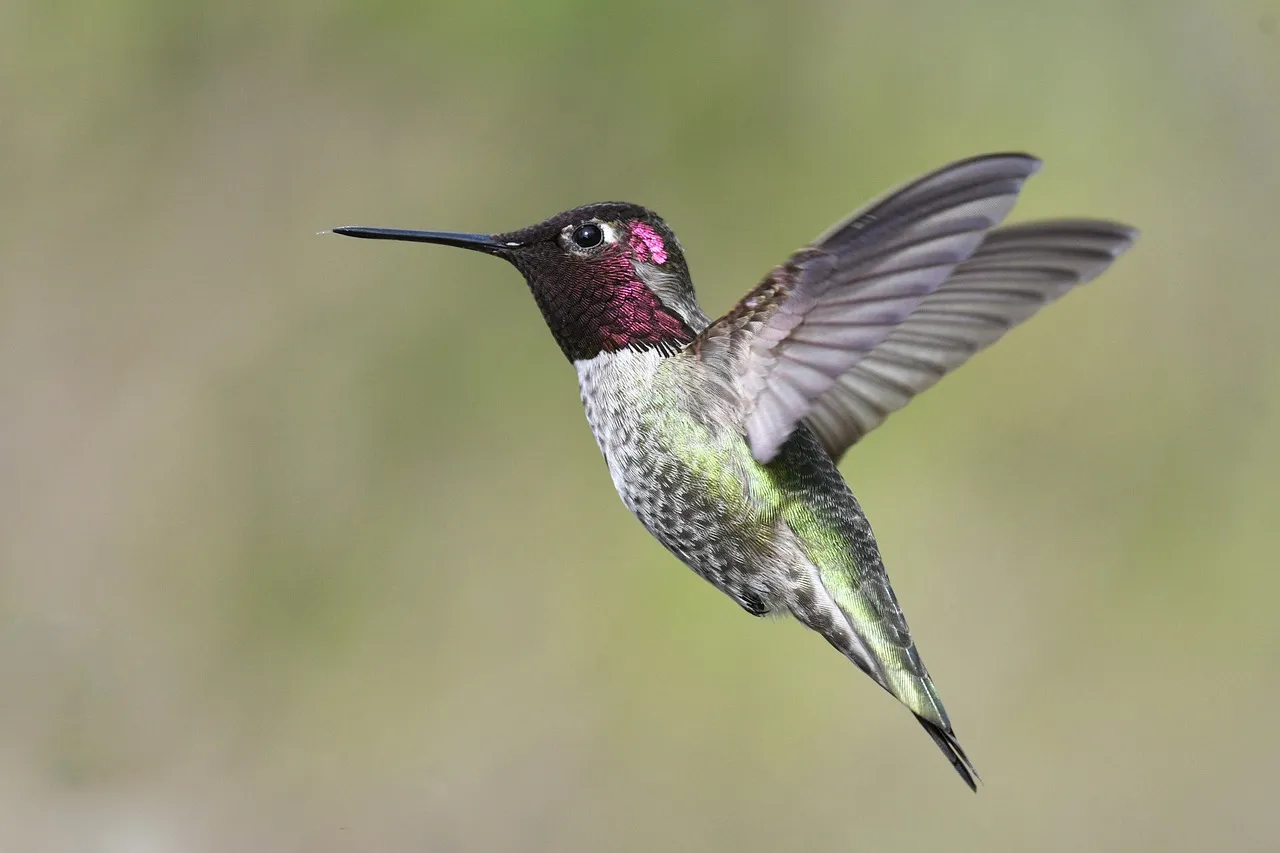
This one has a serious side. Hummingbirds sometimes hover at windows, drawn by reflections of flowers or by red objects inside the house. Some will even attack their own reflection, mistaking it for a rival.
Collisions happen, and a small bird can be badly hurt. It’s the one item on this list that calls for action. A little prevention goes a long way.
The good news is that simple fixes work, and they don’t have to make the window ugly.
- Apply decals, tape, or a screen on the outside of the glass.
- Move feeders either very close to the window or well away from it.
- Keep red items away from the glass.
But that’s nothing compared to what we found about #4…
#4 – Fluffy Seed Heads, Thistle Down, and Moss
🔥 Would you like to save this?
We'll email this post to you, so you can come back to it later!
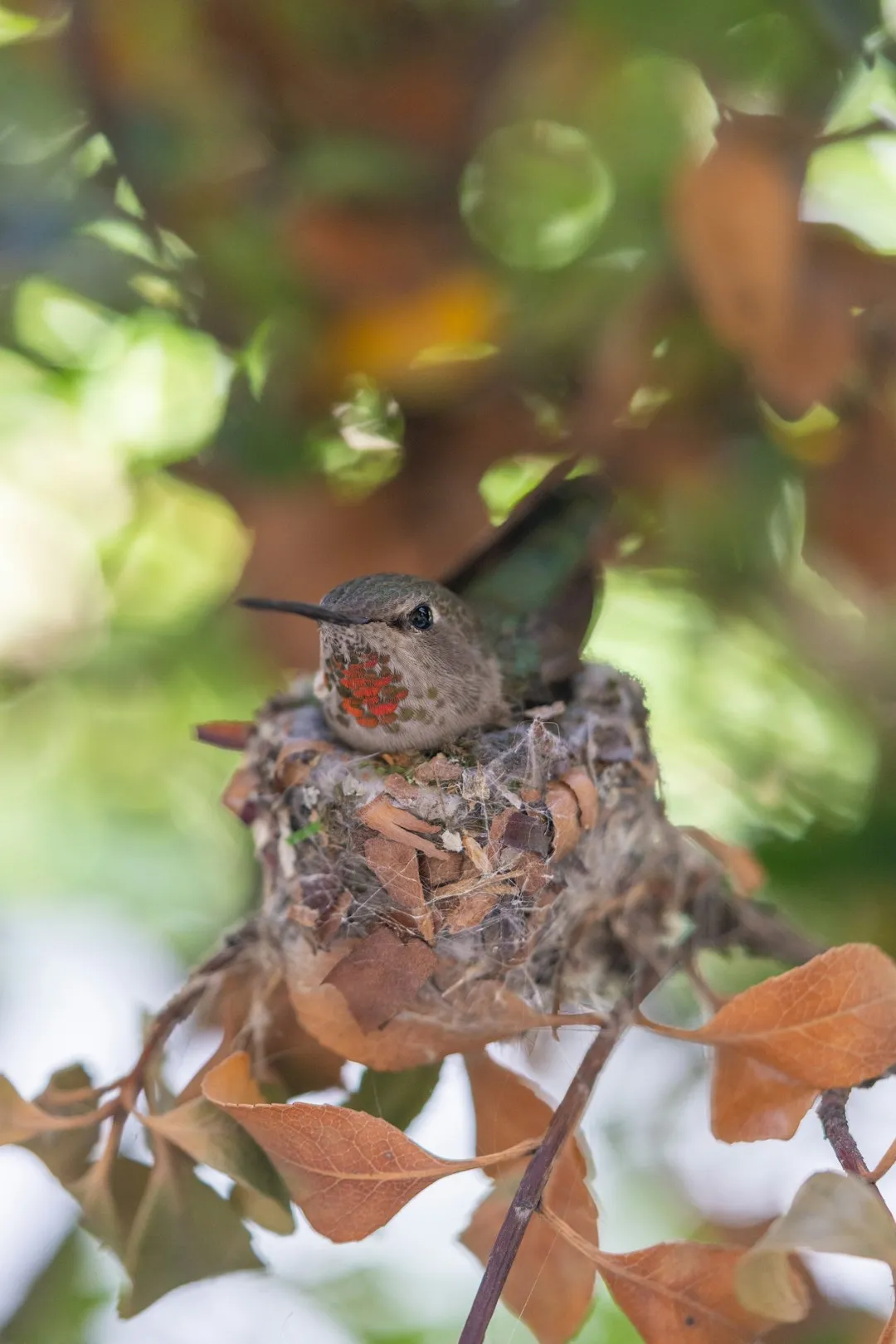
In spring, a hummingbird may land on a dandelion gone to seed or tug at a fuzzy thistle. She isn’t snacking. She’s shopping for nest materials. Plant down, moss, and lichen all go into a nest roughly the size of a walnut half.
The materials make the nest soft, stretchy, and well camouflaged. Spider silk holds it together, and bits of lichen help it blend in with a branch. The result is a tiny, perfect cup.
It’s a good reason not to be too tidy in the spring. The weedy corner you ignored could be a supply store.
At a Glance
- The female builds the nest and raises the young on her own.
- A typical clutch is just two tiny eggs.
- Soft plant down lines the cup, and spider silk lets it stretch as chicks grow.
- Lichen on the outside breaks up the outline so predators overlook it.
- Leave a few seed heads and mossy patches in a quiet spot.
- Skip hard pruning during nesting season.
But that’s nothing compared to what we found about #3…
#3 – Clotheslines, Tomato Stakes, and Garden Wire
🔥 Would you like to save this?
We'll email this post to you, so you can come back to it later!
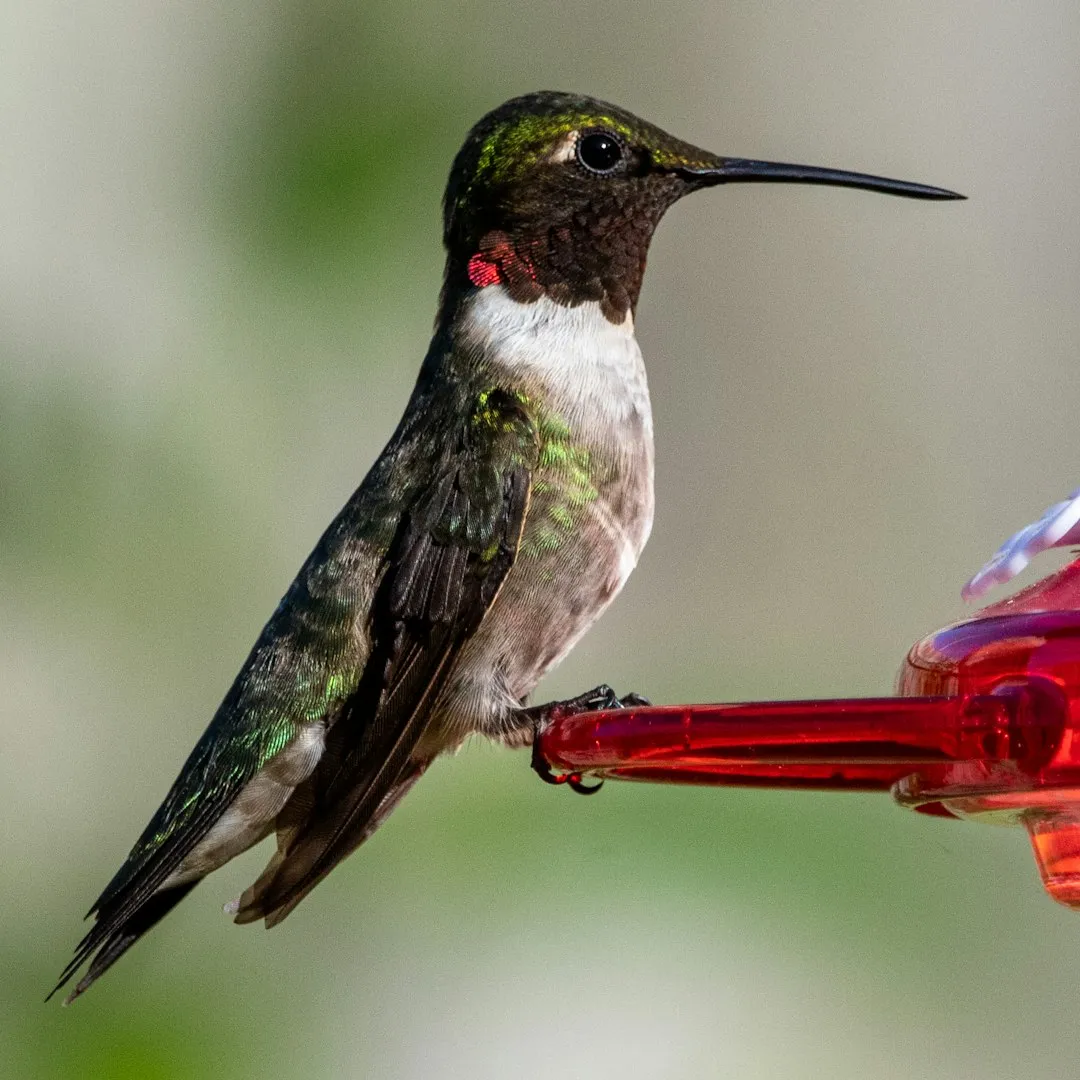
A thin wire or a bamboo stake might be the perfect hummingbird chair. They like narrow perches with open views, and a clothesline or the top of a tomato cage fits the bill. From there, they can watch for rivals and plan their next feeding run.
You’ll often see a bird sitting very still for long stretches. That’s not laziness. With a heart that beats well over a thousand times a minute in flight, resting is how they save energy.
It’s a small detail, but placing a perch near your best flowers can make a big difference to how often they visit.
- Place stakes or thin poles near feeders and flower beds.
- Keep perches clear of leaves so the birds have a good view.
But that’s nothing compared to what we found about #2…
#2 – Container Plants on a Patio or Balcony
🔥 Would you like to save this?
We'll email this post to you, so you can come back to it later!
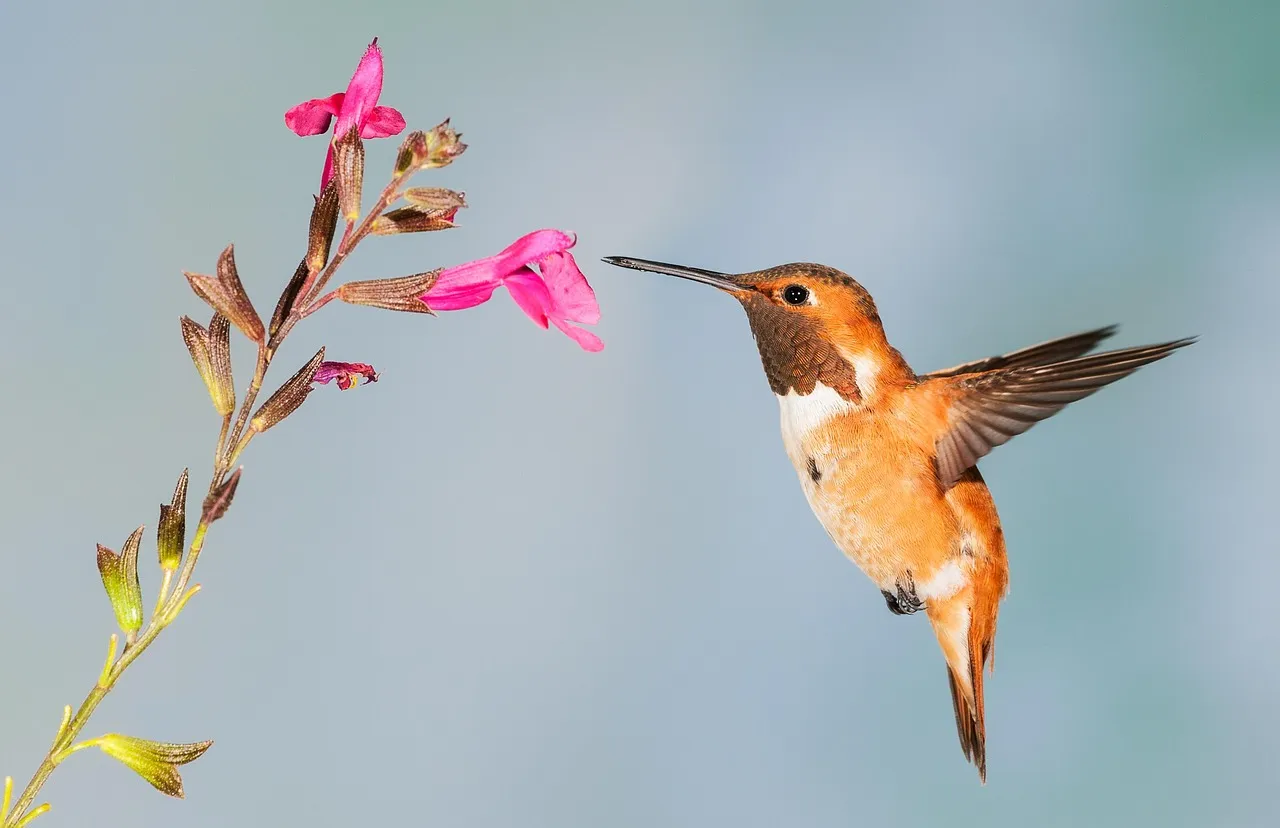
You don’t need a big yard. Hummingbirds can and do find pots of nectar plants on patios and balconies, sometimes in the middle of a city. A few containers of salvia, lantana, or fuchsia can be enough to start a routine.
The birds remember reliable resources. Once they find a good one, they’ll come back day after day, often at about the same time. It can feel like having a tiny, feathered regular.
That makes containers one of the most accessible ways to get started, no matter where you live.
- Choose a sunny spot with some shelter from wind.
- Group several pots together to create a bigger target.
But that’s nothing compared to what we found about #1…
#1 – You, Wearing Bright Red or Orange
🔥 Would you like to save this?
We'll email this post to you, so you can come back to it later!
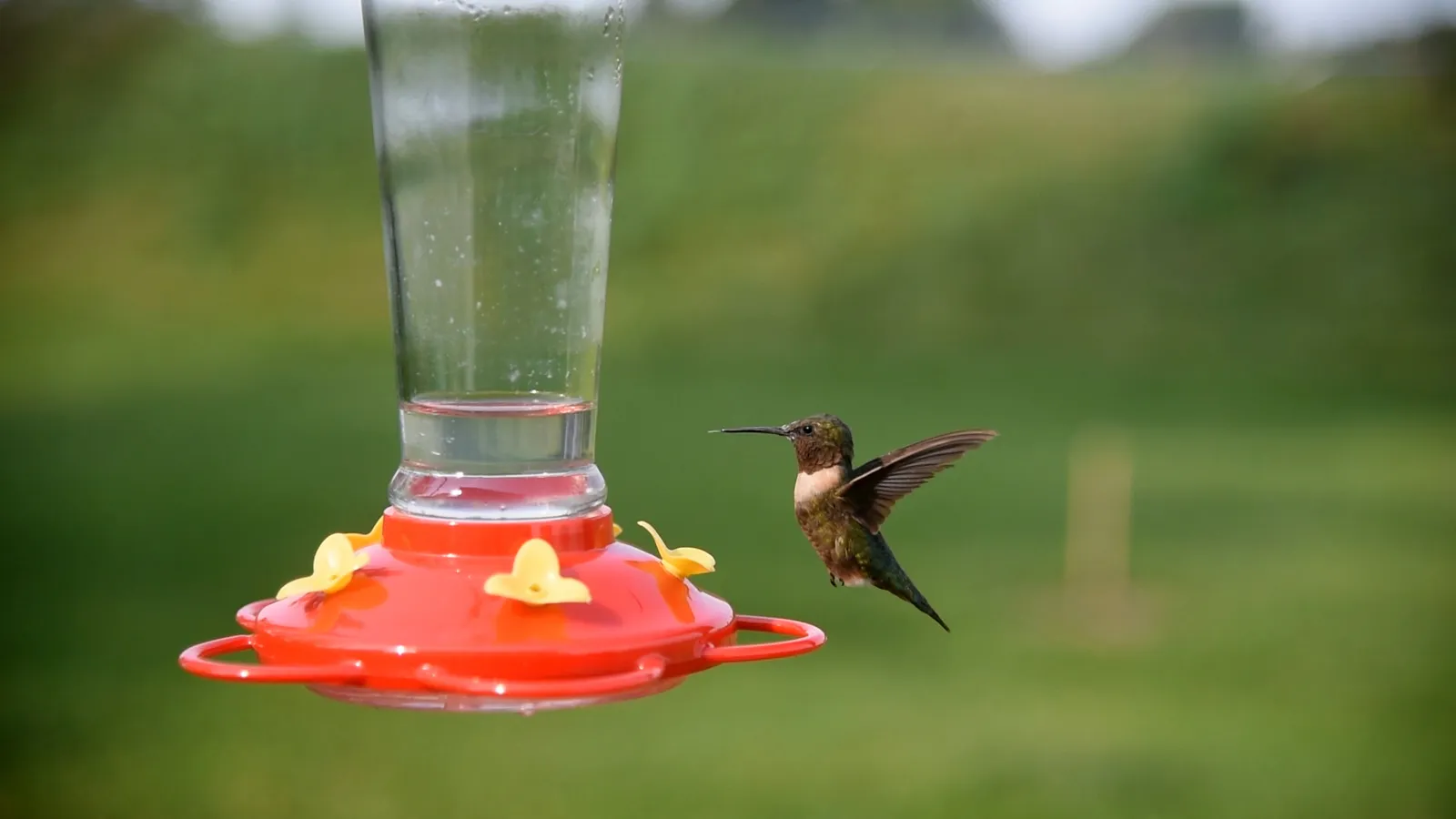
Here’s the one that surprises people most. Hummingbirds will approach a gardener in a vivid red or orange shirt or hat. They may hover a foot or two away, studying the color, and sometimes come even closer.
It happens because they rely on sight, not smell, and they’ve learned that bright color often means food. To them, you’re not a person. You’re a very strange, very large flower.
It’s harmless if you stay calm. Move slowly, don’t reach out, and enjoy it.
- Wear red or orange while watering or weeding to test the effect.
- Keep your movements slow and smooth.
Editor’s Note: This close approach shows how many hummingbird resources an ordinary garden already holds, as long as we stop assuming that only special flowers matter.
The Bottom Line
🔥 Would you like to save this?
We'll email this post to you, so you can come back to it later!
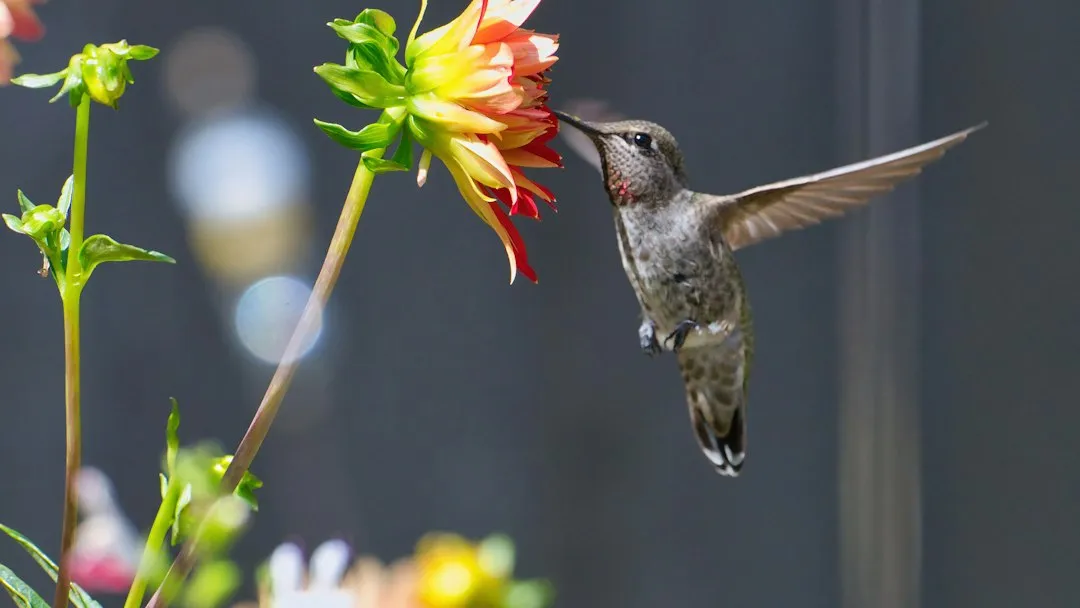
Here’s my take: the feeder is overrated. It’s a fine tool, but it’s one dish in a very big restaurant. The birds in your yard are reading everything, from webs and wet leaves to bare twigs and seed heads, and they’ll choose a yard that offers a full menu over one that offers a single shiny bottle.
Red gets too much credit as well. It’s a helpful signal, but variety, water, perches, and a little healthy mess do more over the long run. A mix of native nectar plants, a few tolerated spiders, and a spot to sit will beat a lawn of perfect red petunias every time.
The best garden for hummingbirds isn’t the neatest one. It’s the one that treats them like the clever, hungry, curious creatures they are. Which of these have you already seen in your own yard?

- What Your Dog’s Tail Wags Are Really Trying to Tell You - November 5, 2026
- The Surprising Reason Some Animals Thrive in Extreme Environments - November 5, 2026
- 13 Things a Wildlife Refuge Will Arrange Free for Visitors Over 65 - November 5, 2026