

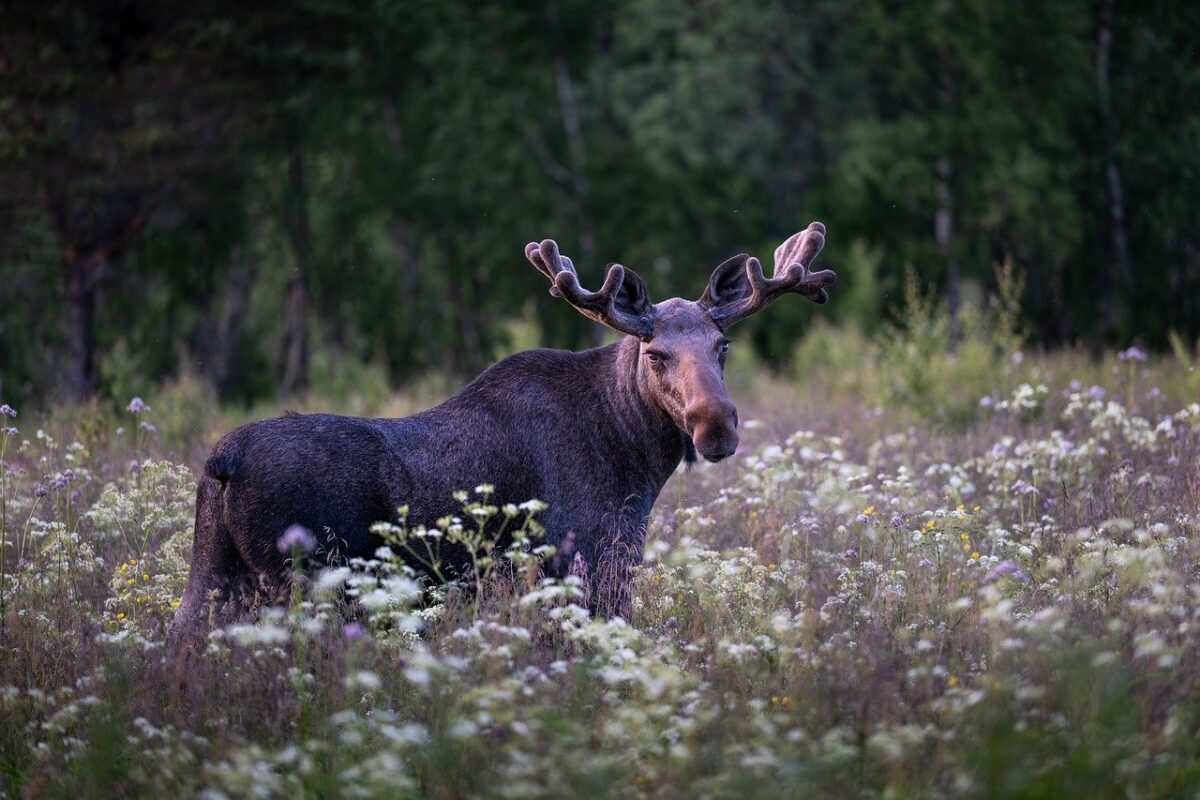
Wildlife conservation efforts producing results (Image credits: Wikimedia)
In a year marked by escalating environmental pressures, wildlife conservation initiatives across the globe delivered notable successes that offer hope for endangered species and ecosystems.
Resilient Species Bounce Back
One of the most striking developments in 2025 involved the recovery of several iconic species long threatened by habitat loss and poaching. Conservation programs reported steady population increases for animals like tigers and elephants in key regions.
Efforts funded by international organizations focused on anti-poaching measures and habitat restoration played a crucial role. For instance, tiger landscapes saw enhanced protection through collaborative projects that connected protected areas. These initiatives not only boosted numbers but also improved genetic diversity among the populations.
Similarly, African wildlife benefited from targeted funding that supported local communities in conservation. The results highlighted a shift toward sustainable practices that balanced human needs with animal welfare.
Oceans and Forests Reap Rewards
Marine conservation emerged as a priority, with breakthroughs in protecting ocean habitats from overfishing and pollution. Reports from leading environmental groups detailed progress in establishing marine protected areas that safeguarded coral reefs and migratory routes for sea turtles.
In forested regions, deforestation rates declined significantly due to reforestation drives and policy changes. Countries that implemented stricter logging regulations witnessed regrowth in biodiversity hotspots, providing safer environments for primates and birds.
These efforts underscored the importance of global cooperation. Partnerships between governments and nonprofits accelerated the planting of millions of trees, creating corridors that linked fragmented habitats.
Climate Adaptation Takes Center Stage
As weather patterns grew more unpredictable, conservation strategies adapted to mitigate impacts on wildlife. In 2025, programs emphasized resilience against extreme events, such as floods and droughts that disrupted migration patterns.
Experts noted that warmer temperatures posed risks to species like reindeer, whose populations faced potential halving by century’s end due to habitat shifts. Conservationists responded with relocation projects and supplemental feeding in vulnerable areas.
Additionally, declining snow cover around holiday periods highlighted broader climate effects. Initiatives in polar regions worked to preserve ice-dependent ecosystems, ensuring survival for seals and polar bears amid shrinking sea ice.
Community-Led Innovations Drive Change
Grassroots movements proved instrumental in 2025’s conservation narrative. Local communities in biodiversity-rich areas led monitoring efforts using technology like camera traps and drones to track wildlife.
These approaches fostered ownership and reduced conflicts between humans and animals. In one notable case, Kenyan wildlife censuses revealed mixed trends – gains for some species alongside losses for others – prompting refined strategies based on real-time data.
Funding from organizations supported training for indigenous groups, empowering them to enforce protections and promote eco-tourism as an alternative livelihood.
- Enhanced anti-poaching patrols reduced illegal activities by up to 30% in critical zones.
- Marine protected areas expanded to cover 10% more ocean territory globally.
- Reforestation projects restored over 5 million hectares of degraded land.
- Community education programs reached thousands, raising awareness on sustainable practices.
- Technology integration improved monitoring efficiency in remote habitats.
Looking Ahead: Sustained Momentum
While challenges persist, 2025’s conservation achievements demonstrate that targeted actions can yield tangible results. From surging solar energy aiding remote monitoring to revitalized rivers supporting aquatic life, the year built a foundation for future progress.
The momentum calls for continued investment and policy support to address ongoing threats like habitat encroachment. As species adapt to a changing climate, these wins remind us of the power of collective effort.
Key Takeaways
- Population recoveries for tigers and elephants signal effective protection strategies.
- Expanded marine and forest initiatives countered deforestation and overfishing.
- Community involvement and tech innovations enhanced long-term sustainability.
What steps can individuals take to support wildlife conservation in the coming year? Share your thoughts in the comments below.

- Urban Coyotes Show Remarkable Adaptability, Learning to Thrive in City Environments - July 22, 2026
- Beavers Are Nature’s Engineers, Creating Vital Habitats for Other Wildlife Species - July 21, 2026
- The Recovery of the California Condor Offers Hope for Other Critically Endangered Birds - July 21, 2026