


Let’s discover the top animals that call the Great Basin National Park home, each playing an essential role in the environment.
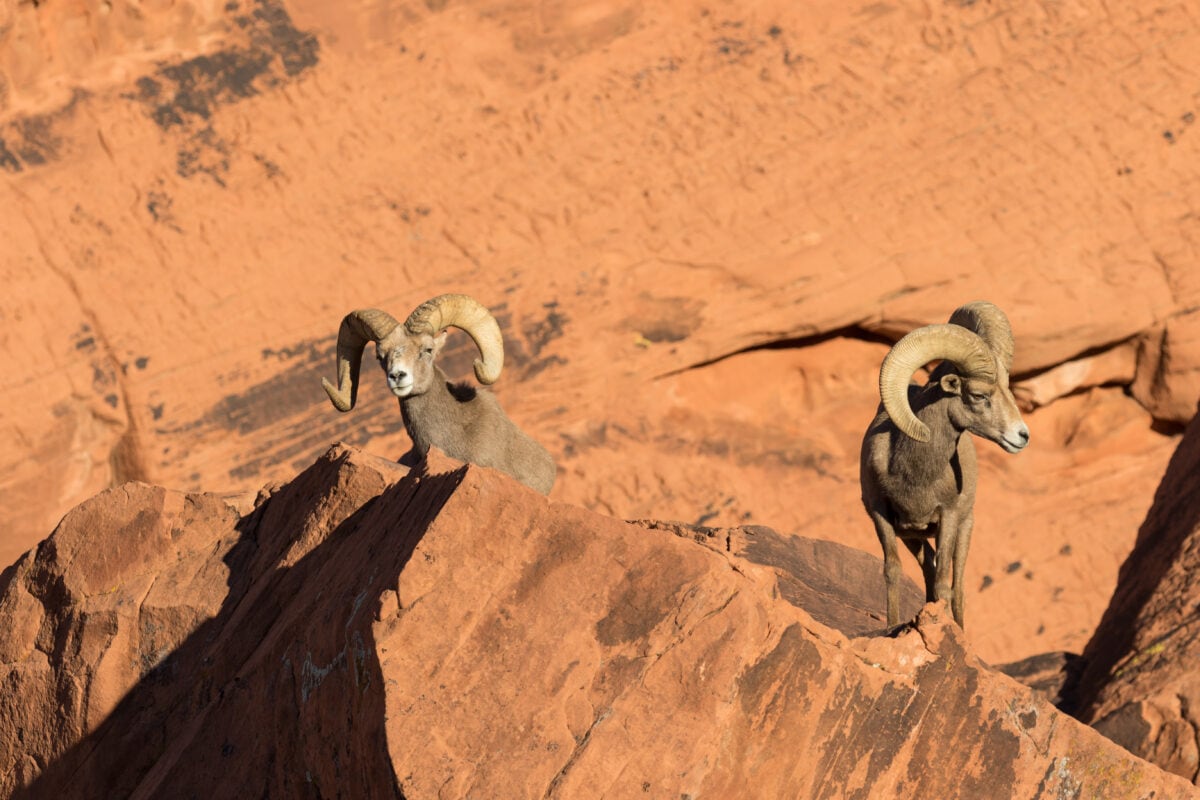
1. Bighorn Sheep
🔥 Would you like to save this?
We'll email this post to you, so you can come back to it later!
Great Basin National Park is home to a healthy bighorn sheep population known for their impressive curved horns and rugged mountain habitat.
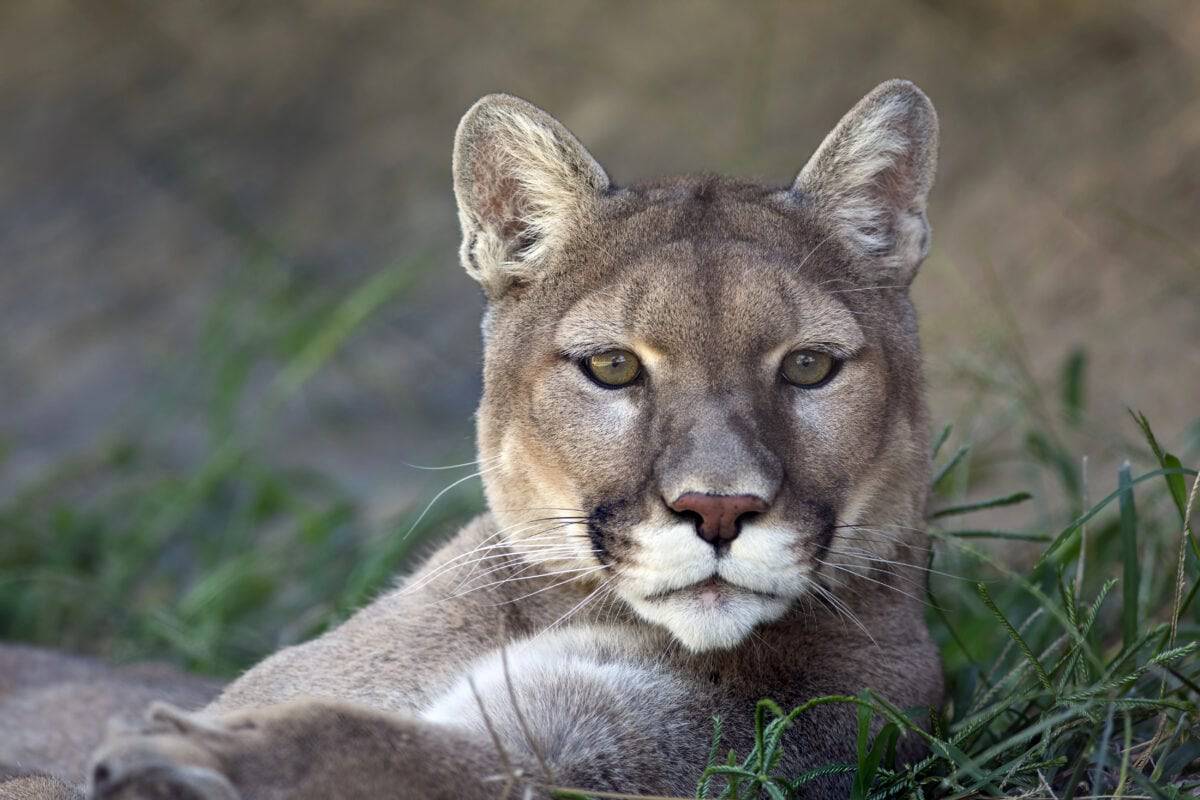
2. Mountain Lion
🔥 Would you like to save this?
We'll email this post to you, so you can come back to it later!
Also known as cougars, these elusive predators roam the park’s higher elevations, preying on deer and other wildlife.
3. Mule Deer

🔥 Would you like to save this?
We'll email this post to you, so you can come back to it later!
Commonly spotted in the park’s valleys and foothills, mule deer are well-adapted to the harsh conditions of the Great Basin.
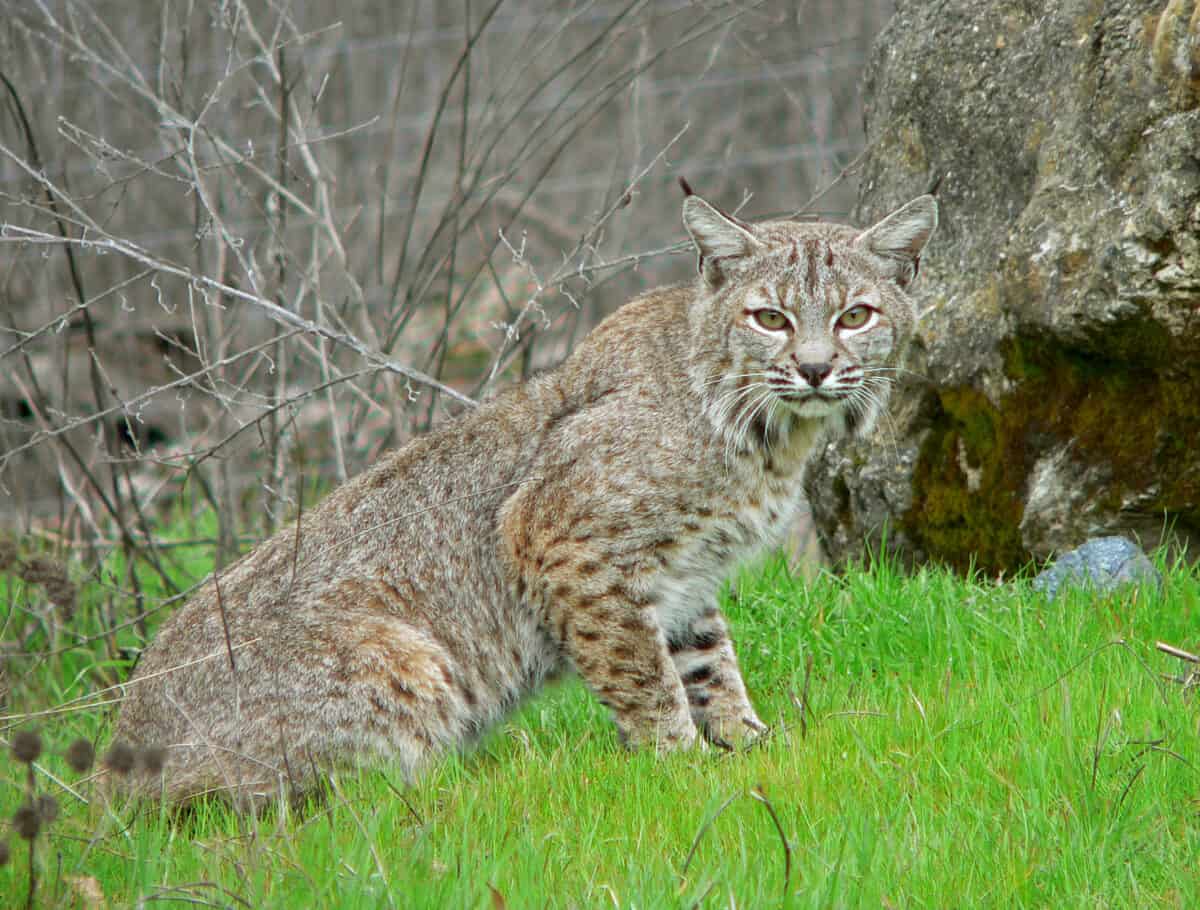
4. Bobcat
🔥 Would you like to save this?
We'll email this post to you, so you can come back to it later!
With its distinctive tufted ears and spotted fur, the bobcat is a skilled hunter throughout the park’s diverse ecosystems.
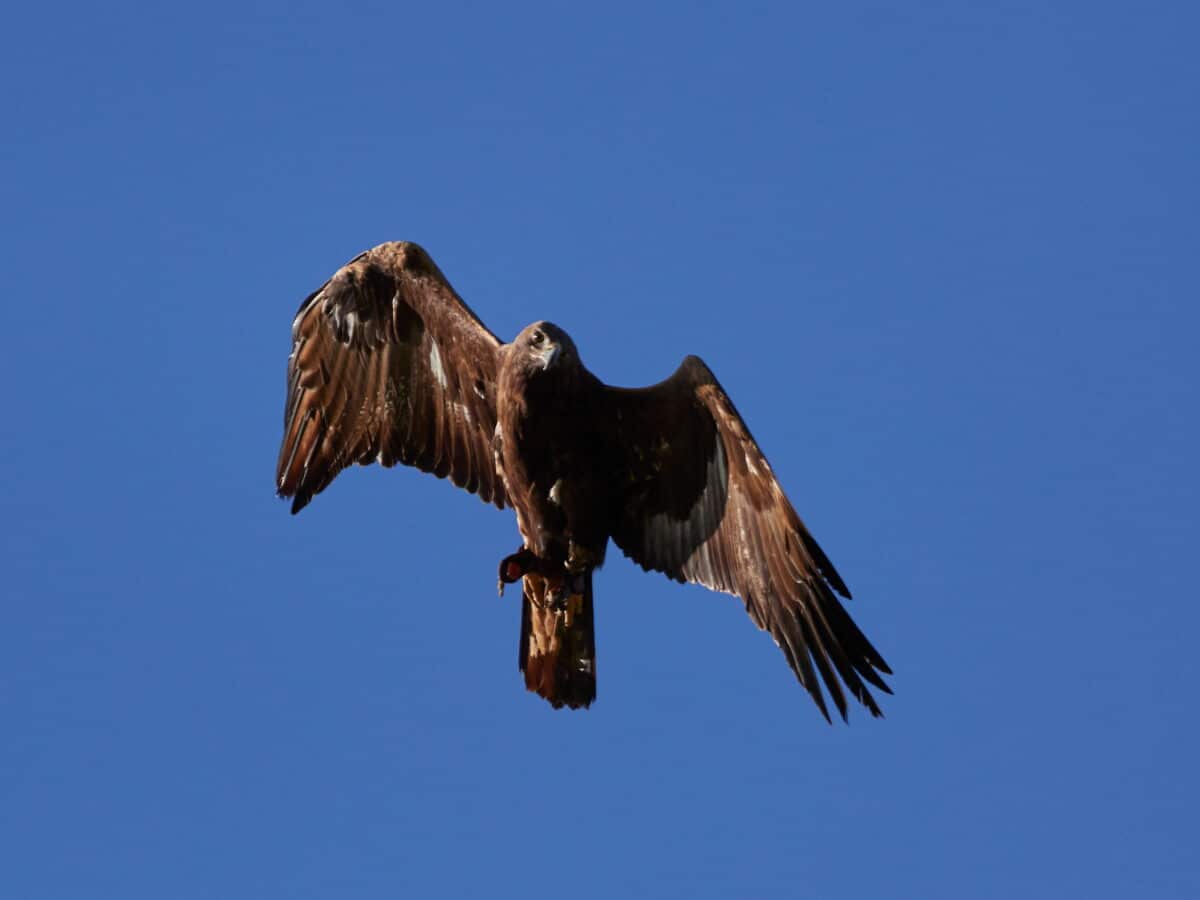
5. Golden Eagle
🔥 Would you like to save this?
We'll email this post to you, so you can come back to it later!
Majestic and robust, golden eagles soar above the park’s mountains, hunting for small mammals and birds.
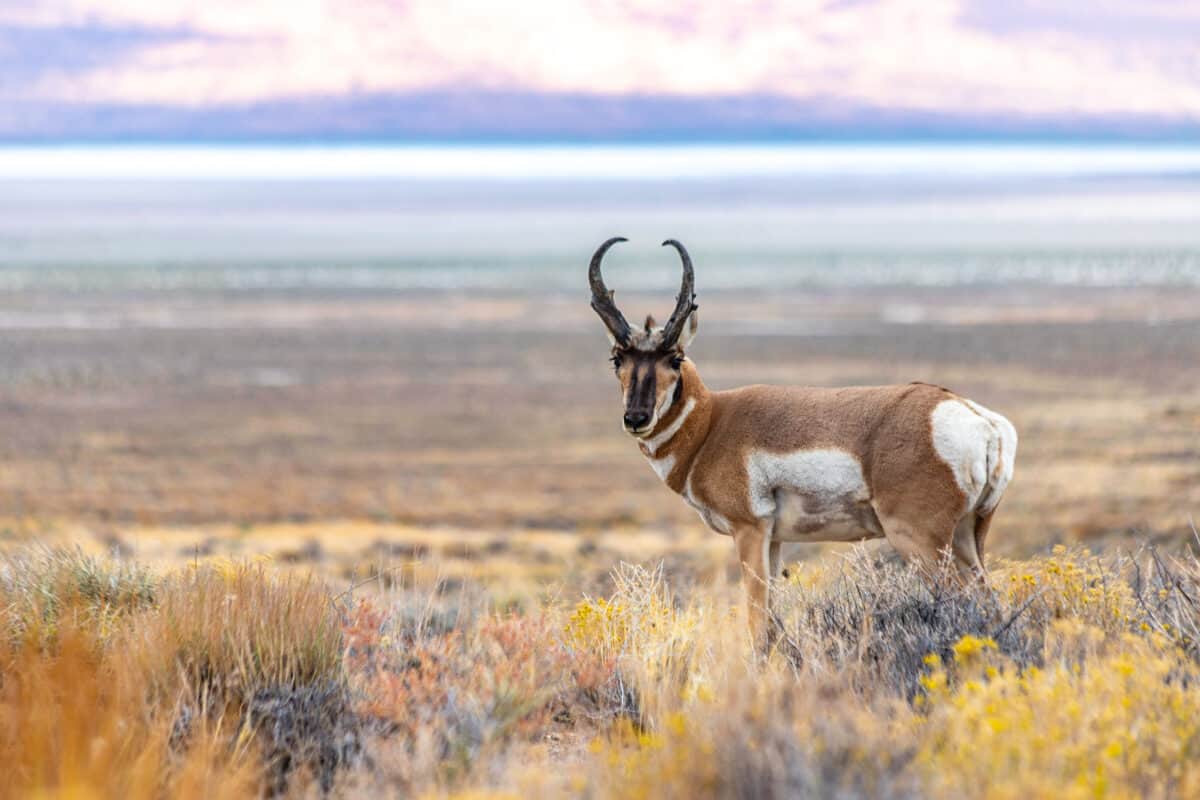
6. Pronghorn Antelope
🔥 Would you like to save this?
We'll email this post to you, so you can come back to it later!
Fleet-footed and agile, pronghorn antelope can be seen sprinting across the open plains of the Great Basin.
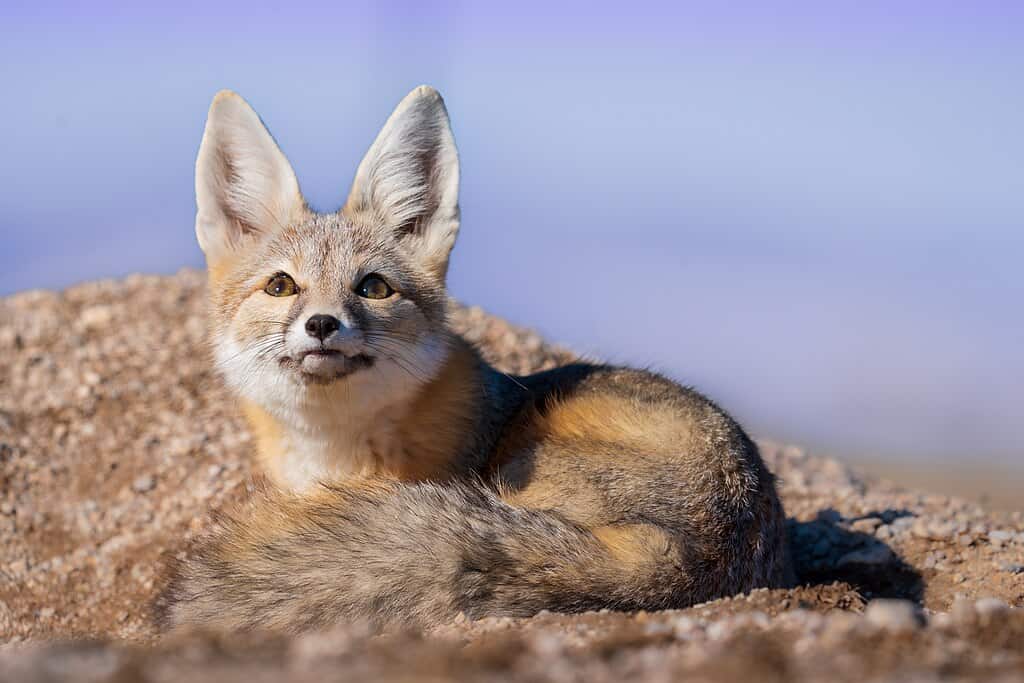
7. Kit Fox
🔥 Would you like to save this?
We'll email this post to you, so you can come back to it later!
These small foxes are well-adapted to desert environments and can be found throughout the park, hunting for rodents and insects.
8. Sage Grouse

🔥 Would you like to save this?
We'll email this post to you, so you can come back to it later!
Known for their elaborate mating displays, sage grouse inhabit the sagebrush steppe of the Great Basin National Park.
9. Great Basin Rattlesnake

🔥 Would you like to save this?
We'll email this post to you, so you can come back to it later!
A venomous snake species found in rocky outcrops and brushy areas, the Great Basin rattlesnake plays a vital role in the park’s ecosystem.
10. Black Bear

🔥 Would you like to save this?
We'll email this post to you, so you can come back to it later!
Though less common than other large mammals in the park, black bears can occasionally be spotted in forested areas, foraging for food.
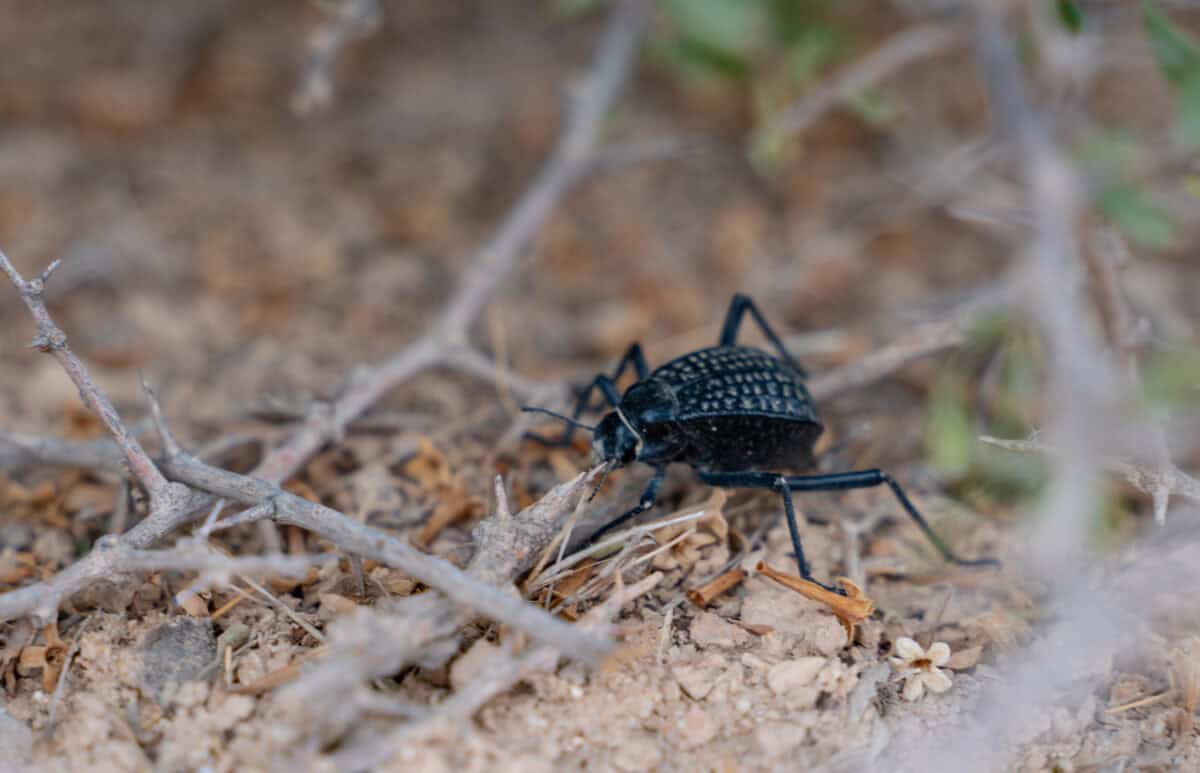
11. Desert Bighorn Beetle
🔥 Would you like to save this?
We'll email this post to you, so you can come back to it later!
This large beetle species is endemic to the Great Basin and plays a crucial role in the park’s ecosystem by decomposing organic matter.
12. Western Toad

🔥 Would you like to save this?
We'll email this post to you, so you can come back to it later!
Found near water sources in the park, western toads are important indicators of ecosystem health and are known for their distinctive calls during the breeding season.
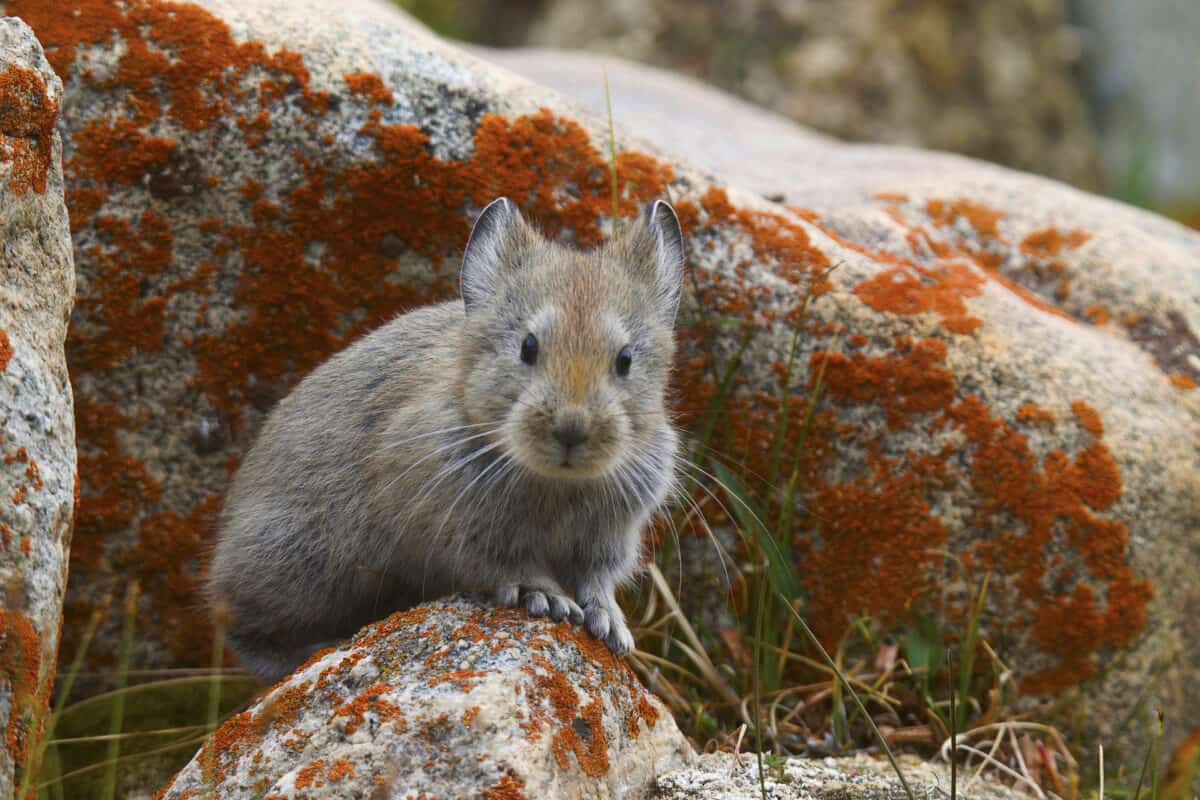
13. Pika
🔥 Would you like to save this?
We'll email this post to you, so you can come back to it later!
These small, round mammals are adapted to high-altitude environments and can be found in rocky areas throughout the park, gathering vegetation for winter food stores.
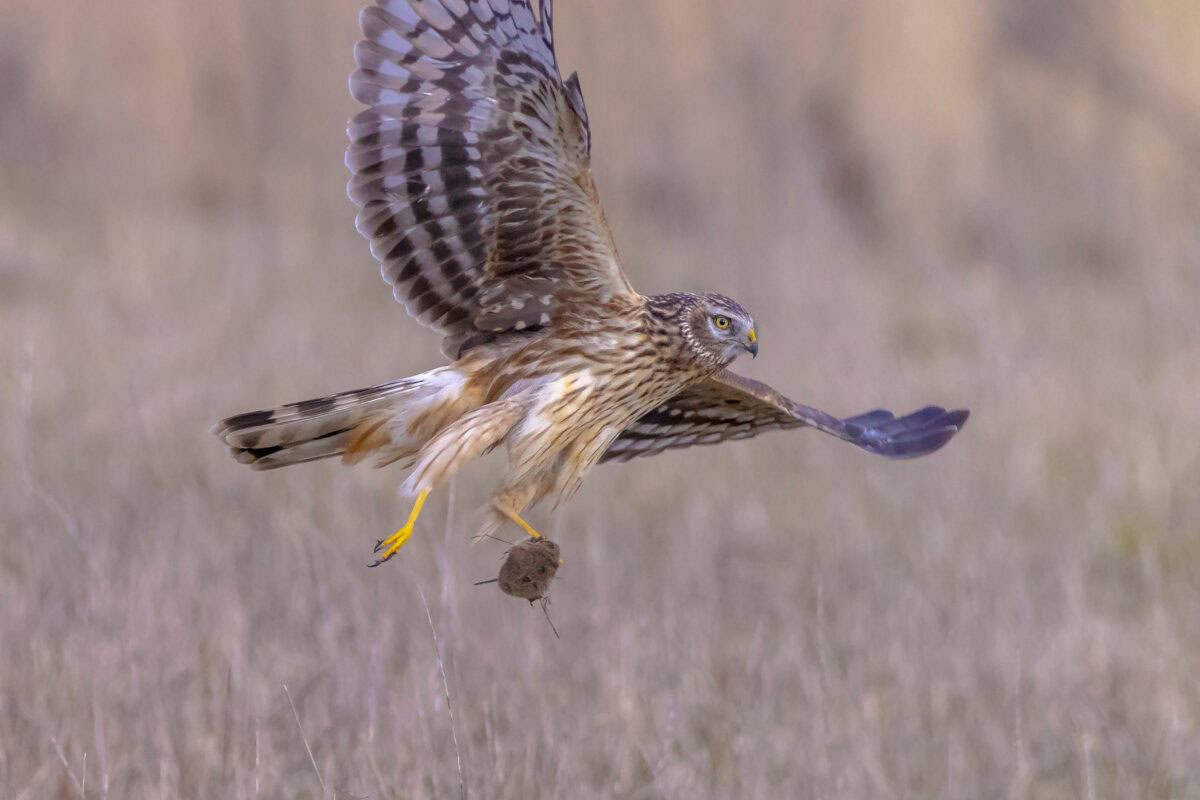
14. Northern Harrier
🔥 Would you like to save this?
We'll email this post to you, so you can come back to it later!
With its distinctive white rump patch, the northern harrier is a common sight in the park’s grasslands, hunting for small mammals and birds.
15. Desert Cottontail

🔥 Would you like to save this?
We'll email this post to you, so you can come back to it later!
Well-camouflaged against the desert landscape, desert cottontails are a common sight in the lower elevations of Great Basin National Park.
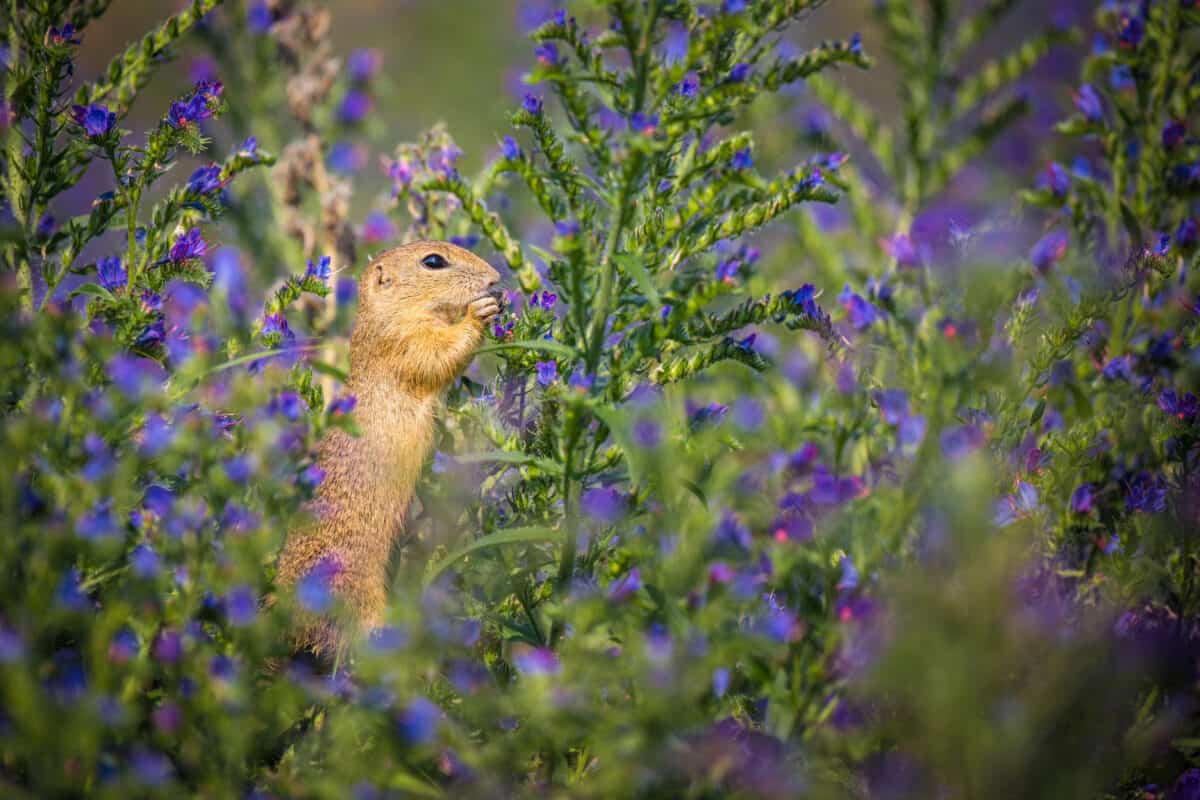
16. Golden-mantled Ground Squirrel
🔥 Would you like to save this?
We'll email this post to you, so you can come back to it later!
These charismatic squirrels are often seen darting among rocks and vegetation in the park’s forests and meadows.
17. Clark’s Nutcracker

🔥 Would you like to save this?
We'll email this post to you, so you can come back to it later!
Known for its intelligence and role in dispersing seeds of pine trees, Clark’s nutcracker is a common sight in the park’s coniferous forests.
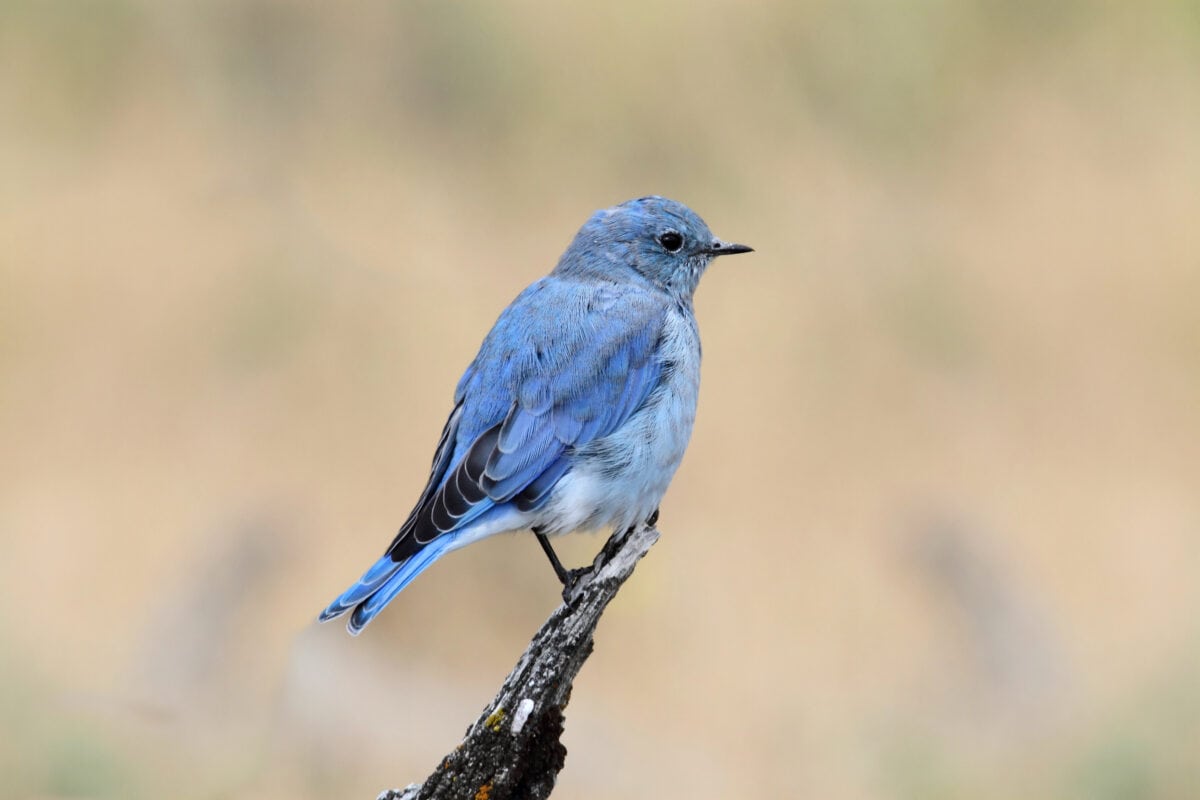
18. Mountain Bluebird
🔥 Would you like to save this?
We'll email this post to you, so you can come back to it later!
With its vibrant blue plumage, the mountain bluebird adds a splash of color to the park’s landscapes, nesting in cavities and foraging for insects.
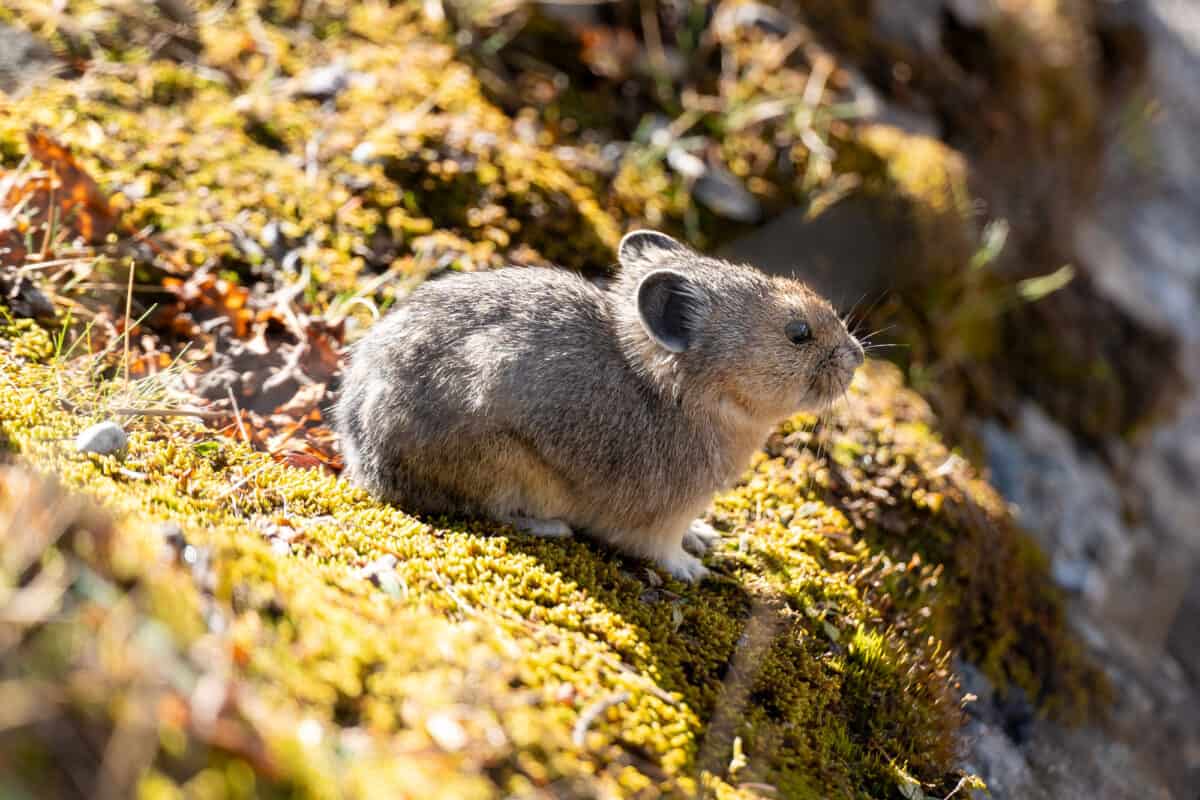
19. American Pika
🔥 Would you like to save this?
We'll email this post to you, so you can come back to it later!
Similar to the pika, the American pika is adapted to high-altitude environments and can be found in rocky areas throughout the park.
20. Rocky Mountain Elk

🔥 Would you like to save this?
We'll email this post to you, so you can come back to it later!
These majestic herbivores roam the park’s forests and meadows, particularly in the northern reaches of Great Basin National Park.
21. Long-eared Owl

🔥 Would you like to save this?
We'll email this post to you, so you can come back to it later!
Nocturnal hunters with distinctive long ear tufts and long-eared owls can be found in forested areas of the park, preying on small mammals and birds.
Conclusion

🔥 Would you like to save this?
We'll email this post to you, so you can come back to it later!
These animals each play a unique role in the ecosystem of the Great Basin, contributing to the habitat. I hope you enjoyed reading about the top 21 animals that call the Great Basin home. To read more like this, check out the articles below:
- 21 Animals That CAll Capitol Reef National Park Home
- Top 21 Animals That Call The Petrified Forest Home
- 21 Animals That Call Canyonlands Home

adventuring, photography and videography. I am currently working towards a BSc in Biodiversity and Ecology at Stellenbosch University to go on to specialise in Marine Sciences one day.
Please send any feedback to Feedback@animalsaroundtheglobe.com
- 26 Most Dangerous Snakes Found in North America - October 19, 2026
- 21 Things Not to Feed Your Pet Dog - October 18, 2026
- 10 Sacred Native American Sites in North America - October 16, 2026