


Walk into any shelter and watch where people go. They beeline for the puppy pen, the fluffy purebred, the dog with the photogenic face pressed against the glass. Meanwhile, a few kennels down, an older dog watches the crowd pass by for the fortieth day in a row.
Here’s the part nobody expects: staff and longtime rescuers will quietly tell you the dogs everyone skips are usually the easiest ones to bring home. Calmer, more trained, more grateful, less likely to blow up your furniture or your schedule. Keep reading, because reason #1 is the one that changes how people look at that back row of kennels for good.
#21 – They’ve Already Outgrown the Puppy Chaos Phase

Everyone wants the puppy. Almost nobody wants the eight months of chewed baseboards, 2 a.m. potty breaks, and shredded shoes that come with it. Adult and senior shelter dogs have usually already lived through that chapter in someone else’s home, which means the hardest part is already behind them.
Shelter intake notes often confirm it: many arrive already housebroken, already past the landmine stage of destructive teething. That translates into a dog who settles into a new routine in days, not months. The trade-off nobody advertises is that skipping the “cute chaos” phase means skipping the actual chaos too.
#20 – Mixed Breeds Dodge the Health Problems Purebreds Are Famous For

Purebred lines look impressive on paper, but decades of narrow breeding have baked in predictable trouble: hip dysplasia, breathing struggles, joint issues that show up right on schedule. Mixed-breed shelter dogs benefit from what vets call hybrid vigor, a genetic diversity that dilutes those concentrated weak spots.
Vets who work closely with shelters routinely see fewer breed-specific conditions in mixes over a lifetime. That’s not a guarantee, but it’s a real pattern, and it often means fewer surprise vet bills and more good years with the dog you brought home.
Quick Compare
- Purebred lines: higher rates of hip dysplasia, breathing issues in flat-faced breeds, and breed-specific joint disease
- Mixed breeds: a broader gene pool that often dilutes concentrated hereditary conditions
- Purebred puppies: health issues can surface years after the adoption is already emotionally locked in
- Mixed-breed adults: vets can often assess existing health status right away, not guess at it
#19 – They Bond Faster Because They Remember What It Felt Like to Lose a Home
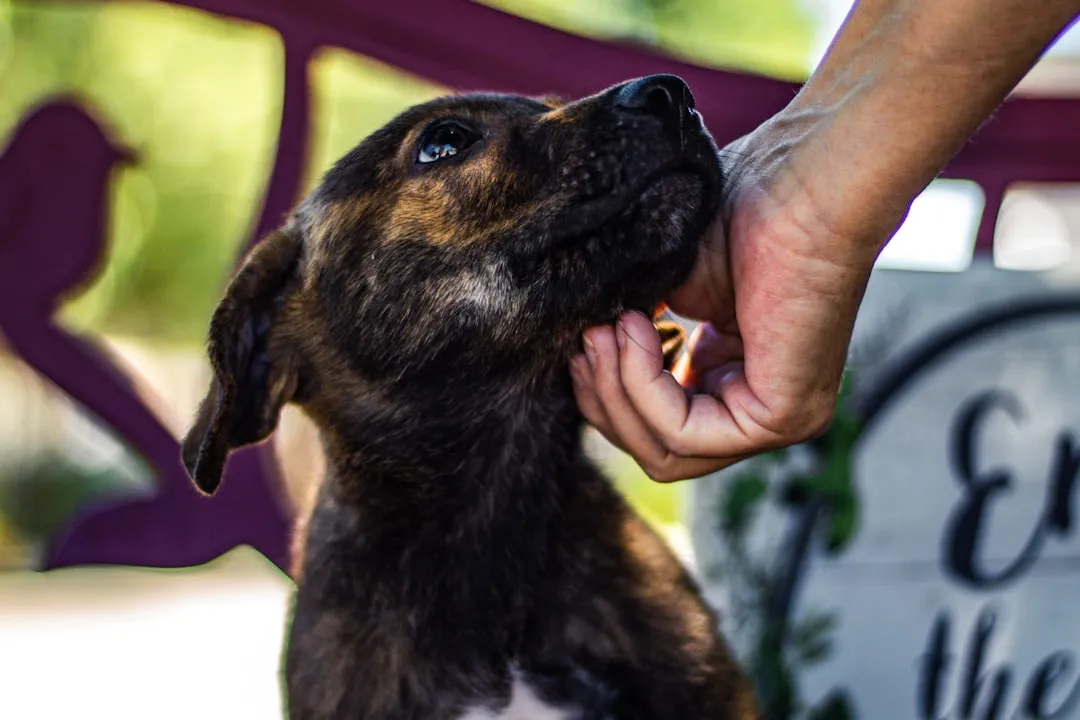
A dog that’s been surrendered or returned isn’t broken. It’s a dog that understands exactly what stability is worth, because it’s already gone without it. Shelter behaviorists notice these dogs often attach faster and harder once they land somewhere steady.
What that looks like day to day: a dog who watches the door, who checks in constantly, who seems to choose you rather than simply tolerate you. It’s not neediness. It’s a dog that’s done gambling on whether this home sticks.
#18 – Their Energy Level Actually Matches a Real Human Schedule

A high-drive young dog needs hours of exercise most working adults simply can’t give. Overlooked adults and seniors usually want a decent walk and then a long stretch on the couch, which happens to be exactly what most households can actually offer.
That match matters more than people think. Boredom is behind a huge share of destructive behavior in dogs, and a calmer temperament sidesteps most of it. Families report fewer complaints from neighbors, less guilt about leaving the house, and a dog that genuinely fits the life they already have instead of the life a puppy demands they build.
#17 – They Show Up Already Socialized to the Real World
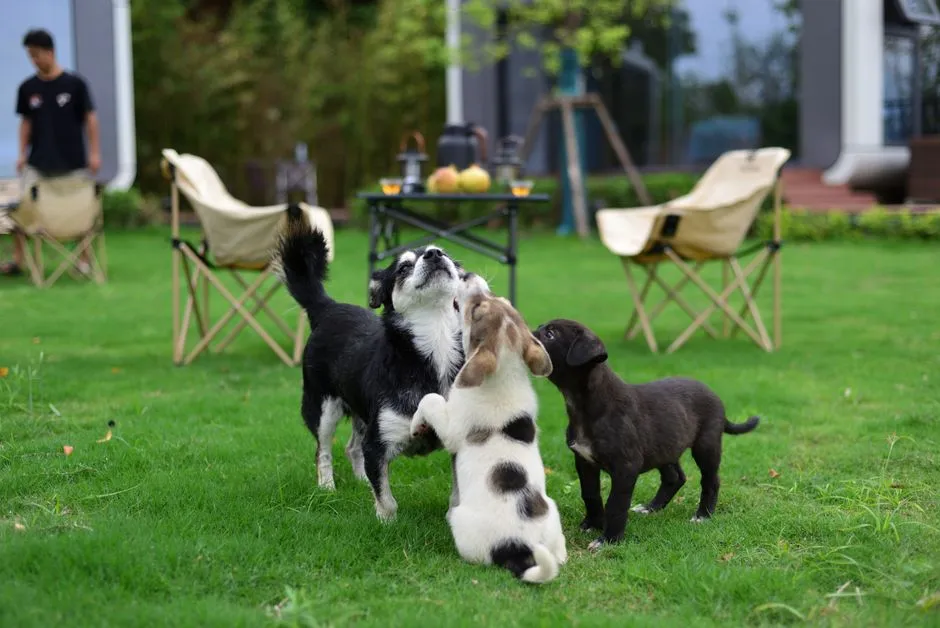
A puppy raised only inside a shelter has never heard a garbage truck, met a toddler, or shared a living room with a cat. An adult dog with a prior home has usually already survived all of it, which cuts down sharply on the fear-based reactivity new owners often have to untangle from scratch.
Rescue groups see it clearly in multi-pet households: these dogs integrate faster and with far less friction. Adopters skip the trial-and-error phase that quietly turns some puppy adoptions into rehoming stories a year later.
#16 – Their Medical History Isn’t a Mystery Box

Younger dogs can hide developing problems that only surface months after adoption, once it’s too late to walk away from the bond you’ve already formed. Overlooked adults usually come with documented histories and treatment records, because shelters have had more time to observe them.
That transparency is worth more than people realize. Many arrive with ongoing care plans already mapped out, so new owners aren’t rolling dice on a future they can’t predict. It replaces financial shock with something rarer in pet ownership: a clear picture going in.
#15 – They Almost Never Trigger the “Adoption Regret” Spiral

Trendy breeds get returned constantly once the cute phase fades or the energy level clashes with reality. Overlooked dogs, by contrast, tend to match their intake description with almost boring consistency, because there’s no puppy fog clouding what people are actually choosing.
Rescue data backs this up: return rates run lower for adults chosen deliberately rather than on impulse. These dogs deliver steady, predictable companionship instead of the second-guessing that follows a mismatched puppy purchase.
#14 – Big Dogs Get Passed Over for Their Size, Not Their Personality
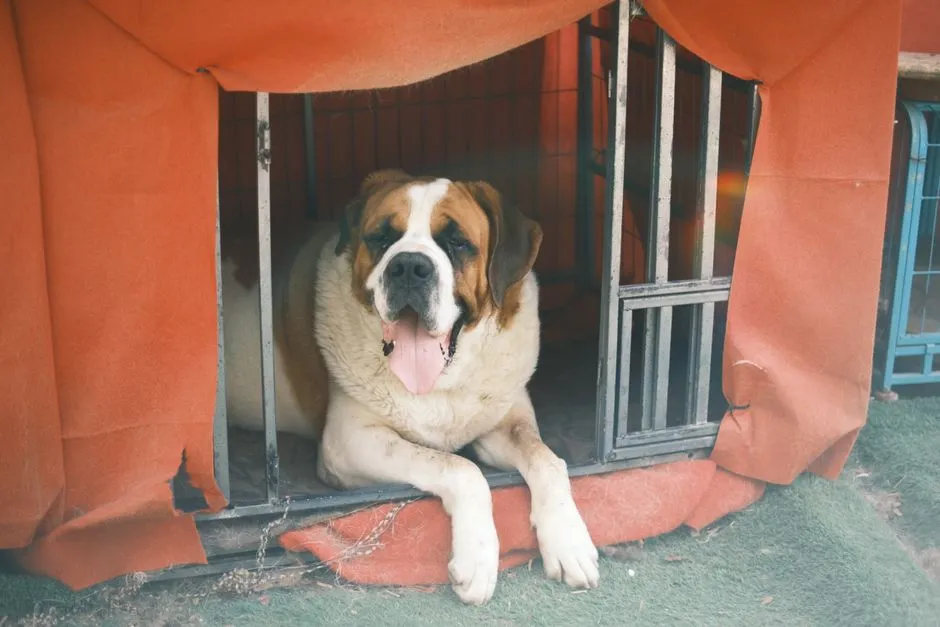
Small-dog bias is real, and it leaves plenty of gentle, calm large dogs waiting far longer than they should. Many overlooked big mixes and seniors turn out to be exactly the “gentle giant” type, with a watchdog presence and zero interest in actual aggression.
Shelter staff say it over and over: size alone tells you almost nothing about temperament. Given a fair shot and honest space at home, these dogs deliver both protection and devotion in the same package, which is a lot more than most adopters expect walking past the big kennels.
#13 – They’re Genuinely Cheaper to Bring Home
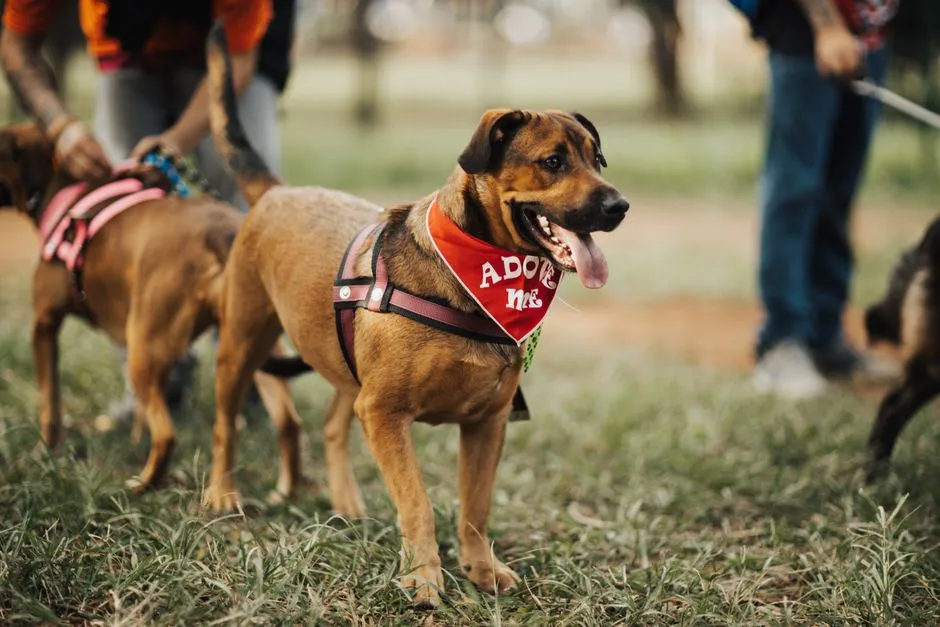
Puppies come with a stack of costs most first-time adopters underestimate: vaccination series, spay or neuter surgery, multiple rounds of training. Overlooked adults are usually already altered and partially vaccinated by the time they’re up for adoption.
That flips the first-year budget from medical catch-up toward simple supplies. Fewer emergency visits, fewer surprise procedures, and a health baseline that’s already established. For anyone adopting on a real budget, the math quietly favors the dog nobody else wanted.
#12 – The Shy Ones Aren’t Broken, They’re Just Not Performing for You
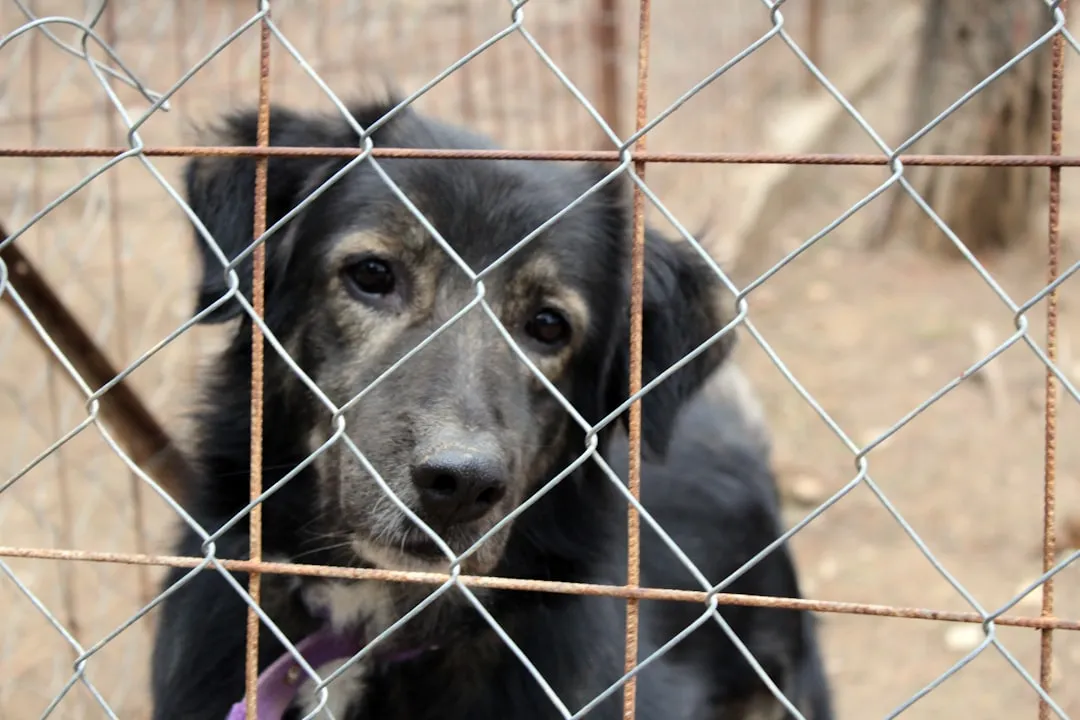
A fearful dog gets written off as “difficult” fast, when really it just needs time to decompress before showing its actual personality. Overlooked introverts often turn into the most devoted dogs once real trust builds, precisely because they aren’t putting on a show for every stranger who walks by.
Until one has loved an animal, a part of one’s soul remains unawakened.
Anatole France
Shelter behavior notes back this up: these dogs skip the overexcited jumping and nipping that comes with outgoing show-off dogs. Adopters who stick around past the first uneasy week usually discover a quietly steady companion, not a project.
#11 – They Already Know “Sit,” “Stay,” and “Come”
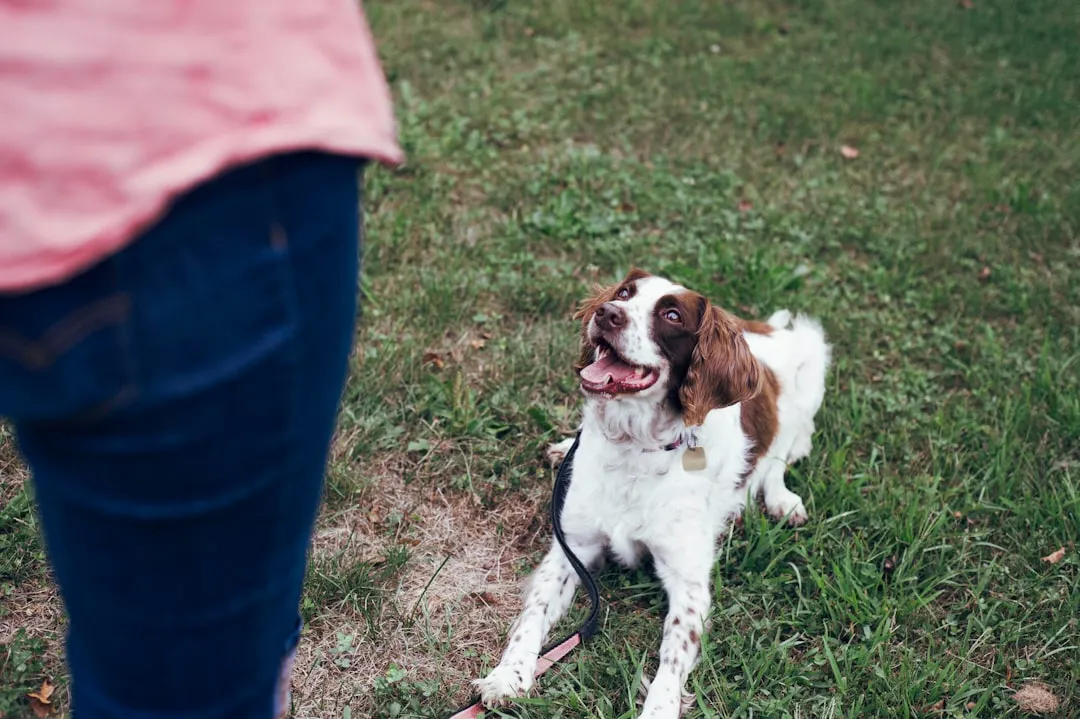
Adult shelter dogs frequently already respond to basic commands from a life before the shelter. Puppies, meanwhile, start from absolute zero, and that first stretch of training is inconsistent no matter how good the owner is.
Shelter assessments often catch adult dogs demonstrating real skills on day one. That head start turns adoption into an immediate partnership instead of a months-long classroom, and it shows up fast, on the very first walk and the very first vet visit.
#10 – They Handle Apartment Living Without Turning Into a Noise Complaint
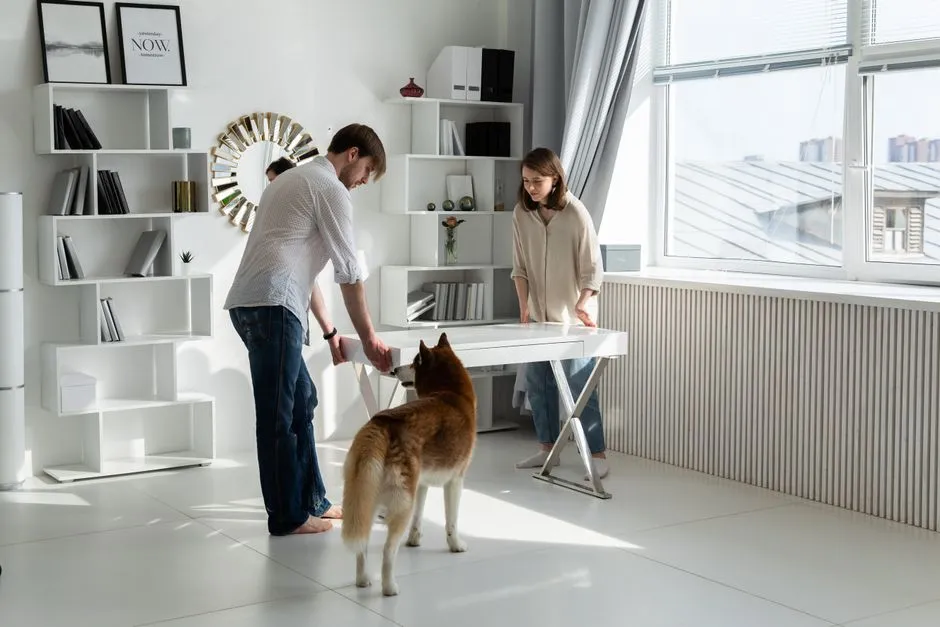
A high-energy puppy in a small apartment is a recipe for barking, pacing, and an angry note from the landlord. Overlooked adults tend to prefer quiet routines that suit renters and city living far better, because the zoomies phase is already behind them.
Shelter matching data shows these dogs succeed in tight spaces when energy levels are honestly assessed up front. Renters get a companion who respects the lease instead of one who puts it at risk.
Worth Knowing
- Noise complaints are a common reason young, high-energy pets get surrendered from rentals
- Calmer adult dogs typically need less high-intensity exercise to stay settled indoors
- Many overlooked shelter dogs already show apartment-appropriate energy levels during evaluation
- That translates into smoother relationships with landlords and neighbors from day one
#9 – They Match Perfectly With Empty Nesters and Retirees

Young families keep chasing playful puppies while calmer, older dogs sit overlooked, even though they’re often the better fit for someone whose life has slowed down. Rescue programs specifically report higher success rates when older adopters choose older dogs.
It works both ways. The dog gets a steady, quiet home; the person gets companionship and routine that eases isolation. These pairings tend to last the longest of any adoption type, because expectations line up from the very first day.
#8 – They Come With Fewer Hidden Parasite and Disease Risks
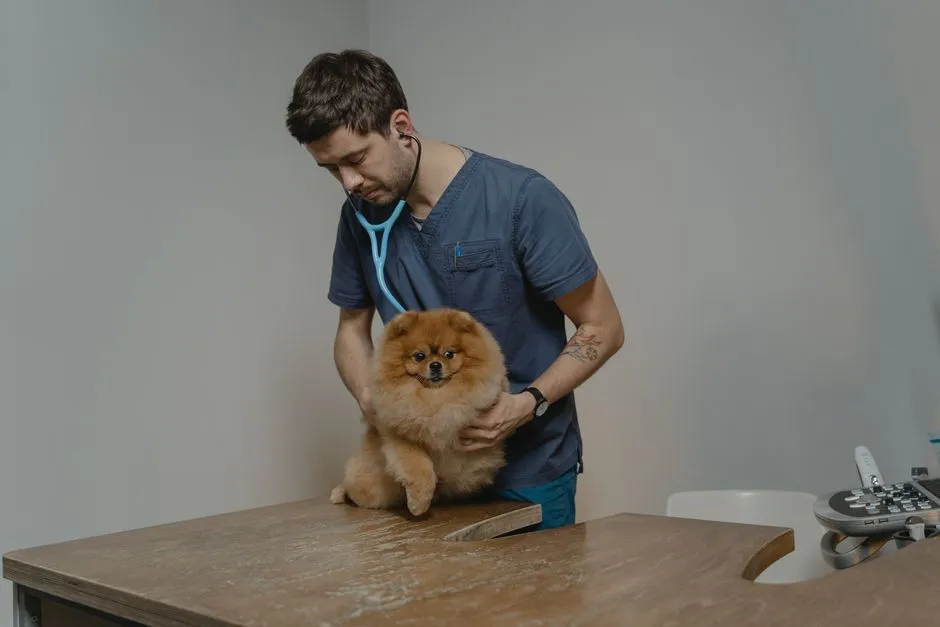
A puppy from an unknown or unregulated source can quietly bring ringworm or intestinal parasites into a home. Overlooked shelter adults have usually already cleared standard protocols, with treatments documented in their intake records.
That clean bill of health matters more than people expect in the first weeks. It means less quarantine, less stress, and more time spent actually bonding instead of managing an unexpected medical scramble.
#7 – They Carry a Kind of Resilience You Can Feel in the Room
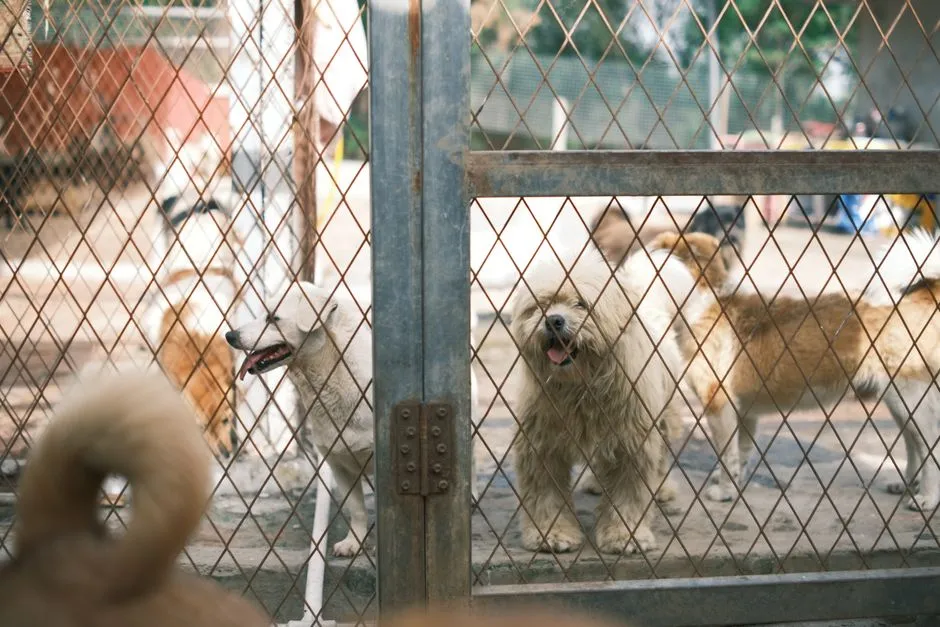
A dog that’s spent months waiting in a kennel has already survived something. Once placed, these overlooked animals often handle change with a grace that surprises even experienced adopters, rebounding from setbacks faster than expected.
Shelter staff notice it constantly. Families who adopt these dogs often say the dog’s steadiness ends up shifting how they handle their own hard days. It’s a strange, quiet kind of teaching that no puppy has lived long enough to offer.
At a Glance
- Dogs that have weathered surrender, shelter life, or long waits often show notable behavioral flexibility
- Adopters frequently describe these dogs adjusting to new routines faster than expected
- That resilience can make transitions like moving, new family members, or schedule changes easier on everyone
#6 – They Don’t Fight You for Attention During the Workday
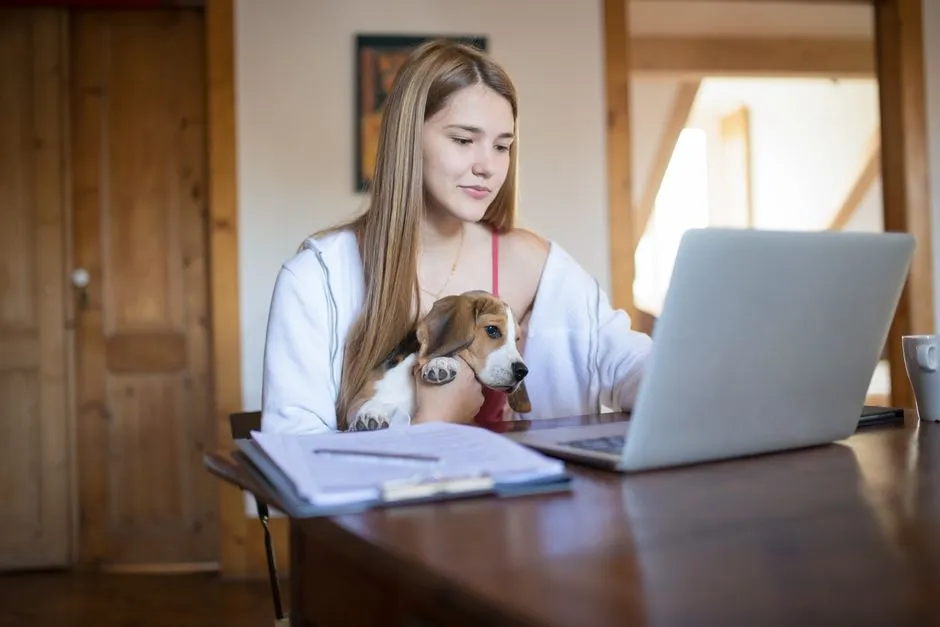
A puppy demands constant interaction, which is brutal when you’re on back-to-back video calls. Overlooked adults have often already learned independence and are content to nap nearby without constant demands for engagement.
That boundary-respecting behavior fits modern remote-work life better than people expect. You still get the presence, the company, the occasional nudge for a walk, but not the relentless pull on your attention that a young puppy brings into every room.
#5 – They’re Often Ready-Made for Therapy or Emotional Support Roles
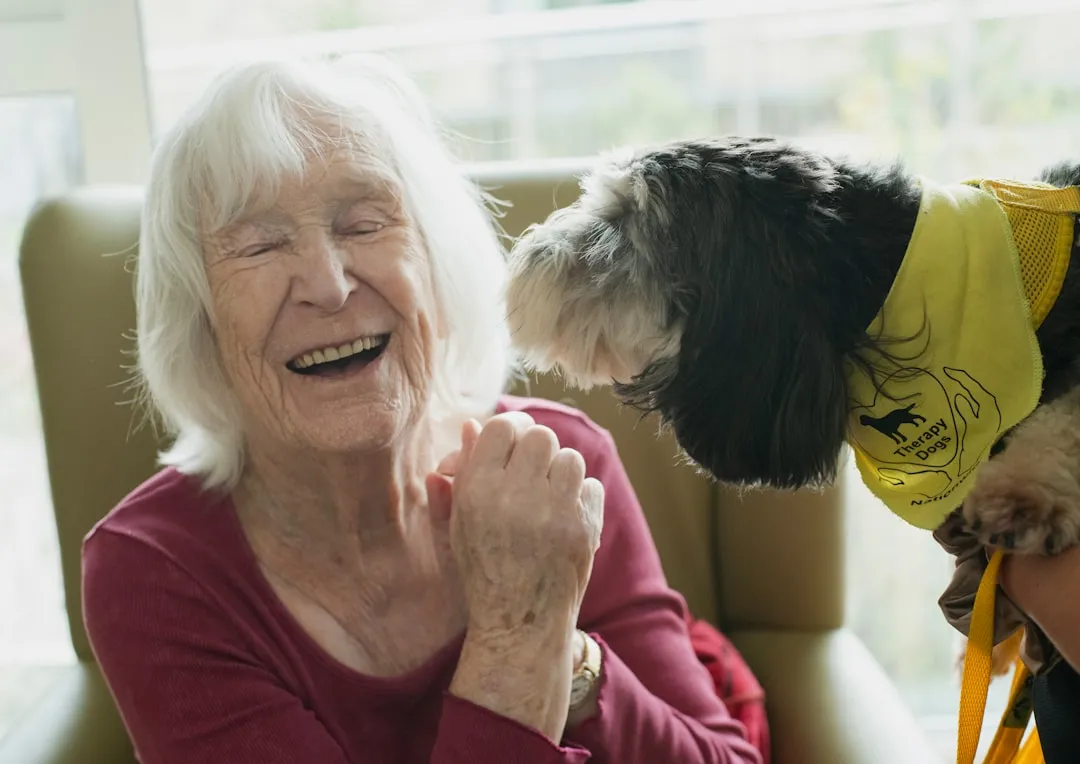
Calm, steady temperaments are exactly what therapy and emotional-support programs look for, and overlooked adult dogs frequently already have it. Puppies usually don’t qualify for years, if ever, because that steadiness takes time to develop.
Shelter evaluations sometimes flag these traits directly during assessment. That means an overlooked dog can bring immediate, functional value to a household that needs quiet stability, not just a pet to look at.
#4 – They Skip the “Cute Now, Unmanageable Later” Trap
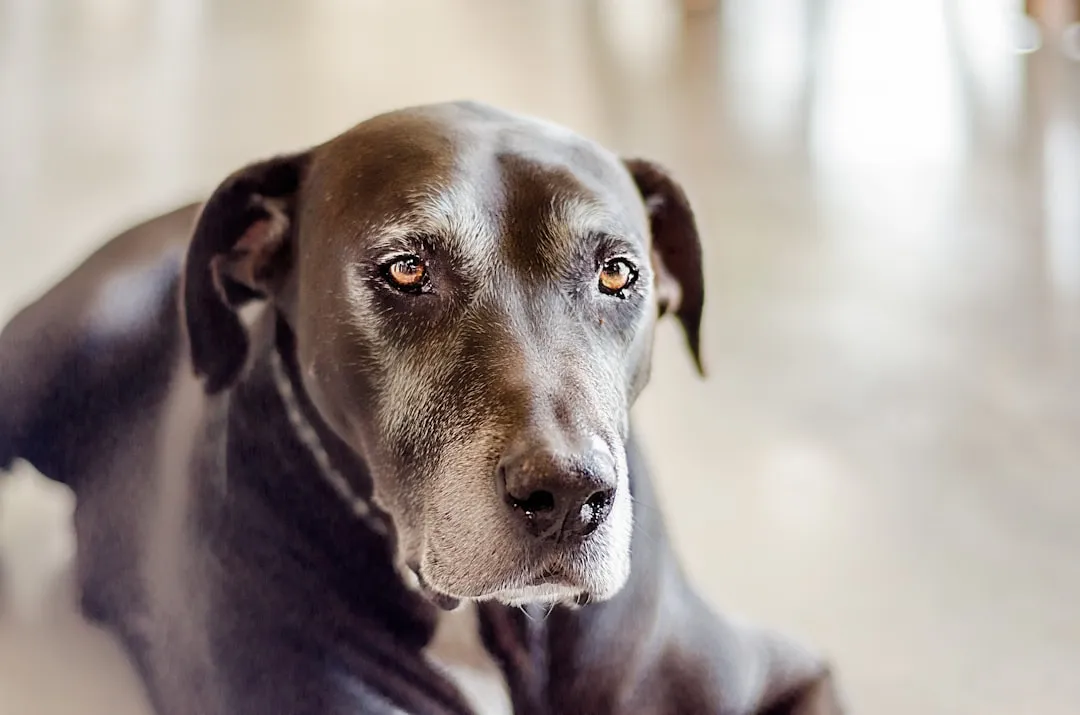
Instagram-worthy puppies grow into dogs whose adult size, energy, or shedding often blindsides the very people who fell for the puppy photos. Overlooked adult dogs show up exactly as they’ll be for the rest of their lives, with zero guessing involved.
That honesty is underrated. What you see during the visit is what you get at home, permanently. It’s a major reason overlooked dogs show up far less often in rehoming stories than the puppies everyone fought over.
#3 – Adopting Them Pulls You Into a Real Community
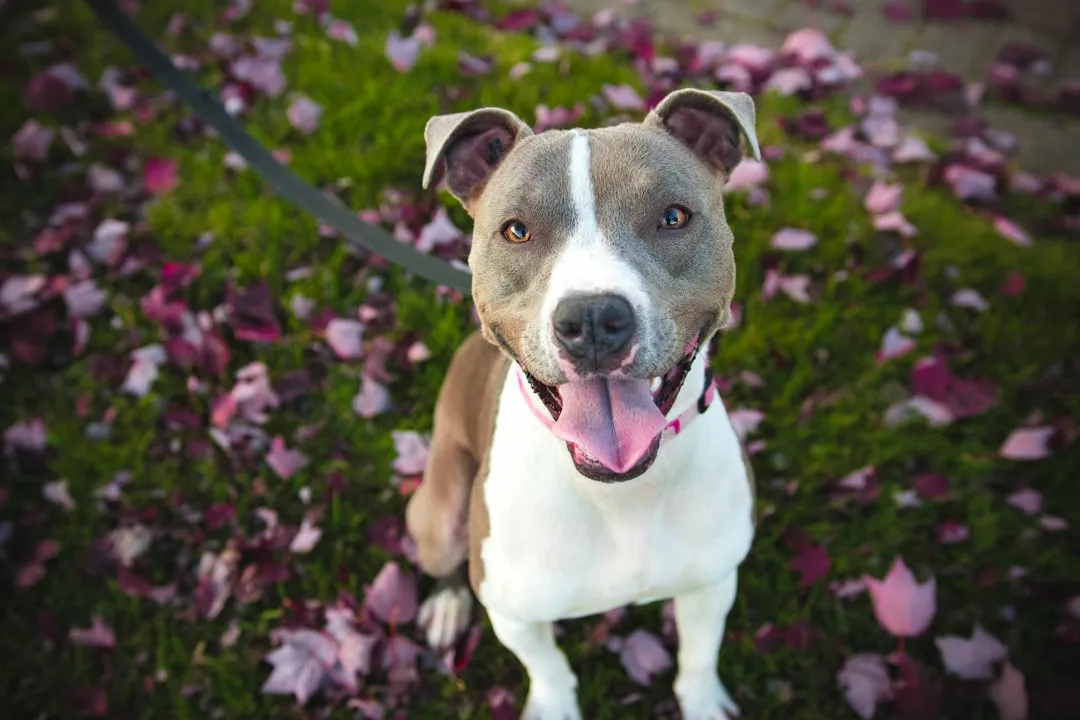
Choosing an overlooked shelter dog usually plugs you into a network of fosters, volunteers, and rescue groups that puppy buyers rarely encounter. That network doesn’t disappear after the paperwork is signed.
These groups keep offering advice, events, and support tied to the shared mission of second chances. It’s a social layer nobody mentions in adoption ads, and it often becomes one of the most unexpectedly valuable parts of the experience.
#2 – The “Unadoptable” Label Is Almost Always Wrong
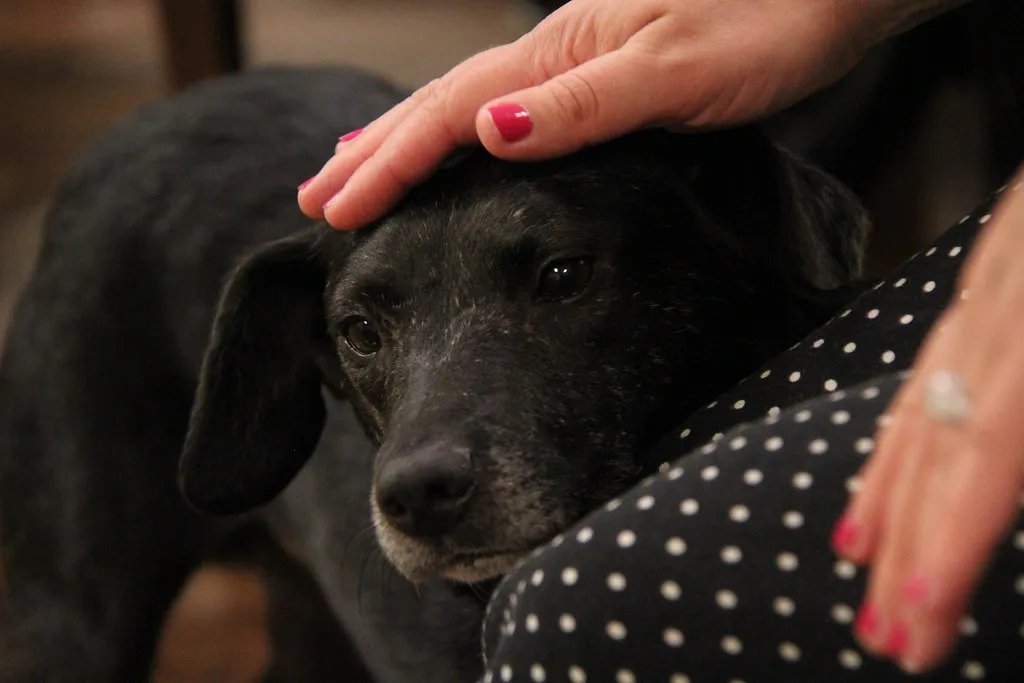
Dogs labeled difficult or hard-to-place frequently transform completely once they land in a consistent, patient home. These overlooked animals carry stories of real hardship, and that history often deepens the bond once trust is finally rebuilt.
Long-term shelter follow-ups consistently show high satisfaction with these placements. It challenges a lazy assumption a lot of adopters walk in with: that the easiest dog to adopt is automatically the best one to live with.
Fast Facts
- Labels like “shy,” “reactive,” or “special needs” often describe a moment in time, not a permanent trait
- Consistent routines and patient handling frequently resolve behaviors shelters initially flagged as concerns
- Long-term adopters often report the “hardest” dogs becoming the most bonded companions in the home
#1 – The Quiet Joy of Being Someone’s Last Choice, First

The dogs left waiting longest often end up the most cherished, because the people who eventually choose them arrive with clear intentions instead of impulse. There’s no puppy fog clouding the decision, just a deliberate choice to bring home a specific, known animal.
Shelter staff say the strongest, longest-lasting bonds consistently come from exactly these matches. Many of these dogs quietly outlast whatever trendy adoption came before them in the same household. Patience in the kennel, it turns out, pays off in the living room for years.
The Bottom Line
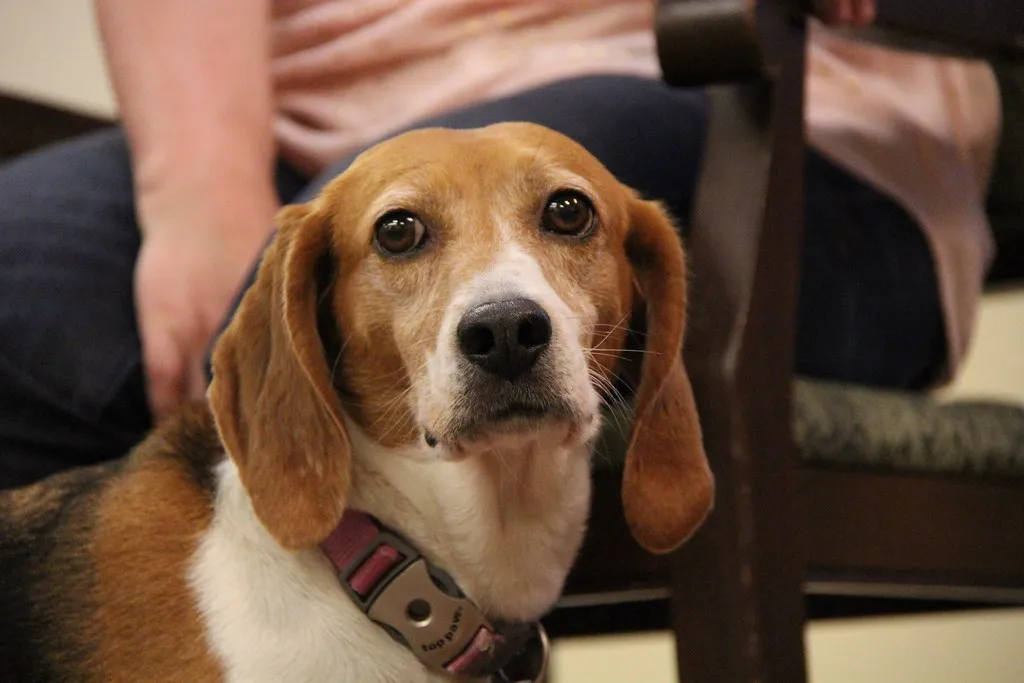
The overlooked dogs in every shelter, the seniors, the mixes, the big gentle ones, the quiet ones nobody stops for, consistently outperform expectations once someone actually gives them a chance. They arrive with training already done, health records already documented, and temperaments built for real life instead of a fantasy version of pet ownership.
The uncomfortable truth is that most people are still choosing dogs based on how they look in a kennel photo, not on how they’ll actually live in a house. The real value has been sitting in the back row the whole time, waiting for someone willing to look past the first glance. Did we miss one of your favorite overlooked traits? Drop it in the comments.
