


Worried about unexpected vet bills?
Pet insurance can cover thousands in unexpected vet costs. Get a free quote from Lemonade in under 2 minutes.
Get My Free Quote →Sponsored · Opens Lemonade.com
Life on Earth is as diverse as it is fragile. Species that have thrived for millennia now teeter on the brink of extinction, pushed by threats like habitat destruction and climate change. Amidst these challenges, zoos and sanctuaries worldwide have emerged as beacons of hope, stepping in to pull species back from the precipice of extinction. In this article, we explore 21 remarkable stories of how these institutions have played a pivotal role in species conservation.
21. The Californian Condor Soaring Back

Once almost extinct, the Californian condor was down to just 27 birds in the wild by the 1980s. Thanks to breeding programs initiated by zoos across the United States, these majestic birds now soar again in the skies of California and beyond, with the population steadily increasing thanks to careful management and release strategies.
20. The Arabian Oryx Desert Resilience

The Arabian oryx, known for its striking horns and ghostly white coat, was declared extinct in the wild in the 1970s. Zoos and sanctuaries worldwide worked tirelessly to breed these animals. Reintroduction programs in Oman and Saudi Arabia have since restored stable populations, showcasing the power of international cooperation in species conservation.
19. Przewalski’s Horse From Zoos to the Steppes

Przewalski’s horse, or the Takhi, is the only remaining true wild horse species. By the mid-20th century, it was extinct in the wild. However, zoos like the San Diego Zoo partnered to reestablish population numbers through captive breeding. These horses now roam the Mongolian steppes once more, a testament to effective conservation efforts.
18. Panama’s Golden Frogs A Leap for Amphibians

Panama’s golden frog is a vivid example of how zoos can impact amphibian conservation. With the deadly chytrid fungus threatening extinction, institutions like the Panama Amphibian Rescue and Conservation Project began breeding programs. Efforts to reintroduce these vibrant creatures to their native habitats are ongoing, offering hope for amphibian conservation worldwide.
17. Black-Footed Ferrets Prairie Predator Comeback
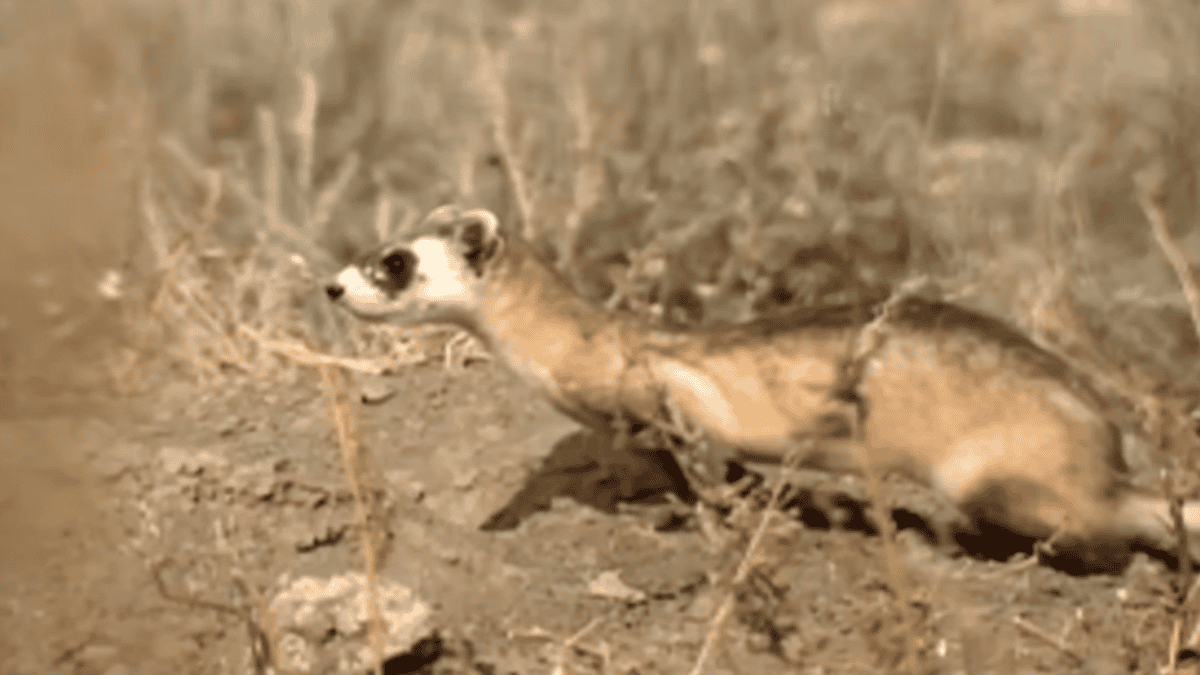
Declared extinct in the wild in 1987, black-footed ferrets owe their resurgence to breeding programs initiated by the Smithsonian Conservation Biology Institute and other zoos. Abundant release efforts now yield a sustainable population in their native prairies, showcasing the importance of preserving not just species, but entire ecosystems.
16. The Whooping Cranes Song Resumes
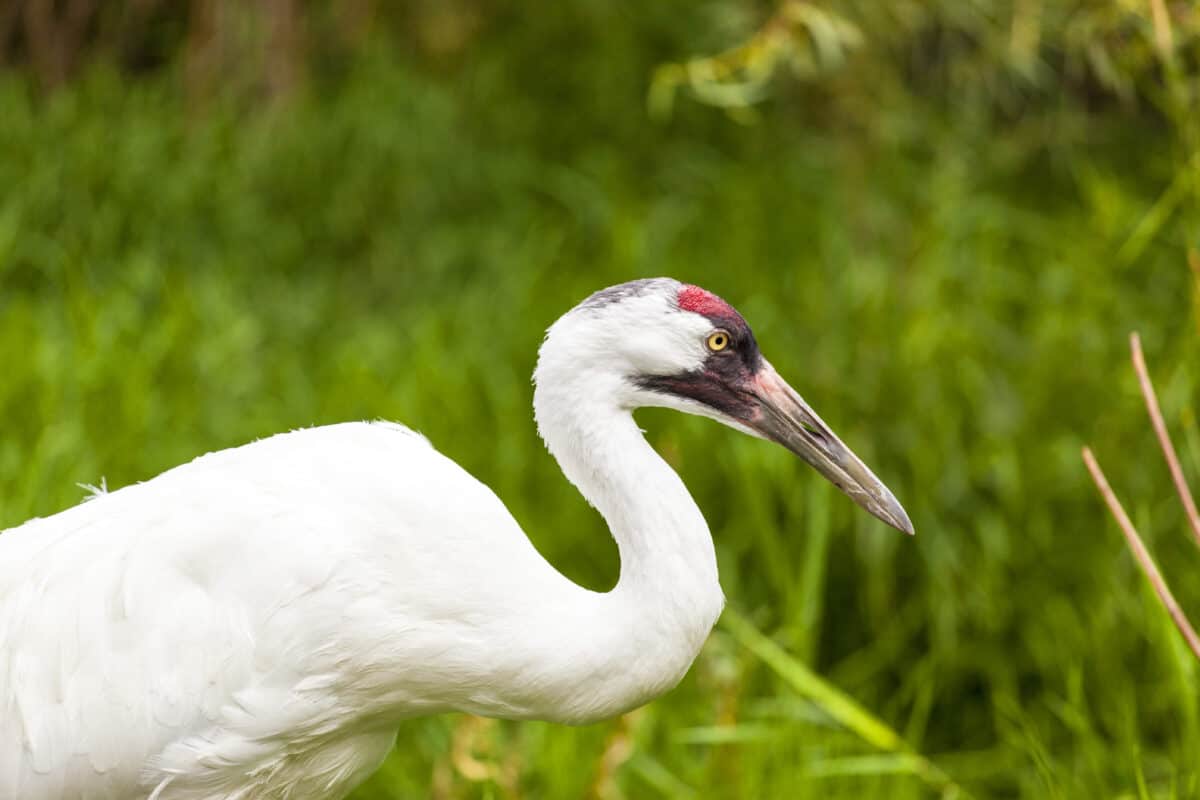
The whooping crane is North America’s tallest bird and once faced near extinction. The Patuxent Wildlife Research Center, among others, implemented a program involving captive breeding with help from ultralight aircraft to guide migration. The initiatives have successfully bolstered wild populations, resonating with every whooping call echoing over wetlands.
15. The Endearing European Bison

The European bison, or wisent, was nearly driven extinct by extermination and habitat loss post-World War I. By pooling remaining individuals within zoos across Europe, the species was reestablished and successfully reintroduced to protected areas, demonstrating the power of targeted rewilding initiatives.
14. Saving the Iberian Lynx A Spanish Success

Once the world’s most endangered feline, the Iberian lynx was given new hope by Spanish and Portuguese efforts through captive breeding programs. Though still vulnerable, reintroduction projects have helped double the wild population, highlighting the importance of native habitat conservation alongside species recovery efforts.
13. A Plight for the Kakapo
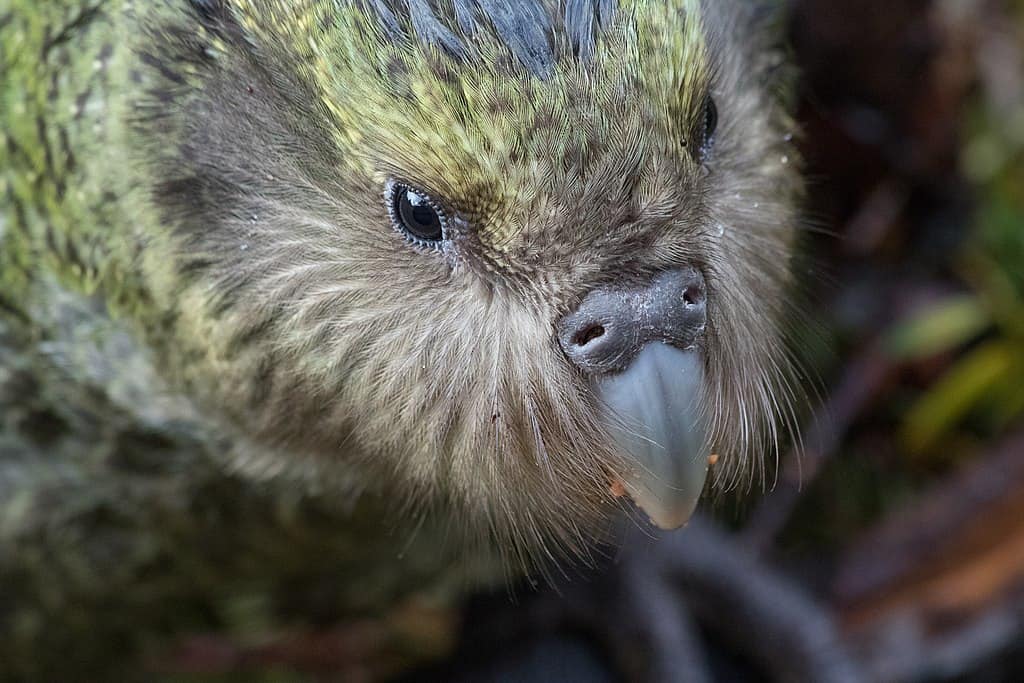
Unique to New Zealand, the kakapo is a flightless parrot facing extreme extinction pressures. Aided by sanctuaries like Zealandia, intensive management and breeding programs have led to a slow but encouraging population recovery of this beloved ‘owl parrot,’ bringing it back from the brink.
12. The Amur Leopard’s Spots Persist
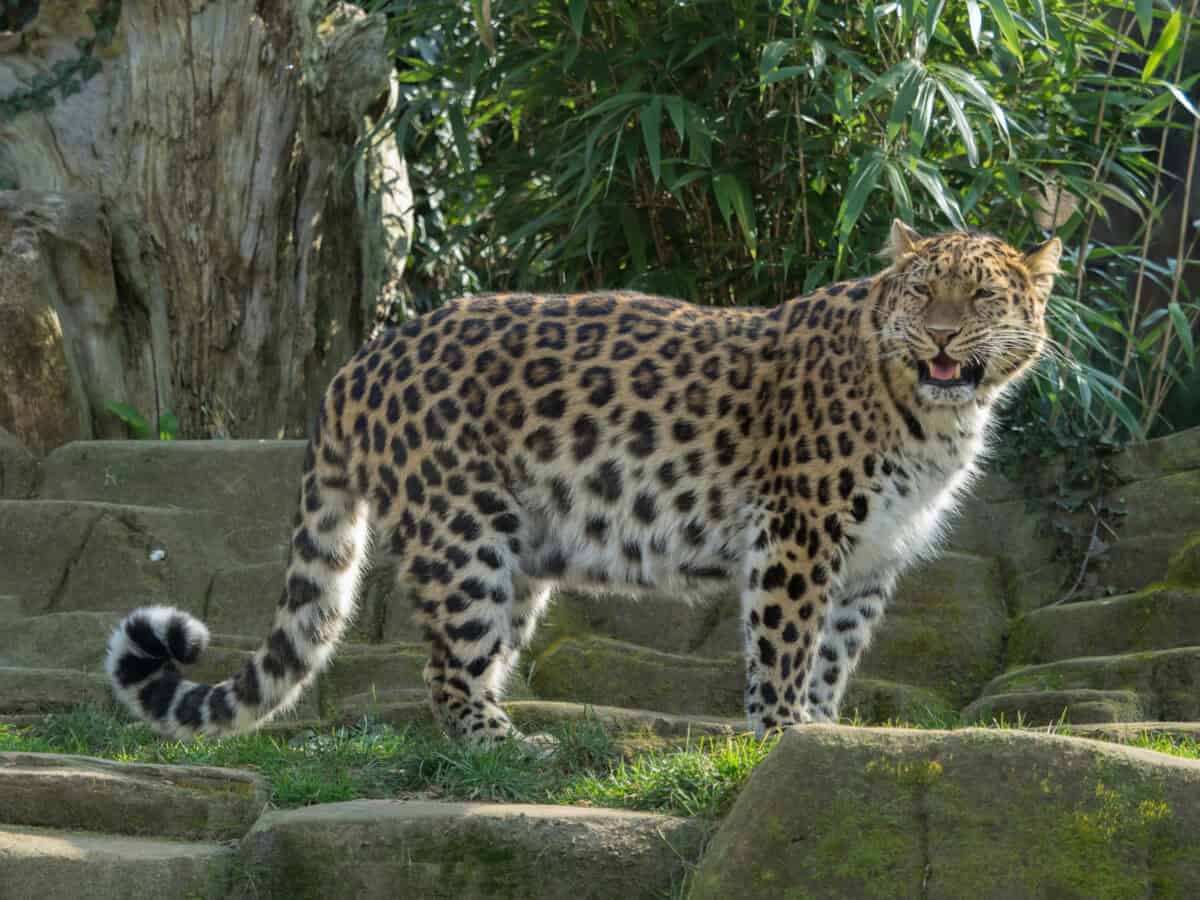
Zoos worldwide rallied to stave off extinction for the Amur leopard, considered the world’s most endangered big cat. Captive breeding programs have expanded gene pools and helped balance wild populations in Russia’s Far East, a victory for relentless, meticulous conservation strategies.
11. The Drama of the Hawaiian Crow
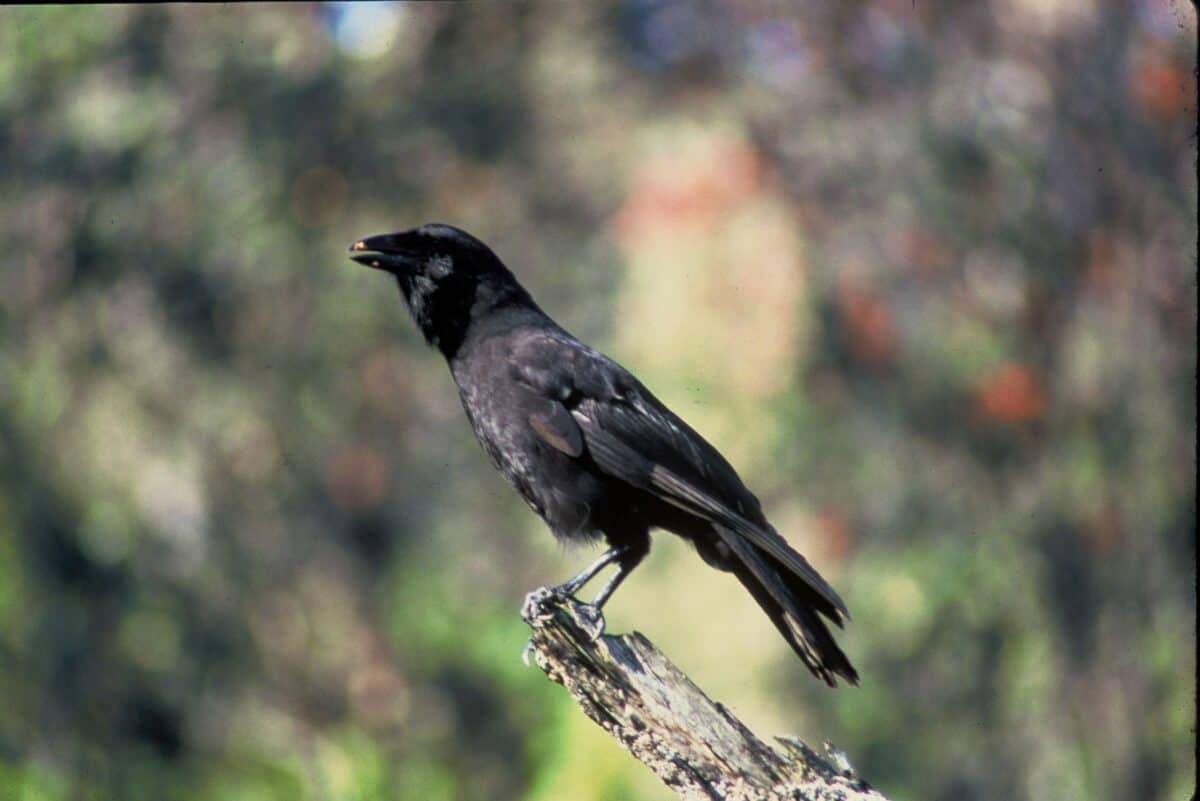
Extinct in the wild, the Hawaiian crow, or ‘Alalā, is nurtured by collaborations between zoos and local conservation efforts. Captive breeding endeavors and painstaking habitat preparations have seen small groups reintroduced to their forest homelands, singing a symphony of renewal for Hawaii’s avian biodiversity.
10. Revisiting the Guam Rail
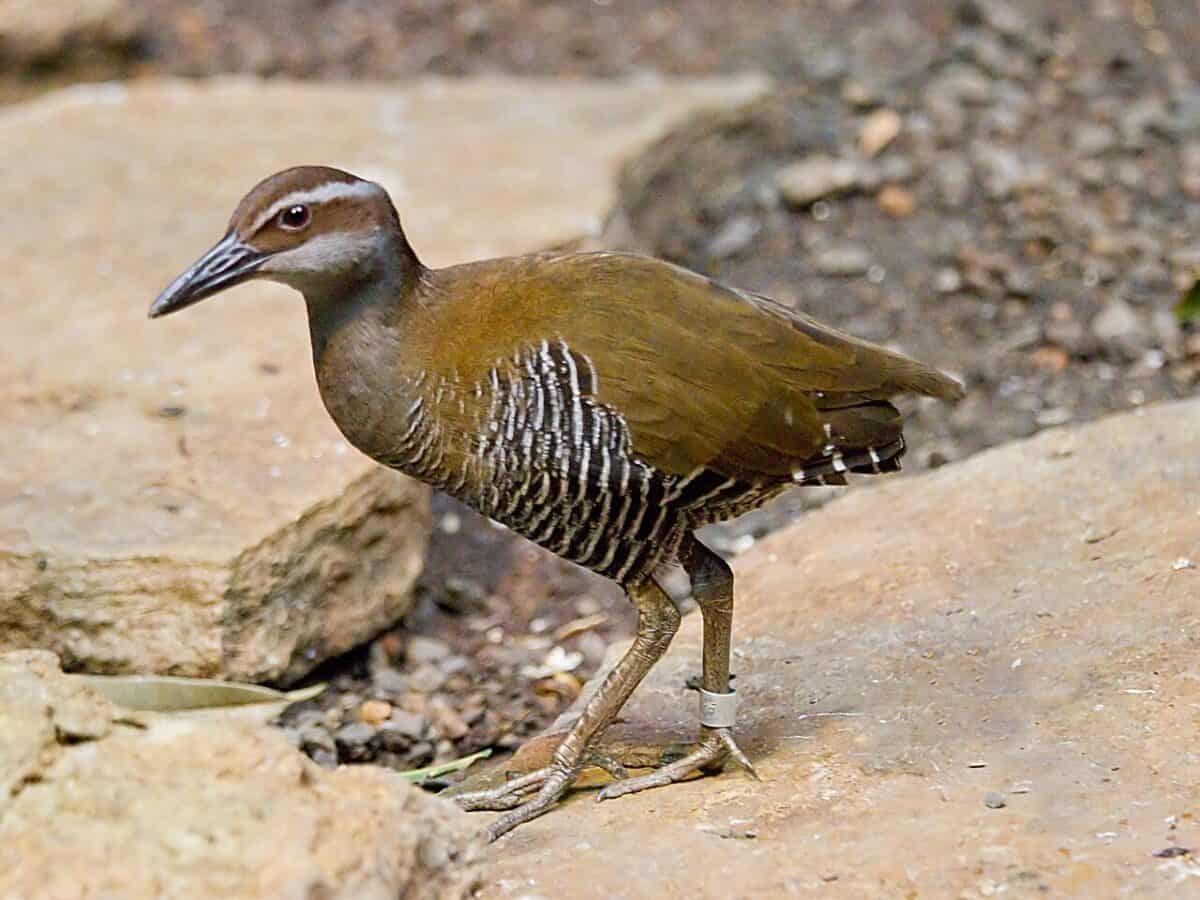
Once marooned on the island by destructive predation, the Guam rail’s story of salvation takes place in zoos worldwide, which breed these birds for eventual release back onto their home island of Guam. These birds are now considered the first avian species to recover from a status of being extinct in the wild.
9. Tasmanian Devils The Devil’s Backbone

Faced with the deadly facial tumor disease, Tasmanian Devils found an ally in conservation parks and zoos in Australia, initiating breeding programs to maintain populations. These efforts aim to preserve genetic diversity and bolster disease-free contingents for future release operations in Tasmania.
8. Batagur Baska A Shell of Survival
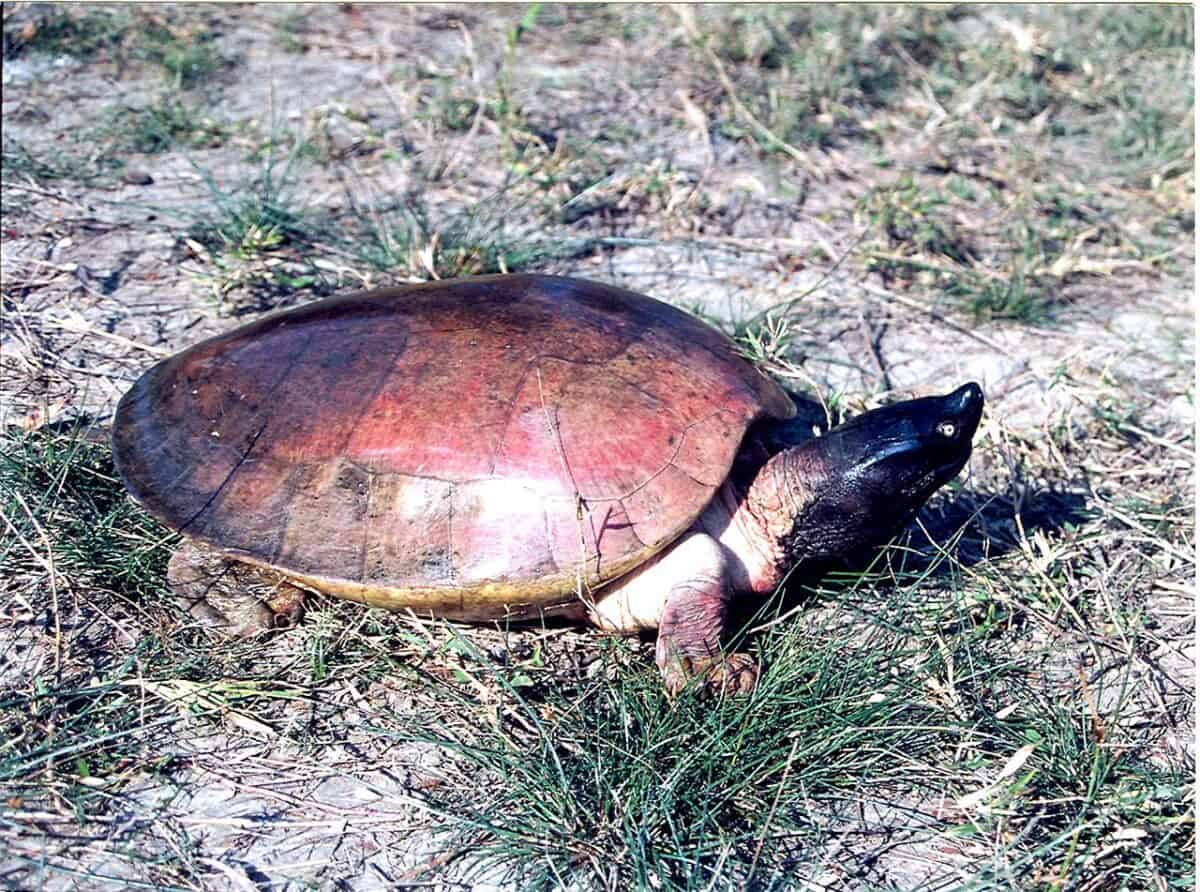
The critically endangered Batagur baska turtle found its haven in several zoo breeding programs in Asia. With coordinated efforts producing hatchlings, these turtles are now reintroduced to their wetland habitats, reviving not just another species, but a critical element of freshwater ecosystems.
7. Restoring the Rhinos Greater One-Horned Heroics

Zoos and conservation centers have joined forces to restore the population of the greater one-horned rhinoceros, pupating back from just 200 individuals to over 3,500 today. Combined with increased legal protection and habitat management, the rhino symbolizes a success story against rampant poaching.
6. Madagascar’s Ploughshare Tortoise

Severely depleted by illegal wildlife trade, the ploughshare tortoise eventually turned to captivity programs for survival. Sanctuaries in Madagascar strive to prevent extinction through awareness and reintroduction initiatives. These methods emphasize multisector cooperation to preserve rare species in biodiverse environments.
5. Australian Ark Heals the Northern Corroboree Frog

Small yet one of the most vibrant creatures in Australia, the northern corroboree frog was once critically endangered. Supported by Canberra’s National Zoo, along with additional sanctuaries, breeding programs aim to repopulate and stabilize their numbers throughout their endemic highland regions.
4. Rediscovering the Socorro Dove
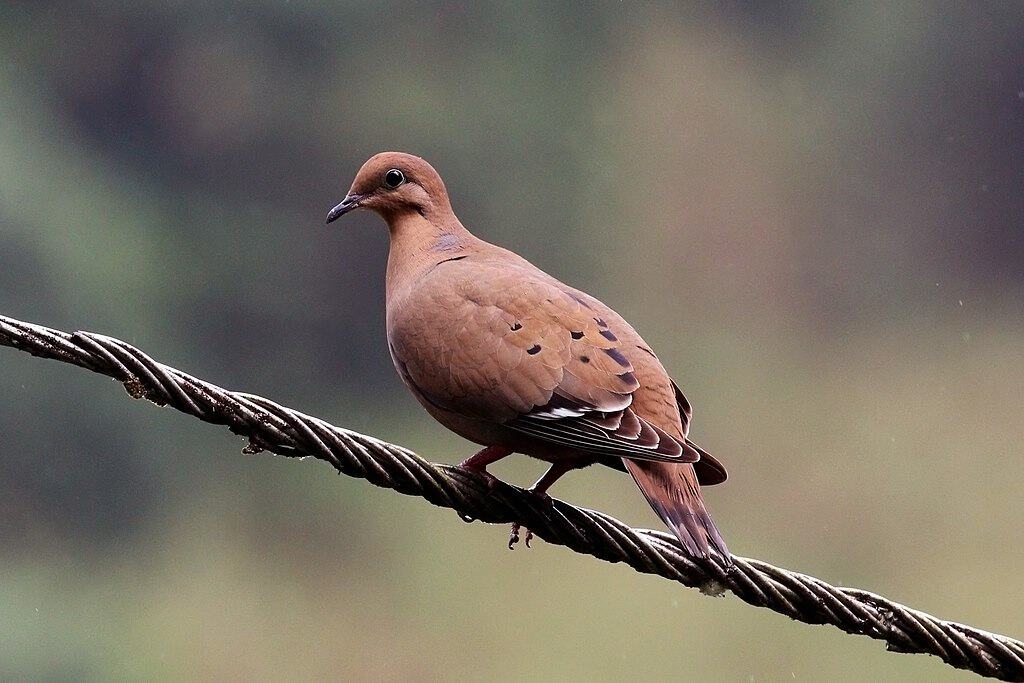
The Socorro dove vanished from its native habitat in Mexico but survives thanks to breeding programs in several global zoos. Plans to reintroduce these birds to their homeland hinge on habitat restoration, demonstrating that cross-border cooperation can safeguard avian diversity.
3. Belling the Vietnamese Saola

The elusive saola, known as the ‘Asian unicorn,’ teeters dangerously close to extinction. Conservation facilities aim to protect the saola’s dwindling numbers by establishing a breeding program that conserves their genetic stock and expands biodiversity among Indochinese ungulate populations.
2. Echoes of the Northern White Rhino

The plight of the northern white rhino represents one of the most poignant conservation challenges, with efforts now focused in sanctuaries, like Ol Pejeta Conservancy. There, ground-breaking science attempts to preserve genetic materials with the hope of restoring populations despite the last known males passing away.
1. Coping with Climate for Pygmy Hog
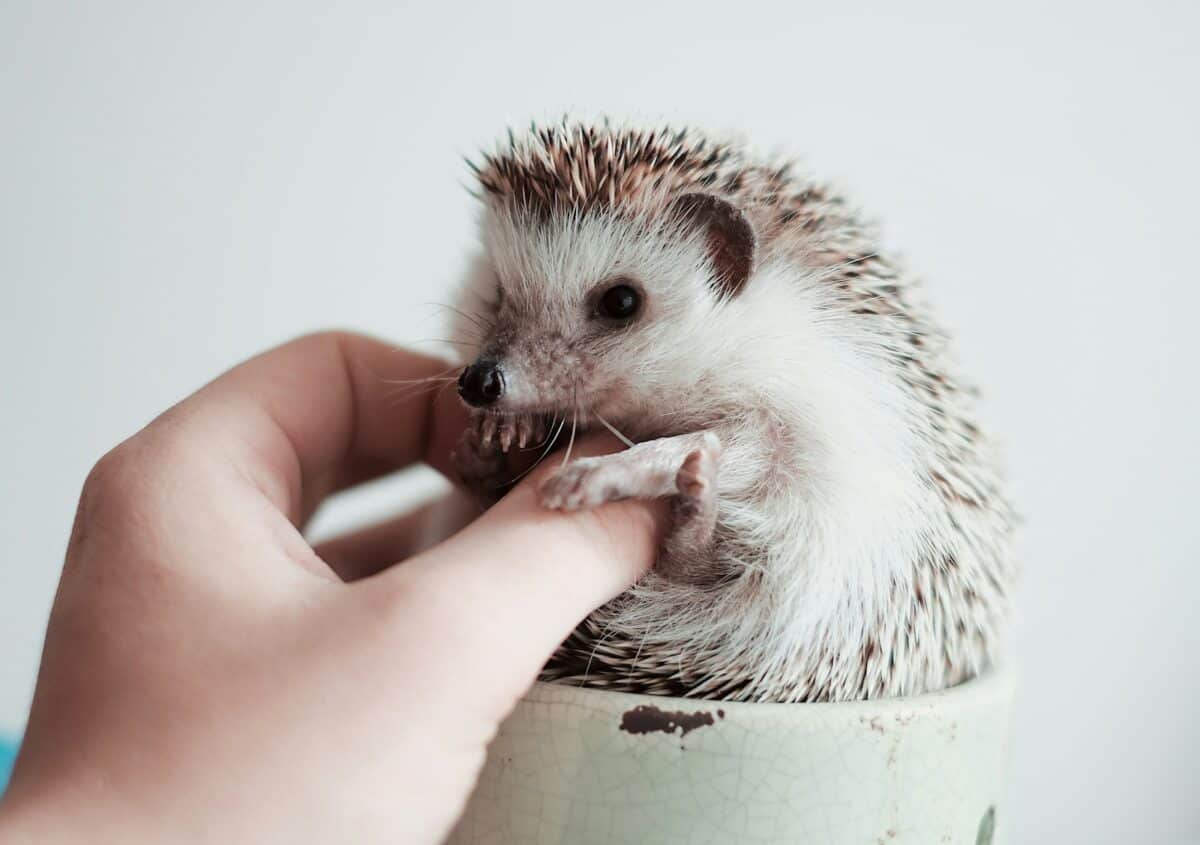
The pygmy hog, found only in Assam, India, faced extinction driven by habitat loss. Breeding programs initiated in India have led to successful reintroductions into the wild, proving instrumental in ensuring resilience amidst climate challenges.
Conclusion

Conservation is an ongoing endeavor that requires dedication, innovation, and cooperation. The stories of species saved from the brink by zoos and sanctuaries offer a blueprint for ecological preservation, urging us to continue nurturing every delicate thread in the tapestry of life.
Worried about unexpected vet bills?
Pet insurance can cover thousands in unexpected vet costs. Get a free quote from Lemonade in under 2 minutes.
Get My Free Quote →Sponsored · Opens Lemonade.com

As a little kid, I fell in love with nature, wildlife, and animals. Living in the USA, South Africa, Italy, China and Germany gave me the opportunity to discover the world's Wildlife. My favorite animals are Mountain Gorillas, Siberian Tigers, and Great White Sharks.
I'm a certified PADI Open Water Diver, went to Everest Base Camp and Trekked Gorillas in Uganda. I hold a Master of Science in Economics and Finance.
Please send any feedback to feedback@animalsaroundtheglobe.com
- 15 Places in the U.S. That Feel Like Another Planet - June 5, 2026
- The Prehistoric Slowness of the Crocodile - June 5, 2026
- 15 Snake Species That Make Surprisingly Good Pets - June 5, 2026