
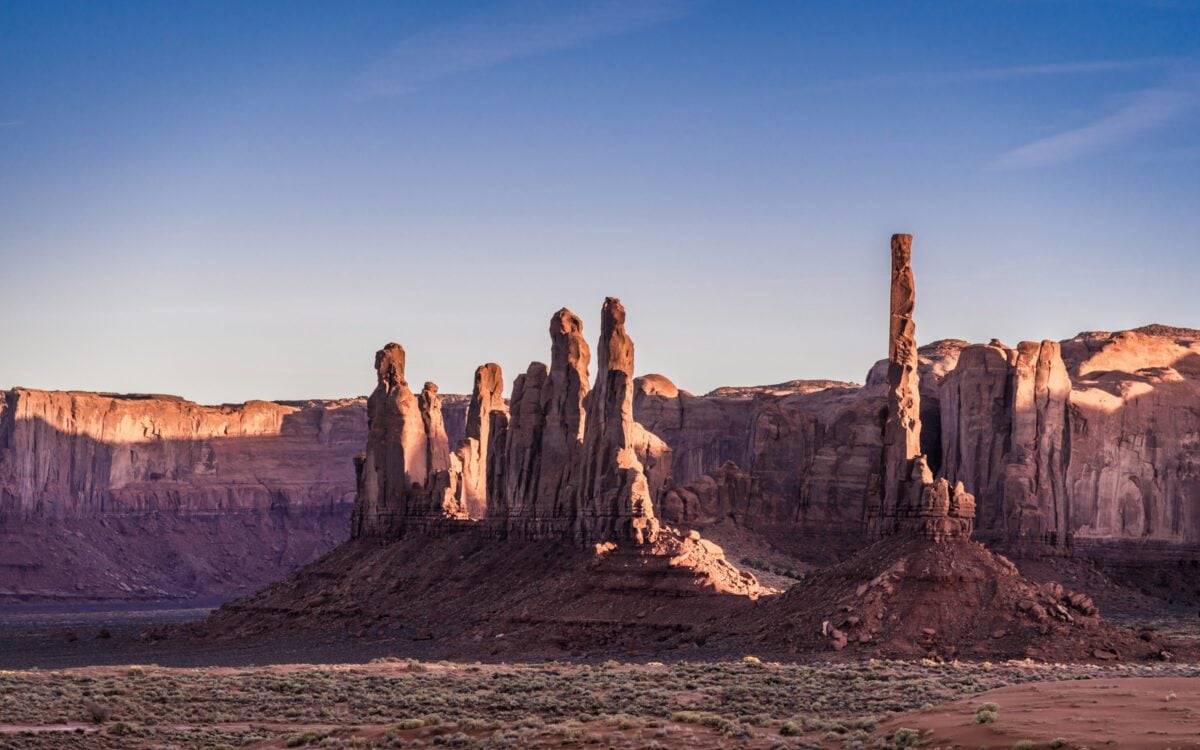
Ask a stranger to picture a great American canyon photo, and you’ll hear the same three names every time: Horseshoe Bend, Antelope Canyon, the Grand Canyon rim at sunset. Ask a working landscape photographer the same question, and the answer changes completely. They don’t mention any of those places.
What they talk about instead are quiet side canyons, forgotten gorges, and stretches of river where the light does something strange and the only sound is your own shutter. Below is the real list – the one serious shooters and location scouts quietly trade with each other instead of posting to a million-follower geotag. Some of these places are famous for the wrong reasons. Others barely show up on a map at all.
#1 – Black Canyon of the Gunnison, Colorado
🔥 Would you like to save this?
We'll email this post to you, so you can come back to it later!
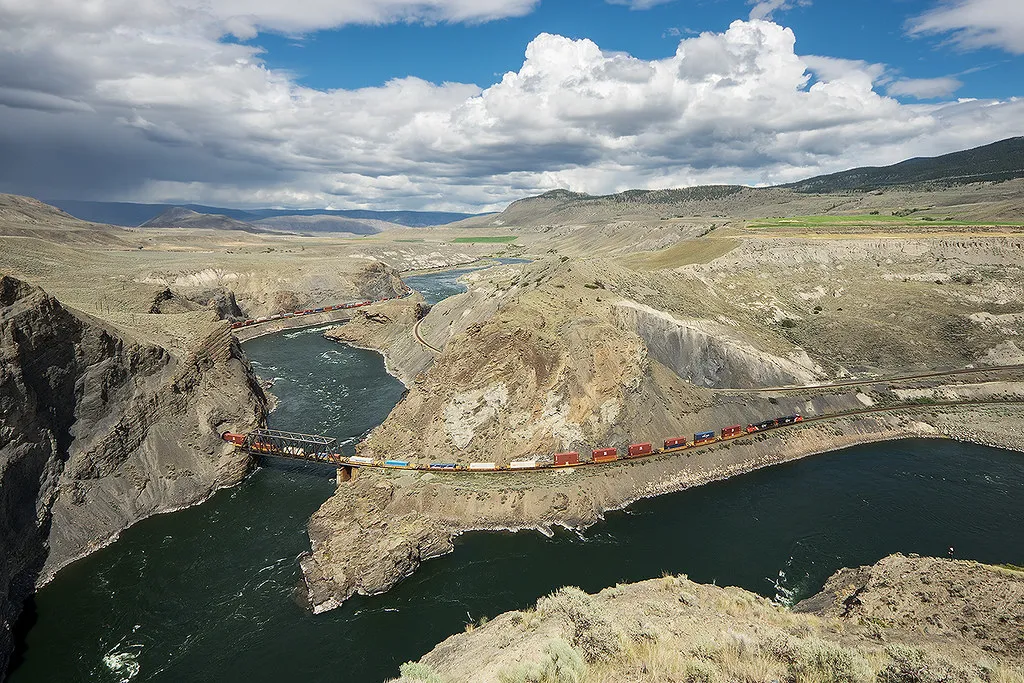
Photographers quietly rank Black Canyon’s cliffs among the most dramatic in North America. The walls here are nearly twice as steep as the Grand Canyon in places, and the gorge is so narrow that sunlight only brushes the river for minutes a day in some sections. For telephoto shooters, that means razor-edged contrast and deep, inky shadows that look almost artificial straight out of camera.
Night photographers consider Black Canyon one of the best dark-sky canyons in the Lower 48. The combination of a steep, shadowed chasm and low light pollution means the Milky Way arches directly above black, bottomless voids, with no blown-out horizons and no city glow. The catch is that access is limited in winter, and there’s no easy “hero shot” waiting for you like there is at Horseshoe Bend – you have to earn this one.
#2 – Hells Canyon, Idaho–Oregon
🔥 Would you like to save this?
We'll email this post to you, so you can come back to it later!
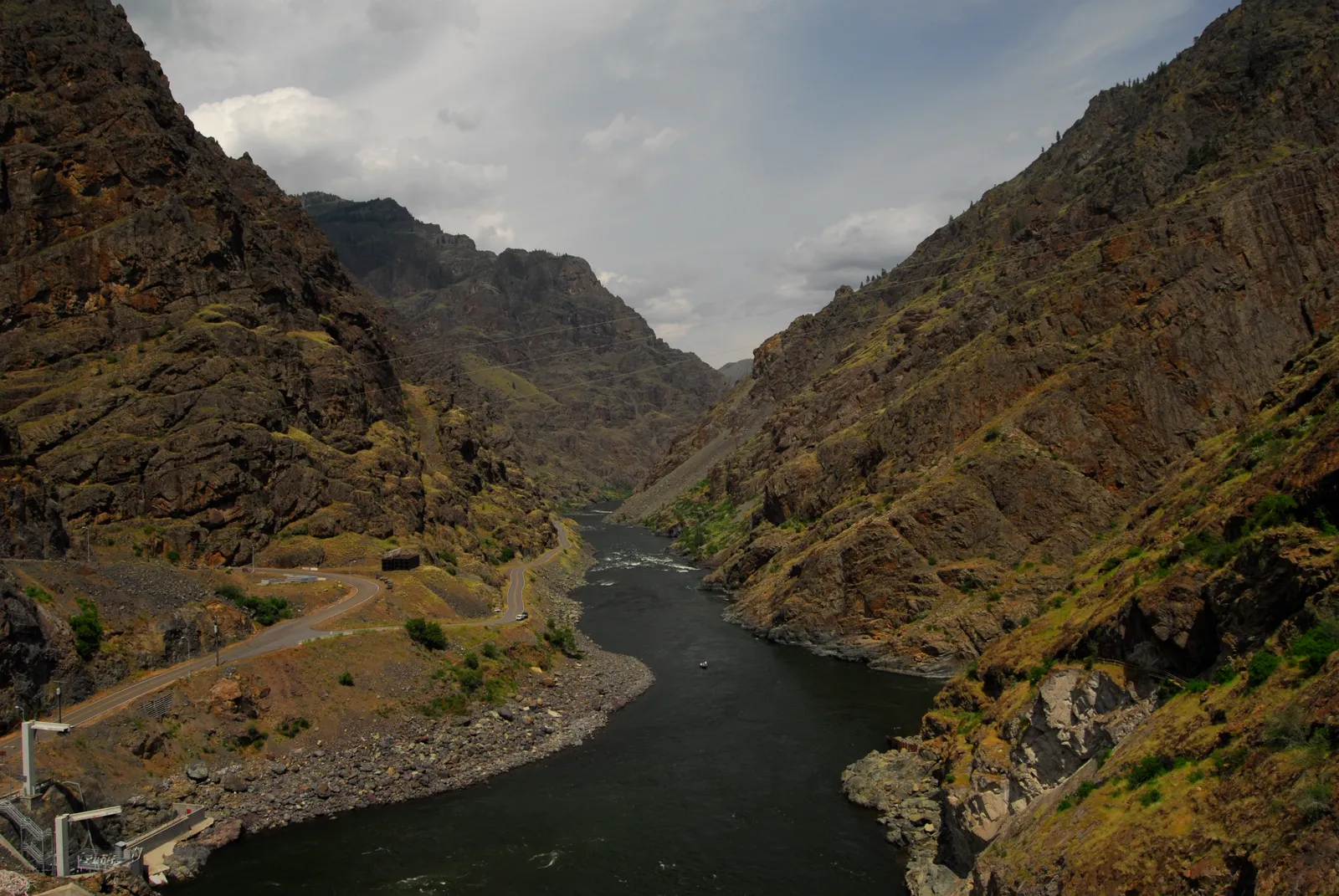
Hells Canyon is quietly deeper than the Grand Canyon by almost 2,000 feet, yet almost no non-local can name a single overlook. It’s less about one iconic viewpoint and more about layered, evolving scenes: ridgelines stacked to the horizon, the Snake River snaking through the center, and seasonal shifts that turn sagebrush hills into spring-green gradients.
Most tourists never see Hells Canyon from water level, which is a mistake. Multi-day raft trips give low-angle perspectives of cliff walls that easily rival better-known Southwest gorges, and hardcore shooters time their trips for spring snowmelt, when flows run highest and reflections turn glassy and clean.
Quick Compare: How Deep Is Deep?
- Hells Canyon: roughly 7,900-7,993 feet at its deepest point – the deepest gorge in North America
- Kings Canyon: up to 8,200 feet in places, though its glacier-widened walls hide the scale
- Grand Canyon: about 6,000 feet at its deepest, the benchmark most people picture first
- Black Canyon of the Gunnison: far shallower on paper, but so narrow it feels deeper than it is
#3 – Waimea Canyon, Kauai, Hawaii
🔥 Would you like to save this?
We'll email this post to you, so you can come back to it later!
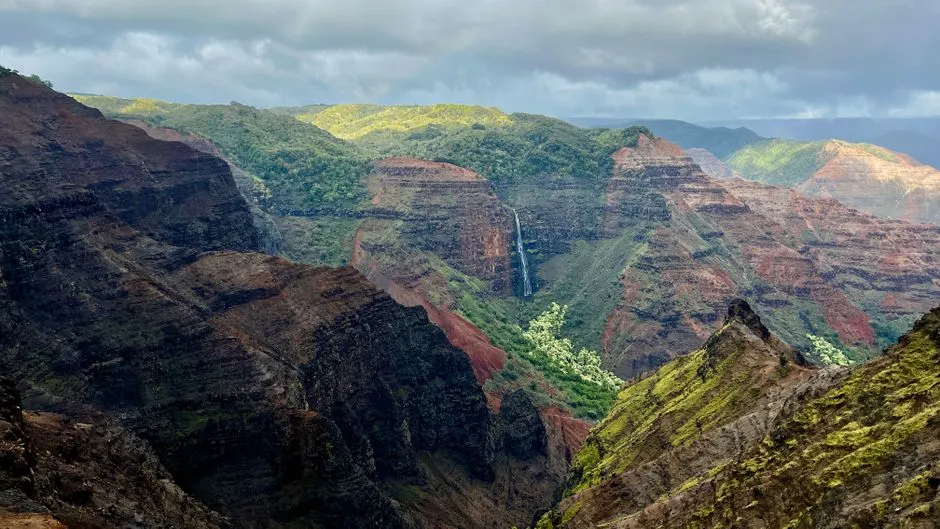
While Maui and Oahu hog the postcards, many working photographers quietly call Waimea Canyon the single most photographable gorge in Hawaii. Nicknamed the “Grand Canyon of the Pacific,” it combines deep erosional gullies with lush vegetation and weather that changes by the minute. Mist rolls in and out, creating moving spotlights across red and green ridges.
Drone and helicopter shooters love Waimea for its texture – from above, the ridges turn into fractal patterns with red dirt veins cutting through emerald slopes. Even from public lookouts you can get near-aerial angles just by hugging the railing. The catch: light changes brutally fast here, and that “perfect” frame can vanish in thirty seconds flat.
#4 – Palo Duro Canyon, Texas
🔥 Would you like to save this?
We'll email this post to you, so you can come back to it later!
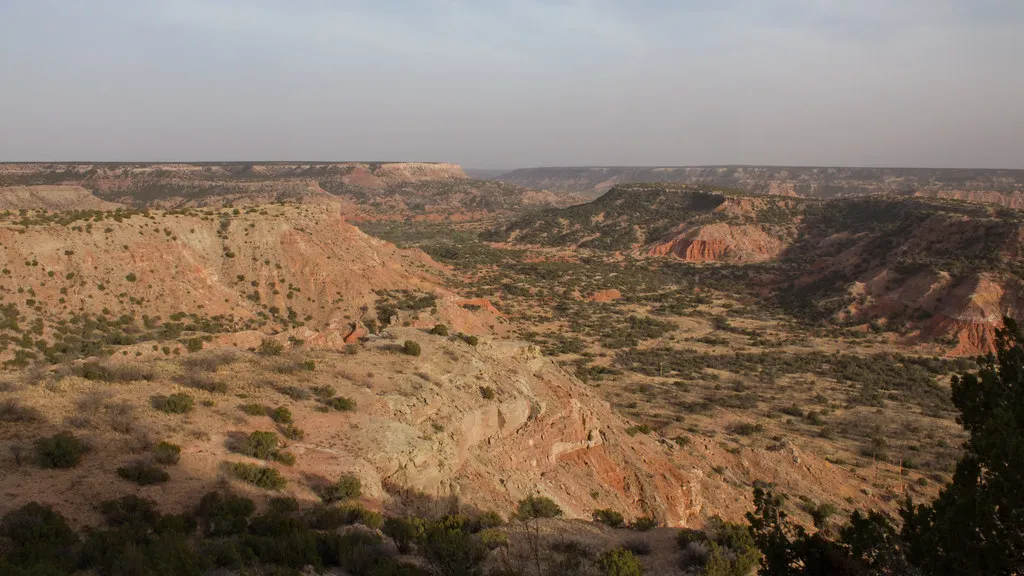
Most road-trippers blow past Amarillo without realizing they’re skipping the second-largest canyon in the United States. Palo Duro is what photographers wish the crowded parts of the Grand Canyon still felt like – accessible rims, hike-in viewpoints, and formations like the Lighthouse that photograph beautifully from a dozen angles.
Because the walls aren’t as sheer as some Western canyons, Palo Duro is a goldmine for foreground-background compositions. You can place yucca, wildflowers, or cracked mud just feet from your lens while still keeping the full canyon vista sharp with focus stacking. Winter frost, spring wildflowers, and summer thunderstorms all create distinct looks in the exact same spots.
#5 – Letchworth Gorge, New York
🔥 Would you like to save this?
We'll email this post to you, so you can come back to it later!
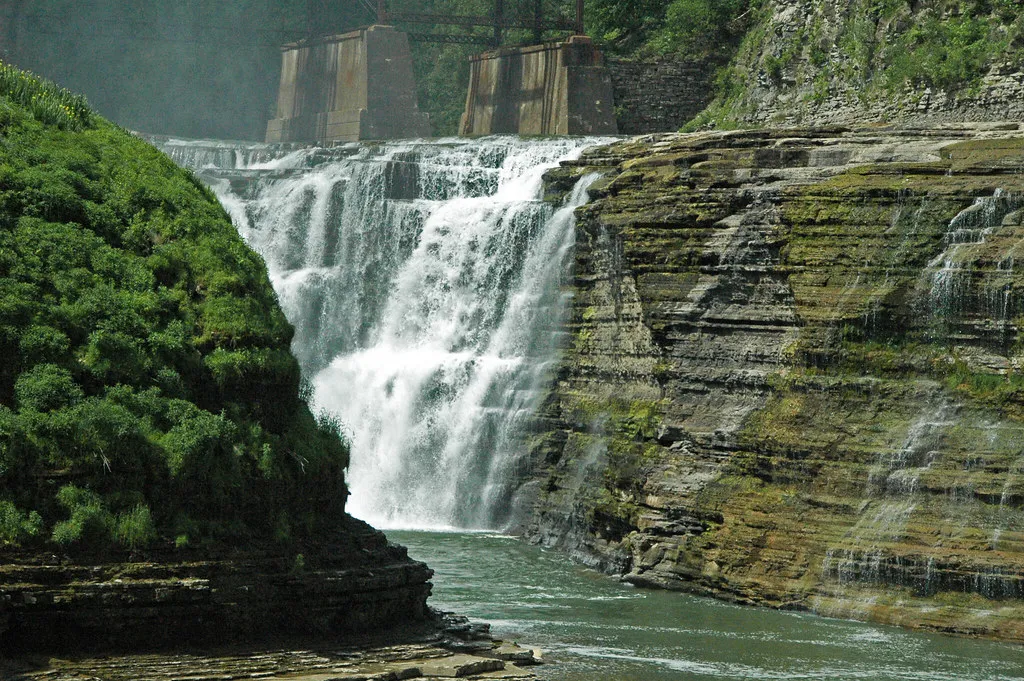
East Coast photographers are almost protective of Letchworth, which they quietly rate above a lot of “must-see” Western canyons for pure compositional variety. Carved by the Genesee River, it offers three major waterfalls, towering forested walls, and a high railroad bridge that adds a rare man-made anchor to the scene.
What surprises first-timers is how well Letchworth photographs in bad weather. Low overcast and fog deepen the greens and make the gorge feel like a moody European valley, not upstate New York. Winter brings ice formations and frozen cascades, turning familiar compositions into stark black-and-white studies.
#6 – Canyon de Chelly, Arizona
🔥 Would you like to save this?
We'll email this post to you, so you can come back to it later!
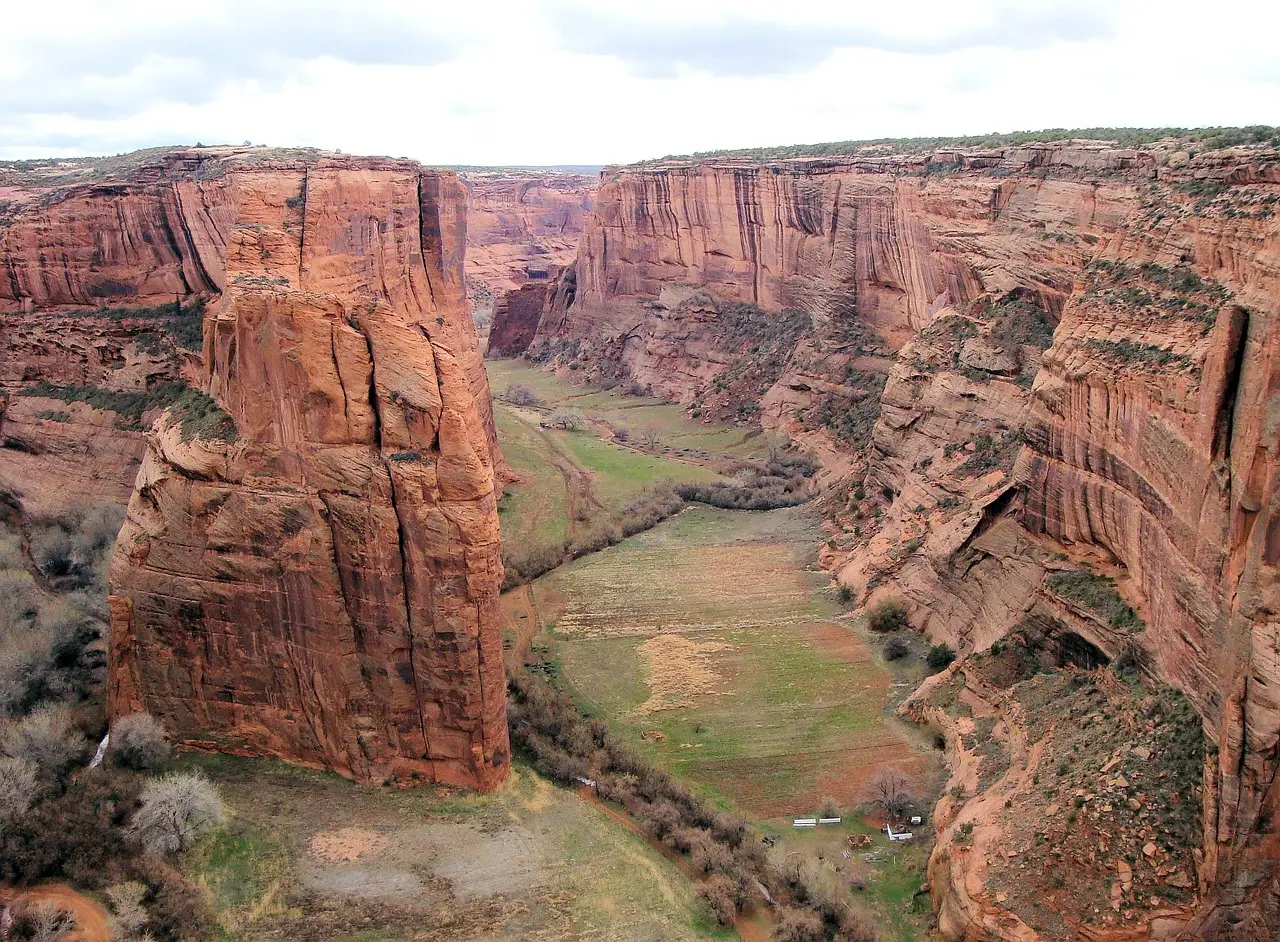
While Antelope Canyon became a social-media cliché, Navajo guides and photographers quietly point serious shooters toward Canyon de Chelly instead. This canyon is one of the oldest continuously inhabited landscapes in North America, and that history changes how you photograph it. Cliff dwellings, petroglyphs, and working farms on the canyon floor add a narrative that goes far beyond “pretty sandstone.”
Because access to the canyon floor requires a Navajo guide, compositions from below feel genuinely fresh and under-shot. Reflected light from the high walls can turn otherwise flat midday scenes into soft, warm portraits of cottonwoods and fields. Expect to work slower, talk more, and shoot less – but come home with frames that actually mean something.
#7 – Kings Canyon, California
🔥 Would you like to save this?
We'll email this post to you, so you can come back to it later!
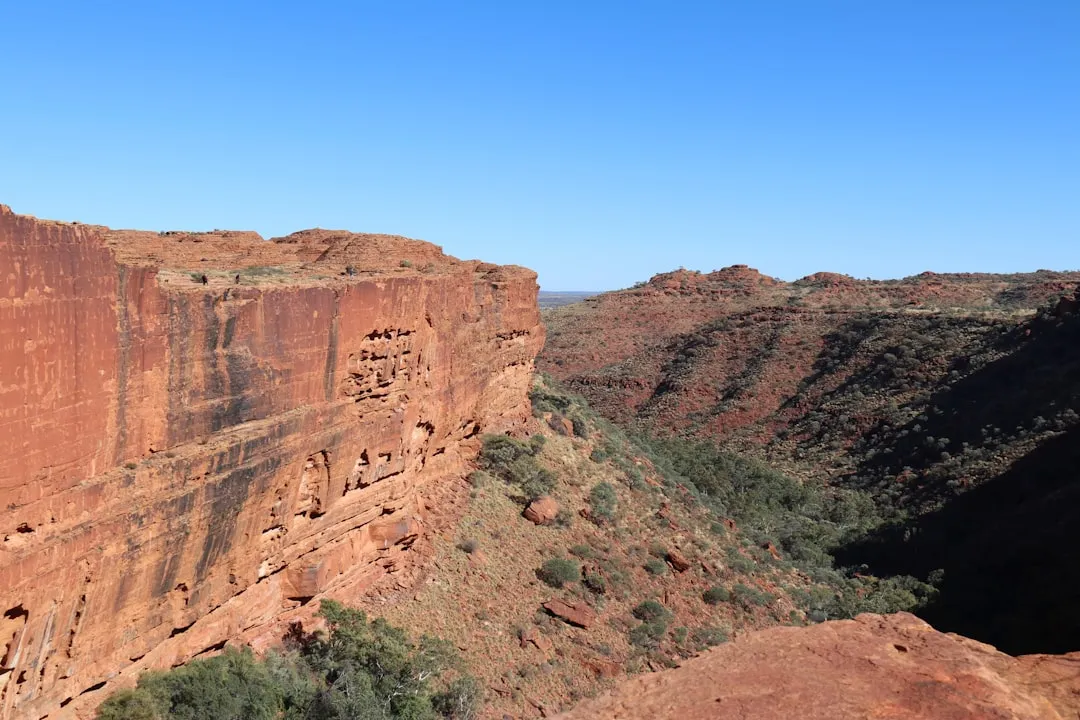
Yosemite hogs the glory, but plenty of Sierra veterans quietly admit they’d rather shoot Kings Canyon at peak light. It’s one of the deepest canyons in North America when measured from rim to river, with granite walls that feel like a wilder, less-manicured Yosemite Valley. Because there aren’t a handful of over-photographed “the” angles, you’re forced to build your own compositions.
Kings Canyon rewards patience with atmosphere. In early summer, snowmelt turns waterfalls into powerful torrents framed by fresh greenery, and fog and smoke from distant fires sometimes create hazy, layered backdrops that feel more like the Alps than California. A polarizer is essential here to cut glare and deepen the sky without overcooking the scene.
#8 – Bighorn Canyon, Montana–Wyoming
🔥 Would you like to save this?
We'll email this post to you, so you can come back to it later!
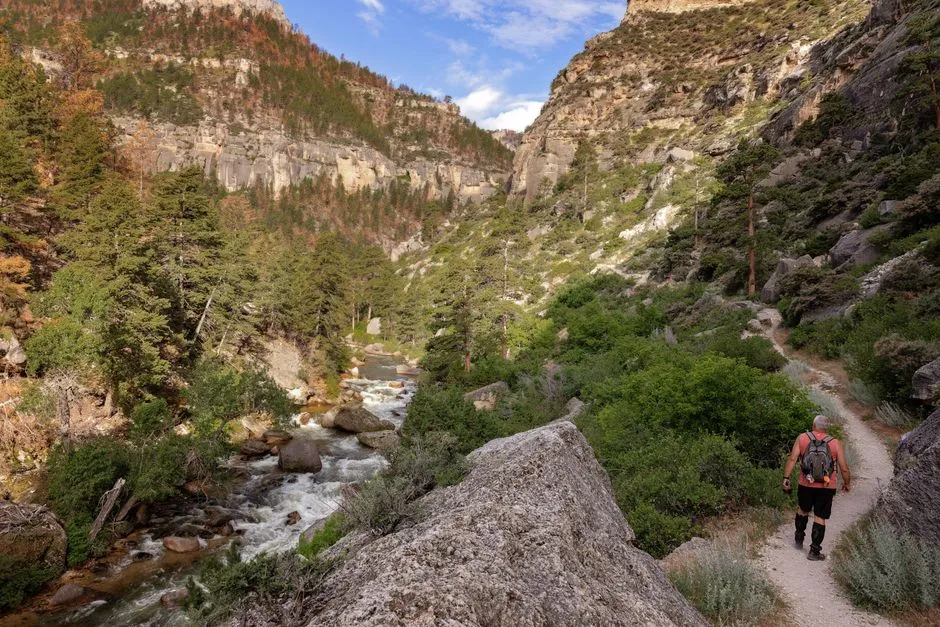
If Horseshoe Bend had a quieter, more photogenic cousin, Bighorn Canyon might be it. The river has carved a series of dramatic horseshoe bends through vertical limestone cliffs, but hardly anyone talks about it outside regional circles. From overlooks like Devil Canyon, you can frame sweeping curves of turquoise water against pale, layered rock with nearly zero crowds around you.
The real secret is timing. Late afternoon side light rakes across the cliffs and reveals subtle shifts from cream to orange, and in calm conditions the river acts like a giant mirror, doubling the canyon walls in your composition. Storm days can be even better – dark clouds overhead with one narrow strip of light on the cliffs make for high-drama images with almost no editing required.
#9 – Royal Gorge, Colorado
🔥 Would you like to save this?
We'll email this post to you, so you can come back to it later!
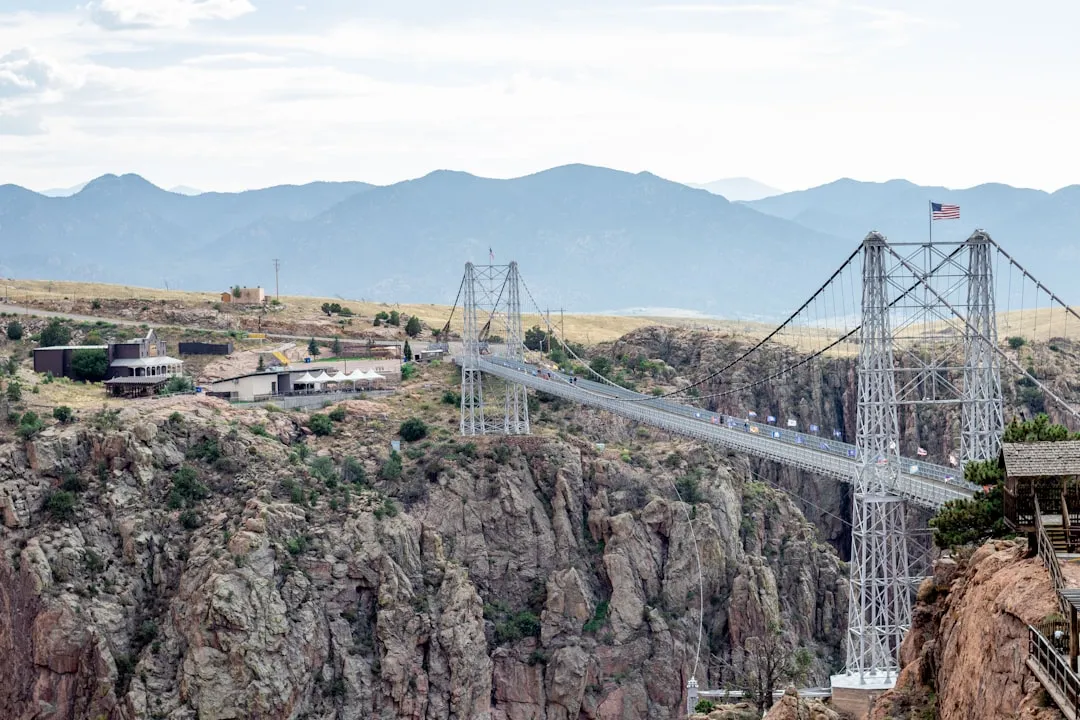
Tourists come for the suspension bridge; photographers stay for the gorge. Royal Gorge is one of the narrowest, steepest canyons on the Arkansas River, and from the rim you can frame dizzying drops straight down to the water. Some shooters use the bridge as a strong leading line; others work hard to exclude it entirely and keep the canyon “pure.”
From below, Royal Gorge becomes almost claustrophobic in the best photographic way. Sunlight only reaches certain sections for brief windows, creating dramatic shafts of light flanked by heavy shade. Monsoon season brings the real drama – brooding skies over a dark cut in the earth, with lightning sometimes firing in the background. The files simply don’t look like anyone else’s Colorado vacation.
#10 – Columbia River Gorge, Oregon–Washington
🔥 Would you like to save this?
We'll email this post to you, so you can come back to it later!
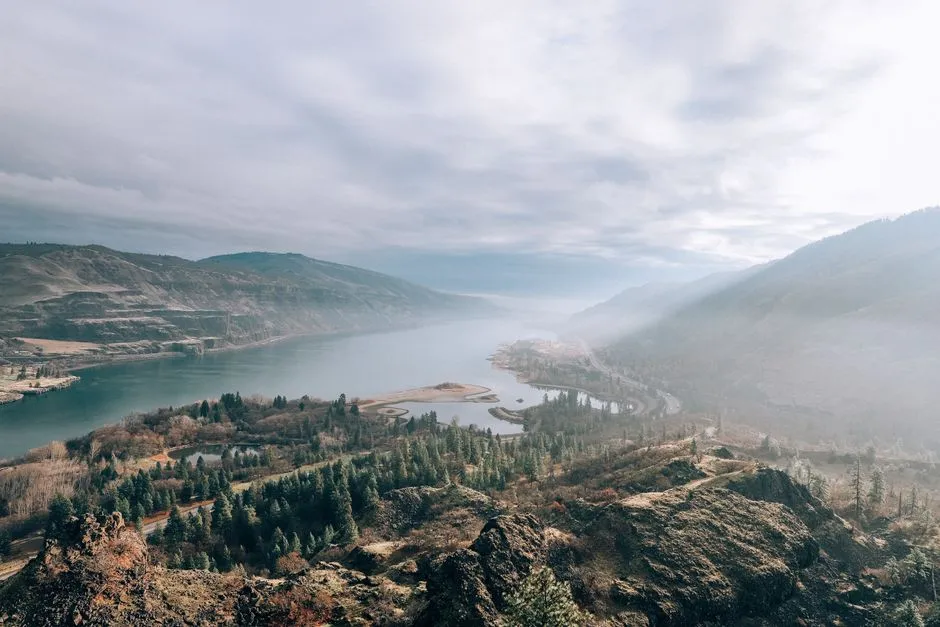
Everyone knows “Columbia Gorge waterfalls,” but far fewer understand how photogenic the gorge as a whole really is. Instead of one deep chasm, the Columbia carved a broad, U-shaped valley with steep basalt walls, wind farms, trains, and layers of atmospheric haze that shift by the hour.
In certain conditions, low clouds wrap halfway down the walls, leaving just the cliff tops and wind turbines floating above a mist sea – something you almost never catch in the drier interior West. Spring greens are almost violently saturated, and winter freezing-rain events coat mossy walls in ice, giving the exact same compositions a completely different texture.
#11 – Santa Elena Canyon, Big Bend, Texas
🔥 Would you like to save this?
We'll email this post to you, so you can come back to it later!
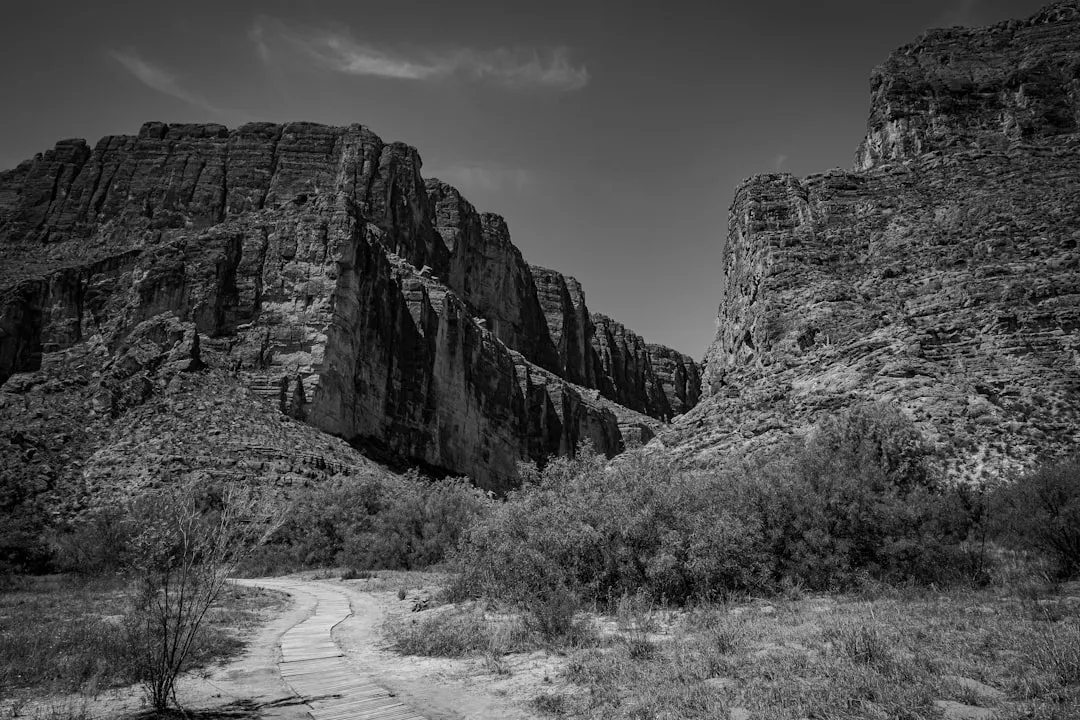
Big Bend looks empty on a map, and that’s exactly why photographers love Santa Elena Canyon. The Rio Grande slices through limestone walls that shoot up to 1,500 feet almost straight from the water, forming an intimate slot-like corridor on a grand scale. The canyon’s orientation lets golden hour light reflect off one wall and softly fill the other, gentle on dynamic range in a way most Southwest canyons never allow.
The river acts as a natural S-curve guiding the viewer’s eye directly into the canyon mouth, especially at low water when sandbars add pattern and texture. The biggest mistake photographers make? Skipping early morning sessions and only shooting at sunset, when crowds peak and the wind gets ugly.
Fast Facts: Santa Elena Canyon
- Walls rise as high as 1,500 feet directly from the Rio Grande
- The canyon marks part of the international border between Texas and Mexico
- Best light typically falls in the first two hours after sunrise
- A popular put-in point for multi-day river trips through Big Bend
#12 – Red River Gorge, Kentucky
🔥 Would you like to save this?
We'll email this post to you, so you can come back to it later!
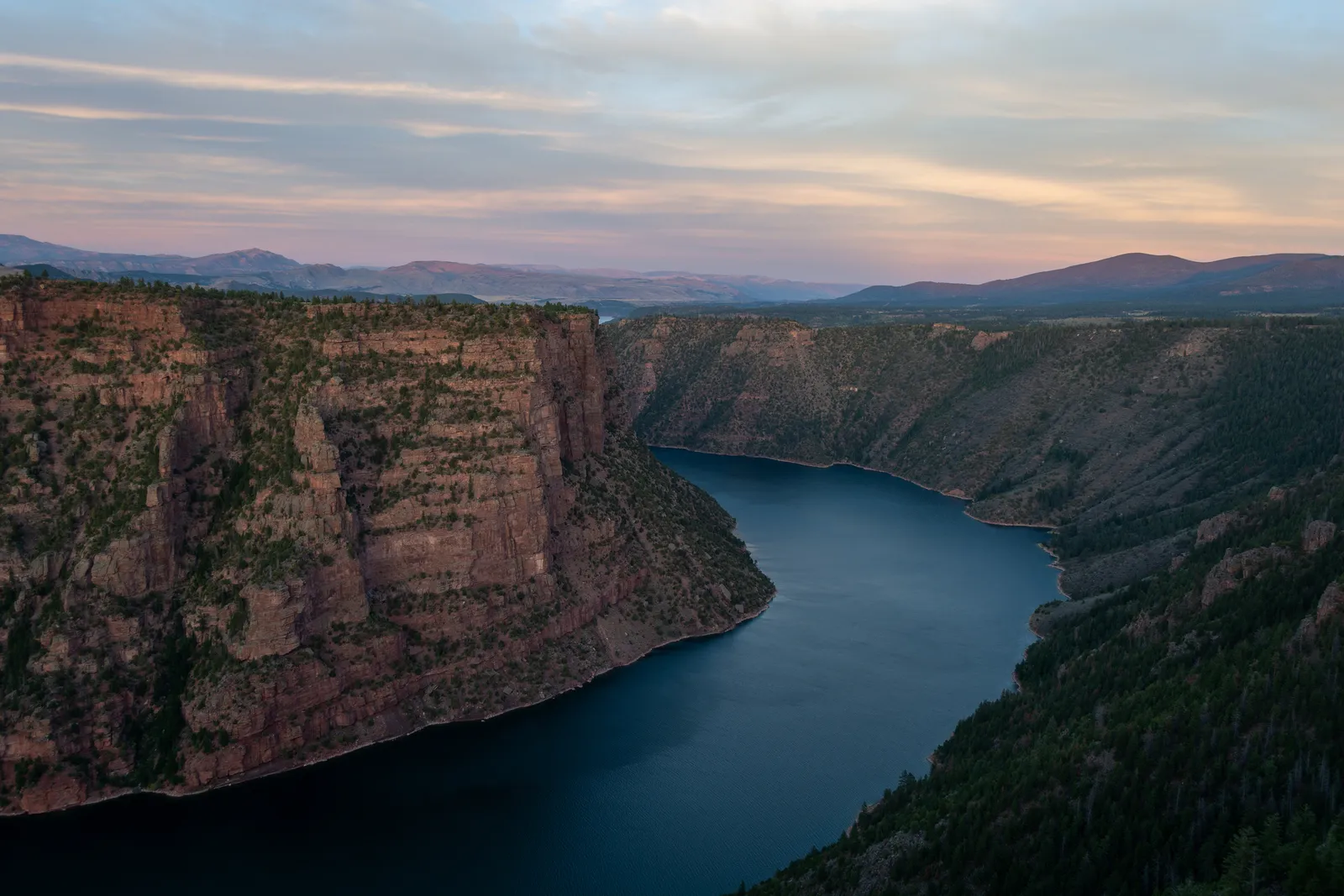
Climbers talk endlessly about Red River Gorge, but photographers have been slower to catch on – a serious oversight. This Appalachian gorge packs sandstone cliffs, natural arches, and dense forest into a compact area, giving compressed, intimate compositions with strong vertical lines and layered foliage. In fall, the color rivals New England, with added rock structure and mist that clings to the hollows.
What really sets Red River apart is how well it handles “bad” light. Overcast days turn the gorge into a giant softbox, and micro details like moss, ferns, and dripping overhangs turn into macro storytelling elements when you get low and focus close. It’s less about one epic overlook and more about dozens of small scenes you piece together over repeat visits.
#13 – Canyonlands’ Needles District Side Canyons, Utah
🔥 Would you like to save this?
We'll email this post to you, so you can come back to it later!
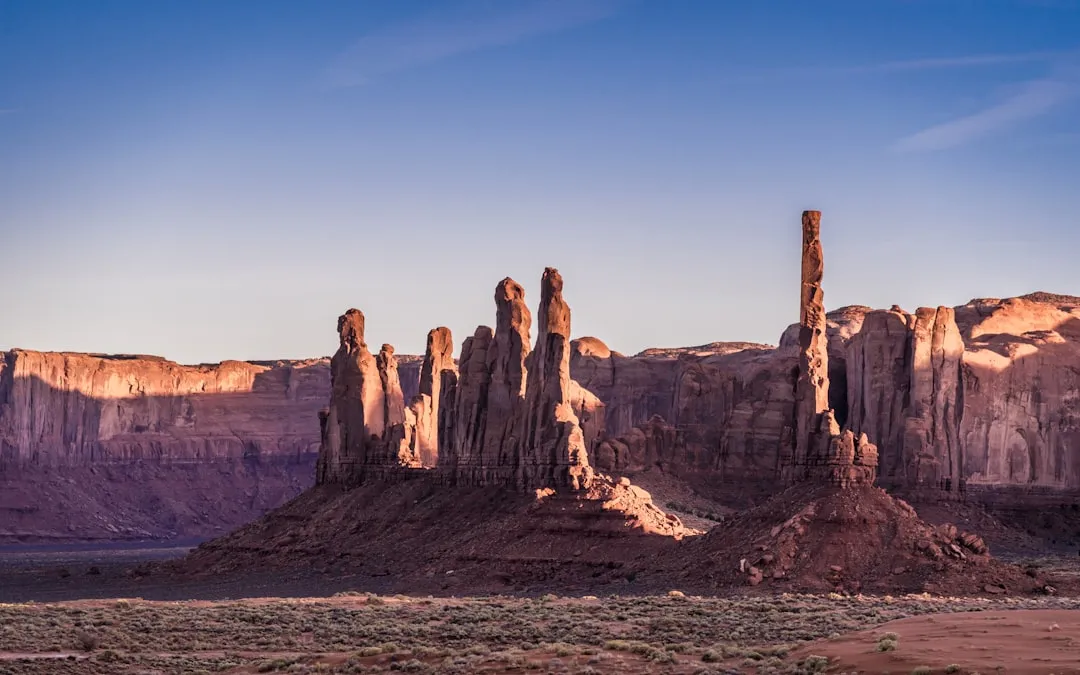
Everyone points their camera at Island in the Sky’s Mesa Arch; working shooters quietly wander off into the Needles instead. This maze of narrow sandstone canyons, fins, and joints photographs exceptionally well in low-angle light, with reflected warm tones bouncing onto shaded walls like a natural gradient backdrop.
Because there are fewer obvious “postcard” compositions, the Needles forces more creative framing. Small details like pothole pools reflecting sky, twisted junipers against towering fins, and lichen on shaded boulders become primary subjects, not just foreground filler. The downside is that it’s hot, remote, and unforgiving if you’re underprepared – which is partly why the photos that come out of here stand out.
#14 – Grand Staircase–Escalante’s Unknown Gulches, Utah
🔥 Would you like to save this?
We'll email this post to you, so you can come back to it later!
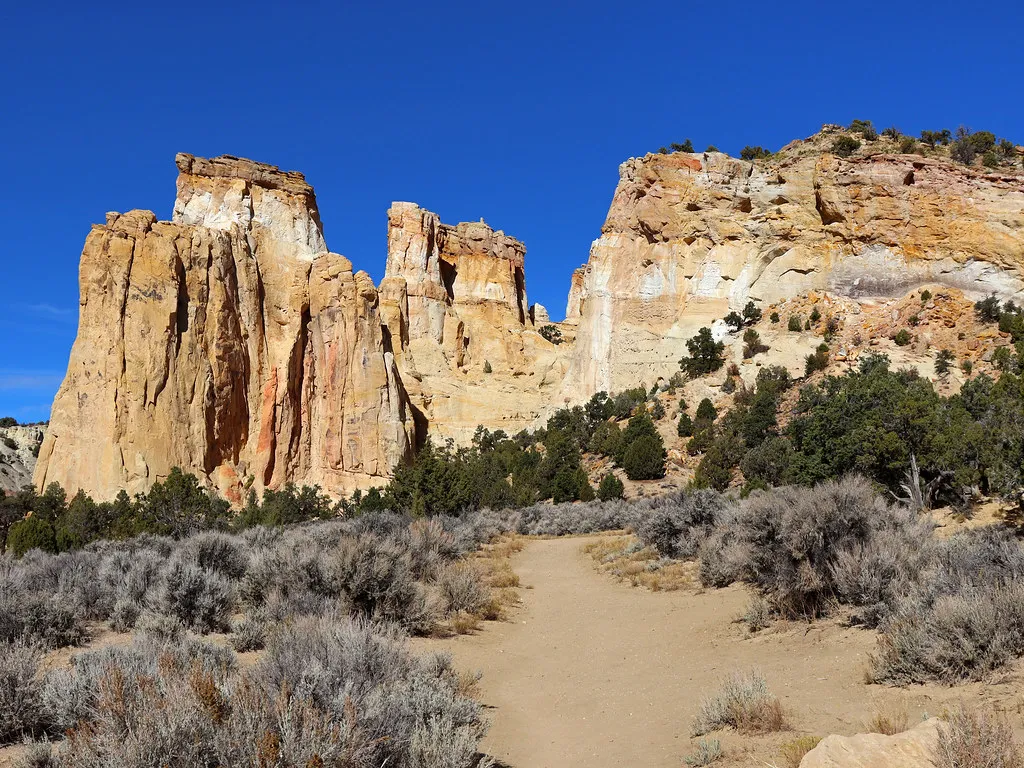
While slot-canyon tours pack people into two or three famous locations, Escalante’s lesser-known gulches stay eerily quiet. Canyons like Egypt, the approach near Neon, and dozens of unnamed tributaries offer sculpted narrows and alcoves where light behaves more like a studio flash than daylight.
Photographers comfortable with long hikes and route-finding treat these gulches as outdoor laboratories, experimenting with long exposures and intentional camera movement on the walls. Because there are no guardrails or fixed paths, you can build compositions no one else has posted – for better or worse. The trade-off is higher risk, more planning, and a real ethical obligation to tread lightly.
#15 – Havasu Canyon’s Downstream Reaches, Arizona
🔥 Would you like to save this?
We'll email this post to you, so you can come back to it later!
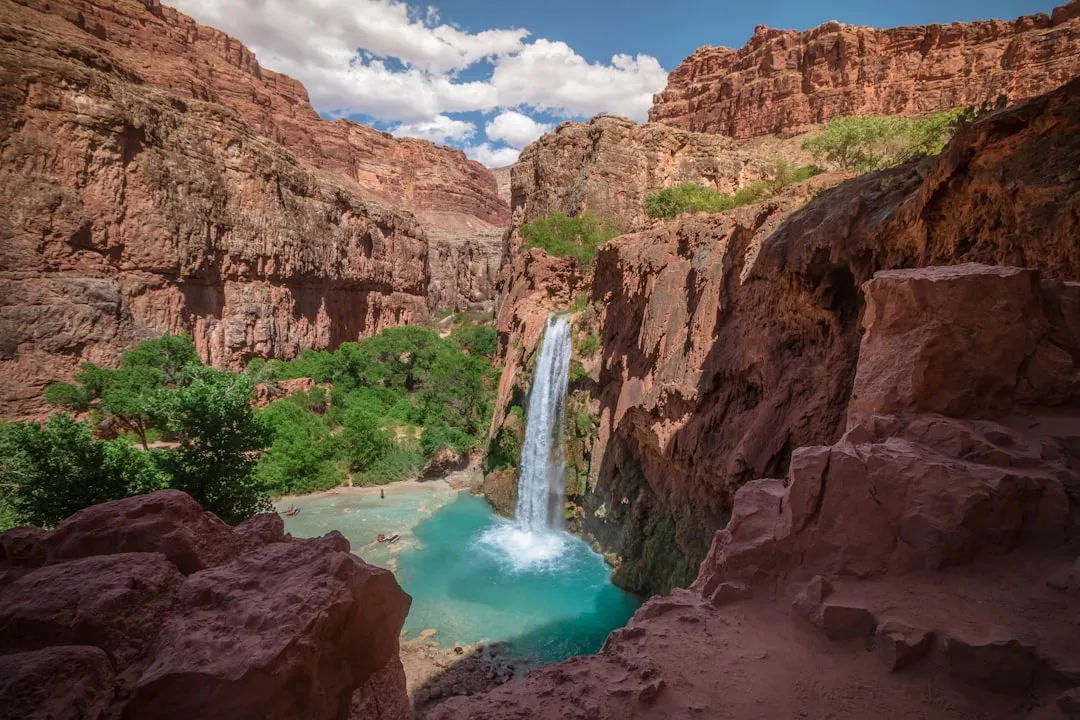
Everyone knows one Havasu waterfall from Instagram; very few bother to explore the rest of the canyon system. Below the main falls, Havasu Creek keeps carving travertine dams, turquoise pools, and narrow chutes for miles, and the mineral-heavy water creates a blue-green color that clashes beautifully against red walls and green vegetation.
Upstream walks and side canyons offer a completely different look: softer, shaded sections with ferns and small drops perfect for intimate frames. The simple act of walking another mile past where most visitors stop yields images that feel like an entirely different river system. Access permits and ethics here are genuinely complex, which naturally keeps this stretch from ever getting overexposed.
#16 – New River Gorge, West Virginia
🔥 Would you like to save this?
We'll email this post to you, so you can come back to it later!
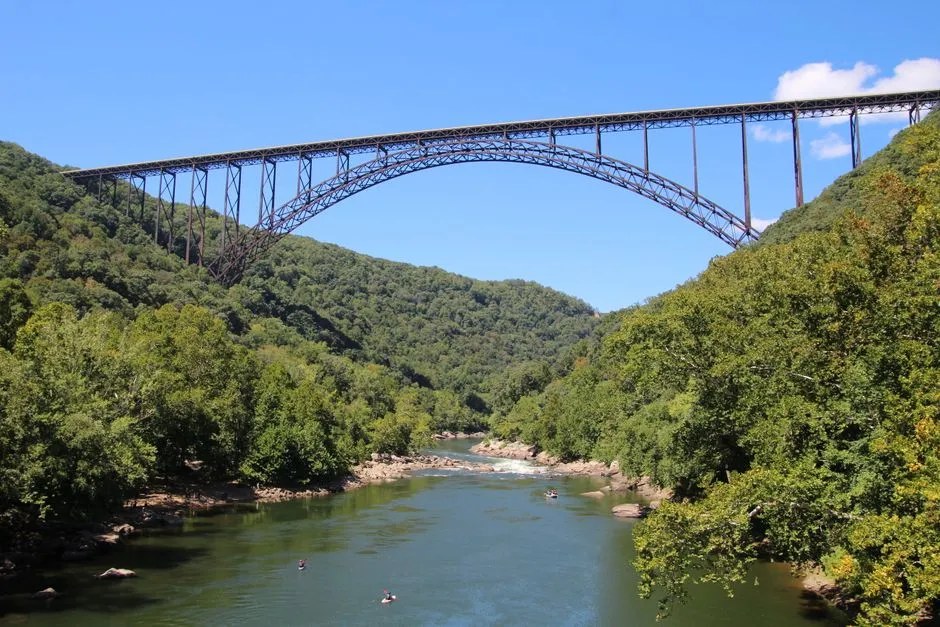
Once mostly known to base jumpers and climbers, New River Gorge has quietly become one of the best under-the-radar canyon systems for East Coast photographers. Instead of desert rock, you get a deep, forested cut with sandstone cliffs, whitewater, and the iconic arch bridge tying the whole scene together.
Fog is the secret weapon. On cool mornings, thermal inversions can fill the gorge with a rolling white sea while the bridge “floats” above it, a scene that feels more Pacific Northwest than Appalachia. Autumn color here clings dramatically to cliff edges, while winter strips everything down into a high-contrast monochrome study most casual shooters never bother chasing.
At a Glance: New River Gorge
- Designated the United States’ newest national park in December 2020
- Home to one of the longest steel-arch bridges in the Western Hemisphere
- The river itself is considered one of the oldest in North America
- Peak fall color typically arrives in mid-to-late October
#17 – Zion’s Kolob Canyons, Utah
🔥 Would you like to save this?
We'll email this post to you, so you can come back to it later!
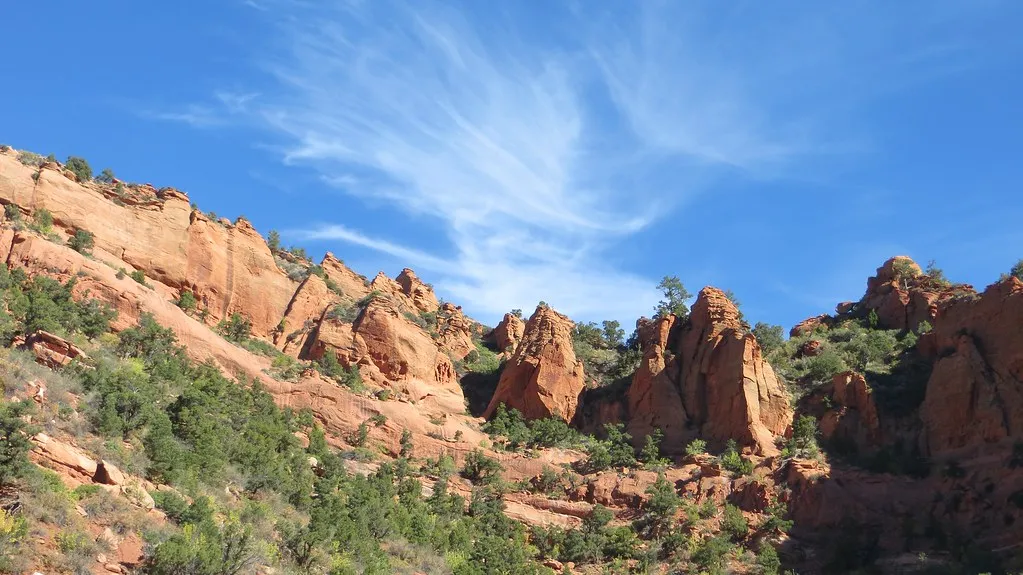
While Zion Canyon overruns with shuttle buses, the Kolob Canyons section quietly delivers some of the most graphic red-wall compositions in the entire park. Towering sandstone fins stand shoulder to shoulder here, forming parallel canyons that catch light differently at every hour of the day.
Backcountry photographers can push into lesser-trafficked drainages where shaded alcoves glow with warm tones even when the sun is nowhere in your direct frame. Because far fewer postcards come from Kolob, viewers often can’t immediately place your images as Zion at all – which, ironically, is exactly why they stop scrolling and look twice.
#18 – Rio Grande Gorge, New Mexico
🔥 Would you like to save this?
We'll email this post to you, so you can come back to it later!
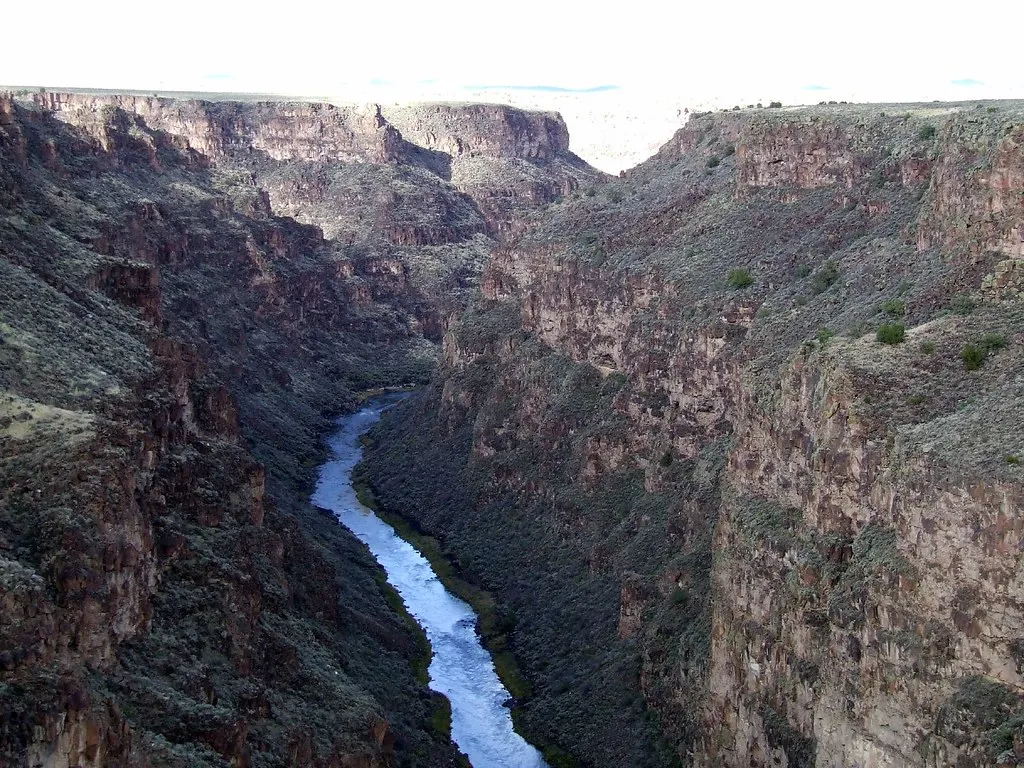
Drive quickly across the high desert near Taos and you’ll barely notice the Rio Grande Gorge until you’re standing on top of it. The river has incised a surprisingly deep volcanic plateau canyon, with the Taos Gorge Bridge spanning it in one of the Southwest’s more photogenic man-made moments. Golden hour often paints one wall warm while the opposite side goes cool, a ready-made color contrast with almost zero post-processing.
Step back from the rim and the whole landscape changes – wild sage and distant peaks enter the frame, and the gorge becomes a dramatic diagonal slash through flat high desert. Storm days bring some of the best drama: towering cumulus clouds mirrored by the deep cut below, with lightning occasionally striking the surrounding mesas.
#19 – Snake River Canyon at Twin Falls, Idaho
🔥 Would you like to save this?
We'll email this post to you, so you can come back to it later!
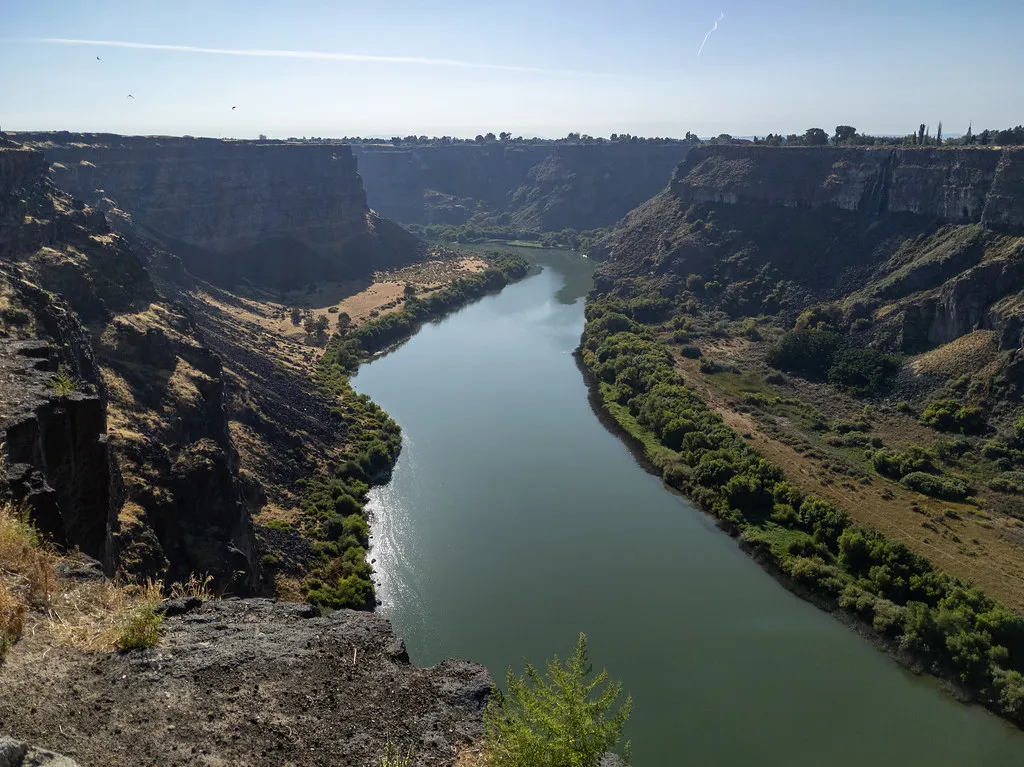
People know Shoshone Falls; they don’t realize the surrounding Snake River Canyon is a year-round photo lab. The Perrine Bridge arches 486 feet above the river, often with base jumpers hurling themselves off it – free, moving scale references for otherwise static landscape frames.
Seasonality matters more here than most visitors admit. Summer sunsets turn irrigated fields above the gorge into glowing green strips against dark walls, and autumn fog sometimes settles along the river, leaving the bridge and rim in clear air while the canyon fills with soft white – ideal for moody, backlit silhouettes. It’s not the wildest canyon on this list, but for accessible, varied shots, it’s hard to beat.
#20 – Desolation Canyon, Utah
🔥 Would you like to save this?
We'll email this post to you, so you can come back to it later!
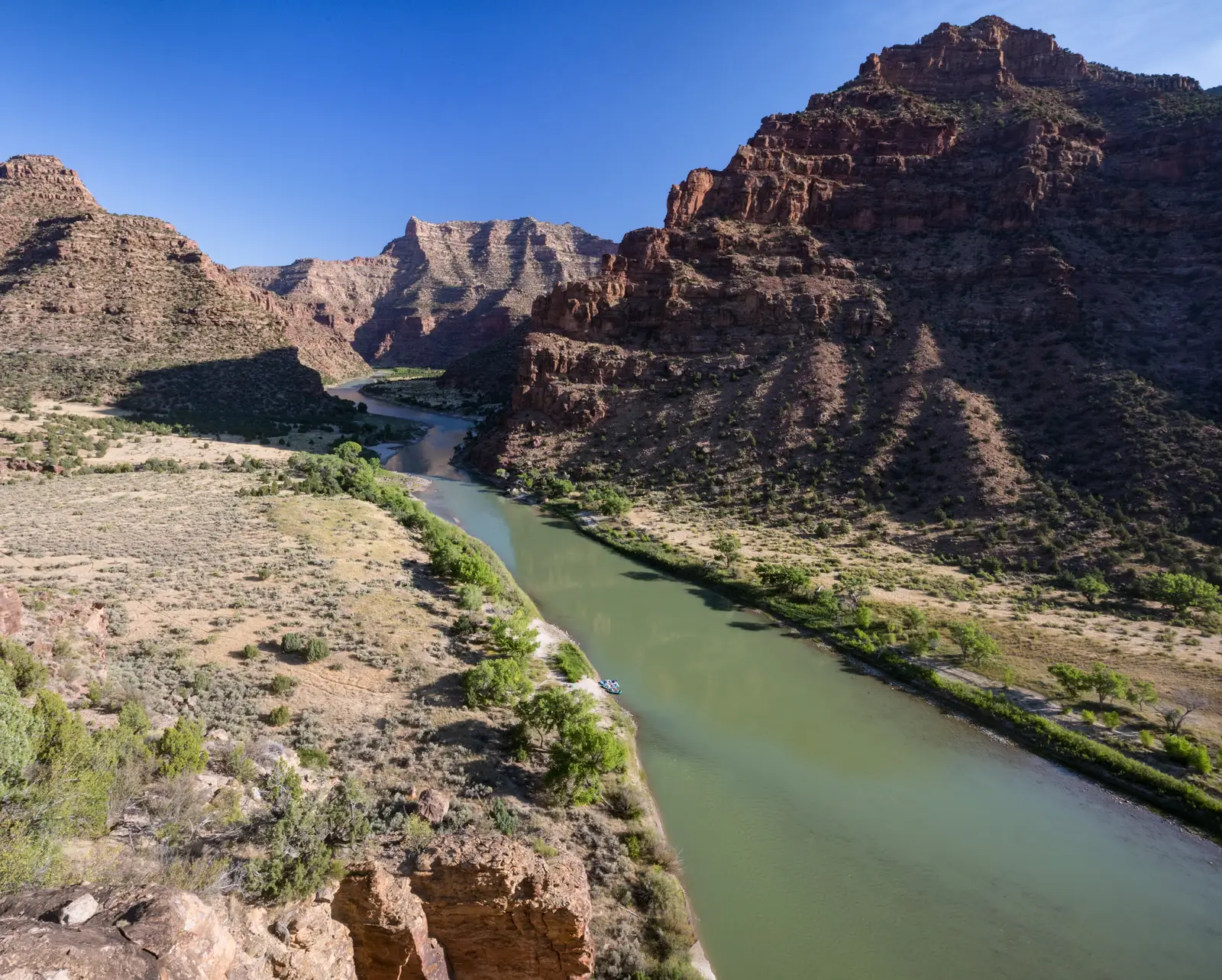
Ask raft guides for their favorite photo trip, and Desolation Canyon comes up far more often than the Grand Canyon. The Green River has carved a long, remote corridor through layered cliffs that often feel wilder and less touched than more famous Utah gorges. Multi-day float trips deliver low, changing perspectives as light shifts from harsh overhead glare to soft, reflected glow on the water.
Monsoon season adds dramatic cloud build-ups over the rim that mirror the river’s curves below, but it also brings real flash-flood risk in side drainages – a hard limit that keeps the most fragile spots relatively unshot. For photographers willing to go offline for a week, the payoff is a cohesive, story-driven body of work you simply can’t get anywhere else.
#21 – Blackwater Canyon, West Virginia
🔥 Would you like to save this?
We'll email this post to you, so you can come back to it later!
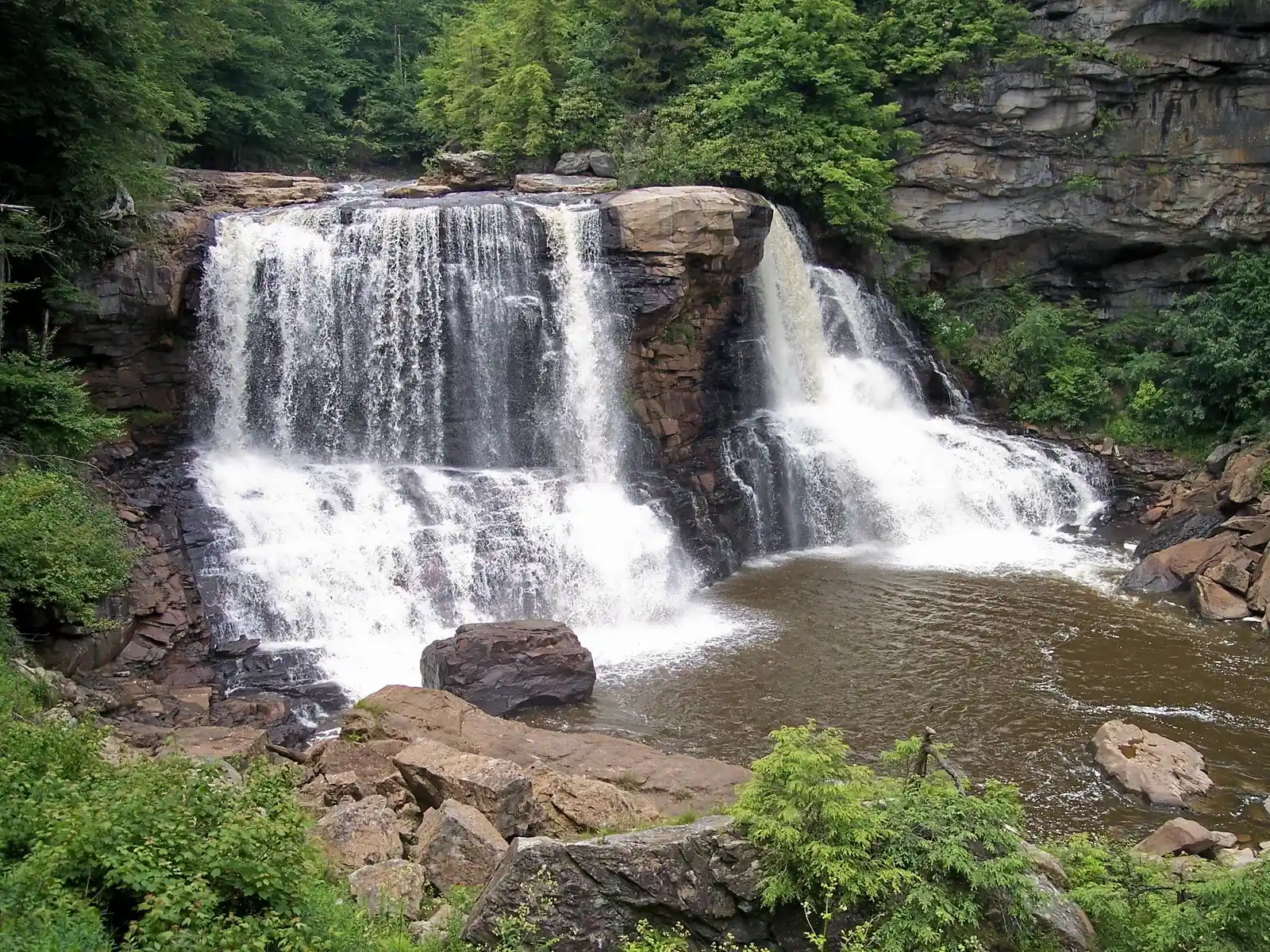
If you think all great gorges live in the arid West, Blackwater Canyon will happily prove you wrong. This narrow, forested canyon features the famous Blackwater Falls at its head and a series of rapids as the river cuts through dark sandstone. In spring, raging flows and fresh green foliage create high-energy, high-contrast compositions, with whitewater carving diagonals through mossy, nearly black rock.
Autumn is where Blackwater truly competes with the big names. Overlooks like Lindy Point give long views down the canyon with fiery foliage clinging to every ledge, and snowfall turns the dark walls and evergreens into graphic black-and-white studies with just a few color accents from remaining leaves. It’s moody, unpredictable, and far more photographically rich than most overhyped Instagram favorites.
#22 – The Narrows Beyond the Crowds, Zion National Park, Utah
🔥 Would you like to save this?
We'll email this post to you, so you can come back to it later!
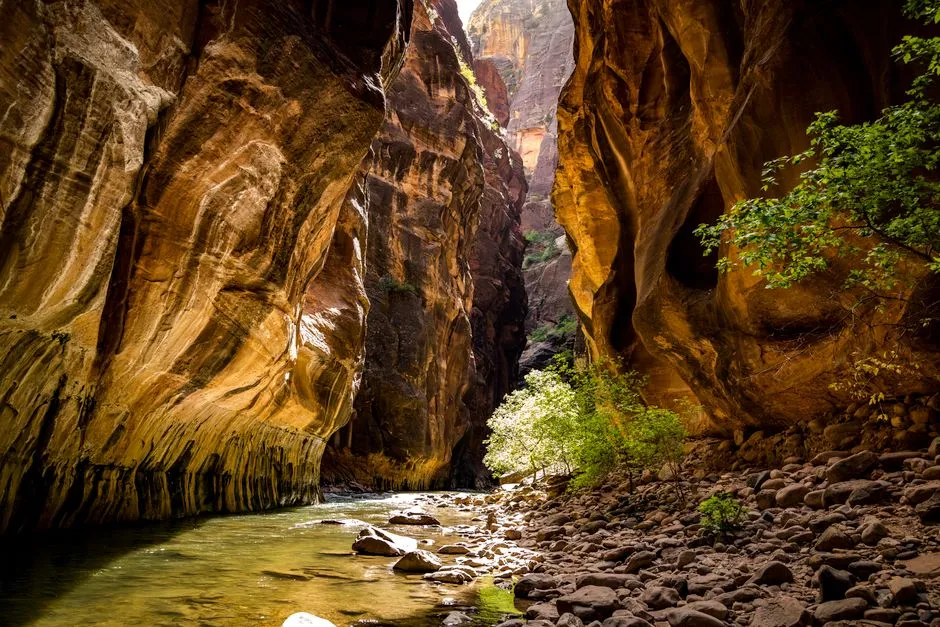
Yes, everyone knows “The Narrows” – but most people only walk until the water reaches their knees and call it a day. Serious photographers don’t stop there. Farther upstream, past the usual turnaround points, the canyon walls pinch tighter, reflected light deepens, and compositions become cleaner and more abstract, with far fewer people to dodge around a midstream tripod.
Lens choice is everything here. Many pros secretly prefer 35–50mm over ultra-wides to avoid cartoonish distortion and focus on clean geometry instead. Tiny changes in water level completely change leading lines and reflections, which is why dedicated Narrows shooters return in different seasons and flow conditions. It’s not “unknown,” but the sections most people never see still out-shoot the standard snapshot every single time.
Why It Stands Out
- Walls narrow to as little as 20-30 feet across in the tightest sections
- Water flow and clarity can shift noticeably from one day to the next
- Crowds thin out dramatically beyond the first mile upstream
- Season and time of day both reshape how light reflects off the canyon walls
The Bottom Line
🔥 Would you like to save this?
We'll email this post to you, so you can come back to it later!
For all the noise about “bucket list” canyon shots, the truth is blunt: the most interesting images aren’t coming from the same three overlooks everyone geotags to death. They’re coming from gorges like Black Canyon, Hells Canyon, Waimea, and Red River, where access is a bit harder, light is trickier, and nothing is pre-packaged for you.
A good photograph is knowing where to stand.
Ansel Adams
Photographers who chase nuance – reflected light, weather, micro-comps, seasonal shifts – quietly favor these under-the-radar canyons over the famous ones. Some readers will call skipping Antelope or Horseshoe Bend sacrilege. Others, especially those tired of elbowing tripods on crowded rims, will recognize these picks for exactly what they are: the real long-game locations.
The question isn’t complicated. Do you want the shot everyone already has, or the frame that makes even other photographers stop and ask, “Where was that?” Did we miss a canyon that absolutely belongs on this list? Say so in the comments – and be ready to defend it.

- What Egyptian God Are You According to Your Zodiac Sign - November 5, 2026
- Embracing the Quiet Magic of Adopting a Senior Dog - November 5, 2026
- Scientists May Have Miscalculated Our Global Warming Timeline - November 5, 2026