


Insects are among the most diverse and numerous creatures on Earth, captivating us with their varied forms and complex behaviors. However, not all insects are harmless. Some possess venom, used primarily for defense or hunting, which can pose a significant threat to humans and animals. This article explores the 22 most venomous insects that you should be aware of, highlighting their characteristics, habitats, and potential risks. Understanding these insects is crucial for both appreciation and caution, especially if you encounter them in the wild.
22. Bullet Ant

Native to the rainforests of Central and South America, the bullet ant is notorious for its powerful sting that feels like being shot by a bullet. The pain can last up to 24 hours, and the venom contains poneratoxin, which affects the nervous system. While not deadly, the painful experience is one to avoid.
21. Asian Giant Hornet

Also known as the “murder hornet,” this large wasp is found in East Asia. Its sting delivers neurotoxic venom that can cause severe pain, tissue damage, and, in rare cases, death. The hornet’s aggressive nature and lethal potential make it particularly dangerous.
20. Yellow Jacket

Common across North America, yellow jackets are aggressive wasps capable of stinging multiple times. Their venom can cause intense pain and allergic reactions, with potentially life-threatening anaphylaxis in susceptible individuals.
19. Paper Wasp
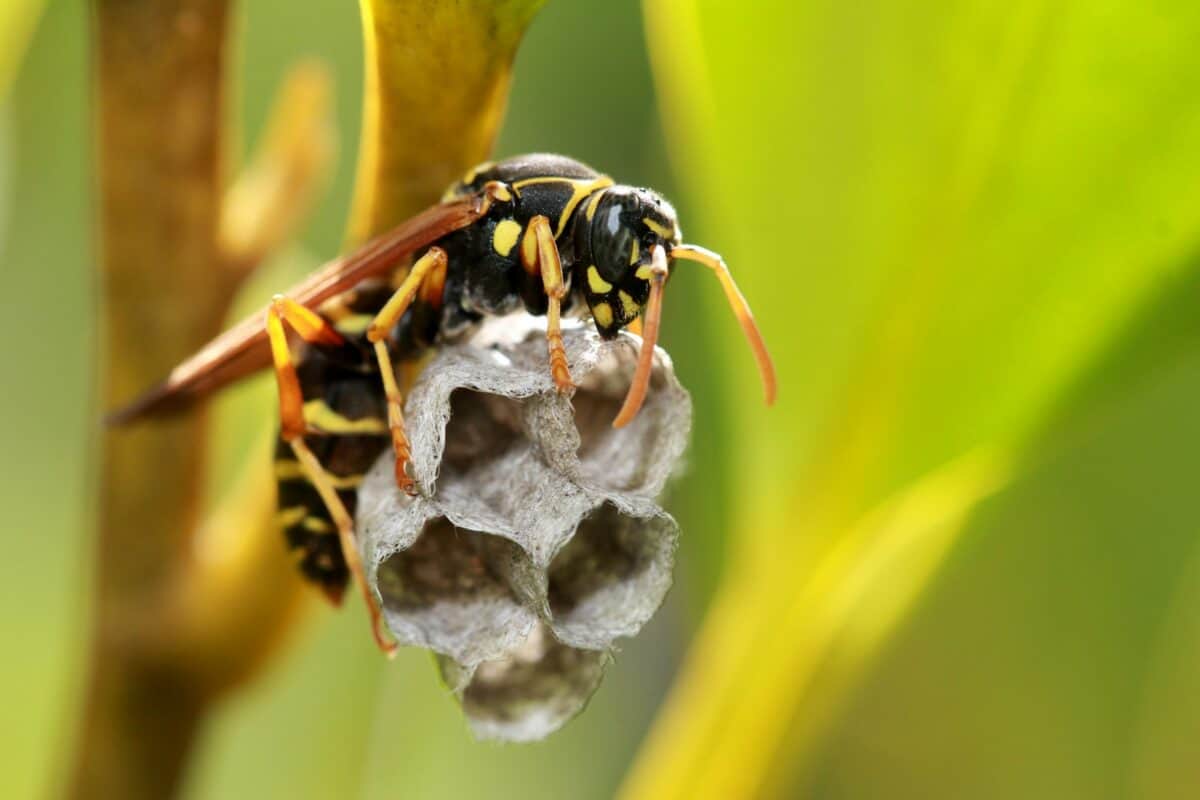
Paper wasps build umbrella-shaped nests and are widespread globally. Their sting is painful and can induce allergic reactions. The venom contains a mix of toxins that lead to pain and swelling.
18. Fire Ant

These ants are found in the southern United States and are known for their painful bite and sting. The venom causes a burning sensation, and multiple stings can lead to allergic reactions or secondary infections.
17. Africanized Honey Bee

Also known as “killer bees,” these insects are extremely defensive and known for aggressive swarm attacks. Their venom is similar to that of regular honey bees but delivered in higher quantities due to the number of stings.
16. Harvester Ant
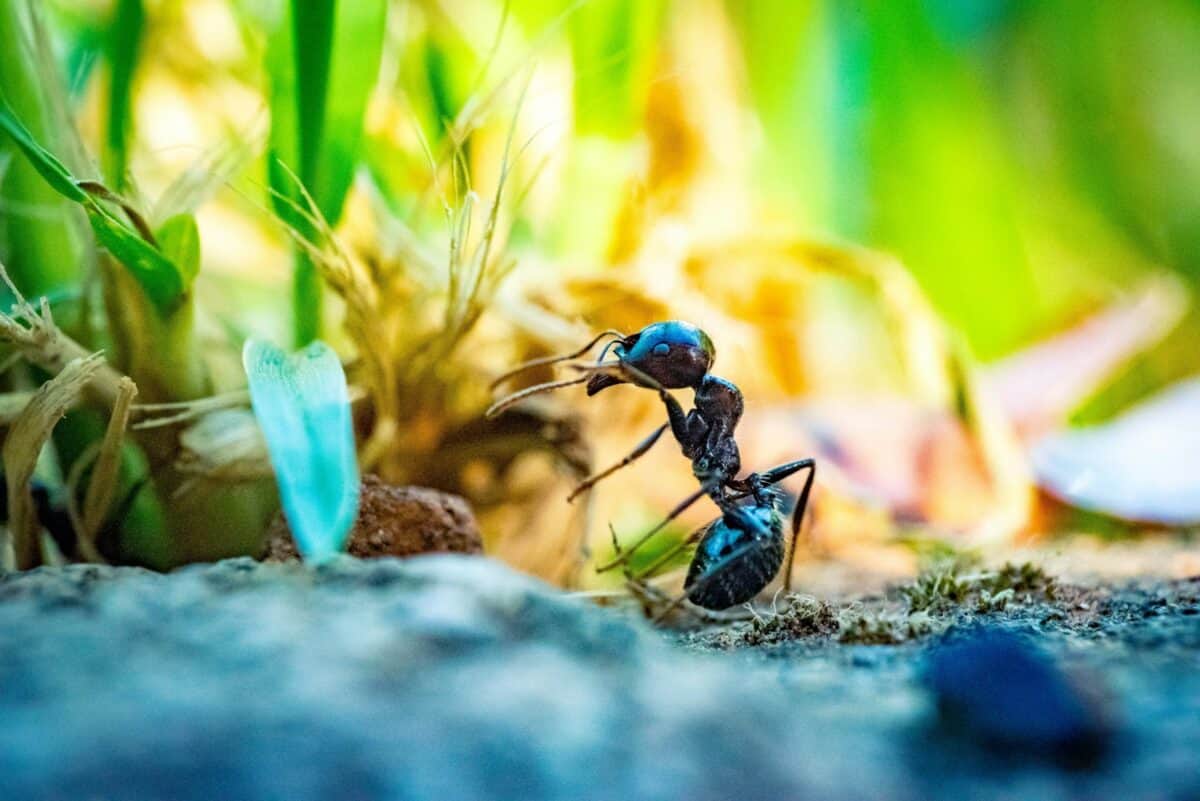
Predominantly found in North and Central America, harvester ants have a venomous sting that is very painful. The venom is potent enough to paralyze smaller insects and can cause anaphylaxis in sensitive humans.
15. Red Paper Wasp
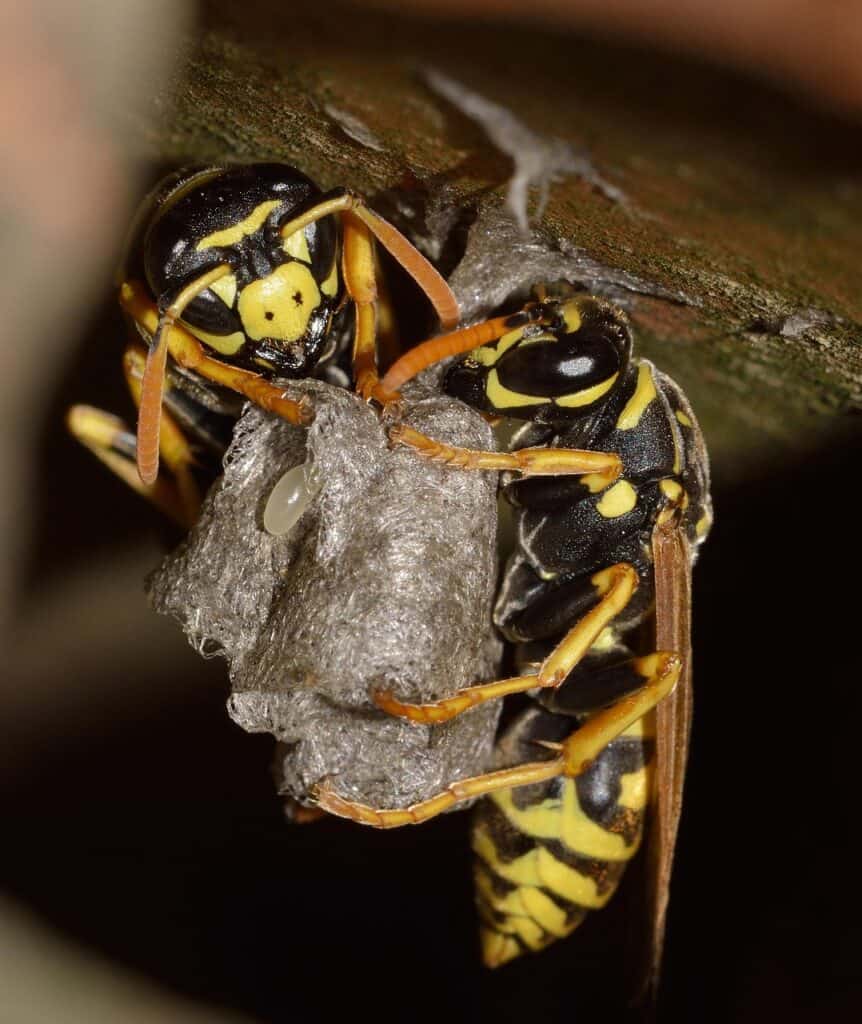
This wasp species is found mainly in North America and delivers a sting that can be quite painful. The venom contains a mix of cytotoxins that can lead to swelling and allergic reactions.
14. Tarantula Hawk
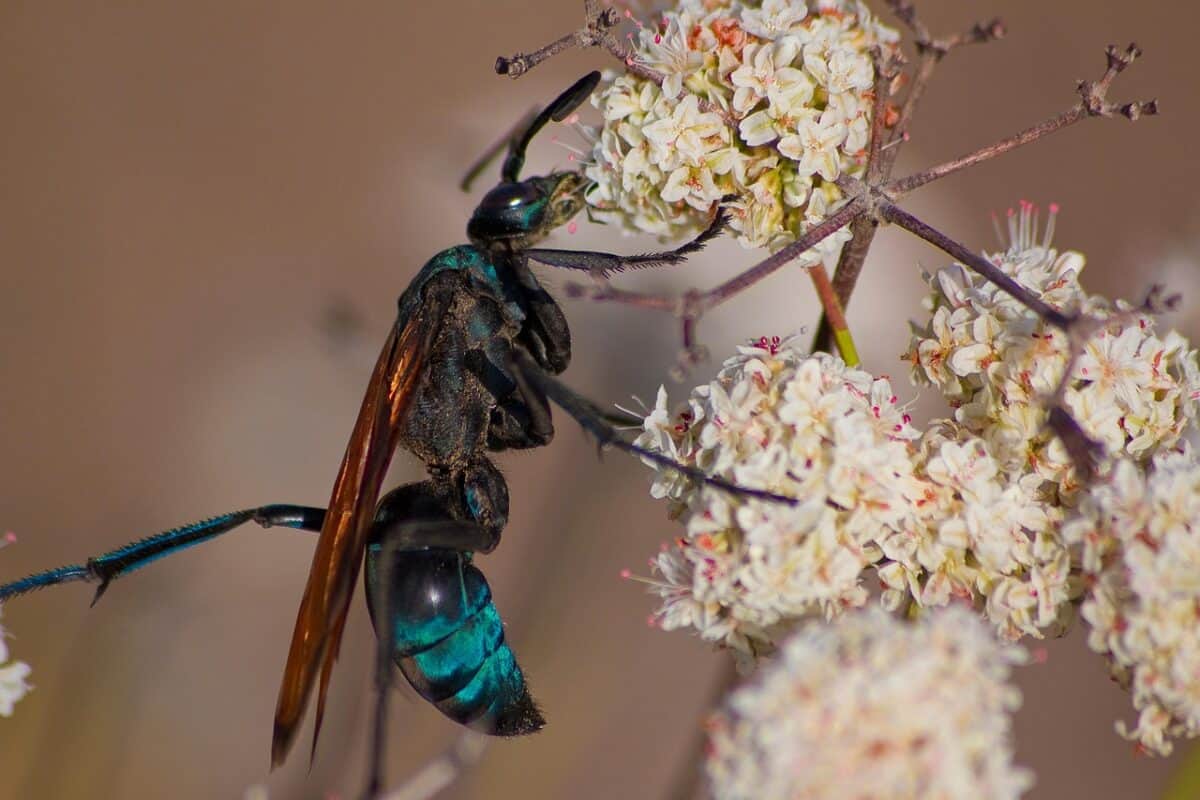
The tarantula hawk is a large wasp that preys on tarantulas. Its sting is ranked as one of the most painful insect stings. Though excruciating, it is not deadly to humans, causing pain for a few minutes.
13. Sweat Bee
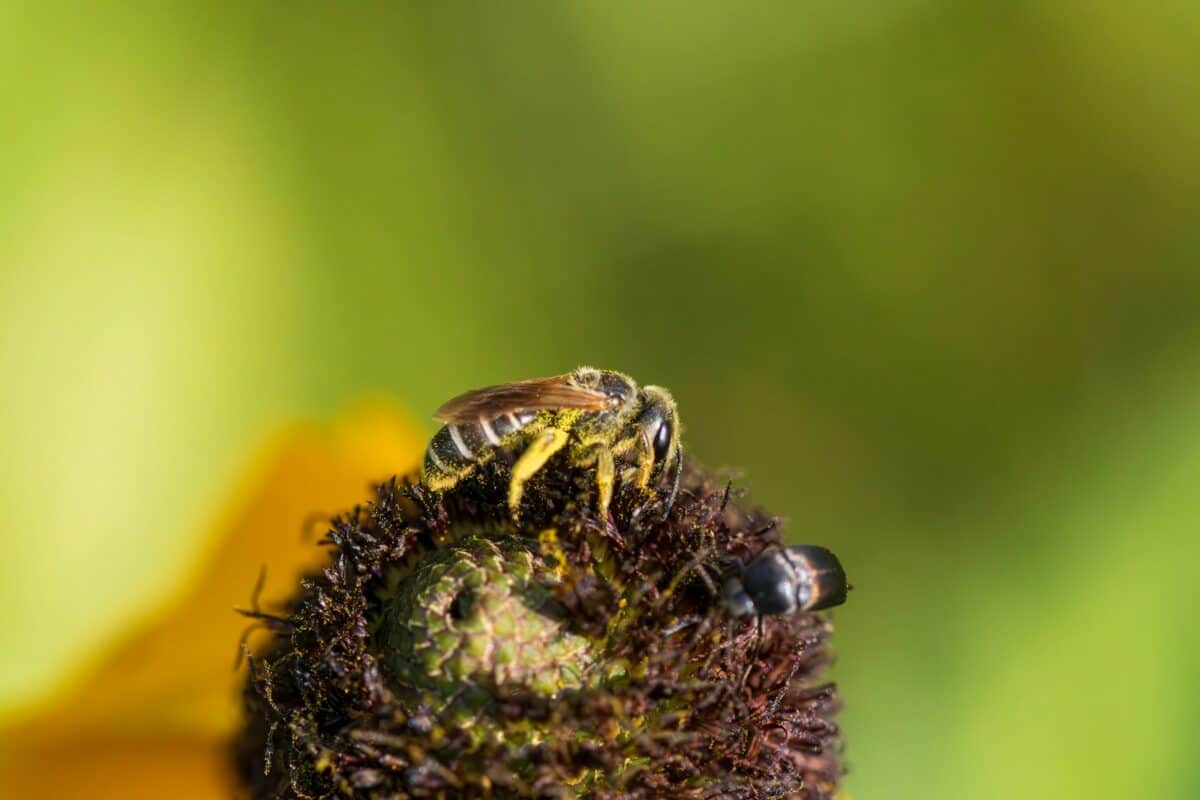
Sweat bees are attracted to human sweat and can sting if provoked. The sting is mild compared to other insects, but they can cause an allergic reaction in sensitive individuals.
12. Bulldog Ant
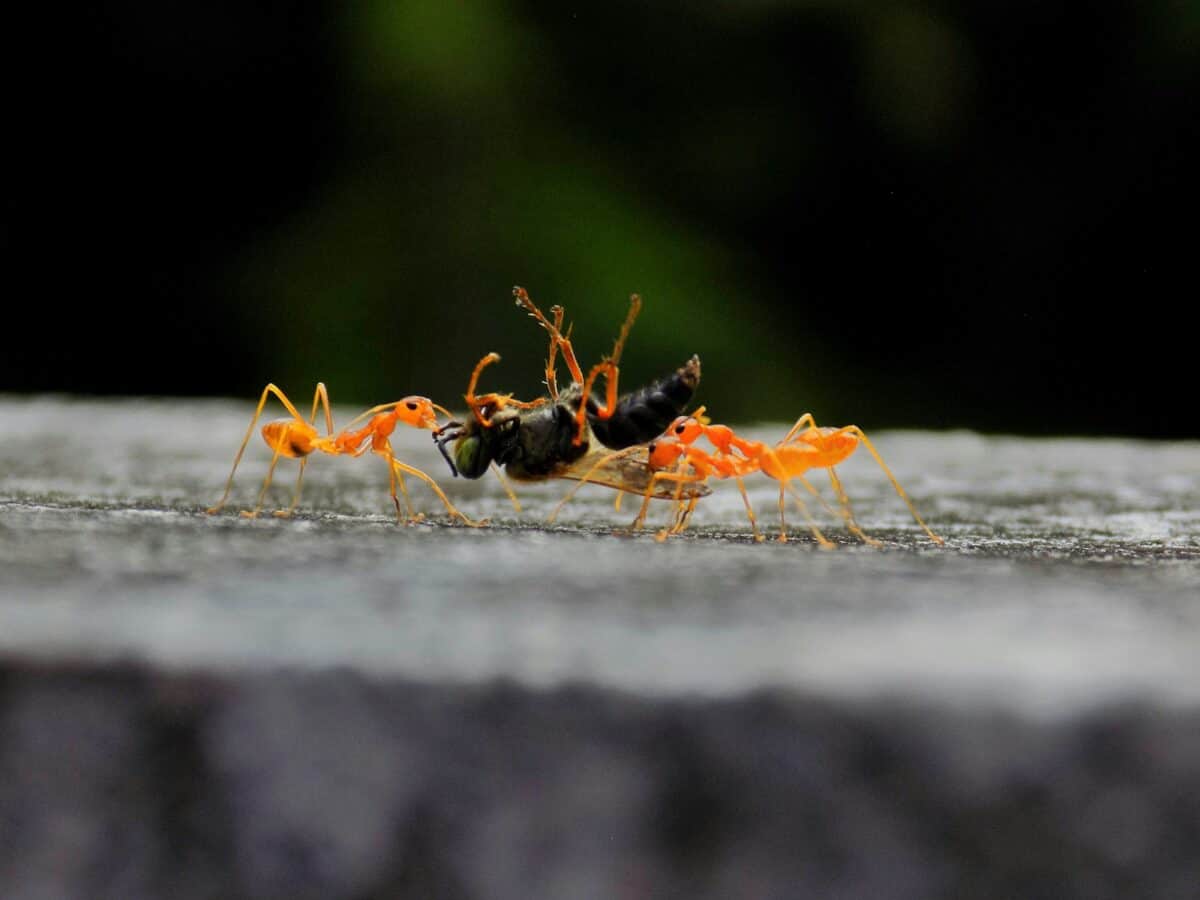
Native to Australia, bulldog ants are among the most aggressive ants in the world. Their sting is incredibly painful, and the venom can induce allergic reactions and, in rare cases, fatalities.
11. Siafu (Driver Ant)

Found in Central and East Africa, these ants have powerful mandibles and are known for mass raids. While they do not sting, their bites are painful and can cause considerable damage if they swarm.
10. Jack Jumper Ant
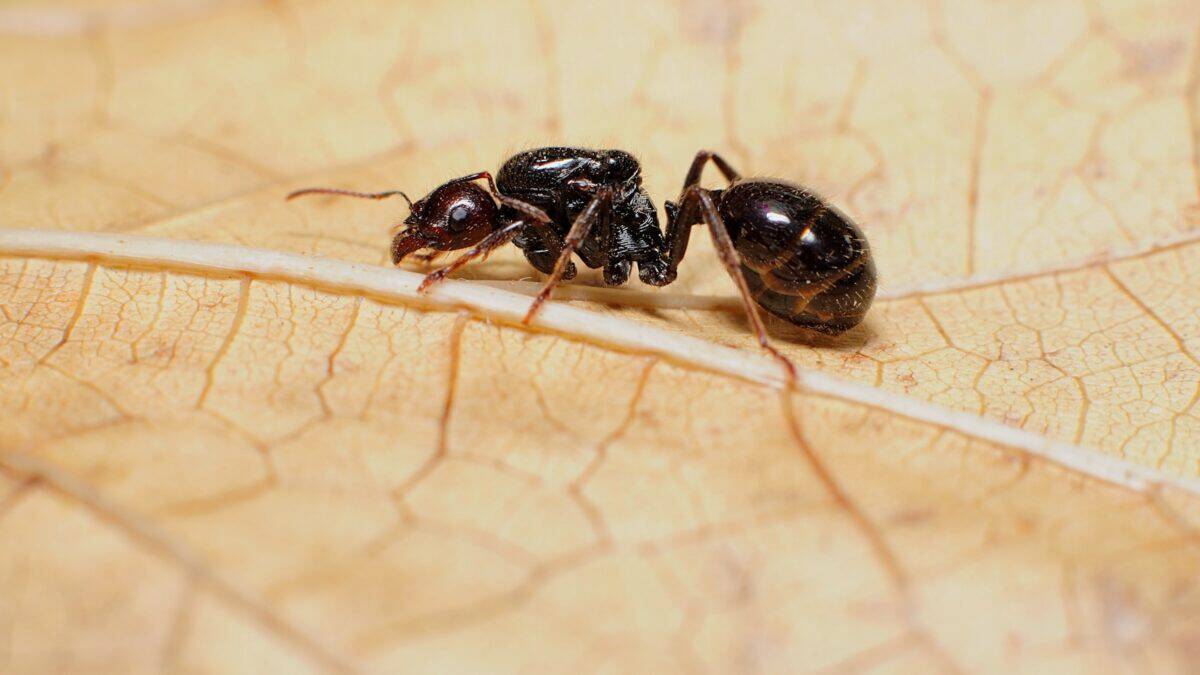
This ant species from Australia has a venomous sting that causes intense pain and poses a significant risk of anaphylactic shock, responsible for several human fatalities every year.
9. Asian Hornet

Native to Asia, this hornet’s sting can be very painful and potentially fatal, especially to those allergic to its venom. The venom can also cause kidney failure in severe cases.
8. Velvet Ant
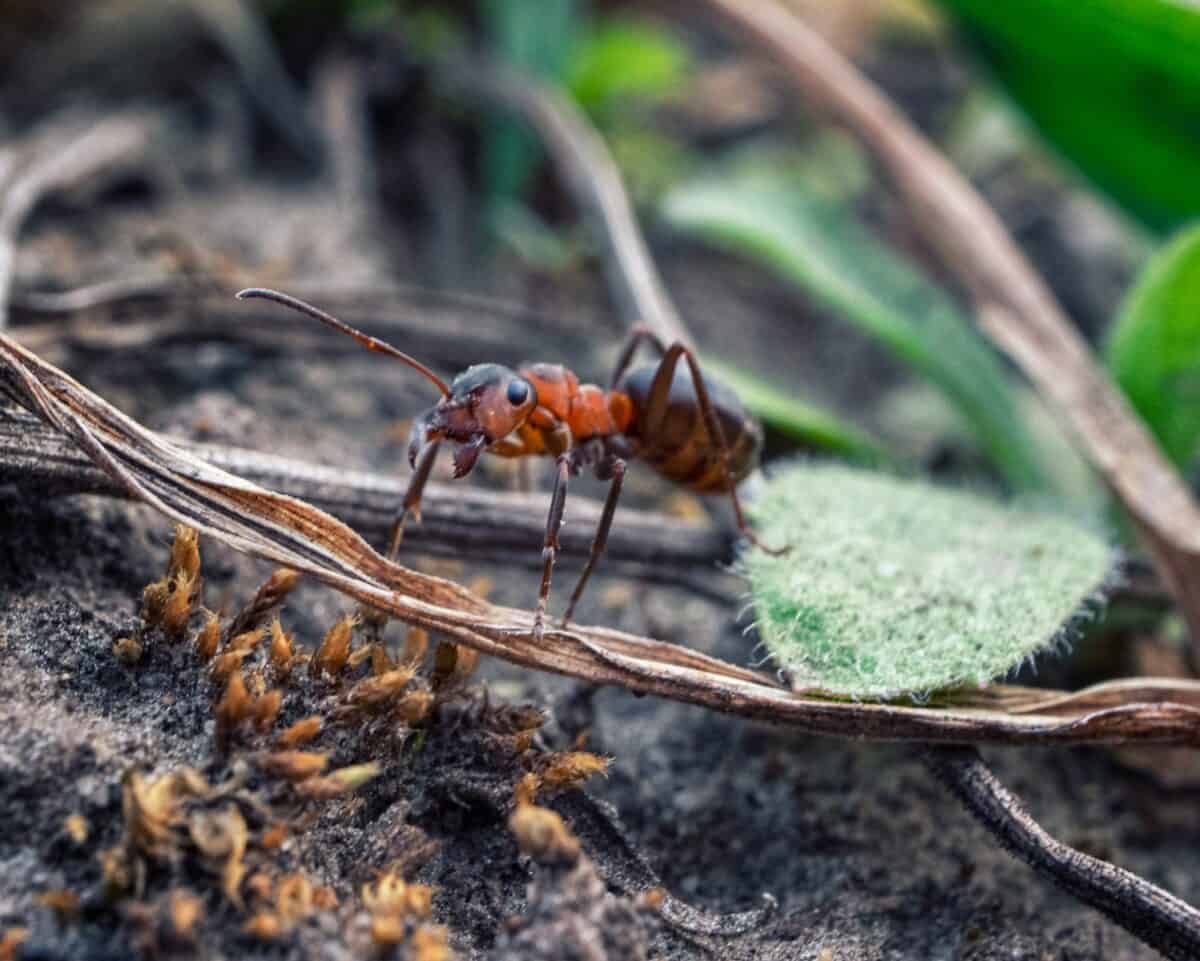
Actually a wasp, the velvet ant is known for its painful sting, earning it the nickname “cow killer.” Though intense, the sting’s pain is short-lived and not usually dangerous to humans.
7. European Hornet
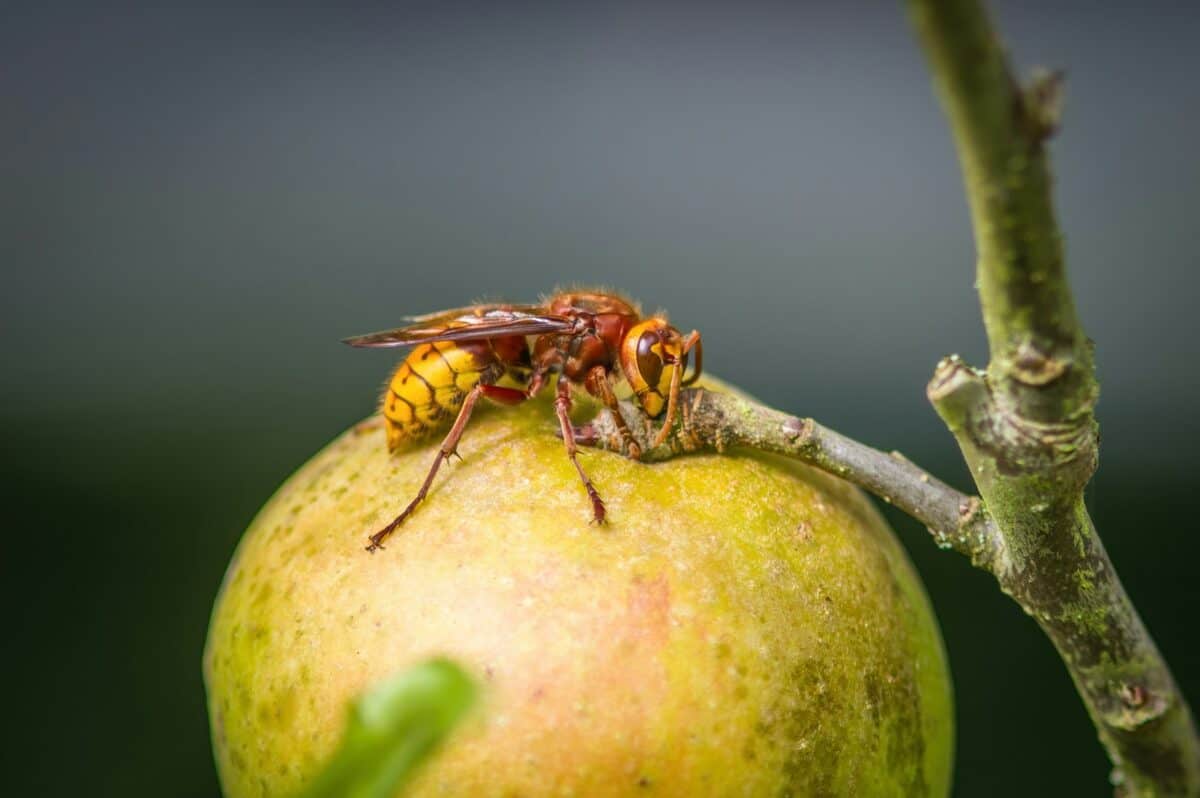
Found in Europe and North America, these hornets deliver a painful sting. The venom can cause allergic reactions, swelling, and sometimes severe medical reactions for sensitive individuals.
6. Bald-Faced Hornet
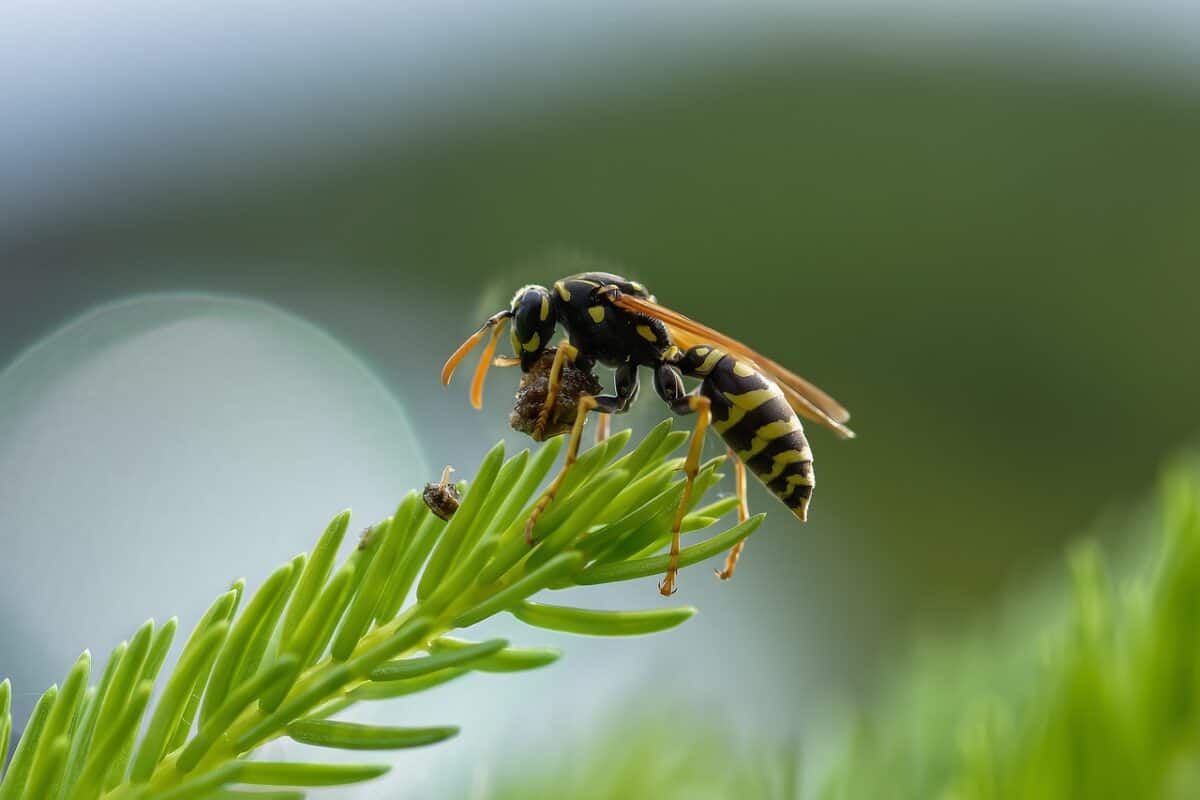
Despite its name, this insect is actually a type of yellow jacket. Found in North America, its painful sting can lead to swelling and allergic reactions, though it is not typically life-threatening.
5. The Common Wasp
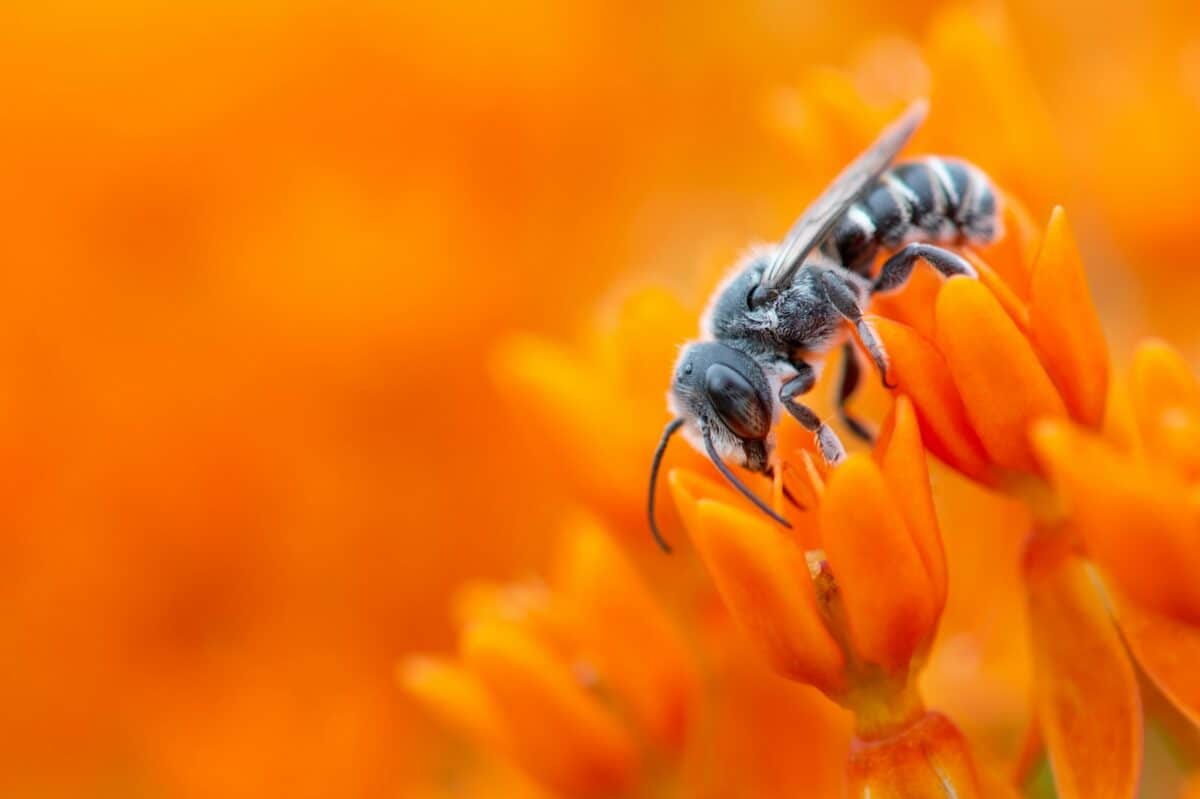
Widespread across Europe, the common wasp’s sting is painful and can cause allergic reactions in some people. Being attracted to food waste makes them common pests during warmer months.
4. Northern Giant Hornet
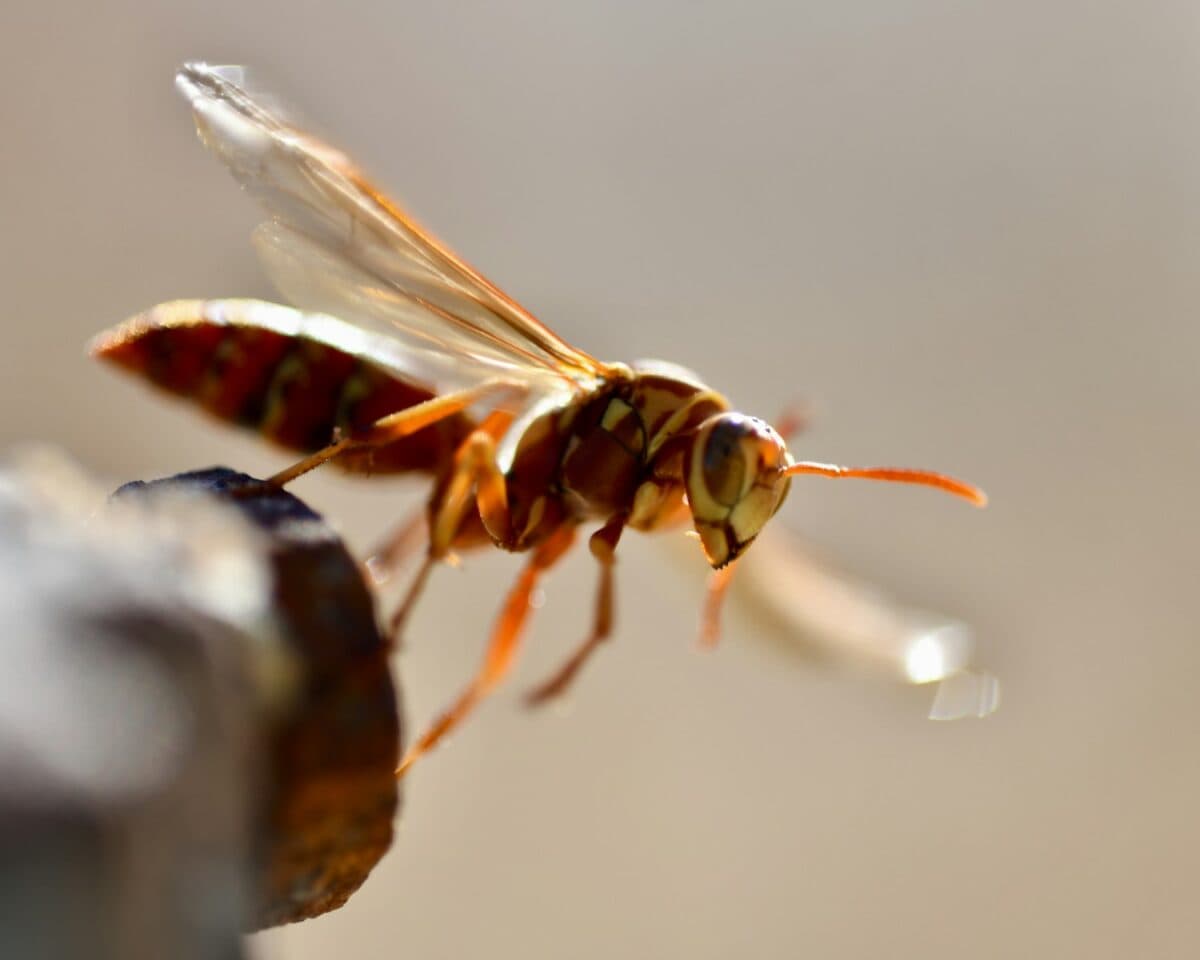
The world’s largest hornet, found in Asia, poses risks due to its painful sting and potential for allergic reactions. Its presence has recently been confirmed in North America, raising concerns.
3. Cowkiller (Velvet Ant Wasp)
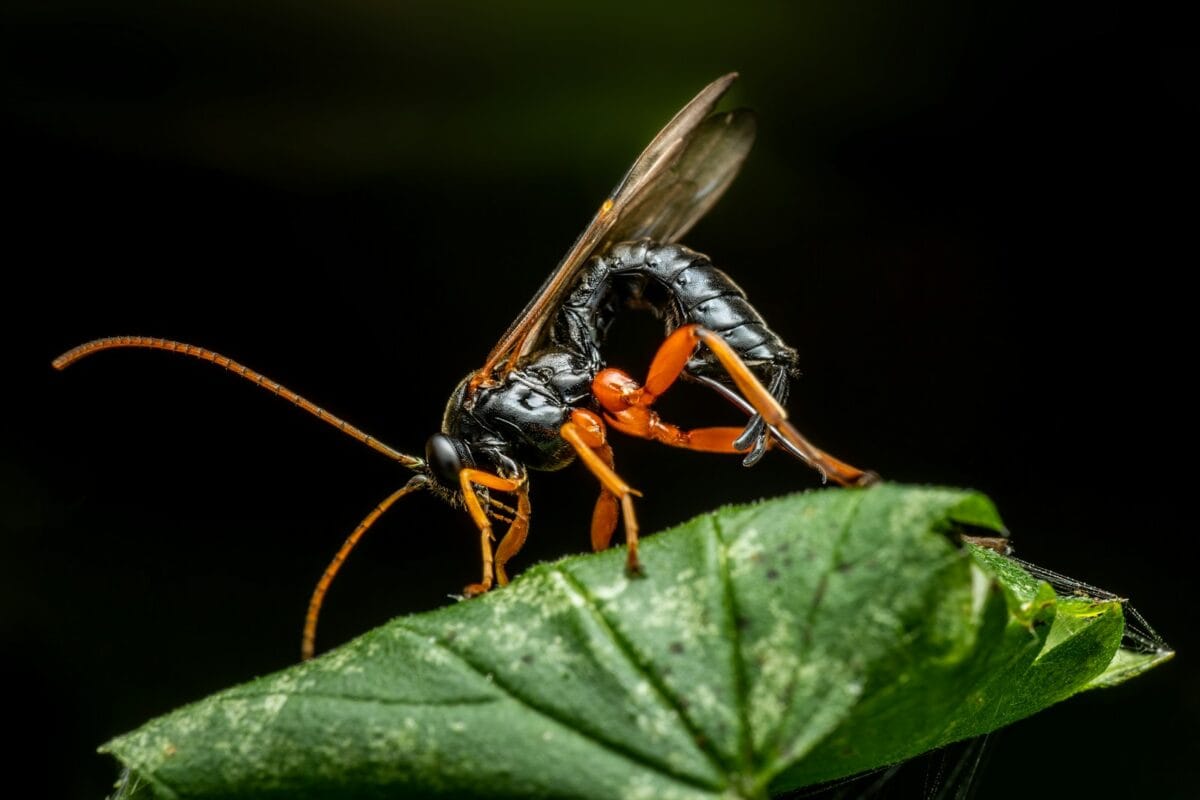
Known for its bright colors and painful sting, this wasp species can inflict great pain that subsides in a few minutes. It is a solitary species, so attacks are rare.
2. Puss Caterpillar
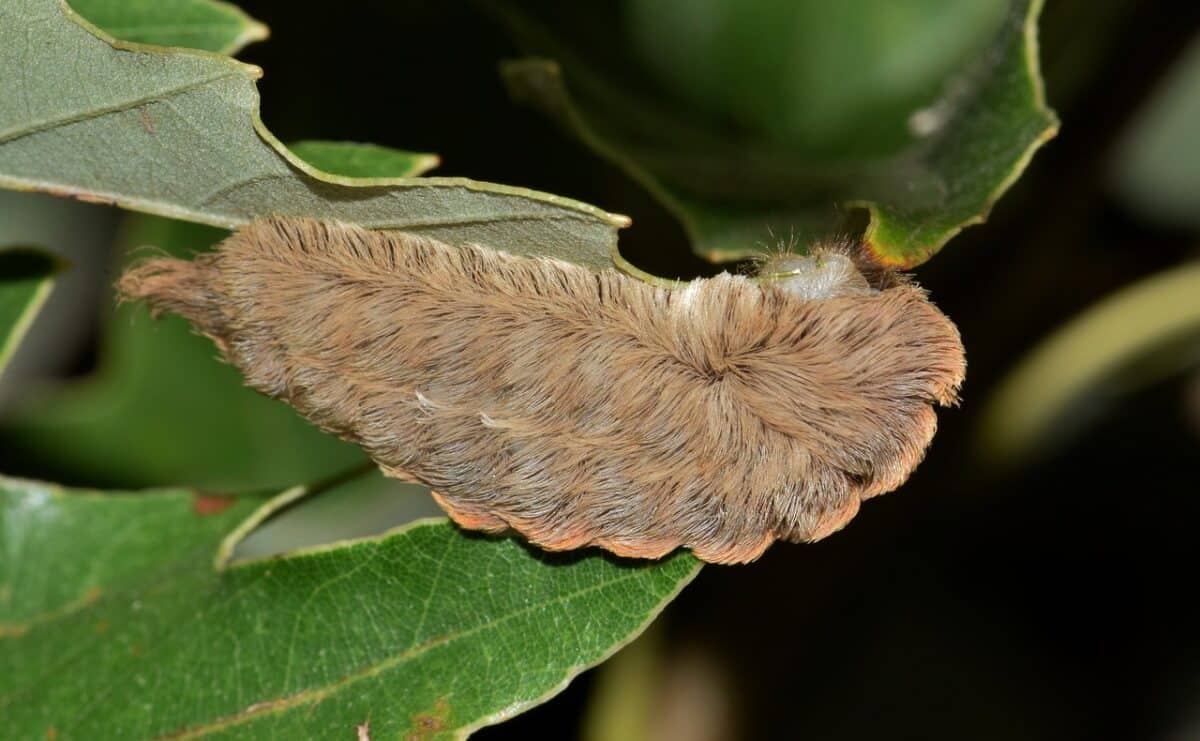
These venomous caterpillars in North America have spines that deliver painful venom, which can cause intense pain, rashes, and symptoms akin to a bee sting.
1. Assassin Bug
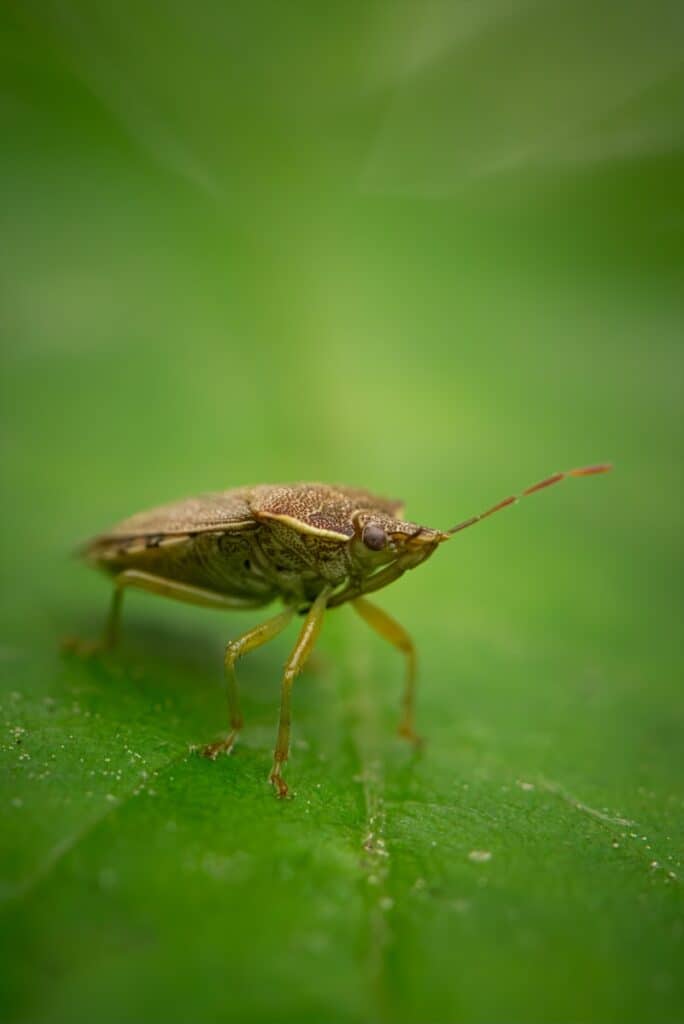
Found worldwide, these insects have a painful bite that can transmit Chagas disease, a serious tropical parasitic disease. The bite itself is painful and can cause allergic reactions.
The world of venomous insects is both fascinating and dangerous. While their venom often serves ecological functions like predation and defense, it can pose risks to humans. Being informed about these insects can help you take necessary precautions during outdoor activities, ensuring that you admire and respect their unique roles in nature from a safe distance.

- Why Some Pets Prefer Kids Over Adults - July 28, 2026
- Why the American Horseshoe Crab Needs Federal Protection - July 28, 2026
- The Animals Thriving—and Dying—in a Warming World - July 28, 2026