
Most people brace for the last few weeks with an old dog the way they’d brace for a storm – something to survive, not something to learn from. But owners who’ve actually lived through it tell a different story, one that rarely makes it into the sad internet posts about pet loss.
They talk about strange comforts, quiet lessons, and moments that felt less like decline and more like a final act of generosity from an animal who had nothing left to prove. What follows are 24 of those moments, counted down to the one most caregivers say they never saw coming until it was already changing them.
#24 – The Gift of Slowed Pacing
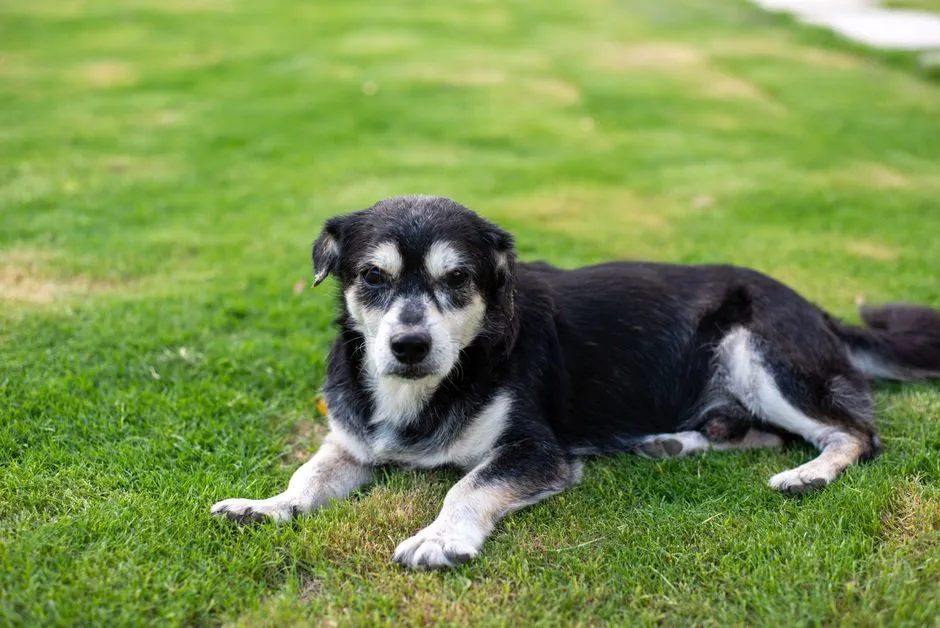
Everyone expects restlessness. Instead, many old dogs go still in a way that feels almost deliberate, like they’re conserving something precious rather than losing something vital.
Caregivers notice the dog claims one favorite spot and simply stays there, and the whole house slows down around it. Conversations happen in those quiet hours that never happened during the busier, louder years – proof that stillness was the lesson all along.
#23 – The Gift of Selective Affection
Old dogs often stop spreading their affection evenly. The endless tail wags for everyone narrow down to just the people who actually showed up, day after day, when it counted.
It stings a little for the family members who get quietly sidelined. But it also hands the primary caregiver something rare: undeniable proof that consistency, not charisma, is what real loyalty rewards.
#22 – The Gift of Nighttime Vigilance
Pacing at 2 a.m. looks like anxiety. Often it isn’t. Many old dogs use those fading hours to keep quiet watch over the people sleeping in the next room, the same job they’ve done their whole lives, just slower now.
Owners describe an odd comfort in hearing those soft footsteps in the hallway. It doesn’t feel like distress – it feels like still being looked after, one last time, by the guardian who never really clocked out.
#21 – The Gift of Appetite Honesty

Losing interest in food gets read as tragedy. Sometimes it’s actually the most honest thing a dog does in its entire life – a clear, unspoken signal that it’s ready, on its own terms, without anyone forcing normalcy onto it.
Caregivers who learn to respect that boundary instead of fighting it report far fewer regrets afterward. The dog isn’t giving up. It’s modeling an acceptance of limits that most humans spend a lifetime avoiding.
Worth Knowing
- Reduced appetite is common in senior and hospice-stage dogs as metabolism and organ function slow down.
- Smell and taste often fade with age, making once-favorite foods less appealing.
- Most vets advise against force-feeding a dog that is otherwise comfortable and hydrated.
- Small, frequent offerings of soft, aromatic food sometimes work better than large meals.
#20 – The Gift of Memory Triggers
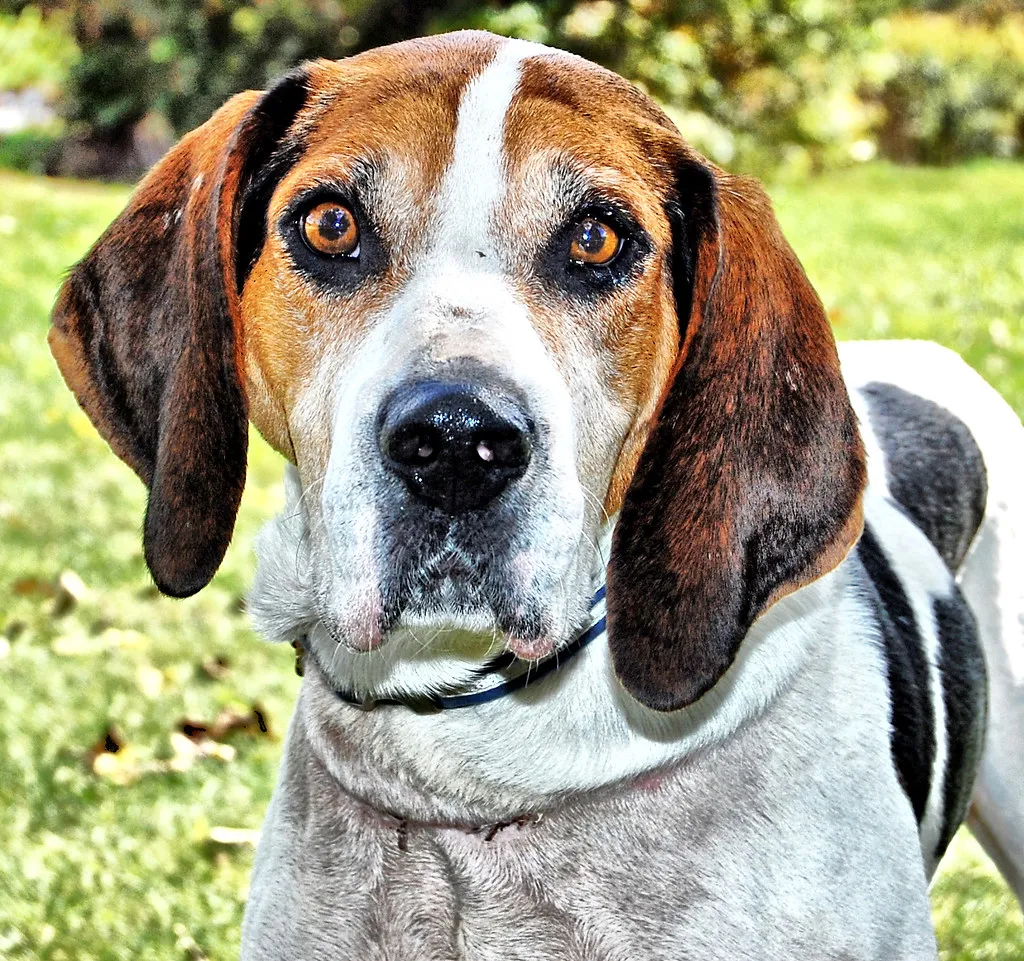
A certain toy, a certain song, a certain smell – and suddenly the old dog is wide awake, alert, reacting like it’s five years younger. These flashes arrive with zero warning and hit twice as hard because of it.
Owners often find themselves laughing through tears at whatever shared history just got unlocked. For a few seconds, the final weeks turn into a living photo album, and the dog is the one holding the pages open.
#19 – The Gift of Quiet Forgiveness
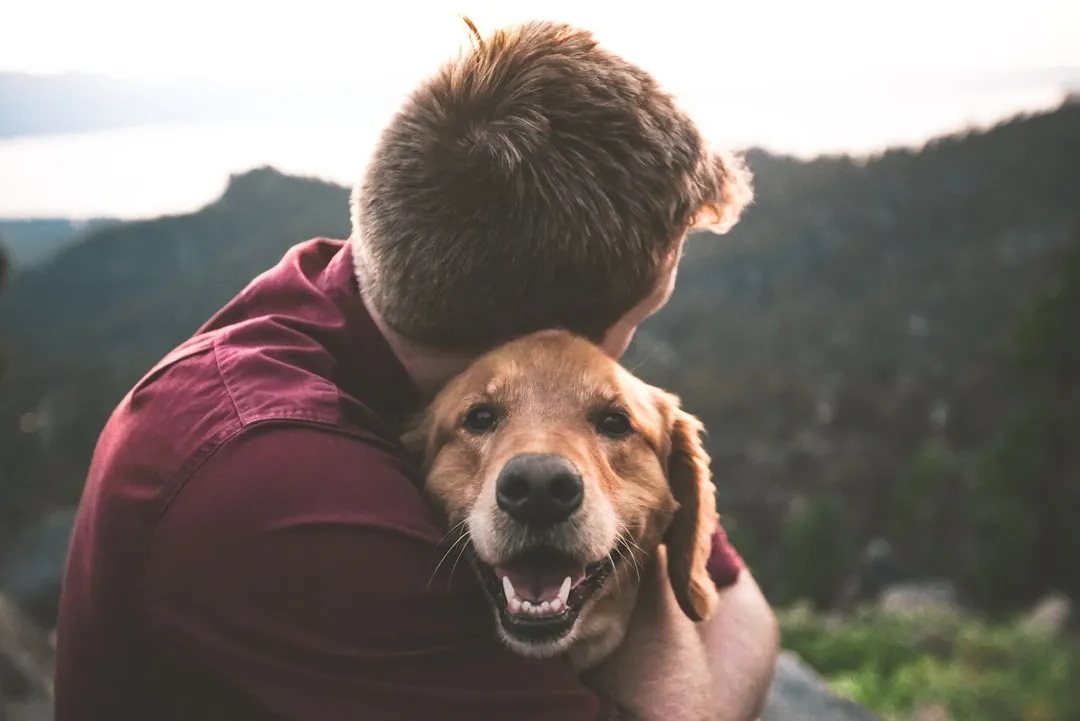
No old dog keeps score. The missed walks, the short tempers during hard weeks, the times you were too tired to play – none of it sticks. The dog still leans in for comfort from the exact same person who once snapped at it.
That kind of unconditional acceptance does more for a caregiver’s guilt than any apology ever could. It quietly rewrites the story of every imperfect moment into something softer, and a lot of owners carry that lesson into every relationship after.
#18 – The Gift of Physical Closeness
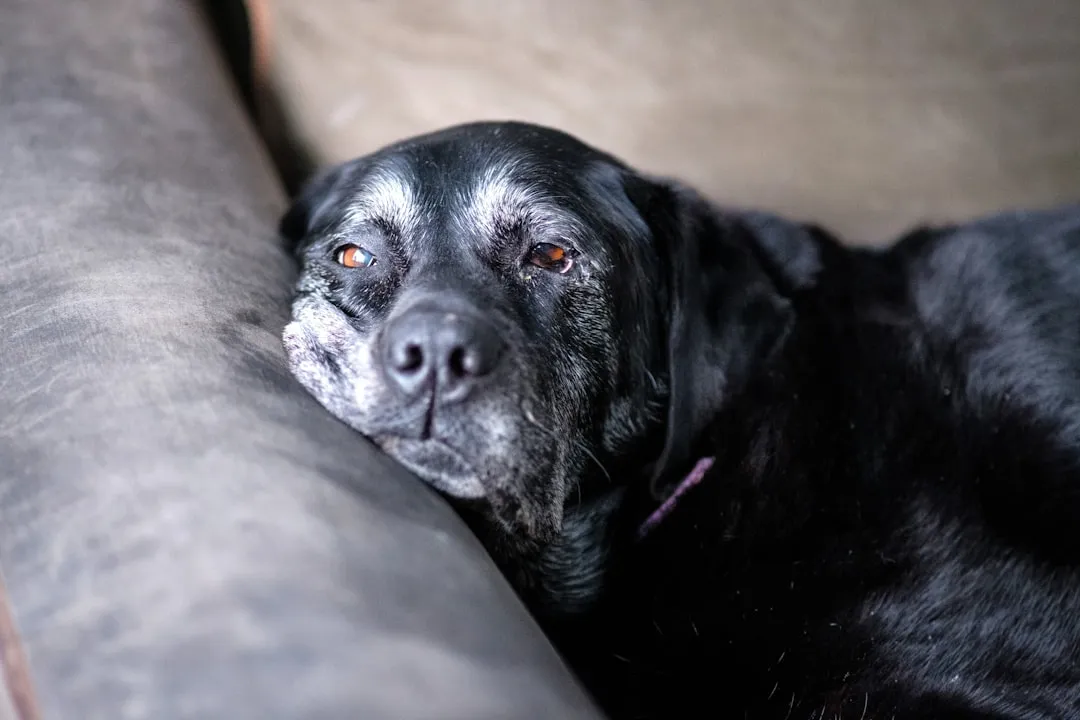
Play fades. Touch doesn’t. Many senior dogs trade fetch and tug-of-war for something slower and more intimate – leaning against a leg, resting a heavy head on a lap, staying there for hours.
Caregivers describe these sessions as almost meditative, a strange calm in the middle of an anxious time. It becomes the new love language of the relationship, and somehow it says more than the games ever did.
#17 – The Gift of Routine Disruption Awareness
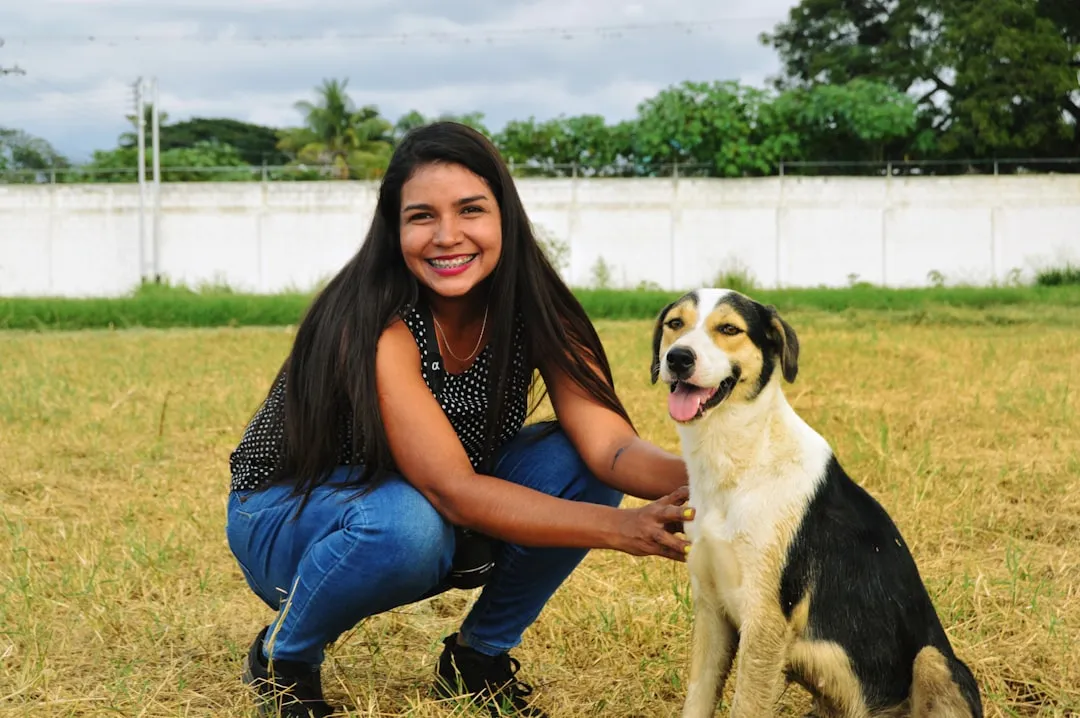
Dogs notice everything, even the sadness people think they’re hiding well. Some will bark or whine at a family member specifically when that person is putting on a brave face, forcing the honest conversation nobody wanted to start.
It sounds disruptive, but owners later credit it with keeping the family from quietly isolating from each other. The dog becomes an emotional smoke alarm nobody asked for and everybody needed.
#16 – The Gift of Legacy Reflection
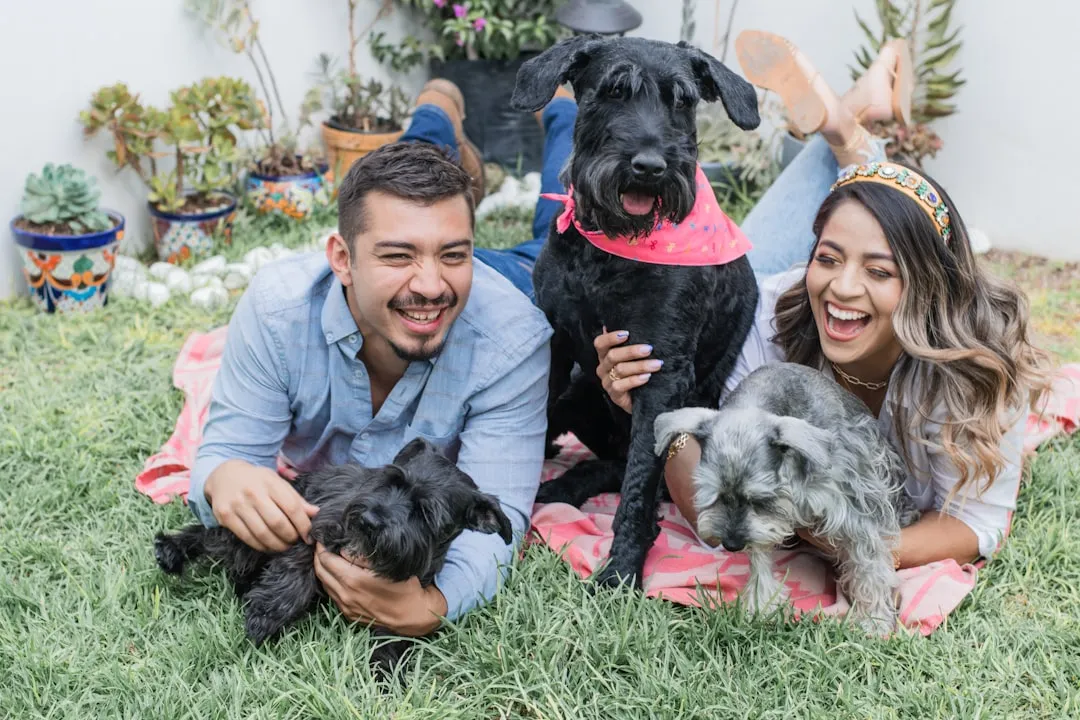
Something about the final weeks sends people digging through old photos and half-forgotten stories, and what surfaces is bigger than expected. The dog didn’t just fill the background of a decade – it shaped decisions about jobs, moves, even how the kids were raised.
Caregivers often walk away from this reflection stunned at how much influence a four-legged family member actually had. It cements the dog’s place in the family’s history, not as a pet, but as a quiet architect of it.
#15 – The Gift of Boundary Setting
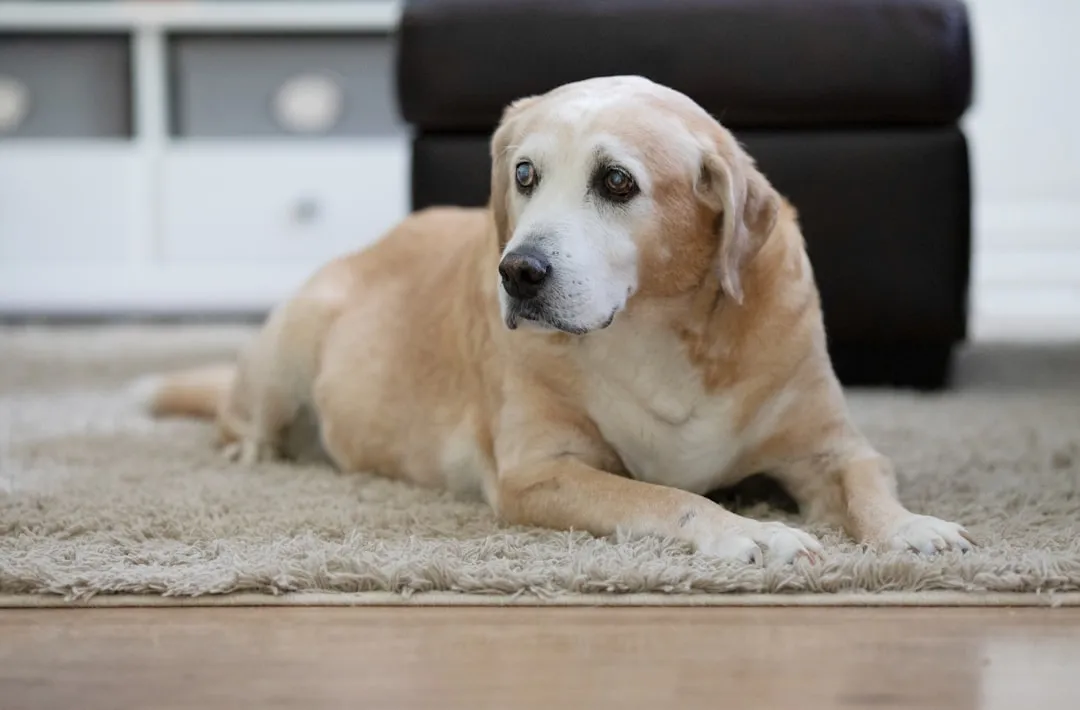
Old dogs get comfortable walking away when they’re overstimulated, and it lands as a strangely well-timed lesson. Most owners have spent years ignoring their own need to rest, and here’s a dying dog modeling it perfectly.
The withdrawal isn’t rejection – it’s self-preservation, and it protects the dog and the caregiver from burning out together. Families who pay attention start applying the same boundary to their own overloaded schedules.
Fast Facts
- Aging dogs often develop reduced tolerance for noise, handling, and long visits.
- Withdrawing to a quiet space is a normal self-regulating behavior, not a sign of rejection.
- A low-traffic, comfortable resting area can measurably reduce stress in senior dogs.
- Stiffening, lip-licking, or moving away are early cues a dog needs space.
#14 – The Gift of Intergenerational Connection
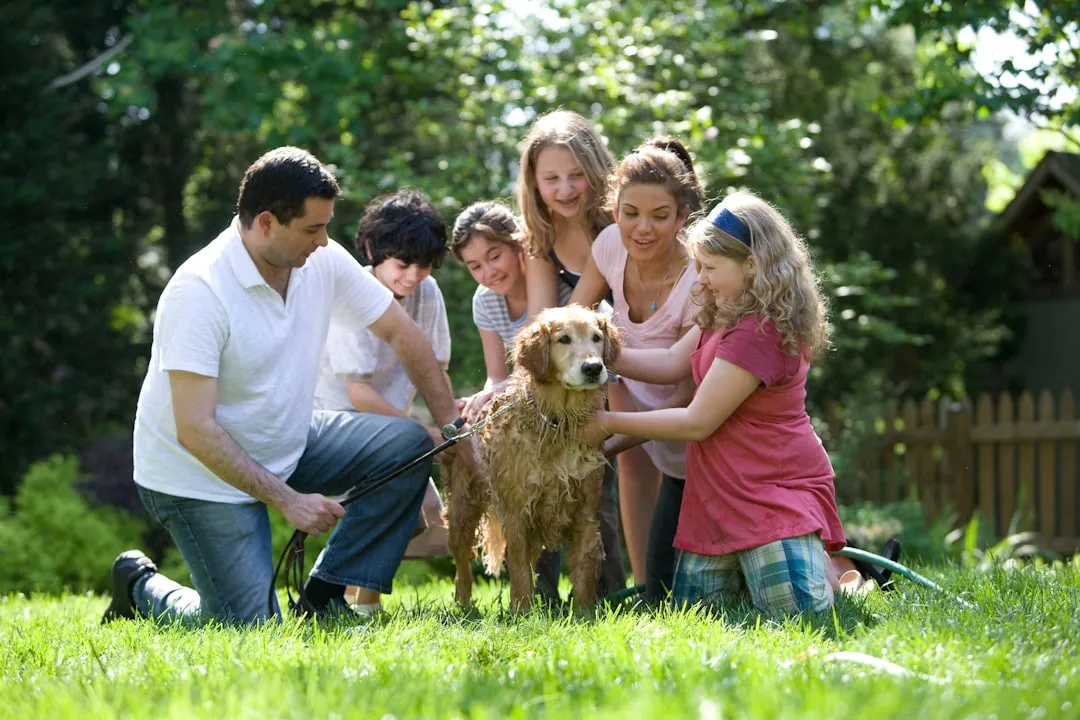
Something happens to restless kids around a dying dog that doesn’t happen anywhere else. A grandchild who can’t sit still for five minutes will suddenly stay parked on the floor for an hour, just to be near it.
That shared stillness becomes a memory that outlives the dog by decades. It passes down patience and empathy without a single lecture, and families say the bond it builds between generations sticks.
#13 – The Gift of Sensory Appreciation
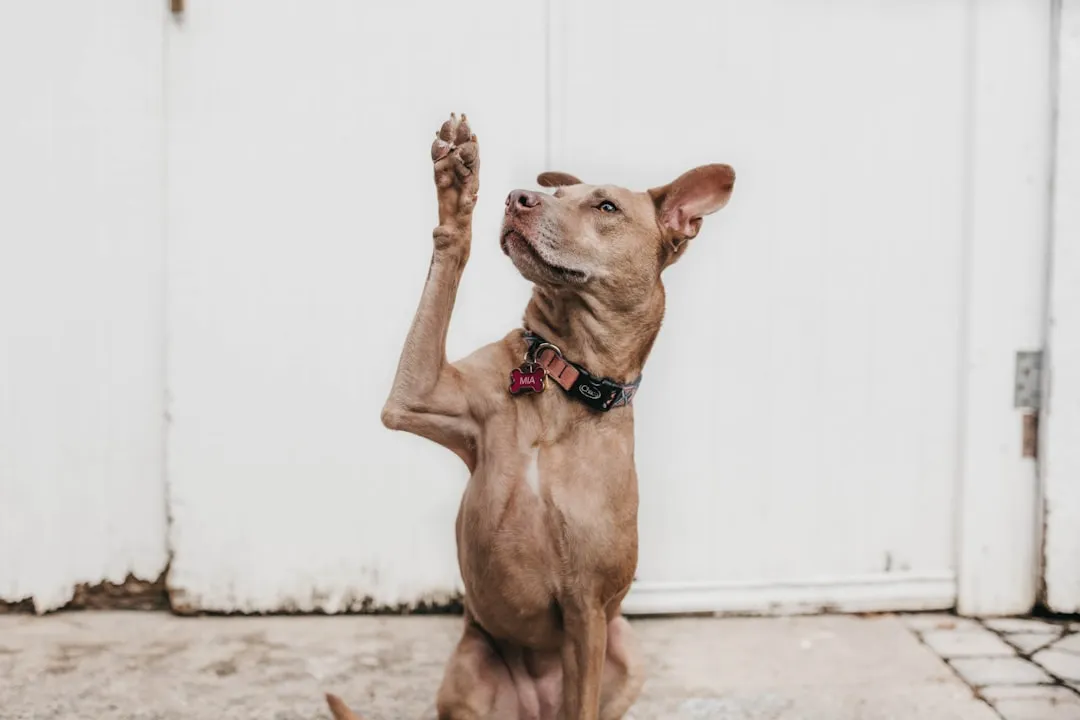
Old dogs start savoring things that used to go unnoticed – sunlight on the floor, a familiar voice from another room, the specific smell of a blanket. And owners, watching this happen, start noticing those same small pleasures too.
It’s a strange kind of contagious mindfulness. Long after the dog is gone, a lot of caregivers say they still catch themselves pausing for a breeze or a patch of sun, thanks to a lesson they never meant to learn.
#12 – The Gift of Honest Grief Modeling

Dogs don’t perform strength they don’t feel. When they’re uncomfortable, it shows, and that visible vulnerability gives owners silent permission to stop pretending everything’s fine too.
Many caregivers admit watching the dog struggle openly made their own tears feel necessary instead of embarrassing. The house learns, almost by accident, that grief shared out loud is grief that doesn’t fester later.
#11 – The Gift of Time Perspective Shift
Every interaction suddenly carries weight when the clock is obviously running out. Work emails that felt urgent last month lose all their power overnight, replaced by something that actually matters.
Owners describe this shift outlasting the loss itself – priorities that stayed rearranged long after the dog passed. It’s an unexpected recalibration nobody asked for, delivered by an animal who never said a word.
#10 – The Gift of Community Support Activation
Asking for help with vet bills, late-night decisions, or just someone to talk to tends to reconnect owners with neighbors and friends they’d quietly drifted from. The dog’s decline becomes, oddly, the reason people reach back out.
What started as a private struggle turns into a shared one, and caregivers often discover they weren’t nearly as alone as they assumed. The support doesn’t disappear when the dog does, either.
#9 – The Gift of Medical Advocacy Practice
Learning to ask a vet the hard questions, push back on vague answers, and trust your own read of the situation is an education no pamphlet can give you. Caring for a dying dog forces that skill fast.
Owners frequently say this period made them noticeably more confident in medical settings for themselves and their own aging parents afterward. The dog’s final months become, unintentionally, a crash course in advocating for someone you love.
#8 – The Gift of Ritual Creation

A final slow walk around the block. A bedtime check-in that used to be an afterthought. These small routines suddenly carry weight, becoming little ceremonies that hold both dog and owner steady through the uncertainty.
Families often keep modified versions of these rituals going long after the dog is gone. What started as a way to cope quietly turns into a lasting tribute nobody planned to build.
At a Glance
- Short, slow walks along familiar routes offer comfort without overexertion.
- A consistent bedtime check-in helps maintain a sense of security for an aging dog.
- Simple touch rituals, like a nightly ear rub, become meaningful anchors for both dog and owner.
- Many families continue a modified version of these rituals afterward as a quiet way to honor the dog.
#7 – The Gift of Joy in Minimalism

No toys. No treats. No elaborate outings. With fewer demands on the dog’s fading energy, owners rediscover that basic companionship – just sitting together, nothing else – was the real point the whole time.
That stripped-down version of the relationship often feels more honest than any of the busier years. It proves the connection was never about entertainment, and a lot of families carry that simplicity forward into how they treat every other relationship, too.
#6 – The Gift of Mortality Acceptance
Watching a dog age gracefully, without dread or denial, quietly reshapes how a lot of people feel about their own mortality. There’s something disarming about an animal that seems to accept the ending without fighting it.
Caregivers often say this lived example softened their fear of future goodbyes, human and animal alike.
Dogs’ lives are too short. Their only fault, really.
Agnes Sligh Turnbull
#5 – The Gift of Strengthened Partnerships
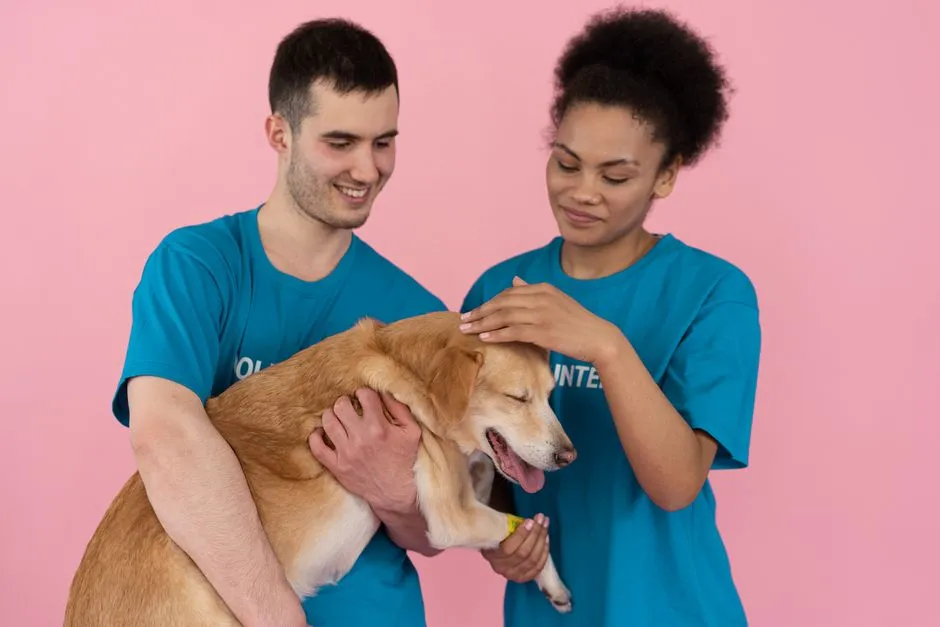
Splitting caregiving duties, vet trips, and late-night worry has a way of revealing what a couple or a household is actually made of. Cracks show, but so does unexpected strength.
The dog becomes the reason for conversations that had been avoided for years. Plenty of partnerships come out the other side of this stretch noticeably more resilient than they went in.
#4 – The Gift of Legacy Storytelling
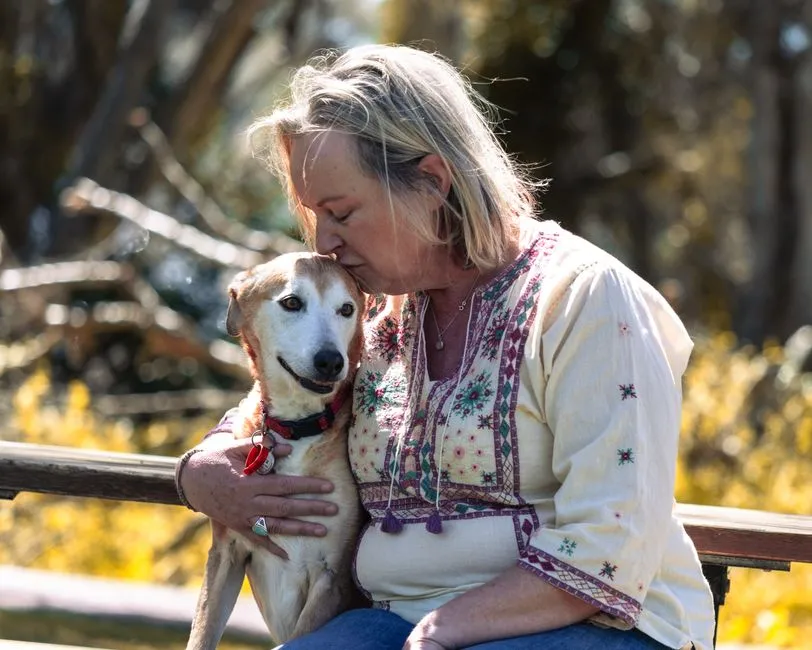
Owners start telling the dog’s life story to anyone who’ll listen – the vet, new neighbors, old friends who never even met the animal. It’s not oversharing. It’s processing.
Repeating those stories out loud turns private memories into something communal, and it helps the grief move instead of sitting still. Families say the healing happens somewhere in the retelling, not just in the silence after.
#3 – The Gift of Expanded Compassion
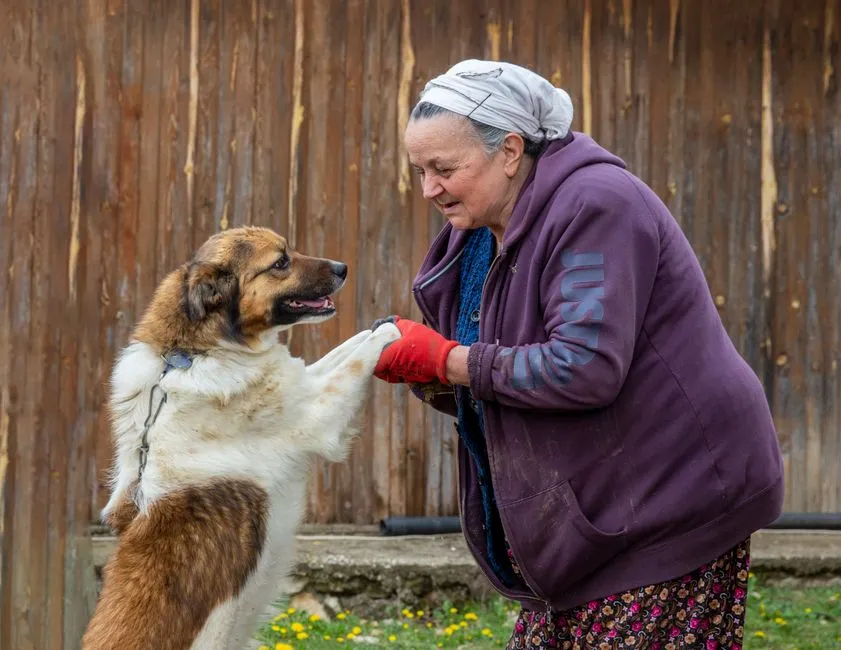
Caring for a slow, aching, aging dog has a way of widening a person’s patience for every other aging being in their life – elderly parents, slower strangers in line at the grocery store, anyone moving through the world a little more carefully than before.
Owners notice themselves offering grace in situations that had nothing to do with the dog at all. The lesson doesn’t stay contained. It ripples outward whether anyone intends it to or not.
Why It Stands Out
- Caregiving for a senior dog often builds patience that carries into other relationships.
- Many owners report becoming more attentive to elderly family members after this experience.
- The daily practice of slowing down for a dog can reshape how someone treats strangers, too.
- This ripple effect is one of the most frequently mentioned aftershocks caregivers describe.
#2 – The Gift of Unfinished Business Resolution
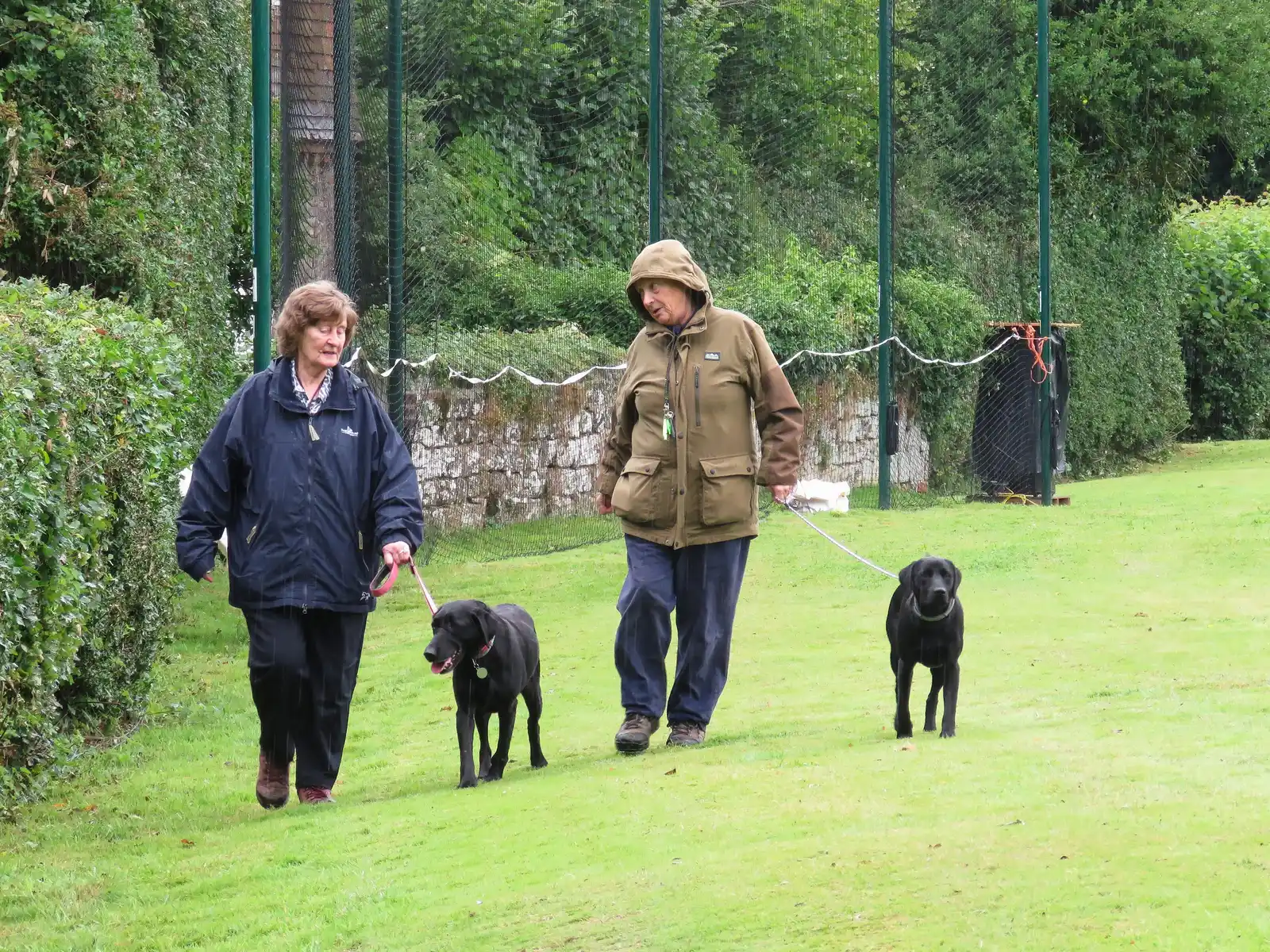
Knowing the end is close pushes owners to finally say the things they’d been postponing – the thank-yous, the apologies, the quiet acknowledgments of everything the dog gave without ever asking for anything back.
Caregivers describe these moments as healing on both sides, closing an emotional loop that sudden, unexpected losses never get to close. It’s not about the dog understanding the words. It’s about the human finally saying them.
#1 – The Gift of Profound Presence
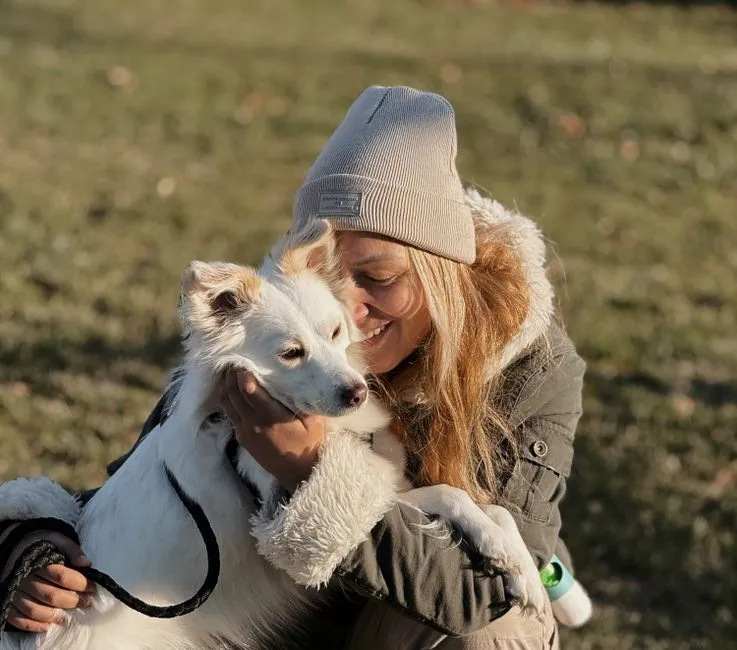
In the very last days, something shifts that’s hard to explain to anyone who hasn’t sat through it. The dog goes still, fully present, asking for nothing, simply there – and it feels less like decline and more like a final teaching.
That shared stillness is the one gift caregivers say reshapes them the most. It redefines what connection actually means, long after the leash is put away for good, and it quietly becomes the standard every future relationship gets measured against.
The Bottom Line

Twenty-four gifts, and not one of them required the dog to do anything but be exactly what it always was – present, patient, and quietly generous right up until the end.
The uncomfortable truth is that most owners never notice these gifts while they’re happening. They’re too busy grieving in advance to see the lesson standing right in front of them, tail barely wagging, still trying to give one last thing before it’s gone. That’s the real waste in all of this – not the loss itself, but how easily we miss what it’s trying to teach us while there’s still time to notice.
