
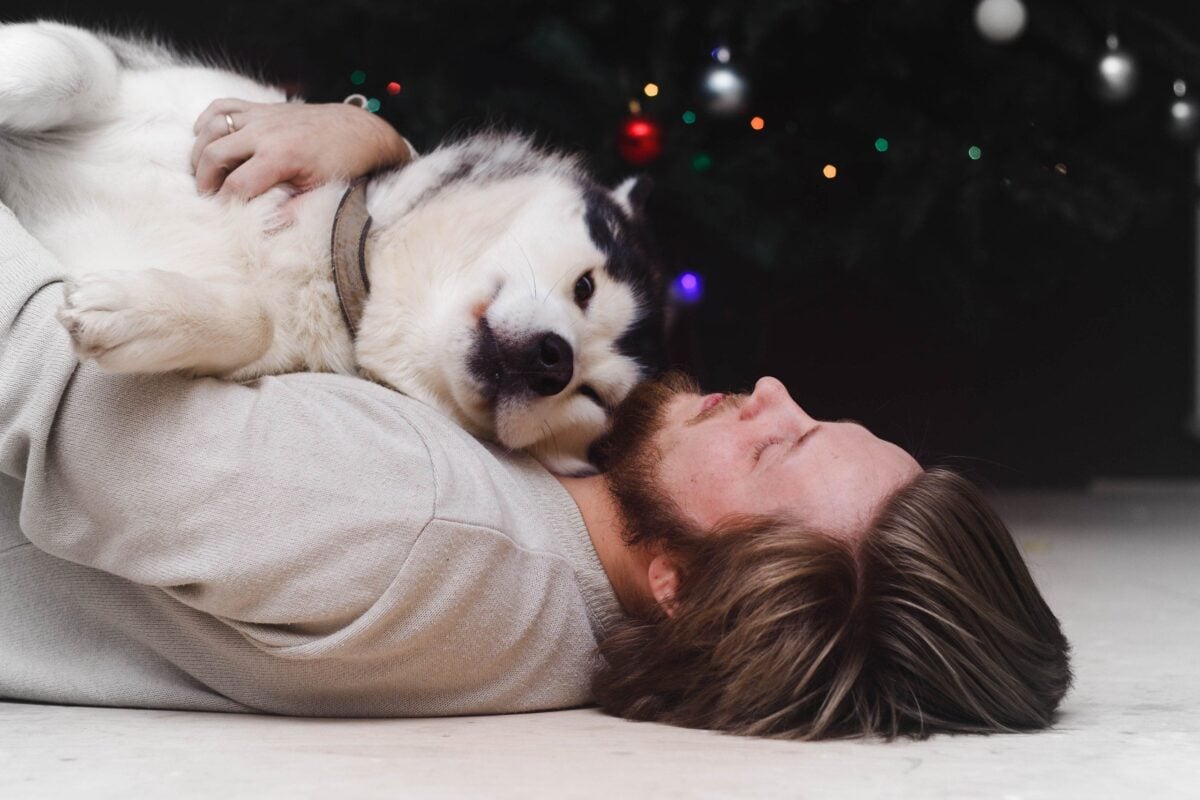
Most people think their dog’s clinginess is just love. The leaning, the following, the constant shadowing from room to room – it all reads as affection, so we barely register it. But a lot of what looks like devotion is actually your dog quietly staking a claim on you, the same way they’d guard a bone or a favorite patch of grass.
Once you know what to look for, you can’t unsee it. Some of these behaviors are so small and so ordinary that owners have written them off for years as “just something my dog does.” By the time you reach the last few on this list, you’ll probably realize your dog has been telling you “you’re mine” in a dozen quiet ways every single day.
24. Leaning Against You
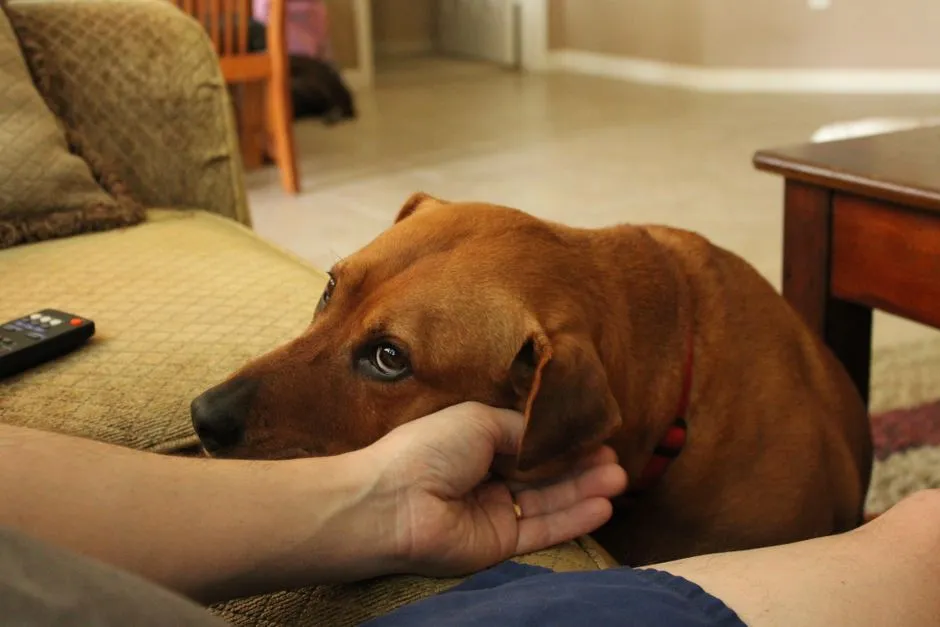
When your dog presses their full body weight into your leg, it isn’t a request for a scratch behind the ears. It’s a quiet broadcast. To any person or animal nearby, that lean says: this human belongs to me, and I’m not moving.
Sometimes the leaning does come from anxiety or a need for reassurance, and context matters. But when it happens the moment someone else walks into the room, it stops looking like comfort-seeking and starts looking like a territorial line drawn in real time.
23. Sitting on Your Feet
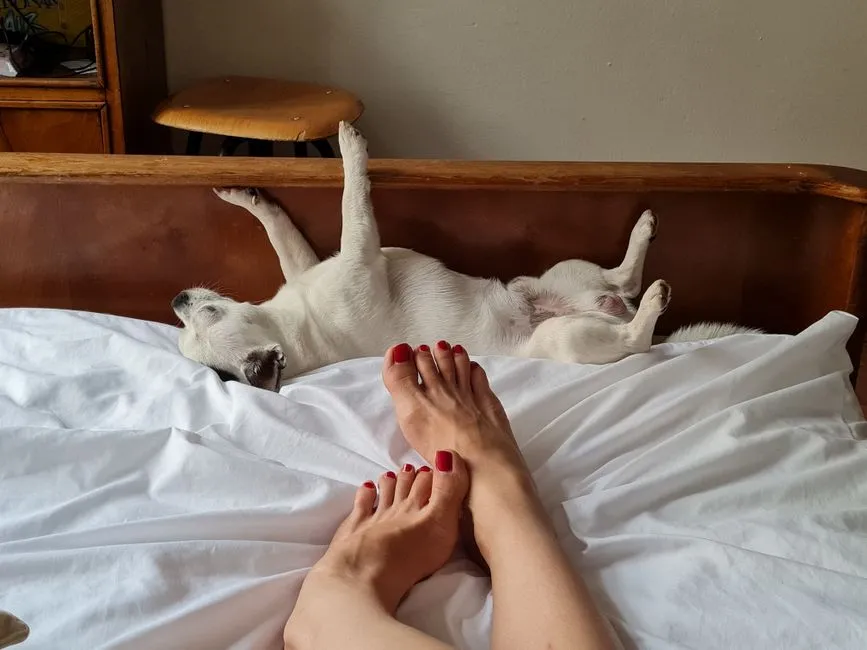
A dog parked directly on top of your feet isn’t just cozy. It’s an anchor. By physically pinning themselves to you, they’re making it just a little harder for you to walk away – and making it very clear to anyone watching who you belong to.
It reads as sweet, and often it is. But watch what happens the next time a stranger or another dog gets close. That foot-sitting frequently turns into a subtle grip, a small but deliberate way of controlling where you go next.
22. Blocking Your Path
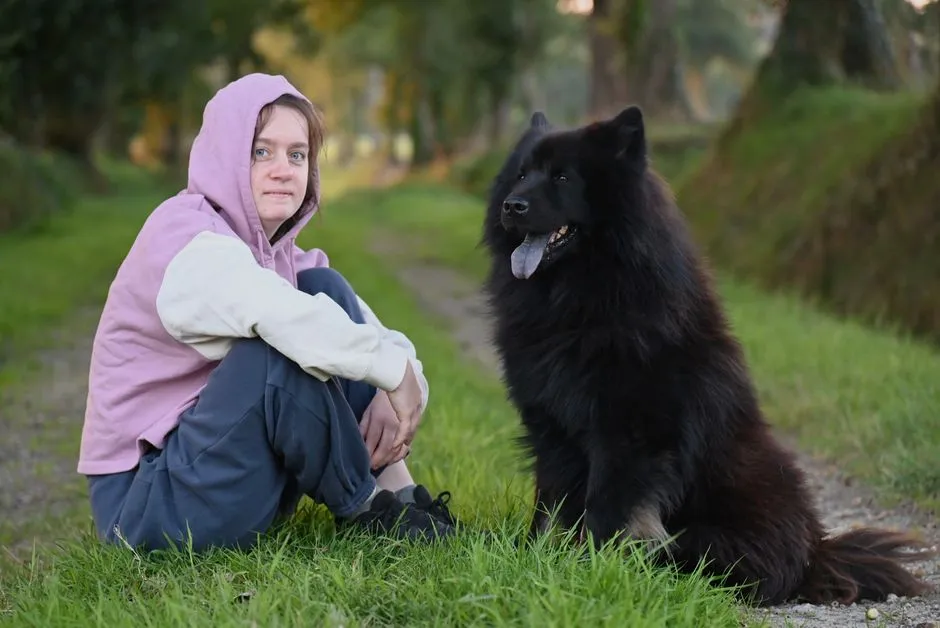
A dog who plants themselves directly in front of you, again and again, isn’t clumsy. They’re redirecting you, whether you notice it or not. It’s a physical way of keeping you inside their orbit instead of someone else’s.
This shows up most when you’re trying to greet another person or animal. Your dog steps in, forces eye contact, and effectively says “stay with me” without making a sound.
21. Nudging Your Hand
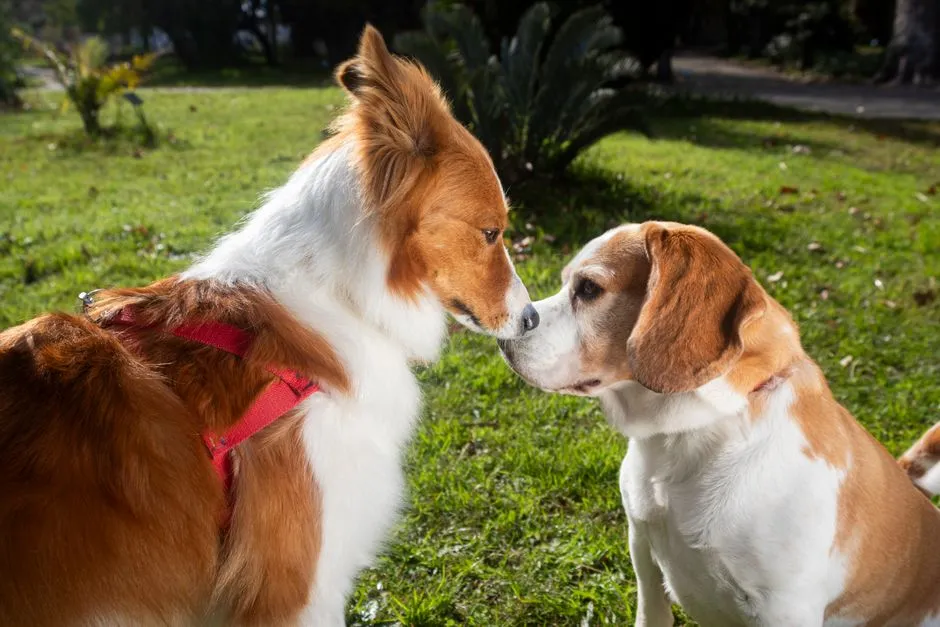
That soft bump of a wet nose against your palm feels like a simple bid for attention, and often it is. But it’s also a reset button – your dog’s way of yanking your focus back to them the second it drifts elsewhere.
Notice when it happens most. If the nudging escalates right as you’re mid-conversation with someone else, it’s less “pet me” and more “remember I’m here, and I was here first.”
20. Bringing You “Gifts”
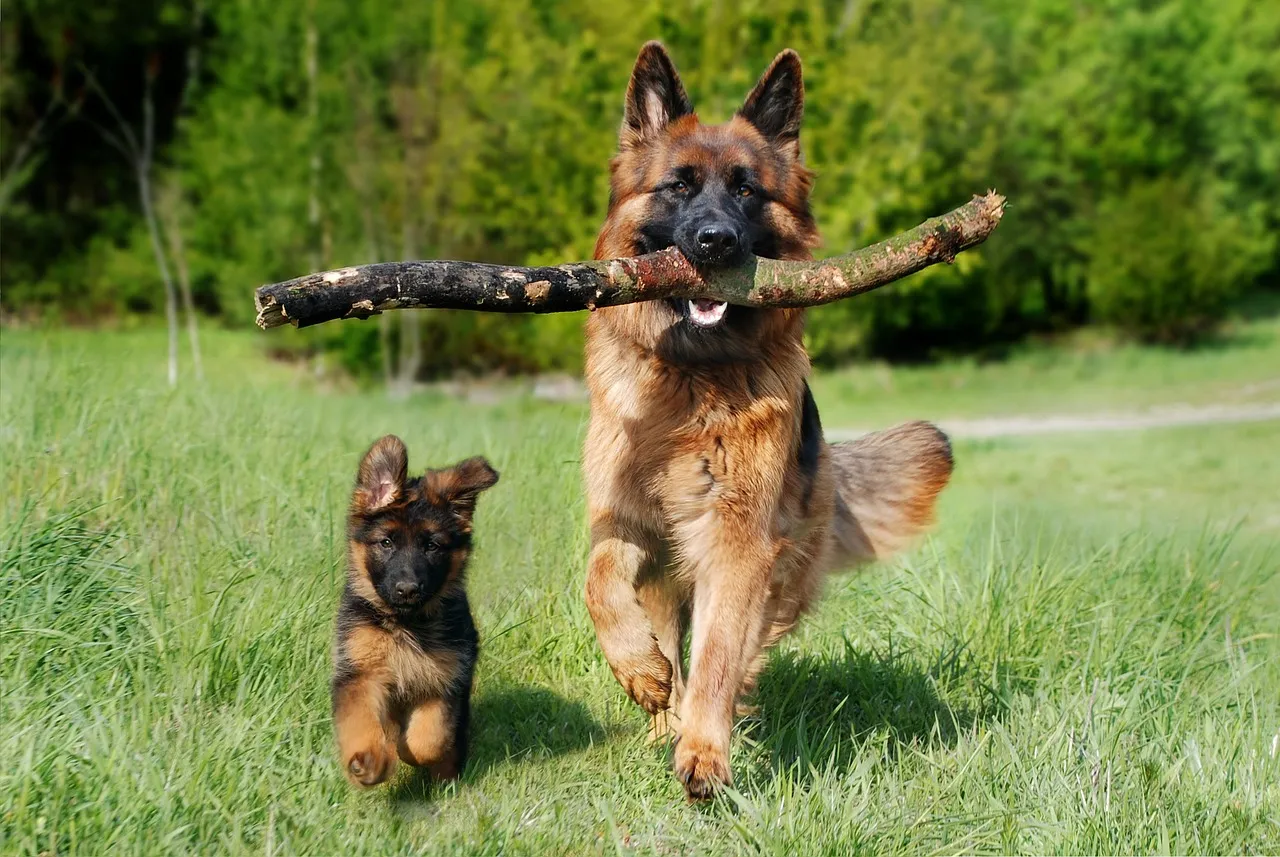
A toy dropped in your lap looks like playtime. Sometimes it’s actually a tactic – a way to pull your attention away from whoever else is in the room and lock it back onto them.
Occasional gift-bringing is completely normal dog behavior. But when it turns into a persistent parade of toys every time you’re distracted by someone else, it’s less about play and more about monopolizing you.
19. Licking Your Face Excessively
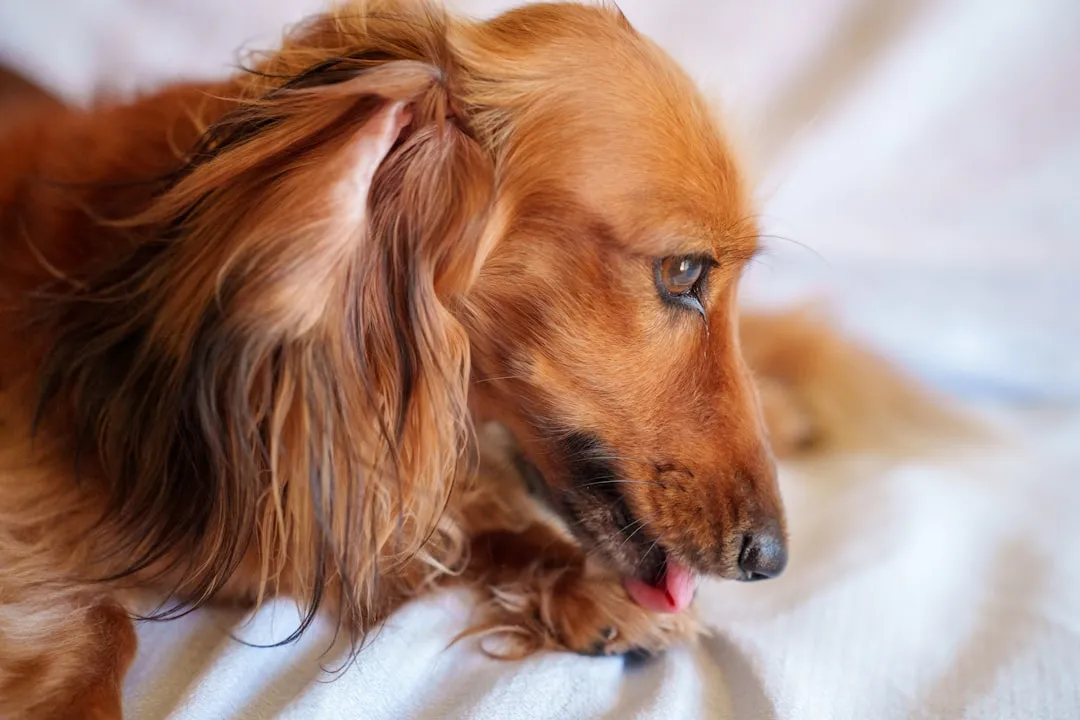
A quick lick is affection. Repeated, insistent face-licking is something closer to branding. Your dog’s saliva carries their scent, and marking your skin with it is a quiet way of labeling you as taken.
It rarely gets questioned because it looks so sweet. But watch how it intensifies the moment another dog or person gets close to you – that’s not just love, that’s a claim being reapplied.
18. Following You Everywhere
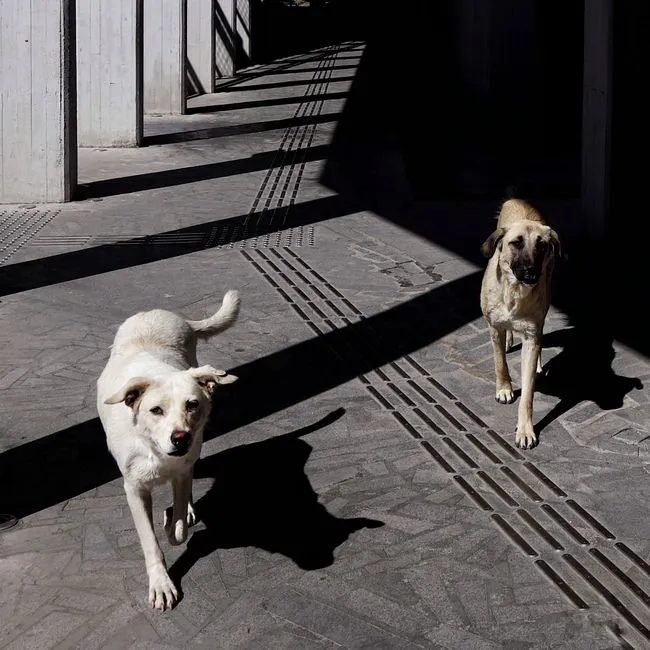
Room to room, task to task, your dog trailing behind you can feel like loyalty in its purest form. Often it is. But constant shadowing also keeps you under a kind of quiet surveillance – always within reach, always accounted for.
The difference between devotion and possessiveness usually shows up at the door. If your dog panics or paces when you leave a room without them, that’s not just closeness. That’s control dressed up as love.
17. Growling at Others Who Approach You
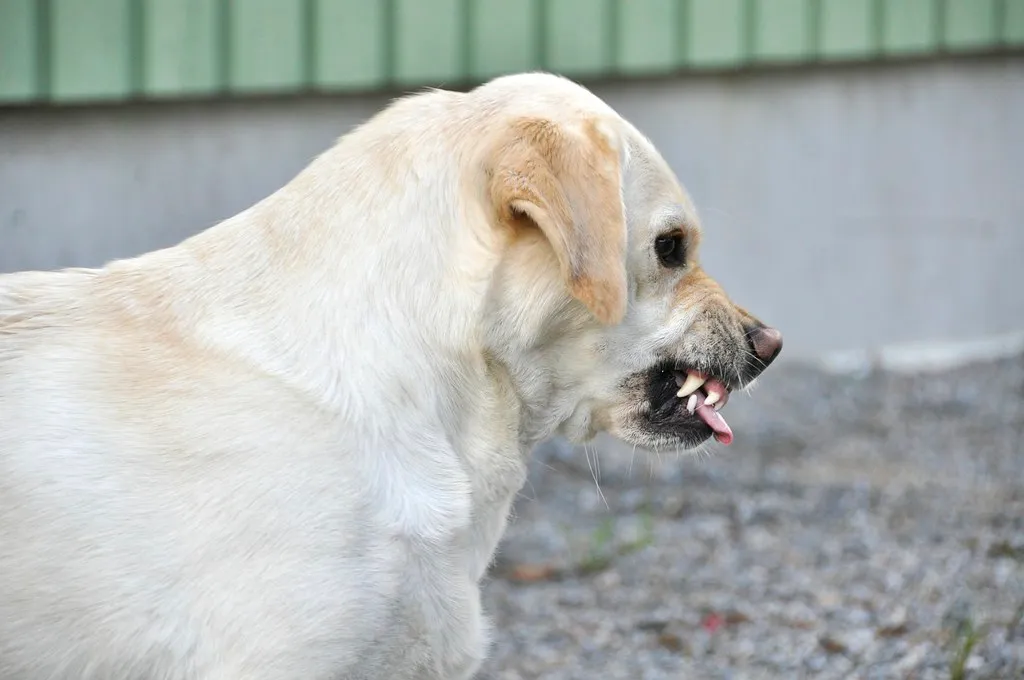
This one doesn’t stay quiet for long. A low growl when someone gets too close to you is your dog announcing, in the clearest language they have, that you are property worth defending.
It’s easy to laugh off the first time. But left unaddressed, this possessive growling has a way of escalating into snapping or full-blown aggression, which is exactly why it deserves attention early, not after it becomes a habit.
16. Jumping Between You and Others

When your dog physically wedges themselves between you and another person, they’re not being clumsy or eager. They’re interrupting on purpose, breaking the connection before it can fully form.
It’s a small act with a big message: your attention is a limited resource, and they intend to be the one holding most of it.
15. Whining When You’re Engaged Elsewhere
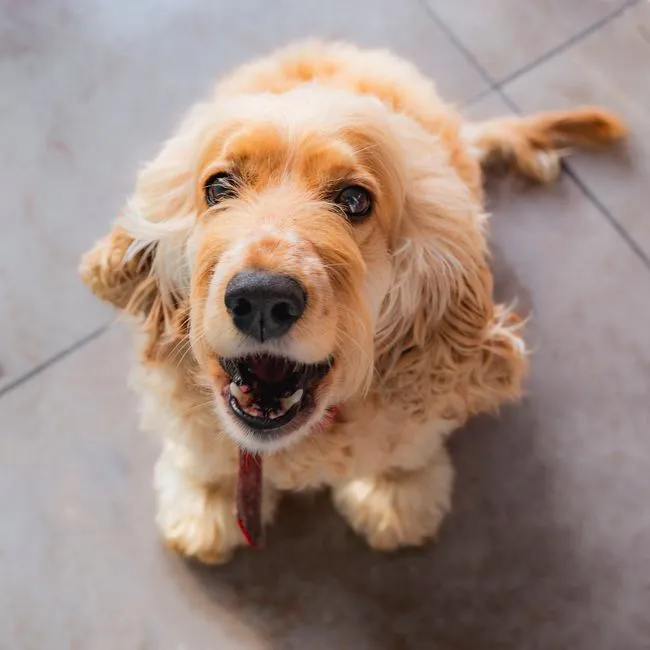
That thin, high-pitched whine while you’re on the phone or talking to a friend isn’t random noise. It’s discomfort, spoken the only way your dog knows how – through sound instead of words.
Underneath it is often jealousy, plain and simple. Ignoring the whining might feel like the easy move, but the behavior tends to grow louder and more frequent the longer it goes unaddressed.
14. Guarding You from Others
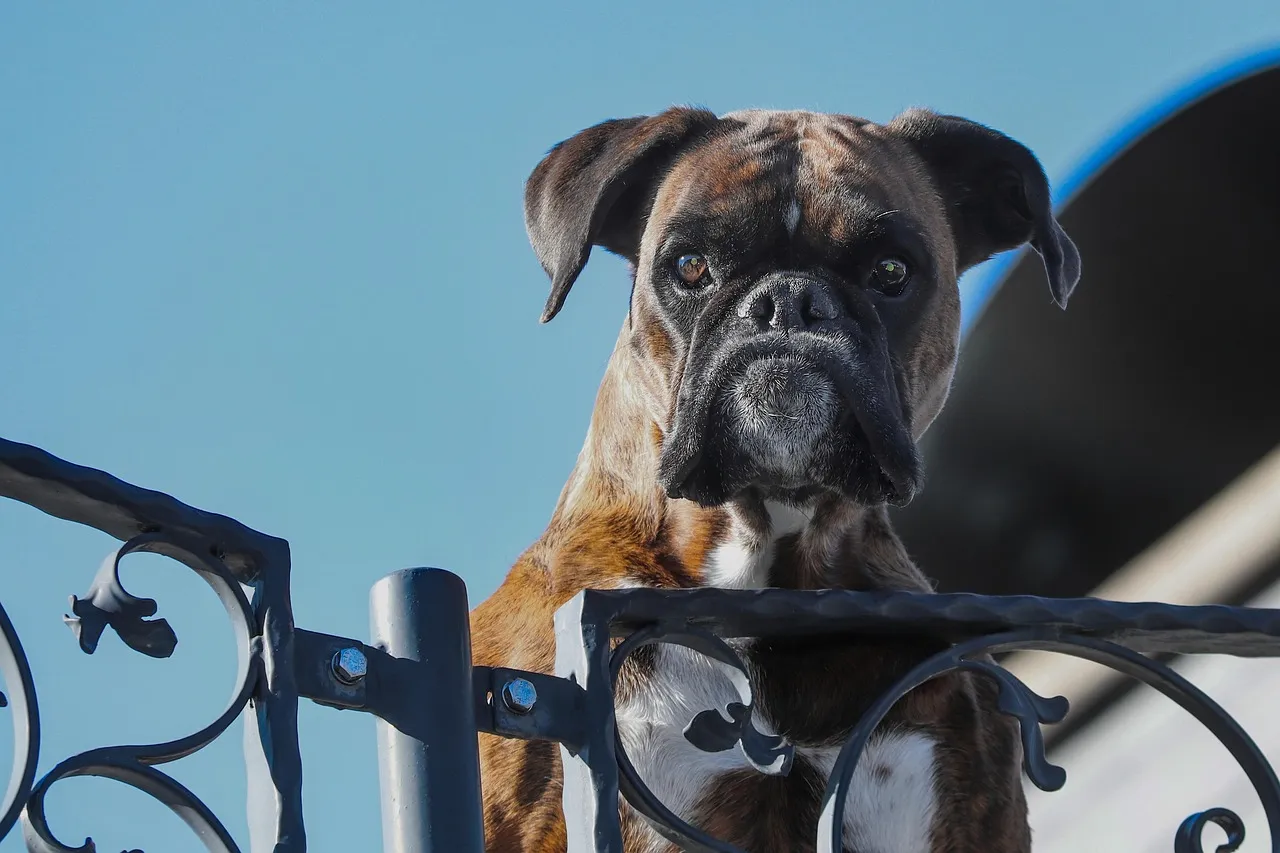
Some dogs take up a literal post between you and anyone approaching, body angled, eyes locked. It looks protective because it is protective – just not always in a way that’s healthy.
A little watchfulness is normal. But when guarding turns into blocking, stiffening, or snapping at people who mean you no harm, it’s crossed from instinct into a possessiveness that needs to be managed before it hardens into habit.
13. Ignoring Commands When Others Are Around
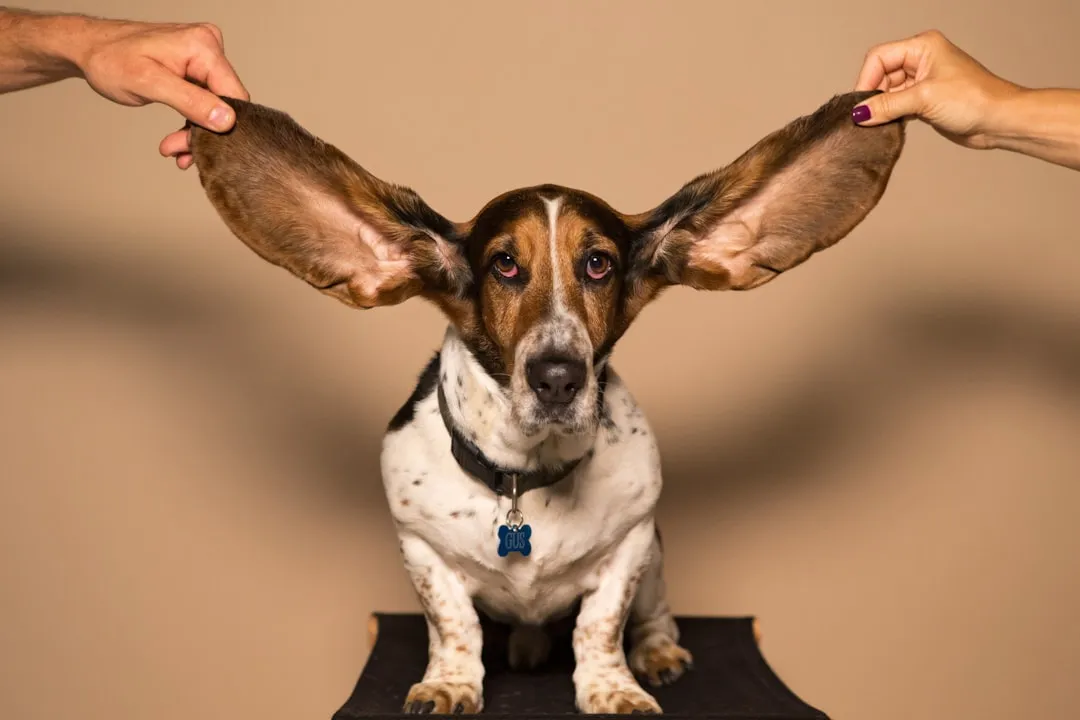
A dog who listens perfectly at home but suddenly goes deaf the moment company arrives isn’t confused. They’re testing the boundaries of a situation they don’t like – one where your attention is split.
This selective deafness is often a quiet protest. It’s their way of asserting some control over a moment where they feel like they’re losing you to someone else.
12. Resting Their Head on Your Lap
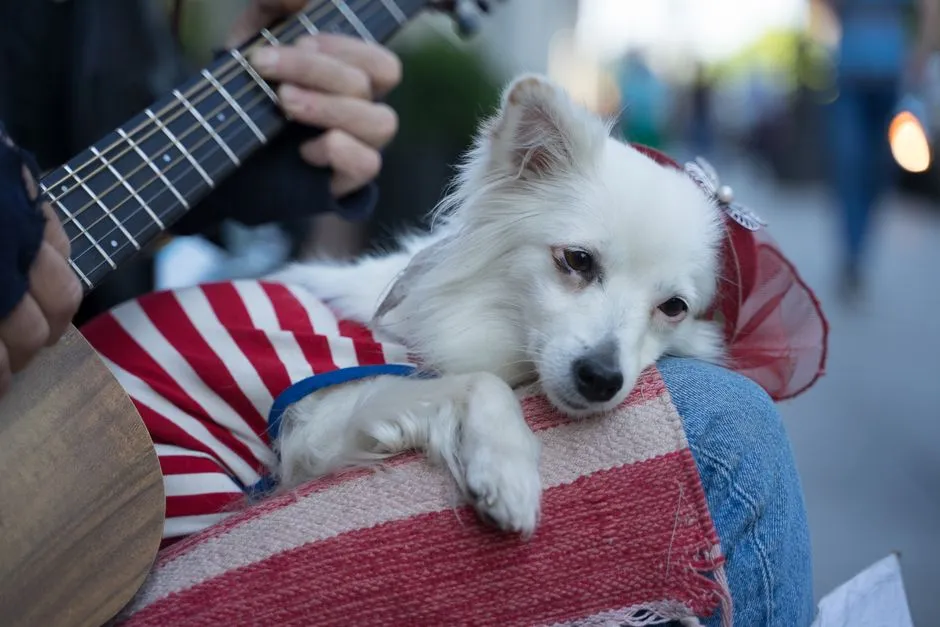
It looks like the most innocent gesture a dog can make. But a head planted firmly on your lap, especially when someone new sits down nearby, is a deliberate way of staying physically connected to you in front of an audience.
The weight of it matters too. A light rest is affection; a heavy, unmoving press that won’t budge when someone else reaches to pet you is possessiveness wearing a very cute disguise.
11. Sleeping Pressed Against Your Legs
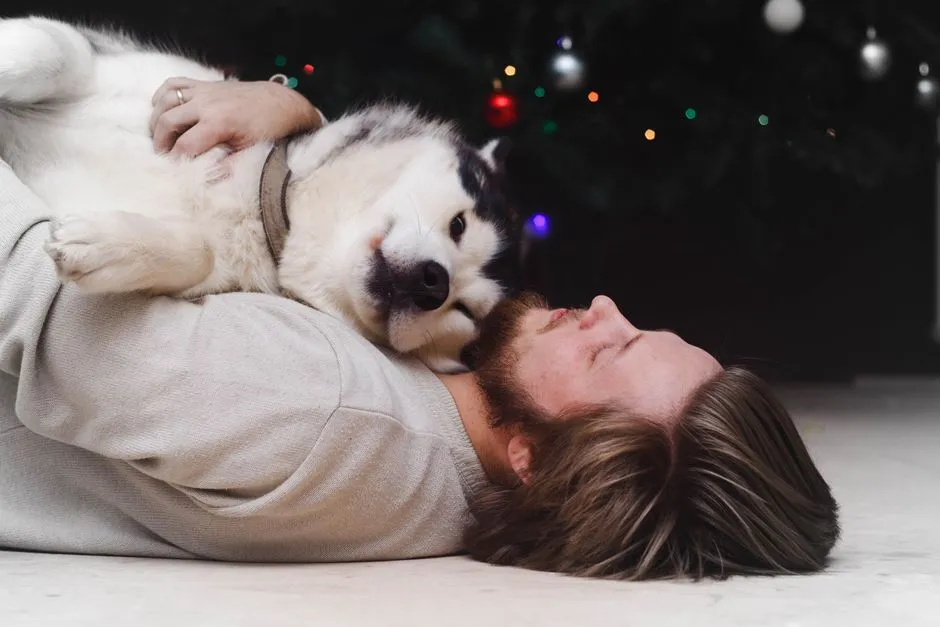
Dogs don’t need to sleep touching you. When they choose to anyway, night after night, it’s often about keeping tabs on you even while unconscious – a built-in alarm system that goes off if you shift away.
This becomes more obvious when someone else joins the bed or the couch. Watch how quickly your dog repositions themselves to stay in contact, even if it means displacing the new arrival entirely.
10. Staring at You Across the Room
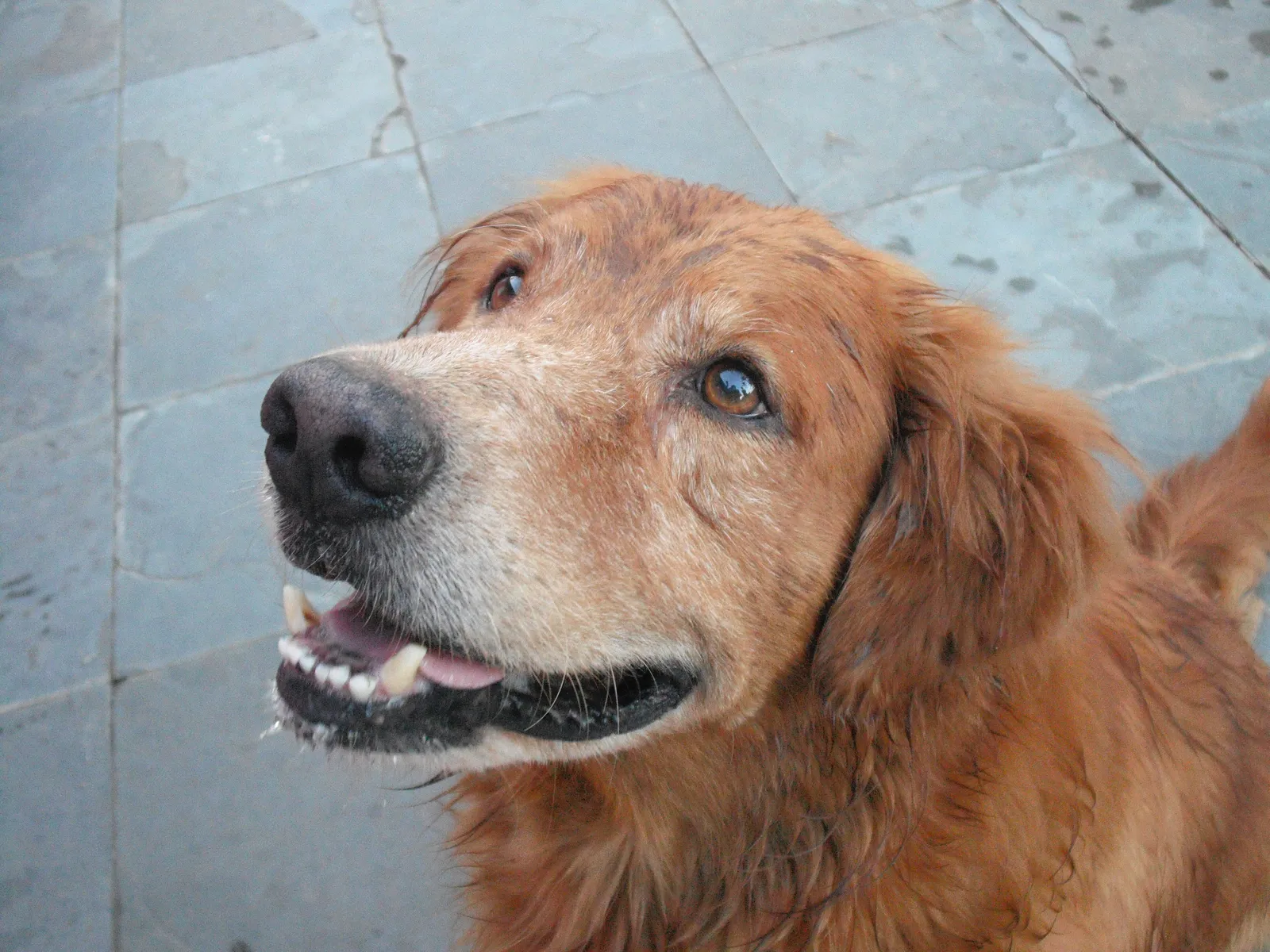
A dog that tracks your every move with steady, unblinking eyes isn’t just admiring you. That gaze is a form of monitoring, a way of keeping constant tabs on the person they consider theirs.
It’s one of the most overlooked signals on this entire list, mostly because it’s silent and still. But silence has never meant nothing where dogs are concerned.
Dogs do speak, but only to those who know how to listen.
Orhan Pamuk
9. Herding You Away from Crowds
Some dogs develop a habit of gently steering their owner away from groups of people, nudging with their body or angling in front of you until you drift toward a quieter spot.
It’s subtle enough to seem like coincidence at first. But watch it happen at every party, every walk, every crowded sidewalk, and the pattern becomes impossible to ignore – they’re not avoiding the crowd, they’re pulling you away from sharing yourself with it.
8. Chewing on Your Belongings
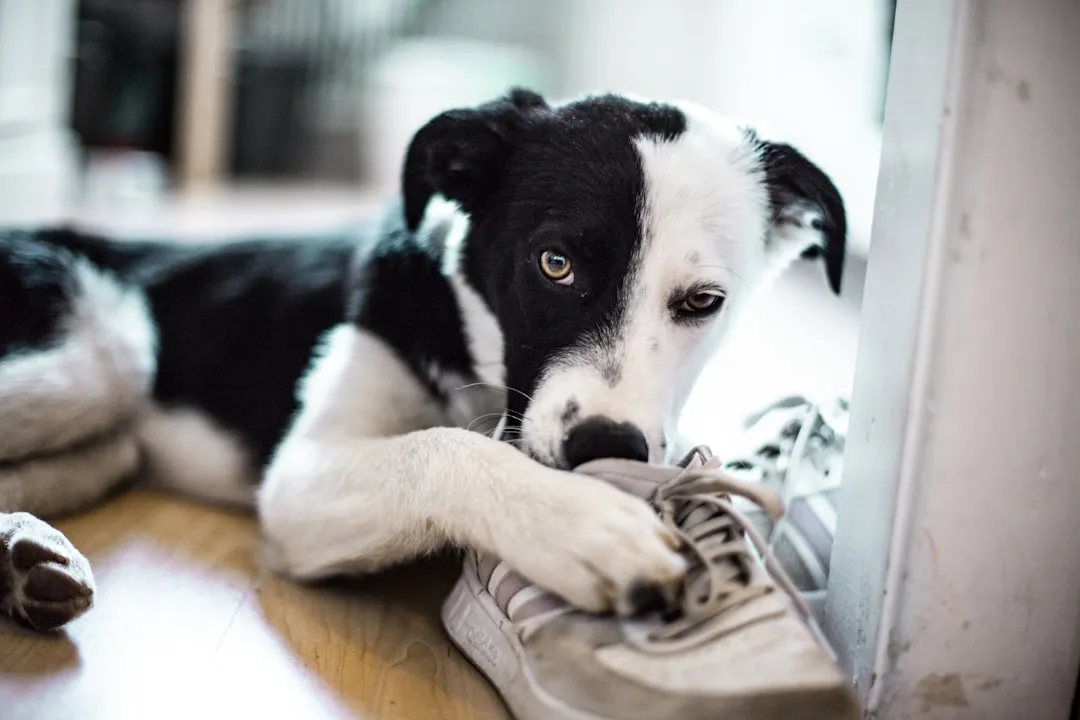
A shoe destroyed while you’re at work looks like boredom or bad manners. Sometimes it’s neither. Chewing on your things covers your scent with theirs, a small, quiet act of claiming an object that’s saturated in your smell.
This is especially telling when it targets items you’ve worn recently rather than random household objects. Your dog isn’t picking targets at random; they’re going after whatever smells most like you.
7. Stealing and Hoarding Your Clothes
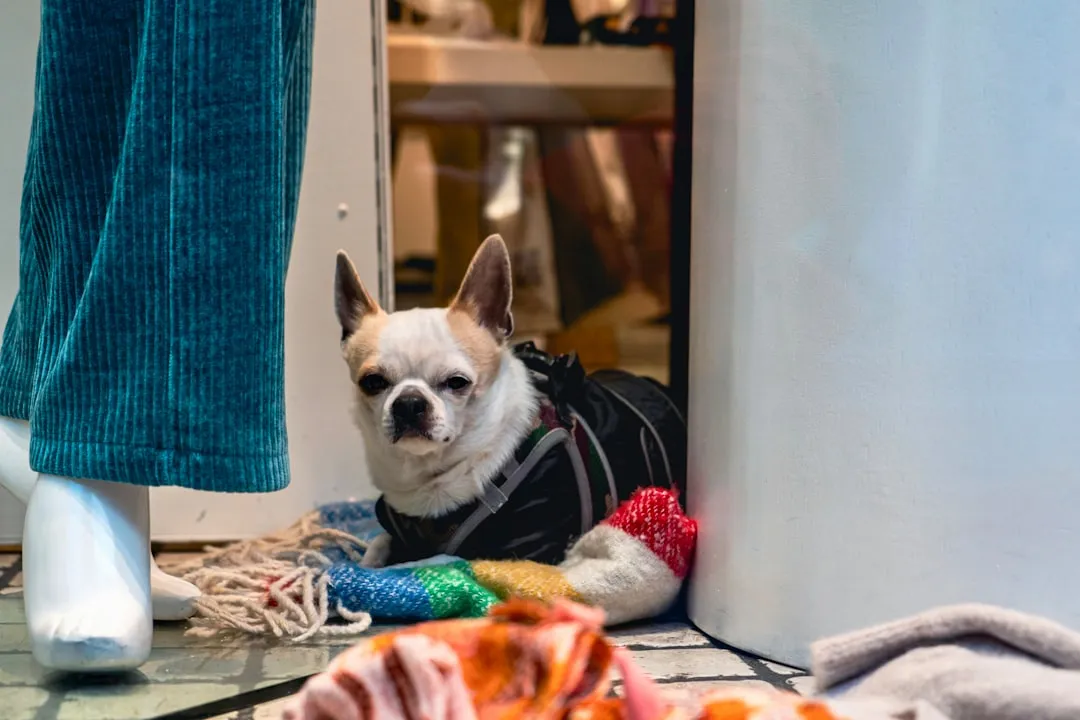
Dragging a sock or a sweatshirt into their bed isn’t theft for theft’s sake. Dogs gravitate toward items heavy with your scent because sleeping surrounded by it feels like being surrounded by you.
Some dogs take this further, building an actual stash of your belongings in one spot. It’s less about the object and entirely about what it represents: a piece of you they get to keep close, even when you’re not there.
6. Sitting Between You and the Door
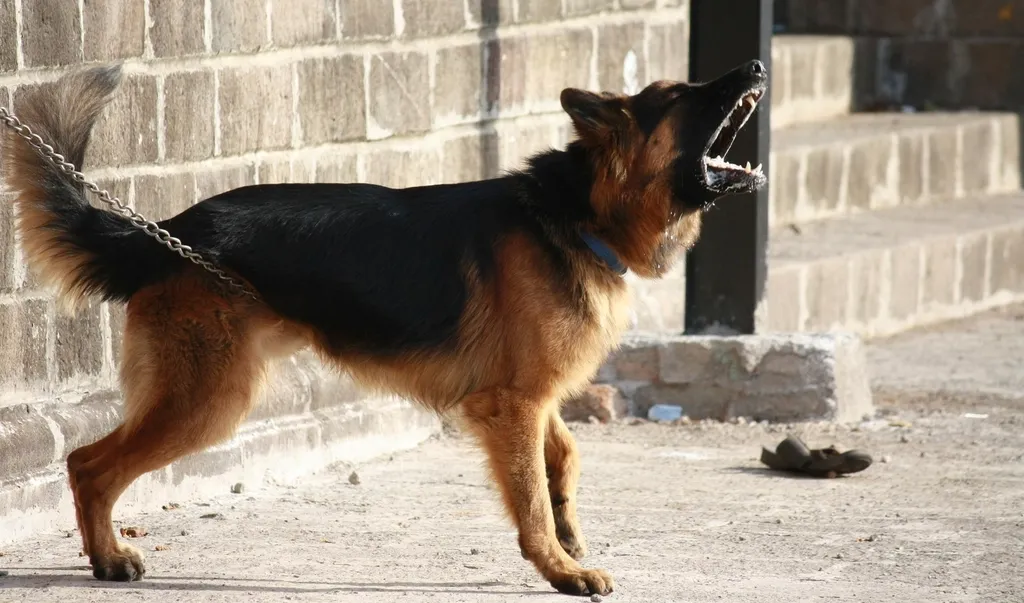
A dog who consistently positions themselves between you and the doorway isn’t just picking a comfortable spot. That placement is strategic, putting them in control of who comes and goes near you.
It’s most noticeable with visitors. The dog isn’t blocking the door out of fear; they’re stationed there as a kind of unofficial checkpoint, deciding who gets close and who doesn’t.
5. Refusing to Eat Without You Nearby
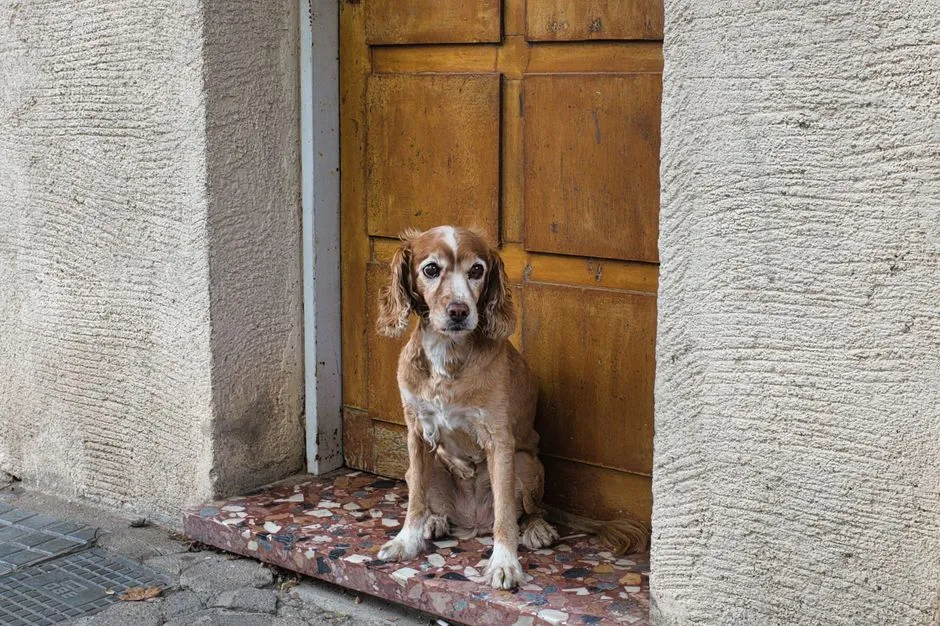
Some dogs will let a full bowl sit untouched until their owner is in the room, even if someone else is home and willing to keep them company. That’s not pickiness. That’s a refusal to be comfortable unless you’re the one present.
It’s a strange, quiet form of possessiveness because it puts the dog at a disadvantage – hunger doesn’t win over the need to have you specifically nearby. That trade-off says a lot about where you rank in their world.
4. Circling You When Strangers Get Close
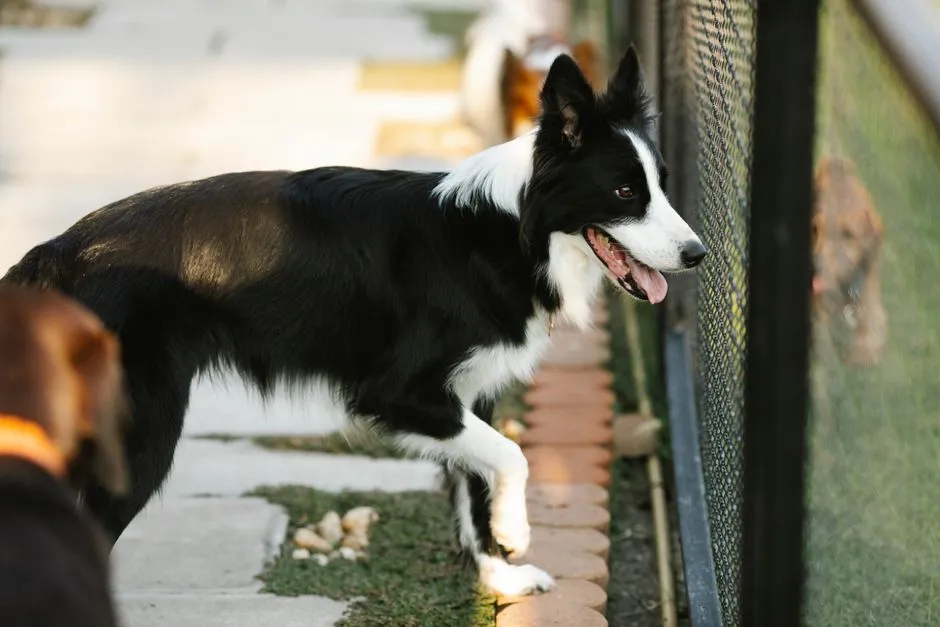
A dog that walks tight loops around you when an unfamiliar person approaches isn’t just excited or nervous. That circling motion is a subtle boundary, a moving fence built entirely out of their own body.
It rarely looks aggressive, which is exactly why it gets missed. But the intent is the same as growling or blocking – keep the stranger at a distance and keep you inside the circle.
3. Mirroring Your Every Move
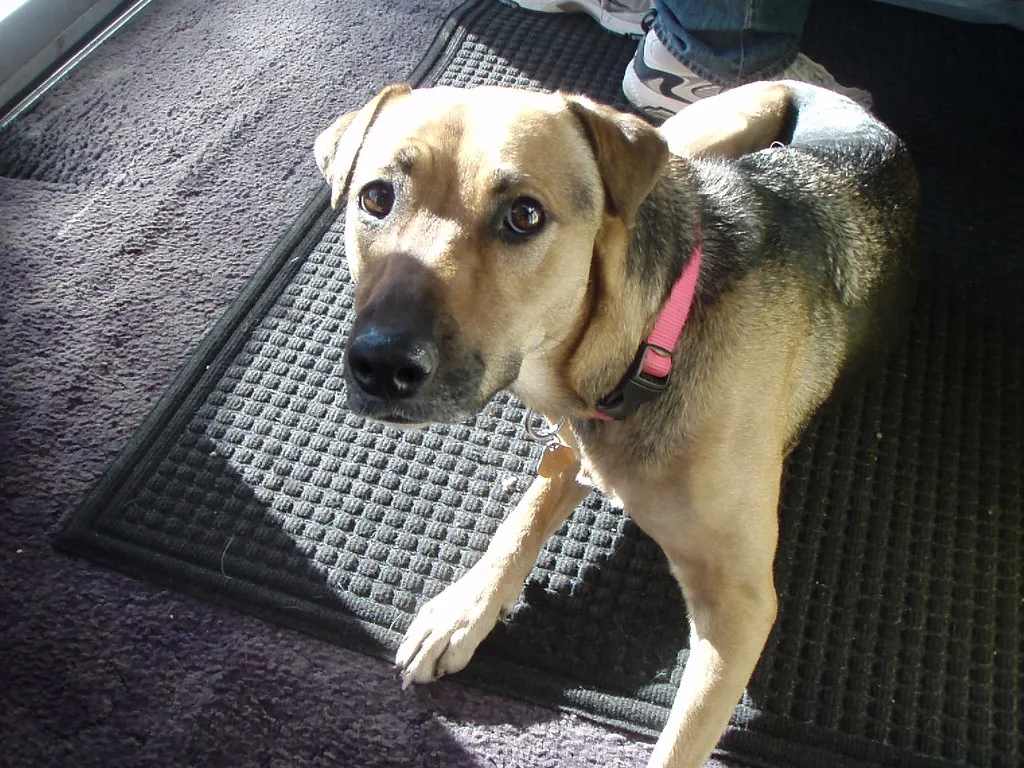
Dogs that shift the moment you shift, stand when you stand, and settle only once you’ve settled aren’t just attentive. That mirroring keeps them perfectly synced to you, ready to react the instant your attention moves toward someone else.
It’s easy to mistake for simple companionship. But this level of constant tracking is really about staying tethered to you specifically, no matter who else enters the picture.
2. Sighing the Moment You Step Away
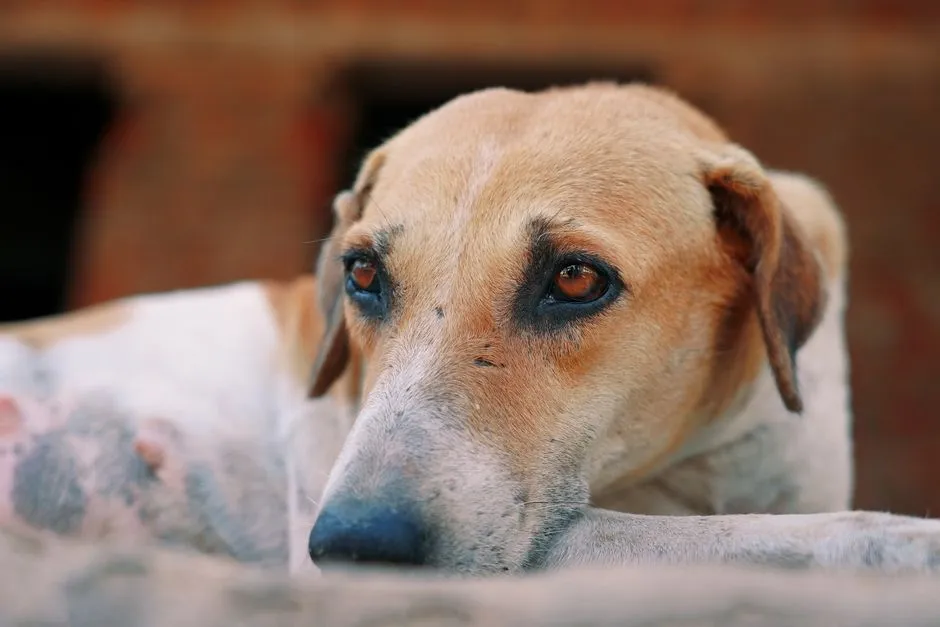
That long, dramatic exhale the second you leave the room isn’t random. It’s a small protest, a way of registering displeasure that you’ve broken contact, even briefly.
Owners usually laugh it off as personality. But dogs who sigh heavily every single time you walk away are communicating something real: your absence, even for thirty seconds, isn’t something they take lightly.
1. Claiming Your Side of the Bed
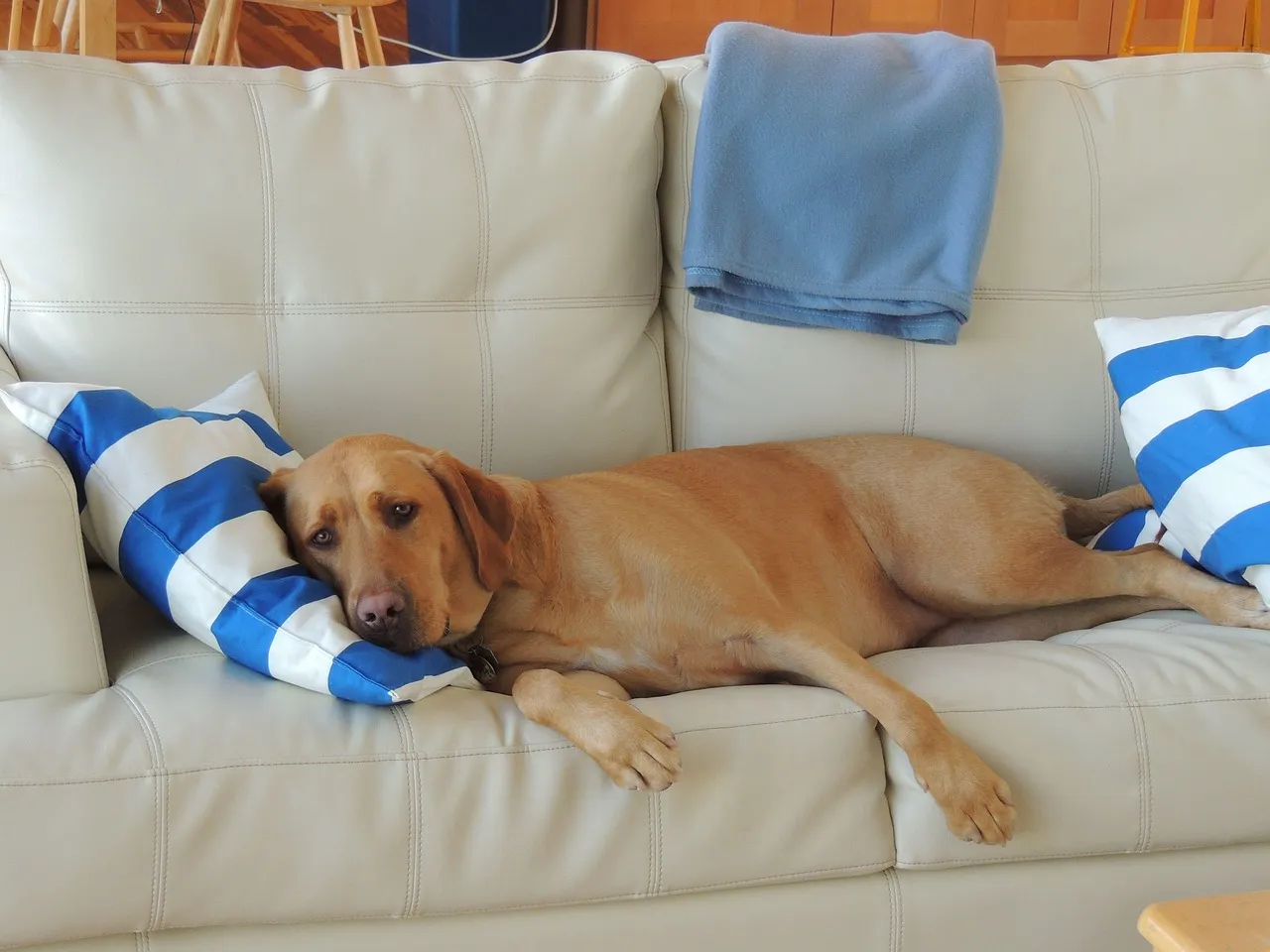
The dog who always ends up sprawled across your pillow, your side of the mattress, or the exact spot where your body heat lingers isn’t confused about geography. They’re occupying the space that smells most like you, and defending it as their own.
It’s the quietest claim on this entire list, and maybe the most telling. Long after you’ve left the bed for the day, your dog is still lying in the one place that proves, to them, exactly who they belong to.
Here’s the truth nobody likes to hear: dogs aren’t subtle animals pretending to be complicated. We’re just bad at listening. Every lean, every growl, every stolen sock is a full sentence in a language we’ve decided to interpret as cuteness instead of communication. Once you start reading these signals for what they actually are, the “quiet” stops feeling quiet at all – and honestly, that’s not something to fix. It’s something to appreciate. A dog willing to claim you this thoroughly, this constantly, isn’t a problem to manage. It’s about as close to “I choose you, every day, in every room” as an animal can get.
