

The natural world is full of astonishing phenomena that often leave us wondering about the limits of possibility. Animals, in particular, have evolved an array of abilities that seem to defy logic, behaving in ways that can baffle and amaze both scientists and the general public alike. From survival tactics to extraordinary feats of strength, the animal kingdom continuously challenges our understanding of biology and physics. Let us delve into 25 such animal feats that intrigue and inspire, revealing the wonders of evolution and the adaptability of life on Earth.
1. The Resilience of the Tardigrade
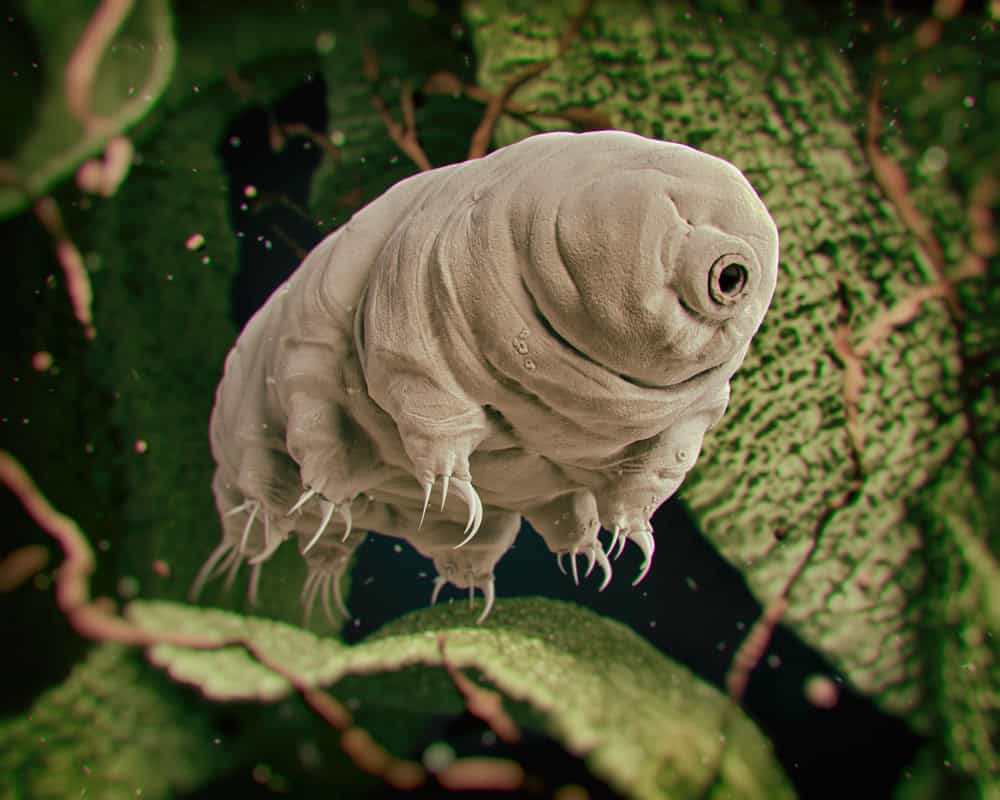
Tardigrades, also known as water bears, are microscopic creatures renowned for their resilience. They can survive extreme temperatures, radiation, and even the vacuum of space. By entering a cryptobiotic state, they effectively suspend all biological activity, reviving when conditions are favorable. This cryptobiosis allows tardigrades to withstand environments that would be fatal to nearly all other organisms.
2. The Peacocks’ Color-Changing Feathers
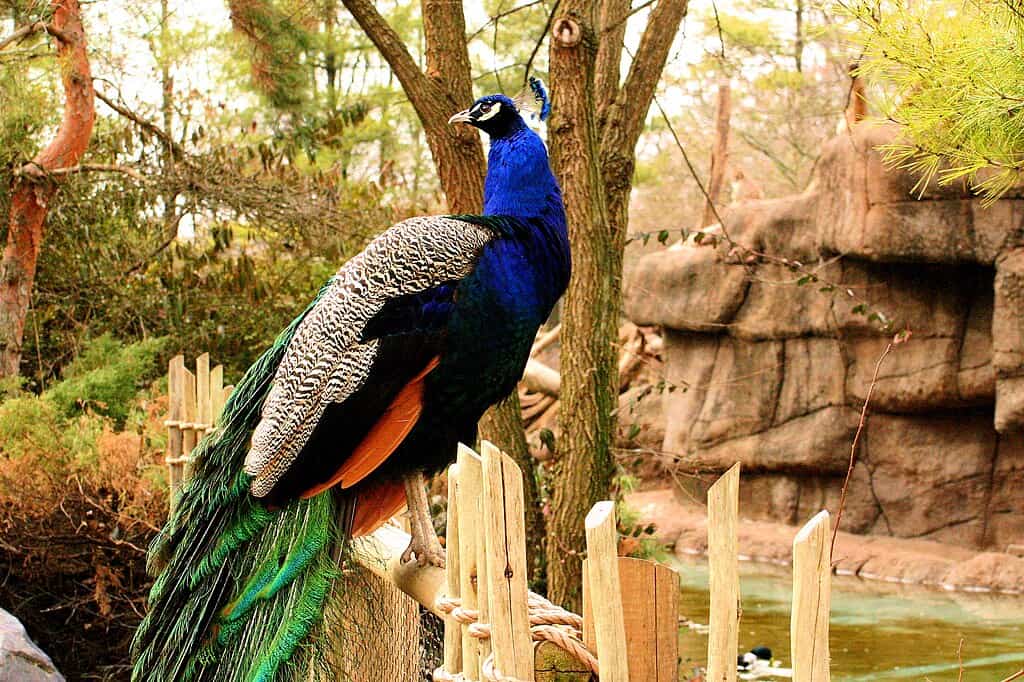
The vibrant colors of a peacock’s feathers aren’t due to pigments but rather a microscopic structure. These feathers contain nanostructures that refract and reflect light, creating a dazzling array of colors that shift with changing perspectives, a concept known as iridescence.
3. The Cheetah’s Speed

The cheetah holds the title for the fastest land animal, capable of reaching speeds up to 60-70 mph in short bursts covering distances up to 1,500 feet. Its lightweight body, large nasal passages, and elongated spine assist in achieving this unparalleled speed, allowing it to overtake prey with remarkable agility.
4. The Regeneration of the Axolotl
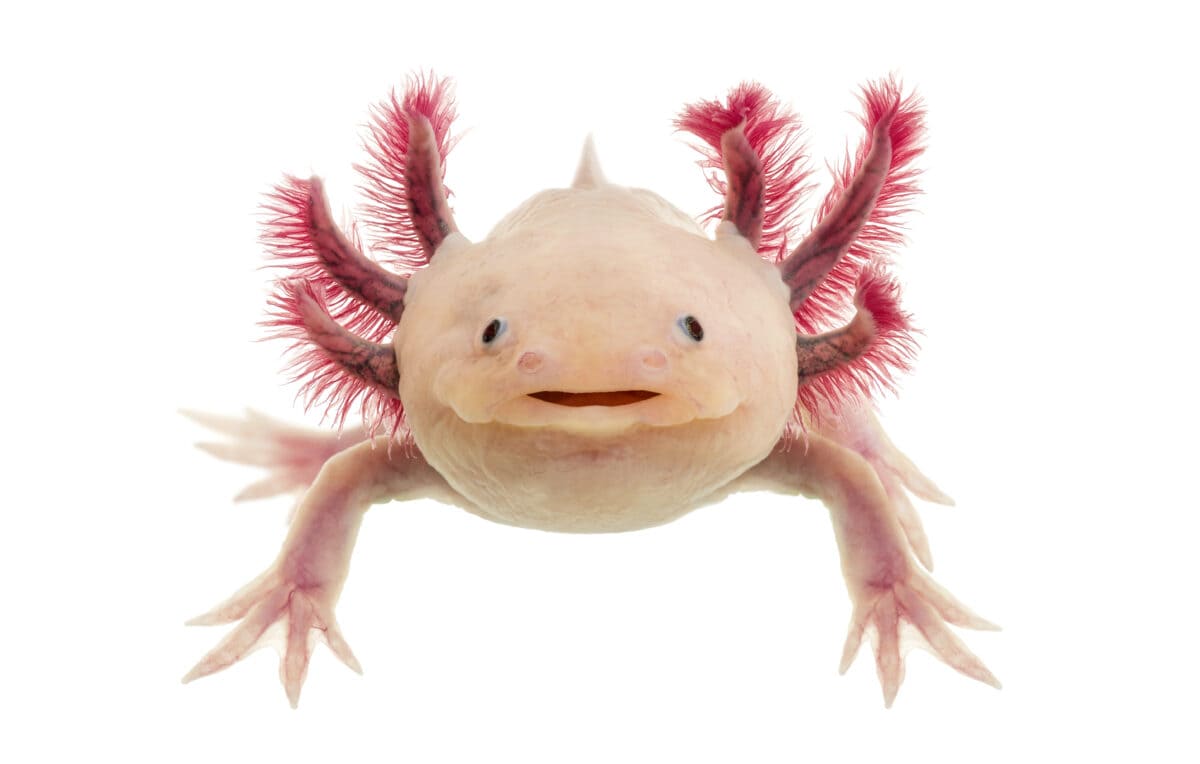
The axolotl, a type of salamander, possesses an extraordinary ability to regenerate lost body parts, including limbs, the spinal cord, the heart, and other organs. This regeneration is not only complete but functional, offering insights into potential medical breakthroughs for humans.
5. The Electric Powers of the Electric Eel
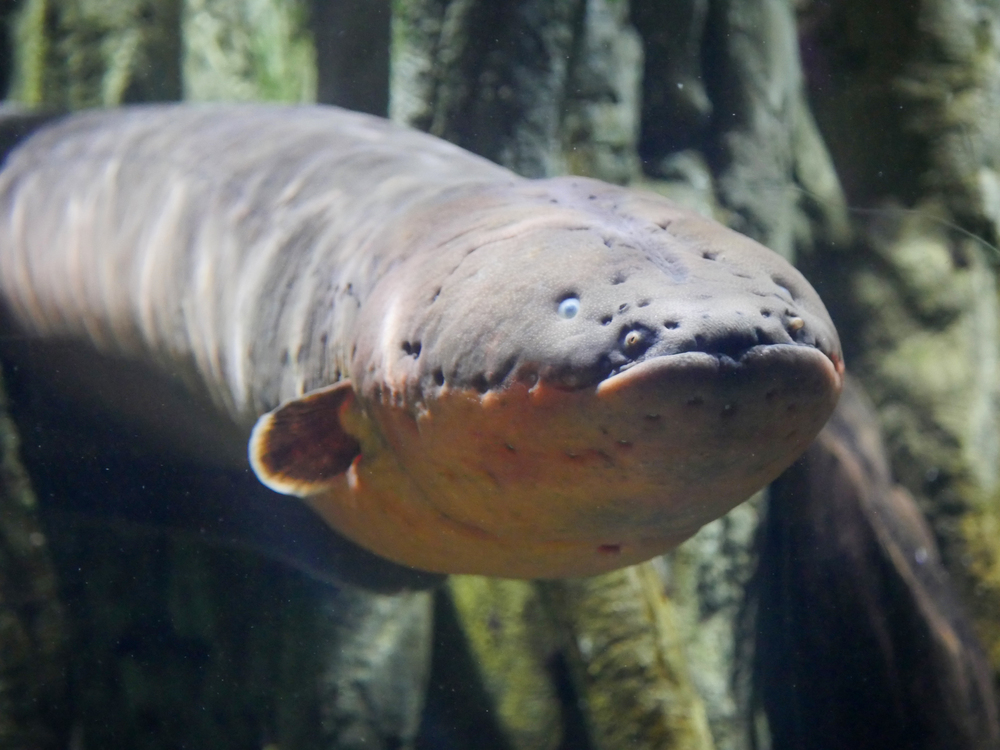
Electric eels can generate powerful electric shocks of up to 600 volts to stun prey or discourage predators. This ability stems from specialized cells called electrolytes, which create a battery-like system that delivers the electric pulse.
6. The Mimicry of the Mimic Octopus
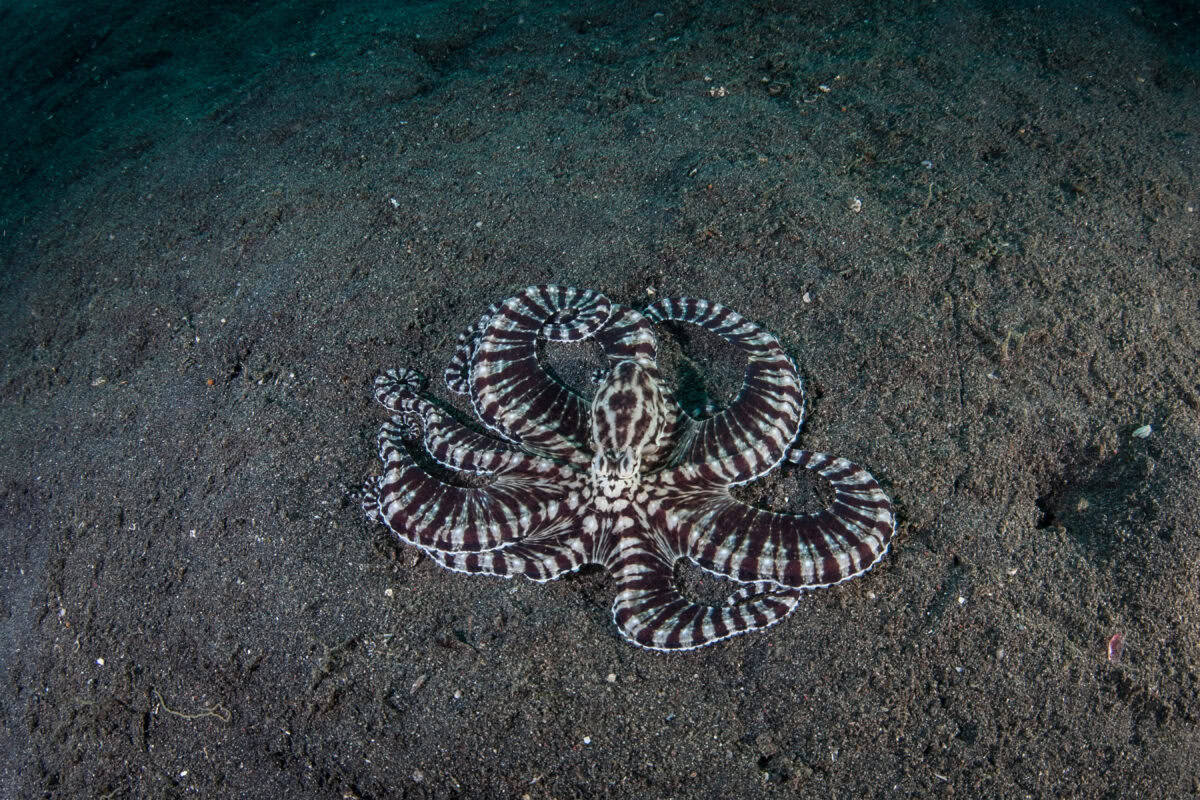
The mimic octopus can impersonate a variety of marine animals, such as lionfish, flatfish, and sea snakes, by changing its color, shape, and behavior. This ability helps it avoid predators by mimicking more dangerous species.
7. The Toxic Defense of the Poison Dart Frog
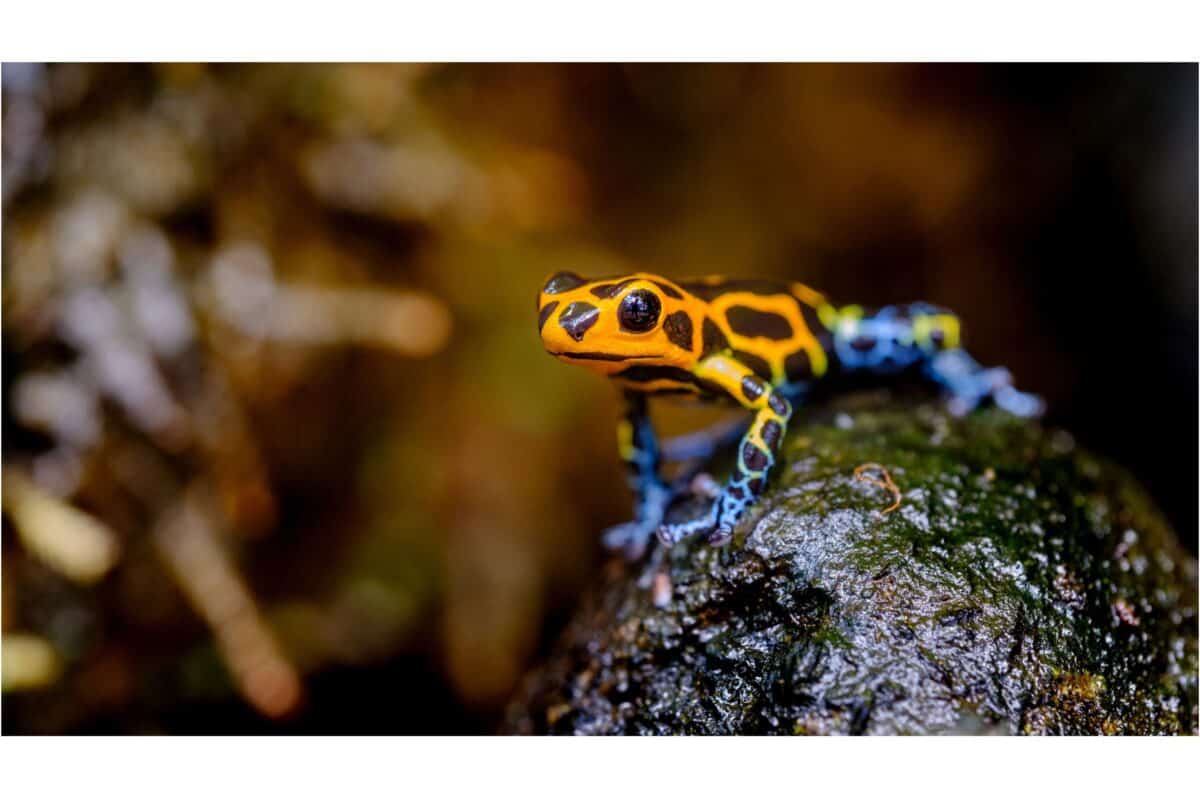
Poison dart frogs produce potent toxins through their skin, a defense mechanism against predators. These toxins are so effective that some indigenous people have used them to tip their blow darts. The vivid colors of these frogs serve as a warning to potential threats.
8. The Long-Distance Migration of Monarch Butterflies

Monarch butterflies embark on an incredible migration journey of up to 3,000 miles from North America to central Mexico. Remarkably, this journey is completed by multiple generations, with each new generation instinctively finding its way to the same wintering grounds despite having never made the journey themselves.
9. The Bioluminescence of Deep-Sea Creatures

In the pitch-black depths of the ocean, many species, like anglerfish and jellyfish, use bioluminescence as a lure, camouflage, or communication tool. These creatures contain photophores, specialized cells that produce light through chemical reactions.
10. The Tool Use by Crows

Crows are highly intelligent birds that demonstrate the ability to use tools for foraging and problem-solving. They have been observed bending wires into hooks to extract food from containers, showcasing their remarkable cognitive abilities.
11. The Migration of the Arctic Tern
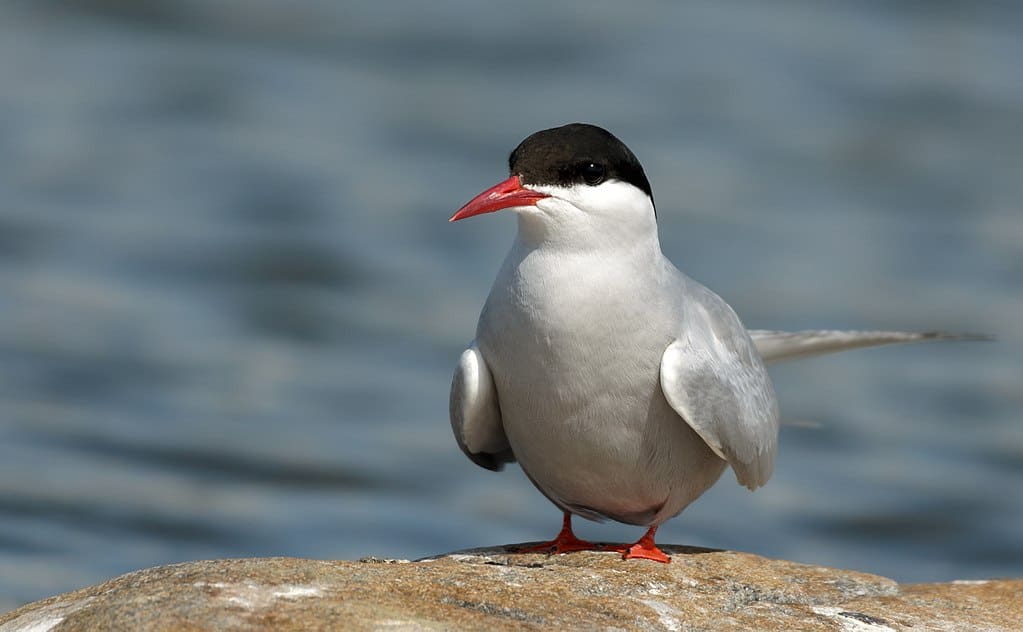
The Arctic tern holds the record for the longest migratory journey of any bird, traveling from its breeding grounds in the Arctic to Antarctica and back each year, covering approximately 25,000 miles. This feat of endurance is made possible by their energy-efficient flight and keen sense of navigation.
12. The Communication of Honeybees

Honeybees perform a “waggle dance” to communicate the location of food sources to other members of the hive. The dance conveys information about the direction and distance of the food relative to the sun’s position, showcasing their complex social behavior and spatial awareness.
13. The Acoustic Mimicry of Lyrebirds
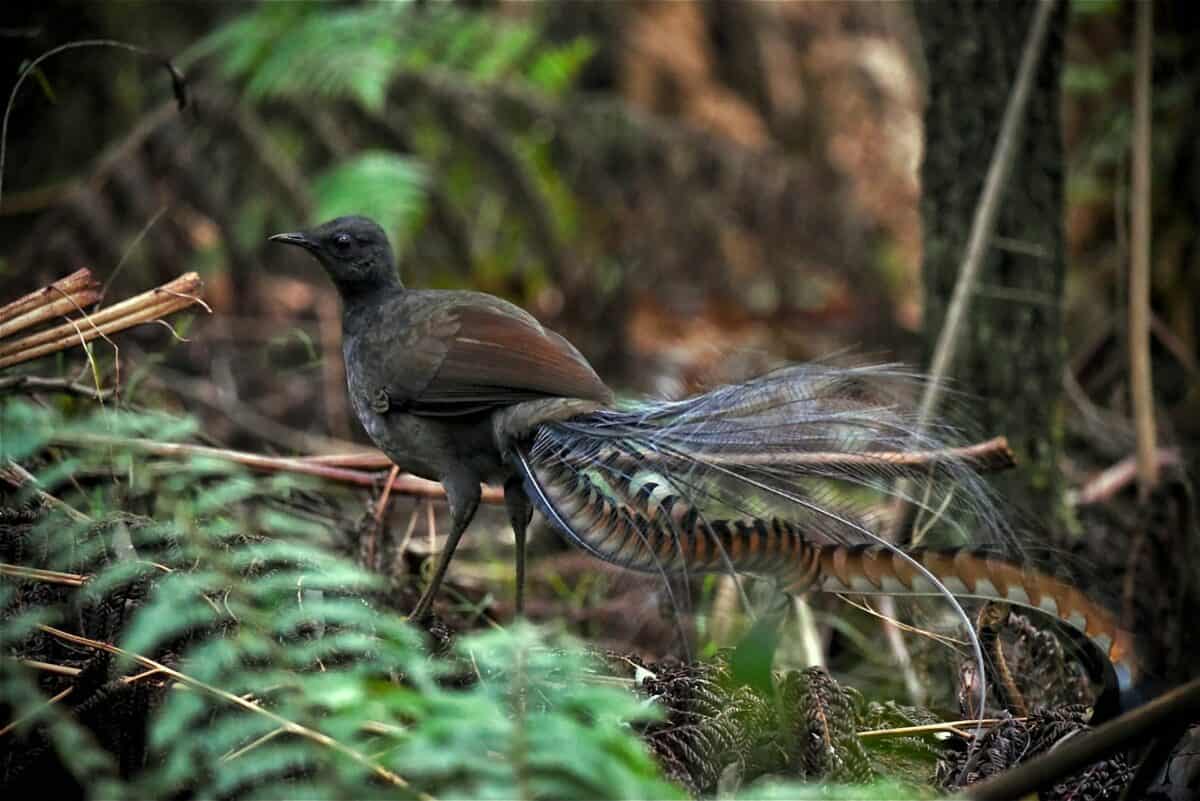
Lyrebirds are master mimics of the avian world, capable of imitating an array of natural and artificial sounds, from other birdcalls to camera shutters and chainsaws. This ability is used for attracting mates and defending territory.
14. The Strength of Dung Beetles

Dung beetles are astonishingly strong and capable of rolling balls of dung up to 50 times their body weight. This Herculean strength assists them in transporting food to their nests, where it’s used for nourishment and breeding.
15. The Echolocation of Bats

Bats, being nocturnal creatures, rely on echolocation to navigate and hunt in the dark. They emit high-frequency sounds that bounce off objects, allowing them to build a sonic map of their surroundings and locate prey with incredible precision.
16. The Canine Intelligence of Border Collies

Border collies are known for their exceptional intelligence and problem-solving skills. They can learn hundreds of commands and even carry out complex tasks, such as herding livestock, based on their owner’s instructions and their interpretation of the animals’ movements.
17. The Polar Bears’ Insulating Fur

Polar bears have evolved to thrive in the Arctic’s harsh environment, thanks to their insulating fur. Despite appearing white, their fur is actually transparent and hollow, trapping heat and maintaining their body warmth. Additionally, their black skin absorbs heat from the sun.
18. The Vulture’s Acidic Stomach

Vultures have highly acidic stomachs capable of digesting bones and neutralizing pathogens found in carrion, allowing them to consume decaying animals that would be toxic to other creatures. This contributes to ecosystem health by preventing the spread of disease.
19. The Defense Mechanism of the Horned Lizard

The horned lizard has evolved a unique defense mechanism: it can shoot blood from its eyes when threatened. This startling act confuses predators and allows the lizard to escape. The blood also contains compounds that taste foul to canines, deterring them further.
20. The Precision of Archerfish
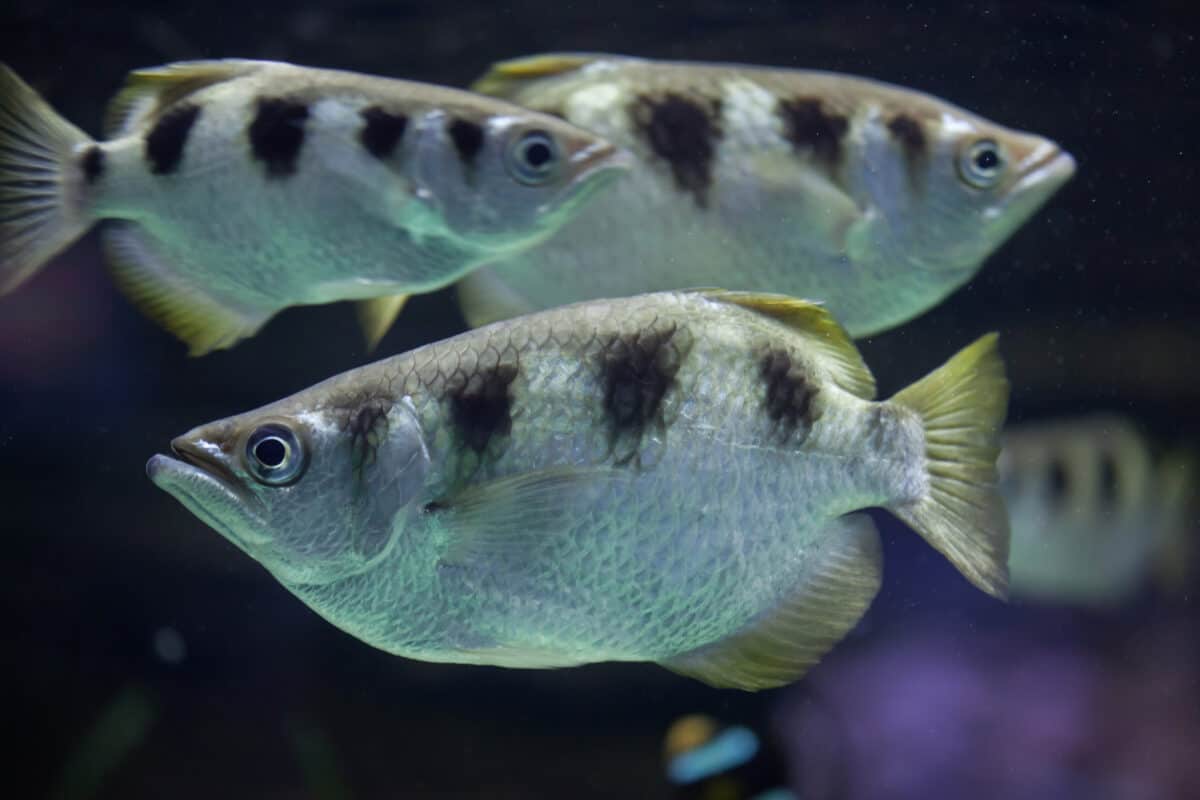
Archerfish exhibit remarkable precision hunting techniques by shooting jets of water to knock insects into the water. By adjusting the force and angle of the water, these fish can accurately hit prey up to two meters away, even accounting for refraction distortions at the water’s surface.
21. The Cooperative Hunting of Orcas
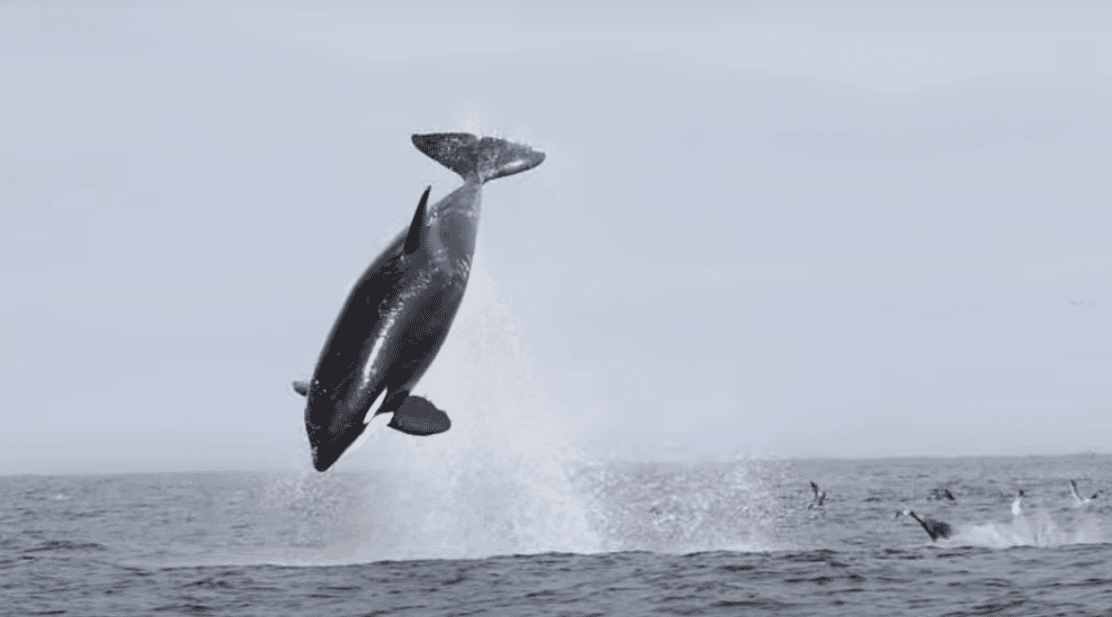
Orcas, or killer whales, are highly social predators that use cooperative hunting strategies to capture prey. They communicate and coordinate in groups, using techniques like wave washing to knock seals off ice floes, demonstrating complex social structures and planning capability.
22. The Climbing Skills of the Mountain Goat

Mountain goats are extraordinary climbers capable of traversing steep, rocky terrains that appear nearly vertical. Their unique hoof structure, complete with a hard outer shell and rubbery inner pads, provides stability and grip on slippery surfaces, allowing them to evade predators and find food.
23. The Survival of the Wood Frog
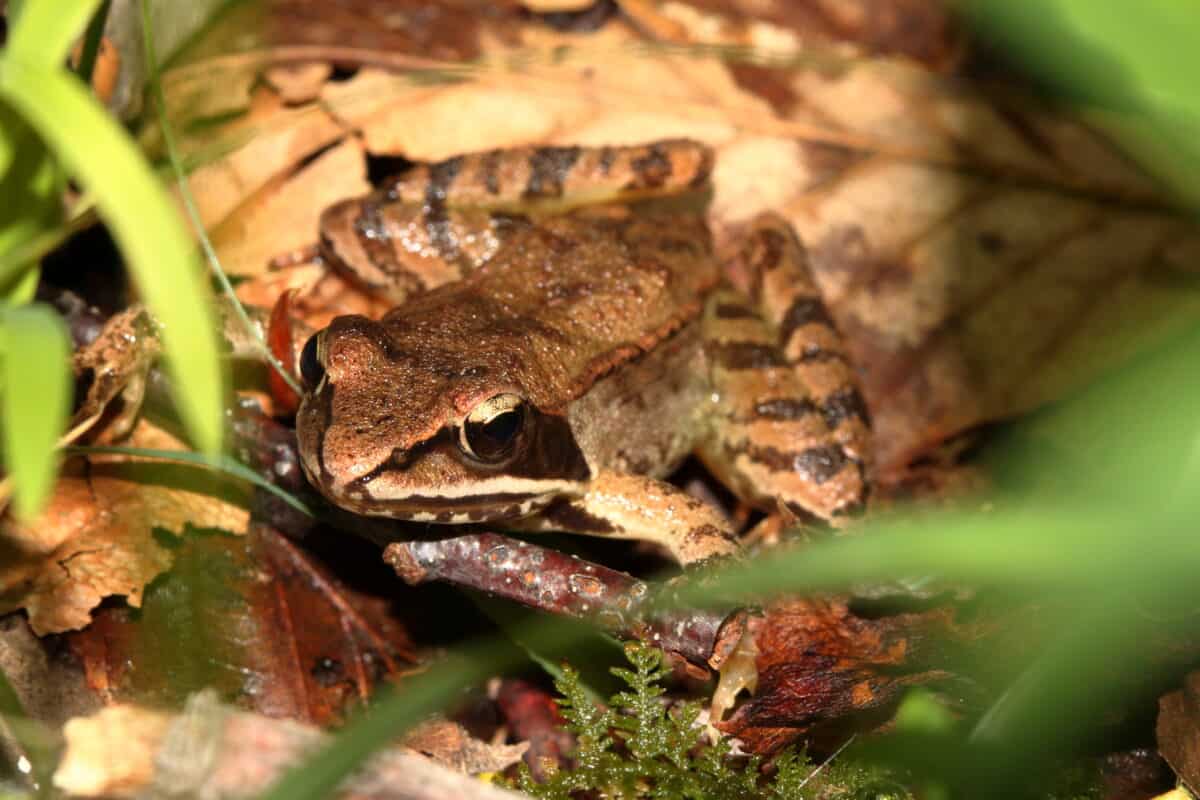
Wood frogs exhibit an incredible adaptation to survive freezing Arctic winters by entering a frozen state. They allow their bodies to freeze solid, stopping their heart and respiration. Upon thawing in spring, the frogs revive and resume their normal activities without any damage.
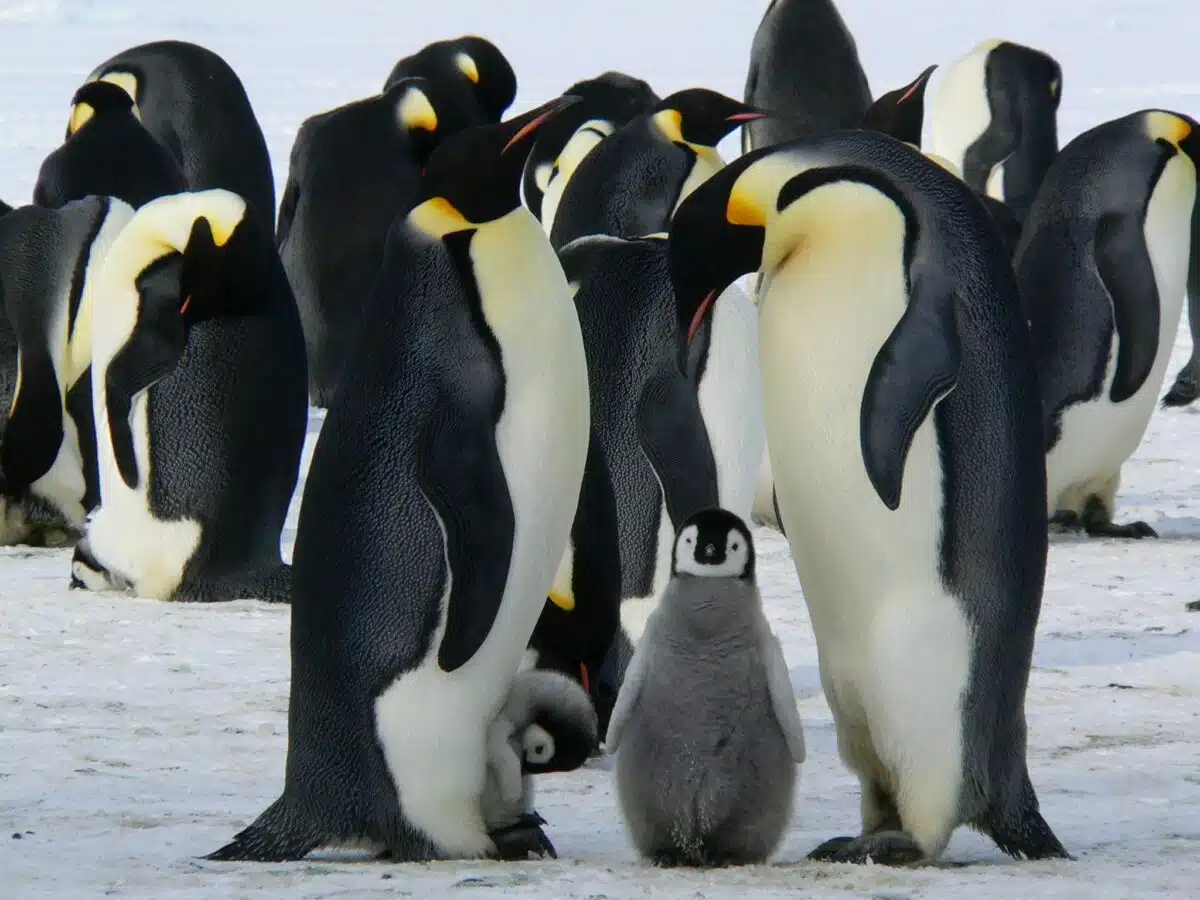
24. The Diving Prowess of the Emperor Penguin

Emperor penguins can dive to depths of over 1,800 feet and stay underwater for more than 20 minutes. Their ability to withstand extreme pressures and cold temperatures enables them to hunt for fish and squid beneath the Antarctic ice.
25. The Collective Coordination of Ants

Ants are exemplary of collective intelligence, working together in colonies that function like a single organism. They build intricate nests, forage for food, and defend against threats through pheromone communication, division of labor, and cooperation, exemplifying social structure and teamwork.
Conclusion

The animal kingdom is brimming with feats that challenge our perception of what is possible. From the microscopic resilience of tardigrades to the intricate social structures of ants, these abilities highlight the diverse and often mind-boggling strategies organisms have developed to survive and thrive on Earth. Understanding these phenomena not only enriches our appreciation of wildlife but also provides valuable insights into biology, evolution, and even potential applications in human society.

As a little kid, I fell in love with nature, wildlife, and animals. Living in the USA, South Africa, Italy, China and Germany gave me the opportunity to discover the world's Wildlife. My favorite animals are Mountain Gorillas, Siberian Tigers, and Great White Sharks.
I'm a certified PADI Open Water Diver, went to Everest Base Camp and Trekked Gorillas in Uganda. I hold a Master of Science in Economics and Finance.
Please send any feedback to feedback@animalsaroundtheglobe.com
- 25 Animal Feats That Defy Logic - July 14, 2026
- 10 Rare Birds Seen Only in U.S. Forests - July 14, 2026
- Watch a Hawk Snatch a Rabbit in Broad Daylight in California - July 14, 2026
Leave a comment
You must be logged in to post a comment.