

Worried about unexpected vet bills?
Pet insurance can cover thousands in unexpected vet costs. Get a free quote from Lemonade in under 2 minutes.
Get My Free Quote →Sponsored · Opens Lemonade.com
Water has always been our sanctuary on scorching summer days. That crystal-clear lake beckoning from the shoreline, the lazy river where you used to float as a kid, the hidden quarry where teenagers dare each other to jump. But beneath those inviting surfaces lurk dangers that can turn a perfect day into a nightmare. While millions safely enjoy America’s waterways every summer, others aren’t so fortunate.
The statistics are sobering. From 1962 to 2022, there were 154 reported cases of PAM in the United States, according to CDC data. Only four have survived. And that’s just one threat among many. From brain-eating amoebas to deadly undercurrents, toxic algae blooms to industrial pollutants, America’s lakes and rivers harbor risks that even experienced swimmers might not recognize until it’s too late.
#25 Lake Mead, Nevada/Arizona – The Nation’s Deadliest
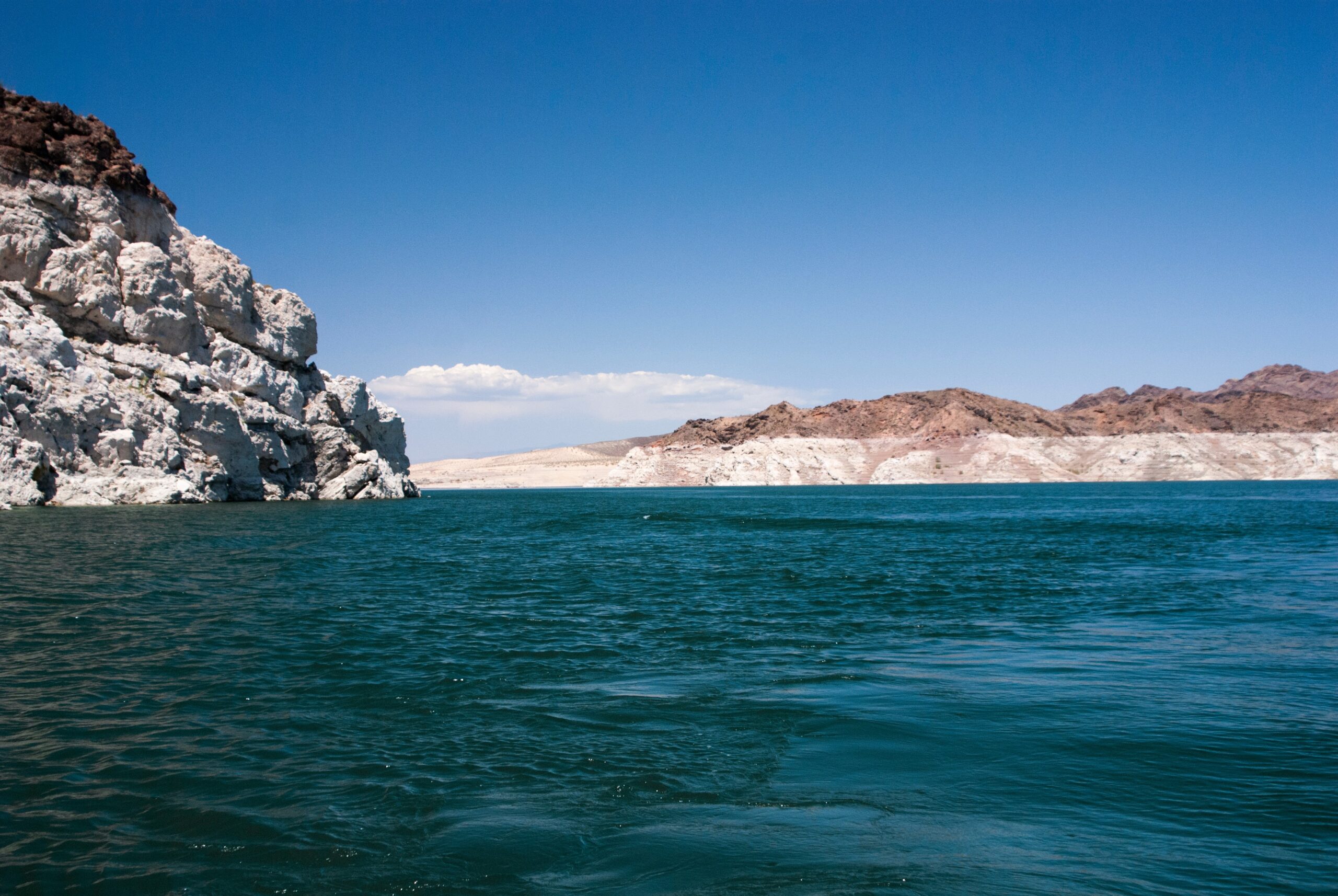
Lake Mead, a reservoir created by the Hoover Dam on the Colorado River, spans Nevada and Arizona. It holds the unfortunate record of having the highest fatality and drowning rates among all U.S. National Park sites, as reported by The Hill. Think about that for a moment – out of all America’s national parks, this massive reservoir claims more lives than anywhere else.
According to an interview with park spokeswoman Christie Vanover in the Boulder City Review, the lake tragically witnesses as many as 12 drownings annually. What makes Lake Mead particularly treacherous isn’t just its size, but the perfect storm of hazards it presents. In addition to the inherent risks of open-water swimming, Lake Mead is characterized by fluctuating water levels and extreme drought conditions throughout the year. These lower water levels can bring submerged structures closer to the surface, posing dangers to unaware swimmers who might dive into unseen hazards and boats at risk of colliding with these structures – causing passengers to fall overboard into the water abruptly.
#24 Lake Michigan – The Great Lakes’ Grim Reaper
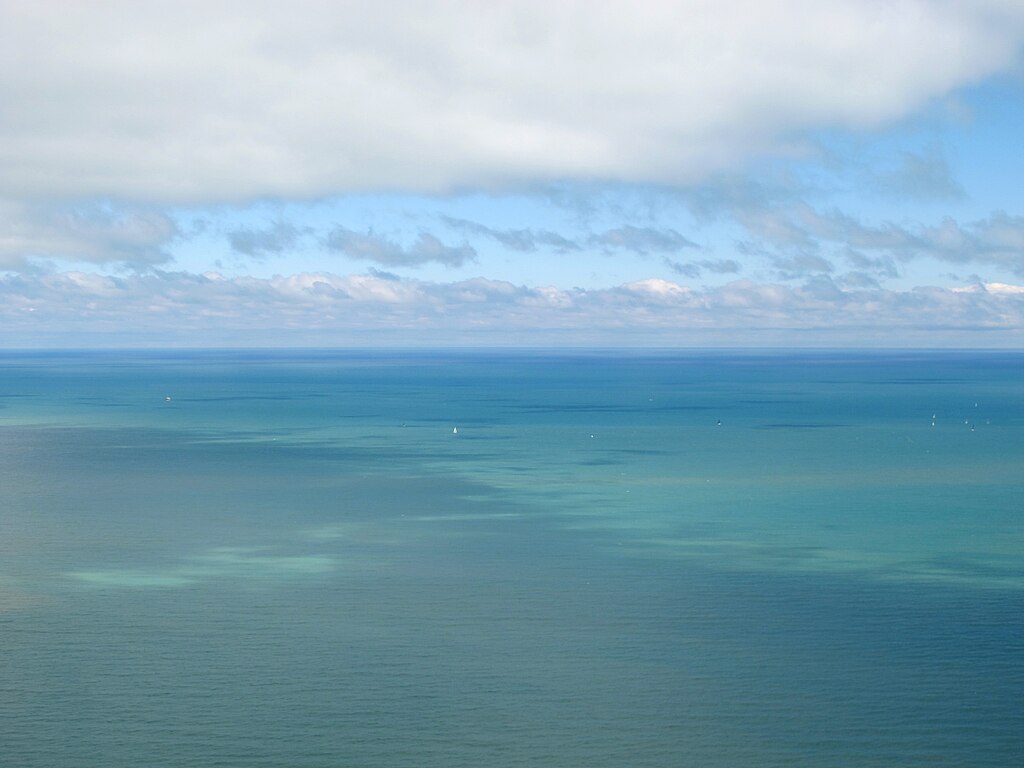
In August 2022, ABC57 reported that at least 38 people had drowned on the lake so far that year, making Lake Michigan the most fatal of America’s five Great Lakes. By 2024, the deadly trend continued. According to the Great Lakes Surf Rescue Project, which tracks drownings in the Great Lakes, more than 50 people have drowned or disappeared in Lake Michigan so far in 2024.
Lake Michigan’s size might seem to explain its deadly reputation, but there’s something more sinister at work. Swimmers should always be aware that large bodies of water like this are prone to sudden current changes. Riptides can be difficult to swim out of if you don’t know how to handle them, and longshore currents can find even the most confident swimmers unable to escape their grip. The water temperature can also plummet without warning, leading to cold shock that paralyzes even strong swimmers.
#23 Lake of the Ozarks, Missouri – Party Waters Turn Fatal
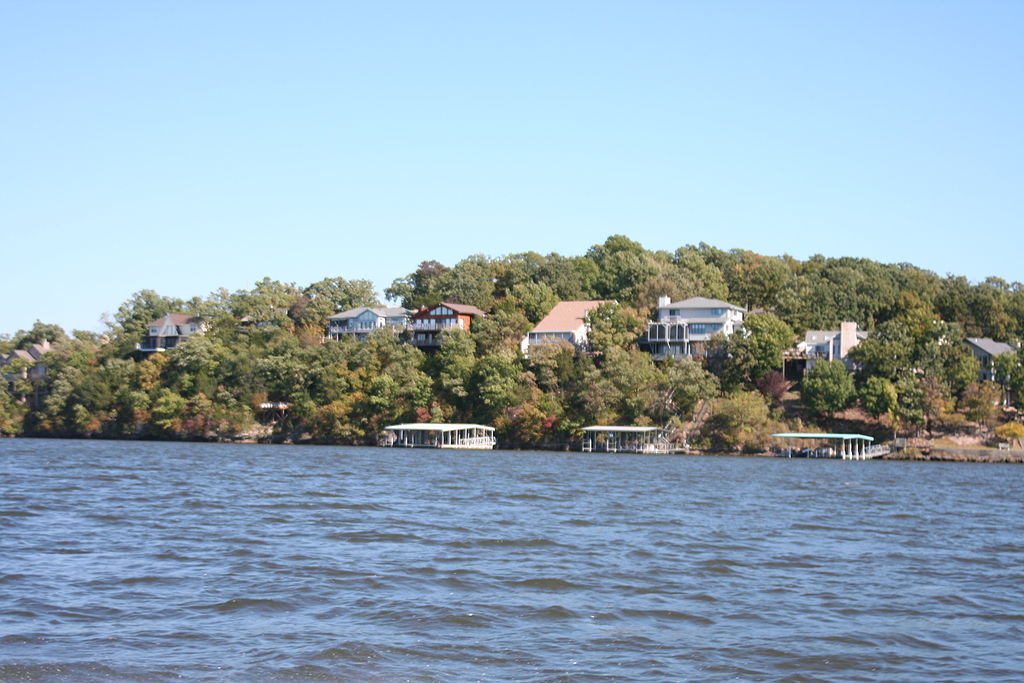
The Lake of the Ozarks draws millions of visitors each year with its promise of sun-soaked fun and lakeside revelry. But beneath the party atmosphere lies a deadly reality. The Lake of the Ozarks, according to Lt. Eric Kiehlmeier, U.S. Coast Guard Sector Upper Mississippi River chief of prevention, “is one of the most dangerous lakes in America due to the high number of fatal boating accidents.”
The combination of factors here creates a perfect storm of danger. This influx of visitors translates into a substantial increase in boat traffic, particularly during weekends. The influx of inexperienced boaters, often piloting rental vessels, coupled with alcohol consumption both on the water and at lakeside bars, further exacerbated by limited law enforcement, heightens the danger at the lake. What starts as a fun weekend getaway can quickly turn tragic when overcrowded waters meet inexperience and poor judgment.
#22 Lake Superior – Cold Water Killer
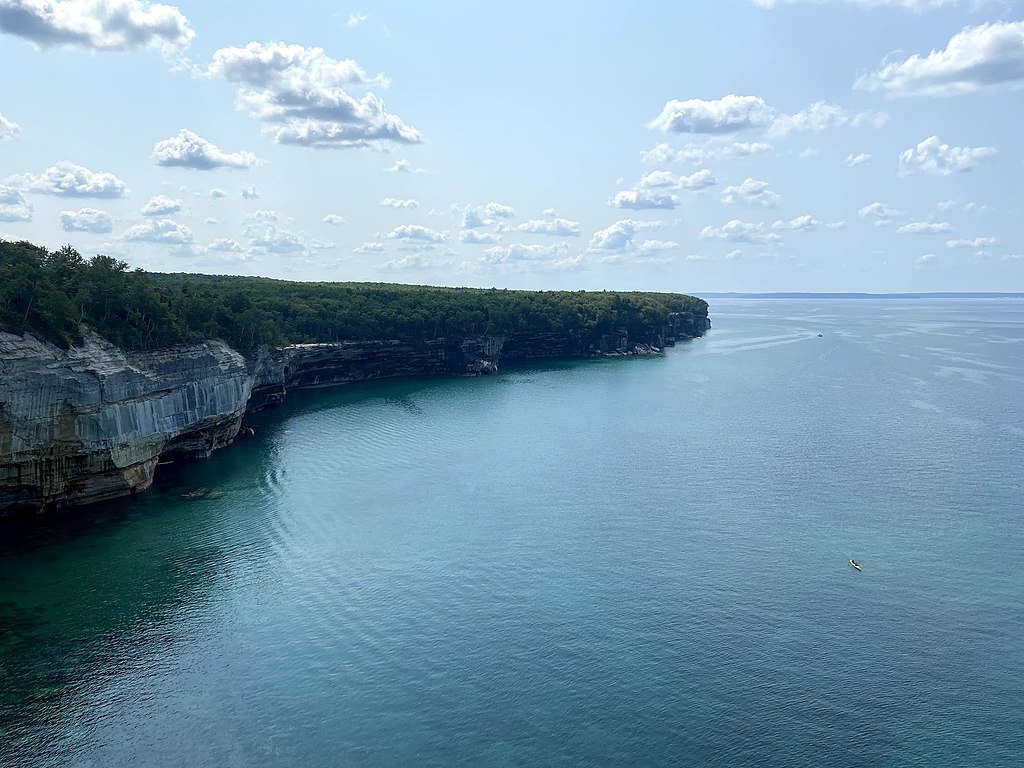
Don’t let Lake Superior’s pristine beauty fool you. At the time of writing in August 2024, there have already been several deaths on the lake this year alone. In July, a 14-year-old was swimming close to Lake Superior State Campground with a 15-year-old friend when they found themselves swept away by an undertow. The older child managed to find their way to safety, while the deadly current pulled the other further into the lake’s choppy waters.
Lake Superior’s water temperatures remain frigid even in summer, shocking the system and quickly draining a swimmer’s strength. The lake’s immense size creates unpredictable weather patterns and waves that can tower over small boats without warning. Even experienced swimmers find themselves helpless against the lake’s powerful undertows and rapidly changing conditions.
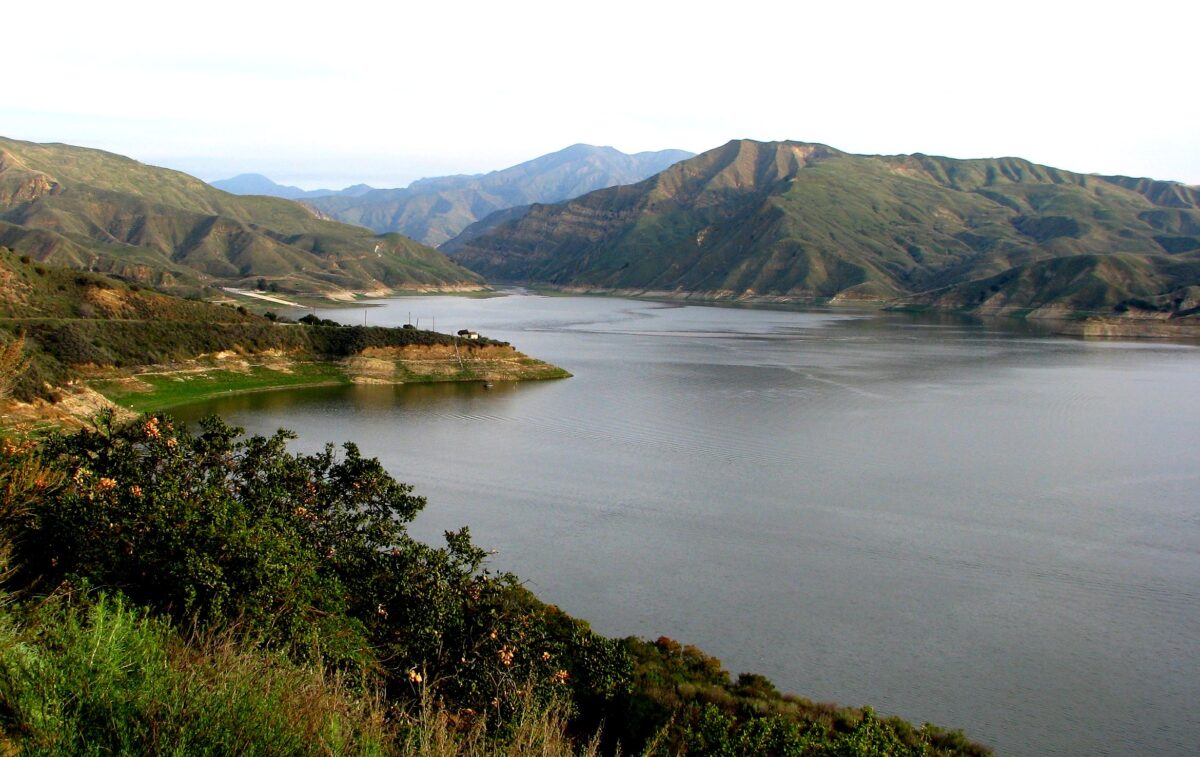
#21 Lake Piru, California – Hollywood’s Hidden Danger
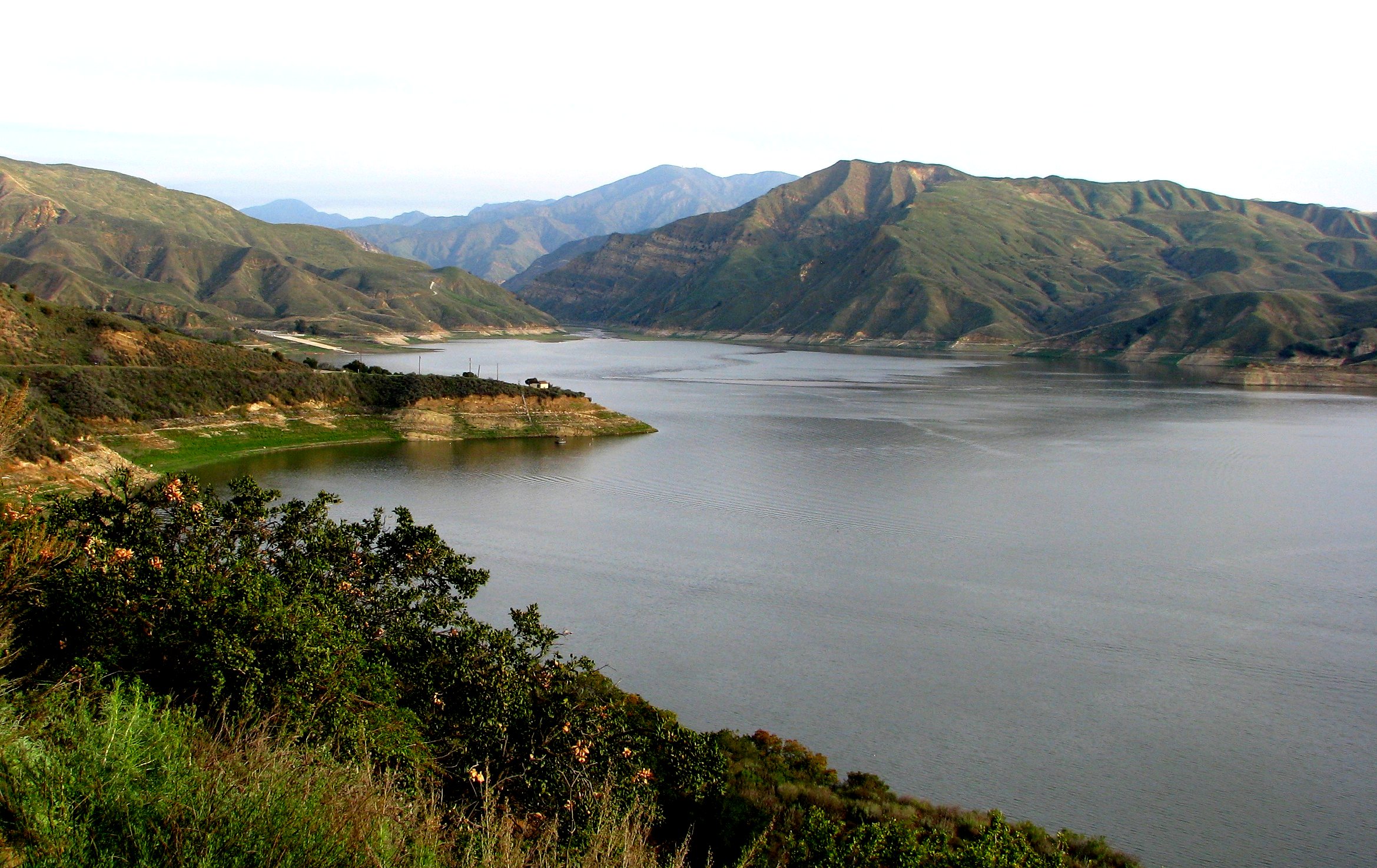
For local boaters and swimmers, Lake Piru is often a popular spot. Close to the bustling city of Santa Clarita, the lake offers a slice of peace and tranquility away from the bright lights of Los Angeles County. But this seemingly peaceful retreat gained worldwide notoriety for all the wrong reasons.
The lake became notorious worldwide in 2020 after “Glee” actress Naya Rivera went missing on a boating trip with her young son, Josey Hollis Dorsey. Four-year-old Dorsey told investigators that his mother helped him back onto the boat they had rented, but couldn’t save herself. Lake Piru’s deceptive currents and sudden depth changes have caught many swimmers off guard, creating dangerous situations where even strong swimmers struggle to stay afloat.
#20 Lake Erie – Midwest Menace
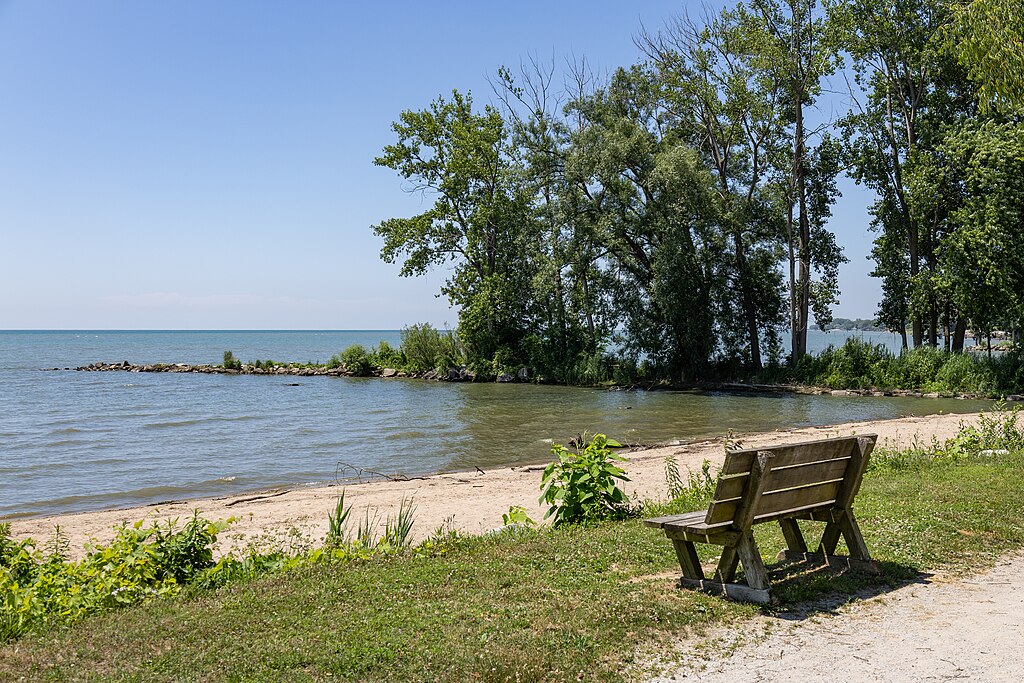
When the sun sets along Lake Erie, it can look like heaven on earth. However, tranquil shots, such as the one above, can easily fool water lovers into thinking there’s nothing to be scared of. While it’s true that the 11 million visitors to its Ohio shores alone each year enjoy their time and get out unscathed, tragic cases still arise.
Lake Erie’s relatively shallow depths compared to other Great Lakes might make it seem safer, but this characteristic actually creates unique dangers. The shallow waters heat up quickly, creating perfect conditions for toxic algae blooms and bacterial growth. Additionally, Not only are the currents a force to be reckoned with, but the local wildlife can be an issue in certain spots, too. In August 2024, visitors to the lake in Erie, Pennsylvania, reported the presence of an unwelcome swimmer: an alligator. The sightings quickly spurred authorities to issue a warning to those looking to take a paddle.
#19 Lake LBJ, Texas – Brain-Eating Amoeba Territory
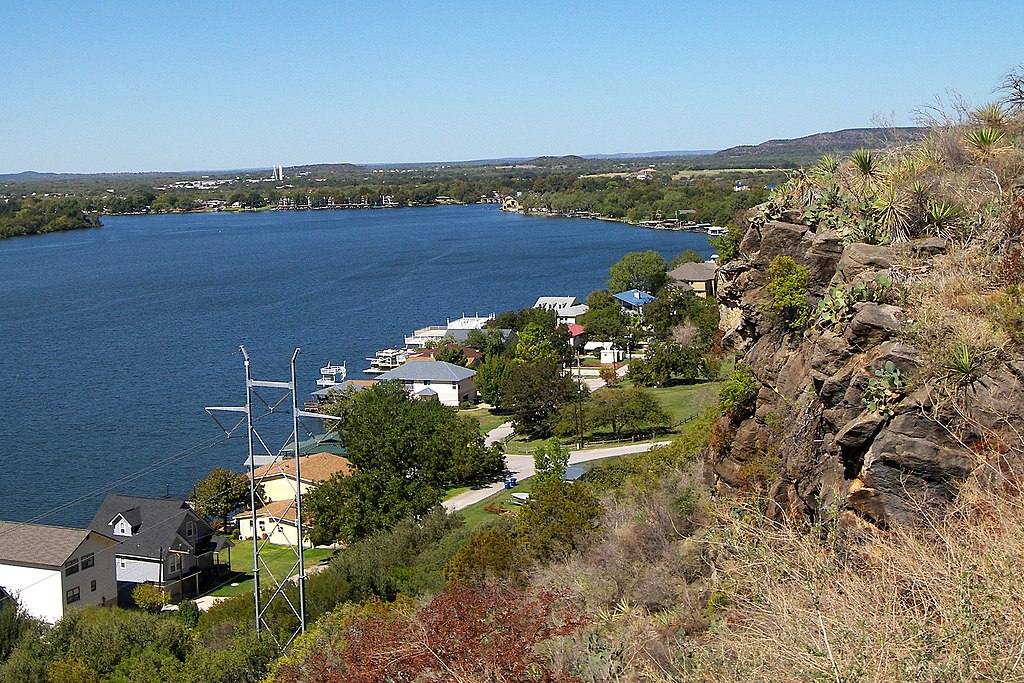
Texas heat creates the perfect breeding ground for one of swimming’s most terrifying threats. The Brazos River Authority in Texas often cautions swimmers to be wary of Naegleria fowleri in open water. Authorities recommend swimmers use nose clips or refrain from submerging their heads, staying out of and not disturbing ground underwater as the amoeba can reside in the soil.
But that’s not Lake LBJ’s only danger. To make matters worse, Lake LBJ has been experiencing toxic blue-green algae. During the summer of 2023, the Lower Colorado River Authority identified high toxicity levels in algae samples from three locations on Lake LBJ. Swimming here means facing a double threat – microscopic killers and toxic water conditions that can cause everything from skin rashes to liver damage.
#18 Lake Lanier, Georgia – Built on Graves
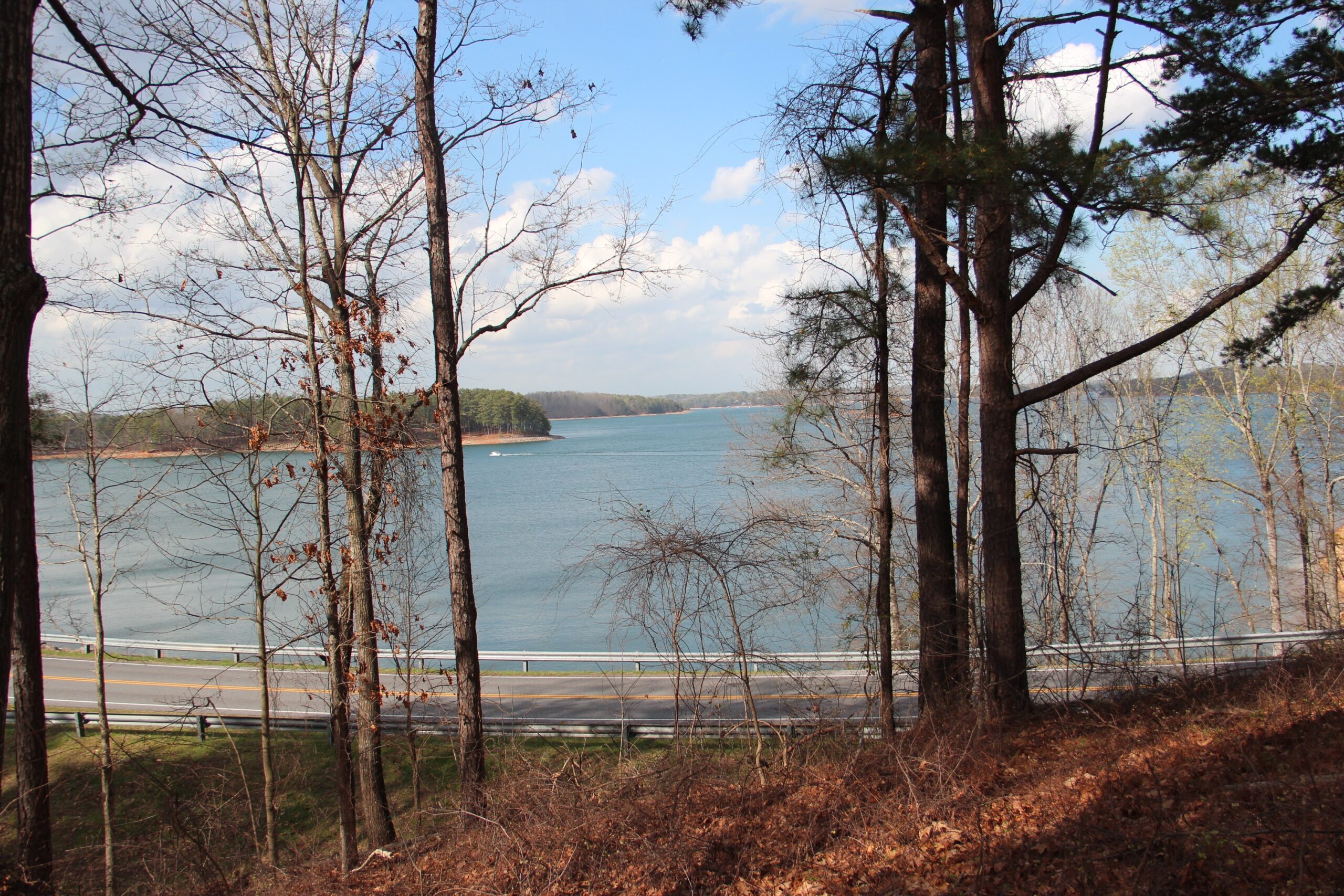
Lake Lanier’s dark history might explain its deadly reputation. In fact, the manmade lake was actually formed over an old cemetery, leading to spooky stories and an air of mystery surrounding the waters, according to Green Matters. Lake Lanier has witnessed numerous unfortunate incidents, including fatalities and accidents.
Beyond the supernatural stories lies real danger. Concealed obstacles, unpredictable currents, and a steady crowd create a challenging scene for swimmers and boaters. The lake’s construction over old communities means submerged structures and debris lurk beneath the surface, creating hidden hazards for unsuspecting swimmers and divers.
#17 Lake Ontario – Toxic Accumulator
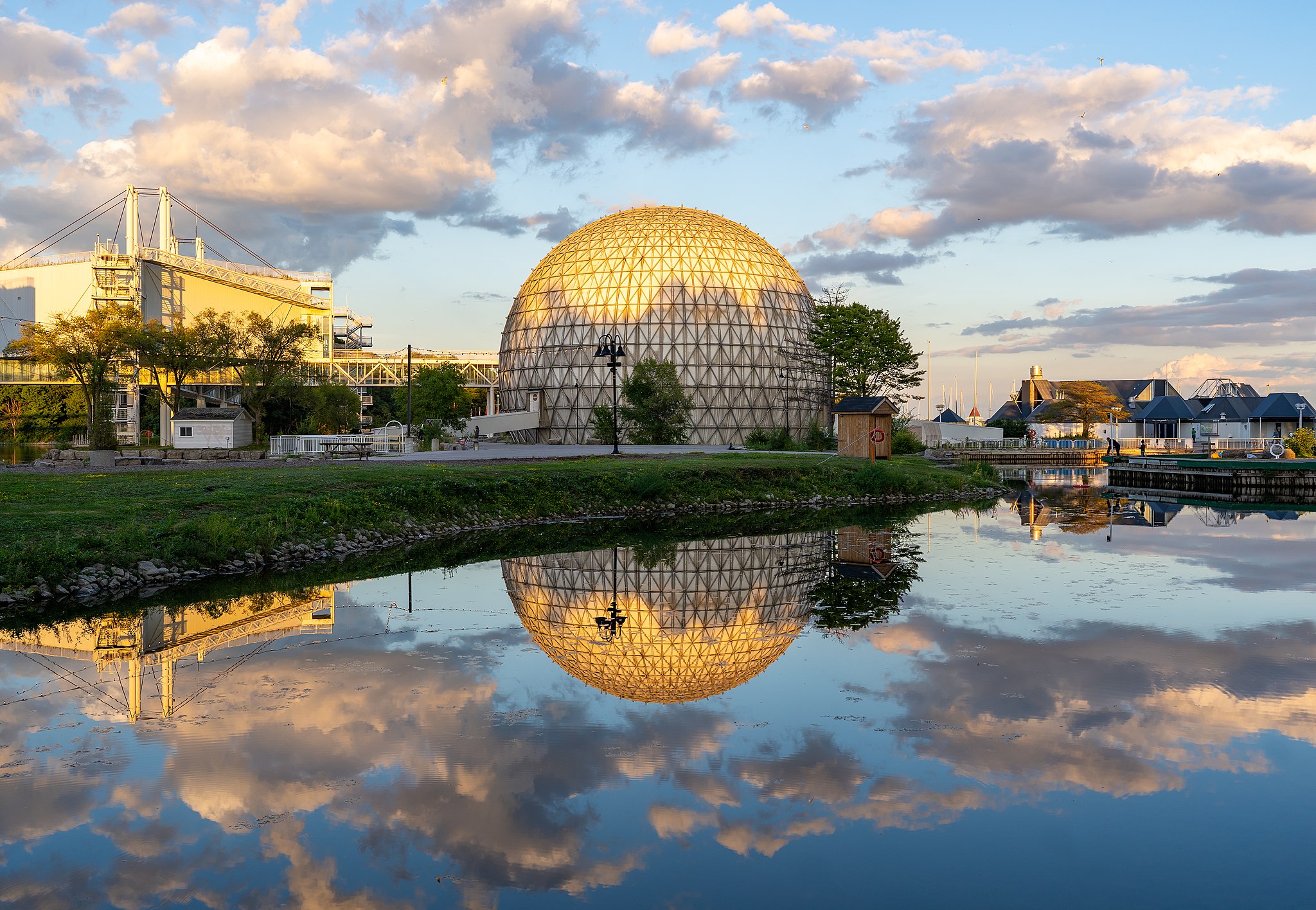
Lake Ontario, the smallest but most treacherous of the Great Lakes, is a deadly mix of natural hazards and human-induced challenges. As the final basin in the Great Lakes chain, it accumulates upstream pollutants, including industrial waste and agricultural runoff, leading to toxic algal blooms and contamination of fish with PCBs and mercury.
Its depth of 802 feet of cold-water currents that endanger swimmers and boaters, while its thermal contrasts fuel severe lake-effect snowstorms and hazardous fog. Shoreline erosion and fluctuating water levels threaten infrastructure and biodiversity, compounded by invasive species like zebra mussels that disrupt ecosystems. Swimming here means contending with both natural dangers and decades of accumulated pollution.
#16 Lake Tahoe, California/Nevada – Deceptive Depths
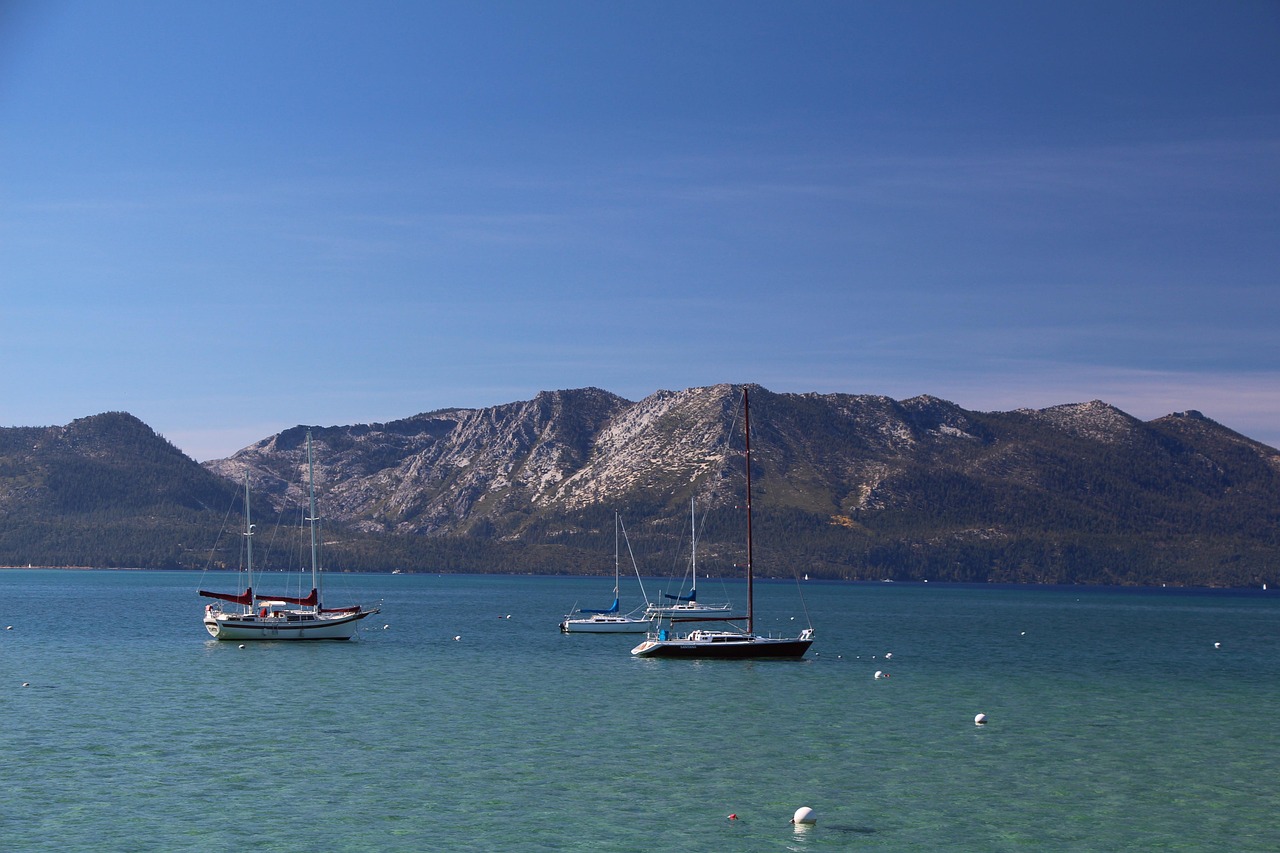
Straddling the border of California and Nevada, Lake Tahoe has an inviting expanse of crystal-clear waters to entice adventurers from all corners. The surface may look tranquil, but the strong currents and sudden depths warrant caution. There are unexpected drop-offs that can startle even the most experienced swimmers, for one.
Adding to the complexity, the chilly water temperatures pose challenges, potentially catching those who dare to plunge off guard. The area has seen numerous drownings over the years, according to San Francisco Chronicle. Lake Tahoe’s alpine setting means water temperatures remain shockingly cold year-round, and its incredible depth creates unpredictable currents that can quickly overwhelm swimmers.
#15 Colorado River – White Water Terror
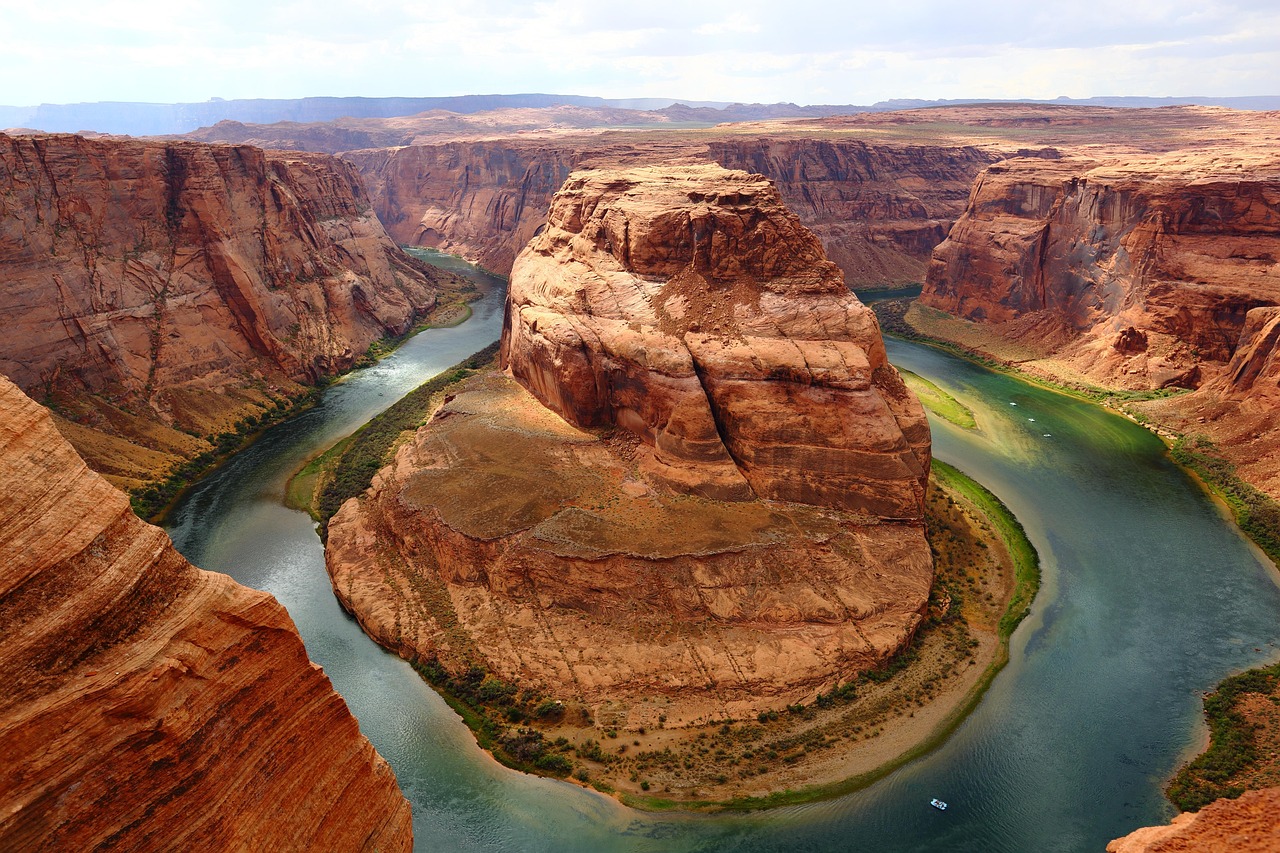
While the Colorado River boasts breathtaking beauty, all is not as calm as it looks. The formidable rapids and currents found here are no laughing matter; even experienced swimmers and boaters have struggled and the area has seen numerous deaths. Water temperatures can be frigid, and hazards such as trees and other debris can pop up out of nowhere, leaving dangerous conditions for even expert-level whitewater rafters, according to the Denver Post.
The Colorado River’s power is legendary among whitewater enthusiasts, but that same power makes it deadly for casual swimmers. Flash floods can turn a gentle stream into a raging torrent within minutes, and the river’s remote stretches mean help can be hours away when things go wrong.
#14 Potomac River – Great Falls Death Trap
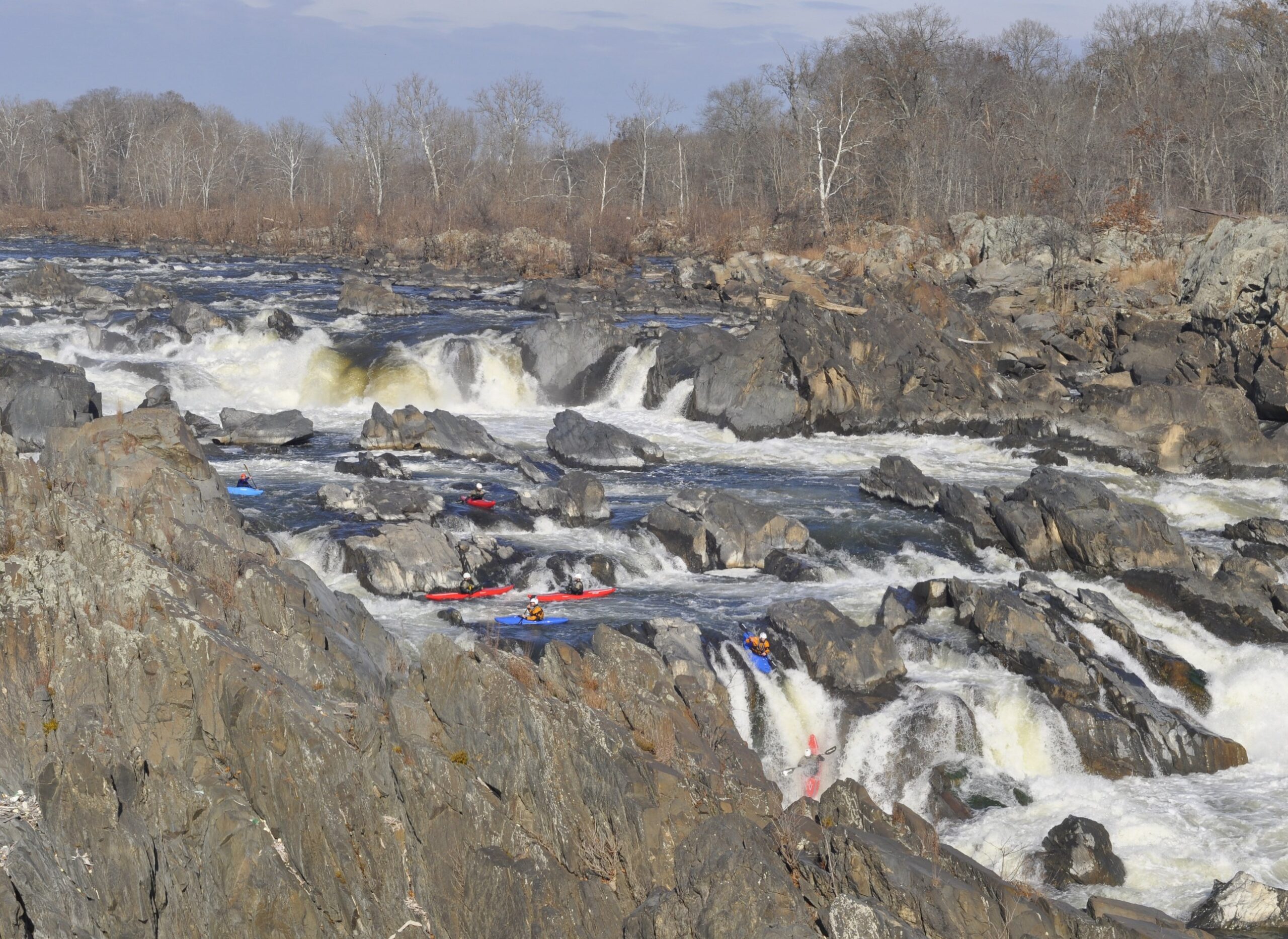
The Great Falls area, nestled along the Potomac River, boasts mesmerizing beauty with water flowing over the steep, jagged rocks. But the body of water harbors a concealed danger. Treacherous undercurrents and dangerous rocks and rapids have resulted in several accidents.
The Great Falls section of the Potomac creates a hydraulic system that traps anything that enters it. The powerful undertows and recirculating currents have claimed numerous lives over the years, earning this stretch the nickname “America’s Deadliest River.” Even experienced kayakers avoid certain sections, yet swimmers continue to underestimate its power.
#13 Delaware River – Hidden Currents
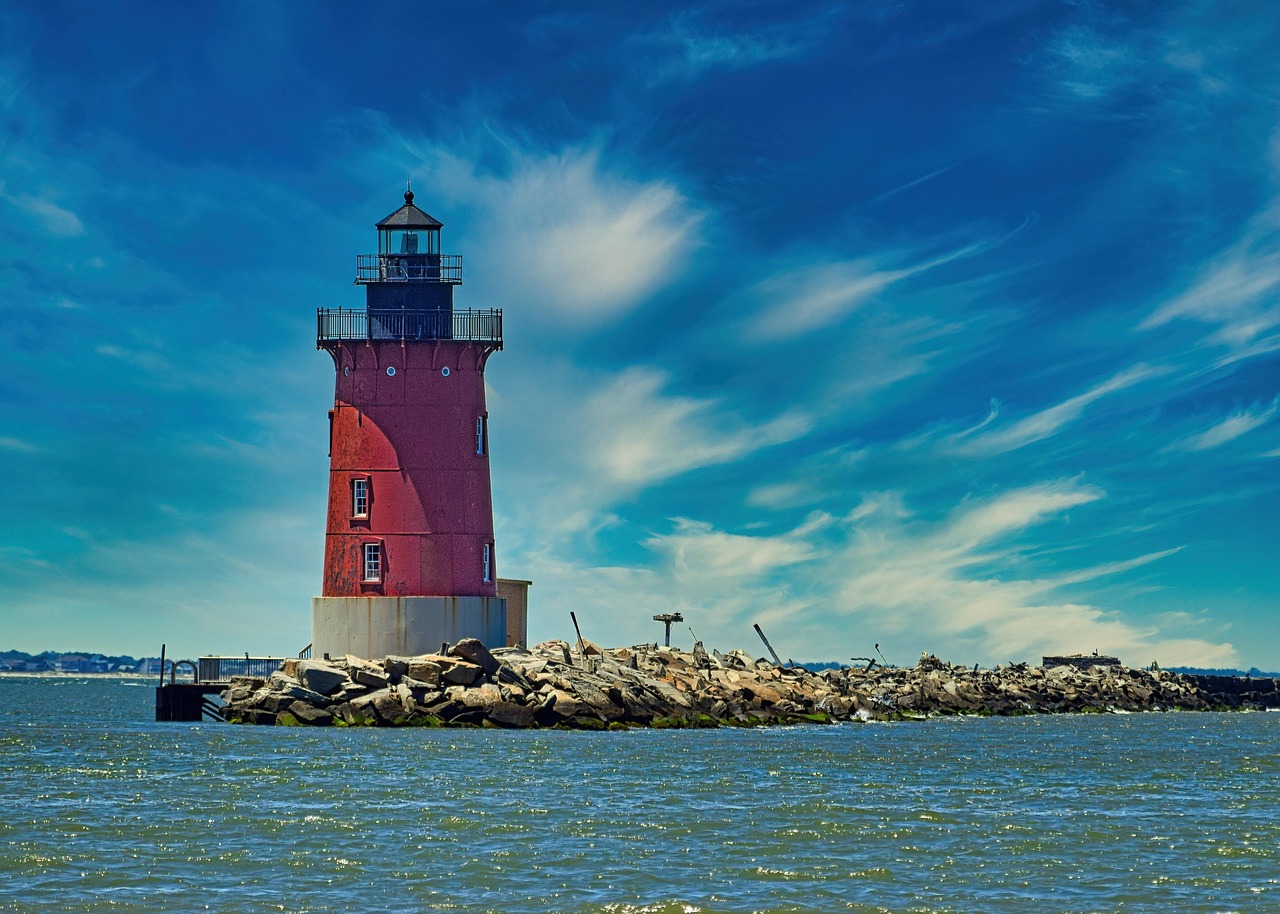
The Delaware River has a level of danger that has played a role in numerous boating and swimming accidents over the years. Its deceptively strong undercurrents can lead to trouble if you haven’t taken proper precautions. The National Parks Service says to always wear a life jacket in the waters, don’t overestimate your swimming ability, and be aware of changing water conditions.
The Delaware’s calm surface masks powerful currents that can sweep swimmers downstream before they realize what’s happening. The river’s popularity for tubing and swimming means it sees heavy use, but many visitors don’t understand the serious risks lurking beneath its placid appearance.
#12 New River, West Virginia – Unpredictable Flow
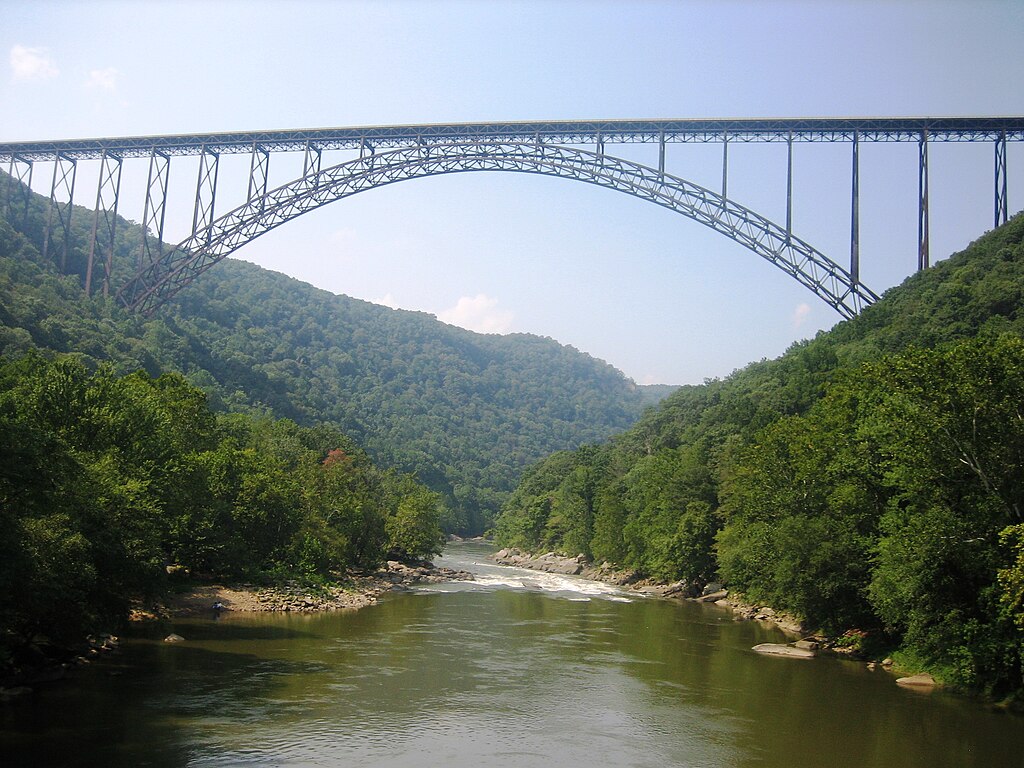
West Virginia’s New River is a waterway that’s far from ordinary. The currents and volume of flowing water is not to be underestimated. This river even has a reputation for being unpredictable, especially if you aren’t familiar with the hidden dangers it holds. For example, the river’s water levels can change daily, making what was once safe a whole new story the next day. Additionally, there can be deep holes, rocky bottoms, and swift currents, according to the National Park Service.
The New River’s ancient gorge creates complex hydraulics and underwater features that can trap swimmers and boaters. Its name is ironic – it’s actually one of the world’s oldest rivers, and its age shows in the dangerous rock formations and unpredictable currents carved over millions of years.
#11 San Francisco Bay – Shark-Infested Waters
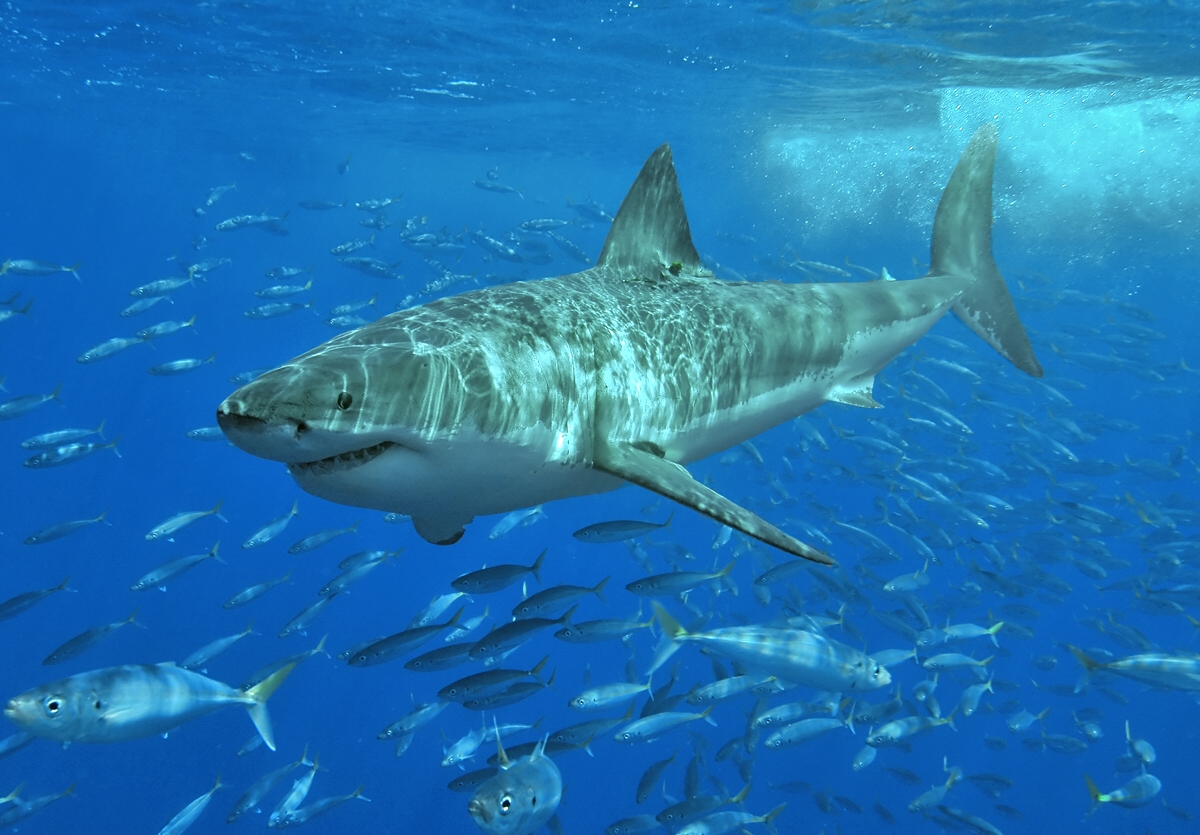
San Francisco Bay might look inviting, but don’t be fooled by its appearance. This picturesque body of water comes with its fair share of challenges, including chilly temperatures, robust rip currents, and gusty winds. The bay has a history of accidents and even fatalities involving swimmers and boaters. There’s also the potential added danger of Great White Sharks lurking in the waters, according to Fog City Secrets.
The Bay’s connection to the open ocean means it shares many maritime dangers while adding urban pollution to the mix. The famous Red Triangle nearby is one of the world’s most active great white shark regions, making every swim a potential encounter with apex predators.
#10 Alaskan Rivers – Wilderness Killers
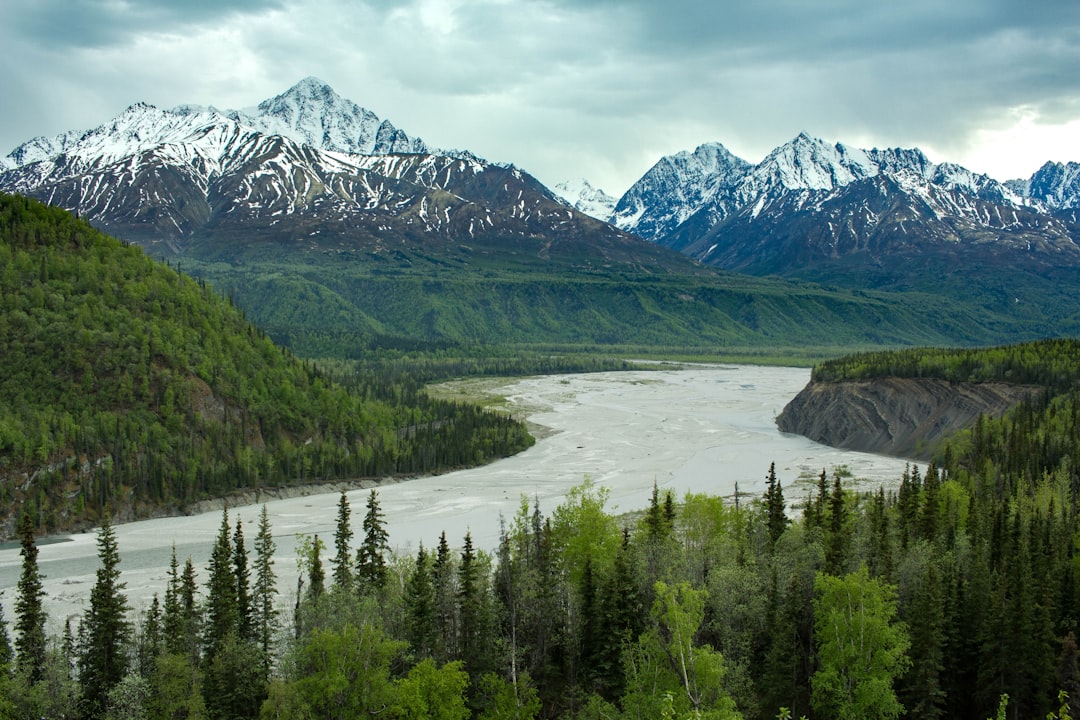
Amid the rugged splendor of Alaska’s wilderness, its rivers reveal a landscape of both beauty and challenges. Cold water temperatures, swift currents, and floating debris create a formidable environment, demanding vigilance from both boaters and swimmers alike. One prime example is the Yukon River, which snakes its way through the state’s expanse.
Alaska’s rivers represent swimming’s ultimate challenge. Water temperatures rarely exceed 50 degrees even in summer, meaning hypothermia can set in within minutes. The remote locations mean rescue is often impossible, and the wilderness setting adds countless additional hazards from wildlife to flash floods.
#9 Abandoned Quarries – Industrial Graveyards
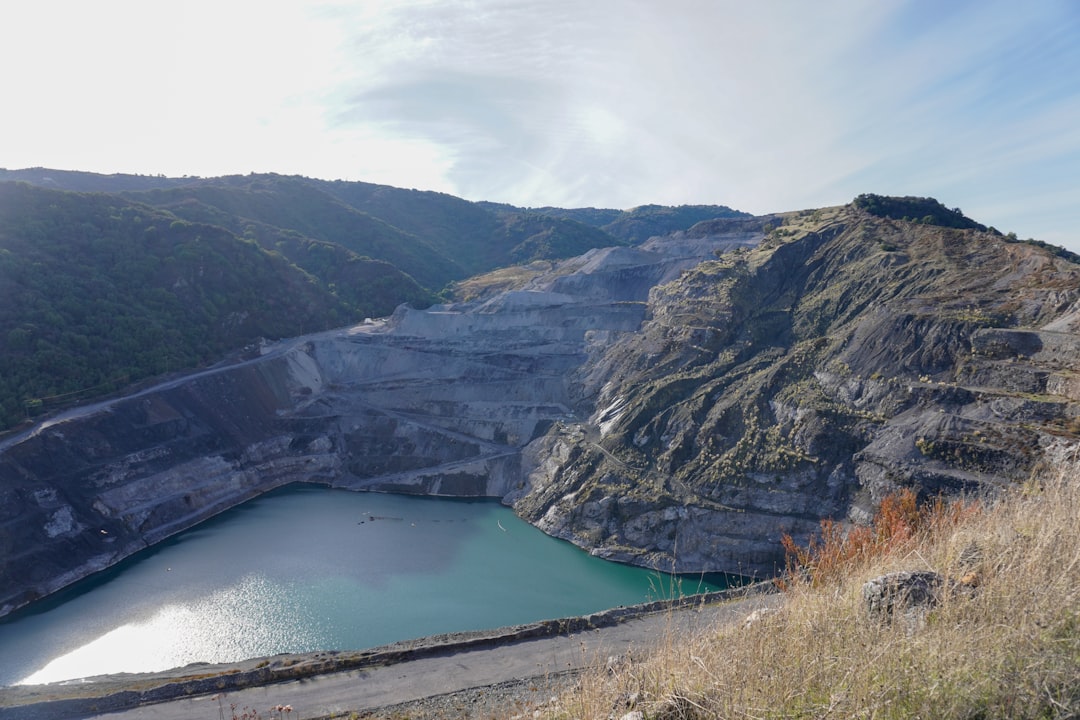
Water-filled quarries can be very deep, often 50 ft (15 m) or more, and surprisingly cold, so swimming in quarry lakes is generally not recommended. Unexpectedly cold water can cause a swimmer’s muscles to suddenly weaken; it can also cause shock, cold water shock and even hypothermia. Though quarry water is often very clear, submerged quarry stones and abandoned equipment make diving and jumping into these quarries extremely dangerous. Several people drown in quarries each year.
Dead animals, waste and various strains of bacteria. Poisonous and toxic blue-green algae, which can cause skin rashes, vomiting, or even liver damage. Industrial pollutants that remain from past operations, which could cause irritations to eyes, skin irritations, rashes, stomach problems, fungal infections. These seemingly pristine swimming holes are actually toxic waste sites disguised as paradise.
#8 Blue Hole Quarries – Arkansas Death Traps
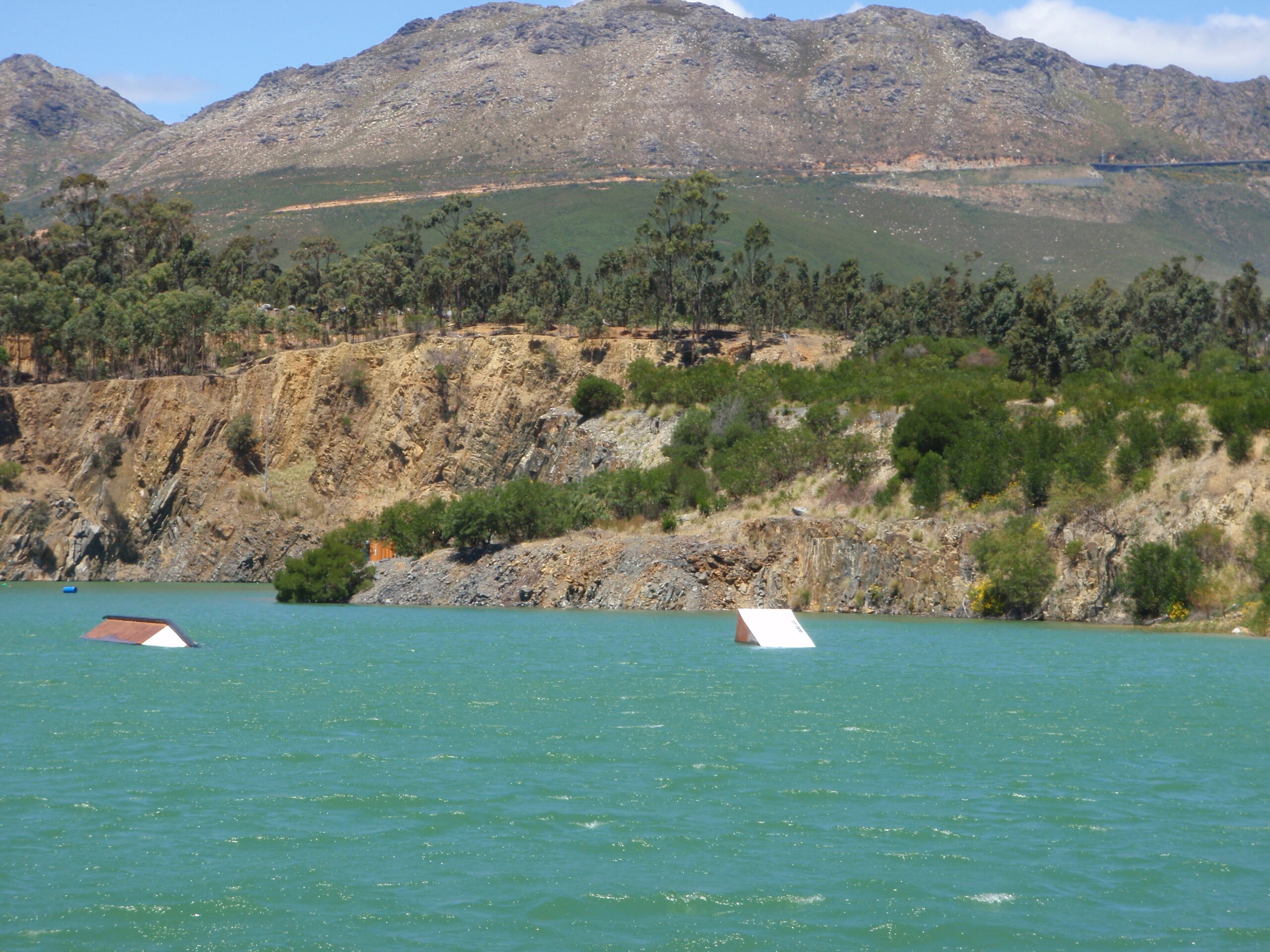
In Arkansas, the Blue Hole is an old rock quarry that locals call a hidden gym. Some might find swimming in a quarry a bit backwoods. Still, it evokes nostalgia for many Americans – especially those living in the rural South. It’s like an oasis on a sweltering summer day, and, thanks to high pH levels and minerals, it can appear an inviting turquoise color.
But that beautiful blue color often signals danger. High pH levels can burn skin and eyes, while the mineral content creates conditions perfect for dangerous bacteria and algae. The quarry’s steep walls and hidden obstacles make escape nearly impossible once you’re in trouble.
#7 Retention Ponds – Suburban Killers
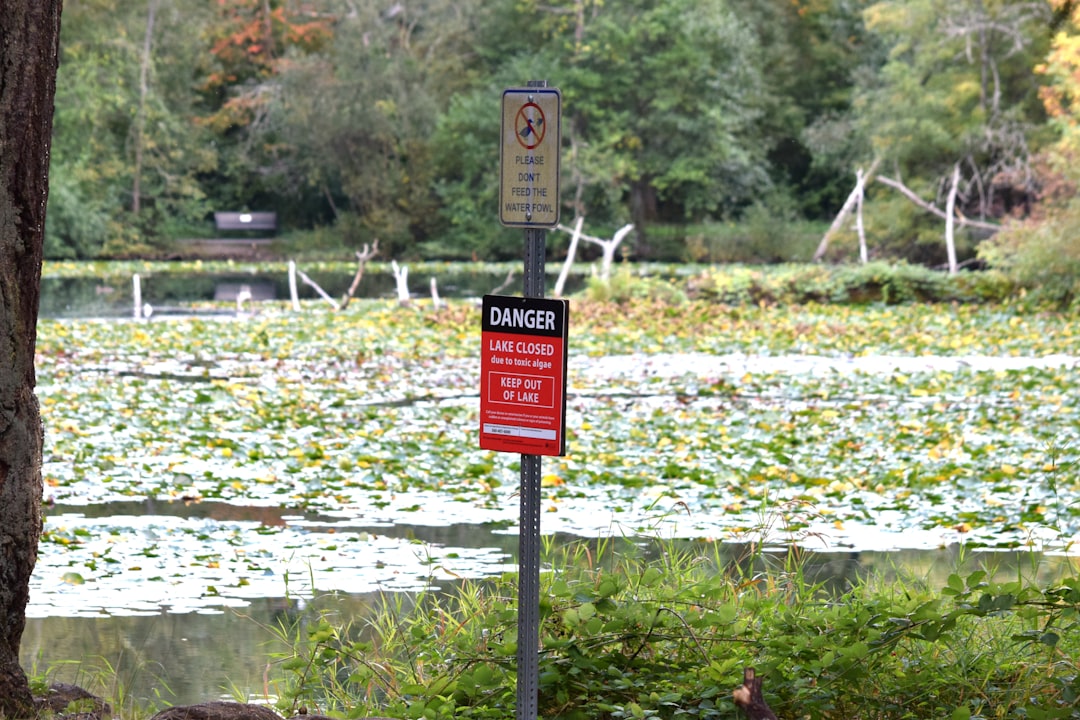
They look innocent enough – small ponds scattered throughout suburban neighborhoods, seemingly perfect for a quick dip on a hot day. But retention ponds are engineered for stormwater control, not recreation. Bathtubs and buckets are common drowning locations for infants, while the majority of children 1–4 years who drown do so in swimming pools, and children aged 5 to 19 years most frequently drown in natural freshwater such as rivers, ponds, or lakes.
These artificial ponds often have steep sides and sudden drop-offs designed to collect maximum runoff. They accumulate pollutants from road runoff, creating toxic conditions while appearing deceptively safe to children and inexperienced swimmers.
#6 Lake Murray, South Carolina – Amoeba Hunting Ground
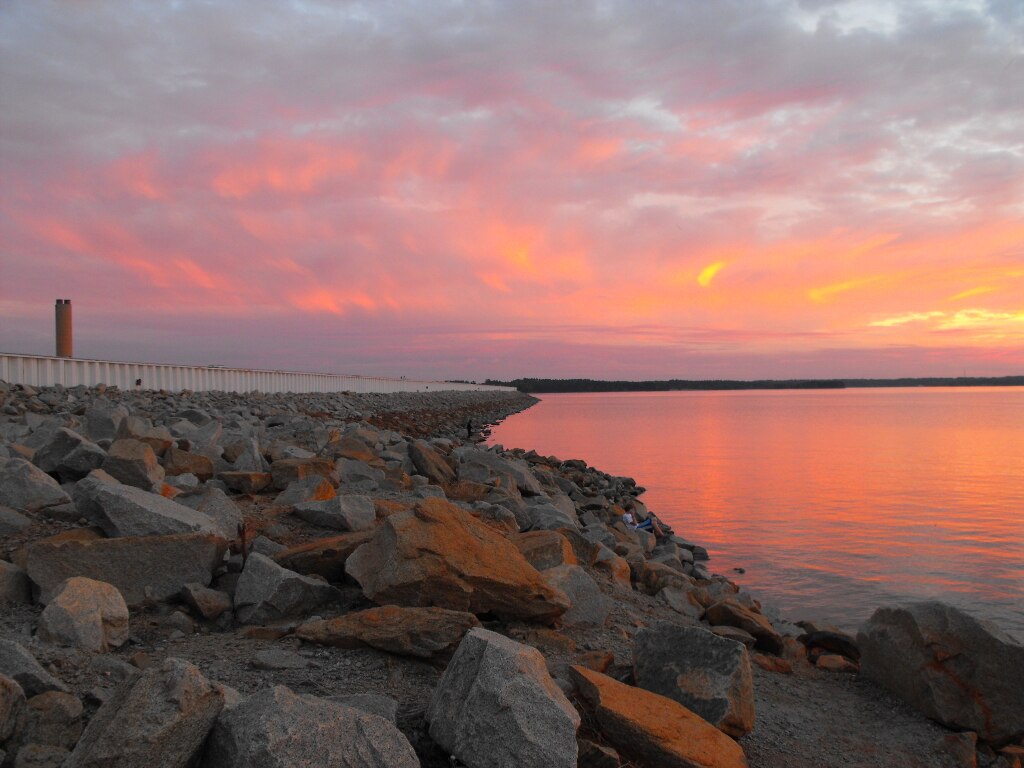
“The July 2023 exposure to the organism Naegleria fowleri likely occurred at Lake Murray, but we cannot be completely certain, as this organism occurs naturally and is present in many warm water lakes, rivers and streams,” the South Carolina DPH told Dox News Digital. “Water activities like swimming or diving in warm freshwater areas, such as lakes and rivers, may increase the risk of exposure and infection.”
A 12-year-old boy has died from a brain-eating amoeba after swimming in a South Carolina lake over the July Fourth weekend. The amoeba enters the body through the nose and causes a fatal brain infection. Lake Murray joins the growing list of waters where this microscopic killer lurks, turning summer fun into a deadly gamble.
#5 Splash Pads and Water Features – False Security
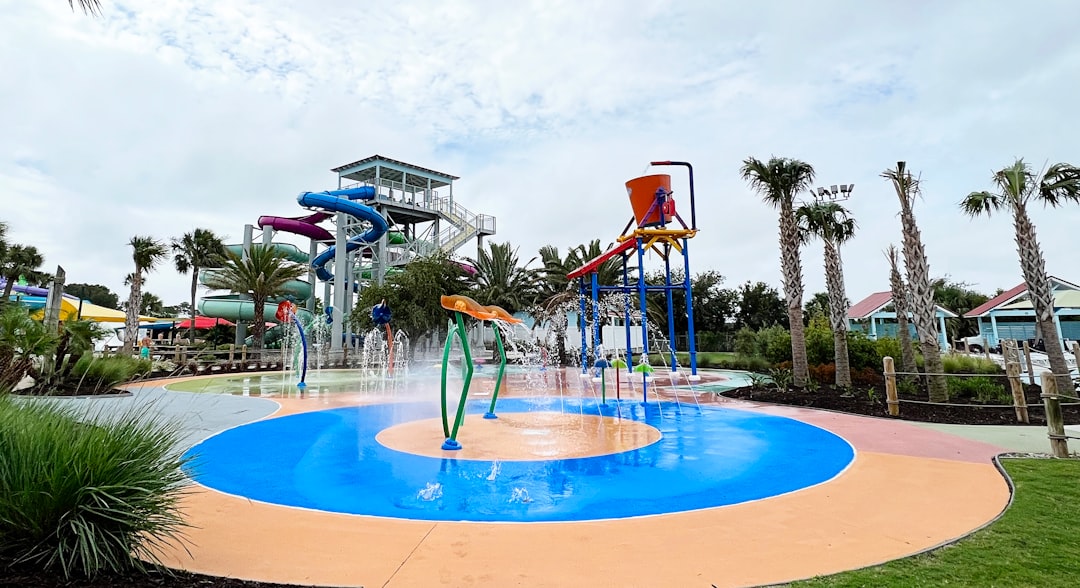
This report describes a fatal case of Naegleria fowleri infection associated with a splash pad in Arkansas. The splash pad was disabled and is no longer in use. Corrective actions**** were taken to address the code violations identified during the pool site investigation.
Even controlled water environments can harbor deadly organisms. Symptoms typically begin 1–12 days after exposure; PAM progresses rapidly and can lead to brain tissue destruction, brain swelling, and death 1–18 days after symptom onset (median = 5 days). Most N. fowleri infections have been associated with recreational exposure to fresh water (e.g., swimming or diving in a lake) during summer months. The amoeba doesn’t distinguish between natural and artificial water features.
#4 Hot Springs – Natural Hot Tubs of Death
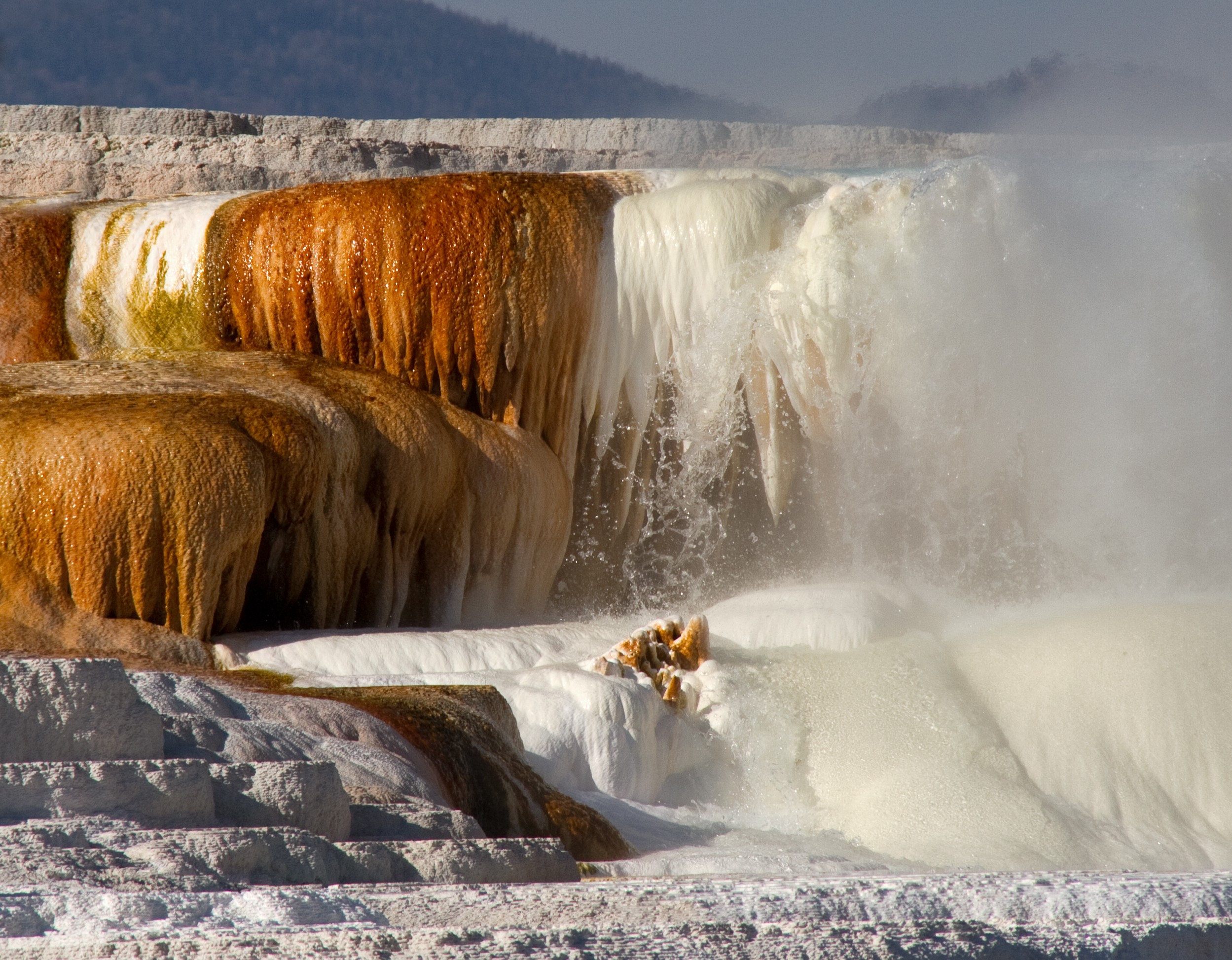
Naegleria fowleri, a thermophilic and free-living amoeba, is primarily found in warm and hot freshwater environments such as ponds, lakes, rivers, hot springs, and poorly maintained swimming pools. As temperatures rise, its population tends to increase. Natural hot springs might seem like perfect relaxation spots, but they’re actually ideal breeding grounds for brain-eating amoebas.
The amoeba’s scientific name is Naegleria fowleri and it is most dangerous in water that stays for a while over 77 degrees Fahrenheit (25 degrees Celsius), including in lakes and rivers in the southern part of the U.S. and other places with hot, sometimes dry summers like Pakistan and Australia. The warm, mineral-rich waters that make hot springs therapeutic also create perfect conditions for microscopic killers.
#3 Farm Ponds and Private Waters – Unregulated Dangers
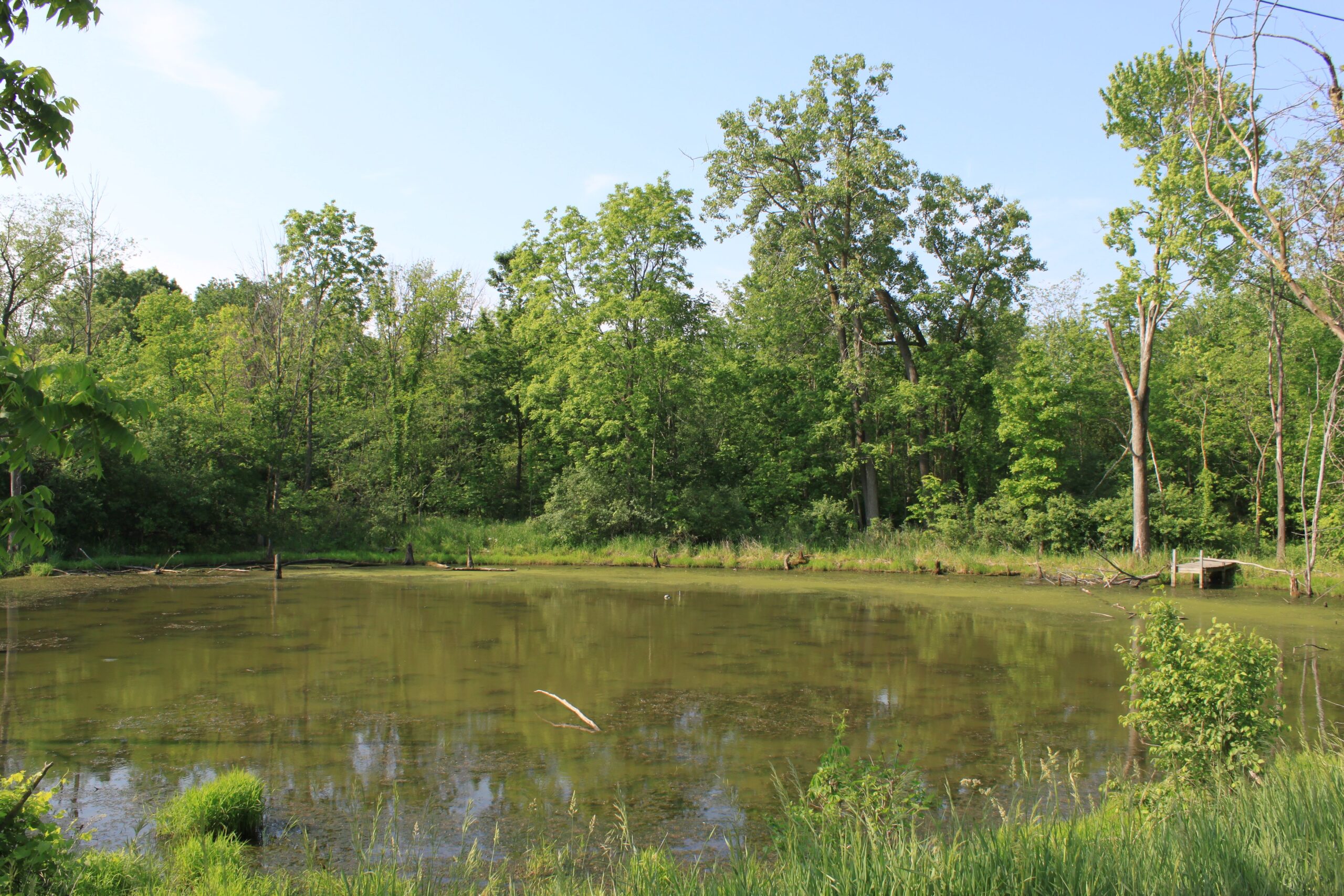
Private swimming holes on farms and ranches across America offer no regulatory oversight or safety measures. These ponds often accumulate agricultural runoff, creating perfect conditions for toxic algae blooms and bacterial growth. A far more common and pressing problem is the toxic algae blooms that appear all over the U.S. during warm weather – and, increasingly, year-round. Toxic algae caused over 300 emergency room visits between 2017 and 2019 alone. Toxic algae blooms occur when blue-green algae, minuscule organisms called cyanobacteria, grow because of excess nutrients in the water.
Farm ponds also frequently serve as livestock watering holes, adding animal waste and disease vectors to the mix. Without filtration or treatment, these waters become breeding grounds for everything from E. coli to parasitic infections.
#2 Swimming Holes Near Urban Areas – Pollution Cocktails
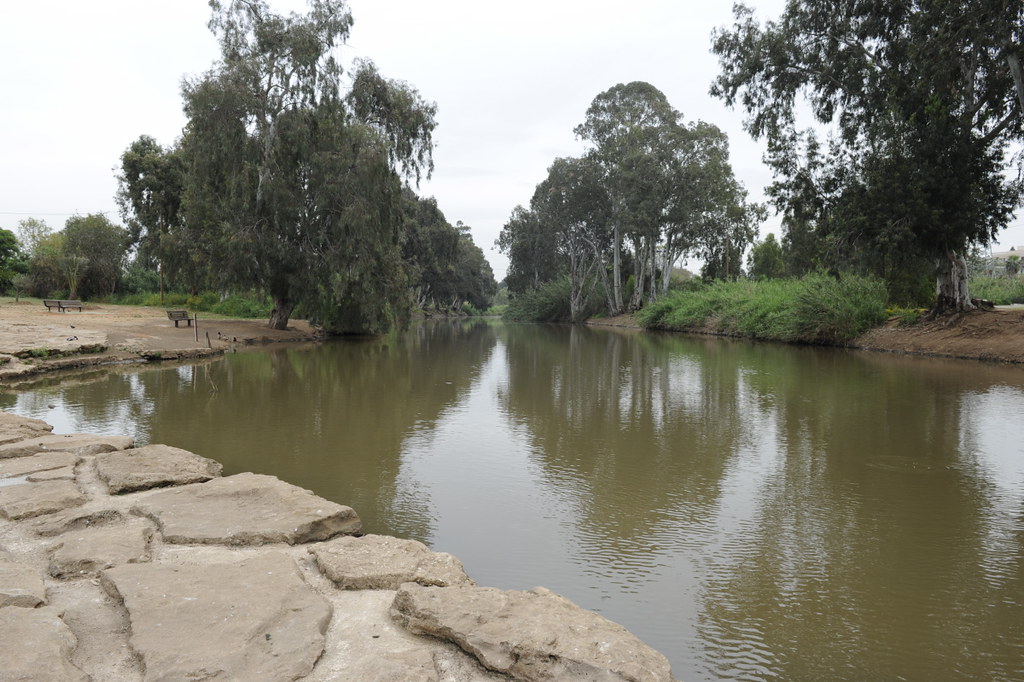
Popular swimming spots near cities often harbor the worst combination of natural and man-made dangers. Urban runoff carries everything from motor oil to chemical cleaners into these waters. There are other dangers in swimming in lakes and rivers instead of pools, where chemicals can kill off dangerous bacteria and other organisms. A mouthful of water could contain E.coli bacteria. And while the bacteria normally live in the intestines of healthy people and animals, some strains can cause a range of conditions, including urinary tract infection, cystitis, intestinal infection and vomiting, with the worst cases leading to life-threatening blood poisoning, according to the Mayo Clinic.
The combination of human sewage, industrial discharge, and stormwater runoff creates toxic soup that can cause serious illness even without full submersion. Skin contact alone can lead to severe rashes and infections.
#1 Tidal Pools and Coastal Waters – Marine Menaces
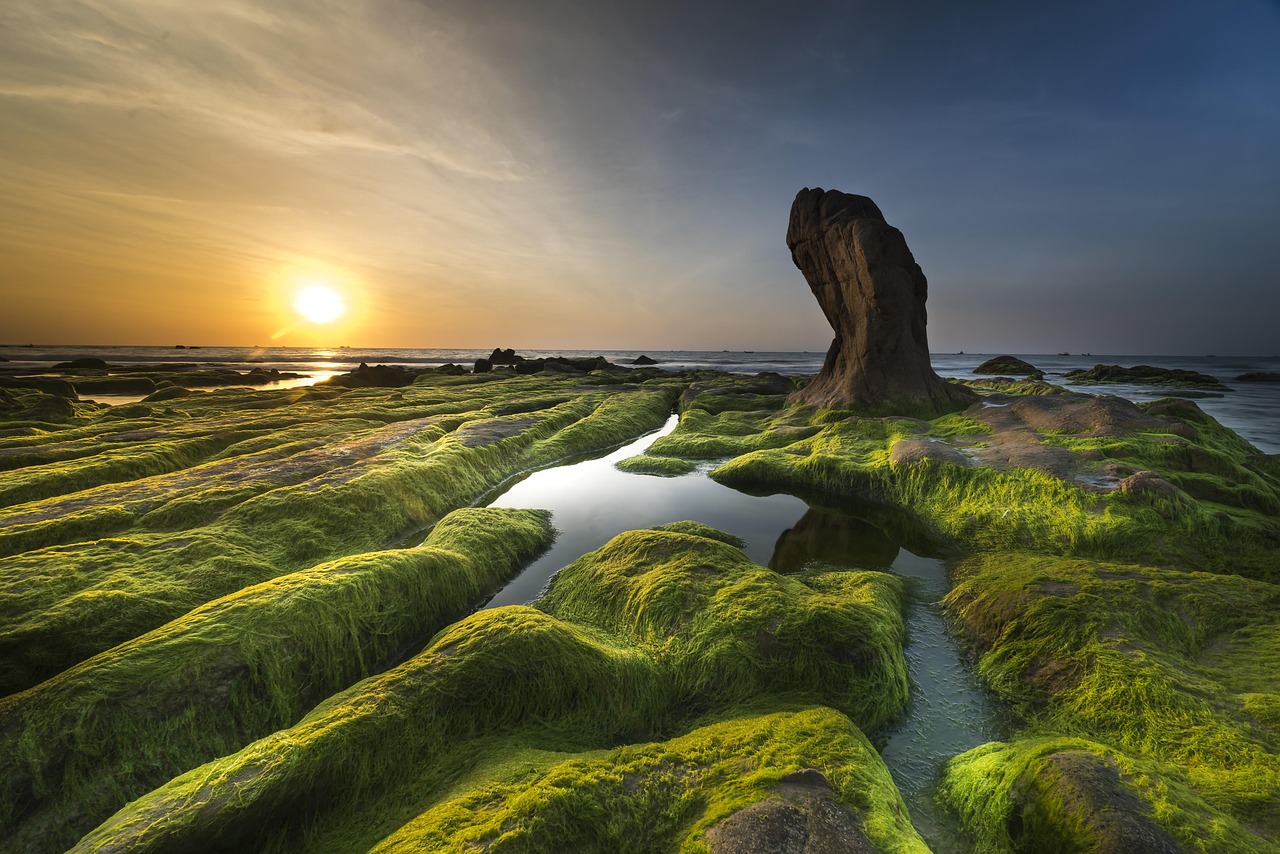
While this list focuses primarily on freshwater dangers, coastal swimming areas present their own unique risks. Tidal pools and shallow coastal waters can harbor toxic algae, venomous marine life, and dangerous bacteria. The warming ocean temperatures due to climate change have expanded the range of dangerous marine organisms northward along both coasts.
Red tide outbreaks can turn beach paradise into respiratory nightmare, while warming waters bring more aggressive shark species into traditionally safe swimming areas. Even wading in ankle-deep water during algae blooms can cause severe skin reactions and respiratory distress.
Conclusion
Water will always call to us on hot summer days, but these 25 dangerous locations remind us that not all water is safe water. From microscopic brain-eating amoebas to massive undercurrents, from toxic algae to industrial pollutants, America’s waterways harbor dangers that can turn paradise into peril in seconds.
The key isn’t avoiding water altogether – it’s respecting the risks and making informed choices. Know the waters you’re entering, understand the local hazards, and never swim alone. Check for warning signs, avoid water that looks or smells unusual, and trust your instincts when something feels wrong.
Remember, Of the 154 cases reported in the U.S. from 1962 to 2022, only four people have survived, according to the U.S. Centers for Disease Control and Prevention. Most of the deaths happened within five days of getting sick, according to the CDC. Some dangers give no second chances.
The next time you see that perfect swimming spot beckoning from the roadside, ask yourself: is it worth the risk? Your answer might just save your life.
Worried about unexpected vet bills?
Pet insurance can cover thousands in unexpected vet costs. Get a free quote from Lemonade in under 2 minutes.
Get My Free Quote →Sponsored · Opens Lemonade.com

As a little kid, I fell in love with nature, wildlife, and animals. Living in the USA, South Africa, Italy, China and Germany gave me the opportunity to discover the world's Wildlife. My favorite animals are Mountain Gorillas, Siberian Tigers, and Great White Sharks.
I'm a certified PADI Open Water Diver, went to Everest Base Camp and Trekked Gorillas in Uganda. I hold a Master of Science in Economics and Finance.
Please send any feedback to feedback@animalsaroundtheglobe.com
- 15 Places in the U.S. That Feel Like Another Planet - June 5, 2026
- The Prehistoric Slowness of the Crocodile - June 5, 2026
- 15 Snake Species That Make Surprisingly Good Pets - June 5, 2026