
Snakes have long fascinated humanity, often making appearances in ancient mythology, folklore, and modern cinema. While many snakes are non-venomous and harmless, some possess potent venom, making them both intriguing and fearsome. Understanding these creatures and the potential dangers they pose is essential for safety and awareness. This article explores 25 of the most venomous snakes you should avoid, offering insight into their characteristics, habitats, and behaviors. Knowledge is a vital tool in ensuring both your safety and respect for these amazing reptiles.
1. Inland Taipan

🔥 Would you like to save this?
We'll email this post to you, so you can come back to it later!
The Inland Taipan, also known as the “fierce snake,” is renowned as the world’s most venomous snake. Native to Australia, its venom is specifically adapted to kill warm-blooded animals, making it incredibly potent to humans as well. Despite its deadly potential, the Inland Taipan is reclusive and sightings are rare.
2. Coastal Taipan
🔥 Would you like to save this?
We'll email this post to you, so you can come back to it later!
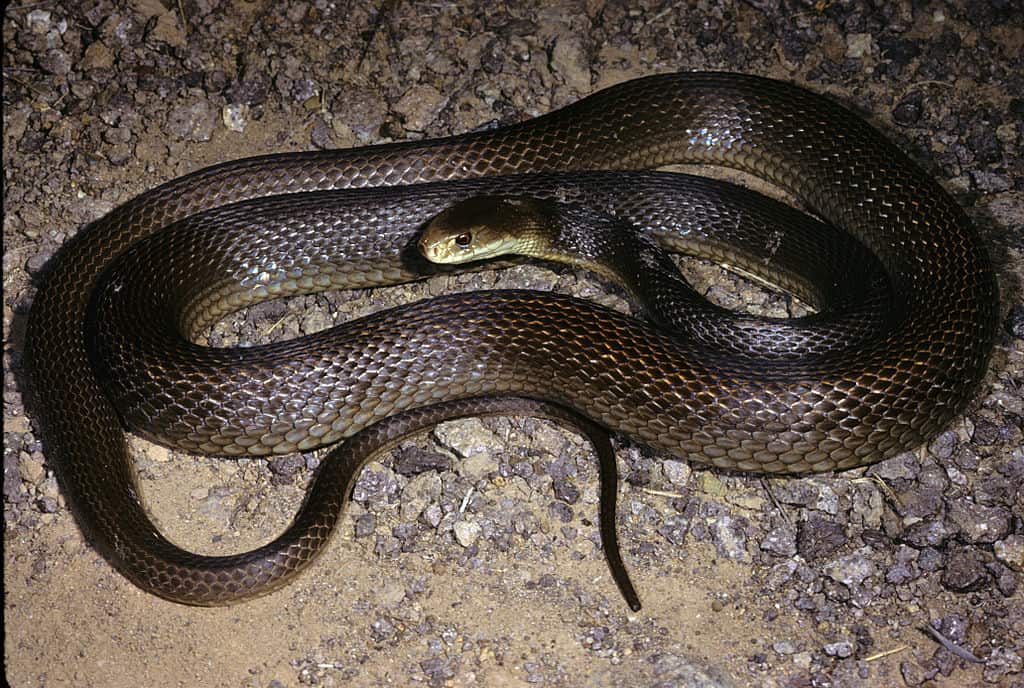
Also hailing from Australia, the Coastal Taipan is highly venomous and can be found in forests, woodlands, and sugarcane fields. Known for its agility and powerful venom, it delivers swift and accurate strikes, making it a formidable opponent.
3. King Cobra
🔥 Would you like to save this?
We'll email this post to you, so you can come back to it later!
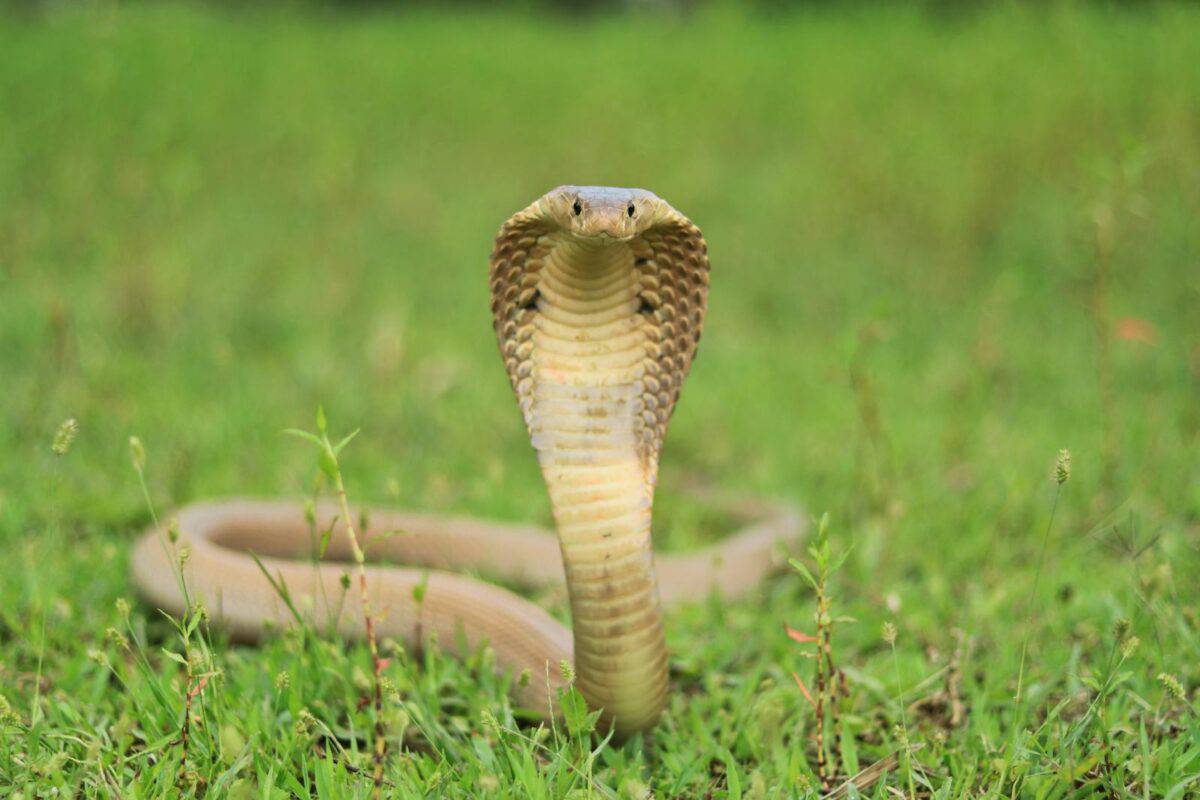
The King Cobra holds the title for the world’s longest venomous snake, capable of reaching up to 18 feet. Found in parts of India and Southeast Asia, this snake is revered and feared alike. Its impressive stamina, intelligence, and powerful neurotoxic venom make it a remarkable predator.
4. Black Mamba
🔥 Would you like to save this?
We'll email this post to you, so you can come back to it later!
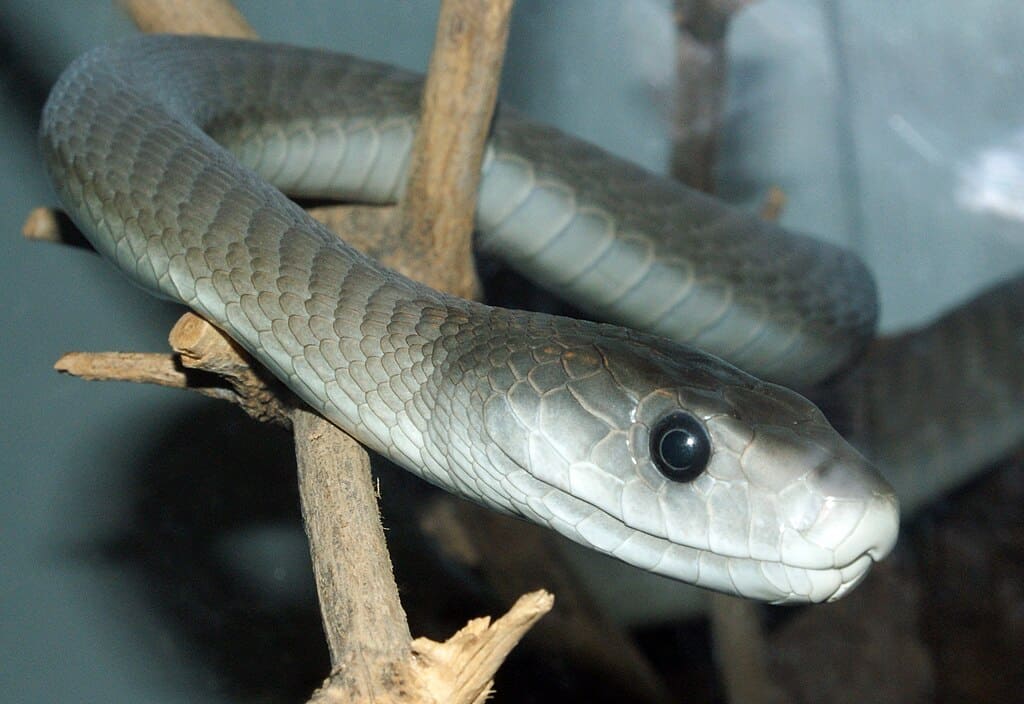
African folklore often references the Black Mamba due to its reputation for speed and aggression. Native to sub-Saharan Africa, it’s the continent’s most feared snake. Its venom acts quickly, and without prompt medical treatment, bites can be fatal within hours.
5. Many-Banded Krait

🔥 Would you like to save this?
We'll email this post to you, so you can come back to it later!
Distributed across Southeast Asia, the Many-Banded Krait is known for its alternating black and white bands. It prefers resting during the day and hunts at night, using its neurotoxic venom to subdue prey. Human encounters are rare but potentially lethal.
6. Russell’s Viper

🔥 Would you like to save this?
We'll email this post to you, so you can come back to it later!
Inhabiting the Indian subcontinent, Russell’s Viper is feared for its potent venom and responsible for numerous snakebite fatalities in Asia each year. It exhibits a striking pattern of oval shapes that serve as camouflage in its grassland environment.
7. Eastern Brown Snake

🔥 Would you like to save this?
We'll email this post to you, so you can come back to it later!
Common throughout Australia’s eastern region, the Eastern Brown Snake is highly venomous and responsible for more snakebite deaths in Australia than any other species. It is both fast and aggressive, especially when threatened.
8. Tiger Snake

🔥 Would you like to save this?
We'll email this post to you, so you can come back to it later!
Another Australian native, the Tiger Snake, can be found in coastal regions and wetlands. Its venom contains complex toxic agents, and bites can be fatal if untreated. The band’s colors vary, hence its name.
9. Philippine Cobra

🔥 Would you like to save this?
We'll email this post to you, so you can come back to it later!
The Philippine Cobra is distinctive for its ability to spit venom with great accuracy, aiming for the eyes of potential threats. Its potent neurotoxic venom affects respiratory function, and it ranks among the most dangerous snakes in the Philippines.
10. Boomslang

🔥 Would you like to save this?
We'll email this post to you, so you can come back to it later!
The Boomslang, native to sub-Saharan Africa, is remarkable for its large eyes and potent hemotoxic venom. It requires its fangs to be deeply embedded to envenomate, making bites rare but potentially deadly.
11. Fer-de-Lance

🔥 Would you like to save this?
We'll email this post to you, so you can come back to it later!
Also known as the “terciopelo,” this snake is found in Central and South America. Its aggressive nature and hemotoxic venom make it one of the region’s most dangerous snakes, often found near human settlements.
12. Rattlesnake

🔥 Would you like to save this?
We'll email this post to you, so you can come back to it later!
Rattlesnakes, native to the Americas, are easily identified by their unique rattle. While there are various species, all possess hemotoxic venom that can be harmful. They tend to give warnings before striking, allowing humans to keep their distance.
13. Death Adder

🔥 Would you like to save this?
We'll email this post to you, so you can come back to it later!
The Death Adder, found in Australia and New Guinea, is notable for its ambush hunting strategy. Its neurotoxic venom is among the fastest-acting of any snake, though its camouflage tactics often pose threats to unsuspecting wanderers.
14. Saw-Scaled Viper

🔥 Would you like to save this?
We'll email this post to you, so you can come back to it later!
Questionably aggressive and highly venomous, the Saw-Scaled Viper is a small but potent snake found in parts of Africa, the Middle East, and India. Its hissing sound is a distinctive warning, though its deadly potential makes it one to avoid.
15. Bushmaster

🔥 Would you like to save this?
We'll email this post to you, so you can come back to it later!
The Bushmaster, native to Central and South America, holds the title of the largest venomous snake in the Western Hemisphere. It’s elusive and inhabits dense forests, making encounters with humans rare but noteworthy due to its size and venom.
16. Indian Krait

🔥 Would you like to save this?
We'll email this post to you, so you can come back to it later!
Recognized for its striking appearance, the Indian Krait is one of the “Big Four” snakes responsible for the most bites in India. Its highly neurotoxic venom makes nighttime encounters especially risky, as it often enters households after dark.
17. Eastern Diamondback Rattlesnake

🔥 Would you like to save this?
We'll email this post to you, so you can come back to it later!
As the largest rattlesnake species, the Eastern Diamondback is a formidable presence in the southeastern United States. Its venom is potent, and while it prefers to avoid confrontation, it will defend itself vigorously if cornered.
18. Banded Sea Krait

🔥 Would you like to save this?
We'll email this post to you, so you can come back to it later!
The Banded Sea Krait is unique among its peers, inhabiting the warm ocean waters of the Pacific and Indian Oceans. Its venom is extremely toxic but rarely a threat to humans, given its shy nature and aquatic habitat.
19. Western Brown Snake
🔥 Would you like to save this?
We'll email this post to you, so you can come back to it later!
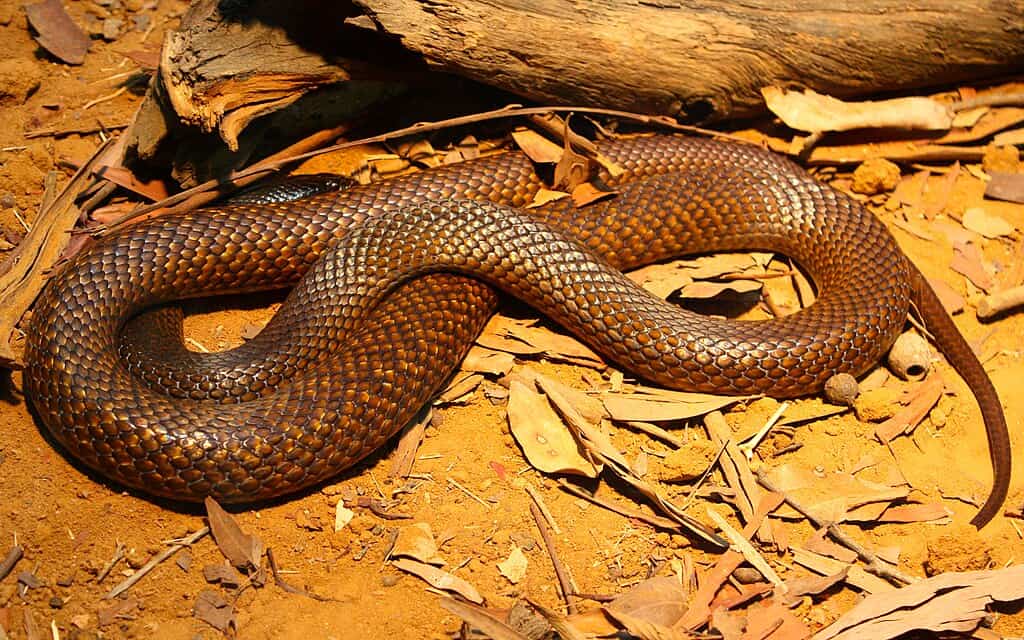
The Western Brown Snake, close cousin to the Eastern Brown, is highly venomous and can be found throughout much of Australia’s arid regions. Its variable color patterns can make it hard to spot, and its fast, nervous disposition demands respect.
20. Malayan Krait

🔥 Would you like to save this?
We'll email this post to you, so you can come back to it later!
The Malayan Krait is another member of the Krait genus, found in Southeast Asia. Its venom is primarily neurotoxic, and its nocturnal nature requires caution from humans who might traverse its habitats during the night.
21. Beaked Sea Snake

🔥 Would you like to save this?
We'll email this post to you, so you can come back to it later!
Residing mainly in the waters of the Indian Ocean, the Beaked Sea Snake is notorious for its potent venom. Known for being quite aggressive underwater, it’s best admired from a safe distance by divers and fishermen.
22. Desert Horned Viper

🔥 Would you like to save this?
We'll email this post to you, so you can come back to it later!
The Desert Horned Viper is often recognized by its unique protruding horns and resides in North African and Arabian deserts. Its bite can be dangerous, though its passive nature means it’s more likely to camouflage than confront potential threats.
23. Australian Copperhead

🔥 Would you like to save this?
We'll email this post to you, so you can come back to it later!
Found in cooler parts of southern Australia, the Australian Copperhead has a relatively mild temperament for a venomous snake. However, it’s well-camouflaged within its environment and should still be approached with caution.
24. Coral Snake
🔥 Would you like to save this?
We'll email this post to you, so you can come back to it later!
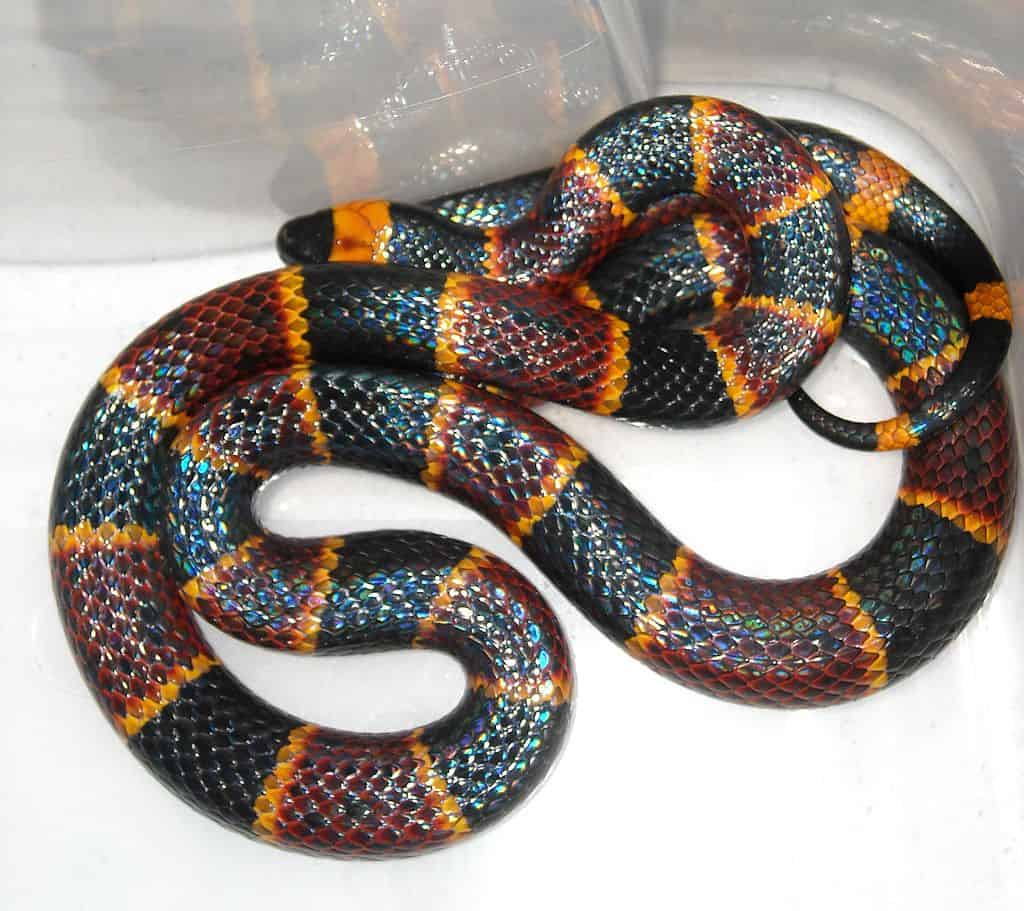
Known for their bright, banded patterns, Coral Snakes inhabit the Americas and are recognized by the rhyme “Red touch yellow, kills a fellow.” Their neurotoxic venom can pack a powerful punch, despite their typically shy disposition.
25. Puff Adder

🔥 Would you like to save this?
We'll email this post to you, so you can come back to it later!
The Puff Adder, found throughout Africa, is responsible for the majority of snakebite fatalities on the continent. Its venom is cytotoxic, and its tendency to remain motionless makes it a hidden danger to unsuspecting passersby.
Conclusion

This captivating exploration of the world’s most venomous snakes sheds light on why they should be avoided, respected, and admired from a distance. While these creatures command a rightful place in their ecosystems, understanding them helps mitigate risk and fosters coexistence. The next time you hike through potential snake territory or visit a region known for its venomous species, carry this knowledge with you to appreciate and respect the natural world just a little bit more.

- 7 Everyday Habits That Can Make Your Senior Dog Happier - November 5, 2026
- 10 Enigmatic Structures That Continue to Puzzle Scientists Today - November 5, 2026
- 10 Strange Ruins in the Americas That Challenge What We Know About Early History - November 5, 2026