

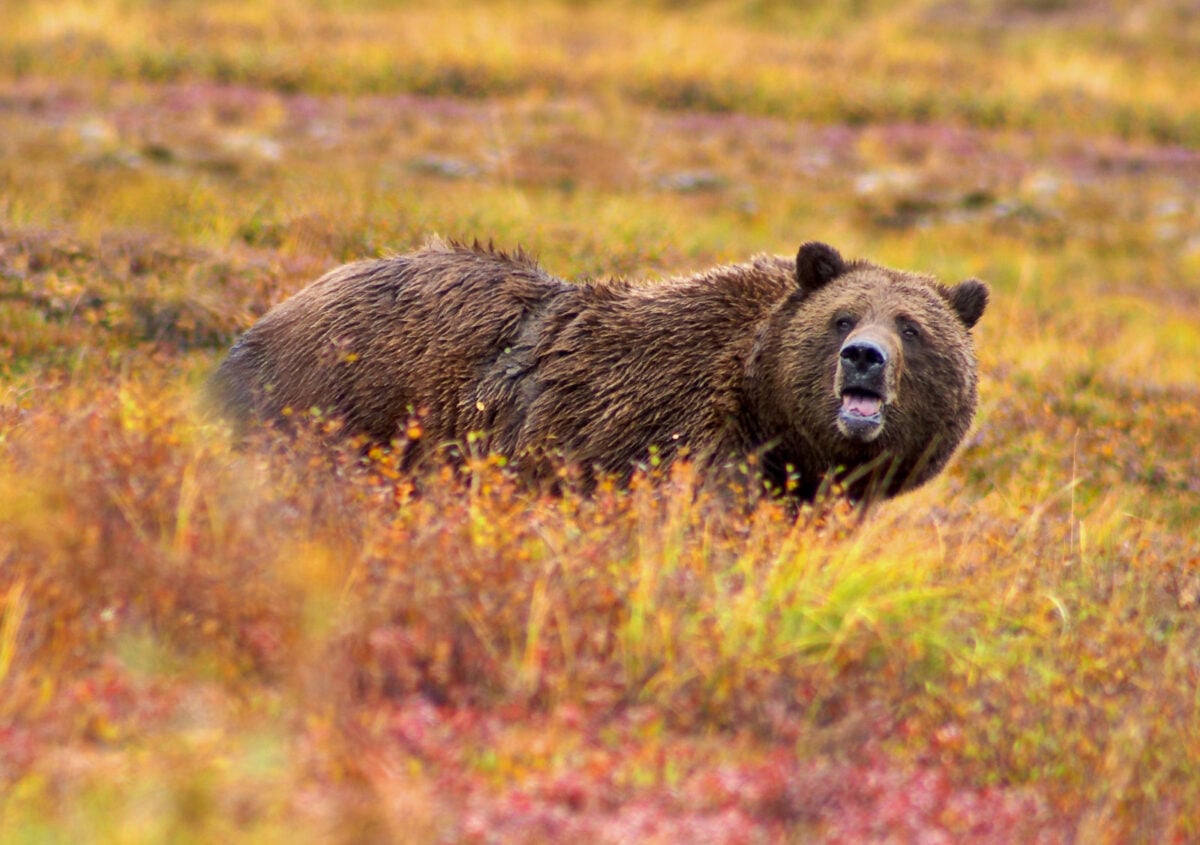
Most people think bears just “sleep all winter.” The rangers who live alongside them all year know that’s only half the story. Late autumn is when bears turn genuinely strange – eating like they’re training for a competition, testing invisible boundaries, and doing things that would shock anyone who still pictures them as cuddly forest mascots.
Rangers’ field logs from this season read less like dry science notes and more like drama scripts. Hour by hour, the patterns they quietly track often contradict what nature documentaries show. Here are 25 of the strangest, most telling observations pulled straight from their notebooks.
#25 – Bears Don’t Just “Disappear” When It Gets Cold
🔥 Would you like to save this?
We'll email this post to you, so you can come back to it later!
Most people assume that as soon as the air turns crisp, bears vanish into dens for a long snooze. Rangers’ late-autumn logs say otherwise.
In many regions, bears stay highly active well into November and even early December, especially after a late frost. Rangers record tracks, fresh scat, and camera-trap footage of bears walking at dusk, sniffing around cabins, and patrolling berry patches that look totally dead to the untrained eye.
A surprising number of sightings happen after the first snow, right when tourists assume hibernation has already begun. Rangers describe den entry less like a fixed date and more like a sliding window – food availability, temperature swings, and even human garbage patterns can delay or speed it up.
That’s why rangers keep repeating the same warning to locals every year: snow on the ground doesn’t mean the bears are gone.
#24 – Late-Autumn Bears Eat Like It’s a Competitive Sport
🔥 Would you like to save this?
We'll email this post to you, so you can come back to it later!
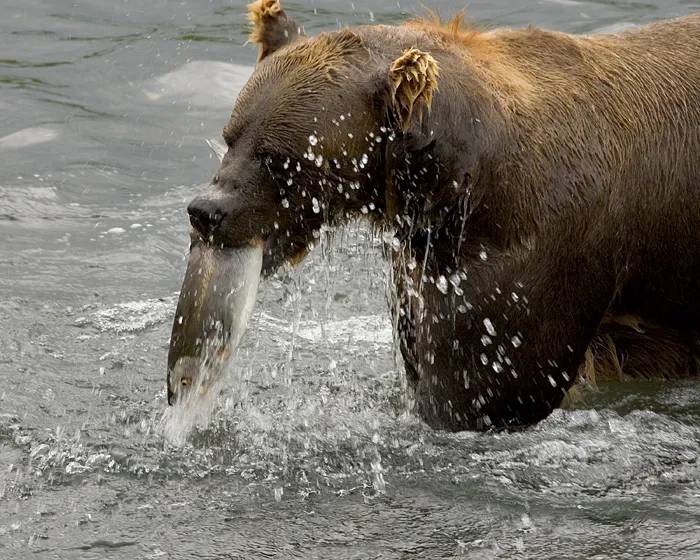
Rangers don’t use polite language here. In the logs, late-autumn feeding is described as a “frenzy,” an “obsession,” a “single-purpose behavior.” This is hyperphagia – the pre-den feeding stage – running at full throttle.
In October and November, rangers record bears spending up to 20 hours a day searching for food. They strip shrubs of the last berries, dig up frozen roots, flip rocks, and raid any unprotected trash or compost. Some logs describe the same bear checking one fruit tree four or five times in a single night.
- One ranger note: “Same female, same tree, four visits between 7 p.m. and 4 a.m.”
- Another: “Male returned to empty dumpster three nights in a row, still searching.”
What surprises people most is that bears often ignore the “pretty” spots tourists loved in summer – open meadows, sunny ridgelines – and instead work the ugliest corners of the forest: cold ravines, rotten logs, ditch banks, roadsides. Rangers quietly track these last-chance routes like a map of desperation.
#23 – The Late-Autumn Weight Gain Is Almost Unbelievable
🔥 Would you like to save this?
We'll email this post to you, so you can come back to it later!
On paper, everyone knows bears gain weight before winter. On the ground, rangers see numbers that feel unreal.
Fast Facts
- Adult bears can be 30 to 50 percent heavier in late autumn than in early summer
- Peak hyperphagia can add several pounds of body weight per day
- That fat has to last through denning all the way until spring
- Leaner, underfed bears roam farther and take bigger risks near people
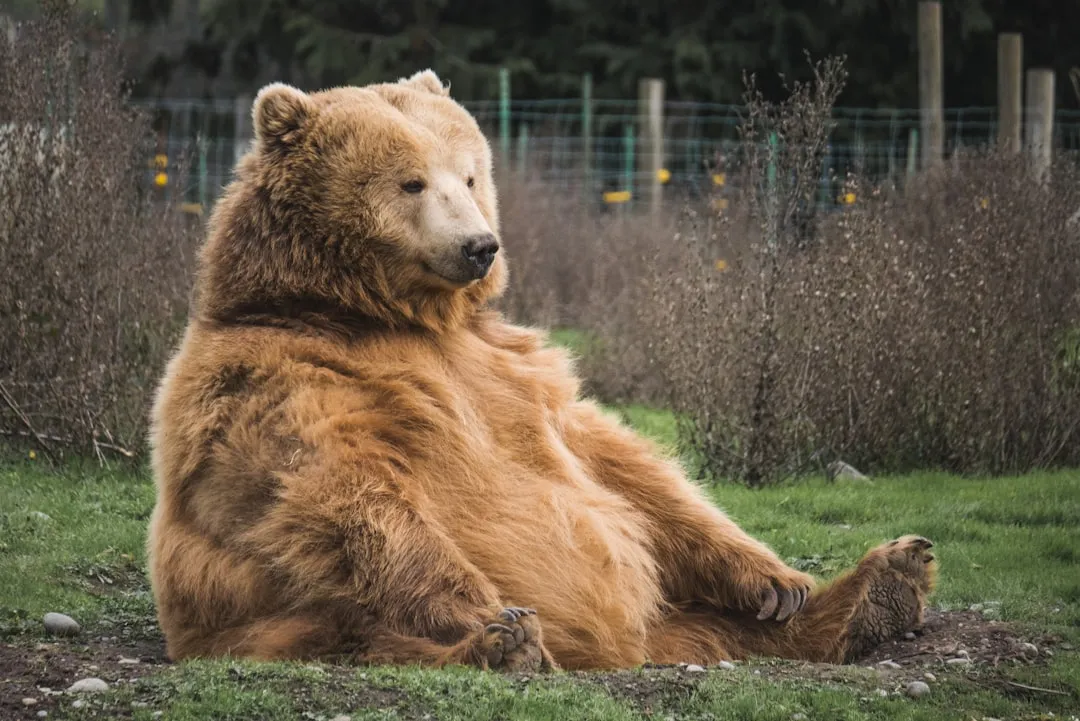
It’s not unusual for a healthy adult brown bear to be 30 to 50 percent heavier in late autumn than in early summer. Some individuals look like a different species by November. Tagging data shows bears packing on several pounds a day at peak hyperphagia – lean bodies in June, absolutely stuffed bodies by late October.
Rangers describe “neck rolls,” a sagging belly, fat pads over the rump that simply weren’t there two months earlier. This isn’t cosmetic. That fat is the literal difference between surviving denning season and starving inside the den.
The leanest, most underfed bears are the restless ones – they travel farther and push into riskier ground, like backyards and farm edges, because they’re running out of time to catch up.
#22 – Bears Get Noticeably Moodier as Food Runs Out
🔥 Would you like to save this?
We'll email this post to you, so you can come back to it later!
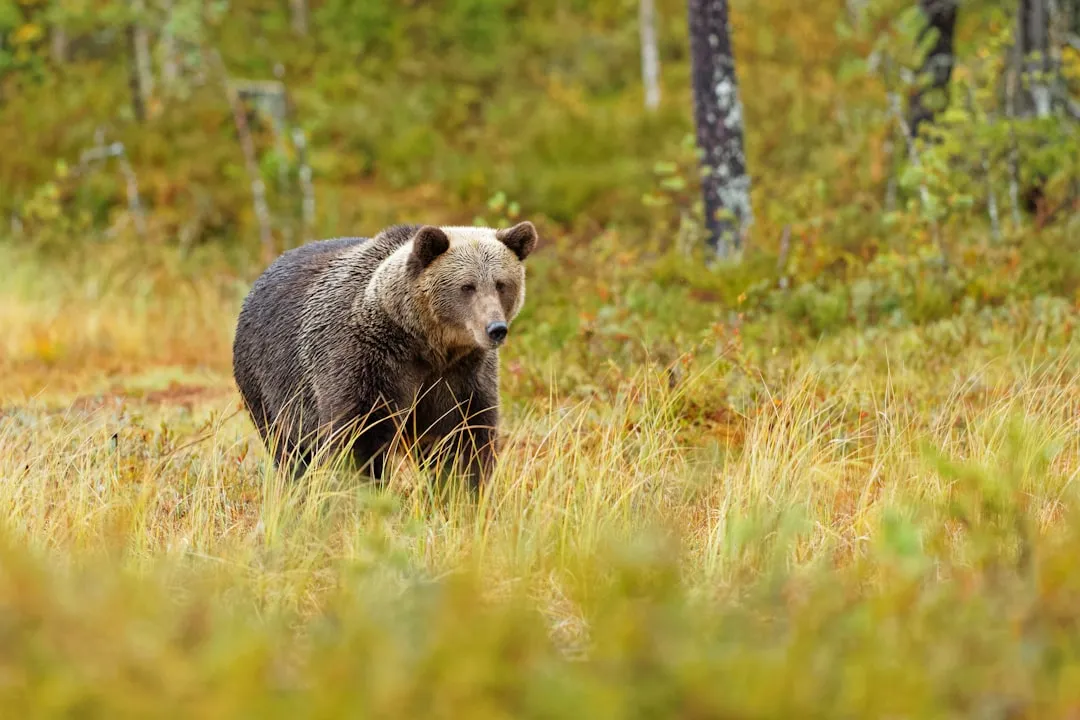
Rangers will say it bluntly: late-autumn bears tend to be bad-tempered. They’re hungry, stressed, and running low on easy calories, and it shows clearly in the logs.
In September and early October, most encounters are logged as “avoidant” or “cautious.” By late October and November, those same notes start reading “stood ground,” “bluff charge,” or “reluctant to leave area.” Food scarcity plus urgency pushes normally shy bears toward confrontation.
Bears also grow less tolerant of each other. Late-autumn logs fill up with:
- Short, loud disputes around carcasses and trash sites
- Tense stand-offs on game trails and river corridors
- Young males testing their luck with bigger bears and getting chased off
Most bears still avoid outright fighting – injuries are expensive this close to denning – but the edge in their behavior is sharper. Tourists who treat a November bear like a lazy August photo-op are exactly who rangers worry about most.
#21 – Scent Trails Become Bear Social Media in Late Autumn
🔥 Would you like to save this?
We'll email this post to you, so you can come back to it later!
While hikers stare at tracks in the snow, rangers pay attention to something more important: smell. In late autumn, scent marking and trail use turn into a crucial communication network, and field logs are full of the details.
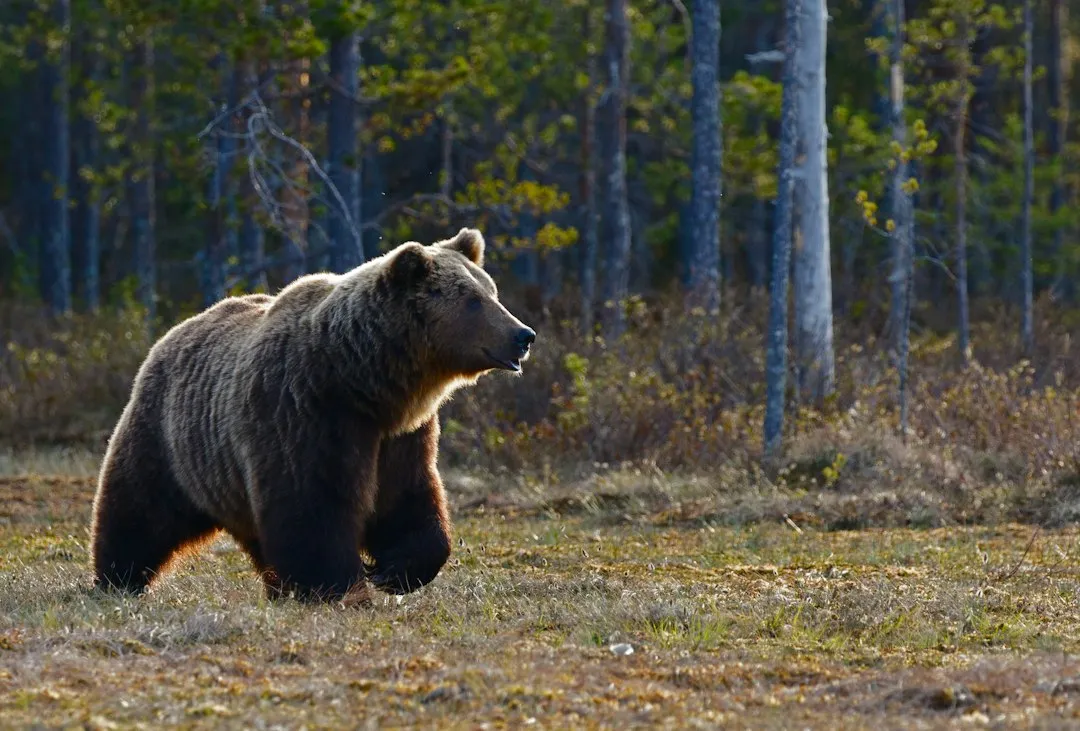
Rangers record repeat visits to specific “scent posts” – tree trunks, stumps, boulders – where bears rub, bite, or scratch. Certain game trails see multiple bears pass within hours of each other, layering overlapping signatures on top of one another. To a hiker, it’s just a path. To a bear, it’s a news feed.
- Fresh claw marks laid over older ones – new messages on top of old
- Bears pausing to sniff a trunk for 30 to 60 seconds before moving on
- Different bears using the same tree at different heights
These scent exchanges help bears avoid full-blown conflict when food is tight. By reading who’s been where, a bear decides whether to detour, hurry, or hold its ground. Rangers use this invisible map to guess where unseen bears are moving as daylight shrinks.
#20 – Mothers With Cubs Play a Higher-Stakes Game
🔥 Would you like to save this?
We'll email this post to you, so you can come back to it later!
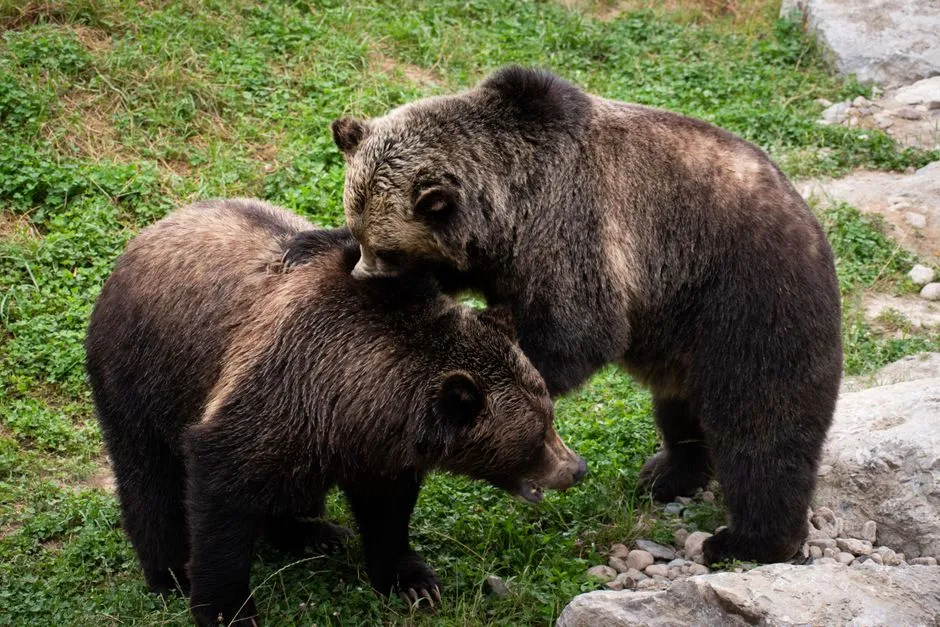
If late autumn is stressful for a big male bear, it’s downright brutal for a mother with cubs. Rangers’ logs consistently show that females raising cubs make the most cautious, complicated – and sometimes most desperate – decisions of the season.
Mothers must pack enough calories not just for themselves but for cubs headed into denning. That means more time out, more travel, more exposure. Rangers often track females leading cubs along the edges of human areas – orchards, landfills, campgrounds – because those spots still offer easy calories when natural food is nearly gone.
- Aggressive avoidance: detouring hundreds of meters to dodge big males
- Strategic feeding: hitting “safe” food spots at hours when fewer bears are around
- Training behavior: cubs watching and copying how mom forages or raids
The margin for error is razor thin. One badly timed encounter with a larger male can be fatal for cubs, and a lean autumn can weaken a mother enough that she struggles to protect them come spring. Rangers say their late-autumn worry is usually highest for families – not for the big solo males everyone stops to photograph.
#19 – Bears Are Shameless Food Thieves in Late Autumn
🔥 Would you like to save this?
We'll email this post to you, so you can come back to it later!
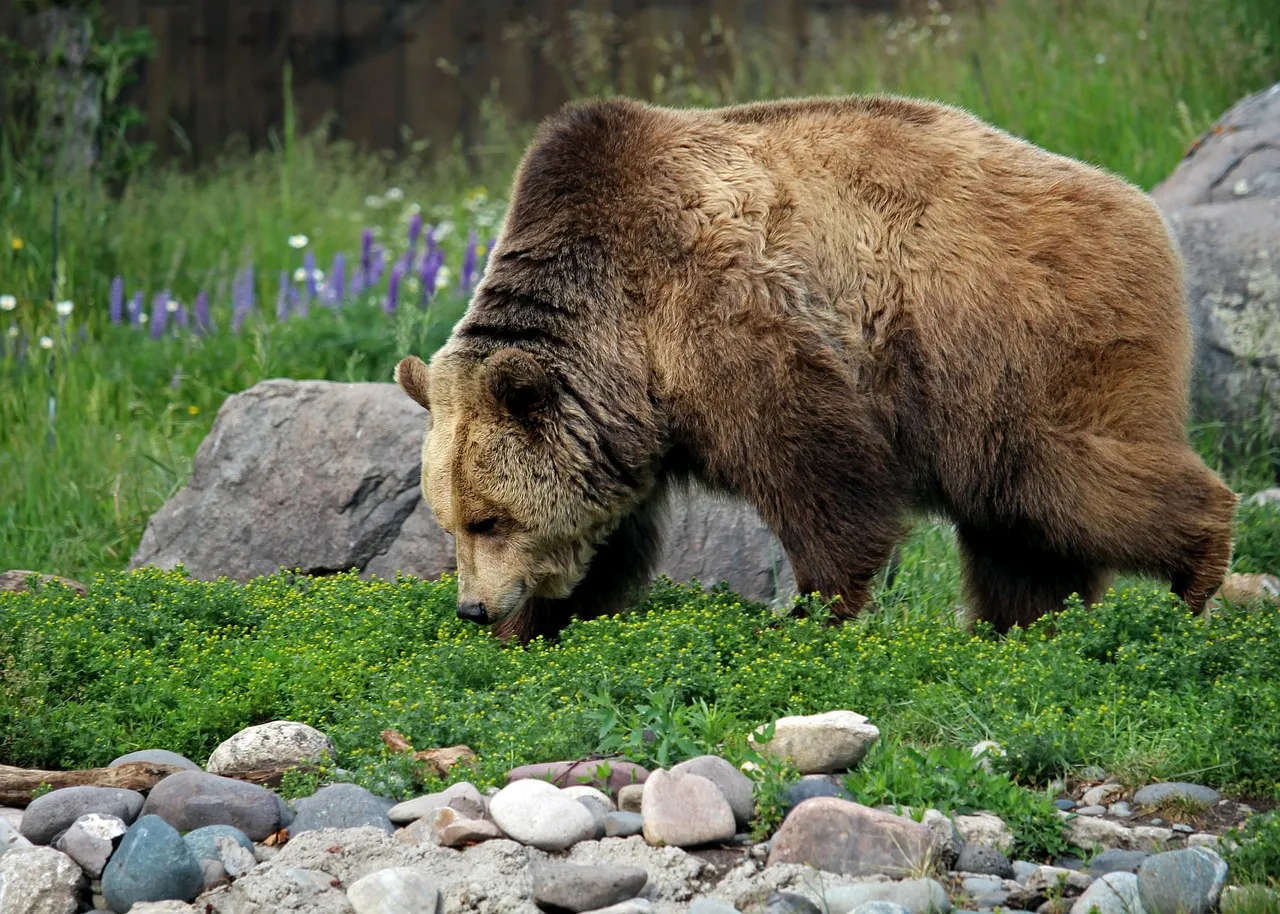
We like to picture bears as noble hunters or peaceful berry eaters. Rangers’ notes tell a less romantic story: late-autumn bears are expert thieves. When calories are tight, stealing is often more efficient than searching from scratch.
Logs are full of cases where one bear shadowed another from a distance, only to rush in the moment the first bear found something worthwhile. At carcass sites, rangers repeatedly note “arrival of larger male, original feeder displaced.” Smaller bears play the same game with each other, timing their approach for when the dominant bear steps away.
- Bears appearing within minutes of anglers cleaning fish at a river
- Repeat visits to the same dumpster right after restaurant closing time
- Individuals frequenting spots where hunters traditionally leave gut piles
Kleptoparasitism – stealing food from another animal – is basically a late-autumn survival strategy. It looks lazy, but biologically, it’s smart math: fewer calories burned, more calories gained, as long as you avoid a fight.
#18 – Pre-Den Bears Move Like They’re on Autopilot
🔥 Would you like to save this?
We'll email this post to you, so you can come back to it later!
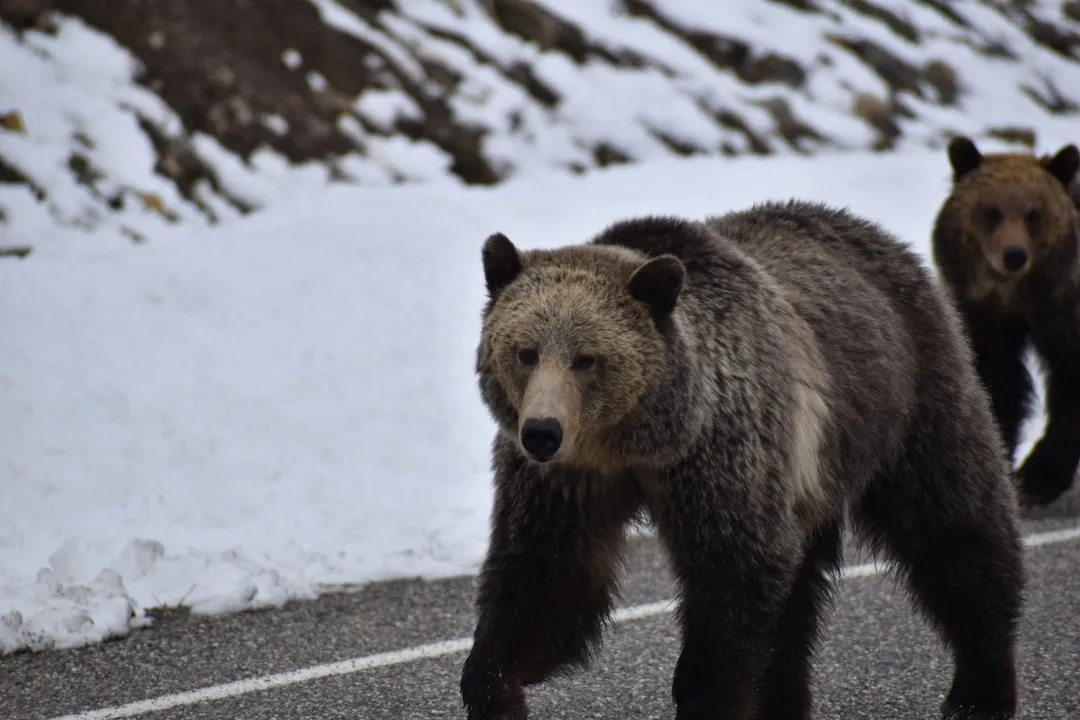
Rangers often describe late-autumn bear movement as machine-like. Routes get repetitive. Schedules tighten. Bears start running the same circuits over and over, like they’re working through a checklist before shutting down.
GPS collar data backs up the field notes: a bear might cycle between the same three or four feeding spots daily, with almost no deviation. At first glance it looks boring. In reality, it’s a razor-focused survival pattern – hitting every remaining calorie source on a strict loop.
- Nearly identical arrival times at certain feeding sites across several days
- Sharply reduced exploratory behavior late in the season
- Short, direct travel even in bad weather, wasting no energy on curiosity
It’s as if the bear’s brain and body agree there’s no time left to experiment. This is the phase where rangers can often predict, within a narrow window, when a specific bear will finally vanish into its den – even as tourists mistake its slow, heavy movements for tameness.
#17 – Bears Are Picky Interior Designers When It Comes to Dens
🔥 Would you like to save this?
We'll email this post to you, so you can come back to it later!
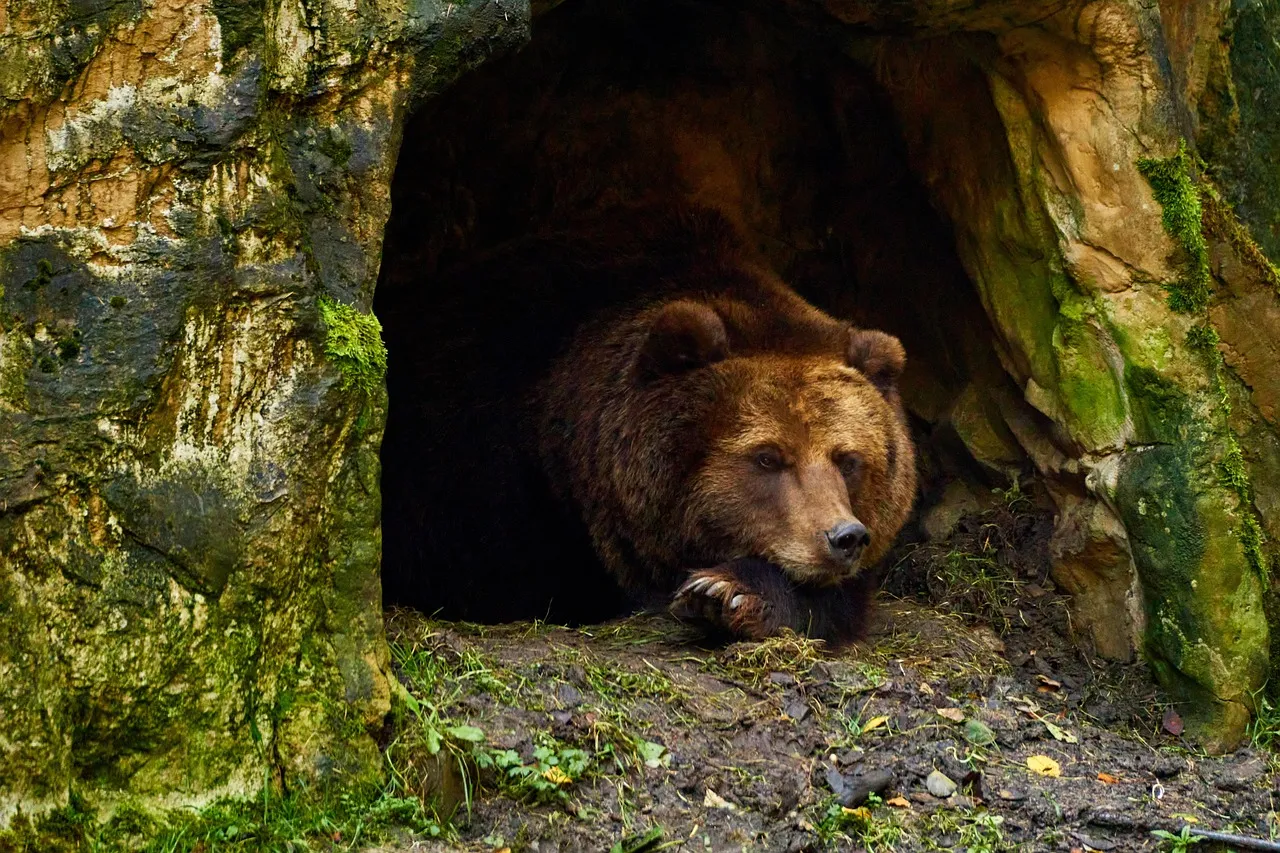
The stereotypical “random cave” is mostly a myth. Rangers who track denning sites know bears can be surprisingly particular about where they spend the winter.
Late-autumn logs catalog hillside excavations, hollow logs, dense thickets, spaces under root masses, and occasionally human-made structures. Successful dens tend to share the same features:
- Overhead cover that hides them from above and shields snow load
- Good drainage so meltwater doesn’t flood the space
- Enough insulation – soil, vegetation, or snow – to hold heat
Some bears reuse a proven den year after year, and rangers learn those spots so well they can predict where to look each season. Others shift slightly, adjusting for landslides, fallen trees, or human intrusion. The choice isn’t random – it’s risk management. A bad den can mean flooding, collapse, or exposure to predators.
#16 – Hibernation Isn’t the Deep Sleep You Think It Is
🔥 Would you like to save this?
We'll email this post to you, so you can come back to it later!
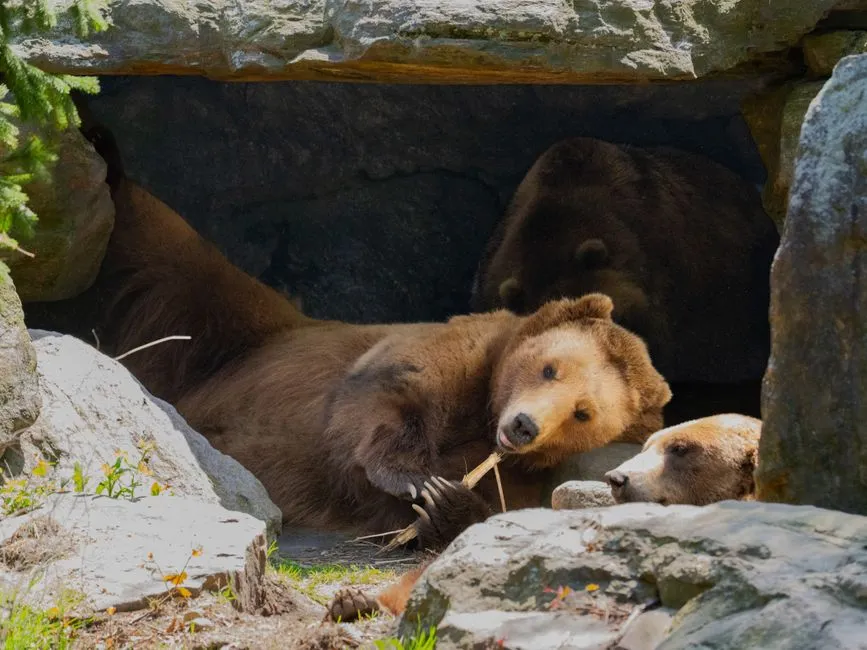
Rangers who monitor dens know that “hibernation” is, at best, a misleading word for bears. They don’t sleep straight through winter like a switched-off machine.
Quick Compare
- True hibernation: Body temperature drops sharply; the animal is nearly unresponsive for long stretches
- Bear torpor: Heart rate and temperature dip, but the bear can wake and react quickly
- True hibernation: Rarely interrupted for weeks or months at a time
- Bear torpor: Can include brief exits, position shifts, or even short walks
Before full denning, rangers often log “test runs”: a bear tucks in for a few days, emerges during a warm spell to sniff around or grab a bite, then goes back in. Even after settling in for good, motion cameras and snow disturbance sometimes reveal subtle mid-winter activity – a shift in position, a brief exit, even a short walk.
Biologists call this torpor, not classic small-mammal hibernation. Body temperature drops and heart rate slows, but the ability to wake and react stays intact.
- Bears roused by loud nearby construction or snowmobiles
- Mothers adjusting position to nurse cubs or manage den collapse
- Males exiting early during unusually warm winters
It’s a flexible, responsive survival state, not an off switch. Disturb a den and you’re not waking a sleepy cartoon bear – you’re triggering a depleted, defensive animal.
#15 – Human Food Habits Quietly Rewrite Bear Behavior
🔥 Would you like to save this?
We'll email this post to you, so you can come back to it later!
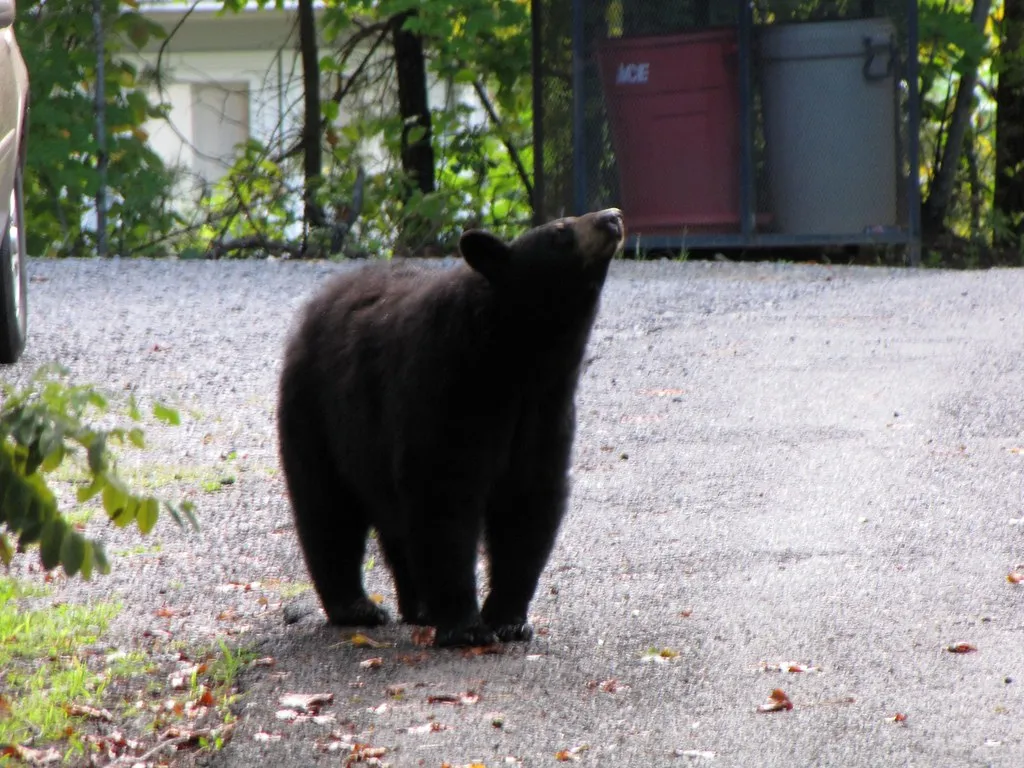
Rangers are blunt about this one: late-autumn bear problems are often human-made. As natural food declines, bears that have already learned to rely on us don’t go back to being wild. They double down.
Field logs show clear patterns around unsecured trash, bird feeders, compost piles, and livestock feed. Once a bear scores a high-calorie reward from a human source, its route usually shifts – that house, dumpster, or orchard becomes a permanent stop on its late-autumn circuit.
- Bears returning to the same overflowing garbage can at nearly the exact same time each night
- A spike in property-damage reports after a single successful raid
- Individuals traveling far out of their way to reach predictable human food sources
The ugly truth: bears that become too human-conditioned in late autumn often end up euthanized or relocated. Rangers know this cycle well – warn people, document the incident, watch the bear repeat what worked. It’s a loop that better human habits could break, but rarely do.
#14 – By Late Autumn, Bears’ Bodies Show the Cost of Survival
🔥 Would you like to save this?
We'll email this post to you, so you can come back to it later!
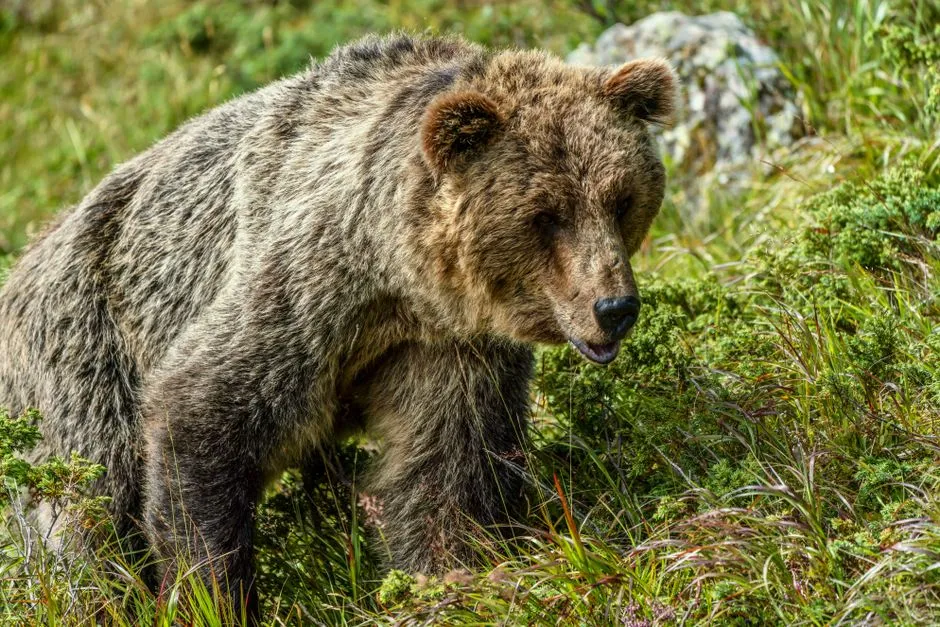
Photos of fat fall bears look cute. Rangers’ up-close observations tell a rougher story. By late autumn, many bears are carrying a season’s worth of scars, limps, and worn teeth.
Field logs note fresh claw marks, torn ears, and healed-over bite wounds from summer conflicts. An injury that seemed minor in July can turn serious in October, once the bear is heavy, tired, and pushing hard for food. Rangers also watch gait closely – subtle limps or stiffness on cold mornings tell their own story.
- Broken canines, often from biting hard bones or human trash
- Severe tooth wear in older bears that slows down feeding
- Jaw injuries that complicate late-season foraging
The fat gain hides a lot of damage. A bear that looks huge and healthy from a distance might actually be on its last functional years. Rangers who track individuals over time often develop a gut sense, by late autumn, of which ones won’t see many more seasons.
#13 – Not All Bears Make It to the Den on Time
🔥 Would you like to save this?
We'll email this post to you, so you can come back to it later!
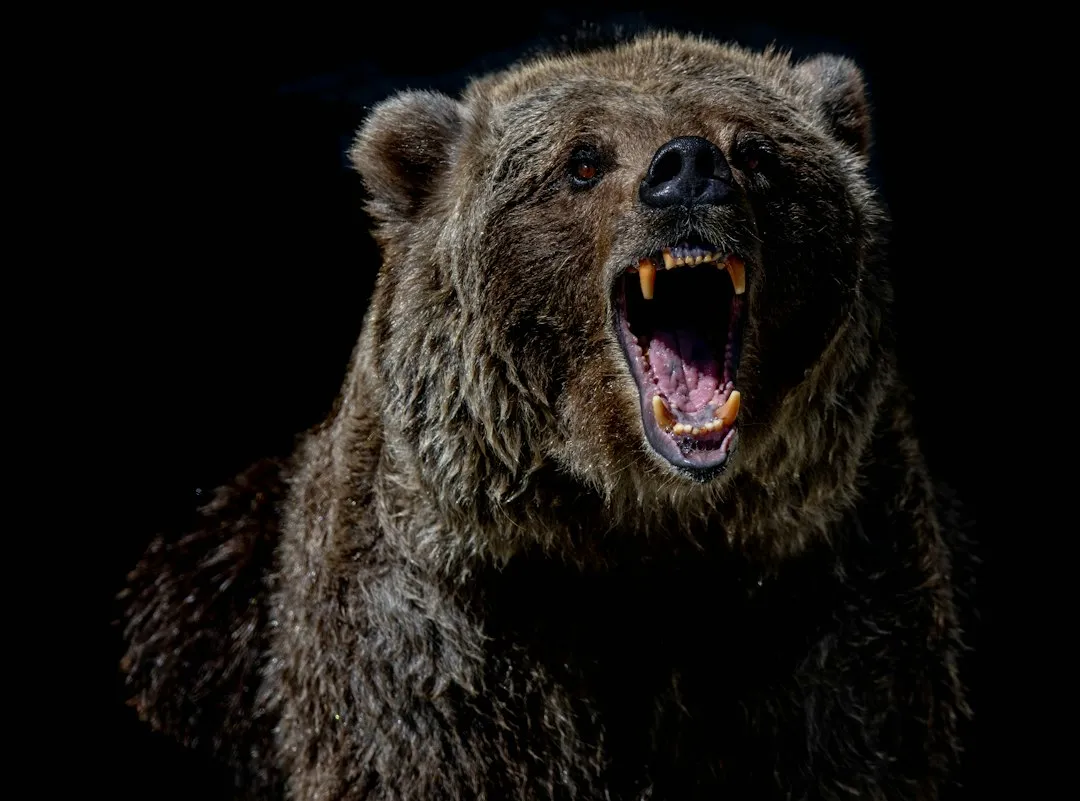
Here’s the part documentaries rarely linger on: some bears simply miss the window. Rangers’ late-autumn and early-winter logs include hard entries about underweight, injured, or aging bears still wandering long after everyone else has denned.
- Scavenging close to roads and buildings well into early winter
- Picking over frozen carcasses already claimed and abandoned by others
- Showing rib outlines or visible hip bones despite thick winter fur
A bear still foraging hard in deep winter is in real trouble. Some are euthanized when they become a safety risk. Others simply vanish, likely succumbing to starvation or injury far from any trail.
The logs stay clinical, but the pattern is clear: nature isn’t gentle about late deadlines. It’s why rangers care so much about food access earlier in the season – a rough berry year or a poor salmon run doesn’t just change summer sightings. It echoes forward into who does, and doesn’t, survive to spring.
#12 – Late-Autumn Scat Is Practically a Research Report
🔥 Would you like to save this?
We'll email this post to you, so you can come back to it later!
If you think scat is just a gross nuisance on the trail, rangers quietly disagree. Late-autumn bear scat is one of their best data sources, and what’s inside it changes dramatically this time of year.
Summer scat is usually loose, dark, and packed with berry skins. Late-autumn scat gets denser and lighter-colored, full of seeds, fur, bone fragments, and sometimes man-made trash. Rangers record these shifts in almost forensic detail – down to plant species or plastic type.
- “High incidence of corn kernels – likely from nearby fields.”
- “Multiple scats containing sunflower seed hulls near cabins with bird feeders.”
- “Evidence of tarp fibers and foil – consistent with campsite raiding.”
Every pile is basically a snapshot of what’s left in the landscape. By reading it, rangers gauge which natural foods remain, which human foods are being exploited, and how desperate bears have become. It’s not glamorous work, but it’s some of the most honest data they collect.
#11 – Bears Get More Nocturnal Around People, but Not Everywhere
🔥 Would you like to save this?
We'll email this post to you, so you can come back to it later!
Most people assume bears near humans are strictly nocturnal. Rangers’ logs show it’s more complicated – and highly dependent on how badly a bear needs food.
In wilder areas with little human overlap, bears often stay crepuscular, active at dawn and dusk, even into late autumn. But in zones where people and bears share space, late-autumn entries increasingly mention nighttime raids and pre-dawn movement instead.
- Bears hitting backyard apple trees between midnight and 4 a.m., then vanishing by sunrise
- Camera traps at dumpsters mostly triggering between 11 p.m. and 3 a.m.
- A clear shift toward darker-hour travel on heavily used hiking trails
This isn’t some built-in nocturnal instinct – it’s forced behavior. Bears are adjusting to us, not to the sun. In areas with steady human pressure, late-autumn bears turn into ghosts, seen mostly on cameras and in tracks, rarely in daylight.
#10 – Cubs Learn the “Rules of Autumn” in a Single Season
🔥 Would you like to save this?
We'll email this post to you, so you can come back to it later!
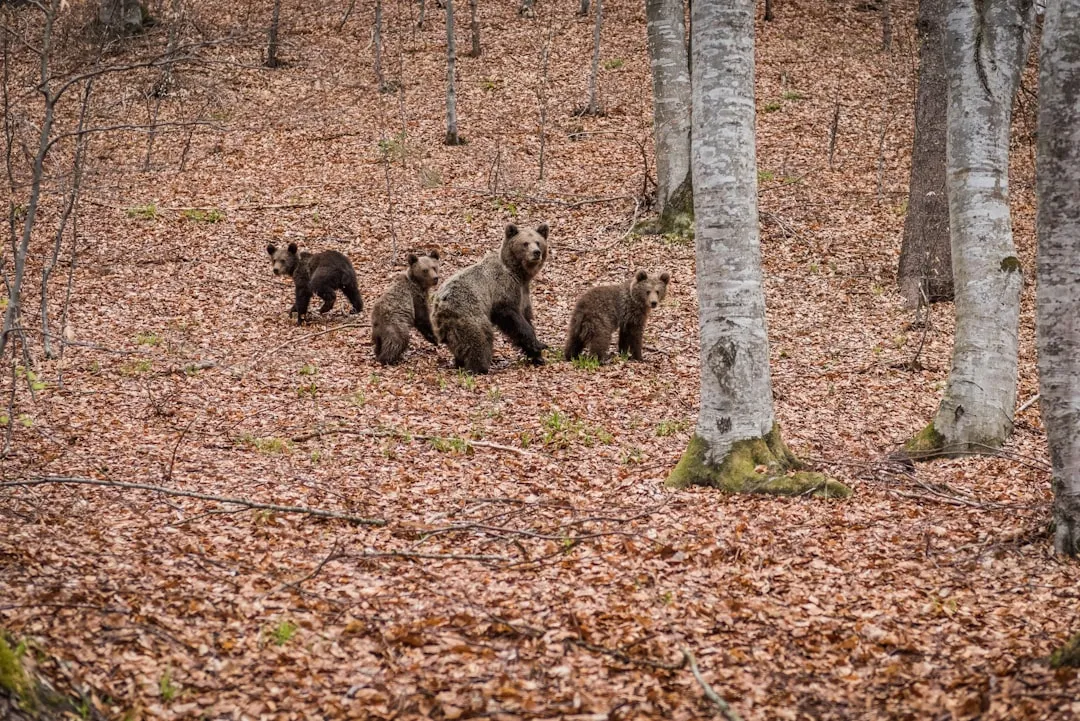
By late autumn, cubs born that spring have already lived through one of the most intensive crash courses in survival on Earth. This is the season that decides which habits stick.
Cubs copy everything: where mom forages, how she reacts to humans, when she flees bigger bears, how she uses cover. Field notes describe cubs clumsily uprooting plants, digging beside mom, even mimicking scent-marking at comically low heights on trees.
- Cubs raised around human food sources often become bold, problem bears later
- Cubs from remote, food-rich territories tend to stay wilder and more avoidant
- Sibling dynamics show up early – bolder cubs test boundaries while shy ones hang back
Late autumn is their rehearsal for independence. The habits cemented now – especially around human areas – can echo for a decade. Rangers know that “cute” cub behavior around cabins and campgrounds can be a preview of serious conflicts five years down the road.
#9 – The Forest Gets Quieter, but Bear Sounds Stand Out
🔥 Would you like to save this?
We'll email this post to you, so you can come back to it later!
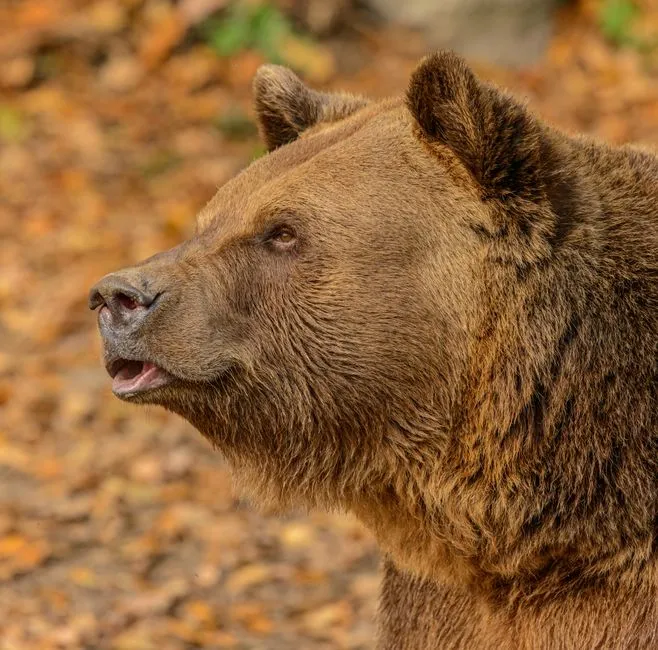
As migration and leaf-drop strip away birdsong and insect noise, rangers start hearing bears differently. Late-autumn forests are quieter, and that makes every bear sound sharper.
Field logs mention the heavy crunch of footsteps on frozen leaves, the ripping sound of logs torn apart for insects, and the surprisingly soft huffing and woofing bears use when startled. Sometimes rangers hear a bear long before they ever see it.
- Distinctive branch-snapping patterns from big, heavy males
- Short, sharp vocal bursts during bear-bear disputes in poor visibility
- Cubs whining or bawling when briefly separated from mom
To a trained ear, these sounds work like an early-warning system – rangers use them to judge distance, mood, and numbers before any visual confirmation. Late autumn, with its thin leaves and crisp air, turns the whole forest into an amplifier.
#8 – Sudden Weather Swings Can Pause or Restart the Whole Process
🔥 Would you like to save this?
We'll email this post to you, so you can come back to it later!
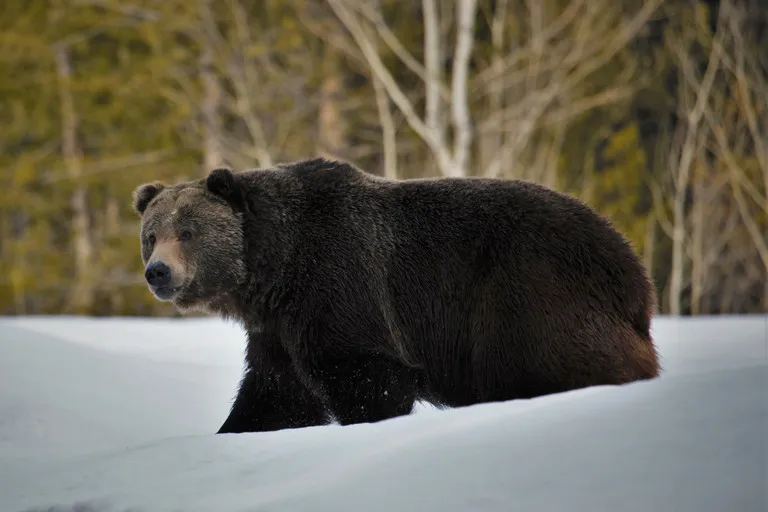
Rangers’ late-autumn logs are full of phrases like “unseasonably warm” or “early cold snap” – and bear behavior swings right along with them. Weather doesn’t just decorate the season; it reshapes it.
A warm November can keep berry shrubs producing a trickle of fruit longer than expected, and rangers see it in both bear locations and scat contents. In those years, denning gets delayed. An early deep freeze does the opposite, locking up food and forcing a faster, more stressed push toward dens.
- Year A: “Warm spell, bear activity still high at elevations normally quiet by now.”
- Year B: “Hard freeze, multiple underweight bears recorded closer to human settlements.”
- Year C: “Early snowpack, tracks show direct movement to historical den sites.”
Bears are flexible, but not magical. When weather swings outside the usual pattern, rangers see it in real time – in where bears go, how long they stay out, and who’s falling behind.
#7 – Hunting Seasons and Bears Collide in Predictable (and Risky) Ways
🔥 Would you like to save this?
We'll email this post to you, so you can come back to it later!
Like it or not, late-autumn hunting seasons overlap heavily with bear activity, and rangers’ logs put that on paper every year. Even when bears aren’t the target species, the fallout reaches them.
At a Glance
- Hunting seasons often peak during the same weeks as hyperphagia
- Gut piles and wounded game can draw bears in within hours
- Dawn and dusk near popular access points see the heaviest overlap
- Bears rewarded once near stands often lose their natural caution
Hunters leave gut piles, wounded game, and occasionally whole carcasses in the field. Bears, with noses miles better than ours, find these fast. Ranger logs routinely note bears working ridge systems and river bottoms popular with hunters, especially at dawn and dusk after opening days.
- Bears associating rifle shots or vehicle clusters with food opportunities
- Increased human-bear encounters near popular access points
- Bears showing little fear near blinds or stands once rewarded with meat scraps
It’s a dangerous feedback loop: more human scent plus more attractive food equals higher conflict risk. Rangers end up playing mediator, warning hunters and hikers alike that late-autumn bear behavior in these zones is nothing like the quieter parts of the forest.
#6 – When Natural Prey Thins, Livestock Become Tempting
🔥 Would you like to save this?
We'll email this post to you, so you can come back to it later!
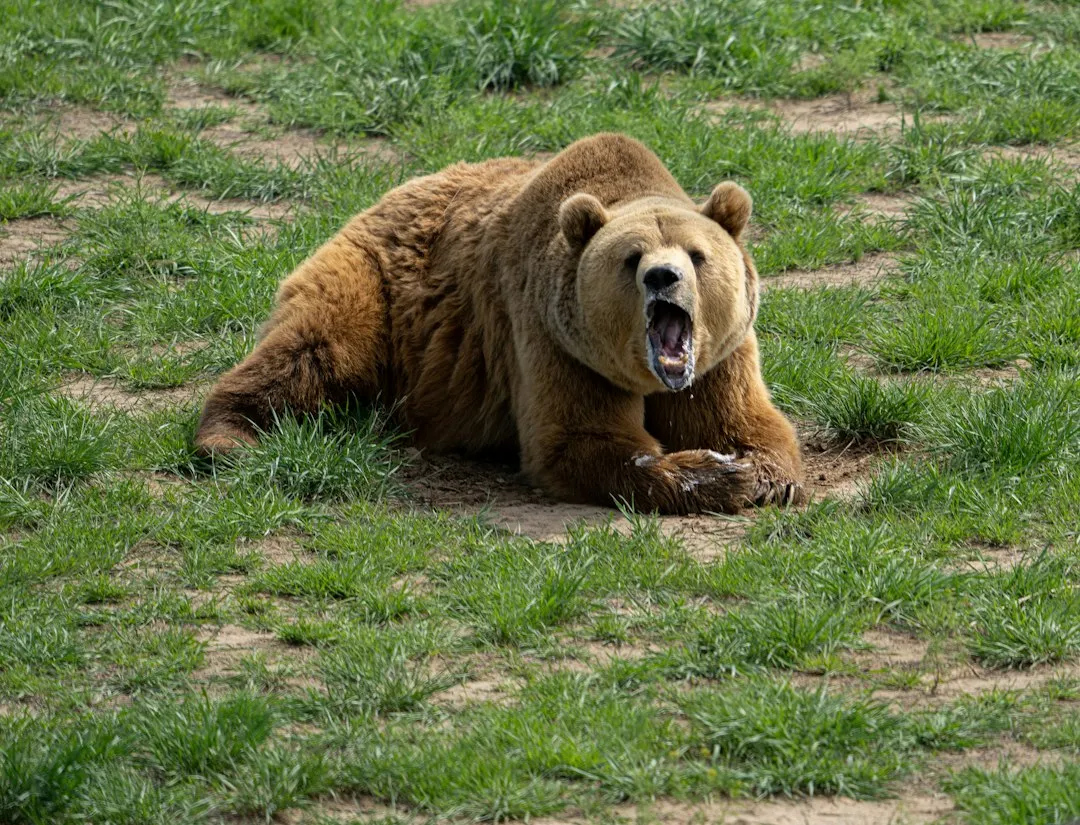
Rangers don’t enjoy writing this part of the log, but it’s unavoidable: late autumn is prime time for bear-livestock conflict. As wild food runs short, some bears start testing fences and barns.
- Calf carcasses left in fields or bone piles behind barns
- Chicken coops with flimsy doors or no electric fencing
- Grain stores, silage pits, and feed bins that offer easy calories
Once a bear discovers that farm animals or feed are on the menu, rangers usually see repeat visits and escalating boldness. It’s rarely one “rogue bear” – it’s a predictable outcome of hunger meeting opportunity. And the ending is often ugly: euthanasia, relocation, or illegal killing.
Rangers tend to be bluntly pro-prevention in their notes – better fencing, faster carcass removal, and smarter storage cut these incidents dramatically. But when prevention fails and late-autumn hunger is peaking, they know exactly who usually loses.
#5 – Late-Autumn Bears Show Off Some Scary Problem-Solving Skills
🔥 Would you like to save this?
We'll email this post to you, so you can come back to it later!
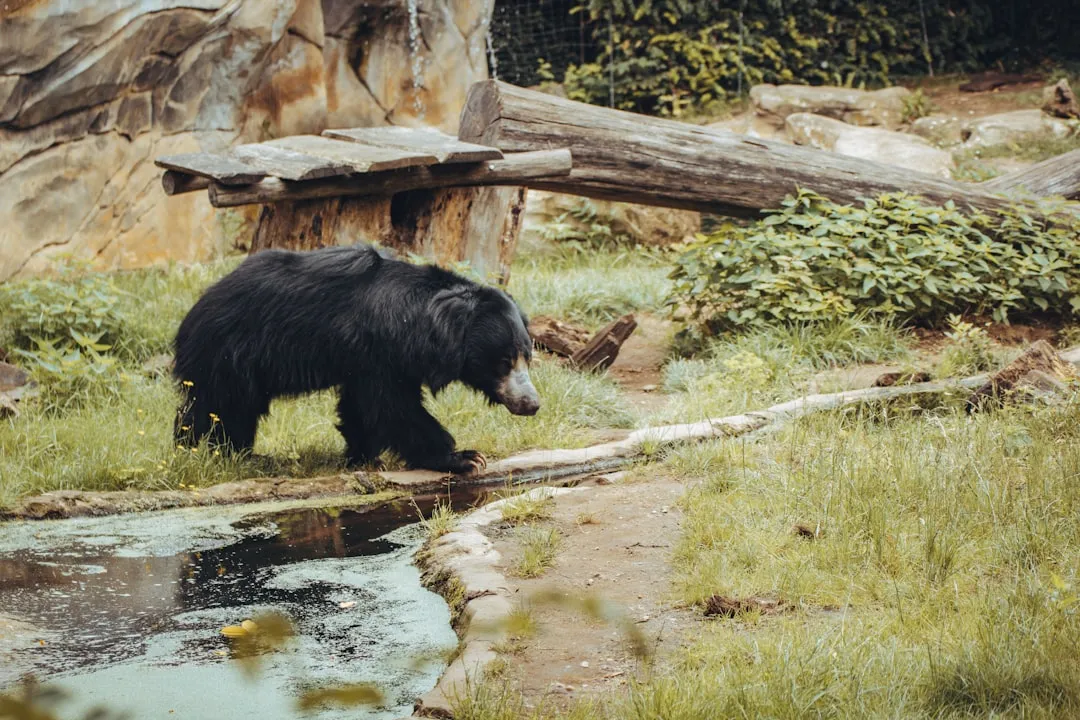
Anyone who still thinks bears are slow hasn’t read ranger logs about them in late autumn. This is when their intelligence gets uncomfortably obvious.
- Learning to open specific door types – sliding versus swinging
- Testing electric fences with non-conductive objects like logs before committing
- Timing raids around human routines, waiting until lights go off or cars leave
The most surprising part: once a bear solves a problem, like getting into a shed, it tends to repeat that exact strategy with precision – sometimes for years. These aren’t one-off accidents, they’re learned behaviors logged across seasons. Rangers even suspect social learning, with cubs watching and later copying a parent’s raiding technique.
Late autumn, with its tight time pressure and high stakes, acts like a testing ground where only the most efficient problem-solvers get enough calories to make it through.
#4 – Rangers Build Multi-Year “Biographies” of Individual Bears
🔥 Would you like to save this?
We'll email this post to you, so you can come back to it later!
To tourists, every bear is just “a bear.” To rangers, some are practically old coworkers. Late-autumn logs turn into biographies once you follow them across years.
Worth Knowing
- Some rangers track the same individual bears for a decade or more
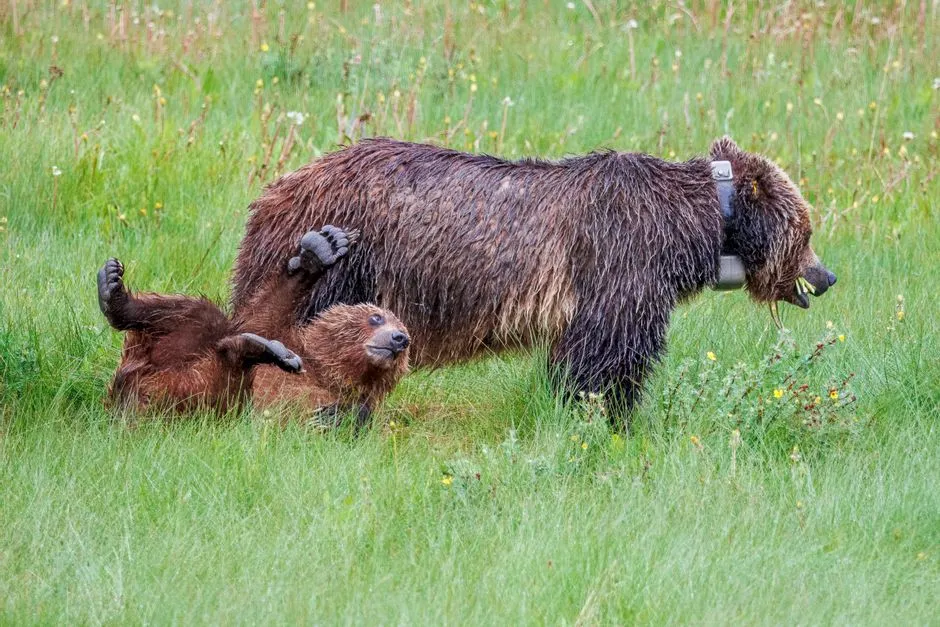
- Scars, ear notches, and collar data help confirm identity year after year
- Repeat den sites are often passed down and reused across generations
- Long-term tracking turns single sightings into full behavioral histories
A one-line note – “large male, scarred right flank, visiting orchard again” – becomes the next chapter of a story that started a decade ago. Rangers know which bears always den on the same hillside, which ones regularly push boundary lines with humans but manage to survive, and which have lost cubs to males or starvation in past years.
These long-view records make late autumn emotionally loaded. When an older bear shows up thinner, slower, or not at all, rangers feel it. When a young mother successfully brings cubs into a den after a brutal food year, that’s a quiet win in the logbook.
This human connection doesn’t change the science, but it shades the interpretation – rangers see patterns not as isolated episodes, but as arcs: an animal’s whole life squeezed into a series of dry lines and timestamps.
#3 – Public Opinion Often Decides a Bear’s Fate More Than Biology
🔥 Would you like to save this?
We'll email this post to you, so you can come back to it later!
Rangers are trained in ecology, but they work in politics too, whether anyone admits it or not. Late-autumn bear incidents can become public spectacles that overshadow actual field data.
Logs will calmly describe a bear’s repeat food-conditioning, den location, weight, and behavior. Meanwhile, social media explodes with calls to “save” or “destroy” that same bear after one dramatic encounter. Rangers often end up caught between what their notebooks say and what public outrage demands.
- A single property break-in can outweigh years of unnoticed wild behavior
- Viral videos of “friendly” late-autumn bears can delay needed interventions
- One frightening bluff charge can trigger aggressive removal calls
It’s not always the most dangerous bear that gets removed; it’s the most visible one.
Common refrain among wildlife rangers
Knowing this, rangers try to log as much objective information as possible in late autumn, anticipating their notes might end up in a heated management debate later.
#2 – Climate Signals Are Hiding in Decades of Late-Autumn Notes
🔥 Would you like to save this?
We'll email this post to you, so you can come back to it later!
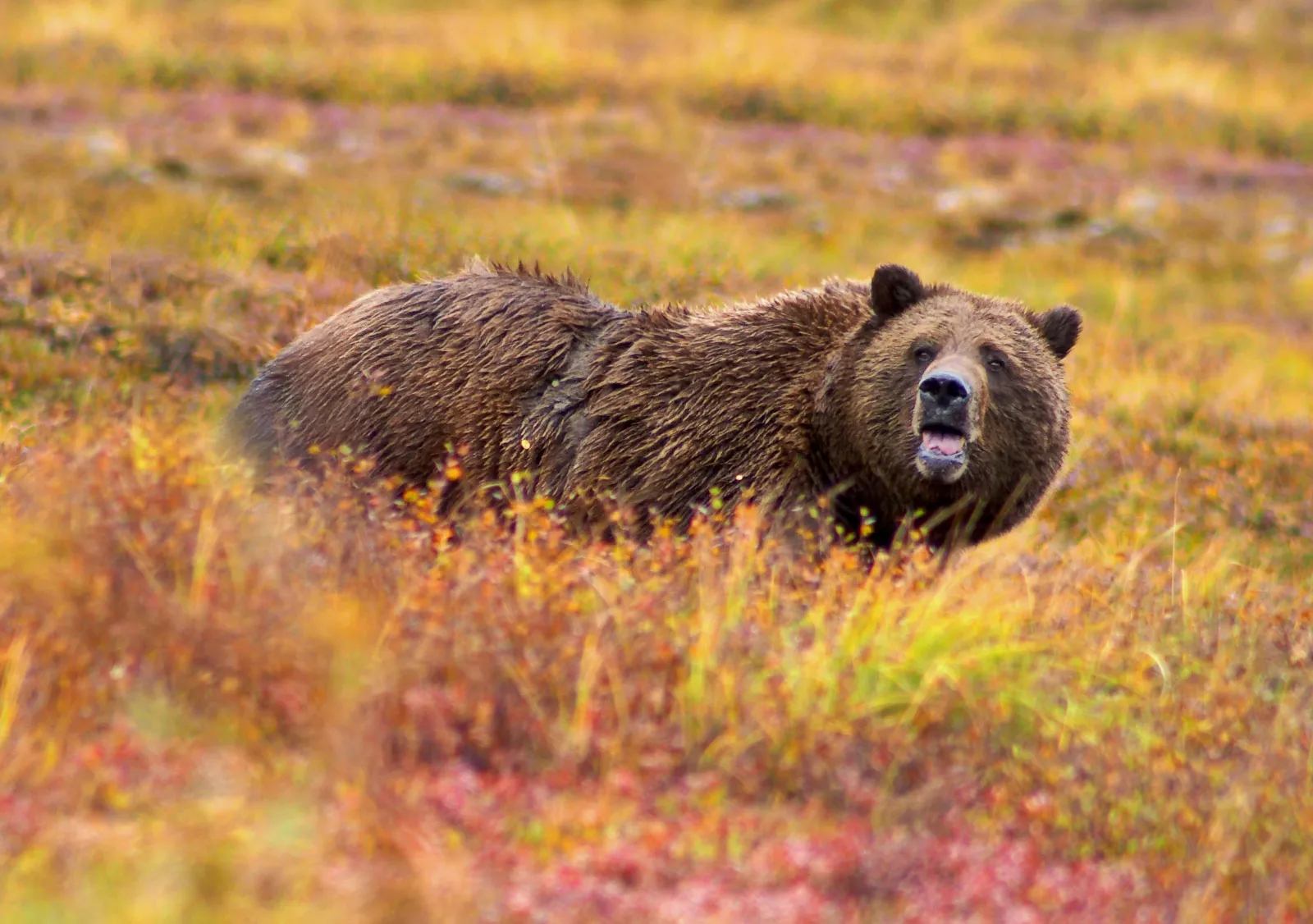
Ask a ranger off the record, and many will tell you: you can read climate trends right out of the bear logs. Den entry dates, berry seasons, salmon timing, snowpack – all of it gets scribbled into late-autumn notebooks year after year.
- Gradual shifts toward later denning in some warmer years
- More frequent “second blooms” or late-fruiting episodes in shrubs
- Increased overlap between active bears and full winter recreation seasons
Any single year looks like a quirk on its own. But the multi-decade story is harder to ignore. Bears are flexible, yes, but they’re still bound by the timing of plants, prey, and weather. When those shift, the bears shift too – and rangers write it all down.
It’s not a flashy dataset, but it’s one of the most grounded: real animals, real dates, real locations, tracked by the same human eyes season after season.
#1 – The Biggest Wildcard in Late Autumn Isn’t Bears at All
🔥 Would you like to save this?
We'll email this post to you, so you can come back to it later!
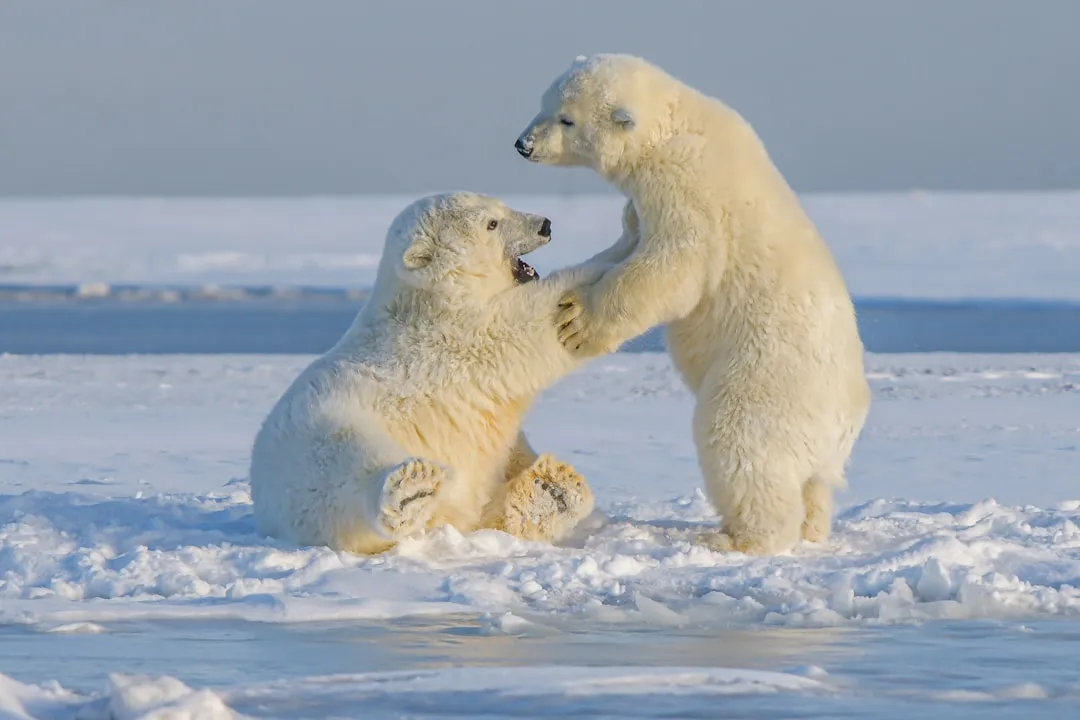
After thousands of log entries and countless late-autumn patrols, rangers circle back to one blunt conclusion: the most unpredictable force in bear behavior isn’t weather, food, or biology. It’s us.
Every pattern they track – trash raids, orchard visits, campground thefts, livestock conflicts, roadside scavenging – ultimately traces back to human choices. We build cabins where old den sites were. We leave garbage and food out during hyperphagia. We fragment habitat and alter prey populations, then expect bears to act like we’re not there.
- A single unsecured dumpster that rewired one bear’s route for years
- A road expansion that cut off a traditional feeding corridor
- A neighborhood that finally took bear-proofing seriously and watched conflict drop
Bears are doing exactly what they’re built to do: find calories and survive winter. Whether that turns into a quiet denning season or a chaotic run of “problem bear” headlines usually depends less on them and more on us.
The Bottom Line
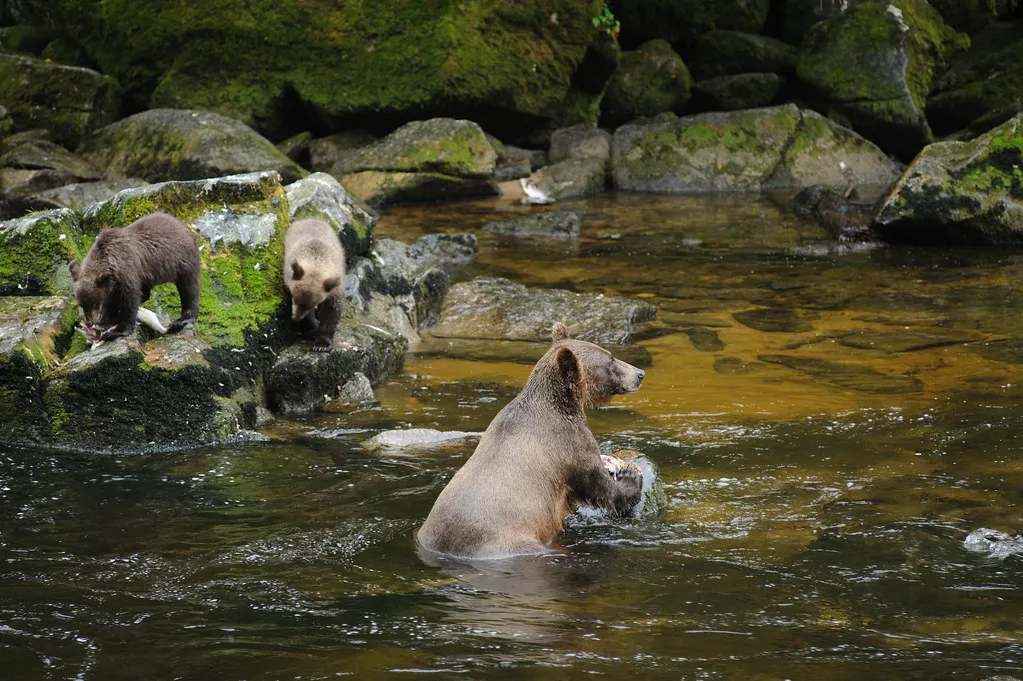
Late autumn is when the myths about bears fall apart and the reality, line by line in ranger logs, takes over. They’re not sleepy forest teddy bears. They’re driven, strategic survivors packing on life-or-death calories while navigating our mess.
Rangers see the weight gain, the food theft, the problem-solving raids, the limps, the late den entries, and the climate echoes – details most of us only hear about after something goes wrong. The uncomfortable truth is that bears are largely predictable. It’s human behavior that’s chaotic.
If we changed our trash habits, our land use, and our appetite for easy narratives, a lot fewer bears would end up shot, relocated, or starving at the edge of winter. That’s not a bear problem. That’s a us problem wearing a bear costume.
Did we miss an observation from your own time in bear country? Drop it in the comments.

- 14 Wildlife Permits Waived for Americans the Year They Turn 62 - November 5, 2026
- Machu Picchu’s Engineering Feats Were Far Ahead of Its Time - November 5, 2026
- 12 Most Beautiful American Cities To See Before You Die - November 4, 2026