
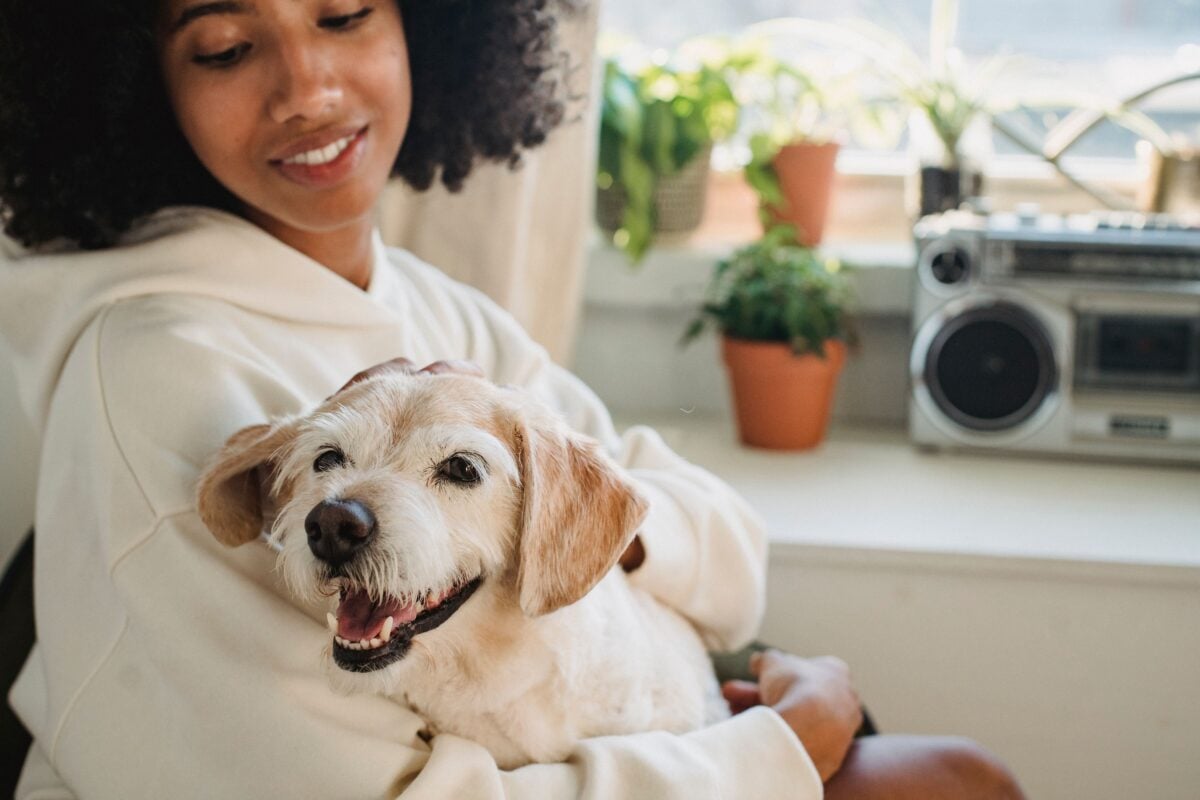
Everyone assumes a rescue dog “just knows” it’s home the second the adoption paperwork gets signed. Ask any shelter volunteer and you’ll hear a very different story. Real trust doesn’t arrive in one cinematic moment – it sneaks in sideways, through tiny rituals so small most owners never clock them, until one week the dog quietly decides: this one. This human is mine.
Those micro-behaviors get dismissed constantly, written off as leftover trauma, random quirks, or “just how dogs are.” But behaviorists have been tracking these patterns for years, and they’re not random at all – they’re predictable, sequential signs of attachment forming in real time. Here are the 25 small, specific rituals a rescue dog starts the very week it picks its permanent person, starting with the one almost every owner mistakes for anxiety.
#25 – The “You-Move, I-Move” Shadowing
🔥 Would you like to save this?
We'll email this post to you, so you can come back to it later!
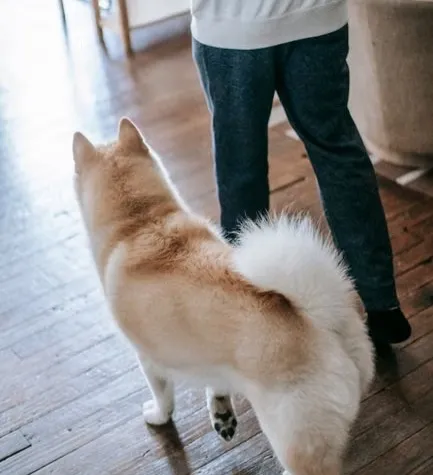
In the first few days, a rescue dog might pace, hide under furniture, or drift from room to room like it hasn’t decided where it belongs yet. Then, almost overnight, one pattern locks into place: wherever you go, it quietly follows. This isn’t clinginess – it’s what researchers call “proximity seeking,” one of the clearest measurable signs of bonding in canine behavior studies.
You’ll catch it in small ways. You stand up and suddenly hear paws behind you. You switch rooms and notice the same pair of eyes finding you again.
- The dog settles slightly closer to you than to anyone else in the house.
- It pauses at doorways, almost waiting for instructions before it commits to following.
Some owners misread this as separation anxiety. In that first week, though, it’s usually the opposite – it’s the moment your dog quietly files you under “base camp.” Stick around, because #24 is the physical spot they stake out once that decision is made.
#24 – Choosing a “Home Base” Spot in Your Orbit

🔥 Would you like to save this?
We'll email this post to you, so you can come back to it later!
Most rescues start out sleeping wherever they’re put – crate, corner, spare bed, doesn’t matter. Once a dog decides you’re permanent, it usually picks one very specific spot where it can see you, hear you, and reach you fast.
- A mat by your desk.
- The floor on your side of the couch.
- A line-of-sight angle straight to your bedroom door.
What matters here isn’t comfort, it’s strategic visibility. Dogs relax more when they can monitor their primary person without obstruction, and you’ll notice this one gravitates back to that same patch after water breaks, toy runs, or checking a strange noise. If other people call it over, it might greet them politely, then drift right back to its lookout point near you. That repetition, especially in week one, is your dog planting a flag: this is my human, and this is my post.
#23 – The Micro Check-In Glances
🔥 Would you like to save this?
We'll email this post to you, so you can come back to it later!
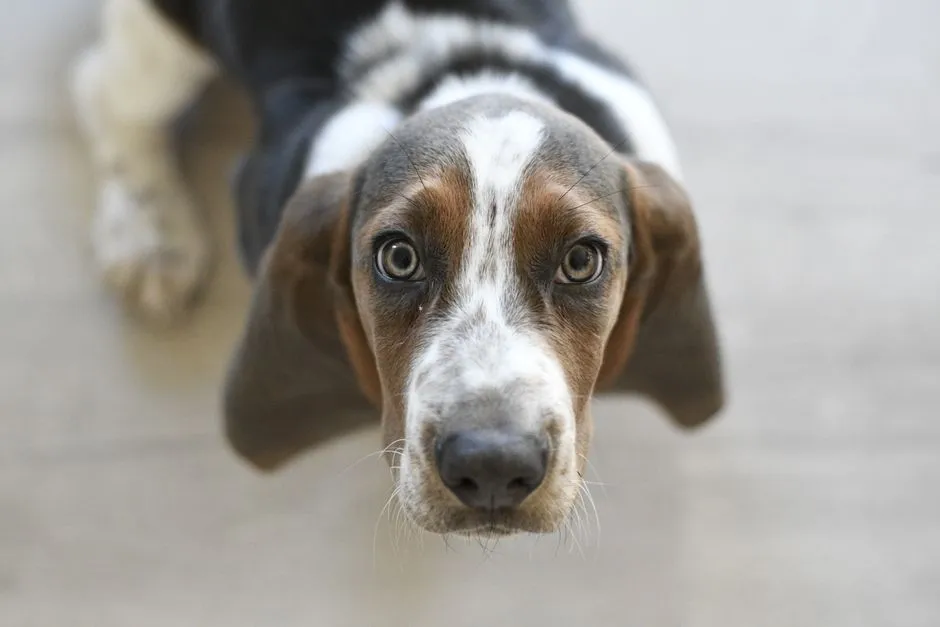
Most people wait for big eye-contact moments – the long, soulful stare on the couch. The real shift shows up first as tiny, half-second check-ins you’ll miss if you blink.
- The dog glances up mid-sniff or mid-chew, confirms you’re there, and goes right back to what it was doing.
- In a new room, it does a quick visual roll call before it settles.
This mirrors something researchers see in human toddlers during “strange situation” attachment tests – explore a little, then glance back to make sure the secure figure is still there. Dogs run the exact same script. One tell to watch for: the dog holds eye contact just a hair longer with you than with anyone else, often followed by a soft blink or a small exhale. That’s not random. That’s a nervous system quietly downshifting because it just checked and you’re still available.
#22 – The “One-Human-Only” Greeting Upgrade
🔥 Would you like to save this?
We'll email this post to you, so you can come back to it later!
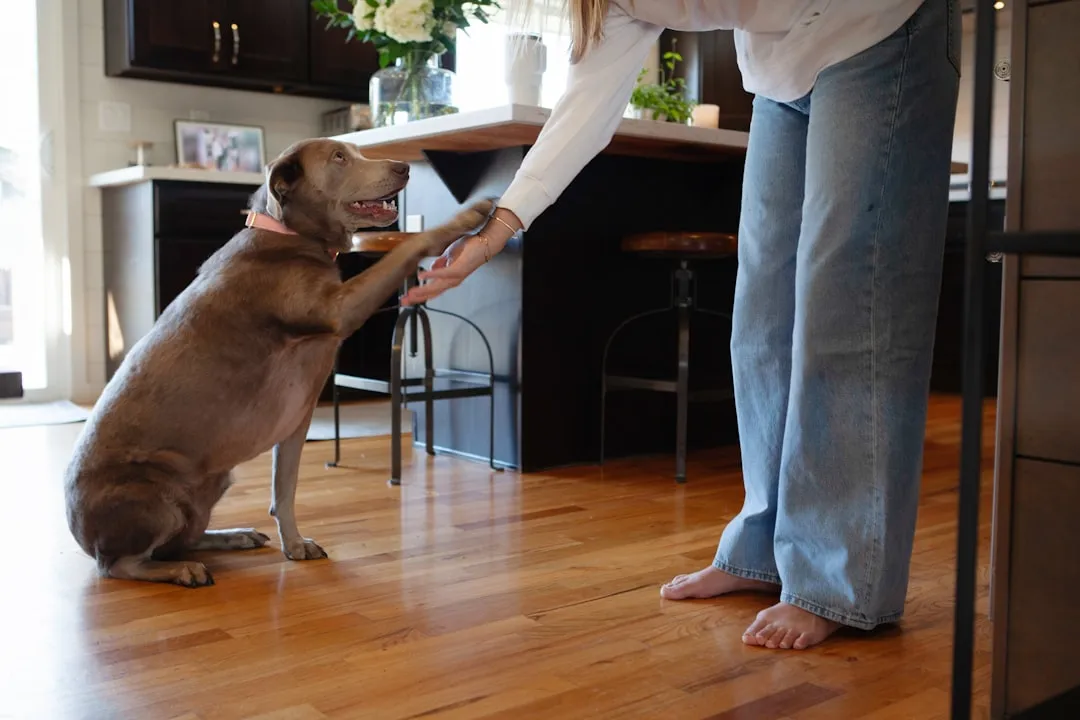
At first, your rescue may greet everyone the same way – a polite tail wag, a cautious sniff, maybe some distance. Then one week, the script changes, and your arrival suddenly gets an extra 10 percent of everything.
- A faster, looser tail wag when you walk in versus anyone else.
- A little bounce or spin it doesn’t do for anyone else in the house.
- A soft-mouth muzzle nudge that’s reserved only for you.
Behaviorists note that dogs channel disproportionate emotional energy toward whoever they expect to be their long-term person. They can still be friendly with everyone else, but there’s a noticeable upgrade for one. If you live with a household, this is often where the low-key sibling rivalry starts – somebody always feels a little snubbed once the dog clearly loses its mind for only one of you.
#21 – The Slow-Blow Exhale When It Settles Next to You
🔥 Would you like to save this?
We'll email this post to you, so you can come back to it later!
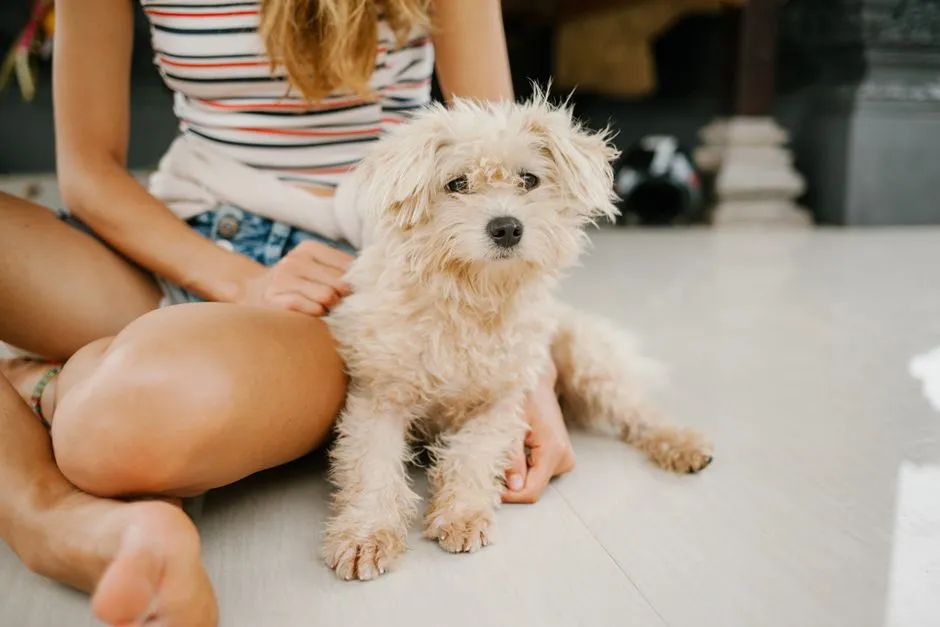
Here’s one almost nobody talks about, but vets and trainers spot it instantly: the deep “whoof” exhale a dog gives only when it lies down near its chosen person. Physiologically, that sound is a parasympathetic release – heart rate and breathing slowing, body weight actually sinking into the floor instead of staying coiled.
A rescue that’s still on edge will “perch” no matter where it lies down, muscles tense and ready to bolt. The week it decides you’re permanent, it starts doing this instead: lying down beside or slightly behind you, circling once, touching you lightly, then flopping and releasing a long breath like it just set down a backpack it’s been carrying for years. For a dog that’s never trusted anyone, that sound is seismic. Up next is the one habit that quietly reveals it’s already choosing you over everyone else in the room.
Fast Facts
- A resting dog’s heart rate typically drops once it feels safe, settling into a slower, steadier rhythm.
- Long exhales and sighs work as canine calming signals, releasing tension built up over a stressful stretch.
- Loose, sinking body weight replaces the tight, coiled posture dogs use when they’re ready to bolt.
- This physical shift usually shows up first around one specific person, not the whole household at once.
#20 – Bringing a “Peace Offering” Object Only to You
🔥 Would you like to save this?
We'll email this post to you, so you can come back to it later!
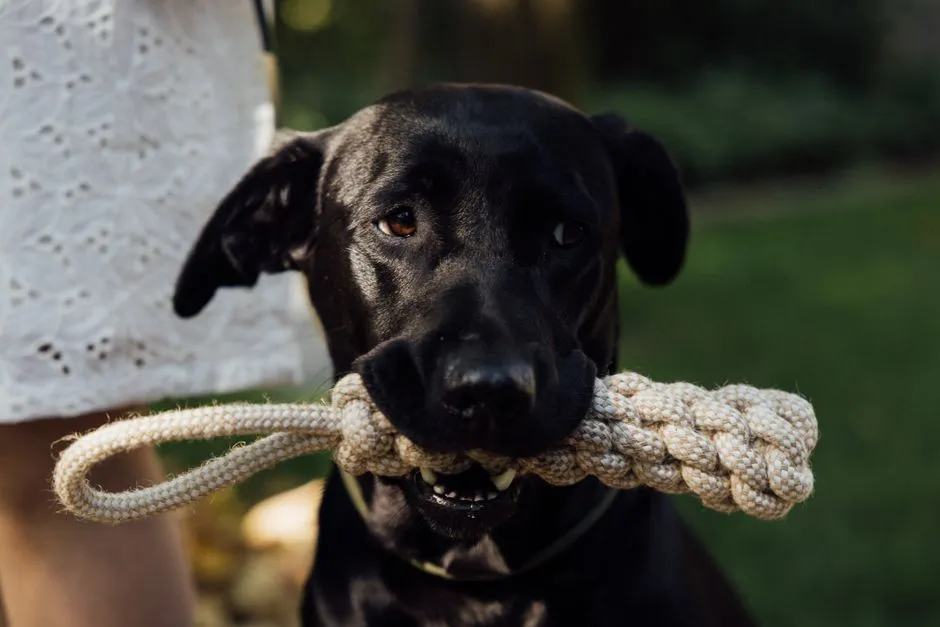
Lots of dogs fetch toys. The ritual to actually watch for is who they bring them to, and when. In that first real bonding week, many rescues start quietly delivering one specific object to their chosen person – a favorite toy, a random sock, even a crumpled leaf dragged in from the yard.
On the surface it’s cute. Behaviorally, it’s huge. Dogs don’t have flowers or dinner reservations – they have object-sharing. Research shows dogs use play and shared objects as social glue, and they selectively invite their primary attachment figure into that ritual. Here’s the wild part: they’ll often ignore someone else calling them to play, then casually stroll over and present the “gift” only to you. That’s not manners. That’s a choice.
#19 – The Quiet “Guard Duty” During Your Vulnerable Moments
🔥 Would you like to save this?
We'll email this post to you, so you can come back to it later!
Everyone romanticizes protection, but real rescue dogs rarely start with dramatic guarding. The first version is subtler: standing watch when you’re least aware of it.
- You shower and close the bathroom door.
- You nap on the couch.
- You sit with headphones in.
Dogs that have selected a permanent person often choose exactly that moment to lie facing the entry point of the room, ears doing tiny twitches at every sound. They’re not looking at you – they’re staring into the unknown space on your behalf. In secure-attachment studies, dogs default to “alert mode” specifically when their key human is in a vulnerable state. Your unresponsiveness is what triggers their quiet sense of responsibility. Most owners never notice this one, simply because they’re asleep when it happens.
#18 – Matching Your Emotional Temperature
🔥 Would you like to save this?
We'll email this post to you, so you can come back to it later!
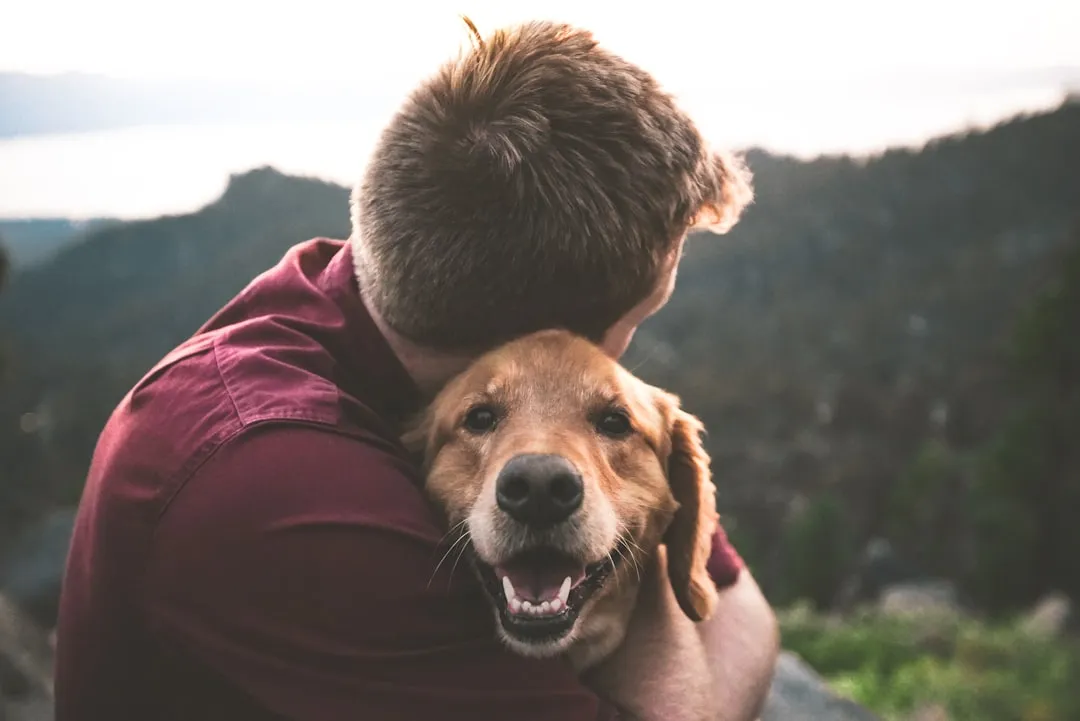
Most people think dogs just “sense emotions.” What they actually do is micro-calibrate to one specific person first. The week your rescue decides you’re permanent, emotional syncing kicks in hard.
- You’re stressed, and the dog goes unusually still or leans closer than normal.
- You’re happy and animated, and suddenly it’s wiggly and zoomy.
- You feel low, and it rests its head on your lap and just waits.
Dogs read human facial expressions, tone, and posture, and studies show they respond differently to their bonded person than to strangers. In a multi-person home, watch who the dog mirrors most – that’s usually the chosen one. This isn’t mystical. It’s pattern recognition plus survival: the dog’s safety depends on your stability, so it invests early in reading your emotional weather.
#17 – Ignoring Food… to Stay With You
🔥 Would you like to save this?
We'll email this post to you, so you can come back to it later!
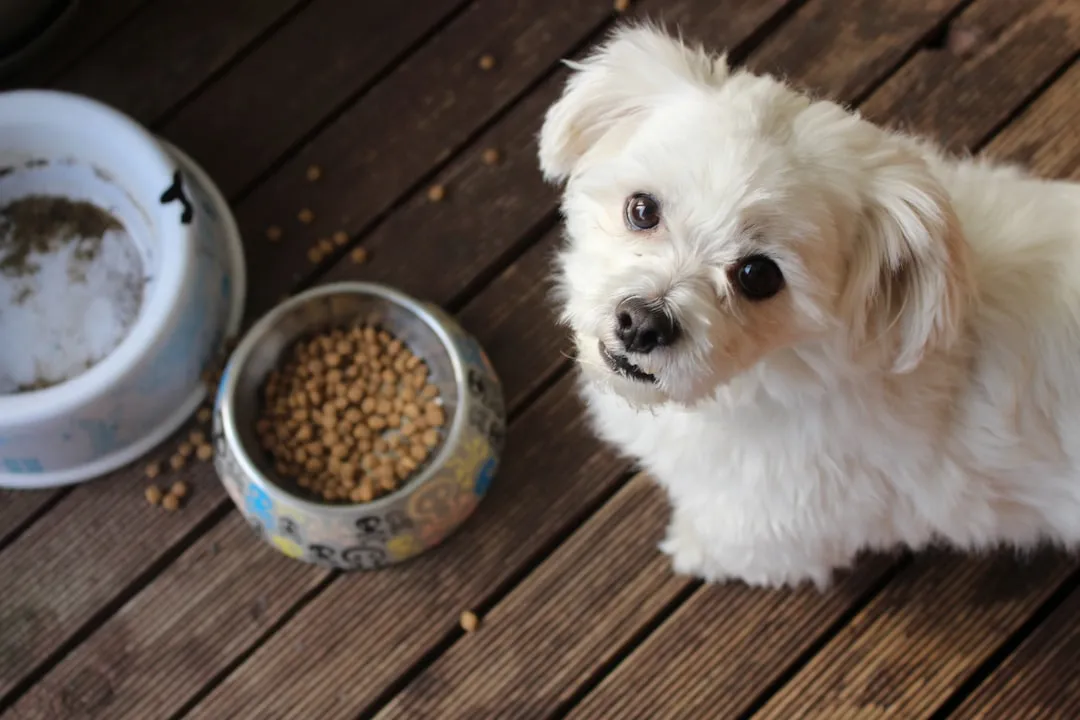
We’re told a dog will do anything for food, but that’s not entirely true. When a rescue has truly picked someone, you’ll occasionally see a genuinely shocking behavior: choosing proximity over treats.
- Someone else offers a treat while the dog hovers close to you instead.
- The dog takes the treat, then immediately returns to your side rather than staying near whoever fed it.
- It pauses halfway to the food bowl if you leave the room.
From a behavioral science standpoint, this is wild – food is a primary reinforcer, and when a dog regularly picks you over it, you’ve become a competing reward source. A lot of people miss how radical it is that a formerly food-insecure rescue will delay or skip access to food just to keep you in view. That’s not a quirk. That’s commitment. Next up, watch what happens to your dog’s ears and jawline the moment you walk in the room.
#16 – The “Soft Ears” and Relaxed Face Just for You
🔥 Would you like to save this?
We'll email this post to you, so you can come back to it later!
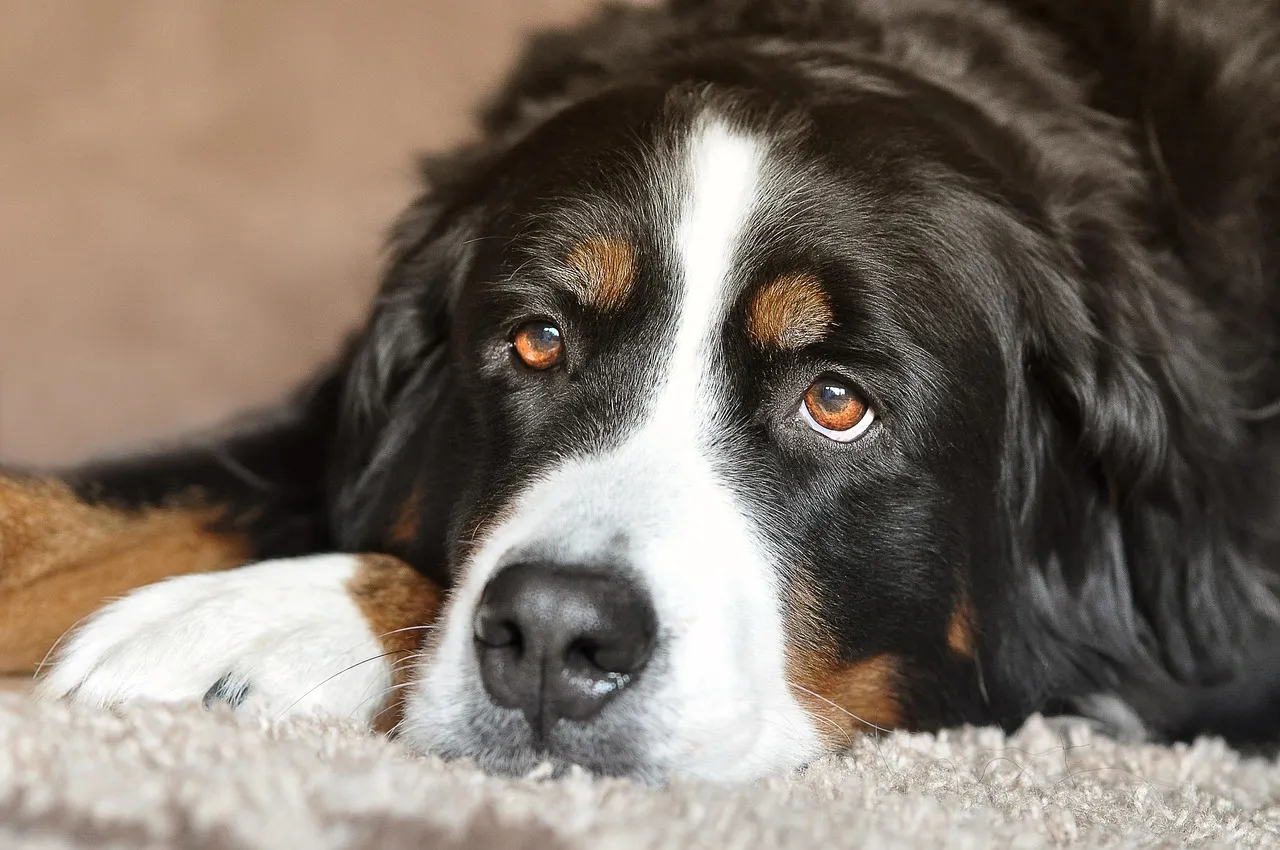
Body language doesn’t lie. One of the most reliable tells that you’ve become a permanent person is a facial softening that shows up only around you.
- Ears slide into a neutral or sideways position instead of pinned or hyper-alert.
- Eyes look rounder, with more blinking and less hard staring.
- The mouth stays slightly open, jaw loose, almost like a half-smile.
Under stress, dogs show tight jaws, furrowed brows, and stiff ears. When you walk into frame and everything visibly melts a few degrees, that’s a nervous system recognizing a safe figure. Film yourself with the dog versus someone else sometime – most owners are stunned at how much gentler their dog’s face looks around them. Some traumatized rescues take longer to show it. But when it finally arrives, it almost always shows up first and strongest for one person.
#15 – Choosing Your Scent as Their “Blanket”
🔥 Would you like to save this?
We'll email this post to you, so you can come back to it later!
We laugh when dogs steal socks or crash on dirty laundry, but for rescues, that’s a serious attachment ritual. The week they claim you as permanent, many start actively hunting down whatever smells most like you.
- Dragging your shirt off a chair to lie on it.
- Sleeping on your abandoned sweatshirt instead of a pristine dog bed.
- Nosing your sneakers, then curling up beside them.
Scent is a dog’s primary sense – your smell is basically your emotional fingerprint. In studies where owners leave behind worn shirts, dogs show measurably lower stress markers when those items are present. Here’s the kicker: they’ll often ignore equally soft items that just don’t carry your scent. Comfort isn’t about the fabric. It’s about you as a smell-based security object, and choosing it early is a quiet declaration of attachment.
#14 – The Selective Recall: Coming to You First
🔥 Would you like to save this?
We'll email this post to you, so you can come back to it later!
Basic recall is “come when called.” Attachment-based recall is different – it’s about who the dog chooses when everyone calls at once.
Try this kindly, not as a party trick: have two or three people spread out and call the dog at the same time. Early on, most rescues will investigate everyone. Once a permanent person is chosen, that changes – the dog may glance around, but it locks onto one voice, one posture, and heads there first, even if someone else is holding higher-value treats or being louder. That’s not about volume or fun factor. It’s about whose presence the dog’s nervous system has already tagged as safest.
#13 – The Gentle Boundary-Testing Only With You
🔥 Would you like to save this?
We'll email this post to you, so you can come back to it later!
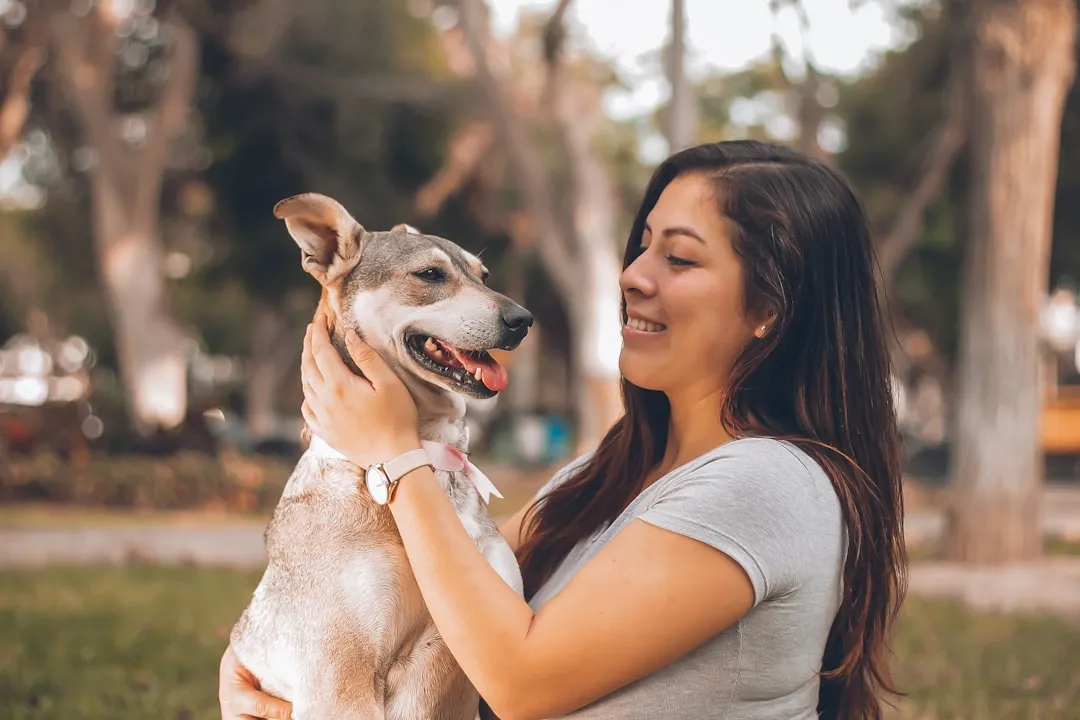
Here’s where it gets a little controversial: when a rescue finally believes you’re permanent, it often stops being “perfect.” That’s not disrespect – that’s safety testing.
- Mild pushback on cues it used to obey automatically.
- A little extra persistence – paws on your lap, leaning in, asking for more.
- Minor mischief, followed by watching your reaction closely.
In behavioral terms, this is secure-base exploration applied to rules. The dog is subconsciously asking, “If I make a mistake, do I still belong here?” Dogs that never test boundaries aren’t more obedient – they’re more shut down. The week your rescue risks being a bit more itself around you is the week it decided you’re safe enough to disappoint. Your response in this exact phase teaches it whether love here comes with conditions. Section #12 explains why your dog suddenly seems to know your schedule better than you do.
#12 – Adopting Your Daily Rhythm Without Being Asked
🔥 Would you like to save this?
We'll email this post to you, so you can come back to it later!
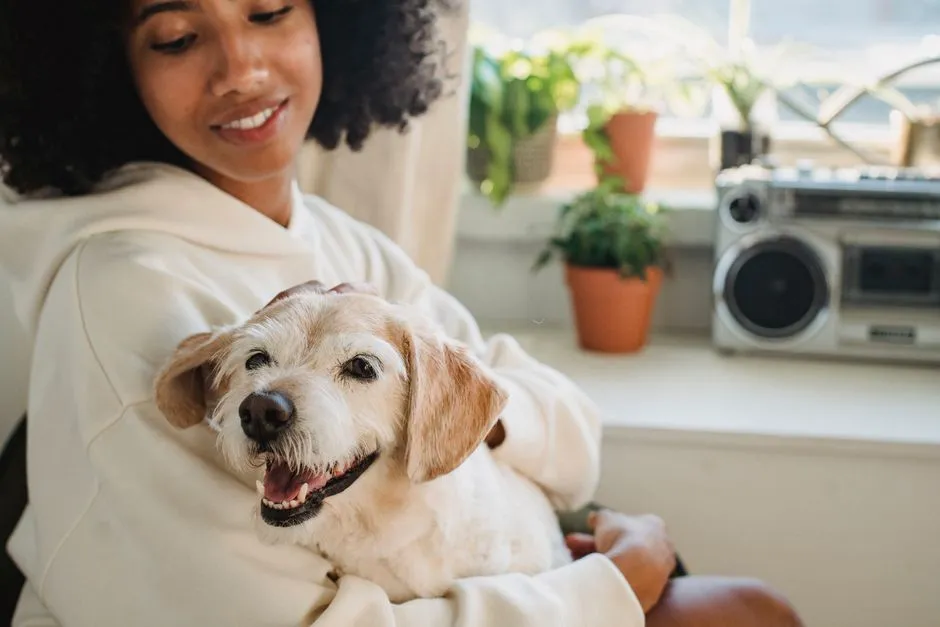
You didn’t teach it to do this, but suddenly your rescue is appearing at the same times every day – right when you make coffee, sit down to work, or head to bed.
This is more than habit, it’s synchronization to a primary figure’s routine. Dogs are exceptional time-trackers based on light, temperature, and scent shifts, but once a rescue decides you’re permanent, it starts personalizing that internal clock around you specifically. You might notice it waiting at the bedroom door before your alarm goes off, or stretching at your feet the second you close your laptop. For dogs, predictability equals safety, and aligning their day to yours is how they make sure you never quietly disappear on them. They don’t sync this closely with just anyone – only the person who matters most.
At a Glance
- Dogs track time using light shifts, temperature changes, and fading scent trails, not clock-reading.
- Once bonded, that internal clock recalibrates around one person’s habits – coffee time, work breaks, bedtime.
- Waiting at doors or windows minutes before a routine event is a classic sign of this syncing.
- This level of schedule-matching rarely extends to more than one household member.
#11 – Showing You Their “Ugly” Stress Behaviors
🔥 Would you like to save this?
We'll email this post to you, so you can come back to it later!
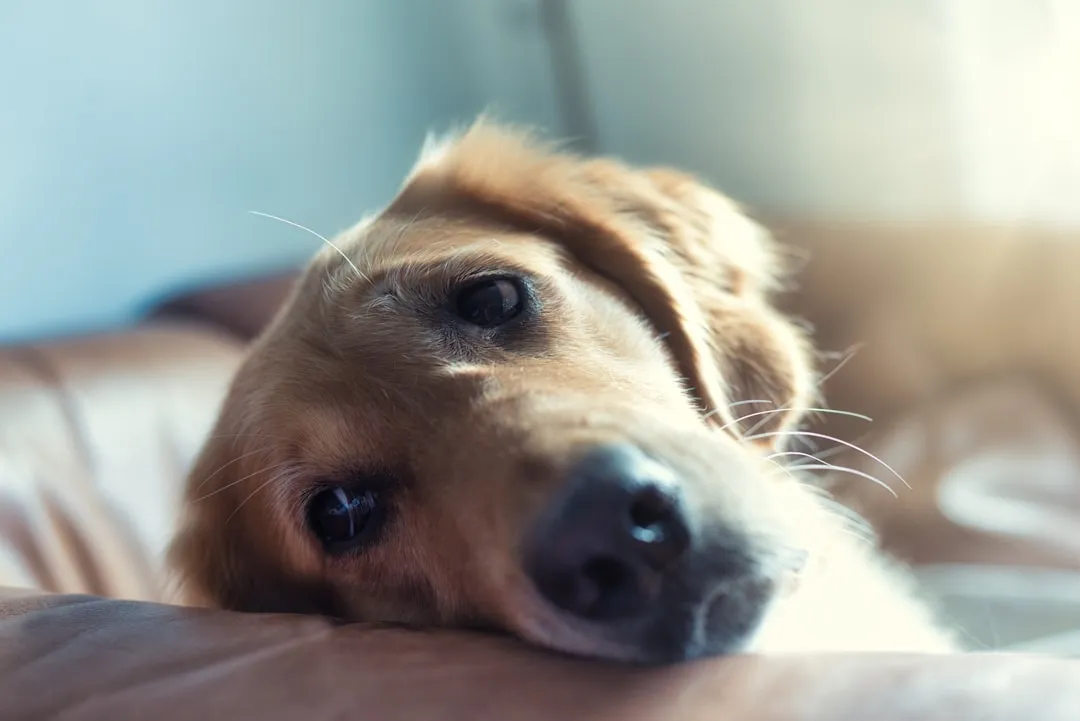
This one makes people uncomfortable: a dog that hides its fear from everyone else might show you the full, messy version – shaking, whining, pacing – the second something scary happens. Why? Because true attachment doesn’t look like constant confidence. It looks like vulnerability directed at the one figure most likely to help.
Studies on secure attachment in both humans and dogs show that bonded individuals seek out their attachment figure during stress, not just during the good moments. Thunder hits and your rescue beelines to you. Fireworks start and it crawls under your legs. A stranger feels off and it glues itself to your side. On paper that looks clingy. Biologically, it’s the opposite – the dog has decided you’re its coping resource, and it’s choosing to look fragile in front of you because it believes you’ll still want it afterward.
#10 – The One-Eye-Open Nap Facing Your Direction

🔥 Would you like to save this?
We'll email this post to you, so you can come back to it later!
Sleep is where the truth leaks out. In the early days, rescues often sleep tucked away, fully turned from humans, guarding their own back. The week you become The Person, their sleep geometry changes.
- The dog naps curled away, but its face is angled toward you.
- One ear or one eye stays half-engaged whenever you move.
- Deeper sleep postures – on its side, even on its back – start appearing, but only when you’re nearby.
That halfway posture, relaxed but still oriented toward you, is a compromise between vigilance and trust. It’s the canine version of sleeping with the bedroom door cracked because someone you trust is in the house. Over time many dogs progress to the full belly-up sprawl, but that in-between week matters most – they’re still not sure the world is safe, but they’re increasingly sure you are.
#9 – Quietly Positioning Themselves Between You and What They Don’t Understand
🔥 Would you like to save this?
We'll email this post to you, so you can come back to it later!
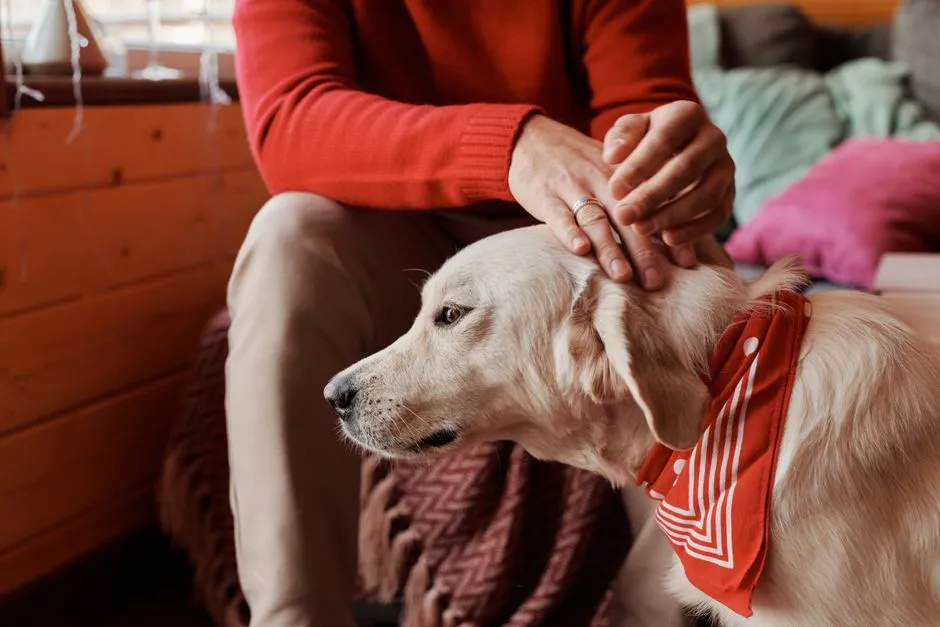
Not all guarding looks like growling at strangers. Often, a newly bonded rescue expresses concern as strategic positioning instead.
- Stepping slightly in front of you when a vacuum, a big box, or a skateboard comes into view.
- Moving to the side closest to a strange sound.
- Angling its body so its shoulder faces the unfamiliar thing, with you tucked behind it.
This usually isn’t conscious heroism, it’s instinct. But the critical detail is who they do it for. A dog that’s reserved in general will suddenly grow two inches taller when something unfamiliar enters its chosen person’s bubble. There’s no stiff tail, no snarling, no possessiveness here – it’s quiet, low-key advocacy. Roughly translated: “If something has to deal with this, let it take me first.” For an animal that’s been let down before, that’s not a small gesture.
#8 – Seeking Physical Contact Only When You’re Emotionally Available
🔥 Would you like to save this?
We'll email this post to you, so you can come back to it later!
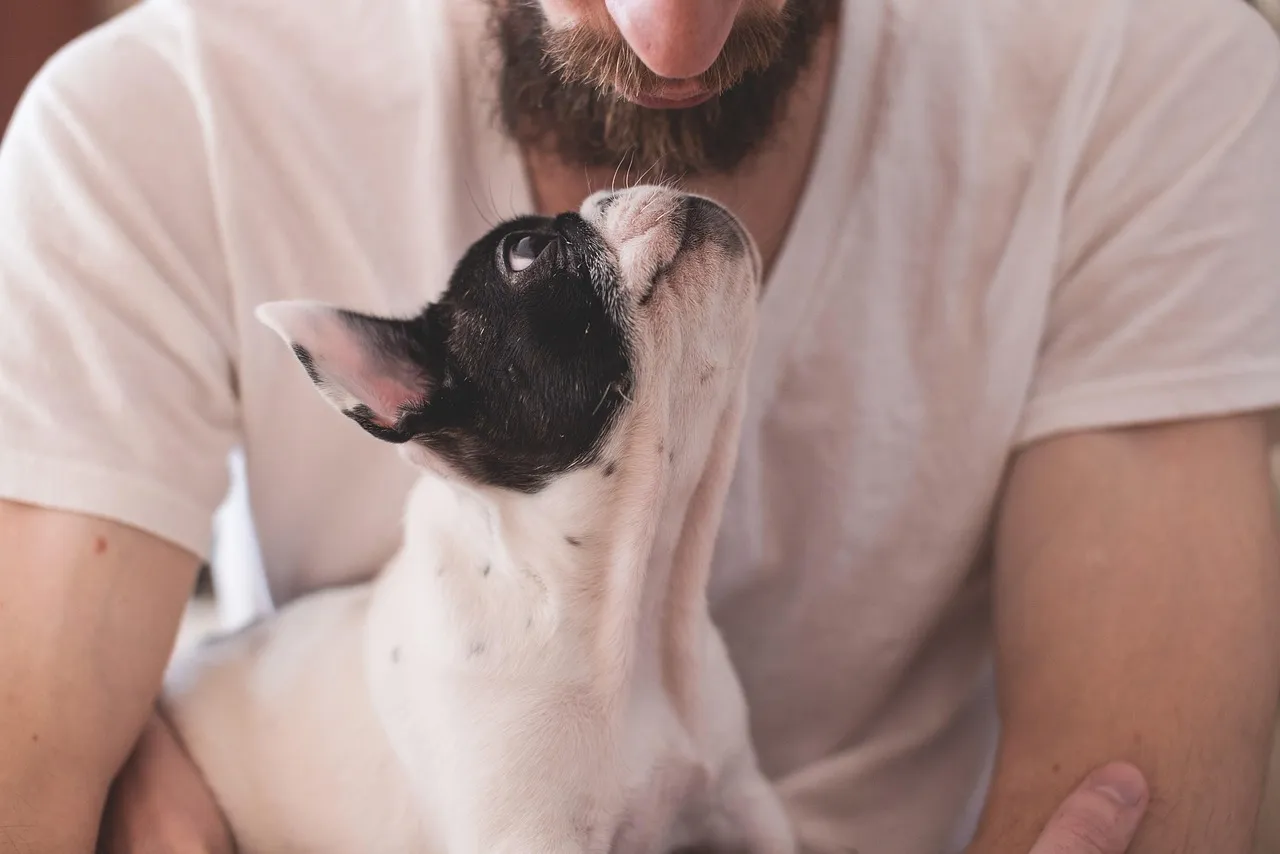
Notice when your rescue actually initiates touch. A dog that’s decided you’re permanent often becomes surprisingly discerning about timing.
- It leans into your legs once you sit after a long day, not mid-chaos.
- It noses your hand when your shoulders finally drop, not while you’re angrily texting.
- It hops on the couch or nudges in only when you’re in your “soft” posture.
Dogs are remarkably skilled readers of muscle tension, breathing speed, and micro-expressions. When a rescue picks you, it learns your “I can give love right now” body language and times its requests around it. That’s not neediness, it’s respect plus trust – even if it makes the dog look a little aloof to outsiders who don’t understand it’s just waiting for the right window.
#7 – The “Welcome Back” Routine After Short Absences
🔥 Would you like to save this?
We'll email this post to you, so you can come back to it later!
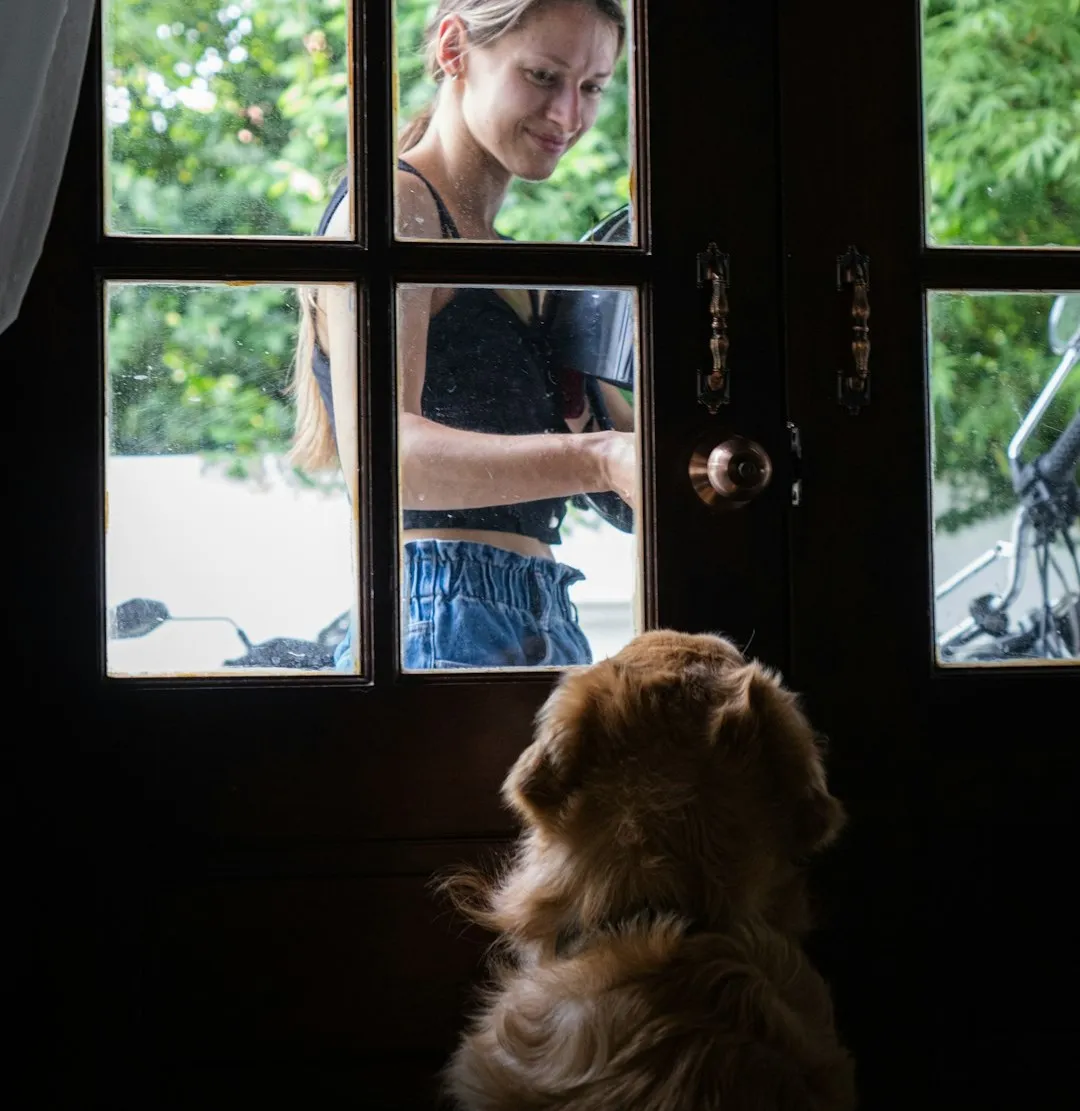
Everyone knows the big “you’re home!” celebration. Look smaller: what does your dog do when you come back from just the bathroom, the mailbox, or another room? In that critical first week, many rescues develop an almost scripted mini-reunion.
- A specific stretch, yawn, and slow trot toward you.
- A nose bump to your hand or leg, always in the same order.
- Brief eye contact and a tail swish, then back to their spot.
Attachment researchers call this “greeting behavior,” and the repetition is the whole point. The dog isn’t checking whether you brought treats – it’s confirming continuity: you leave, you return, and every single time, you’re still theirs. Whether it’s subtle or full of spins and vocalizing, the fact that it happens even after thirty seconds apart says everything about how your absence lands in that dog’s nervous system.
#6 – Becoming Braver in New Places… But Only If You’re There
🔥 Would you like to save this?
We'll email this post to you, so you can come back to it later!
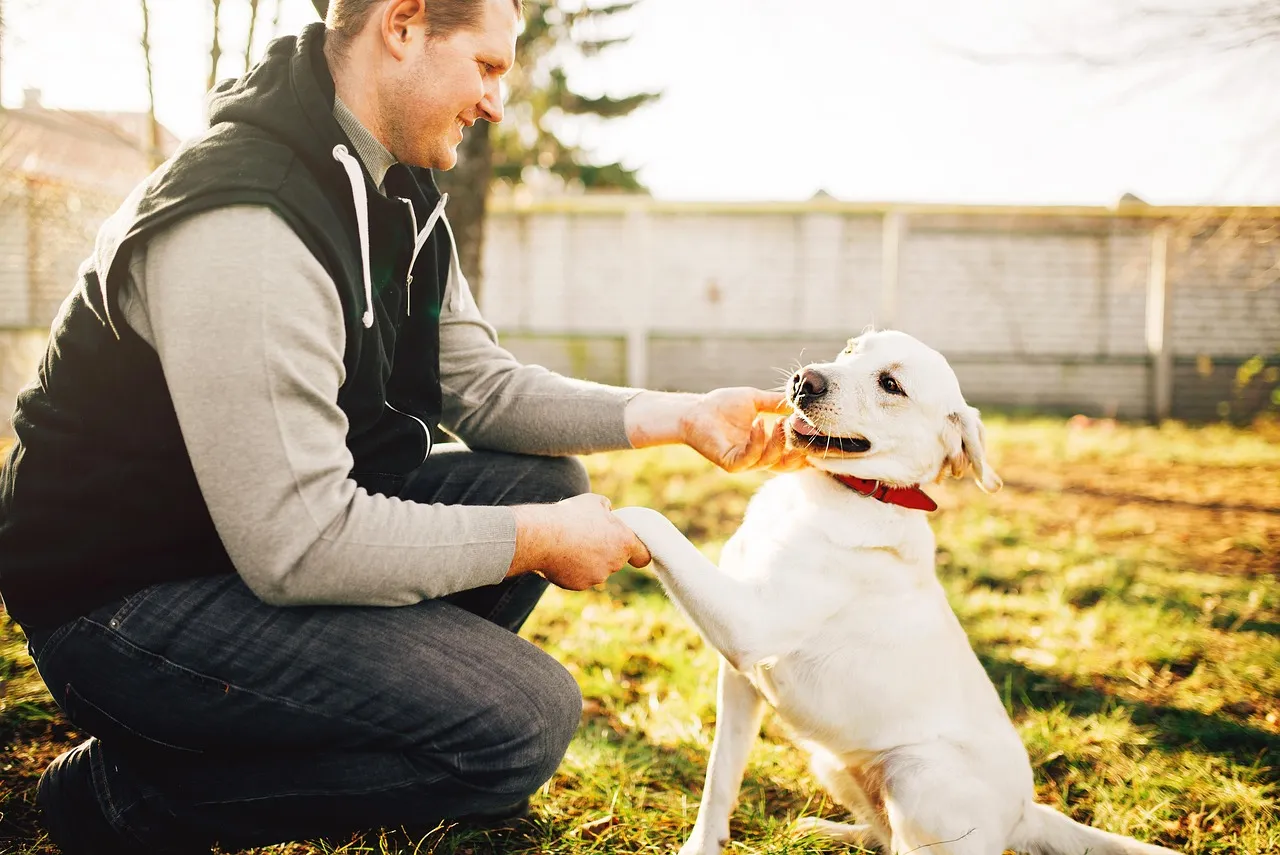
Want to know if a rescue actually trusts you? Watch it in unfamiliar places – parks, vet clinics, new streets. A dog that’s chosen you as permanent will often show context-dependent courage.
It hesitates when alone but visibly loosens the second you step forward or speak. It investigates a scary object only after glancing back to check your reaction. It uses your legs as a touchpoint, then ventures out and comes back. Researchers call this the “secure base effect” – dogs explore new spaces more readily when their attachment figure is calmly present, and stay near the edges without them. When your rescue starts treating you as that base, it’s not brave in general. It’s brave because you’re there, and that’s a massive relational marker.
Worth Knowing
- The “secure base effect” describes how animals explore more confidently when a trusted figure is nearby.
- Dogs showing this effect often glance back at their person before investigating something new.
- That same confidence can vanish the moment the dog is left completely alone in the space.
- Context-dependent bravery like this is considered one of the clearer markers of a secure attachment bond.
#5 – Dropping Their Guard Enough to Be Playfully Ridiculous
🔥 Would you like to save this?
We'll email this post to you, so you can come back to it later!
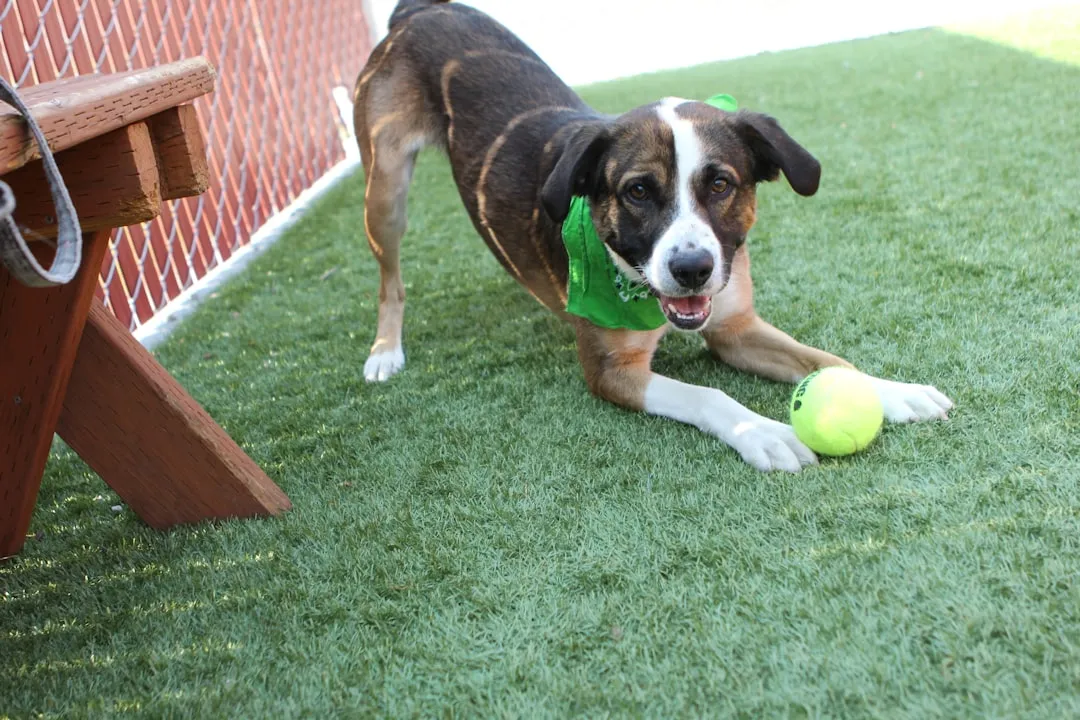
Truly traumatized dogs can look eerily “polite” – no zoomies, no goofy wiggles, no playful bowing. The week they decide a person is permanent, the mask often cracks, and out spills sheer, unprofessional silliness.
- Play bows directed only at you.
- Zoomies that kick off the second you laugh.
- Weird, bouncy body language that reads more puppy than adult.
From a behavioral standpoint, play is a luxury – wild canids only play freely when resources and safety feel adequate. A rescue that’s never sure where it stands doesn’t waste calories on foolishness. So when it starts offering you its dorkiest self, that’s not immaturity, it’s a data-backed sign that its stress baseline has finally dropped. Many dogs reserve this entirely for their chosen person and stay far more restrained with everyone else. If you’re the only one who gets the idiot-sprint show, that’s elite trust, not embarrassment. What comes next is where the bond actually gets tested.
#4 – Accepting Gentle Frustration Without Shutting Down
🔥 Would you like to save this?
We'll email this post to you, so you can come back to it later!
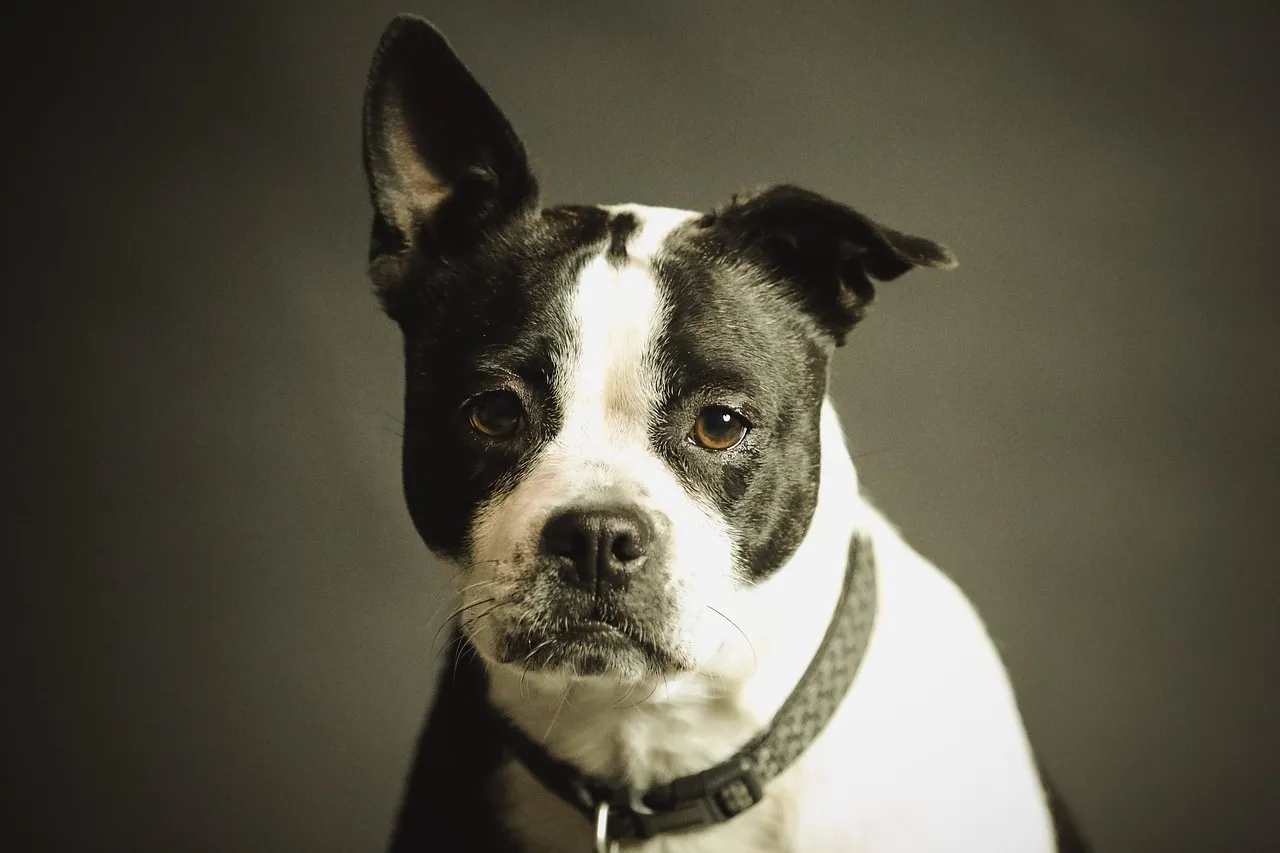
This is where fantasy and reality split. A real bond isn’t tested when everything is sweet – it’s tested the moment you say “no.” A rescue that’s decided you’re permanent will often experiment with tolerating your frustration without collapsing or panicking.
You correct a behavior and its ears flick back, but it stays with you instead of fleeing. You redirect it from something it wants, it sighs, but doesn’t avoid you afterward. It offers a lip lick or a head turn, then re-engages quickly. Dogs with shakier attachments read any tension as a prelude to rejection, so they either over-appease or shut down completely. When your rescue starts weathering your bad moods and still chooses your side of the couch later, that’s not stubbornness – it’s proof that, somewhere deep down, it believes it won’t be discarded for messing up. That belief usually shows up first with exactly one person.
#3 – Ignoring Competing Humans in High-Stimulus Situations
🔥 Would you like to save this?
We'll email this post to you, so you can come back to it later!
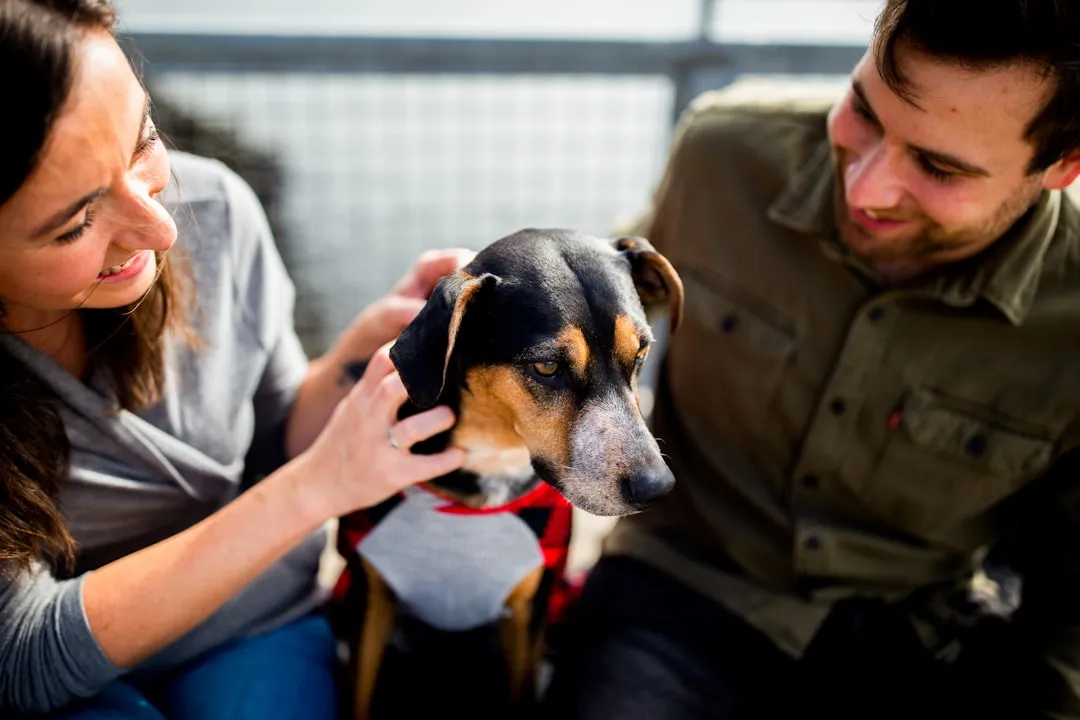
Dog parks, busy sidewalks, friends visiting – these are social distraction minefields, and plenty of dogs bounce between people indiscriminately. A rescue that’s picked a permanent person, though, starts filtering the whole world through that one human.
- People call “here, doggie!” and your dog glances over but stays near you.
- Children reach out, and your dog checks your face before approaching.
- Off-leash romps end with your dog orbiting you instead of joining the pack fully.
This isn’t antisocial behavior, it’s selective investment. Bonded dogs consistently look back at their owner for guidance when facing ambiguous situations, and prioritizing your position and tone over everyone else’s in real-life chaos is essentially a public declaration. Casual observers might think the dog is poorly socialized. They’re wrong – it’s not interviewing candidates anymore. It already did the math and picked you.
#2 – Adapting Their Touch Style to Your Preferences
🔥 Would you like to save this?
We'll email this post to you, so you can come back to it later!
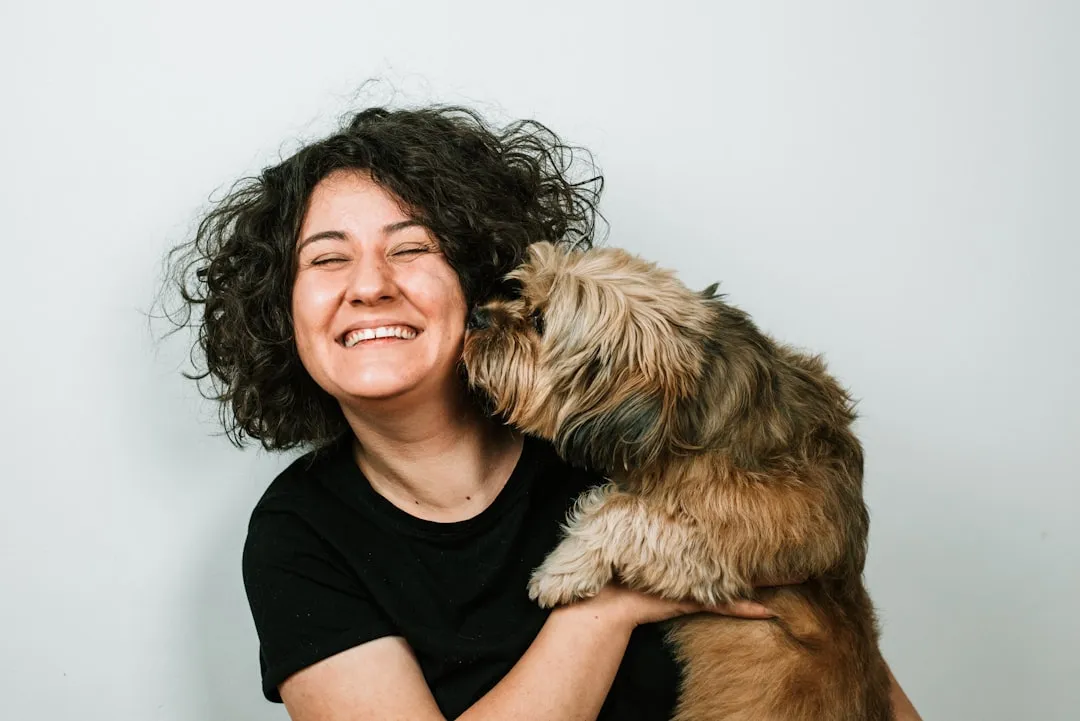
Dogs have touch preferences, and so do humans. The real magic happens when a rescue subtly changes how it touches you based on what you seem to actually like.
- A mouthy dog shifting to softer nudges because you reward the gentle ones.
- A clingy leaner backing off slightly when you reposition it, but staying emotionally present.
- A head-in-lap dog trying a few variations before settling on the one that makes you relax and smile.
This is advanced social learning. The dog isn’t just seeking contact, it’s customizing it, and that flexibility signals a clear expectation: “We’re in this for the long haul, so I’ll adjust.” Dogs don’t invest this kind of effort in everyone. They reserve it for the people they’ve decided to keep. The act of tailoring affection to fit you specifically is, itself, the attachment ritual.
#1 – The “I Choose You” Look When Nothing Is Happening

🔥 Would you like to save this?
We'll email this post to you, so you can come back to it later!
The most powerful ritual on this whole list isn’t dramatic at all. It’s the still moment where nothing is happening – no treat, no cue, no noise – and your rescue dog simply watches you with a calm, settled expression. While you’re reading. While you’re on your phone, half-turned away. In a quiet room where there is, quite literally, nothing in it for the dog.
That gaze is qualitatively different from begging or hyper-vigilance. The body is loose, the eyes are soft, maybe there’s a faint tail tap if you meet its stare, but often it’s just watching. Sustained, relaxed eye contact between a dog and its person has been shown to raise oxytocin levels in both species – the same hormone involved in parent-infant bonding. When a rescue that once flinched at touch sits there, in a boring slice of an ordinary afternoon, and simply chooses to share that silence with you, that’s it. That’s the week it stopped auditioning homes and started believing in one.
Quick Compare
- Early week: polite distance, cautious greetings, no boundary-testing, guarded sleep postures.
- Bonded week: shadowing, relaxed exhales, playful goofiness, calm eye contact for no reason at all.
- Early week: treats win every time.
- Bonded week: proximity to you sometimes wins instead.
Until one has loved an animal, a part of one’s soul remains unawakened.
Anatole France
The Bottom Line
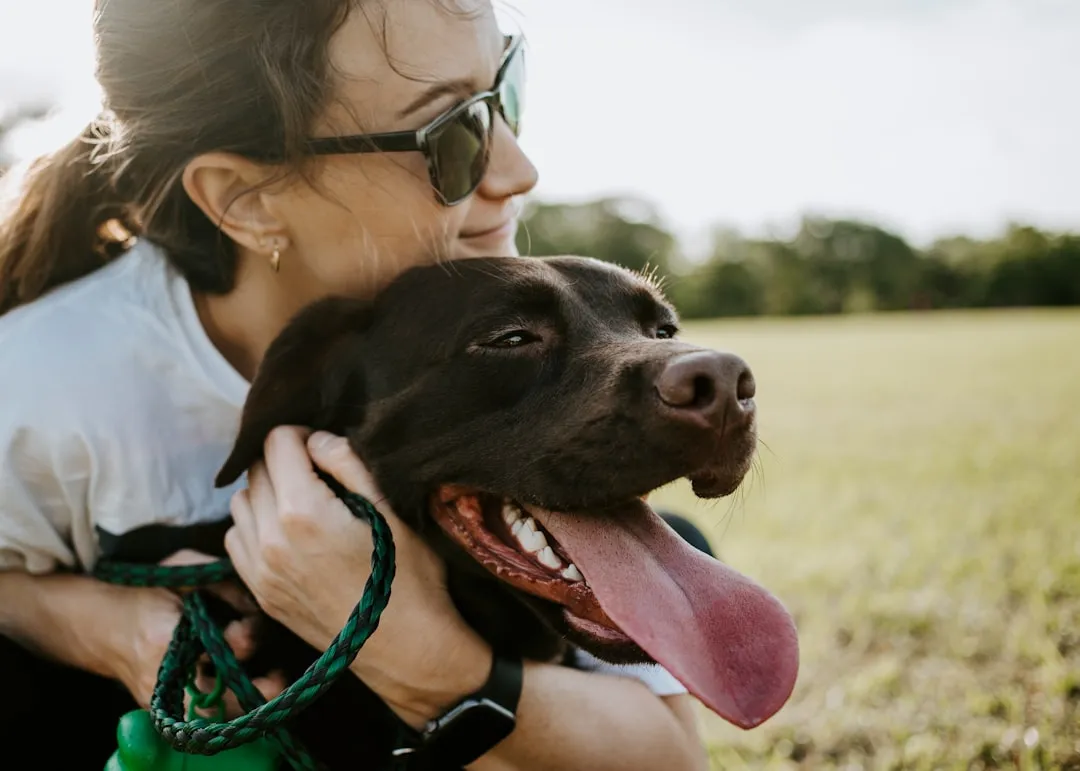
Rescue dogs don’t announce “you’re my forever person” with one cinematic moment by the fireplace. They whisper it in twenty-five tiny rituals – shadowing your steps, exhaling by your feet, dragging you socks as gifts, risking looking ridiculous, and somehow surviving your bad moods without bolting for the door. Each one is a small data point in a much bigger pattern: this animal is quietly rebuilding its entire nervous system around you.
People love arguing about dominance, “alpha” energy, and whose dog is the most obedient on a leash. Honestly, they’re missing the actual miracle happening in their own living room. The real story is a creature with every reason not to trust anyone deciding to do it anyway, and proving it over and over in ways too small for most people to ever notice. If you’ve caught even five of these in your own dog, you weren’t imagining it. Your rescue wasn’t just adopted. It chose you back.

- 23 Warm Corners an Elderly Cat Keeps Returning To All Winter - October 29, 2026
- 16 Behaviours Showing a Cat Considers a House Permanent Now - October 29, 2026
- 15 Wildlife Programmes a Lifetime Pass Holder Over 62 Can Join Free - October 29, 2026