
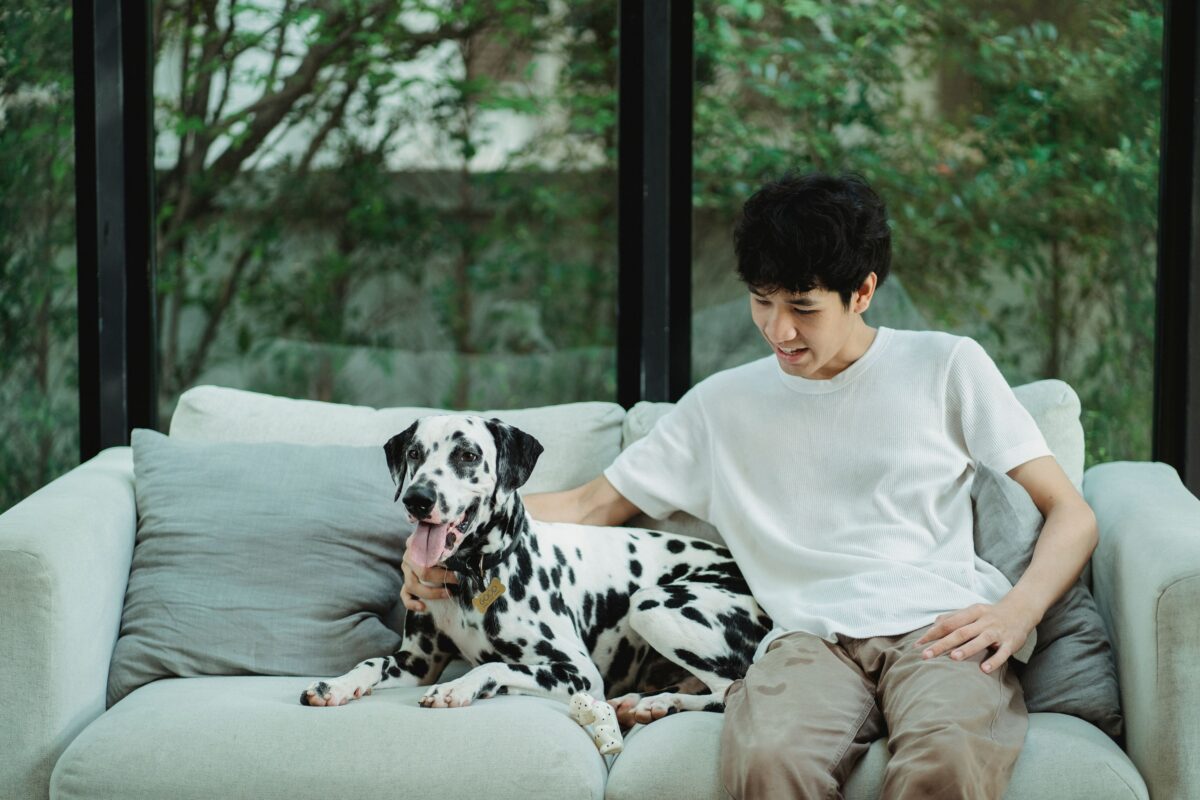
Most people assume science has dogs completely figured out by now – behavior charts, brain scans, training manuals, the whole toolkit. So why does your dog stare at you two seconds before you decide to stand up? Why does it sprint from another room the instant you silently pick up your keys, before you’ve said a word?
Turns out, even the researchers who study dogs for a living quietly admit there’s a long list of these person-specific quirks they can’t fully explain. They can model basic learning and instinct just fine. What they can’t model is why your dog does that, only with you. Here’s what the actual research says – and where it flat-out runs out of answers.
#25 – Knowing You’re Coming Home Minutes Before You Arrive
🔥 Would you like to save this?
We'll email this post to you, so you can come back to it later!
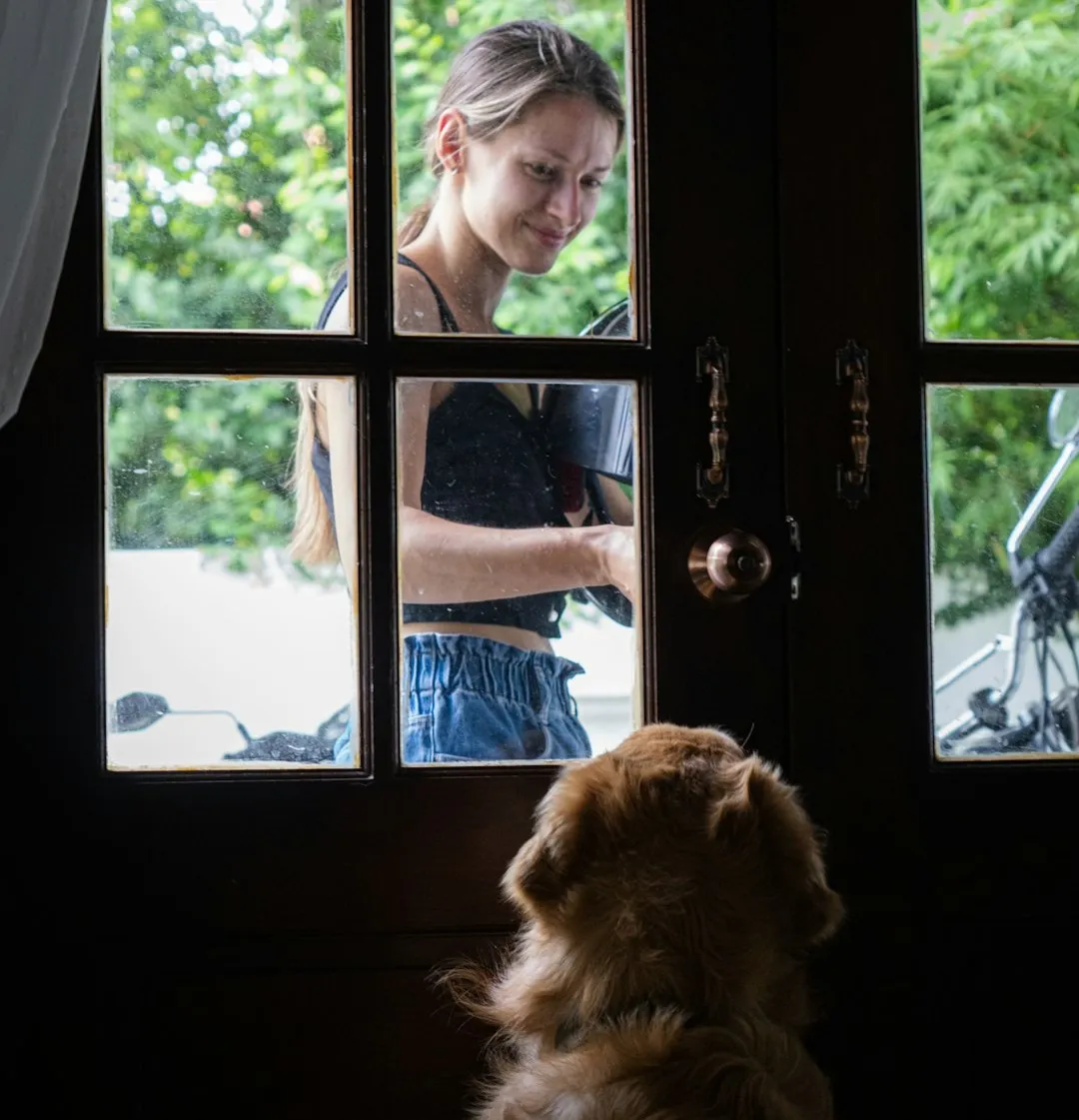
Dog owners swear their pets camp out by the door long before the car pulls in. On paper, this shouldn’t happen. Your dog can’t see your car, can’t hear your footsteps from a mile out, and definitely can’t read a clock.
Yet many dogs head to the door with uncanny timing, often within a tight window before their person gets home, even when schedules and vehicles keep changing. Behaviorists usually blame “routine” and subtle cues, but that explanation collapses in the cases where the timing keeps shifting and the dog still nails it.
A few small studies hint that dogs might stitch together faint environmental signals we barely register: distant engine noise, shifts in household activity, even micro-changes in light. But there’s no robust, replicated research that fully accounts for how precise some dogs get on a genuinely irregular schedule.
Fast Facts
- Dogs have roughly 40 times more scent receptors than humans, letting them pick up chemical traces people can’t detect at all.
- Canine hearing stretches up to about 45,000 Hz, well past the human ceiling of roughly 20,000 Hz.
- “Routine sensing” in dogs likely blends sound, light, and scent cues layered together, not just one obvious trigger.
Skeptics call it selective memory – you remember the hits and forget the misses. But long-term video diaries from some owners show the “door wait” happening at a rate that’s hard to wave away as coincidence.
#24 – Appearing the Second You Think About a Walk
🔥 Would you like to save this?
We'll email this post to you, so you can come back to it later!
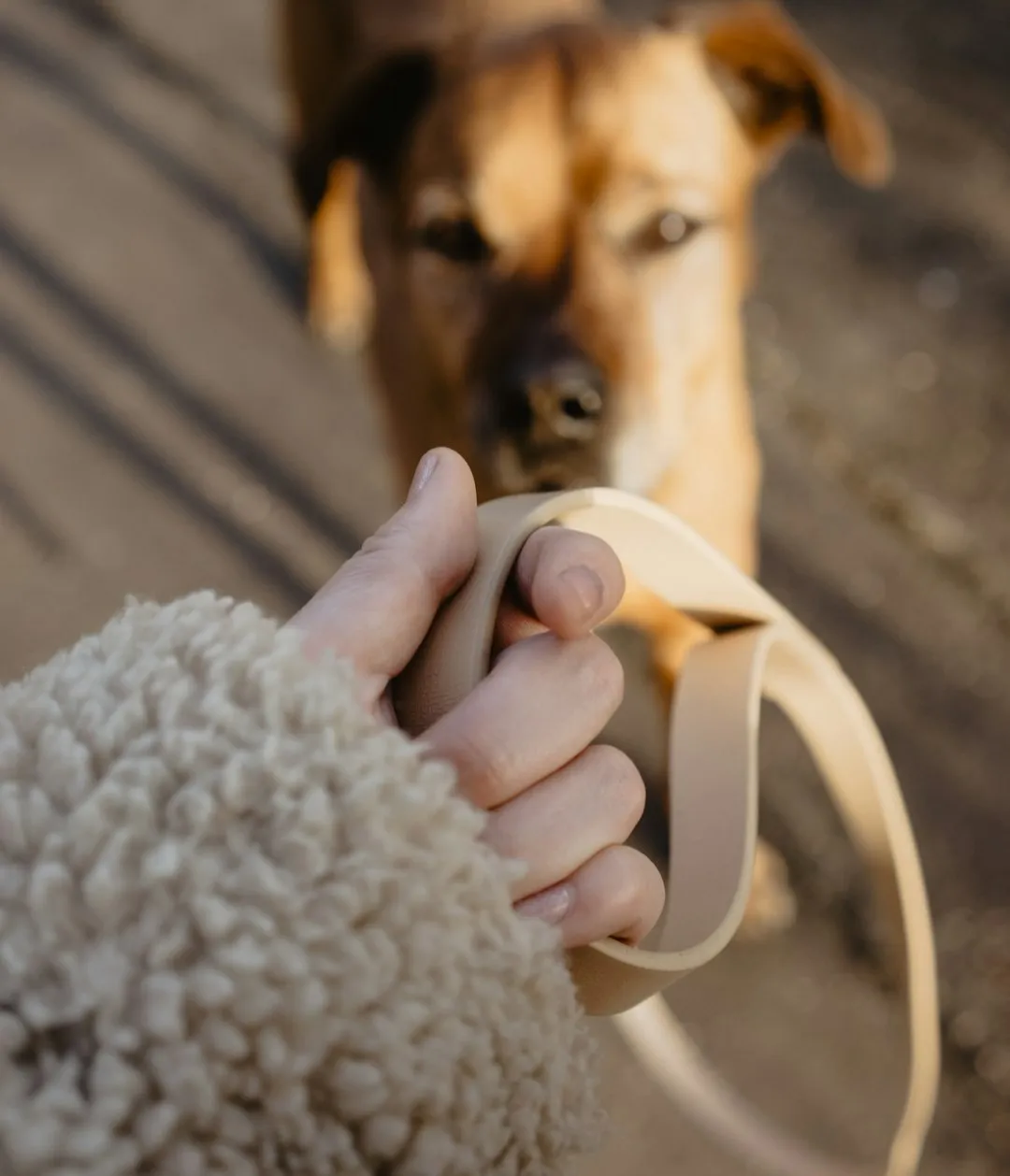
You haven’t said “walk.” You haven’t touched the leash. Maybe you just glanced at your shoes and entertained the idea for half a second. Somehow, your dog is already in front of you, vibrating with anticipation.
Science can explain responses to words and gestures easily. Silent, unexpressed intention? That’s murkier territory entirely.
One theory is that dogs catch tiny preparatory acts you don’t even realize you’re doing – a shift in posture, glancing at the same object twice, a pattern in when you check your phone before heading out. Over time, these micro-tells might quietly become cues. But that still doesn’t explain the dogs that explode with excitement the very first time you think “let’s go,” completely outside your normal routine.
There’s no good evidence dogs are telepathic. There is strong evidence that we constantly leak pre-action signals we don’t notice ourselves making. A handful of controversial studies have tried testing “anticipation without cues,” with mixed, underpowered results – so for now, anything beyond hyper-sensitive cue-reading stays speculation.
#23 – Strategic “Pretend” Lameness Around Their Person
🔥 Would you like to save this?
We'll email this post to you, so you can come back to it later!
Some dogs limp dramatically only when their person is watching, then sprint normally the second they think no one’s around. Vets rule out physical problems again and again. What’s left looks suspiciously like tactical attention-seeking.
We know dogs learn fast which behaviors make humans rush over, soften their voice, or hand out treats. If a minor ache once earned extra care, exaggerating it later gets rewarded again – classic learning theory covers that part easily.
The weird part is context. Some dogs only pull the limp around one specific person, never around others, and drop the act instantly once the attention disappears, as if calculating in real time whether it’s worth keeping up. Is that conscious deception, or just very efficient reinforcement?
Experiments on canine “cheating” show dogs can adjust behavior based on who’s watching and what they can see. But nobody has run large, rigorous trials on person-specific fake injuries. Even so, plenty of veterinarians will quietly admit, off the record: yeah, some dogs definitely act.
#22 – Staring Directly Into Your Eyes for Uncomfortable Amounts of Time
🔥 Would you like to save this?
We'll email this post to you, so you can come back to it later!
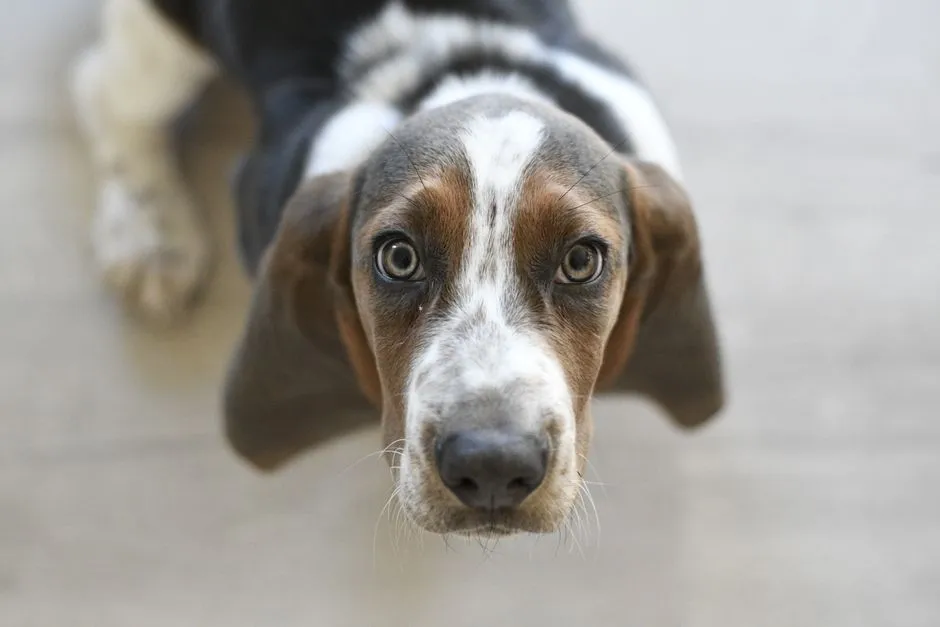
In the dog world, direct eye contact can read as a threat. Yet your dog may lock eyes with you for long, soft stares that feel almost like a human partner gazing back at you.
Part of the story is understood: mutual gazing between dogs and their people raises oxytocin levels on both sides, similar to a parent-infant bond, and that’s been shown in real lab studies. What’s missing is why some dogs pursue it so obsessively with their person and almost never with anyone else.
One theory says dogs have effectively hacked our caregiving instincts – they learn that a prolonged stare melts humans and unlocks treats, pets, and comfort. But that doesn’t explain the timing, like when a dog quietly holds your gaze while you’re sad or sick, with no reward in sight.
Research on emotional contagion shows dogs pick up on our stress cues, but it can’t yet explain the specific, oddly deliberate choice to stare, then blink, then move closer. Some old-school trainers still call long eye contact a dominance issue, but modern behaviorists say that’s outdated in close human-dog bonds. Why this ritual locks onto one person so hard is still mostly anecdotal.
#21 – Sleeping With Their Back Pressed Against You (But Facing the Door)
🔥 Would you like to save this?
We'll email this post to you, so you can come back to it later!
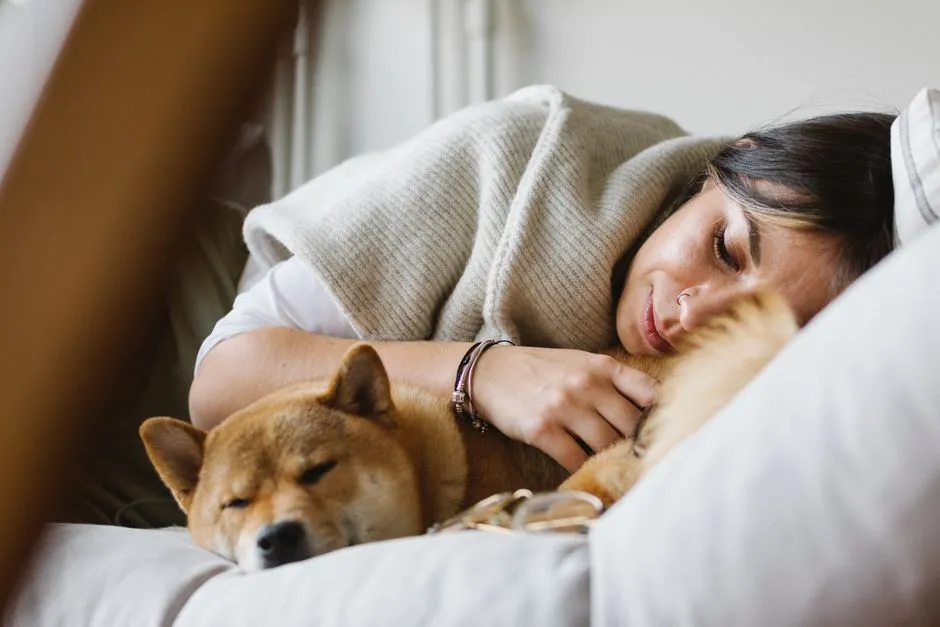
Lots of dogs choose to sleep touching their person, but positioned with their body oriented toward the doorway or main access point. On the surface it looks like textbook pack guarding: you get warmth and contact, they get a clear line of defense.
Studies on free-ranging dogs show individuals position themselves according to status, warmth, and perceived danger. Dogs given full freedom in a home often pick spots that let them monitor both their person and the environment at once – so this arrangement could be an evolved compromise between contact and surveillance.
What puzzles researchers is how rigidly some dogs stick to this exact setup with one specific person, while happily sprawling anywhere when that person isn’t around. That points to something more like an individualized “job perception” than plain habit.
We don’t yet have strong data separating instinct, learned security, and person-specific attachment in these sleep choices. It’s one of those behaviors that’s everywhere in real homes and almost nowhere in the research literature.
#20 – Matching Your Mood Before You Even Speak
🔥 Would you like to save this?
We'll email this post to you, so you can come back to it later!
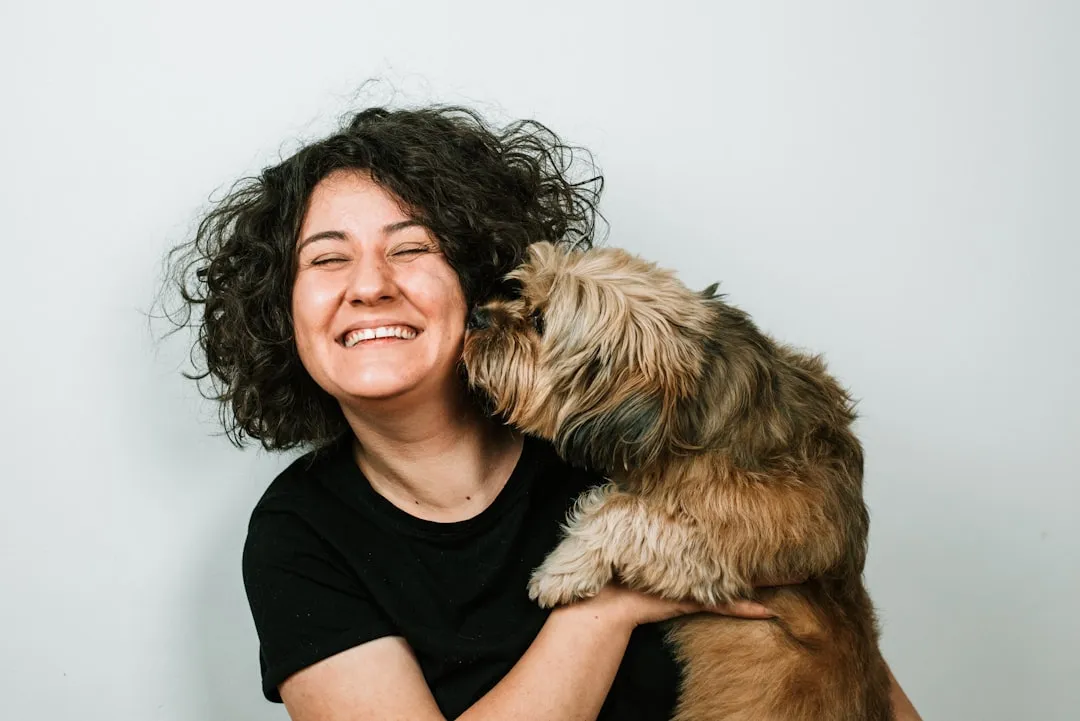
You come home in a good mood, and your dog rockets up, tail loose and wiggly. You drag yourself in after a brutal day, and the same dog approaches slowly, ears back, almost whisper-quiet – often before you’ve said a single word.
Studies show dogs can distinguish happy versus angry human faces and voices. But that doesn’t fully explain the instant “vibe check” some dogs seem to pull off the moment you walk through the door.
Researchers talk about emotional contagion, where a dog’s stress hormones rise when their person is stressed. That’s usually measured in lab tasks, not everyday life, where dogs seem to shift their entire behavior profile within seconds of you entering a room, before you’ve ranted, sighed, or cried.
Skeptics argue you’re leaking cues – micro-tension in your shoulders, a different breathing pattern, an altered walk. Dogs, with their absurdly sharp observation skills, may simply be reading those. The problem for science is measuring ultra-subtle changes reliably across thousands of real-life scenarios, which is exactly why the “they just know” feeling is better documented by owners than by experiments.
“Dogs, in fact, are experts at us.”
Alexandra Horowitz, cognitive scientist and author of “Inside of a Dog”
#19 – Bringing You a Specific Toy Only When You’re Sad
🔥 Would you like to save this?
We'll email this post to you, so you can come back to it later!
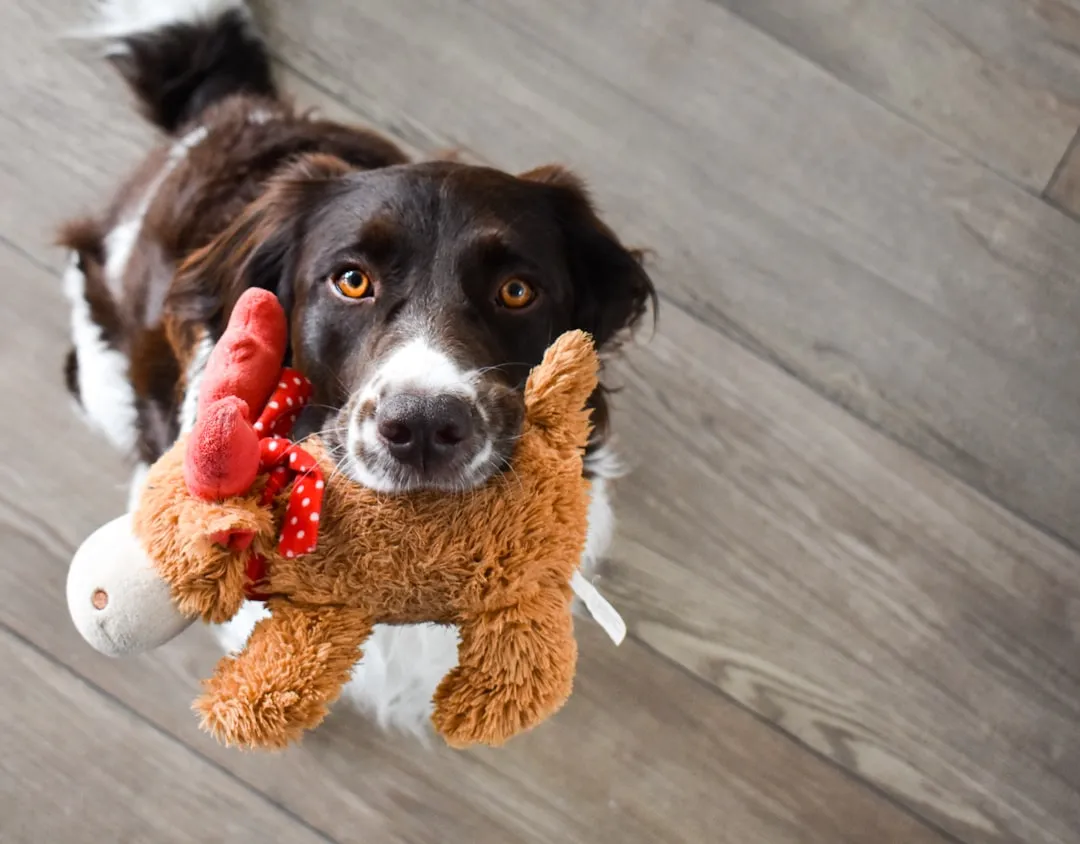
Many dogs fetch toys at random for play. But some will drag out the same toy every time – often a soft one, sometimes something they almost never otherwise touch – and drop it in your lap only when you’re visibly upset.
Training can teach a dog to retrieve a named object, sure. What’s harder to explain is a dog spontaneously pairing “human distress” with “this one toy,” then repeating that pairing without any explicit reinforcement plan.
One theory: the dog accidentally brought that toy during a meltdown once, got intense emotional attention in return, and the association stuck. So the dog repeats whatever “worked” to steady the social environment. That still doesn’t explain why so many dogs choose especially soft or personally favored items, or deliver them with slow, watchful body language completely unlike normal play.
No large, controlled study has mapped this behavior, mostly because it’s unpredictable and hard to trigger on command. For now, science politely files it under “owner-interpreted comfort behavior” and quietly admits it doesn’t have much more to offer.
#18 – Shadowing You From Room to Room With No Obvious Payoff

🔥 Would you like to save this?
We'll email this post to you, so you can come back to it later!
We joke about “velcro dogs,” but the phenomenon is stranger than the memes suggest. Some dogs follow their person everywhere – bathroom, hallway, sixty-second kitchen trips – without asking for food or play. They just trail you, like unpaid security staff.
Attachment theory covers some of this through secure-base behavior, but not why certain dogs do it obsessively with one human and completely ignore everyone else in the house. Research on separation distress focuses on extreme anxiety when a dog is left alone, not this low-level trailing that happens while you’re right there.
Plenty of these shadows show zero classic separation anxiety – they’re fine home alone, yet the moment you’re present, they glue themselves to your side. Reinforcement patterns fall short too, since plenty of dogs who don’t follow you get identical rewards.
Some scientists suspect this is the everyday version of a bonding style we haven’t classified yet – being near you might just register as the default safe state, with distance feeling slightly “off,” even without panic attached. Without standardized ways to measure “cling without distress,” most of what we have is case reports and educated guessing.
#17 – Barking at Invisible “Threats” Only When You’re Home
🔥 Would you like to save this?
We'll email this post to you, so you can come back to it later!
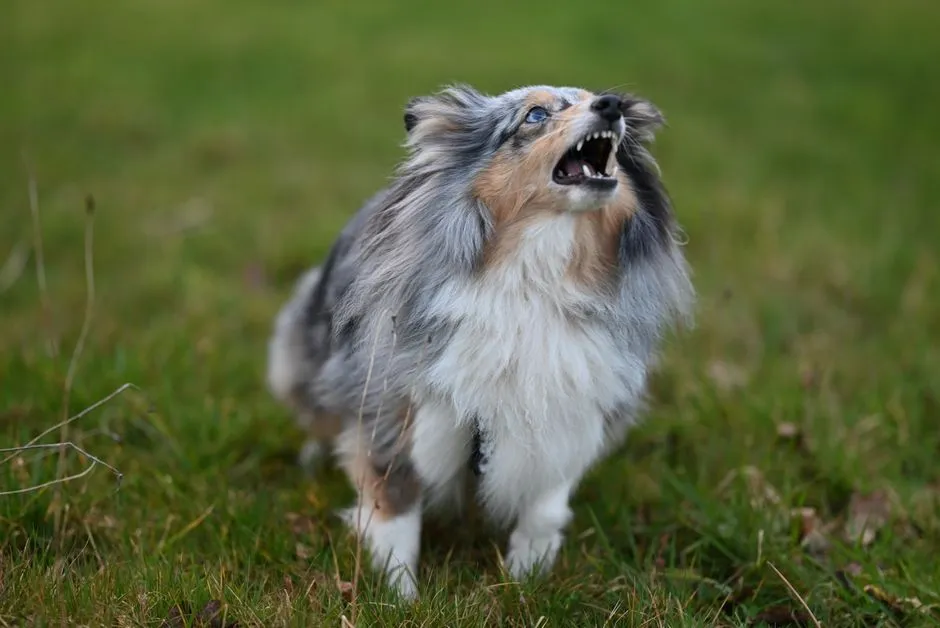
Lots of dogs bark at nothing. But watch closely – some only sound the alarm when you’re present. When you’re out, the same outside noises don’t trigger a peep, and neighbors often confirm it.
That suggests the barking isn’t just about the stimulus. It’s about protecting the asset – you. Behavior models say dogs bark at unexpected sounds and then learn which ones matter from human reactions, yet many owners report the opposite: their dog reacts to subtle sounds the humans never even notice, and goes quiet the moment the person leaves.
Why this pattern centers on one specific person instead of the whole household isn’t well understood. One idea is informal role assignment – through thousands of small interactions, the dog decides who is “the one who needs guarding,” and that person gets the intensified response.
We don’t have robust data on household-level role modeling in dogs. Without it, “they bark more when you’re home because they care more about you” stays scientifically plausible and mostly untested.
#16 – Sneakily Adjusting Their “Naughtiness” Based on Your Attention
🔥 Would you like to save this?
We'll email this post to you, so you can come back to it later!
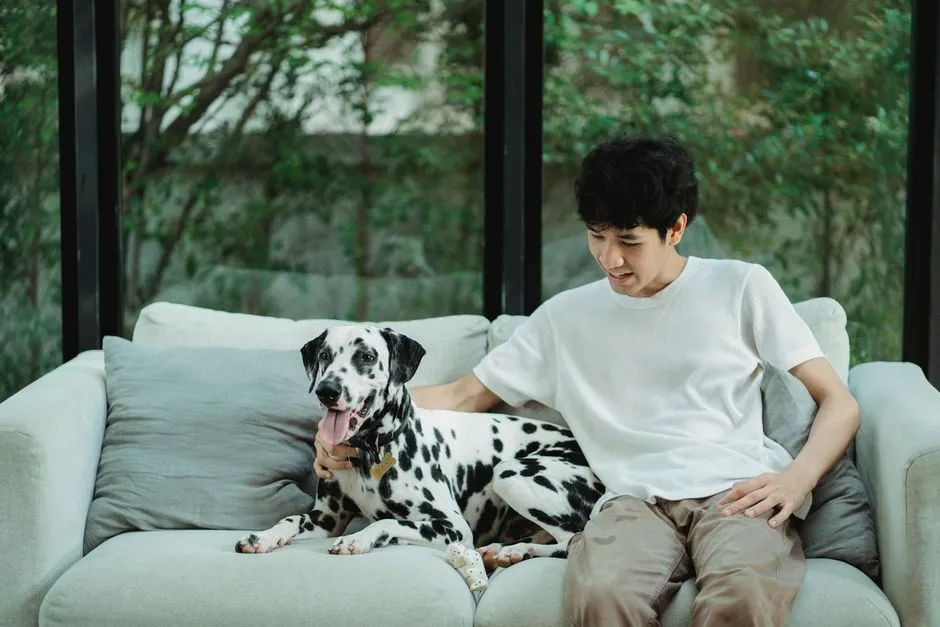
Many dogs know not to jump on counters or shred pillows – but only when you’re watching. The second your back turns, the rules evaporate. What’s wild is how finely tuned this can be to your gaze specifically, and nobody else’s.
Experiments show dogs are less likely to steal food if a human is watching, or even if the room is lit versus dark, hinting they grasp something about visibility itself. Where it gets science-straining is multi-person homes, where a dog behaves like an angel under one person’s eye and a gremlin under another’s.
Quick Compare
- Human watching, room lit: counter-surfing and food theft drop sharply in test settings.
- Human watching, room dark: caution decreases even though the person is still present.
- Human absent entirely: rule-breaking spikes across nearly every observed case.
- Same rules, different person watching: outcomes vary far more than simple obedience training predicts.
Training history explains part of that – strict people enforce rules, lenient ones don’t. But some dogs seem to calculate not just “who punishes me” but “who do I actually care about disappointing,” which is a far more complex social variable.
Research into canine theory of mind – understanding what others can see or know – is ongoing and contentious. Dogs pass some visibility tests and fail others that toddlers ace without effort. How that maps onto real-world, person-specific sneakiness is still a blank page.
#15 – Choosing One “Favorite Person” and Ignoring Everyone Else
🔥 Would you like to save this?
We'll email this post to you, so you can come back to it later!
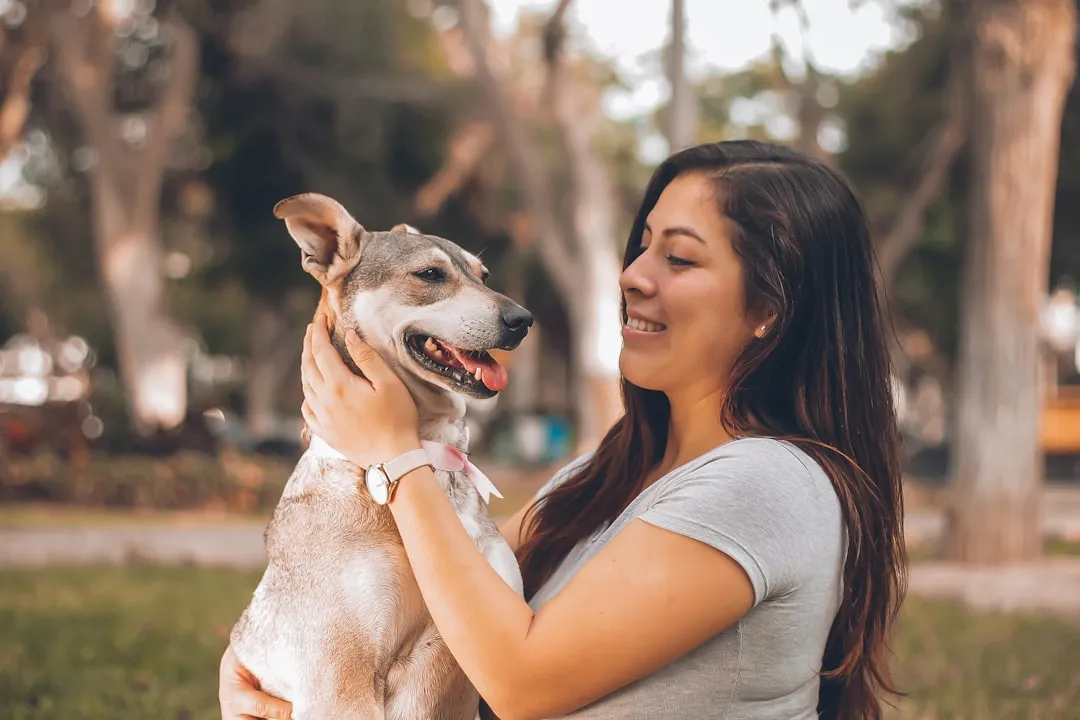
Families can split feeding, walking, and training equally, and the dog will still pick one person as theirs. That chosen human gets the fiercest greetings, the deepest cuddles, and the most relentless following.
Attachment tests show dogs can bond strongly with more than one person, but the intense favoritism so many owners describe hasn’t been properly dissected. Time spent together, training history, and who provides the most reinforcement all play a role – but none of that fully explains dogs who pick the quiet, low-interaction person over the active caregiver.
Genetics might drive breed-level tendencies, since some breeds skew toward being one-person dogs. But within a single household, the actual selection process is still opaque to researchers.
Some scientists speculate dogs are sensitive to subtle compatibility – body language, energy levels, maybe even scent chemistry that just makes one person feel “right” to be near. That’s testable in principle and barely explored in practice. For now, “why did my dog choose me?” gets answered mostly with shrugs.
#14 – Guarding the Bathroom Like a High-Security Zone
🔥 Would you like to save this?
We'll email this post to you, so you can come back to it later!
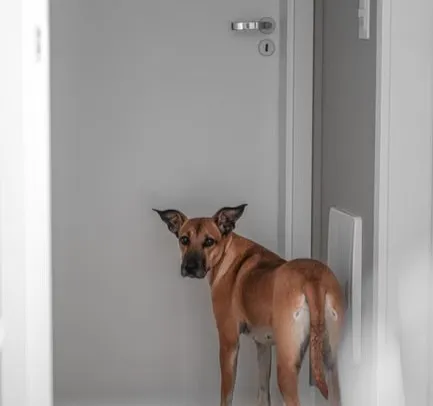
You close the bathroom door and suddenly your dog is on high alert – waiting outside, scratching, whining, sometimes barging in. It’s funny, but genuinely odd when you stop to think about it.
There’s virtually no peer-reviewed research on “bathroom guarding,” yet it shows up constantly in owner videos and reports. The usual explanations feel thin. Separation anxiety doesn’t fit, because many of these dogs are perfectly fine left alone in the house, just not behind that one door.
Pack instinct is another guess – in the wild, vulnerable members might get protected while eliminating – but nobody has studied a domestic version of this in any controlled way. Simple pattern learning is possible too, since bathroom trips often precede leaving the house, but that doesn’t cover the dog that specifically paces, parks against the door, or snarls at other pets trying to approach.
That level of situational protectiveness, around one person, in one room, feels like another case of self-assigned duty: this is my human’s danger time, so I stand guard. Without targeted studies, it stays a strangely neglected mystery.
#13 – Waking You Seconds Before Your Alarm – But Not Other People
🔥 Would you like to save this?
We'll email this post to you, so you can come back to it later!
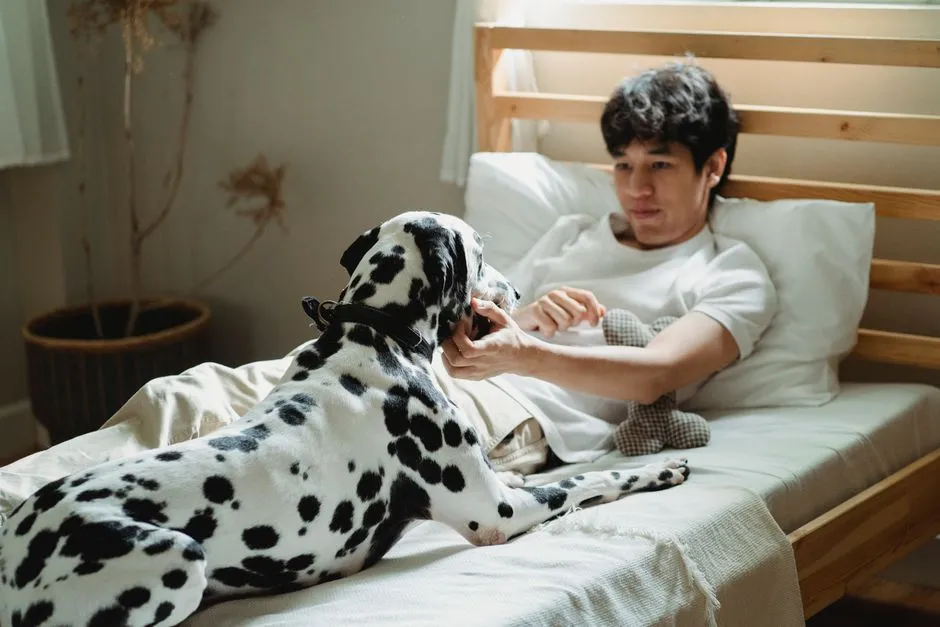
Plenty of dogs learn that a phone tone means the day is starting. But some will nudge or whine at you moments before your alarm rings, while letting everyone else in the house sleep straight through it.
Dogs’ biological clocks are real – they anticipate feeding and walk times with impressive accuracy. But syncing to your phone’s silent countdown is a different claim entirely.
One idea: they’re not sensing the alarm at all, they’re sensing you. Sleep stage cycles change your breathing, movement, and even skin temperature, and dogs may link a specific pattern with “morning routine starting soon.” That’s less prediction, more fine-tuned reaction.
Yet owners report dogs anticipating wake-ups after time changes, travel, or random schedule shifts – situations where the fine-tuned-reaction theory gets stretched pretty thin. Scientific work on dog circadian rhythms exists, but nearly all of it focuses on light cycles and feeding, not pre-alarm nudging aimed at one specific sleeper.
#12 – Suddenly Clinging to You Before You Get Sick
🔥 Would you like to save this?
We'll email this post to you, so you can come back to it later!
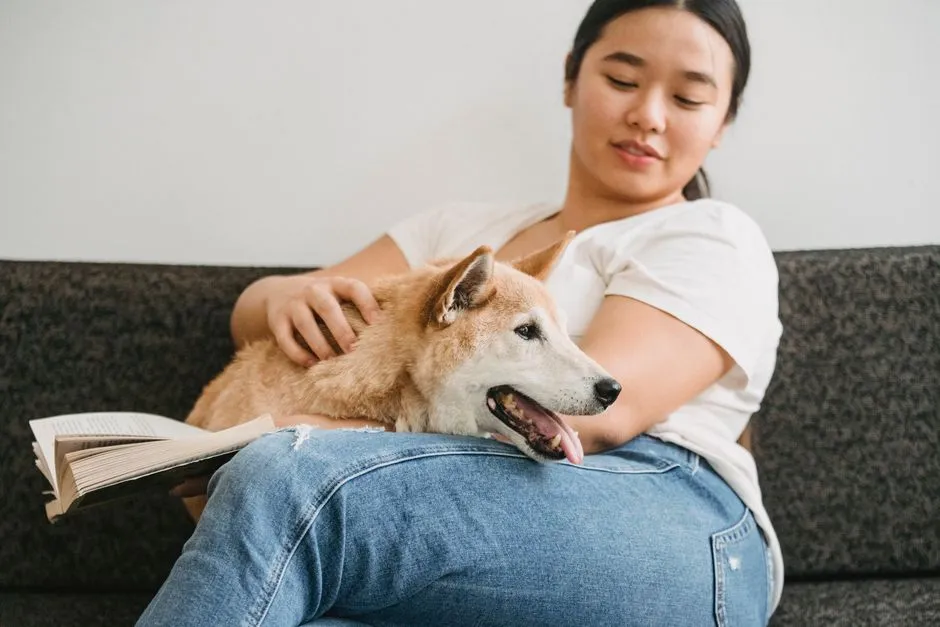
Ask dog owners and you’ll hear some version of this constantly: “He wouldn’t leave my side the day before I got really sick.” There’s a kernel of legitimate science underneath the story.
Dogs can be trained to detect certain diseases by smell – some cancers, diabetic episodes, and infections among them. But those are highly trained, tightly controlled tasks. Your untrained pet suddenly acting like a nurse is mostly uncharted territory.
One reasonable hypothesis is that early illness subtly changes your scent, temperature, or movement, and your dog flags that as “not normal.” Because you’re their key social anchor, they ramp up proximity in response. Intuitive, yes – but never rigorously tested across large, real-world samples, and memory bias is a real factor here, since we remember the eerily accurate moments and forget the random clingy days that meant nothing.
Studying spontaneous, pre-clinical detection would require huge numbers of monitored humans and dogs over long stretches of time. Until that happens, “my dog knew I was getting sick” sits in the uncomfortable space between plausible sensory explanation and unproven mystery.
#11 – Doing the “Zoomies” Only When You Laugh
🔥 Would you like to save this?
We'll email this post to you, so you can come back to it later!
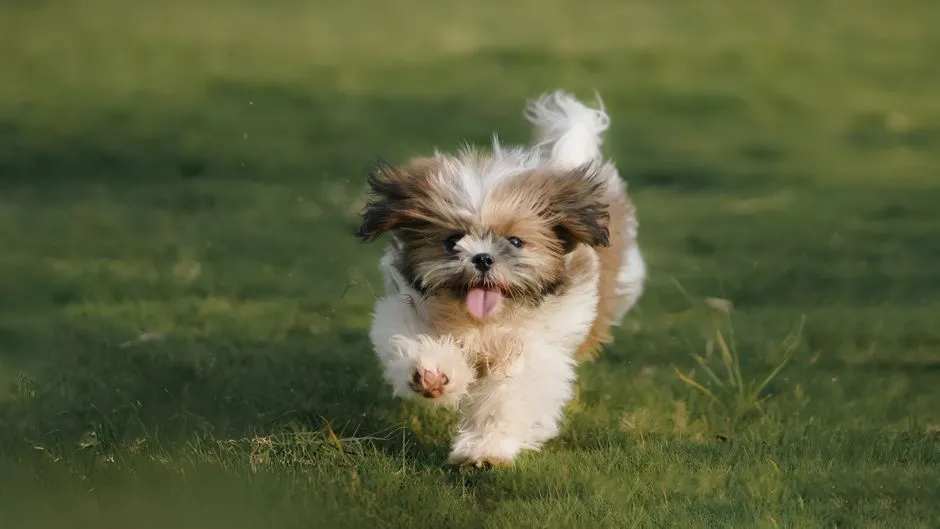
Dogs get the zoomies for all sorts of reasons. But some only go full cartoon-mode when you specifically crack up – not just at noise, but at your laughter, your posture, maybe your facial expression.
We know dogs can distinguish human emotional sounds, including laughter versus crying. That doesn’t explain why some dogs stay perfectly calm when someone else in the house laughs loudly, but launch into zoomies the instant your laugh happens, even a quiet one.
One theory: your laugh became the ultimate positive cue over time. Every time you laughed, good things followed – games, treats, attention – so the dog escalates play trying to keep that energy alive.
No one has run detailed experiments on “owner-specific humor responses,” probably because it sounds too frivolous to fund. But in real homes, this is exactly how dogs and people build their private in-jokes and shared rituals, in ways current behavior models barely touch.
#10 – Sniffing Only One Part of You Like It’s Breaking News
🔥 Would you like to save this?
We'll email this post to you, so you can come back to it later!
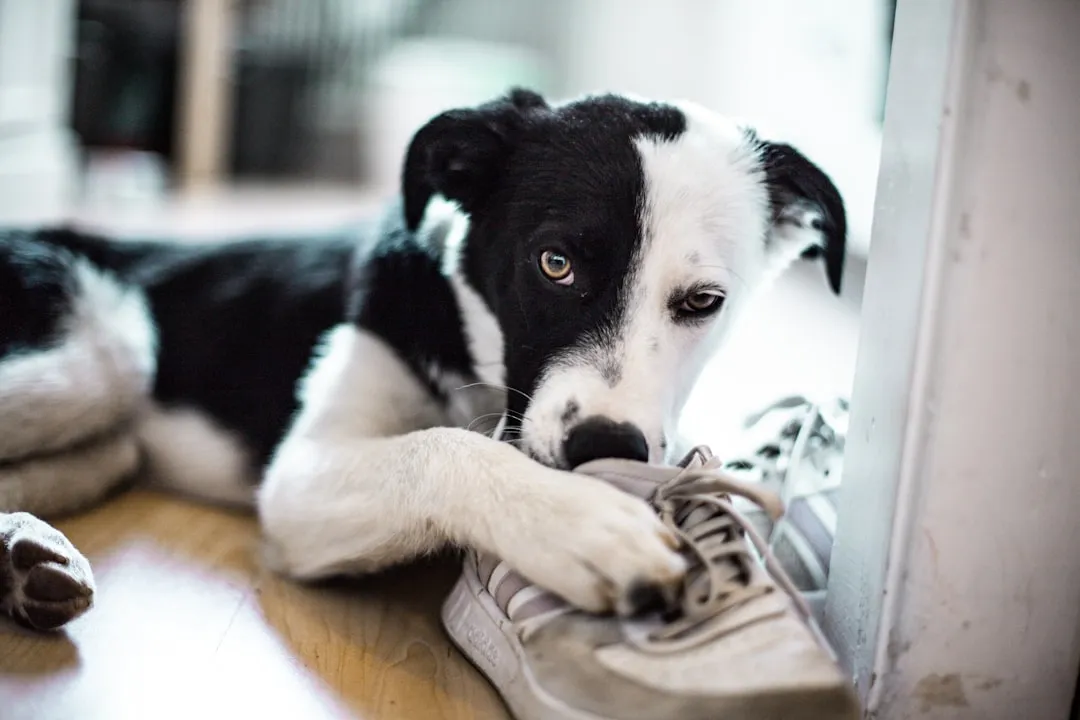
A lot of dogs sniff faces, hands, or clothes. But some fixate on one particular spot – a shoe, a knee, one side of your body – and do it intensely, only with their own person.
Dogs’ noses detect unbelievably faint chemical changes, and your body odor genuinely shifts with diet, hormones, stress, and health. The science on that part is solid. What’s unclear is why the sniffing sometimes turns weirdly localized and person-limited.
Is that the spot where your scent profile changes first during hormonal shifts or minor injuries? Are you unconsciously touching that area more when anxious, leaving behind extra skin oils? These are testable questions almost nobody has studied in everyday pet contexts.
Owners sometimes later discover a bruise, infection, or other issue in the exact spot their dog kept sniffing. Compelling, sure – but exactly the kind of anecdote that needs rigorous, blinded trials before it becomes anything more than a gray-zone hypothesis.
#9 – Remembering Tiny, One-Off Events You Barely Recall
🔥 Would you like to save this?
We'll email this post to you, so you can come back to it later!
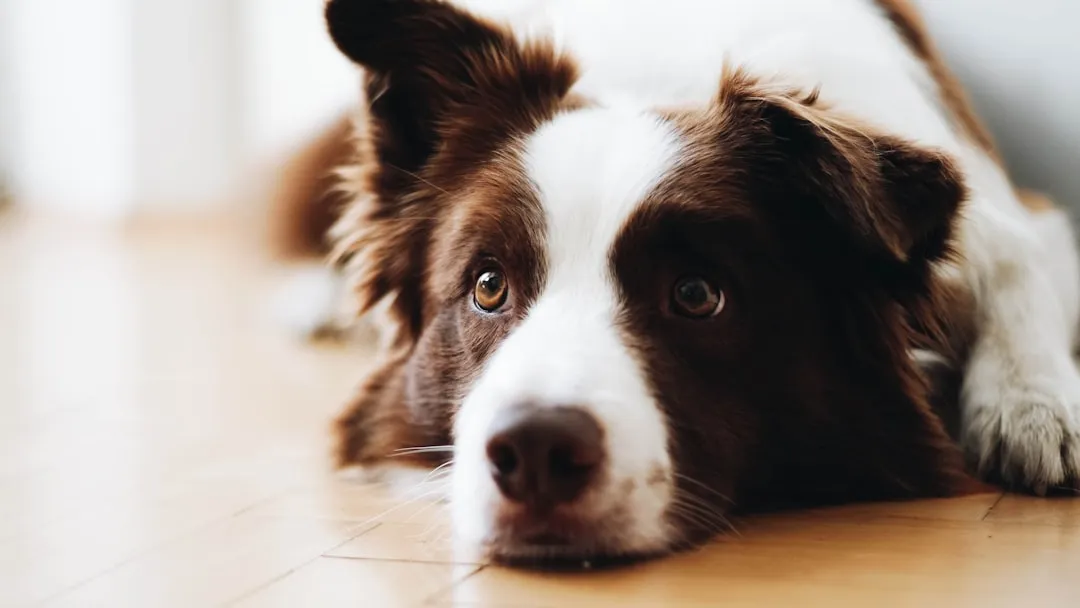
Step on your dog’s paw once by accident, and months later they still flinch if your foot moves a certain way near them – but only your foot, not anyone else’s.
Dogs have excellent associative memory for emotional events, especially painful or intense ones. That much is well established. The weird part is how selectively they apply it to one person, and how long the pattern sticks around for what was, objectively, a minor incident.
Worth Knowing
- A single strongly emotional event can create a lasting association, a pattern well documented in fear-conditioning research.
- Positive experiences typically need many repetitions to build a similarly durable memory.
- This imbalance mirrors survival wiring seen across many species, where remembering danger outranks remembering comfort.
Lab learning tasks typically require dozens of repetitions. In your living room, one intense moment can be enough for lifelong conditioning, which actually tracks with neuroscience – emotionally loaded experiences carve deeper memory traces. We just rarely measure these owner-specific, one-trial learnings scientifically.
What puzzles people is the asymmetry: your dog might instantly memorize one bad move yet seem to forget hundreds of good ones. From a survival standpoint that’s not irrational – remembering danger pays off more than remembering safety. Still, calibrating that memory specifically to you, flinching at your raised hand but not a stranger’s, shows a level of social tracking we haven’t fully modeled.
#8 – Joining You in the “Sad Corner” of the House
🔥 Would you like to save this?
We'll email this post to you, so you can come back to it later!
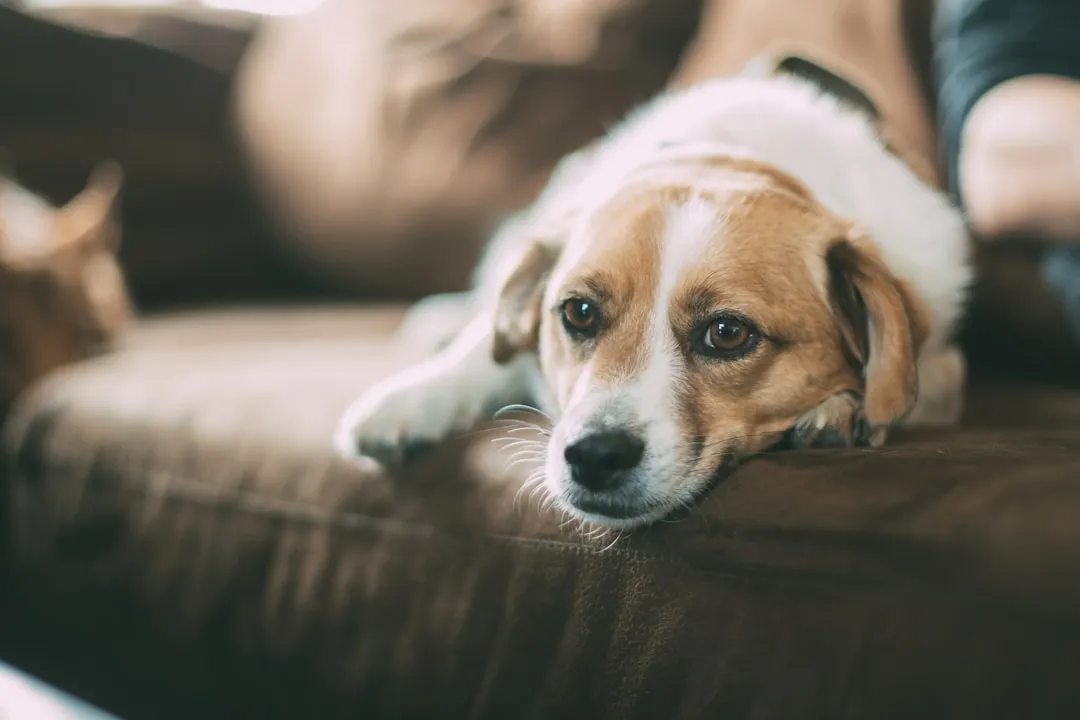
Almost every home has one – the couch corner, bed edge, or porch step where you tend to sit when you’re overwhelmed. Many dogs, over time, will go straight there the moment you do, even if they ignore that exact spot the rest of the day.
Place association is a known phenomenon in canine learning, but the emotional overlay here is oddly person-specific and state-dependent. The dog isn’t just following you; it’s adjusting its own behavior – quieter, slower, often pressed against you without fidgeting, distinct from generic cuddling.
Science recognizes dogs show empathy-like responses, such as approaching a crying human. But there’s almost nothing published about long-term, location-based “emotional rituals” like this one.
It’s possible your dog builds a mental map of the house that includes “where my human goes when they’re not okay,” and sitting with you there might be self-soothing too. Without specific studies, we’re stuck with educated speculation about a ritual that feels far too consistent to be an accident.
#7 – Interrupting Fights or Arguments in Strangely Targeted Ways
🔥 Would you like to save this?
We'll email this post to you, so you can come back to it later!
Many dogs wedge themselves physically between people when voices rise. Some bark at one person but not the other, or herd one away while leaving the second person alone entirely.
Research shows dogs are sensitive to human conflict cues and can show real stress when owners argue. But the micro-decisions – who to block, who to lick, who to bark at – remain largely unexplored territory.
A simple explanation says the dog associates one person’s louder tone with past negative outcomes and directs appeasement at that individual. Plenty of real cases don’t fit, though – dogs sometimes scold the quieter person, or side with the partner they usually treat as lower status day to day.
Some experts think dogs are trying to restore social harmony the fastest way they know how, by physically interfering. Why the tactics vary so much between households, and even between dogs in the same home, is an open question with no large-scale study to answer it.
#6 – Reacting to Your Phone Calls – Not Just Your Voice
🔥 Would you like to save this?
We'll email this post to you, so you can come back to it later!
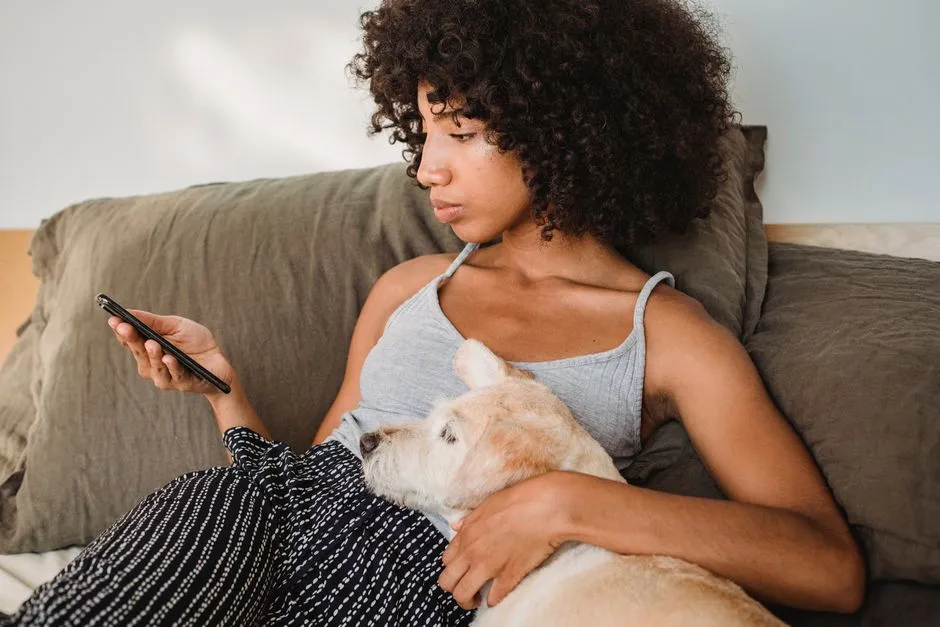
A lot of dogs perk up hearing their person’s voice on speaker. Less obvious but just as real: some get restless or excited the moment you start a call, before anyone has even spoken.
We know dogs recognize their owner’s voice and distinguish it from others, but this call-context behavior is basically under-studied. Your posture and micro-movements likely shift when you’re on a call – pacing, gesturing, breathing differently – and dogs may key into that as “social energy pointed away from me.”
Owners often note their dog barks more when a call turns tense, sometimes before the words themselves sound obviously angry, suggesting they’re reading tone and body tension together. No one has formally tested “dog reactions to owner phone behavior.”
It sounds trivial, but it quietly reveals how closely your dog tracks where your attention is pointed, even when the target is invisible and sound-only. That’s a level of attention-tracking we still don’t quantify well in everyday life.
#5 – Doing “Check-Ins” Across the House Like a Patrol Schedule
🔥 Would you like to save this?
We'll email this post to you, so you can come back to it later!
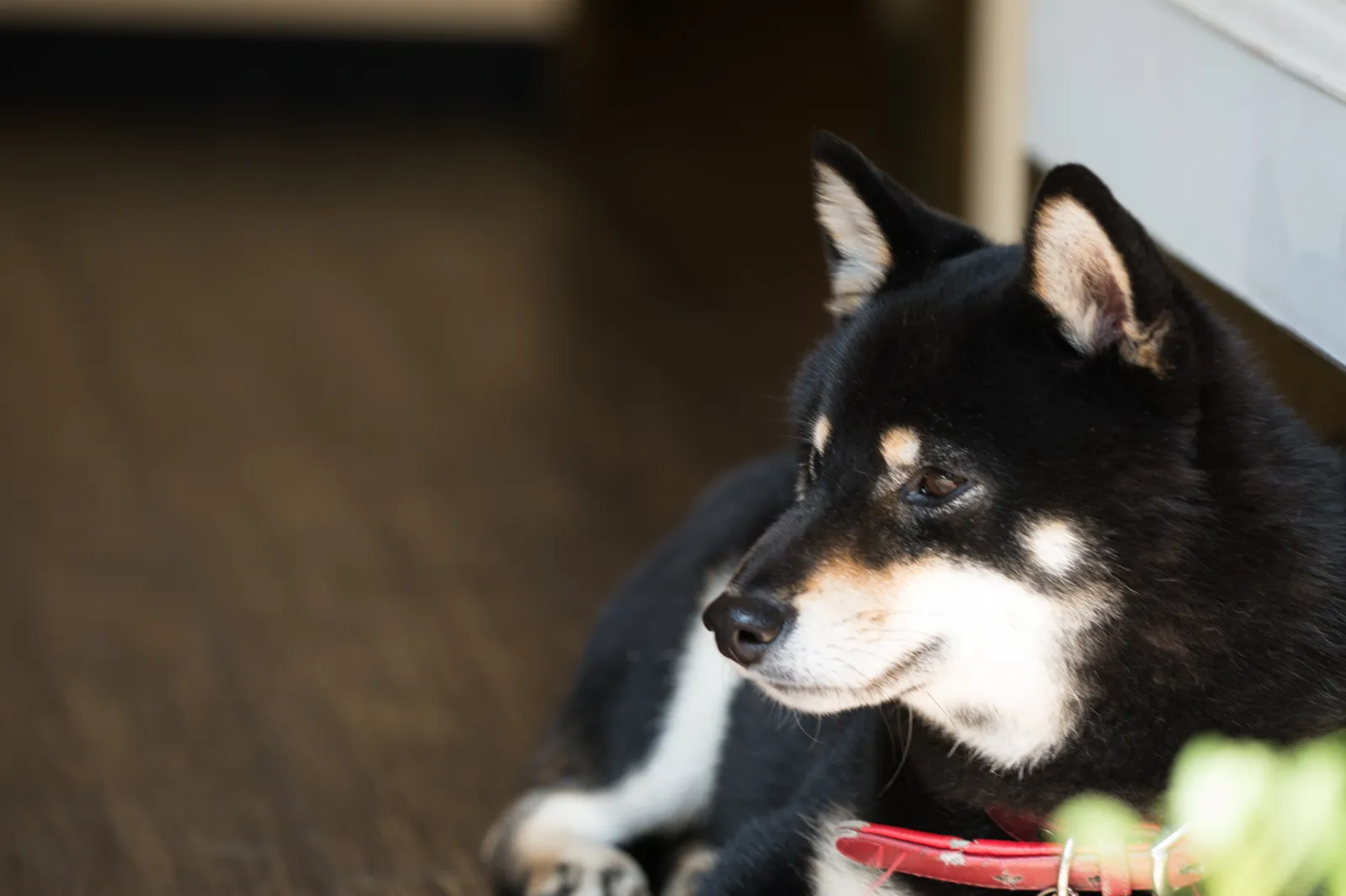
Some dogs wander off, return to you for a few seconds, touch you or look at you, then leave again – over and over, all day. It’s not obvious begging or play solicitation. It’s more like a “just making sure you’re still here” loop.
Studies of off-leash walks show dogs naturally perform visual check-backs with their humans, but the structured, indoor version barely gets discussed in the research. In multi-room homes, some dogs run a circuit – kids’ room, kitchen, window, back to you, repeat – dozens of times a day.
They may nose your hand or lean into your legs before heading off again, almost like punching a time clock. Nobody trained them to do this; it looks like informal patrol-and-report work they invented on their own.
Some experts think this reflects a mixed ancestry of scavenger and guardian – roam to scan, then re-anchor to the social core, which is you. We still don’t have robust models describing how dogs allocate “patrol time” versus “anchor time,” or why some people get more check-ins than others.
#4 – Copying Your Daily Routines in Miniature
🔥 Would you like to save this?
We'll email this post to you, so you can come back to it later!
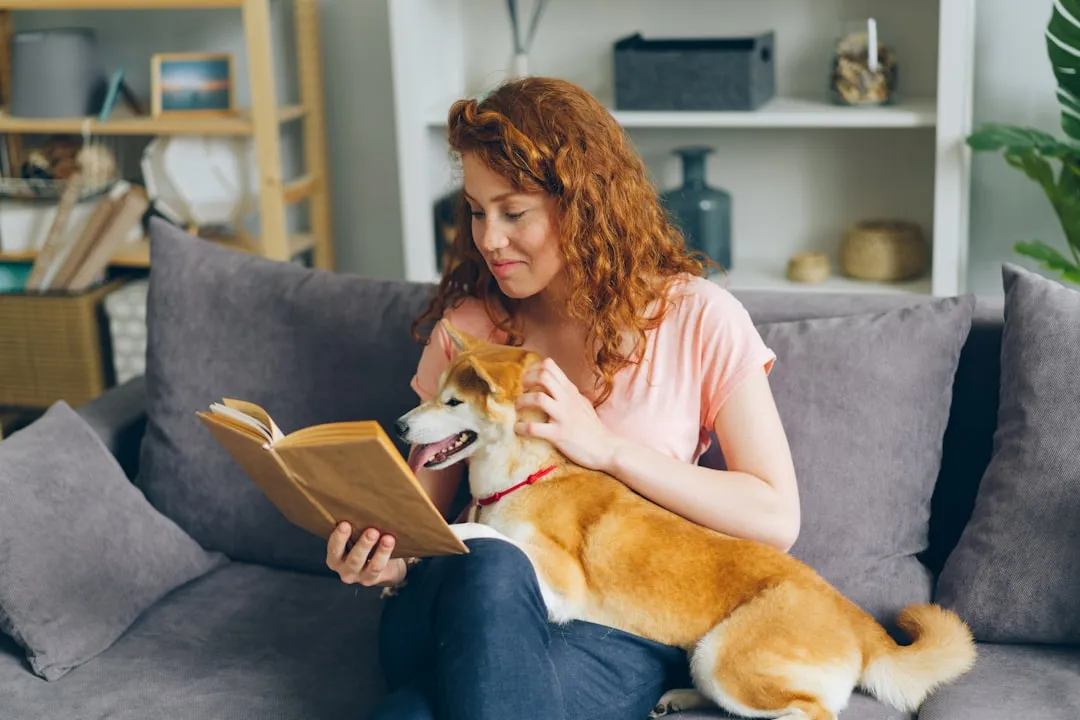
Have you noticed your dog “getting ready for bed” when you do – stretching, circling their spot, maybe grabbing a toy – even though they were wide awake five minutes earlier? Or pacing the house at your usual pre-leaving time, even on weekends when nobody’s going anywhere?
Dogs are highly sensitive to human routines and time-of-day patterns, but we’re only starting to understand how much they internalize your specific schedule. Some go further – sitting in the same place you usually work, napping at your nap time, staring out the window at the hour you usually arrive home, even on days you’re already sitting right there.
Why It Stands Out
- Dogs appear to sync to arbitrary personal habits, not just feeding or walk times.
- The pattern often persists on weekends, when normal cues like alarms or work clothes are missing.
- Most circadian research on dogs tracks light and feeding cycles, not this kind of person-synced rhythm.
It looks eerily like they’ve built an internal map of what their human typically does at 3 p.m., and they feel unsettled when the script changes. Chronobiology research confirms dogs have circadian rhythms, but it rarely dives into person-synchronized rhythms specifically.
How your dog’s internal clock locks onto yours, and why some seem almost compulsive about it, is essentially uncharted. We can say “they learn routines,” but we can’t yet say how deeply those routines reshape their sense of a normal day.
#3 – Showing “Embarrassment-Like” Reactions Only Around You
🔥 Would you like to save this?
We'll email this post to you, so you can come back to it later!
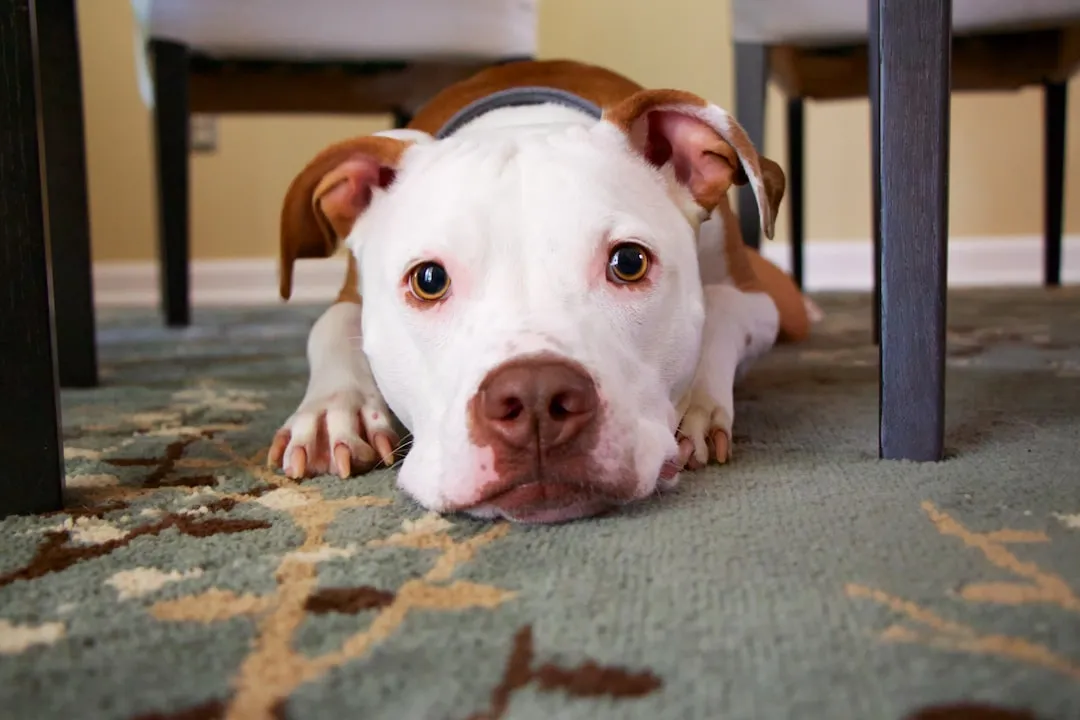
After an accident on the rug or a chewed shoe, some dogs avoid eye contact, lower their head, or slink away only when their person arrives. Around strangers, they act completely normal.
Behaviorists argue this isn’t true guilt but fear of punishment, backed by studies where dogs show “guilty looks” even when they didn’t do anything wrong, as long as they expect scolding. Owners insist there’s more nuance, though – dogs that hide preemptively when they merely think they broke a rule, even in homes where punishment is rare or nonexistent.
Some dogs seem visibly mortified about a toileting mishap only when their closest human discovers it, not when anyone else does. That selectivity is hard to squeeze into simple fear conditioning.
There’s no consensus on whether dogs experience complex self-conscious emotions like shame, and most scientists stay cautious and say probably not in a human-like way. But the person-specific context – behaving differently about rule-breaking with you than with anyone else – strongly suggests a richer, relationship-based emotional landscape than our current labels comfortably capture.
#2 – Adapting Their Play Style Uniquely for You
🔥 Would you like to save this?
We'll email this post to you, so you can come back to it later!
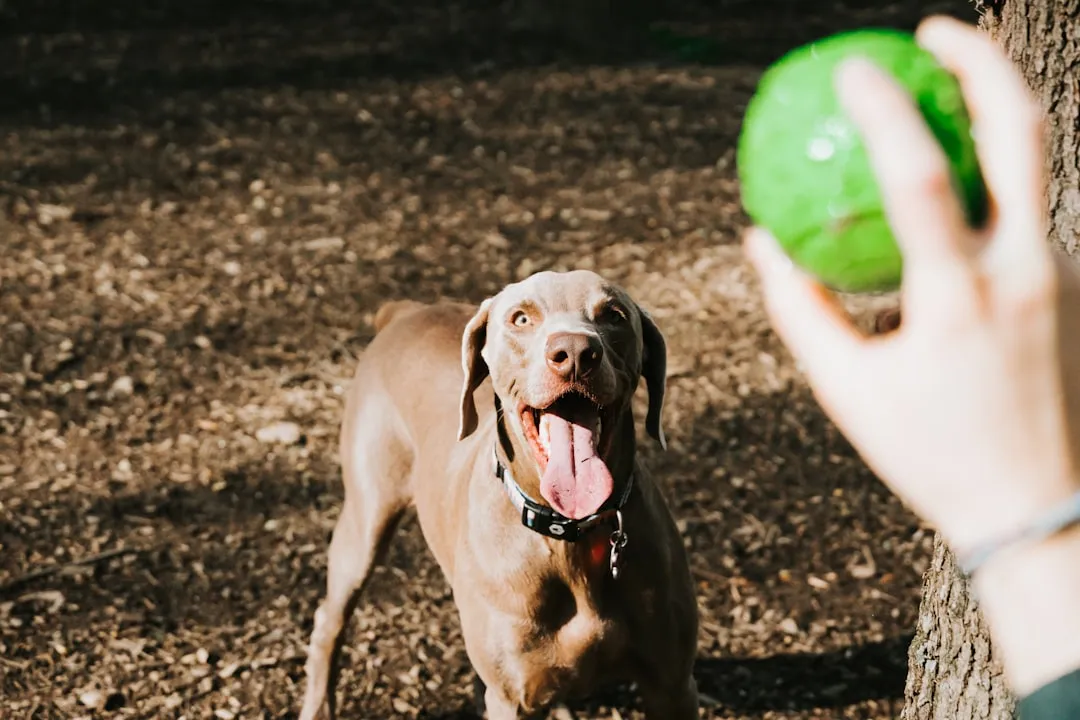
Many dogs roughhouse with one person, play gently with another, and barely engage with a third. With you specifically, they might use a very particular set of moves – soft mouthing, bowing, spinning – that they never use with anyone else.
Studies on dogs adjusting play intensity for puppies or smaller dogs exist, but almost nothing covers human-specific “play dialects.” Owners notice patterns like these:
- Only bringing certain toys to one specific person.
- Only initiating a particular goofy move – back-into-you shoves, paw slaps – with one human and nobody else.
This suggests dogs build individual play scripts based on shared history, which is rational enough – you reward some antics and ignore others. But sometimes the mapping feels too personalized to reduce to reinforcement alone, like the dog understands what kind of fun this specific relationship is actually about.
We lack high-resolution, longitudinal studies tracking one dog’s play style across multiple humans to untangle this properly. The best-supported claim is that dogs are socially flexible and skilled at modulating behavior by partner. What science hasn’t caught up on is just how customized, and frankly artistic, those adjustments look in real households.
#1 – Staring at You From Across the Room Like They’re “Checking Your Soul”

🔥 Would you like to save this?
We'll email this post to you, so you can come back to it later!
Every dog owner knows the look. You glance up and your dog is already watching, silently, from across the room. They’re not asking to go out, it’s nowhere near mealtime, there’s no obvious need. They just watch you. For minutes.
Attachment research shows dogs treat their person as a secure base, but it doesn’t really explain these quiet, sustained “soul checks.” From a basic perspective, your dog may be:
- Monitoring you to predict what happens next.
- Simply enjoying the sight and smell of their primary social partner.
- Relaxing while keeping a low-effort eye on their world’s most important variable – you.
The problem is none of those explanations feel like the whole story when you’re on the receiving end of that gaze. These moments rarely get studied because they’re “uneventful” in lab terms, yet they might be the purest window into how your dog’s mind organizes its universe around one central figure.
In blunt terms: science can map a lot of dog behavior to learning, instinct, and sensory skill. But that quiet, unwavering look that says, “I see you, and I’m here”? Nobody has a convincing, mechanistic model for what that actually feels like, for either species.
The Bottom Line
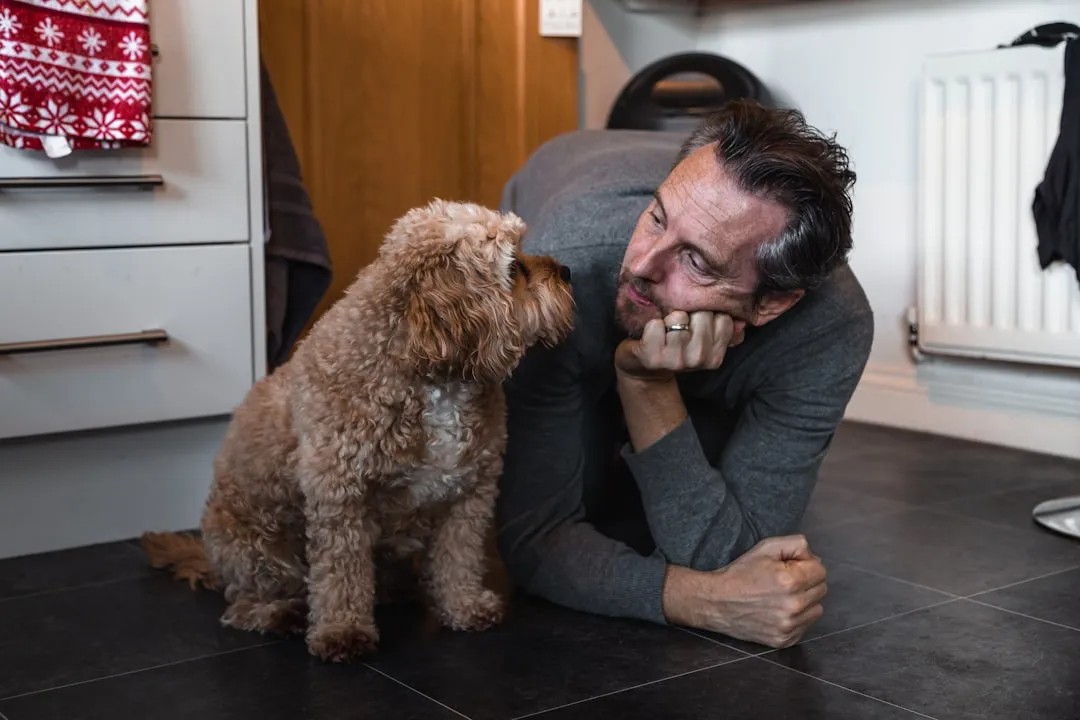
Line these 25 behaviors up and a pattern hits you fast: science is very good at explaining generic dog traits, and embarrassingly bad at explaining the weird, personal things your dog does specifically around you.
Learning theory, attachment, and super-powered senses account for a huge chunk of canine behavior, no argument there. But there’s a messy remainder left over – the door-waiting rituals, the pre-sickness clinginess, the bathroom guard duty, the soul-searching stares – where the data thins out fast and researchers start reaching for words like “anecdotal” and “under-studied.”
Does that mean there’s something mystical going on? Not necessarily. It means we’ve badly under-valued everyday, in-the-home dog cognition as a serious research subject. The bond you feel with your dog isn’t unscientific. It’s just under-measured, because nobody’s bothered to build the studies that would actually catch it.
So here’s the uncomfortable truth worth sitting with: right now, you and your dog know things about each other that science hasn’t even properly tried to quantify. Which of these habits does your dog have – and what do you honestly think is going on behind those eyes?

- 23 Warm Corners an Elderly Cat Keeps Returning To All Winter - October 29, 2026
- 16 Behaviours Showing a Cat Considers a House Permanent Now - October 29, 2026
- 15 Wildlife Programmes a Lifetime Pass Holder Over 62 Can Join Free - October 29, 2026