

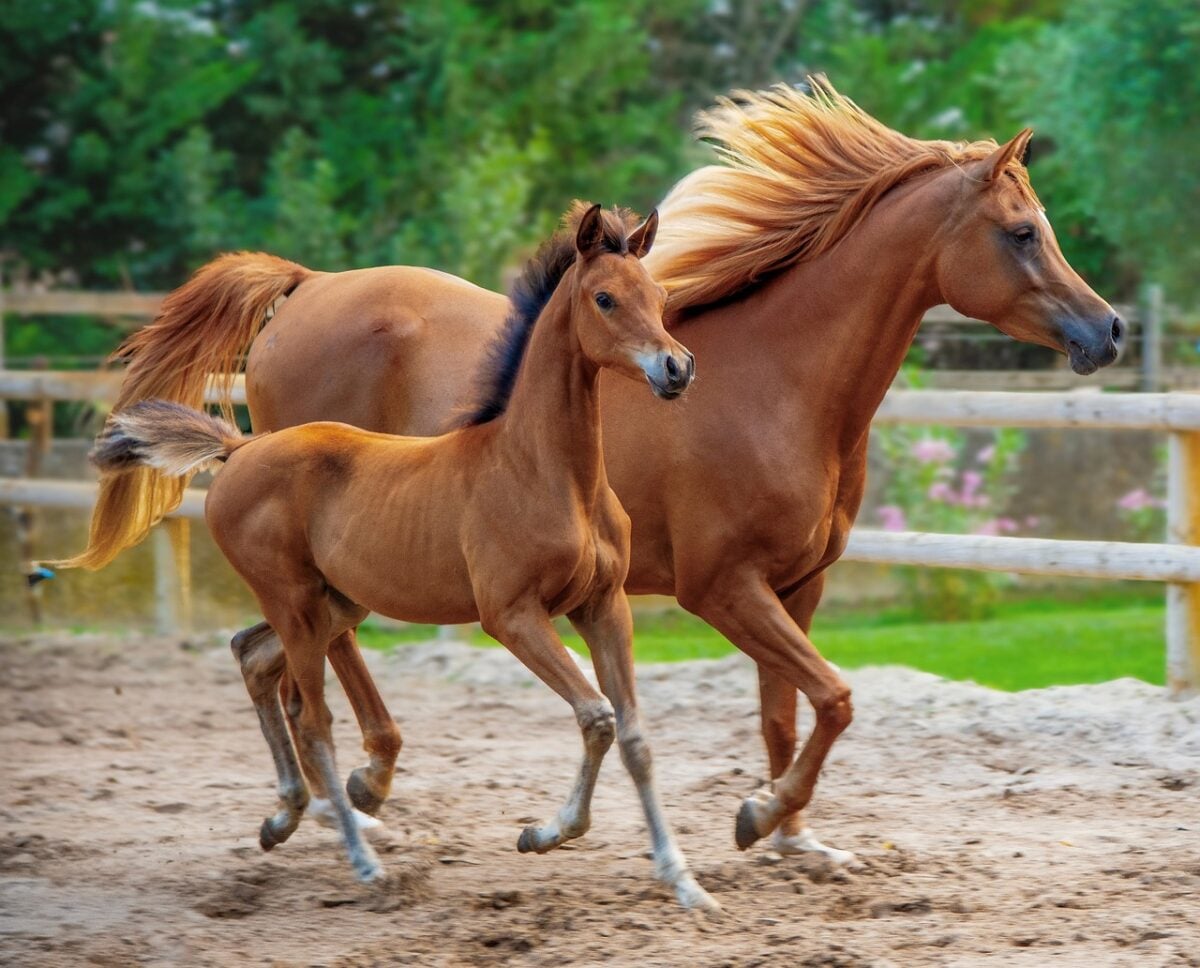
Ever notice how the most photogenic horses at the fair always seem to have a vet on speed dial? That’s not bad luck. It’s the bloodline.
Most horse owners believe a solid pedigree guarantees a solid animal. Vets know differently. Behind the ribbons, registries, and picture-perfect coats, certain breeds carry genetic time bombs that show up in exam rooms with predictable, heartbreaking regularity. Some are hidden in coat-color genes. Others come from decades of breeding for “more muscle” or “more feather” without ever asking what it costs the horse wearing it. This list runs through all 26, breed by breed, exactly the way vets see them walk through the clinic door.
#1 – The American Quarter Horse and the Muscle Disease Nobody Wanted to Talk About
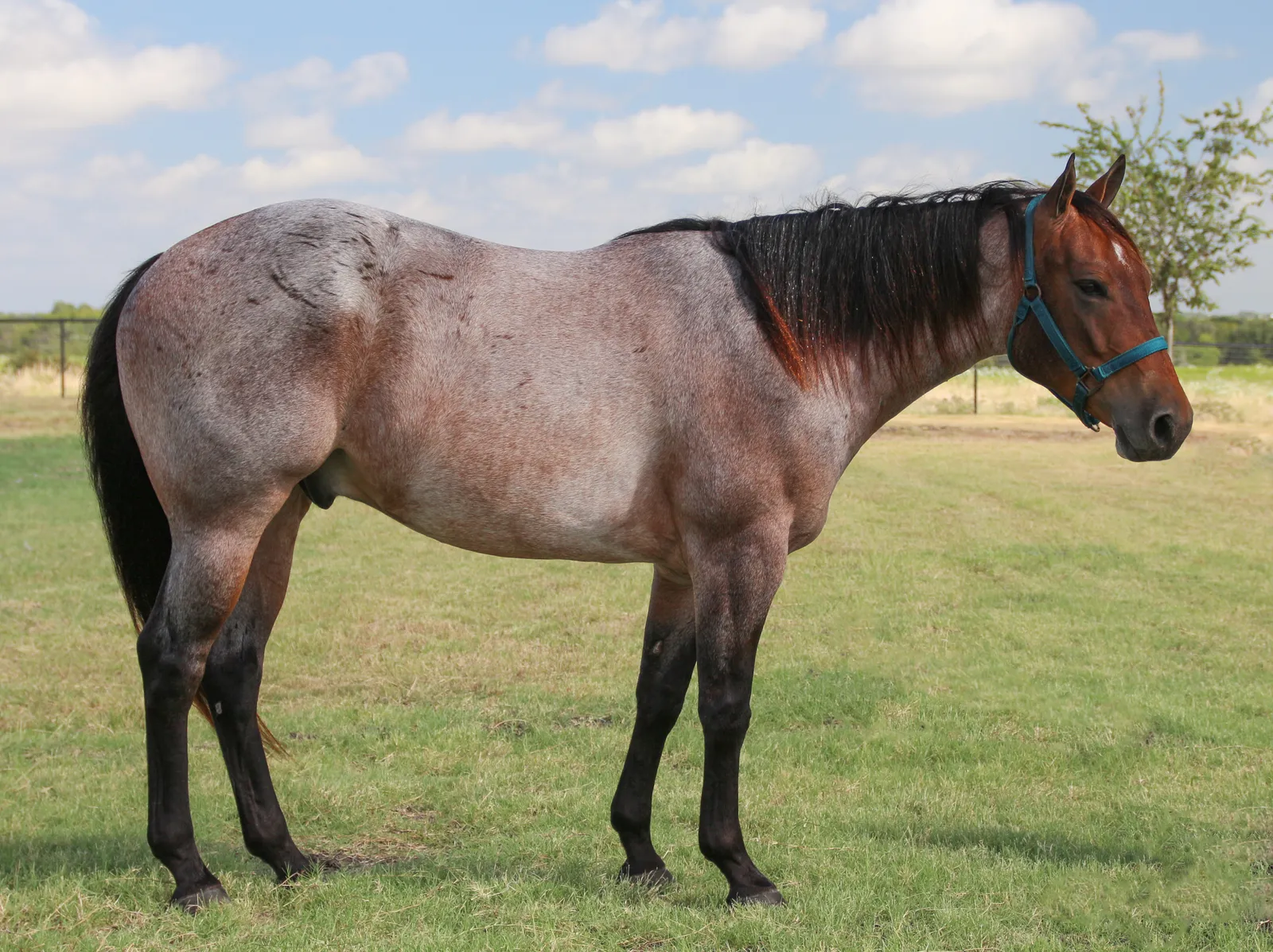
Most people assume the world’s most popular horse breed is also its healthiest. Vets know better. Hyperkalemic Periodic Paralysis, or HYPP, traces back to a single, wildly popular halter stallion named Impressive. His muscular build was exactly what show judges wanted, so breeders chased it hard – and the mutation rode along for the ride.
Today, an estimated 100,000 horses carry his name somewhere in their pedigree. Vets see the same scene over and over: a heavily muscled show horse suddenly trembling, staggering, or collapsing mid-ride, sometimes with no warning at all. Roughly 4.4% of Quarter Horses are carriers, and the rate climbs even higher in halter lines bred specifically for bulk. It’s the exact trait that wins ribbons in the ring turning into the same trait that can drop a horse to its knees.
#2 – The Paint Horse Foal That Never Should Have Been Born
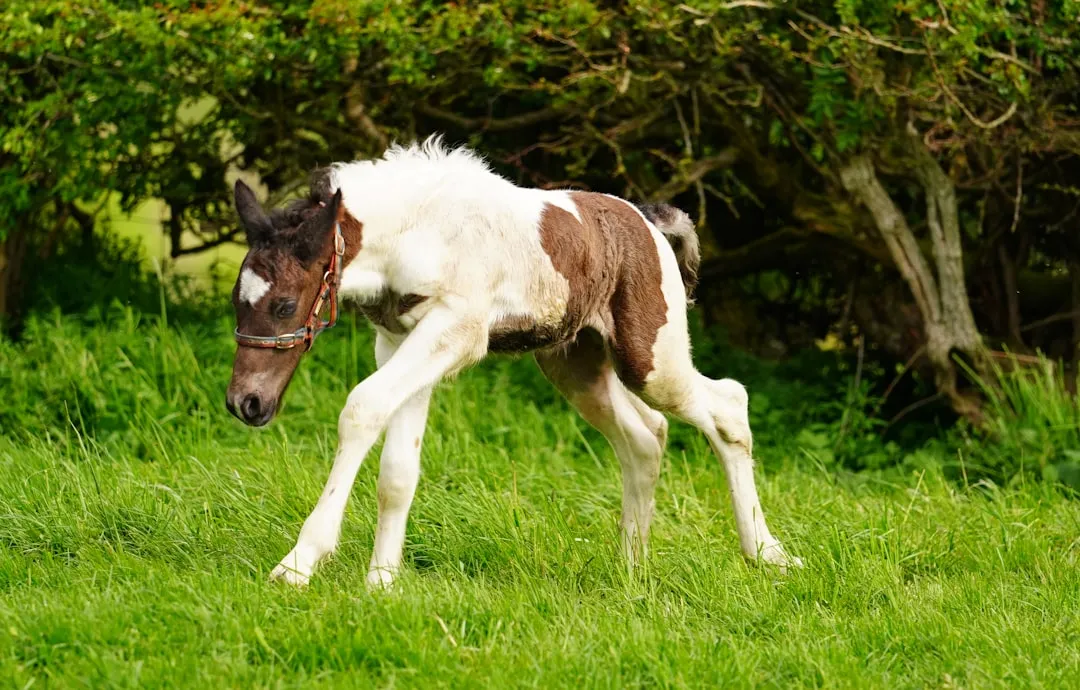
Here’s a truth that breaks even hardened vets: some Paint foals are born looking flawless – and are dying within hours. It’s called Overo Lethal White Syndrome, and it’s one of the cruelest genetic outcomes in the horse world.
These foals go the full 11-month gestation and arrive looking perfect – snow-white coats, bright blue eyes, seemingly healthy. But internally, their colon never developed the nerve connections it needs to function, and within hours, colic sets in with no fix available. Overo Paints and American Miniature Horses carry the highest risk, and more than 94% of framed overos are silent carriers. A solid-colored parent can pass the mutation along without ever showing a symptom, which is exactly why breeders keep getting blindsided every foaling season.
#3 – The Appaloosa’s Spots Come With a Hidden Price Tag
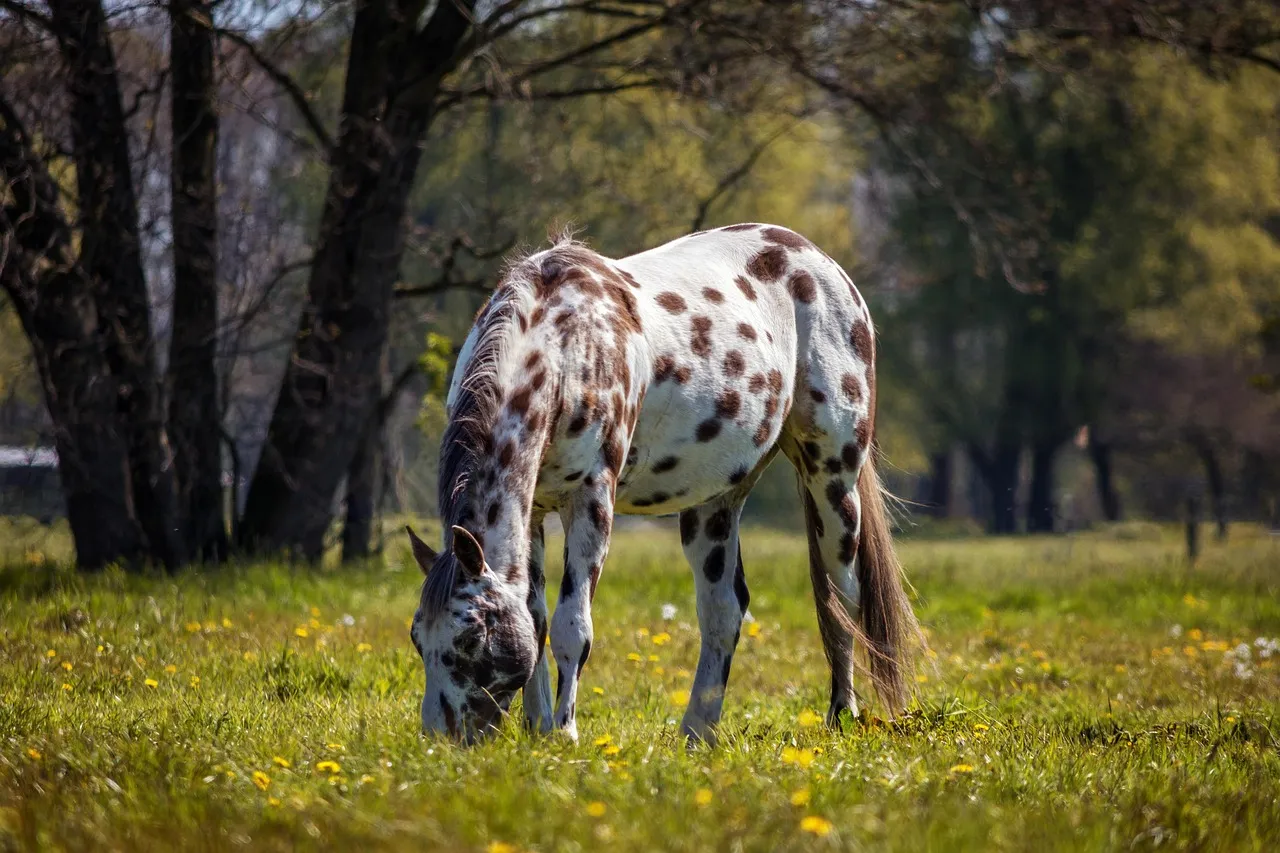
Everyone loves an Appaloosa’s spots. Almost nobody realizes those same genetics are quietly stealing the horse’s sight.
A staggering 25% of all equine recurrent uveitis cases in North America show up in Appaloosas, who are roughly 8 times more likely to develop the disease than other breeds. Vets call it moon blindness, and it’s progressive, painful, and incurable – many affected horses eventually go blind in one or both eyes. Horses that carry two copies of the leopard-complex gene face an added blow: congenital stationary night blindness, meaning they simply can’t see once the sun goes down. The very spotting pattern that makes an Appaloosa instantly recognizable is quietly setting it up to navigate its own paddock half-blind by middle age.
#4 – The Friesian’s Beauty Hides Four Different Failure Points
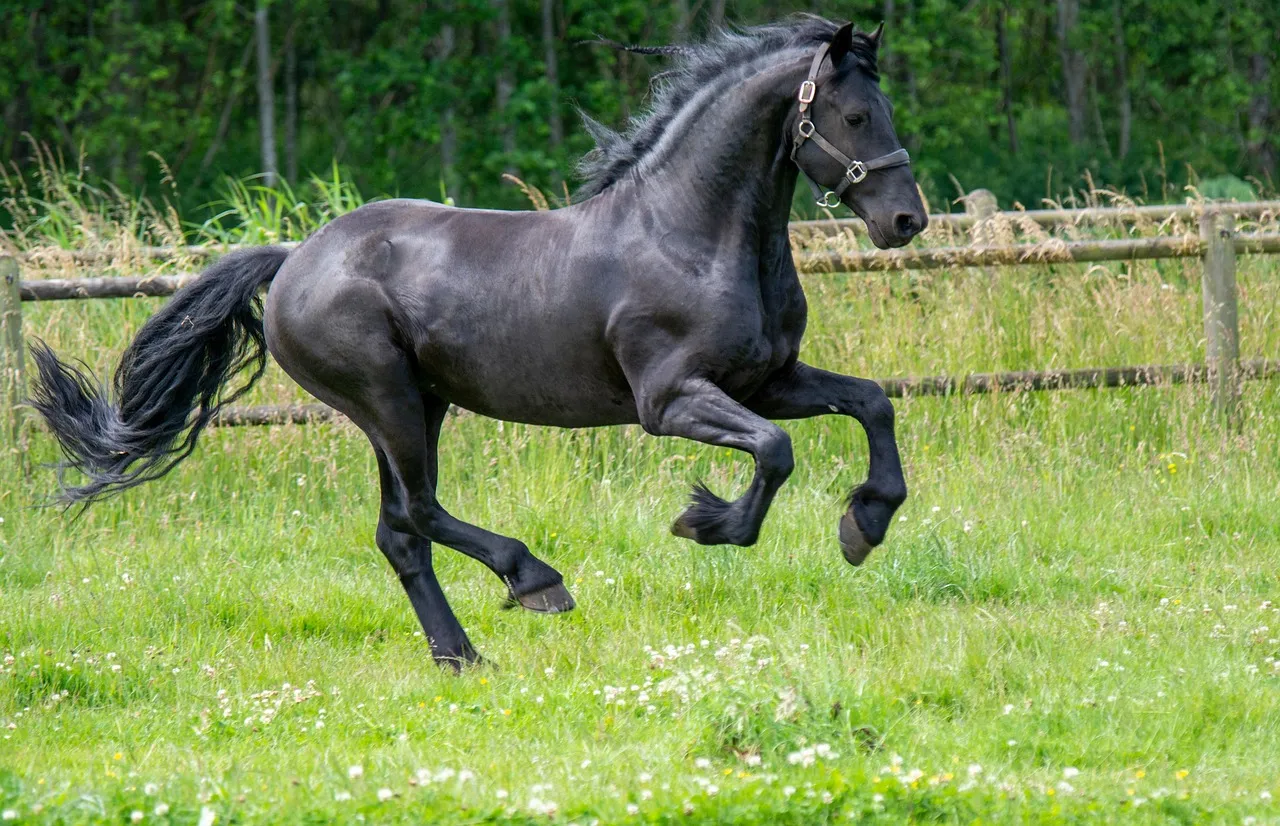
The Friesian is arguably the most photogenic horse breed alive – and arguably one of the most fragile. Vets who work with them see a very specific, recurring list of collapse points.
Four genetic disorders are acknowledged industry-wide in Friesian breeding: dwarfism, hydrocephalus, a tendency toward aortic rupture, and megaesophagus. About 1 in 400 Friesians is born with dwarfism, producing a normal-sized head on an abnormally long back with very short limbs. The aortic rupture cases are the ones that haunt vets most, because they’re sudden, catastrophic, and nearly impossible to predict. To make matters worse, the breed has an unusually high 54% rate of retained placenta after foaling – proof that with such a small founding gene pool, these aren’t rare exceptions for a Friesian, they’re recurring appointments.
Fast Facts
- Dwarfism affects about 1 in 400 Friesians, leaving a normal head on a short, disproportionate body
- Hydrocephalus causes dangerous fluid buildup around the brain, often fatal in foals
- Aortic rupture strikes suddenly, with almost no warning signs beforehand
- Megaesophagus disrupts normal swallowing and can trigger chronic regurgitation
- Retained placenta occurs in roughly 54% of Friesian foalings
#5 – The Clydesdale’s Feathers Are Hiding Something Ugly
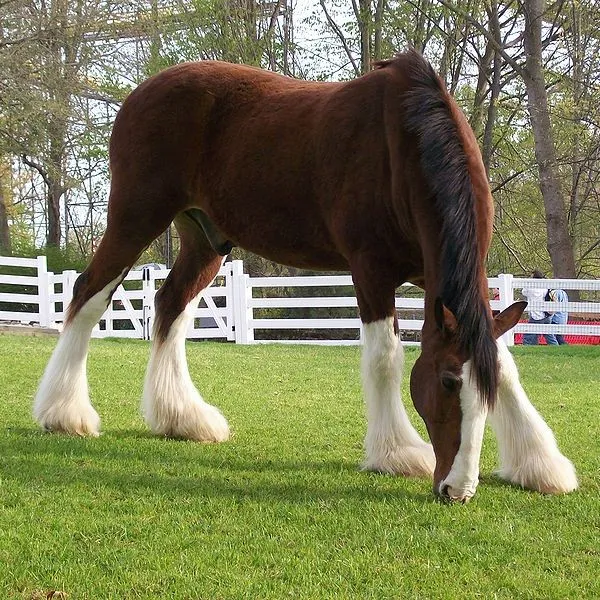
Those gorgeous feathered feet everyone loves at parades? Vets dread them, because they’re the perfect hiding spot for a disease that quietly destroys a horse’s legs.
Chronic Progressive Lymphedema builds up slowly and painfully in the lower limbs, and it’s been best characterized in Shires, Clydesdales, and Belgian draft horses. Affected horses often develop poor hoof quality, with brittle walls, chipping, and cracks well before anything looks seriously wrong. The heavy feathering that makes Clydesdales so recognizable works directly against them here, hiding early skin changes until the disease is already established. Routine leg checks – parting the feather, not just admiring it – are one of the only ways to catch it early.
#6 – The Shire Horse’s Legs Tell the Same Sad Story
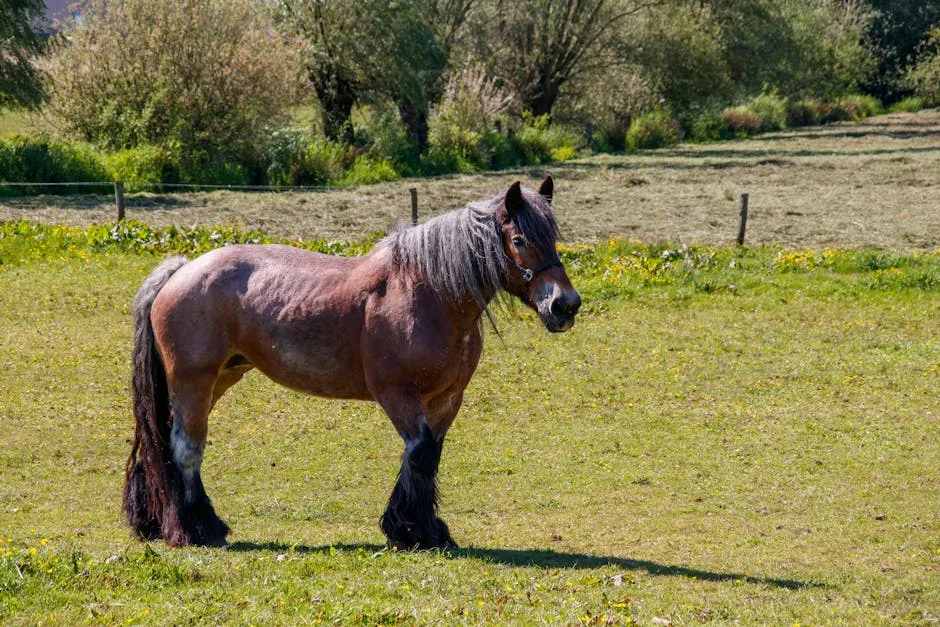
Shires are gentle giants, but their sheer size and feathering combine into a health nightmare vets see constantly: the same lymphatic breakdown that plagues Clydesdales, just as severe.
CPL is chronic, progressive, and debilitating, often leading to disfigurement, lameness, and premature euthanasia in the worst cases. There’s no cure – only management, which means keeping feathers clipped short, treating secondary infections, daily exercise, hydrotherapy, manual lymph drainage, and compression bandaging for life. Most owners are stunned to learn that clipping feathers, something once considered “ruining the look,” is actually the single best preventative habit for this breed.
#7 – Belgian Drafts Have the Worst Odds in the Entire Industry
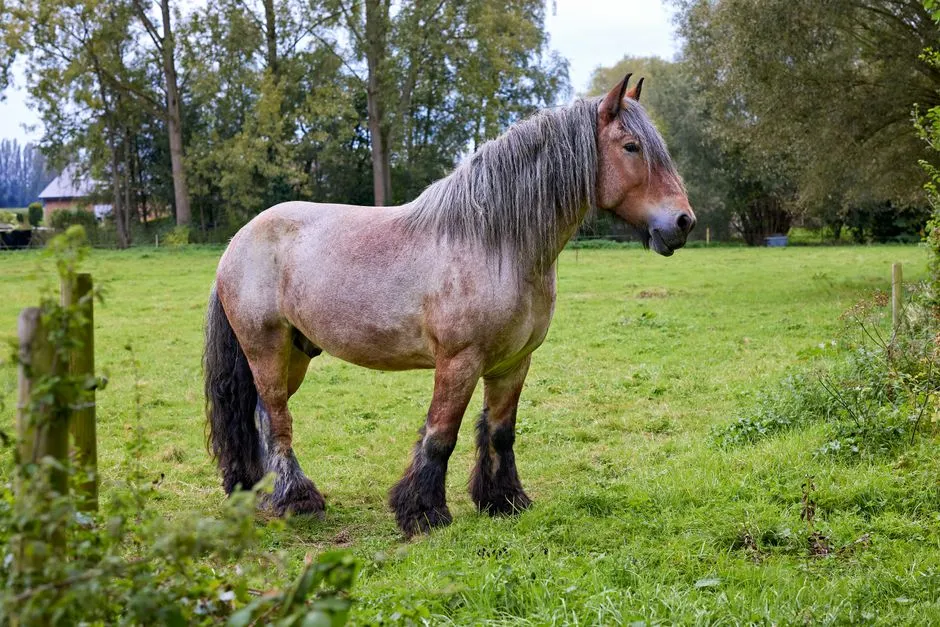
If you think Clydesdales and Shires have it rough, Belgian Drafts are dealing with numbers that stop vets in their tracks.
CPL shows up in as many as 85.86% of Belgian Draft horses examined – meaning the overwhelming majority of the breed will eventually show signs of this incurable lymphatic disease. Because it’s progressive and untreatable, affected horses are frequently euthanized well before old age. Vets who work heavily with draft breeds say Belgians are almost never the exception; they’re the rule. It’s a sobering reminder that “healthy-looking” and “healthy” are two very different things in this breed.
#8 – The Gypsy Vanner’s Feathers Are a Double-Edged Sword
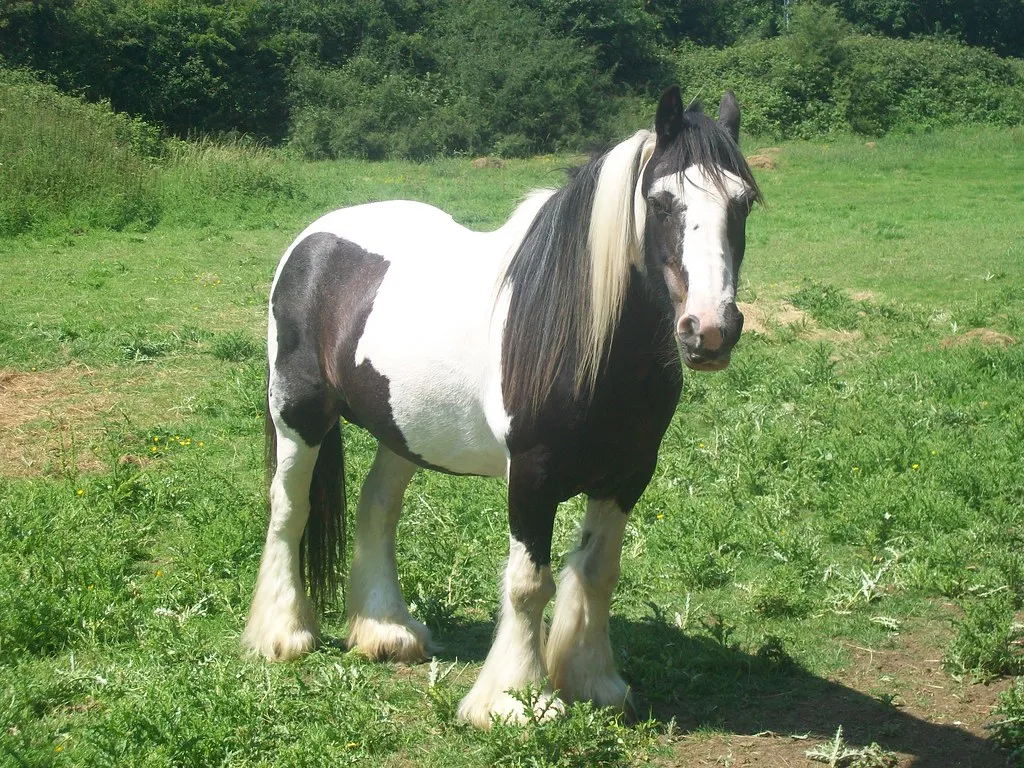
Gypsy Vanners have exploded in popularity for their flowing feathers and cob-like build. Few new owners realize they’re inheriting the same lymphatic vulnerability as classic draft breeds.
Lesions consistent with CPL also turn up in Gypsy Vanners, English Cobs, and Friesians, though the condition hasn’t been studied as extensively in these breeds – which is part of the problem. Vets often catch it late simply because owners assume the breed is exempt. Documented cases include mares as young as four years old with visible lymphedema, proof this isn’t a “someday” disease. Anyone buying a feathered Vanner for the aesthetic is signing up for a lifetime of leg checks.
#9 – Percherons Get a Pass in America but Not in Europe
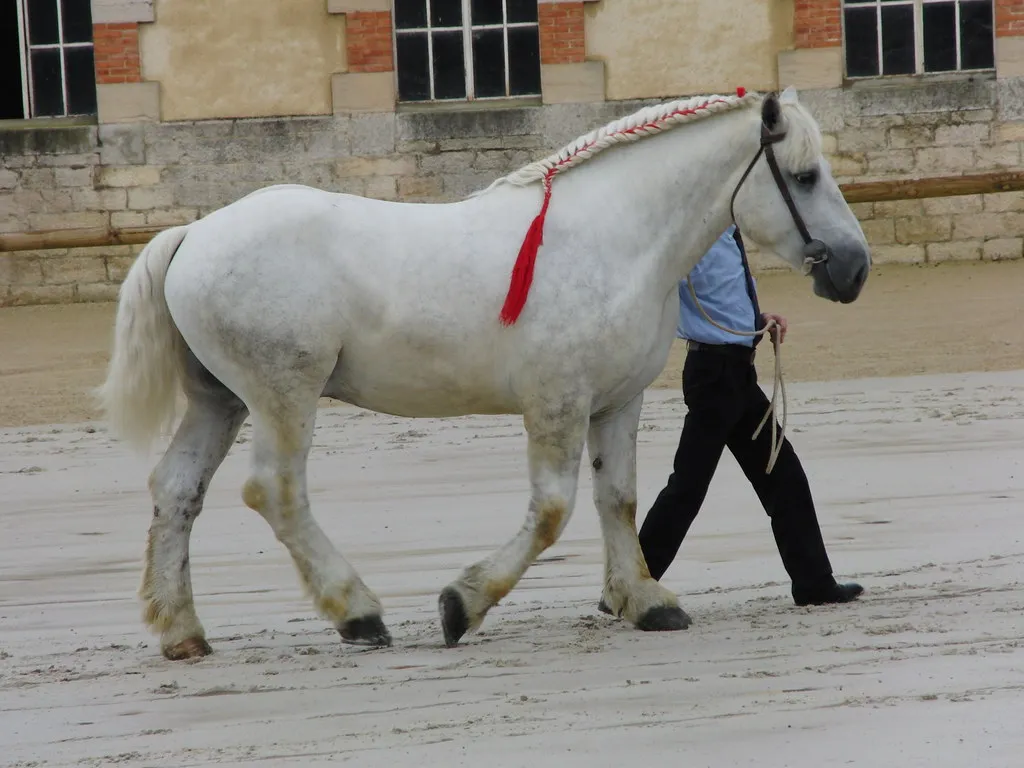
Here’s a genuinely strange twist vets bring up constantly: the exact same breed can have wildly different health outcomes depending on which continent it’s standing on.
Percherons in the United States seem largely unaffected by CPL, yet the condition has been documented in the breed across Europe. Some specialists suspect regional breeding practices, feathering density, or even climate and turnout habits play a role. It’s a controversial theory – some breeders insist American Percheron lines are simply genetically “cleaner,” while others suspect it’s only a matter of time before U.S. numbers catch up. Either way, it’s proof that geography, not just genetics, can shape which horses walk into a vet’s clinic with the same complaint.
#10 – Miniature Horses Are Adorable and Absolutely Overwhelmed by Their Own Mouths
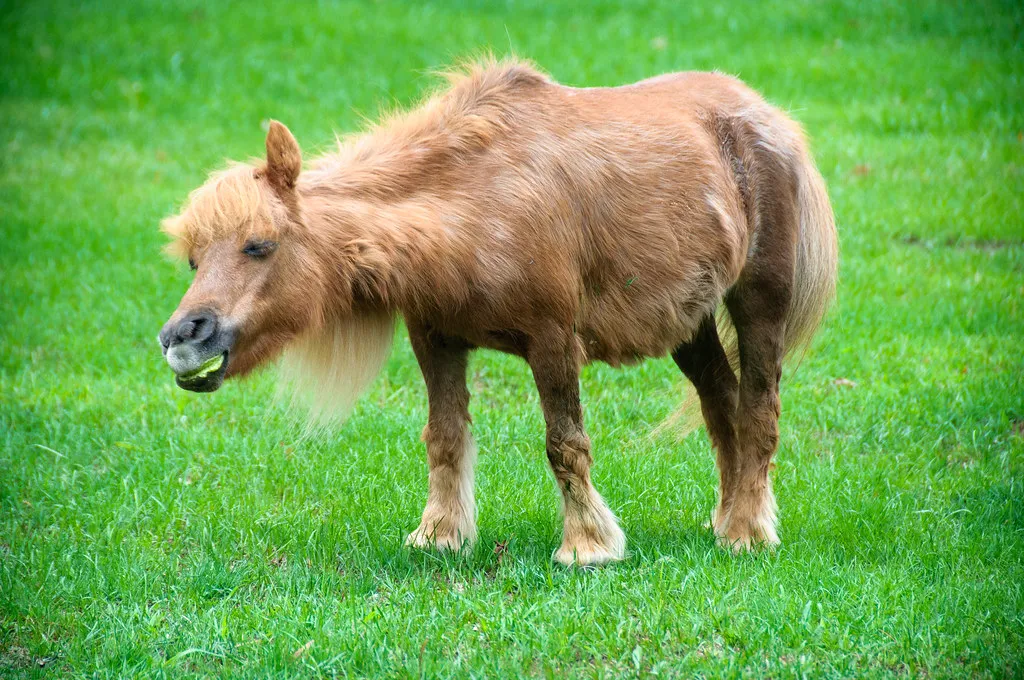
Mini horses look like a novelty, but vets treat them like a full-blown specialty, because their bodies weren’t built for the modern paddock lifestyle.
Their jaws are simply too small for a full set of adult teeth, so dental crowding, hooks, and impactions show up constantly in exam rooms. Minis are also notorious “easy keepers,” gaining weight on grass that would barely sustain a full-size horse. Combine a slow metabolism with rich pasture, and you get a laminitis recipe vets see time and time again. Many owners unintentionally love their Minis into founder by treating them like oversized pets instead of the metabolically fragile animals they actually are – which is why more vets now argue dry-lot living, not pasture turnout, should be the safer default for this breed.
#11 – Shetland Ponies Are Starving-Adapted Bodies Living in a Buffet World
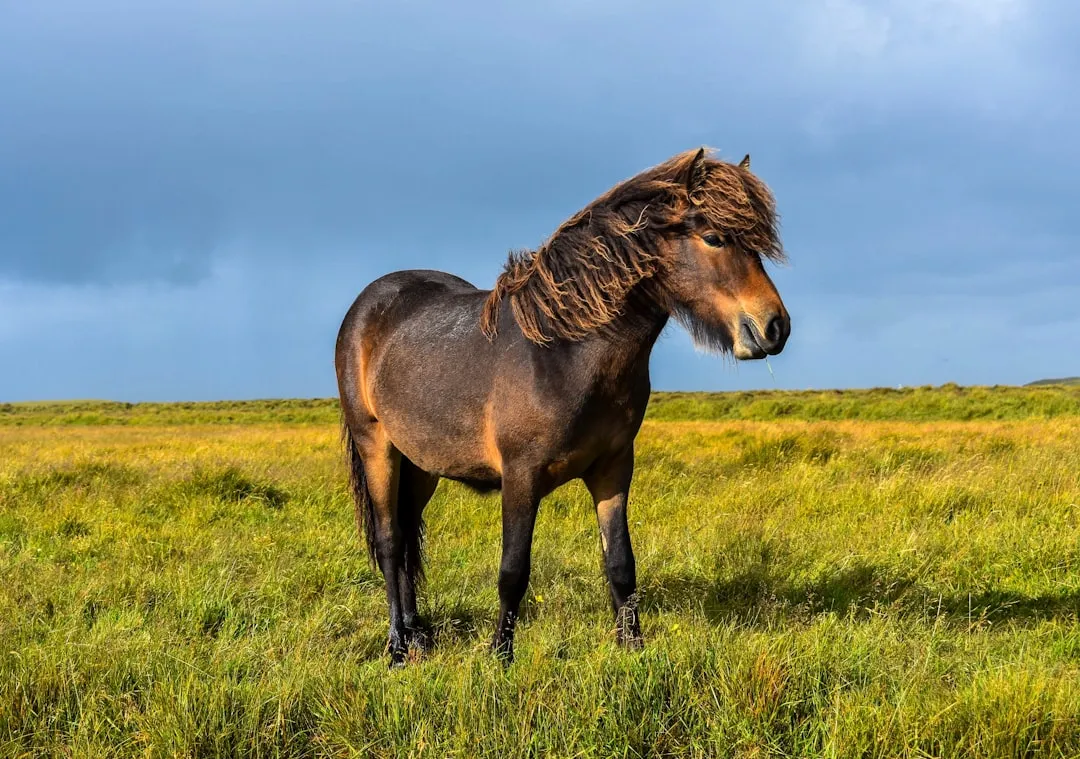
Shetlands evolved to survive brutal, sparse Scottish winters on almost nothing. Modern hay fields are basically an all-you-can-eat buffet for a body built for famine.
That mismatch is why vets see relentless obesity, insulin resistance, and laminitis in this breed specifically. The compact, efficient metabolism that once kept Shetlands alive through winter now works against them in barns with unlimited grass and grain. Many long-time owners resist restricting turnout because it “feels mean,” but vets increasingly argue that limiting a Shetland’s diet is the kindest thing an owner can do, not the cruelest. Left unmanaged, repeated laminitic episodes destroy hoof structure permanently, turning a stocky little pony into a chronic pain case.
#12 – Welsh Ponies Battle the Same Metabolic Trap as Their Cousins
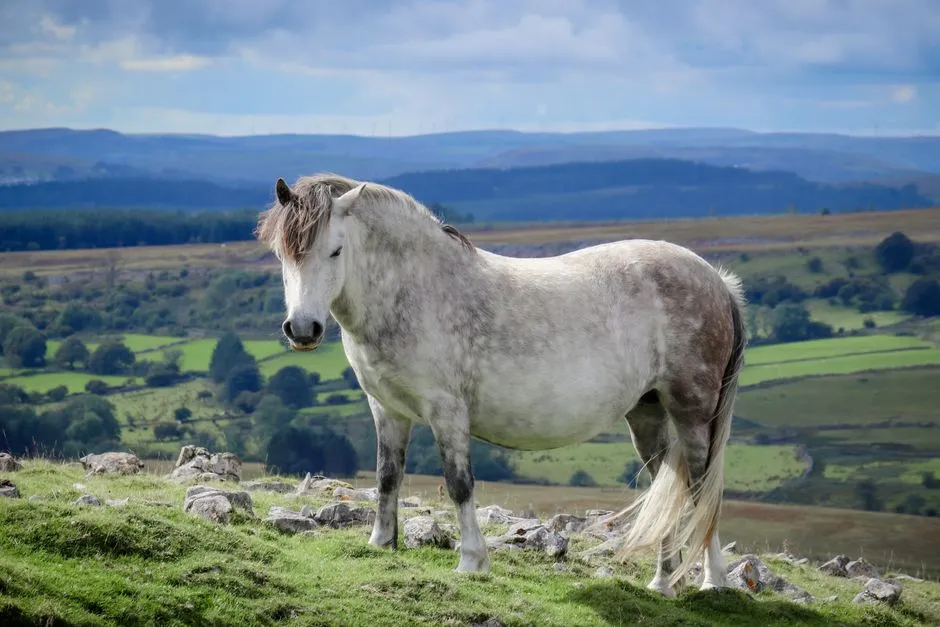
Welsh Ponies get lumped in with “hardy, low-maintenance” breeds, but that exact reputation is what gets them into trouble.
Like many native pony breeds, Welsh Ponies are prone to Equine Metabolic Syndrome, where the body struggles to regulate insulin properly. Left unchecked, this snowballs into recurring laminitis flare-ups that can permanently cripple a pony’s feet. Vets often see owners genuinely surprised that their “tough little pony” needs the same careful diet management as a horse with diagnosed diabetes. The breed’s efficient metabolism, prized for centuries of hard work on rough terrain, simply doesn’t match the calorie-dense, low-effort lifestyle most modern ponies live.
#13 – Warmbloods Are Bred for Elegance and Built With Fragile Joints
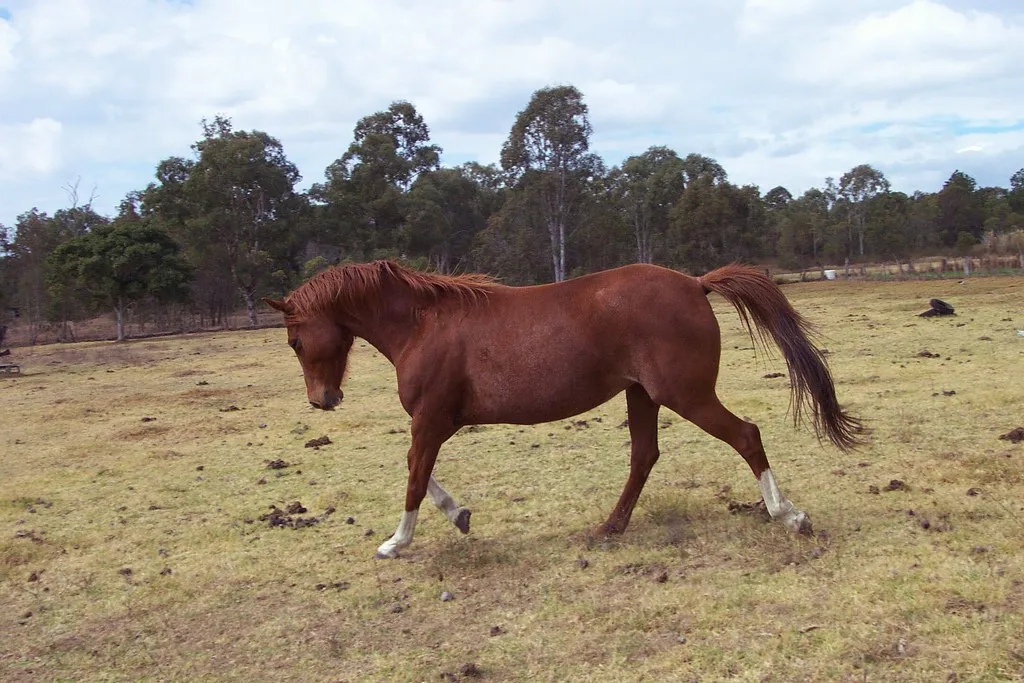
Warmbloods dominate the dressage and jumping world, but their rapid, selectively-bred growth comes at a real orthopedic cost.
Young Warmbloods are among the breeds most frequently diagnosed with osteochondrosis, a developmental joint disease where cartilage fails to convert properly into bone. It shows up as swollen joints, stiffness, or lameness in growing horses, sometimes requiring surgery before the horse has even started under saddle. Compounding this, a hereditary condition called Warmblood Fragile Foal Syndrome causes connective tissue so weak that affected foals can literally tear their own skin. Breeders are only recently starting to test for the recessive gene behind it, and vets argue the breed’s obsession with rapid growth and size is directly fueling these repeat diagnoses.
#14 – Thoroughbreds Bleed, Ulcer, and Break Down on a Schedule
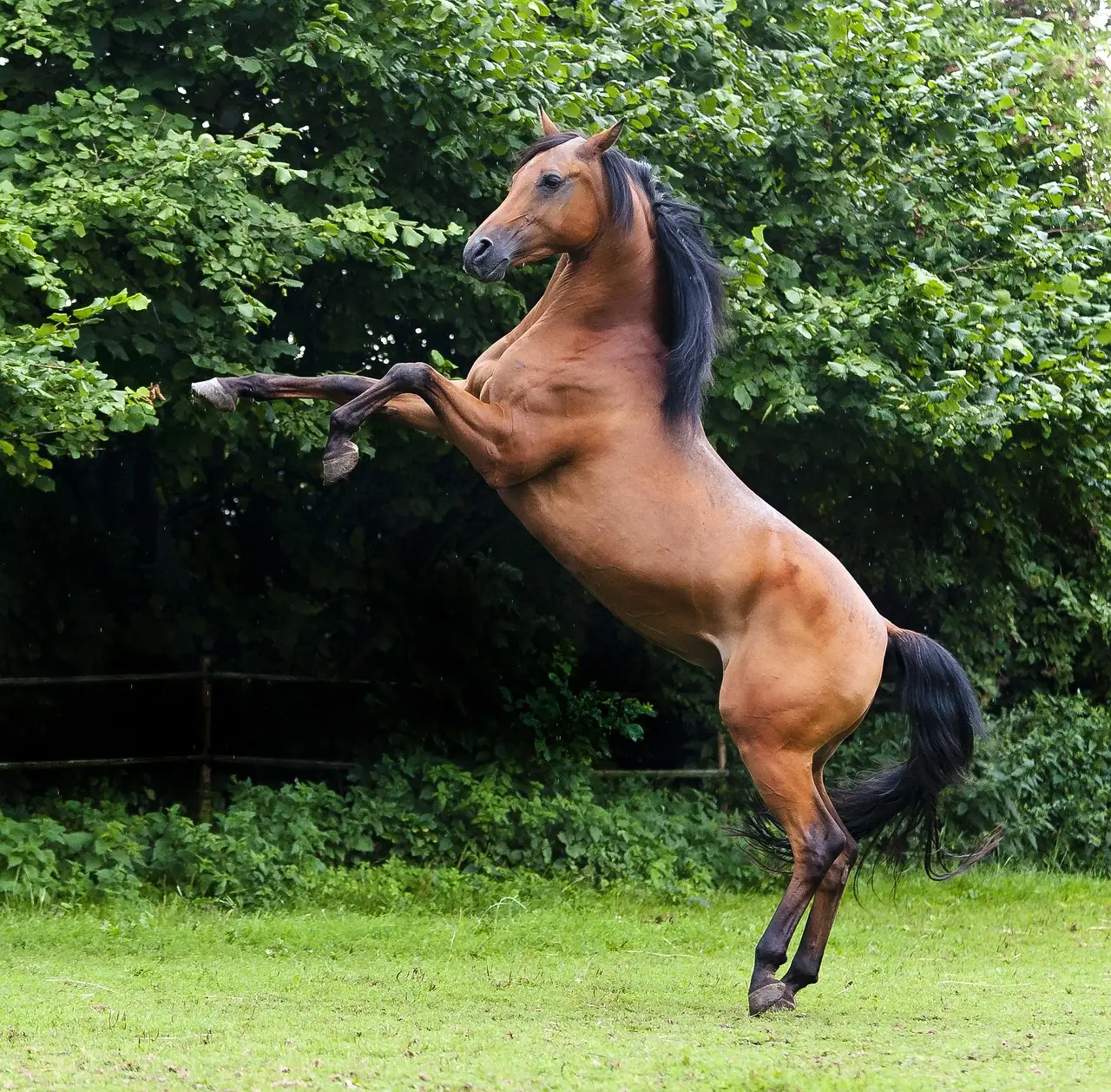
Racing culture treats Thoroughbred breakdowns as bad luck. Vets treat them as breed-wide, almost predictable patterns.
Exercise-Induced Pulmonary Hemorrhage, where blood vessels in the lungs rupture under racing-speed strain, shows up with striking regularity, especially in horses pushed hard at a young age. Layered on top of that is a near-epidemic rate of gastric ulcers, driven by high-grain diets, stall confinement, and the chronic stress of the racing lifestyle. Many trainers still treat ulcers as a “performance issue” rather than the chronic disease they actually are. Vets increasingly argue the entire training and feeding model for young Thoroughbreds needs to change, not just the treatment protocol after the damage is already done.
Quick Compare
- EIPH: ruptured lung vessels from racing-speed strain, most common in horses pushed hard young
- Gastric ulcers: fueled by high-grain diets, stall confinement, and chronic stress
- Shared root cause: both trace back to training and feeding models built for speed, not welfare
#15 – Standardbreds Carry a Neck Problem Few Owners Ever See Coming
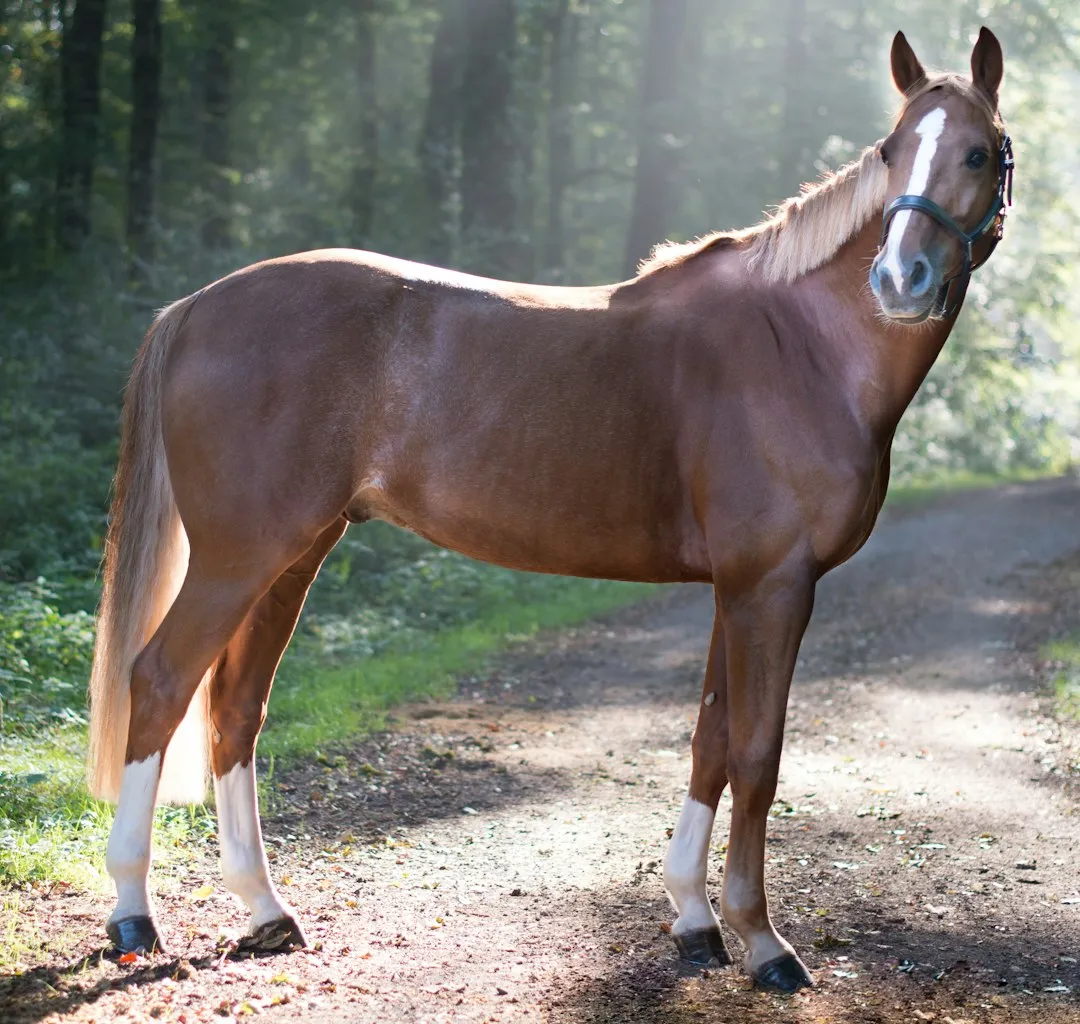
Standardbreds are known for their toughness on the track, which makes it all the more jarring when a seemingly sound horse suddenly starts stumbling for no clear reason.
That stumbling is often the first visible sign of Wobbler Syndrome, where malformed cervical vertebrae compress the spinal cord and disrupt coordination in the hind end. Vets associate it strongly with certain fast-growing, harness-racing bloodlines, and it’s frequently misread early on as simple clumsiness or a training issue. By the time it’s correctly diagnosed, permanent nerve damage may already be underway. Rapid early growth and high-calorie diets meant to build racing muscle are frequently blamed for accelerating the problem, quietly ending careers before they even fully begin.
#16 – Tennessee Walking Horses Fight a Foot Problem Baked Into Their Gait
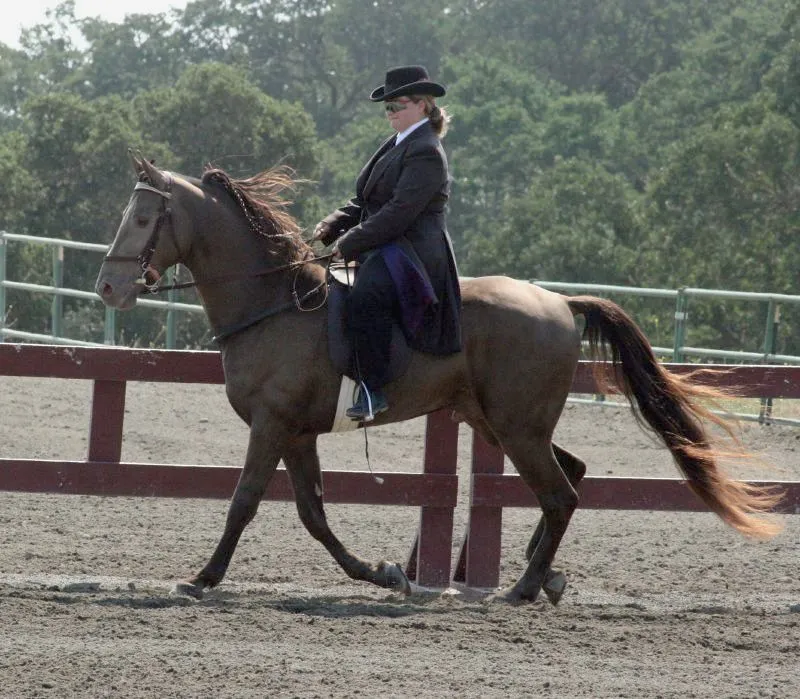
The Tennessee Walking Horse’s famous smooth gait is a showstopper, but the very conformation that creates it puts constant strain on the front feet.
Vets see navicular disease turn up in this breed with frustrating consistency, driven by long toes, underrun heels, and the biomechanical demands of the running walk. Decades of controversial show-ring practices that altered natural movement only compounded the problem, leaving even horses never subjected to those practices with the same underlying conformation issue. Some farriers and vets have started pushing back hard against traditional Walking Horse shoeing styles, arguing they set horses up for lameness rather than preventing it. It’s a controversial stance in traditional show circles, but the injury patterns keep making the case.
#17 – Missouri Fox Trotters Inherit the Same Front-Foot Fight
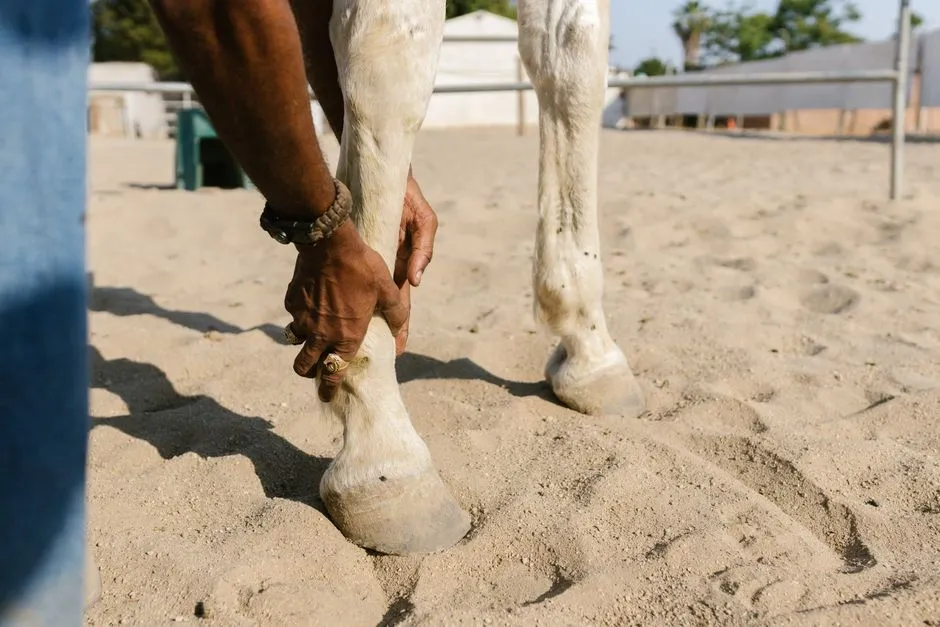
Missouri Fox Trotters are prized for their smooth, gliding gait, but that same movement pattern puts a familiar strain on the front feet that vets recognize instantly.
Navicular disease shows up in this breed with a regularity that mirrors other gaited horses, largely because of similar conformational demands placed on the front hooves. Owners often assume gaited breeds are inherently “easier” on a horse’s body because the ride feels smoother from the saddle – vets frequently correct that assumption, since smoothness for the rider doesn’t always mean less stress for the horse. Regular, gait-specific farrier work is one of the most important preventative tools for this breed, yet it’s still inconsistently applied across the industry, quietly filling up plenty of vet appointments that never make headlines.
#18 – Paso Finos Pay a Price for Their Signature Step
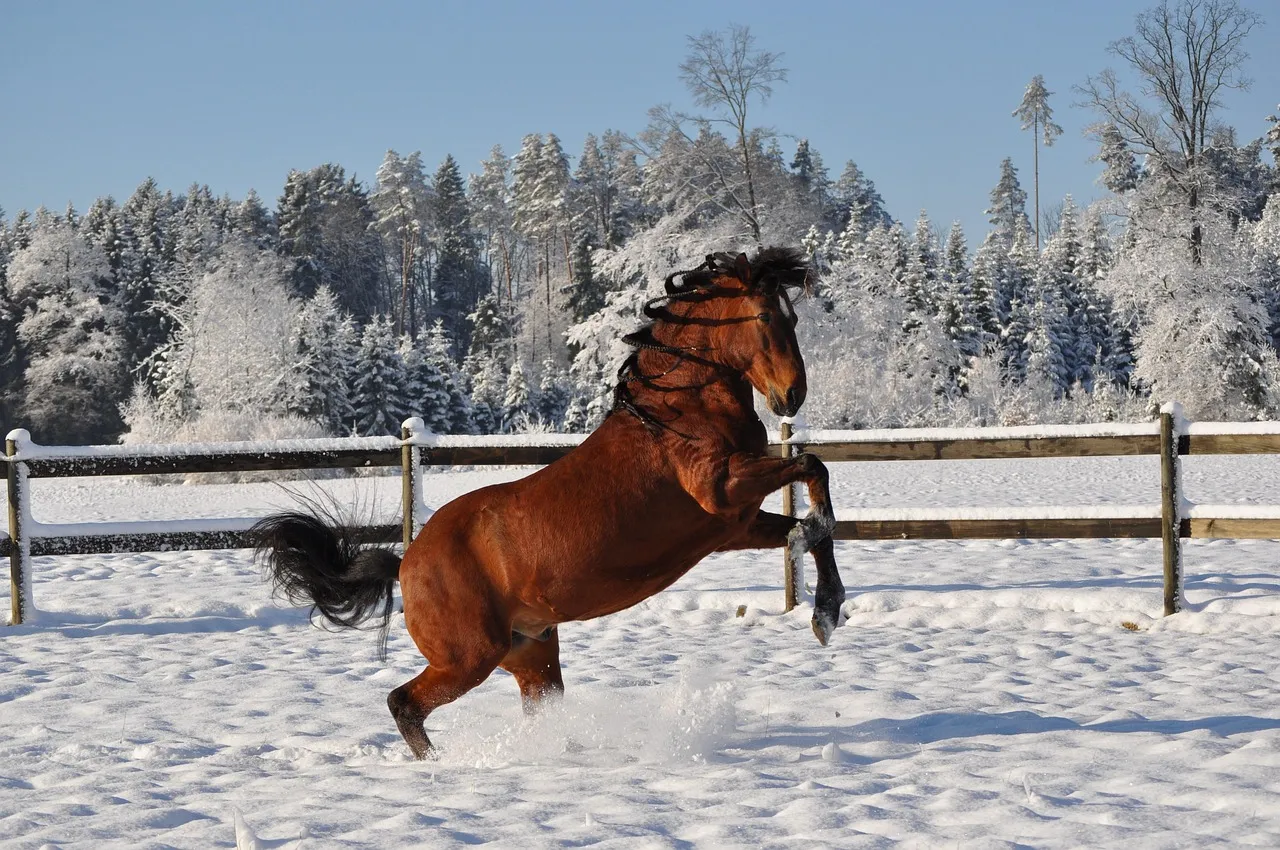
Paso Finos are famous for an extraordinarily smooth four-beat gait, and like other specialized gaited breeds, that gait comes with its own set of recurring soundness concerns.
Vets who work with the breed regularly monitor for laminitis and lower-limb strain, particularly in horses kept on rich pasture without adjusted exercise routines. The breed’s smooth, rapid stepping pattern also places specific demands on hoof balance, so inconsistent farrier care shows up as lameness faster than it might in other breeds. Many Paso Fino owners fall in love with the gait itself and underestimate how much specialized hoof maintenance it takes to sustain long-term. It’s a breed where cosmetic movement and structural health are more closely linked than most riders realize.
#19 – Icelandic Horses Battle an Allergy That Followed Them Overseas
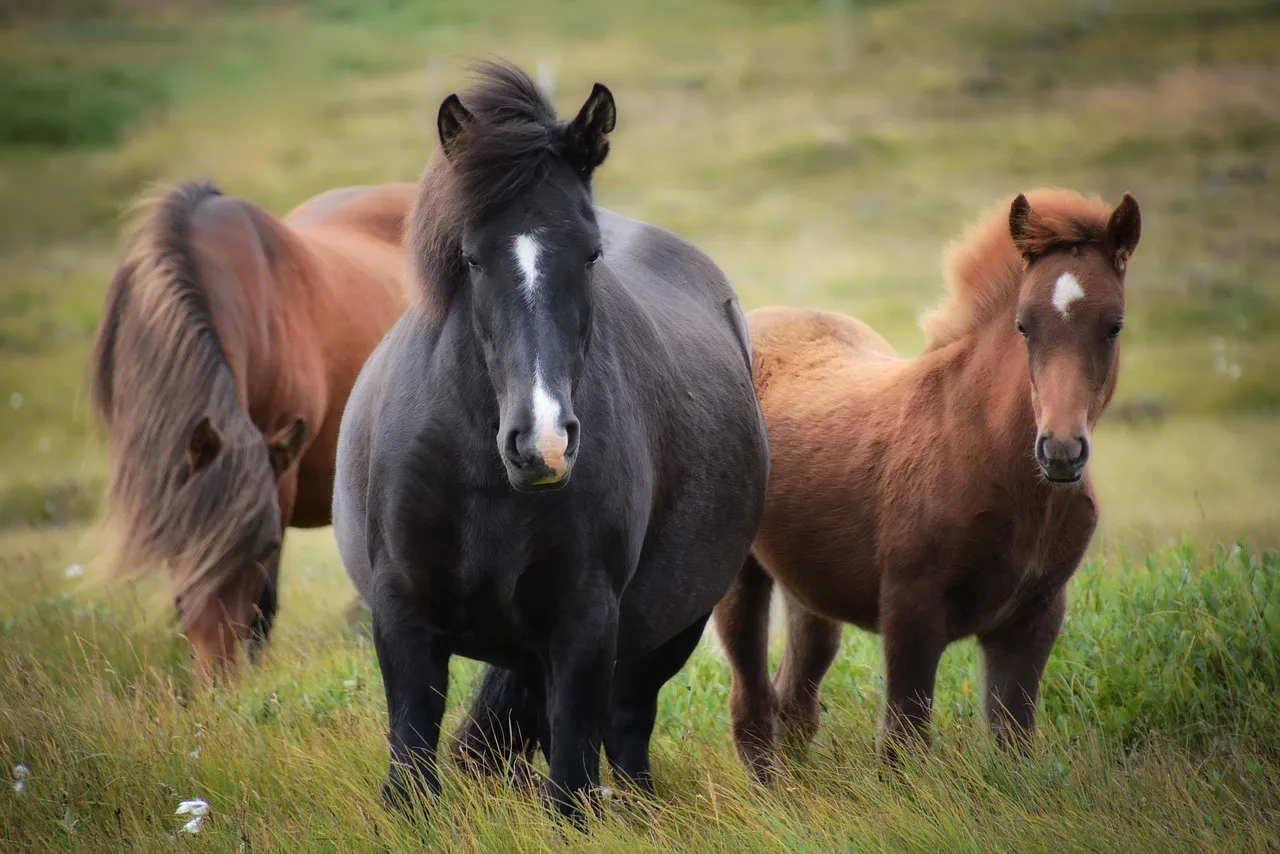
Icelandic Horses evolved in near-total isolation, and that isolation created a genetic vulnerability that shows up the moment they’re exposed to insects outside their homeland.
Appaloosas, Warmbloods, and Icelandics all appear to carry a genetic predisposition to equine recurrent uveitis, but Icelandics are separately famous among vets for severe Insect Bite Hypersensitivity, better known as sweet itch – an intense allergic reaction to biting midges. Because Iceland historically had almost no biting insects, horses exported abroad often arrive with zero natural tolerance built up. The itching can become so severe that horses rub themselves raw, opening the door to secondary infections. Vets in insect-heavy regions see this breed disproportionately represented in seasonal skin cases every single year.
#20 – Arabians Carry Three Genetic Landmines in One Small Gene Pool
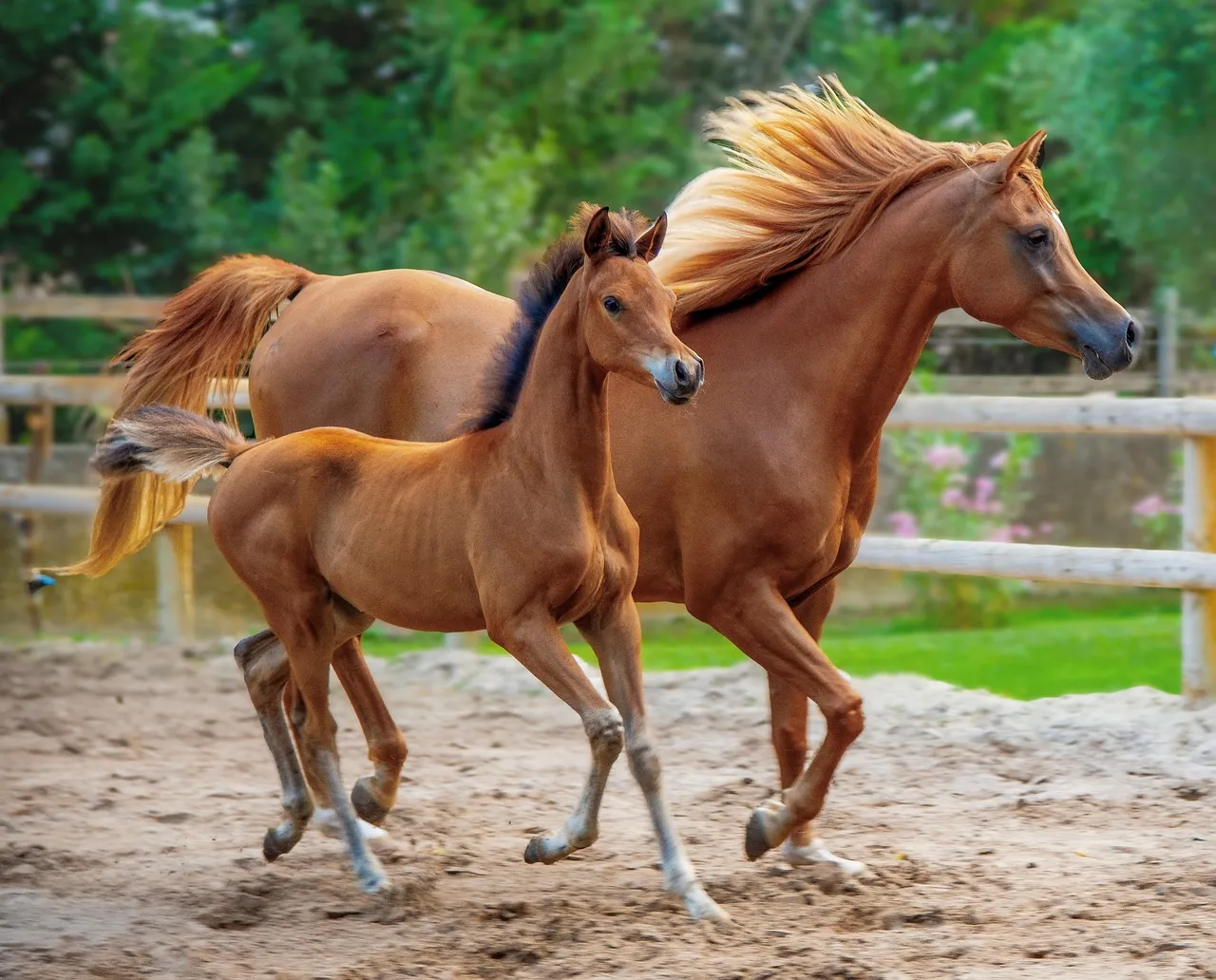
Arabians are one of the oldest, most influential breeds alive, and their tightly controlled bloodlines carry a trio of serious inherited conditions that vets watch for constantly.
Severe Combined Immunodeficiency leaves newborn foals with almost no functioning immune system, so even minor infections often turn fatal within months. Lavender Foal Syndrome causes foals to be born with a pale, diluted coat and severe, usually fatal neurological dysfunction. Then there’s Cerebellar Abiotrophy, where degeneration in the brain’s coordination center causes affected young horses to develop tremors, head tilting, and dangerously poor balance. All three are recessive, meaning outwardly healthy carrier horses can produce devastated foals without any warning signs at all – and genetic testing exists for each, yet uptake among breeders remains inconsistent.
At a Glance
- SCID: near-zero immune function, often fatal within months of birth
- Lavender Foal Syndrome: pale, diluted coat paired with severe, usually fatal neurological dysfunction
- Cerebellar Abiotrophy: tremors, head tilting, and poor balance appearing in young horses
- All three are recessive – carrier horses can look completely normal
#21 – Haflingers Are Adorable, Golden, and Quietly Tying Up
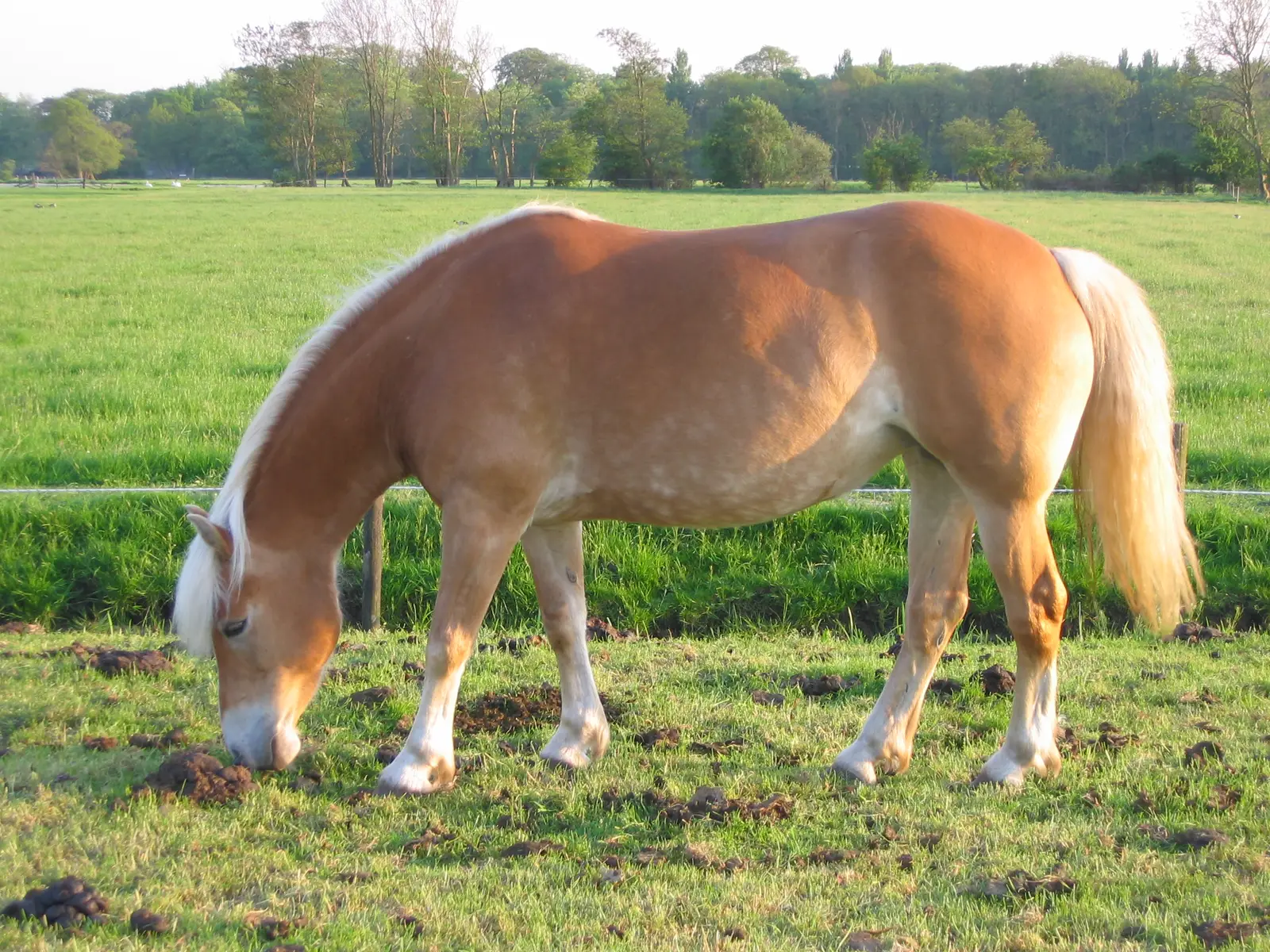
Haflingers have a reputation as sturdy, good-natured family ponies, but vets know this breed carries a muscle disorder that turns a simple ride into an emergency.
Polysaccharide Storage Myopathy causes abnormal glycogen storage in muscle tissue, leading to episodes of severe cramping, stiffness, and reluctance to move – often mistaken early on for simple laziness or bad training. Because Haflingers are frequently kept as easy, low-intensity riding ponies, mild symptoms can go unnoticed for years until a harder workout triggers a full tying-up episode. Diet is the single biggest management tool, and vets consistently push owners toward low-starch, high-fat feeding programs instead of traditional grain-heavy diets. Many owners are stunned to learn their calm, chunky Haflinger carries the same underlying muscle disease seen in performance Quarter Horses.
#22 – Rocky Mountain Horses Hide an Eye Condition in Their Signature Coat Color
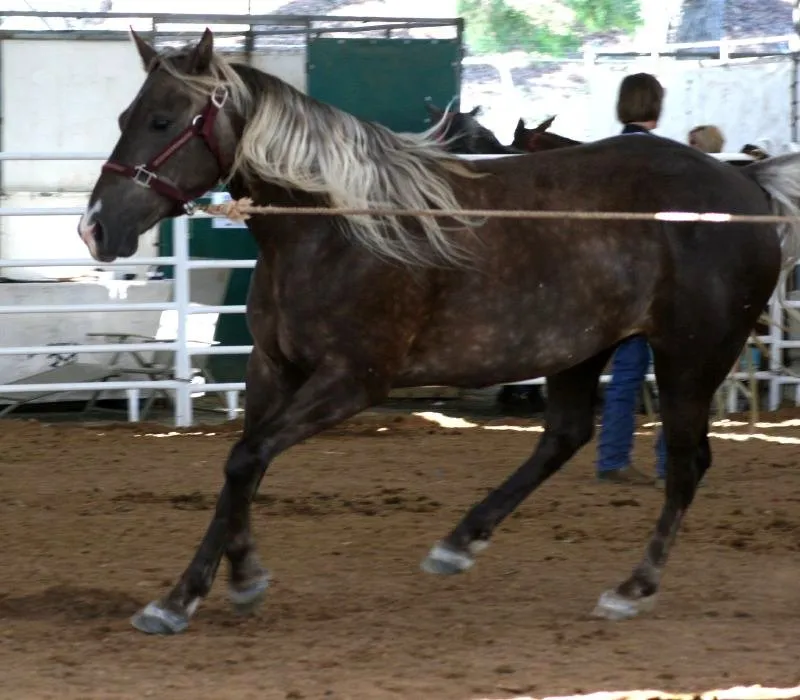
The Rocky Mountain Horse’s striking chocolate coat and flaxen mane come from a specific dilution gene, and that same gene is linked to a cluster of eye abnormalities vets see repeated across the breed.
Multiple Congenital Ocular Anomalies can range from cysts to abnormal drainage structures inside the eye, occurring far more often in horses carrying the silver dapple gene responsible for the breed’s signature look. In many cases the anomalies stay mild and never cause noticeable problems, but in others they contribute to impaired vision or a raised risk of glaucoma later in life. Because the same gene controls both the prized coat color and the eye risk, breeders face an uncomfortable trade-off between appearance and long-term ocular health. Vets increasingly recommend eye exams as standard practice for this breed rather than an afterthought.
#23 – Akhal-Tekes Have Skin So Thin It Becomes a Medical Issue
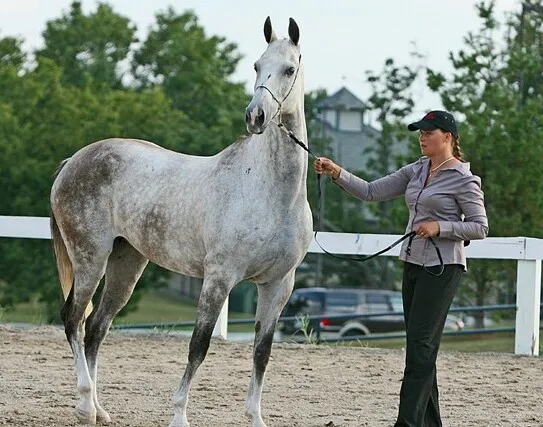
The Akhal-Teke’s shimmering, almost metallic coat is famous worldwide, but that same thin, fine hair comes paired with unusually delicate skin that vets have to handle with extra caution.
Their skin bruises, scrapes, and tears more easily than most other breeds, turning routine tack rubs or minor scuffs into wounds that take noticeably longer to heal. Some bloodlines have also been linked to a rare and serious skin fragility disorder in foals, underscoring how connected the breed’s prized shimmer is to its skin’s underlying structure. Owners accustomed to sturdier breeds are often caught off guard by how much more careful grooming, blanketing, and wound care an Akhal-Teke demands. It’s a beauty-versus-durability trade-off vets bring up constantly with new owners of the breed.
#24 – Andalusians Deal With a Head-Shaking Mystery Vets Still Can’t Fully Explain
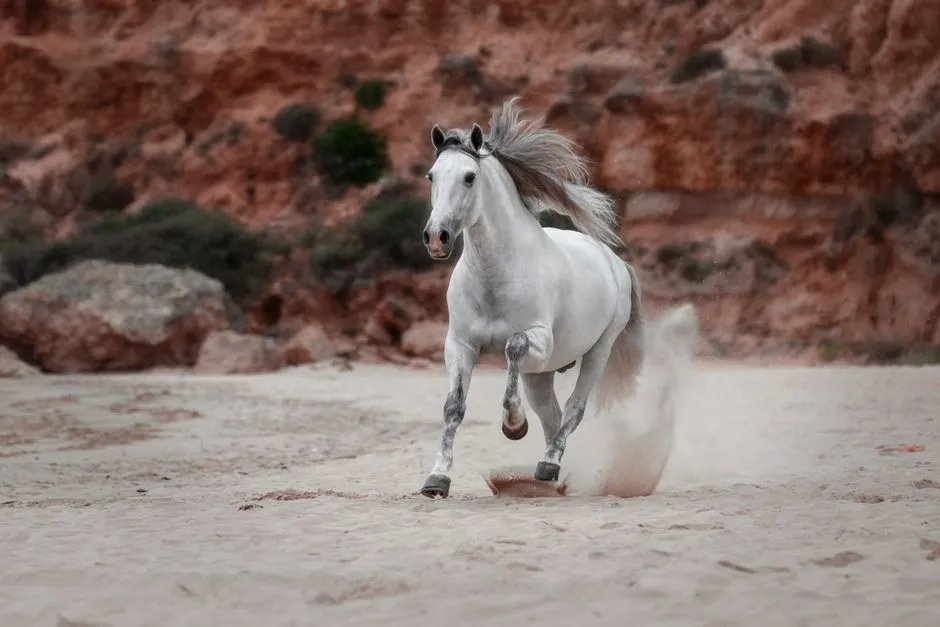
Andalusians and their close PRE relatives are prized for elegance under saddle, but many vets who work with the breed report a frustrating, recurring complaint: unexplained, repetitive head shaking.
Headshaking syndrome is thought to involve irritation or hypersensitivity in the trigeminal nerve, causing horses to violently toss, rub, or shake their heads – sometimes so severely that riding becomes dangerous. It’s a diagnosis of exclusion, meaning vets often spend months ruling out ear infections, dental pain, or allergies before landing on this label. Triggers can include bright sunlight, wind, or even pollen, making the condition frustratingly seasonal and inconsistent. Some specialists controversially argue that certain bloodlines within the breed are simply more neurologically sensitive than others – a theory that remains hotly debated in equine veterinary circles.
#25 – Morgans Age Into the Same Hormonal Trap as Ponies
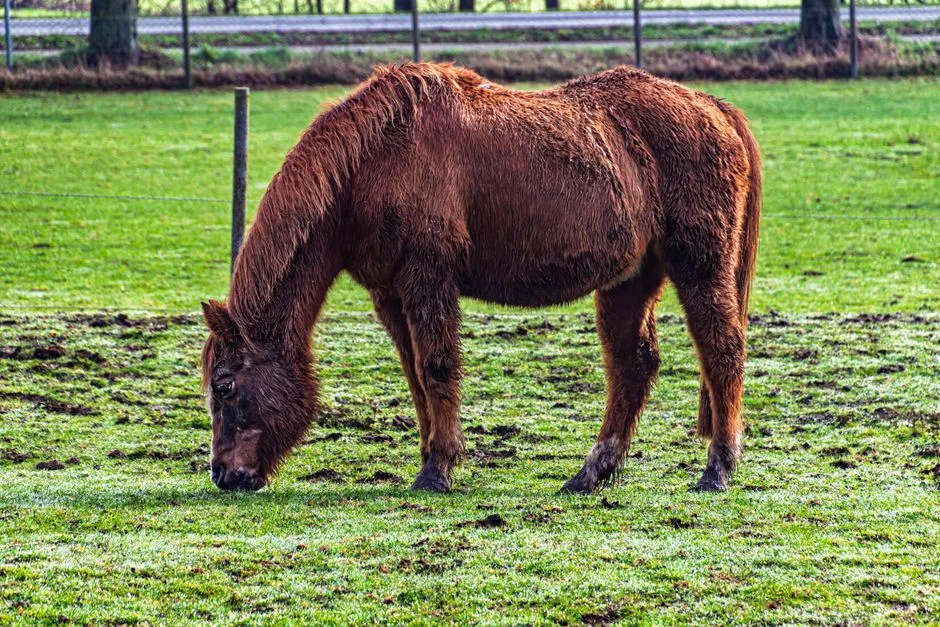
Morgans are famously hardy, compact, and long-lived, but that same efficient build sets them up for a hormonal disease vets see disproportionately in older horses of this type.
Pituitary Pars Intermedia Dysfunction, better known as equine Cushing’s disease, disrupts hormone regulation, causing a curly, long coat that fails to shed properly, muscle loss along the topline, and a heightened risk of laminitis. Vets frequently note that easy-keeper breeds like Morgans, much like many pony breeds, seem to develop this condition earlier and more often than leaner, harder-keeping horses. Because early signs – a slightly shaggy coat, subtle weight shifts – are easy to write off as “just getting older,” diagnosis often lags behind the disease’s actual progression. Routine hormone testing in aging Morgans has become one of the more quietly urged practices among equine vets.
#26 – Mustangs Carry the Deepest, Saddest Contradiction of All
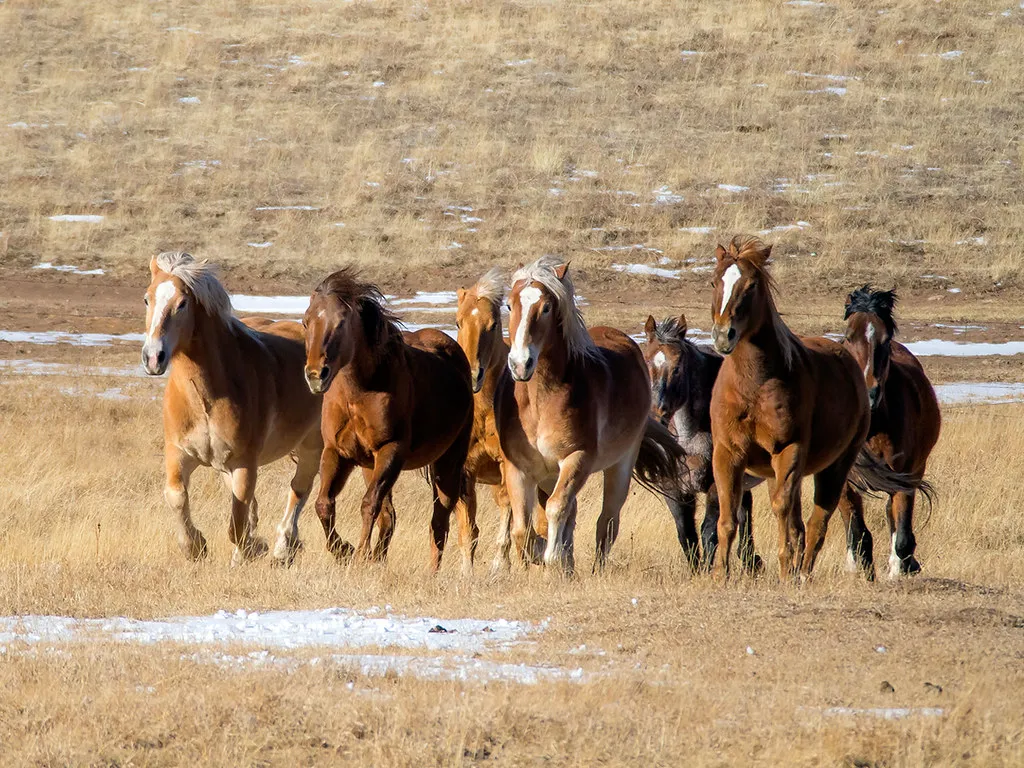
If there’s one breed that breaks a vet’s heart in a completely different way, it’s the Mustang – not because of a genetic defect, but because of what happens when a body built for scarcity meets a life of plenty.
Mustangs evolved over generations to survive on sparse, low-quality forage across harsh rangeland, developing an extraordinarily efficient metabolism. The moment that same metabolism lands in a well-fed domestic paddock, it becomes a serious liability, driving obesity, insulin resistance, and repeated laminitic episodes. Many rescued or adopted Mustangs arrive thin and are then, ironically, overfed with good intentions, triggering the exact founder cycle their bodies are least equipped to survive. Vets increasingly argue Mustangs need restrictive, low-sugar management for life, not temporary rehabilitation – a strange, quiet tragedy where the hardiest survivors in the wild become the most fragile the moment we try to take care of them.
Why It Stands Out
- Built for scarcity: generations of surviving on sparse, low-quality rangeland forage
- Modern paddocks flip that survival advantage into a serious health liability
- Rescued Mustangs are often overfed with good intentions, triggering founder
- Lifelong restrictive, low-sugar management is now the recommended standard, not just short-term rehab
The Bottom Line
The pattern here isn’t subtle. Time and again, the traits humans bred for – heavy muscle, flashy color, ultra-smooth gaits, dramatic feathering – are the exact same traits driving the diseases vets see repeated across generations.
HYPP, CPL, ERU, OCD, and metabolic disease aren’t freak accidents. They’re the predictable cost of selective breeding without enough attention to long-term welfare.
If there’s one uncomfortable truth in all of this, it’s that “purebred” and “healthy” are not the same thing, no matter how good the pedigree looks on paper. My honest take? Every one of these conditions traces back to humans breeding for a look or a moment in the show ring, and the horses are the ones who keep paying for it, generation after generation.
Which of these surprised you the most? Did we miss a breed pattern your own vet talks about constantly? Drop it in the comments.
