


Everyone assumes the priciest horse to keep sound after ten is some glossy European warmblood worth more than a house. Ask the vet who actually shows up at the barn week after week, though, and the story flips fast: some of the most beloved, “bombproof,” backyard-safe breeds in America are quietly draining their owners dry by the time that horse turns twelve.
It’s not snobbery talking. It’s conformation, genetics, and decades of how these breeds get used and pushed. Vets, farriers, and insurance adjusters shared with us exactly which breeds top that list – and the order might wreck a few sacred cows long before we even get to the draft horses and dressage stars everyone expected.
#29 – Morgan: The “Easy Keeper” Myth
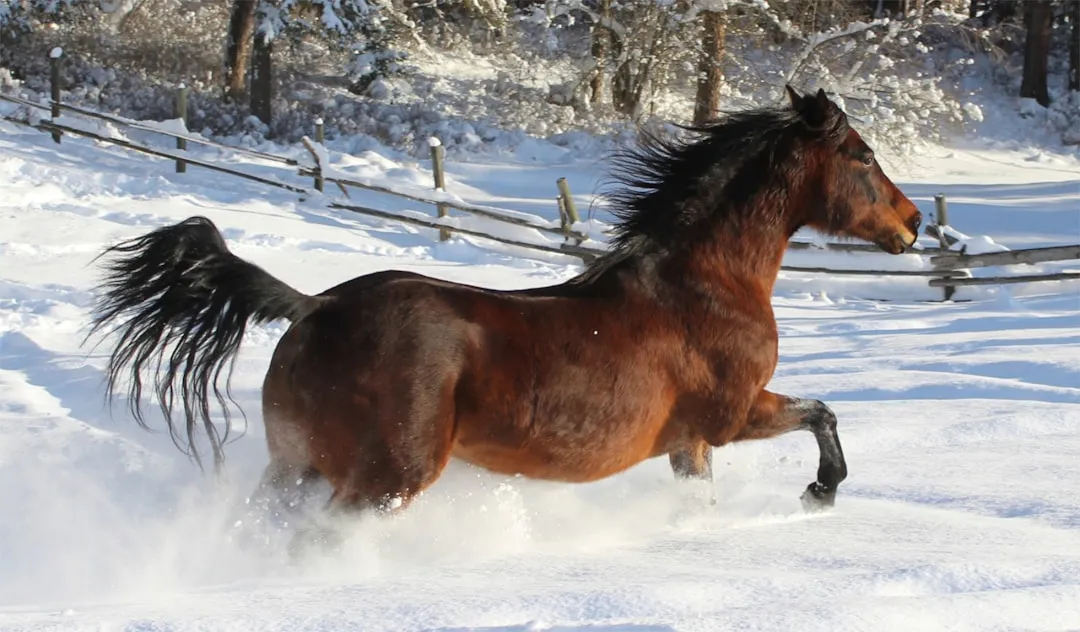
Most owners still think of Morgans as the horse that barely needs a vet. That reputation hides an expensive truth once the birthday candles hit double digits.
Morgans are genetically prone to Equine Metabolic Syndrome, insulin resistance, and laminitis. “Cheap to feed” at six can turn into prescription meds, custom diets, and constant hoof management at twelve, especially for Morgans that had rich pasture access early in life. Their compact build also invites hock and stifle arthritis in horses used hard for driving or lesson work, and once the joint injections and corrective shoeing start, the bills climb fast.
Vets quietly rank Morgans among the more expensive midlife horses to keep truly comfortable – but that’s tame compared to what showed up at #28.
#28 – American Quarter Horse: Tough Reputation, Fragile Hocks
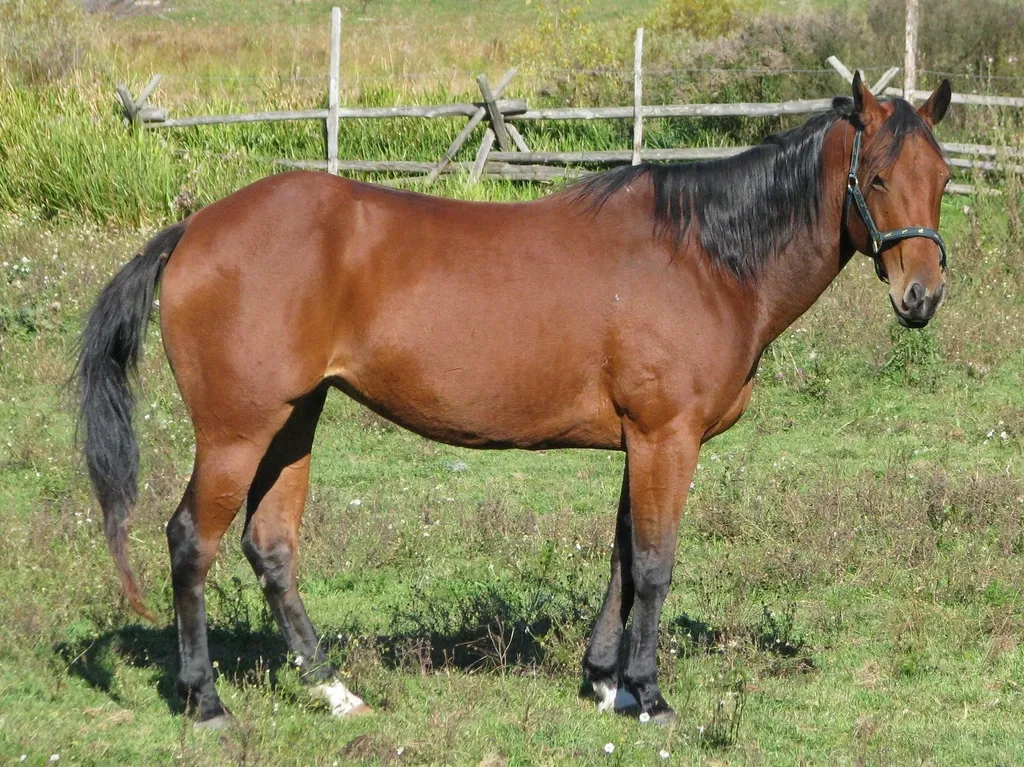
Everyone calls Quarter Horses “tough as nails.” Vets call them quiet money vacuums once they pass ten.
Heavily muscled, stock-type QHs often develop hock arthritis and navicular changes earlier than owners expect, especially the ones started young on hard ground for reining, cutting, or barrels. Keeping them going usually means:
- Regular joint injections
- Advanced shoeing to support the heel and reduce pain
Halter-bred lines carry their own landmine: genetic predisposition to HYPP and other muscle disorders that demand lifelong medication, special diets, and strict routines. The “easy-going all-arounder” often needs a serious maintenance budget by twelve.
#27 – Standardbred: The Track Sends the Bill Home Later
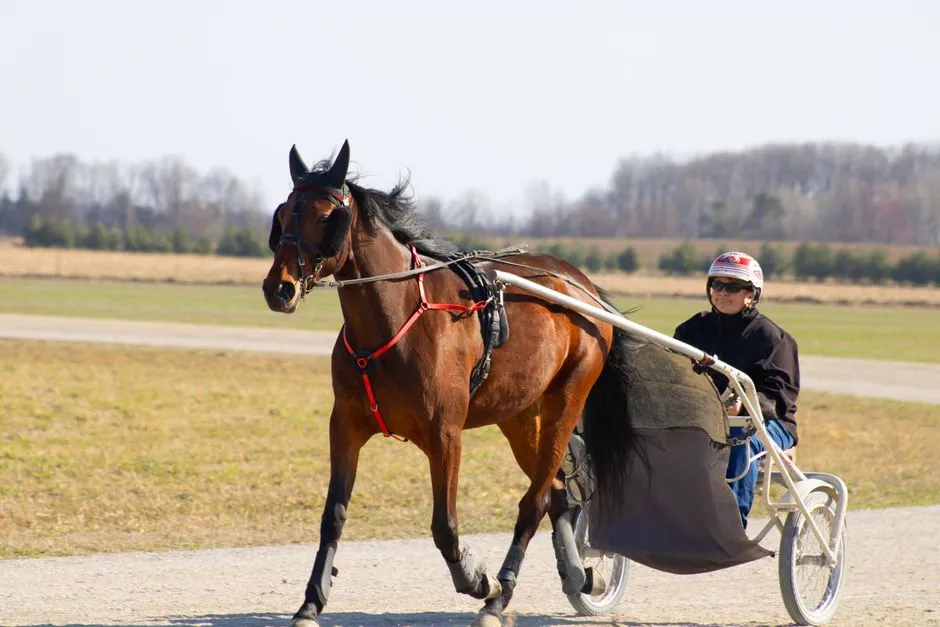
Standardbreds get praised as sensible and sturdy. Many ex-harness racers turn into surprisingly expensive seniors anyway.
These horses often come off the track with real wear on the lower limbs – suspensory injuries, fetlock arthritis, chronic tendon strain. Retired at eight or nine and rehomed as riding horses, the bills tend to hit by twelve. Vets routinely see ongoing lameness evaluations and therapeutic shoeing to manage long-term damage.
Add in the long-toe, low-heel shoeing tradition from racing, and you get persistent hoof balance issues that aren’t cheap to fix. Rehab, corrective farriery, and imaging pile up fast if you want a Standardbred actively ridden and comfortable past ten.
#26 – Paso Fino: That Smooth Gait Isn’t Free
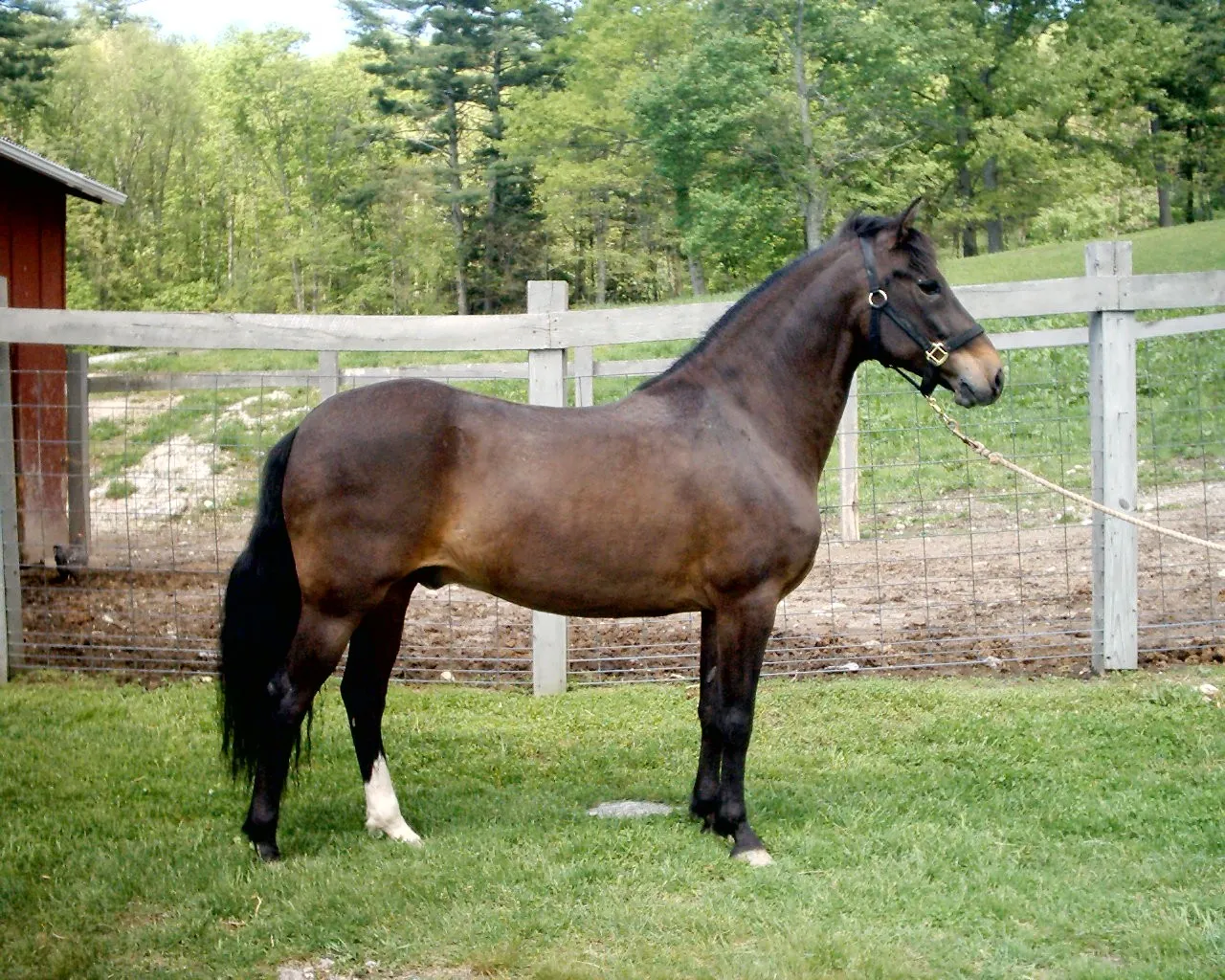
People fall in love with that impossibly smooth gait and assume Pasos are low-maintenance trail machines for life. Vets are far less romantic about it.
The intense collection many Pasos are bred and trained for can trigger hock and stifle arthritis early, especially when they’re worked hard on unforgiving footing. Keeping them “smooth” past ten often requires joint supplements, periodic injections, and careful management of footing and workload.
They’re also notorious “air ferns,” and that easy-keeper status means higher laminitis and insulin resistance risk once middle age hits – especially anywhere with lush pasture. Grazing muzzles and regular bloodwork stop being optional if you’re serious about keeping them sound.
#25 – American Paint Horse: Same Genes, Same Hidden Bills
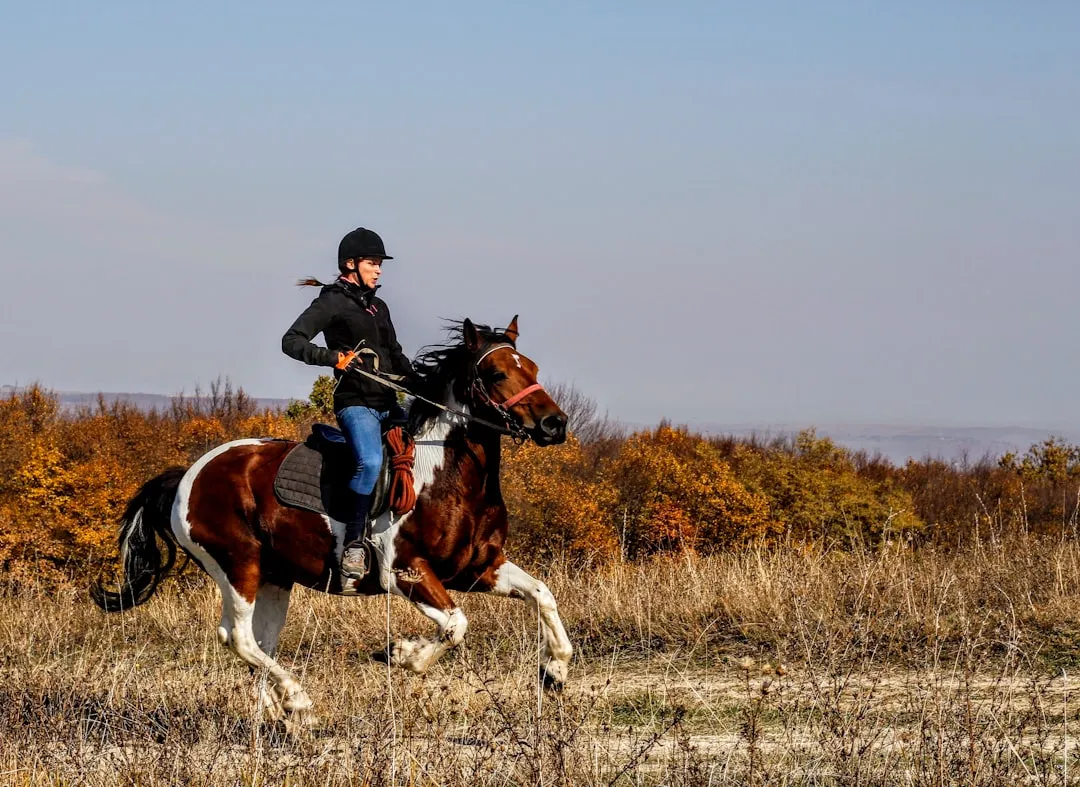
Many people treat Paints as just “colorful Quarter Horses.” That’s exactly why the same expensive patterns show up after age ten.
Paints share massive genetic overlap with QHs, so vets see similar problems: hock and front-foot issues in hard-ridden western performance horses, especially anything doing sliding stops and rapid turns. Arthritis, navicular changes, and soft tissue strain become regular line items by the mid-teens.
Genetics add another layer, too – some lines carry overo-associated disorders and other hereditary problems that surface later in life. Combine that with typical “all-arounder” overuse across lessons, shows, and trail, and Paints quietly land in many vets’ top 30 for expensive senior soundness.
#24 – Tennessee Walking Horse: Buying the Gait, Inheriting the Bill
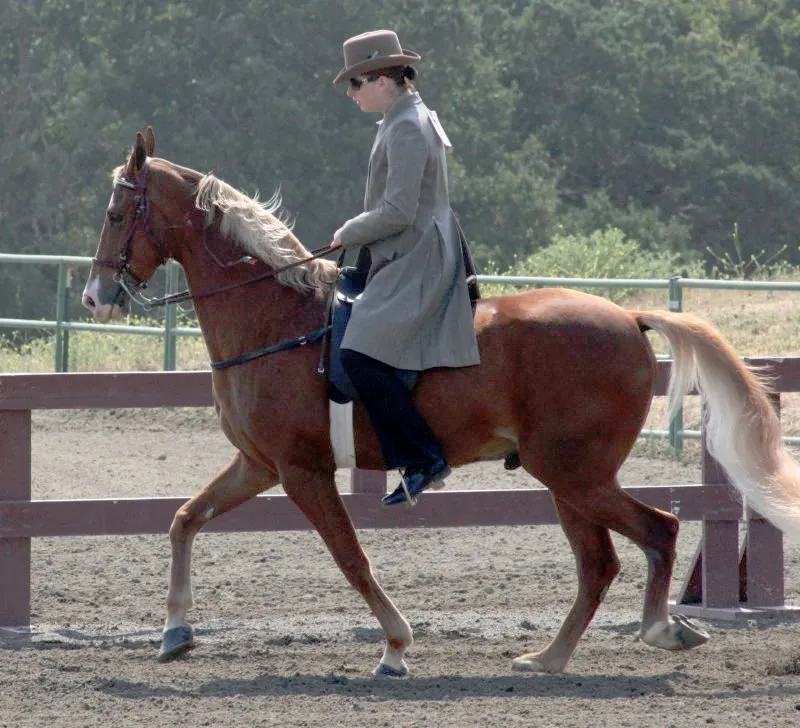
Everyone buys a Walker for that ultra-smooth ride. The biomechanics behind it can get pricey with age.
Years of exaggerated gait training, especially in lines bred for big showy front-end movement, predispose some Walkers to front-end arthritis and chronic hoof soreness. Vets routinely treat coffin joint and pastern arthritis, plus long-term hoof capsule distortion left behind by past shoeing practices.
They’re mentally steady and often work well into their late teens, which is the good news. The bad news is that keeping one comfortable at sixteen can mean regular joint maintenance, custom pads or shoes, and bodywork – especially for horses that were ever pushed through extreme gait-enhancement training. Owners who thought they bought comfort quietly discover they also bought a long-term soundness budget.
#23 – Andalusian / PRE: Living Art With a Maintenance Contract

Andalusians and PREs look like living sculpture. That lofty movement comes with hidden maintenance costs as they age.
Their naturally collected posture and expressive joint action increase load in specific spots. After years of collected work and lateral movement, many develop hock arthritis, suspensory desmitis, and sacroiliac pain by their early teens. Keeping that majestic trot at fourteen often means injections in the hocks, SI, and sometimes the neck, plus strategic rest and rehab blocks.
They’re also prone to metabolic and skin issues, especially in the heavier modern “baroque” lines – sweet itch, obesity, and insulin resistance each come with their own vet and supplement bills. Fans call them unicorns; most sport-horse vets quietly file them as moderate-to-high-maintenance senior athletes.
#22 – Lipizzaner: Classical Training, Modern-Day Price Tag
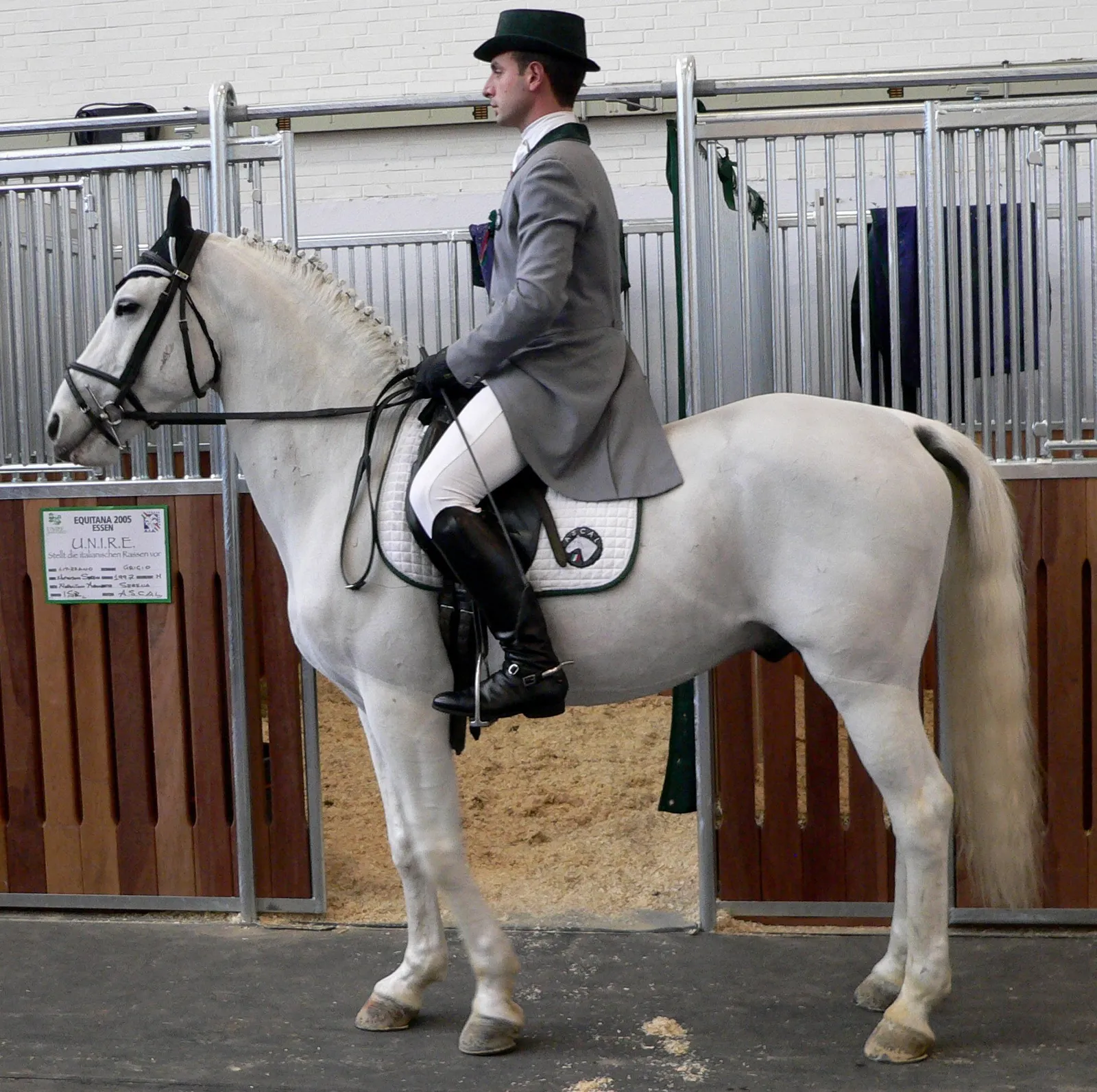
People assume Lipizzaners are indestructible because of their classical image. High-collected work has a real price past ten.
These horses are often asked for advanced dressage movements – piaffe, passage, even airs above the ground – far longer than typical warmbloods. That workload sharply increases risk for hock, stifle, and sacroiliac arthritis, along with suspensory strain. Many need frequent bodywork, chiropractic, and acupuncture just to keep performing.
They’re also late-maturing, so horses pushed hard before full physical maturity often pay for it later with chronic back and neck pain. Vets in classical barns will tell you plainly: keeping a Lipizzaner happily working into the mid-teens is possible, but “maintenance program” becomes a permanent line item, not an occasional expense.
#21 – Appaloosa: Tough Reputation, Fragile Eyes
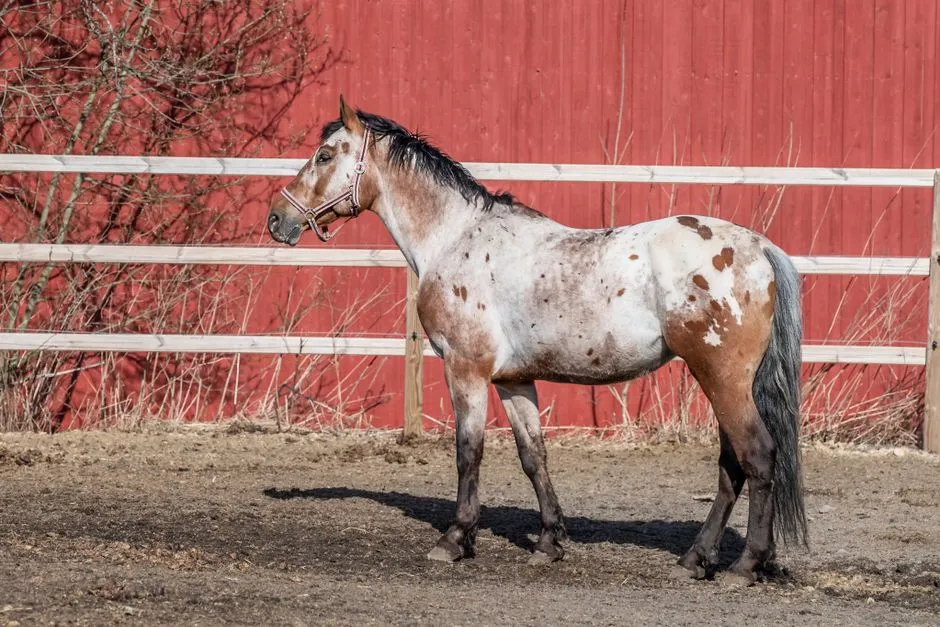
Appaloosas get advertised as tough and economical. Vets see a very different pattern once they pass ten.
Start with the genetics: Appaloosas carry a known association with recurrent uveitis and vision loss, especially in certain color patterns. That’s not a quick eye-drop fix – it can mean repeated vet visits, long-term medication, and sometimes surgery to prevent blindness, easily rivaling orthopedic costs in other breeds.
Fast Facts
- Appaloosas are roughly eight times more likely to develop equine recurrent uveitis (ERU) than other breeds studied.
- They’re about four times more likely to go blind as a result of the disease.
- Some hospital-based studies found Appaloosas account for around a quarter of all ERU diagnoses seen.
- Leopard-patterned Appaloosas carry the highest genetic risk, since homozygous LP horses are most vulnerable.
Then there’s the hoof quality issue farriers quietly complain about – thin soles, contracted heels, underrun hooves that turn into chronic soreness as age or workload increases. Therapeutic shoeing and frequent adjustments become routine for senior Apps still in work. Fans swear they’re low-maintenance; most sports-medicine vets strongly disagree.
#20 – Arabian: Lives Forever, Just Not Cheaply
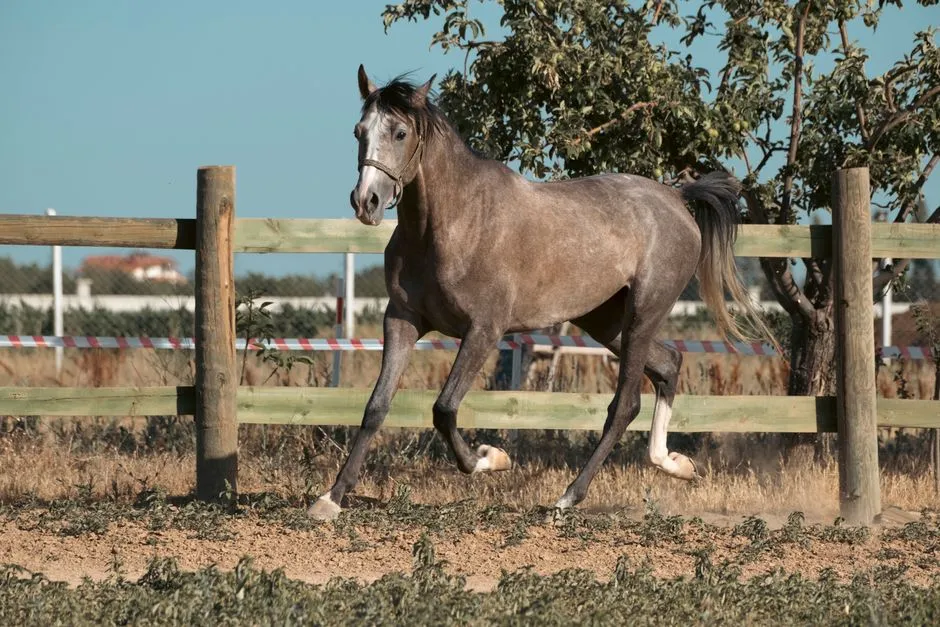
People love to say Arabians “live forever.” Staying sound enough to enjoy those extra years is a different story entirely.
Arabians are incredibly tough, but many spend decades doing endurance, competitive trail, dressage, or lesson work. By their teens, vets regularly manage soft tissue injuries from overuse and hock or fetlock arthritis in lifelong performance horses.
On top of that, Arabians have documented genetic diseases like SCID and can carry metabolic sensitivities despite being leaner than stock breeds. They often outlive other horses, sure, but the cumulative cost of keeping a highly active Arabian sound into its twenties can be substantial. The “maintenance-free desert horse” myth doesn’t match what lameness specialists actually see.
#19 – Welsh Pony / Cob: The “Cheap Kids’ Pony” Trap
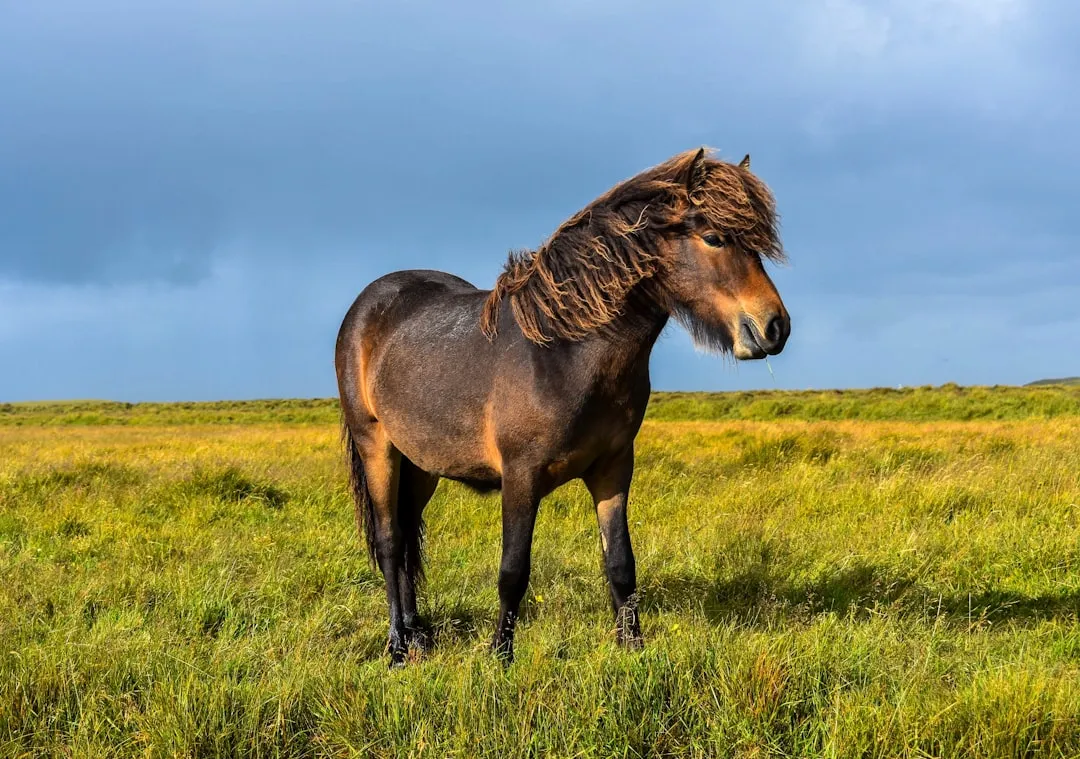
Parents think ponies are cheaper than horses. Vets know some Welsh types become shockingly expensive after ten.
Welsh ponies and cobs are the arch-example of the extreme easy keeper. Once they hit midlife on modern, rich pasture, rates of insulin resistance, EMS, and laminitis skyrocket, leading to repeated laminitis flare-ups and long-term hoof rehab with radiographs to match.
Many are also worked hard young in lesson programs or driving, then expected to “last forever” under kids. That workload on relatively small joints sets up hock arthritis and chronic back pain from poorly fitting saddles and unbalanced riders. The cheap kids’ pony can quietly become one of the most medically managed animals in the barn by fifteen.
#18 – Miniature Horse: Tiny Body, Giant Vet Bills
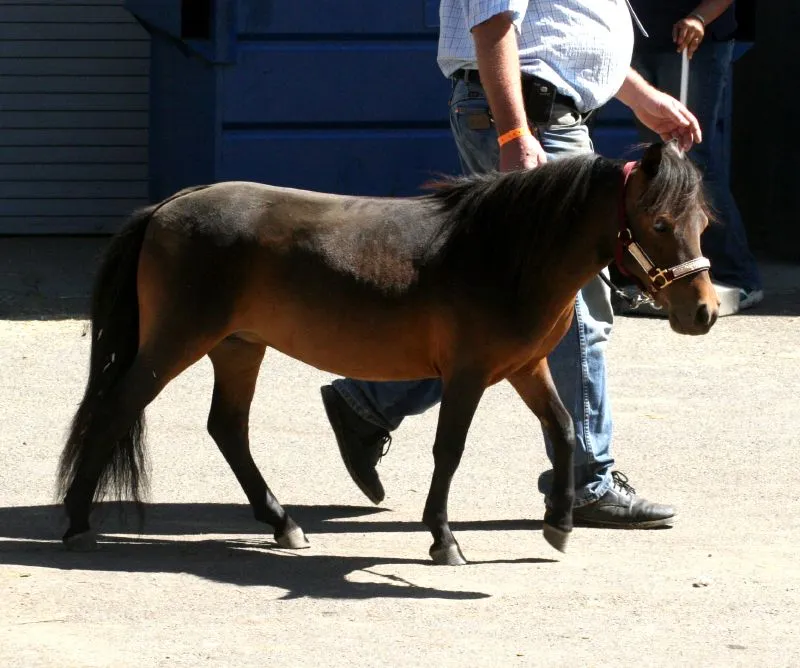
Mini horses look like low-budget pets – until the metabolic and dental bills start rolling in.
Because of their size and metabolism, minis are extremely prone to obesity and insulin resistance, which sends laminitis risk through the roof. A single diet mistake can trigger a major hoof crisis, and owners frequently underestimate both the cost of laminitis treatment and radiographs and the sheer difficulty of shoeing tiny, compromised feet.
Quick Compare
- Feed bill: Minis cost far less to feed monthly than a full-size horse.
- Dental care: Minis often need MORE frequent sedated dental work thanks to crowded, misaligned teeth.
- Farriery: Tiny, compromised hooves can be just as tricky – and pricey – to shoe correctly as a full-size foot.
- Laminitis risk: Their extreme insulin sensitivity puts them at higher risk than many full-size breeds.
Their mouths are another hidden money pit. Minis often have crowded, misaligned teeth, so regular dental work – sometimes under sedation – becomes non-negotiable past ten. Ironically, the smallest equines can rack up vet and farrier bills that rival full-sized riding horses, despite needing less feed and zero saddle time.
#17 – Friesian: Instagram’s Favorite Heartbreak Breed
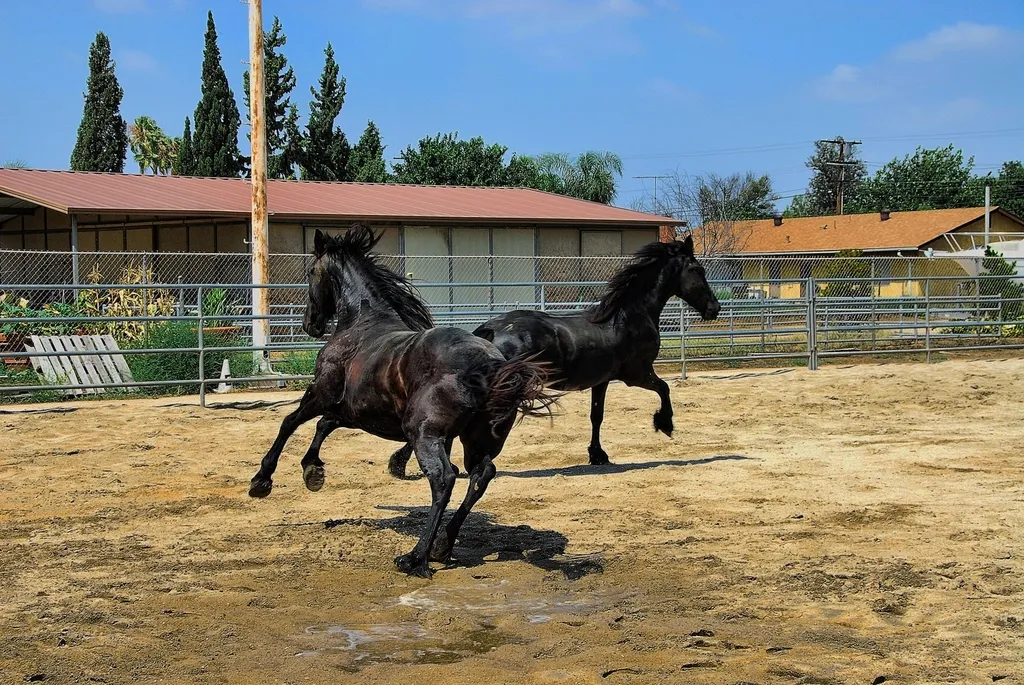
Friesians are the social-media darlings of the horse world – and quietly among the most expensive to maintain as they age.
This breed has well-documented tendencies toward degenerative suspensory ligament disease, a slow, crippling connective-tissue condition. Managing a Friesian with suspensory issues means ongoing diagnostics like ultrasound or MRI, plus supportive shoeing, limited workload, and pain control for life.
Beauty and fragility often live in the same body – few breeds prove that harder than the Friesian.
Common refrain among sport-horse veterinarians
They’re also prone to megaesophagus, aortic rupture, and other serious hereditary conditions that may not show up until later in life. Even healthy Friesians often need meticulous hoof care and joint management to stay sound in dressage or driving past ten. Many sport vets rank them among the highest-risk “heartbreak” horses, financially and emotionally.
#16 – Irish Sport Horse: Built Tough, Priced Tougher
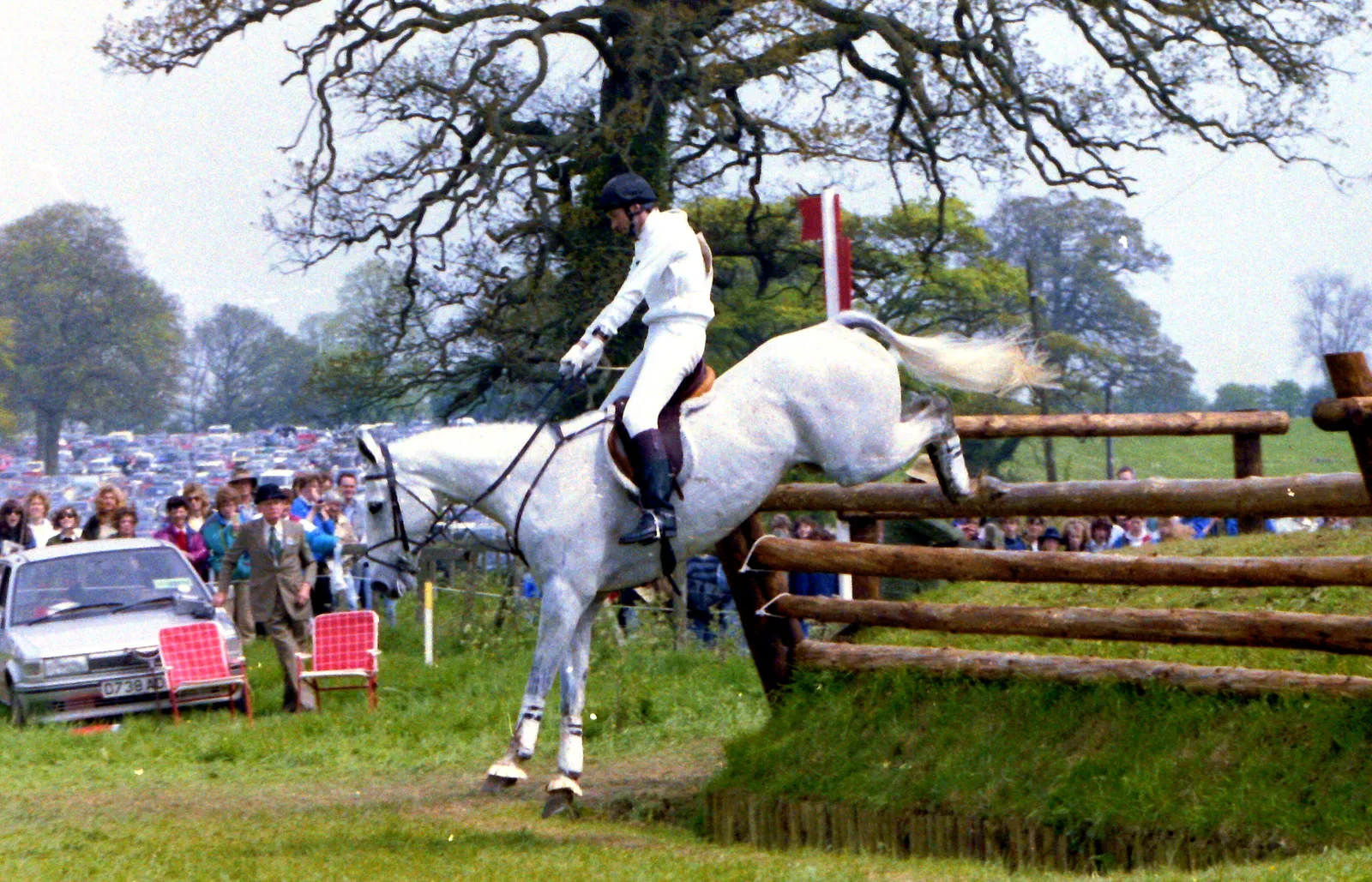
Irish Sport Horses get marketed as tough eventers. That job description alone drives their maintenance bills up after ten.
These horses spend their prime years jumping solid fences and galloping across varied terrain. By their teens, hock, fetlock, and stifle arthritis plus chronic back soreness are common, and serious owners budget for regular joint and back injections along with shockwave therapy for old soft-tissue damage.
Many ISHs are part-Thoroughbred, part-draft or warmblood – a combination of lighter legs and bigger bodies that increases strain on tendons and ligaments, especially at higher eventing levels. Want an Irish horse still happily jumping at fifteen? You’re almost certainly paying for a serious maintenance program to get there.
#15 – Oldenburg: Big Movement, Bigger Joint Bills
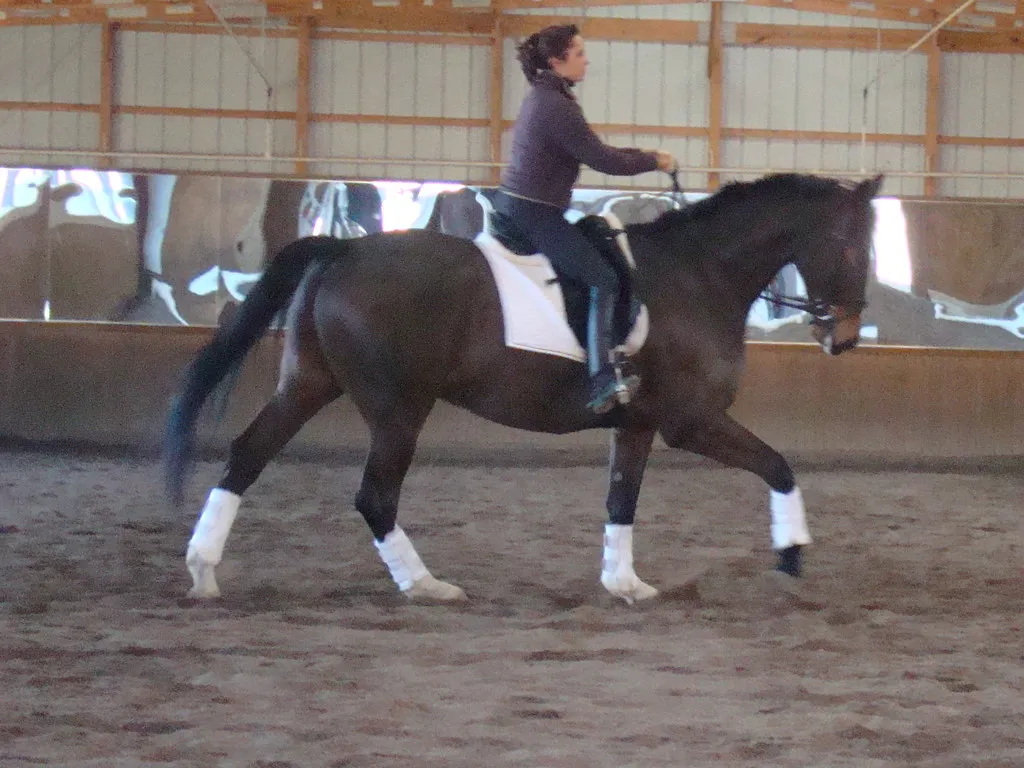
Oldenburgs dominate modern dressage and jumping rings – and high-end lameness practices right alongside them.
These horses are bred for big, expressive movement and powerful jumps, which wins ribbons and punishes joints when training isn’t meticulous. By ten or eleven, vets are often managing hock and fetlock arthritis from repetitive collection and jumping, along with suspensory strain and back pain.
Their large frames and big movement also increase risk for kissing spine and SI pain, especially with ill-fitting saddles or unbalanced riders. Owners serious about keeping an Oldenburg comfortable into its mid-teens typically treat advanced imaging, frequent bodywork, and high-end farriery as standard – more subscription than emergency.
#14 – Hanoverian: Dressage Royalty With a Subscription Fee
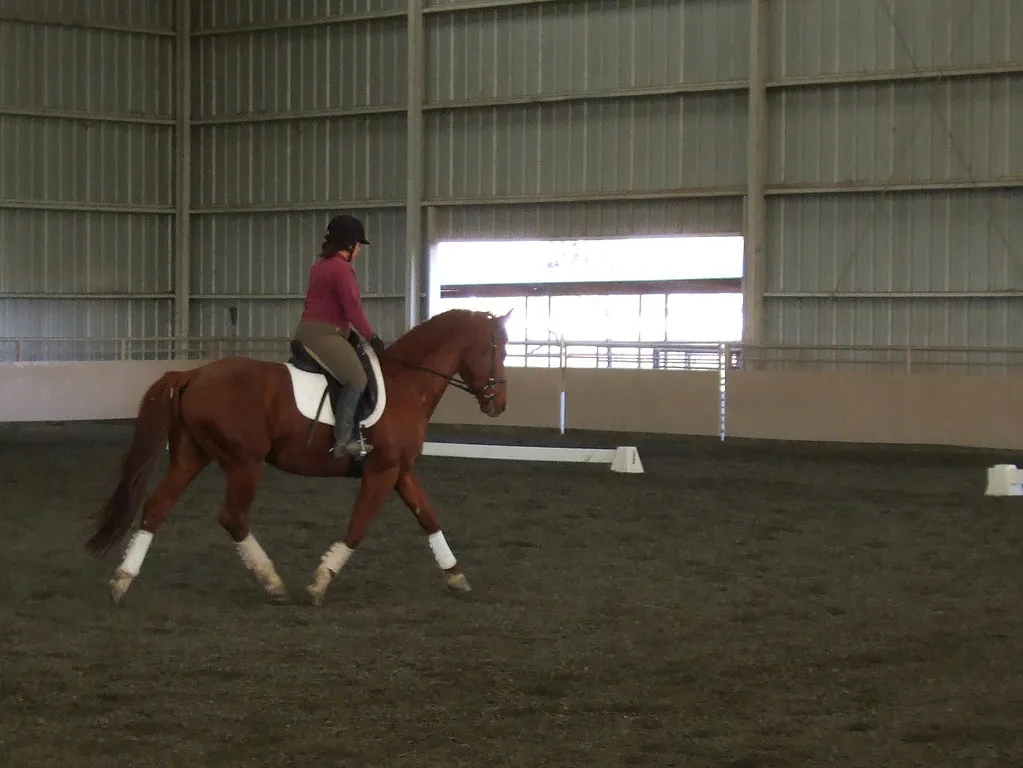
Most people assume all warmbloods are basically the same. Vets frequently single out Hanoverians as some of the biggest-ticket seniors in the barn.
Hanoverians dominate upper-level dressage and show jumping, spending a decade doing high-impact, repetitive work. Unsurprisingly, they show high rates of performance-related arthritis across hocks, stifles, fetlocks, and sometimes the neck. Keeping them competitive past ten usually means proactive joint injections starting early and customized conditioning with frequent rest blocks.
Worth Knowing
- Modern warmblood registries like the Hanoverian selectively breed for spectacular movement and scope – not longevity or joint durability.
- Many future upper-level horses start formal training around age three or four, then carry full competition loads by six or seven.
- Proactive joint maintenance in these lines often starts well before any visible lameness shows up.
- Insurance premiums for elite warmbloods commonly rise once a horse crosses into its teens.
They’re also large, athletic horses that sometimes outgrow “average” facilities. Hard ground, small arenas, and basic shoeing are a recipe for chronic soft-tissue injuries requiring rehab, shockwave, PRP, or stem-cell therapy. Owners chasing soundness into the mid-teens tend to accept that serious sports-medicine care is simply part of the deal.
#13 – Dutch Warmblood (KWPN): Bred for Medals, Priced for Insurance Adjusters
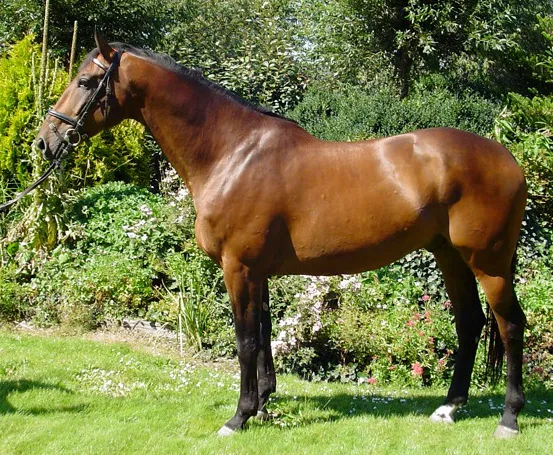
Dutch Warmbloods are bred to win medals, and their vet bills often look the part.
They excel in show jumping and dressage, disciplines that heavily load the front limbs and hind joints. Vets see significant rates of suspensory injuries, fetlock arthritis, and back problems in older KWPN performance horses, many requiring advanced imaging like MRI or scintigraphy just to pin down subtle issues.
Their popularity in amateur hands adds another layer – plenty of these horses are over-ridden or under-conditioned for what they’re asked to do, accelerating wear and tear. Insurance companies quietly price in the reality: keeping a Dutch Warmblood sound past ten, especially at higher levels, is a long-term, high-budget commitment.
#12 – Holsteiner: Jumping Royalty, Expensive Retirement
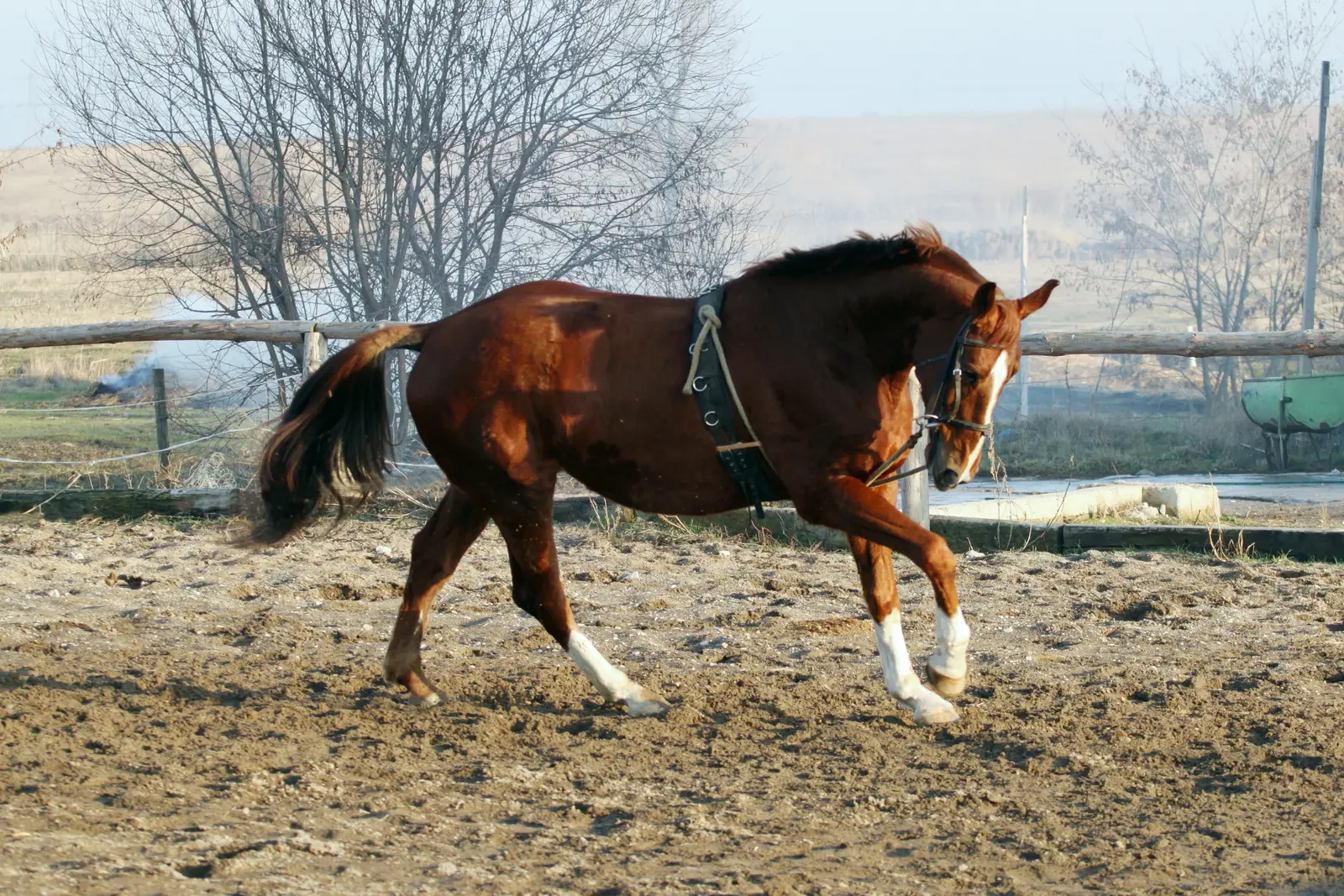
Holsteiners are jumping royalty, and like a lot of royals, they’re expensive to maintain in their later years.
These horses are designed to jump big fences with scope and power, translating into huge forces on limbs and backs. By early teens, sports-medicine vets commonly manage hock, stifle, and fetlock degeneration alongside chronic back and SI pain, meaning routine back or SI injections and specialist farriery to support long careers over fences.
They’re often tall, with substantial bodies but relatively refined legs, making them prone to suspensory injuries and tendon strains if footing, conditioning, or rider balance fall short. Keeping a Holsteiner competitive at twelve or thirteen is absolutely possible – just almost never cheap.
#11 – Trakehner: Elegant, Sensitive, and Costly to Rehab
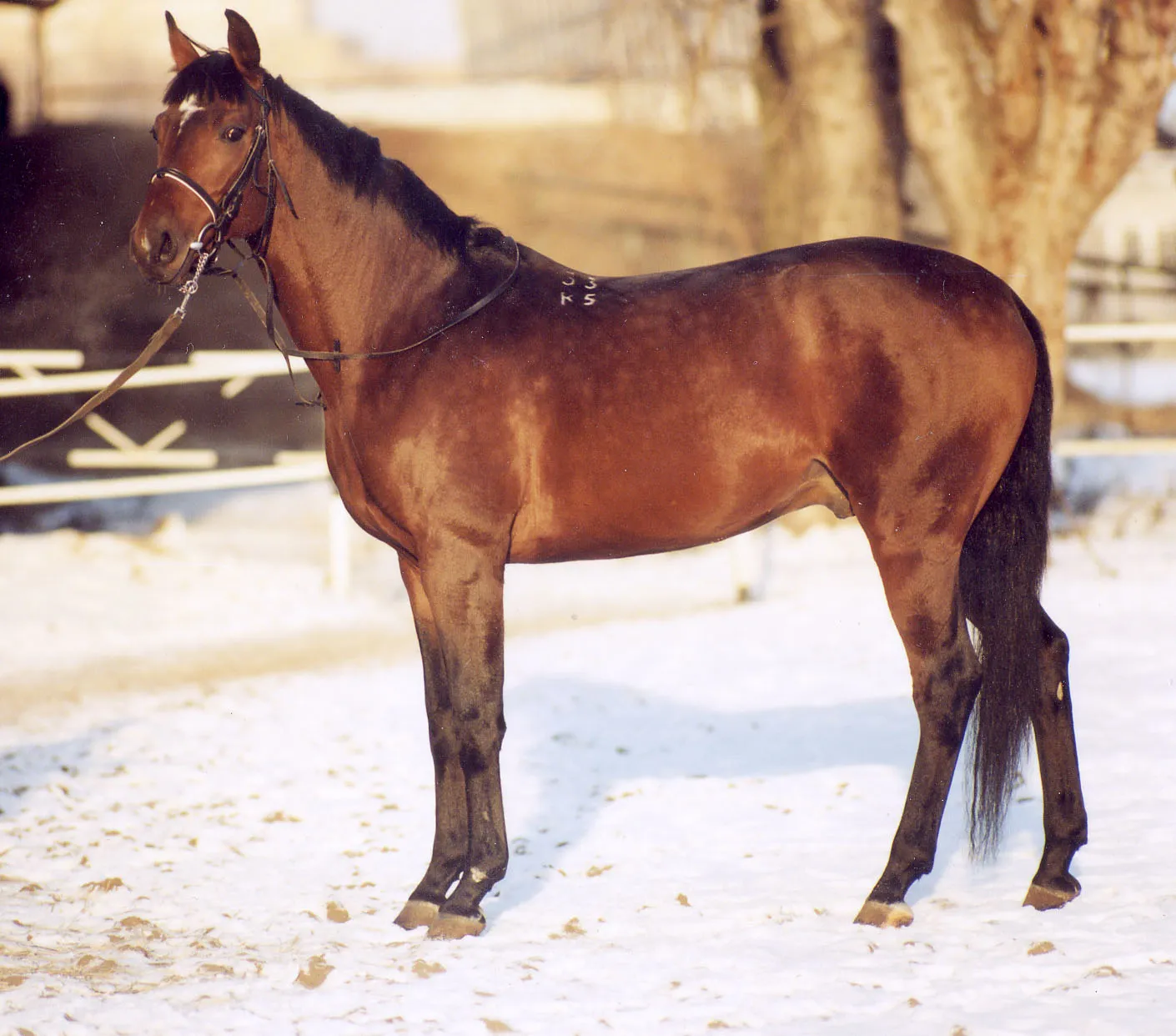
Trakehners get loved for their elegance and sensitivity. Those same traits can hide serious maintenance needs.
They tend to be lighter-boned and more refined than other warmbloods, yet are often asked to carry the same heavy dressage and jumping workloads. That mismatch means higher relative strain on joints and soft tissue, with vets frequently treating chronic suspensory problems and hock or fetlock arthritis by the early teens.
Their sensitive temperaments complicate rehab further. A Trakehner that hates stall rest or restricted turnout is more likely to re-injure itself, turning a manageable issue into a months-long, high-cost saga. Owners who understand this breed’s quirks budget extra for turnout solutions, professional handling, and repeat diagnostics.
#10 – Saddlebred / Gaited Show Horses: The Show-Ring Legacy Nobody Talks About
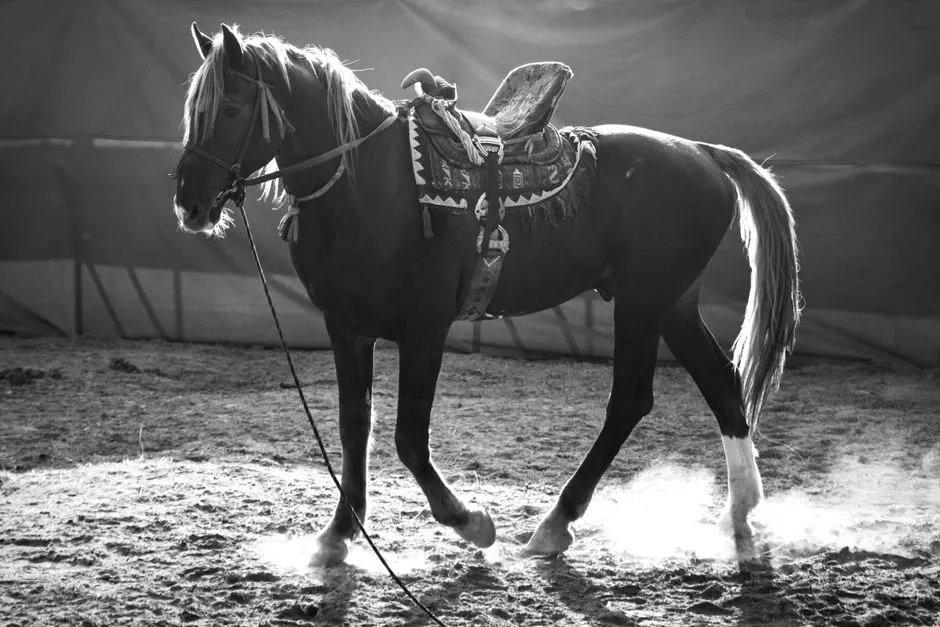
The showy Saddlebred in the ring looks effortless. Behind the scenes, especially with age, effortless is the last word that applies.
Years of training for extreme elevation and animation can cause chronic front-end joint and soft-tissue damage, particularly in the pasterns and fetlocks. Even after being “let down” as pleasure horses, the damage remains – vets routinely see progressive arthritis from past show careers and hoof distortion from long-term specialty shoeing.
Ethical trainers have largely moved away from the harshest practices, but many senior Saddlebreds still carry the physical legacy of older methods. Keeping them comfortable past ten, let alone riding-sound at fifteen, usually requires therapeutic shoeing, regular anti-inflammatory support, and close monitoring of any old ring-bone or sidebone.
#9 – Rocky Mountain Horse & Other Gaited Trail Types: The Trail Horse That Was Never Actually Free
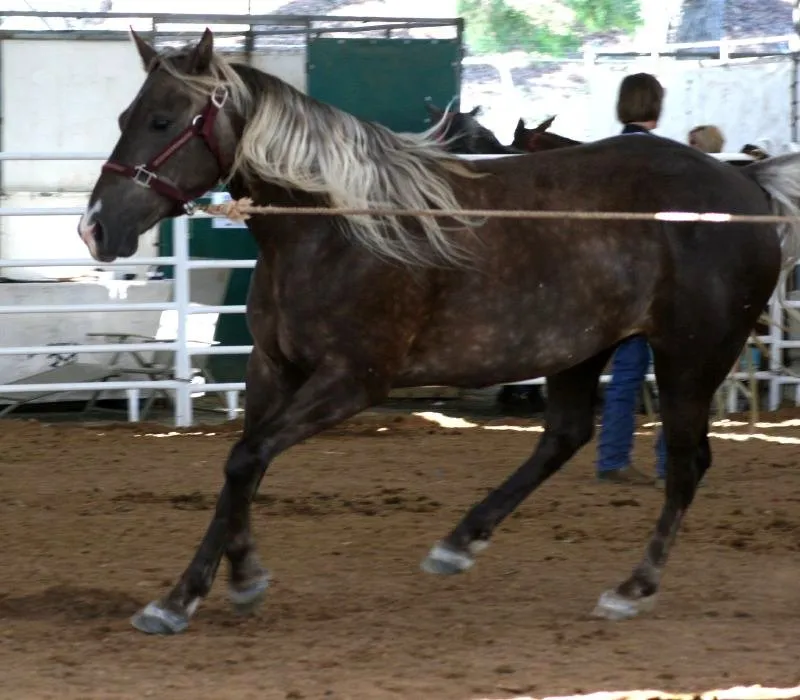
Trail riders love to brag that gaited mountain horses last forever. Vets are far more cautious, especially about long-term joint soundness.
These horses are heavily used for steep, rocky trail work, often carrying novice riders for hours at a stretch. That repetitive strain on hocks, stifles, and backs takes a toll, and by their early teens many show hock arthritis, SI pain, and chronic hoof soreness from years on rocky terrain.
They’re also often easy keepers, which invites obesity and low-grade metabolic issues if owners overestimate how many calories trail work actually burns. Combine joint wear with laminitis risk, and the “perfect trail horse” at nine can turn into a very expensive pasture pet at thirteen without aggressive management.
#8 – Clydesdale: Gentle Giant, Not-So-Gentle Vet Bill
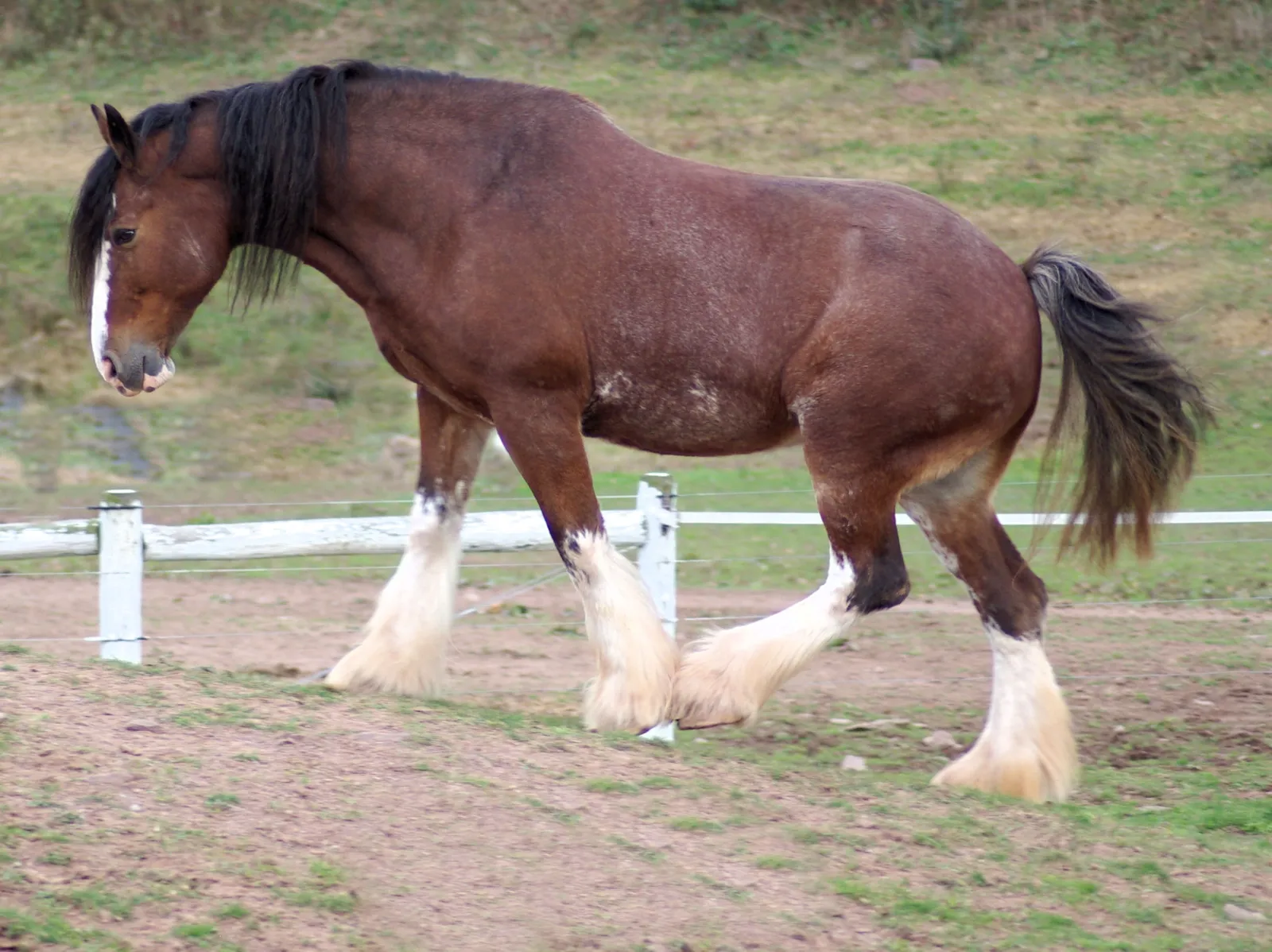
Clydesdales get marketed as gentle giants. There’s nothing gentle about the cost of keeping them sound into their teens.
Their sheer size means massive load on joints and soft tissue, especially under saddle on hard footing or in competitive driving. Arthritis in hocks, stifles, and fetlocks shows up sooner and progresses faster than most owners expect – and because medications and joint therapies scale with weight, so do the invoices.
At a Glance
- Every extra pound of body mass adds more load to joints, tendons, and ligaments, so drafts feel wear sooner than lighter breeds.
- Feathered legs trap moisture and dirt, raising the risk of chronic skin conditions like scratches and mites.
- Medication doses scale with bodyweight, so treating a horse this size often costs noticeably more than treating an average riding horse.
- Fewer vets and farriers have the equipment or experience to comfortably handle draft-sized patients.
Then there’s the feather. Those iconic hairy legs trap moisture and dirt, predisposing Clydesdales to chronic skin conditions like scratches and mites that require ongoing treatment. Add the challenge of finding farriers and vets comfortable handling such enormous horses, and Clydesdales land squarely in the high-cost category past ten.
#7 – Shire: Bigger Than Clydesdales, Harder to Treat
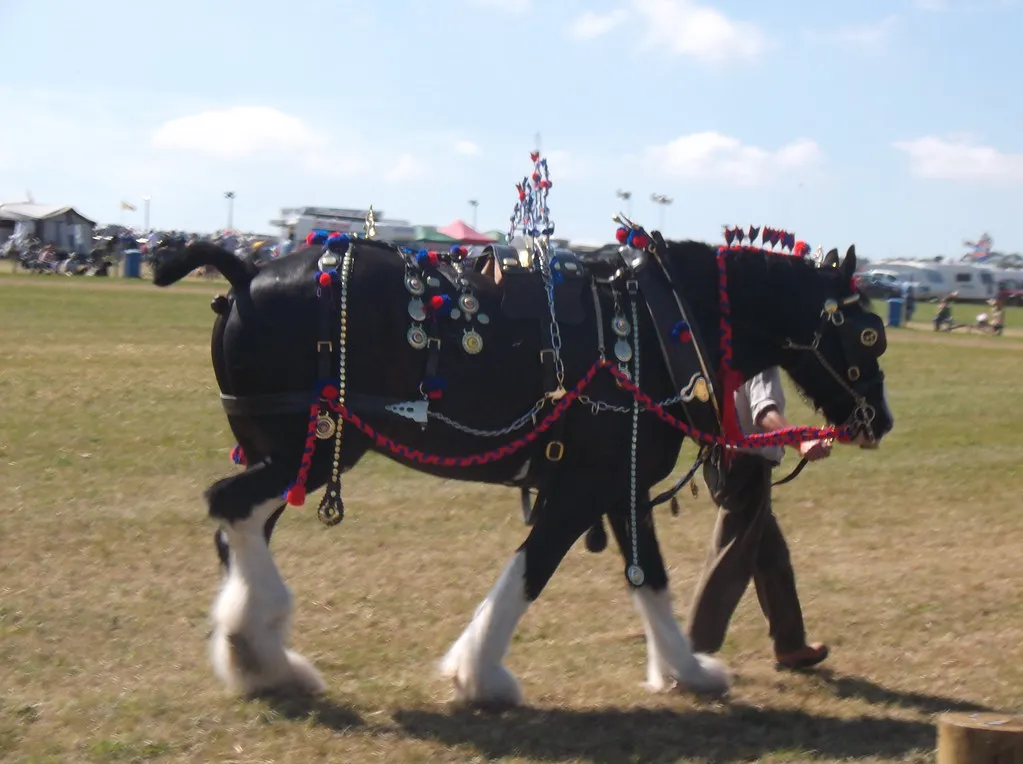
If Clydesdales are pricey to maintain, Shires are often even more so – mostly because there are fewer specialists used to their scale.
Shires face the same weight-driven joint and soft-tissue challenges: every extra pound magnifies stress on tendons, ligaments, and cartilage. Ridden or driven on unsuitable footing, they’re highly vulnerable to degenerative joint disease in the lower limbs and chronic suspensory strain.
Like other heavy drafts, Shires are also prone to chronic progressive lymphedema – a debilitating condition involving swelling, skin folds, and scarring in the lower legs. Management is intensive and lifelong: bandaging, topical care, and frequent vet oversight. Owners who underestimate that reality often face heartbreaking decisions when a Shire hits its teens with advanced leg disease.
#6 – Percheron: Built to Pull, Not to Perform
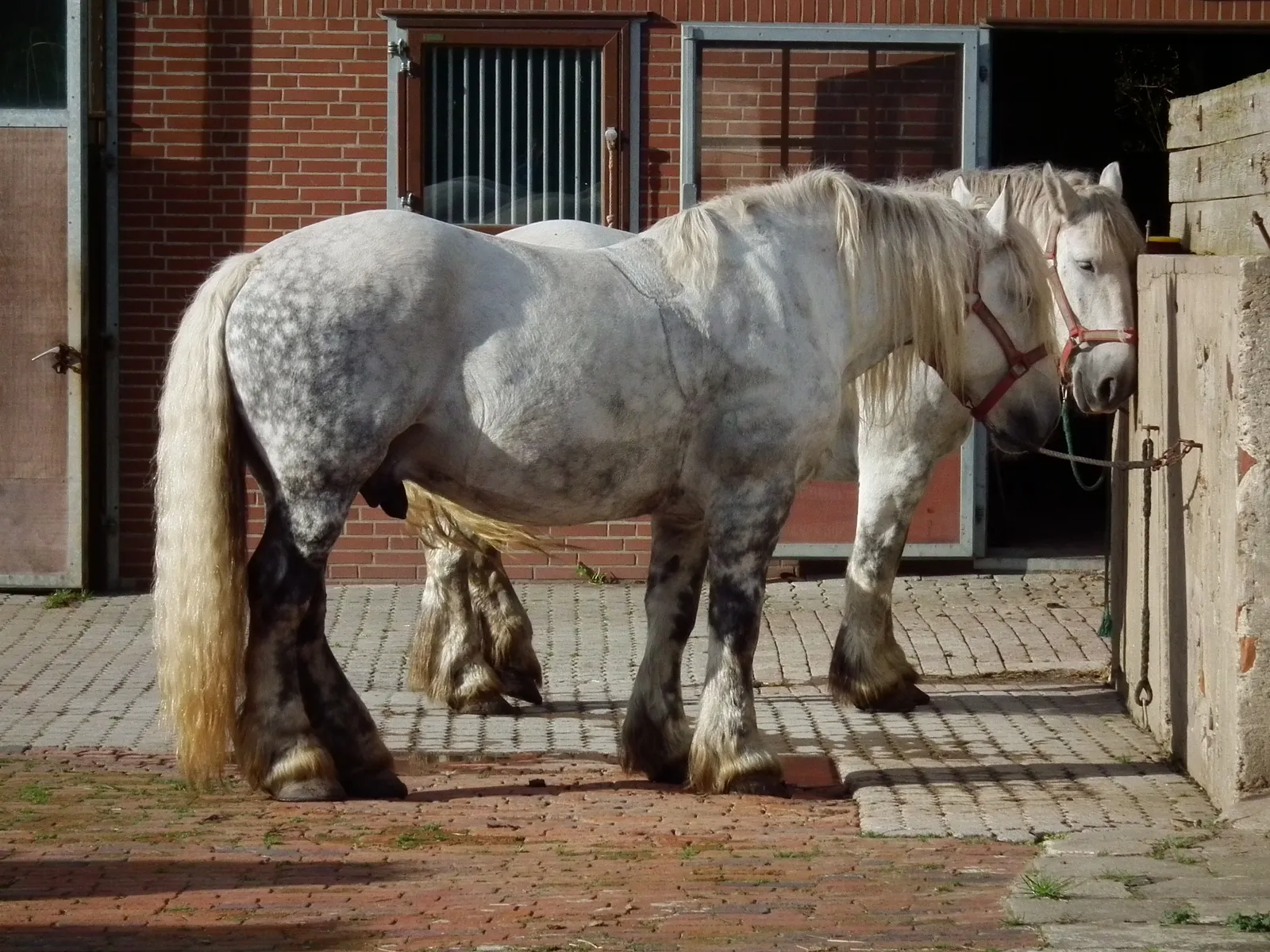
Percherons get repurposed as riding horses constantly, but their bodies were never designed for the jobs many amateurs ask of them.
These horses are bred for pulling, not jumping or tight arena work, yet they frequently end up in eventing, dressage, or heavy trail programs. That mismatch leads to early joint wear, particularly in the hocks and stifles, plus chronic back pain from saddles built for lighter breeds. Treating an 1,800-pound horse with arthritis simply costs more – bigger doses, stronger equipment, more risk.
Percherons also share draft-wide issues like hoof quality challenges and skin problems under heavy feather, both requiring diligent farriery and skin care. By twelve, many hard-used Percherons need a full-scale maintenance plan just to stay comfortable at light work – something owners rarely realize when they fall for the “gentle giant” fantasy.
#5 – Belgian Draft: The Stoic Suffering Silently
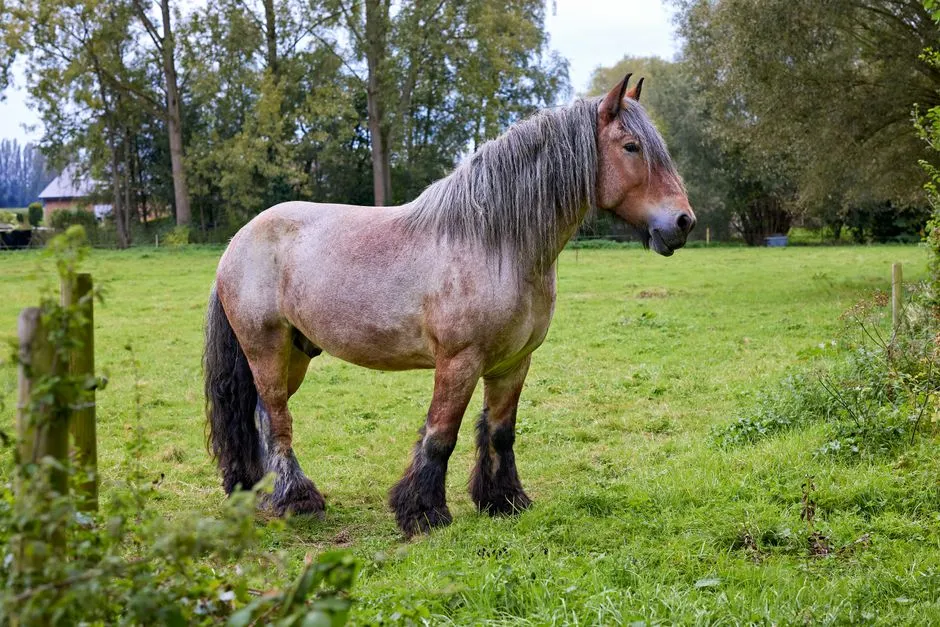
Belgians are farm icons. Vets quietly rank them among the most expensive horses to keep sound once double-digit birthdays roll around.
Their enormous mass and powerful build mean accelerated joint degeneration, especially after years in harness or carrying heavy riders. These horses can look stoic even when significantly uncomfortable, so problems often get caught late – and by then, managing pain and mobility is complex and costly.
Belgians also carry a notable risk of polysaccharide storage myopathy and other muscle disorders, requiring special diets, careful exercise plans, and sometimes expensive diagnostics. Combine that with typical draft hoof and skin issues, and the “cheap workhorse” stereotype collapses fast. Many Belgians are sound and happy in their teens, but only when owners budget realistically for aggressive, proactive care.
#4 – Warmblood Crosses & “Sport Mutts”: The Bargain Buy With Hidden Baggage
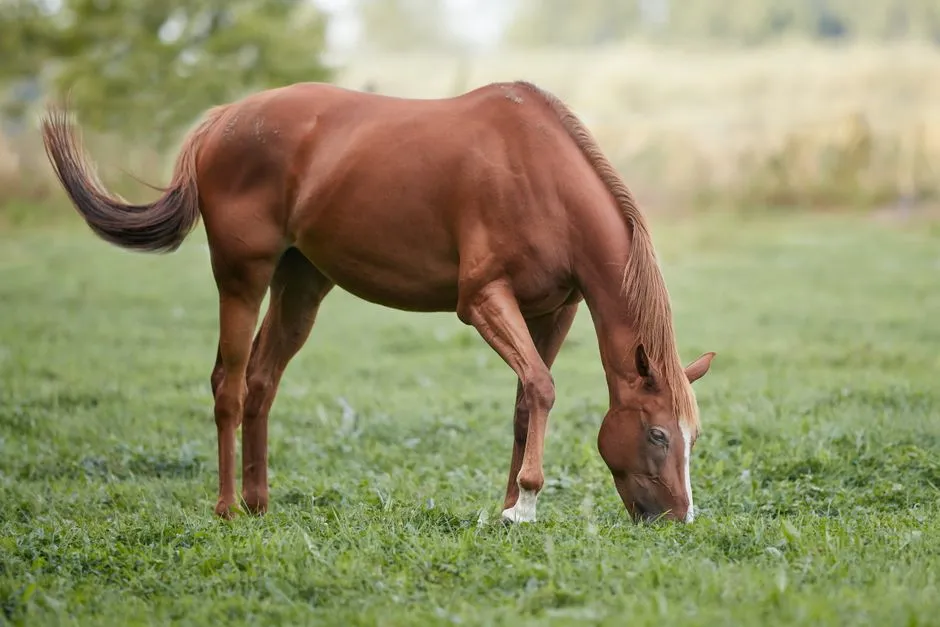
Here’s the controversial one: many vets say the most unpredictable maintenance bills come from unregistered, mixed-type “sport horses.”
That flashy warmblood-cross bought for a bargain price may carry unknown genetic baggage – poor hoof quality from one side, weak suspensories from another, a big body sitting on light limbs. Without a clear breeding program behind them, some crosses combine the worst of each contributing breed rather than the best. Vets see early-onset arthritis from poor conformation and repeat soft-tissue injuries from mismatched build and workload.
Because there’s no registry standard, predicting long-term soundness is genuinely tricky, and owners often get blindsided by escalating costs somewhere around ten to twelve. Many pros would rather maintain a known, elite warmblood line than gamble on a cheap sport cross with hidden structural flaws.
#3 – Off-Track Thoroughbred (OTTB): Cheap to Buy, Expensive to Keep Sound
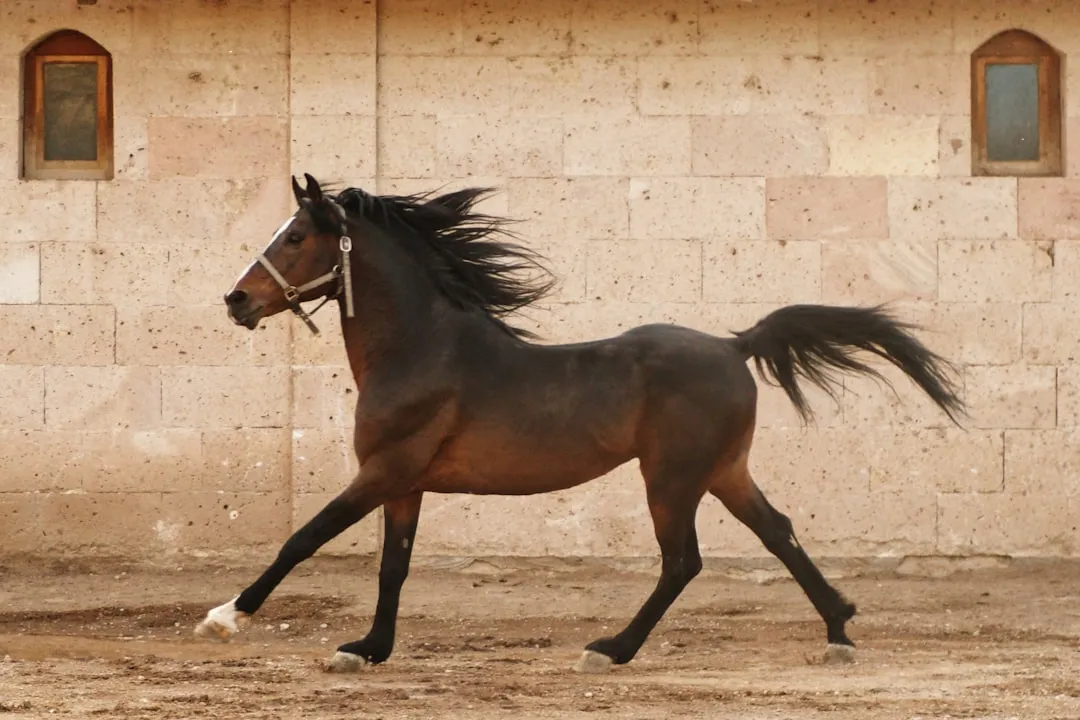
Thoroughbreds aren’t inherently fragile, but their early careers set many up for expensive midlife maintenance.
Racing as 2- and 3-year-olds loads immature joints with high-impact work. By the time an OTTB is “restarted” as a sport horse at six or seven, it may already carry arthritic changes in the hocks, fetlocks, and knees, plus old soft-tissue injuries. Keeping them sound into the mid-teens often involves regular joint injections, high-quality shoeing, and careful conditioning to avoid re-injuring old track damage.
On top of that, TBs are often hard keepers, burning calories fast and needing top-shelf feed and ulcer management to stay in good condition. The cheap purchase price fools people – the real cost is a decade-plus of savvy, intensive management to keep them happy, comfortable, and rideable.
#2 – High-Performance Show Ponies: The Dirty Secret of the Pony Ring
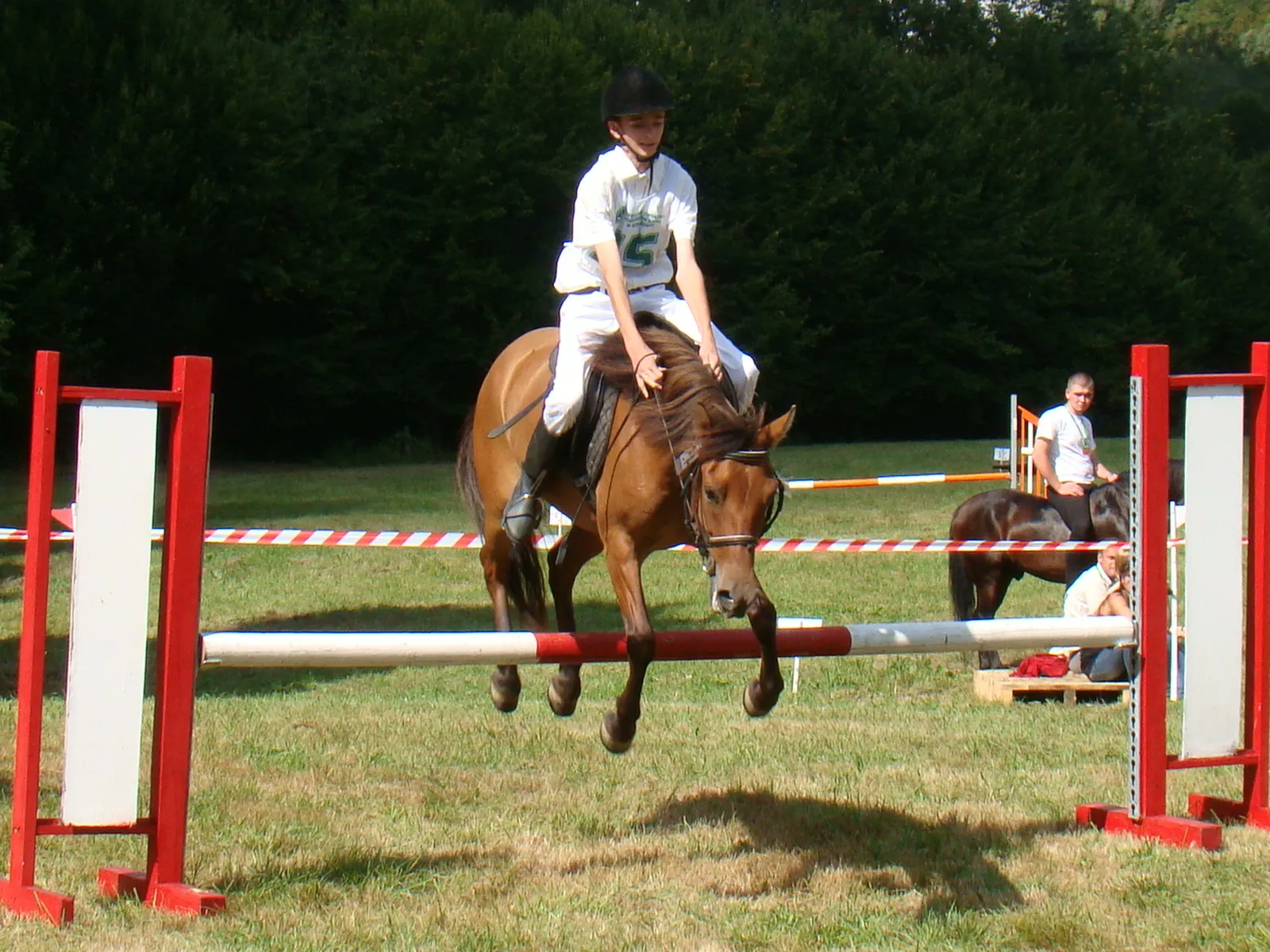
Here’s the dirty little secret of the pony ring: elite show ponies can be more expensive to maintain than many Grand Prix horses.
These ponies spend years jumping courses with inexperienced riders who catch them in the mouth, jump ahead, or miss distances. The result is heavy cumulative strain on small joints, especially hocks and front fetlocks. By age ten to twelve, many top ponies need regular joint injections and back treatments, plus precision saddle fitting and farriery just to stay comfortable.
Because they’re expected to be saints, they’re often overused in lessons and shows – and as easy keepers, they’re at constant risk of laminitis and metabolic issues if diet and turnout aren’t tightly controlled. The “perfect kids’ pony” winning everything at twelve is very often a carefully, expensively maintained athlete behind the scenes.
#1 – High-Level Warmblood Sport Horses: The Five-Figure Maintenance Machine
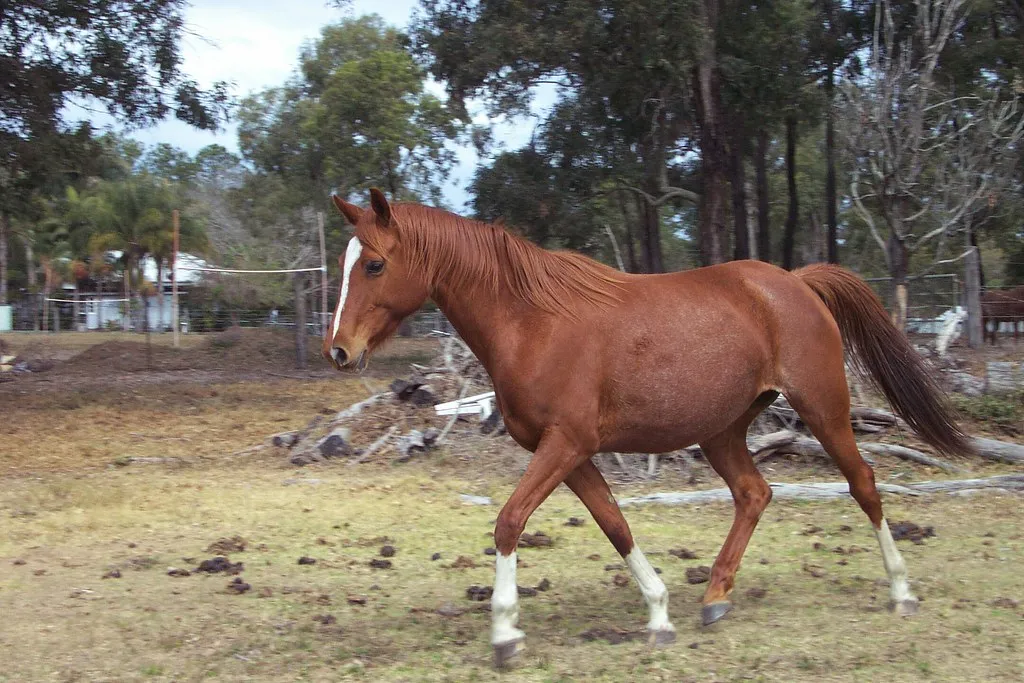
Vets are blunt about it: the single most expensive type of horse to keep sound past ten is the high-level warmblood in serious work. Think FEI dressage horses and upper-level show jumpers.
These horses perform extreme movements and jump massive fences for years, putting maximal stress on hocks, fetlocks, suspensories, backs, and necks. By the time they turn ten, most successful ones already run routine joint injection schedules and customized shoeing, bodywork, and conditioning plans.
As they age, owners often layer in advanced imaging like MRI, CT, or bone scans, plus regenerative therapies including PRP, stem cells, shockwave, and IRAP. People at this level accept five-figure annual maintenance budgets without blinking, because that’s what it takes to keep such athletes comfortable, competitive, and ethically managed into their mid-teens – and a single lapse in management can end a very expensive career overnight.
The Bottom Line
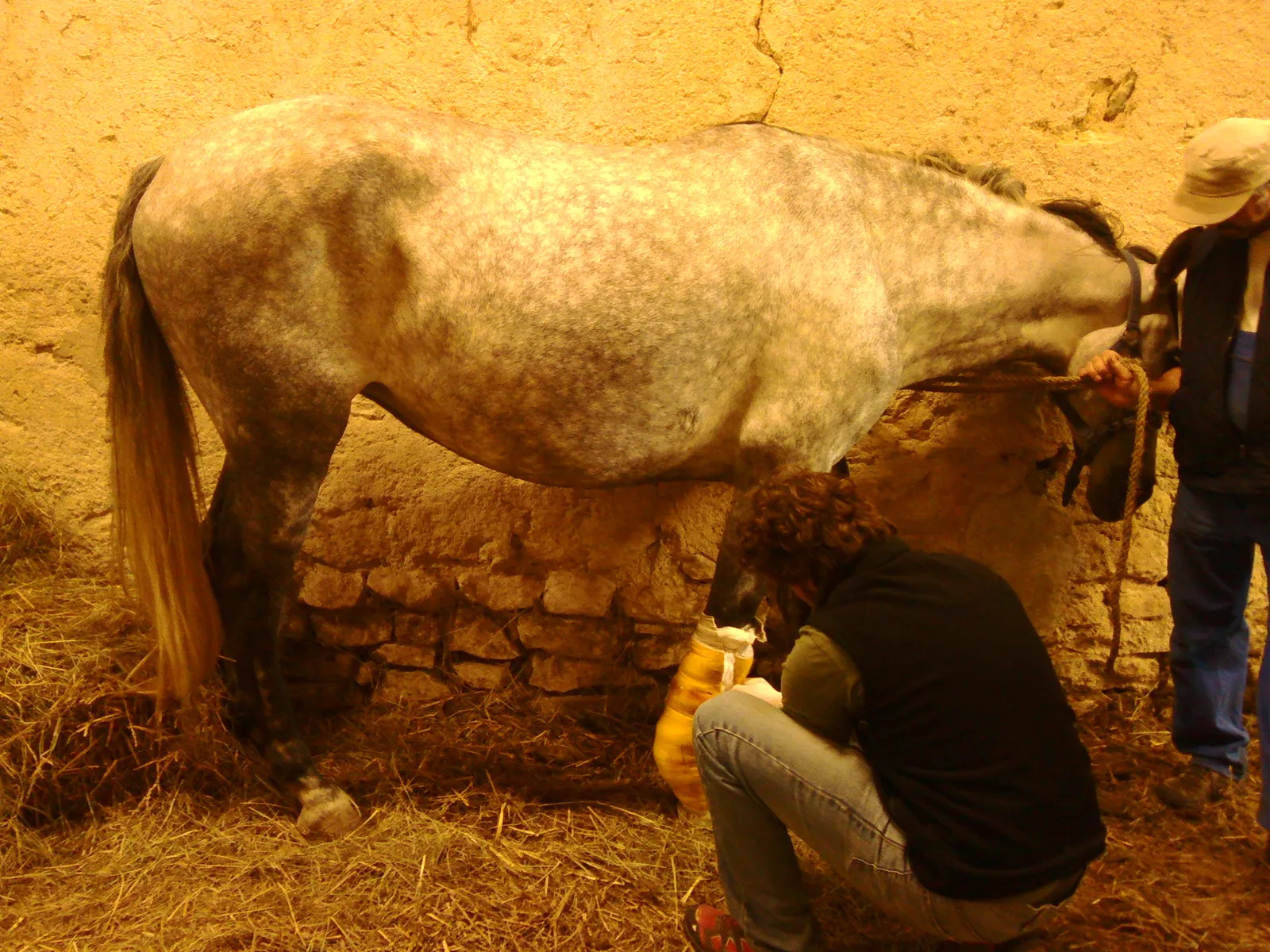
Zoom out and a pattern jumps off the page: breeds that get heavily used, genetically pressured for extreme traits, or packed into too much “horse” or “pony” for their frame are the ones quietly draining bank accounts after age ten. Drafts pay for their size. Warmbloods and OTTBs pay for their jobs. Ponies and easy keepers pay for our love of lush grass. Gaited and showy breeds pay for the movement we bred into them on purpose.
None of these horses are “bad” horses. Plenty live long, useful, genuinely comfortable lives with smart, proactive care. But if this list proves anything, it’s that the sweetest, gentlest, most “sensible” horse in the barn might quietly be the one costing you the most to keep sound – and the sale ad never mentions that part. The real story of horse ownership isn’t written at the time of purchase. It’s written in the vet’s invoice folder ten years later.
