


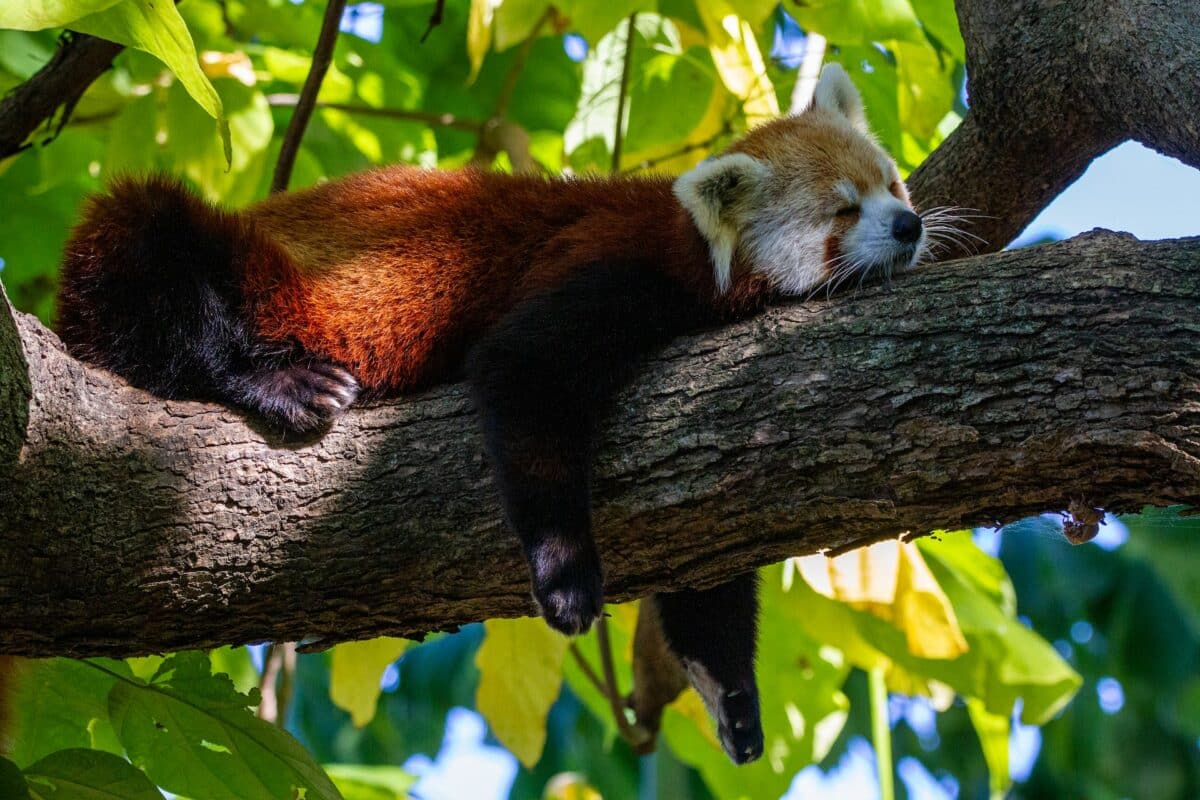
The heartbreaking death of a 3-month-old red panda named Roxie at the Edinburgh Zoo has reignited calls for stricter regulations on fireworks. Roxie, who had recently lost her mother, Ginger, succumbed to stress caused by fireworks during Guy Fawkes Night on November 5. The loud explosions triggered a reaction that led her to choke on her vomit, according to the Royal Zoological Society of Scotland (RZSS).
The Impact of Fireworks on Animals
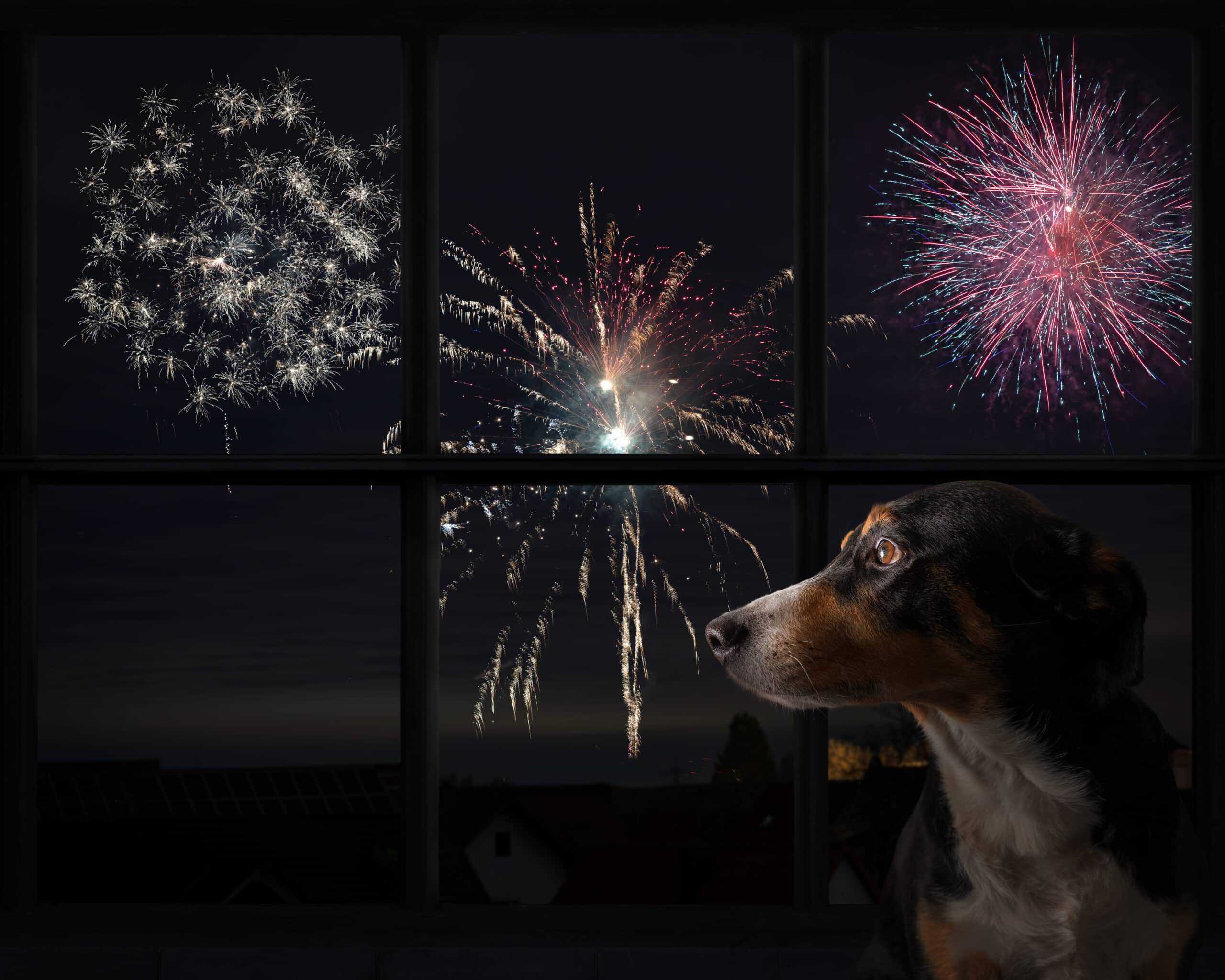
Roxie’s passing highlights the significant stress that fireworks can cause to animals, both in captivity and in the wild. The zoo’s deputy chief executive, Ben Supple, explained:
“Roxie had access to her den, but the frightening noises seemed to have been too much for her. Fireworks can cause stress to other animals in the zoo, and we cannot rule out that they may have contributed to the untimely death of Roxie’s mother, Ginger, just five days earlier.”
The incident adds to growing evidence of the harm fireworks can inflict on pets, livestock, and wildlife, sparking widespread concern among animal welfare advocates.
Public Outcry and Calls for Change

In response to this tragedy, a public petition signed by over one million people has been delivered to the U.K. government. The petition demands tighter restrictions on fireworks, advocating for their use to be limited to organized light displays instead of public sales.
Edinburgh recently became the first Scottish city to implement firework control zones, prohibiting private fireworks from November 1 to 10. However, RZSS believes these measures are insufficient and is urging the government to expand the bans nationwide.
The Risks of Fireworks to Animals

Fireworks can have devastating effects on animals, including:
- Acute Stress: The loud noises and flashes can trigger fear and anxiety.
- Health Complications: Stress-related reactions, such as Roxie’s choking incident, can lead to fatal consequences.
- Escape Risks: Frightened animals may flee their enclosures, endangering themselves and others.
These dangers are not limited to zoo animals. Pets and farm animals can also experience severe distress, leading to injuries or fatalities.
Safer Celebrations: A Way Forward
Animal welfare charities and RZSS advocate for organized light displays as a safer alternative to traditional fireworks. Controlled events minimize the risks to animals while allowing people to enjoy festive celebrations responsibly.
“This would help avoid devastating consequences for animals like Roxie while ensuring that people can still enjoy traditional celebrations,” Supple stated.
New Year’s Eve Warnings
As New Year’s Eve approaches, the public is urged to consider the impact of fireworks on animals. Simple actions can help protect them:
- Opt for Silent Fireworks: Use noise-reducing fireworks if celebrations are planned.
- Alert Neighbors: Inform those with pets or livestock about any planned displays.
- Stay Mindful of Timing: Avoid late-night fireworks to reduce prolonged stress for animals.
- Support Organized Displays: Attend public events instead of hosting private firework shows.
A Call for Compassion

Roxie’s tragic story serves as a sobering reminder of the unintended consequences of fireworks. By adopting safer practices and advocating for stricter regulations, communities can ensure festive celebrations do not come at the expense of vulnerable animals.
The Royal Zoological Society of Scotland and animal welfare groups encourage everyone to contact their local governments and support efforts to limit the public sale of fireworks. Together, we can create a safer environment for all creatures, great and small.

For any feedback please message Feedback@animalsaroundtheglobe.com
- Largest Freshwater Fish Ever Caught Hooked in Cambodia (661 pounds) - July 21, 2026
- US Animals with the Biggest Sweet-tooth – And its Consequences - July 21, 2026
- Watch: Tigress Tries Stealing Huge Tiger’s Meal - July 19, 2026