


Predators are some of the most fascinating and misunderstood creatures in the natural world. These hunters play a vital role in maintaining the balance of ecosystems by controlling the populations of other species. From the majestic lions of the African savanna to the agile falcons that soar through the sky, predators showcase nature’s evolution at its finest. In this article, we explore 30 astonishing facts about these remarkable creatures, shedding light on their behaviors, adaptations, and the crucial roles they play in our world’s ecosystems.
28. Lions: Kings of the Savannah
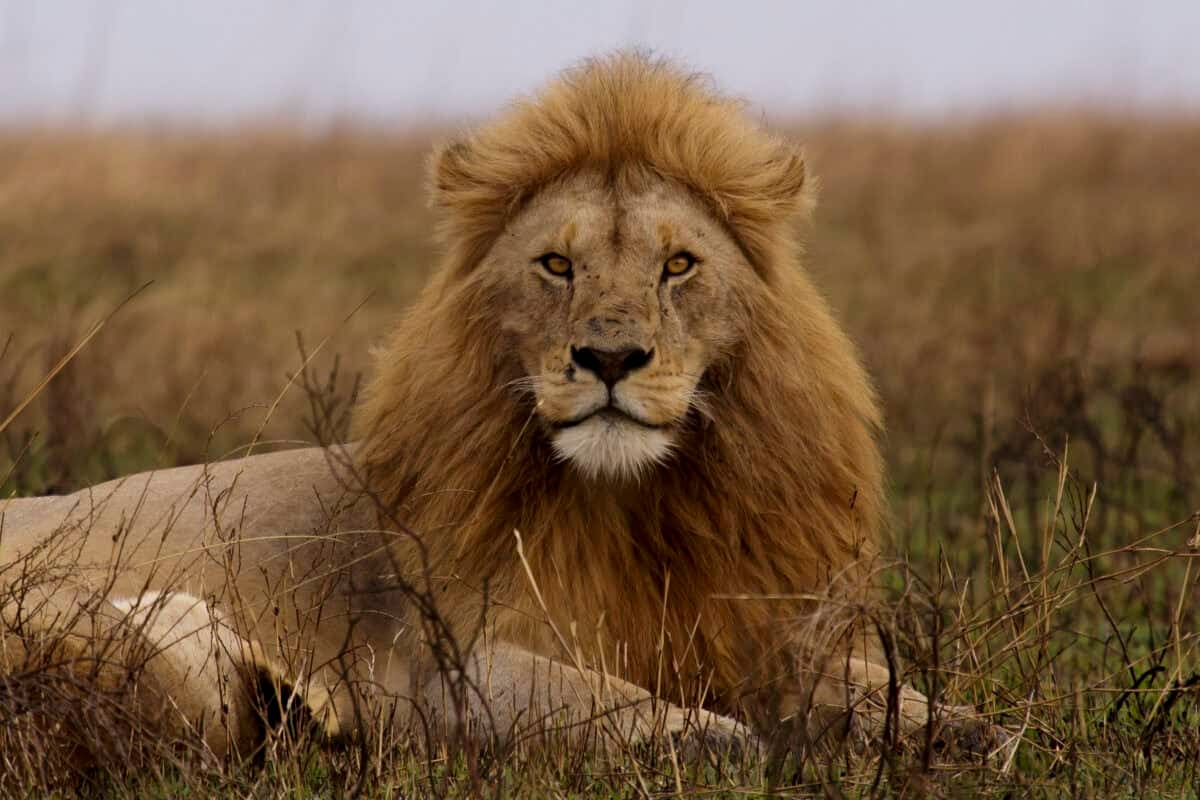
The lion, often referred to as the “king of the jungle,” is actually more common in the grasslands and savannas of Africa. These majestic animals live in prides that can have up to 30 members. Lions are known for their impressive roar, which can be heard up to five miles away and serves as a way to communicate with other lions in their vast territory. Contrary to popular belief, it’s the lionesses who do most of the hunting, working together to bring down prey for the pride.
27. Sharks: Ancient Ocean Predators

Sharks have been swimming in the world’s oceans for over 400 million years, making them older than dinosaurs. With over 500 species, these remarkable predators have adapted to occupy various niches in marine environments. Some species, like the great white shark, can detect a drop of blood in the water from up to a mile away, using their acute sense of smell to hunt prey. Despite their fearsome reputation, sharks are critical to marine ecosystems and are often misunderstood as mindless killers.
26. Wolves: The Social Pack Hunters

Wolves are known for their incredible pack dynamics, which allow them to hunt prey much larger than themselves, such as elk and bison. Packs are typically made up of family members, including the alpha pair, which are the dominant male and female. Wolves communicate using a combination of vocalizations, body language, and scent marking, which helps coordinate their complex social structure and hunting strategies.
25. Eagles: Masters of the Sky

Eagles are powerful birds of prey known for their exceptional vision, which allows them to spot potential prey from miles away. The bald eagle, America’s national bird, has a wingspan of up to 7.5 feet and can dive at speeds exceeding 100 miles per hour to snatch fish from the water. Eagles are solitary hunters and are often seen soaring high in the sky, using thermal updrafts to conserve energy while searching for food.
24. Cheetahs: The Fastest Land Animals
Cheetahs are renowned for their incredible speed, capable of reaching 60 miles per hour in just a few seconds, making them the fastest land animals. This speed, combined with their keen eyesight, makes them formidable predators. However, cheetahs rely on short bursts of speed rather than prolonged chases, strategically stalking their prey before a quick sprint results in a successful hunt.
23. Owls: The Stealthy Night Hunters

Owls are nocturnal predators with exceptional hearing and vision that allow them to hunt in complete darkness. Their specialized feathers enable silent flight, making it easier to sneak up on their prey. Owls can rotate their heads up to 270 degrees, giving them a significant advantage when tracking the movements of small mammals and other prey.
22. Orcas: The Apex Predators of the Sea

Also known as killer whales, orcas are the apex predators of the sea, with no natural enemies. These highly intelligent mammals hunt in pods, using sophisticated hunting techniques to catch everything from fish to marine mammals like seals and even large whales. Orcas communicate using a complex system of vocalizations and are known to have different “dialects” depending on their pods.
21. Praying Mantises: Master Ambush Predators

The praying mantis is an insect predator that uses its camouflage and patience to ambush unsuspecting prey. With lightning-fast reflexes, a mantis can strike its prey with its powerful forelegs in the blink of an eye. These insects are not picky eaters and will consume anything they can catch, including bees, butterflies, and even other mantises.
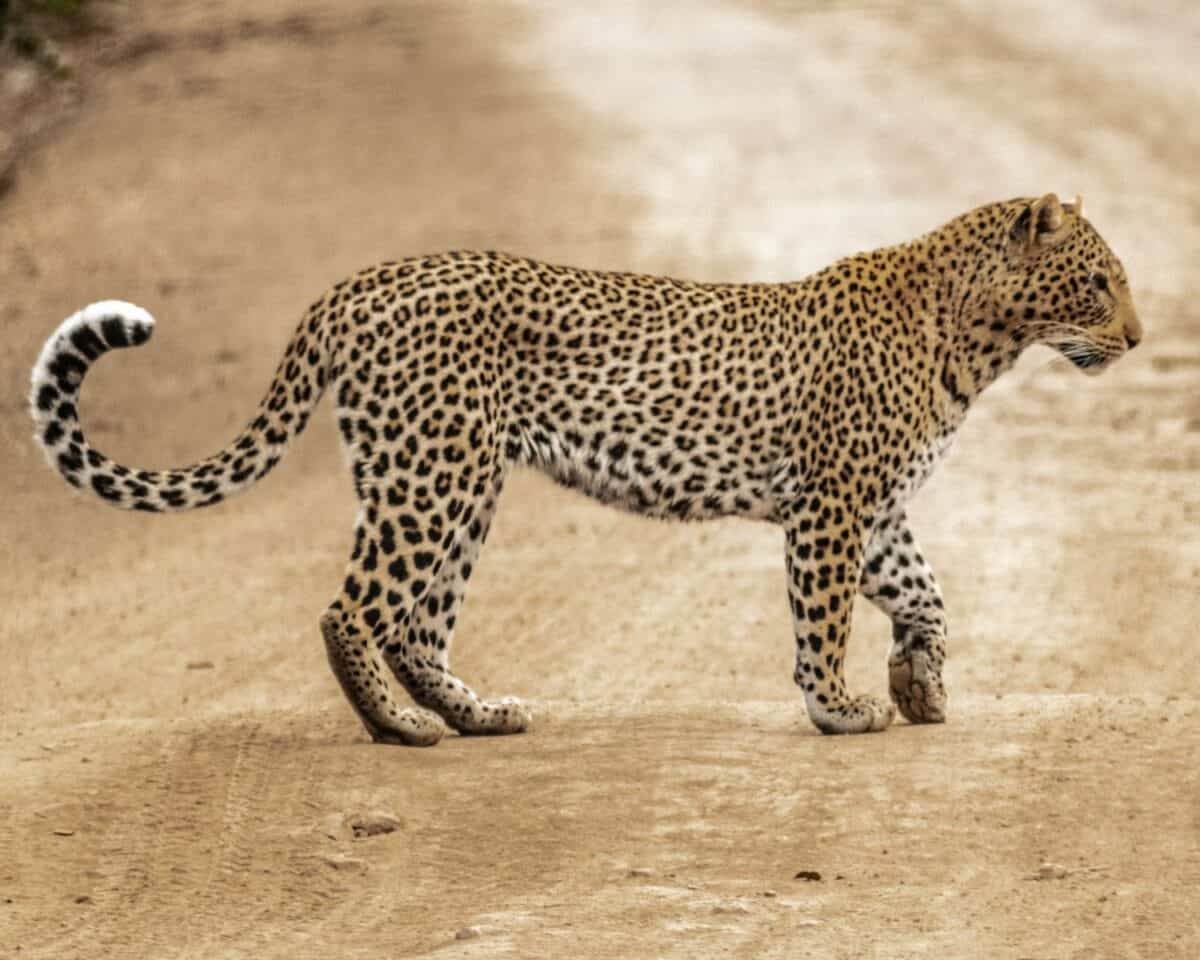
20. Leopards: The Stealthy Solitary Hunters

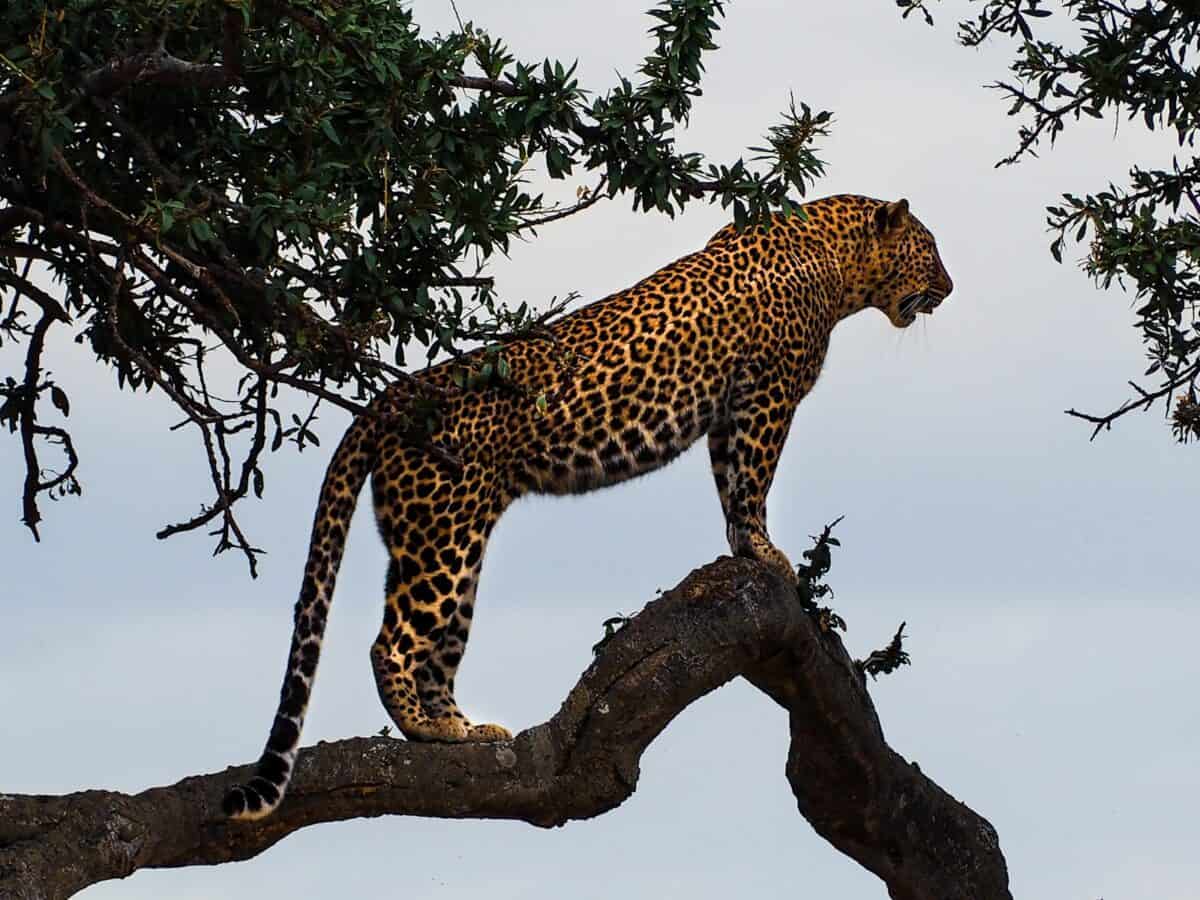
Leopards are known for their strength and ability to adapt to various habitats, from savannas to rainforests. Unlike other big cats, leopards are solitary hunters, relying on their stealth to catch prey. Their spotted coats provide excellent camouflage, allowing them to move through their environment nearly undetected. Leopards often drag their kills into trees to protect them from scavengers.
19. Polar Bears: Rulers of the Arctic
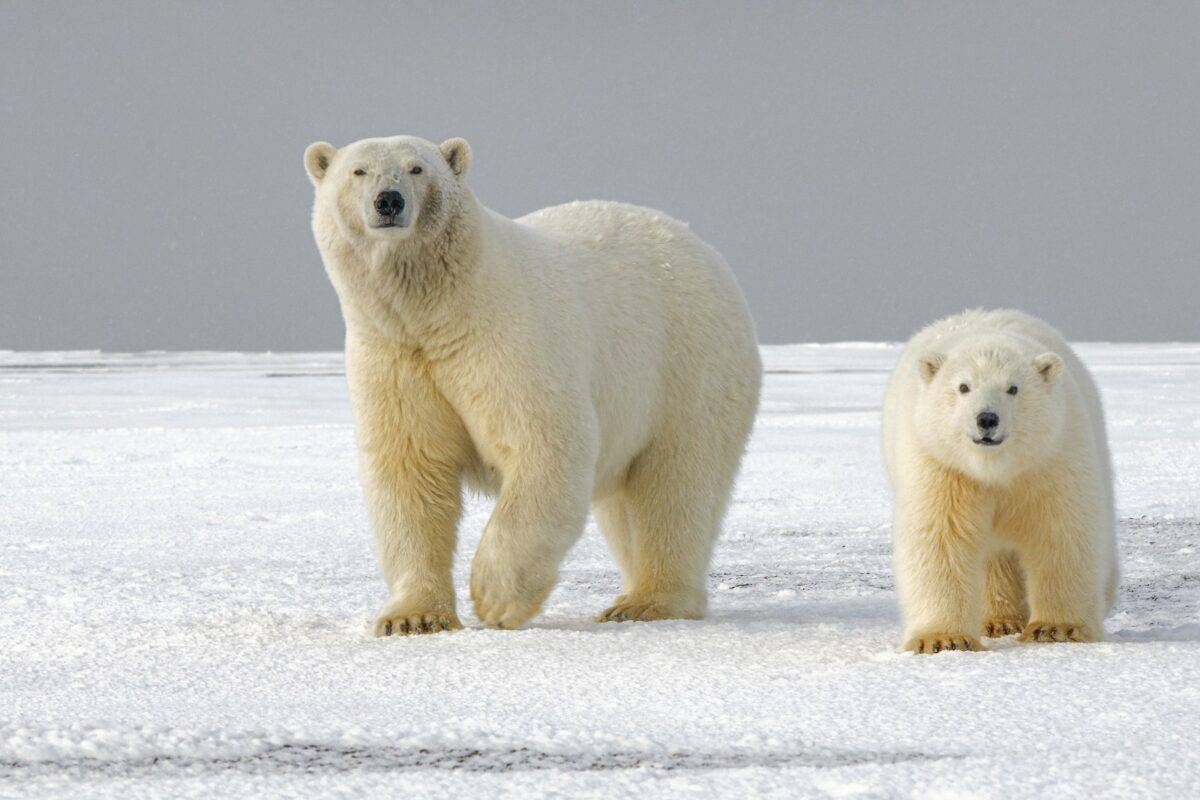
Polar bears are considered the most carnivorous of all bear species, primarily feeding on seals. These magnificent creatures are perfectly adapted to their harsh Arctic environment, with a thick layer of blubber and dense fur that keeps them warm. Polar bears use their keen sense of smell to locate seal breathing holes in the ice and can detect seals nearly a mile away.
18. Falcons: Speed Demons of the Sky

The peregrine falcon is celebrated for its extraordinary diving speed, reaching over 240 miles per hour, making it the fastest animal on the planet. Falcons have keen eyesight and can spot their prey from great distances, locking onto them with incredible precision during high-speed dives. These birds of prey use their powerful beaks to quickly dispatch their catch.
17. Hyenas: Misunderstood and Effective Hunters
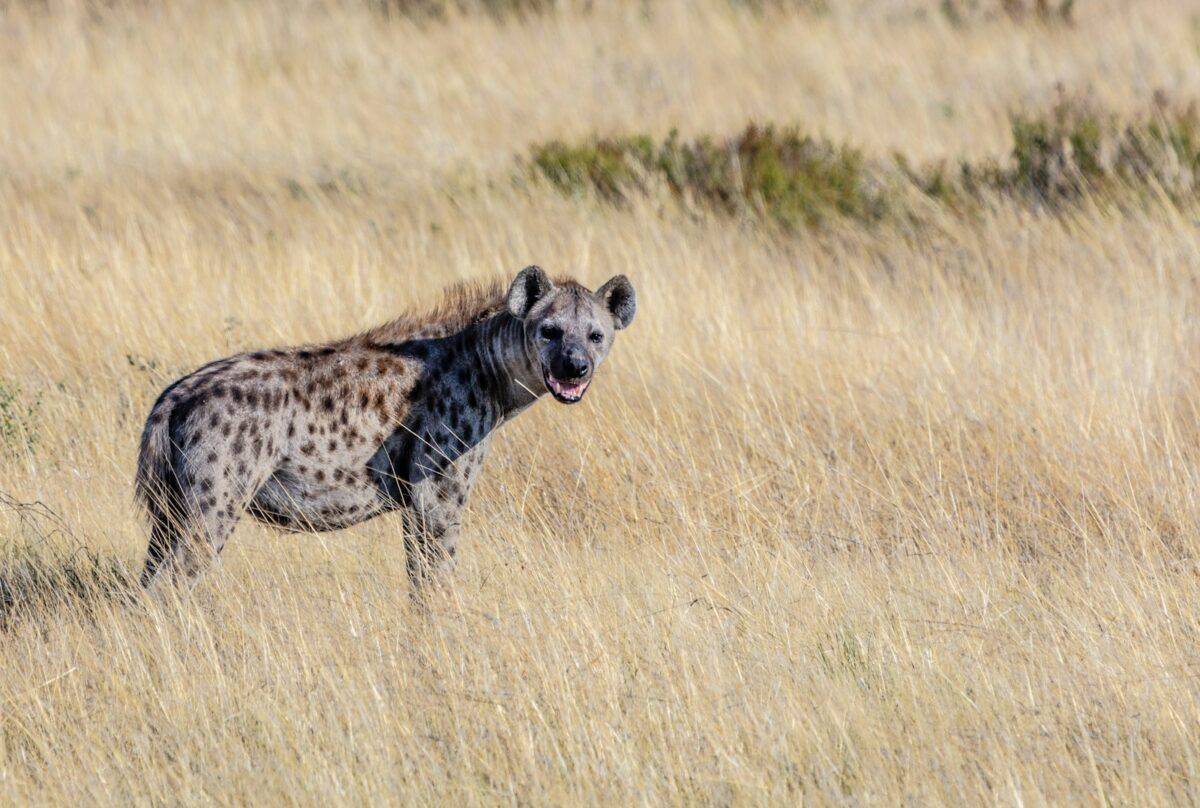
Hyenas often get a bad rap as scavengers, but they are incredibly effective hunters with complex social structures. Spotted hyenas live in large clans led by dominant females and work cooperatively to take down prey, often much larger than themselves. Hyenas communicate using a range of vocalizations, such as the iconic “laugh,” to coordinate their movements and convey information.
16. Tigers: The Solitary Stalkers

Tigers, the largest of the big cats, are powerful solitary hunters that rely on stealth and strength to ambush their prey. Found primarily in Asia, these magnificent creatures use their stripes as camouflage in the dense underbrush. Tigers are known for their ability to swim, often using water bodies to access areas with potential prey.
15. Crocodiles: Ancient Reptilian Predators

Crocodiles have been around since the time of the dinosaurs and are some of the most powerful reptiles in the world. These ambush predators can wait motionless in the water for hours, waiting for the perfect moment to strike. With incredibly strong jaws and the ability to hold their breath for long periods, crocodiles can capture prey that ventures too close to the water’s edge.
14. Snakes: Silent and Deadly
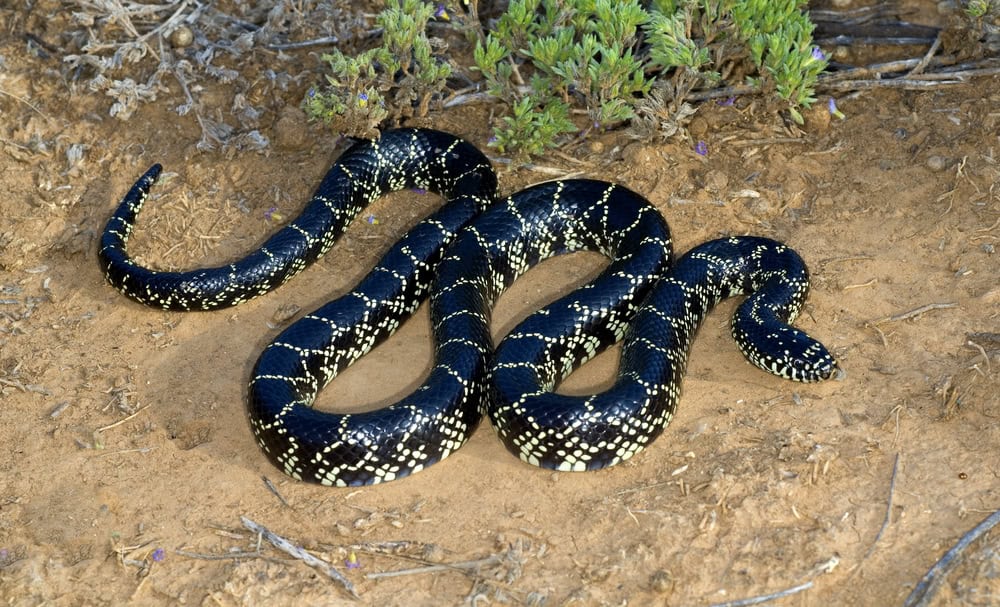
Snakes, with their unblinking eyes and silent movement, are among the most feared predators. Many species use venom to immobilize their prey, while constrictors like the boa and python rely on their powerful bodies to squeeze and suffocate their victims. Snakes have a highly developed sense of smell and heat-sensing pits that allow them to detect prey in complete darkness.
13. Jaguars: The Powerhouse of the Jungle
Jaguars are known for their incredibly strong bite, capable of piercing turtle shells and crushing bones. Found in the dense forests of South America, these solitary cats are excellent swimmers and often hunt in water. Jaguars rely on their powerful build and keen senses to ambush and overpower a wide variety of prey, including caimans and deer.
12. Hawks: The Swift and Agile Hunters

Hawks are agile birds of prey that expertly hunt small mammals, birds, and reptiles. They have keen eyesight, allowing them to detect prey from great heights. Hawks often use surprise attacks, swooping down at incredible speeds to capture their target with their sharp talons. Each species of hawk has unique hunting techniques adapted to its environment and prey.
11. Komodo Dragons: The Giant Lizard Predators

The Komodo dragon is the largest living lizard, capable of taking down large animals using its powerful build and venomous bite. Located primarily on Indonesian islands, Komodo dragons have an acute sense of smell, which they use to locate carrion or living prey. These formidable reptiles can consume a significant portion of their body weight in one meal, often eating up to 80% of their body mass.
10. Vultures: Nature’s Cleanup Crew
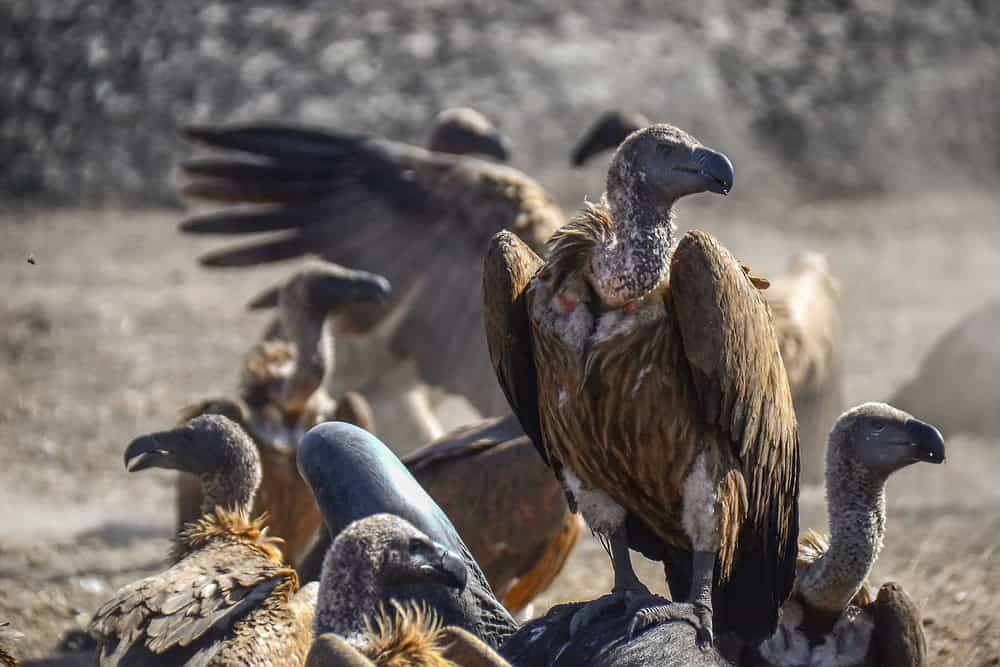
Vultures are often seen as grim creatures due to their association with death, but they play an essential role in their ecosystems. By feeding on carrion, vultures prevent the spread of disease and aid in nutrient cycling. These birds have highly acidic stomachs, which allow them to safely consume decaying flesh without falling ill.
9. Lynx: The Silent Forest Hunters

Lynx are elusive wild cats known for their tufted ears and keen hunting skills. These solitary hunters are adept at navigating through thick forests, where they stalk smaller prey such as hares and birds. Lynx have large, padded feet that enable them to move silently across snow and rough terrain, making them adept at ambushing their prey.
8. Scorpions: The Armored Arachnid Predators

Scorpions are predatory arachnids with powerful pincers and a venomous sting. Found in a variety of habitats, from deserts to forests, scorpions hunt at night and use their pincers to grip and immobilize their prey. Their unique physiology allows them to detect vibrations and locate prey in complete darkness.
7. Bears: Versatile Omnivorous Predators
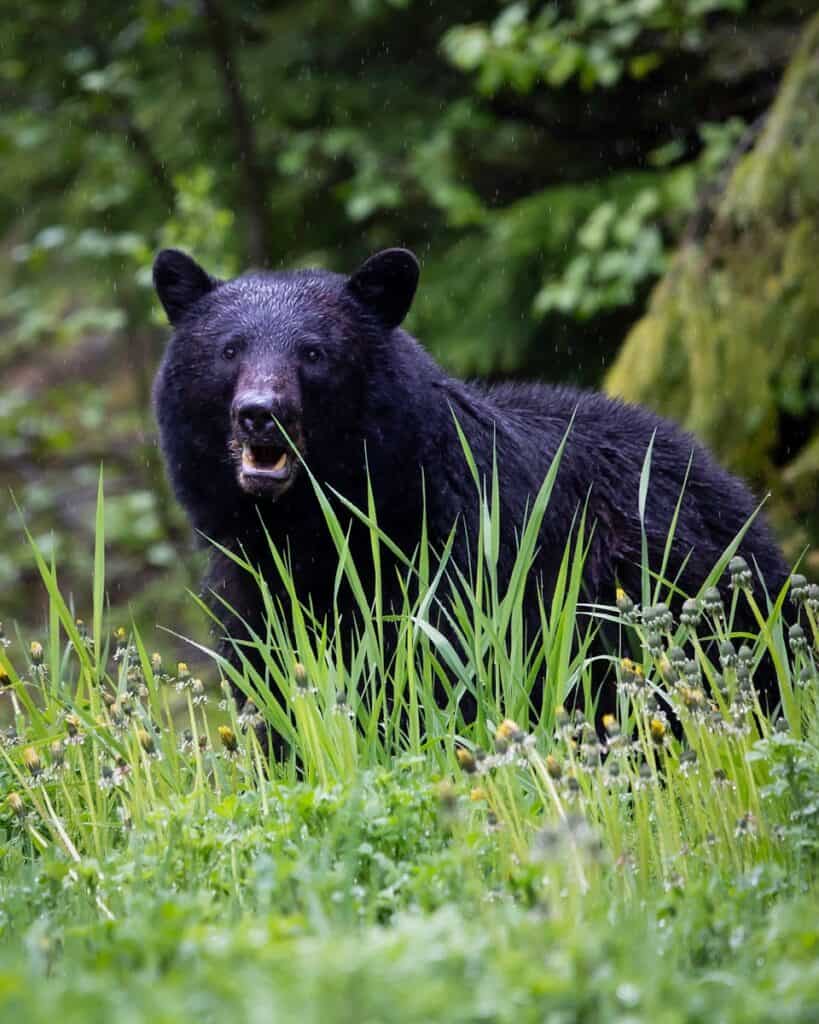
Bears are versatile predators and scavengers that occupy a range of habitats. While most bears have a varied diet that includes plants, insects, and meat, some species, like the polar bear, are more carnivorous. Bears are known for their strength and intelligence, using tools and problem-solving skills to access food in challenging environments.
6. Sea Snakes: Venomous Ocean Predators
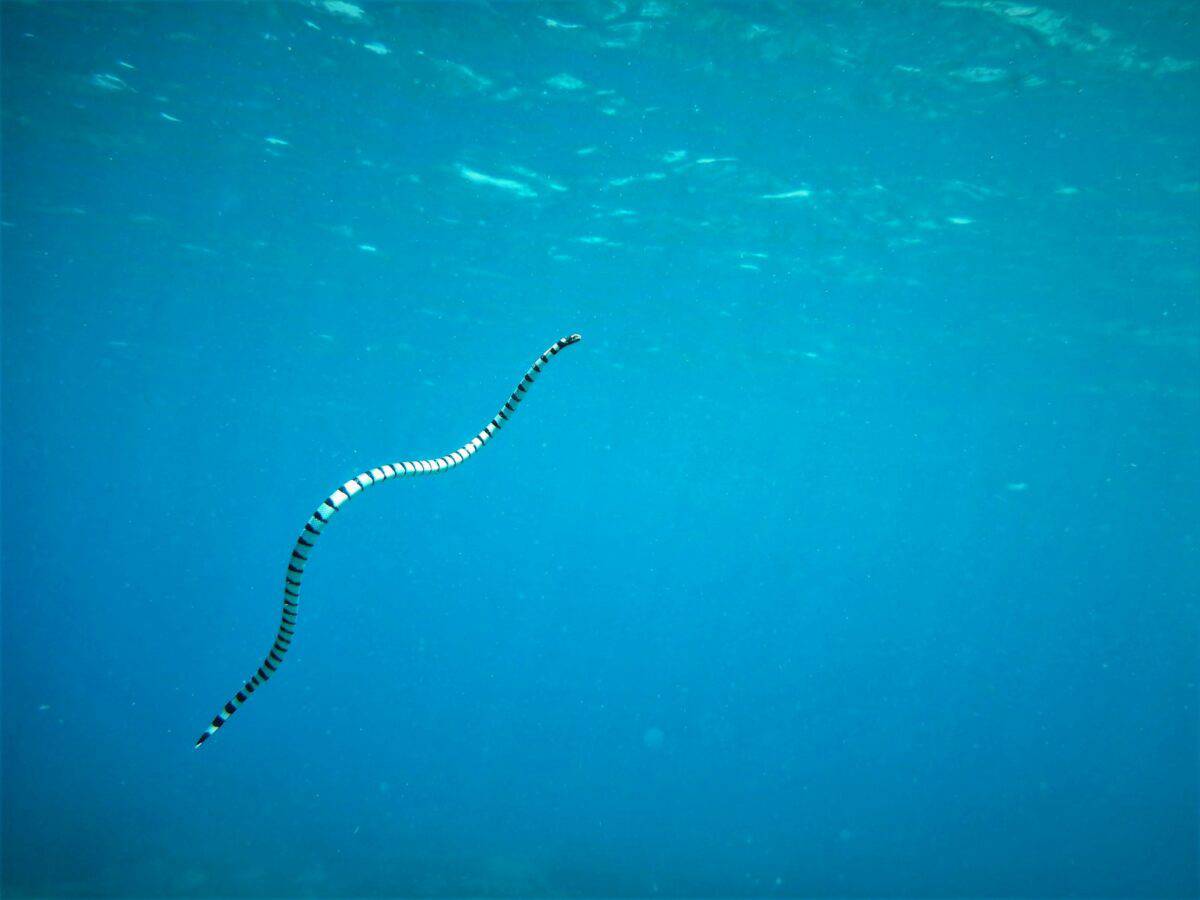
Sea snakes are highly venomous reptiles that inhabit warm coastal waters. These snakes are adapted to life in marine environments, with paddle-like tails that aid in swimming. They prey on small fish and eels, using their potent venom to subdue prey quickly. Sea snakes can hold their breath for extended periods, allowing them to hunt effectively underwater.
5. Ant-Lions: Sand Trap Predators

Ant-lions are named for their predatory larval stage, during which they construct pitfall traps in sandy soil. When unsuspecting ants or other small insects fall in, the ant-lion larva waits at the bottom, concealed in the sand, ready to capture and devour its prey. These voracious larvae can consume large quantities of prey daily.
4. Swordfish: Speedsters of the Sea

Swordfish are large predatory fish known for their elongated, sword-like bills. These bills are used to slash at schools of fish, stunning or injuring them before they are consumed. Swordfish are capable of reaching speeds exceeding 60 miles per hour, making them one of the fastest fish in the ocean.
3. Siberian Tigers: Cold Climate Predators

Siberian tigers, also known as Amur tigers, are the largest subspecies of tiger, adapted to the harsh, cold environments of the Russian Far East. These powerful predators rely on their strength and agility to hunt large prey such as deer and wild boar. Their thick fur provides insulation against frigid temperatures, allowing them to thrive in snow-covered landscapes.
2. Moray Eels: Ambush Predators of the Reefs
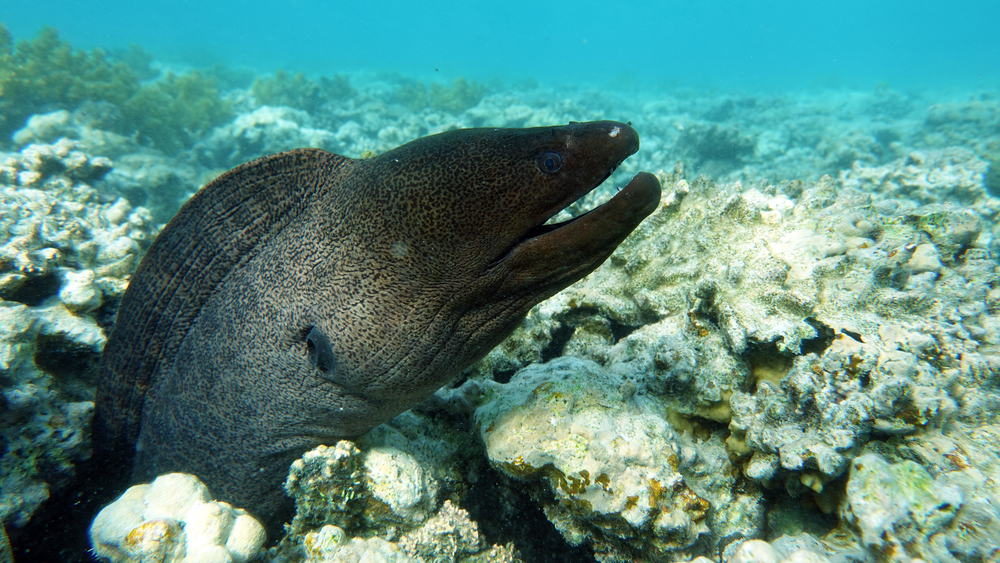
Moray eels are elongated, snake-like fish that inhabit coral reefs worldwide. These ambush predators hide in crevices, waiting for unsuspecting prey to swim by before lunging out with a powerful bite. Moray eels have a second set of jaws, known as pharyngeal jaws, that help pull prey deeper into their throats.
1. Otters: Playful Yet Skillful Hunters
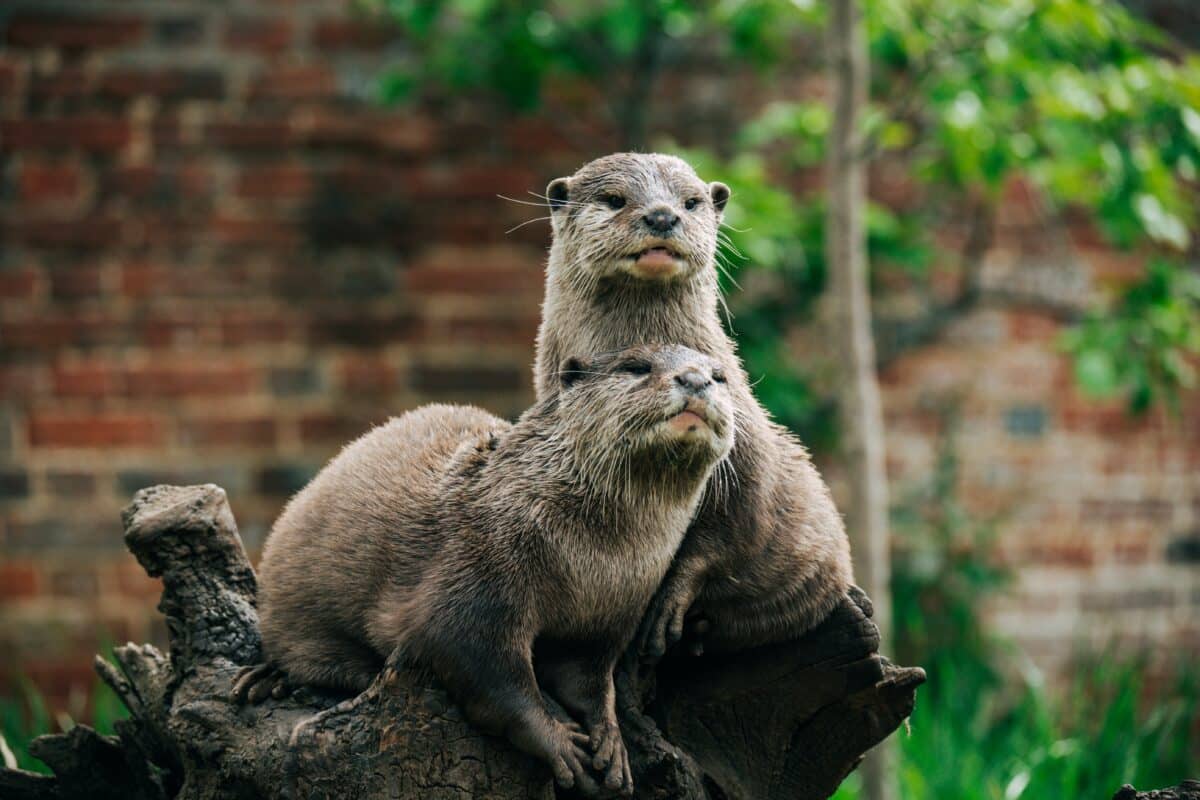
While otters may appear playful and endearing, they are also skilled predators, particularly adept at hunting fish and crustaceans in freshwater and marine environments. Otters use their dexterous paws and strong teeth to catch and dismantle prey. They are also known for their use of tools, such as rocks, to crack open shellfish, demonstrating their intelligence and adaptability.
Predators are diverse and essential components of our ecosystems, each with unique adaptations and behaviors that make them captivating subjects of study. From the swift falcons in the sky to the cunning wolves of the forests, these fascinating creatures continue to capture our imagination and teach us about the intricacies of life on Earth. Understanding and appreciating the roles predators play in maintaining balance within natural systems is crucial, not only for the protection of these species but for the well-being of the entire planet as well.

- Why Capybaras Are Known as the “Ultimate Peacekeepers” in the Animal World - July 23, 2026
- The Smartest Animals Known for Solving Problems - July 23, 2026
- Fascinating Animal Traditions Passed From One Generation to the Next - July 23, 2026