

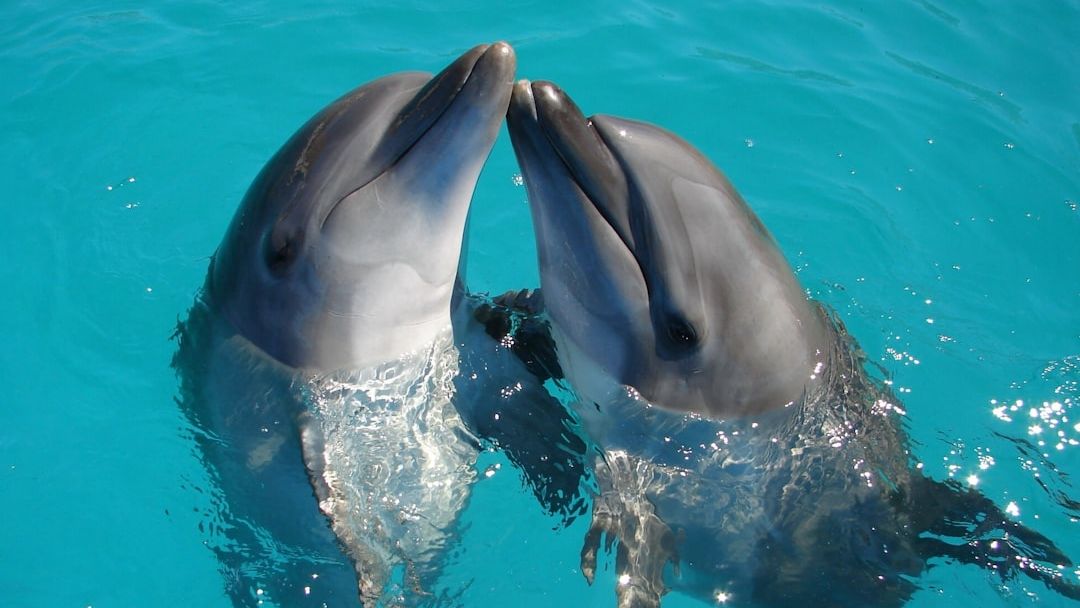
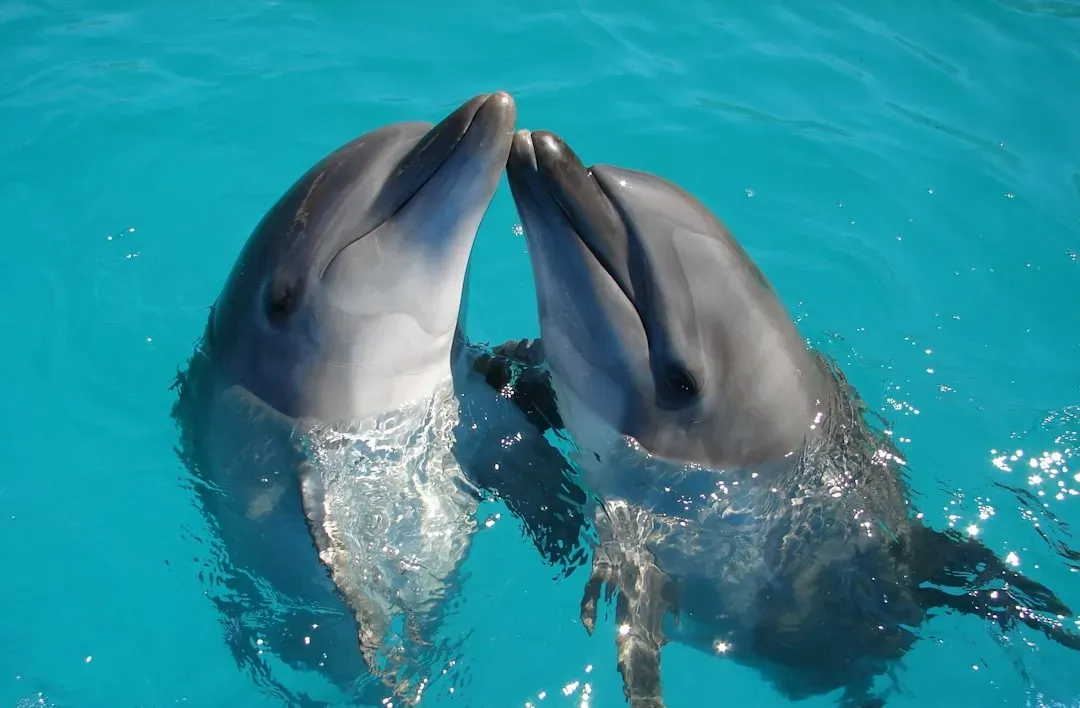
Mexico stands at the forefront of marine mammal welfare with the ongoing transfer of roughly 350 dolphins from cramped concrete tanks to vast coastal sanctuaries. This massive operation, driven by recent legislation banning captive marine mammals in entertainment, promises a life closer to nature for these intelligent creatures. Government officials, veterinarians, and conservationists collaborate to make it happen. Here’s the thing: countries worldwide could learn from this blueprint.
The project unfolds amid growing global scrutiny of dolphinariums, where animals often endure stress from unnatural conditions. Early signs point to thriving dolphins in their new homes, sparking hope for broader reforms. What follows details the scale, challenges, and triumphs of this welfare revolution.
The Landmark Legislation Sparking Change
Mexico’s environment ministry passed reforms that prohibit dolphin shows, breeding, and swim-with programs, affecting dolphins across 30 facilities. These rules mandate relocation to seaside sanctuaries within an 18-month window, prioritizing natural seawater lagoons over chlorinated tanks. Conservation groups like World Animal Protection hail it as a victory after years of advocacy. The move addresses ethical issues head-on, from limited space to disrupted social pods. Thousands of square meters per group now allow foraging and play. Political will turned criticism into action remarkably fast.
Relocation Logistics and Sanctuary Design
Teams transport dolphins in phases using custom slings and oxygenated trailers, with 24-hour monitoring to minimize stress. Sanctuaries feature enriched environments, including natural substrates, vegetation, and advanced filtration systems. Shaded areas prevent sunburn, a common tank problem. Veterinary checks ensure no diseases threaten wild populations. Over half the dolphins have settled already, despite weather delays. This scale dwarfs similar efforts elsewhere.
Valentina’s Frontline Observations
Dodo producer Valentina calls it progress other nations should emulate, noting rapid adaptations like resumed echolocation. Collaborative efforts shine through, blending local expertise with international input. Dolphins socialize in pods and simulate hunts within days of arrival. Her updates reveal meticulous planning behind the scenes. Vitality surges as behaviors normalize. Let’s be real: such insider accounts underscore the human dedication involved.
Health Transformations and Behavioral Wins
Preliminary data shows weight gains and synchronized swimming, absent in captivity. Cortisol levels drop, signaling reduced stress, while play increases. Stereotypic circling fades, a hallmark of tank distress. Vets track breeding potential and lifespans long-term. Pods exhibit innate foraging now. These shifts redefine captive care success.
Challenges Conquered and Global Ripples
Logistical hurdles included long-distance hauls and storm-proofing sites against predators. Inter-agency teamwork prevailed, ruling out health risks upfront. Eco-tourism replaces exploitative shows, aiding local economies. Data from sanctuaries will fuel research on cognition. Japan and the U.S. phase-outs align with this trend. Public demand accelerates such changes worldwide.
Final Thought
Mexico’s dolphin sanctuaries prove welfare upgrades are feasible with innovation and resolve. Future expansions to other species and education centers loom large. What do you think other countries should do next? Share in the comments.
Source: Original YouTube Video

- Urban Coyotes Show Remarkable Adaptability, Learning to Thrive in City Environments - July 22, 2026
- Beavers Are Nature’s Engineers, Creating Vital Habitats for Other Wildlife Species - July 21, 2026
- The Recovery of the California Condor Offers Hope for Other Critically Endangered Birds - July 21, 2026