
Every dog owner swears they can read their pet like a book – the wagging tail, the excited bark at the door, the sloppy kisses the second you walk in. Surely that means the dog is thriving, right?
Not exactly. Veterinarians and behaviorists have spent years studying what real canine happiness looks like, and it turns out most of the obvious stuff – the tail, the bark, even the licking – can just as easily mean your dog is stressed, overstimulated, or anxious. The actual signs of a genuinely content dog are quieter, stranger, and far easier to miss. Some hide in plain sight, like the way your dog blinks at you or how they sleep belly-up in the middle of the living room floor. One in particular, tucked away at #12, is something almost every owner walks past every single day without realizing what it means.
#1 – Loose, Low Tail Wags Signal Deep Contentment
Forget the frantic, high, flagpole wag people assume means pure excitement – that stiff wag can actually mean tension. The wag that really says “I’m safe” is loose, low, and sweeping, moving in slow arcs at or below spine height.
You’ll see it most during quiet moments – a scratch behind the ears, a lazy afternoon on the couch – not just at the door when you get home. Dogs who carry this wag through calm interactions, not only exciting ones, are showing steady, dependable contentment rather than a temporary rush of adrenaline.
Quick Compare
- Happy wag: Loose, low, sweeping side-to-side motion at or below spine height
- Excited wag: Fast, high, whole-body wiggle tied to a specific trigger like the door
- Stressed wag: Stiff, rapid, narrow movement held high and tight
#2 – Soft, Blinking Eyes Reveal Trust
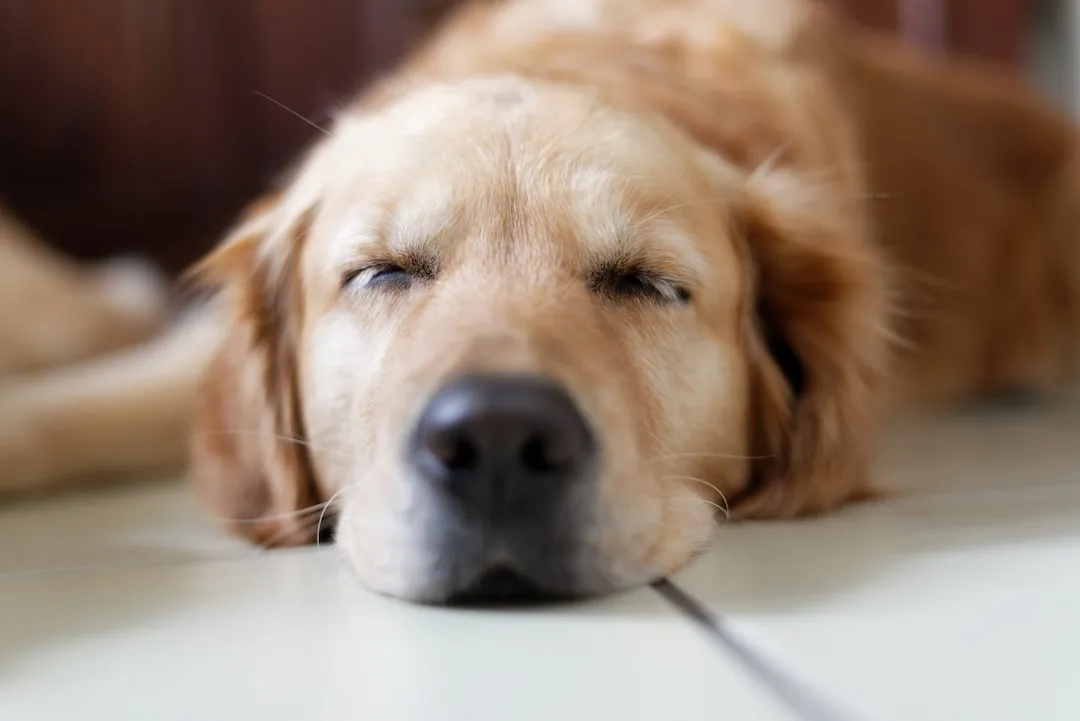
A dog that locks eyes with you and never looks away isn’t showing devotion – that’s a challenge in dog language, and it makes most dogs uncomfortable. The real sign of trust is almost the opposite: slow, soft blinking with half-closed lids, like a cat gone sleepy in the sun.
Watch for it during a petting session or a lazy Sunday morning cuddle. It’s your dog’s version of a smile, and it tends to fade fast if you force prolonged eye contact instead of letting it happen naturally.
#3 – Play Bows Invite Shared Fun
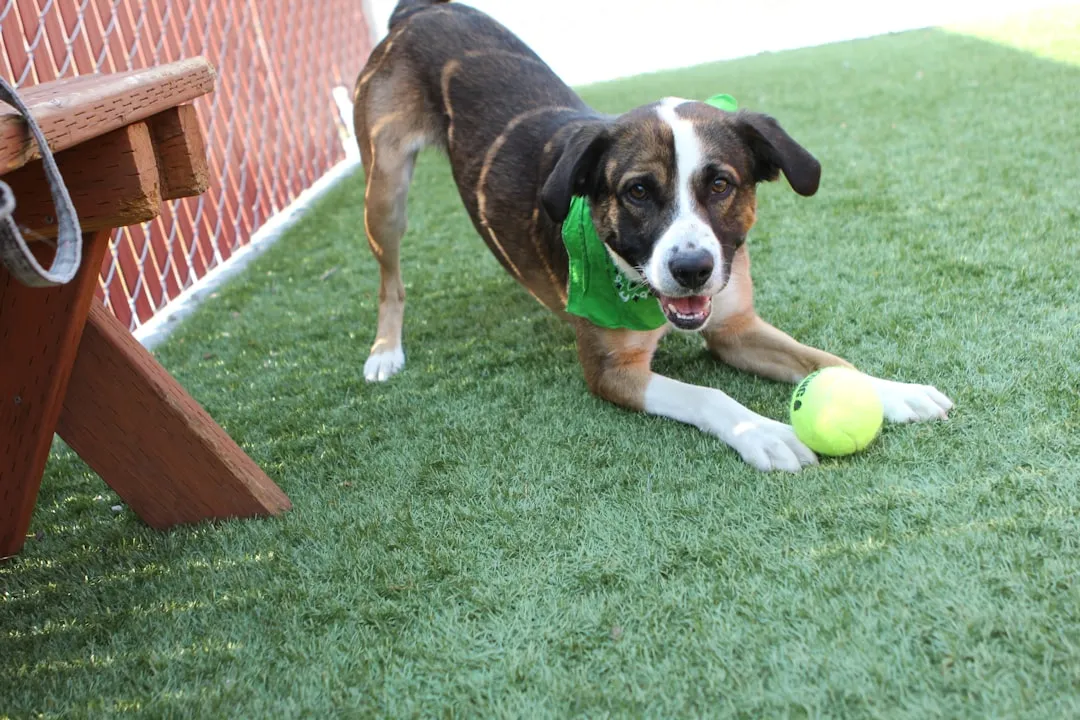
Front paws down, rear end in the air, tail wagging like a metronome – the play bow looks silly, but it’s a carefully chosen invitation. A dog only offers it when they feel secure enough to initiate play and confident enough to expect you’ll say yes.
It’s a full-body announcement that says “I trust this moment enough to be goofy.” Dogs whose emotional needs are met offer play bows often and easily; dogs running on stress or exhaustion rarely bother.
#4 – Leaning Into Touch Shows Preference
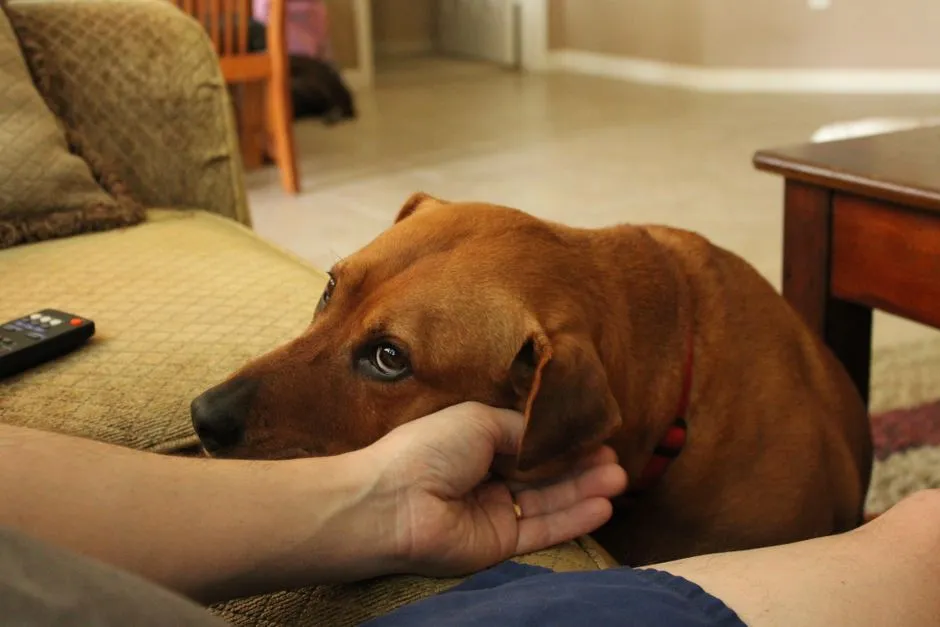
There’s a difference between a dog that tolerates being touched and one that leans their entire body weight into your leg like a furry brick. That deliberate press isn’t about warmth – it’s a choice, and dogs only make it with people they consider safe.
Pay attention to who starts the contact. A dog that initiates the lean, nudge, or full-body flop against you is telling you something a polite head-pat from across the room never could.
#5 – Enthusiastic Mealtime Appetite Reflects Overall Wellness
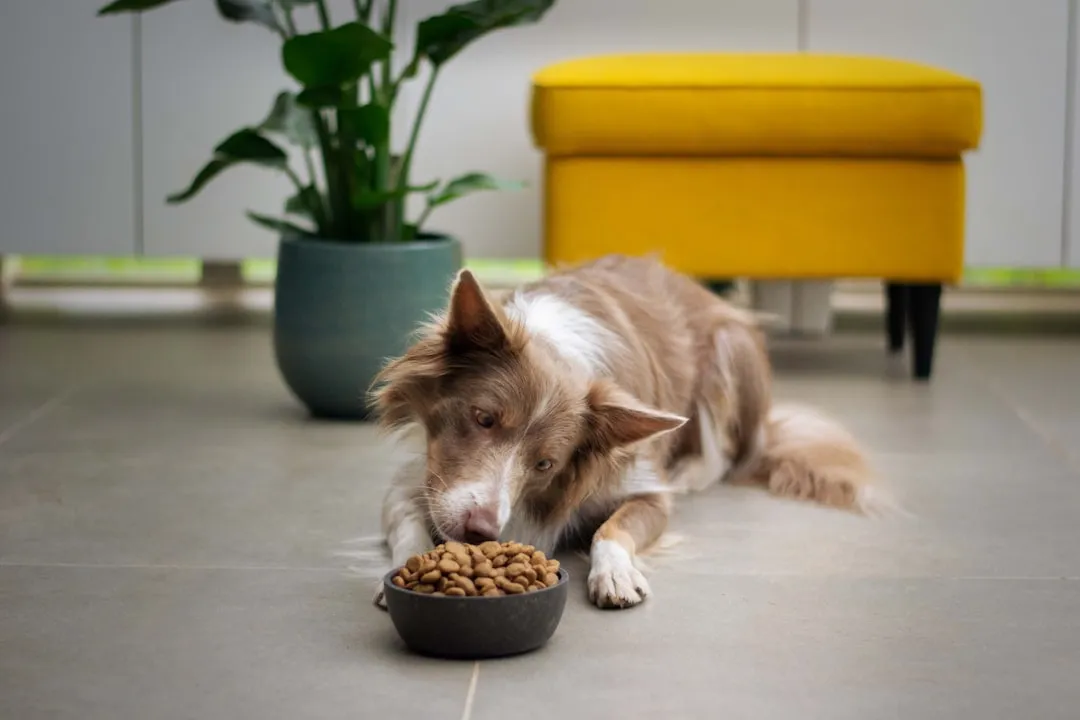
A dog that trots over to the food bowl with calm, steady interest – not frantic gulping, not disinterested sniffing – is usually running on good health and low stress. Appetite is one of the fastest things to shift when something’s wrong internally or emotionally.
Picky eaters exist, sure, but a sudden change in enthusiasm rarely happens for no reason. It’s often the first quiet clue that something’s off, long before more obvious symptoms show up.
#6 – Deep, Restful Sleep Demonstrates Security
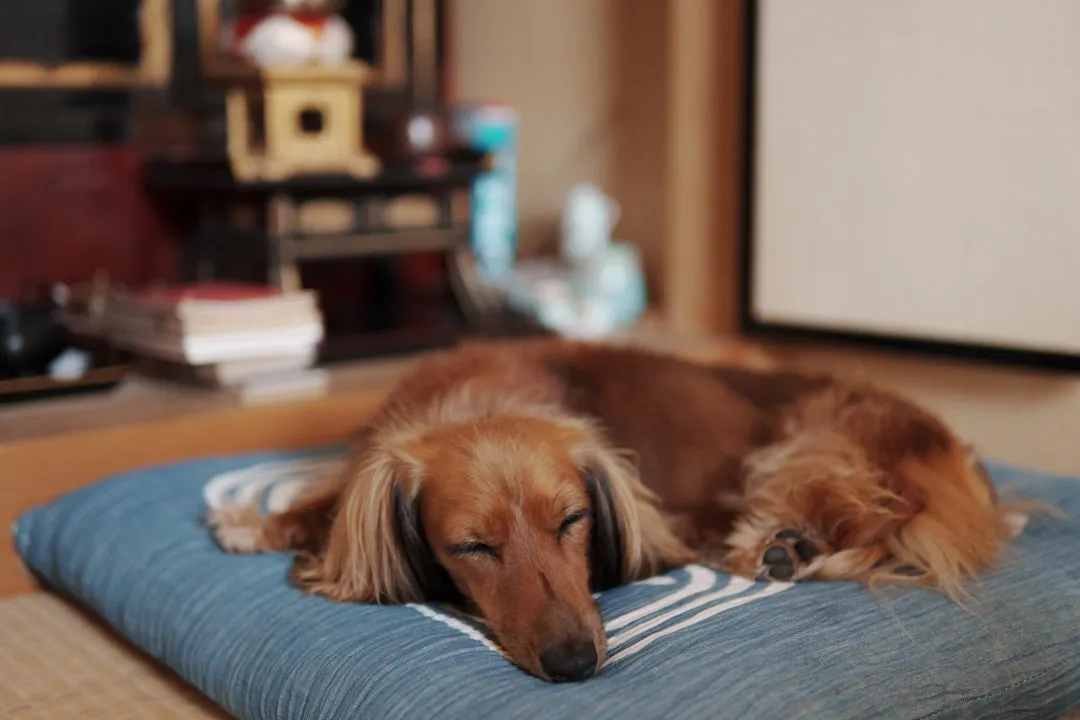
Flopped onto their back, paws in the air, belly fully exposed – that’s not just a funny photo opportunity. It’s one of the most vulnerable positions a dog can sleep in, and they only do it when they feel completely unthreatened.
Owners often mistake this for laziness. In reality, it’s a level of trust in their environment that anxious or hypervigilant dogs rarely, if ever, show.
#7 – Full-Body Greetings Display Unfiltered Joy
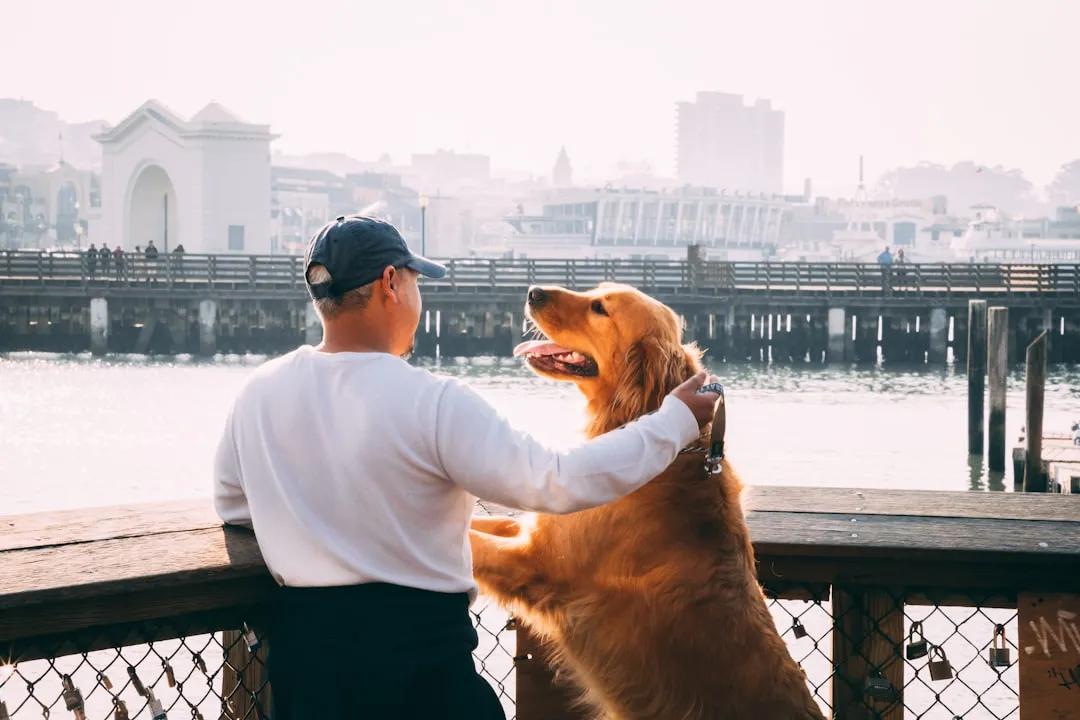
The wiggle-butt zoomie greeting when you walk through the door is adorable, but the real tell is what comes with it. Loose muscles, soft eyes, and a whole-body wag together mean the joy is genuine, not just adrenaline.
Compare that to a dog that jumps and barks frantically but never settles – that’s often anxiety wearing a happy costume. Dogs with real emotional security greet you hard, then calm down just as fast.
Dogs are not our whole life, but they make our lives whole.
Roger Caras
#8 – Shiny Coat and Bright Eyes Indicate Internal Balance
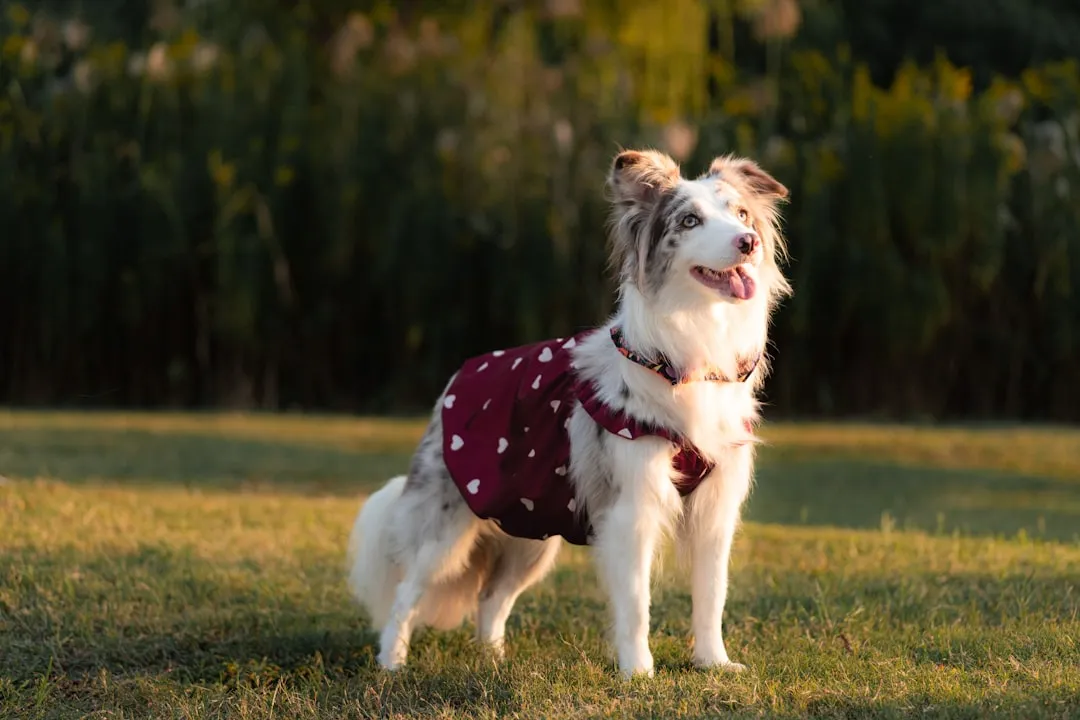
It’s easy to blame a dull coat purely on diet, but stress hormones play a bigger role than most owners realize. When cortisol stays low, coats tend to look glossier and eyes look brighter almost as a side effect.
Vets increasingly treat coat condition as a window into emotional state, not just nutrition. A shiny dog is often a quietly content one.
#9 – Toy Engagement and Creative Play Reveal Mental Satisfaction
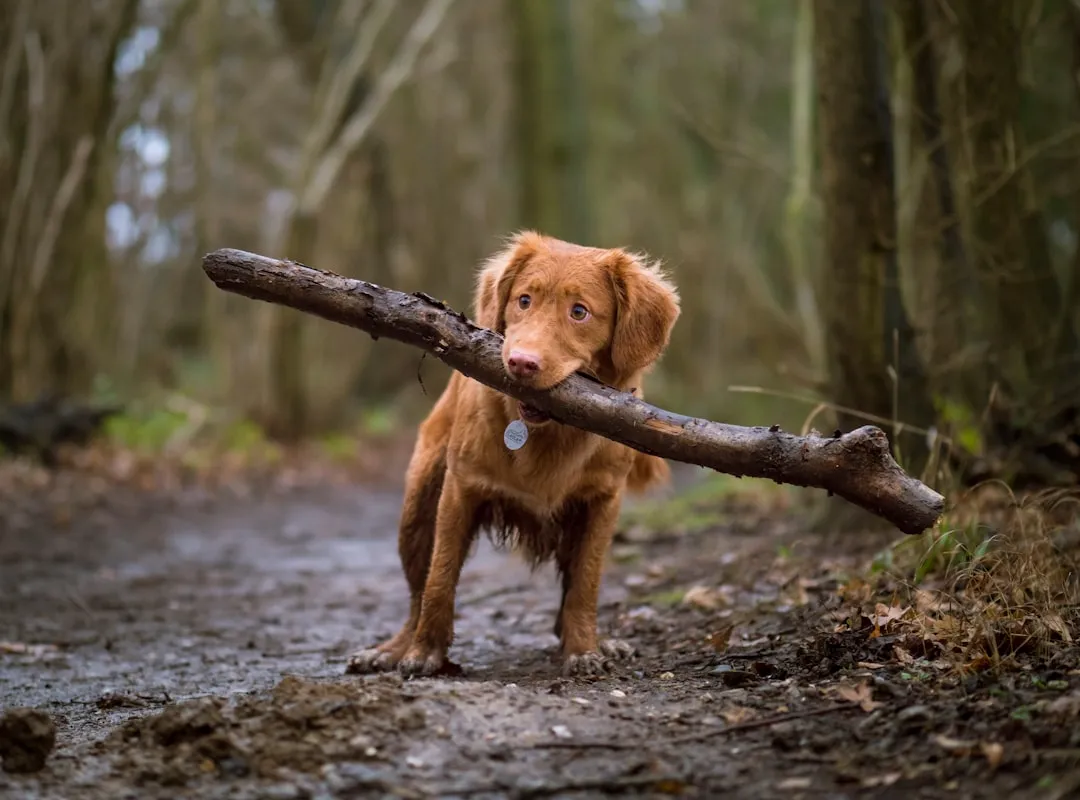
A dog that invents its own games – burying a toy under the couch cushion just to dig it out again – isn’t bored, they’re mentally engaged. That kind of self-directed play only shows up when a dog’s basic needs are already covered.
The key difference is enthusiasm versus destruction. A pile of toys means nothing if your dog ignores them; genuine, repeated interest is the real signal of enrichment.
#10 – Relaxed Ears During Interactions Confirm Calm
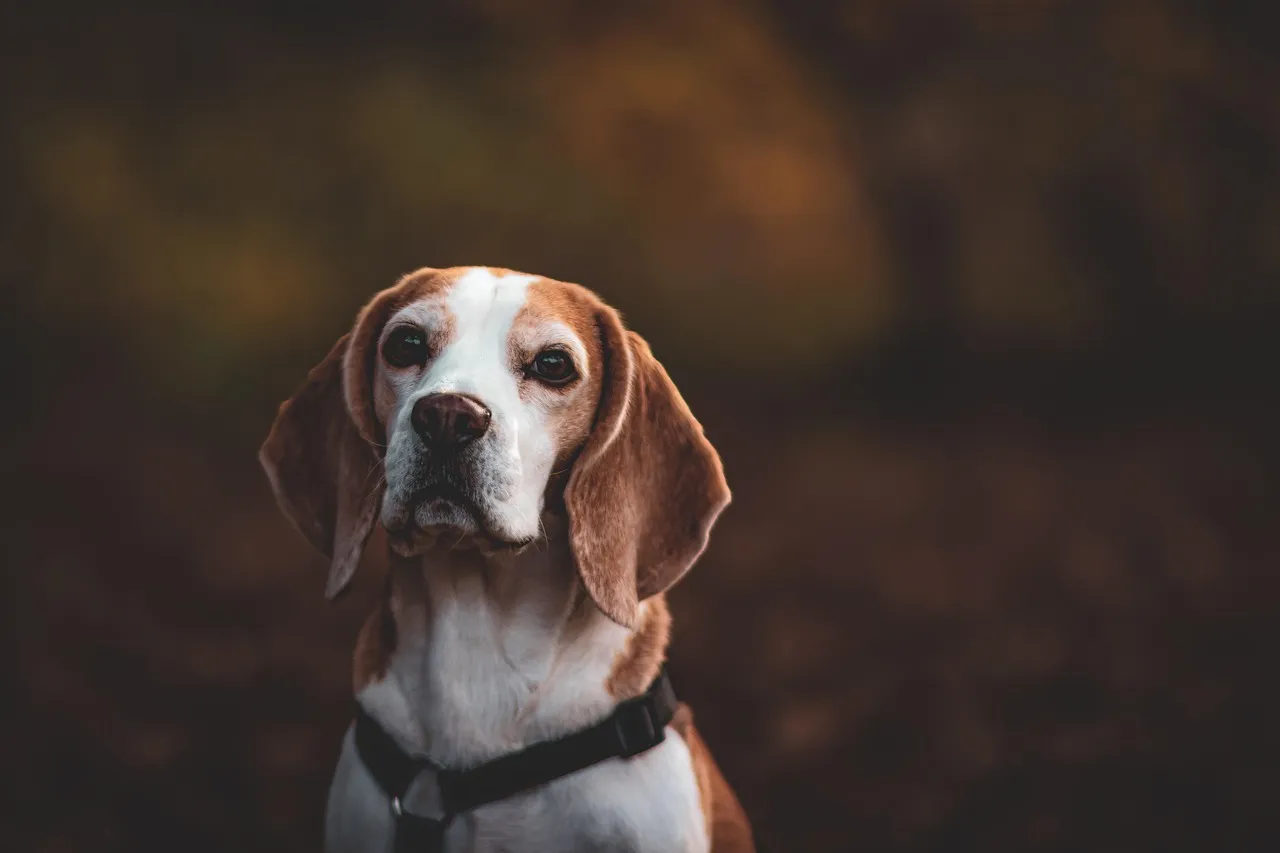
Most owners watch the tail and completely ignore the ears, but ear position shifts constantly with emotional state. Ears that rest naturally, neither pinned back nor rigidly forward, show a dog that’s genuinely at ease during greetings.
It’s a subtle cue, easy to miss in a quick glance. But combined with the rest of the body language, it fills in the picture that tails alone can’t tell.
#11 – Gentle Open-Mouth Panting Shows Easy Breathing
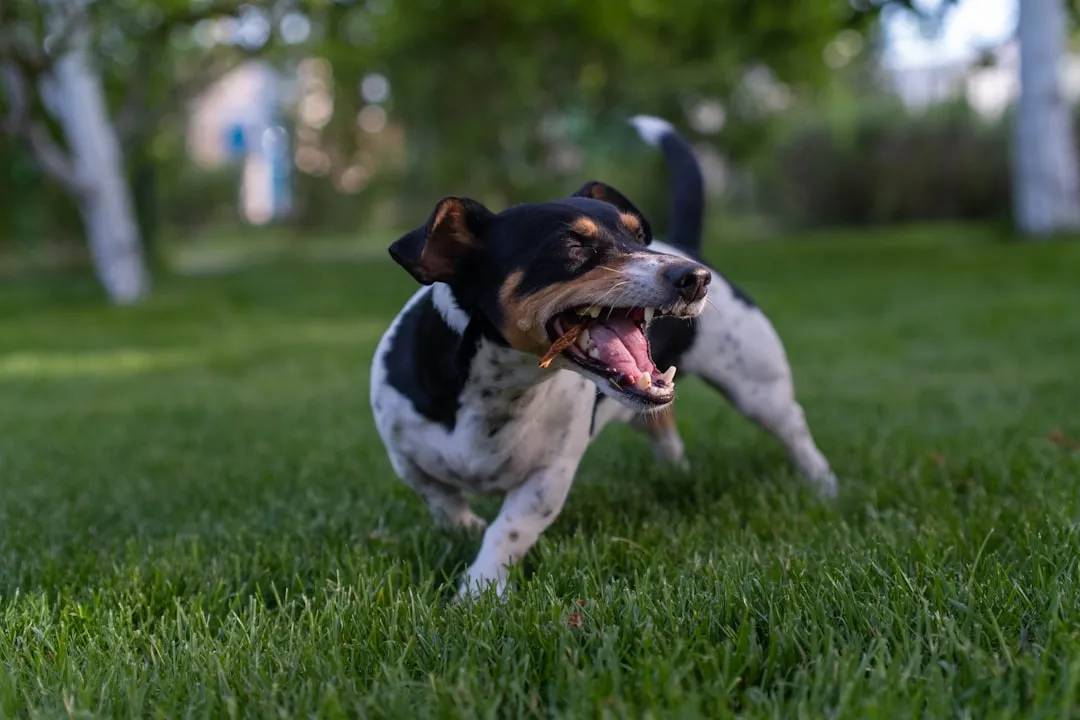
Panting gets an unfair reputation as always meaning heat or stress. A soft, open-mouth pant with a loose, lolling tongue during calm moments is actually a sign of comfortable, easy breathing.
The tell is in the tightness. Anxious panting tends to look clipped and tense around the mouth, while relaxed panting looks almost sloppy and loose.
#12 – Checking In Visually on Walks Proves Bond Strength
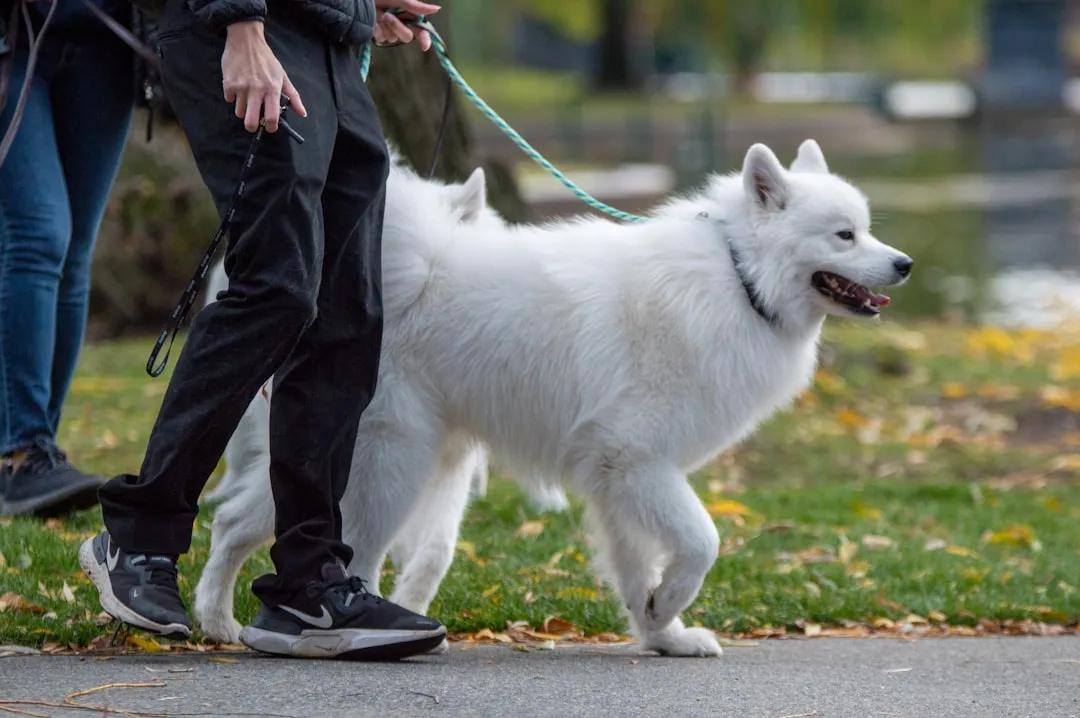
Here’s the one almost everyone walks right past. A genuinely happy dog will glance back at you mid-walk – not out of fear, but reassurance, like they’re checking “still with you?”
It’s easy to mistake this for clinginess, but it’s actually the opposite. That check-in habit builds slowly, over months of consistent, positive experiences, and it’s one of the clearest signs of a secure bond most owners never notice they’re getting.
#13 – Healthy Weight Maintenance Ties Directly to Routine
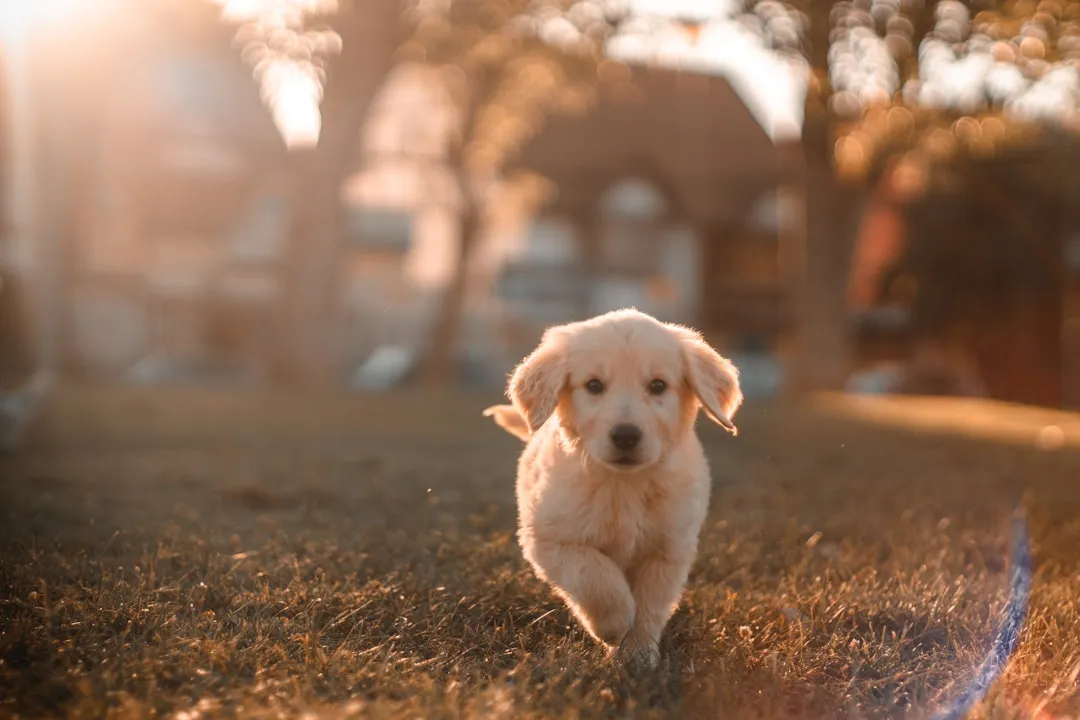
A dog that holds a steady, ideal weight without dramatic swings usually isn’t just eating the right amount – they’re living a predictable, emotionally stable life. Weight is often the first physical marker of a well-regulated routine.
Sudden gain or loss rarely happens in a vacuum. More often than owners expect, it traces back to a stress source hiding somewhere in the daily schedule.
#14 – Positive Responses to Handling Indicate Trust
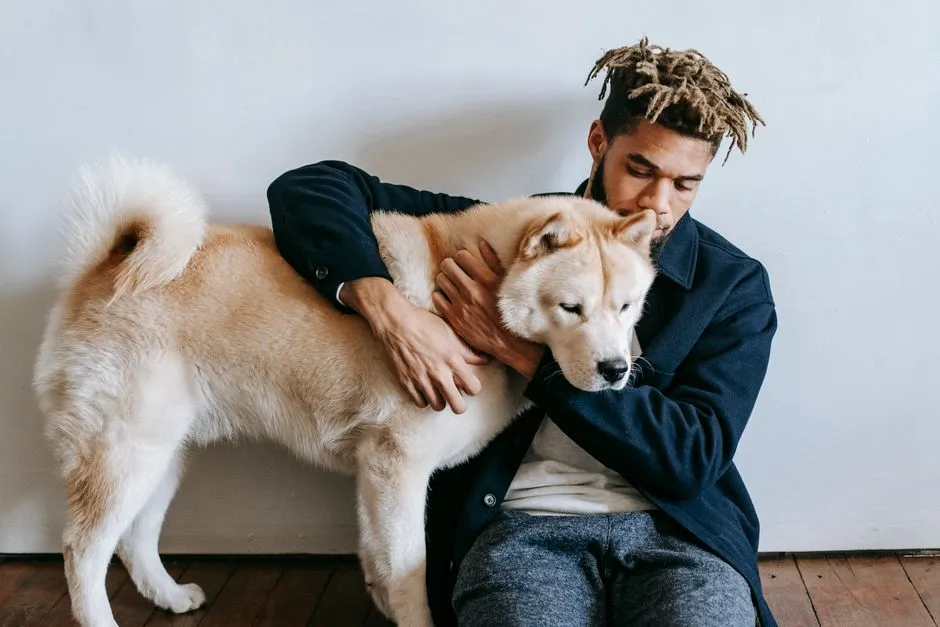
Nail trims, ear checks, tooth brushing – dogs that relax through all of it have built real trust over repeated gentle experiences. That calm doesn’t happen by accident.
Owners who force handling through struggle and restraint often wonder later why their dog resists more, not less. Comfort with touch has to be earned slowly, and its presence says a lot about the relationship underneath.
#15 – Social Play with Other Dogs Shows Confidence
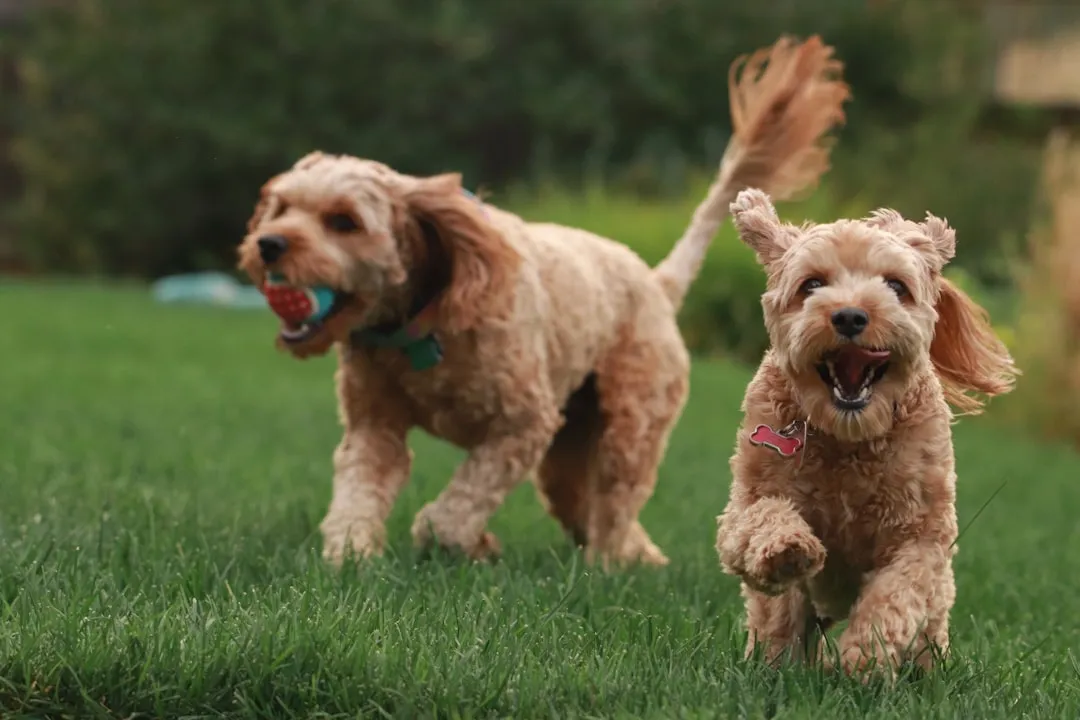
A dog that plays fair with other dogs – taking turns chasing, self-handicapping with bigger or smaller playmates – is showing real social confidence. That kind of give-and-take doesn’t happen when a dog feels unsafe.
Watch for withdrawal or excessive aggression instead. Both extremes often point to something deeper than “bad manners.”
#16 – Quick Recovery from Startles Reflects Resilience
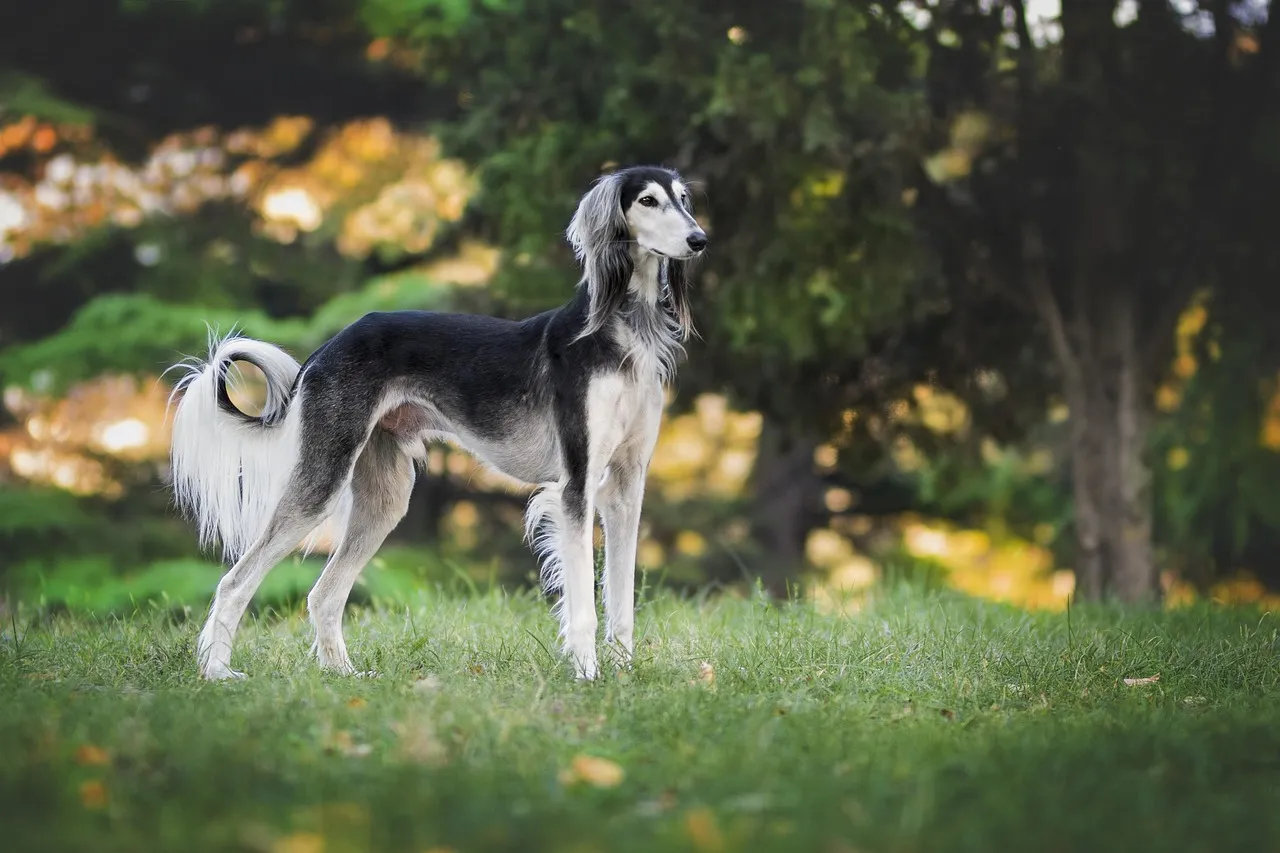
Every dog gets spooked by a dropped pan or a sudden knock. What matters is what happens next – a happy, secure dog shakes it off within seconds and moves on like nothing happened.
Dogs carrying chronic stress take longer to settle, if they settle at all. That bounce-back speed is a surprisingly reliable window into emotional resilience.
#17 – Following You Calmly Without Shadowing Anxiety
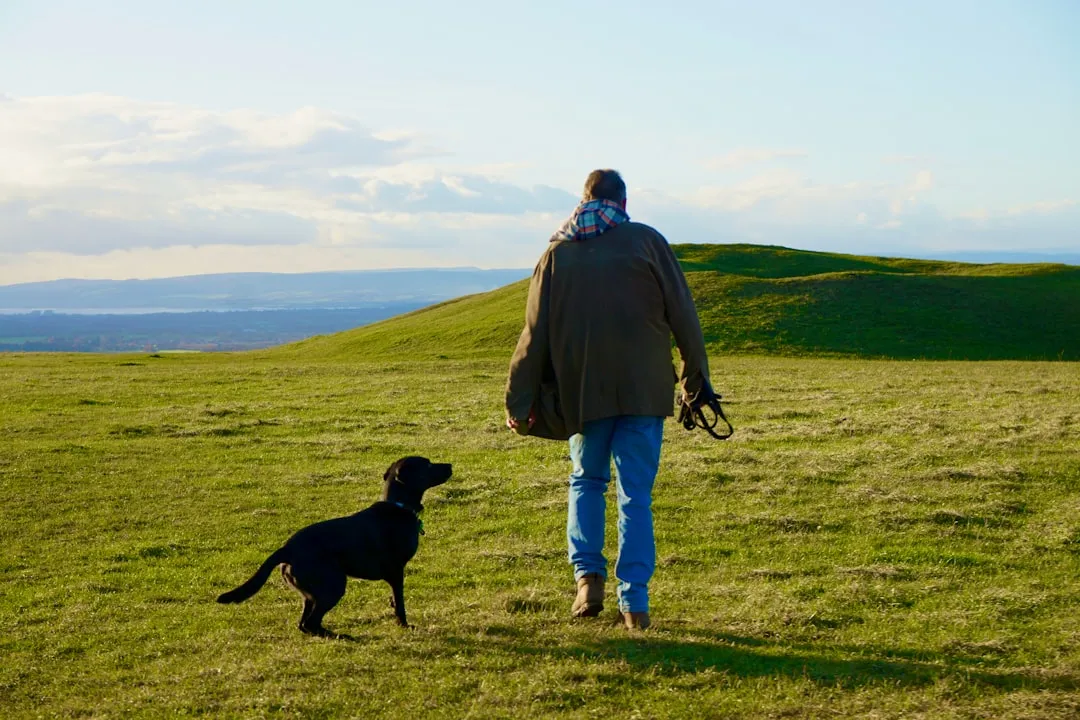
There’s a real difference between a dog that wanders room to room with you out of enjoyment and one that’s glued to your ankles out of fear of being alone. The relaxed version keeps a comfortable distance and settles nearby without panic.
Owners often read both as “loyalty,” but only one of them is actually a happy dog choosing your company. The other is anxiety wearing a cute disguise.
#18 – Vocalizations That Sound Playful Rather Than Demanding
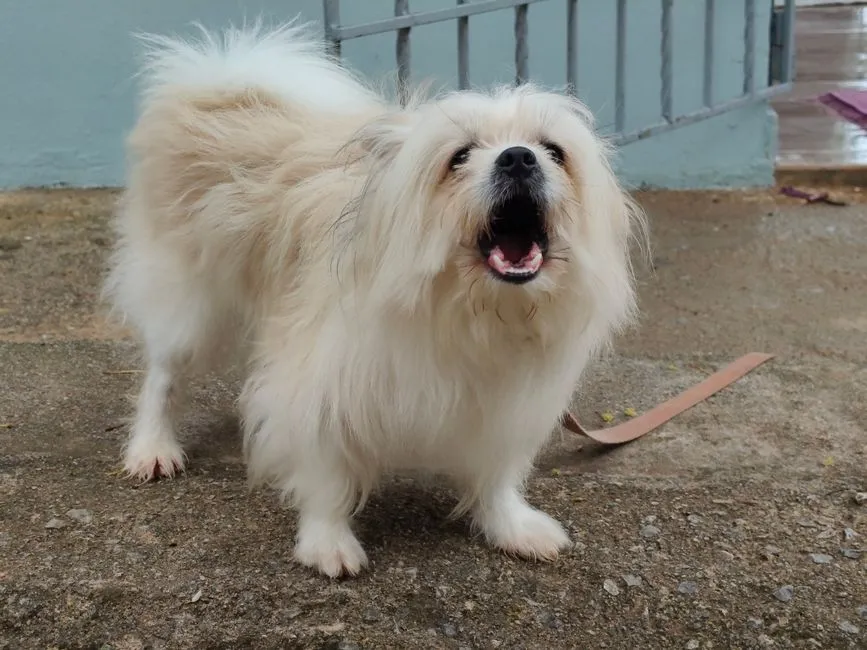
A happy bark during a game of fetch has a totally different rhythm than a stressed, repetitive whine at the door. Playful vocal bursts are short, loose, and tied directly to the fun happening in the moment.
They stop almost as fast as they start once the excitement fades. Constant whining or barking that doesn’t resolve is usually asking for something the dog isn’t getting.
#19 – Interest in New Scents and Environments Without Fear
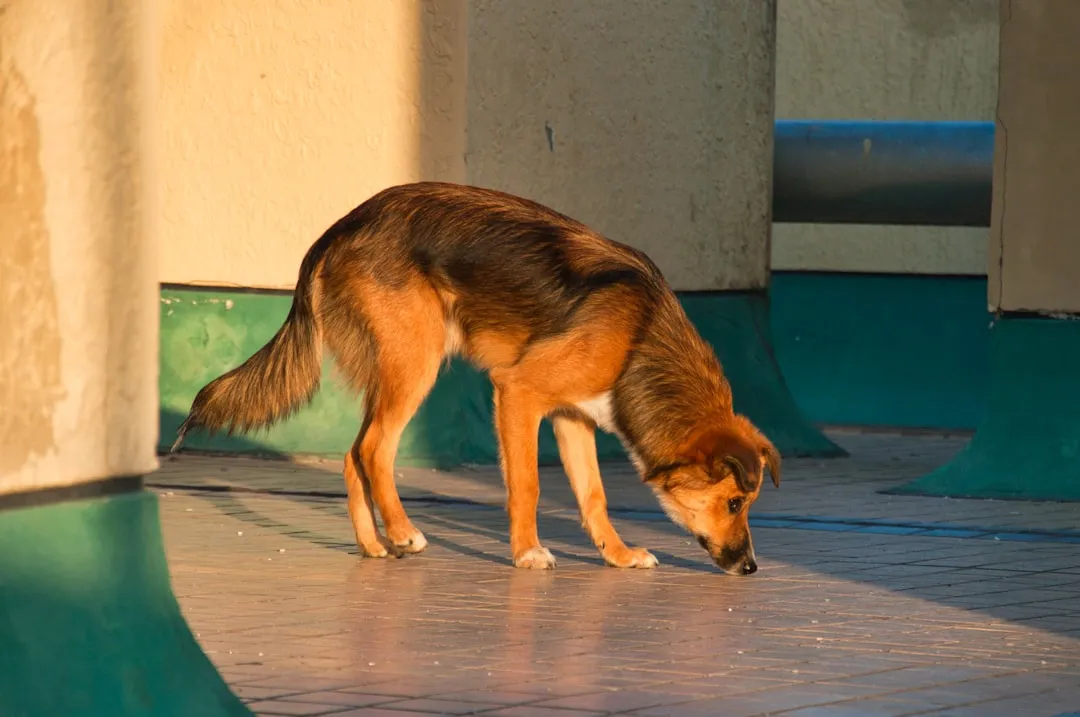
A dog that sniffs confidently at a new smell, a new corner of the park, or an unfamiliar person’s shoes is showing curiosity, not anxiety. That kind of loose, engaged exploration keeps a dog mentally sharp.
Compare it to a dog that freezes, tucks, or refuses to move forward. Genuine happiness looks like curiosity leading the way, not fear holding it back.
Fast Facts
- Confident sniffing tends to use long, steady inhales rather than short, darting breaths
- A relaxed tail usually keeps moving during exploration, not just before it starts
- Freezing or refusing to approach something new often signals worry rather than stubbornness
- A dog that recovers quickly from a mid-sniff startle is showing genuine ease, not just curiosity
#20 – Consistent Elimination Habits Point to Routine Comfort
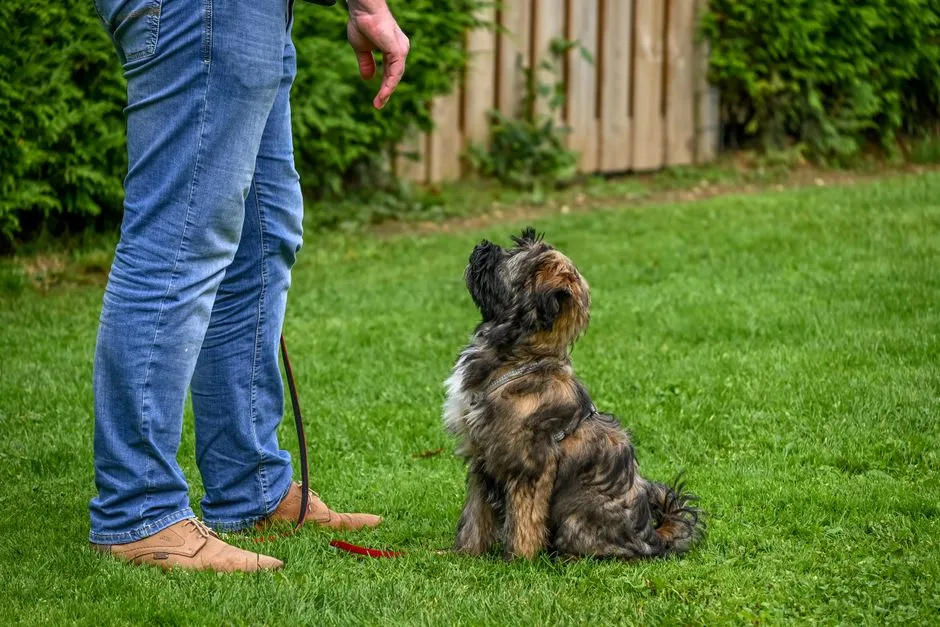
Reliable bathroom habits, without sudden accidents or marking, often tie directly to low stress levels. It’s one of the least glamorous signs on this list, but one of the most consistent.
When this routine breaks down, owners tend to blame training first. More often, it’s the emotional side of things that shifted, not the dog’s understanding of the rules.
#21 – Relaxed Posture When Alone Indicates Independence
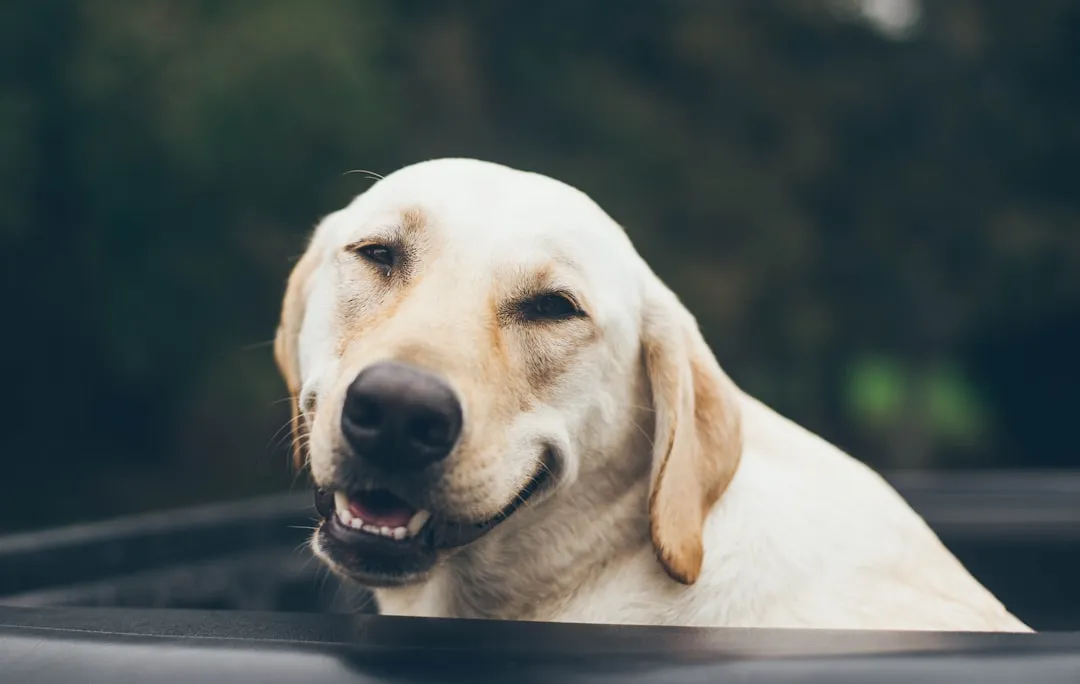
A dog that can nap peacefully by the window while you’re gone, without destroying the couch or howling for hours, has built real emotional security. Being alone doesn’t have to mean being anxious.
That self-soothing ability is a genuine milestone, not a given. It separates dogs who are truly content in their setup from ones simply enduring it until someone comes home.
#22 – Tail Wags During Owner Conversations Show Connection
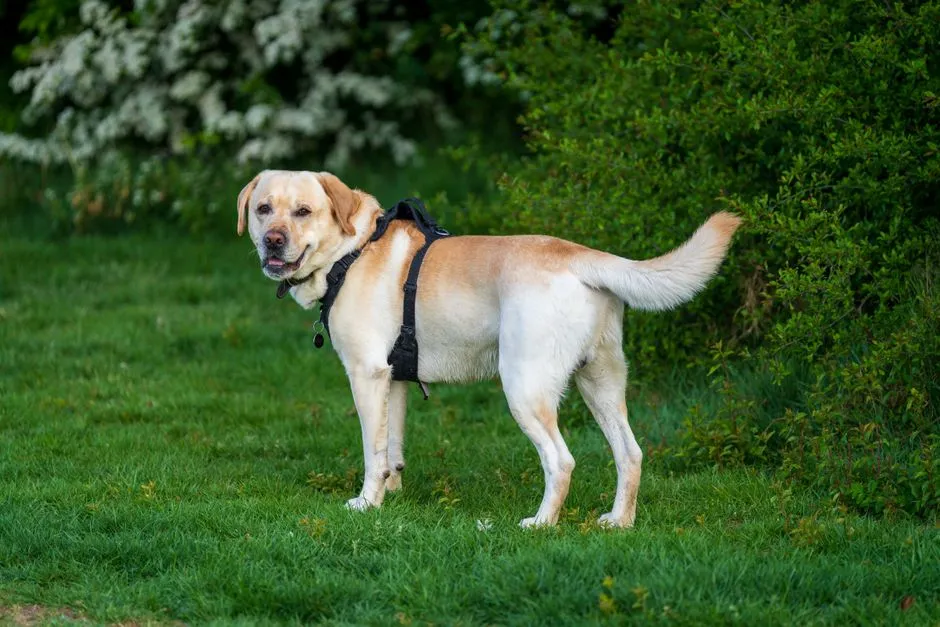
Ever notice your dog’s tail give a small wag just because you started talking, even without looking at them? That subtle little movement reveals an ongoing, positive association with your voice alone.
It’s easy to miss because it’s so small. But it builds from months of your voice meaning good things – dinner, walks, affection – layered together into one automatic response.
#23 – No Excessive Licking or Self-Soothing Behaviors
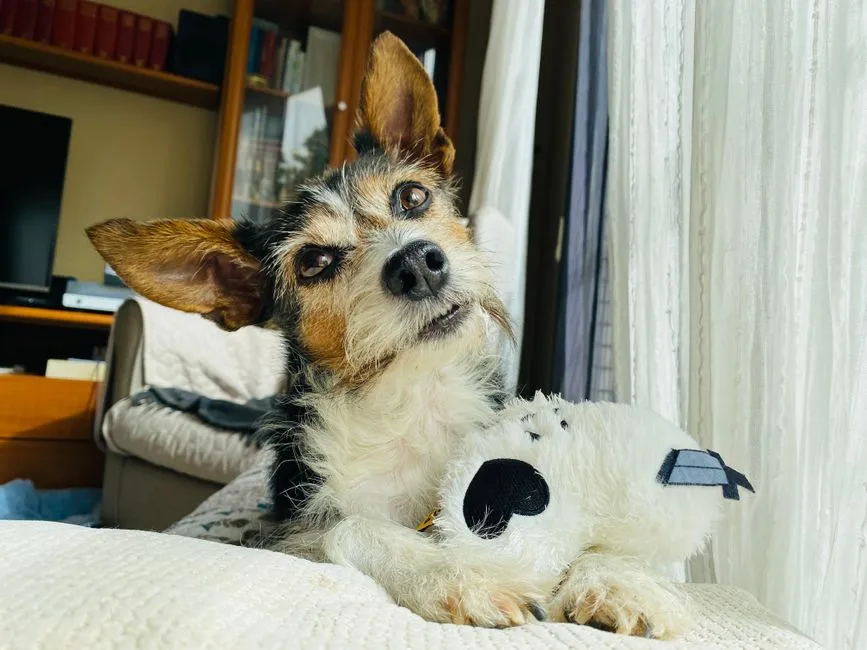
Occasional licking is normal. Constant lip-licking, paw-licking, or yawning in situations that have nothing to do with tiredness is usually the dog’s nervous system trying to calm itself down.
These small displacement behaviors get dismissed as quirks until they escalate into something bigger, like hot spots or compulsive habits. Their absence is a quieter, easier sign of a settled dog.
#24 – Enthusiasm for Car Rides or Outings Without Dread
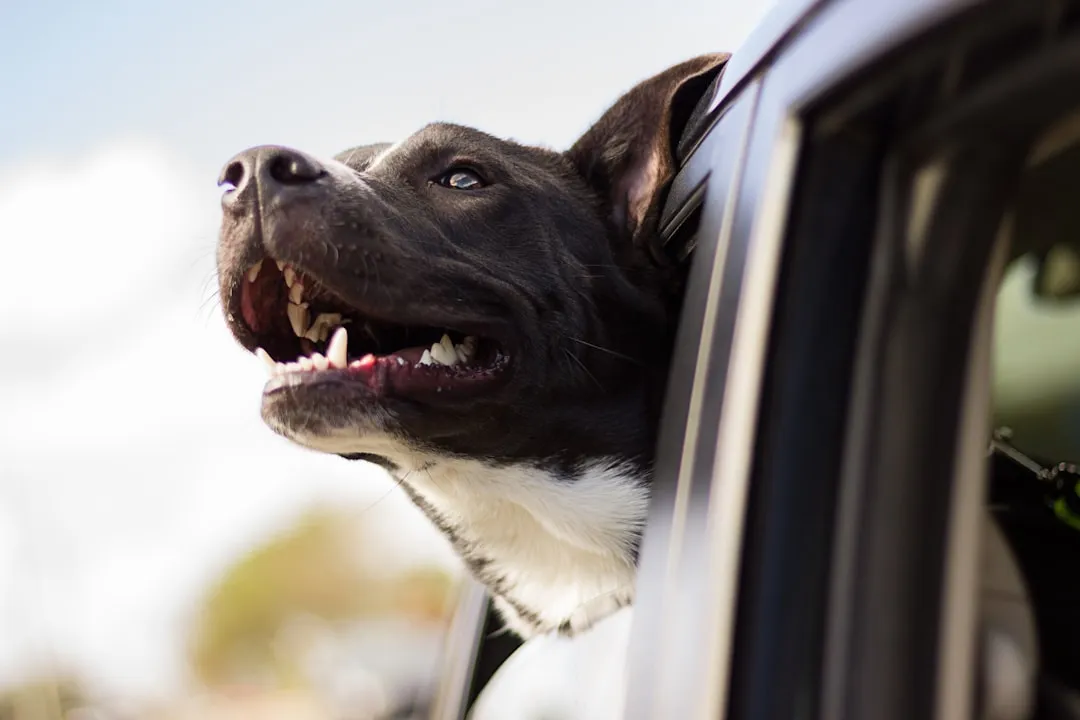
A dog that hops into the car without hesitation and settles calmly for the ride is showing more than just excitement for the destination. Genuine ease with travel points to lower baseline stress overall.
Drooling, shaking, or refusing to get in usually gets blamed entirely on motion sickness. Sometimes it is – but often it’s tangled up with broader anxiety the car ride just happens to trigger.
#25 – Balanced Energy Levels Throughout the Day
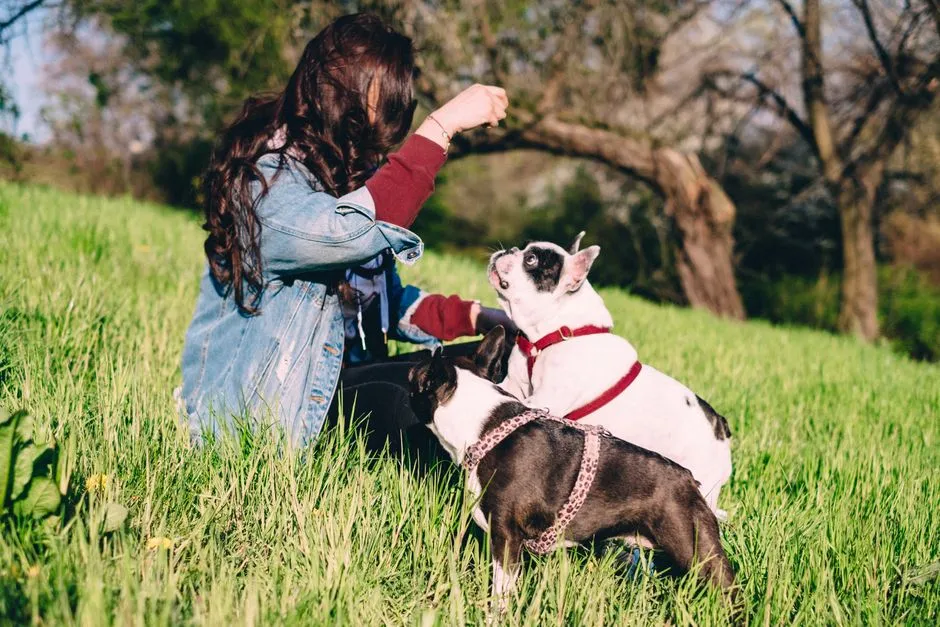
Neither bouncing off the walls all day nor sleeping through every opportunity to engage is the sweet spot most owners overlook. Balanced, appropriate energy usually means exercise and mental stimulation are actually matching what the dog needs.
Chronic hyperactivity often gets mistaken for happiness when it’s actually under-stimulation. True contentment usually looks calmer than people expect.
#26 – Willingness to Share Space and Resources
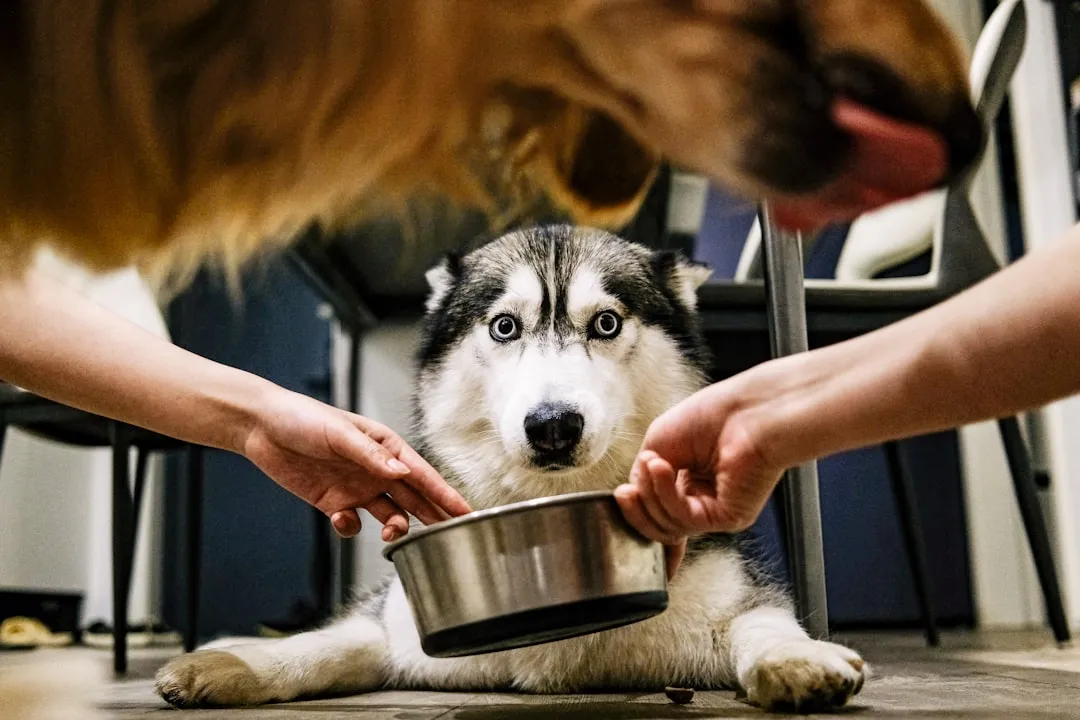
A dog that can relax near the food bowl, the favorite toy, or a resting spot without guarding it shows a baseline sense of safety. Resource guarding isn’t really about the object – it’s about fear that it might not come again.
Dogs secure in their environment don’t feel the need to protect every little thing. That relaxed generosity is a quiet but telling sign.
#27 – Bright, Responsive Eyes During Training
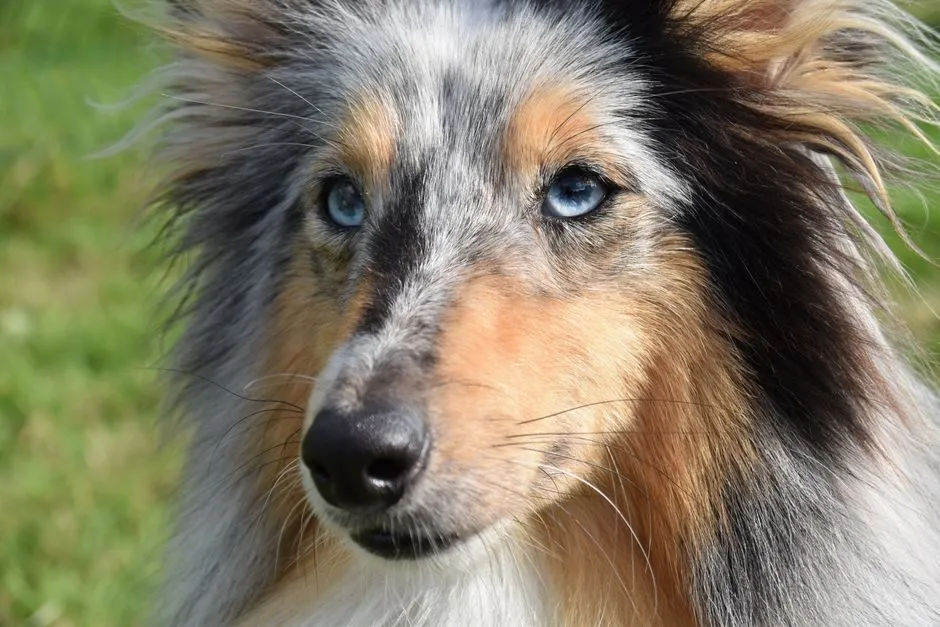
Engaged eye contact and quick focus during a training session show a dog whose brain is genuinely lit up, not shut down. Learning fast isn’t just about intelligence – it reflects comfort and low stress in the moment.
A dog that shuts down, freezes, or avoids eye contact during training is often working through frustration or fear, not stubbornness. The eyes tell you which one it is.
Worth Knowing
- Dogs tend to learn fastest when stress is low and focus is easy to hold
- Quick, willing eye contact during cues often reflects comfort more than raw obedience
- Frustration in training can look like sudden sniffing or disinterest rather than defiance
- Short, upbeat sessions usually reveal true engagement better than long, repetitive ones
#28 – Regular Stretching and “Happy Shake-Offs”
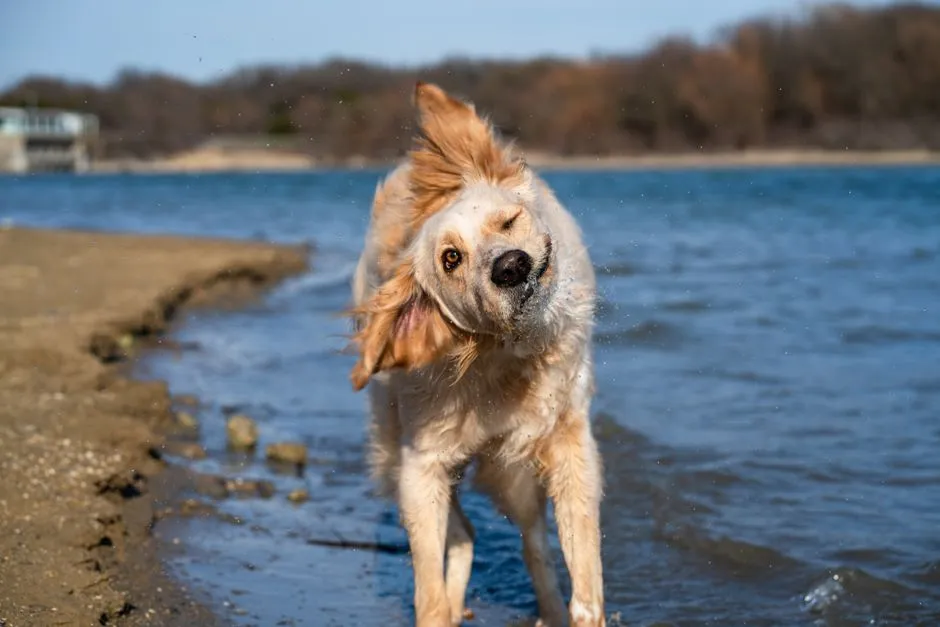
That full-body shake after getting up from a nap looks almost cartoonish, but it’s a genuine tension release. Dogs use it to reset physically and emotionally after moments of stress or excitement alike.
Content dogs do this often and easily, almost like clearing the slate. It’s one of those tiny habits that says more than it seems to.
#29 – Interest in Family Activities Without Overstimulation
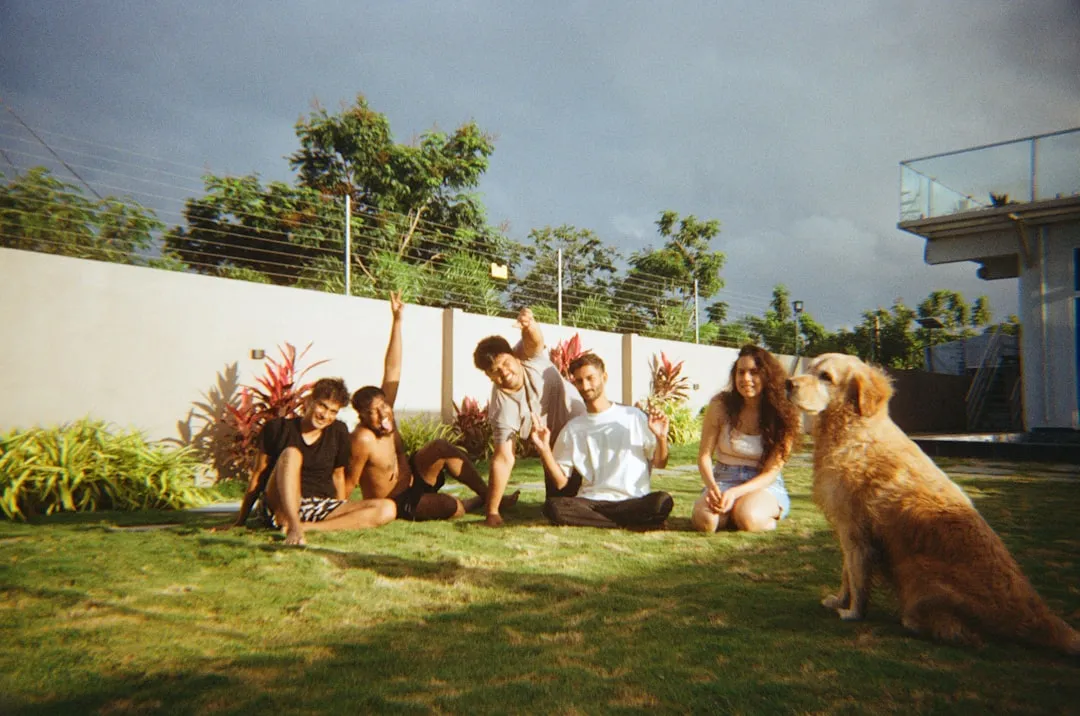
Joining a family gathering calmly, wandering through the room for pets without spiraling into chaos, shows that inclusion genuinely feels good to your dog. That easy participation isn’t guaranteed.
Hiding under the table or bouncing off guests in overexcitement both get labeled as “personality” when they’re often reactions to something less comfortable underneath.
#30 – Clean Teeth and Fresh Breath from Low Stress
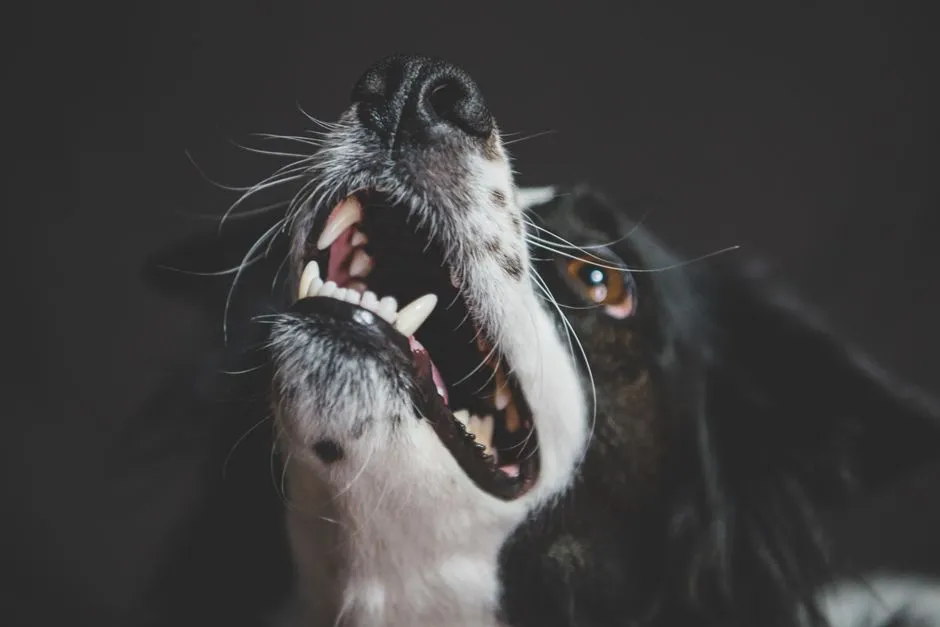
Dental health gets blamed entirely on diet and brushing habits, but chronic stress plays a bigger role than most owners realize. Elevated cortisol affects saliva production and immune response in ways that show up in the mouth first.
A dog with consistently healthy teeth and breath isn’t just lucky with genetics. Often, it’s another quiet marker of a nervous system that isn’t constantly firing.
#31 – Tail Position Neutral When Resting
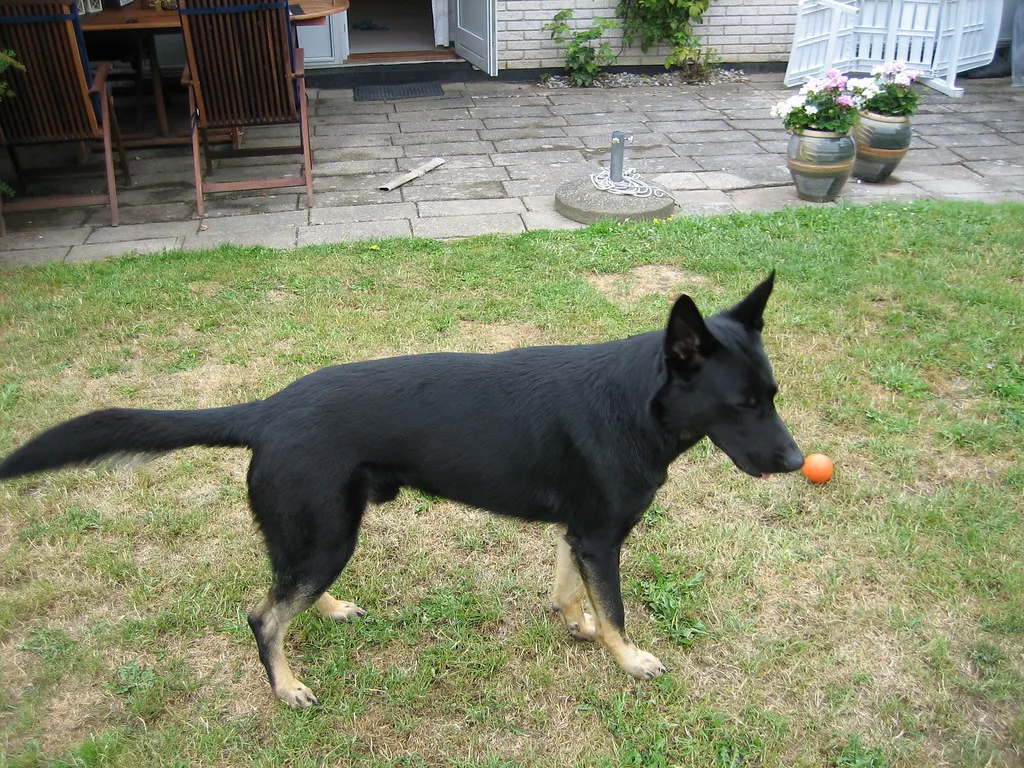
A tail that hangs loose and natural during downtime, rather than tucked tight against the body, reveals a baseline sense of ease. Resting tail position is a more honest indicator than tail position during exciting moments.
A tucked tail at home, even without an obvious trigger, often signals a low-level worry that’s easy to miss if you’re not paying attention during the quiet hours.
#32 – Playful Interactions with Household Objects
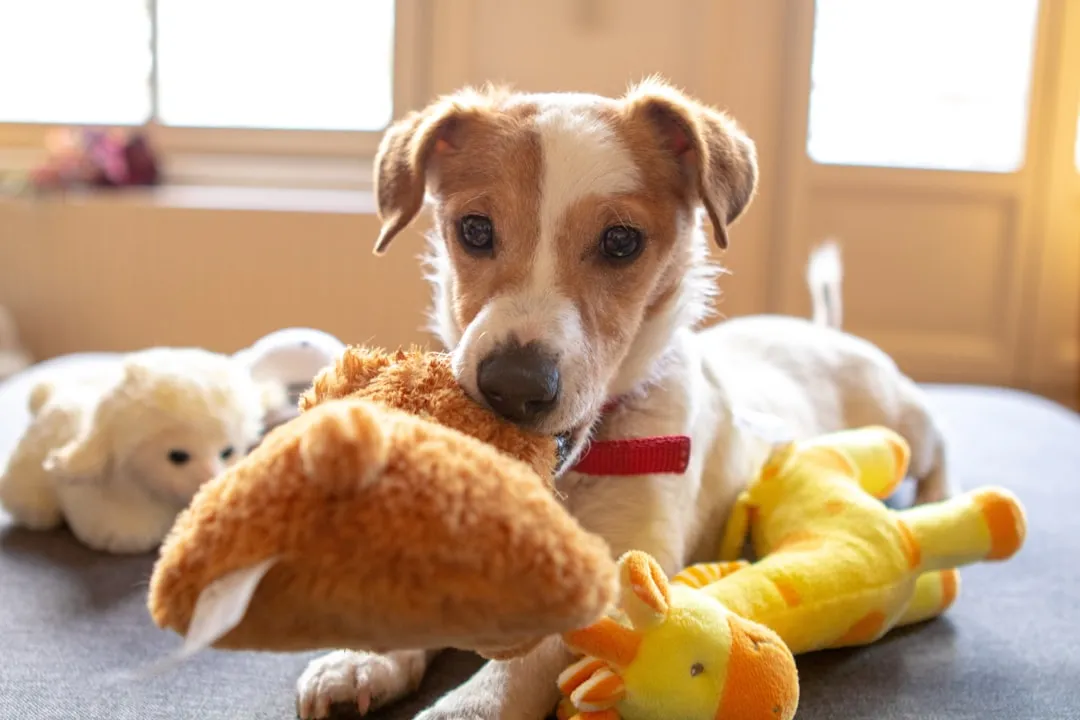
A dog that turns a laundry basket or empty box into an impromptu game is showing genuine mental engagement with the world around them. That kind of improvisation takes a settled mind.
Bored or stressed dogs rarely bother inventing fun out of nothing. When they do, it’s usually a strong sign that their needs are being met elsewhere first.
#33 – Calm Response to Routine Changes
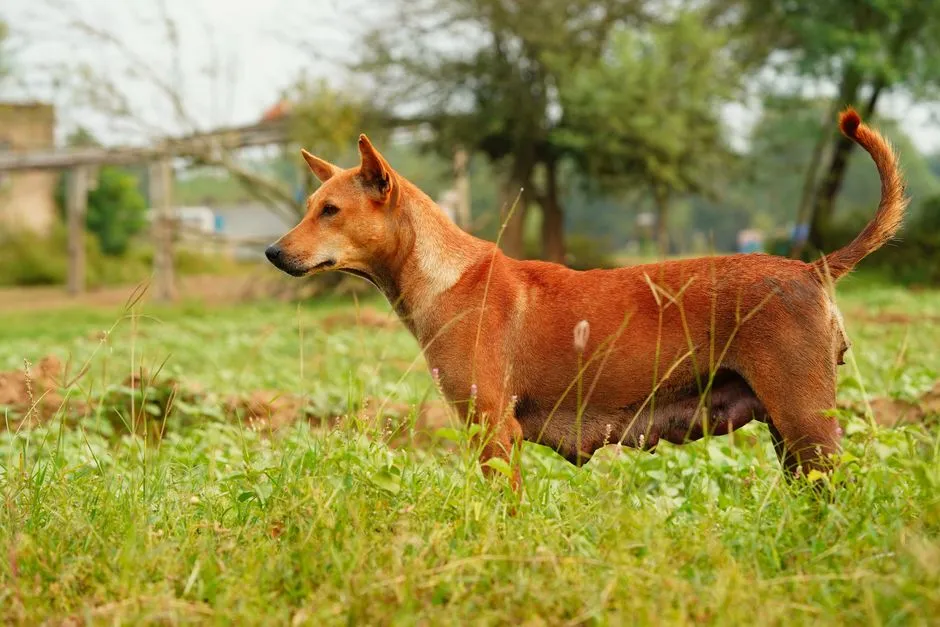
A missed walk time, a later dinner, an unexpected guest – dogs with strong emotional foundations handle these small disruptions with flexibility instead of panic. Adaptability is underrated as a happiness marker.
Dogs running on a brittle routine, where any change triggers stress, are often more fragile underneath than their day-to-day calm suggests.
#34 – Mutual Grooming or Affection Initiation
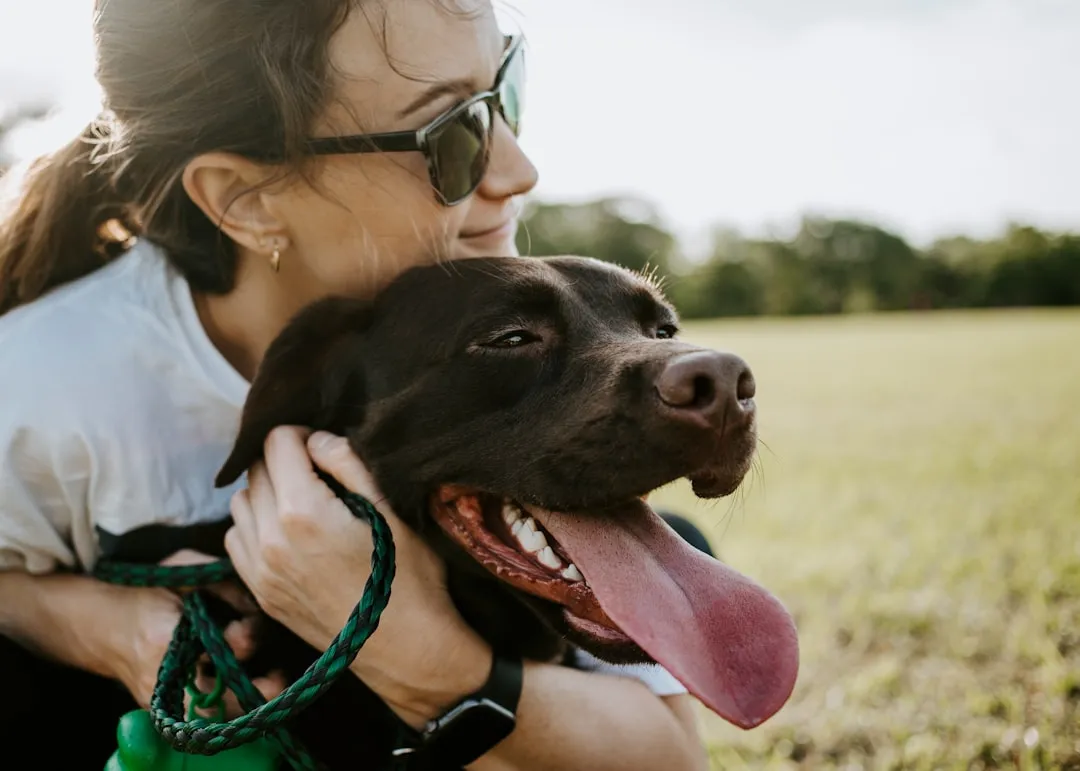
A gentle lick on the hand or a nuzzle into your side, offered without being asked, is a dog actively seeking connection rather than passively accepting it. That initiation matters.
One-sided affection, where the dog only tolerates contact you start, often points to an imbalance in comfort or trust that’s easy to overlook if the dog never pulls away.
#35 – Healthy Shedding and Skin Without Stress Flares
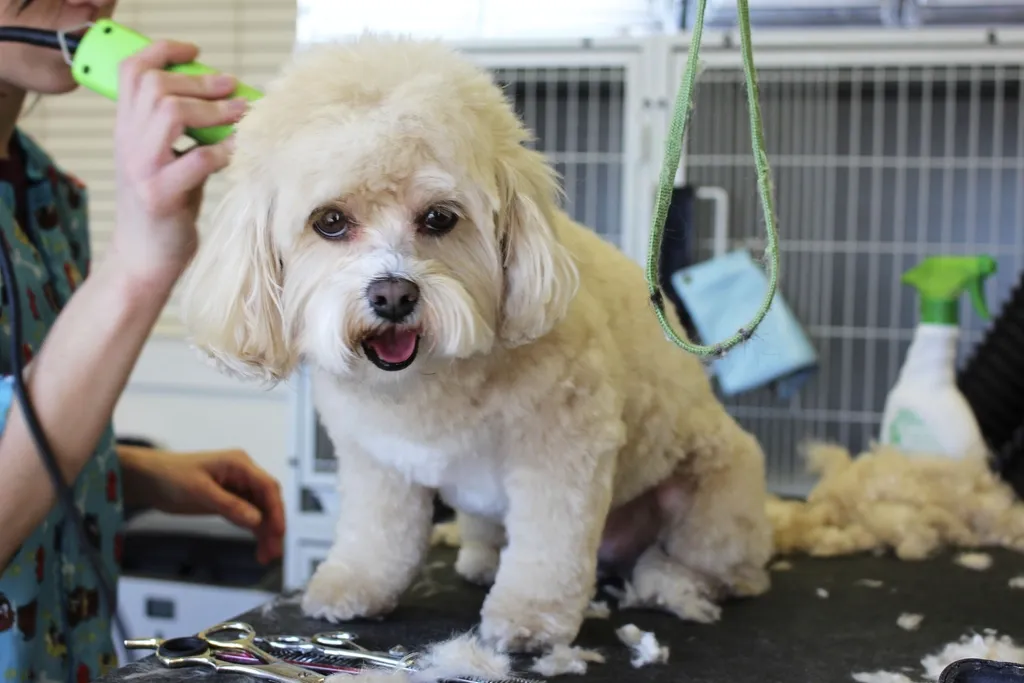
A consistent coat without sudden hot spots, bald patches, or excessive shedding beyond seasonal norms often links directly back to emotional stability. Skin is sensitive to stress in ways owners rarely connect.
These flare-ups get treated with creams and shampoos when the trigger might be emotional, not just physical. Calm skin is often a byproduct of a calm mind.
#36 – Positive Body Language Around Strangers at Home
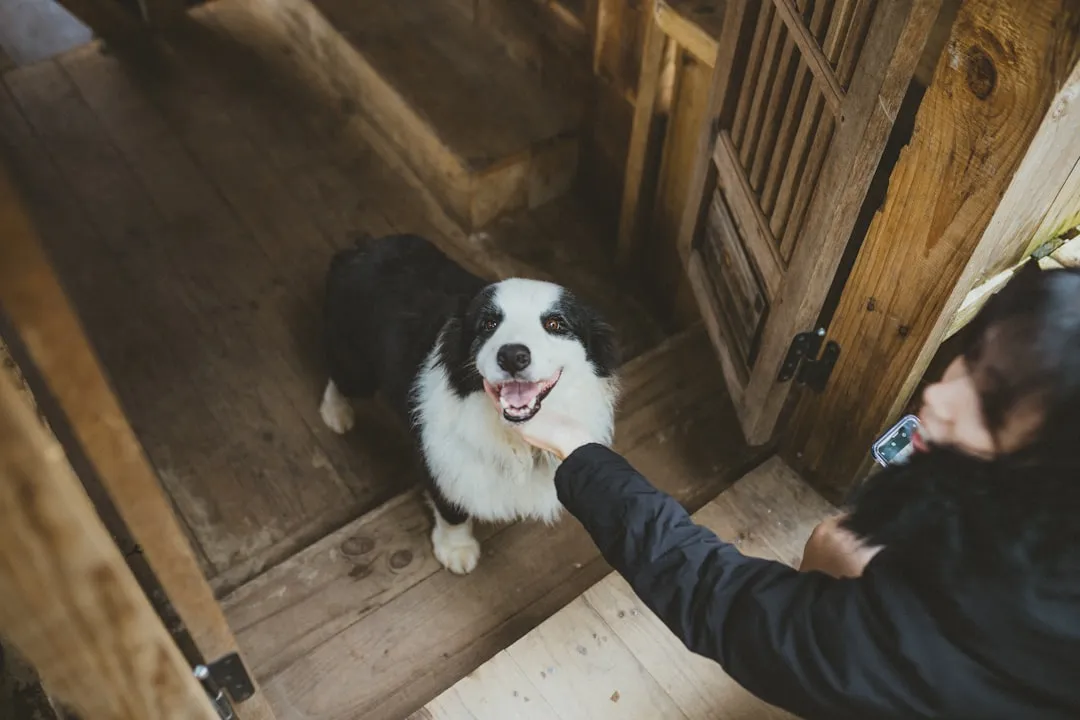
A dog that greets visitors with relaxed curiosity, sniffing and settling rather than barking or hiding, is showing genuine confidence, not just good manners. That reaction has to be built over time through safe experiences.
Owners often mistake reactive barking for protectiveness when it’s frequently closer to fear. The confident, curious version is the one that reflects real happiness.
#37 – Overall “Soft” Appearance When Observing the Whole Dog
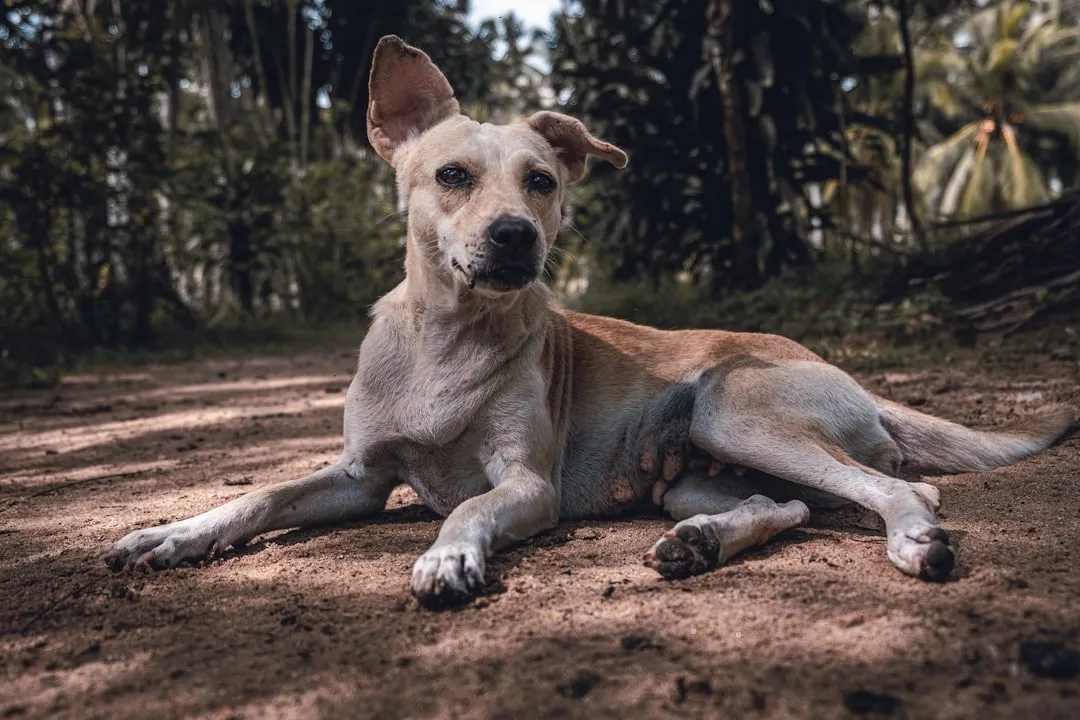
Step back and look at the whole picture instead of any single cue – loose muscles, easy breathing, fluid movement, a body that looks like it’s melting into the floor rather than braced for something. That overall softness is the real tell.
No single sign on this list stands alone. It’s the combination, held consistently across ordinary moments, that separates a genuinely happy dog from one just performing the highlights for an audience.
At a Glance
- Loose muscles and fluid movement, not a stiff or braced posture
- Easy, unhurried breathing even during activity
- A body that settles into surfaces rather than perching alert
- The same calm signals showing up in ordinary moments, not just exciting ones
The Bottom Line
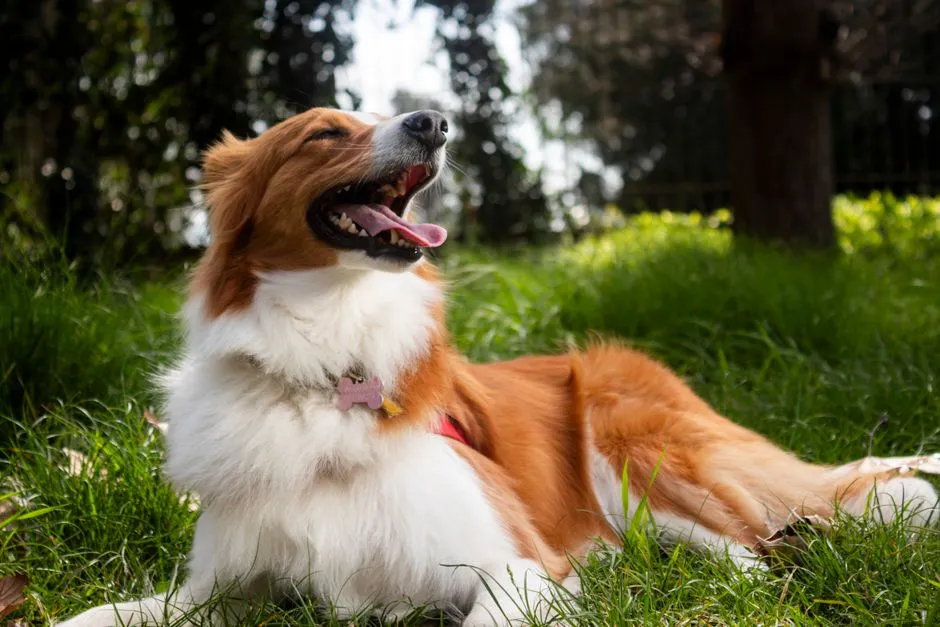
After all 37 signs, here’s the uncomfortable part nobody likes to hear: a lot of dogs owners call “happy” are actually just well-trained, food-motivated, or too polite to show discomfort. Tails and zoomies make for a great highlight reel, but real contentment is quieter, slower, and shows up in habits so ordinary that most people never think to look for them.
If your dog checks in on walks, sleeps belly-up in the middle of the floor, and leans into you without being asked, you’re probably doing something right – more right than you’d guess from comparing notes online. Happiness in dogs doesn’t look like a highlight reel. It looks like an ordinary Tuesday afternoon.

- 14 Quiet Signs Your Dog Knows Its Time Is Near and Wants You Close - July 22, 2026
- 10 Falcon Facts That Will Blow Your Mind - July 22, 2026
- 5 Incredible Migratory Journeys Animals Make Every Year - July 22, 2026