

Picture this: you’re walking through on a warm summer morning, and everywhere you look there’s life. Butterflies dance from flower to flower, bees hum contentedly, and goldfinches feast on seedheads. This isn’t just wishful thinking – it’s exactly what happens when you plant native flowers.
Native plants play a critical role in supporting the biodiversity of North America’s ecosystems. They offer so much more than just pretty blooms. These incredible flowers have evolved alongside local wildlife for thousands of years, creating partnerships that can’t be replicated by non-native plants. Ready to transform into a wildlife haven? Let’s discover which native flowers deserve a spot in .
Purple Coneflower – The Pollinator Powerhouse
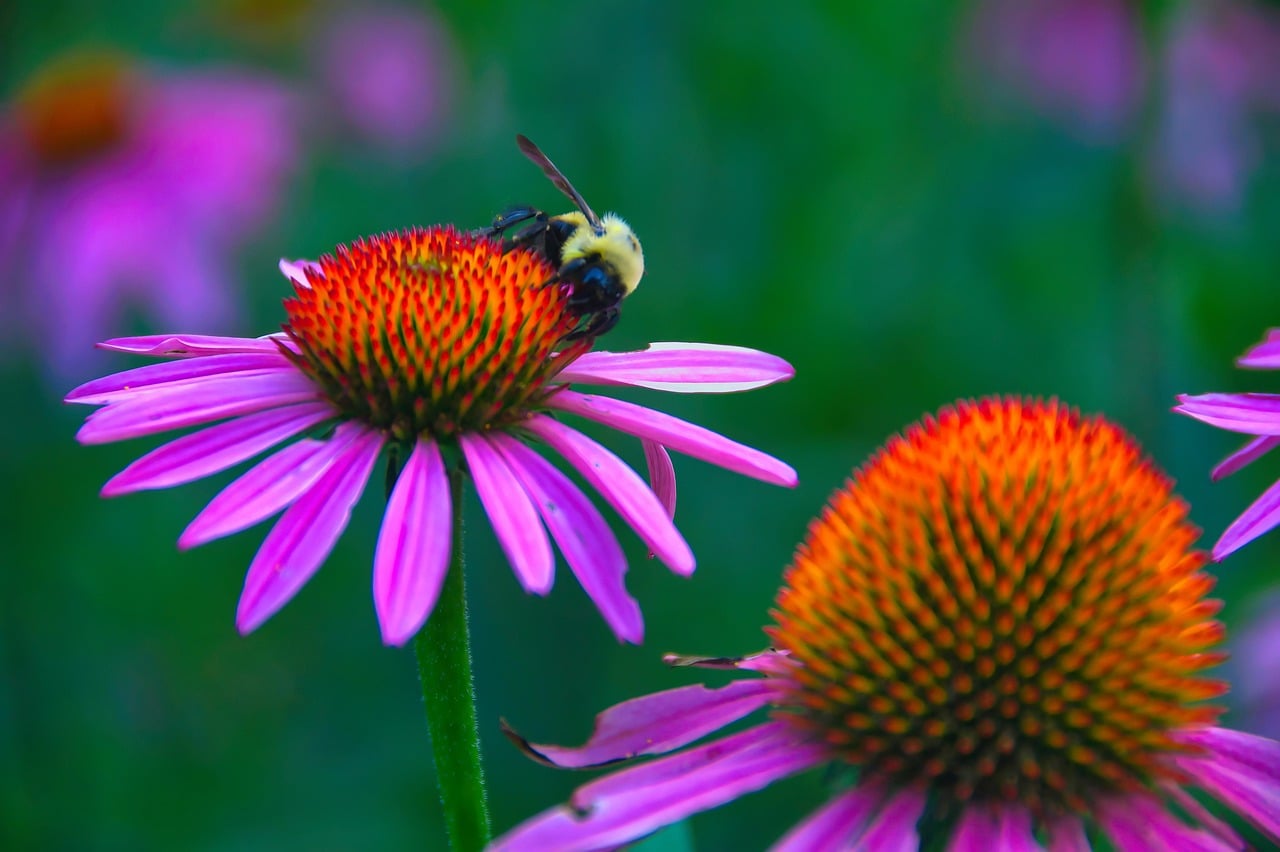
Coneflower (Echinacea) is native to prairies and open woodlands of North America. With its distinctive cone-shaped center and vibrant purple petals, this flower is absolutely stunning. The flower nectar feeds hummingbirds, bees and butterflies, while songbirds feast on the seeds through fall and winter. There’s really nothing quite like watching a goldfinch perched on the sturdy stem, working away at those seeds.
What makes purple coneflower truly special is its incredible durability. Plants are deer resistant and have few pests or diseases. Coneflowers prefer full sun and well-draining soil; they are drought-tolerant. Once established, these plants practically take care of themselves. Hardy in USDA zones 3-8, this herbaceous perennial blooms later in the season, from summer into fall.
Black-Eyed Susan – The Cheerful Champion
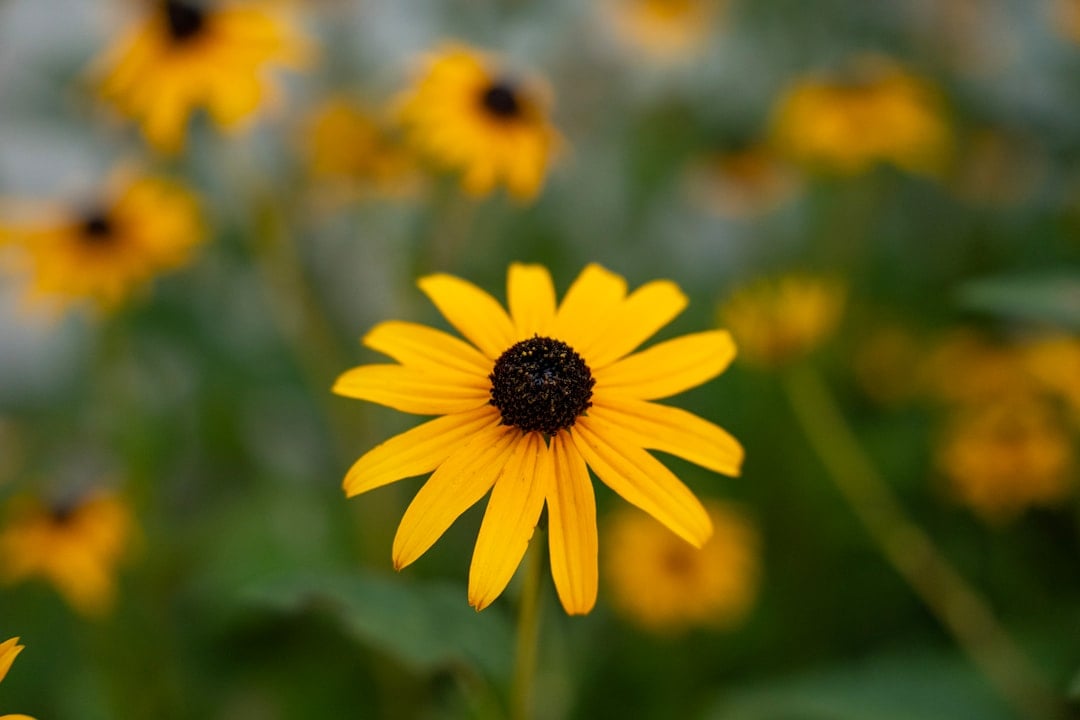
If you want instant gratification in your garden, black-eyed Susan is your answer. Unlike many native plants, black-eyed Susans will often bloom the first year they are planted. These bright yellow flowers with their distinctive dark centers are like little suns scattered throughout your garden. Beloved by pollinators, black-eyed Susans (Rudbeckia hirta) generally bloom from June to September (or longer!
Since they are derived from North American native wildflowers, cultivated varieties of Rudbeckia bring a wealth of ecological benefits to the garden. The wildlife value is incredible – it is a larval host plant for several butterfly species and supports many species of bees and other pollinators, promoting pollination of nearby plants. Seed is consumed by songbirds, especially goldfinches.
Milkweed – The Monarch’s Lifeline
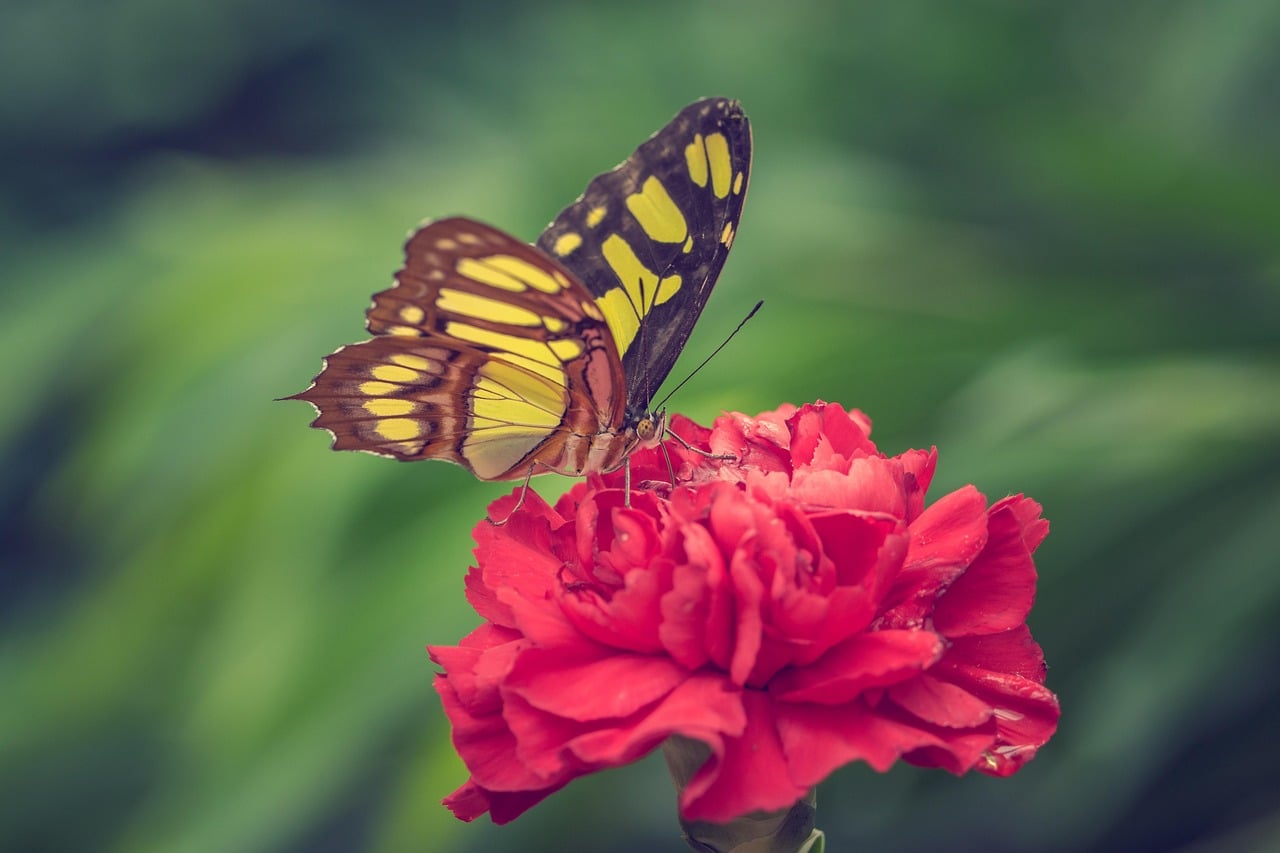
Talk about a flower with purpose! Milkweed is an amazing choice because it is the only host plant for monarch caterpillars. Without milkweed, there simply wouldn’t be monarch butterflies. With recent numbers showing that monarch butterflies are continuing to decline, planting milkweed is more important than ever!
Various native species across the continental United States. means there’s likely a milkweed perfect for your region. This native milkweed with pink to red flowers is one of the primary host plants for monarch butterflies, whose larvae feed exclusively on the leaves of milkweed plants. Late in the season, this milkweed produces tiny, fragrant blooms that provide nectar for a variety of butterflies and bees through early fall, making it an essential addition to any pollinator-friendly garden.
Goldenrod – The Misunderstood Marvel
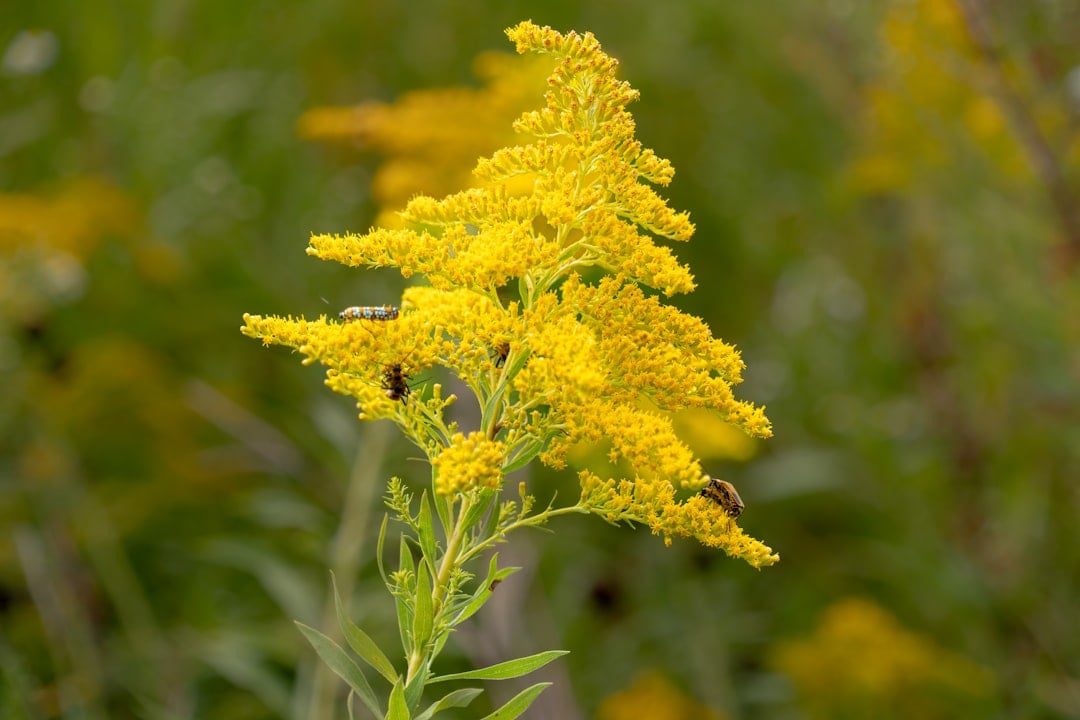
Poor goldenrod gets such a bad reputation, yet it’s completely undeserved. Many gardeners are under the impression that goldenrod is the source of their fall allergies, but we’re here to debunk this plant myth! The fall allergies that many people suffer from are often caused by ragweed, a wind pollenated flower that blooms at the same time as goldenrod. Since goldenrods are pollinated by bees and other pollinators, it is unlikely to put a bunch of pollen in their air that would make you sneeze.
Not only do goldenrods light up your garden with their bright yellow blooms, but they are a keystone plant! This means that they support a huge number of wildlife species like butterflies and bees that depend on them. When autumn arrives and most other flowers are fading, goldenrod provides crucial late-season nectar. There are many native species of goldenrod that can make a great addition to your garden.
Asters – The Late Season Stars
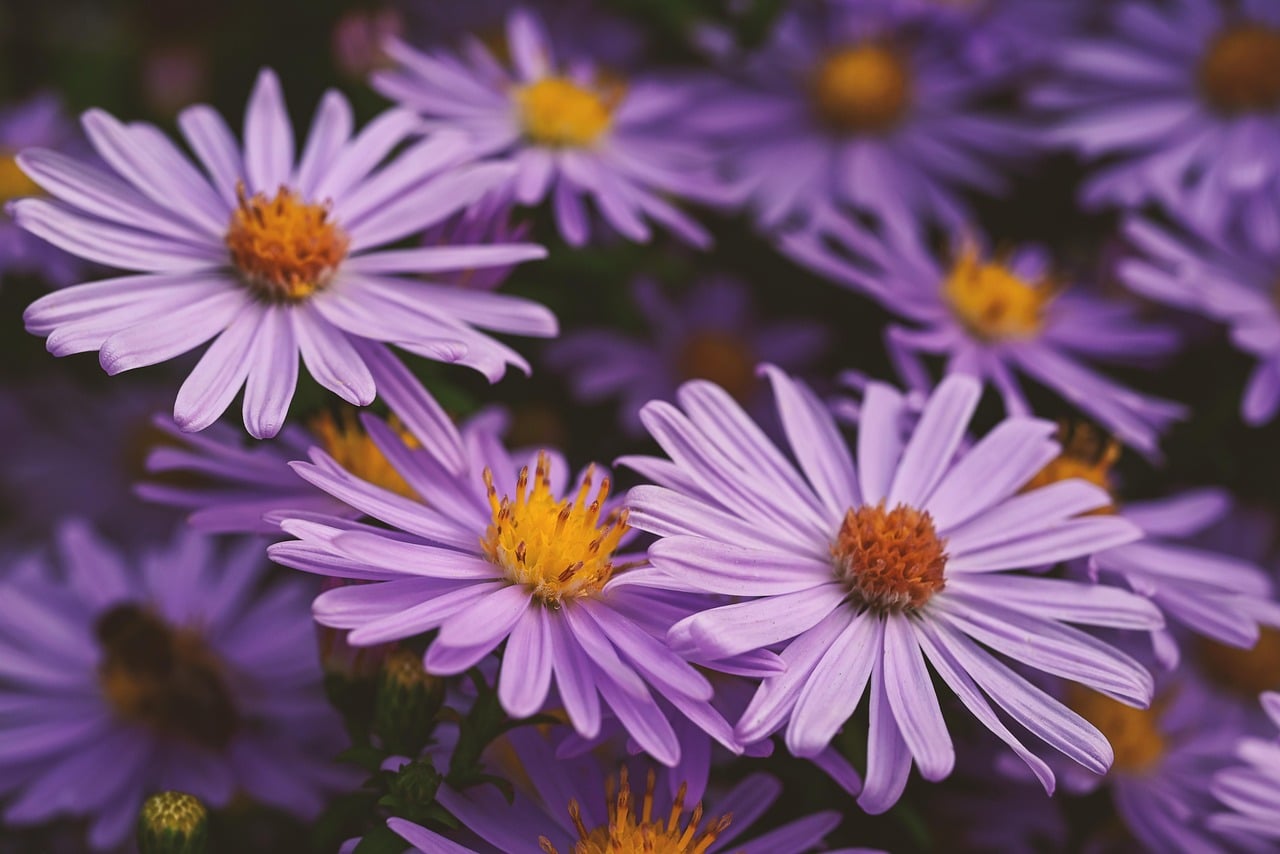
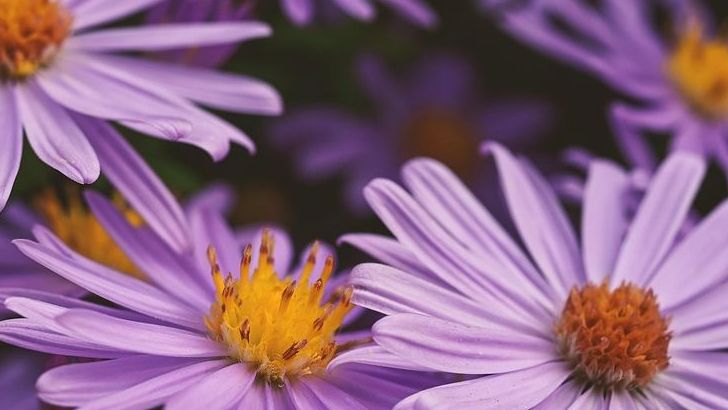
Are you a fan of striking blue, purple, and white blooms in your garden? Asters are an amazing way to add these gorgeous colors and a lot of texture to your garden. These flowers are absolute lifesavers in the fall garden when everything else is winding down. Plus, they can be a great source of blooms in the fall when a lot of other plants have finished flowering.
The ecological benefits are tremendous. These beautiful native species aren’t just pretty for humans, they are a great source of nectar and pollen for many pollinators. Plus, they are even host plants for many caterpillars! One of the main benefits of smooth blue aster is that it provides an important source of late-season nectar for pollinators. As other plant species start to fade, smooth blue aster continues to bloom, providing a valuable food source for pollinators that are preparing for winter.
Conclusion
These five native flowers prove that gardening can be both beautiful and beneficial. When you plant native species, you’re not just decorating your outdoor space – you’re creating habitat, supporting wildlife, and becoming part of a much larger ecosystem. Native plants are essential to support local wildlife like butterflies, bees, birds, and more.
Each flower brings its own special magic to the garden. The purple coneflower stands tall and proud through seasons of drought. Black-eyed Susan brings instant sunshine to any corner. Milkweed literally saves monarchs. Goldenrod feeds countless pollinators despite its bad reputation. Asters provide that final burst of color before winter.
What amazes me most about native flowers is their resilience and generosity. They give back so much more than they ask for, thriving in tough conditions while supporting entire communities of wildlife. Have you started thinking about which of these beauties might work best in your garden? The wildlife will thank you for it.

- 30 Plants That Absolutely Love Full Sun - July 15, 2026
- 25 Houseplants That Will Transform the Way Your Home Smells - July 15, 2026
- 25 Dog Breeds Perfect for Families With Kids - July 15, 2026