

In the animal kingdom, intelligence manifests in a multitude of ways—from intricate social structures to problem-solving abilities. One of the most fascinating expressions of animal intelligence is the use of tools to solve problems. While humans have long been considered the ultimate tool-users, several animal species are giving us a run for our money. This article explores five remarkable animals that have evolved the ability to use tools effectively, showcasing cognitive abilities that blur the line between human and animal intelligence.
Chimpanzees The Pioneers of Tool Use

Chimpanzees, our closest genetic relatives, are renowned for their sophisticated use of tools in the wild. Observations by primatologists like Jane Goodall have documented chimpanzees using sticks to fish for termites. The method involves selecting a specific type of twig, stripping it of leaves, and then inserting it into termite mounds to harvest the insects. This behavior demonstrates not only tool use but also a degree of foresight and understanding of cause and effect. Recent studies have identified up to 20 different types of tools used by chimpanzees for purposes ranging from nut cracking to leaf sponging for water collection.
Crows Avian Einsteins
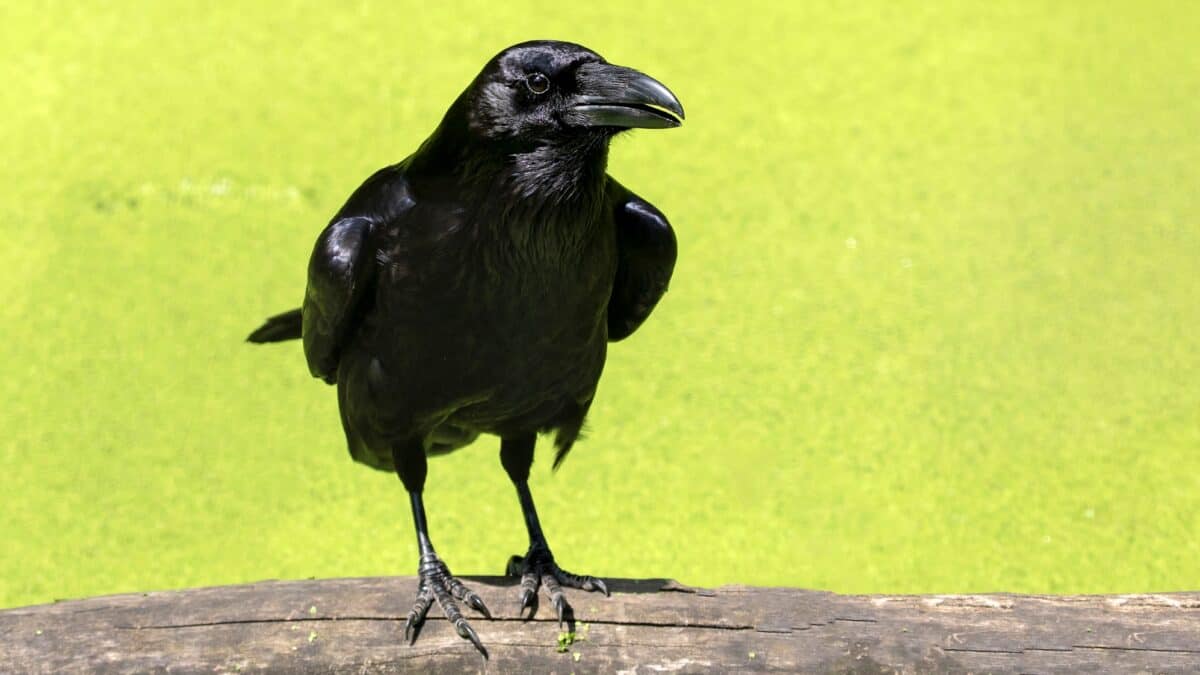
Crows and their relatives in the Corvidae family, including ravens and magpies, have garnered significant attention for their problem-solving prowess and use of tools. The New Caledonian crow stands out for its ability to fashion tools from leaves and branches to extract insects from tree bark. In controlled experiments, these crows have shown the capacity to solve complex puzzles that require multiple steps, including using one tool to obtain another. This suggests not only tool use but also an understanding of sequential actions and planning—an attribute previously thought to be confined to primates.
Dolphins Ingenious Marine Mammals
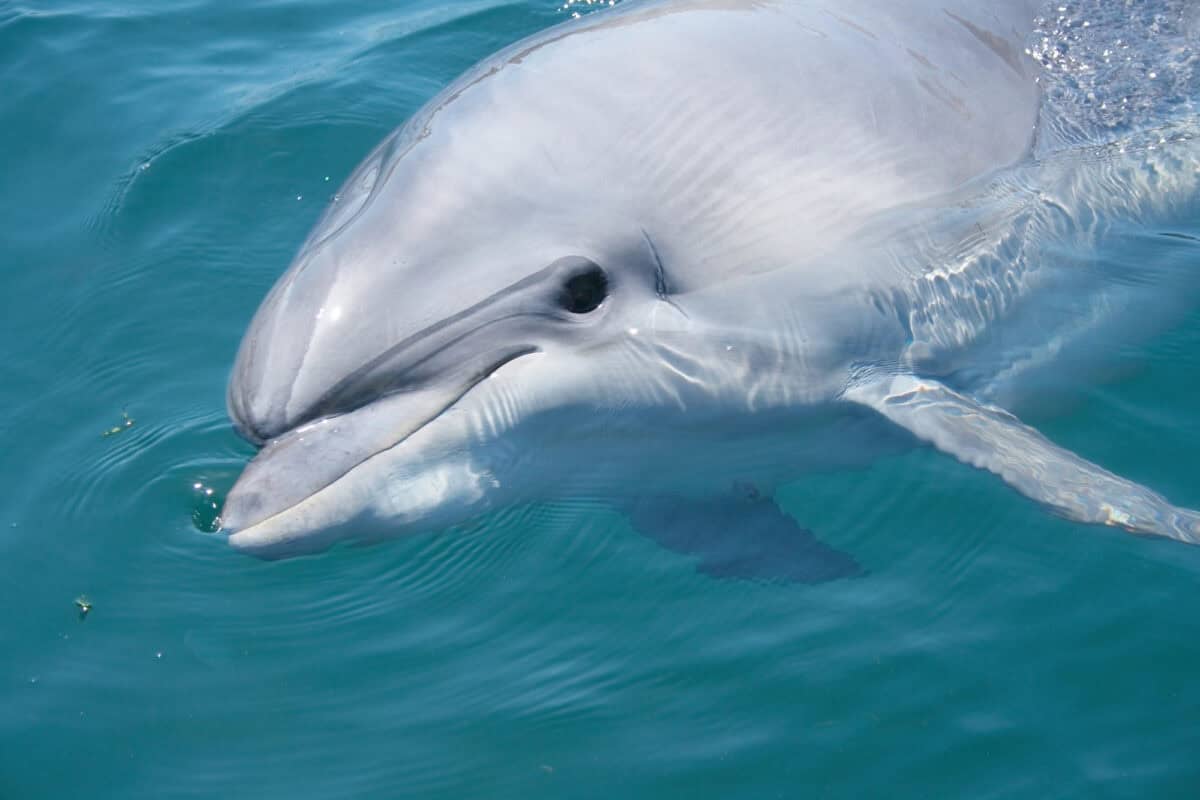
Dolphins, particularly bottlenose dolphins, have been observed using marine sponges as hunting tools. Female dolphins in Shark Bay, Australia, have been seen covering their snouts with sponges as a form of protection while foraging along the ocean floor. This behavior, known as “sponging,” is a learned activity passed down from mothers to daughters and appears to provide significant hunting advantages in challenging environments. This cultural transmission of tool use is a testament to the dolphins’ social learning capabilities and highlights their inventive approach to problem-solving.
Octopuses Masters of Innovation
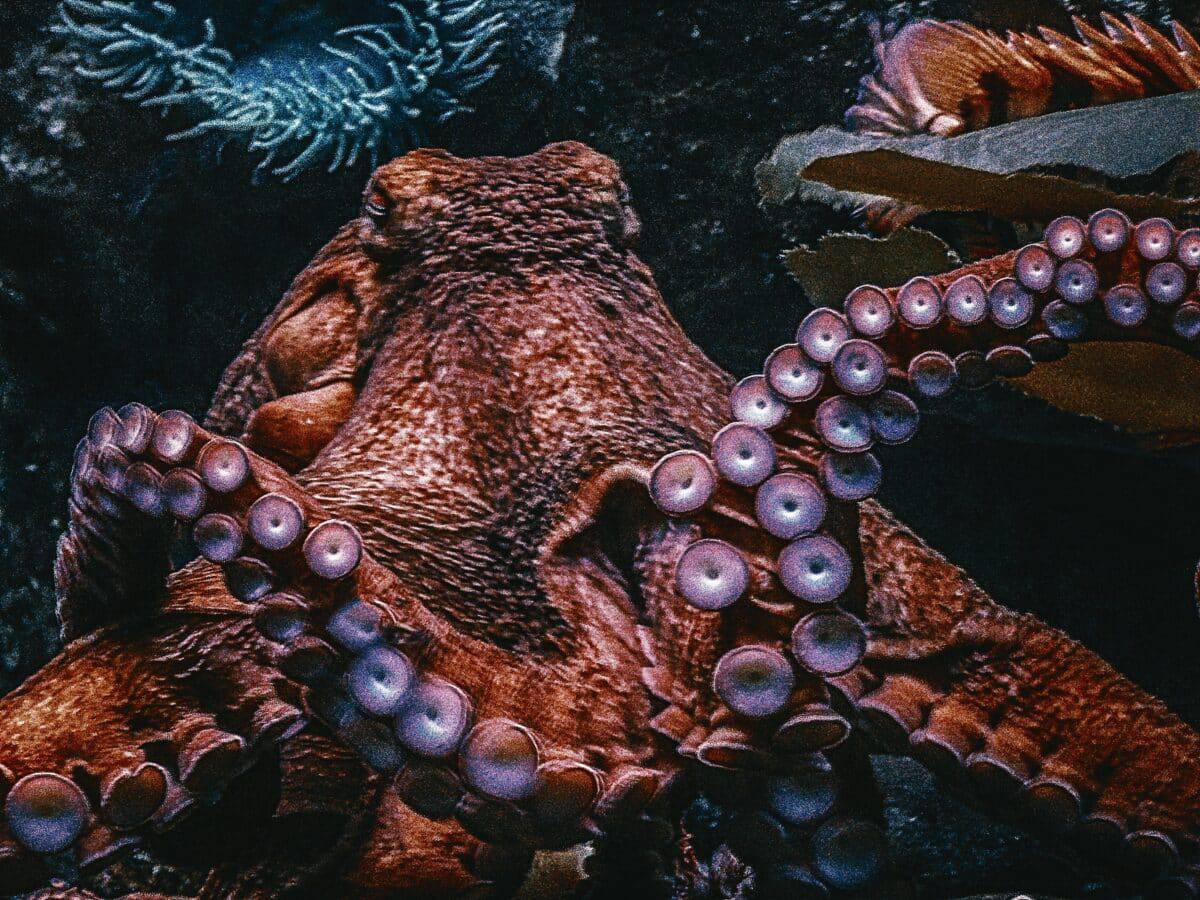
Octopuses are often lauded for their intelligence and behavioral flexibility. The veined octopus has been observed collecting coconut shells and assembling them for use as portable shelters—a behavior that qualifies as tool use due to the deliberate gathering and transporting of objects for future use. This level of problem-solving and forethought is indicative of advanced cognitive processes. While each octopus acts independently, the capability to engage with and manipulate objects in their environment shows a surprising depth of intelligence in these cephalopods.
Elephants Problem-Solving Giants
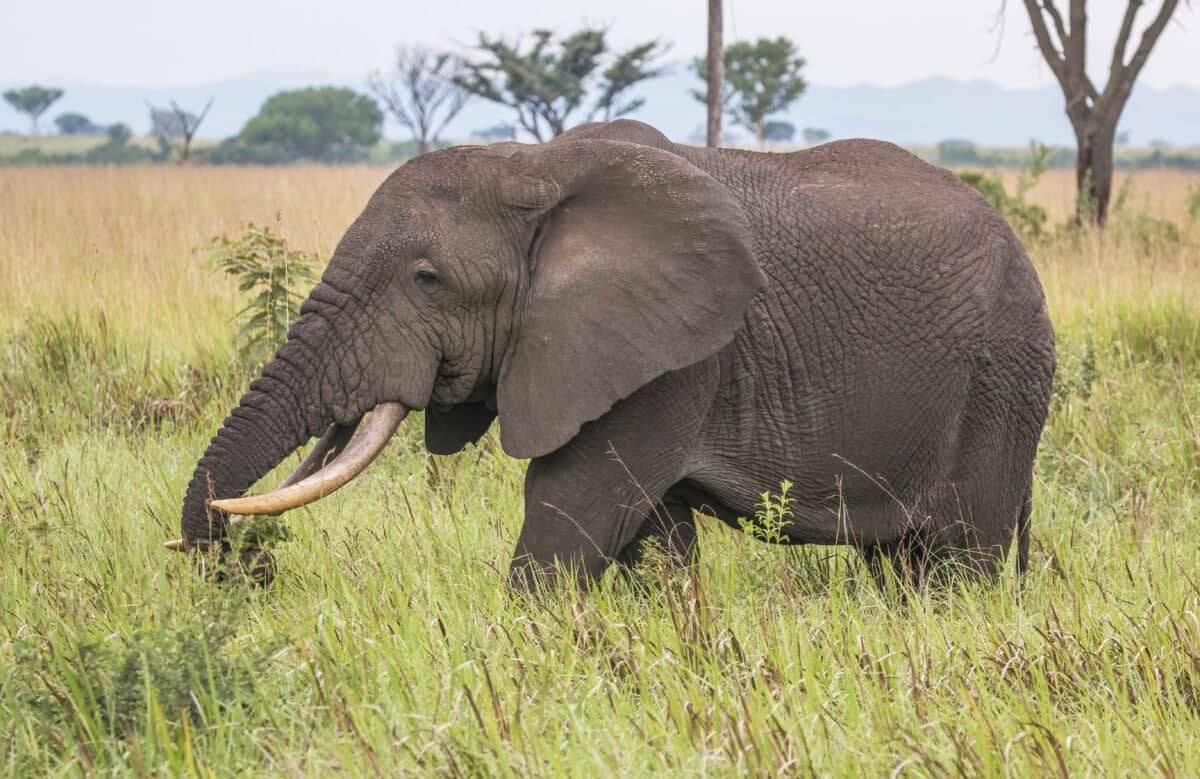
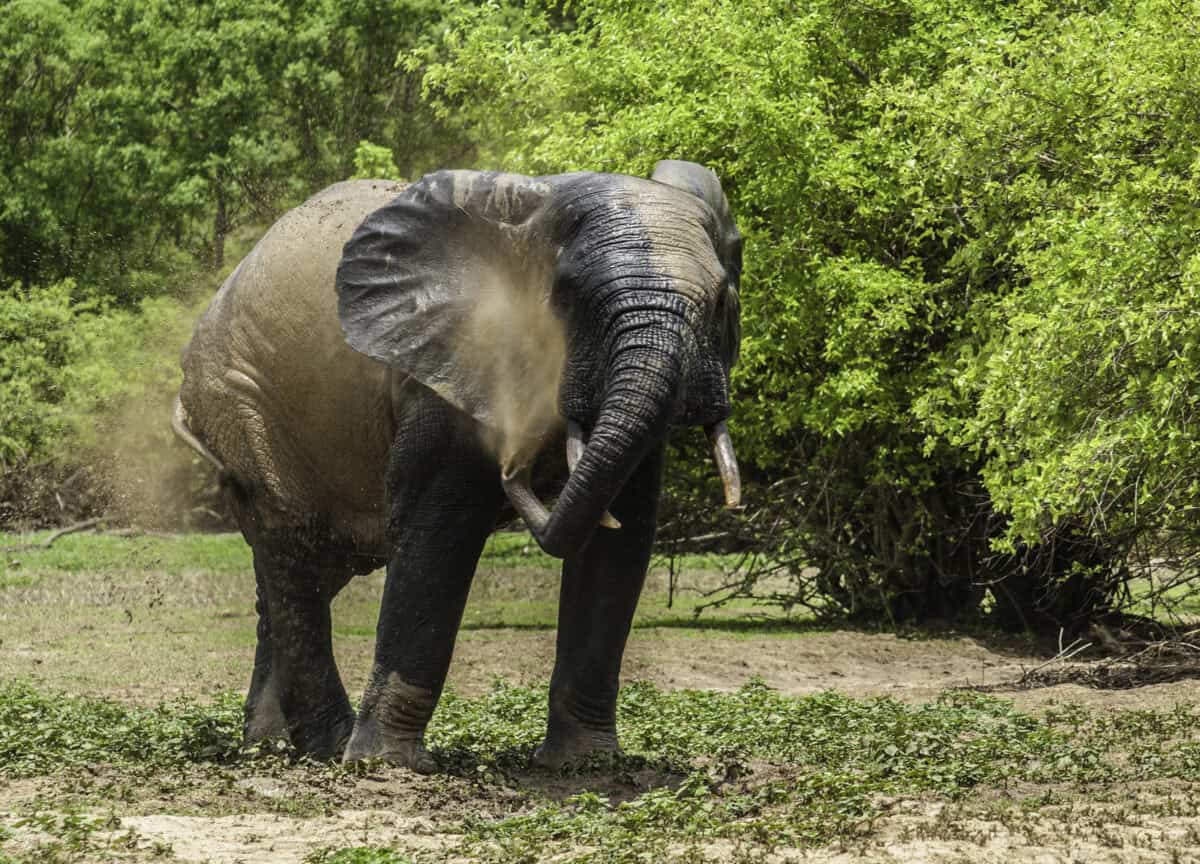
Elephants, known for their memory and strong social bonds, also exhibit tool use behaviors. In the wild, Asian elephants have been observed crafting and using branches to swat flies or scratch themselves. More impressively, in various studies, elephants have been caught modifying branches or moving objects to reach food or water that would otherwise be inaccessible. Their problem-solving skills extend to empathetic and cooperative tasks as well, highlighting a complex understanding of their environment and the ability to manipulate it to satisfy their needs.
Conclusion

The ability to use tools effectively is a significant indicator of intelligence across the animal kingdom. From the adept termite-fishing chimpanzees to the foresightful octopus and the ingenious dolphins, each of these species exemplifies a distinct approach to problem-solving that challenges our understanding of non-human cognition. These fascinating behaviors not only enrich our knowledge of animal intelligence but also provide a broader perspective on the evolutionary pathways of tool use. As research in this area continues to evolve, we can anticipate many more exciting revelations about the cognitive capabilities of our fellow creatures on this planet.

As a little kid, I fell in love with nature, wildlife, and animals. Living in the USA, South Africa, Italy, China and Germany gave me the opportunity to discover the world's Wildlife. My favorite animals are Mountain Gorillas, Siberian Tigers, and Great White Sharks.
I'm a certified PADI Open Water Diver, went to Everest Base Camp and Trekked Gorillas in Uganda. I hold a Master of Science in Economics and Finance.
Please send any feedback to feedback@animalsaroundtheglobe.com
- The 10 Rarest Dog Breeds Making a Comeback in America - July 19, 2026
- 13 Creatures That Survived Mass Extinctions - July 19, 2026
- 12 Pets That Are Perfect for Seniors - July 19, 2026