
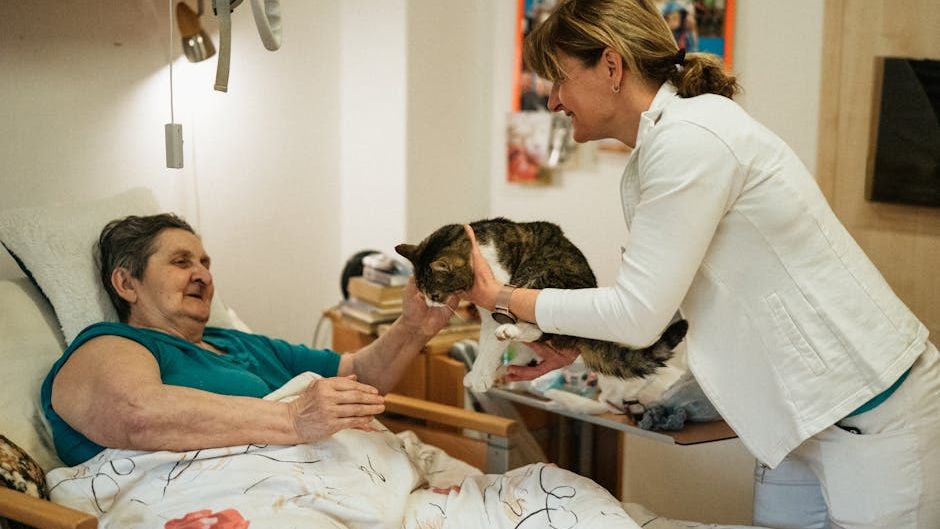
#1: Oscar the Cat – A Case That Made Medical History
In 2007, a therapy cat named Oscar was featured in the New England Journal of Medicine, as he was seemingly capable of predicting when someone in the nursing and rehab center was about to die. That’s not a tabloid claim or an internet rumor. It’s a peer-reviewed medical publication.
Oscar spends his days roaming the halls of the Steere House Nursing and Rehabilitation Center Safe Haven Advanced Care Unit, which primarily serves patients dealing with the later stages of Alzheimer’s Disease and other forms of dementia. As of 2015, it was believed that Oscar accurately predicted approximately one hundred deaths.
Oscar’s routine is a mixture of napping in the doctor’s charting area, a few good stretches, and making the rounds throughout the nursing unit sniffing the air in search of any patients where death is imminent – and he is generally uninterested in those who are not near death. The consistency of his behavior is what caught the attention of the entire medical community.
#2: The “Sweet Smell of Death” – What’s Actually Happening in the Body
There is a plausible biological explanation for what some have called the “sweet smell of death.” As cells die, carbohydrates are degraded into many different oxygenated compounds, including various types of ketones – chemical mixtures known for their fragrant aroma. This isn’t mysticism. It’s organic chemistry.
It is possible that a cat like Oscar can smell organs shutting down. Kidney or liver failure can cause waste products or acids to build up in the bloodstream, resulting in a noxious or sweet aroma on the dying patient’s breath. A human nose would never catch these shifts. A cat’s almost certainly would.
As cells die, carbohydrates are degraded into many different oxygenated compounds, including various types of ketones. Ketones are also found in abundance during episodes of untreated juvenile diabetes, and doctors are taught early on in medical school to sniff the breaths of diabetics to determine if their sugar levels are high. The implication is striking – if a trained human nose can detect ketones in a diabetic, a cat’s far superior olfactory system can detect the far subtler chemical shifts of a body beginning to fail.
#3: A Nose That Puts Ours to Shame
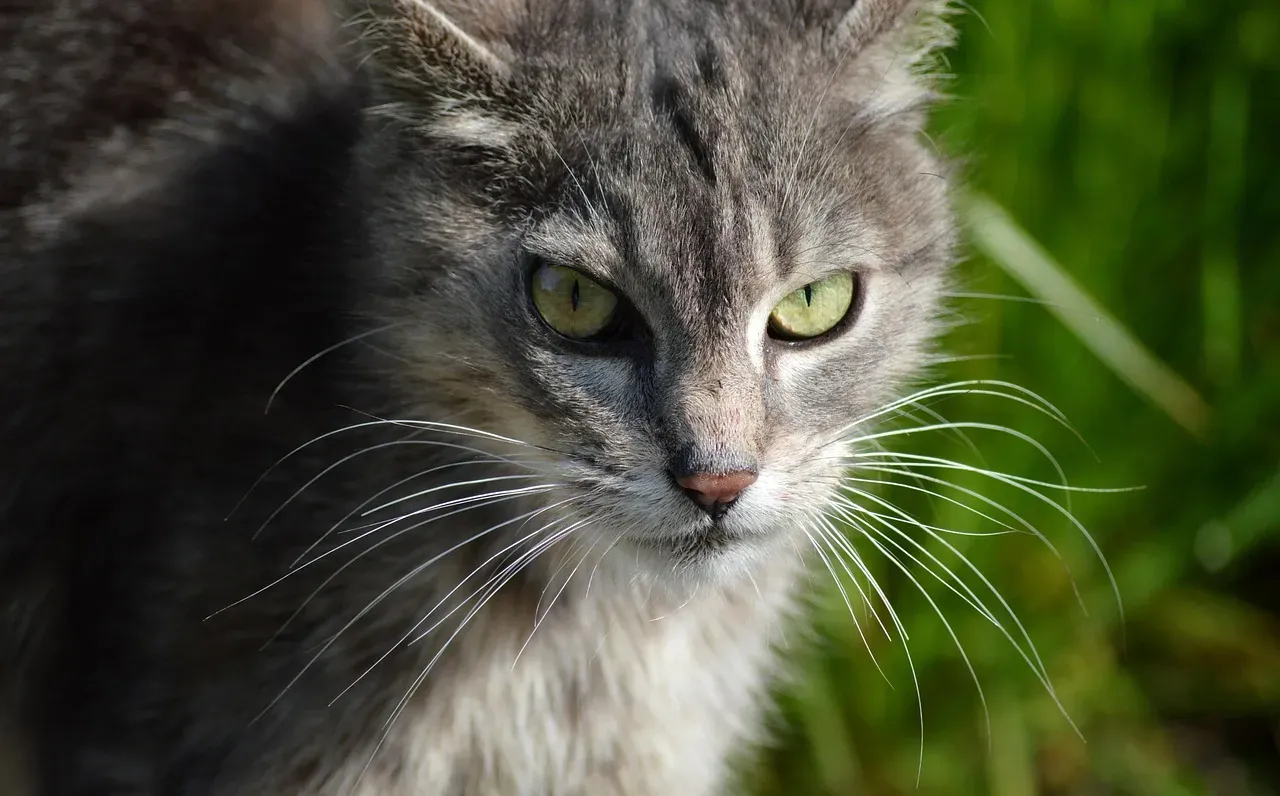
One of the most prominent theories for cats sensing death is their excellent sense of smell. Cats have around 200 million odor-sensitive cells in their noses compared to humans’ mere 5 million. This refined olfactory system allows them to pick up on chemical changes in the body that occur as a result of illness.
Cats are equipped with an extraordinary sense of smell, far surpassing that of humans. Their olfactory system is designed to detect even the faintest of chemical signals, thanks to a specialized organ known as the vomeronasal organ. This organ plays a crucial role in their ability to perceive pheromones and other chemical markers.
Illnesses often alter the chemical composition of a person’s body odor, and cats can detect these changes, which may include volatile organic compounds that signal the presence of disease. In practical terms, a cat lounging on your chest isn’t just seeking warmth. It may, in a very real sense, be reading you.
#4: Reading the Room – How Cats Interpret Behavioral Cues
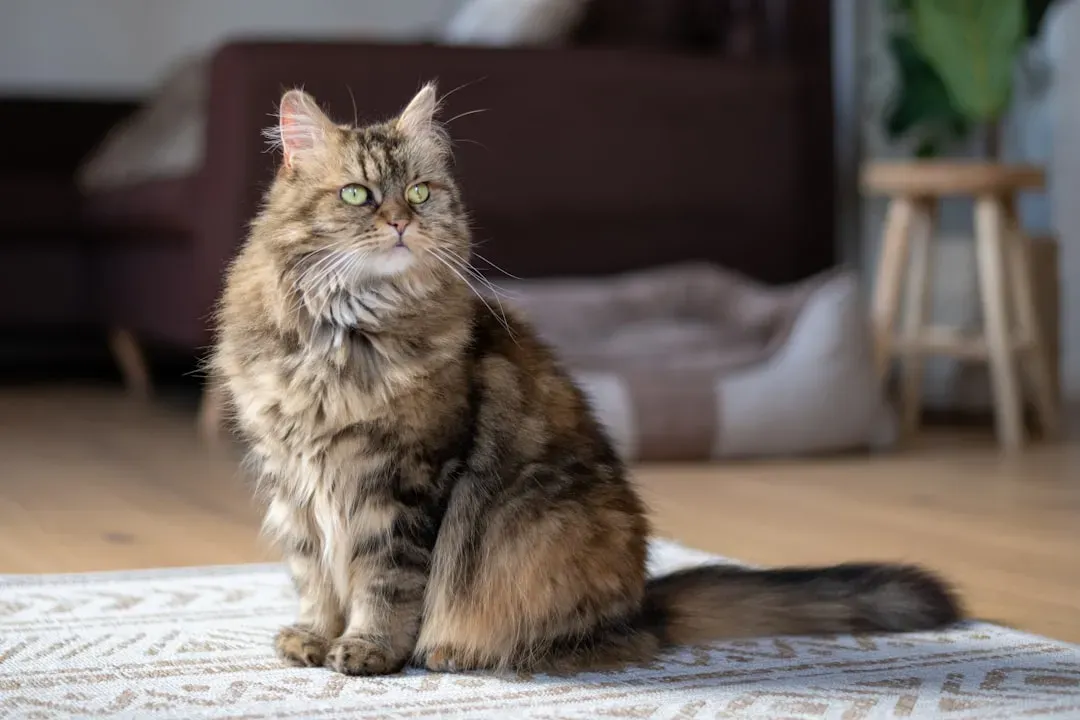
CBS News consulted several animal specialists who had various hypotheses, including that Oscar might have been picking up on the stillness and lack of movement in the room rather than a smell, or that his attendance in rooms with that odor may have been a learned behavior. The truth is likely a combination of both channels working together.
Cats are extremely clever at picking up on changes in body language, facial expression, and mood, and there is scientific evidence to suggest that cats can recognize human emotions such as anger or happiness. A dying person moves differently, breathes differently, and holds their body in ways that are perceptibly distinct, even if no one in the room consciously registers it.
A cat may notice its owner’s reduced activity, high stress, or emotional changes associated with illness. Fever, inflammation, or discomfort can alter body position or heat emissions – things cats can notice quickly. Their observational systems are not running on intuition alone. They’re running on data.
#5: Body Heat and the Temperature Signal
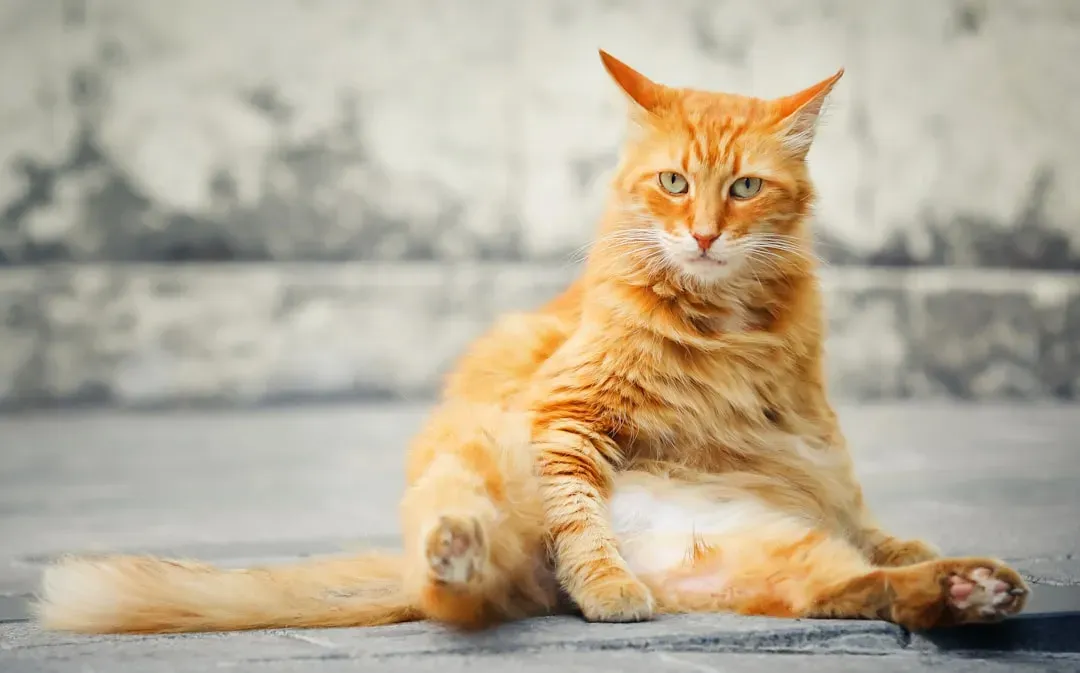
The doctor of the facility hypothesized Oscar had an acute sense for pheromone changes in the patients, or he could sense changes in body temperature, as people start to become colder when they are nearing death. This thermal sensitivity is a real and measurable feline ability.
Your body temperature tends to rise when you fall ill, especially with a fever. A cat’s sensitive paws and body heat sensors allow them to perceive these fluctuations. This heightened temperature sensitivity enables them to recognize when you’re running a fever or experiencing abnormal warmth, prompting them to offer their comforting presence.
The reverse is also true. As circulation slows and the body begins withdrawing heat from the extremities in its final stages, a cat may sense that cooling distinctly. It’s not supernatural. It’s thermal biology filtered through millions of years of finely tuned evolutionary hardware.
#6: Pheromones – The Chemical Language Cats Actually Speak
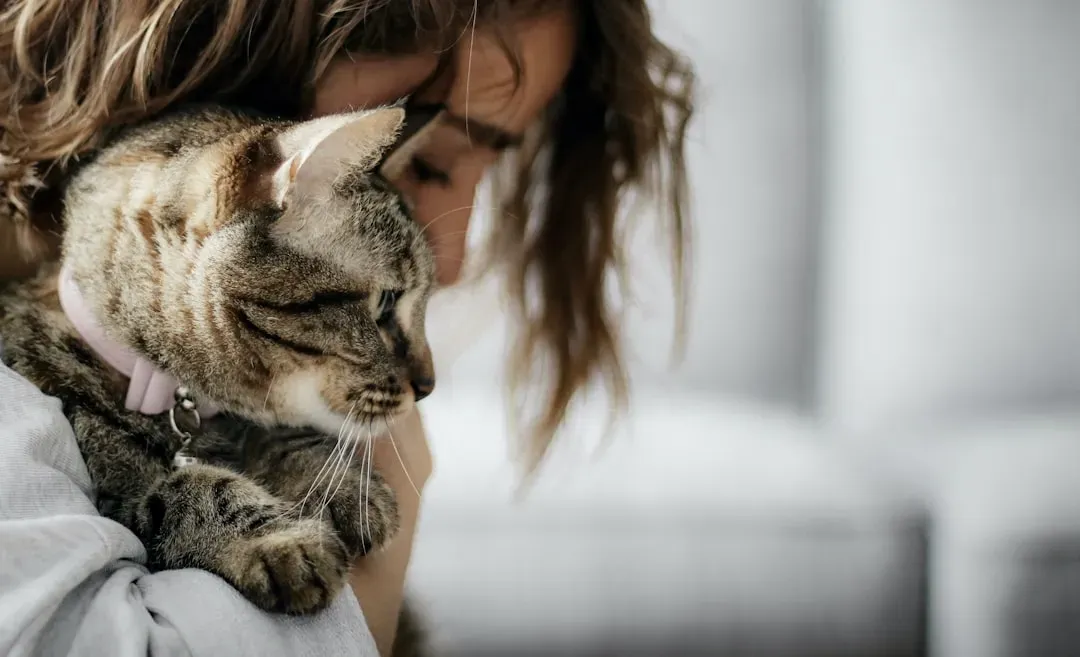
When you are sick or stressed, your body releases different pheromones, signaling distress. Cats pick up on these changes, allowing them to empathize with your emotional and physical state. Pheromones are the original language of mammals, predating speech by an incomprehensible stretch of time.
Cats actually use their incredibly sensitive feline sense of smell to detect subtle changes in human body odor that signal various health conditions. They can detect changes in the human body, such as fluctuations in sugar levels, hormonal imbalances, or inflammation, which are imperceptible to the human nose but very noticeable to cats.
Cats might smell changes in their owner’s pheromones when they’re ill due to changes in the body’s chemicals, and due to the tight bond they have with their owners, they’ll be able to recognize when you’re not acting yourself either. That bond isn’t just emotional. It’s biochemical.
#7: The Confirmation Bias Question – Are We Seeing What We Want to See?
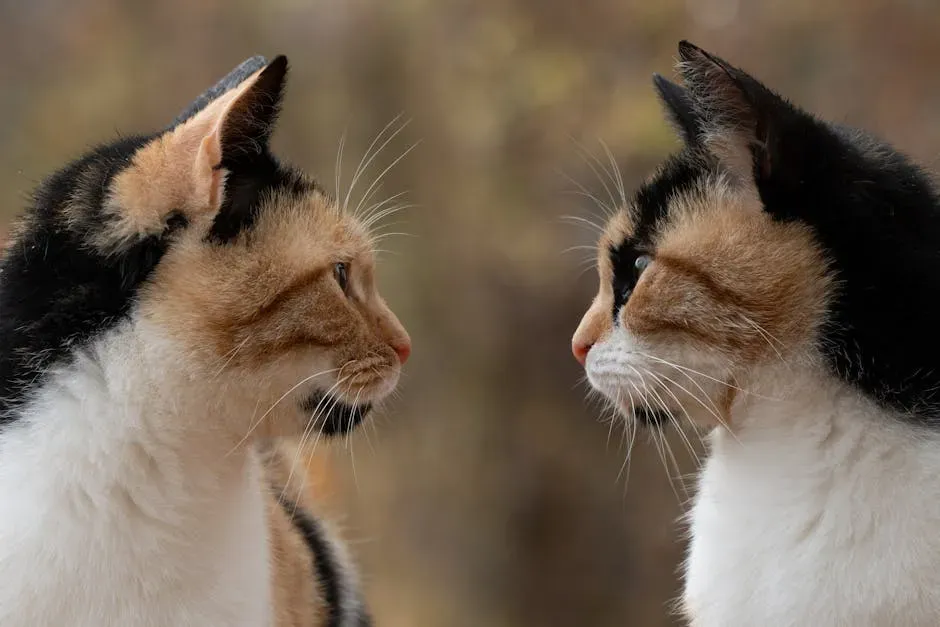
Some have argued that Oscar did not have an ability to predict death, and that this was a case of confirmation bias. It’s a fair challenge, and one that honest science has to acknowledge. When something remarkable happens once, it’s an anecdote. When it happens dozens of times, it becomes a pattern worth examining.
No one fully documented how many times Oscar paid a bedside visit to someone who didn’t die – and that absence of a control record is genuinely important. Without knowing the false positives, it’s hard to quantify the predictive accuracy with scientific rigor.
There is not any scientific proof that cats can sense and predict death, but there is anecdotal evidence that they may be able to do so. The evidence is compelling, but incomplete. The honest position is somewhere between dismissal and certainty – and it’s worth sitting with that ambiguity rather than rushing past it.
#8: When Cats Sense Illness Beyond Death – Cancer, Seizures, and Diabetes
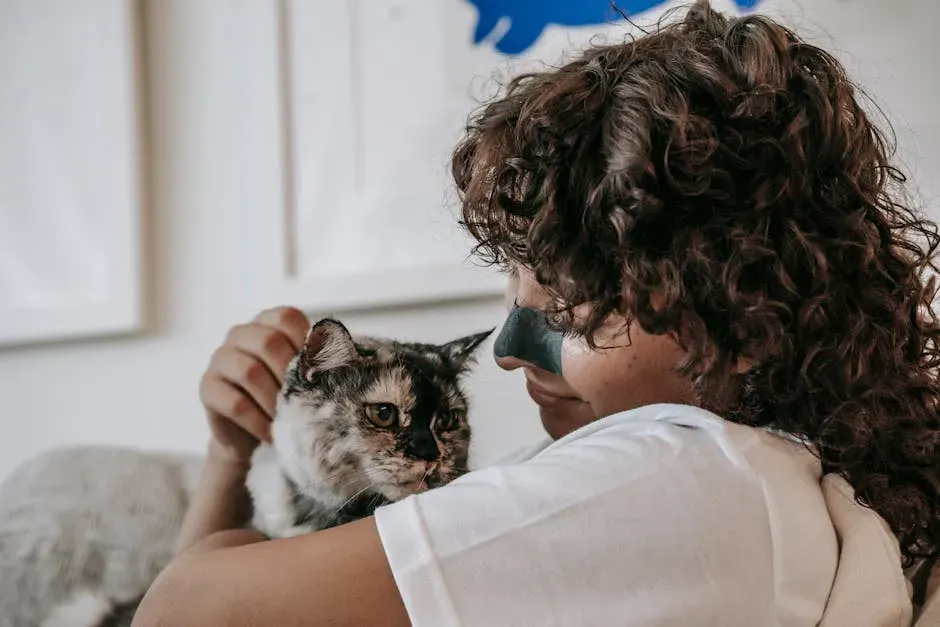
Anecdotal reports have shown cats repeatedly sniffing or sitting on parts of their owner’s bodies where tumors were later discovered. The belief is that metabolic changes in cancer cells give off distinct odors that cats can detect. These reports are scattered and difficult to verify individually, but their consistency across cultures and cat breeds is hard to simply wave away.
There is evidence, both scientific and anecdotal, that cats can predict epileptic seizures. Some hypotheses suggest that cats detect seizures through smell or by noticing subtle behavior changes before an episode. Unlike trained alert animals, cats often sense these changes informally, relying on their innate abilities.
Cats have been observed reacting to their diabetic owners’ low blood sugar episodes, appearing to sense changes in scent and behavior and alerting owners to potential danger. Death isn’t the only threshold they seem to stand watch over. Illness itself, in many of its forms, falls within their perceptual range.
#9: Oscar’s Behavior in the Room – The Vigil Itself
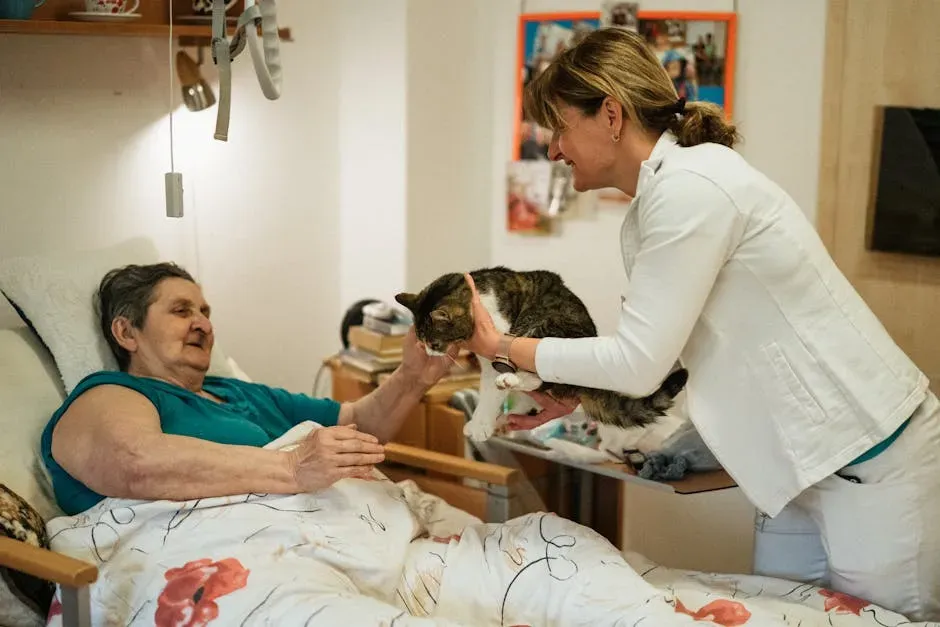
If Oscar curled up and lay next to a patient, that usually meant that the individual had hours left to live. He would remain with the patient and comfort them until they took their final breath, and then inconspicuously return to roaming the Steere House halls. There’s something genuinely moving about that detail. He didn’t linger after. He came precisely when needed.
After Oscar accurately predicted twenty-five deaths, staff started calling family members of residents as soon as they discovered him sleeping next to a patient, in order to notify them and give them an opportunity to say goodbye before the impending death. A cat effectively became part of the clinical end-of-life protocol of that facility.
Oscar also provided companionship to those who would otherwise have died alone. For his work, he is highly regarded by the physicians and staff at Steere House and by the families of the residents whom he served. Whatever the mechanism, the outcome was quietly profound.
#10: What This Actually Means – The Limits of the Science and the Weight of the Evidence
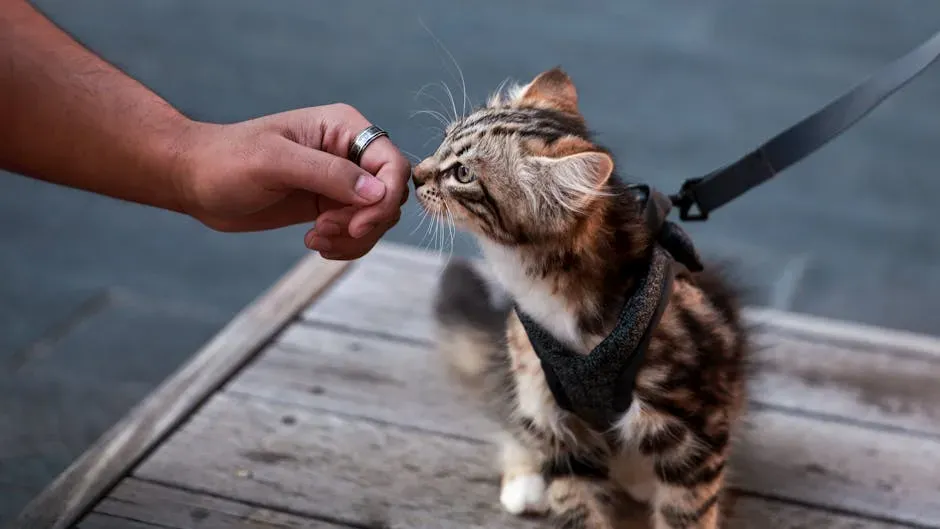
Although stories of cats predicting death are widespread, scientific evidence remains limited. However, several studies and documented cases suggest that feline intuition may have a biological basis. That’s the honest summary. Not proven beyond doubt. Not dismissible either.
Research shows that both cats and dogs have the ability to smell illness and disease in humans, and it’s possible that Oscar had a particularly keen nose for chemical changes during the death process. The mechanisms being proposed – ketone detection, pheromone sensitivity, thermal awareness, behavioral reading – are all biologically sound. None of them require anything beyond the sensory hardware that cats already demonstrably possess.
While scientific research has yet to provide conclusive evidence, the countless anecdotal reports from cat owners suggest that our feline companions are highly attuned to our health. Cats have a keen sense of smell and can pick up on changes in our body chemistry through scent, and they are also incredibly observant creatures, paying close attention to their owner’s behavior and body language. The gap between what cats can detect and what science has formally confirmed may simply be a gap in our research, not in their abilities.
Conclusion
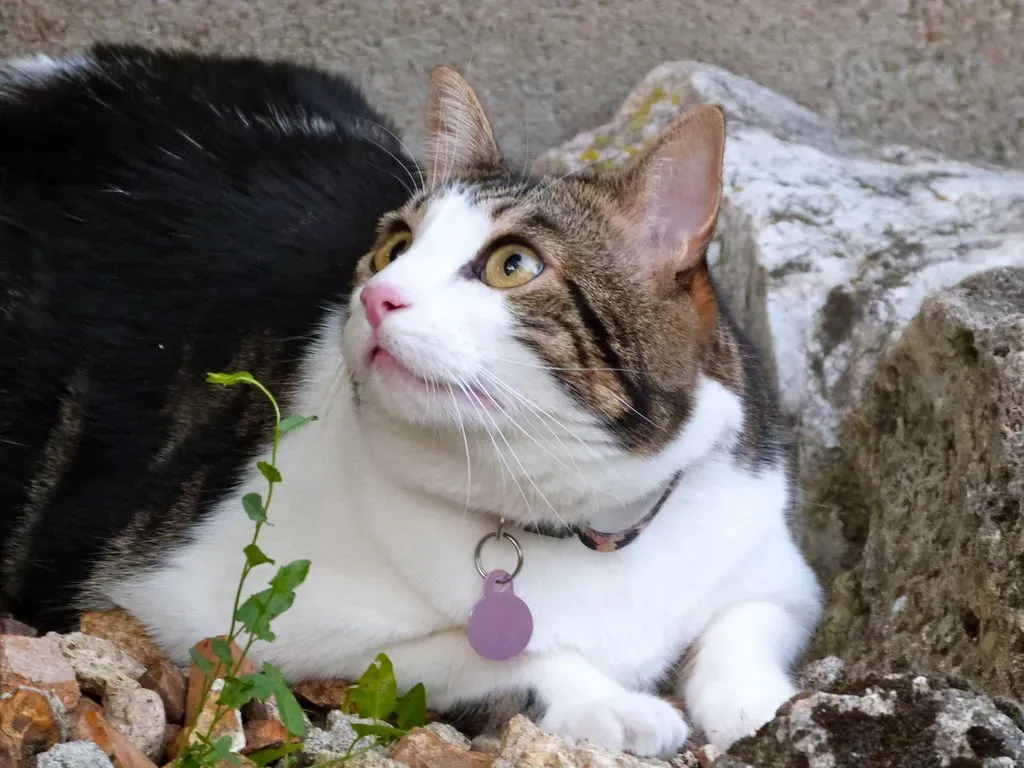
The idea that a cat might sense your death before you do sounds like folklore until you trace the biology carefully. The nose that detects hundreds of millions of scent profiles, the organ that reads chemical markers invisible to humans, the quiet attentiveness to stillness and heat – none of these are magic. They’re just a different kind of perception, running on frequencies we can’t tune into.
Oscar’s story remains the most documented example we have, imperfect as the record is. The science behind it is plausible, grounded, and still developing. What’s already clear is that cats carry far more information about us than we tend to give them credit for. They may not know what death is in the way we conceptualize it. They may simply know that something in the air has changed, irreversibly, and they come close anyway.
That instinct to stay near, when all the signals say the end is close, might be the most quietly remarkable thing about them.

- 7 Ways Cats Show They're Secretly Annoyed With You - July 19, 2026
- What Small Dog Breed Are you According to Your Zodiac Sign - July 19, 2026
- What Makes Crows Among the Smartest Birds on the Planet - July 19, 2026