
Worried about unexpected vet bills?
Pet insurance can cover thousands in unexpected vet costs. Get a free quote from Lemonade in under 2 minutes.
Get My Free Quote →Sponsored · Opens Lemonade.com
Picture this: You’re walking your dog through your favorite park when suddenly everything feels different. The birds have gone silent, your pet is trembling, and you notice something strange happening to the wildlife around you. It sounds like science fiction, right? Yet scientists worldwide are losing sleep over disaster scenarios that could unfold within our lifetime, threatening every creature we share this planet with.
As someone who has spent years studying animal behavior and extinction patterns, I can tell you that the warning signs are already here. We’re living through what researchers call the sixth mass extinction, and the theories that keep scientists awake aren’t just academic exercises. They’re urgent calls to action for anyone who cares about the animals we love.
The Great Ocean Acidification Crisis
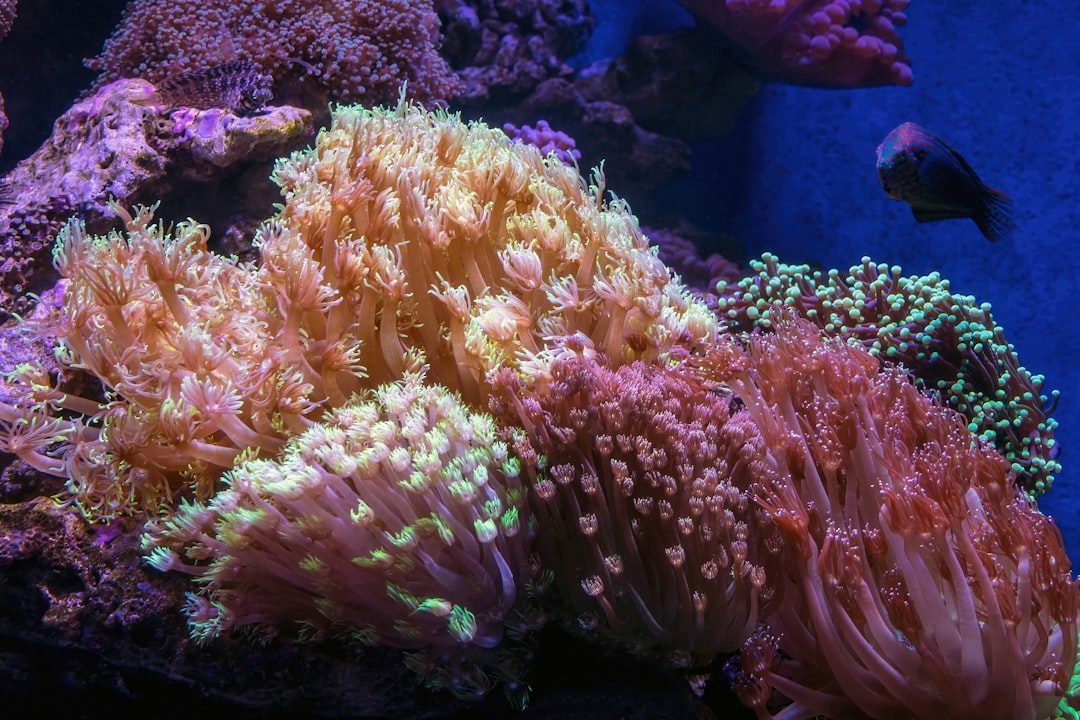
The ocean is becoming a hostile soup for marine life, and it’s happening faster than most people realize. Like a sponge, our oceans are absorbing increasing amounts of carbon dioxide from the atmosphere. Over the past 200 years, the world’s oceans have absorbed more than 525 billion metric tons of carbon dioxide emitted from human activities. This invisible transformation is creating what scientists grimly call “osteoporosis of the sea.”
The results reveal decreased survival, calcification, growth, development and abundance in response to acidification when the broad range of marine organisms is pooled together. Think about your local aquarium’s beautiful coral displays or the shells you collect on beach walks. Ocean acidification can create conditions that eat away at the minerals used by oysters, clams, lobsters, shrimp, coral reefs, and other marine life to build their shells and skeletons.
During the last great acidification event 55 million years ago, there were mass extinctions in some species including deep sea invertebrates. What’s terrifying is that we’re seeing similar changes now, but compressed into decades rather than millennia.
Marine plankton will be lost; some are already growing thinner and weaker shells. For example, pteropods are an important staple in the diet of salmon, mackerel, herring, cod and baleen whales.
The Nuclear Winter Animal Apocalypse
Nuclear war isn’t just a human catastrophe – it would trigger an ecological nightmare that could last for decades. Scientists studying nuclear winter scenarios paint a chilling picture of what would happen to wildlife in the aftermath of even a limited nuclear exchange.
An animal crisis marked by a 5–13% terrestrial tetrapod species loss and 2–6% marine animal species loss will occur in the next generation during 2060–2080 CE if humans do not engage in nuclear wars. But if nuclear weapons are used, these numbers would skyrocket beyond imagination.
The immediate blast zones would be just the beginning. Radioactive fallout would contaminate vast areas, poisoning food chains from the ground up. Animals would suffer radiation sickness, cancers, and genetic mutations that would be passed down through generations.
Preventing nuclear war is essential to averting mass extinctions and significantly decreasing the human population. The interconnectedness of ecosystems means that even animals thousands of miles from ground zero would face starvation as food webs collapsed.
The Asteroid Impact Event
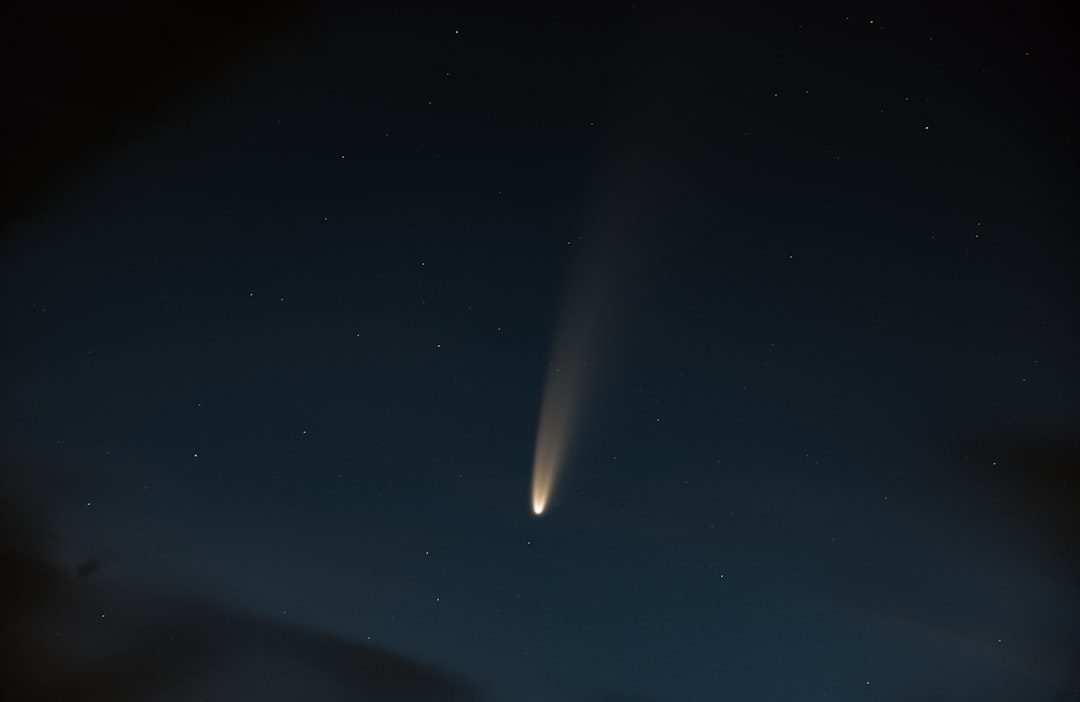
An enormous asteroid impact is the prime suspect. The collision would have sent billions of particles into the atmosphere. The Chicxulub impact would have created an explosion thousands of times more powerful than the detonation of the global military arsenal, immediately vaporizing plants and animals for miles surrounding the impact site.
It is now generally thought that the K–Pg extinction resulted from the impact of a massive asteroid 10 to 15 km wide, 66 million years ago, causing the Chicxulub impact crater and devastating the global environment, mainly through a lingering impact winter which halted photosynthesis in plants and plankton. This scenario wiped out the dinosaurs and could happen again.
What makes this theory particularly frightening is how quickly everything would change. Within hours, massive tsunamis would devastate coastal ecosystems. The megatsunami has been estimated at more than 100 m tall, as the asteroid fell into relatively shallow seas; in deep seas it would have been 4.6 km tall.
The re-entry of ejecta into Earth’s atmosphere included a brief but intense pulse of infrared radiation, cooking exposed organisms. Animals everywhere would face a terrifying choice: burn in the immediate firestorm or slowly starve in the endless winter that follows.
The Permian-Style Super Volcano Crisis
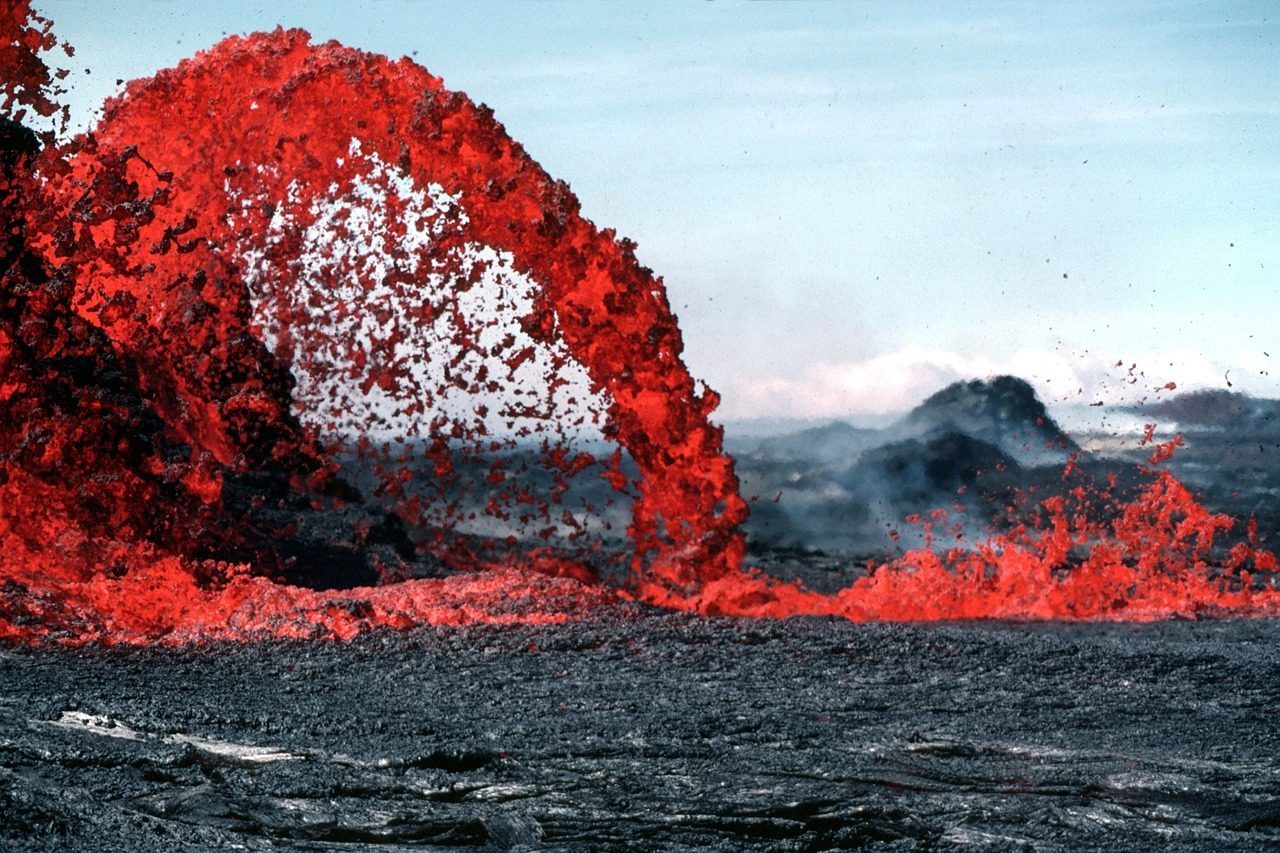
Whatever happened during the Permian-Triassic period was much worse: No class of life was spared from the devastation. Trees, plants, lizards, proto-mammals, insects, fish, mollusks, and microbes — all were nearly wiped out. Roughly 9 in 10 marine species and 7 in 10 land species vanished. This catastrophe, known as “The Great Dying,” represents the closest life on Earth has ever come to complete extinction.
Another suspect – a deadly epoch of volcanic eruptions – left a million-square-mile fingerprint in Siberia. The Siberian Traps eruptions released unimaginable quantities of toxic gases into the atmosphere, creating a hellscape that lasted for thousands of years.
Animals and plants both on land and in the sea were dying at the same time, and apparently from the same causes — too much heat and too little oxygen. Picture your pets struggling to breathe in air that’s become poisonous, while temperatures soar beyond anything they could survive.
Half a mile uphill we found the trunks of a stand of spruce, killed by acid rain. No birds called, no insects hummed. The only sound was the wind through the acid-tolerant weeds. This modern example of acid rain damage gives us a glimpse of what a volcanic winter might look like.
The Climate-Driven Mass Migration Collapse
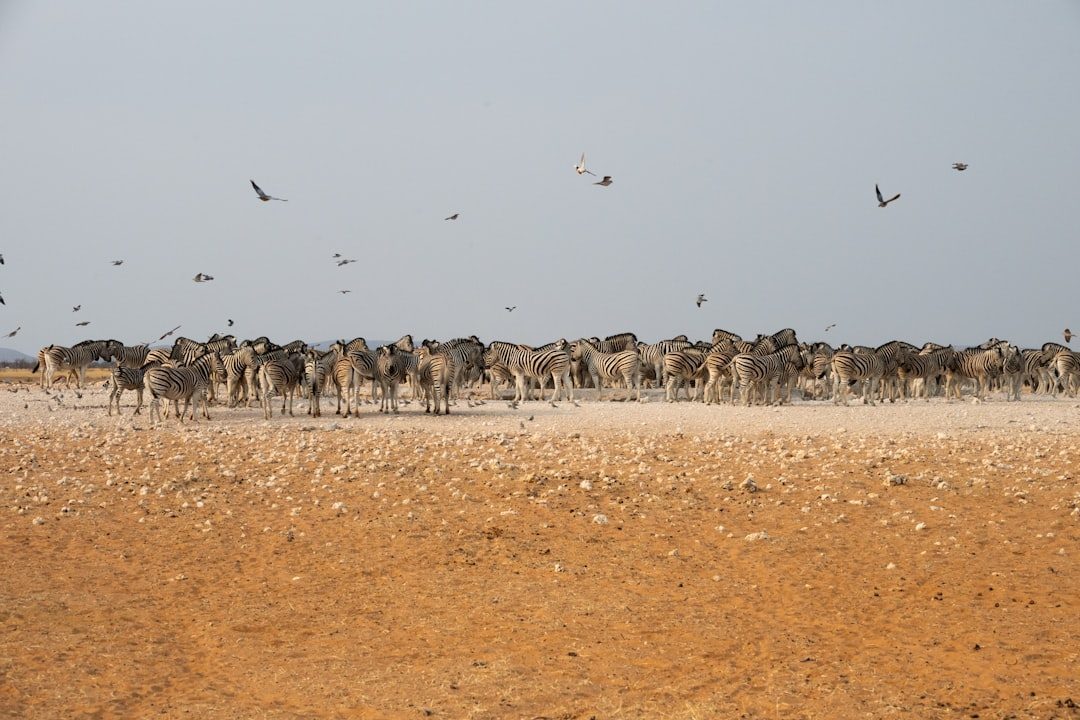
With current human-driven climate change already pushing many species up to and beyond the brink of extinction, these results could help identify the animals that are most at risk, and inform strategies to protect them. Climate change isn’t just about warmer temperatures – it’s triggering a cascade of environmental changes that are overwhelming animals’ ability to adapt.
Species with restricted thermal ranges of less than 15°C, living in the poles or tropics, are likely to be at the greatest risk of extinction. However, if the localized climate change is large enough, it could lead to significant extinction globally, potentially pushing us closer to a sixth mass extinction.
Think about the polar bears you’ve seen in documentaries, struggling to find ice floes for hunting. Now multiply that story across thousands of species. Animals that have followed the same migration routes for millions of years suddenly find their destinations uninhabitable or their pathways blocked.
As human development pushes deeper into formerly “wild” areas, people are exposed to more new disease vectors. Additionally, as species move around to adapt to climate shifts, they may bump up against communities that otherwise wouldn’t have encountered them, causing “spillover” of dangerous pathogens from wildlife. This creates a perfect storm where climate refugees – both human and animal – compete for dwindling resources while spreading diseases.
The reality is that we’re already living through the early stages of what could become one of these disaster scenarios. Many scientists say a sixth mass extinction is now under way. In 2019, following a review of thousands of scientific and government sources, the United Nations reported that approximately 1 million animal and plant species are threatened with extinction.
Every day that passes without meaningful action brings us closer to crossing irreversible tipping points. The animals in our backyards, the pets we love, and the wildlife that fills our hearts with wonder – they’re all counting on us to wake up to these threats before it’s too late. The question isn’t whether these disasters could happen, but which ones will we choose to prevent? What legacy will we leave for the creatures that share our world?
Worried about unexpected vet bills?
Pet insurance can cover thousands in unexpected vet costs. Get a free quote from Lemonade in under 2 minutes.
Get My Free Quote →Sponsored · Opens Lemonade.com
