
Most people have a mental list of “loyal animals” and it starts and ends with dogs. Everything else – the pig in the pen, the horse in the field, the parrot on the perch – gets written off as instinct-driven, indifferent, or just plain unaware of who’s feeding them. Sanctuary workers have spent years watching that assumption collapse in real time.
The people who raise these animals beside their own children, who share daily routines with creatures most of us would never invite past the yard gate, describe something that sounds less like animal behavior and more like family. Some of what they’ve witnessed is genuinely hard to explain. A few of these animals didn’t just surprise the workers – they changed the way entire families understand what loyalty actually means.
#1 – Pigs
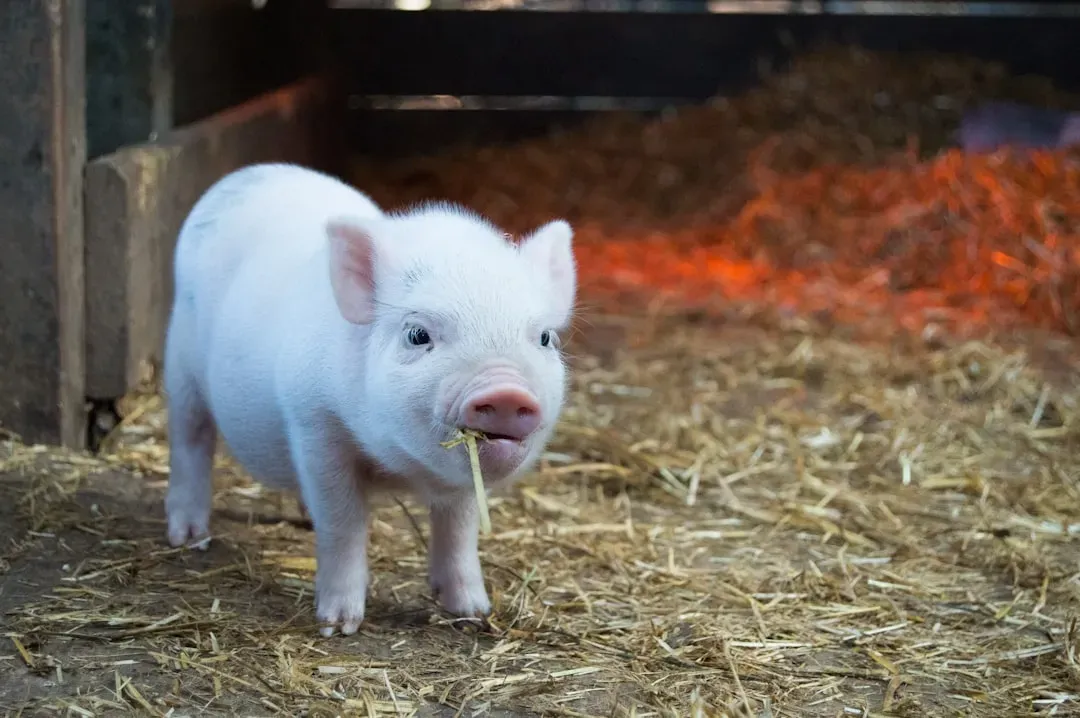
Most people write pigs off as food animals – useful, maybe, but emotionally hollow. Sanctuary staff who bottle-raise them alongside children report the opposite so consistently it’s almost become a running theme at rescues. These animals learn individual names. They greet specific family members at the gate and no one else. They bring offerings – rocks, sticks, whatever they find nearby – to their favorite humans the way a toddler brings a drawing to a parent.
One worker described a rescued sow who stationed herself at the house window every afternoon until her human “mom” came home from work – same window, same time, every day. Pigs raised in family settings often refuse to eat until their bonded person is present, turning mealtime into something that genuinely looks like a social ritual. They also show protective instincts, positioning themselves between children and anything unfamiliar during outdoor play. Workers say the loyalty surprises every first-time visitor without exception.
Fast Facts
- Studies consistently rank pigs among the top ten most intelligent species on Earth, with cognitive abilities compared to a 3-year-old child.
- Pigs can recognize their own names, understand object permanence, and have been documented using tools – a trait shared with dolphins and primates.
- Research shows pigs can solve puzzles, recognize themselves in mirrors, and experience a full range of emotions including joy, grief, and affection.
- In the wild, pigs naturally live 15 to 20 years – long enough to form and maintain family bonds across many seasons.
- Mother pigs are known to “sing” soft grunts to their piglets while nursing, actively strengthening the bond between them.
#2 – Horses
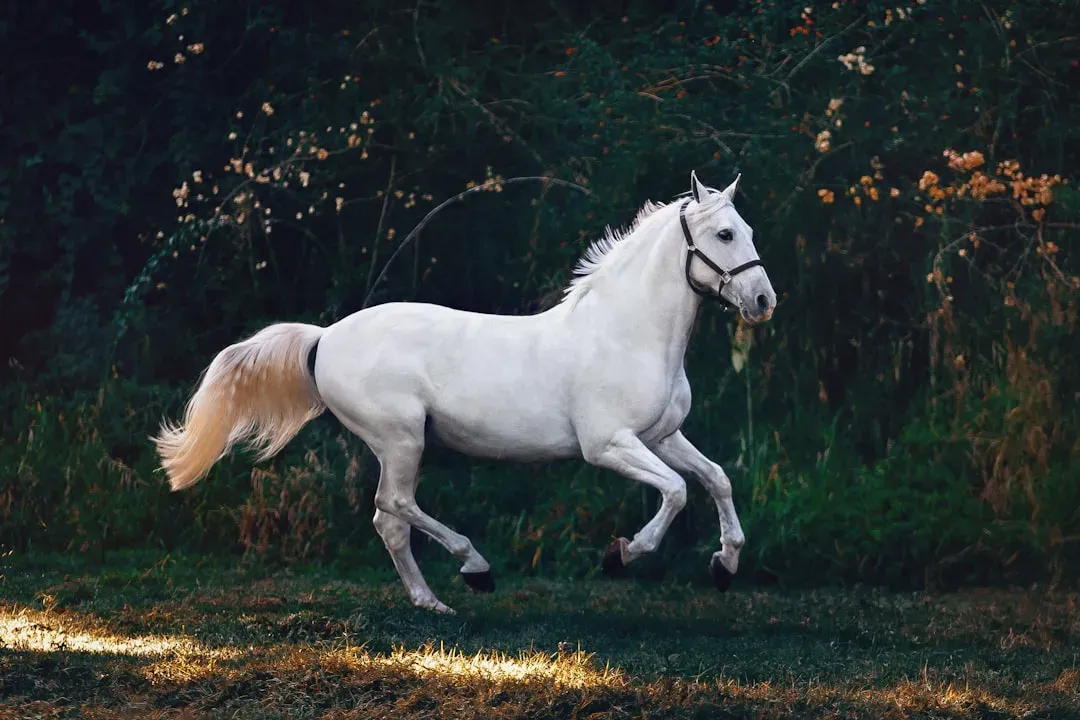
Horses have a reputation as flighty prey animals – beautiful but ultimately self-interested. Sanctuary teams who raise foals alongside children tell a different story, and the loyalty they describe isn’t just affection, it has a long memory. These horses seek out their human “siblings” for comfort during storms. They stand near family homes at night when they have no obligation to. One longtime sanctuary resident still nickered only for the now-adult child who fed him bottles as a foal – decades of recognition compressed into a single sound.
Workers emphasize that horses raised with families learn individual voices and footsteps well enough to identify people from across an open field. During group activities with children, they naturally form a kind of loose protective circle – not trained, just chosen. What makes this particular bond striking is that it strengthens over time. Given full pasture freedom, these horses come back. They choose closeness when distance is available, which is about as clear a definition of loyalty as any.
#3 – Elephants
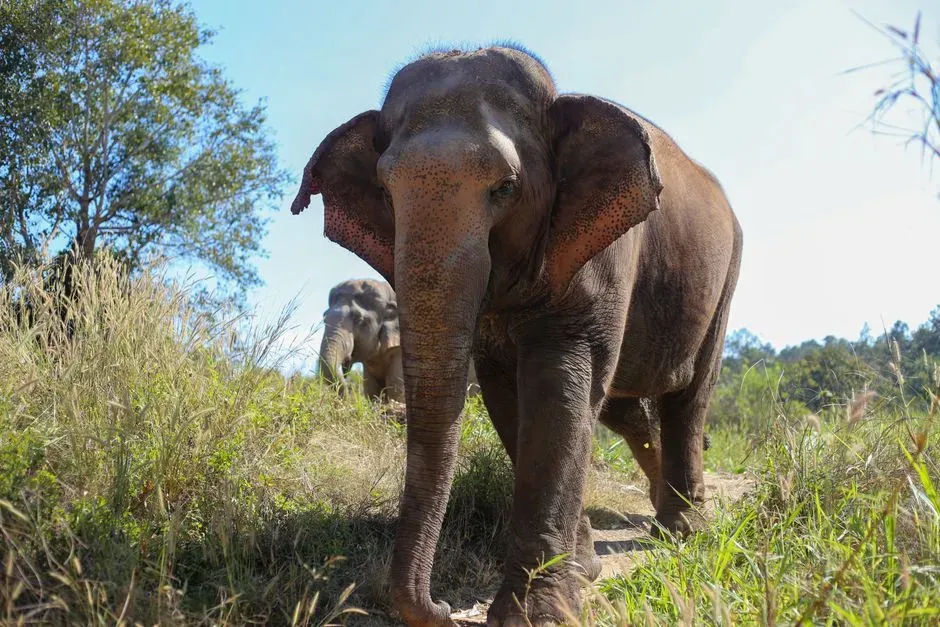
An elephant’s sheer scale makes the idea of family-style loyalty feel almost abstract. But sanctuary caregivers who integrate calves into daily human routines describe something that defies the “wild animal” framing completely. These elephants remember specific staff members and their children for life – not vaguely, but with precision – and reserve their most intimate gestures, a soft trunk touch, a slow rumble, for trusted people only.
What sanctuary workers find most striking is how deliberate the adjustments are. An elephant raised near a family will slow its pace to match a small child walking beside it without any prompting. They position themselves between kids and unfamiliar visitors like a decision was made. Workers also describe elephants that visibly grieve when bonded humans leave and celebrate reunions with a full-body joy that is impossible to misread. These aren’t performances – they’re the same behaviors elephants show toward their own calves.
Elephants are not only intelligent but have a sense of self. They know who they love.
Dame Daphne Sheldrick, wildlife conservationist and elephant orphan rescuer
#4 – Parrots
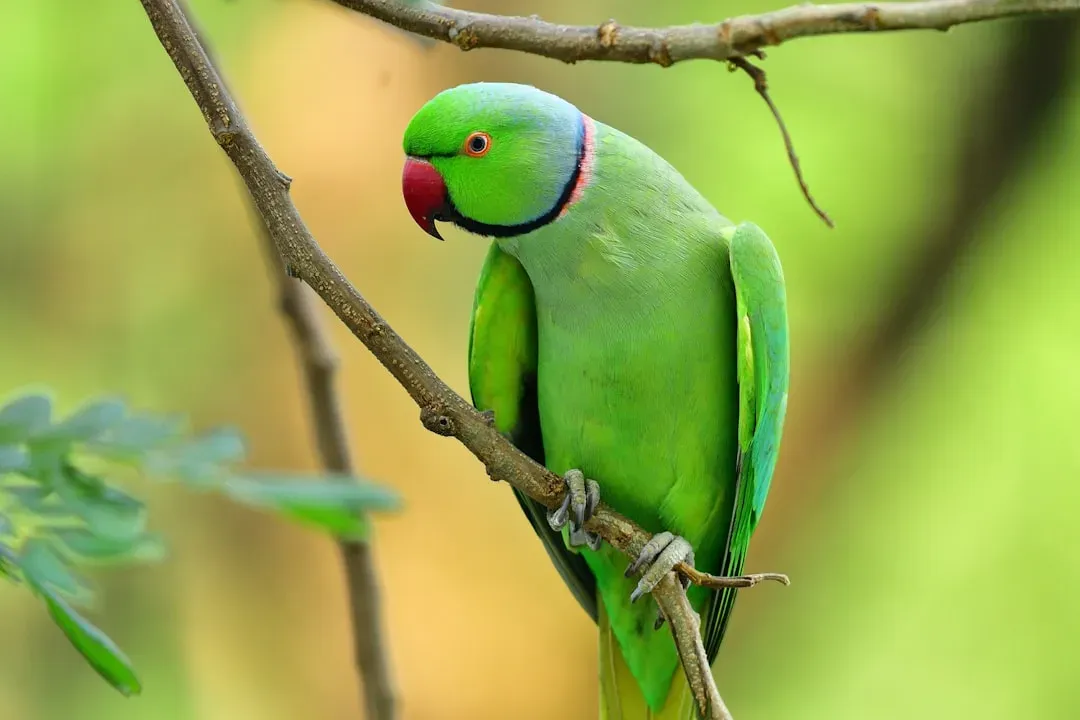
A parrot looks like a noisy decoration until you watch one grieve. Sanctuary workers who hand-raise parrots alongside children describe bonds that can last 30, 40, sometimes 50 years – outlasting marriages, outlasting the childhood of the kids who raised them. These birds mimic specific family voices, distinguish between people with eerie accuracy, and will flat-out refuse interaction with anyone outside their accepted human group.
The jealousy is real and workers say it’s one of the first things families notice. Shift attention from a bonded parrot to someone else in the room and the bird will vocalize, maneuver, and insert itself until the balance is restored. Sanctuary staff describe parrots who remember routines years after they’ve changed, who alert the household to strangers with targeted calls, and who treat their human family with the same social investment a parrot would give its flock in the wild. The species just swapped out the feathers for people – and it stuck.
Quick Compare: Parrot Lifespan by Size
- Small parrots (budgies, cockatiels): 8–20 years in captivity
- Medium parrots (conures, ringnecks, Quakers): 20–35 years
- Large parrots (African Greys, Amazons, cockatoos): 40–70 years
- Macaws: 50–80+ years – some individuals have lived close to a century
- A bonded macaw or cockatoo may genuinely outlive the family that raised it – lawyers often advise parrot owners to include their bird in their will.
#5 – Cows
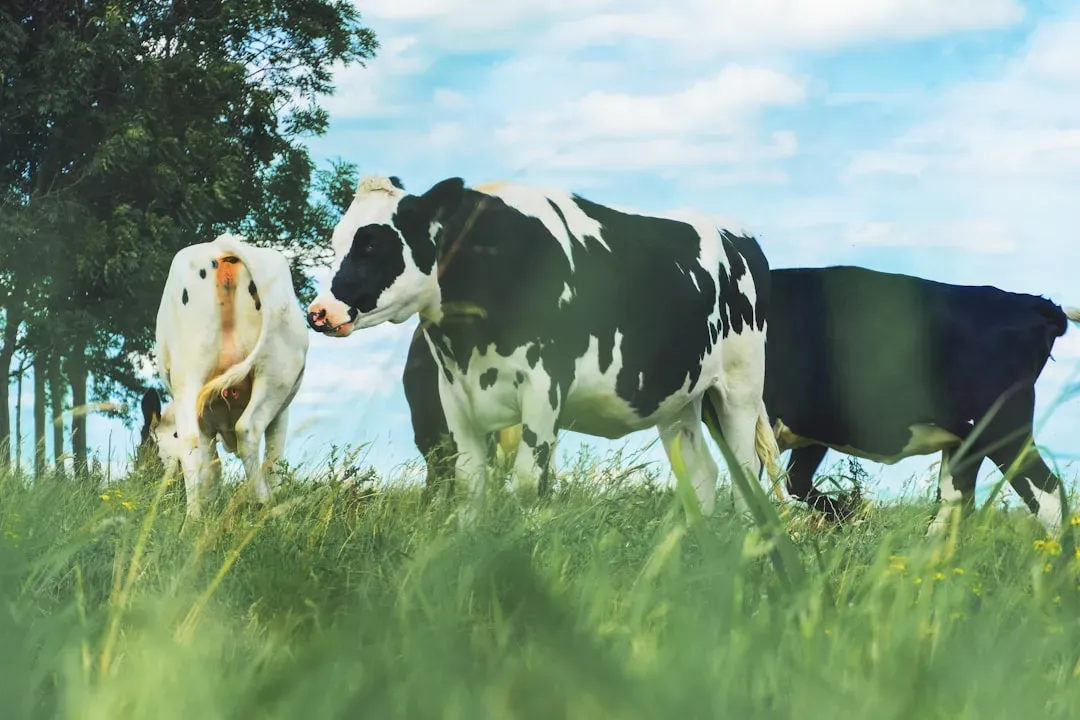
Cows get reduced to herd animals – interchangeable, placid, driven mostly by grass and routine. Sanctuary teams who raise calves with families discover that herd instinct doesn’t cancel out individual attachment; it just looks different. These calves grow into animals with clear preferences. They follow their bonded people around pastures. They stand calmly when a familiar caregiver approaches but shift and tense around strangers, even strangers who mean no harm.
Workers point to a measurable difference: cows raised with a bonded family show lower stress markers in situations that typically elevate them. Around their chosen people, they seem to operate from a baseline of safety that they don’t extend to others. Some workers describe cows that sought out the child they’d bonded with years earlier after a long separation – not the adults, not the other staff, specifically that one person. That kind of targeted recognition doesn’t fit neatly into the “simple herd animal” category.
#6 – Goats
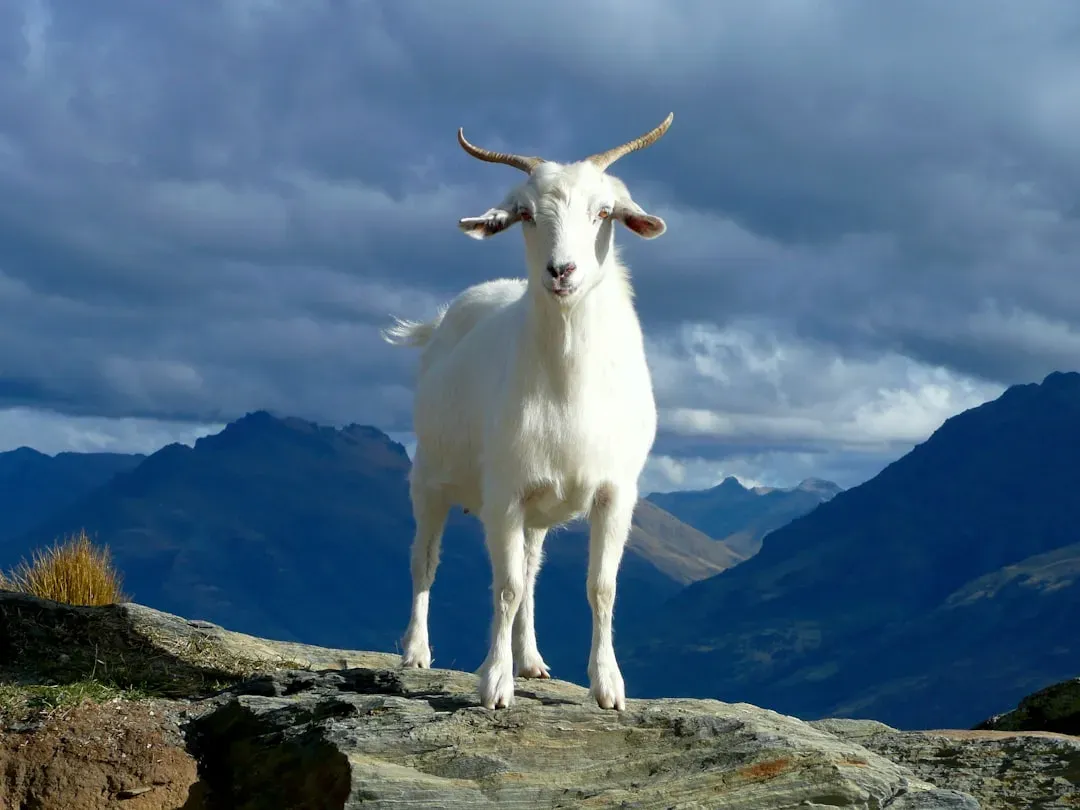
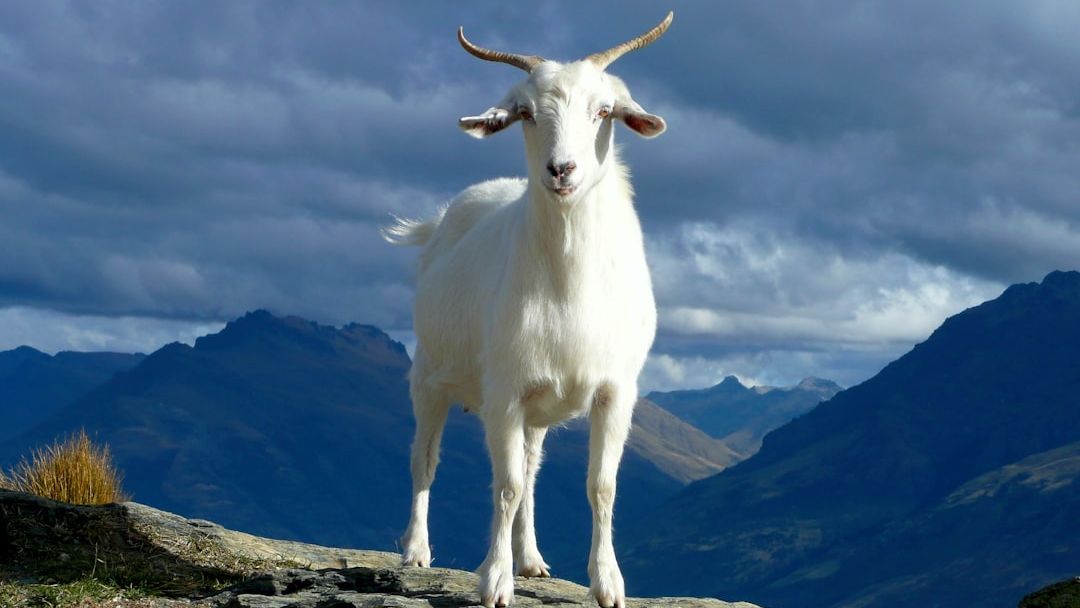
Goats have a well-earned reputation for being escape artists who love no one and serve no master. Which makes the stories from sanctuary workers who raise them with families all the more jarring. These animals develop targeted, unmistakable preferences. They greet specific children first in the morning – before adults, before other animals – and trail them through chores like a second shadow that nobody assigned.
The separation distress surprises even experienced workers. A goat that bonds with a particular child will vocalize and pace when that child is absent in a way it doesn’t for anyone else. Workers also document protective behavior: bonded goats positioning themselves near younger children during outdoor play, staying between the child and the perimeter with a consistency that looks more like a choice than a reflex. The escape-artist reputation doesn’t disappear, but the direction of escape changes – they’re trying to follow their person, not flee them.
#7 – Donkeys
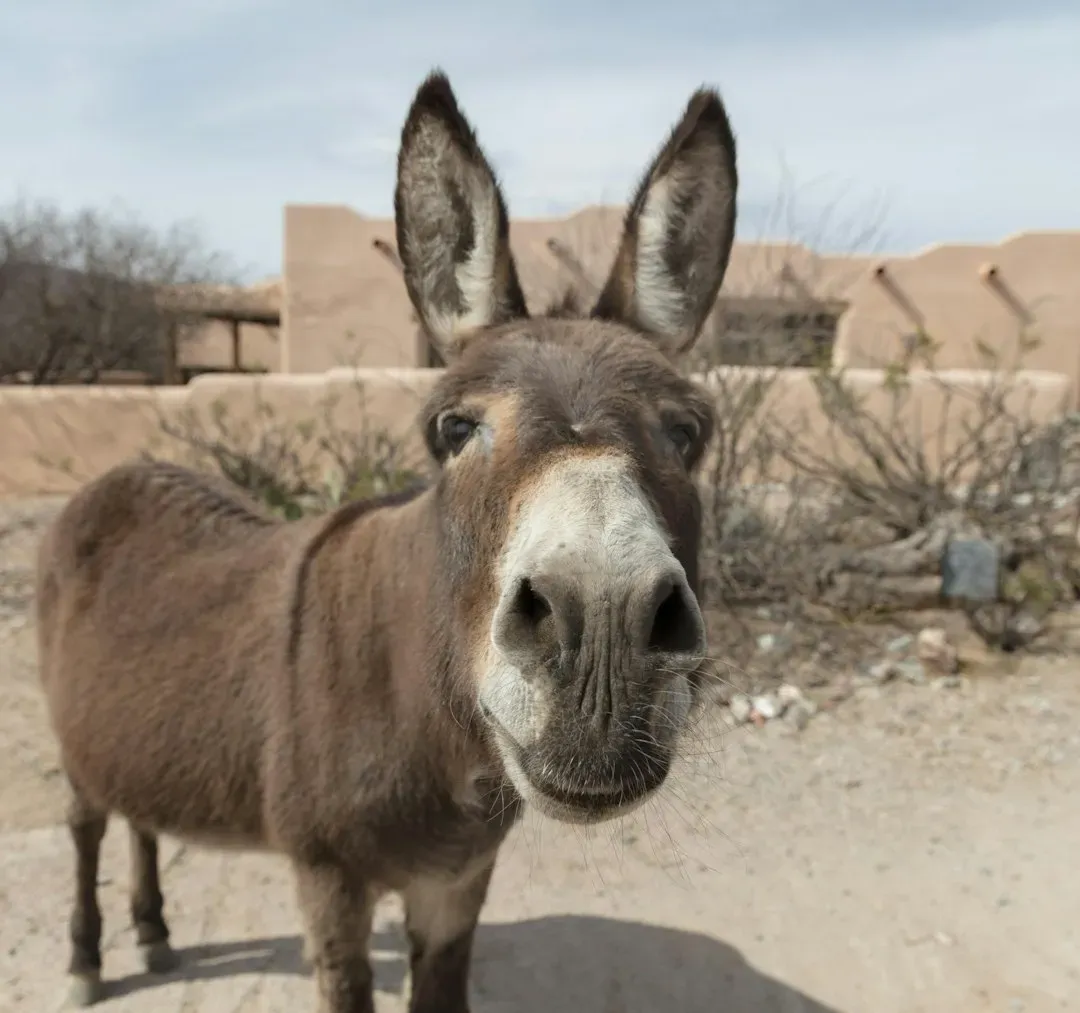
Donkeys are synonymous with stubbornness in every language and most cultures. What that reputation misses is that stubbornness and loyalty are essentially the same trait depending on which direction the animal is pointed. Sanctuary staff who integrate donkeys into family life find that once a bond forms, you basically can’t break it. These animals stand watch over children. They alert to anything unusual around the property with a persistence that makes them more reliable than most guard dogs.
Workers describe donkeys that grieve when bonded children leave for extended periods – school, college, a family move. The grief looks like withdrawal: reduced appetite, decreased movement, a kind of quiet that workers learn to recognize as mourning. What makes donkeys remarkable in this context is the sheer duration of their memory. They recognize individual family members after years apart and reestablish bonds with people who are now different sizes, different voices, different lives. They don’t seem to need you to look the same. They just need you to be you.
Worth Knowing
- Donkeys can recognize animals, routes, and people they haven’t encountered in up to 25 years – a memory capacity that rivals or exceeds most domestic animals.
- Once bonded, donkeys are described as “fiercely loyal” – they understand dozens of voice commands and come running when called by their trusted people.
- A donkey that loves you will follow you around like a puppy; they commonly “adopt” humans and children into their herd as full family members.
- Domesticated donkeys typically live 25 to 40 years, with some individuals reaching 50 under good care – meaning a donkey bonded to a child can still be present for that child’s grandchildren.
- Their so-called stubbornness is actually a sign of intelligence: unlike horses, donkeys pause to assess danger rather than flee, which is often mistaken for defiance.
#8 – Chickens
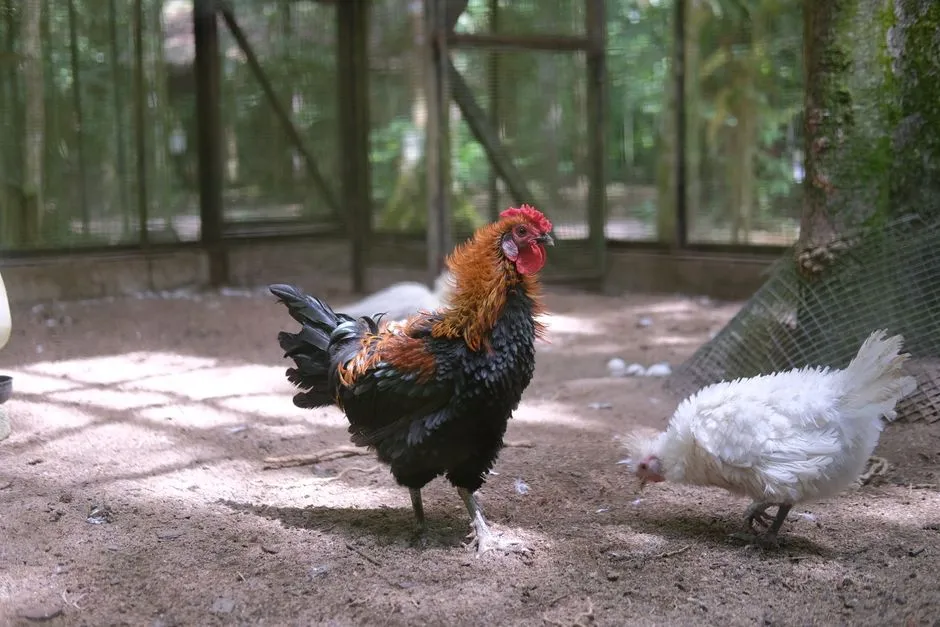
Chickens might be the most underestimated animal on this entire list. The cultural consensus is that they’re living props – functional, replaceable, about as emotionally complex as a lawn ornament. Sanctuary workers who raise chicks with kids report individual recognition, consistent greeting behaviors, and attachment patterns that hold up over time. These birds follow specific family members across the yard. They roost near particular people when given the freedom to choose.
The distinction workers keep coming back to is the selectivity. A chicken raised with a family doesn’t distribute its attention evenly – it has a person, maybe two. Around bonded humans, its stress behaviors essentially disappear. Around strangers, they return. Workers also describe hens that position themselves protectively near familiar children when chicks are present, placing their trust in that specific human the way they’d trust a known member of a flock. It’s quiet loyalty, nothing dramatic, but it’s consistent and it’s real.
#9 – Rabbits
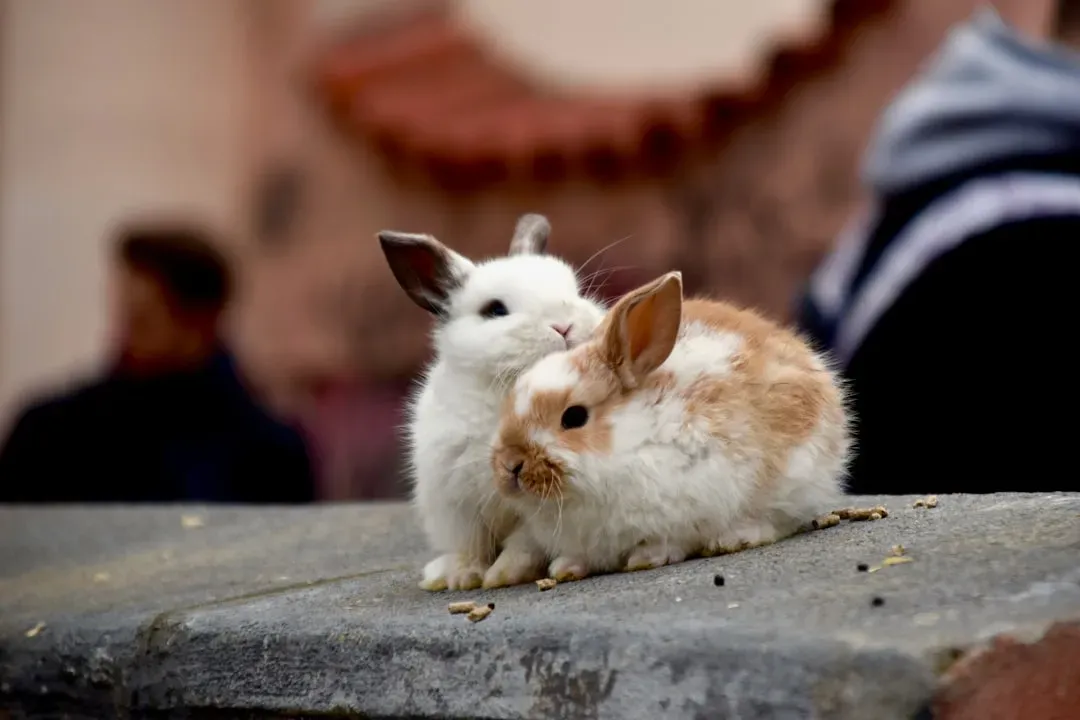
Rabbits are sold as starter pets – easy, low-maintenance, gentle enough for small children, easy enough to emotionally manage if things go wrong. That framing sets expectations so low that the actual behavior surprises people every time. Sanctuary teams raising rabbits with families watch these animals develop the kind of selective trust that takes months of consistent gentleness to earn and then holds firm for years. They seek lap time only from bonded children. They go limp with relaxation in specific arms and freeze with tension in others.
The protective instinct appears too, which is the part people find hardest to believe. Thumping, body positioning, deliberate placement between a child and something unfamiliar – workers describe rabbits performing these behaviors specifically near their bonded humans, not randomly, not out of general fear. Sanctuary staff say the transformation from “background pet” to active family participant is one of the most consistent stories they hear from families who raised rabbits from very young. The animal just needed someone to take it seriously first.
#10 – Cats
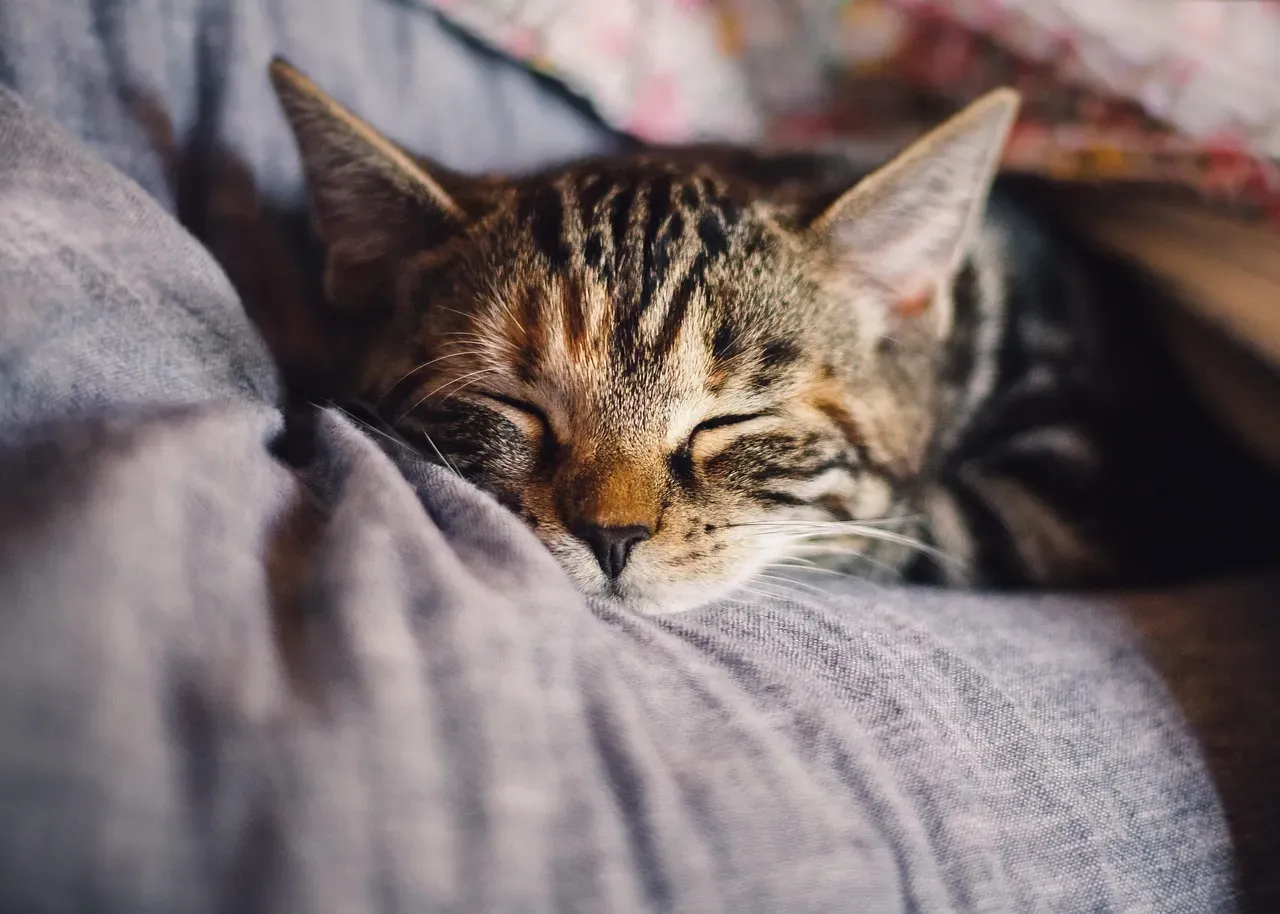
The cultural narrative around cats is practically a franchise at this point: they’re aloof, self-serving, tolerating humans rather than loving them. Sanctuary workers who raise kittens with children see that story dissolve pretty fast. These cats choose specific kids to sleep with every night – not rotate, not wander, choose – and defend those sleeping arrangements with a territorial confidence that looks unmistakably like ownership. Of the child, not the space.
Workers report cats that monitor their bonded children’s routines and position themselves accordingly, appearing at the bedroom door before school, waiting at the entry point when the child is due home. They also describe cats that genuinely mourn when kids leave for extended periods – becoming quieter, less active, more attached to objects that carry that child’s scent. The loyalty was always there. It just required being raised in a family that earned it early enough to shape how the cat understood the world.
#11 – Dogs
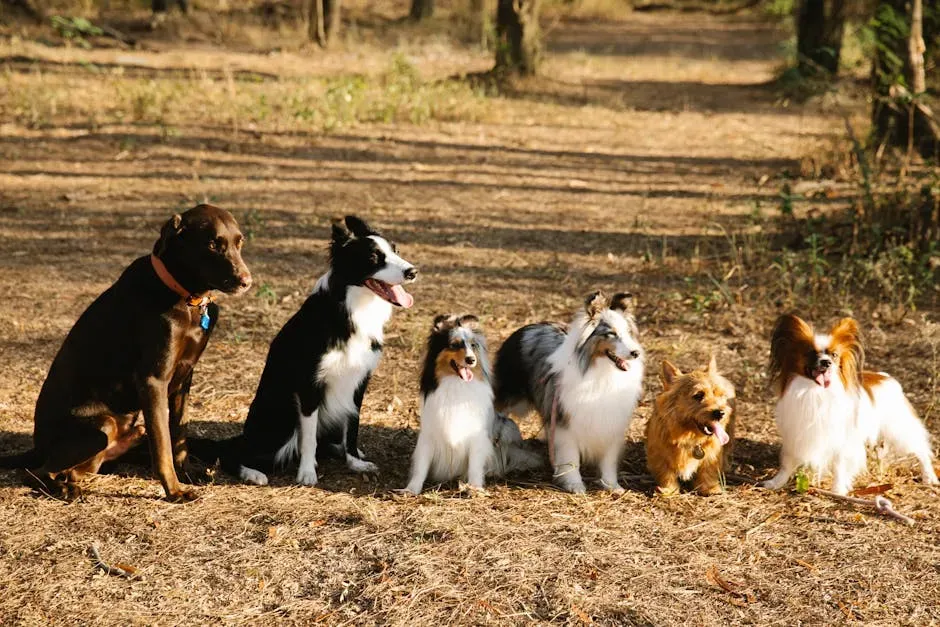
Dogs are supposed to be the easy one – the expected entry on any loyalty list, the animal that needs no argument. Sanctuary workers include them here for a specific reason: dogs raised in multi-species, multi-child sanctuary settings develop a loyalty that expands far beyond their own kind, and that expansion is what makes them remarkable in this context. These dogs don’t just bond with their human family. They extend that circle to include the pig, the goat, the kid in the wheelchair, the elderly grandmother.
Workers describe dogs in these settings learning the emotional texture of an entire household – who needs comfort, who needs space, who is frightened, who is confident – and responding with a nuance that most people associate only with human relationships. They intervene in conflicts between kids and animals. They grieve multiple family members, not just one. They treat their non-canine “siblings” with the same protective instinct they show toward children. In a sanctuary setting, the dog becomes something closer to a social anchor for the whole family system.
#12 – Sheep
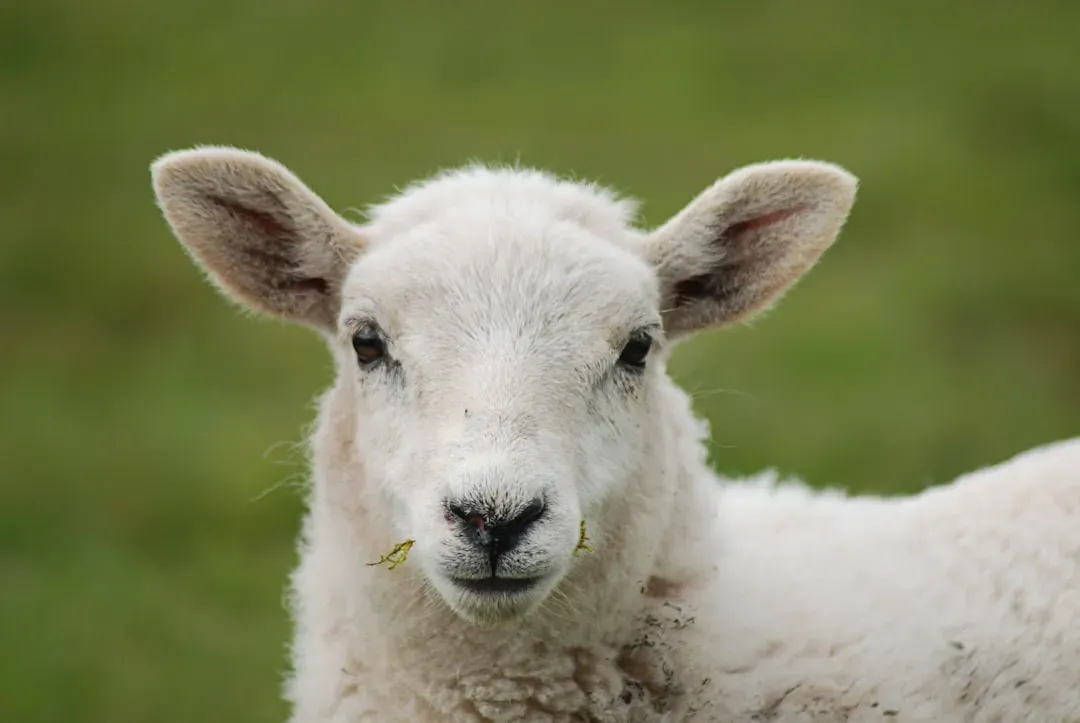
Sheep are possibly the most underestimated social animals alive. The “mindless follower” reputation is so deeply embedded that people are genuinely startled to learn sheep can recognize up to 50 individual faces and remember them for years. Sanctuary teams who raise lambs with families watch them transfer that social intelligence directly onto their human household. These animals form individual preferences, following specific caregivers with a consistency that has nothing to do with food incentive.
Workers describe a visible relaxation response that appears only around bonded family members – muscles loosening, breathing slowing, a quiet settling that contrasts sharply with how the same animal behaves around strangers. Sheep raised alongside children also show protective behavior near young kids, staying close in ways that workers can’t attribute to coincidence after watching it happen repeatedly. The flock instinct doesn’t disappear. It just gets redirected toward the humans who raised them, and those humans become the flock.
At a Glance: What the Science Says About Sheep Memory
- Research from the Babraham Institute found individual sheep can recognize and remember up to 50 different sheep faces for at least two years.
- Sheep also recognize at least 10 distinct human faces – including familiar handlers – and respond differently to people they know versus strangers.
- The face-processing system in a sheep’s brain closely mirrors the mechanism humans use to remember individuals over long periods.
- Sheep use the same brain regions associated with emotional memory in humans, suggesting they may respond emotionally to individuals even in their absence.
#13 – Turkeys
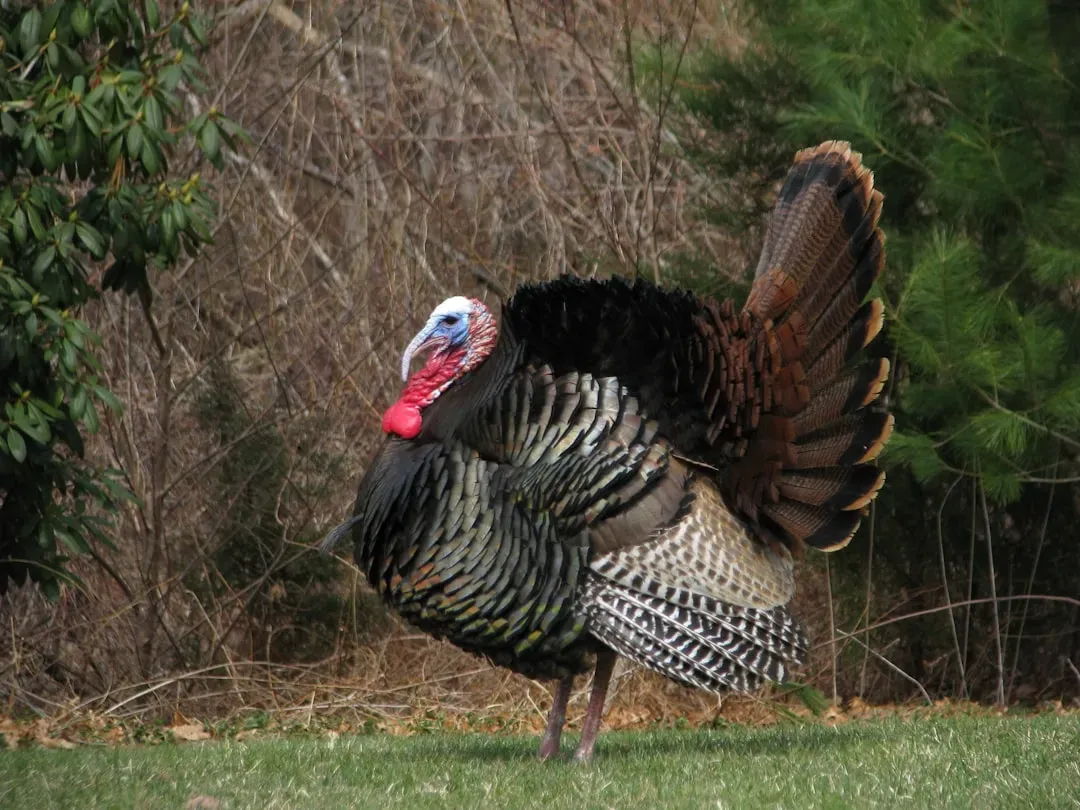
Nobody expects the turkey to make a loyalty list. These birds carry associations that are either culinary or comedic, and the idea of a turkey forming a meaningful bond with a family sounds like a joke waiting for a punchline. Sanctuary workers who raise them with kids describe something that lands nothing like a punchline. These birds follow family members the way dogs follow their owners. They alert to changes on the property with a watchfulness that surprises even experienced handlers.
Workers report turkeys that recognize specific voices and respond with a visible, animated excitement – approaching, vocalizing, staying close throughout the activity. They note mourning behaviors when bonded humans are absent for extended periods: withdrawal, reduced appetite, a drop in the bird’s typical social engagement. The pattern is identical to what workers describe in mammals on this list. The turkeys just do it quietly enough that most people never notice unless they’re paying attention, which most people never are with turkeys. That’s exactly why it made this list.
#14 – Chimpanzees
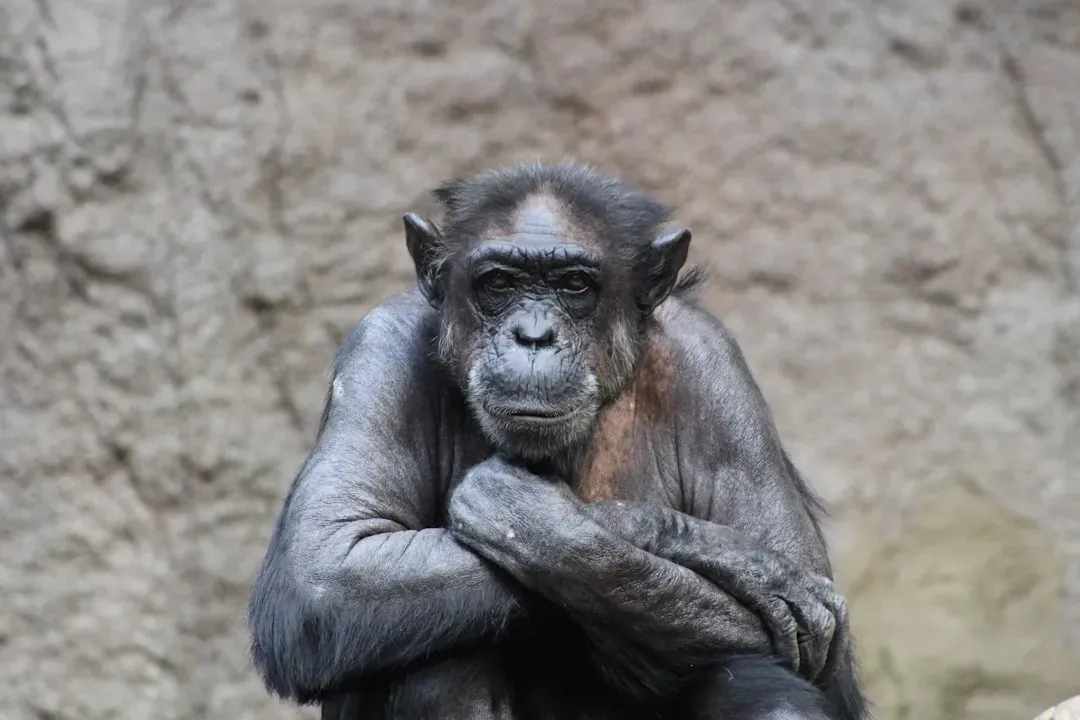
Chimpanzees are the one animal on this list where the loyalty shouldn’t surprise anyone – they share roughly 98% of human DNA and live in complex social structures built on long memory, coalition, and reciprocal trust. What surprises sanctuary caregivers isn’t that the bond exists, it’s how completely it mirrors human family attachment. Orphaned chimps raised near staff families form bonds with specific adults and their children that remain intact across decades. They remember people who have aged, changed, grown up.
Workers describe chimps that greet returning family members with full-body reunions – vocalizing, reaching, performing the kind of joy that is hard to watch without feeling it yourself. They extend grooming behaviors to trusted humans, which in chimpanzee social life is one of the most intimate acts of bonding available. The protective instinct toward children they’ve grown up with is fierce and consistent. Sanctuary staff are careful to note that these bonds also carry complexity and intensity – this is not a casual companionship. When a chimpanzee decides you are family, they mean it in every sense of the word.
What sanctuary workers keep coming back to, across every species on this list, is how much these bonds depend on early experience and consistent presence. These animals didn’t arrive loyal. They became loyal because someone showed up for them – every day, in small ways, long before any reward was expected. That’s not an animal behavior story. That’s just what family does. And apparently, it works across more species than most of us ever thought to try.
