

Weaver birds, belonging to the family Ploceidae, are small to medium-sized songbirds renowned for their unparalleled nest-building prowess. Found predominantly in sub-Saharan Africa, with some species in tropical Asia and Madagascar, these avian architects embark on a relentless mission to craft the most elaborate nesting structures in the avian world. Through their remarkable ingenuity and persistence, these birds exemplify nature’s creativity and adaptability. Let’s explore five extraordinary nesting habits of the weaver bird that demonstrate their unique mastery.
1. Interwoven Masterpieces: The Art of Nest Construction
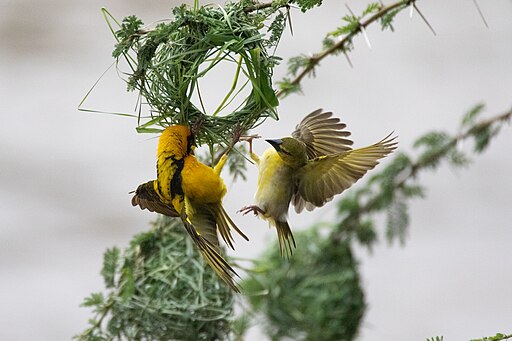
The weaver bird’s most extraordinary feat is its ability to create intricate woven nests. Using their sharp beaks as tools, weaver birds collect strips of grass, leaves, and other plant fibers. These materials are deftly interwoven to form a sturdy, weather-resistant structure. The complexity of these nests varies across species, ranging from simple, round structures to elaborate, multi-chambered marvels. The Southern Masked Weaver, for example, is renowned for its perfectly spherical nests with a tunnel-like entrance, suspended from tree branches.
2. Gender Roles and Nesting Instincts: The Males’ Craftsmanship

In many weaver bird species, it is the male who takes on the primary responsibility of nest construction. Building a nest is a key aspect of the courtship ritual, where the male’s craftsmanship directly influences his attractiveness to potential mates. The male builds the nest and showcases it to attract a female. If she deems the structure satisfactory, she may choose the male as a mate. This unique gender role highlights the intricate relationship between natural selection and mating behaviors.
3. Social Structures: Communal and Colony Nesting
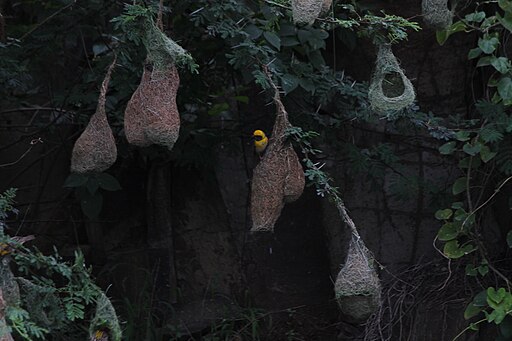
Some weaver birds exhibit fascinating social structures, often nesting in colonies that can contain hundreds of individual nests. These communal nesting habits offer various advantages, such as increased protection from predators and cooperative defense strategies. Species like the Sociable Weaver take colony living to the extreme by building massive communal nests that can house hundreds of pairs. These incredible structures resemble giant haystacks hanging from trees and can persist for generations.
4. Location, Location, Location: Strategic Nest Placement
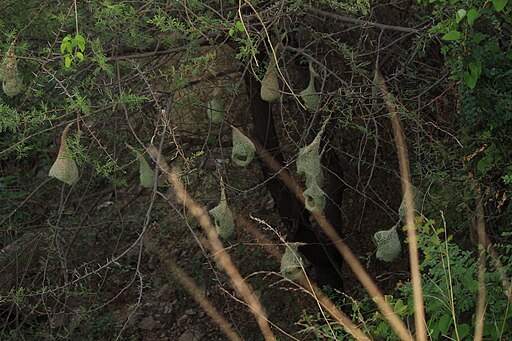
The placement of a weaver bird’s nest is carefully chosen to maximize survival rates. Many weaver birds select sites that provide optimal protection against predators and environmental elements. Trees and shrubs near water bodies are popular choices, as water can deter ground-based predators. Additionally, some species prefer to construct their nests on thorny branches to further protect against predation. The strategic placement of these nests showcases the birds’ understanding of their environment and enhances their reproductive success.
5. Seasonal Adaptations: Timing and Material Selection

Weaver birds also exhibit remarkable adaptability in their nesting habits, often adjusting their building techniques and material choices based on seasonal changes. During the breeding season, which typically coincides with the rainy season, fresh green materials are readily available and preferred for nest construction due to their flexibility and strength. Furthermore, the timing of nest building ensures that chicks are hatched during periods of food abundance, increasing their chances of survival. This keen sense of timing and resourcefulness is yet another testament to the weaver bird’s adaptability.
Conclusion: A Testament to Avian Ingenuity
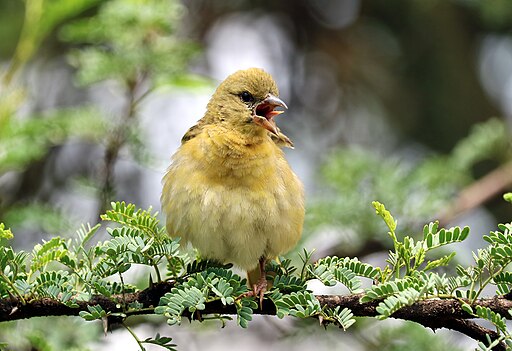
The extraordinary nesting habits of the weaver bird serve as a testament to the ingenuity and adaptability of these remarkable creatures. From their intricate woven masterpieces to their strategic nesting decisions, weaver birds exemplify the marvels of the animal kingdom. For wildlife enthusiasts and researchers alike, the nesting habits of the weaver bird provide endless intrigue and inspiration, showcasing the delicate balance between nature’s design and the instinctive drive to thrive. As we continue to learn from these avian architects, we gain a deeper appreciation for the complexities and wonders of the natural world.

- The Most Powerful Earthquake Ever Felt in the U.S. - July 19, 2026
- How Rhinoceros Males Compete for Mating Rights in the Wild - July 18, 2026
- 13 Spider Species Thriving in Changing Environments - July 18, 2026