

1. They Have Three Hearts, and One Stops When They Swim
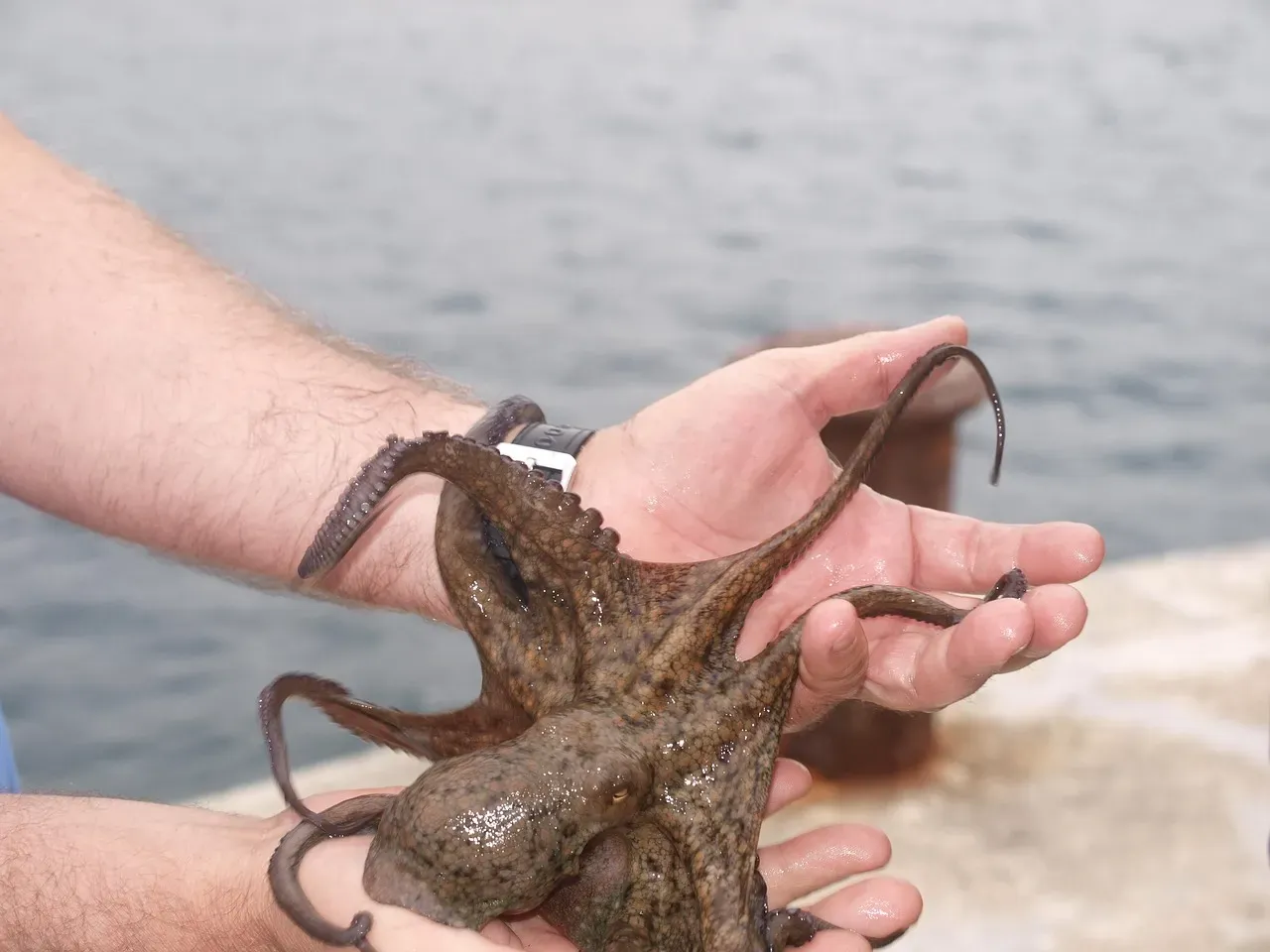
Most animals get by with a single heart. Octopuses evolved three of them, each with a specific job. Two of the hearts work exclusively to move blood past the animal’s gills, where it releases carbon dioxide and gains oxygen. The third heart then circulates that oxygen-rich blood to the organs and muscles.
What makes this even stranger is what happens during movement. The third heart actually stops beating when the octopus swims, which explains the species’ strong preference for crawling rather than swimming, as swimming exhausts them. A creature that tires itself out by using its most efficient mode of transport is a paradox of biology, and yet it works.
2. Their Blood Is Literally Blue
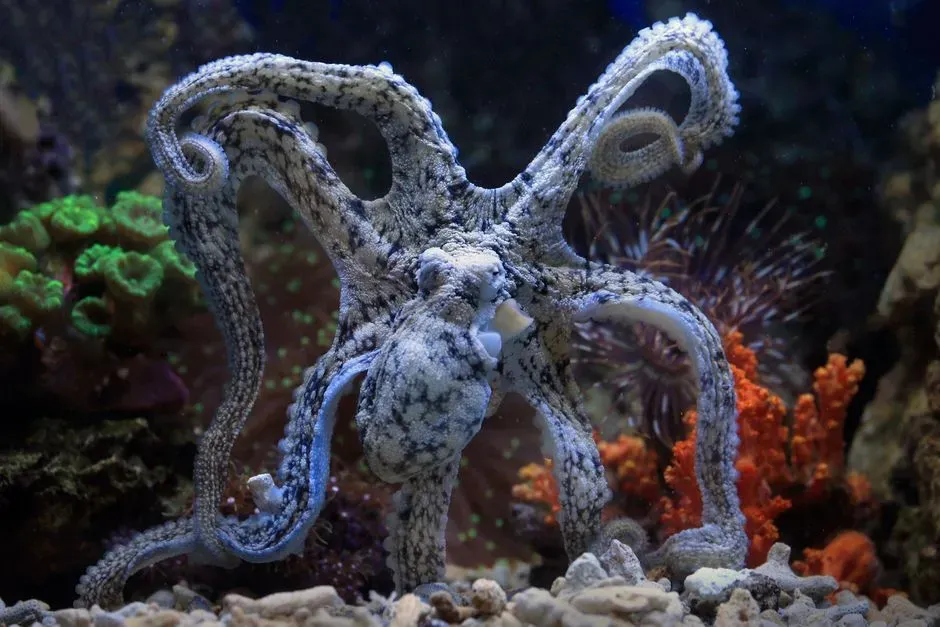
This isn’t poetic metaphor or myth. Octopuses have blue blood, not from royal genes, but from copper. Unlike many other marine invertebrates, octopuses have a high metabolic rate and therefore a high demand for oxygen, and copper-based hemocyanin is more efficient for transporting oxygen at low temperatures and low oxygen concentrations than the iron-based hemoglobin that makes our blood red.
Hemocyanin relies on copper instead of iron, making it more effective in cold, low-oxygen conditions, and when oxygenated, it turns blue. It carries oxygen less efficiently than hemoglobin, but it pays off by working perfectly in cold waters and low oxygen levels, ensuring survival in oceans from tropical to Arctic. Nature, it turns out, has more than one way to keep a body running.
3. They Have Nine Brains
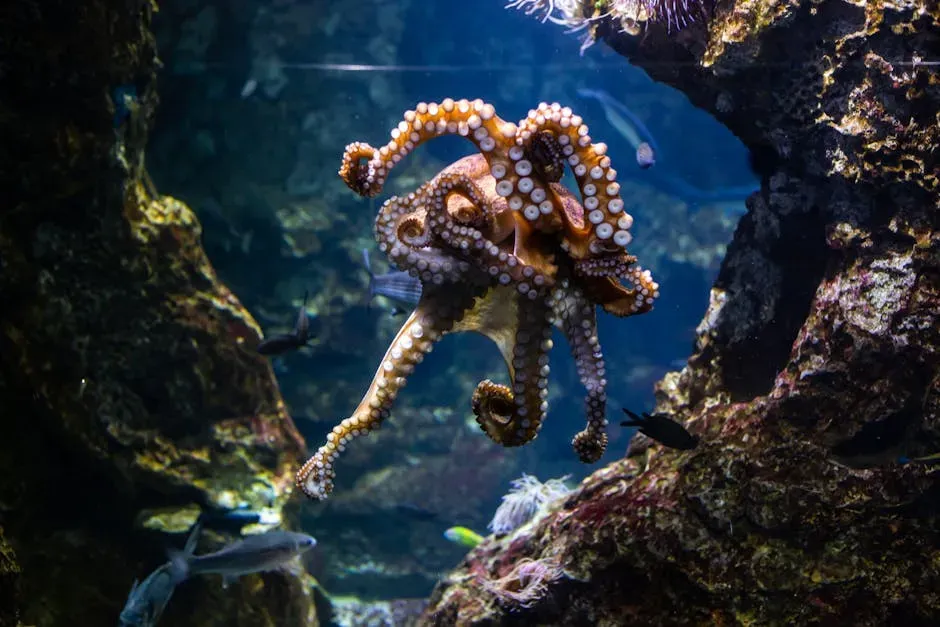
The central brain of an octopus is remarkable on its own. An octopus’s brain-to-body ratio is the largest of any invertebrate. It’s also larger than many vertebrates, though not mammals. The common octopus has around 500 million neurons, and about two thirds of them are in its arms, while the rest are in the doughnut-shaped brain wrapped around the oesophagus in its head.
Around two thirds of an octopus’s neurons are not even in the central brain but are instead distributed through its arms, forming a kind of “brain-in-the-limbs” system. This decentralized nervous system allows each arm to act semi-independently, processing touch and taste information and making local decisions. Each arm, in other words, is partly thinking for itself, while the central brain coordinates the bigger picture.
4. They Are Masters of Camouflage Despite Being Colorblind
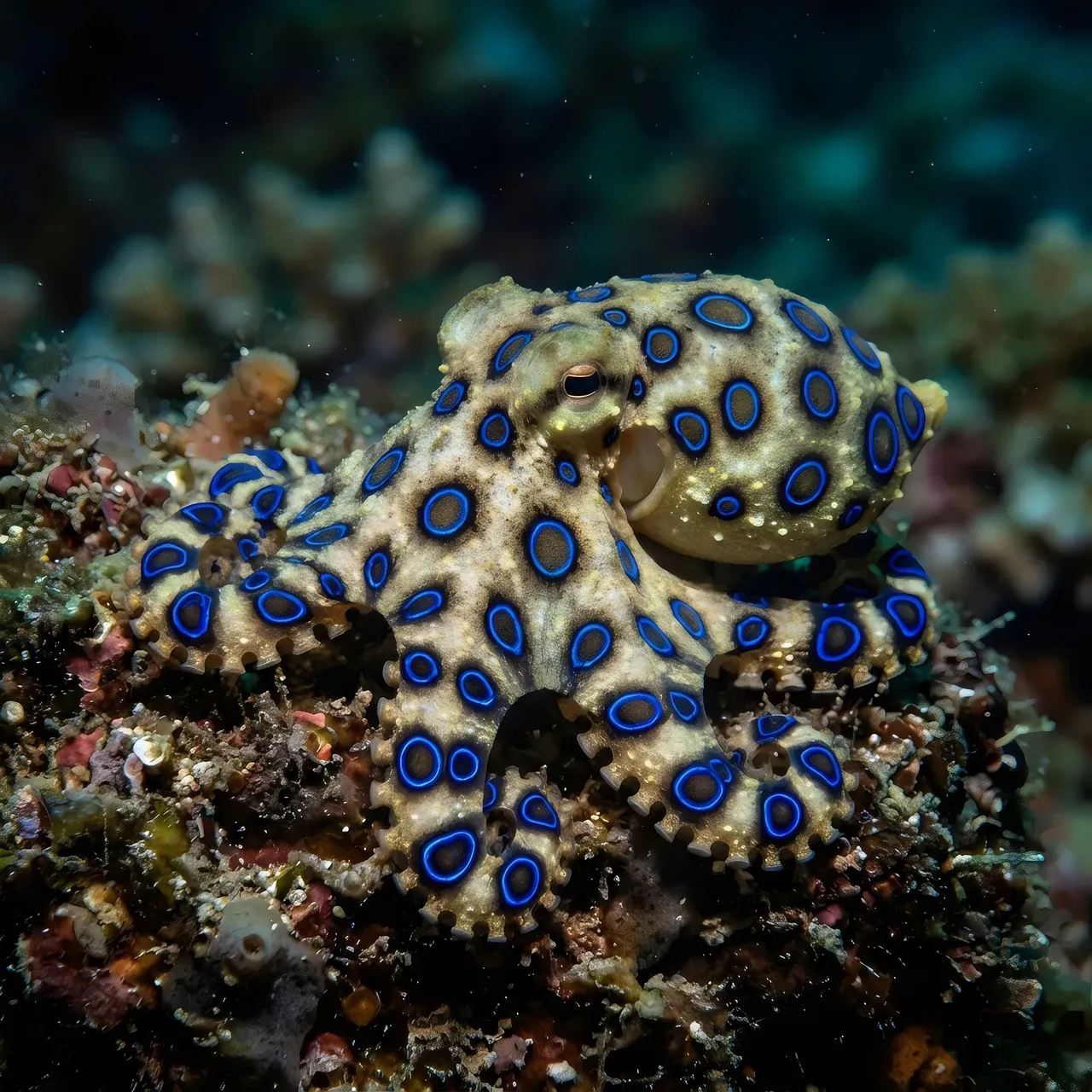
This is one of the most confounding things science has uncovered about octopuses. Octopuses are masters of camouflage, literally changing color, brightness, pattern, and even texture in a flash to hide in plain sight or advertise for a mate. This chromatic virtuosity puzzled scientists because, comparing cephalopods’ eyes to ours, they should be colorblind. Unlike humans, who have three types of color receptors to see combinations of red, blue, and green, cephalopods have only one kind.
Researchers hypothesized that octopuses’ dumbbell-shaped pupils work like prisms, breaking white light into the separate colors of the rainbow. By changing the shape of its eyeballs, an octopus can bring different wavelengths, or colors, into focus. Every chromatophore in the octopus’s skin is controlled directly by the brain through a separate nerve, meaning hundreds of thousands of independent color pixels are each under brain control, and the giant Pacific octopus can change color in one-tenth of a second.
5. Their Arms Can Think and Act on Their Own
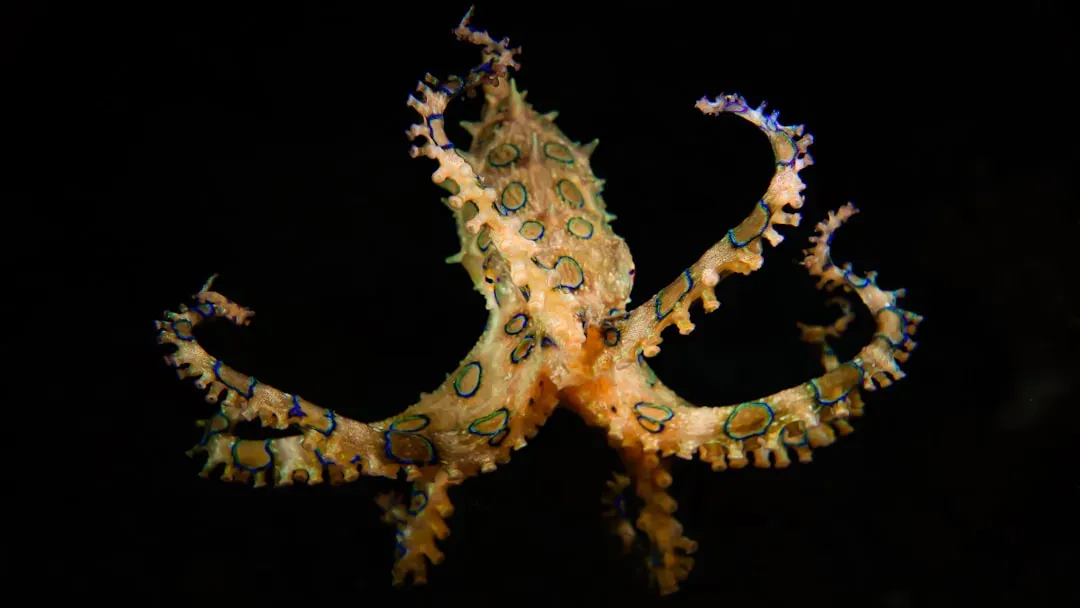
An octopus doesn’t just have arms. It has eight semi-autonomous appendages that process their own sensory information and act on it without waiting for instruction from the central brain. This arrangement enables octopuses to complete tasks with their arms more quickly and effectively. Each arm is capable of acting independently, able to taste, touch, and move without direction, while the centralized brain is also able to exert top-down control.
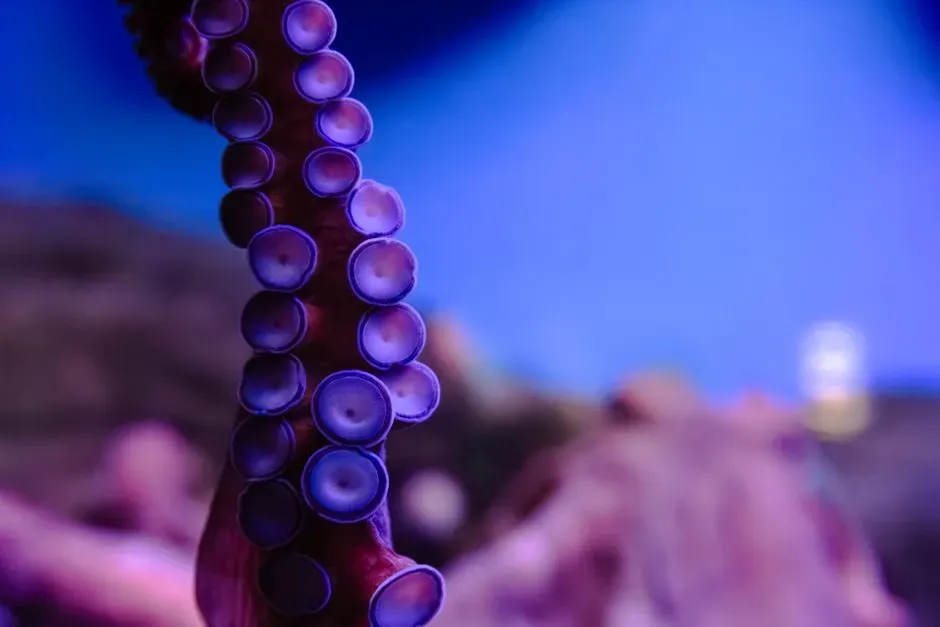
The curling and unfurling arms, dotted with more than 2,000 individually moving suction cups, contain two thirds of the animal’s neurons. The suckers are equipped with chemical sensors that not only feel, but taste and smell as well. So while an octopus concentrates on hunting, its arms are moving it forward, testing the water and ocean floor, probing coral crevices and maybe even prying open a clam already caught.
6. They Are Remarkably Skilled Escape Artists
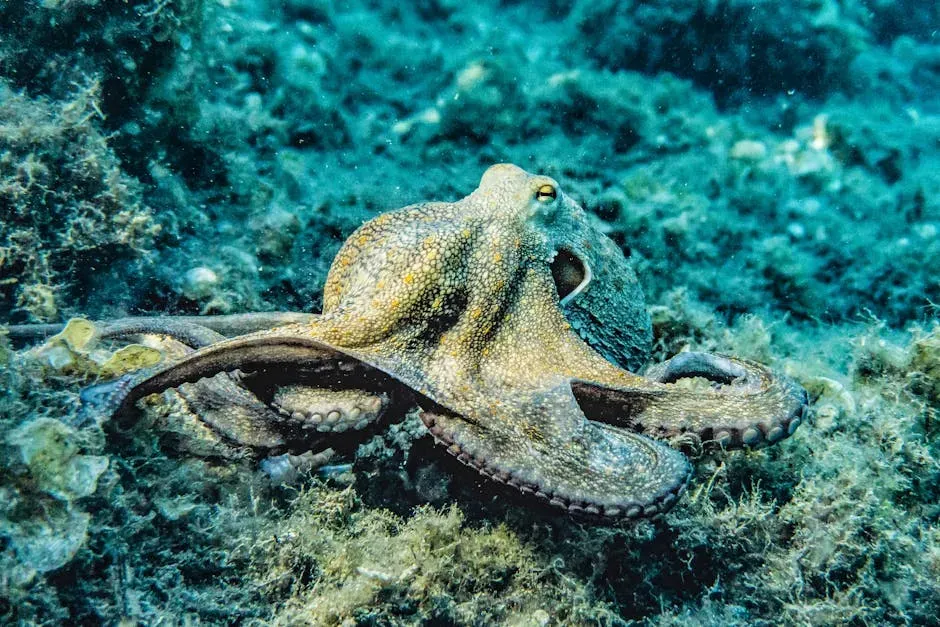
Octopuses have a biological advantage that makes containment almost futile. Zookeepers and researchers worldwide have documented octopuses squeezing through incredibly small openings, opening locked tanks from the inside, navigating plumbing systems, and even crossing dry floors to reach other aquariums. The reason they can do this comes down to anatomy. The only hard part of their body is the beak, meaning they can squeeze through any opening larger than that.
These escapes are not random accidents. In New Zealand, an octopus named Inky famously escaped his tank, crawled across the floor, and disappeared down a 164-foot drainpipe leading to the ocean. These escapes require multiple cognitive abilities working in concert: spatial awareness to map environments, memory to retain information about potential exit routes, mechanical comprehension to manipulate latches and valves, and problem-solving to overcome obstacles.
7. They Can Regrow Lost Arms
When a predator grabs an octopus arm, the octopus has a remarkably practical option available. If something grabs an arm, the octopus can amputate it and escape, and the arm regenerates completely without permanent damage. This isn’t a slow or partial process. The limb regrows with full functionality, including the suction cups and their sensory capabilities.
What happens to the severed arm after detachment is its own strange story. Because each arm contains its own neural cluster, a detached octopus arm can continue to react to stimuli independently for a short time after separation. The decentralized nervous system allows each arm to act semi-independently, processing touch and taste information and making local decisions. That kind of biological resilience is rare, and in the animal kingdom, it borders on the extraordinary.
8. They May Dream While They Sleep
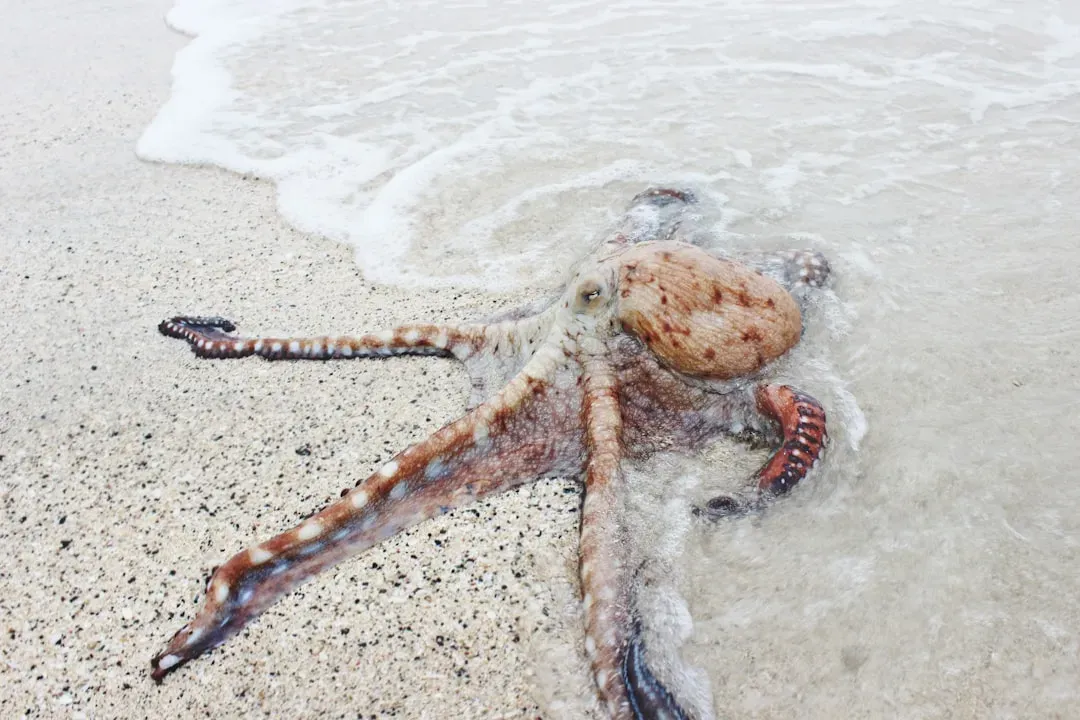
Watching a sleeping octopus is a genuinely unsettling experience in the best possible way. When octopuses sleep, their quiet periods of slumber are punctuated by short bursts of frenzied activity. Their arms and eyes twitch, their breathing rate quickens, and their skin flashes with vibrant colors. Researchers from the Okinawa Institute of Science and Technology examined this behavior closely and found something unexpected.
Octopuses display an active sleep stage that resembles REM sleep in mammals, suggesting this sleep phase has independently evolved in creatures with complex cognition. During this active sleep phase, octopuses’ changing skin patterns imply they might be “dreaming” or rehearsing their waking experiences. Scientists cannot ask the octopus if they are really dreaming, and the debate continues, but the evidence is striking enough to make it a serious scientific question.
9. They Use Tools
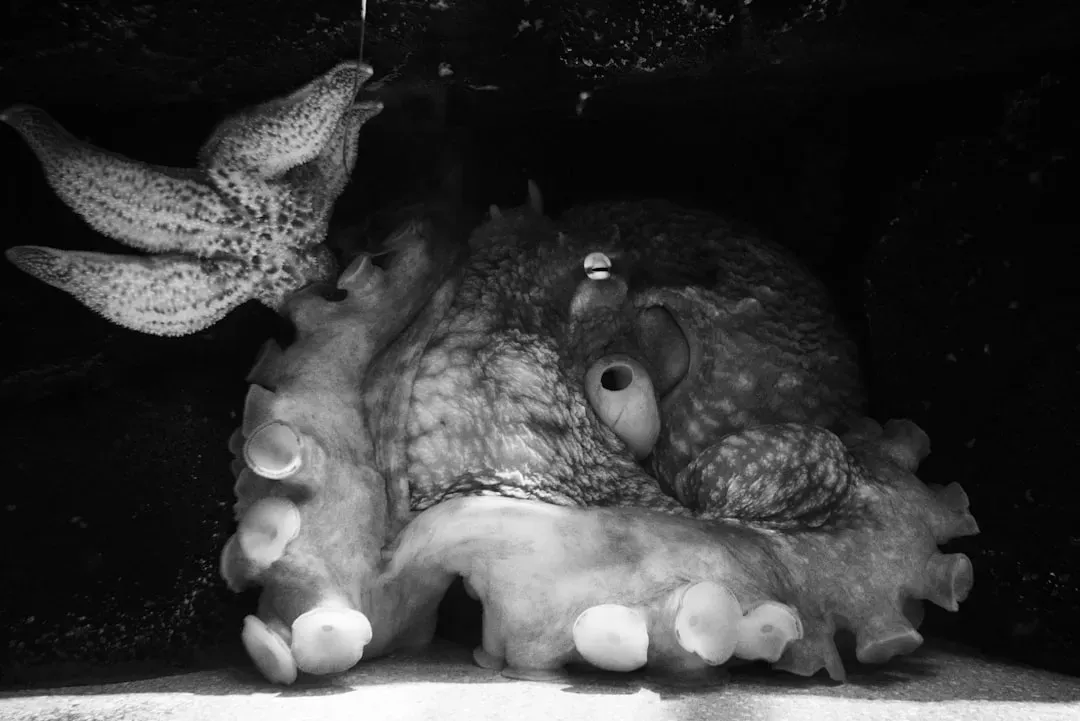
Tool use in the animal kingdom is considered a benchmark of higher intelligence. It requires the ability to plan ahead, to recognize that an object has future utility, and to carry that object for later use. Tool use is rare in the animal kingdom, but octopuses are known to carry coconut shells for shelter, arrange rocks around dens, and use discarded shells to defend themselves. The coconut octopus, in particular, uses a coconut shell as a portable shelter and tool, showcasing its intelligence and problem-solving skills.
Scientists who discovered this behavior argue that the fact the shells are carried around to be used when needed is conclusive evidence of genuine tool use. Octopuses show learning, problem-solving, and even playful behavior that go far beyond basic reflexes. For an invertebrate, that’s a cognitive leap that challenges some deeply held assumptions about which animals qualify as truly intelligent.
10. They Can Recognize Individual Human Faces
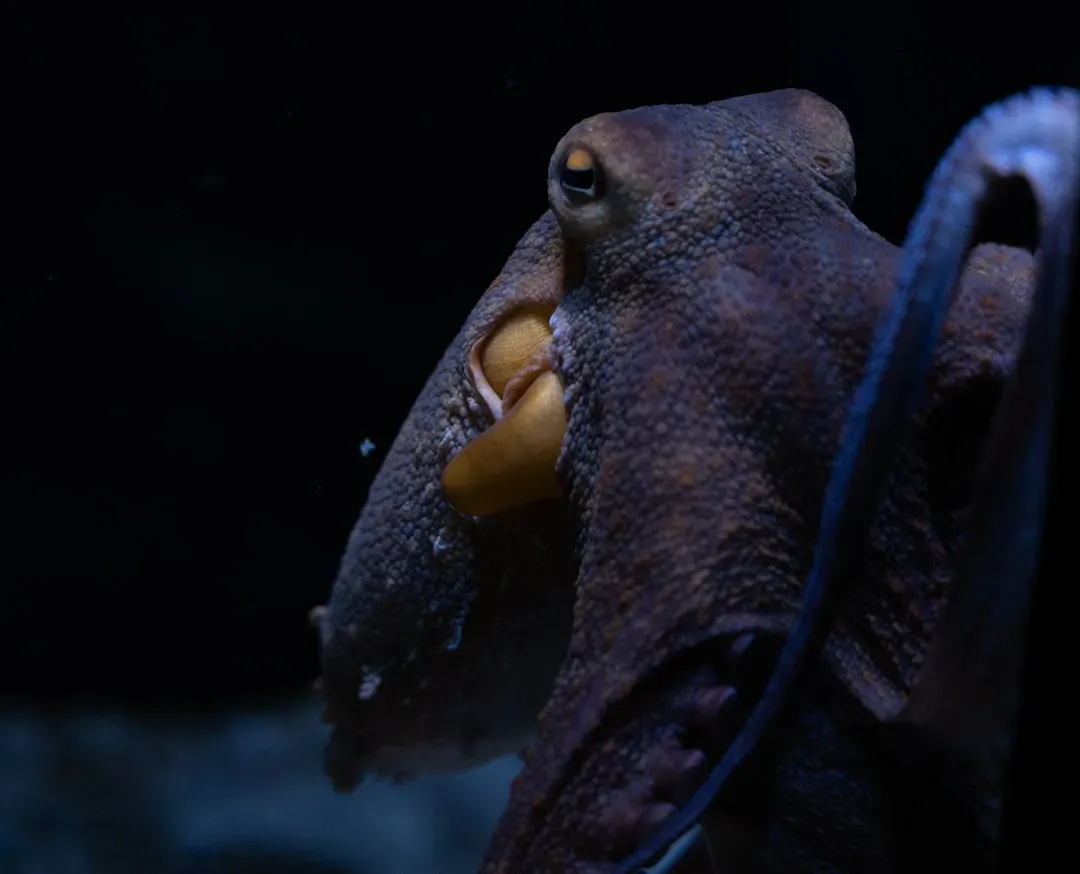
It sounds improbable, but octopuses can tell people apart. Octopuses have large optic lobes, areas of the brain dedicated to vision, making it central to their lifestyle. They appear to be able to recognize individuals outside of their own species, including human faces. It’s not unique behavior, as some mammals and crows can do it too, but it is rather unusual.
The behavior has been confirmed experimentally. Experiments demonstrated their advanced recognition skills, where octopuses could differentiate between a “nice” keeper who fed them and another who used a bristly stick to touch them. At the University of Otago in New Zealand, a captive octopus apparently took a dislike to one specific staff member and squirted a jet of water at her every time that person passed the tank. That’s not instinct. That’s a grudge.
11. Their Venom Contains Proteins Found in Snakes and Pufferfish
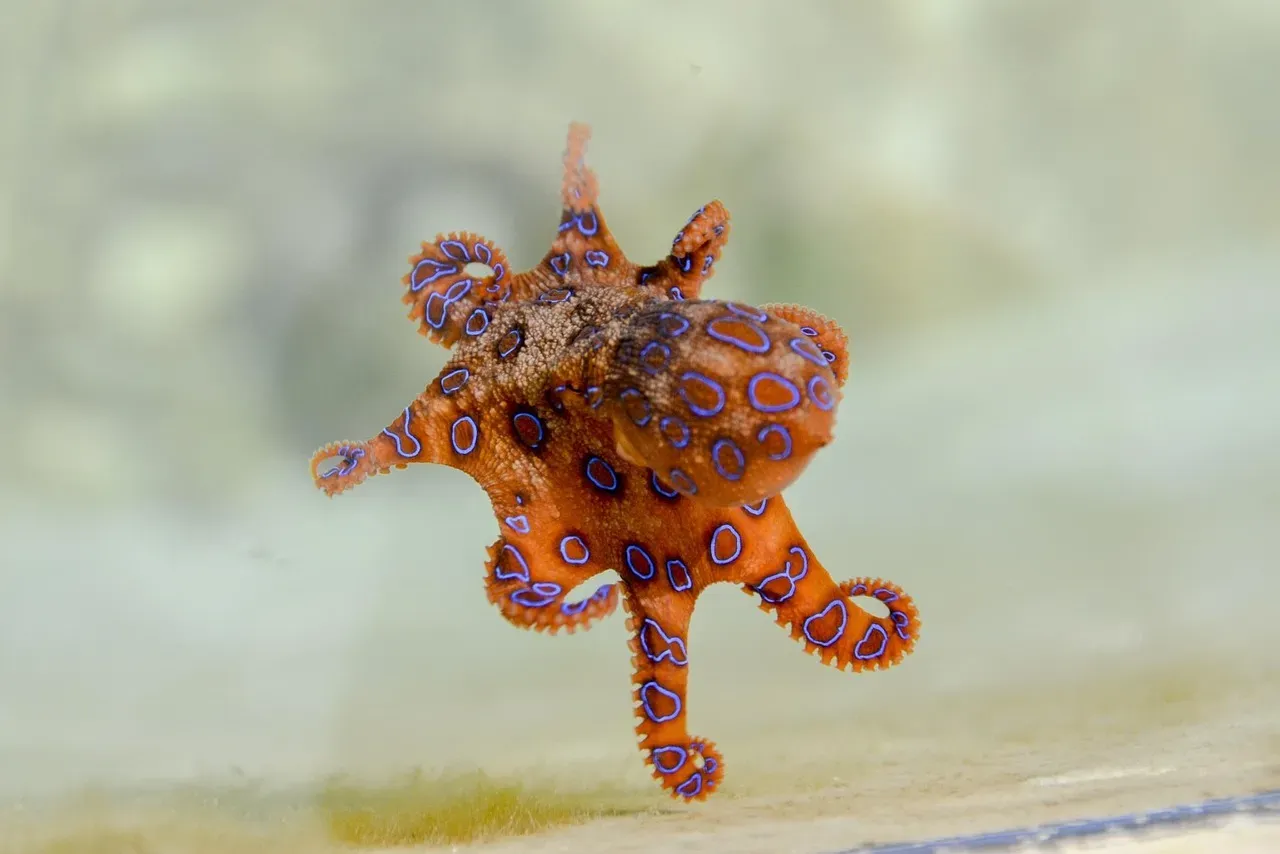
Most people know the blue-ringed octopus is dangerous, but the full picture of octopus venom goes much further. All octopuses, along with all cuttlefishes and some squids, are venomous, although only the blue-ringed octopus of Australia is dangerous to humans. The way venom is delivered is just as efficient as the venom itself. Injected as an octopus drills into its prey with its beak, the venom fatally paralyzes an animal that could otherwise injure the soft-bodied invertebrate in a struggle.
Researchers have discovered that octopus venom contains proteins similar to those produced by pufferfish and porcupinefish as well as by some venomous snakes. The ink octopuses release also contains tyrosinase, a compound that burns predators’ eyes and temporarily paralyzes their senses of smell and taste, making it a triple-whammy defense, though the ink itself is not poisonous. Between the ink, the venom, and the beak, octopuses are considerably more dangerous than they look.
12. They Are Biologically Programmed to Die After Reproducing
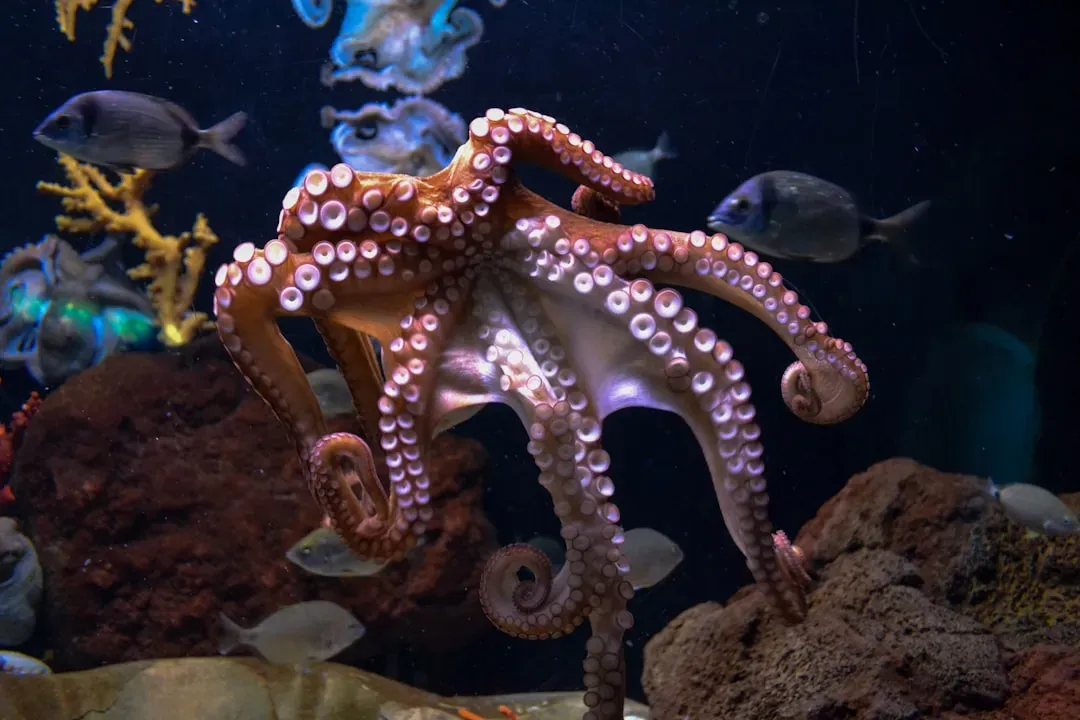
Perhaps the most haunting fact about octopuses is their relationship with death. Unlike many marine animals that survive for decades, most octopus species complete their entire existence within just a few years. Their lifecycle is fast, intense, and biologically programmed to end soon after reproduction. They are semelparous, meaning they reproduce only once in their lifetime, and after mating and egg care, their bodies enter a rapid decline that leads to death.
The mechanism is specific and sobering. The optic gland, a crucial part of the octopus’s endocrine system, is believed to trigger this process. The gland secretes hormones that accelerate aging, leading to the eventual death of the octopus. In a key experiment, researchers removed optic glands from female octopuses that were brooding their eggs and had stopped feeding. The females suddenly lost their maternal instincts and abandoned their eggs, resumed feeding, gained weight, and some even mated again, going on to live nearly six months longer than their counterparts with intact optic glands. The life of an octopus is brief and brilliant, built entirely around a single, decisive moment.
A Final Thought
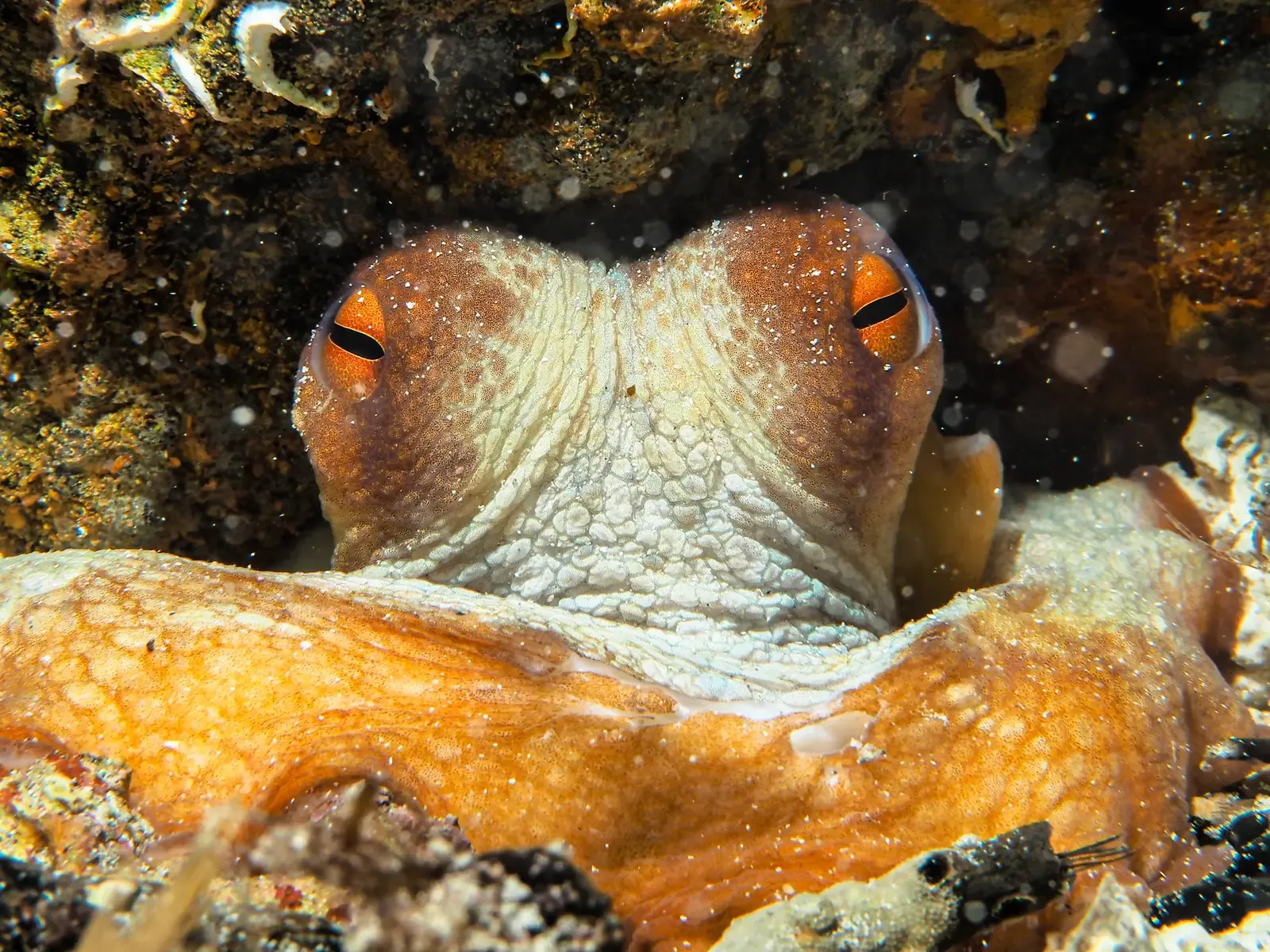
The octopus exists on a branch of the evolutionary tree so different from our own that studying it feels like encountering intelligence from another world. Octopuses belong to the cephalopod family, which diverged from our evolutionary lineage over 500 million years ago, making their intelligence particularly remarkable because it evolved completely independently from the vertebrate brain.
Advanced intelligence can emerge through different evolutionary paths, not just in social species. The octopus proves that. What it also proves is that the ocean is hiding things far more complex than we often give it credit for. We’ve only explored a fraction of the deep sea, and if an animal this astonishing is already well documented, one has to wonder what else is down there.
The octopus doesn’t care about our wonder, of course. It’s too busy solving problems, dreaming in color, and quietly dismantling the assumption that only creatures like us can be truly remarkable.

- Why Veterinarians Say If Your Cat Sleeps With Their Back to You, It's the Highest Form of Trust in Feline Behavior - July 20, 2026
- The Zodiac Signs That Owls Avoid Completely (And What Folklore Says It Means About Your Energy) - July 20, 2026
- 8 Amazing Animal Instincts That Continue to Puzzle Scientists Today - July 20, 2026