


Picture this: you’ve spent months nurturing your garden through summer heat, carefully tending to every plant, only to watch helplessly as pests swoop in to claim your precious fall harvest just when it’s ready. That sinking feeling hits when you discover holes in your kale leaves or find caterpillars munching on your beautiful late-season crops.
Fall brings its own unique challenges for gardeners. As temperatures drop and daylight shortens, many insects actually become more active and aggressive in their search for food and winter shelter. Pests regularly nibble on your fruits and vegetables as they look for food, and it is always disappointing to lose crops. Yet this doesn’t mean you have to surrender your autumn bounty to these unwelcome visitors. With the right strategies in place, you can protect your harvest and enjoy the fruits of your labor through the season.
Deploy Floating Row Covers as Your First Line of Defense
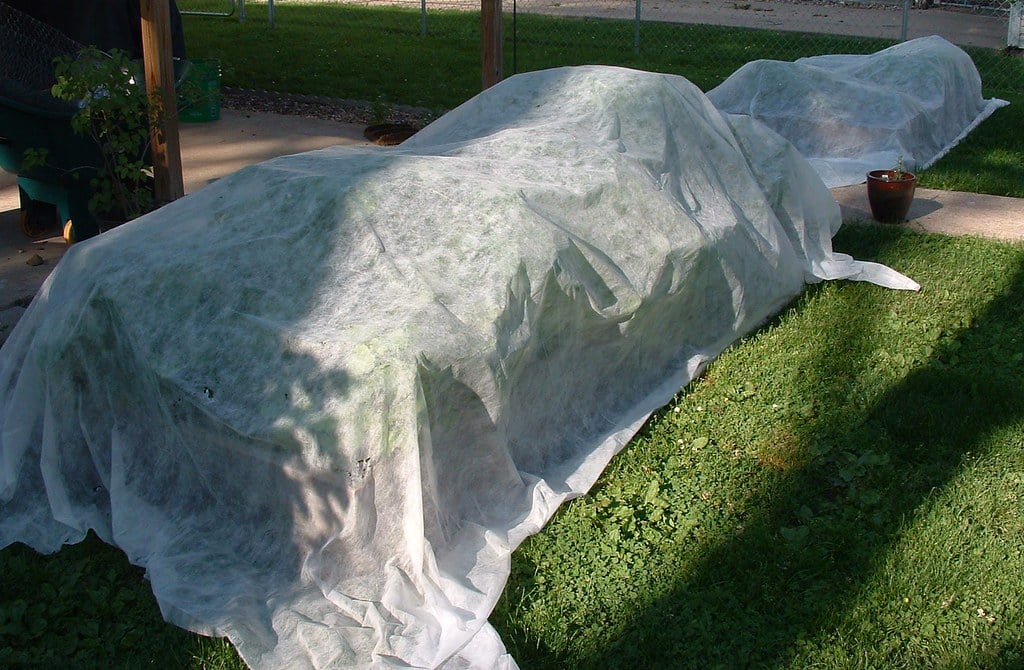
Floating row covers might just be your secret weapon against fall pests. Floating row cover is a spun-bonded or woven plastic, polyester or polypropylene material that is placed over plants to exclude pests, act as a windbreak or extend the growing season by retaining heat – all while still being permeable to light, water and air. Think of them as a protective blanket that your plants can breathe through.
Light-weight- (0.45 oz./sq. yard) are marketed as “insect barriers,” have 90%-95% light transmittance, give 2 ºF. of frost protection, and can be left on some crops (e.g., beets, snap beans, salad greens) from seeding to harvest. These covers work best when installed early in the season, before pests have a chance to establish themselves on your plants.
The beauty of floating row covers lies in their simplicity. The row cover can lie directly on the crop- hence the name “floating row cover.” The growing plants push the cover upwards if you give it enough slack. Alternatively, you can erect simple frames using wood, PVC pipe, #9 wire, or other available materials to support the row cover above your plants. Just remember to secure the edges with soil, rocks, or sandbags to prevent gaps where crafty insects might sneak through.
Create Strategic Companion Plant Barriers
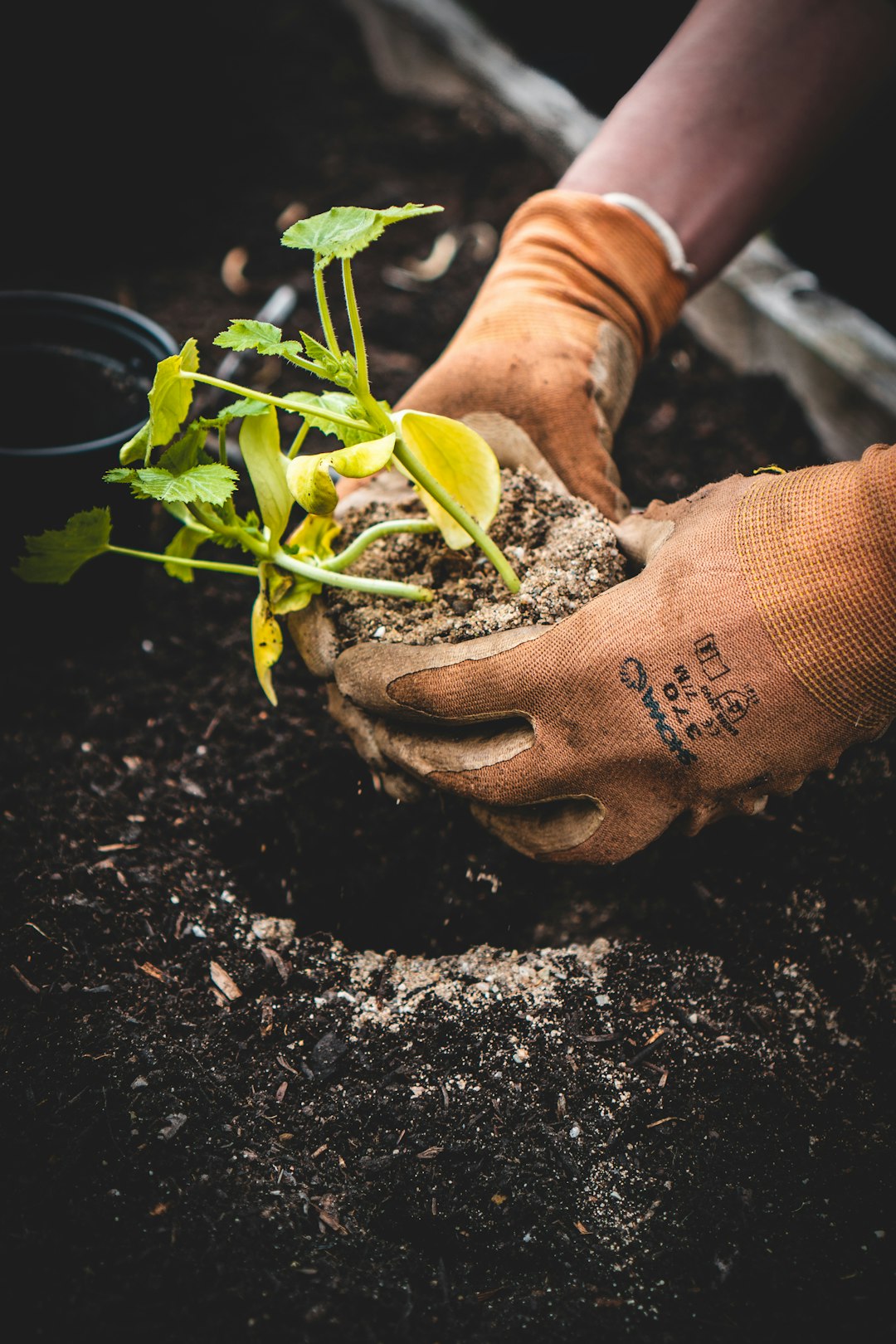
Smart companion planting can turn your garden into a natural pest fortress. Research suggests that thyme planted around crops susceptible to cabbage worm and cabbage looper can be effective at deterring these pests, along with nasturtium and onion as beneficial companions. These aromatic powerhouses work by confusing pest insects with their strong scents.
Nasturtiums deserve special mention as they’re considered the queen of companion plants for pest control. Nasturtium is widely regarded as one of the top flowers for pest control. It is thought not only to deter pests but also act as a “trap crop” for pests who prefer its taste over your prized vegetables. Plant them around your cruciferous crops like cabbage, broccoli, and kale for maximum protection.
The same study found that marigold planted near zucchini plants helped prevent damage from the squash bug with nasturtium being another top deterrent. Beds planted with basil and thyme were best able to repel the yellow striped armyworm. The key is to plant these companions close enough to your target crops so their protective fragrances can create an effective barrier against incoming pests.
Time Your Garden Cleanup to Disrupt Pest Lifecycles
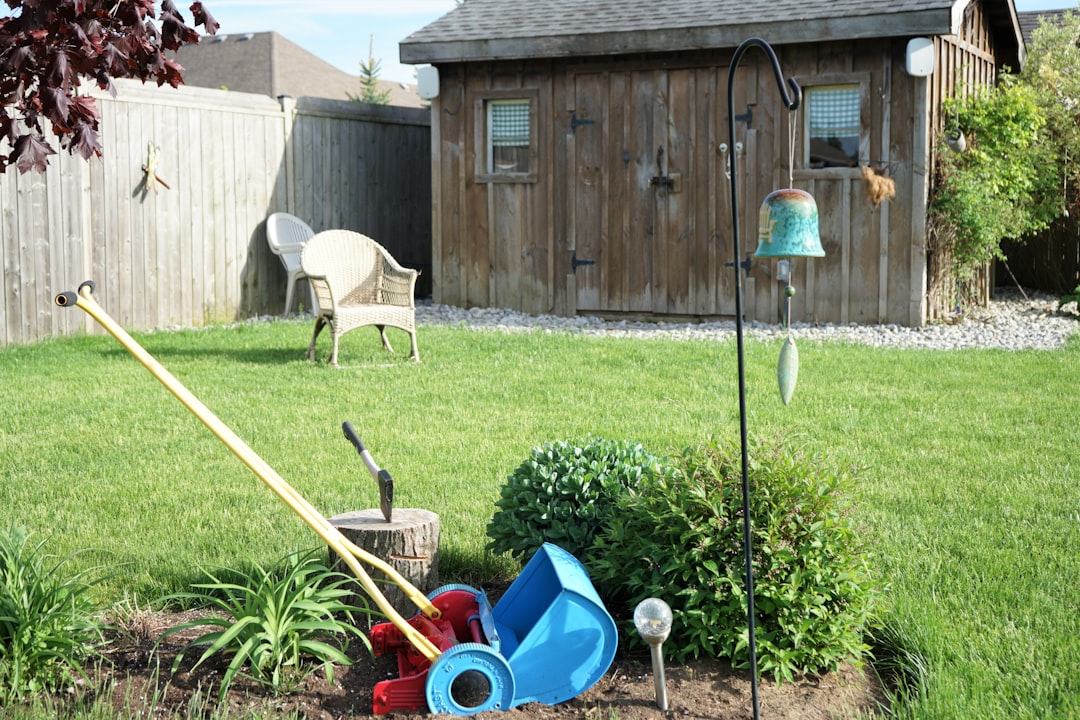
Your fall cleanup schedule can make or break your pest control efforts. Clear leaf piles and yard debris where pests may hide and breed. Check for signs of rodent activity, such as droppings or gnawed materials near sheds, garages, and outdoor storage. Many garden pests overwinter in plant debris, so removing their hiding spots forces them to look elsewhere for shelter.
The timing matters more than you might think. Leafy greens are looking good, though caterpillar populations are high in places, which means late fall cleanup gives you a chance to remove egg masses and pupating insects before they emerge next spring. Focus particularly on areas around your vegetable beds where fallen leaves and plant matter accumulate.
Don’t forget about your gutters during this cleanup phase. Over autumn, leaves, twigs, pollen, seedpods, and all other debris will clog up your gutter system. This environment is a perfect breeding ground for spiders, ants, wasps, bees, and even rodents. Clean gutters not only protect your home but also eliminate pest breeding grounds near your garden.
Seal Entry Points Before Winter Arrives
Fall pest control isn’t just about protecting your current harvest – it’s about preventing problems before they start next season. Inspect the exterior of your home for any gaps or cracks that pests could use to get inside. This is the single most important step you can take. Even tiny openings can welcome a host of unwanted guests seeking winter shelter.
Cracks in your foundation can lead to massive problems down the road. Even the smallest foundation cracks can lead to increased moisture damage, freeze-thaw expansion, and pest infestations. Walk around your property with a critical eye, looking for gaps around windows, doors, utility lines, and foundation areas that might need attention.
Storage areas require special attention during your inspection. Store firewood at least 20 feet away from your house and elevate it off the ground. Firewood piles are a favorite hiding spot for termites, spiders, and rodents. This simple step prevents pests from using your winter fuel supply as a highway to your home and garden areas.
Implement Targeted Pest Monitoring and Quick Response
The most effective pest control happens when you catch problems early. As the weather feels more and more like fall, disease is becoming more apparent, which means regular scouting becomes even more critical as temperatures change. Set aside time each week to inspect your plants for signs of pest activity.
Many insect pests strike hardest right before harvest, when veggies are at their delectable peak. New generations of pests build through summer and raise the pressure on gardens in fall. This timing makes your monitoring efforts particularly important during the final weeks before harvest.
When you do spot problems, act quickly but strategically. With late-season vegetable gardens, there’s no time to replace lost crops. Effective fall control means killing the pests, but keeping your upcoming harvest edible. Consider organic treatments that won’t compromise food safety, and always check pre-harvest intervals on any products you choose to use.
Conclusion
Fall pest control requires a different approach than summer management, but the rewards are worth the extra effort. By combining physical barriers like floating row covers with strategic companion planting and proactive monitoring, you create multiple layers of protection that work together to safeguard your seasonal harvests.
Remember that prevention remains your most powerful tool. The time you invest in sealing entry points, cleaning up debris, and establishing beneficial plant partnerships will pay dividends not just this season, but for seasons to come. Your future self will thank you when you’re enjoying pest-free vegetables from your winter storage and planning an even more successful garden for next year.
What’s your biggest fall pest challenge in your garden? Share your experiences and let’s help each other protect these precious seasonal harvests.
