
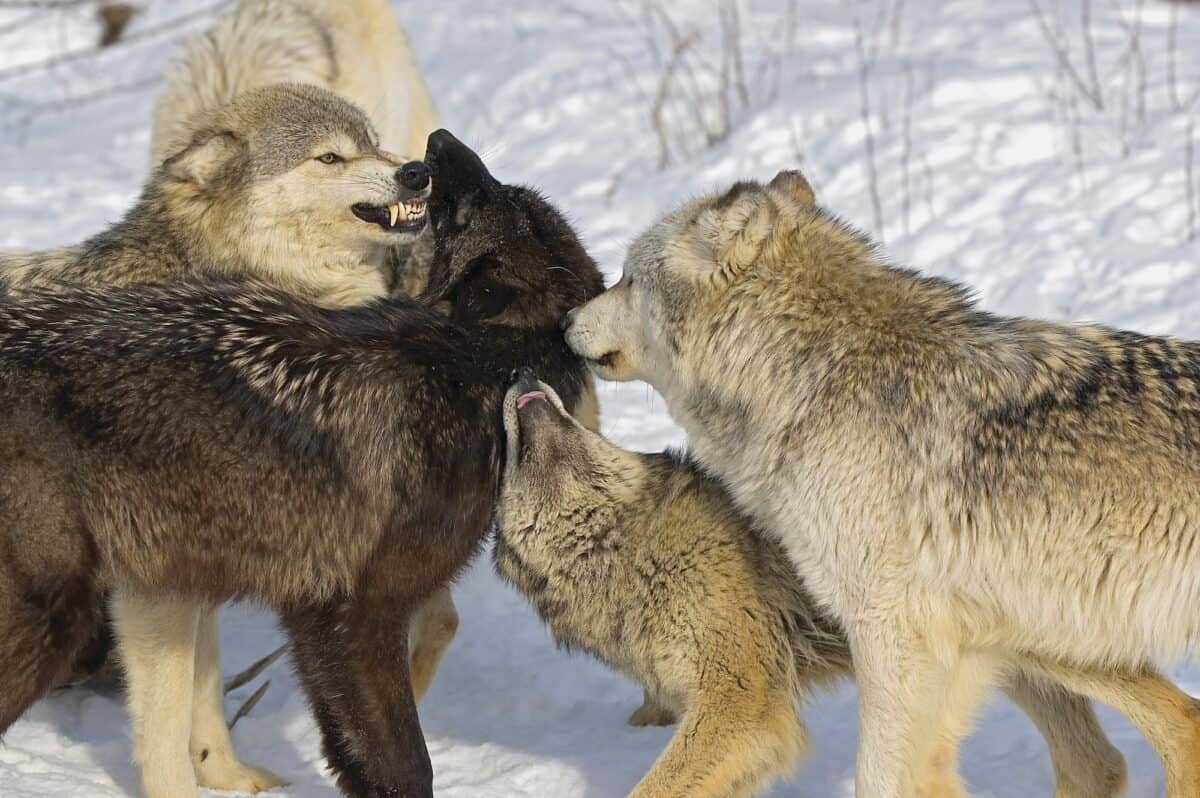
Wolves are widely recognized for their distinct social structure, often referred to as a pack. A typical wolf pack functions as a close-knit family unit, usually composed of an alpha male and female, their offspring, and sometimes other wolves that have integrated into the group. This family unit is the first lesson in loyalty we can learn from wolves — the importance of a cohesive social structure. Unlike many animals, wolves prioritize familial bonds, working in unison to hunt, protect territory, and care for their young. The alpha pair leads with authority but also displays nurturing behavior, demonstrating that strong leadership coupled with empathy fosters an enduring sense of loyalty within a group.
Teamwork: The Backbone of Survival
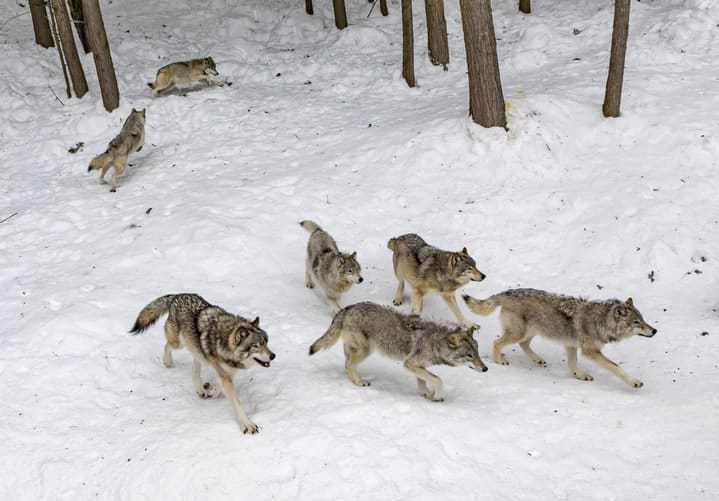
In the harsh environments where wolves often reside, survival hinges on the strength of the pack and the collaborative efforts of its members. Wolves are masterful hunters, not because of individual prowess but because of their exceptional teamwork. When wolves hunt large prey, such as elk or bison, they employ strategic teamwork to bring down the animal, often taking on roles suited to their individual strength and skills. This is the second lesson — teamwork amplifies loyalty. Each wolf relies on the others to fulfill their roles, knowing that every member of the pack has a part to play. This reliance promotes trust, and trust is the foundation of loyalty.
Communication: The Art of Staying Connected
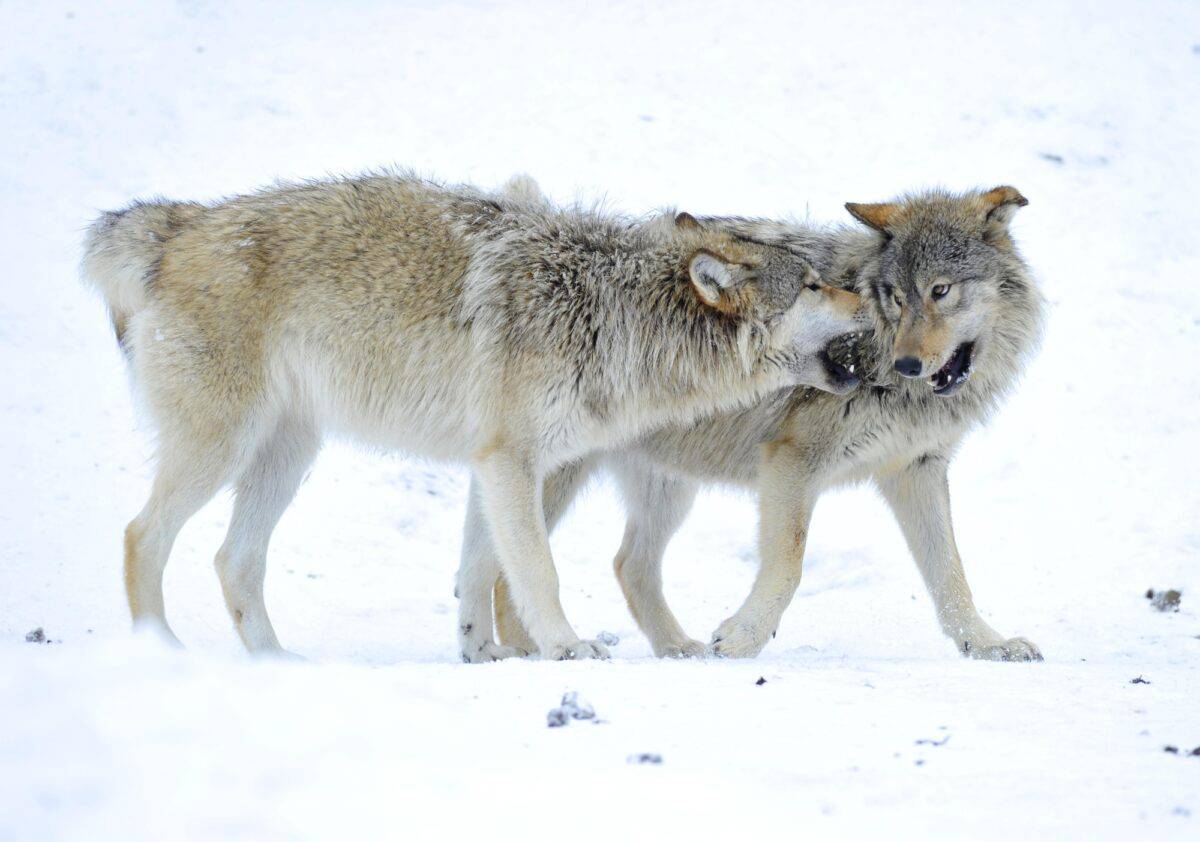
Wolves are famously vocal animals, using their extensive vocalizations, body language, and scent markings to communicate within the pack and with other wolves. This robust communication system is integral to maintaining the cohesion and loyalty of the pack. The third lesson is clear: effective communication strengthens loyalty. By staying connected through complex signals and cues, wolves ensure that all pack members are informed of potential threats, the whereabouts of other pack members, or the discovery of food resources. This level of communication prevents misunderstandings and guards against conflicts, fostering a harmonious and loyal pack.
Resilience and Adaptability: Thriving Through Change

The dynamic nature of a wolf’s life involves dealing with environmental changes, scarce resources, and potential threats from rival packs or predators. Despite these challenges, wolves exhibit remarkable resilience and adaptability — important characteristics that contribute to their loyalty. The fourth lesson from wolves is their shared survival mentality, which focuses on overcoming adversity together. This resilience encourages mutual support and problem-solving within the pack, ensuring that all members benefit from each other’s strength and adaptability. This shared purpose and support solidifies the pack’s loyalty, enhancing their ability to thrive no matter the circumstances.
Respect and Roles: The Foundation of Trust

Within a wolf pack, each member respects the hierarchy and understands their role. Respect extends beyond merely acknowledging authority; it involves recognizing each member’s contribution to the group’s welfare. The fifth lesson is that clear roles and mutual respect cultivate trust, integral to loyalty. The alpha wolves command respect not through fear or aggression but by fulfilling their roles as protectors and providers. Meanwhile, subordinate wolves support the pack by acting as scouts, hunters, or caretakers of the young. This balance of power, underpinned by respect and accountability, ensures that each wolf is loyal to the pack’s success and well-being.
Conclusion: Embracing the Lessons of Loyalty from Wolves
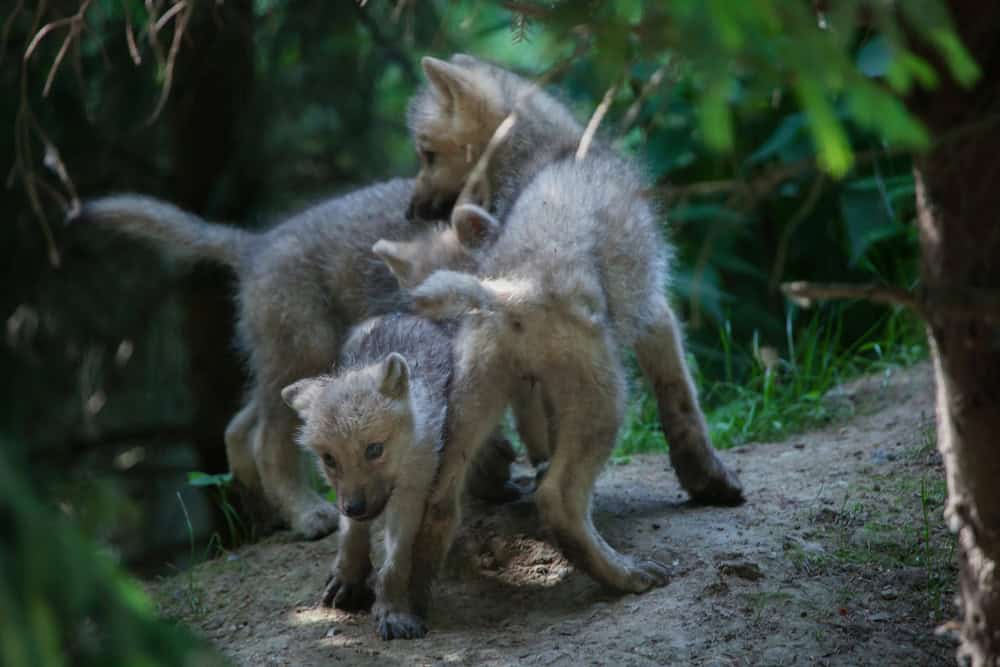
From the familial bonds to the structured social dynamics, wolves epitomize the principles of loyalty through their commitment to each other and their pack’s success. These lessons — the importance of social structures, teamwork, effective communication, resilience, and respect — are timeless and applicable not just in nature but also in human relationships and communities. By observing wolves, we gain a deeper understanding of how loyalty is cultivated and maintained, offering valuable insights that transcend species. In a world where loyalty is often tested, the unwavering bonds of a wolf pack provide a compelling model for our own lives.

- How Rhinoceros Males Compete for Mating Rights in the Wild - July 18, 2026
- 13 Spider Species Thriving in Changing Environments - July 18, 2026
- The World’s Deadliest Plants and What Makes Them So Lethal - July 18, 2026