


Rodents are often unwelcome guests in our homes, capable of causing more damage than we might initially realize. Not only do they chew through wires and walls, but they can also carry diseases that pose serious health risks. Detecting a rodent infestation early is crucial to mitigating these dangers. In this article, we will discuss five telltale signs of rodent infestations and how you can act swiftly to address the problem. Whether you’re a seasoned homeowner or new to pet ownership, knowing these signs can save you from costly repairs and potential health issues.
Sign 1: Unusual Noises

One of the first signs of a rodent infestation is the presence of strange sounds emanating from walls, ceilings, or attics. Rodents, particularly at night, are active creatures. Listen for scratching, scurrying, or gnawing noises as rats and mice move around your home in search of food and shelter. These sounds can often be heard in the quiet of the night when rodent activity peaks. Paying attention to these auditory cues can alert you to a potential infestation.
Sign 2: Droppings and Urine

The presence of droppings and urine stains is a concrete indicator of rodents. Mice droppings are small, dark, and shaped like grains of rice, whereas rat droppings are larger, oval-shaped, and tapered at the ends. Rodent urine emits a strong, musty odour that is hard to miss. Check under sinks, in cupboards, or near food packages, as rodents tend to defecate near their food sources. Always handle droppings and urine carefully, using gloves and disinfectant, as they can carry harmful bacteria and viruses.
Sign 3: Nests and Burrows

Rodents are adept at creating cosy nests and burrows to raise their young and shelter them from predators. Look for shredded paper, fabric, or other fibrous materials collected in piles, especially in secluded areas such as basements, attics, or behind large appliances. Rodents gather these materials to construct nests. Spotting these nests means rodents have made a home inside your residence, suggesting a more significant infestation problem.
Sign 4: Chew Marks

Rodents must constantly chew to keep their teeth from growing too long. As a result, you may find gnaw marks on wires, wood, and even food packaging. Inspect baseboards, cabinets, and attics for evidence of chewing. Damaged electrical wires can pose a significant fire hazard, so any sign of chew marks should be addressed immediately to prevent potential dangers in your home.
Sign 5: Foul Odor
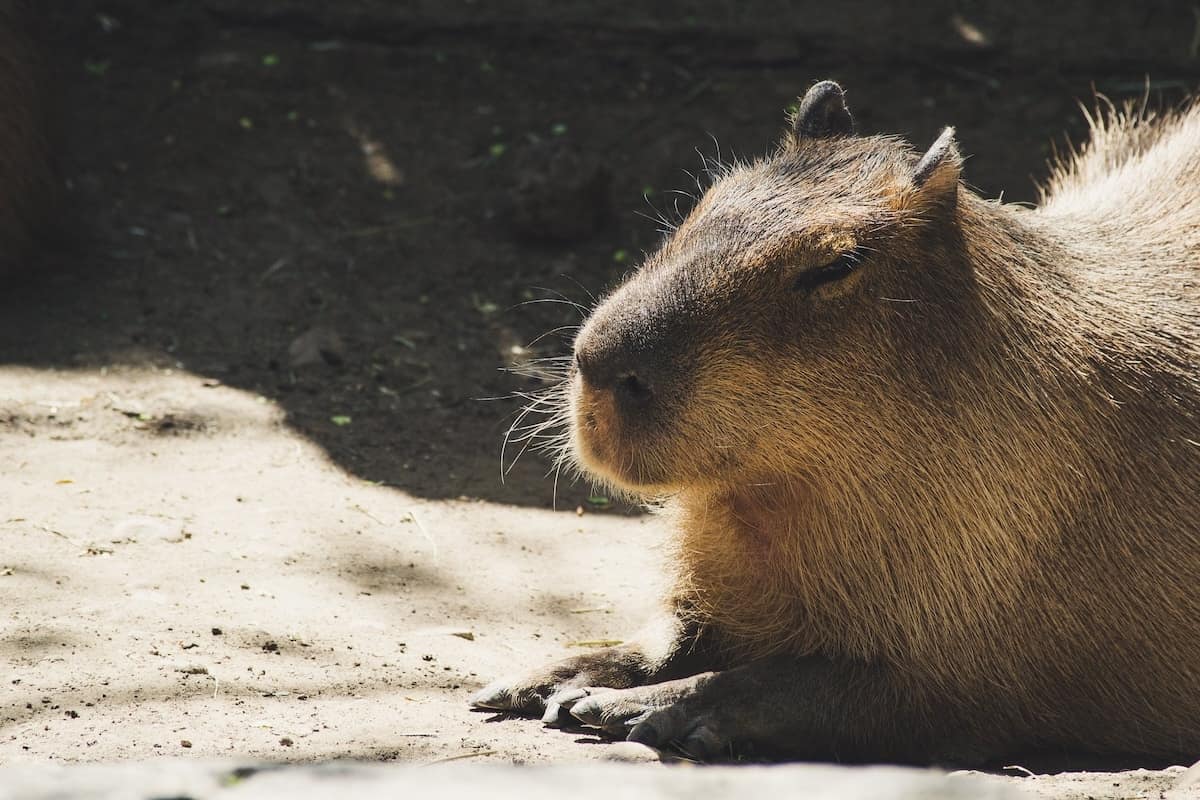
If you’ve noticed a lingering foul odour in certain areas of your home, it may be due to a rodent infestation. The smell is typically a combination of urine, droppings, and the scent of the rodents themselves. Moreover, decaying rodents in walls or cupboards release an even more unpleasant and robust odour. This distinctive smell should be more than enough to alert you to take immediate action.
How to Act Fast

Once you’ve identified signs of a rodent infestation, acting quickly can prevent further damage and health risks. Here’s a step-by-step guide on how to tackle the issue:
- Seal Entry Points: Inspect your home for gaps and cracks through which rodents could enter. Use caulk, steel wool, or hardware cloth to seal these openings.
- Eliminate Food Sources: Store food in airtight containers, clean up spills and crumbs immediately, and secure trash bins with tight lids.
- Set Traps: Use snap traps or live-catch traps to capture rodents. Position traps along walls where rodents are likely to travel. Opt for bait types they are familiar with, like peanut butter.
- Call Professionals: If the infestation is severe, don’t hesitate to contact pest control professionals. They have the expertise and tools to deal with extensive infestations safely and effectively.
- Maintain Cleanup: Regularly clean areas where signs are visible and continue monitoring for any new activity.
Conclusion
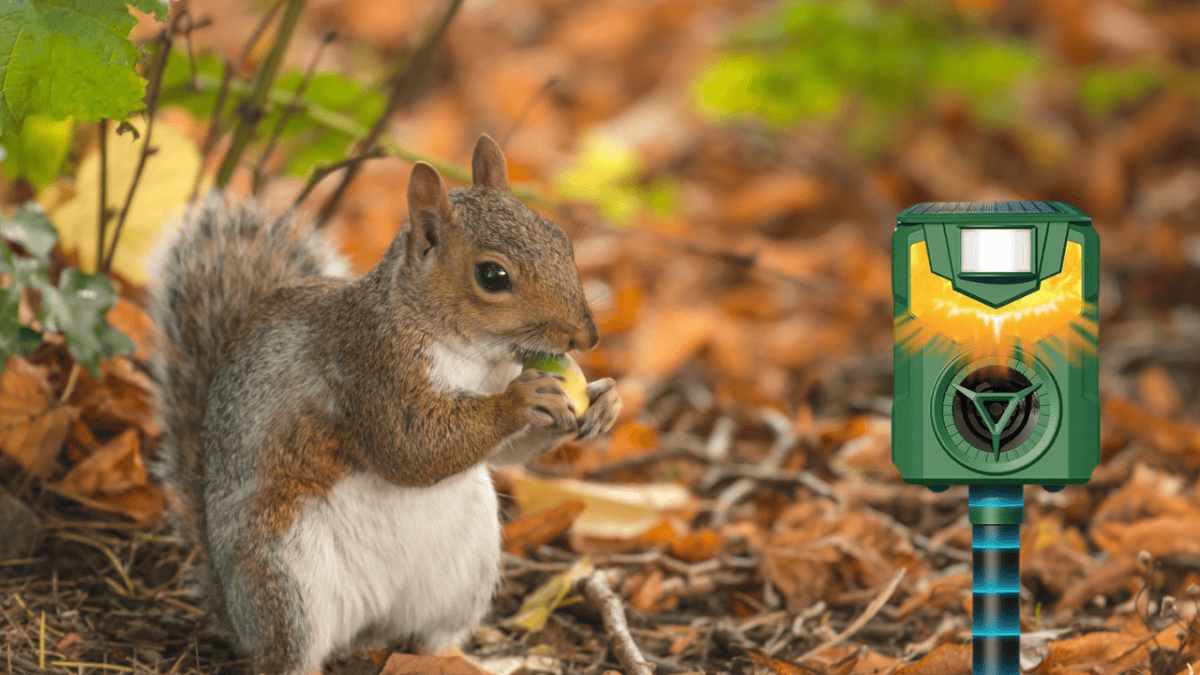
Rodent infestations are more than just a nuisance—they can lead to substantial property damage and health concerns. By being vigilant and recognizing the signs early, you can take swift action to protect your home and family. Keep an eye—or ear—out for these five signs of a rodent infestation, and use the strategies outlined here to restore your home to a rodent-free state. Prevention and prompt response are key to ensuring your living space remains safe and comfortable.

As a little kid, I fell in love with nature, wildlife, and animals. Living in the USA, South Africa, Italy, China and Germany gave me the opportunity to discover the world's Wildlife. My favorite animals are Mountain Gorillas, Siberian Tigers, and Great White Sharks.
I'm a certified PADI Open Water Diver, went to Everest Base Camp and Trekked Gorillas in Uganda. I hold a Master of Science in Economics and Finance.
Please send any feedback to feedback@animalsaroundtheglobe.com
- 10 Most Unique Reptiles You will See in the US - July 21, 2026
- 3 Dangerous Invasive Species the USA Must Eradicate - July 21, 2026
- 10 Things That Calm Cats And 4 That Make Them Nervous - July 21, 2026