


The oceans, covering 71% of Earth’s surface, have long been home to remarkable creatures. Among these, ancient shark species are particularly fascinating due to their evolutionary resilience and historical significance. Recently, scientific attention has been drawn to the resurgence of a once-dwindling ancient shark species. This comeback story is not only a triumph of natural resilience but also highlights the importance of conservation efforts.
What Are Ancient Sharks?

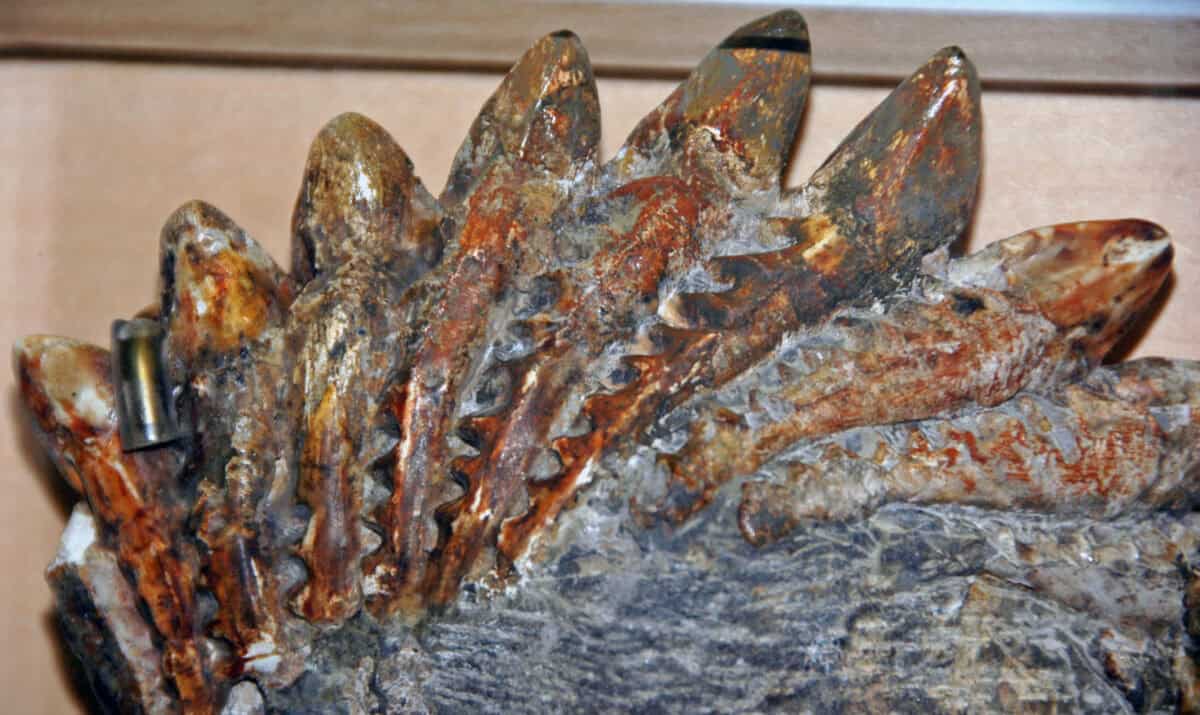
Ancient sharks are species that have existed for millions of years, often referred to as “living fossils” because they have changed little over millennia. These sharks have survived mass extinctions and dramatic oceanic shifts, remaining remarkably similar to their prehistoric ancestors. Known for their primitive features, such as certain jaw structures and body shapes, these species offer a window into the ancient marine world.
The Ancient Species in Focus Greenland Shark
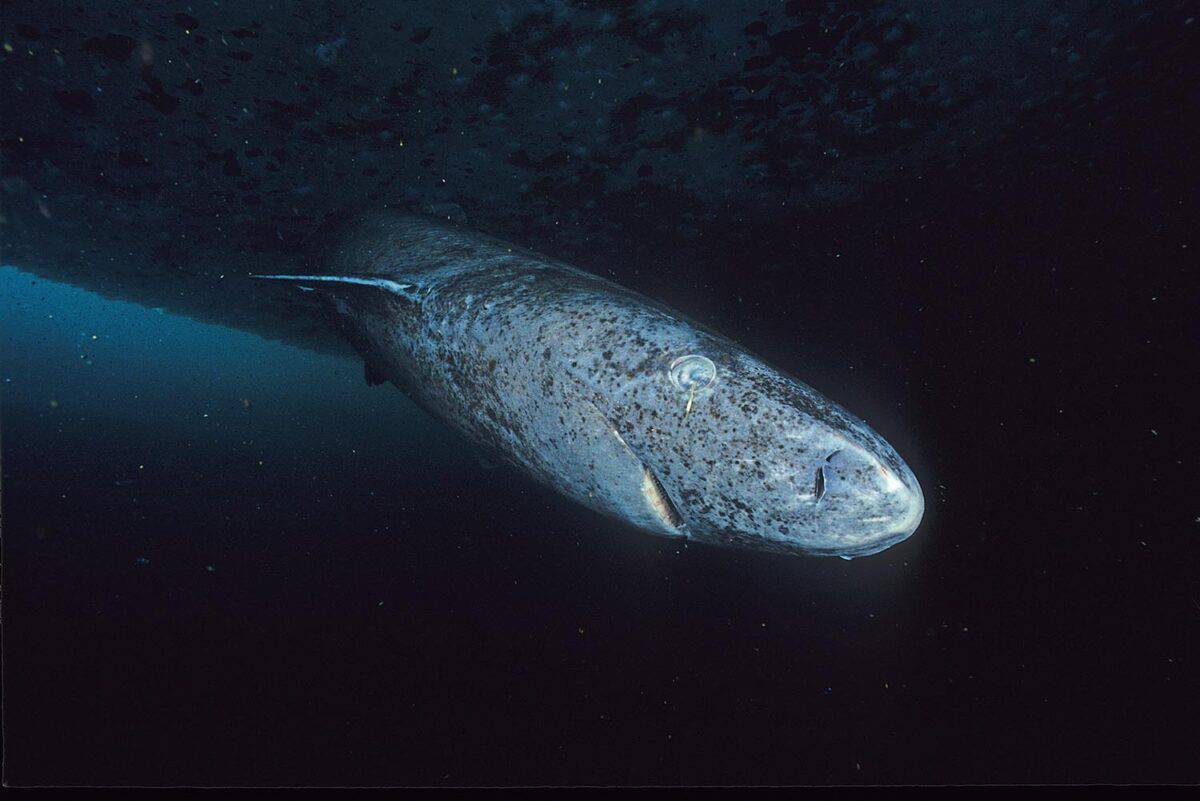
The Greenland shark, scientifically known as Somniosus microcephalus, is one of the oldest and most mysterious living species. Found in deep, cold waters of the North Atlantic, this species can live for centuries, with some individuals estimated to be over 500 years old. Their slow-growing nature and longevity make them particularly intriguing to scientists studying ancient life forms.
Factors Threatening Ancient Shark Populations

Ancient shark populations have been under threat due to overfishing, habitat degradation, and climate change. The slow reproductive rate and late maturity of species like the Greenland shark make it difficult for their populations to recover quickly from these pressures. In addition, pollution and warming ocean temperatures further threaten their survival by disrupting their natural habitats.
Conservation Efforts and Protective Legislation

In recent years, increased awareness of the plight of ancient shark species has led to enhanced conservation efforts globally. Governments and environmental organizations have introduced protective legislation, such as regulated fishing quotas and marine protected areas. International collaborations, like the Convention on the Conservation of Migratory Species of Wild Animals, also play a critical role in safeguarding these ancient creatures.
The Role of Research and Science

Ongoing research by marine biologists and ecologists is crucial in understanding and supporting the comeback of ancient sharks. Advancements in tracking technology, genetic studies, and ecological assessments provide insights into their behavior, breeding patterns, and migration routes. This scientific knowledge aids in developing effective conservation strategies tailored to the specific needs of these species.
The Importance of Sustainable Fishing Practices
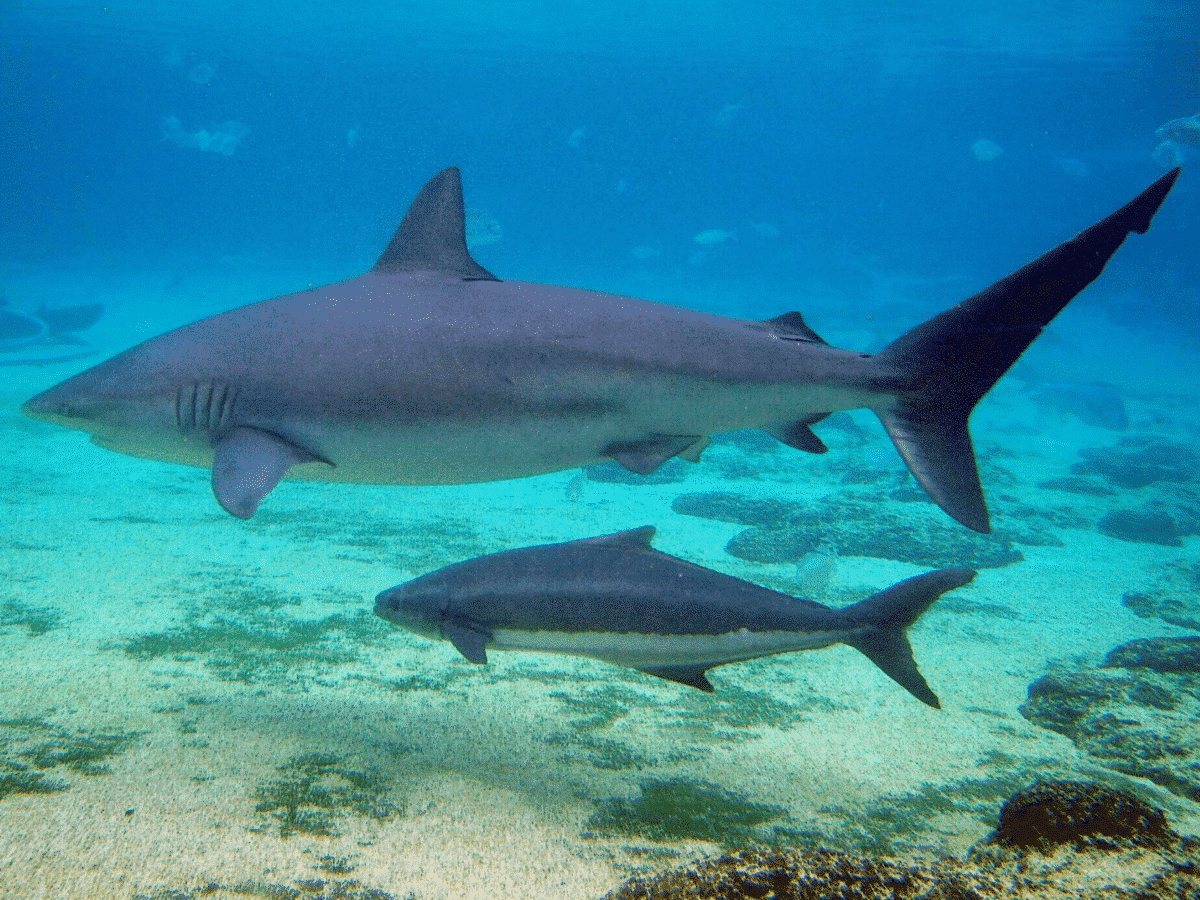
Sustainable fishing is pivotal in ensuring the continued recovery of ancient shark species. By promoting responsible fishing techniques and practices, such as minimizing bycatch and avoiding overfishing of vulnerable species, the fishing industry can contribute to the resurgence of these sharks. Educating fishermen and stakeholders about the importance of marine biodiversity further supports conservation efforts.
Community Involvement and Awareness
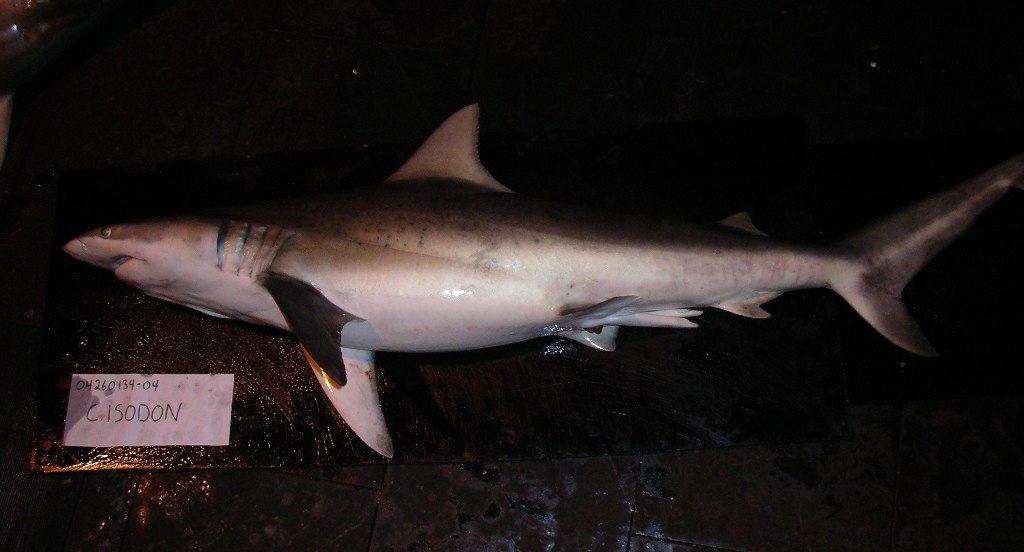
Raising public awareness and community involvement is vital in bolstering the comeback of ancient sharks. Educational programs, documentaries, and community-led conservation initiatives help inform the public about the ecological significance of these sharks and the challenges they face. Engaging communities fosters a sense of stewardship and responsibility toward marine conservation.
The Impact of Climate Change
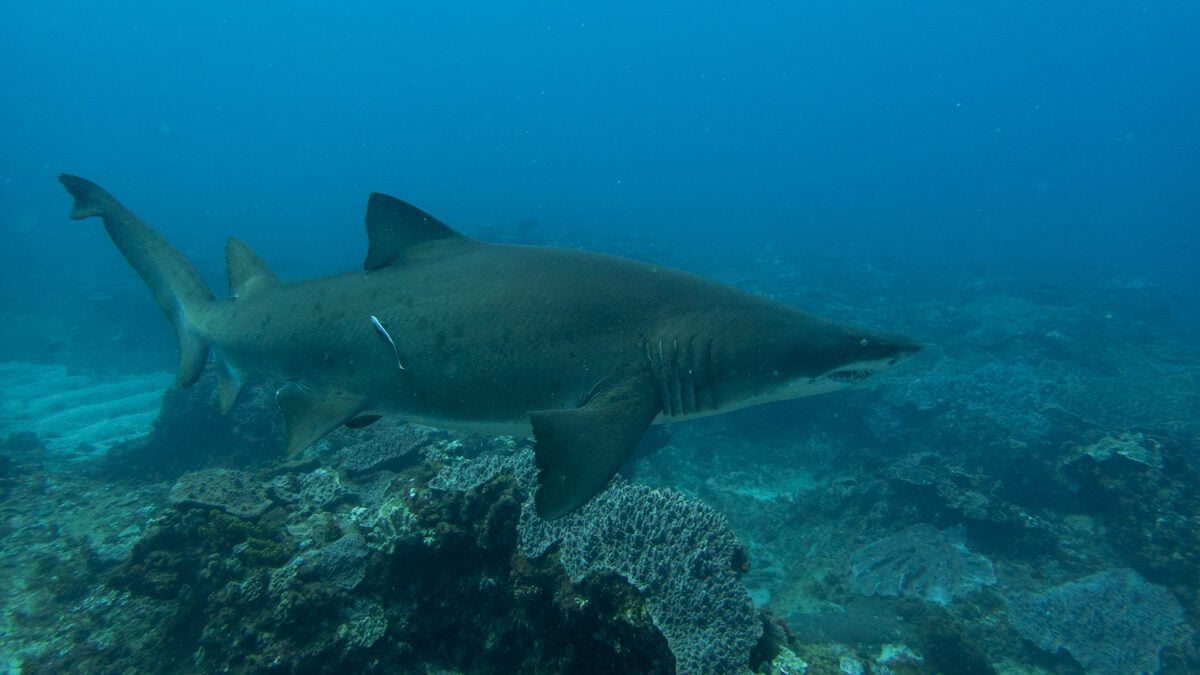
Climate change poses a significant challenge to ancient shark survival. Rising sea temperatures and ocean acidification alter their habitats and food sources. However, understanding these climate effects allows scientists to predict trends and adapt conservation efforts accordingly. Mitigating climate change by reducing carbon emissions can have a profound positive impact on preserving these ancient species.
The Cultural Significance of Sharks
Sharks hold a significant place in many cultures, often symbolizing strength, resilience, and adaptability. The cultural reverence for sharks can be harnessed to promote conservation awareness. By respecting and preserving these cultural connections, societies can build a cultural impetus for protecting ancient shark species from extinction.
The Future of Ancient Sharks
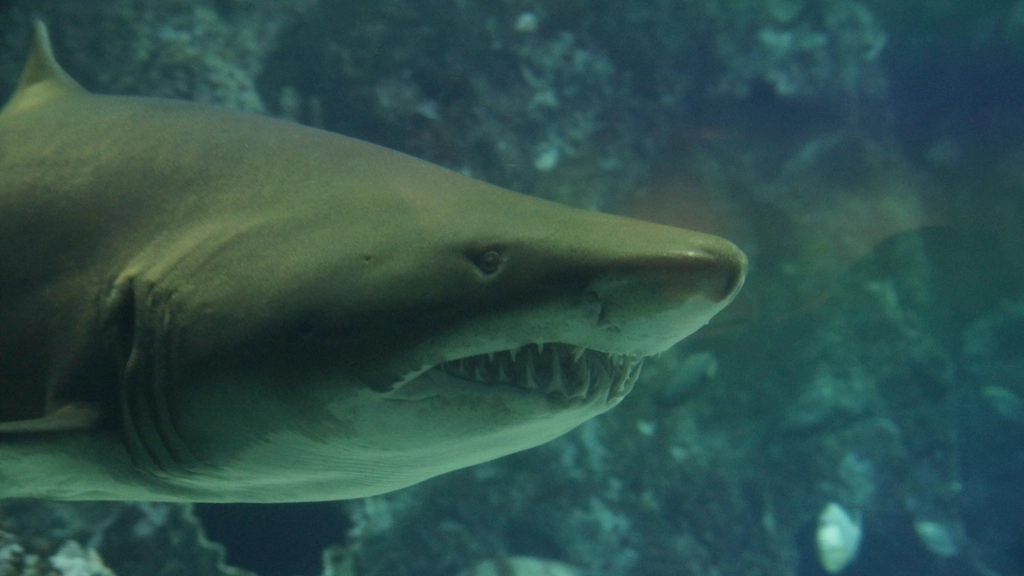
Thanks to concerted conservation efforts, research, and legislative measures, the future is looking brighter for ancient shark species. Scientists remain cautiously optimistic that continued collaboration and commitment to marine biodiversity will facilitate the recovery and growth of these populations. Monitoring progress and adapting strategies in response to emerging threats will be crucial in creating a sustainable future for ancient sharks.
Success Stories Signs of Population Recovery
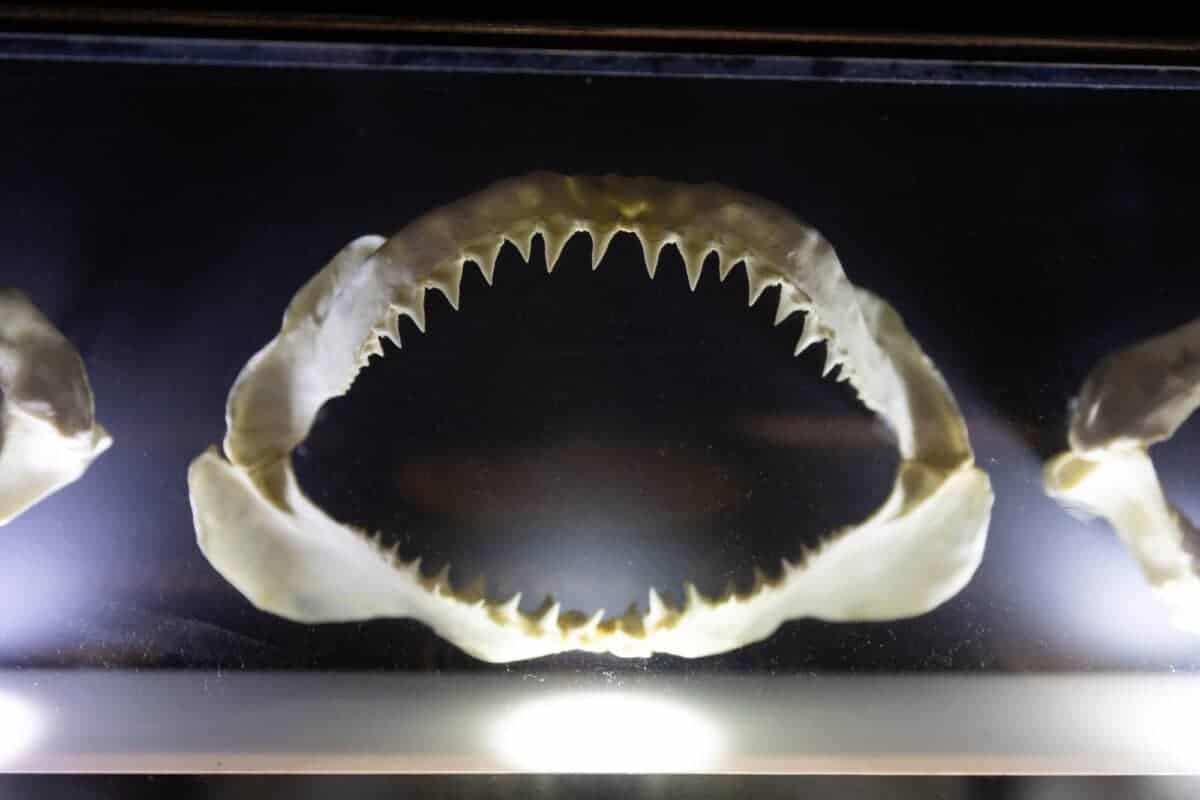
In some regions, signs of ancient shark population recovery are already being observed. For instance, increases in the sightings of Greenland sharks in the North Atlantic give hope to conservationists. These encouraging developments demonstrate the effectiveness of conservation strategies and reinforce the importance of sustained efforts.
Conclusion: A Call to Action
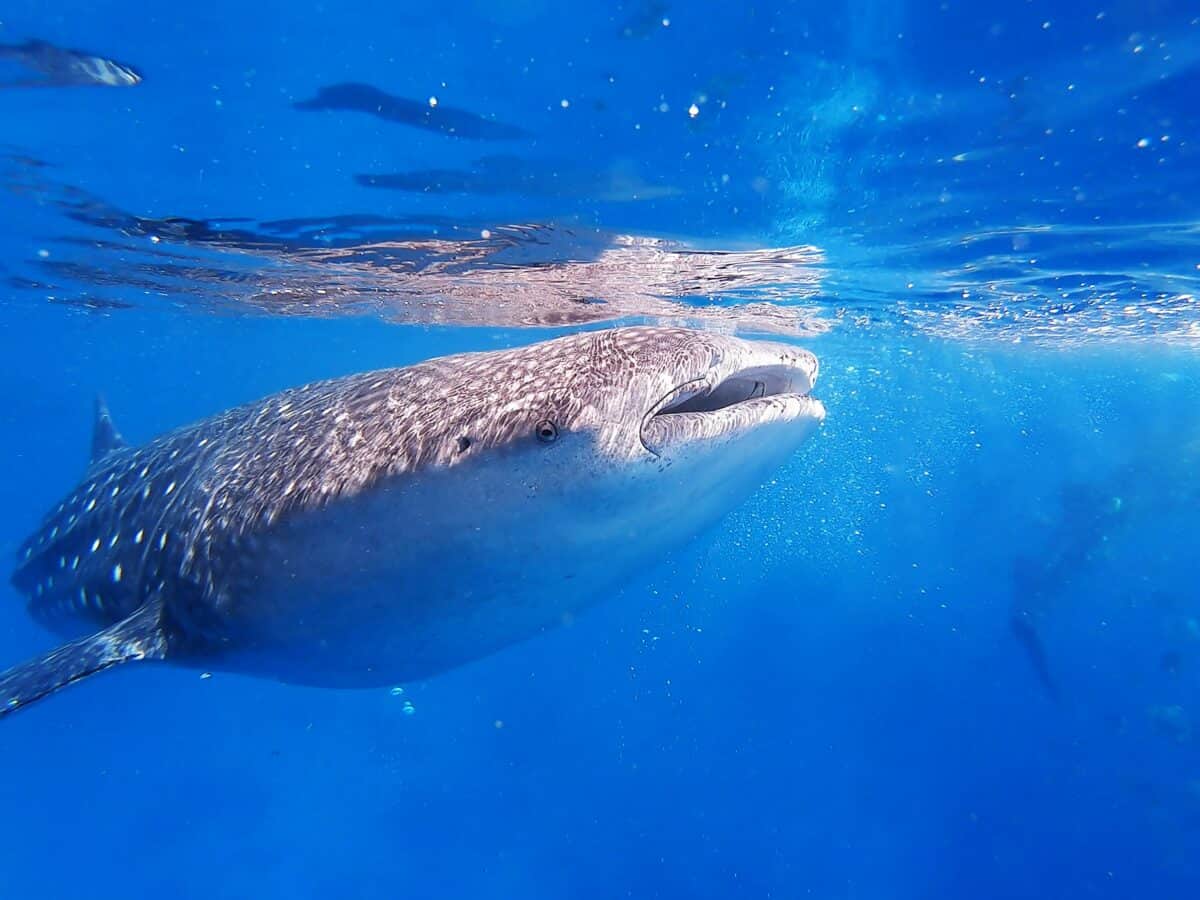
The resurgence of ancient shark species like the Greenland shark serves as a powerful reminder of nature’s resilience. However, their comeback is not guaranteed and requires our continued vigilance and action. By supporting conservation initiatives, promoting sustainability, and educating others about the importance of these ancient creatures, we can ensure that they continue to grace our oceans for generations to come. The return of ancient sharks is a collective triumph of environmental stewardship, conservation efforts, and a testament to nature’s enduring strength.

As a little kid, I fell in love with nature, wildlife, and animals. Living in the USA, South Africa, Italy, China and Germany gave me the opportunity to discover the world's Wildlife. My favorite animals are Mountain Gorillas, Siberian Tigers, and Great White Sharks.
I'm a certified PADI Open Water Diver, went to Everest Base Camp and Trekked Gorillas in Uganda. I hold a Master of Science in Economics and Finance.
Please send any feedback to feedback@animalsaroundtheglobe.com
- 10 Most Unique Reptiles You will See in the US - July 21, 2026
- 3 Dangerous Invasive Species the USA Must Eradicate - July 21, 2026
- 10 Things That Calm Cats And 4 That Make Them Nervous - July 21, 2026